20 Things Experienced Thrifters Notice That Beginners Completely Miss
The Secrets to Finding the Best Secondhand Deals
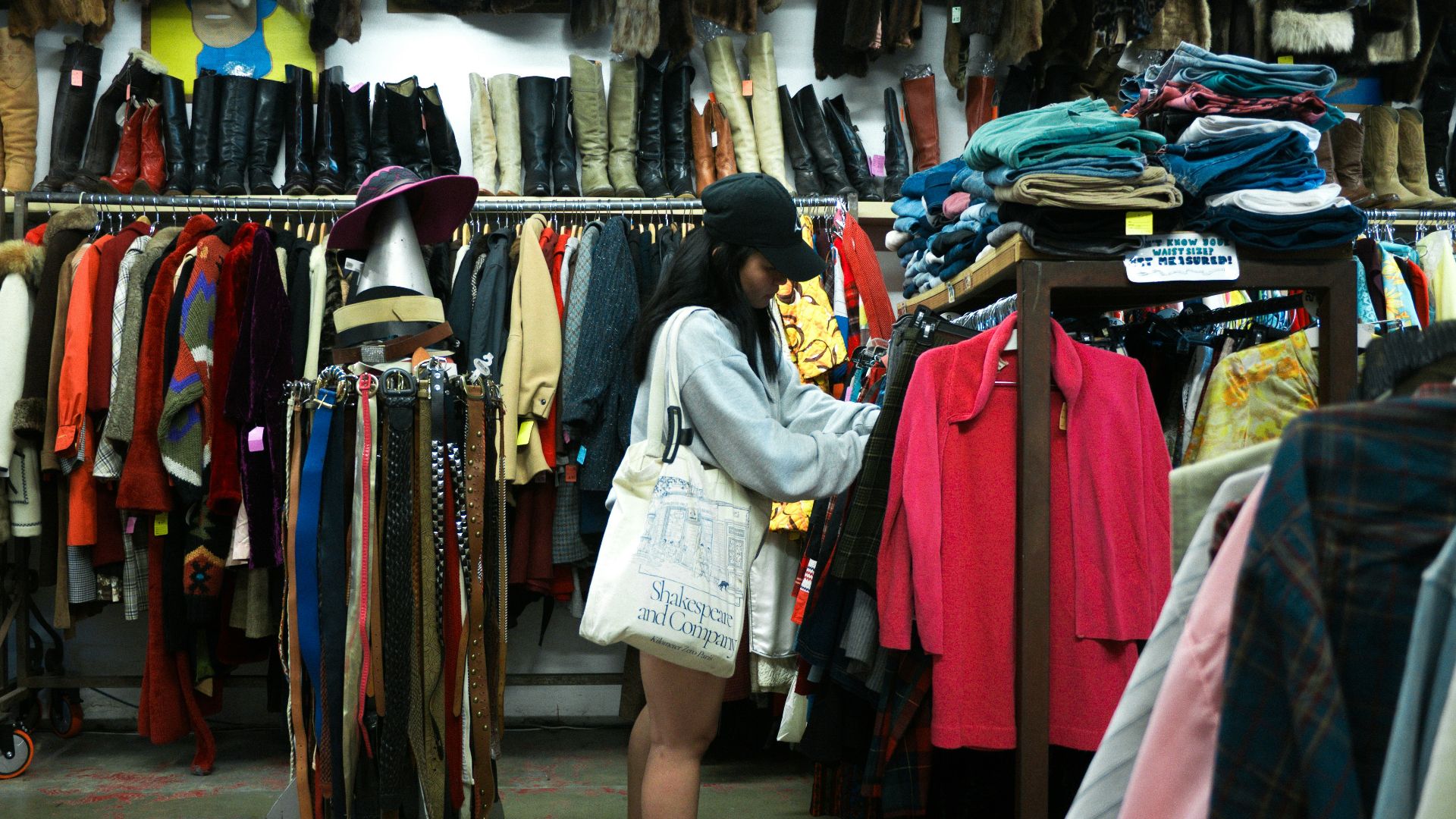
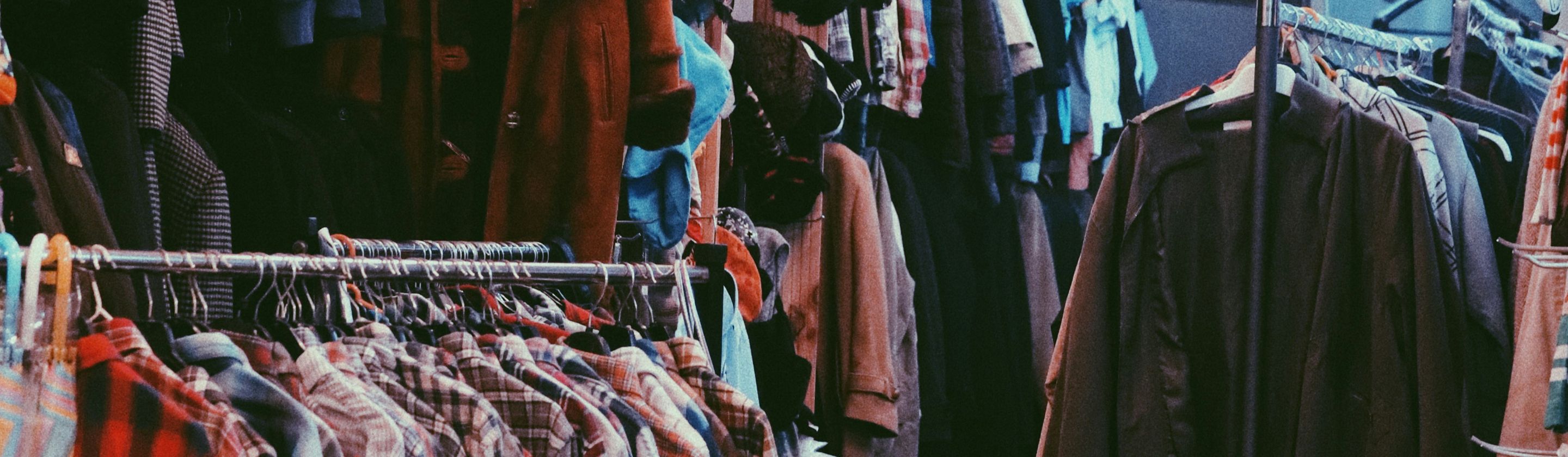
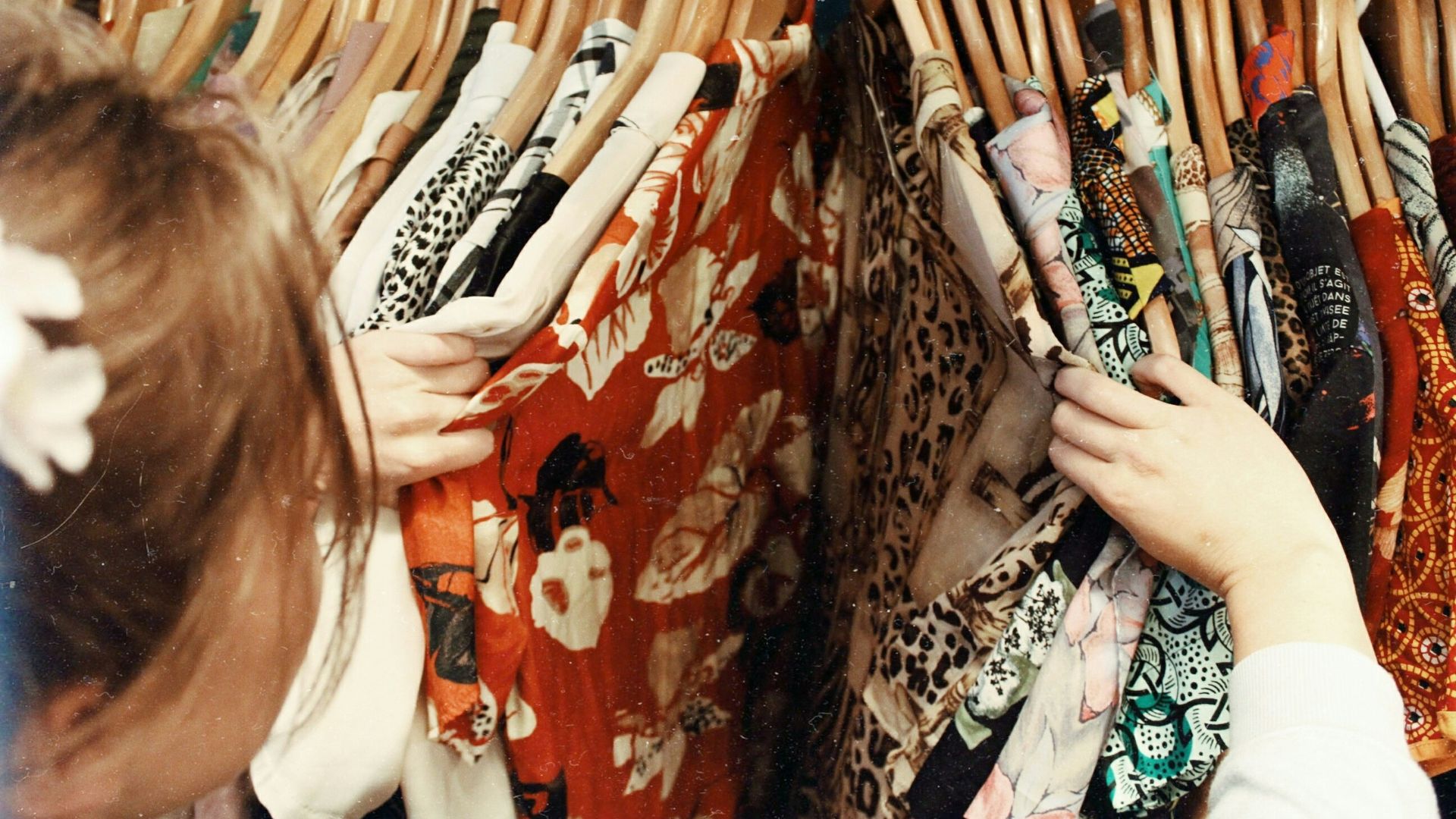
Thrift shopping can be incredibly rewarding, especially when you stumble across something valuable for a fraction of its original price. However, there's a big difference between casually browsing secondhand stores and knowing what to look for. Experienced thrifters have developed an eye for small details that most beginners wouldn't think to check, from hidden designer labels to subtle signs of quality craftsmanship. They also understand that the best deals aren't always the cheapest items, and sometimes the most valuable finds are tucked away in the least appealing sections. Whether you're hoping to refresh your wardrobe or uncover some unexpected treasures, here are 20 things seasoned thrift shoppers notice that beginners often miss.

1. The Quality of the Fabric
Experienced thrifters rarely judge clothing by appearance alone, since the fabric can reveal more about an item's quality than its brand name. They'll check the material tag for natural fibers like wool, silk, linen, and cotton, which are often worth a closer look. A sweater made from 100% cashmere might be an incredible find, even if it's hanging between a bunch of inexpensive acrylic alternatives. Beginners, on the other hand, might walk right past it simply because the color or style doesn't immediately grab their attention.
2. The Weight of Vintage Glassware
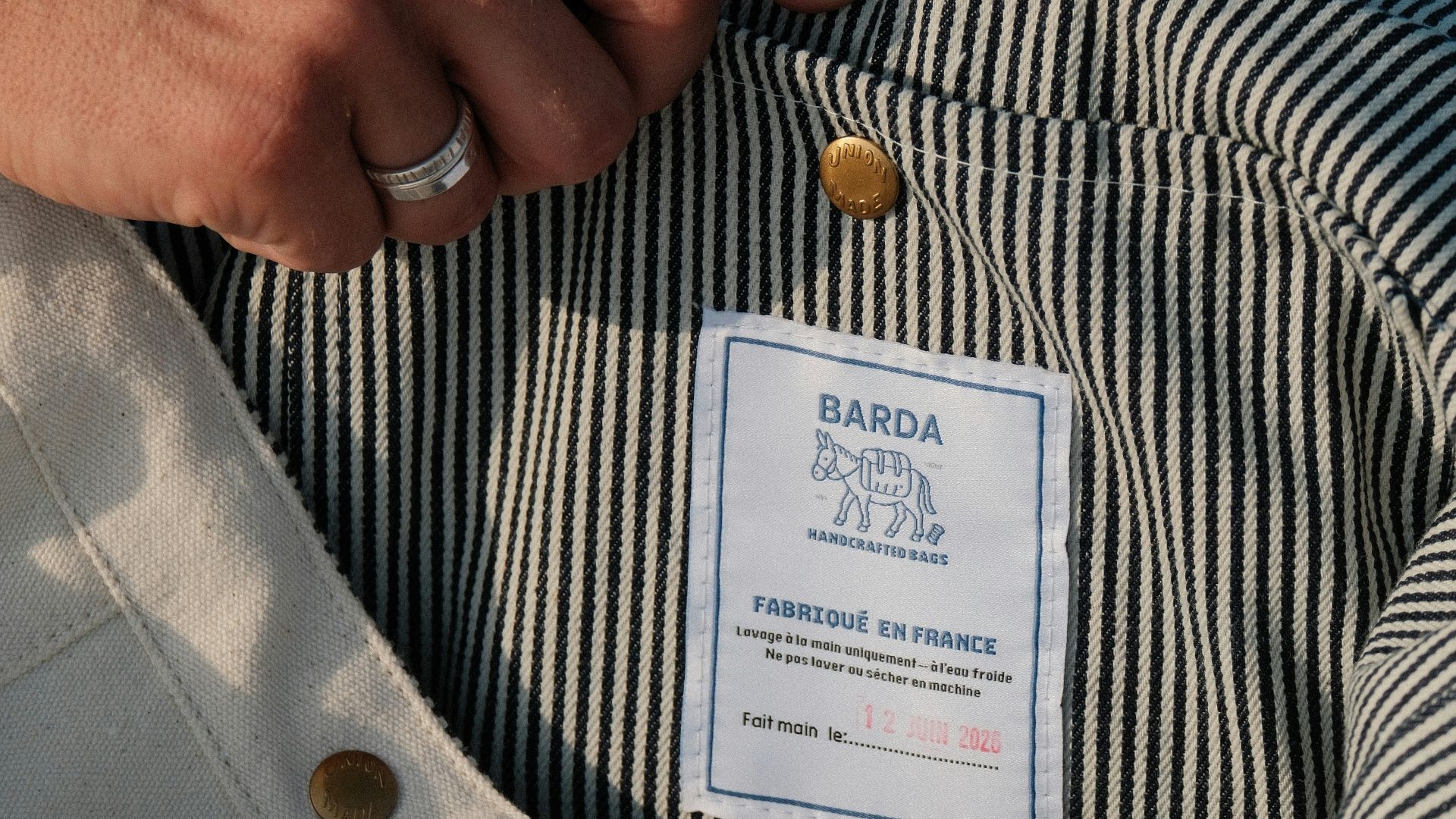
When browsing the housewares section, seasoned shoppers often pick up glassware to get a better feel for its quality. Certain pieces of vintage crystal and pressed glass have a noticeable weight, along with distinctive patterns and carefully finished edges. While heaviness alone doesn't guarantee something is valuable, it can be a good reason to investigate a piece further. Someone new to thrifting might assume that an unusually heavy glass bowl is just another outdated decoration.
3. The Stitching Inside Clothes
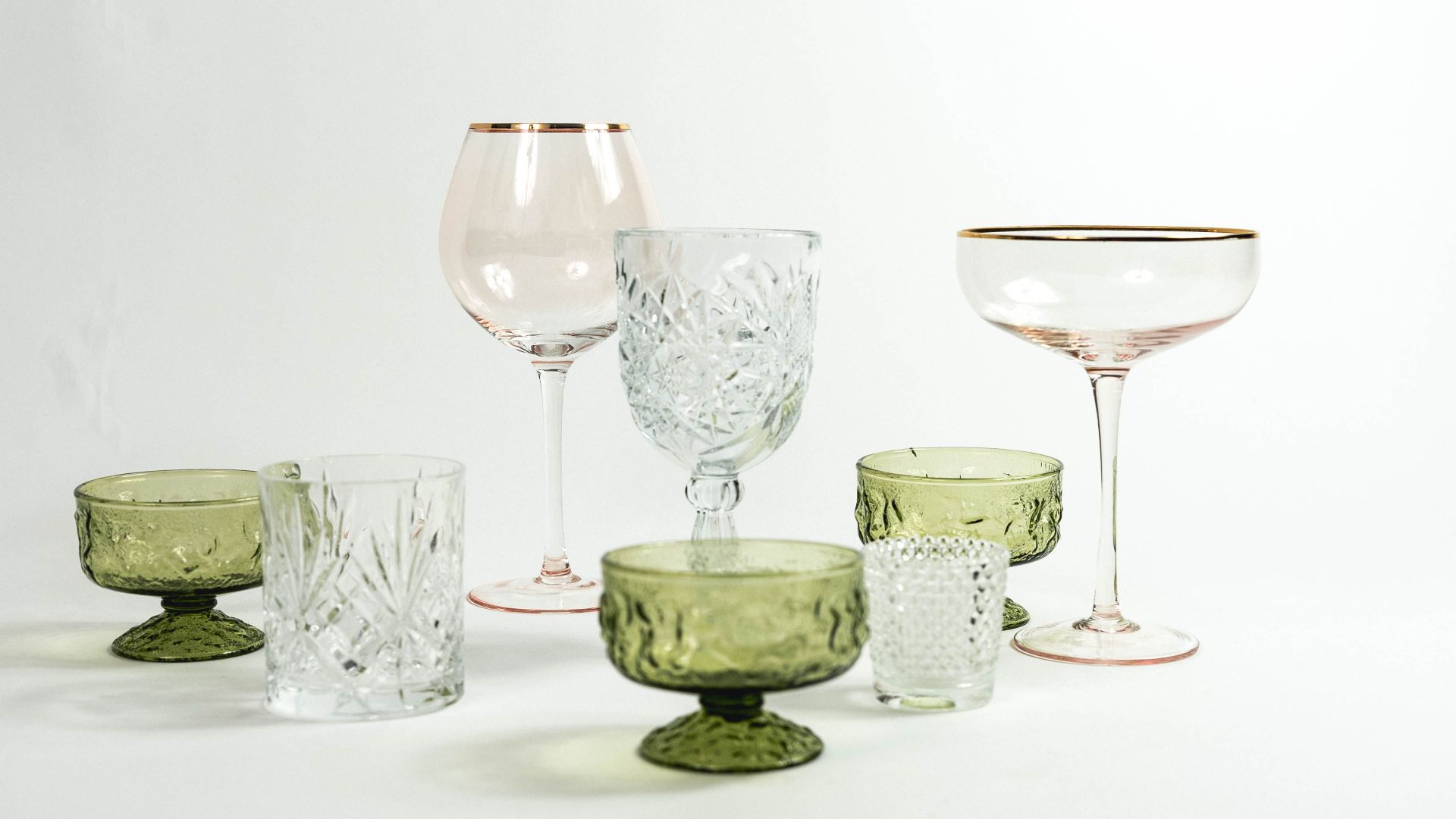
One of the simplest ways to evaluate a garment's construction is to turn it inside out, something experienced thrifters do almost without thinking. Straight seams, secure stitching, and neatly finished edges can indicate that a piece was made with greater attention to detail. They'll also keep an eye out for loose threads, uneven hems, and areas where the fabric is starting to separate. Beginners who only inspect the outside might miss problems that become obvious once they take a closer look.
4. The Labels Nobody Recognizes
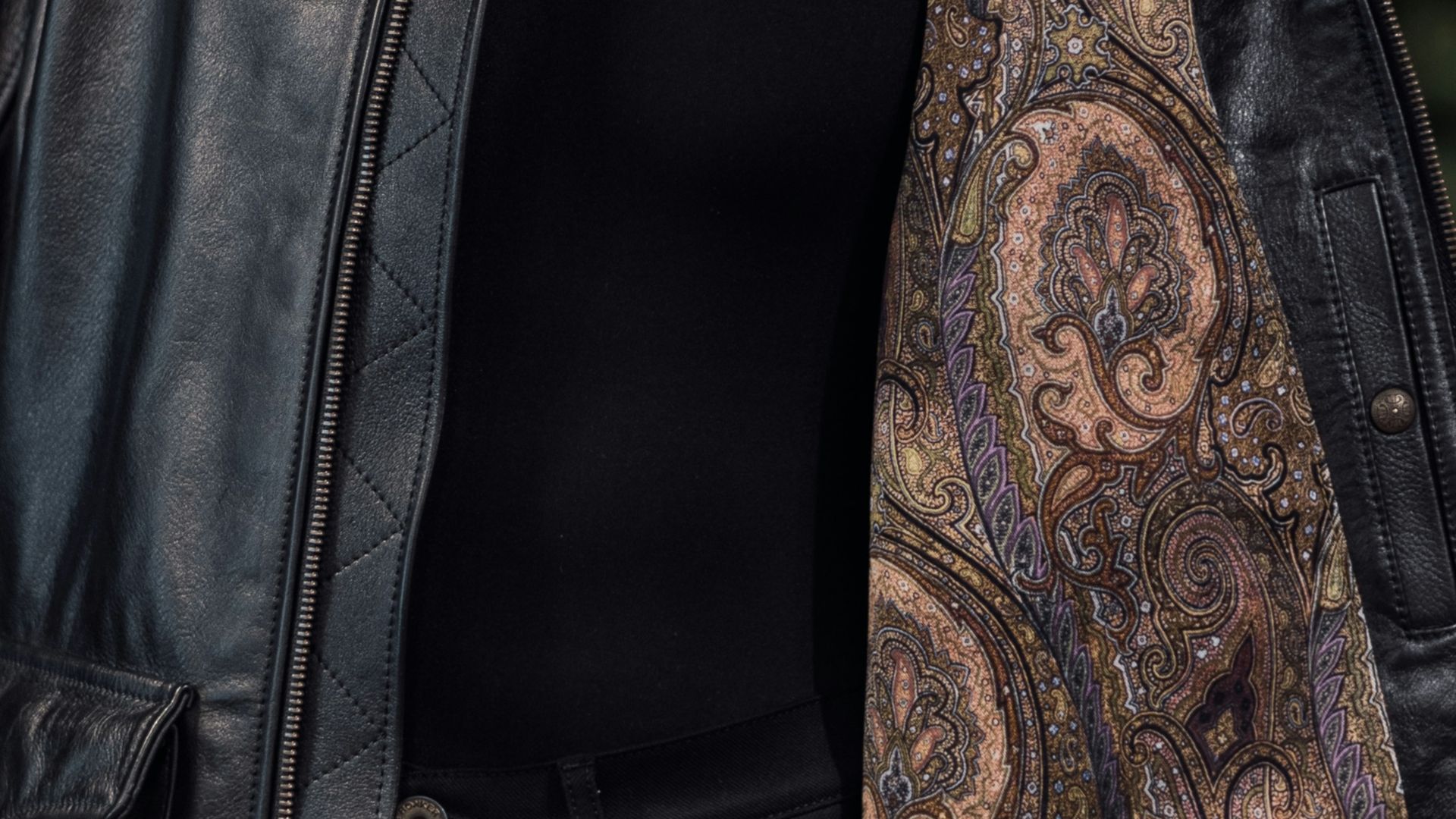
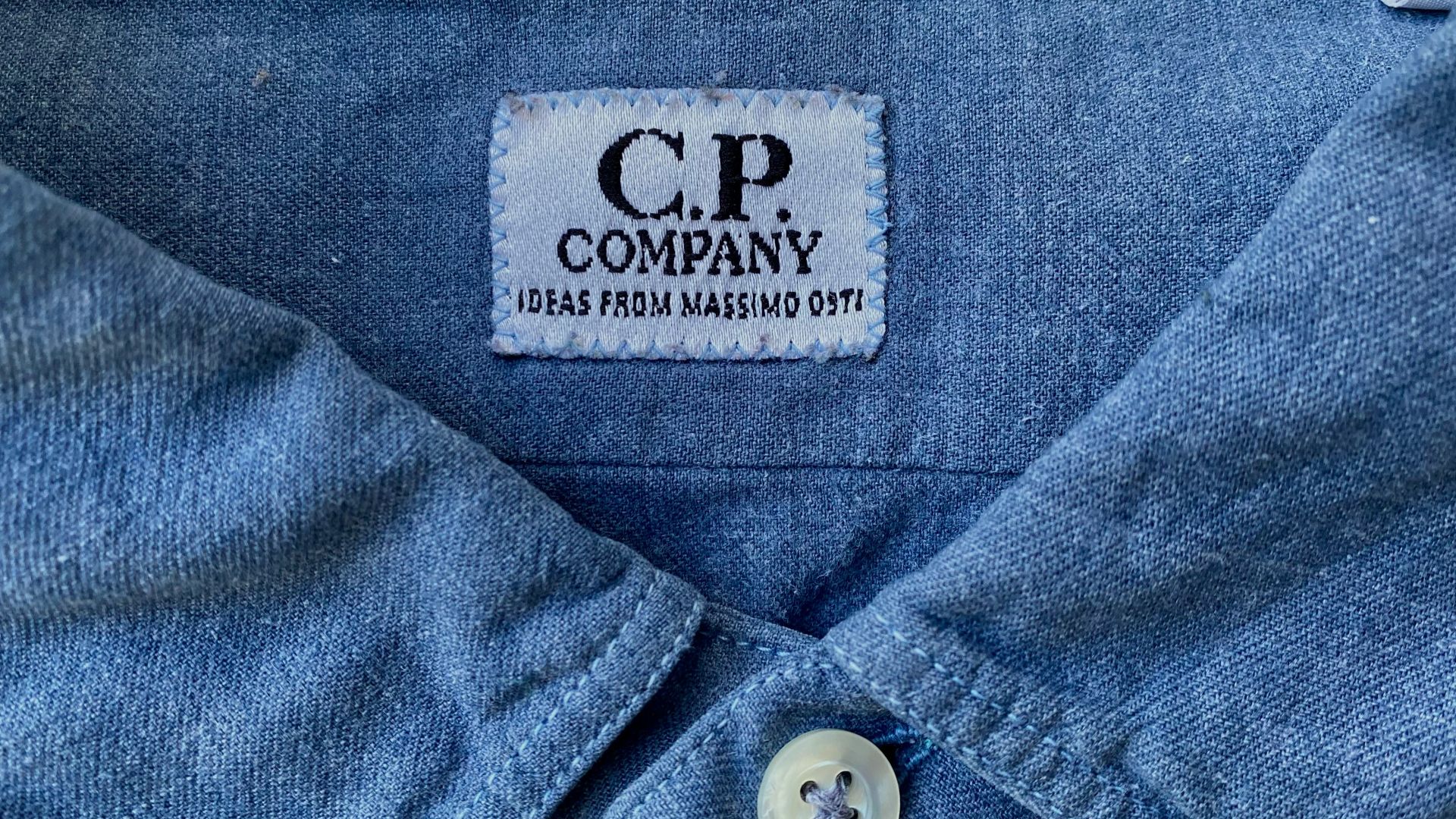
A clothing label you've never heard of doesn't automatically mean you're looking at something cheap. Seasoned thrifters understand that smaller luxury brands, discontinued manufacturers, and specialized vintage labels have produced some exceptionally well-made clothing. Some shoppers even recognize old department store house brands that were once known for their quality. Rather than dismissing an unfamiliar name, they'll examine the craftsmanship and research anything that looks particularly promising.
5. The Furniture Made From Real Wood
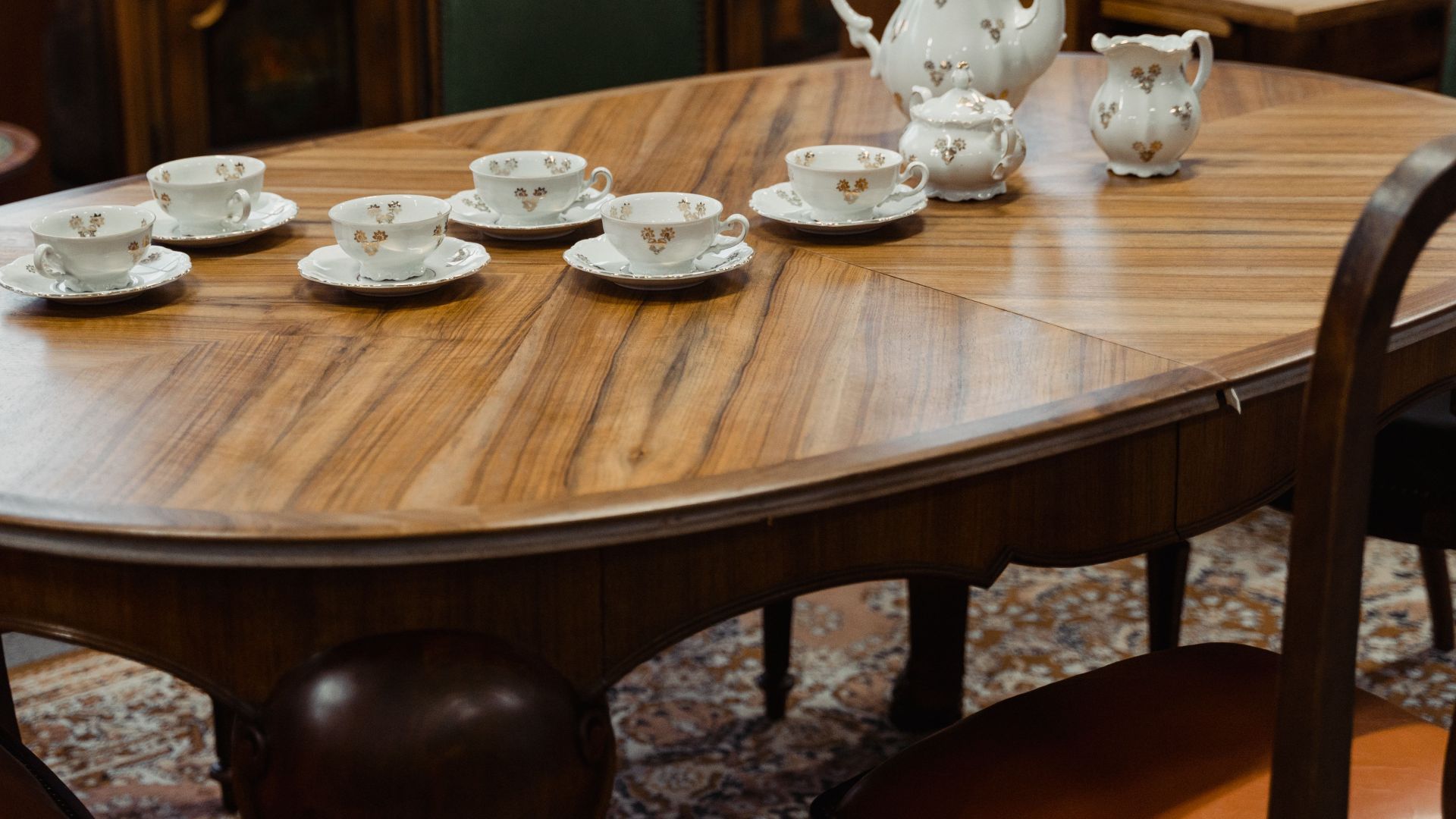
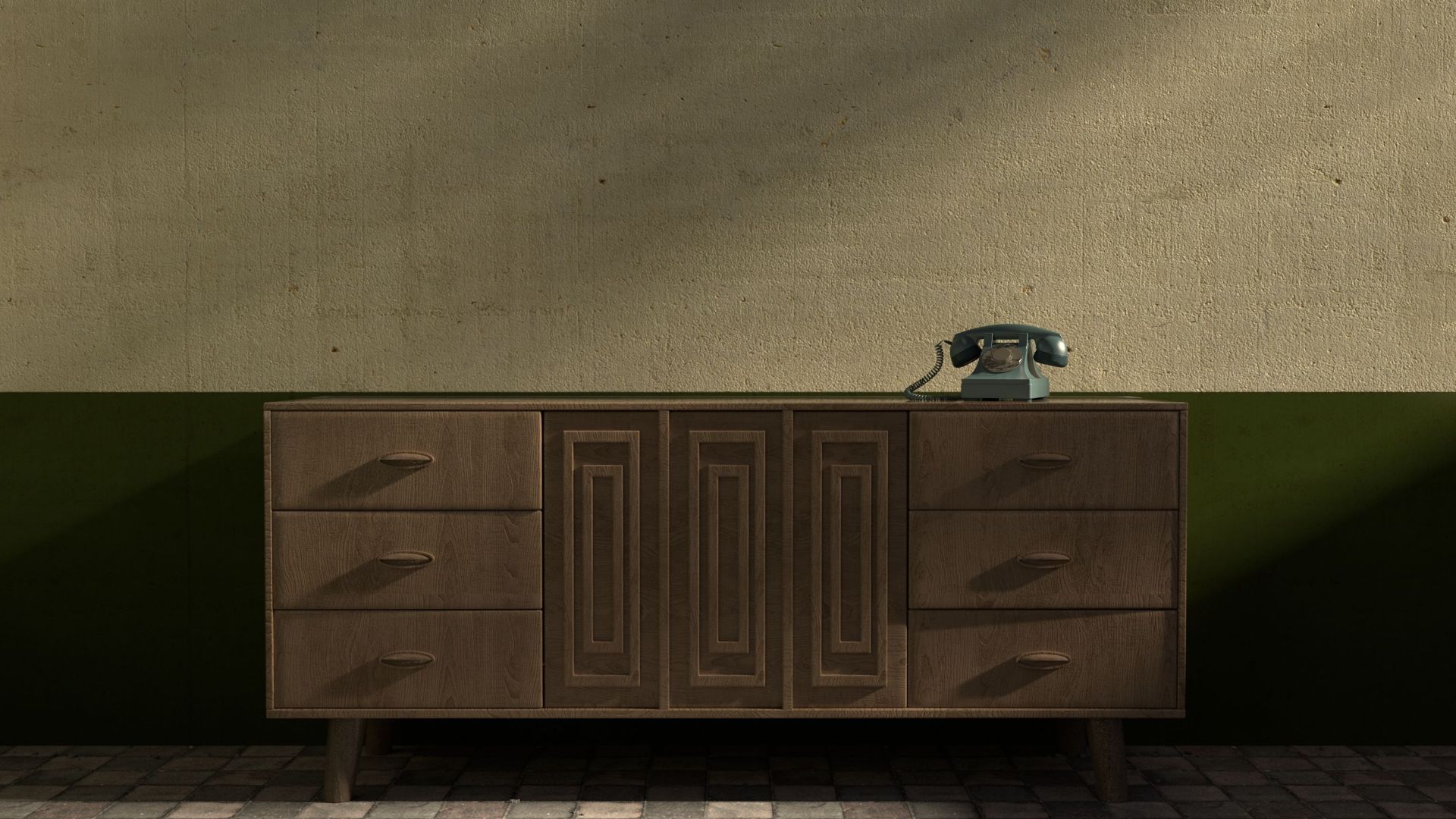
That scratched-up dresser sitting in the corner might actually be a much better find than the newer furniture surrounding it. Experienced secondhand shoppers know to check whether a piece is made from solid wood, veneer over quality wood, or inexpensive particleboard. They'll inspect the drawers for dovetail joints, examine the overall construction, and look at areas where the finish has worn away. A sturdy vintage dresser with a few cosmetic flaws could be a smarter purchase than a pristine piece that won't survive another move.
6. The Tiny Flaws That Are Easy to Fix
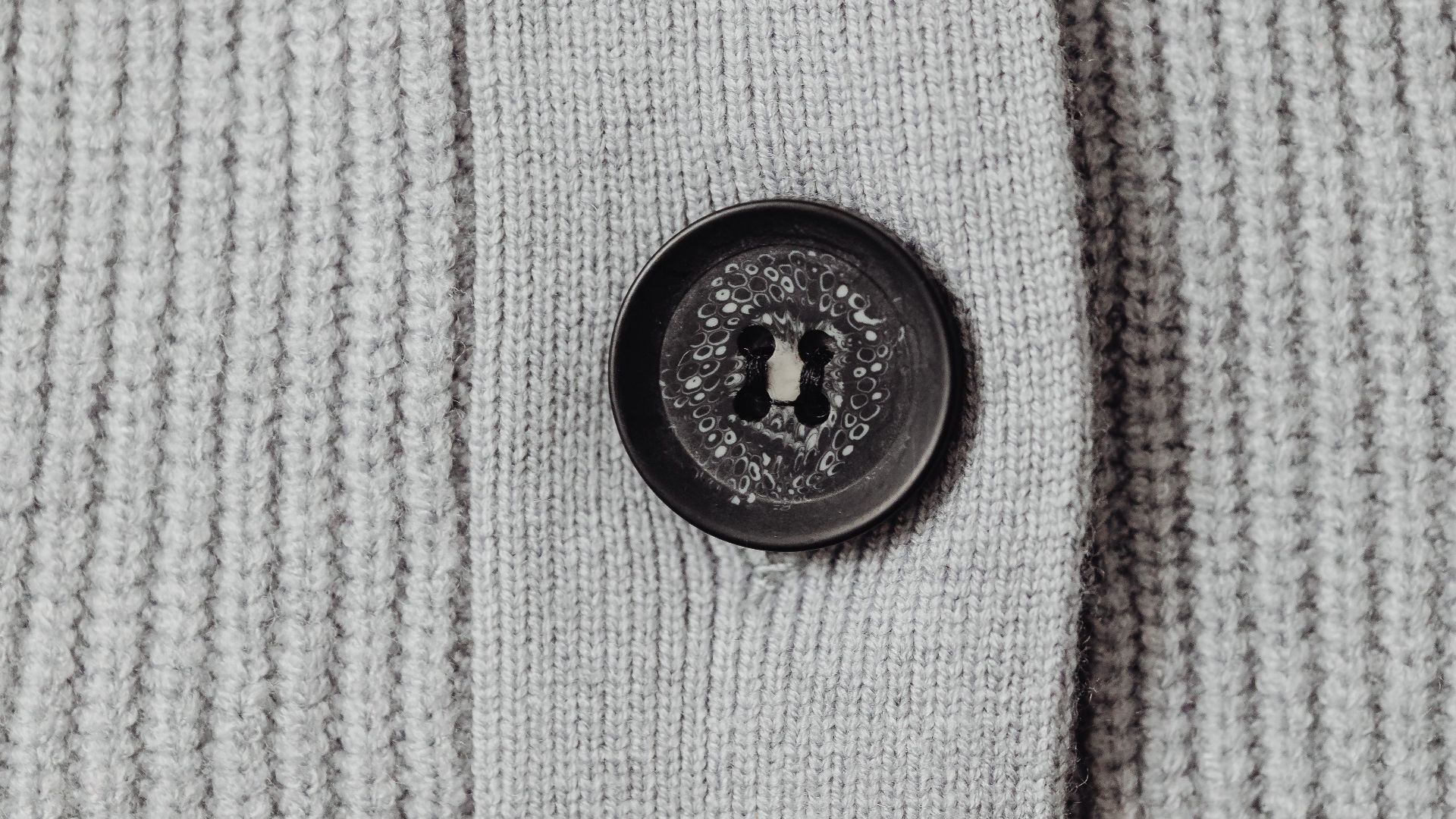
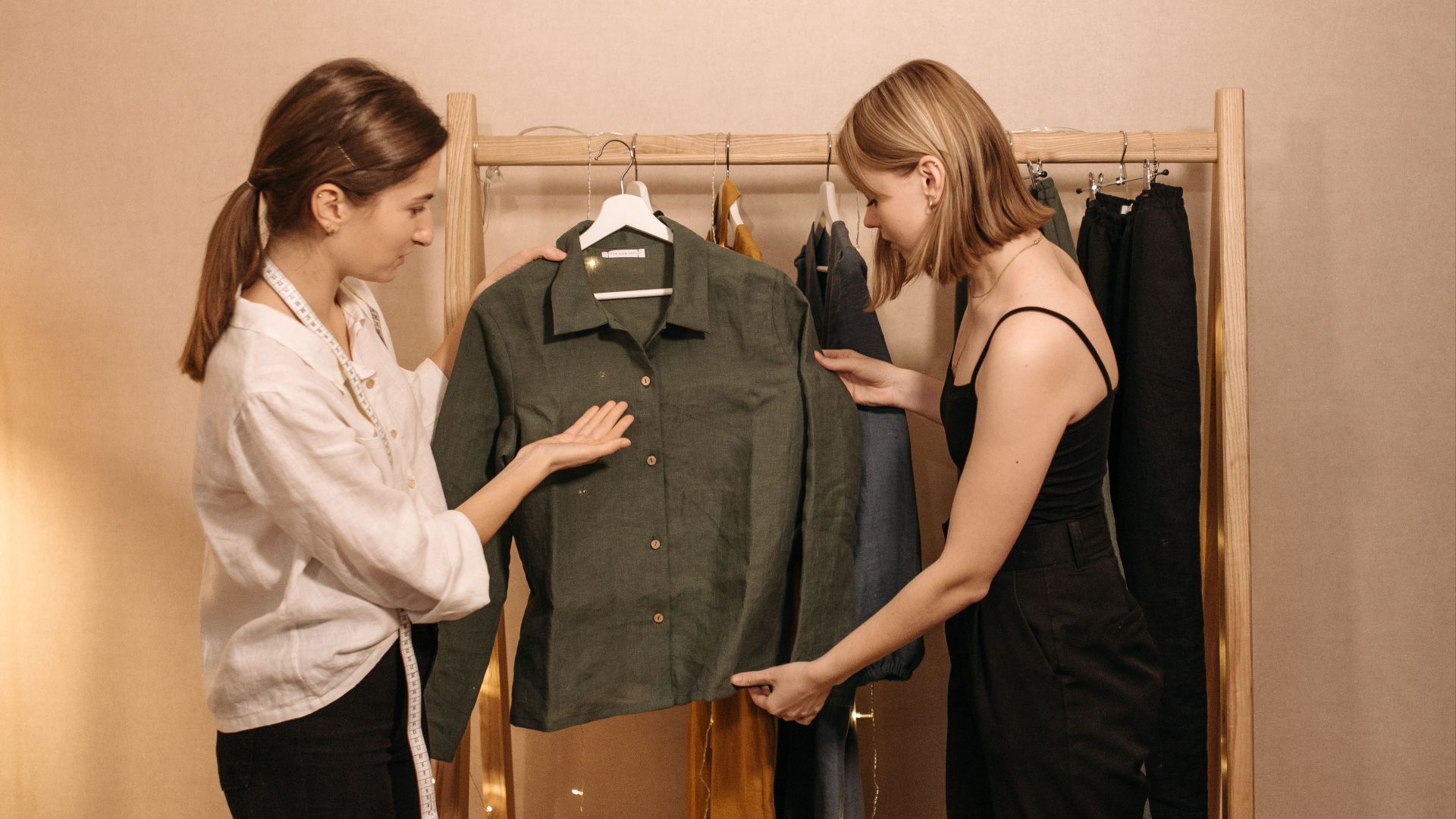
Beginners sometimes pass on an otherwise beautiful jacket simply because it's missing a button or has a slightly loose seam. More experienced shoppers realize that certain repairs are surprisingly inexpensive and easy to handle, especially when the item itself is high quality. Replacing a button or fixing a small section of stitching can be well worth the effort when you've found something that originally cost hundreds of dollars. Of course, they also recognize when an item needs more work than it's worth.
 https://kaboompics.com/ on Pexels
7. The Difference Between Vintage & Vintage-Inspired
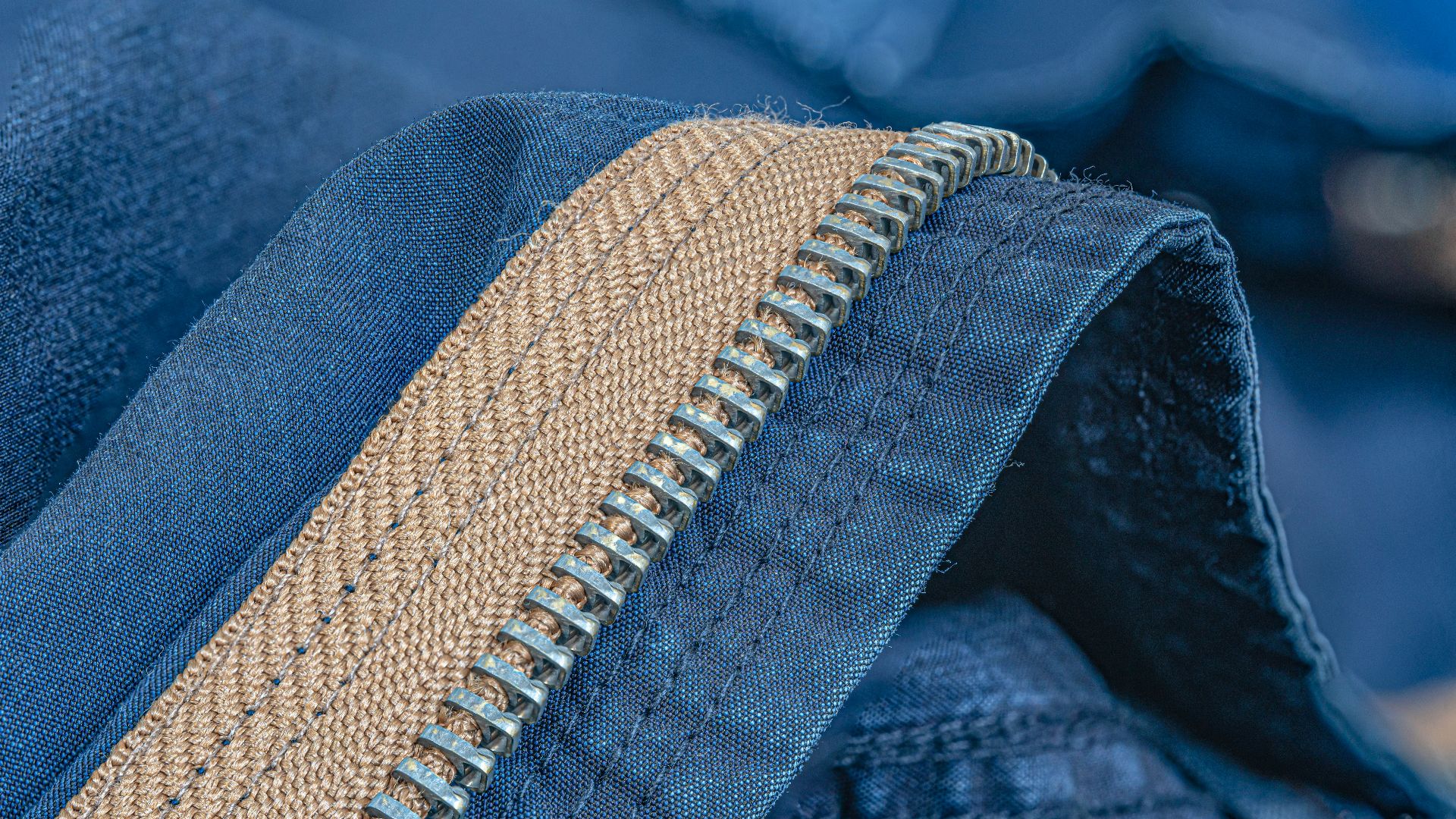
Just because something looks like it belongs in the 1970s doesn't necessarily mean it was made during that era. Experienced thrifters examine clothing labels, care instructions, zippers, and construction details to help figure out when a garment was manufactured. Beginners are more likely to confuse retro styling with genuine age, particularly when a store has already advertised something as vintage.
8. The Price Tags That Reveal Store Discounts
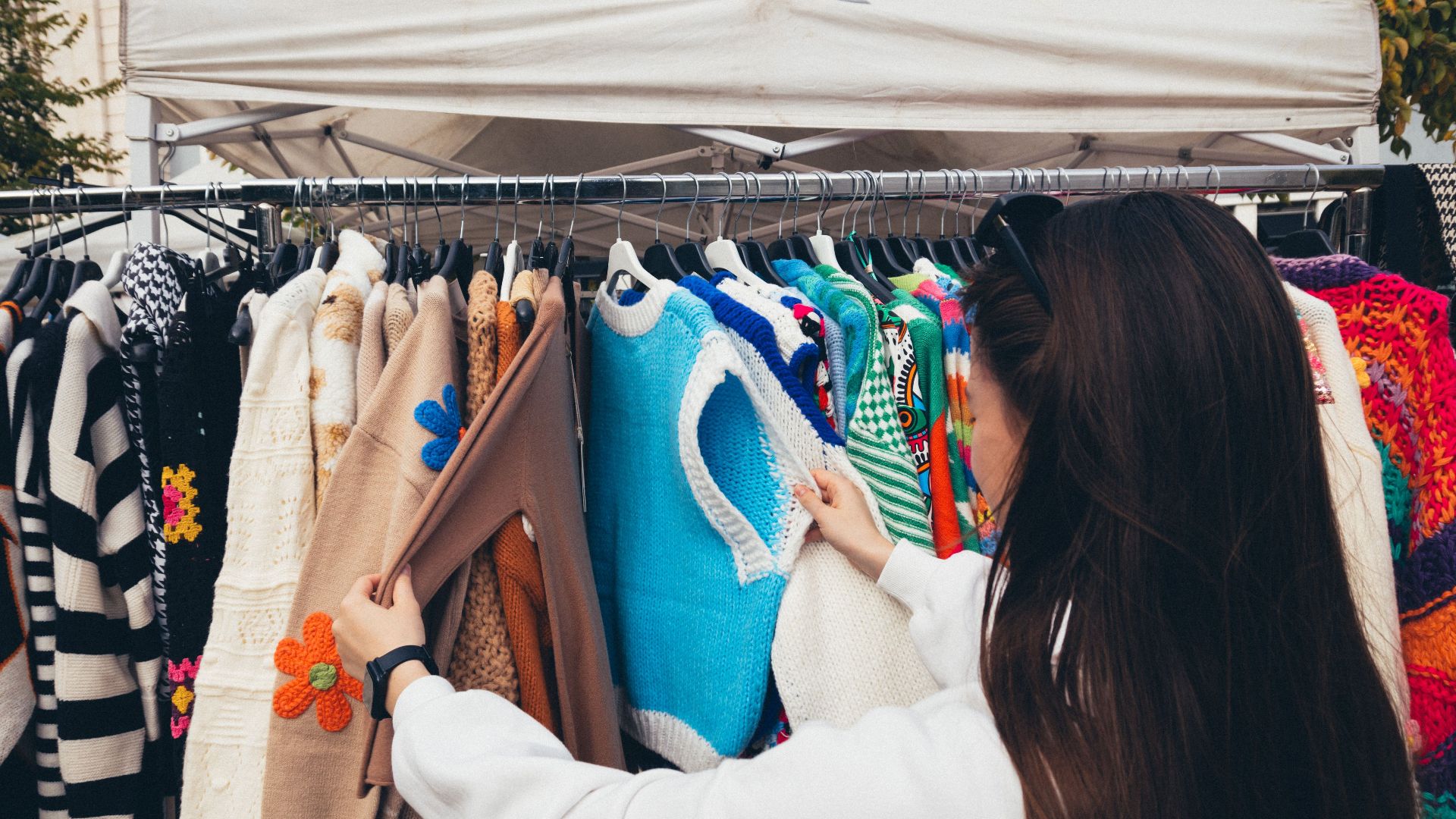
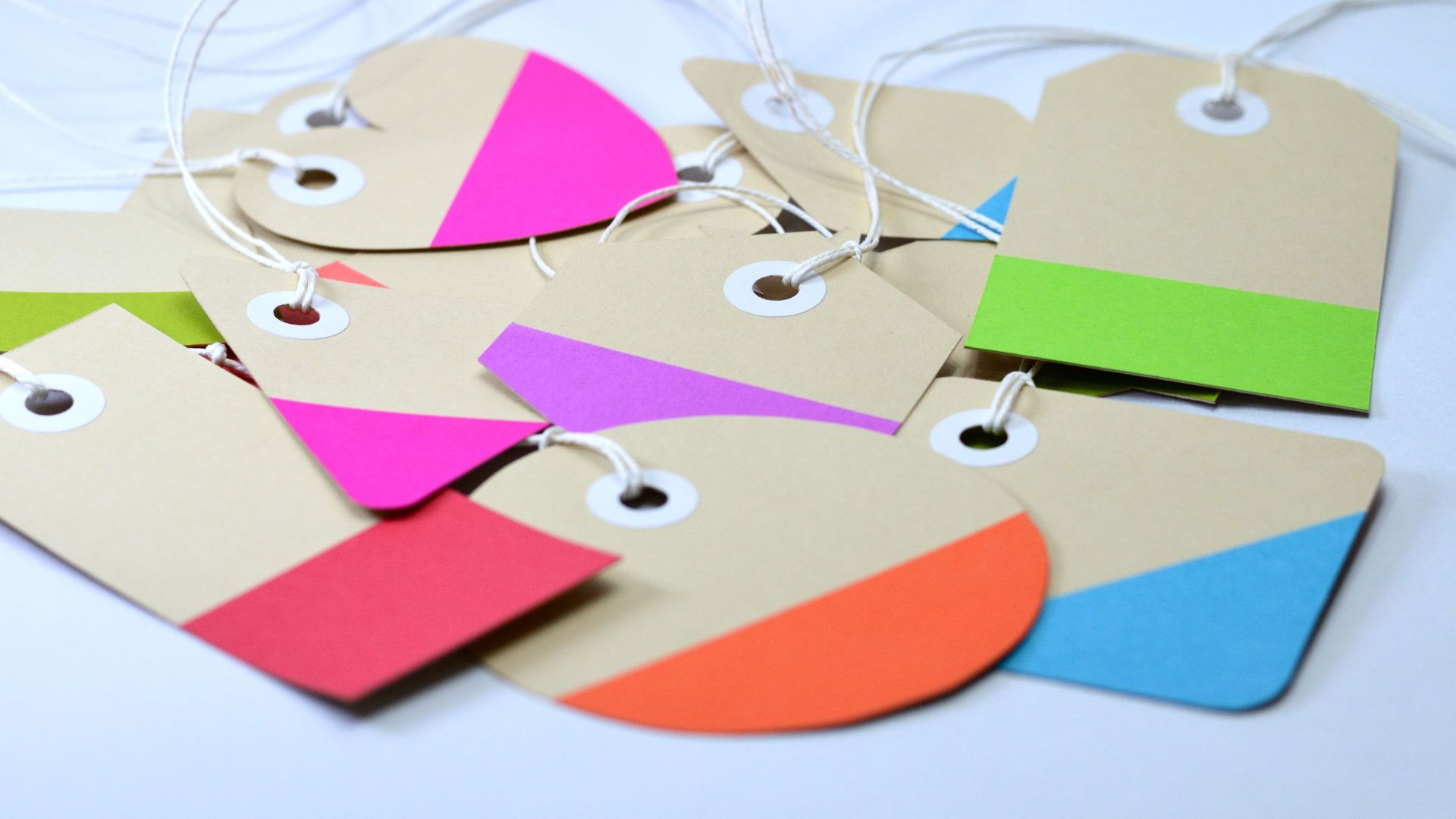
Many thrift stores use colored tags to organize rotating discounts, and regular customers quickly figure out how these systems operate. Depending on the store, certain tag colors might qualify for significant markdowns on specific days of the week. Experienced thrifters pay attention to these patterns and may even plan their shopping trips around upcoming sales. Someone visiting for the first time could easily pay full price for something that's going to be discounted the next day.
9. The Signs of Genuine Leather
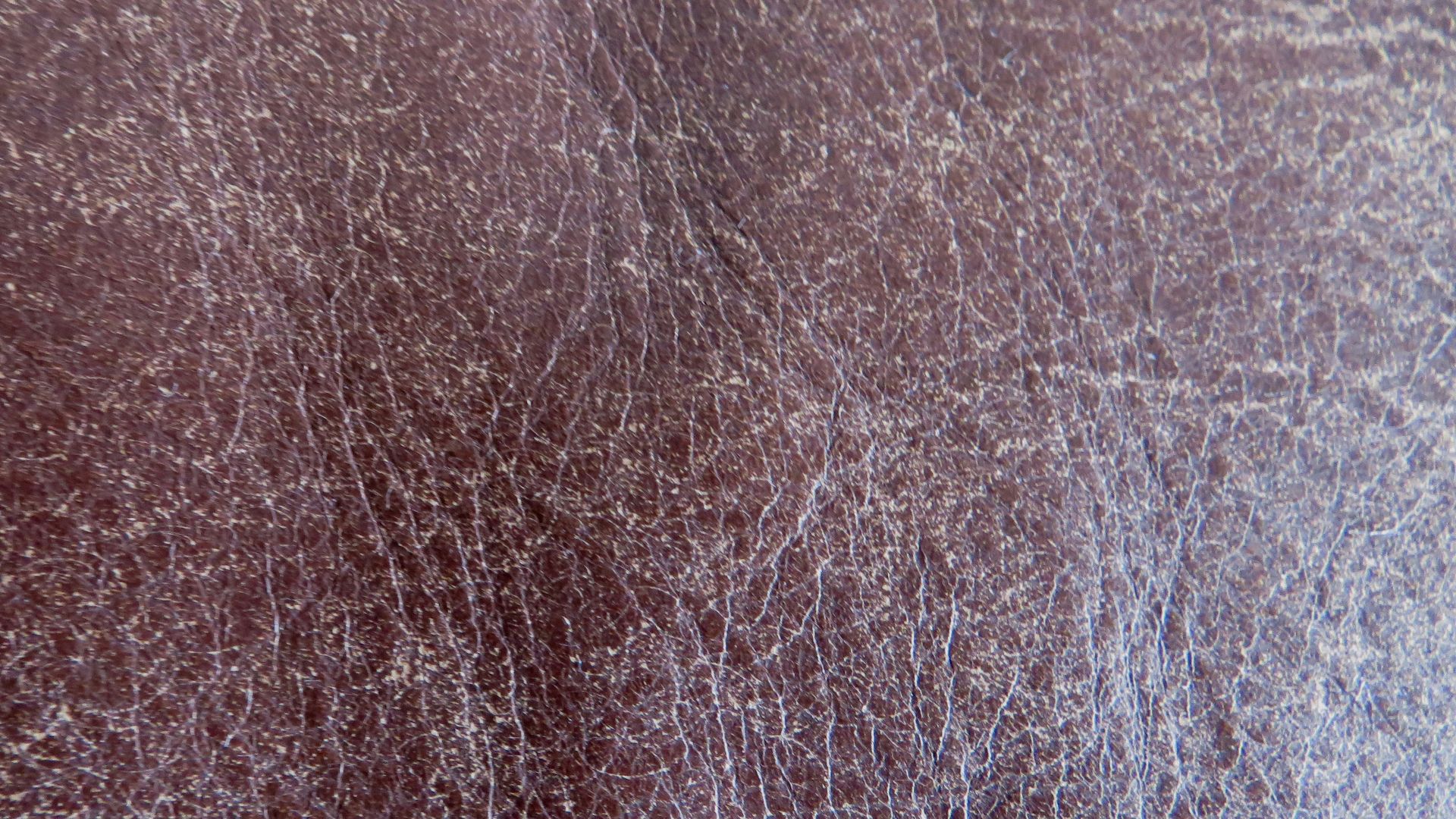
Not everything that looks like leather really is, and experienced shoppers know better than to trust appearances alone. They'll examine the edges, backing, surface texture, and overall construction to get a better idea of what they're buying. Quality leather can develop an attractive patina with age, while some synthetic alternatives eventually start peeling or cracking. A beginner might reach for a shiny, nearly new-looking bag without realizing that an older leather one could last considerably longer.
10. The Valuable Items in the Men's Section
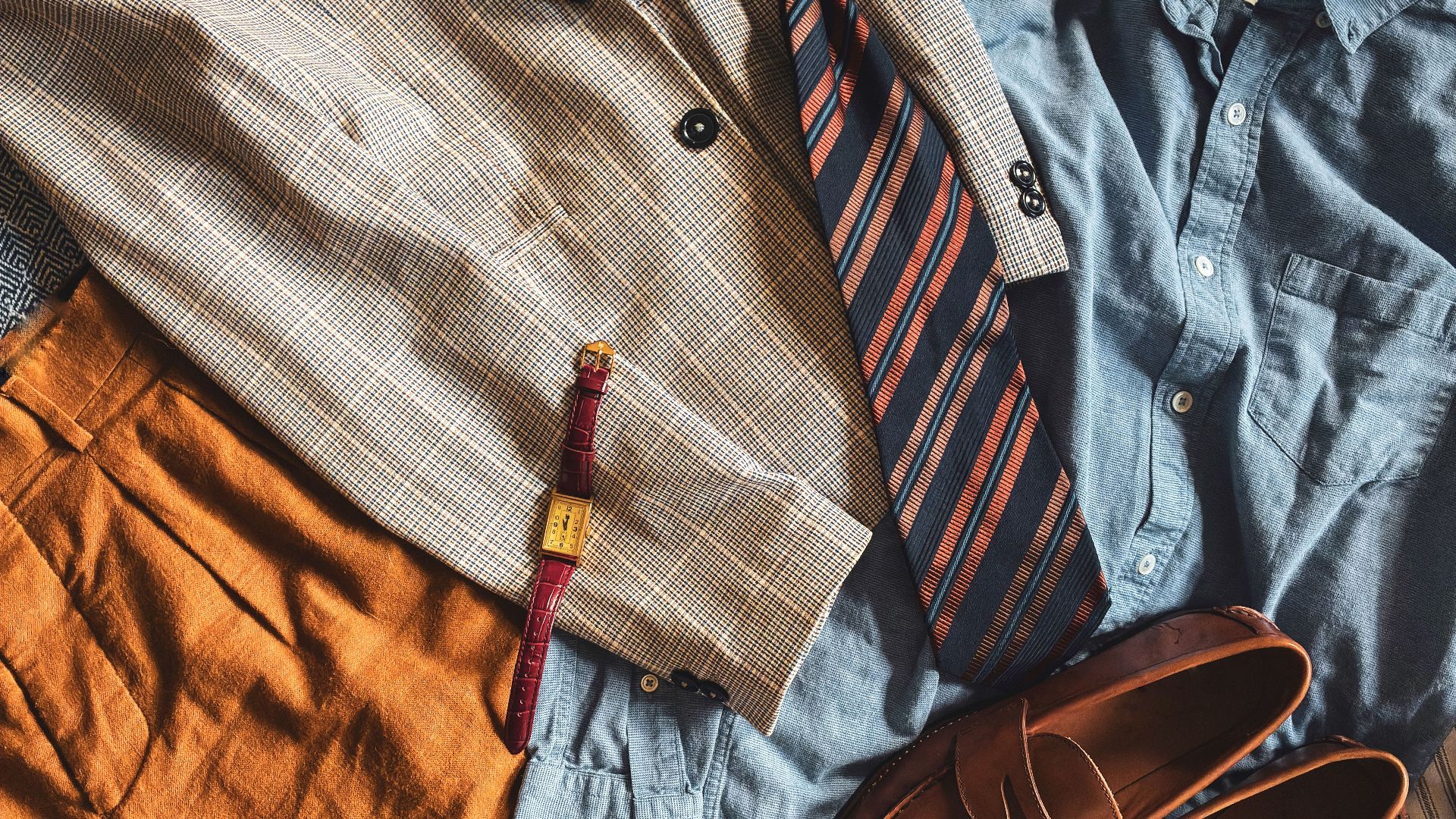
The women's clothing section isn't always the best place to find oversized sweaters, structured blazers, or high-quality button-down shirts. Experienced thrifters regularly browse men's racks because they understand that great clothing doesn't always end up in the department you'd expect. These sections can also have excellent wool coats, leather belts, and durable knitwear that suit a variety of personal styles. Beginners who only browse their usual department could be missing some of the store's best finds.
11. The Smell That Won't Wash Out
Some secondhand smells disappear after a thorough cleaning, but others can be incredibly stubborn. Longtime thrifters know to check clothing and furniture for lingering cigarette smoke, mildew, and musty odors that could suggest poor storage conditions. They're especially careful with upholstered furniture and delicate garments that can't easily be tossed into the washing machine. An inexperienced shopper might assume one laundry cycle will solve everything, only to discover that certain smells are much harder to remove.

12. The Original Hardware on Old Furniture
An old cabinet's handles, hinges, and drawer pulls can reveal quite a bit about its age and construction. Experienced thrifters often inspect these smaller details because original hardware can add to a piece's character and overall appeal. They'll also check whether the handles have been replaced, whether the drawers open smoothly, and whether any important components are missing. Beginners tend to concentrate on the furniture's color or general appearance without considering what the hardware might tell them.
13. The Designer Pieces Hidden Under Alterations
A luxury garment doesn't always look particularly impressive when it's hanging on an overcrowded thrift store rack. Previous owners may have shortened the hems, replaced buttons, or made other alterations that changed the original design. Experienced shoppers can often recognize expensive fabrics and quality construction even when a piece looks quite different from how it originally appeared in stores. They also know to consider whether those alterations can be reversed or if they'll make the garment difficult to wear.
14. The Books That Deserve a Closer Look
Most secondhand books aren't worth much money, but certain editions can attract collectors willing to pay considerably more than thrift store prices. Experienced book hunters examine publication dates, edition statements, dust jackets, and other details that distinguish one printing from another. Signed copies, limited editions, and some out-of-print titles are especially worth researching before putting them back on the shelf. Beginners might assume any old-looking book is valuable or overlook a collectible edition because its cover seems completely ordinary.

15. The Damage Hidden Beneath the Lining
A beautiful coat can look almost perfect from the outside while hiding serious wear in places many shoppers forget to check. Experienced thrifters inspect the lining, underarms, pockets, cuffs, and collar for stains, tears, and excessive friction. These spots often reveal how frequently a garment was worn and whether costly repairs might be needed. Someone who only examines the front of a jacket could end up discovering its problems after they've already brought it home.
16. The Difference Between Collectible & Common Dishes
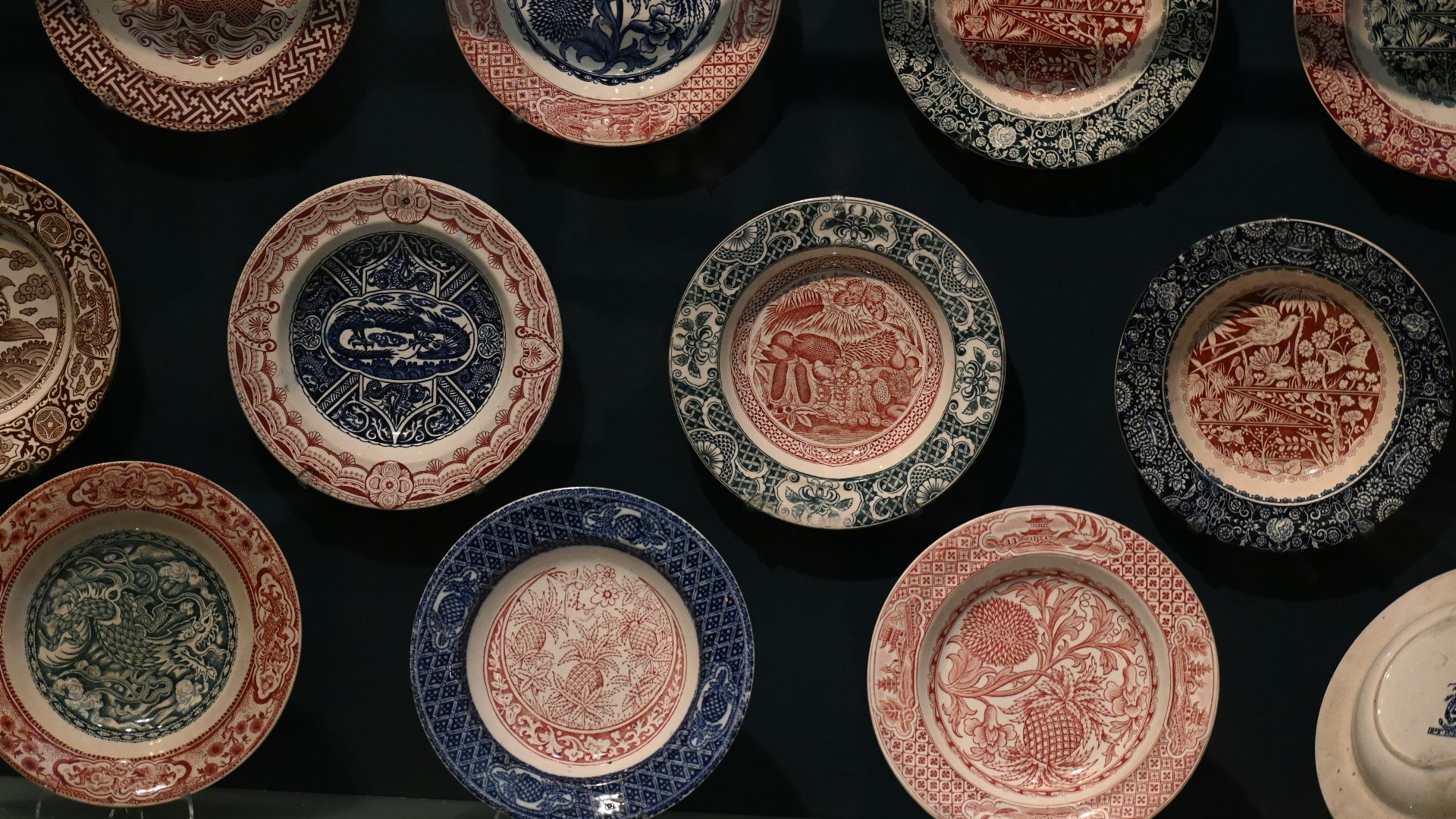
A decorative plate might look expensive because of its elaborate floral pattern, but experienced thrifters know that appearance doesn't necessarily translate to value. They'll flip dishes over to inspect maker's marks, production information, and identifying details that help separate collectible pieces from ordinary mass-produced dinnerware. Certain discontinued patterns and unusual serving pieces can be worth investigating, although condition and buyer demand make a big difference. Beginners sometimes assume that anything resembling fine china must be valuable, even when nearly identical sets are available everywhere.
17. The Signs That Shoes Have Barely Been Worn
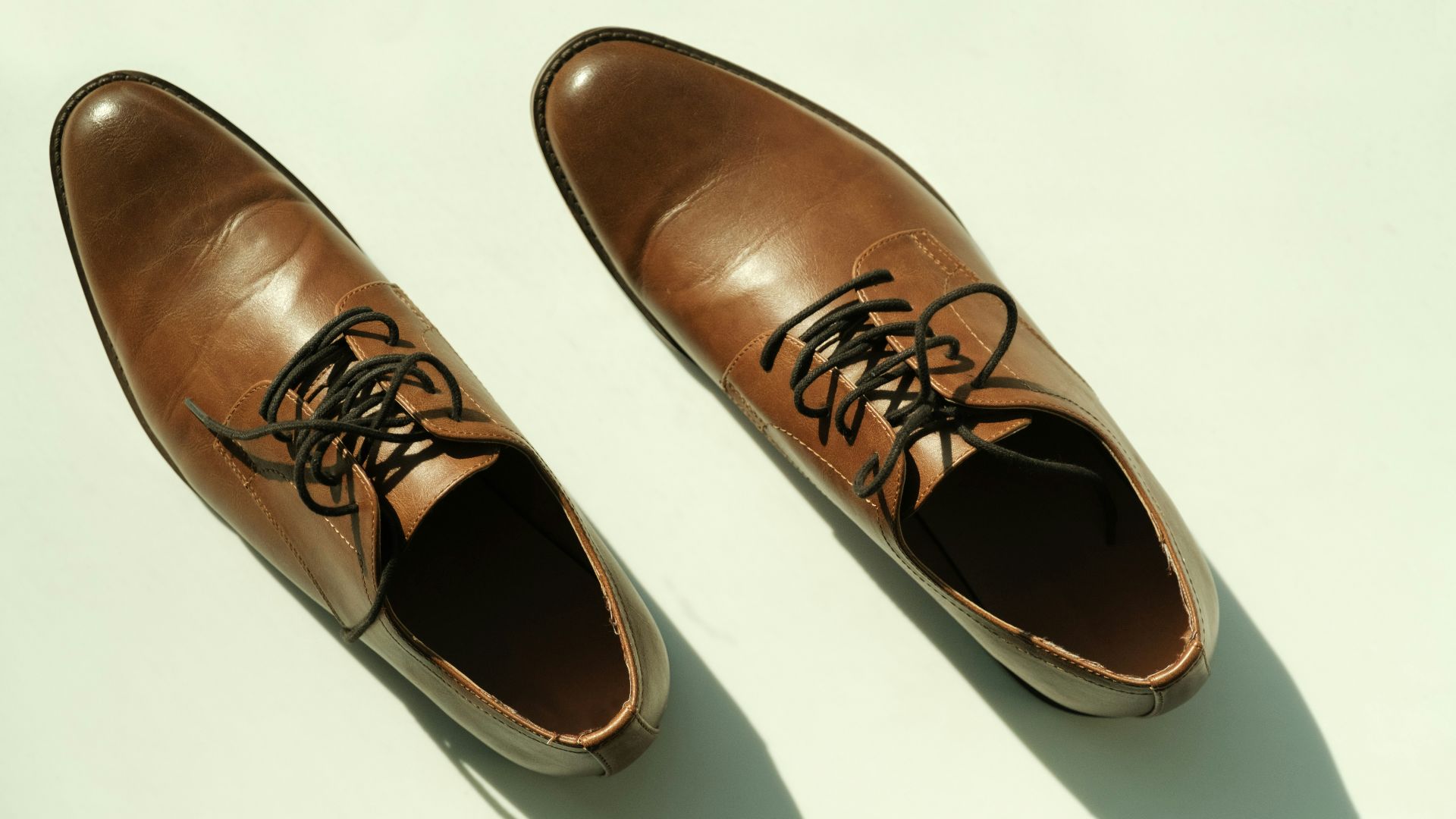
Used shoes can be an excellent bargain, although their appearance doesn't always tell the whole story. Instead of focusing entirely on how the uppers look, experienced shoppers check the soles, heels, insoles, and areas where the shoes naturally bend. Minimal tread wear and limited creasing can suggest that a pair hasn't been worn very often, while uneven sole wear may be a warning sign. A beginner might ignore a nearly new pair because of a little surface dirt or buy heavily worn shoes simply because the leather still looks attractive.
18. The Items That Have Been Priced Too High
Experienced thrifters don't automatically assume that everything in a secondhand store is a bargain. They'll compare asking prices with original retail costs, current resale listings, and the item's condition before deciding whether it's worth buying. Some stores charge surprisingly high prices for recognizable brands, even when similar pieces can be found elsewhere for much less. Beginners sometimes get so excited about discovering something interesting that they forget to check whether they're actually getting a good deal.
19. The Unusual Objects With Hidden Purposes
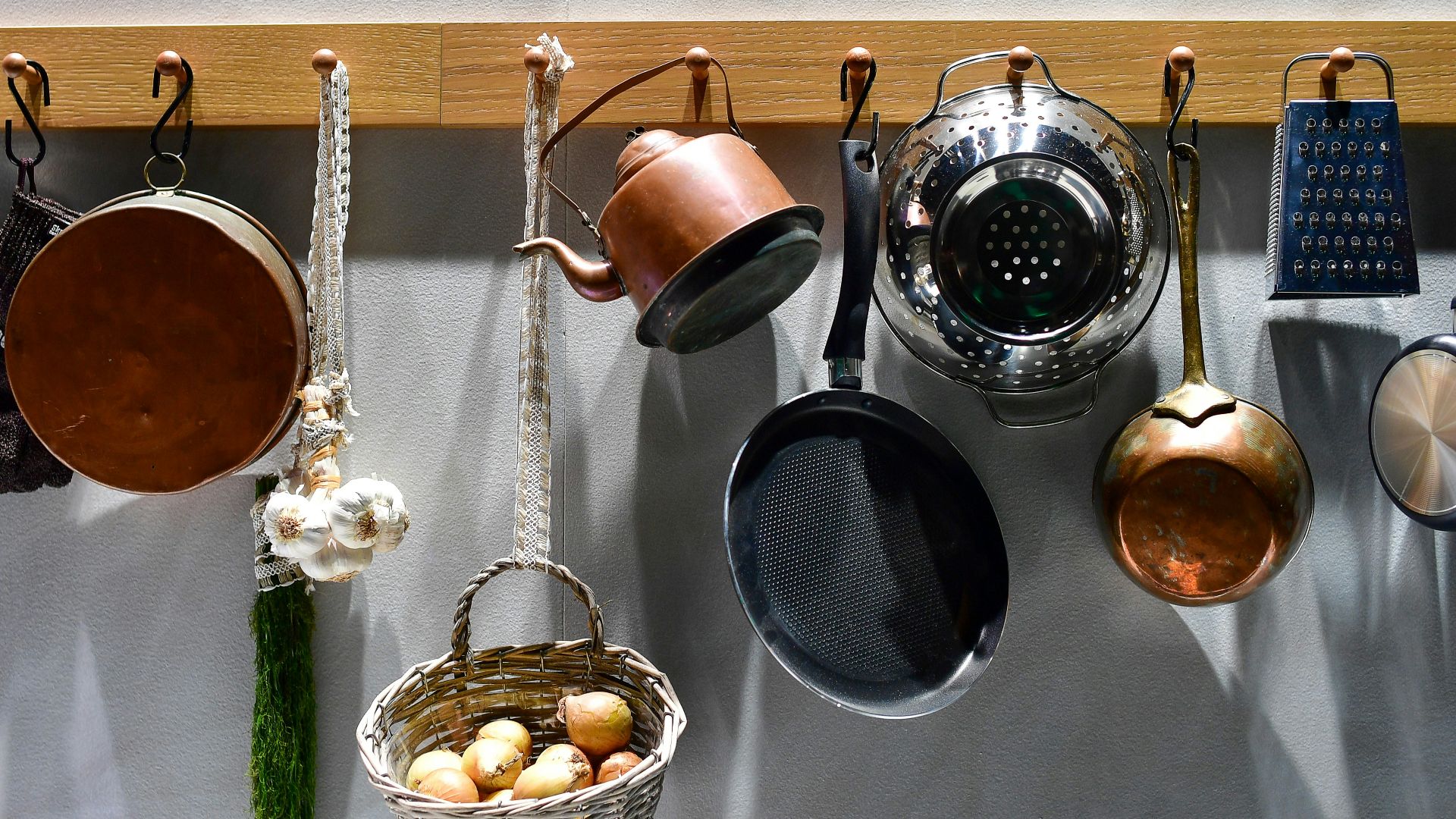
Thrift stores are full of strange-looking kitchen tools, specialty equipment, and decorative objects that aren't always easy to identify. Experienced shoppers are often willing to investigate these unfamiliar finds because discontinued gadgets, professional-grade utensils, and specialty accessories can sometimes have surprisingly strong resale demand. Beginners often walk right past unusual objects simply because they have no idea what they're supposed to be used for.
20. The Importance of Looking Beyond the Main Displays
Thrift stores naturally encourage customers to browse their most visible displays, but experienced shoppers know that interesting items can turn up anywhere. They'll search lower shelves, crowded racks, forgotten corners, and sections where merchandise might have been misplaced. Beginners often stick to whatever's easiest to see, missing the unexpected discoveries that make secondhand shopping so rewarding.