Building a Wardrobe That Lasts
Shopping for clothes can be fun, but it’s easy to end up with pieces that you'll only wear a couple of times before getting buried at the back of your closet. So, how do you avoid this? Well, you want to think evergreen: choosing styles you know you'll love and wear for years to come, avoiding overly trendy pieces you might lose interest in once the phase fades, picking materials you know will last and are worth their price tag. After all, when you shop with a little more intention, you can build a wardrobe that always feels current. Here are 20 shopping tips to help you keep your choices timeless.
1. Start with What You Actually Wear
Before buying anything new, look at the clothes you reach for most often. Those pieces can tell you a lot about your real preferences, from preferred cuts to favorite colors and fabrics. Shopping with that information in mind helps you avoid buying for an imagined version of your life.
2. Choose Colors That Work Across Your Wardrobe
Evergreen clothing becomes easier to wear when the colors fit naturally with what you already own. Neutrals, muted tones, and a few signature shades can give you more outfit options without making your closet feel limited. You don’t have to avoid bold colors, but they should still connect with several pieces in your wardrobe.
3. Prioritize Fit Over the Size on the Tag
A well-fitting garment will usually look more polished than one chosen only because the size feels familiar. Sizes vary widely between brands, so it’s better to focus on how the item sits on your body. Pay attention to shoulders, waist, length, and movement before deciding whether something deserves a place in your closet.

4. Be Careful with Trend-Heavy Details
Trendy details can be tempting, especially when they’re everywhere in stores and online. The problem is that highly specific cuts, prints, or embellishments can date an item quickly. When you want something to last, look for details that feel interesting without overpowering the whole piece.
5. Invest in Better Basics
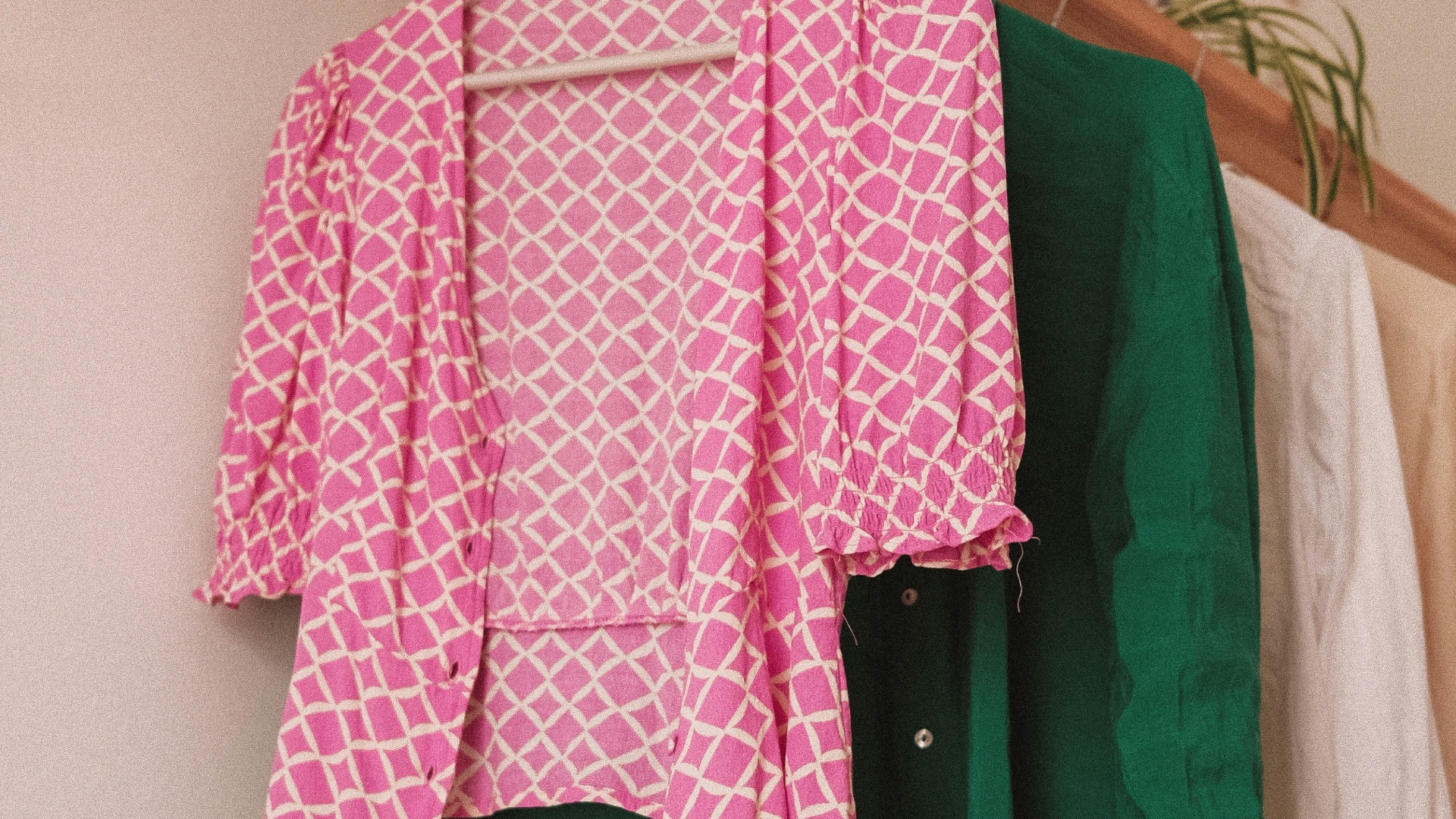
Basics often do more work than statement pieces, so it makes sense to choose them carefully. A good T-shirt, button-down shirt, pair of jeans, blazer, or simple sweater can support dozens of outfits. When these items are made well, they help the rest of your wardrobe feel more put together.
6. Check Fabric Quality Before You Buy
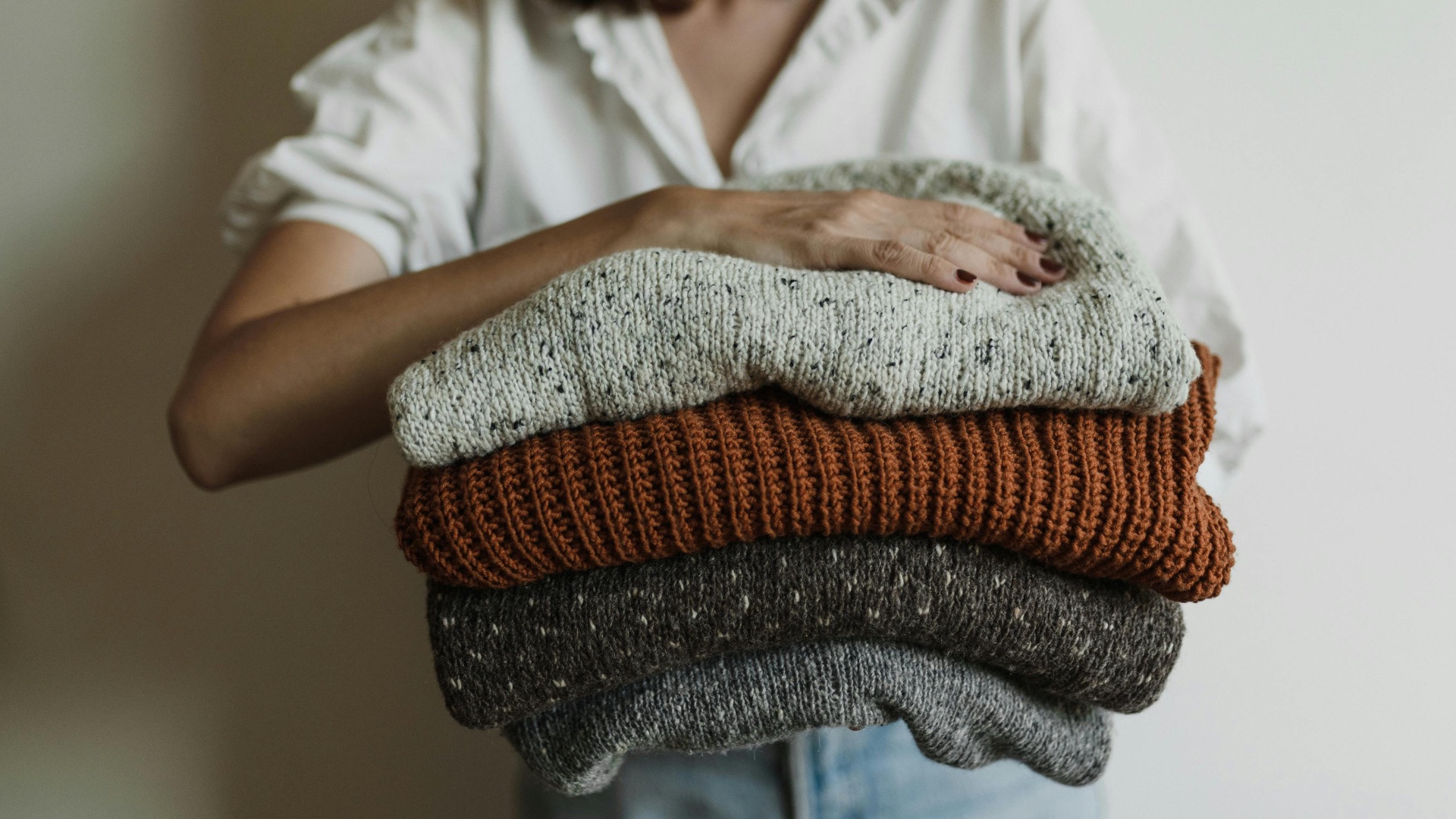
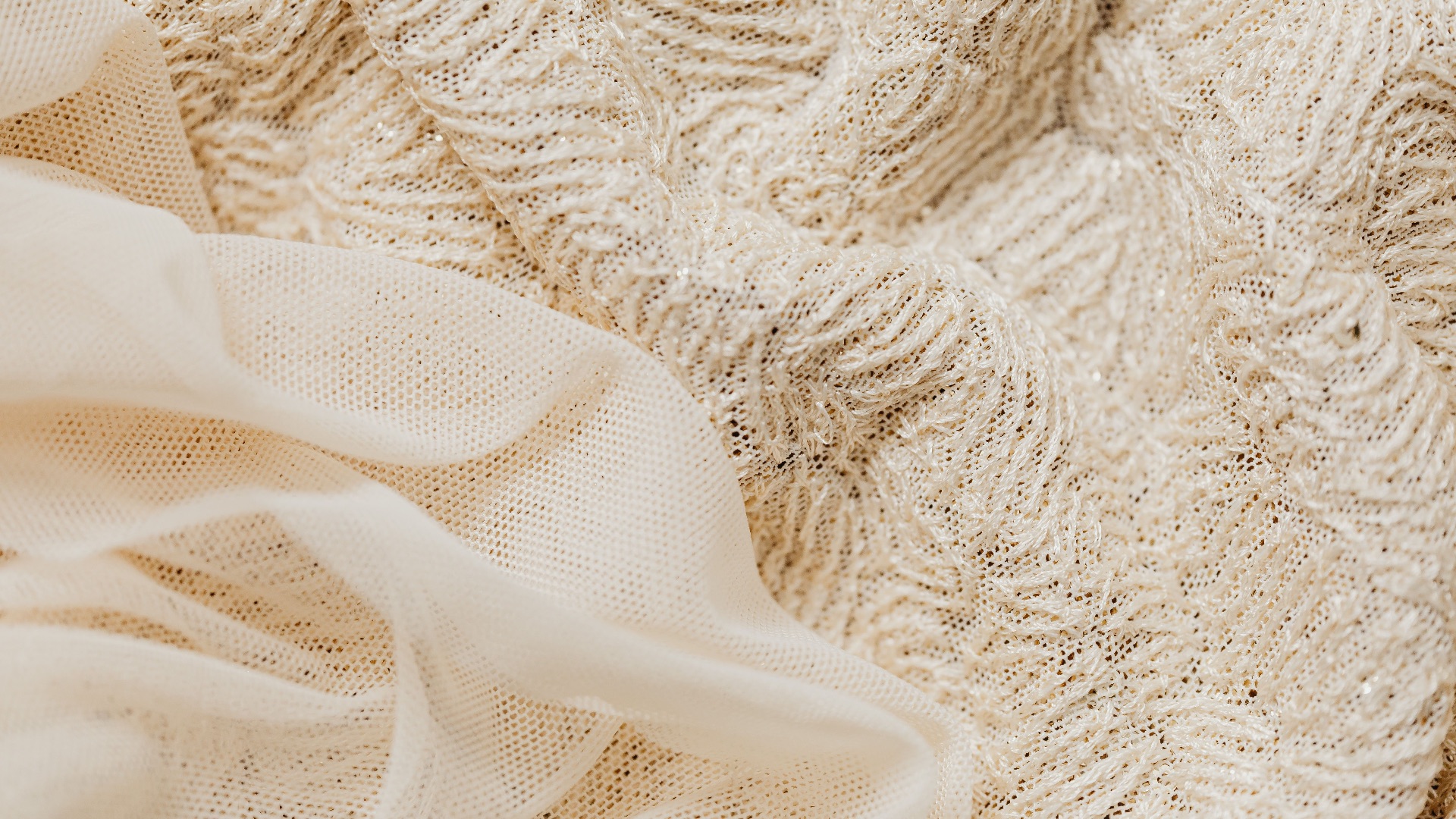
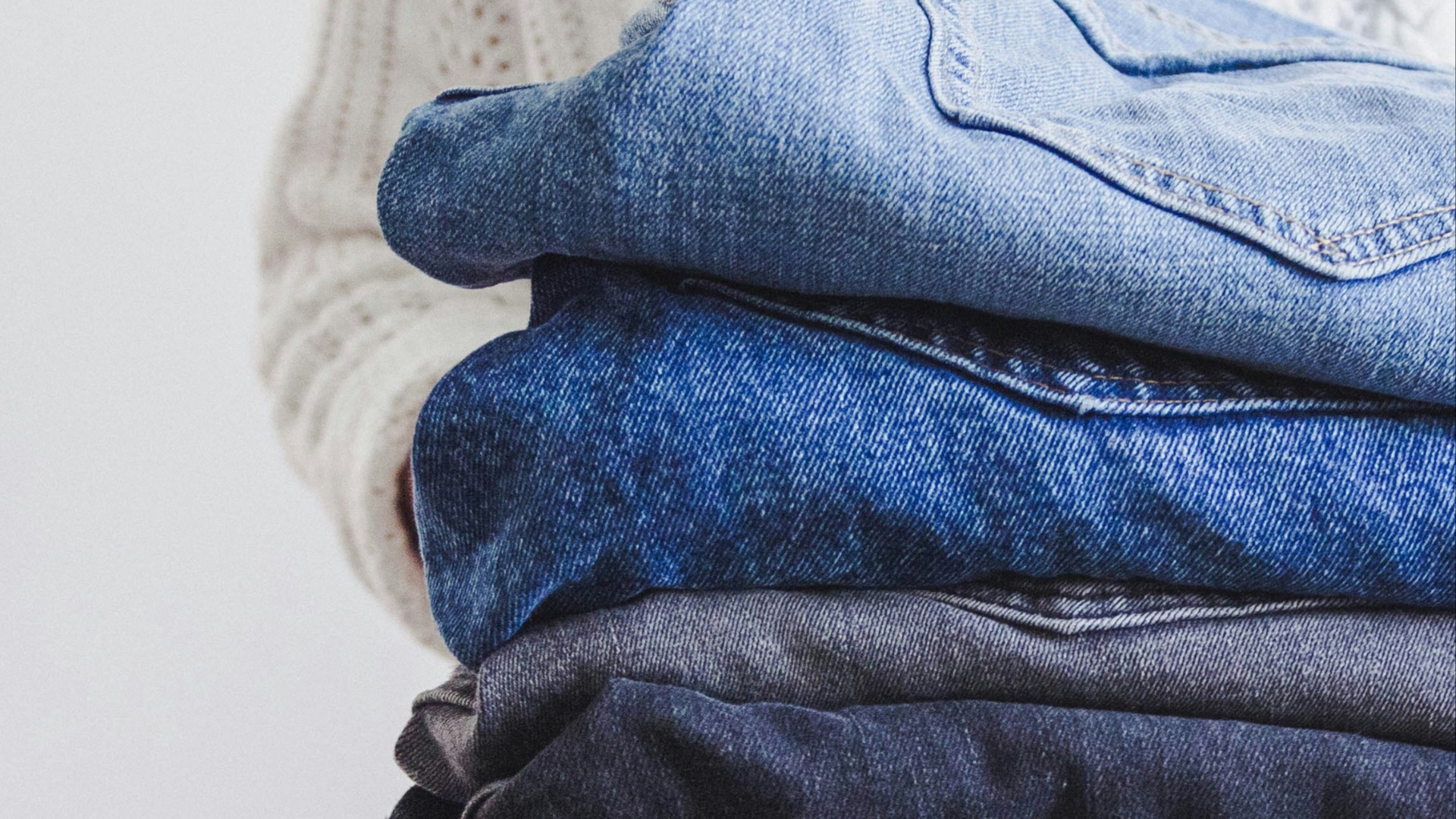
Fabric affects how clothing feels, hangs, washes, and ages. Before purchasing, touch the material, check the thickness, and look at whether it wrinkles, stretches, or clings in a way you dislike. A piece may look good on the hanger, but the fabric will often determine whether you keep wearing it.
7. Think About Care Requirements
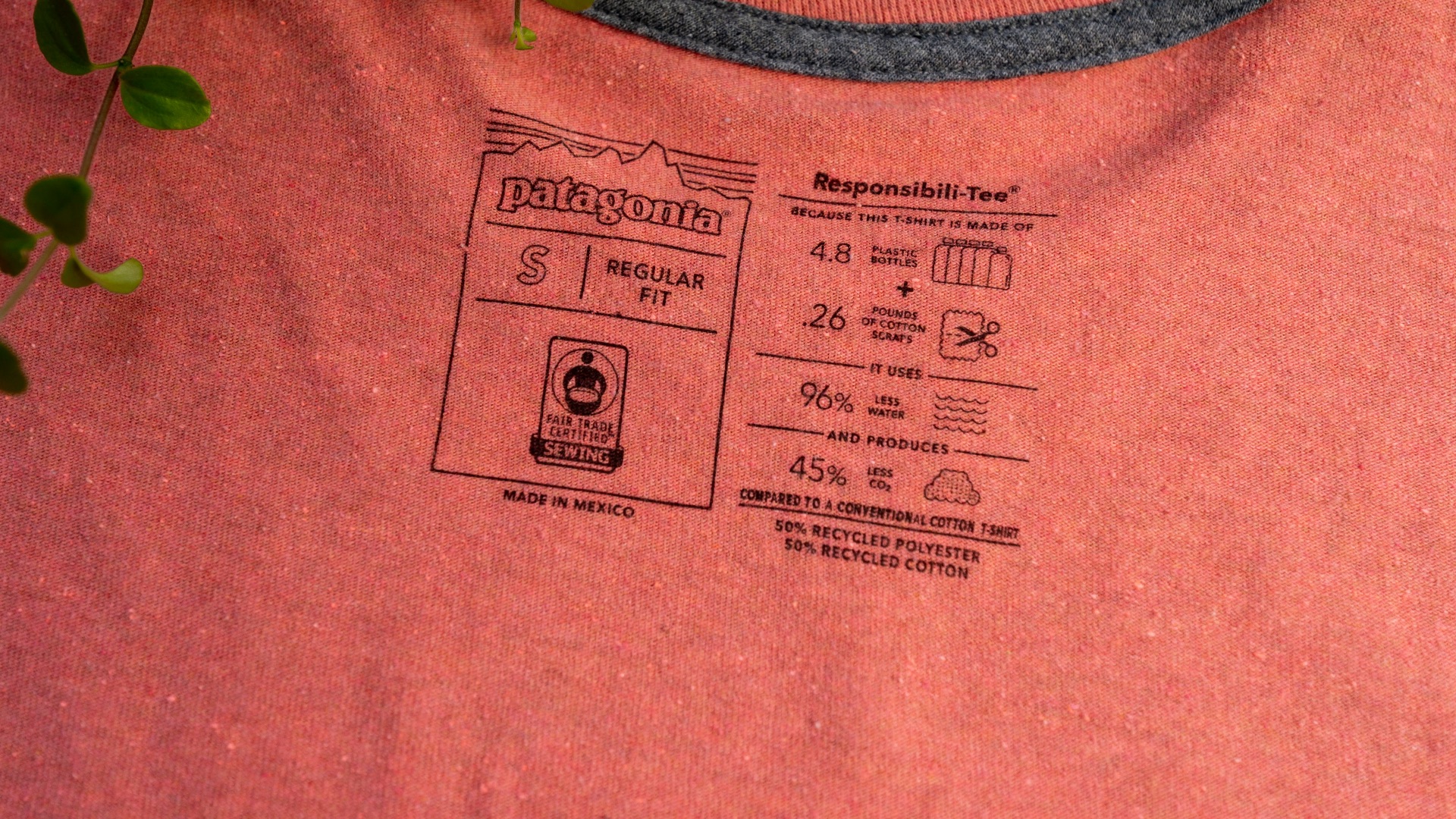
Some clothes are beautiful but demanding, and that can make them harder to wear regularly. If something requires dry cleaning, hand washing, steaming, or special storage, be honest about whether that fits your routine. Clothing stays useful longer when caring for it doesn’t feel like a burden.
8. Avoid Buying Only for One Occasion
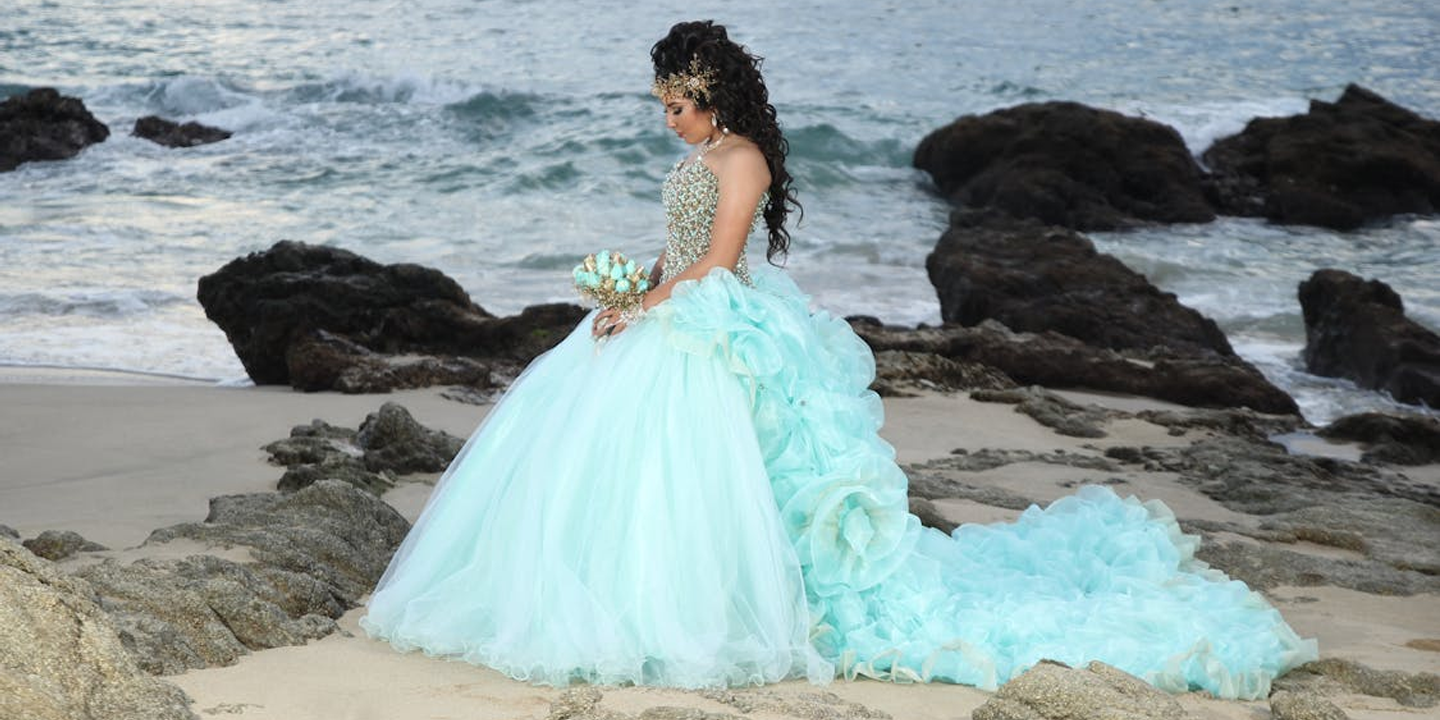
Event-specific shopping can lead to pieces that sit untouched after a single wear. When you need something for a dinner, vacation, wedding, or work event, ask whether you can style it again in a different setting. A more flexible choice will give you better value and keep your closet from filling with rarely worn items.

9. Look for Simple Silhouettes
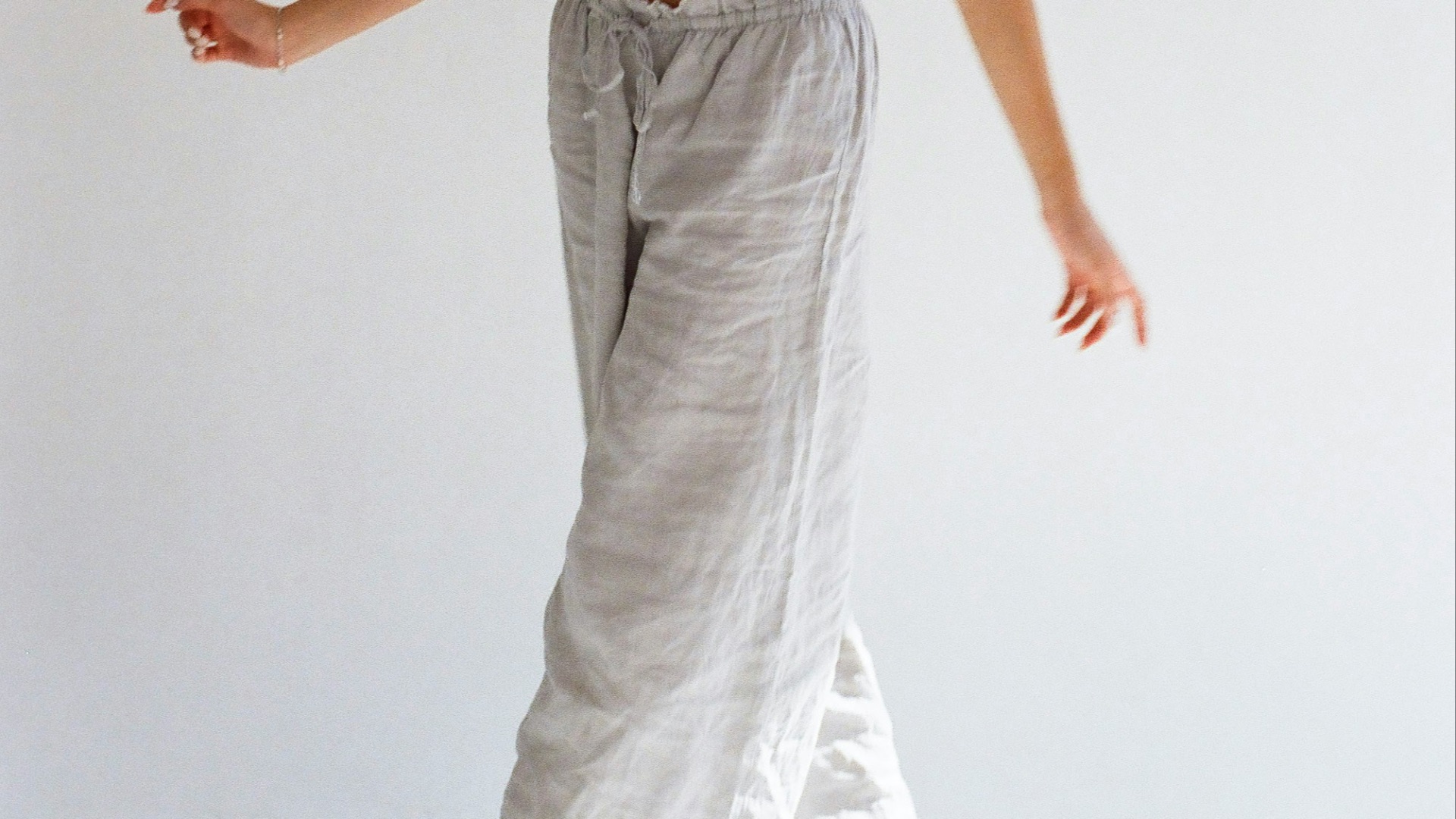
Clean silhouettes tend to outlast overly complicated designs. Straight-leg trousers, classic coats, simple skirts, and well-cut dresses can be styled in many ways over time. When the shape is strong but not extreme, it’s easier to update the look with shoes, accessories, or layering pieces.
10. Pay Attention to Construction
A garment’s construction can reveal whether it’s likely to hold up. Look at the seams, stitching, hems, buttons, zippers, and lining before you buy. Small flaws may not seem important in the store, but they can become frustrating once the item is part of your regular wardrobe.
11. Don’t Let Discounts Make the Decision
A sale price can make something seem more appealing than it really is. Before buying, ask whether you would still want the item if it were full price. If the answer is no, the discount may be the main attraction rather than the clothing itself.

12. Build Around Your Lifestyle
Your wardrobe should support the way you actually spend your days. If your routine is casual, there’s no need to overbuy formal pieces, and if your work requires polished outfits, you’ll benefit from reliable professional staples. Evergreen shopping starts with clothes that make sense for your real schedule.

13. Choose Prints with Staying Power
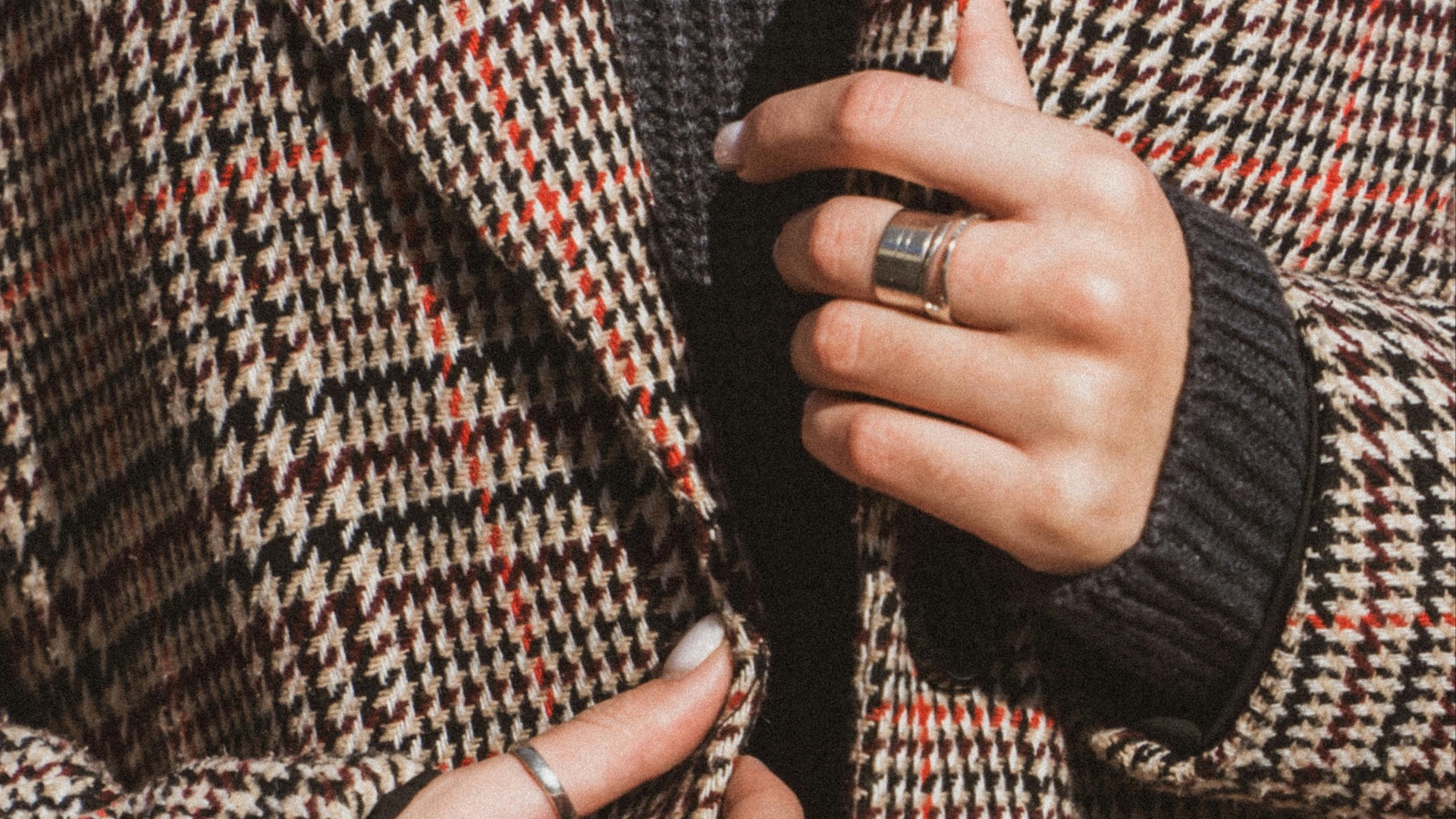
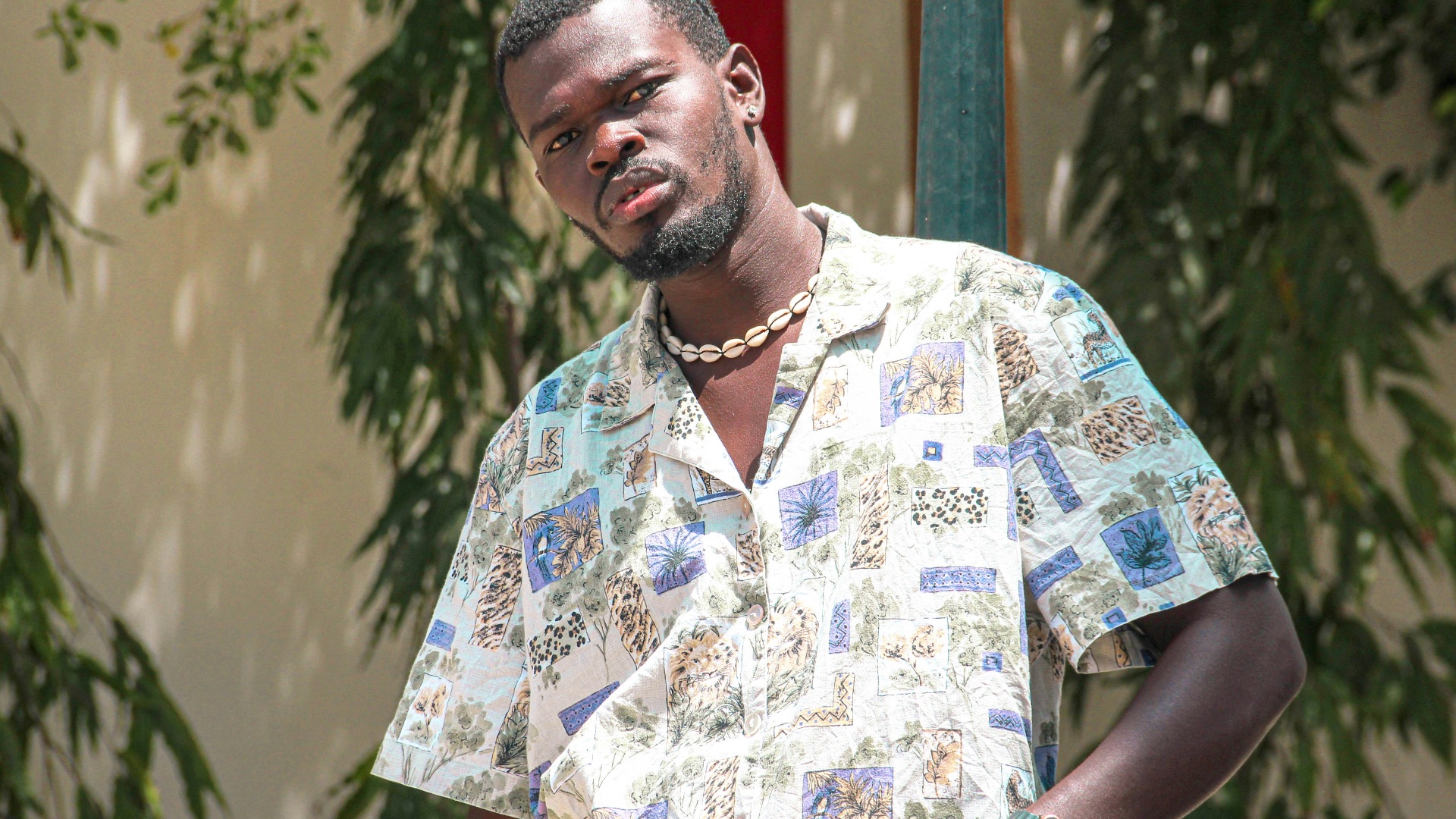
Prints can absolutely be timeless, but some are easier to wear year after year than others. Stripes, subtle florals, checks, and classic patterns often have more longevity than novelty prints or graphics tied to a specific trend. When considering a print, think about whether you’ll still enjoy it once it’s no longer being promoted everywhere.
14. Keep Comfort Part of the Standard
Clothes that look good but feel unpleasant rarely become a true favorite, so check whether you can sit, walk, bend, and move comfortably in each piece before committing to it. When comfort and style work together, you’re much more likely to keep wearing the item.

15. Buy Shoes with Repeat Wear in Mind
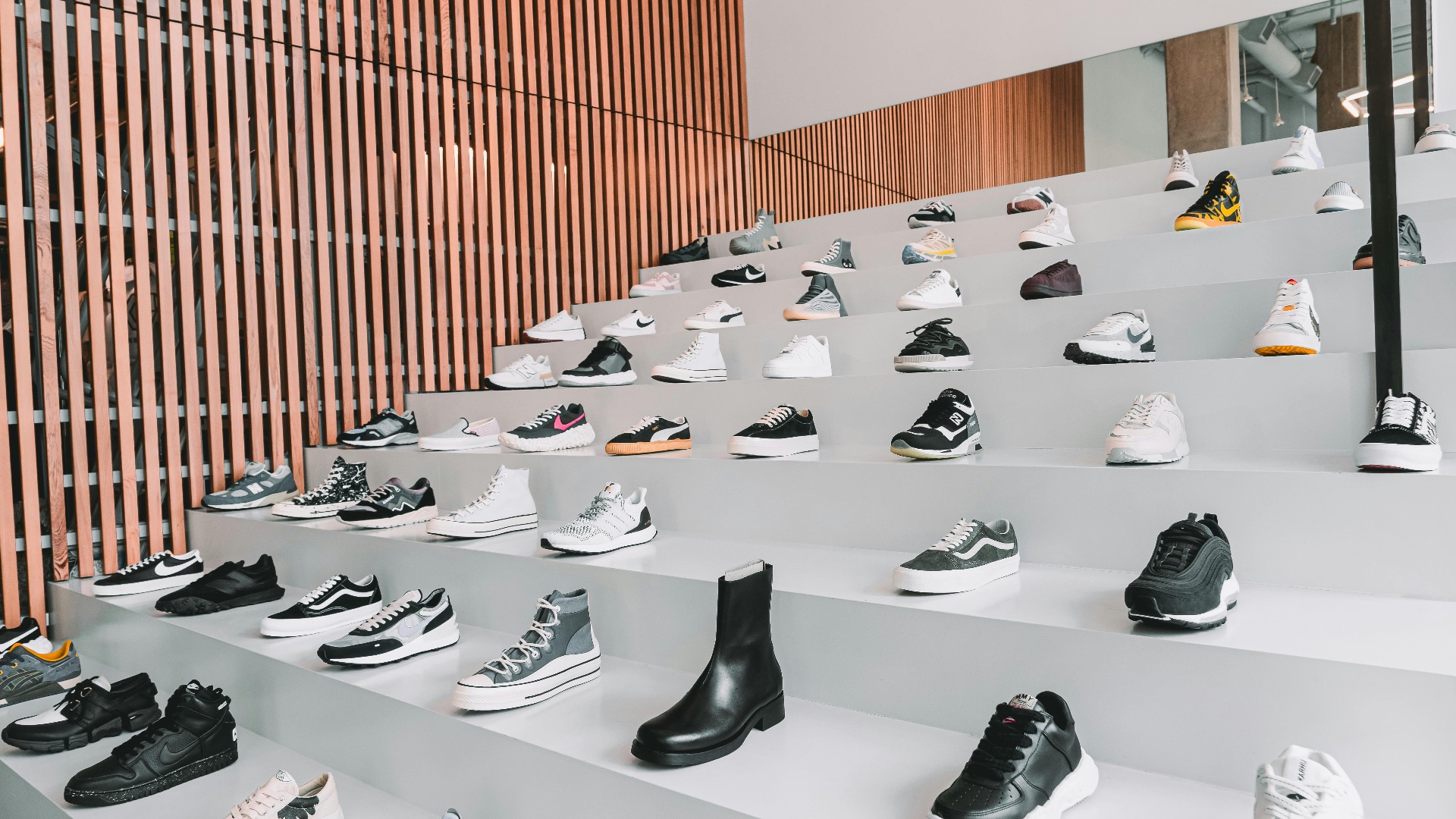
Shoes can change the tone of an outfit, but they also need to be practical enough for your life. A pair that works with jeans, dresses, trousers, or skirts will usually earn its place more easily than one with limited styling options. Good shoes should feel wearable, supportive, and appropriate for more than one situation.
16. Be Selective with Statement Pieces
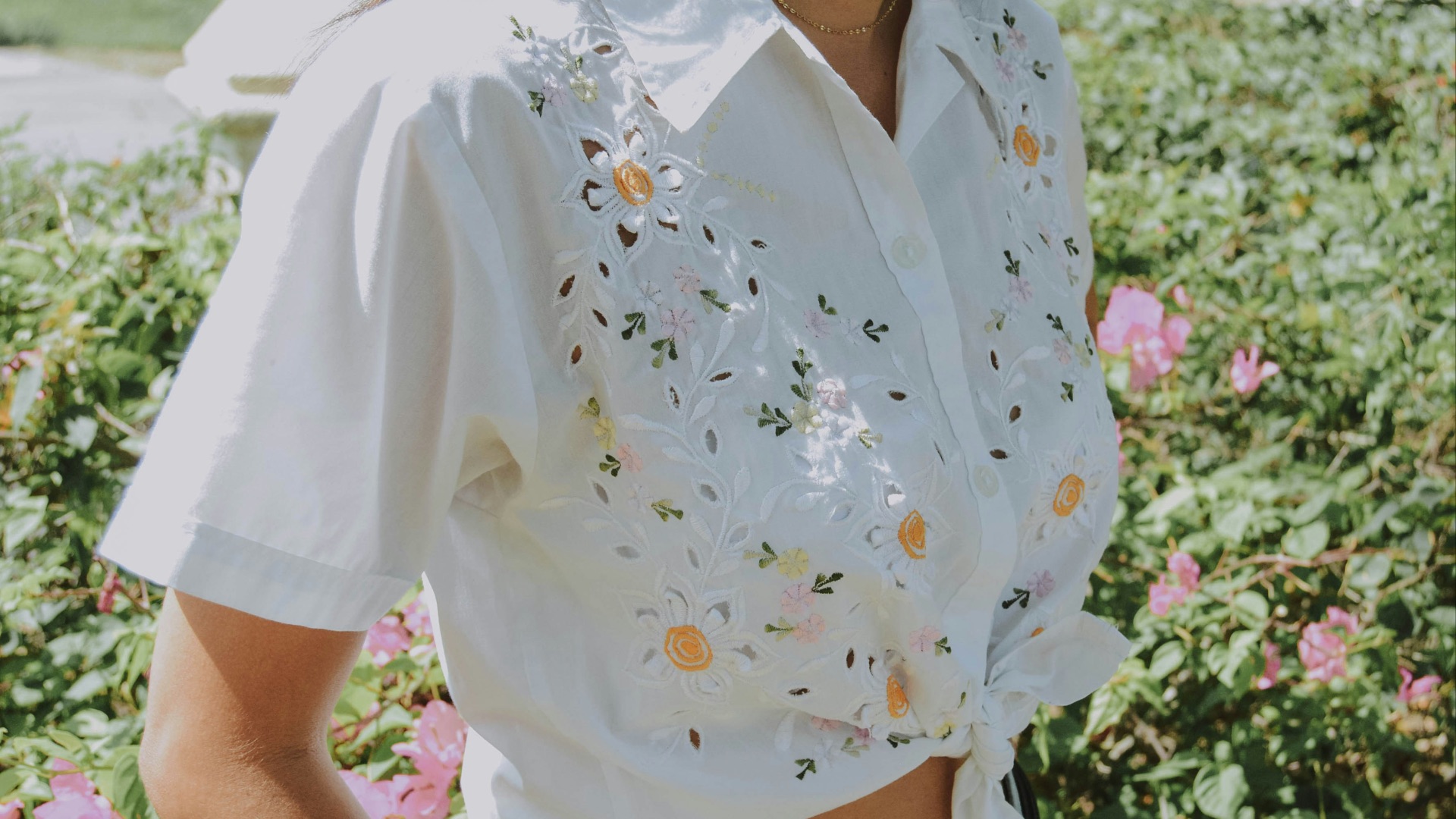
Statement pieces can make a wardrobe more personal, but they’re most useful when chosen carefully. A standout coat, patterned blouse, or distinctive accessory should still work with several items you already own. The goal is to add personality without creating pieces that are difficult to style.
17. Avoid Duplicating Pieces You Don’t Need
It’s easy to keep buying versions of what you already have, especially when you know a style suits you. Still, too many near-identical items can make your wardrobe feel crowded without adding much variety. Before purchasing, consider whether the new piece fills a real gap or simply repeats something already covered.
 Maude Frédérique Lavoie on Unsplash
18. Take Your Time with Expensive Purchases
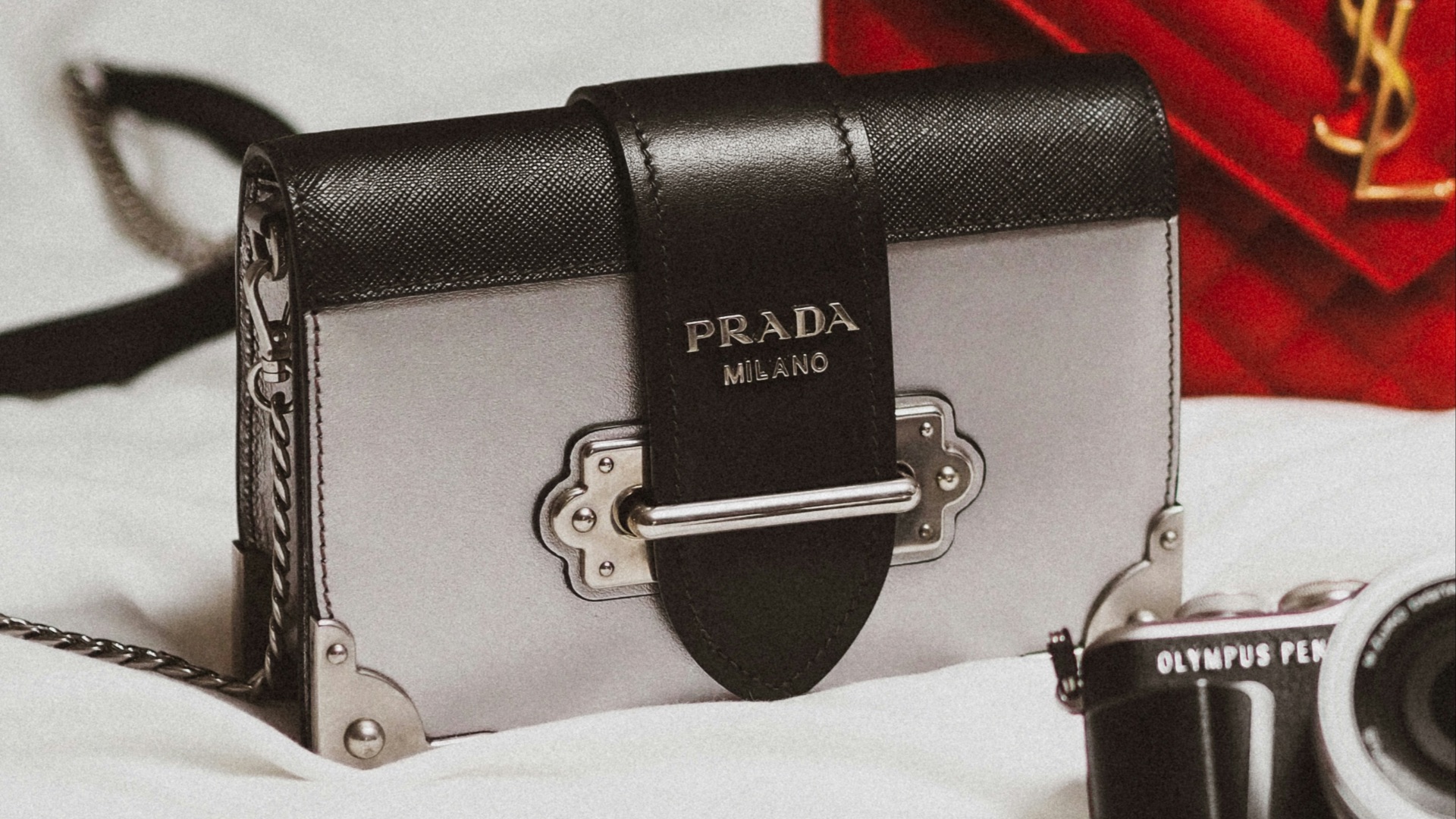
Higher-priced clothing and accessories deserve extra consideration. Try the item on more than once if possible, compare it with similar options, and think about how often you’ll realistically wear it. A considered purchase is more likely to feel worthwhile after the excitement of buying it has passed.
19. Use Accessories to Refresh Older Clothes
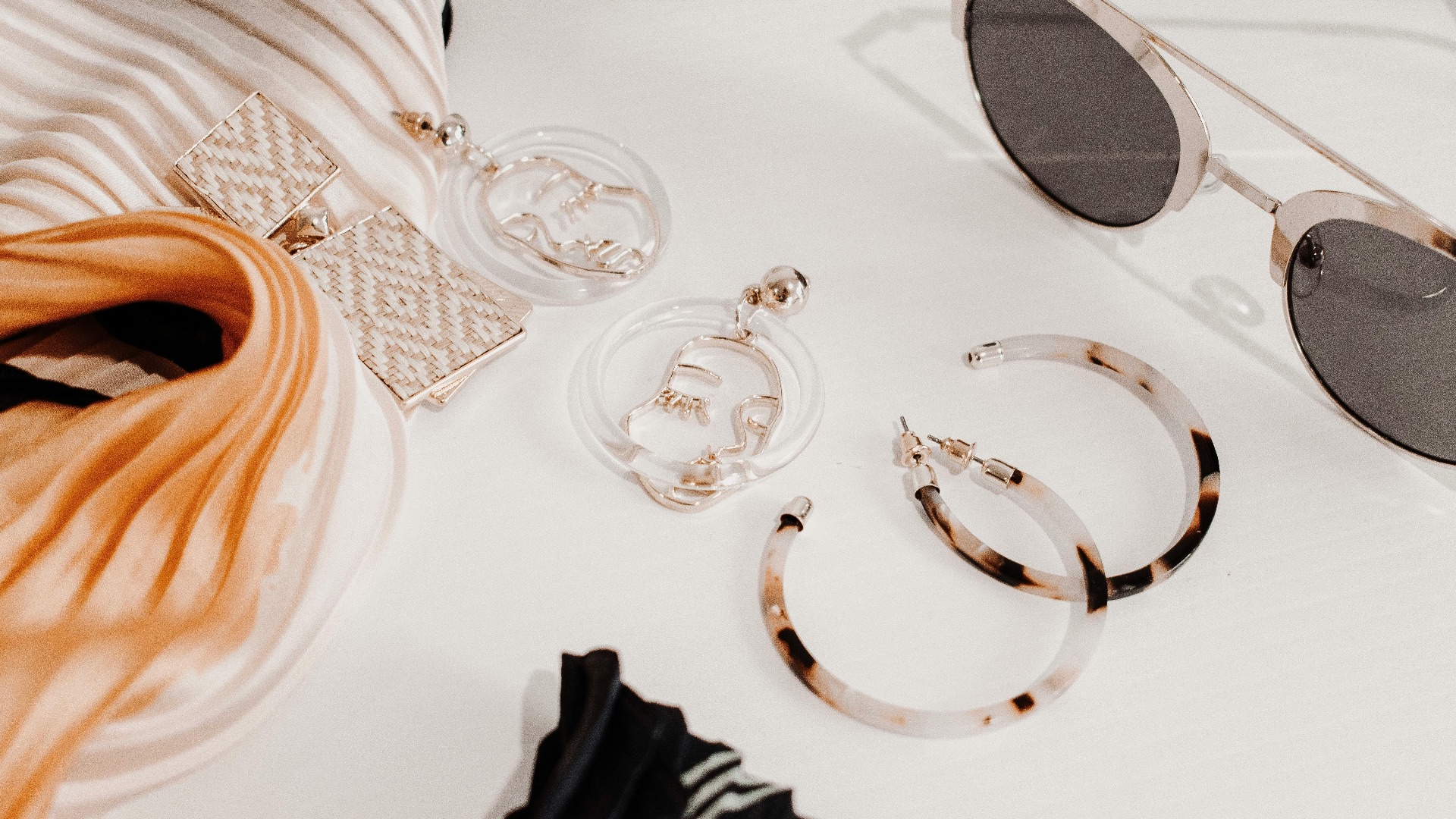
Accessories can help older pieces feel current without requiring a full wardrobe overhaul. Belts, bags, jewelry, scarves, and shoes can adjust the mood of an outfit while keeping the core clothing simple. This approach lets you enjoy variety while still relying on dependable garments.
20. Trust Consistency Over Impulse
Evergreen style is built through steady choices rather than rushed purchases. When you know your colors, preferred fits, lifestyle needs, and quality standards, shopping becomes easier and more focused. Over time, those consistent decisions create a wardrobe that feels useful, personal, and lasting.