20 Reasons People Dress Differently After a Big Life Change
When Fashion Reflects a Change Within
A big life change can make your closet feel suddenly unfamiliar. A new job, breakup, move, baby, health shift, loss, glow-up, or fresh chapter can change what feels comfortable, useful, attractive, or even emotionally possible to wear. Clothes are not just fabric sitting around politely; they often reflect who people think they are, what they want to project, and what their daily life now requires. When life changes, style often follows because the old wardrobe may no longer match the person standing in front of it. Here are 20 reasons people change their style after a big life change.
1. They Want a Fresh Start
After a major change, people often want their outside to match the feeling of beginning again. New clothes can make the fresh chapter feel more real, especially when the old wardrobe belongs to a version of life they're ready to leave behind.
2. Their Daily Routine Has Changed
A new routine can make old clothes feel impractical very quickly. Someone who moves from office work to remote work may stop reaching for structured outfits, while a new parent may suddenly care a lot more about washable fabrics. A different commute, schedule, or activity level can reshape what gets worn most.
3. They Need to Feel More in Control
Big changes can make life feel unpredictable, and clothing is one area where people can make clear choices. Picking an outfit, organizing a closet, or building a new look can create a small sense of order. That may sound simple, but control over little details can be comforting when bigger things feel unsettled.
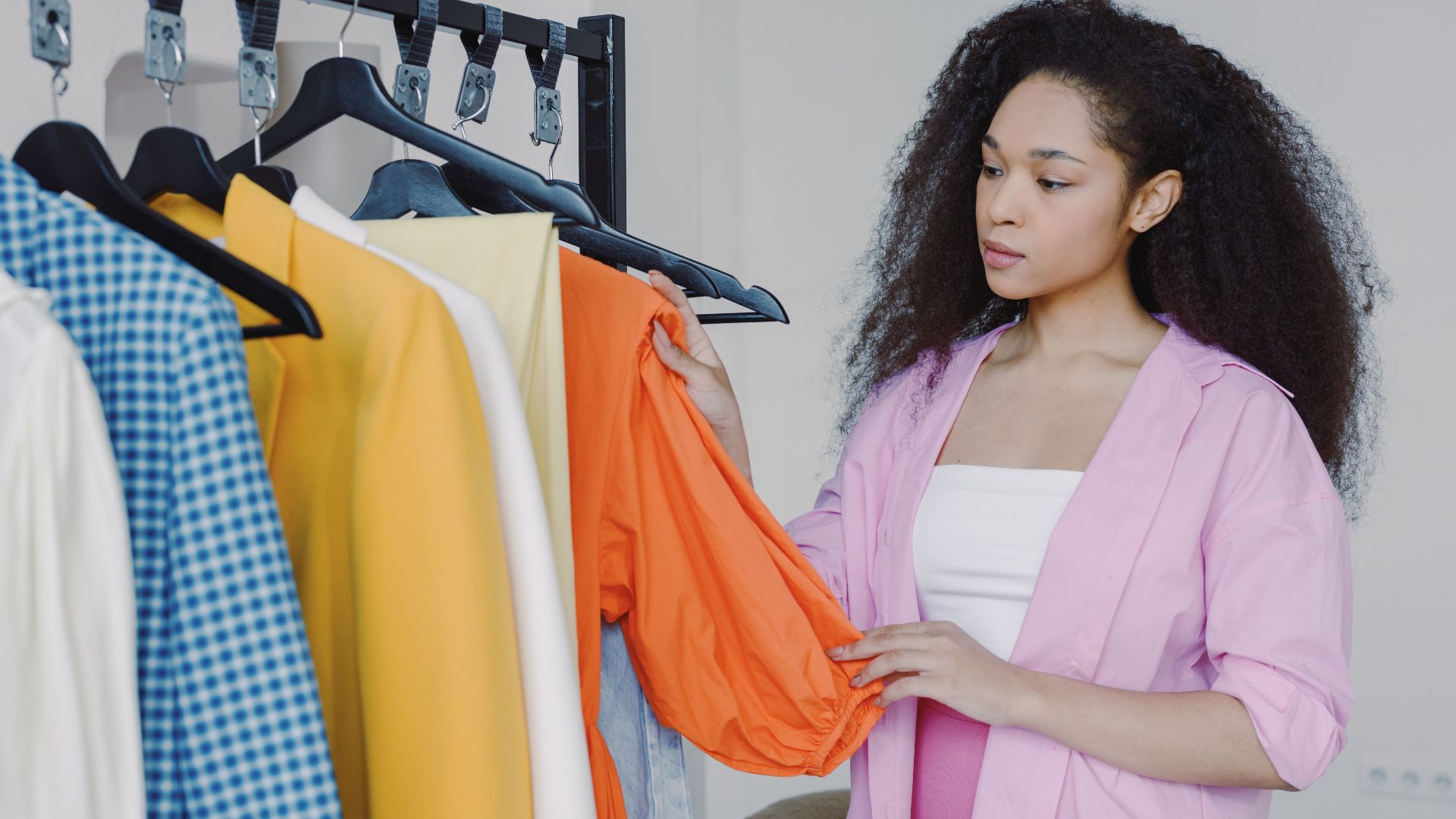
4. Their Confidence Has Shifted
A life change can either shake confidence or build it, and clothing often shows the difference. Someone might start wearing bolder pieces after gaining self-assurance, or they may dress more softly while rebuilding it. The change doesn't have to be obvious to everyone else to matter.
5. Letting Go of an Old Identity
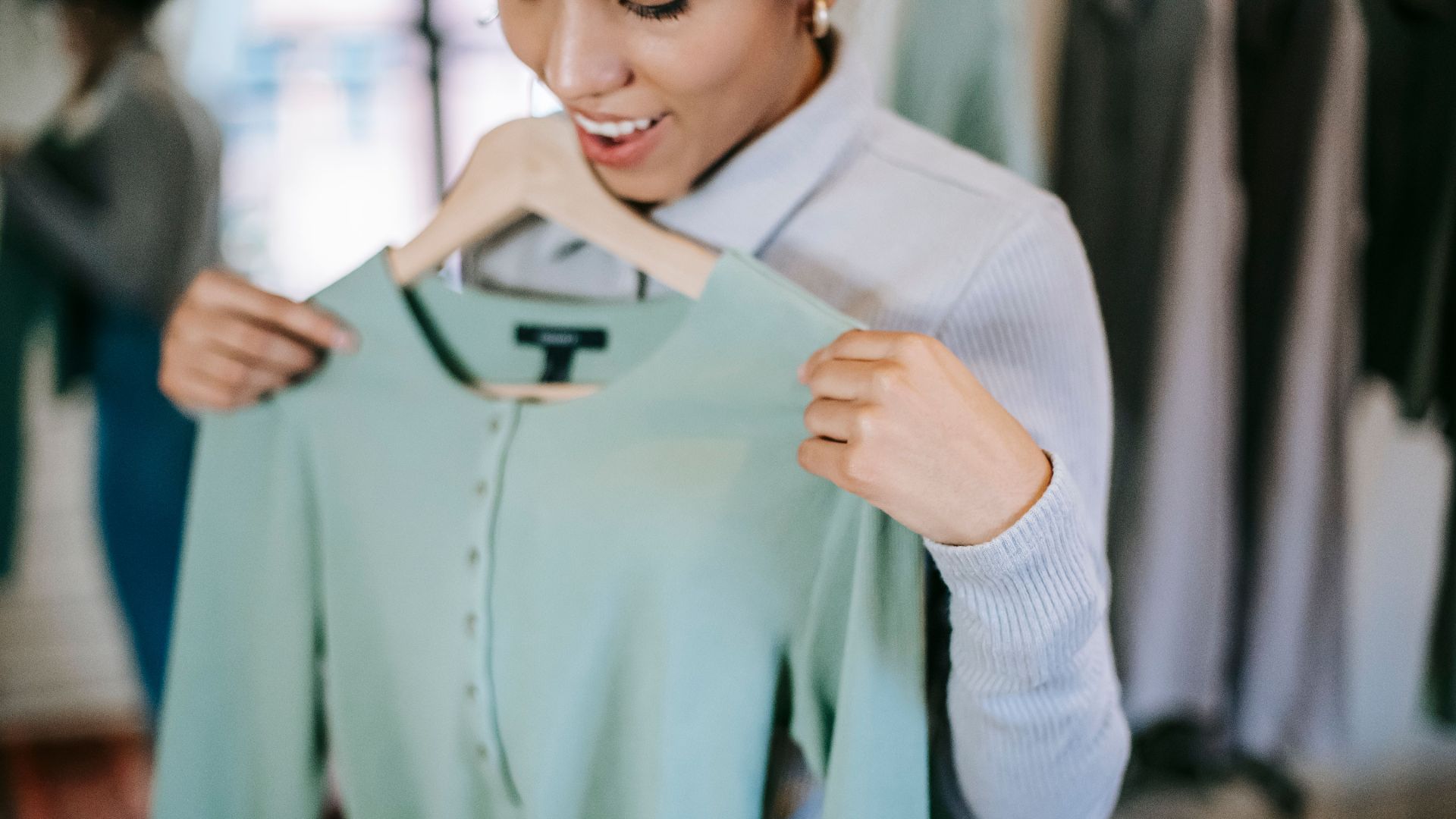
Clothes can carry memories, roles, and expectations. After a divorce, career change, move, or personal loss, certain pieces may feel tied to a version of life that no longer fits. People may dress differently because they're trying to separate who they are now from who they used to be.
6. They Want to Be Seen Differently
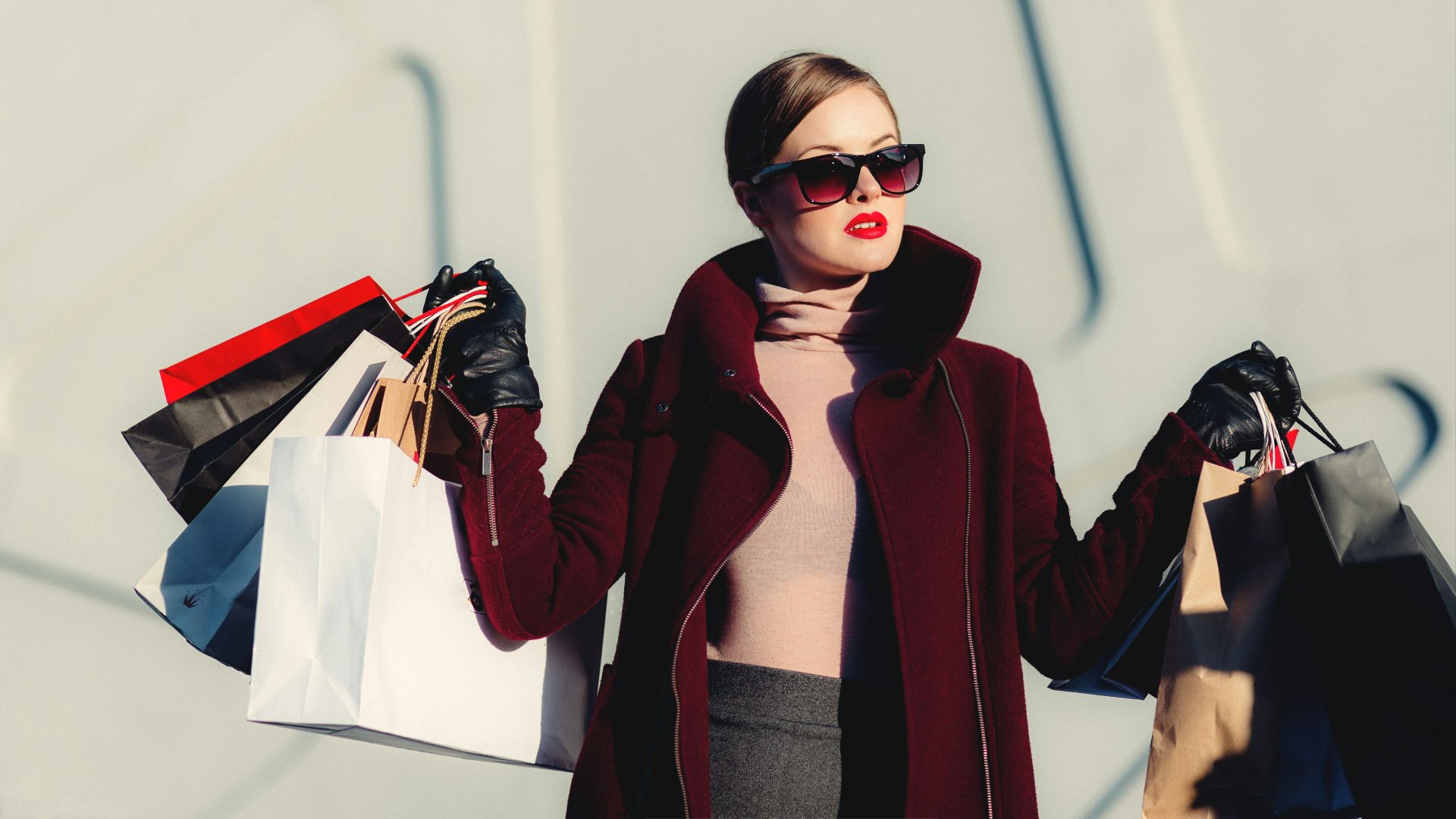
Sometimes, a style change is about changing how others perceive them. A person may want to look more professional, more creative, more mature, more confident, or less available to other people’s assumptions. Clothing can help shift the first impression before anyone has time to ask nosy questions.
7. Their Body Has Changed
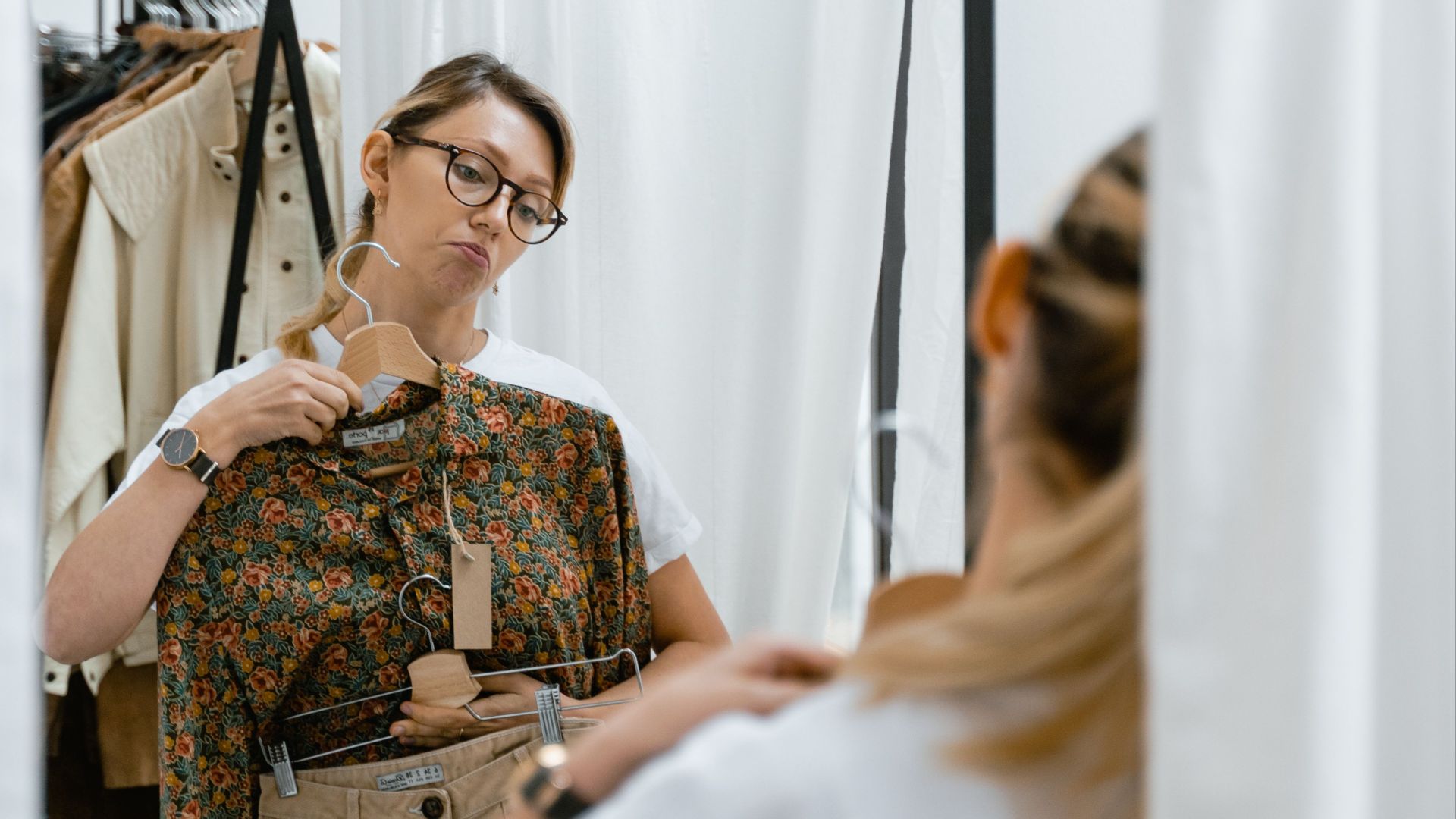
Weight changes, pregnancy, aging, illness, fitness changes, and recovery can all affect how clothes fit and feel. A person may need different cuts, fabrics, sizes, or silhouettes simply because their body is asking for more comfort. This can be emotional, especially if old clothes no longer feel like allies.
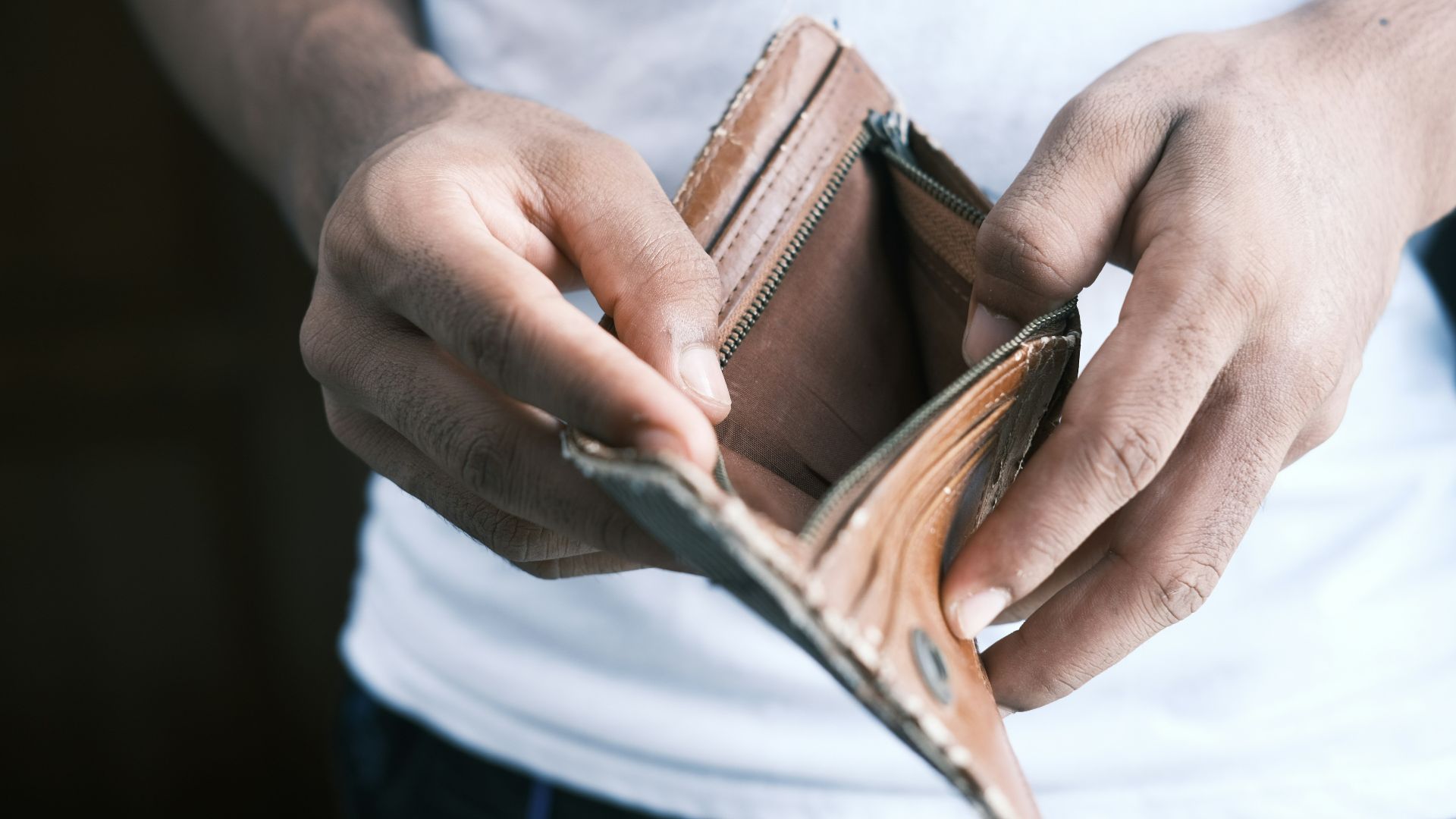
8. They Have More or Less Money
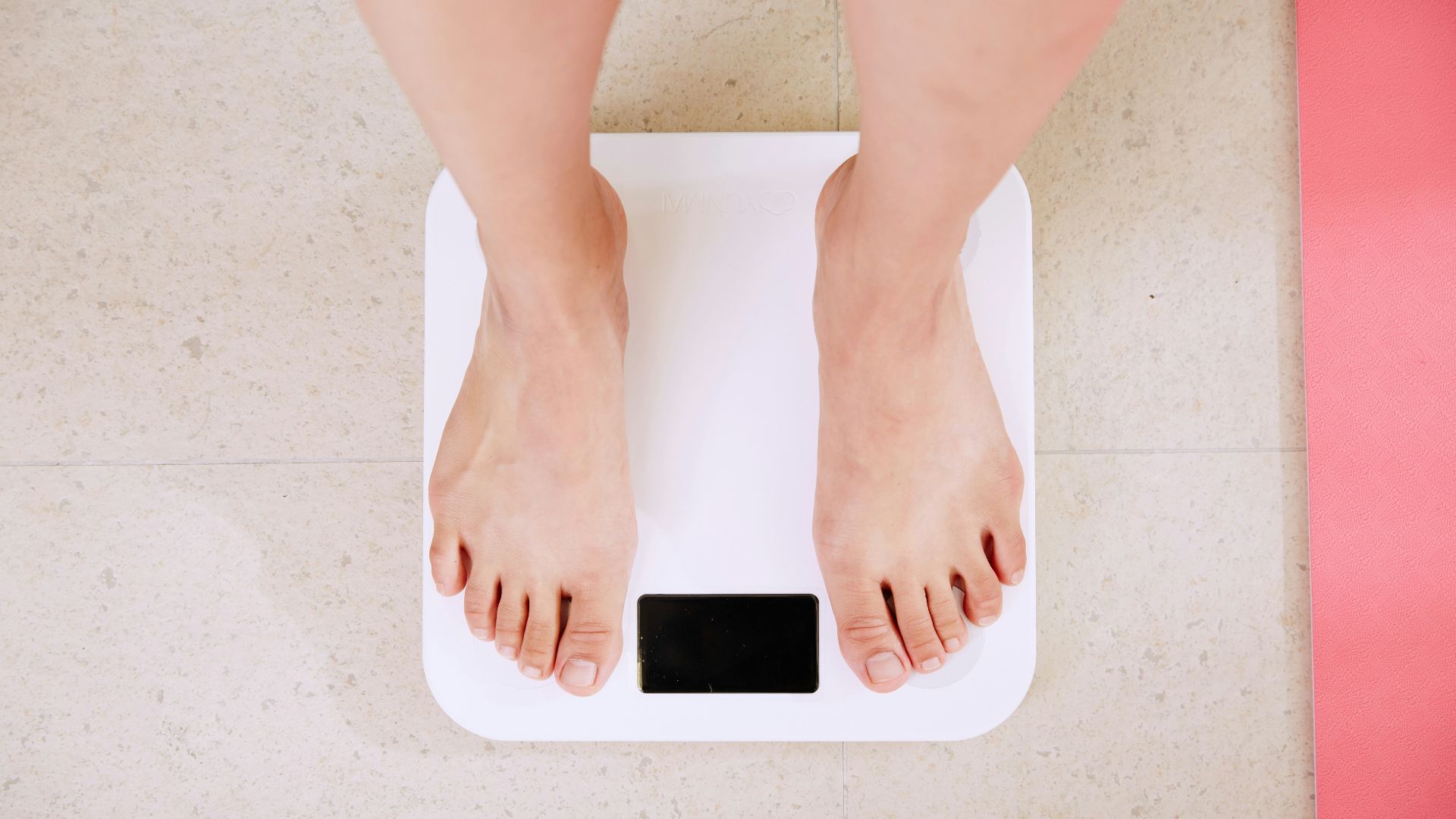
A financial shift can change style quickly. A promotion might make someone invest in higher-quality pieces, while a tighter budget may lead to thrift shopping, capsule wardrobes, or more practical purchases. A closet can tell a quiet story about someone’s resources, priorities, and season of life.
9. Their Environment Is Different
Moving to a new city, climate, or culture can change what feels normal to wear. Someone relocating from a warm place to a cold one may suddenly learn the emotional importance of proper coats. A new neighborhood or social scene can also influence color, formality, footwear, and accessories.

10. They're Trying to Feel Attractive Again
After a breakup, burnout, illness, or long stressful period, people may want to reconnect with feeling attractive. This doesn't mean dressing for anyone else’s approval, though that can be part of the story sometimes. It may simply mean remembering that they're allowed to enjoy their appearance.
11. They're Entering a New Career Phase
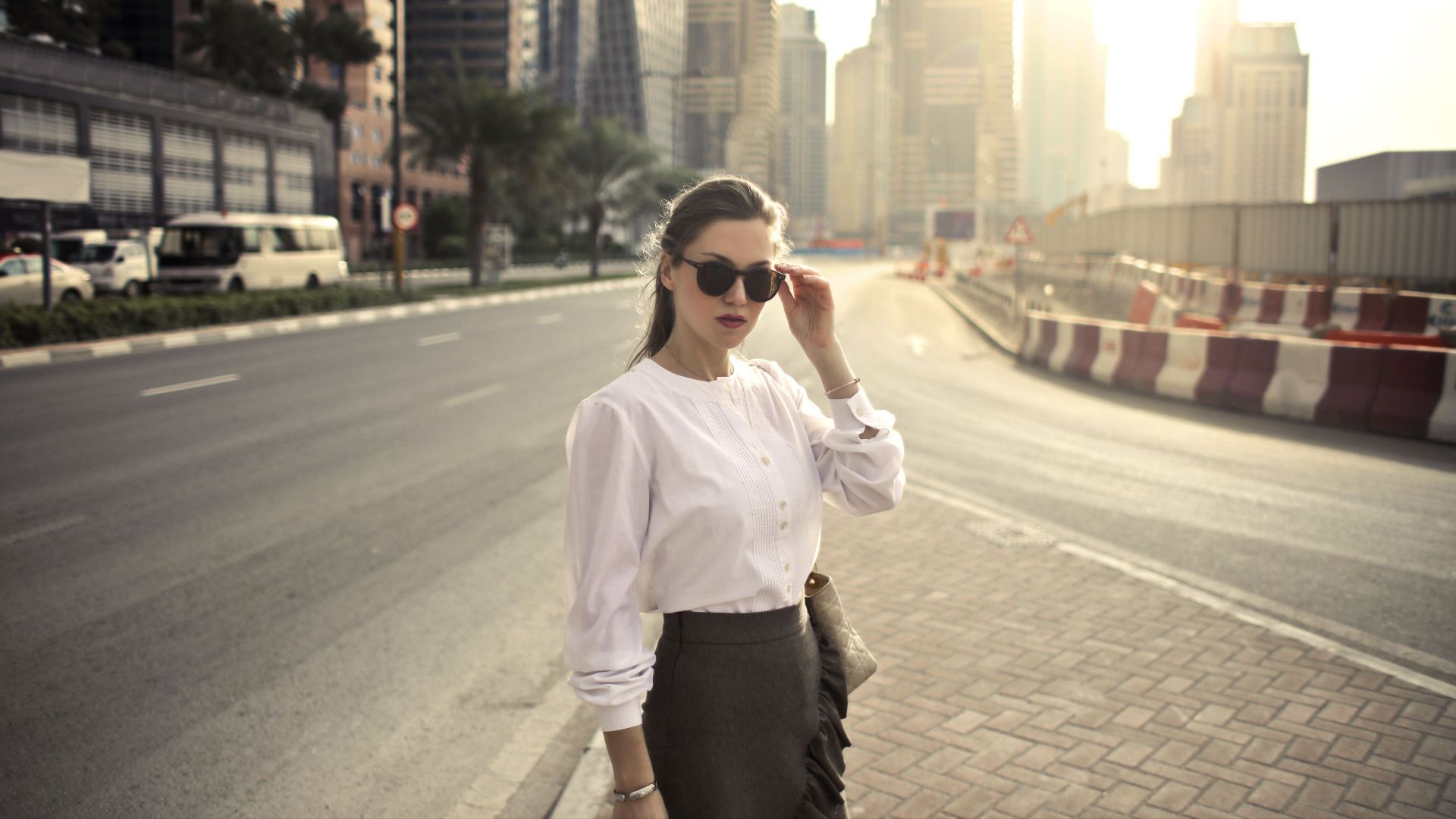
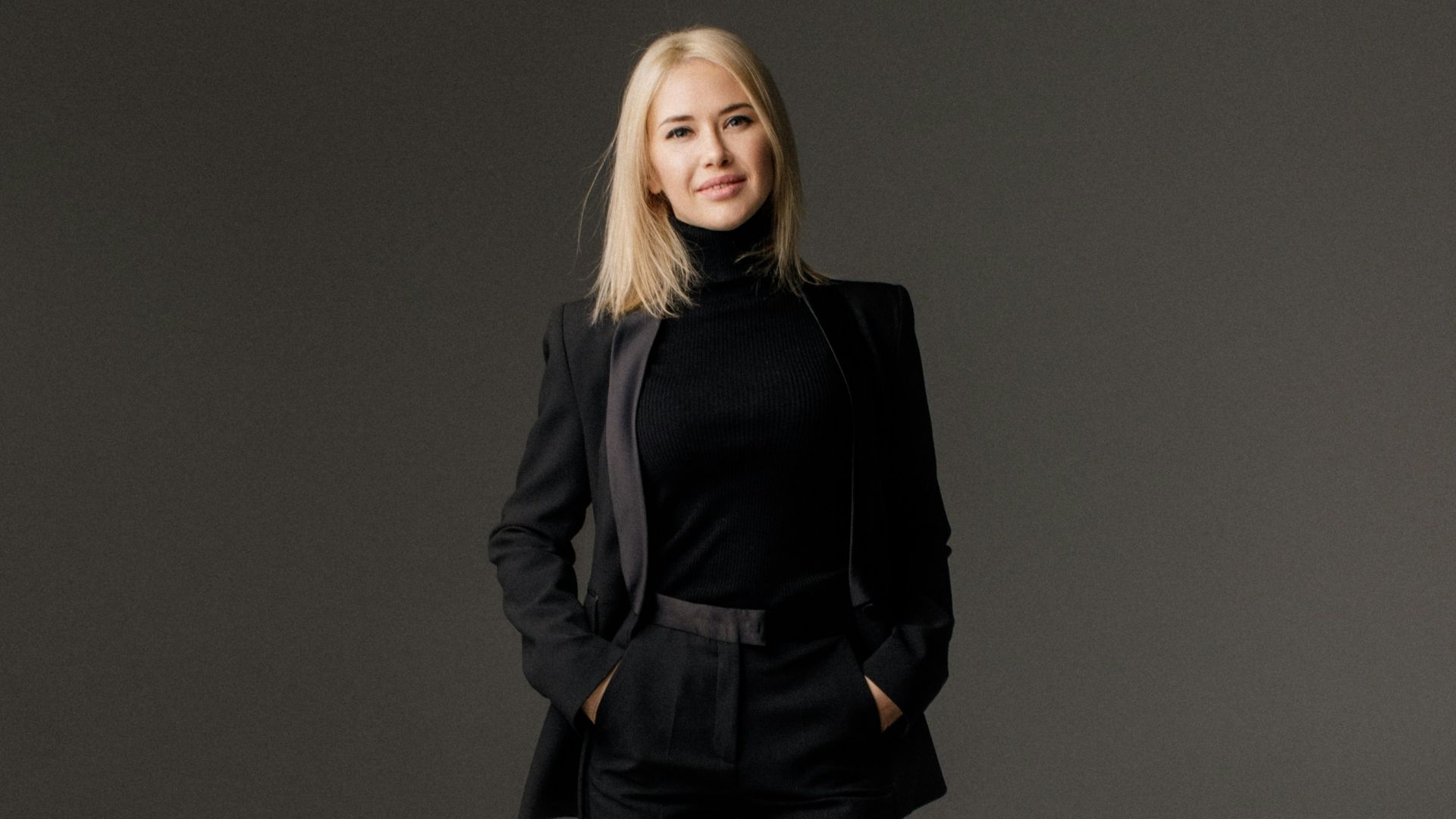
Career changes often come with wardrobe changes because different roles carry different visual expectations. A person starting a leadership position may reach for sharper tailoring, while someone entering a creative field may loosen up and experiment more. Even remote work can change style by blending comfort with camera-ready pieces.
12. They Want Clothes That Match Their Values
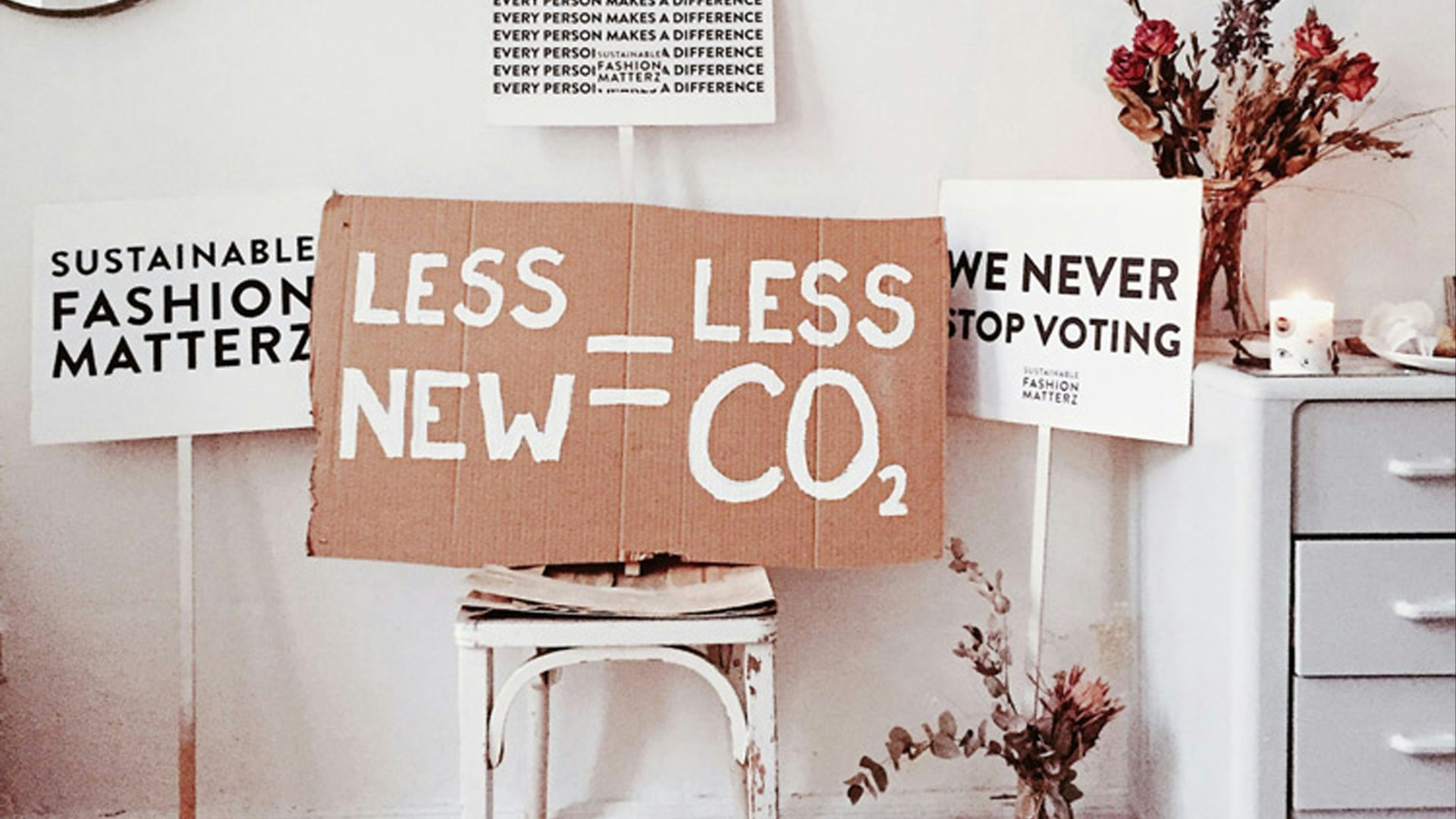
A major life event can make people rethink what they buy and why. They may start choosing sustainable brands, secondhand clothing, local designers, modest dressing, cruelty-free materials, or fewer but better pieces. Clothes become less about trends and more about alignment.
13. They're Done Dressing for Other People
Some life changes make people realize they've been dressing to please, impress, or avoid judgment. After that realization, they may start wearing what feels honest instead of what feels approved. This can look like simpler clothes, louder clothes, more comfortable shoes, or finally abandoning a style that never felt right.
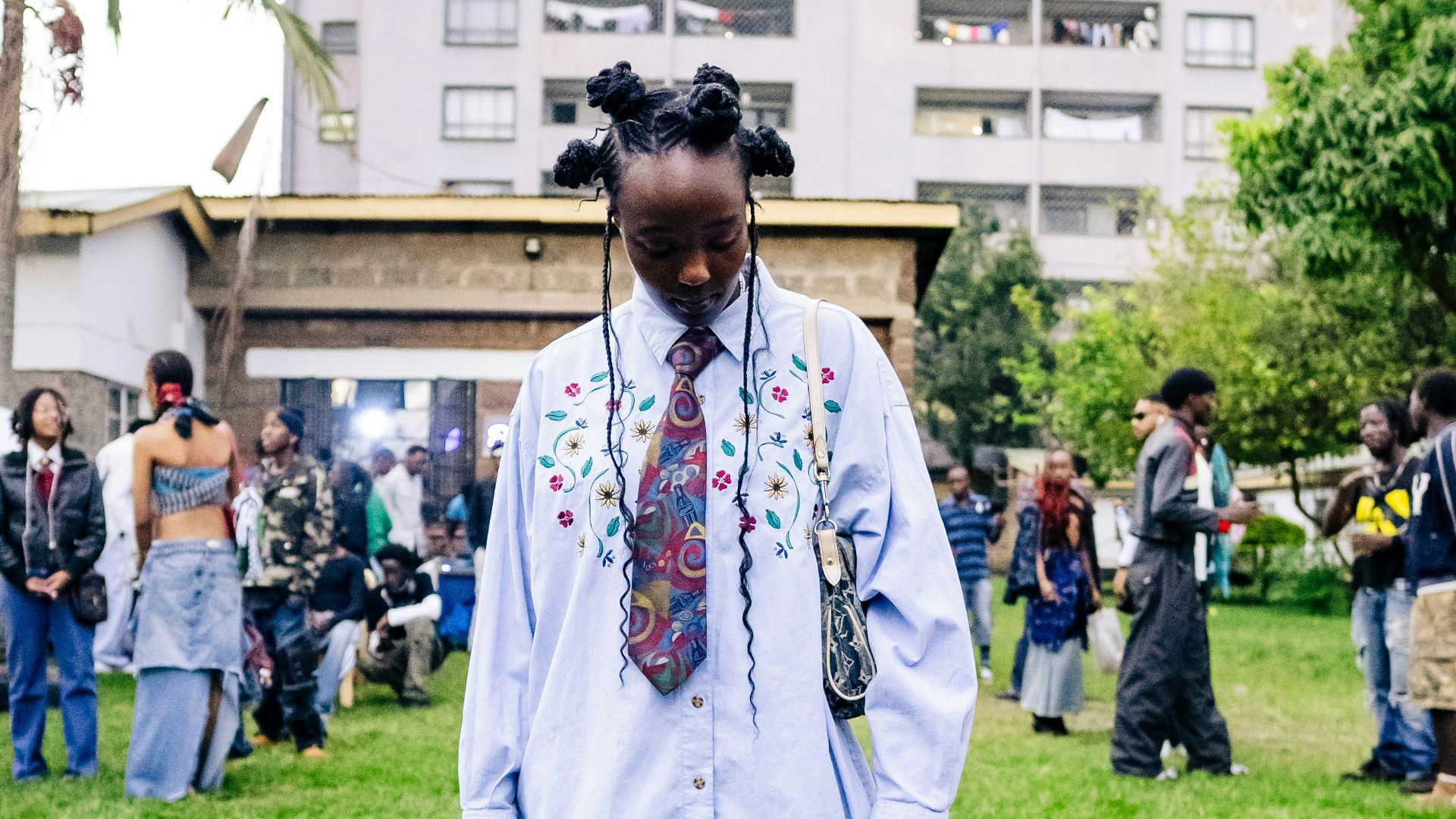
14. They Need Practical Comfort
Stressful seasons can make uncomfortable clothes feel completely unreasonable. When life is demanding, people may choose softer fabrics, easier shoes, looser fits, and outfits that do not require constant adjusting. Sometimes comfort is the most sensible style decision available.
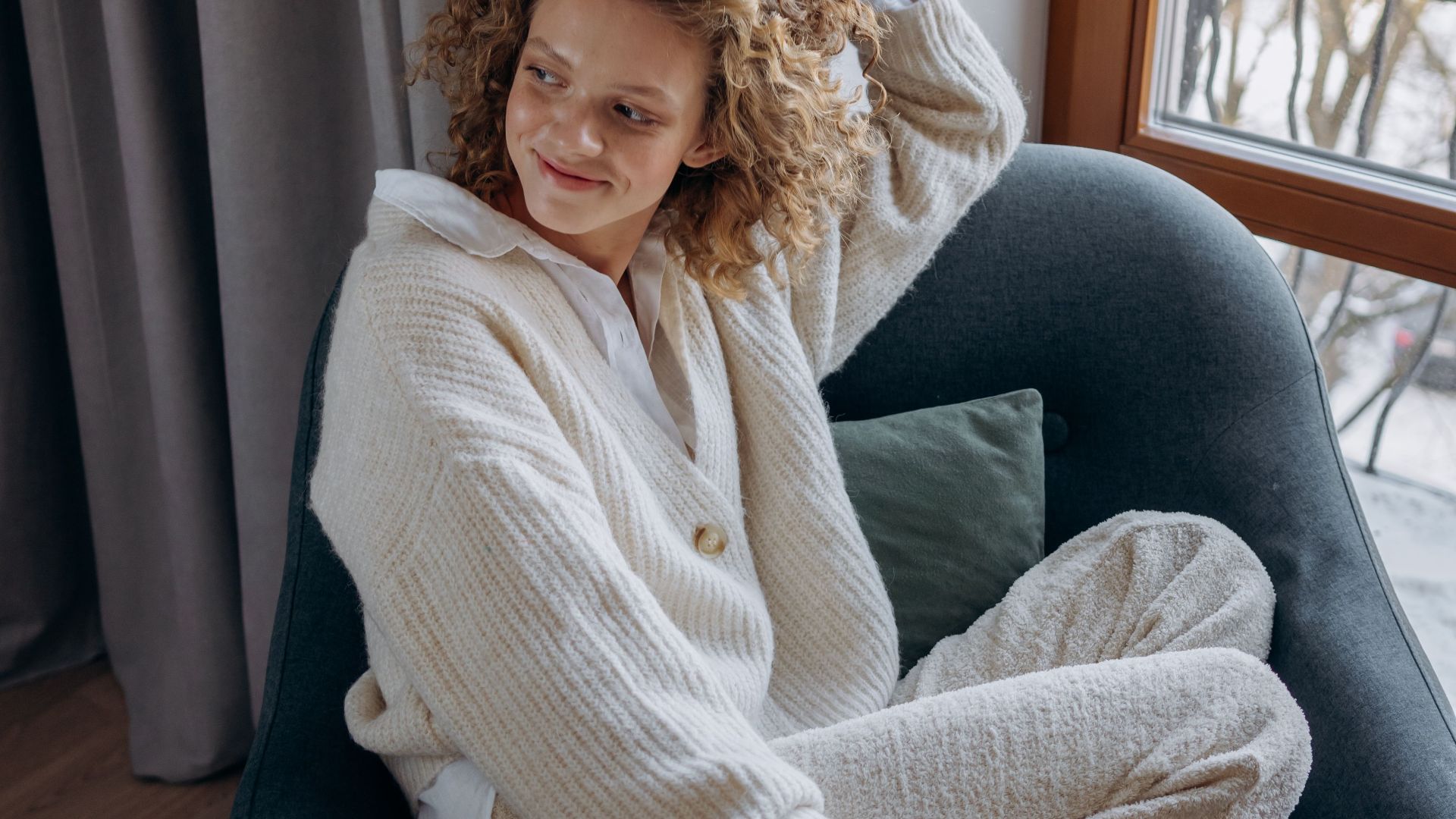
15. They're Exploring a New Social Circle
New friendships, relationships, communities, or hobbies can influence what people wear. Someone joining a running club, art scene, corporate office, parenting group, or dating world may start experimenting with a different look. People often pick up style cues from the environments where they feel seen.
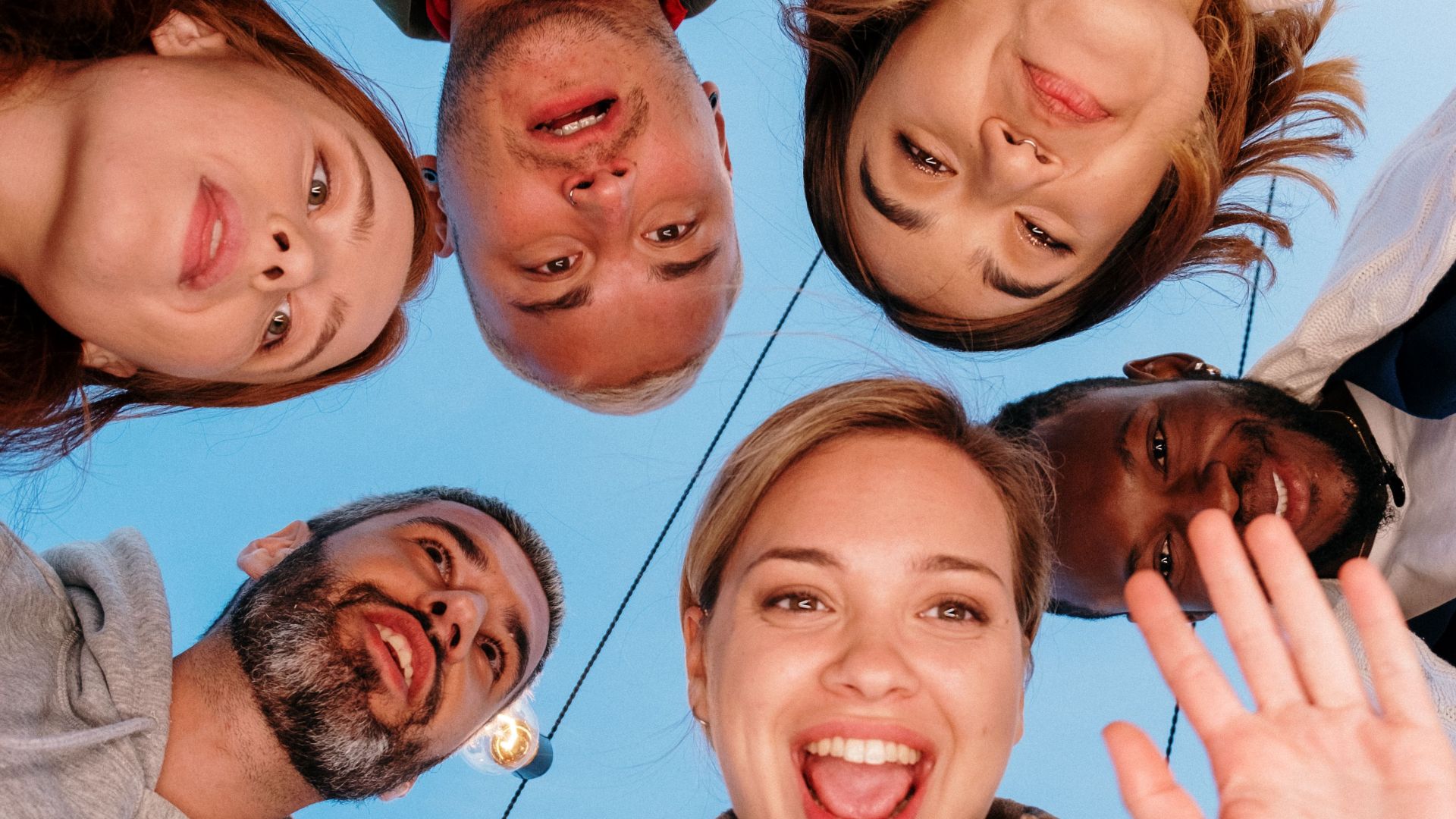
16. They Want to Mark a Personal Victory
Clothing can be a celebration after a big personal win. Finishing school, leaving a toxic job, recovering from hardship, getting sober, moving out, or starting over can make people want to dress with more pride. A new look can act like a visible reminder that they made it through something.

17. They're Grieving
Grief can change style in complicated ways. Some people dress more simply because they don't have energy for decisions, while others wear meaningful pieces that connect them to someone or something they lost. Color, comfort, and routine may suddenly matter differently.
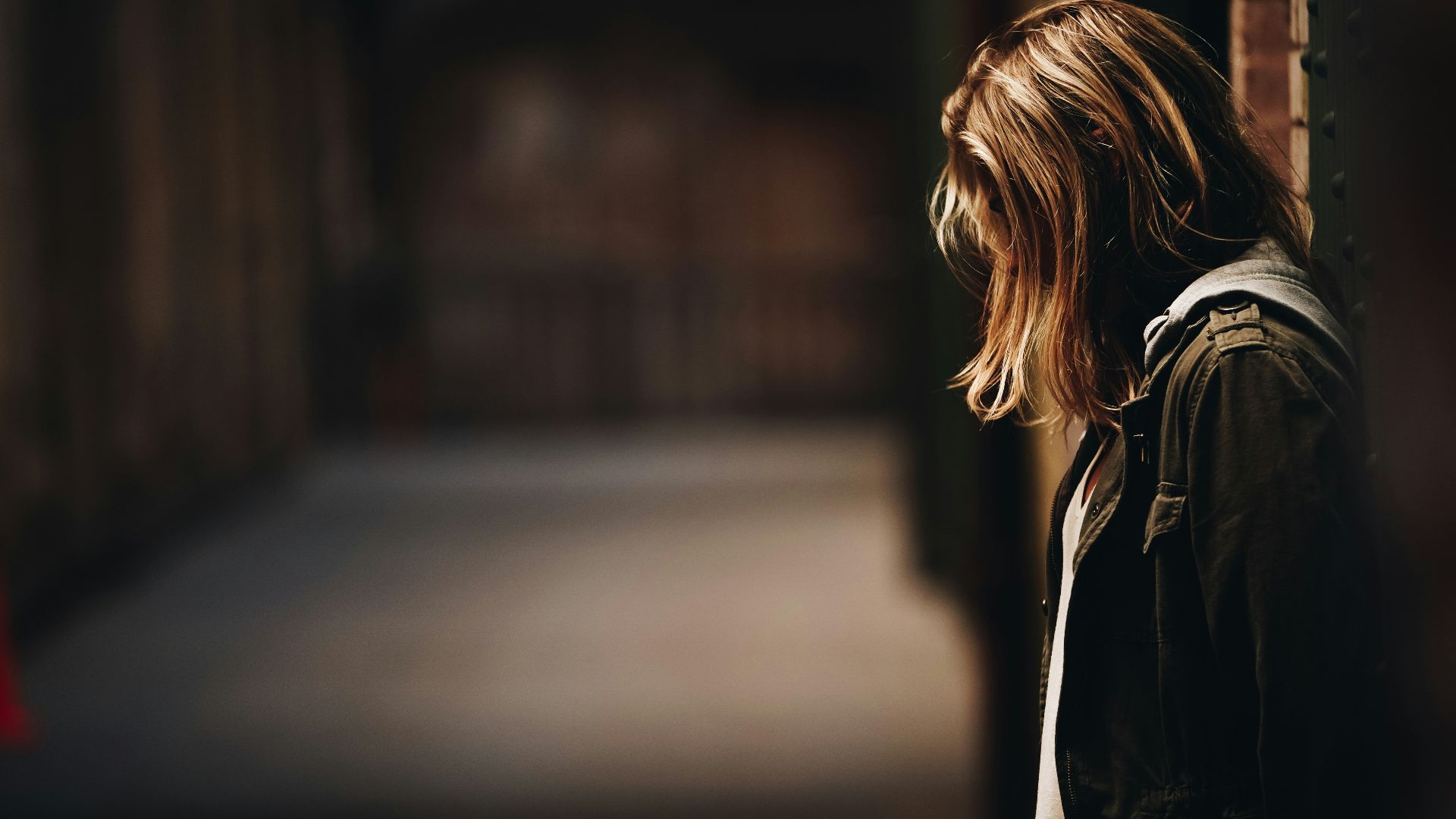
18. They're Reclaiming Playfulness
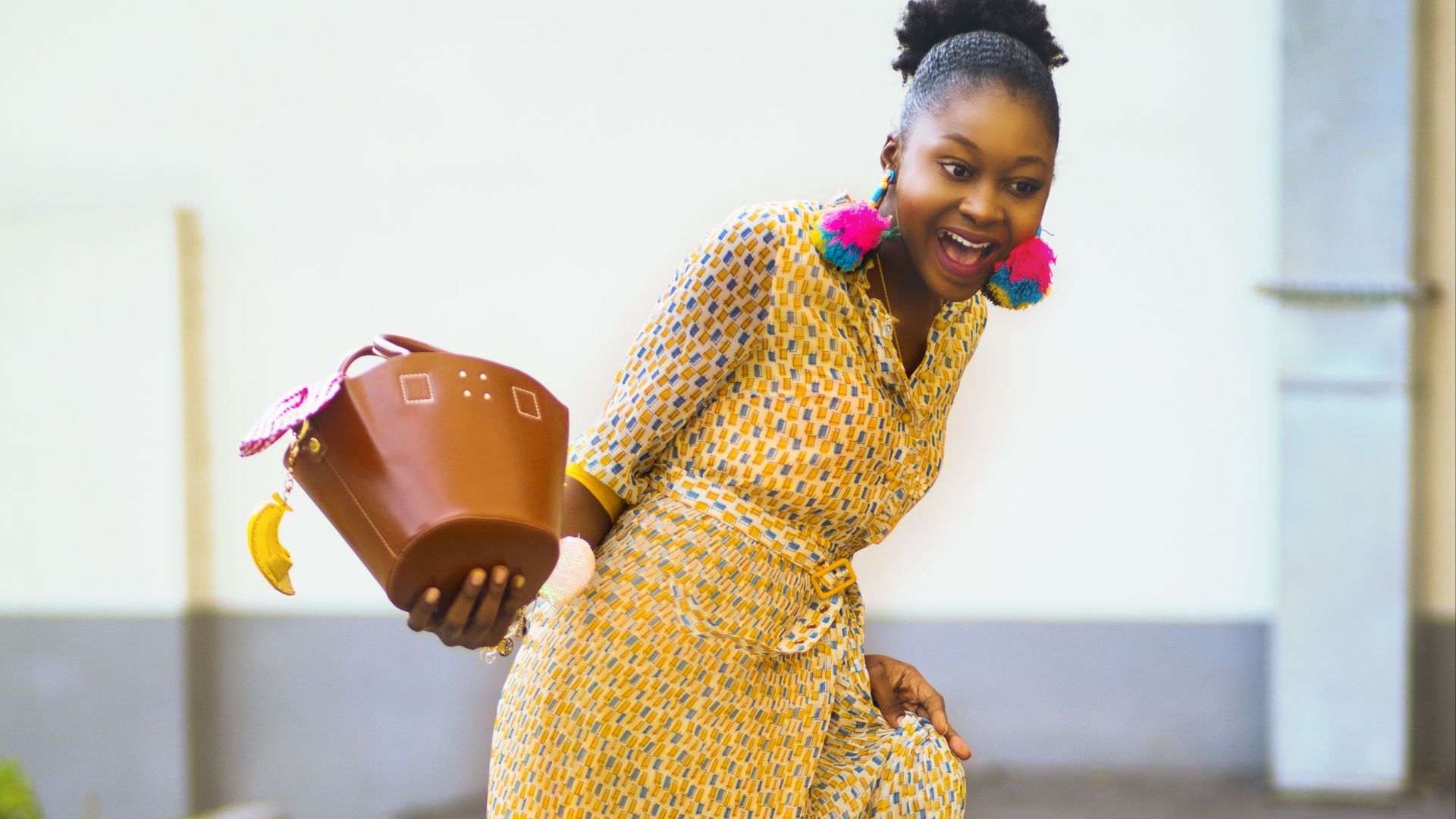
After a serious or restrictive period, people may start dressing more playfully. Bright colors, fun prints, unusual accessories, or unexpected silhouettes can return when someone finally feels room to enjoy themselves again. This kind of style shift often feels less like performance and more like relief.
19. They're Setting New Boundaries
Clothes can support boundaries by helping someone feel more protected, confident, or clearly defined. A person may dress more professionally to be taken seriously, more modestly to feel comfortable, or more boldly to stop shrinking. The outfit doesn't create the boundary by itself, but it can support the mood behind it.
20. They Finally Know What Feels Like Them
A big life change can strip away old assumptions and make personal style clearer. People may stop chasing trends or copying others and start noticing what they actually enjoy wearing. That can lead to a simpler wardrobe, a more expressive one, or just better choices overall.