History’s Most Important Tattoos
Tattoos have been around for thousands of years, long before they became a familiar part of modern pop culture. Ancient mummies, kings, soldiers, celebrities, and even presidents have all carried ink that later became part of their stories. Some designs were deeply personal, while others represented status, travel, identity, or tradition. These 20 tattoos stand out because the people who wore them helped make their ink memorable long after the needles were put away.
1. Ötzi the Iceman's 61 Tattoos
Ötzi likely is the most well-known tattooed individual in ancient history. The 5,300-year-old Copper Age man had 61 tattoos in the form of lines and crosses on his body. Some tattoos were near joints and in places where the Iceman had obvious wear patterns. Researchers wondered if the tattoos served a therapeutic purpose.

2. George Orwell's Knuckle Tattoos
George Orwell was known to have tattoos on his knuckles from his time working as a police officer in Burma. The tattoos became part of his personal history and reflected the experiences he had before becoming one of the 20th century's most famous writers. They’re an unusual piece of Orwell's past and make for a memorable example of how tattoos could follow someone through very different stages of life

3. Nicholas II's Japanese Dragon
Russia’s final czar wasn’t immune to Japanese-style tattooing either. Nicholas II had a dragon tattoo placed on his right arm during a visit to Japan in 1891. While it certainly wasn’t typical activity for someone of imperial stature, it was fashionable for some Europeans at the time.
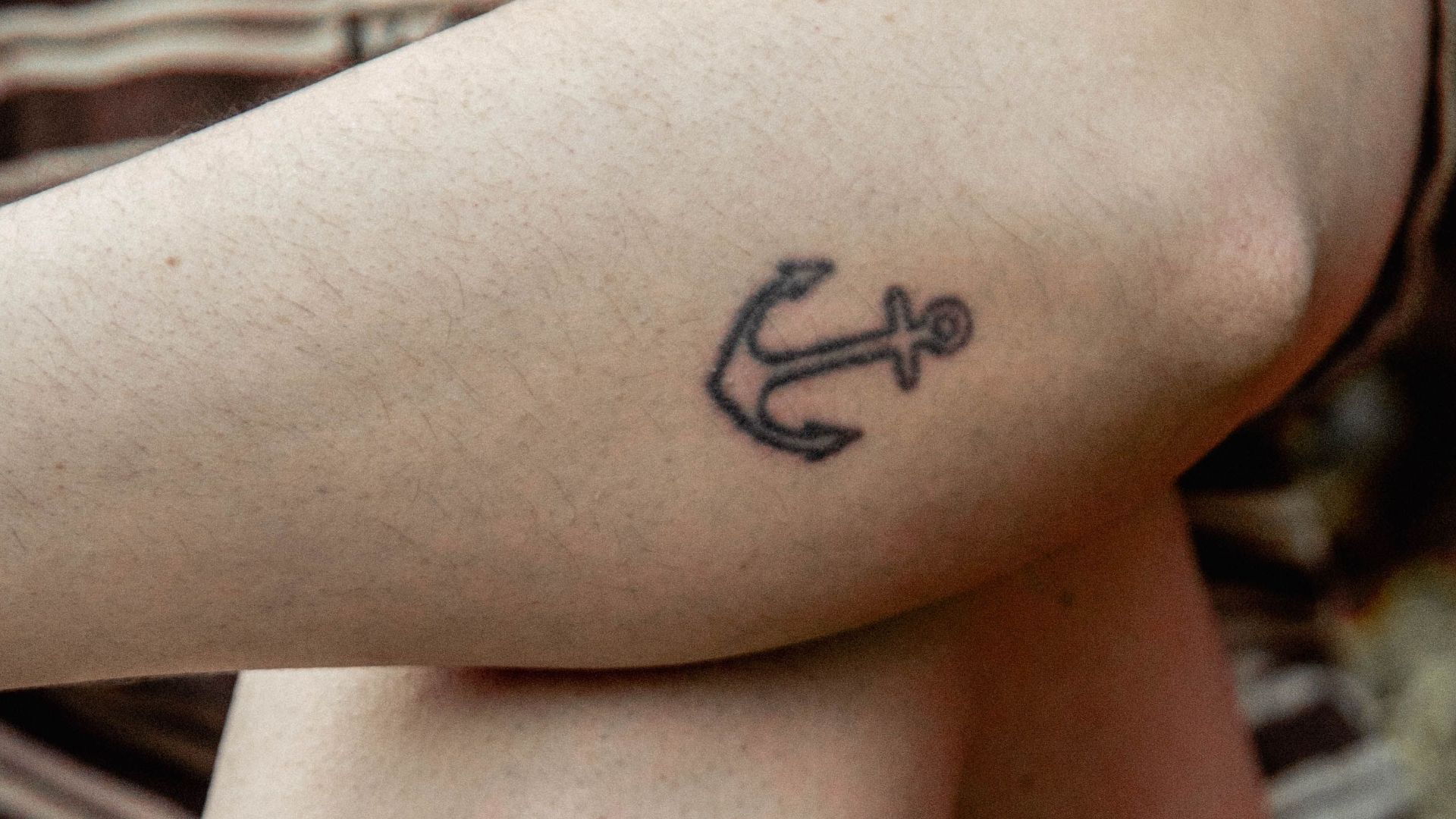
4. Winston Churchill's Anchor
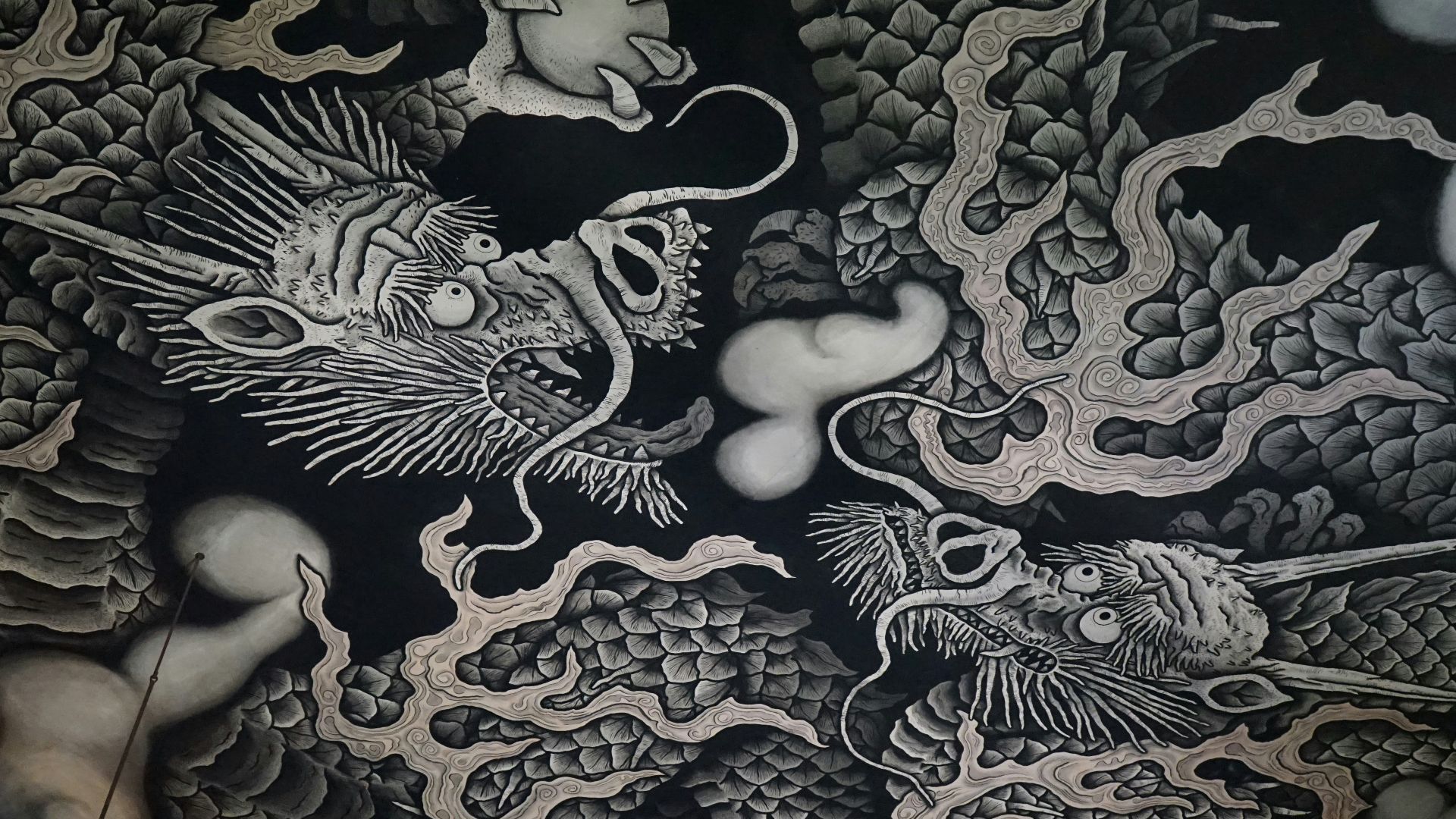
Everyone knows Winston Churchill had an anchor tattoo on his forearm. It was surprising for someone who was known for being an army officer and head of government, not a career sailor. It also made for one of the more interesting tattoos for one of modern history’s most recognizable figures.
5. Lady Randolph Churchill's Snake
Churchill’s mother, Lady Randolph Churchill, also had a tattoo. Her tattoo was of a snake around her wrist. She may have kept it private for good reason, as tattoos weren’t mainstream even among upper-class women at the time.
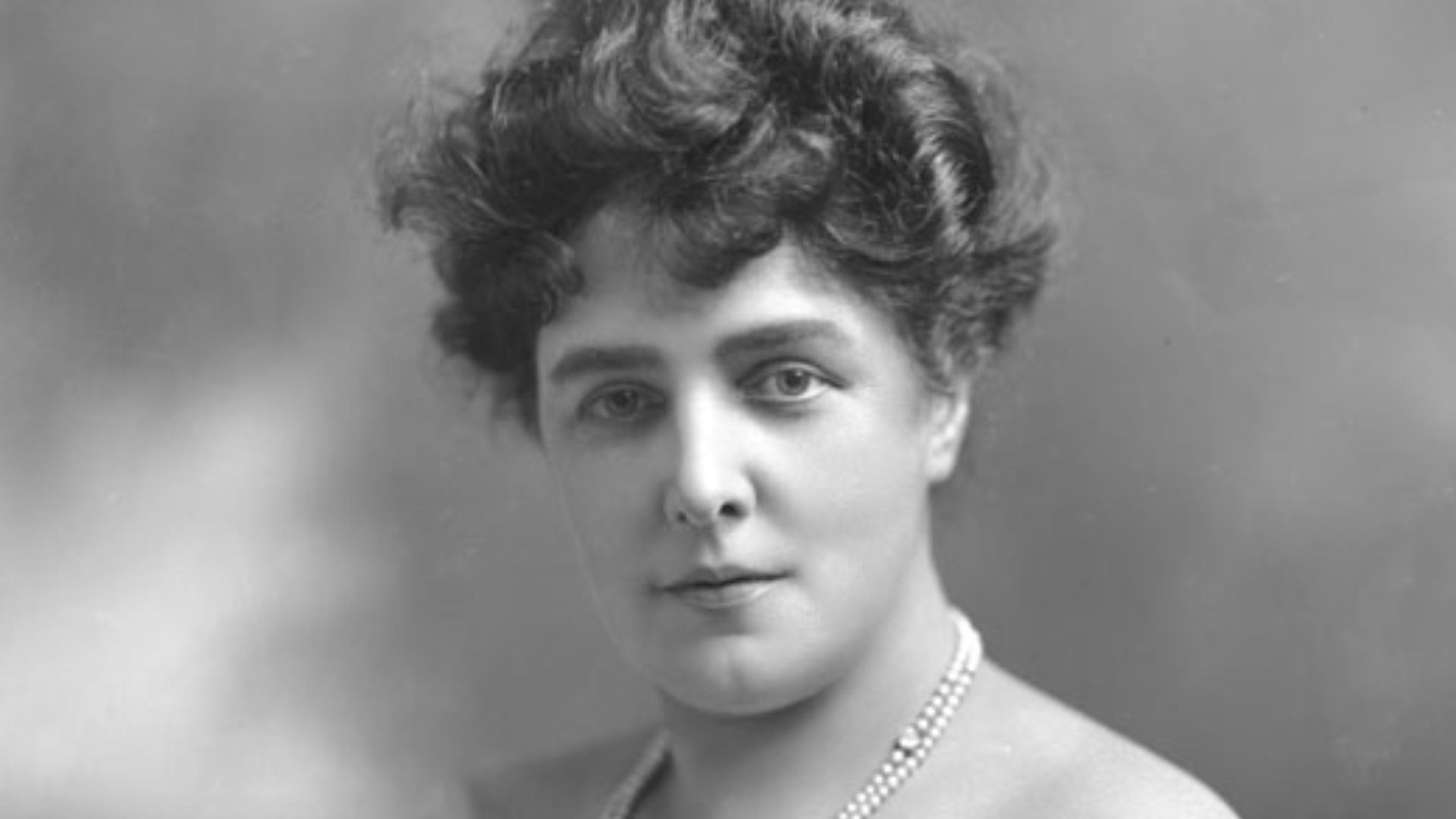 (Original text : The Lafayette studio) on Wikimedia
6. Theodore Roosevelt's Family Crest
President Theodore Roosevelt was tattooed with the Roosevelt family crest on his chest. It fit his public image as a rugged leader who loved adventure and the outdoors. Roosevelt is among the best-known figures in U.S. history to have a tattoo, which helped dispel elitist notions about tattoos at the time.
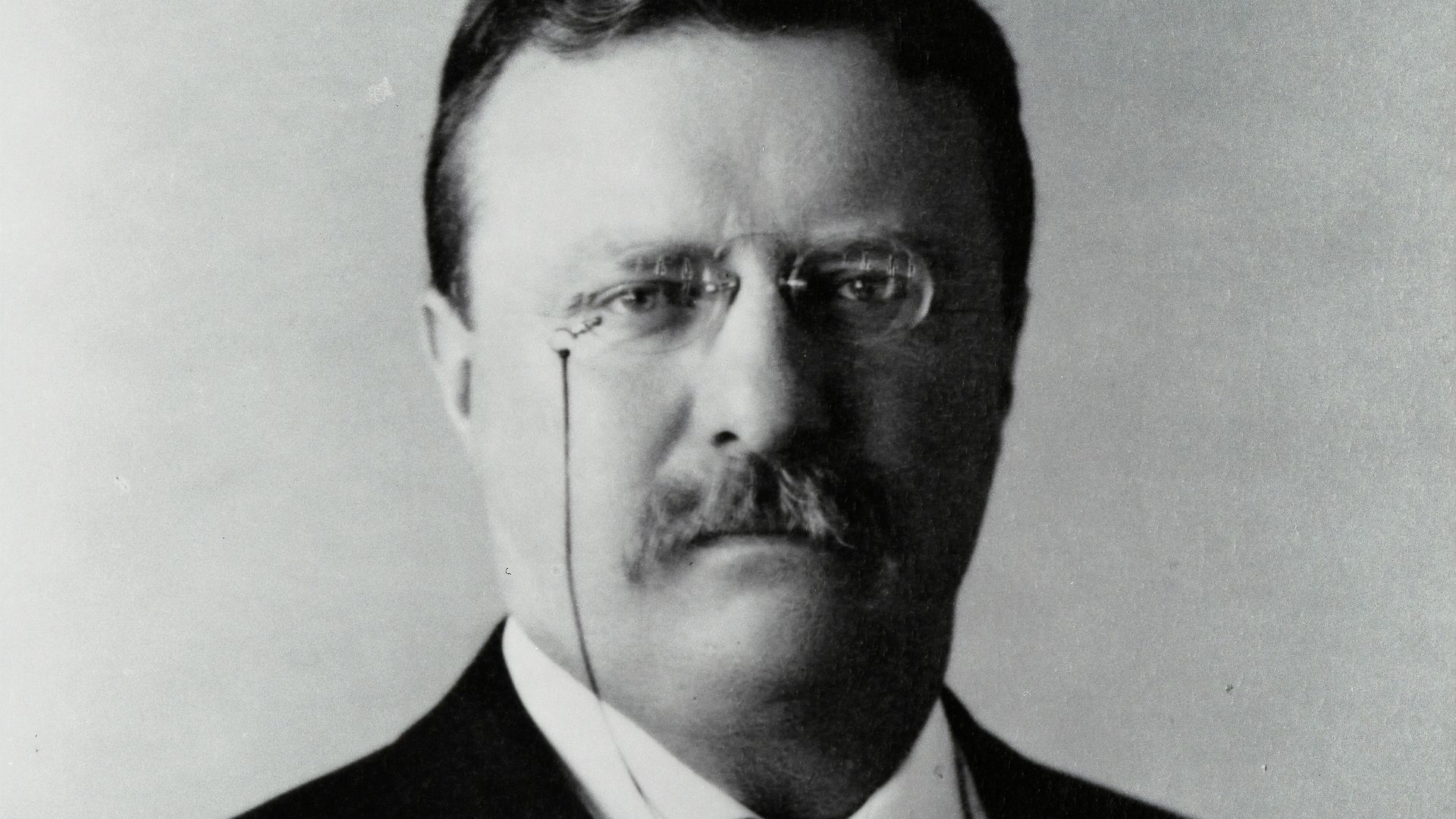 Library of Congress on Unsplash
7. Andrew Jackson's Tomahawk
A tomahawk was tattooed on President Andrew Jackson’s thigh. It’s one of the weirder tattoos to adorn an American president. It takes on added meaning when you consider Jackson’s fraught history with Native Americans.
8. Prince Alfred's Dragon
Prince Alfred, Duke of Edinburgh, received his dragon tattoo during a trip to Japan in 1869. He was among several European royals who took notice of Japanese tattooing during the 19th century. His tattoo set a trend that continued when others in Britain’s royal family joined him in getting inked.
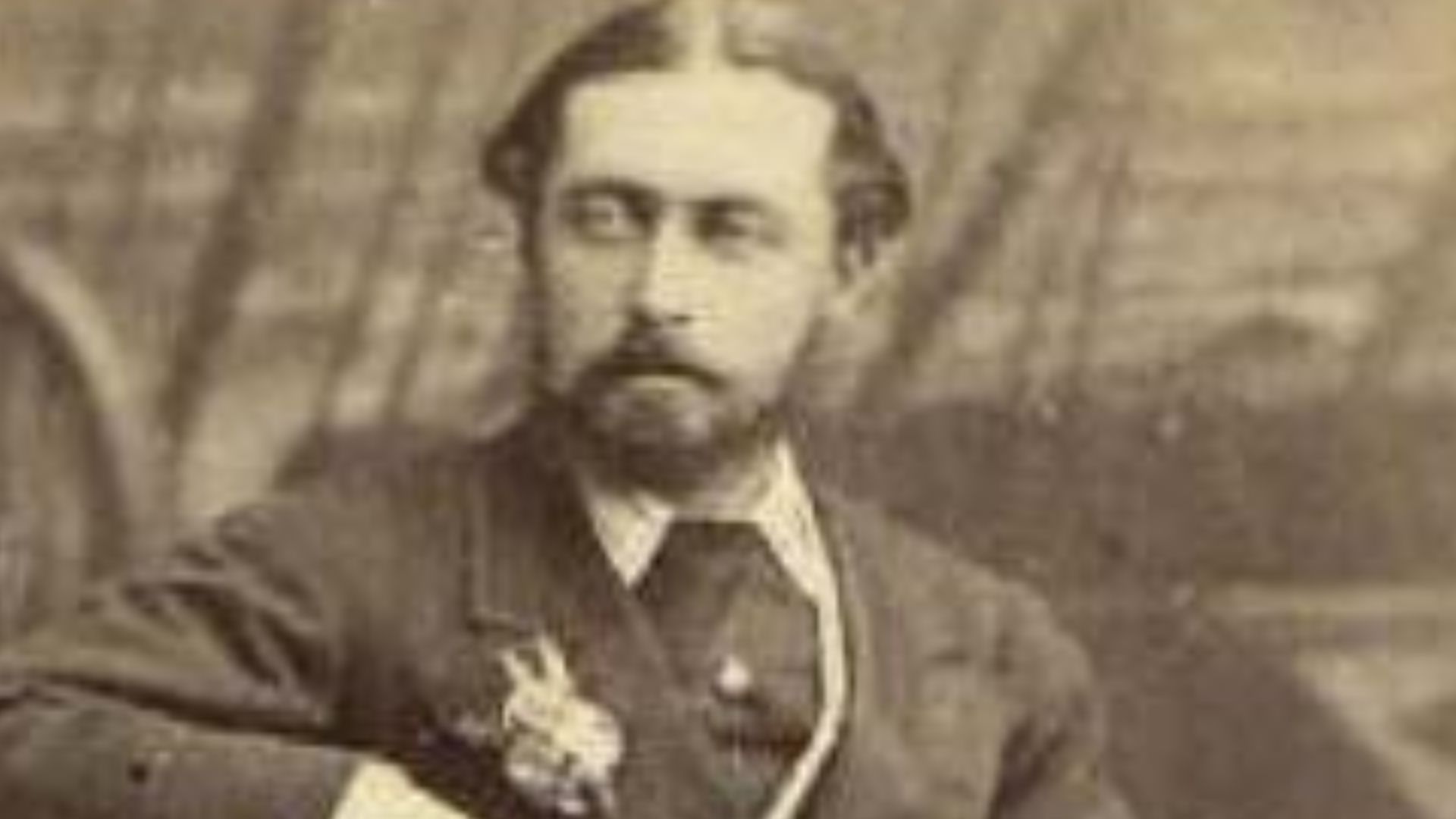 File Upload Bot (Magnus Manske) on Wikimedia
9. Prince George's Japanese Tattoos
Britain’s future King George V wasn’t the only royal to partake in Japanese-style tattooing. Prince George received Japanese tattoos on a later visit to Japan. The prince noted in his diary how tattoos were common among sailors.
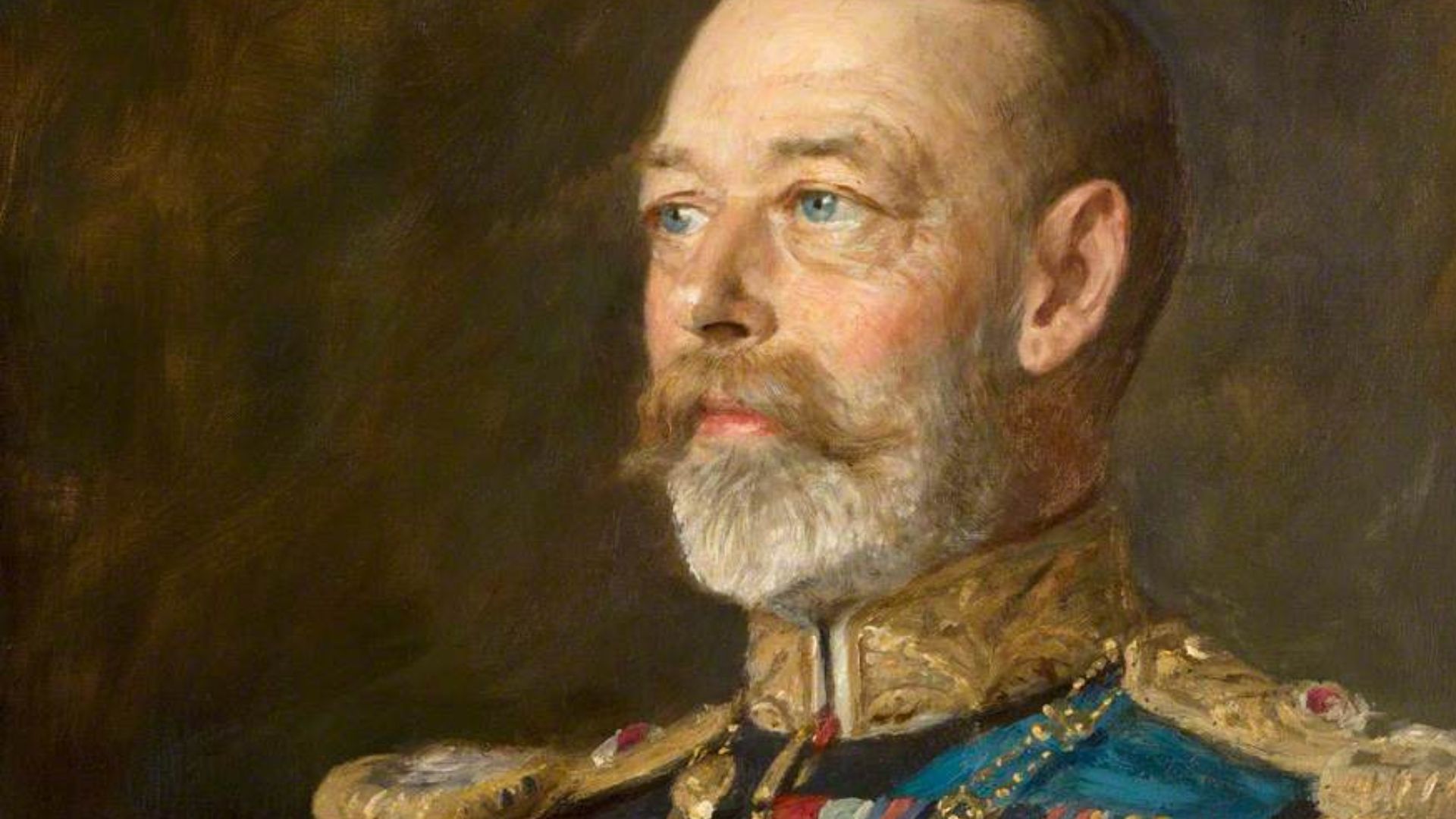 Arthur Stockdale Cope on Wikimedia
10. Harold II's Edith Tattoo
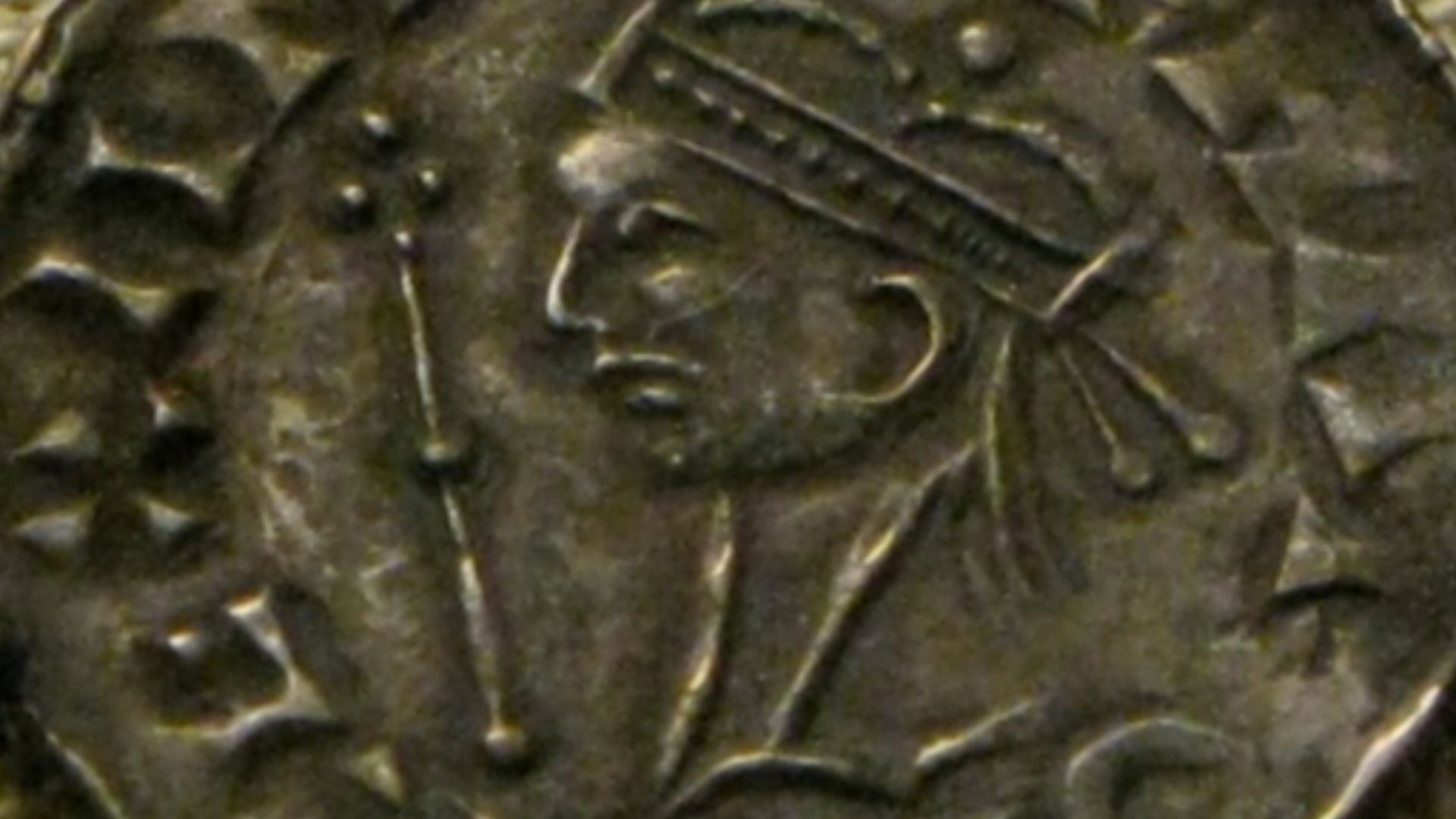
Harold II, the last Anglo-Saxon king of England, supposedly had his wife Edith's name tattooed on his chest. After Harold passed at the Battle of Hastings in 1066, his body was reportedly difficult to identify because of the injuries it had suffered. According to the historical account, the tattoo helped Edith recognize him, giving a very personal mark an unexpectedly practical role.
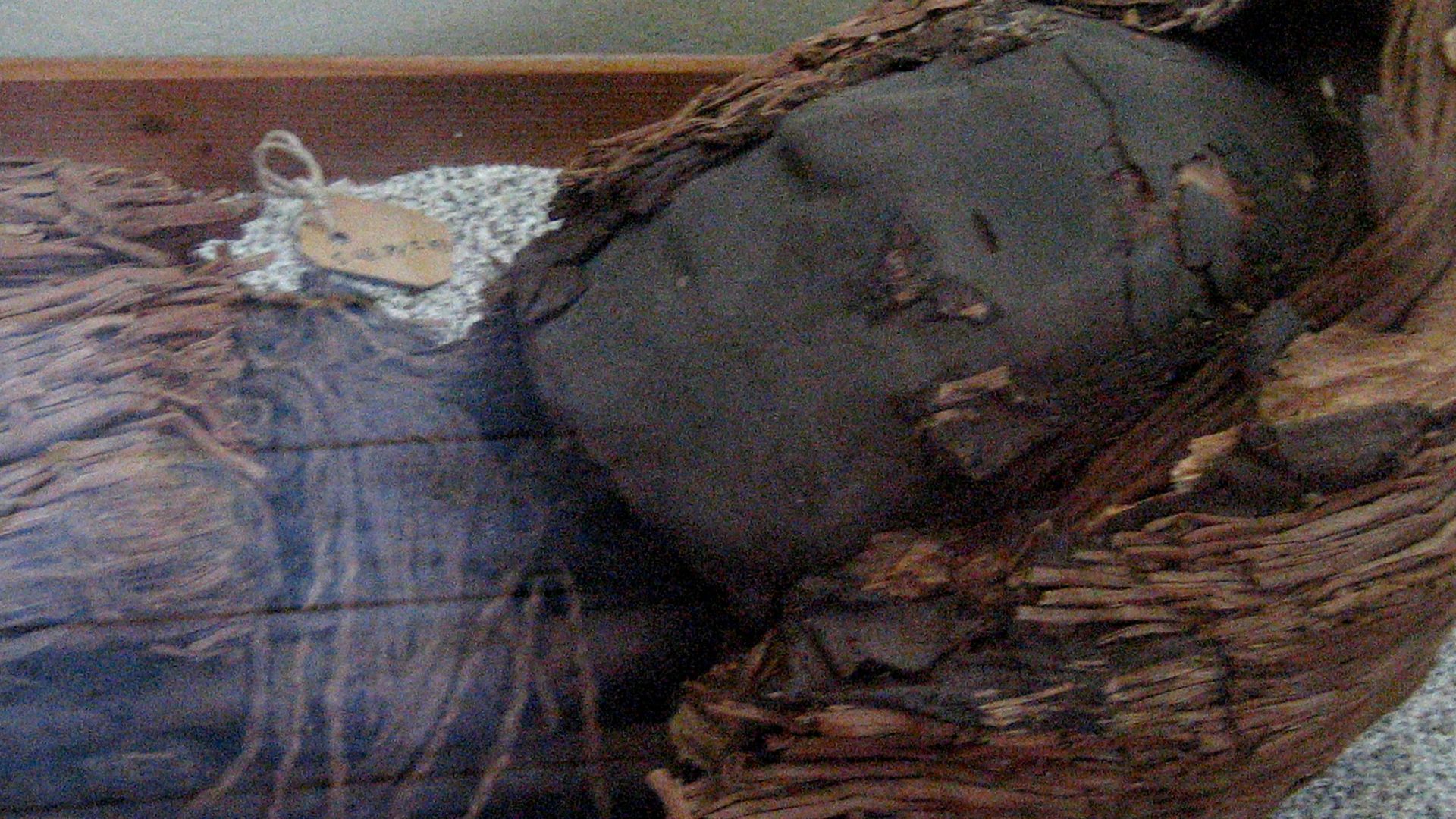
11. The Chinchorro Mummy's Tattooed Upper Lip
The Chinchorro man is an ancient tattooed individual from present-day Chile. His remains date back approximately 4,000 years and show a thin dotted-line tattoo above his upper lip. The tattoo is sometimes considered a tattooed mustache, making it one of the earliest facial tattoos in existence.
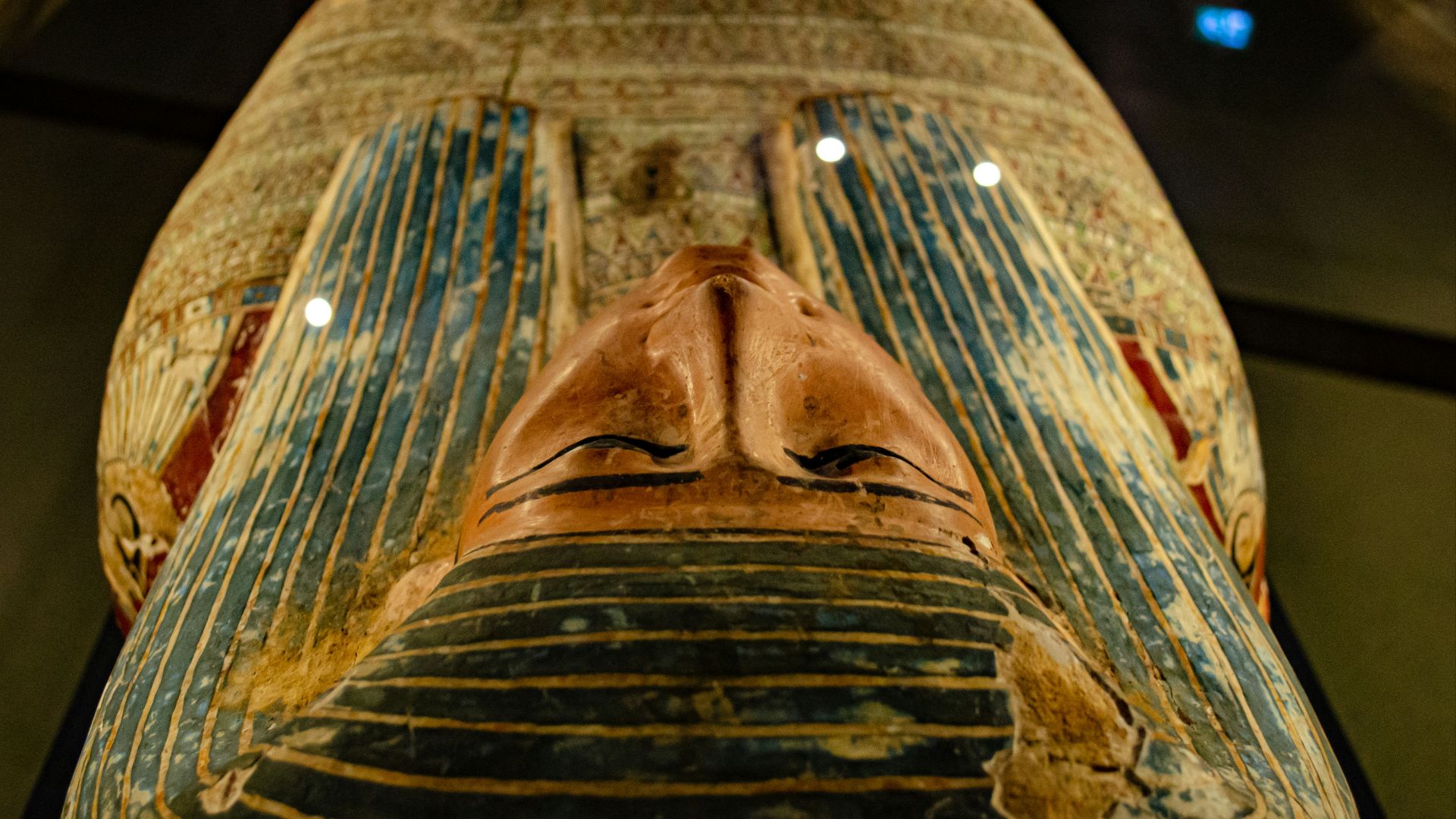
12. The Tattooed Egyptian Mummies
Ancient Egypt gave us some of the earliest documented tattooed people. Egyptian mummies have been found with tattoos dating to around the same time as Ötzi the Iceman. One male mummy had tattoos of a wild bull and Barbary sheep, while a female had S-shaped tattoos on her shoulders.
13. The Ainu Women's Facial Tattoos
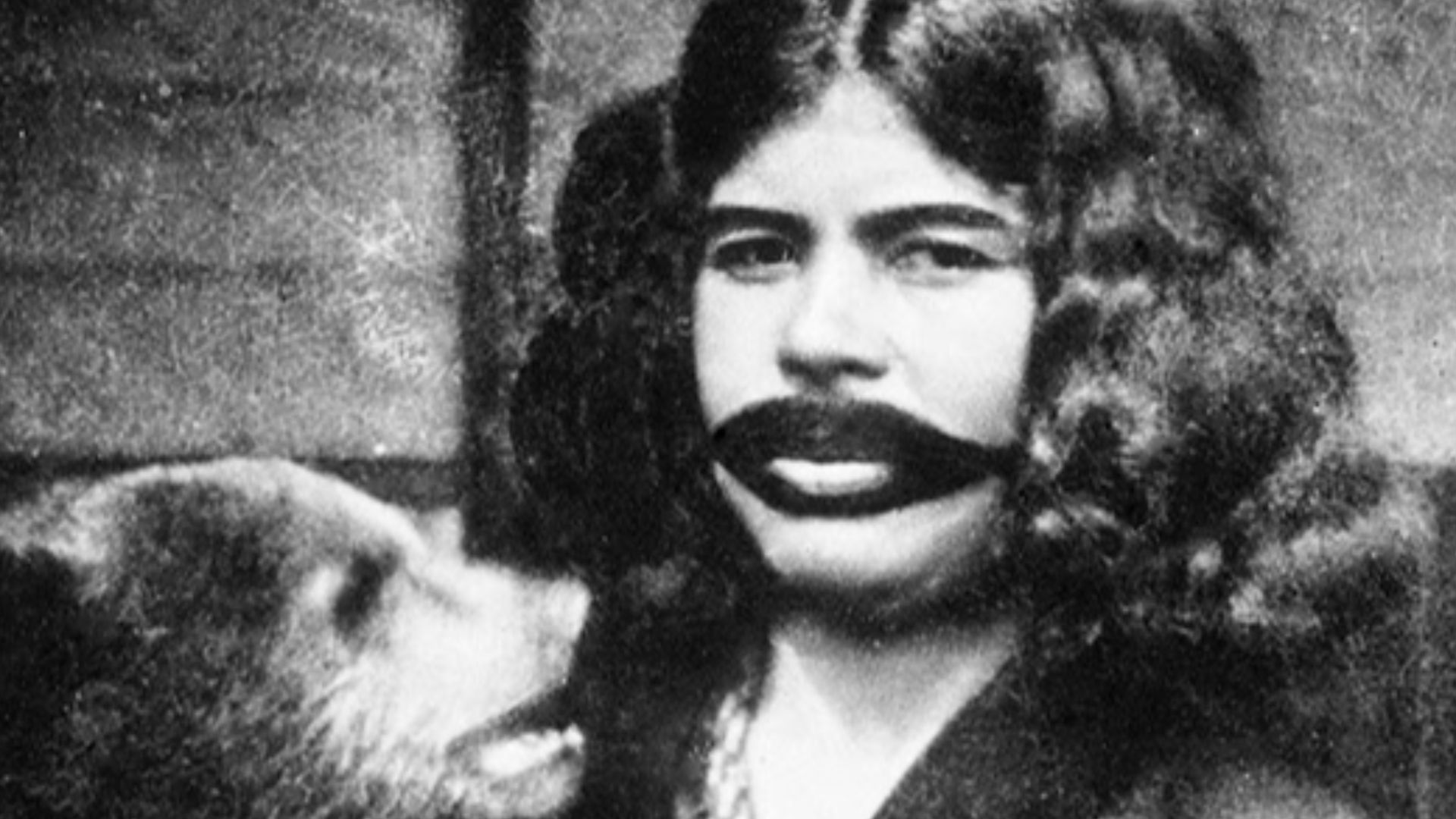
In Japan, the indigenous Ainu women had tattoos around their mouths as part of the sinuye tattoo tradition. Application of the tattoos happened over time and symbolized Ainu cultural identity. It shows us that tattoos weren’t merely decorative and had social importance in some cultures.
14. Sailors' Pig and Rooster Tattoos
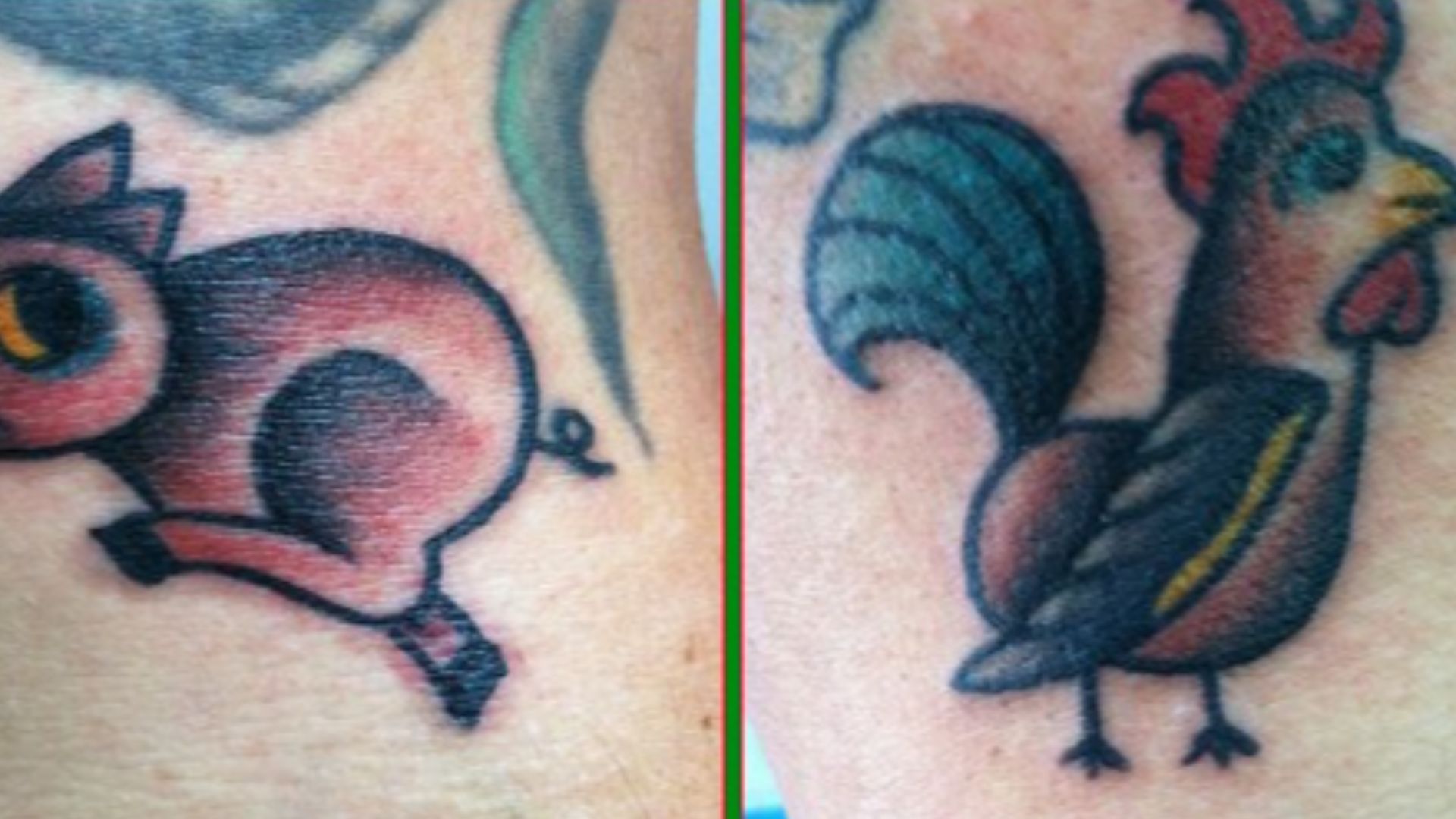
If you saw a sailor with a pig tattooed on one foot and a rooster tattooed on the other, you’d know he was following tradition. These tattoos supposedly protected the sailor from drowning, as neither animal could swim in the ocean. Sailors got tattoos like anchors, turtles, ships, and dragons to commemorate accomplishments and travels.
 Tony Alter from Newport News, USA on Wikimedia
15. The Sailor's Shellback Turtle
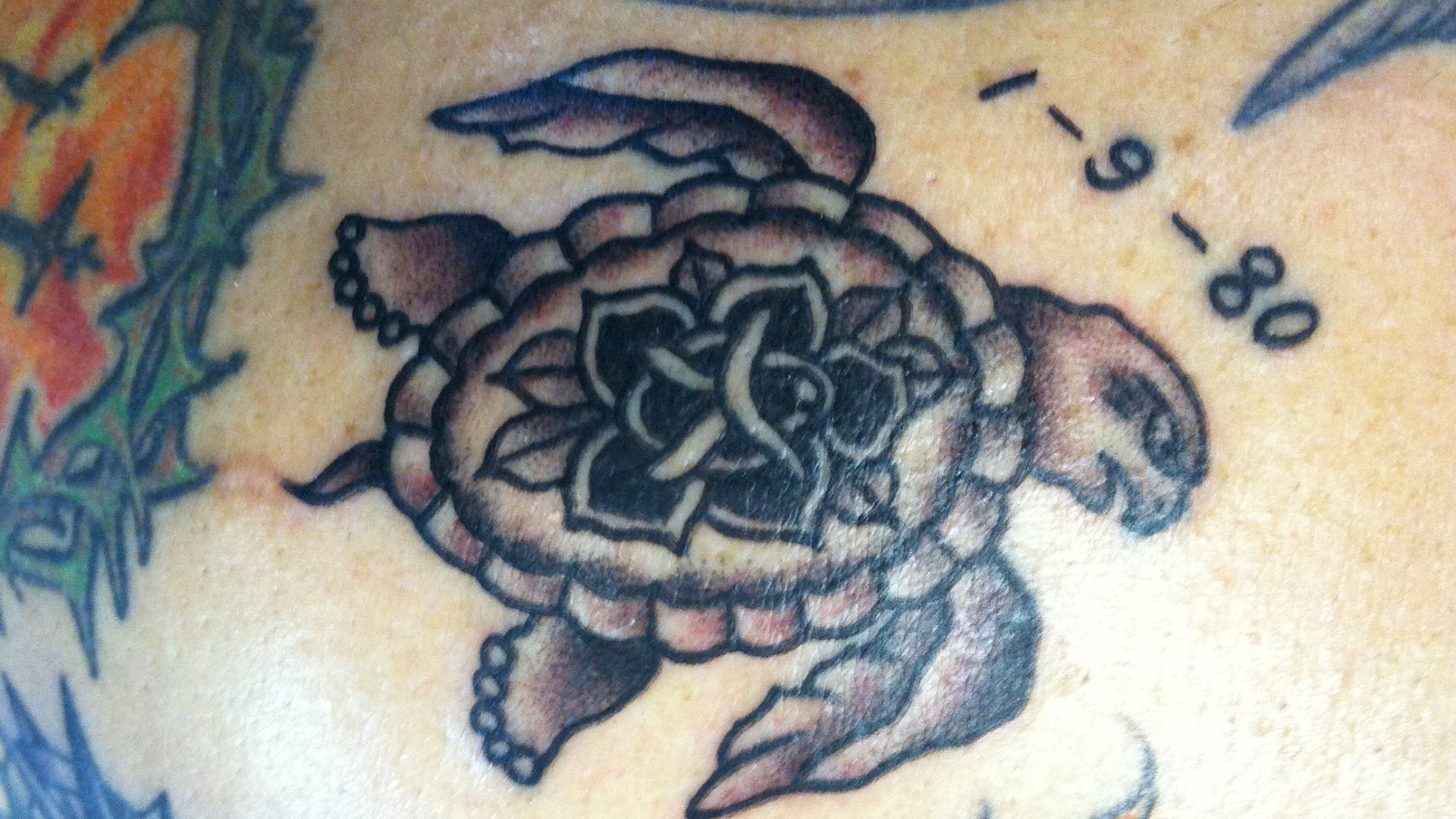
Crossing the Equator was an accomplishment that could be marked by getting a shellback turtle tattoo. The turtle became iconic in the maritime tattoo community as a way to show where a sailor traveled. Sailors took great pride in getting tattoos that symbolically represented where they had been.
 Tony Alter from Newport News, USA on Wikimedia
16. The Full-Rigged Ship
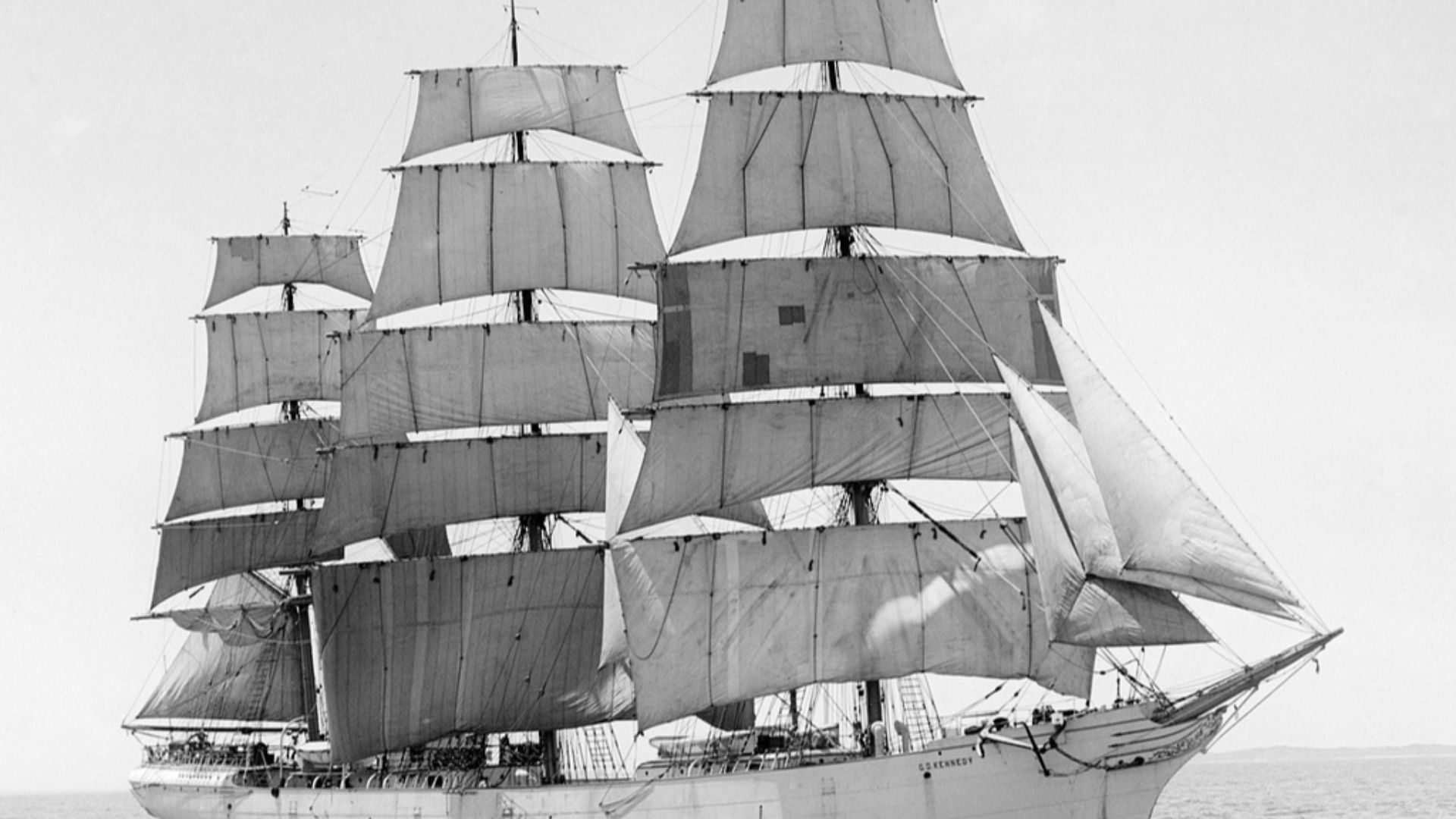
Full-rigged ships are classic tattoos for a reason. Sailors traditionally got them to represent sailing around Cape Horn. As with the shellback turtle, full-rigged ships became icons of traditional maritime tattoos.
17. The Japanese Dragon
Japanese dragon tattoos are renowned around the world. Tattoos in Japan became trendy with European visitors during the 1800s. Dragons were a popular motif for Japanese tattoo artists and remain strongly associated with Japanese body art.
18. The Yakuza Full-Body Tattoo
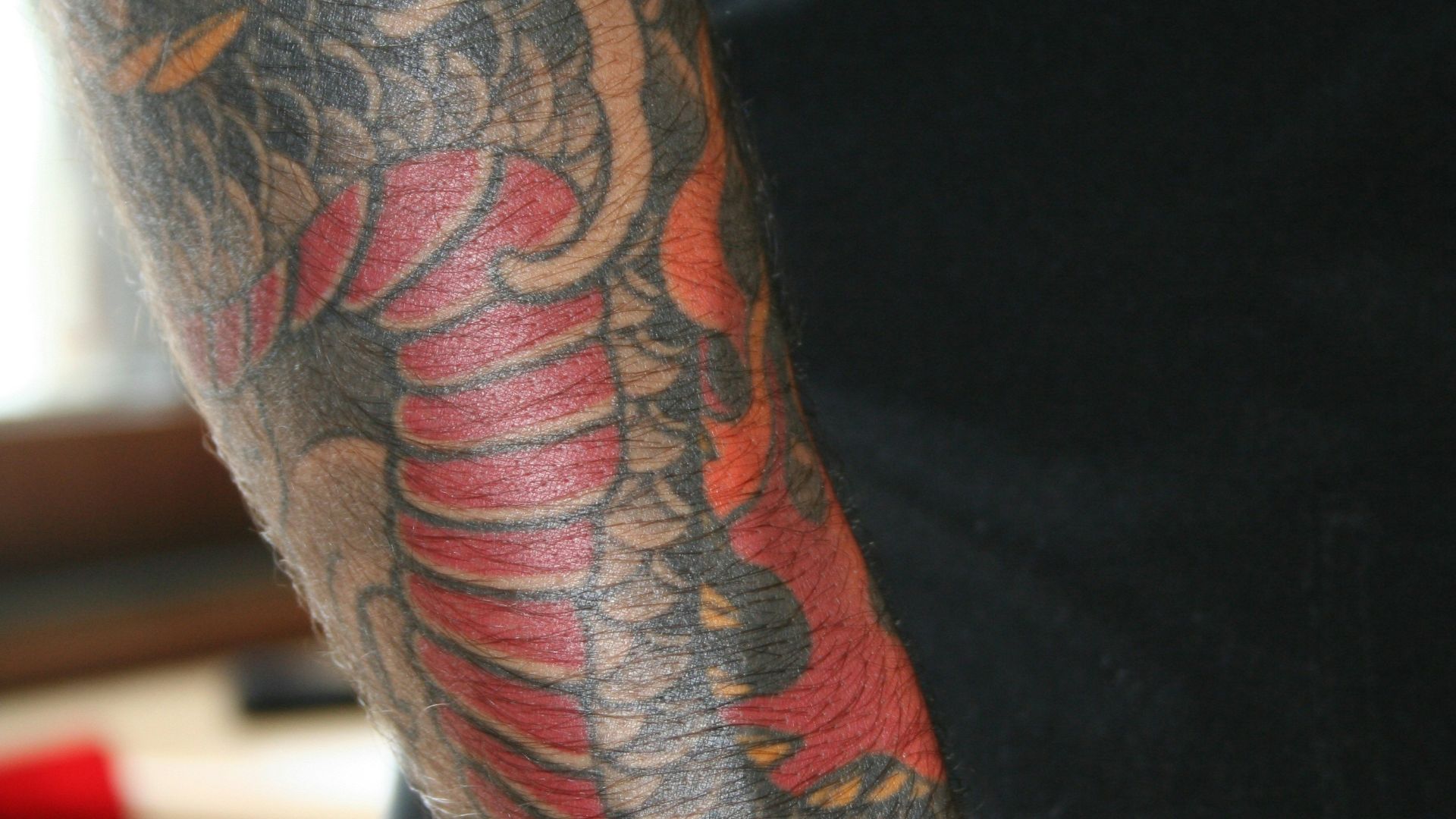
The yakuza brought full-body Japanese tattoos into the modern age. The tradition of full-body tattoos in Japan goes back centuries, though. Yakuza tattoos include dragons, bodhisattvas, flowers, and many other motifs. Oftentimes, the entire body is covered in these large tattoos.
19. The Jerusalem Cross Tattoo
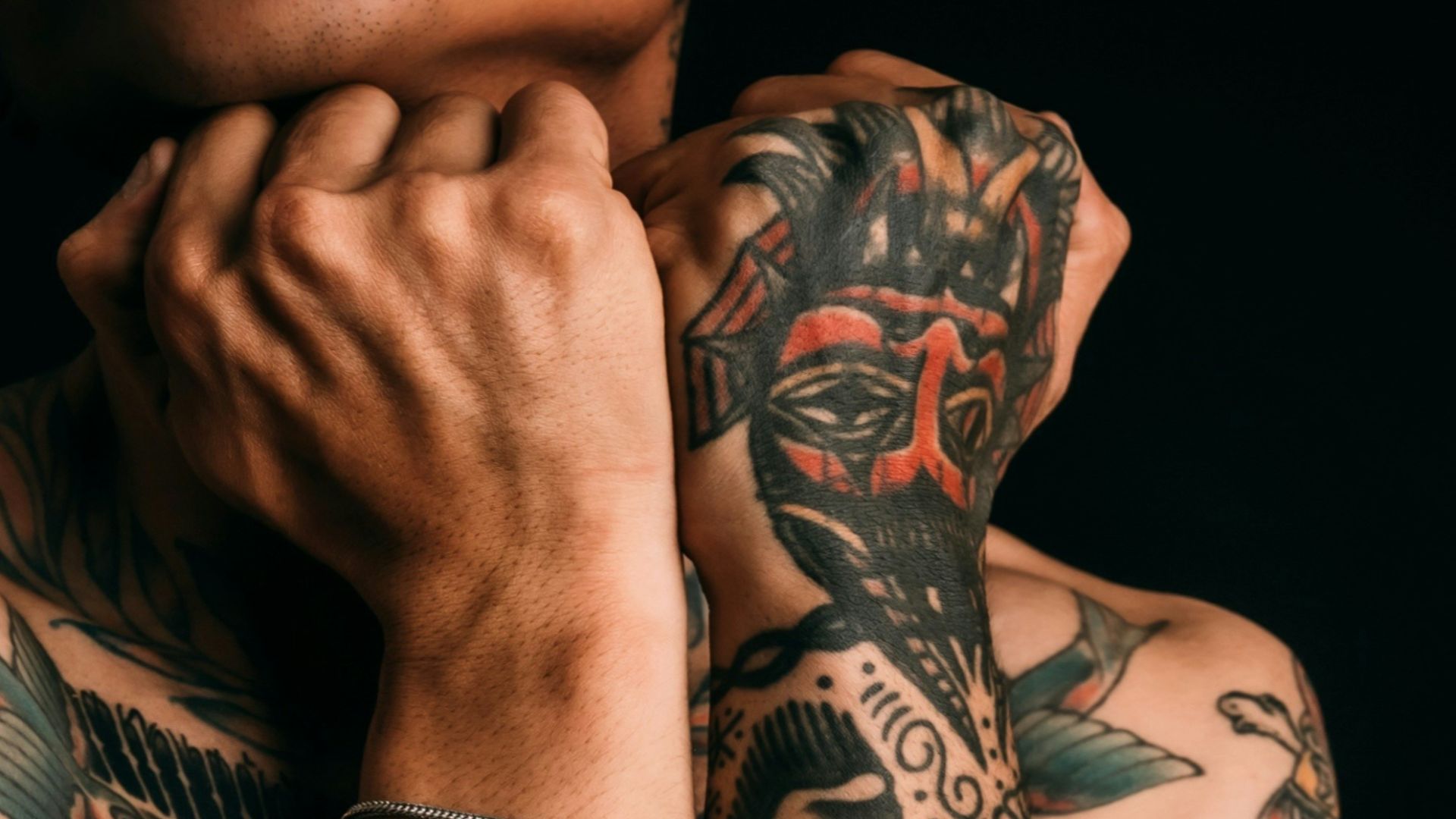
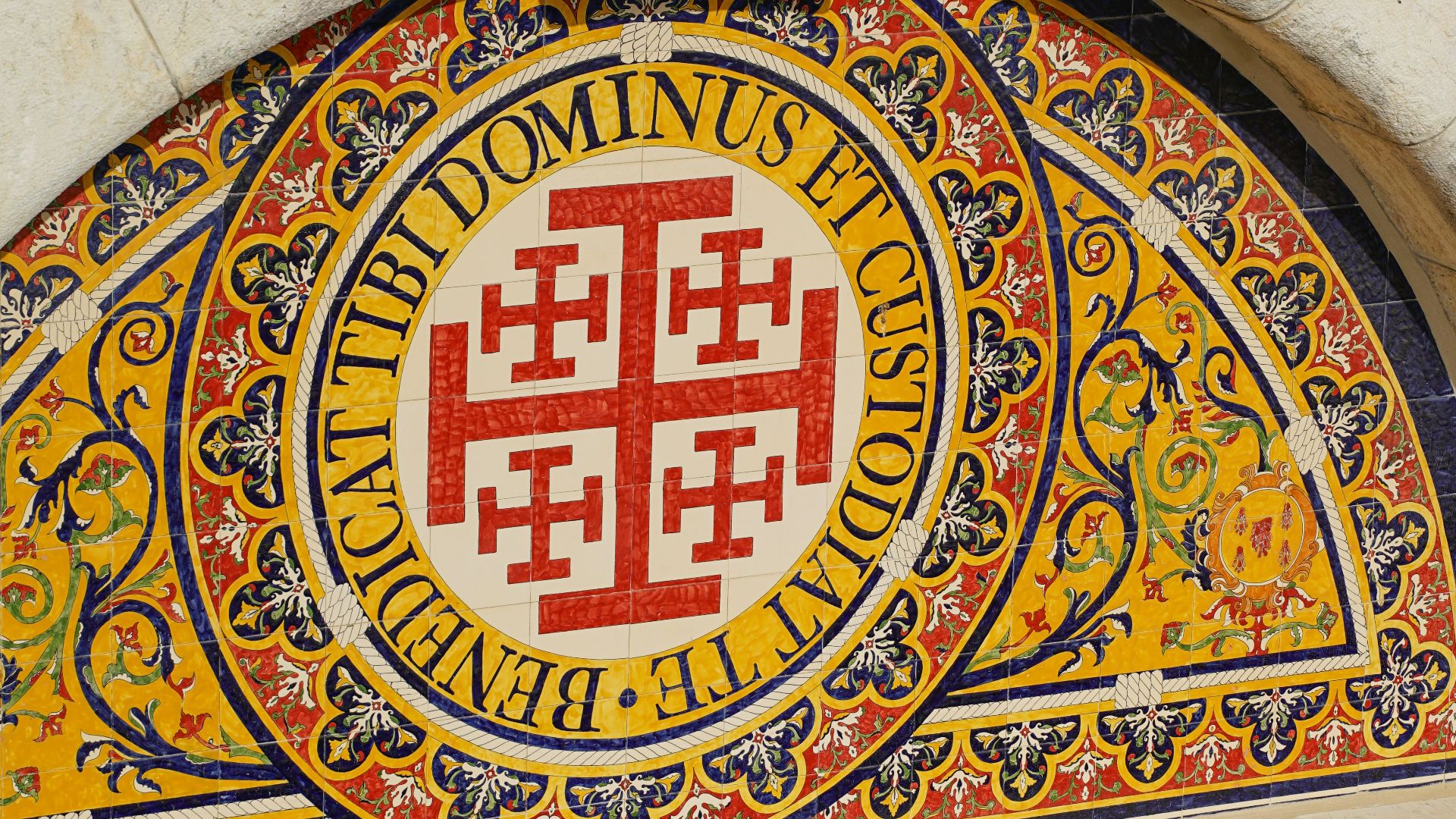
European pilgrims historically traveled to Jerusalem and sometimes returned with tattoos marking their journeys. The practice gave tattooing a devotional purpose centuries before modern tourism turned souvenirs into a routine part of travel. Jerusalem's tattooing tradition is especially notable because tattoo shops serving pilgrims have reportedly existed there for hundreds of years.
20. The Anchor as a Tattoo Classic
The anchor may be one of the most popular tattoos of all time. Originally used by sailors to symbolize crossing the Atlantic, it outgrew that meaning with future generations. An anchor tattoo has been associated with traditional tattoo styles for more than a century.