
The Downside Of Your Décor
You’ve spent countless weekends scouring boutiques and scrolling through design blogs to curate the perfect aesthetic for your living space, but some of those stylish finds might be bringing more than just good vibes into your home. While we usually worry about what's in our food or our skincare, it’s easy to forget that the very items we sit on or sleep under can release chemicals into the air.

1. That Chic Memory Foam Mattress
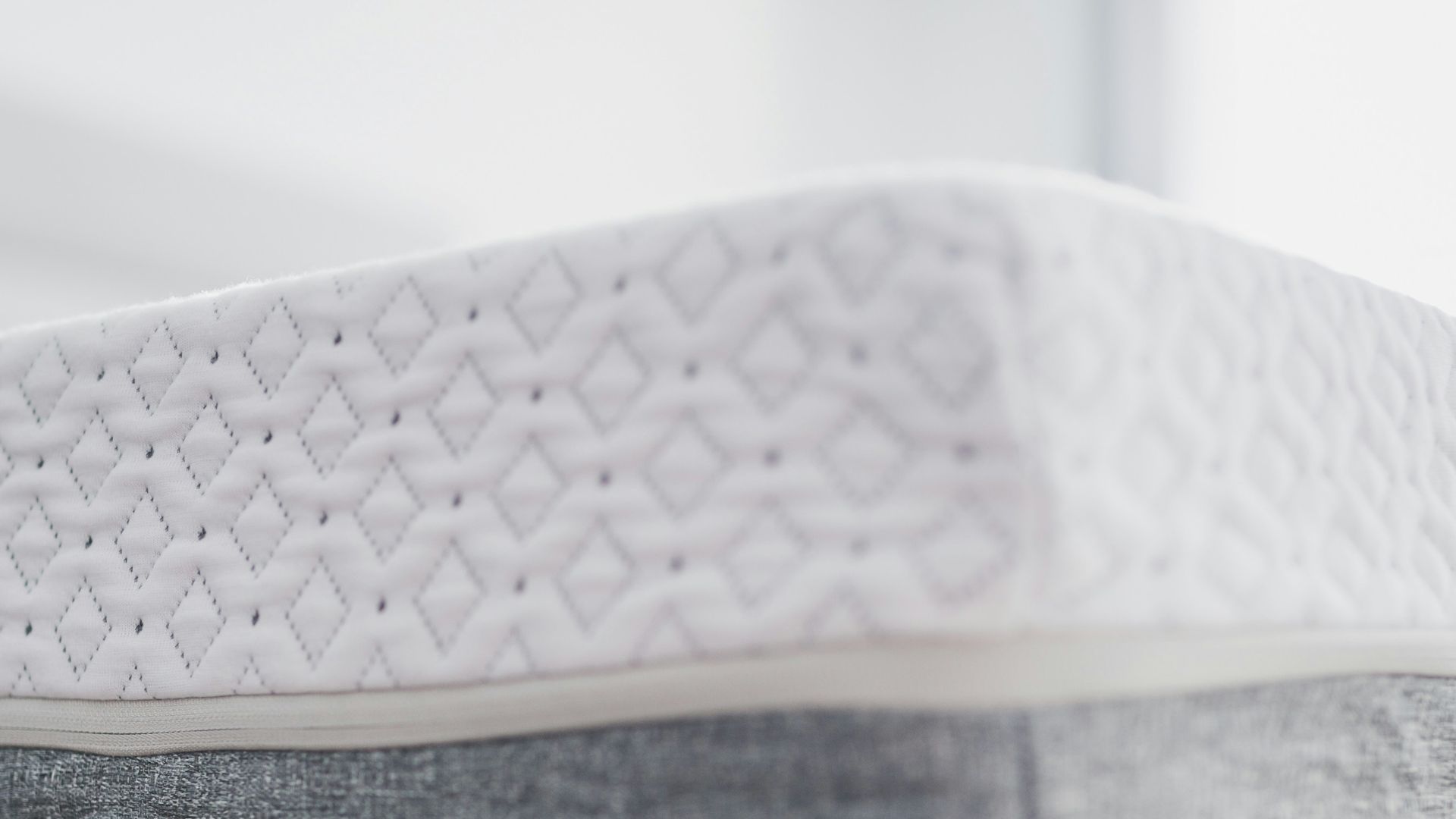
While you probably love how your bed contours to your body, many of these foam layers are treated with chemical flame retardants and petroleum-based materials. As you sleep, these materials can off-gas volatile organic compounds, which might explain why a brand-new mattress has that distinct chemical smell. Choosing a version made from natural latex or organic cotton can help you avoid these invisible fumes altogether.
2. Your Trendy Scented Candles
Okay, so lighting a candle really is the best ambiance-maker. But when those paraffin wax bad boys burn, they produce soot and toluene. Not to mention, most synthetic scents contain phthalates, chemicals that keep your candle smelling fresher longer but aren’t ideal for you to breathe.
3. Wrinkle-Resistant Bed Linens
Dryer sheets have made it lovely to pull wrinkle-free sheets out of the dryer, but that’s because they’re coated with formaldehyde resins. Sadly, this chemical doesn’t rinse out. It absorbs into your bed linens and can irritate your skin and lungs as you catch some Zs.
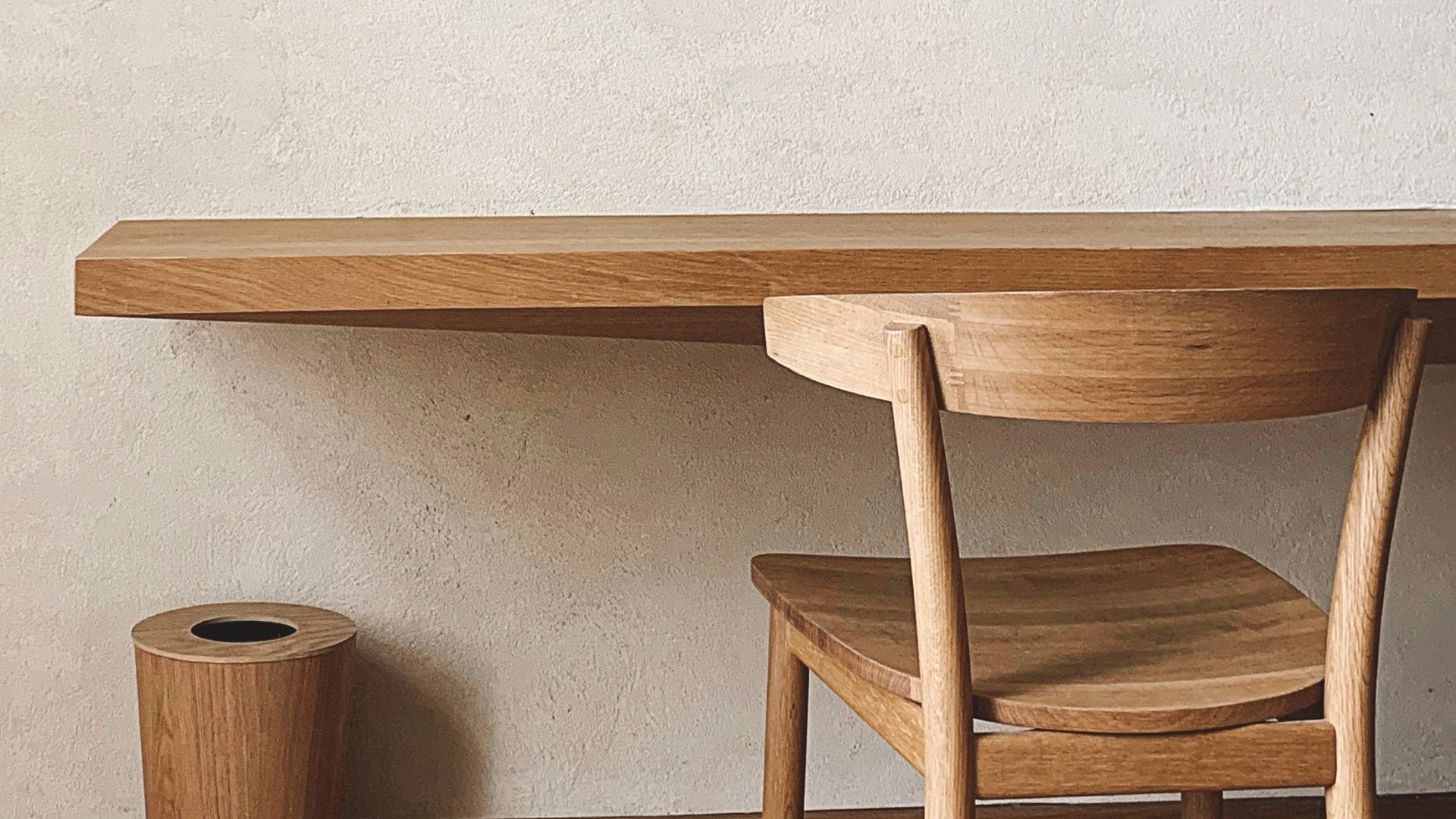
4. Modern Pressed-Wood Furniture
Hey, we love a good piece of Ikea desk space too. But those inexpensive shelves and desks are usually made from particle board connected with glue that contains urea-formaldehyde. These chemicals can seep into your indoor air over time.
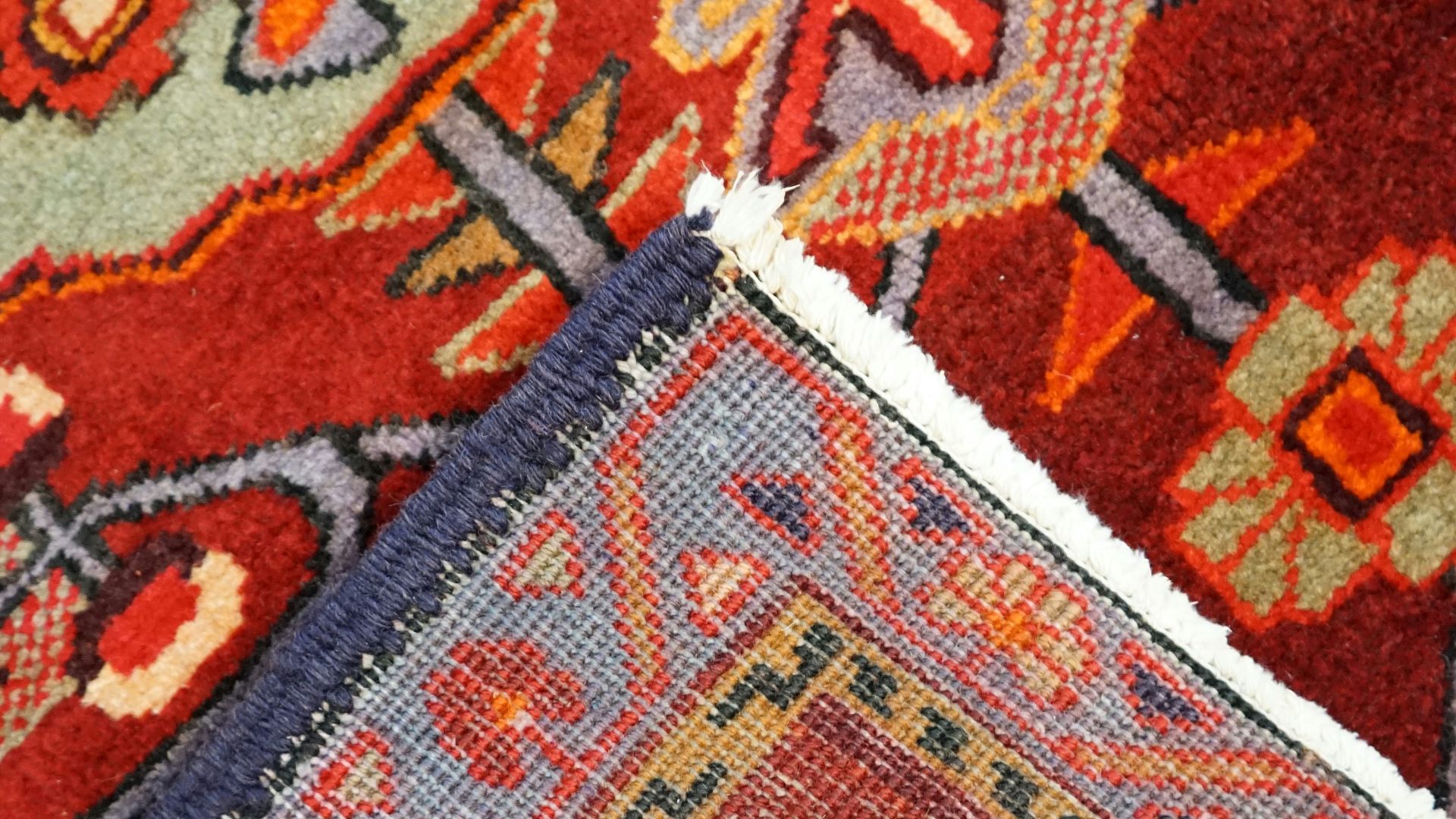
5. Stain-Repellent Area Rugs
No one wants to ruin their cute rug, which is why so many are treated with PFAS (“forever chemicals”). These chemicals help make rugs stain- and water-resistant, but they never break down: meaning they’ll end up in dust that you and your pet inhale.
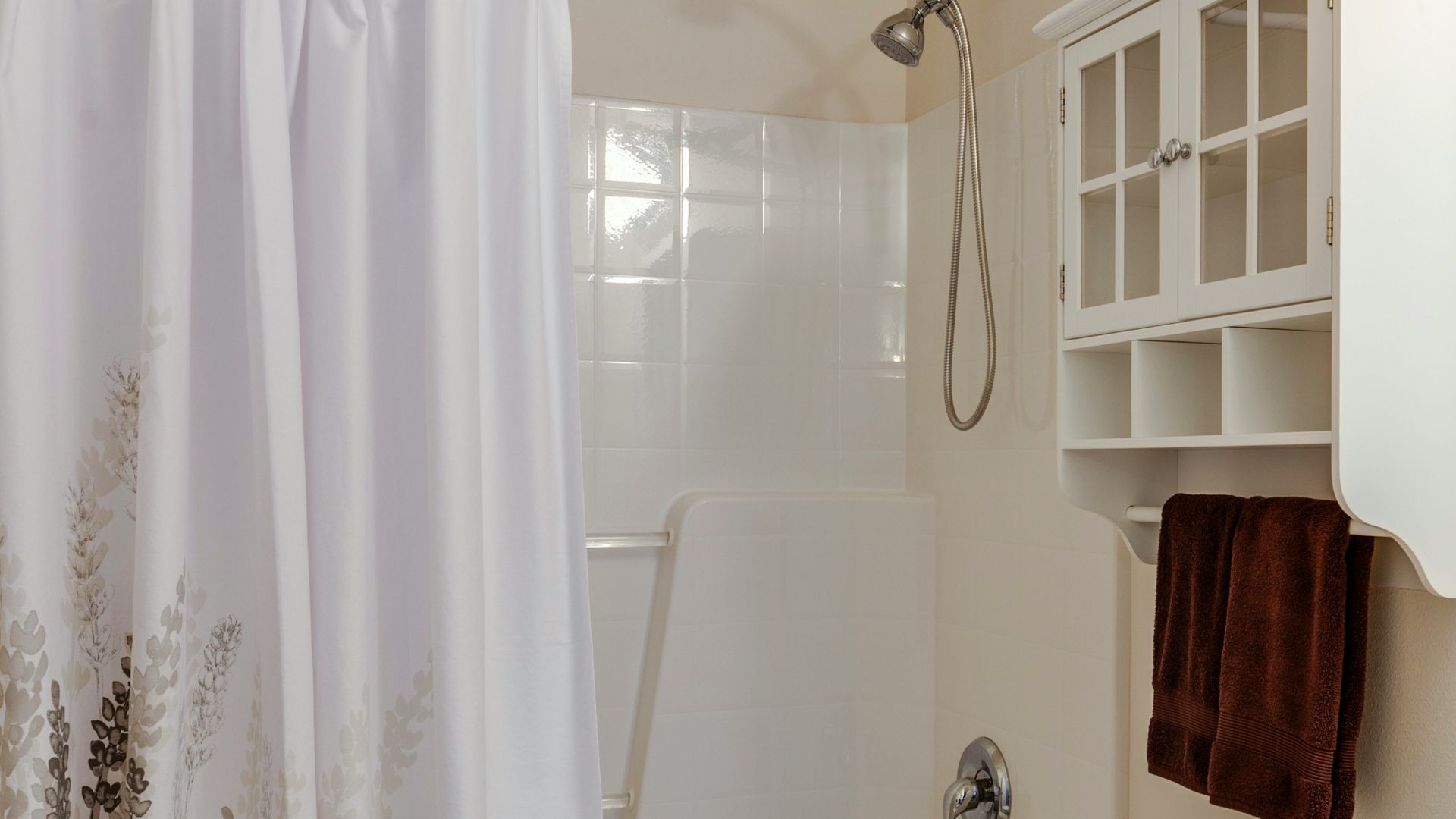
6. Plastic Shower Curtains
Cheap vinyl liners are everywhere, but that new shower curtain smell? That’s actually phthalates and PVC gases off-gassing in your bathroom. Your morning steam sessions can accelerate this process and spread those chemicals throughout your enclosed shower.
 Francesca Tosolini on Unsplash
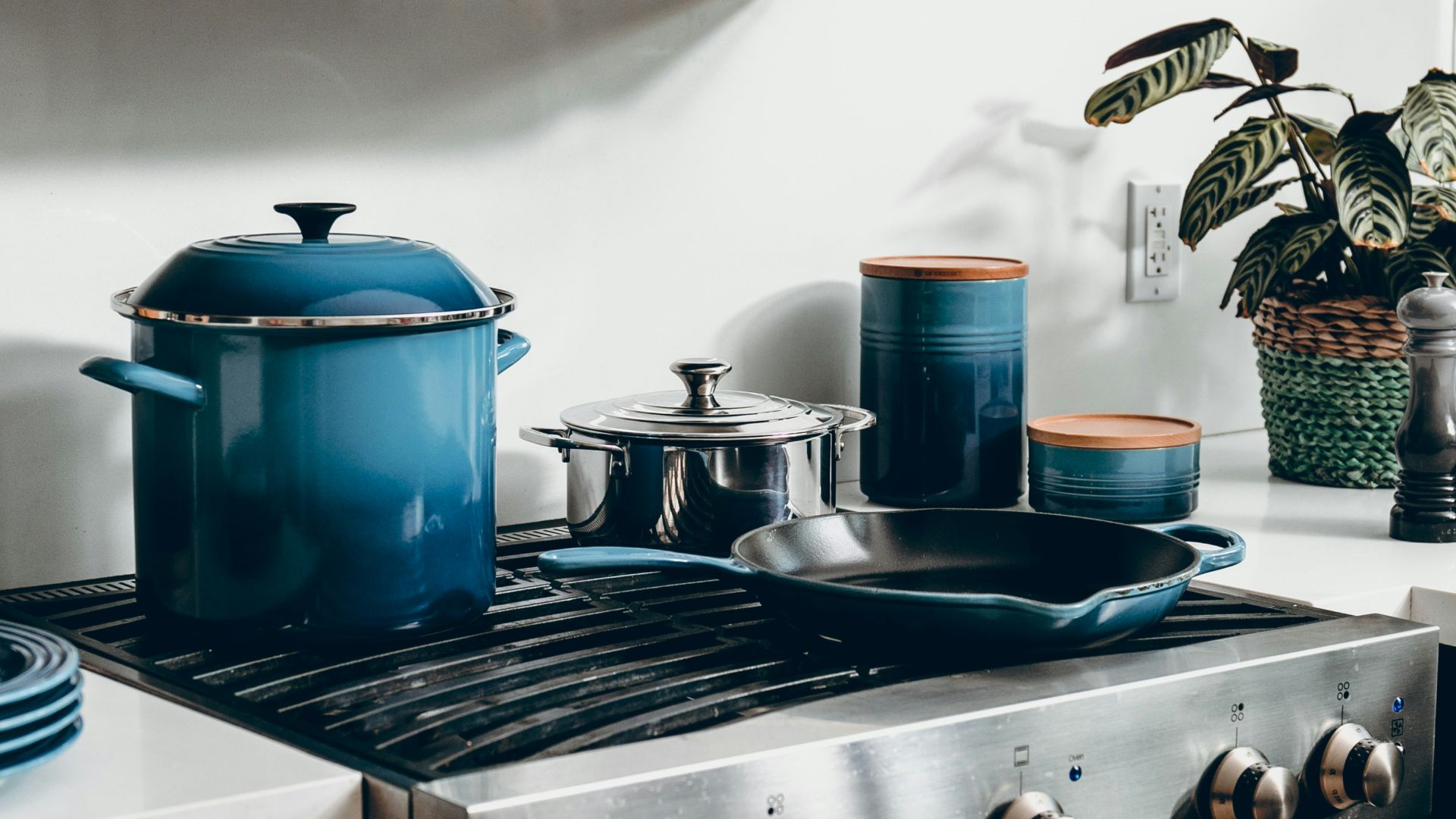
7. Non-Stick Kitchen Cookware
Nothing beats how easily food slides off your non-stick frying pan. But if those pans get too hot, their traditional coatings can emit toxic fumes into your kitchen. Poly tetrafluoroethylene coatings start to break down when your pan heats up too high.
8. Faux Leather Upholstery
You’ve probably heard of vegan leather. It’s all over the store, but unless it’s specifically labeled otherwise, it’s probably made from polyvinyl chloride (yep, that toxic plastic). Harmful stabilizers are used in both the making process and the final product so they can linger in your home’s air.
 Dragon White Munthe on Unsplash
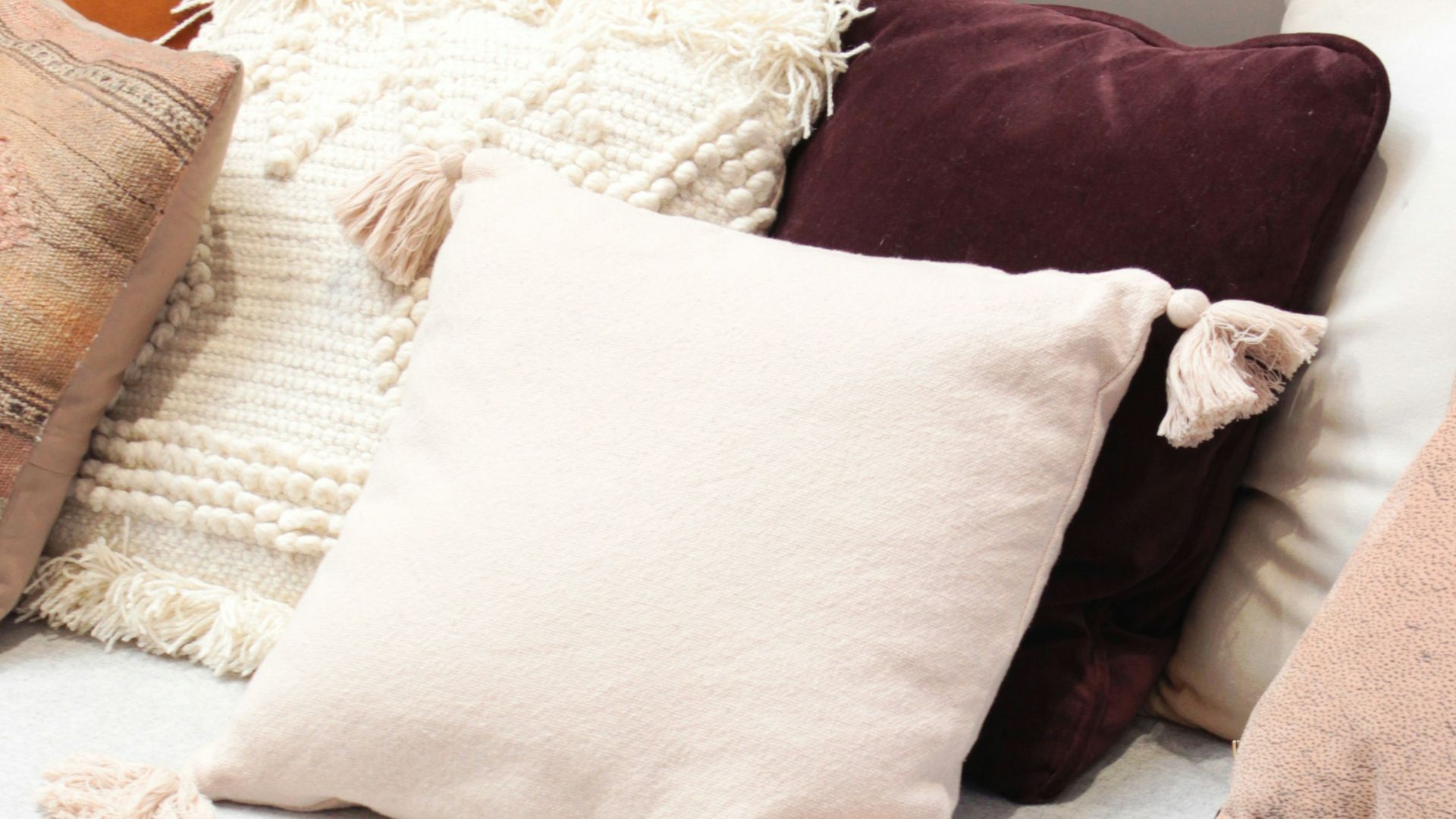
9. Heavy-Duty Dry-Cleaned Pillows
Dry cleaning your pillows might make them super comfy, but they could also contain a chemical called perchloroethylene. Many dry cleaners use this stain-fighting solvent, which can remain in fabrics and continue to off-gas when you bring your pillows back home. Skip these pillows and look for pillows labeled as machine washable.
 micheile henderson on Unsplash
10. Aromatic Air Fresheners
Air fresheners are meant to make your home smell like heaven, but they actually cover up smells with synthetic chemicals. Many of these triggers can cause headaches and asthma attacks in sensitive individuals. Air out your home the old-fashioned way.
11. Brightly Colored Wall Paint
Painting a wall can really brighten up your home, but some paints have high levels of VOCs. While this chemical dissipates after you paint, it can affect your indoor air quality for months. These days, most brands offer low or “Zero-VOC” paint option

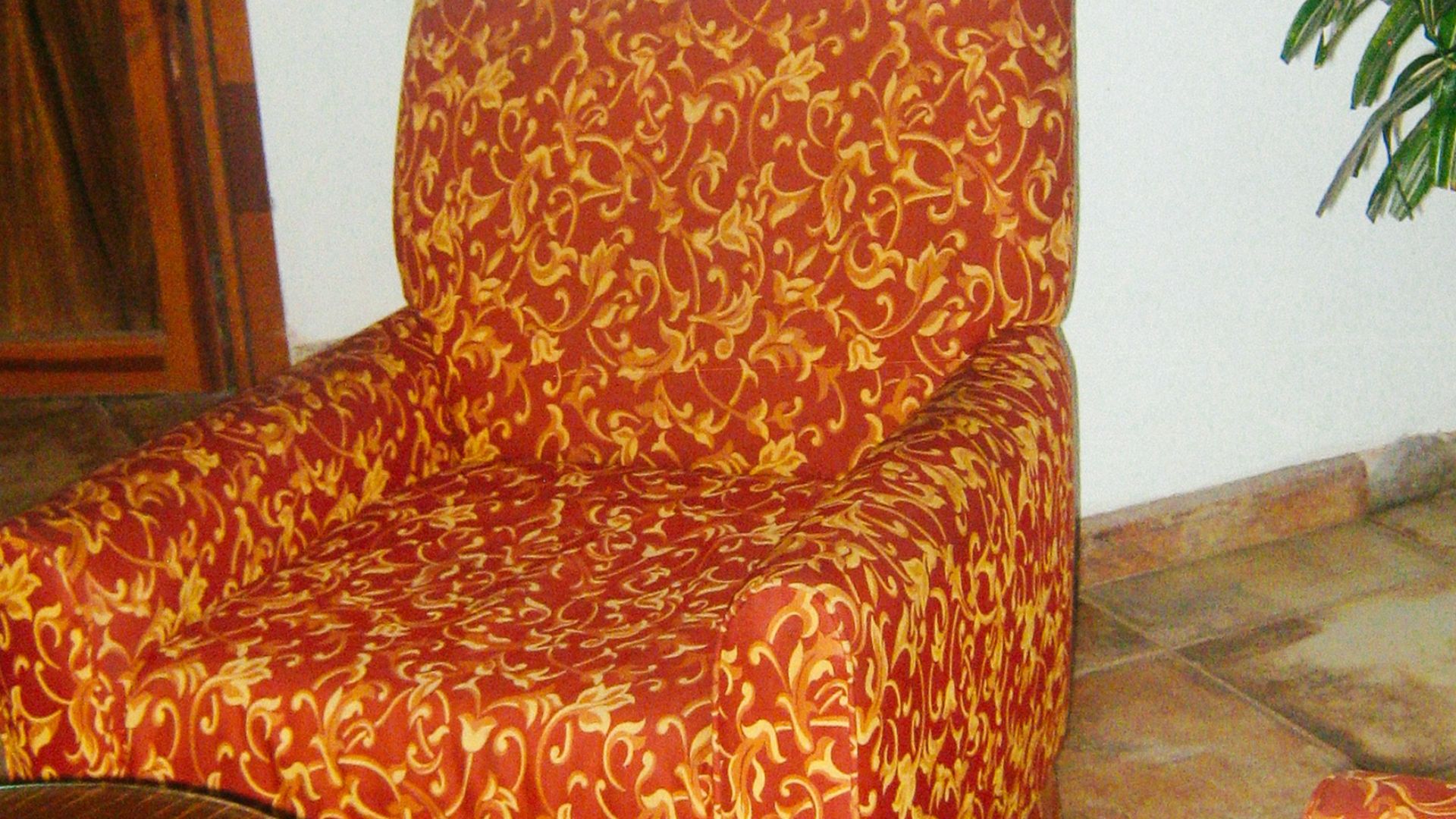
12. Flame-Retardant Upholstered Chairs
Your couch may feel comfy, but if it’s an older polyurethane foam model, it may have been treated with brominated flame retardants. Not only will these toxins off-gas from your furniture, but they can migrate to the dust on your floors. Check for “TB117-2013” labels on your furniture to ensure they weren’t treated with these chemicals.
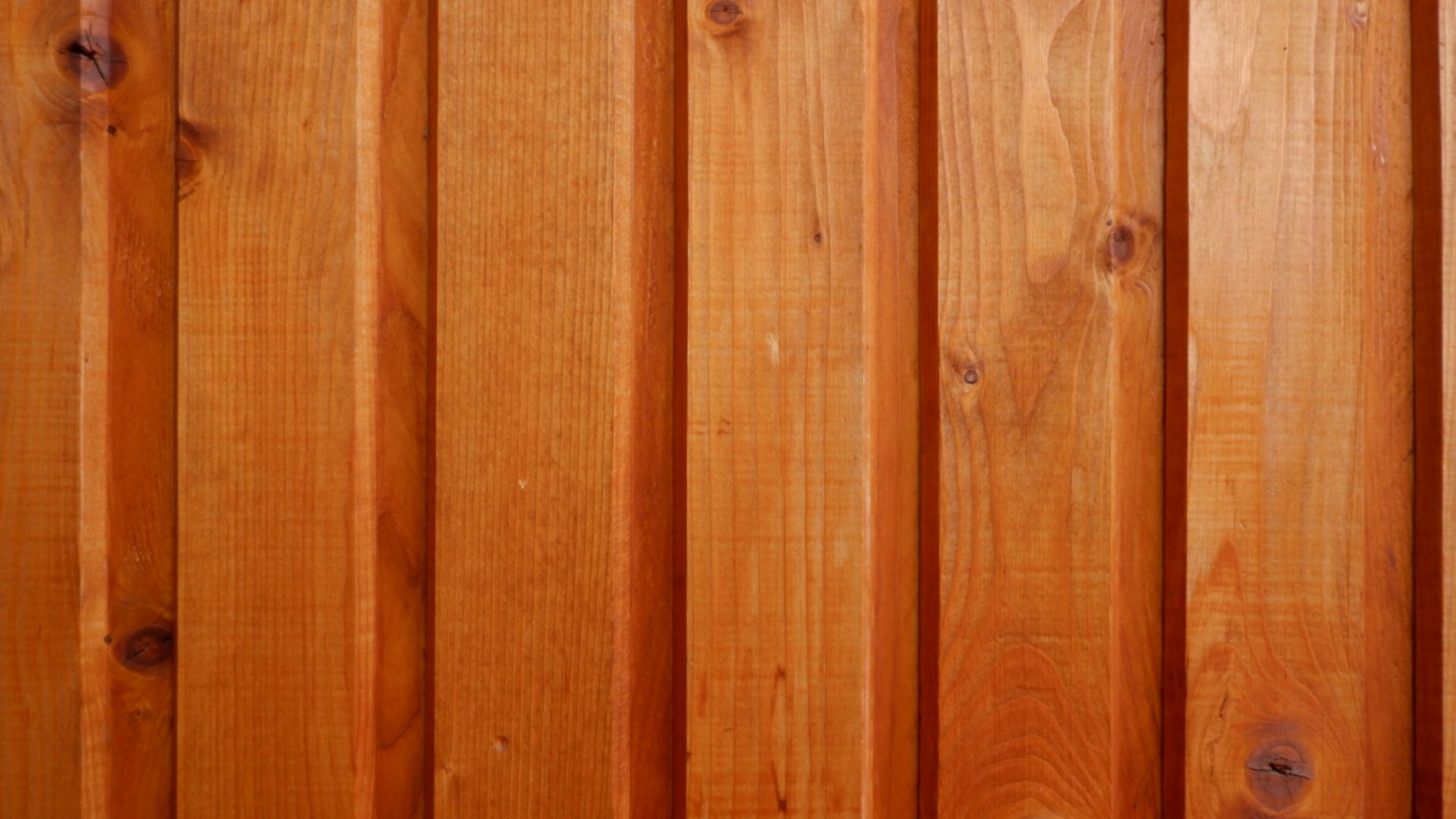
13. Glossy Wood Finishes
Oil-based polyurethanes used to finish tabletops and floors give off strong vapors as they dry. But after they’ve dried, these finishes can still contain harmful metallic driers and solvents. Water-based finishes are a much better option because they dry quickly and have lower amounts of chemicals.
 Vladislav Glukhotko on Unsplash
14. Vinyl Flooring Planks
Luxury vinyl is one of the most popular floors for good reason. It’s durable and closely resembles real wood. But vinyl can be a leading source of harmful phthalates in your home.
15. Synthetic Velvet Curtains
Room-darkening curtains are your best friend. But did you know that polyester or acrylic velvet is often treated with chemicals to keep their rich color from fading? Many of these chemicals can escape when your curtains absorb sunlight beaming through your windows.

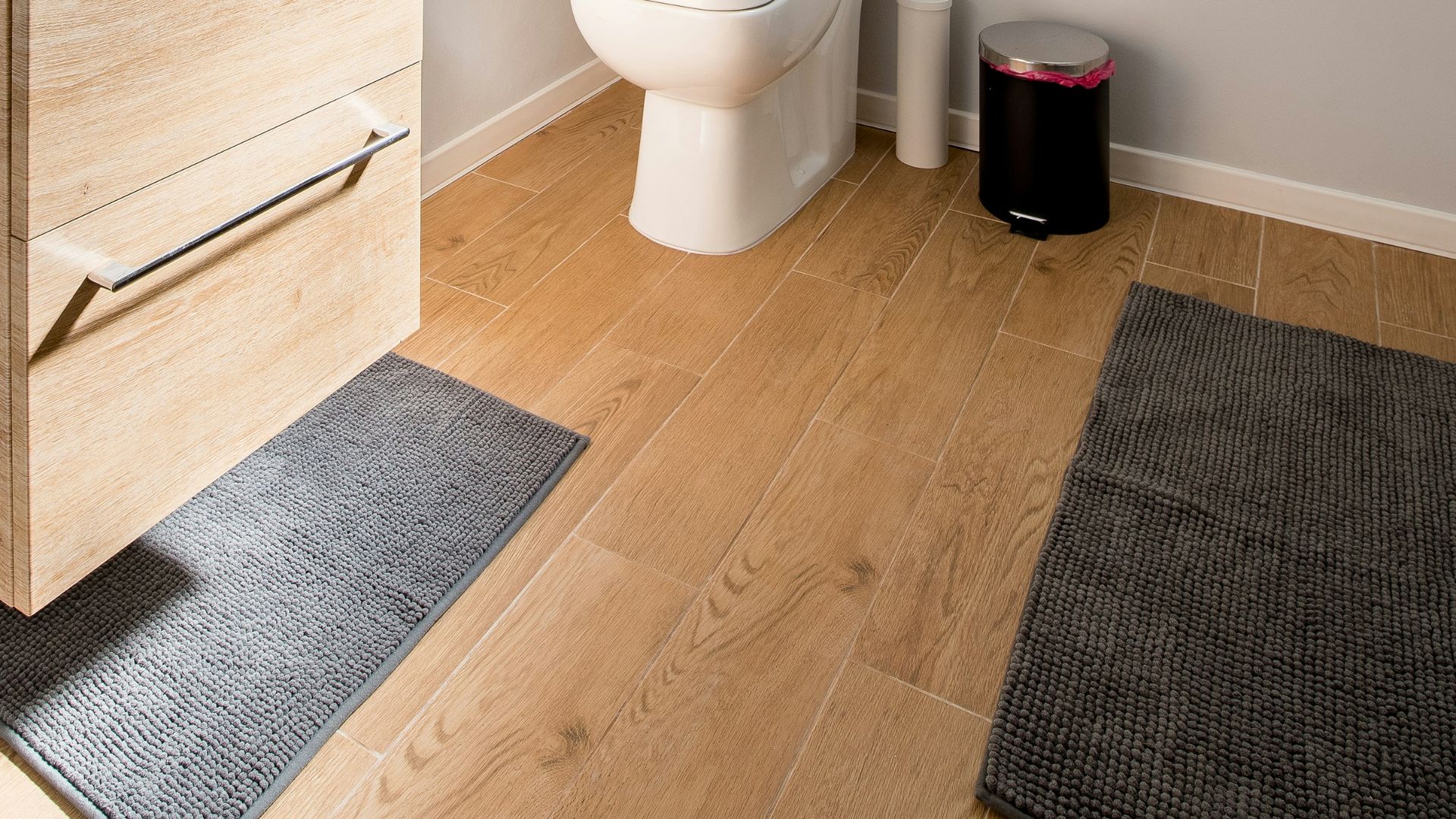
16. Anti-Microbial Bath Mats
Items marketed as "anti-odor" or "anti-microbial" often have silver ions or triclosan embedded in the fibers to kill bacteria. While this sounds like a great idea for a damp bathroom, these chemicals can be harsh on your skin and the environment. A simple organic cotton mat that you wash frequently is a much more natural way to keep your bathroom floor clean and fresh.
17. Lacquered Jewelry Boxes
Nibbling on your favorite necklace isn’t so charming when you think about the chemicals that box may be made from. Like furniture, jewelry boxes can be lacquered with nitrocellulose, which can emit small amounts of chemicals over time.

18. Cheap Plastic Storage Bins
Cleaning and organizing is fun, until you put your clean laundry in those plastic bins. Bins made from low-quality plastic often leech bisphenol A (BPA), especially if they’re kept in your hot attic or sunny closet. Opt for cloth bins or glass jars.
19. Decorative Plywood Paneling
Love that wood-paneled look? You may want to hold off on those thin wood layers. Plywood panels are glued together with strong adhesives that can emit formaldehyde into the room. Much like pressed wood furniture, this off-gassing can get worse in rooms that don’t have proper ventilation.
20. Conventional Pesticide-Treated Houseplants
Ironically, many houseplants that are supposed to clean your air come with a side of pesticides. While these chemicals are great at keeping bugs away from your plants at the nursery. They can stick around on your pothos or palm once it makes it to your living room.