
How to Dress Smart in the Heat
It's not hard to see why spring and summer are the favorite seasons for most people; after all, when the weather starts to warm, we usually feel happier and energetic, and we're often more creative with our outfits, too. But when the temperature spikes, what you put on in the morning can make the difference between staying cool and spending the day sticky and overheated. Plenty of people reach for outfits that seem fine in theory but actually trap heat, restrict airflow, or absorb more sun than your body can handle. Don't want to make the same mistake? Read on.

1. Dark-Colored Clothing
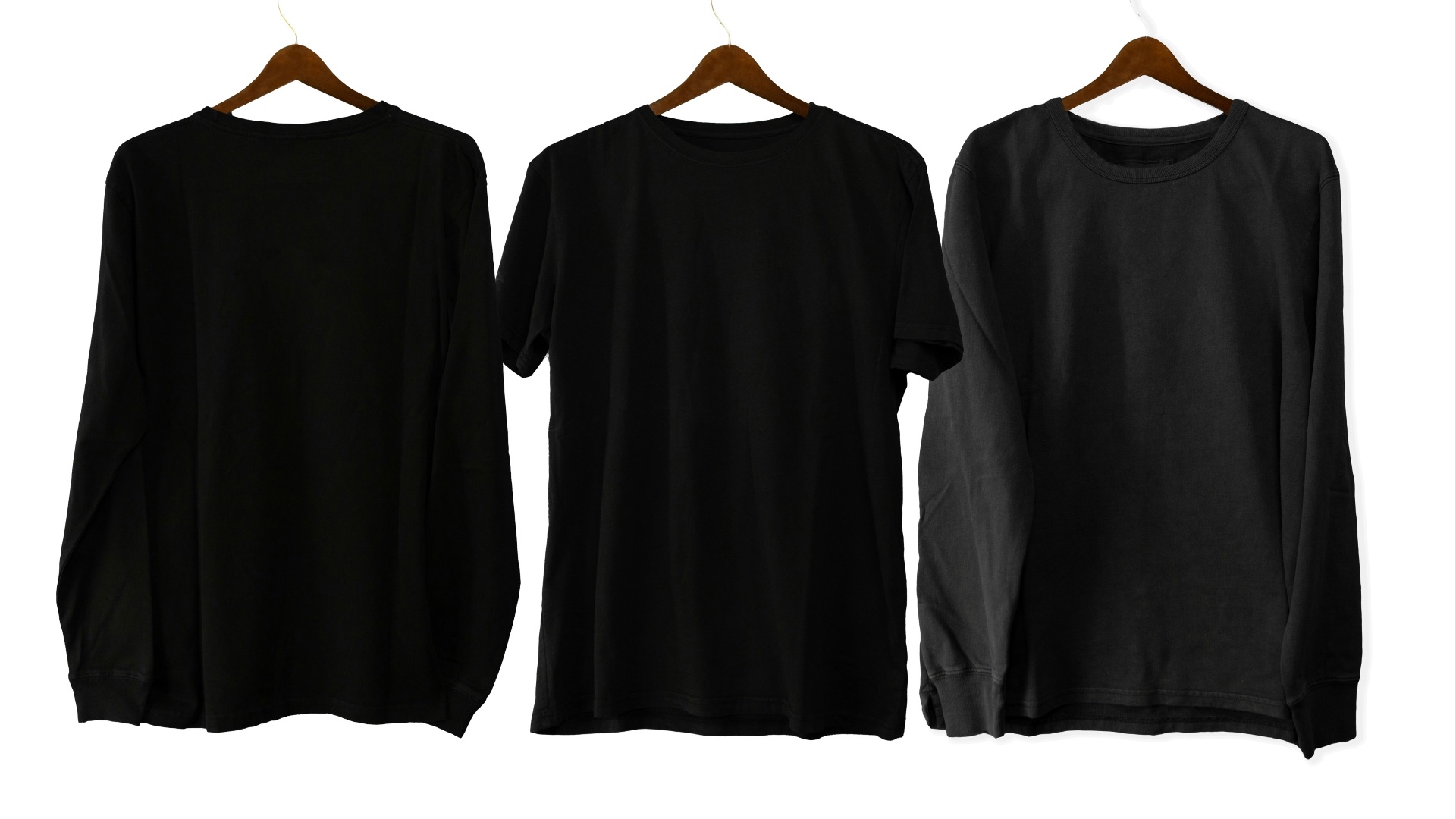
Dark shades like black, navy, and deep burgundy absorb significantly more heat from the sun than lighter alternatives, which means your body temperature rises faster when you're exposed to direct sunlight. Wearing a black t-shirt on a hot day might seem like a minor styling choice, but it can leave you feeling noticeably warmer within minutes of stepping outside. If you're going to be outdoors for any length of time, it's worth rethinking your color palette entirely.
2. Tight-Fitting Jeans
Denim is already a thick, dense fabric that doesn't breathe well under normal conditions, so when it's wrapped snugly around your legs, it becomes even more suffocating in the heat. Tight jeans prevent air from circulating around your skin, which means sweat has nowhere to go and your body can't cool itself efficiently. They also tend to feel increasingly uncomfortable throughout the day as the fabric heats up and clings to your legs.

3. Synthetic Fabrics
Polyester, nylon, and acrylic are popular in everyday clothing, but these materials are notoriously poor performers in hot weather because they trap heat and don't absorb moisture effectively. When you sweat in synthetic fabrics, that moisture sits on the surface of the material rather than being wicked away, which makes you feel sticky and overheated far more quickly. It's best to leave the polyester blends in your closet on days when the temperature is climbing.

4. Heavy Knit Sweaters or Cardigans
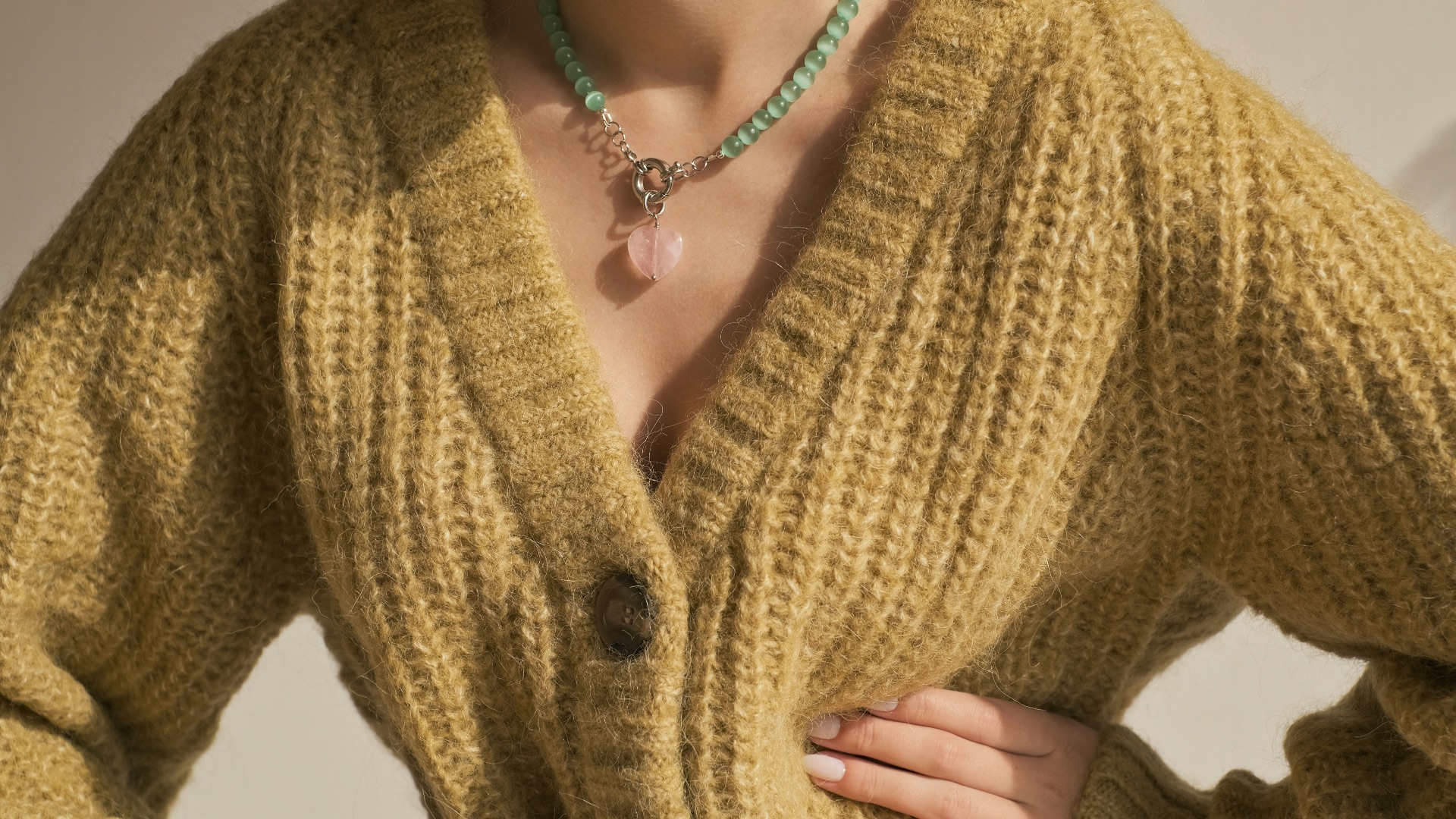
Even a lightweight-looking knit can be surprisingly warm once you're out in the sun, and heavier knit styles are simply not designed for hot weather conditions. The thick woven structure holds heat close to your body and offers very little in the way of breathability, making it easy to overheat even if you started the day feeling comfortable. Save the knitwear for cooler evenings and reach for something with a looser, airier construction instead.
5. Shapewear or Compression Garments
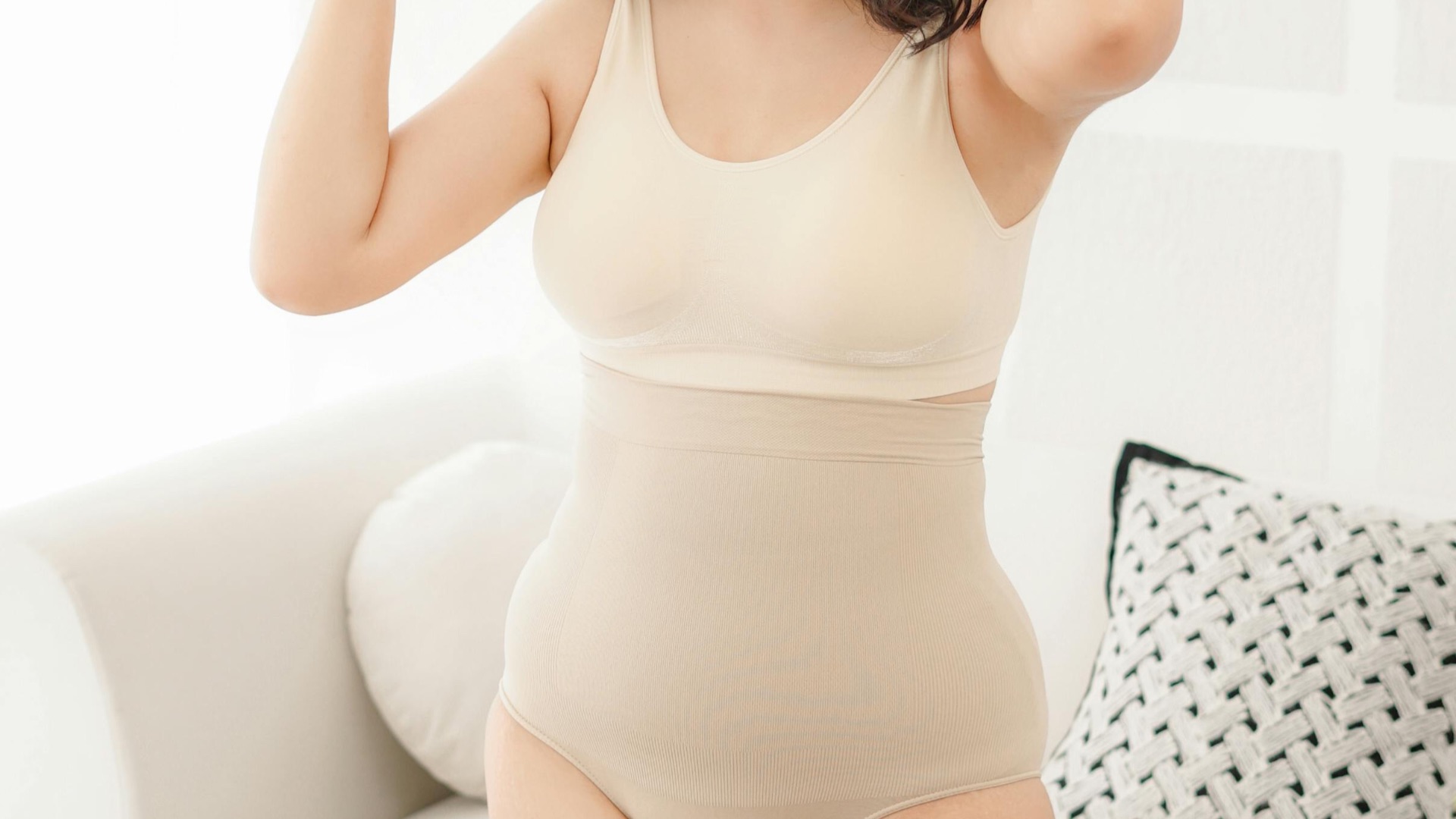
Shapewear is designed to compress and smooth, which means it fits tightly against your skin by nature, and that's the last thing you want when temperatures are elevated. These garments restrict airflow almost entirely and can interfere with your body's ability to regulate its temperature through sweating, which puts extra strain on your system during the hottest parts of the day. Beyond the physical discomfort, wearing compression layers in extreme heat can also increase your risk of heat-related illness.
6. High-Heeled Shoes
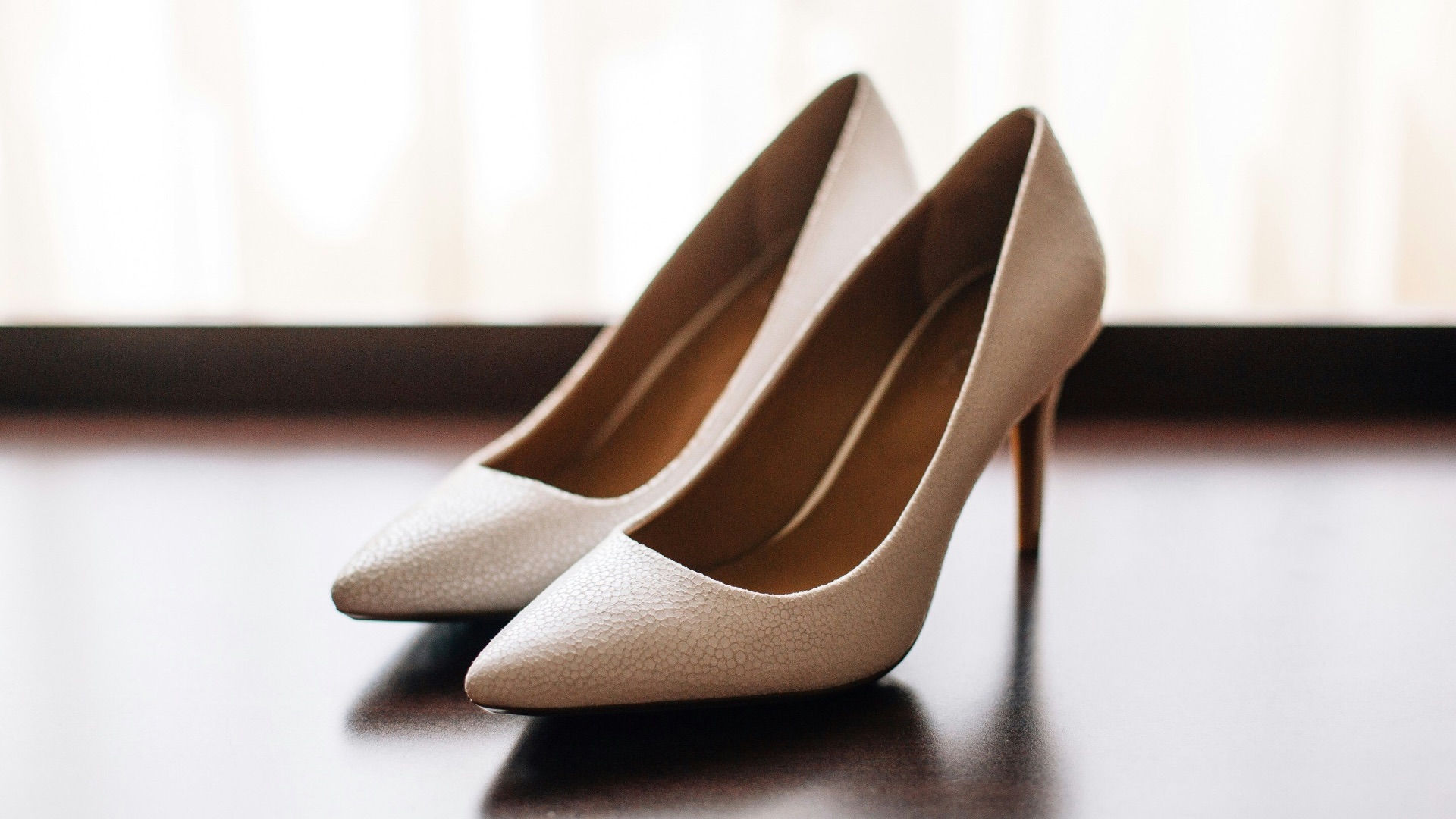
Heels might complete an outfit aesthetically, but they force your feet into an unnatural position that puts extra pressure on your toes and the balls of your feet, which already swell in hot weather. The added physical effort of walking in heels raises your body temperature faster, and if you're navigating uneven pavement or outdoor surfaces, the risk of discomfort compounds quickly. On a scorching day, footwear that keeps you stable and comfortable is far more practical than anything with a significant heel.
7. Turtlenecks or High-Neck Tops
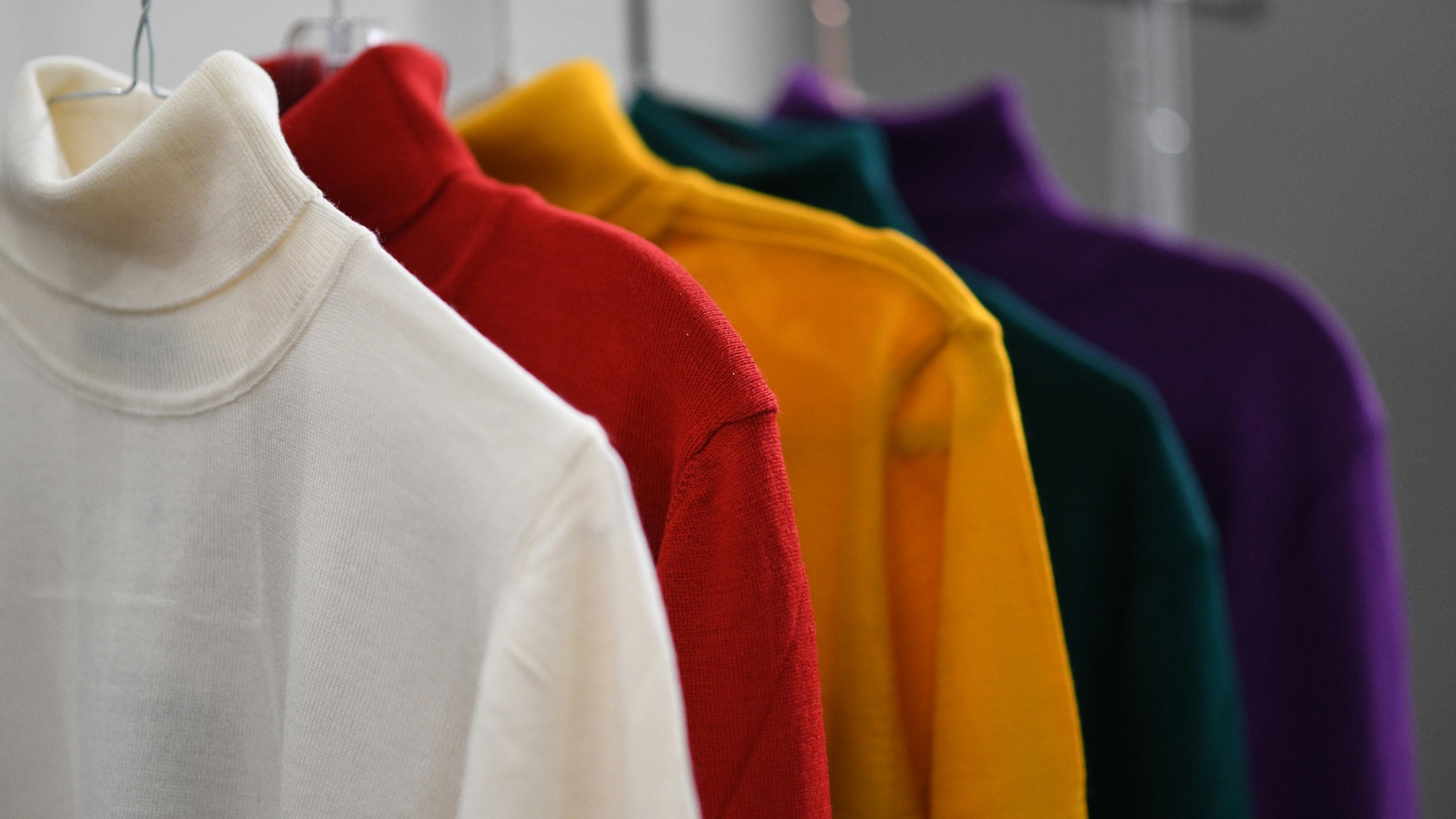
The neck and head are two of the most important areas for heat dissipation, and covering your neck with a tight, high-collar design interferes directly with your body's ability to cool down. Turtlenecks in particular trap warm air around your throat and chest, and even those made from thinner fabrics won't provide much relief when the sun is beating down. Keeping your neck exposed is one of the simplest things you can do to stay more comfortable in extreme heat.
8. Lined Blazers or Structured Jackets
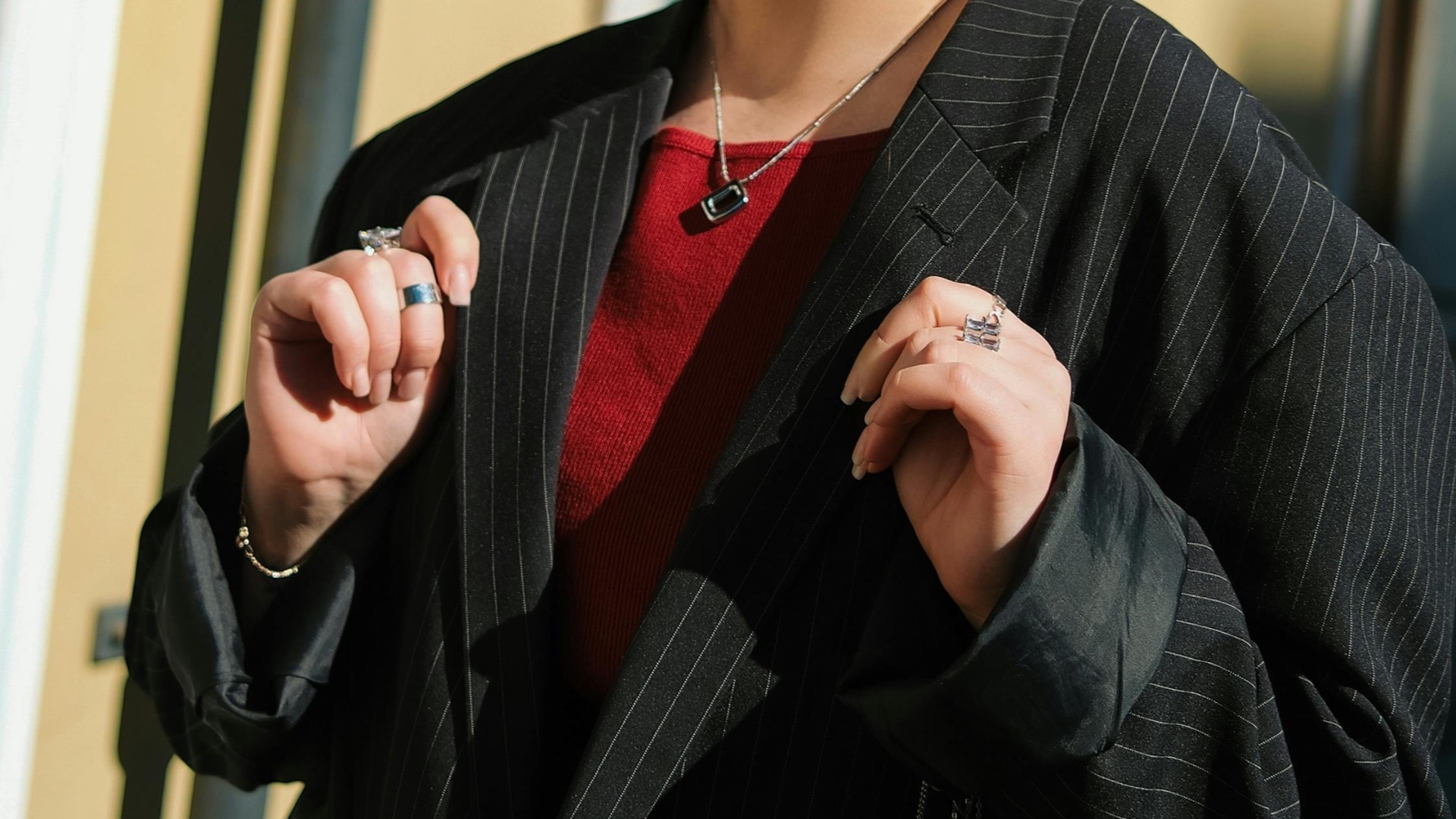
A lined blazer adds an entire extra layer of insulation to your torso, and most structured jackets are built with fabrics that don't breathe particularly well even on their own. The combination of the outer shell, the inner lining, and the fitted cut means heat has very few ways to escape, leaving you feeling overdressed and overheated almost immediately. Unless you're moving between air-conditioned spaces all day, a structured jacket isn't a realistic choice when it's scorching outside.
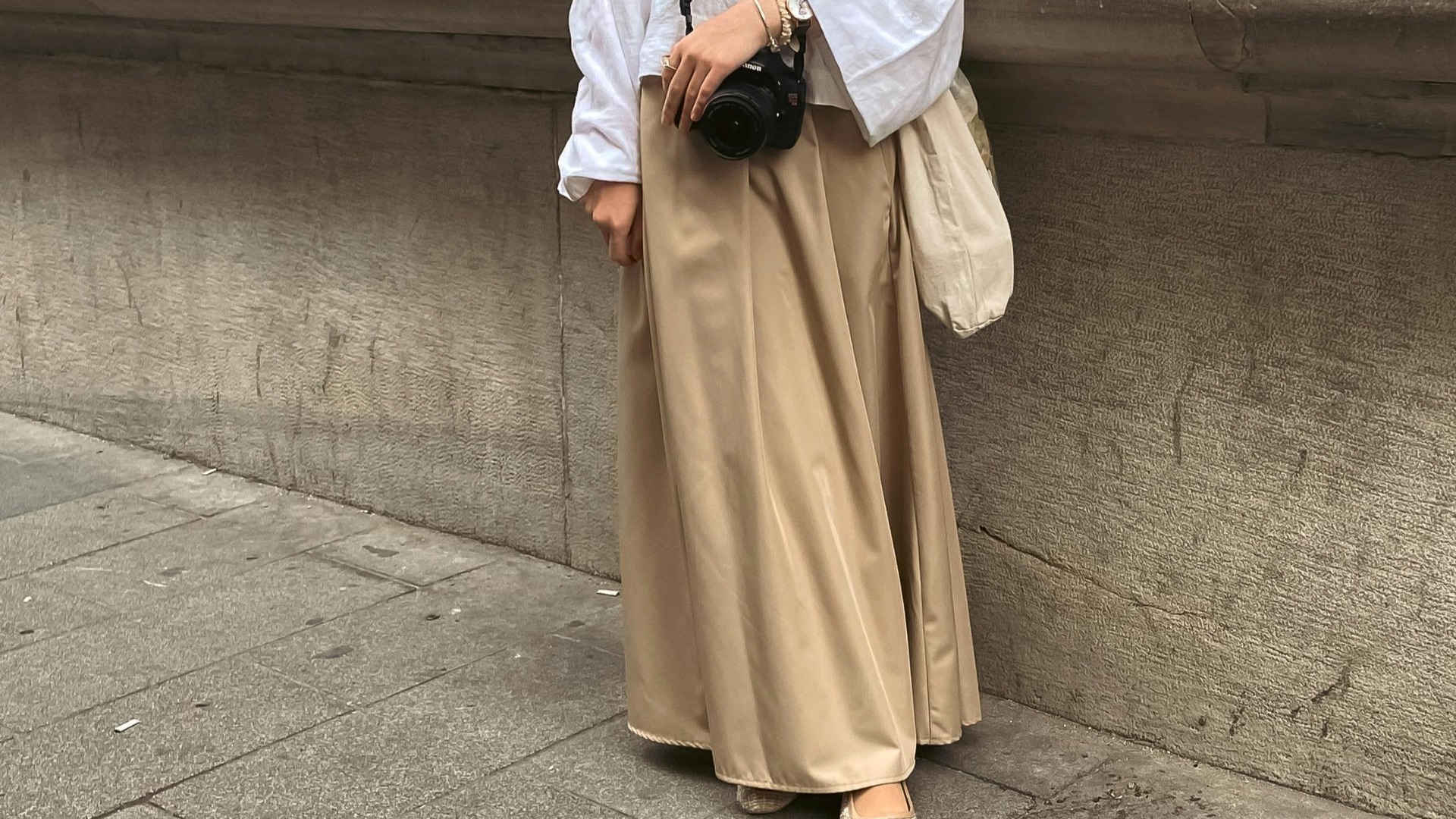
9. Long, Heavy Maxi Skirts in Thick Fabrics
Not all maxi skirts are created equal, and the ones made from thick, heavy materials like denim, corduroy, or dense cotton blends can actually trap a significant amount of heat around your legs and lower body. The weight of the fabric itself adds to the problem, making you feel sluggish and warm even when there's a breeze. A long hemline doesn't have to mean a hot outfit, but the fabric choice matters enormously when temperatures are high.
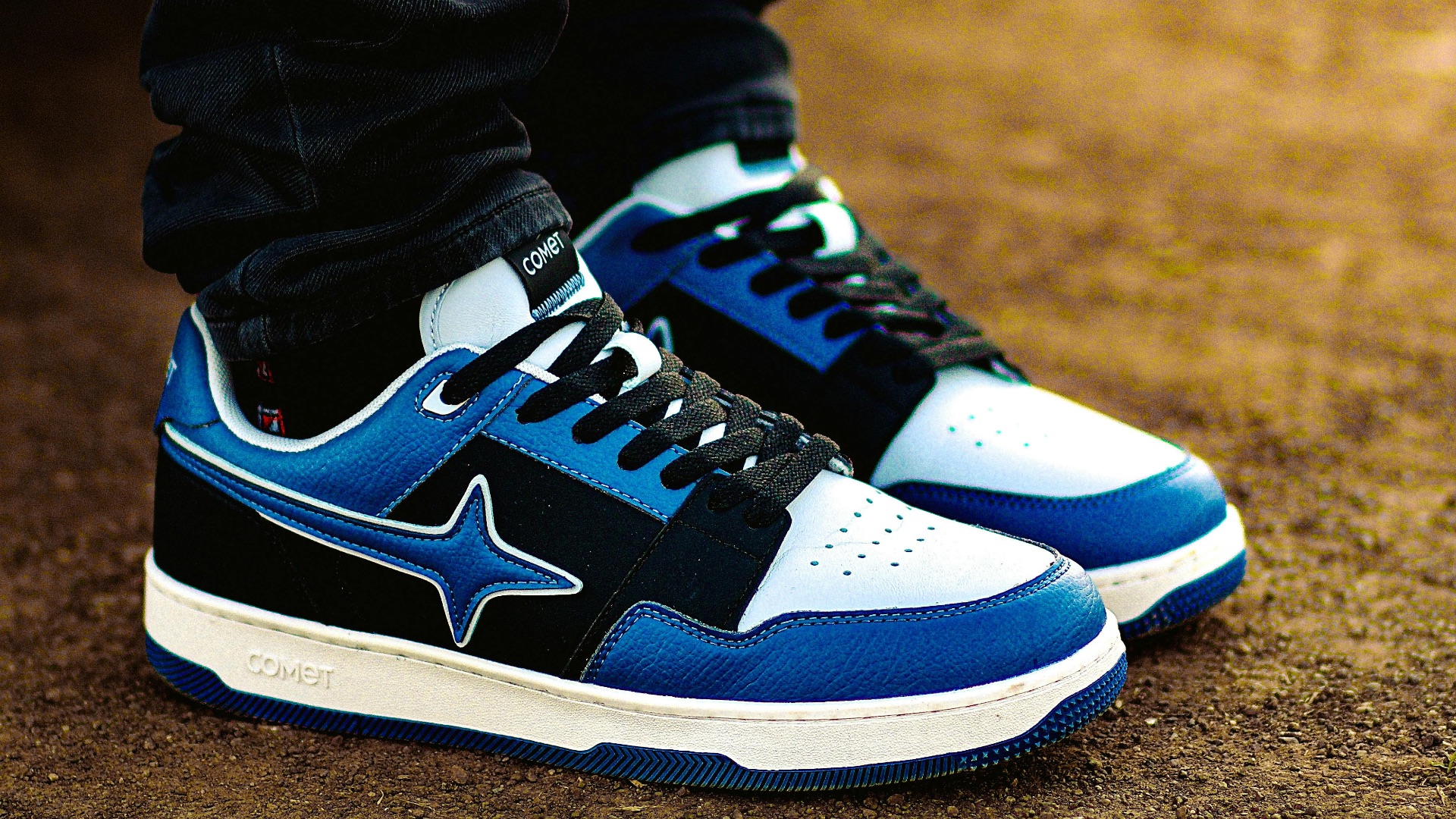
10. Rubber-Soled Shoes Without Breathability
Rubber soles hold heat well, and when combined with a shoe upper that offers no ventilation, your feet end up sitting in a warm, airless environment all day long. Hot feet might seem like a minor inconvenience, but they contribute more to overall discomfort than most people expect, especially once swelling sets in during the afternoon. Shoes with no mesh panels, no open construction, and no airflow around the foot are best reserved for cooler weather.
Now that you know what to avoid, let's jump into what you should pick for your outfit instead.
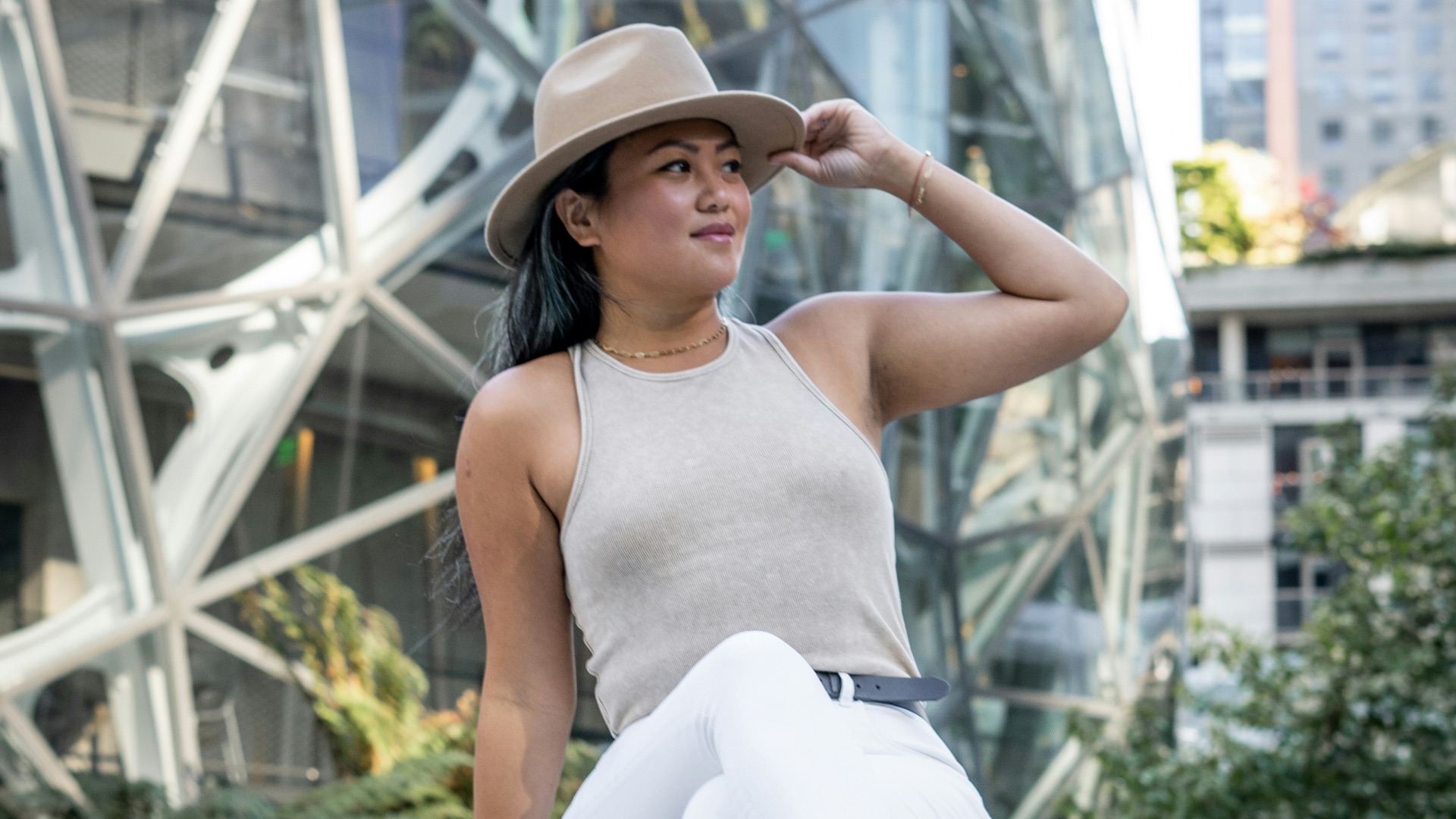
1. White or Light-Colored Tops
Light colors reflect sunlight rather than absorbing it, which means your body is exposed to far less radiant heat when you're wearing whites, creams, pastels, or soft neutrals. A simple white linen or cotton top can feel dramatically cooler than its dark counterpart, even in direct sunlight. It's one of the easiest and most effective wardrobe adjustments you can make for hot weather.
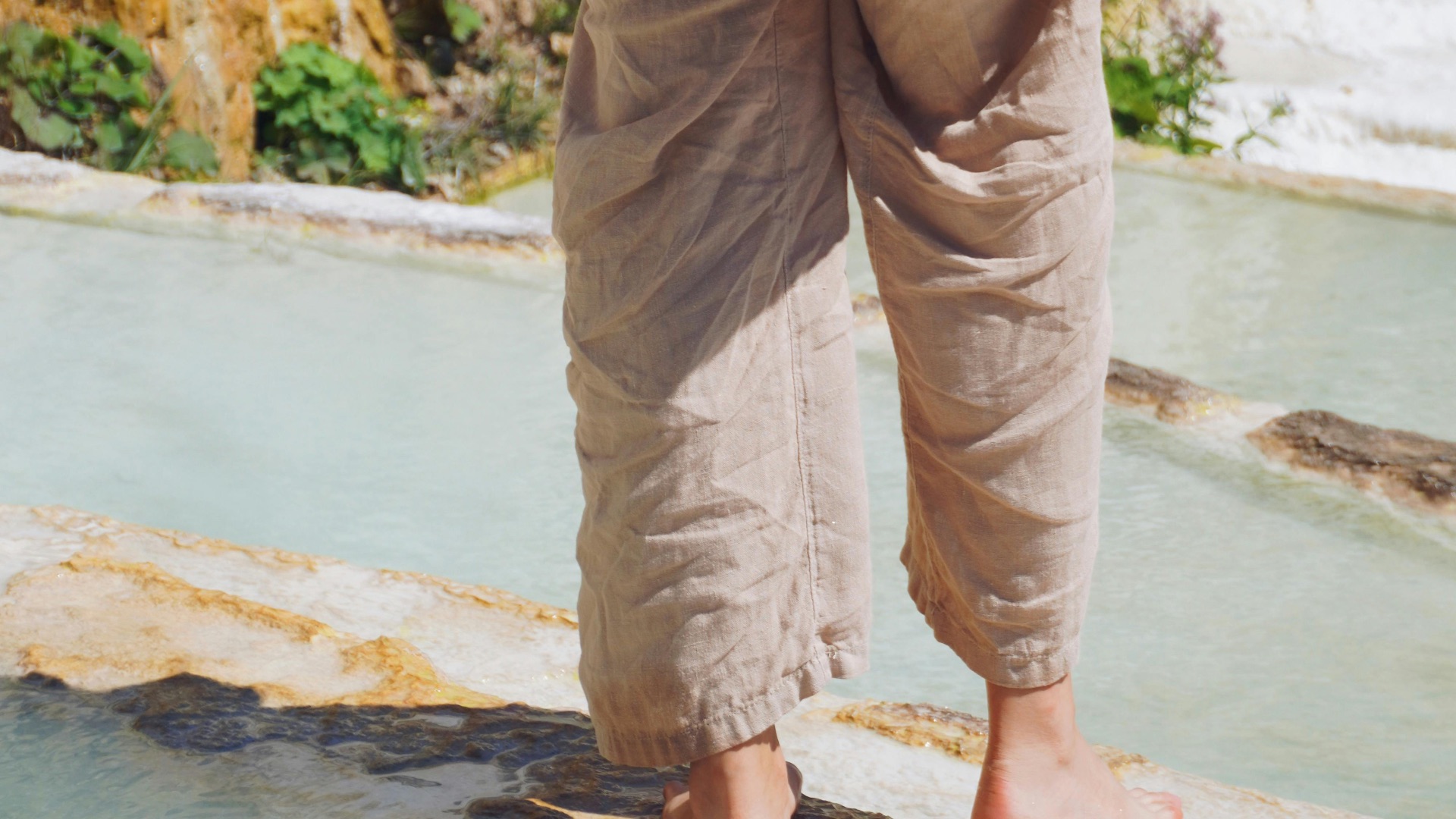
2. Wide-Leg Linen Trousers
Linen is one of the best fabrics for hot weather because it's lightweight, highly breathable, and naturally moisture-wicking, so it pulls sweat away from your skin and dries quickly. A wide-leg cut allows air to move freely around your legs, creating a cooling effect as you walk that fitted styles simply can't replicate. Linen trousers are also versatile enough to be dressed up or down, which makes them a great choice for a wide range of summer occasions.
3. Loose-Fit Cotton T-Shirts
100% cotton is a reliable warm-weather fabric because it's soft, breathable, and absorbs perspiration without trapping heat the way synthetics do. A loose fit adds an extra layer of comfort by allowing air to circulate between the fabric and your skin rather than sitting flush against your body. It's a low-effort, high-comfort option that works for almost any casual warm-weather setting.

4. Flowy Midi Dresses in Natural Fabrics
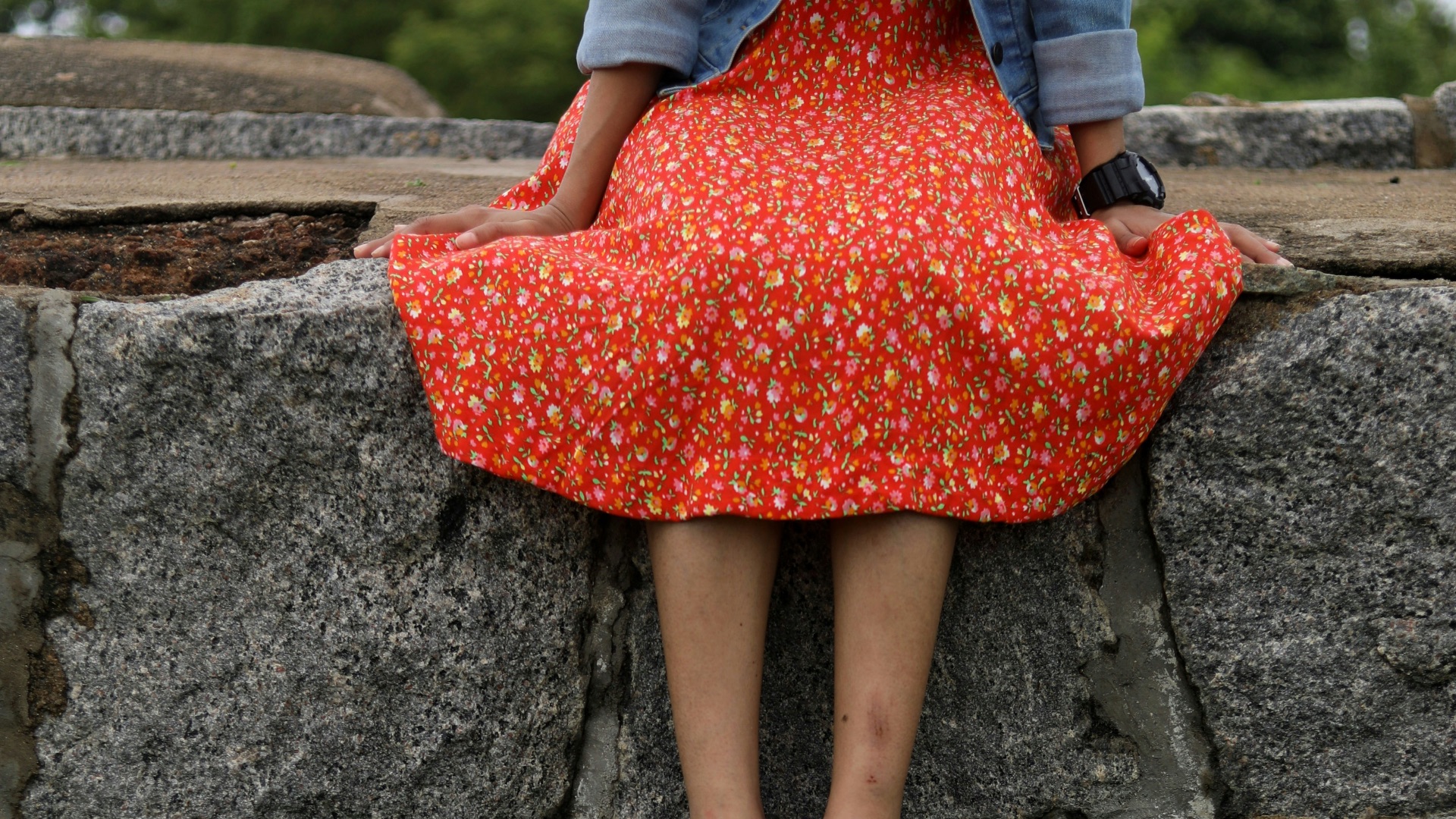
A midi dress made from cotton, linen, or rayon gives you full coverage without any of the heat retention associated with heavier, structured garments. The flowy silhouette means the fabric isn't pressing against your skin, so there's consistent airflow around your entire body throughout the day. You also eliminate the need for multiple pieces, which keeps your overall clothing weight light and your comfort level high.
5. Breathable Athletic Shorts
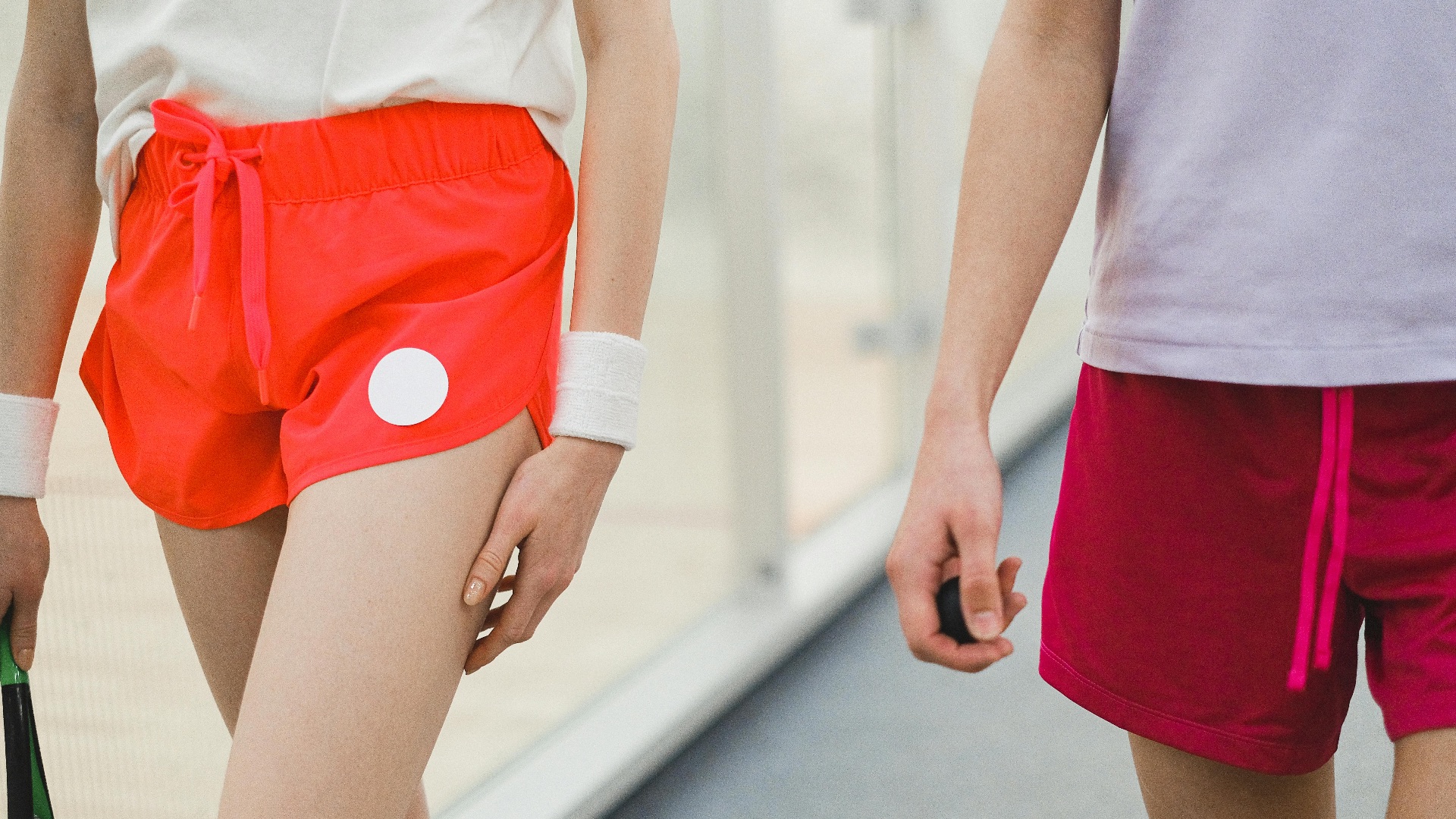
If you're spending time outdoors or doing anything physically active in the heat, a pair of well-made athletic shorts in a moisture-wicking performance fabric is one of the most practical things you can wear. These are designed specifically to handle sweat and heat, pulling moisture away from your skin and drying quickly so you don't spend the afternoon in damp clothing. They're also lightweight and move with your body, which keeps physical discomfort to a minimum.
6. Open-Toed Sandals with Flat Soles
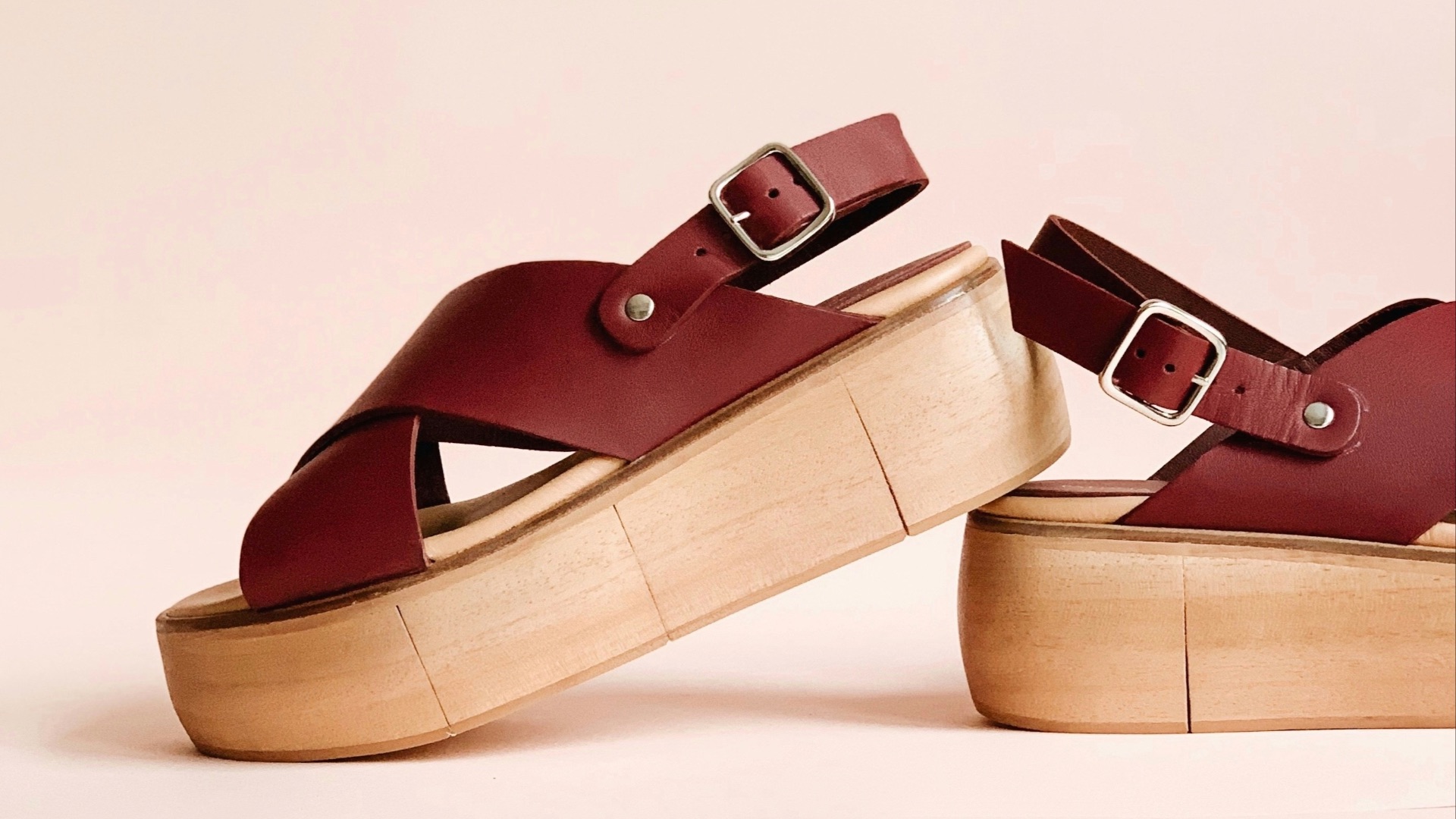
Sandals expose your feet to open air, which makes a noticeable difference in how cool you feel overall since your feet generate a significant amount of body heat. A flat sole keeps you stable and reduces the physical effort of walking, which in turn keeps your body temperature lower over the course of the day. Look for styles with adjustable straps and cushioned footbeds so that comfort holds up even when your feet inevitably swell in the afternoon heat.
7. Linen or Cotton Button-Down Shirts
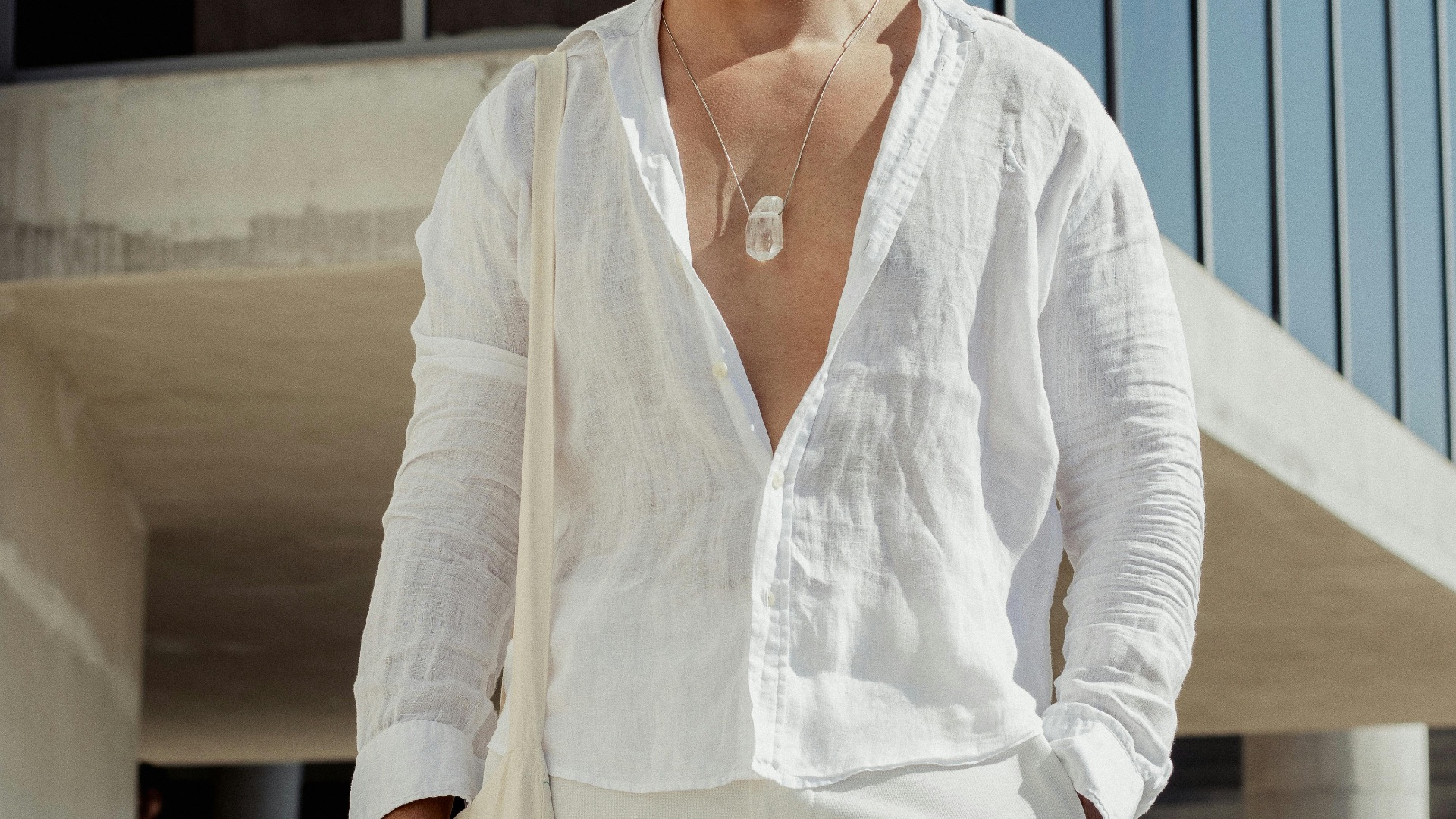
A lightweight button-down in linen or cotton offers more coverage than a t-shirt while still remaining breathable, which makes it a strong option if you're in a setting that requires a slightly more polished look. Leaving a button or two undone at the collar allows additional airflow around your neck and chest, and rolling up the sleeves adds further ventilation without compromising the overall outfit. It's a practical choice that balances style and comfort without asking you to sacrifice either.
8. Loose Linen or Cotton Shorts
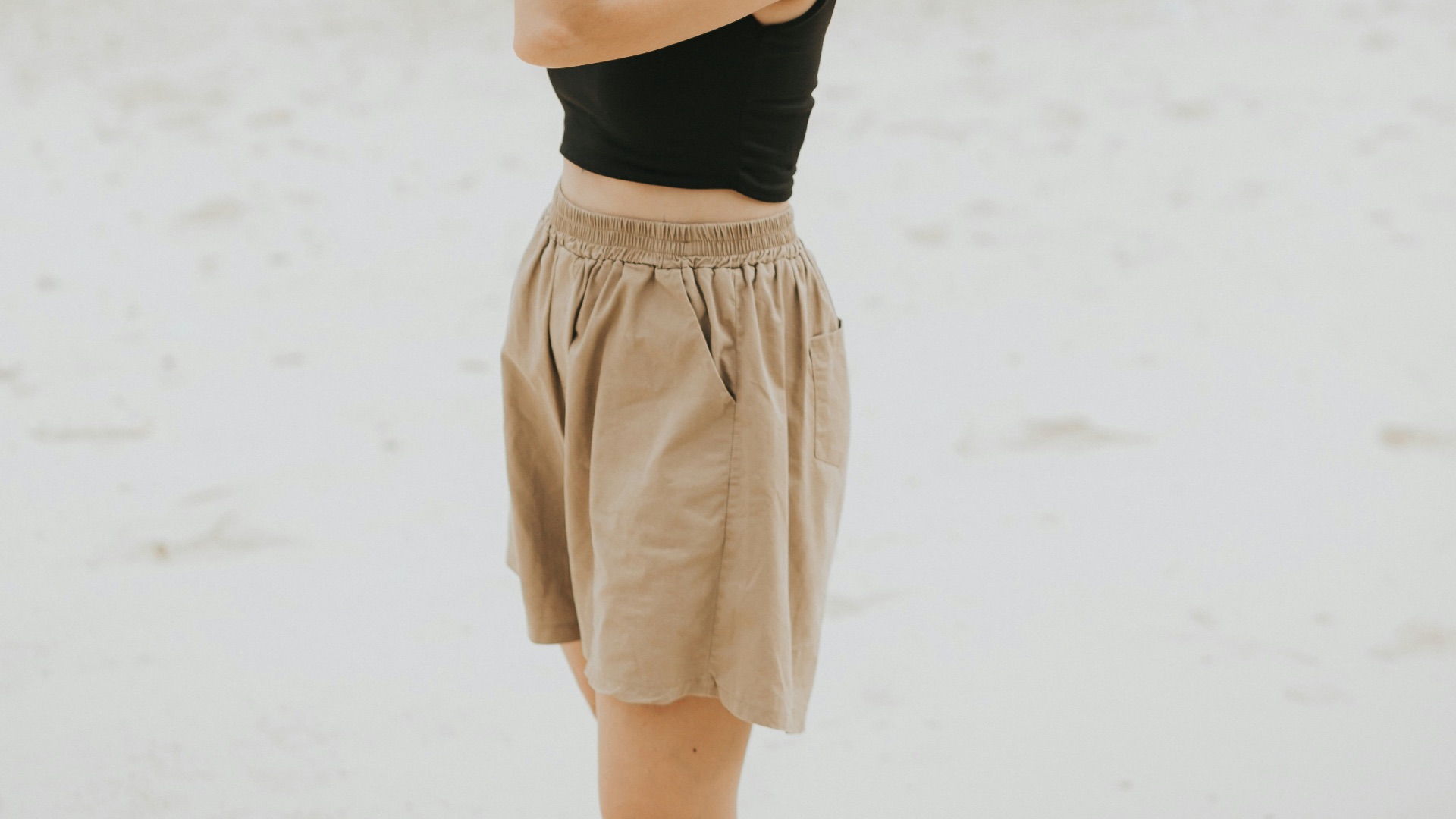
Unlike fitted styles, loose shorts in natural fabrics give your legs room to breathe and benefit from whatever breeze is available rather than trapping heat against your skin. Cotton and linen both handle moisture well, so even if you're sweating throughout the day, these fabrics won't cling uncomfortably or leave you feeling damp for extended periods. They're also easy to style with everything from sandals to sneakers, making them one of the most versatile pieces in a summer wardrobe.
9. Baseball Cap or Bucket Hat
You don't want your scalp to overheat, so you'll want to be smart about which hat you choose in terms of fabric and material, but we argue it's always best to go out with one than without one. After all, not only will they protect your face and eyes from the sun, they're also stylish and immediately help elevate your outfit.

10. Moisture-Wicking Socks in Breathable Materials
If your footwear requires socks, the material you choose makes a real difference in how comfortable your feet feel throughout the day. Moisture-wicking socks made from merino wool, bamboo, or performance cotton pull sweat away from your skin and allow it to evaporate rather than building up inside your shoe. Look for low-cut or no-show styles that minimize coverage while still offering the protection and cushioning your feet need.