20 Fashion Trends That Switched From Masculine to Feminine
Fashion Has Never Been a Little More Gender Fluid
Walk through the women’s section of almost any clothing store, and you’ll find plenty of items that once belonged largely to men’s wardrobes. Fashion has spent centuries changing its mind about which colors, fabrics, shoes, and accessories are considered masculine or feminine. Some shifts happened gradually, while others came through changing social norms, new designers, and women deliberately borrowing from menswear. These 20 trends show just how easily fashion can completely rewrite the rules.
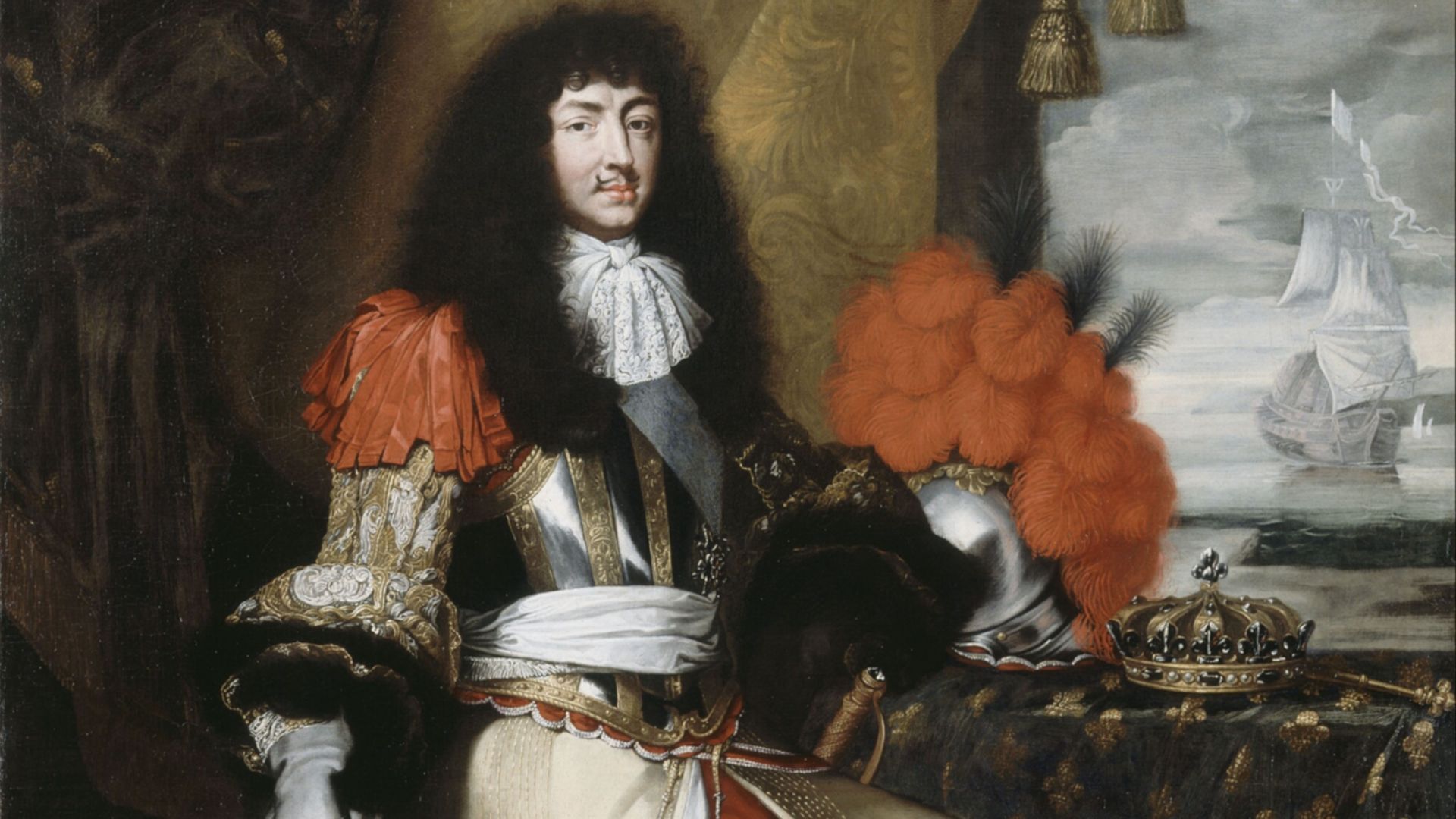 Claude Lefèbvre / Formerly attributed to Philippe de Champaigne on Wikimedia
1. High Heels
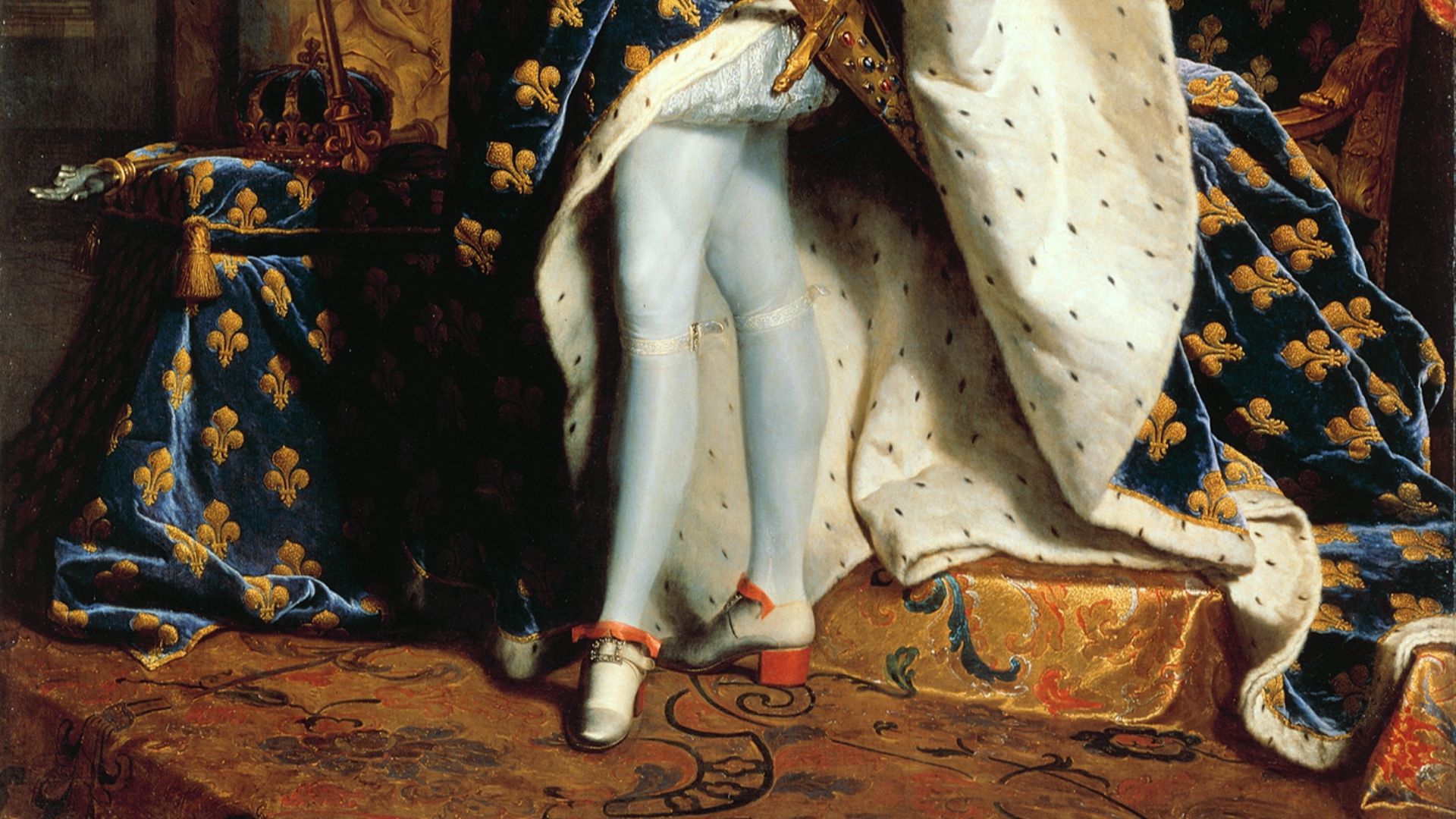
High heels are strongly associated with women’s fashion today, but European men were once among their most enthusiastic wearers. During the 1600s, aristocratic men wore heels as symbols of status, with Louis XIV of France famously favoring them. Men gradually moved toward simpler footwear during the 1700s, while heels remained part of women’s wardrobes.
2. Pink Clothing
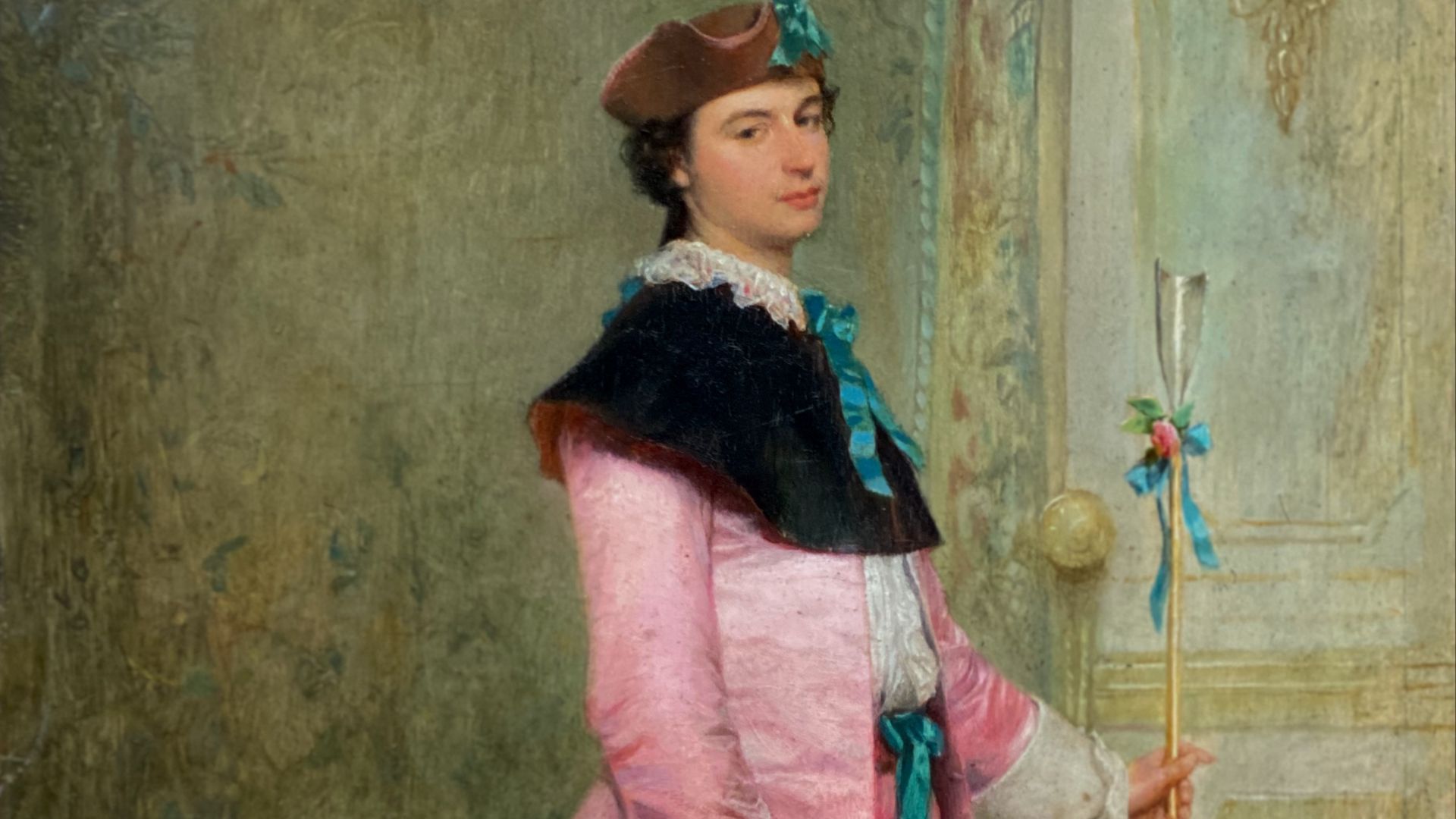
Pink hasn’t always carried the feminine associations it does now. During parts of the 18th and 19th centuries, men wore pink without it being considered unusual. It was only in the 20th century that gendered marketing around children’s clothing made pink a "girl's color."
3. Handbags
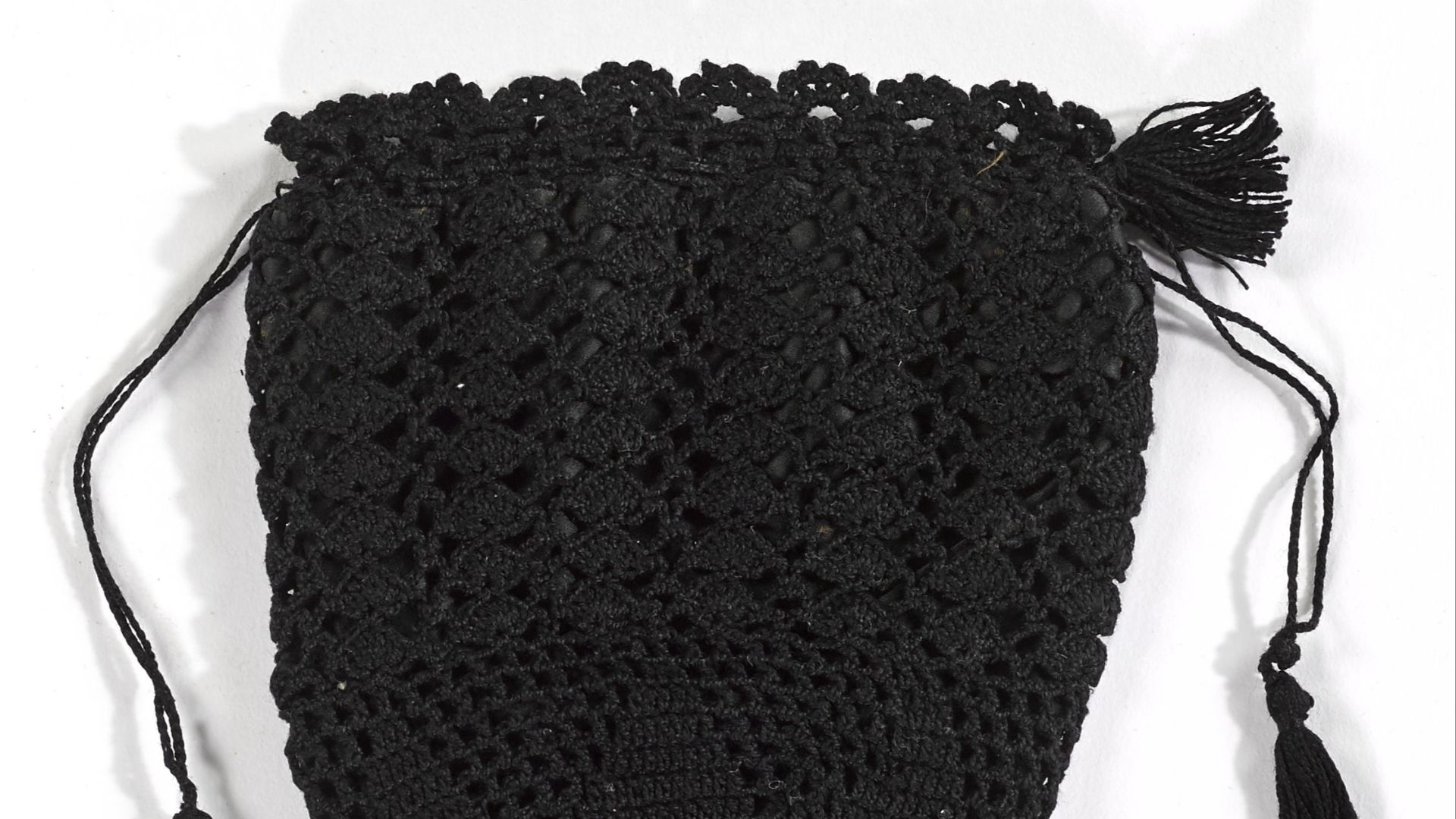
Carrying a small personal bag wasn’t originally something reserved for women. Men commonly used purses, pouches, and small bags to carry coins and other belongings long before modern pockets became standard. As men’s clothing gained convenient internal pockets, they had less need for separate bags, while women’s clothing often lacked the same storage.
4. Stockings
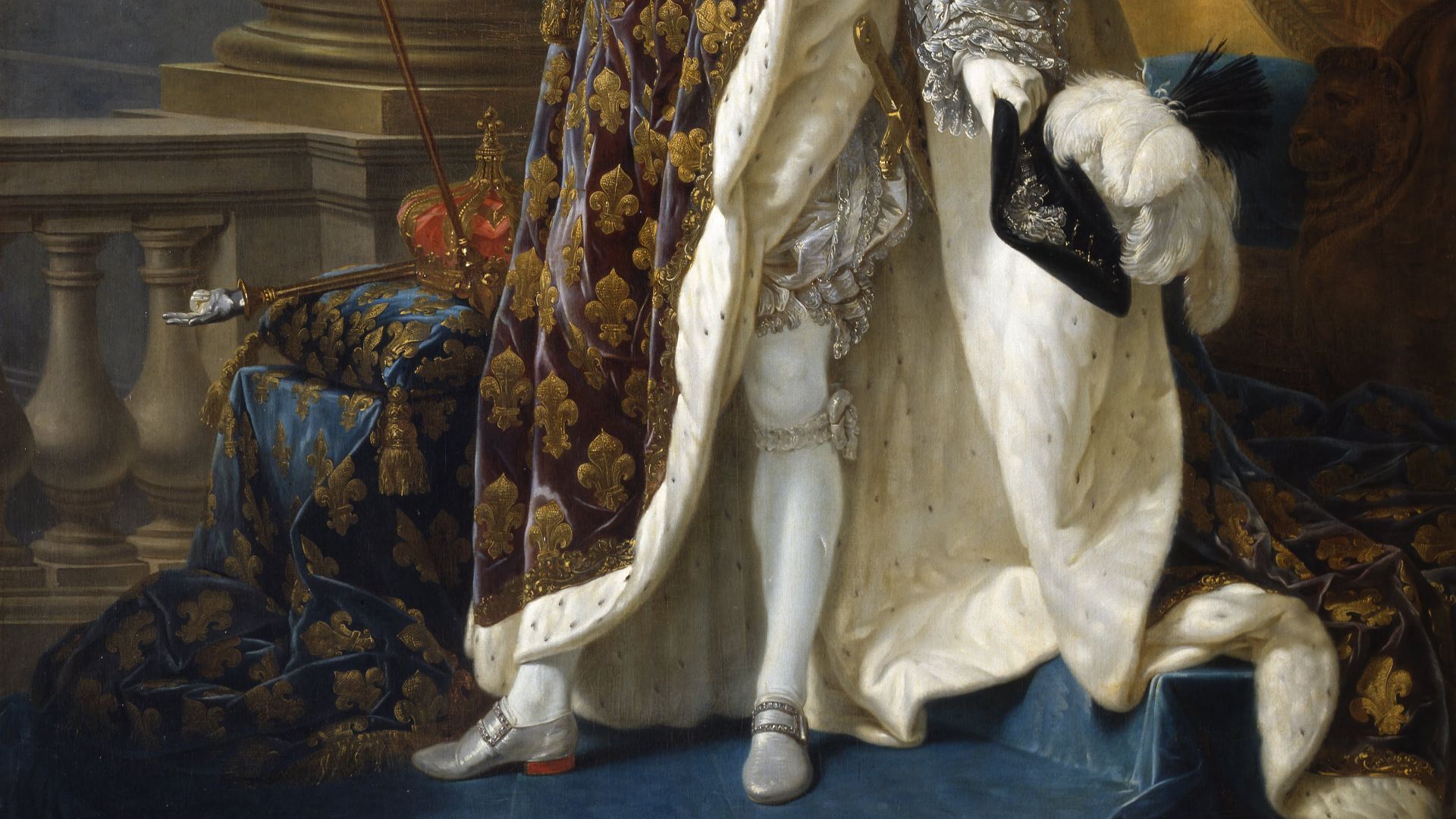
For centuries, showing off a well-dressed leg was very much a men’s fashion concern, especially considering women showing any leg at all was seen as scandalous for so many centuries. European men wore fitted hose and stockings with breeches, often choosing luxurious materials and decorative designs that made them highly visible. Long trousers eventually covered men’s legs, while women continued wearing them beneath skirts and dresses, turning hosiery into a largely feminine category.
 Antoine-François Callet on Wikimedia
5. Lace
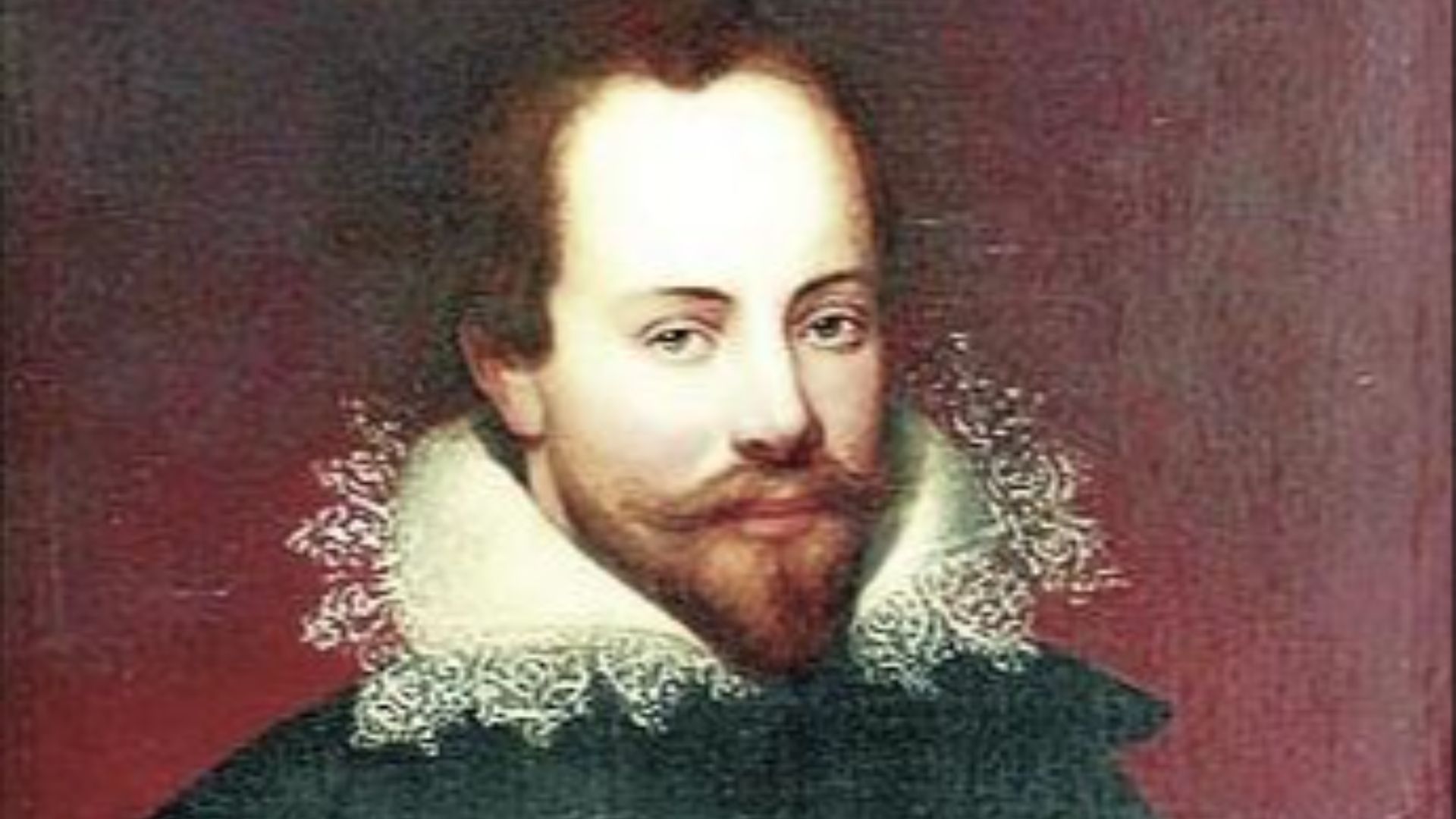
There was a time when powerful men had absolutely no problem covering themselves in lace. Wealthy European gentlemen wore elaborate lace collars, cuffs, cravats, and shirt fronts as obvious displays of money and refinement. Men’s clothing became much more restrained during the late 18th and 19th centuries, sending decorative lace out of their everyday wardrobes, while it remained prominent in women’s clothing.
6. Ribbons
Ribbons once decorated men just as readily as women, especially among European aristocrats. Gentlemen tied them around shoes, hats, wigs, sleeves, and other parts of their outfits during the 17th and 18th centuries. The growing preference for sober menswear made those decorative details increasingly rare. Ribbons survived much more successfully in women’s clothing, where they became associated with softness and femininity.
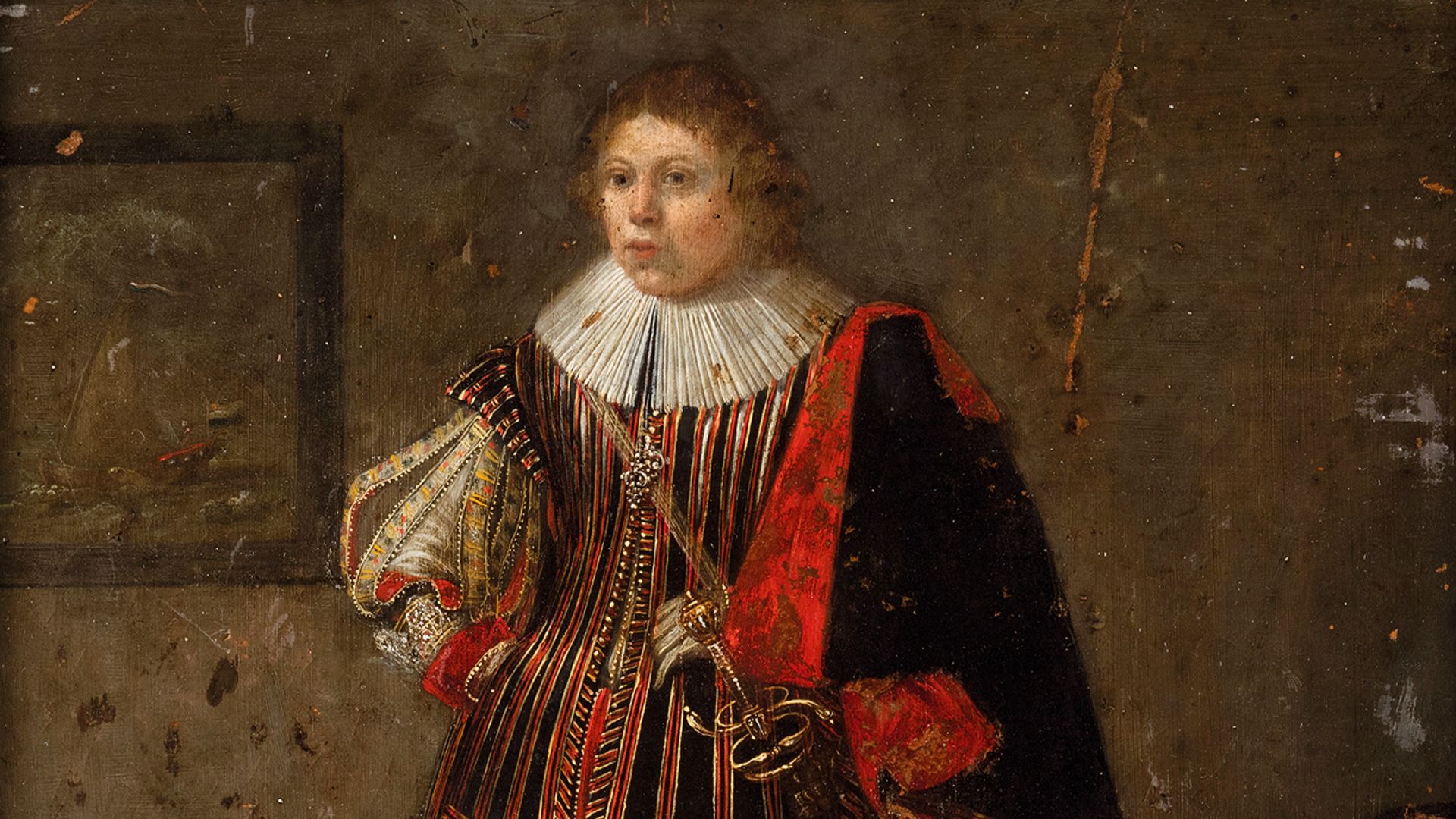 Attributed to Peter Danckerts de Rij on Wikimedia
7. Elaborate Wigs
Huge curls, powdered hair, and carefully styled wigs weren’t always feminine territory. European men of the 17th and 18th centuries could spend considerable time and money maintaining elaborate hairstyles, particularly within royal and aristocratic circles. After the French Revolution and changing attitudes toward conspicuous luxury, men increasingly embraced natural and shorter hair, and dramatic artificial hair became much more of a women's thing.
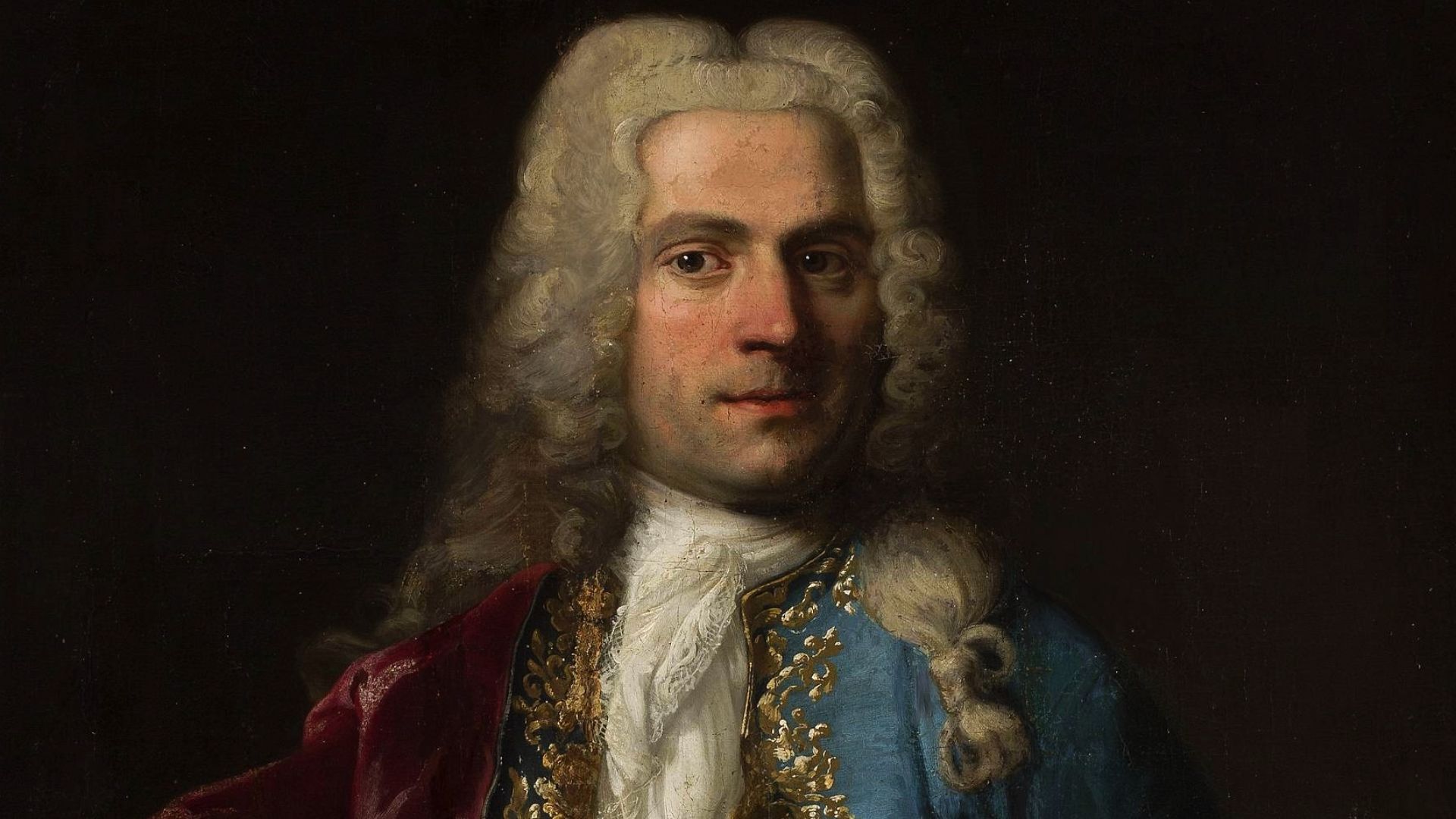
8. Jewelry Covered in Gemstones
Men once wore far more decorative jewelry than modern formalwear would suggest. Kings, courtiers, and wealthy gentlemen regularly displayed jeweled brooches, rings, shoe buckles, buttons, and chains without worrying that the pieces looked feminine. The rise of understated menswear during the 19th century dramatically reduced how much jewelry respectable men could get away with wearing, and elaborate gems migrated into women's fashion.
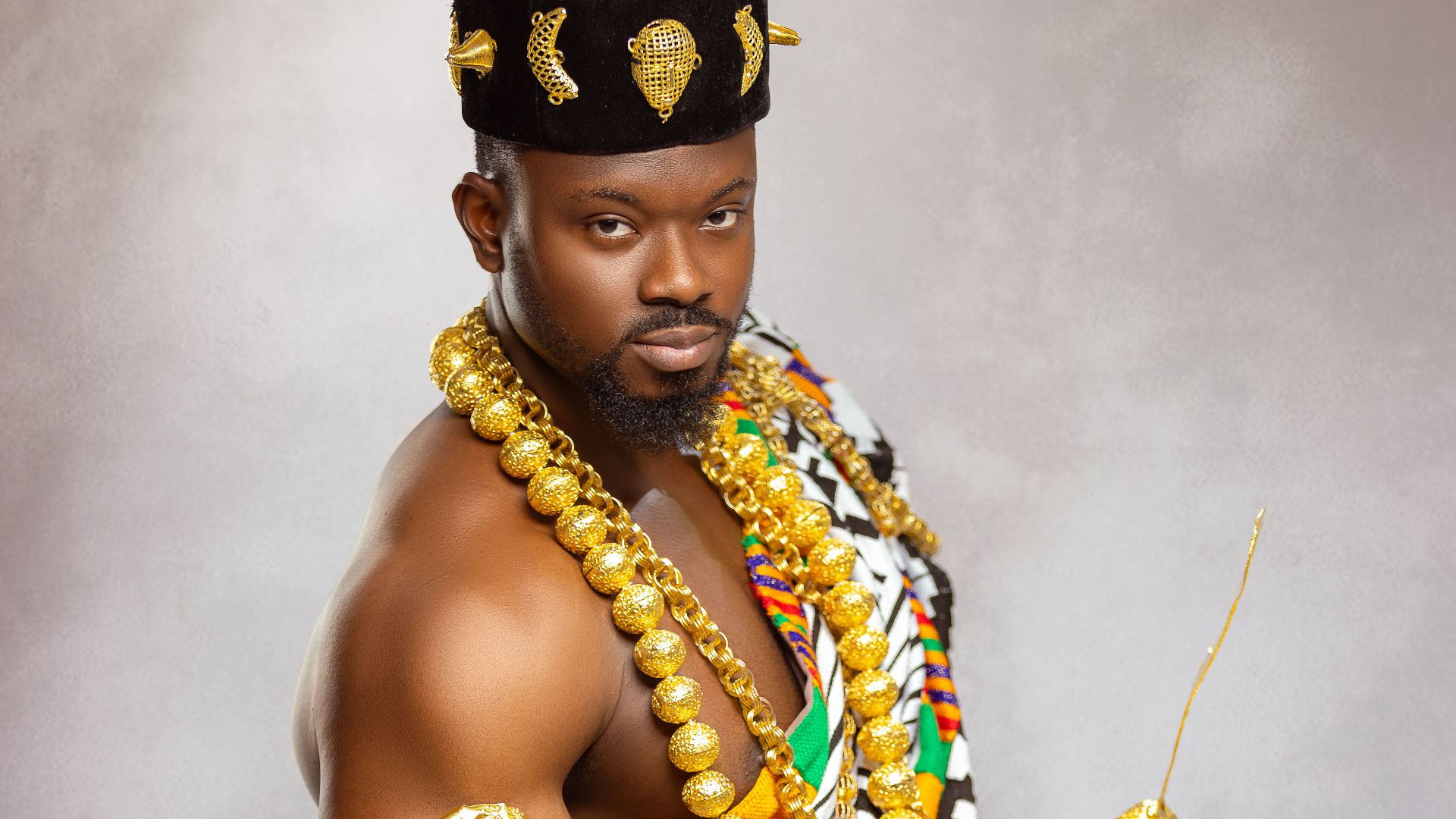
9. Pearls
Pearls haven’t always belonged primarily to women’s jewelry boxes. Powerful men across Europe and Asia wore pearls on clothing, hats, earrings, necklaces, and other accessories as signs of enormous wealth. Western menswear eventually stripped away much of this ornamentation, while pearl jewelry continued to flourish among women.
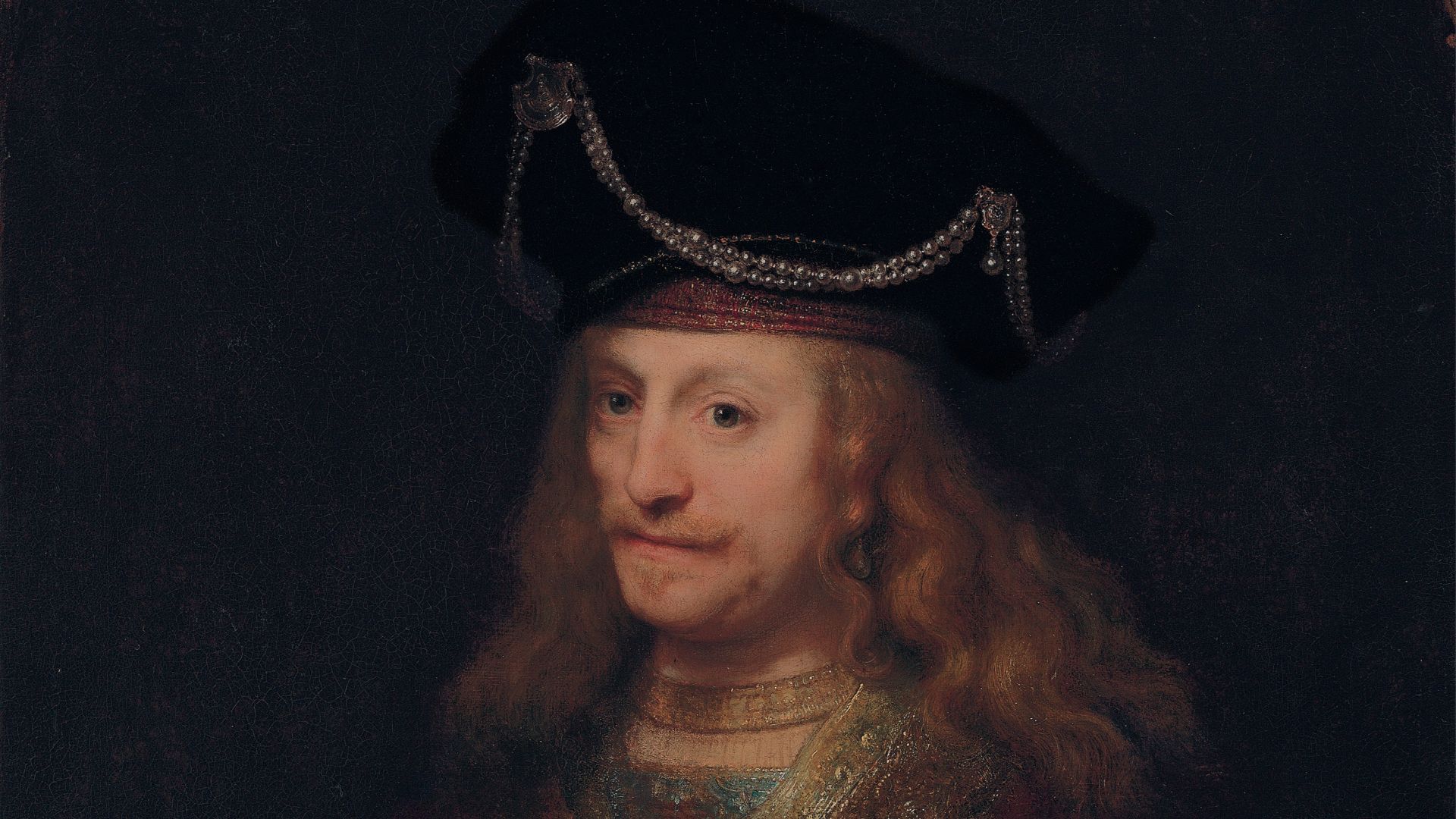
10. Floral Embroidery
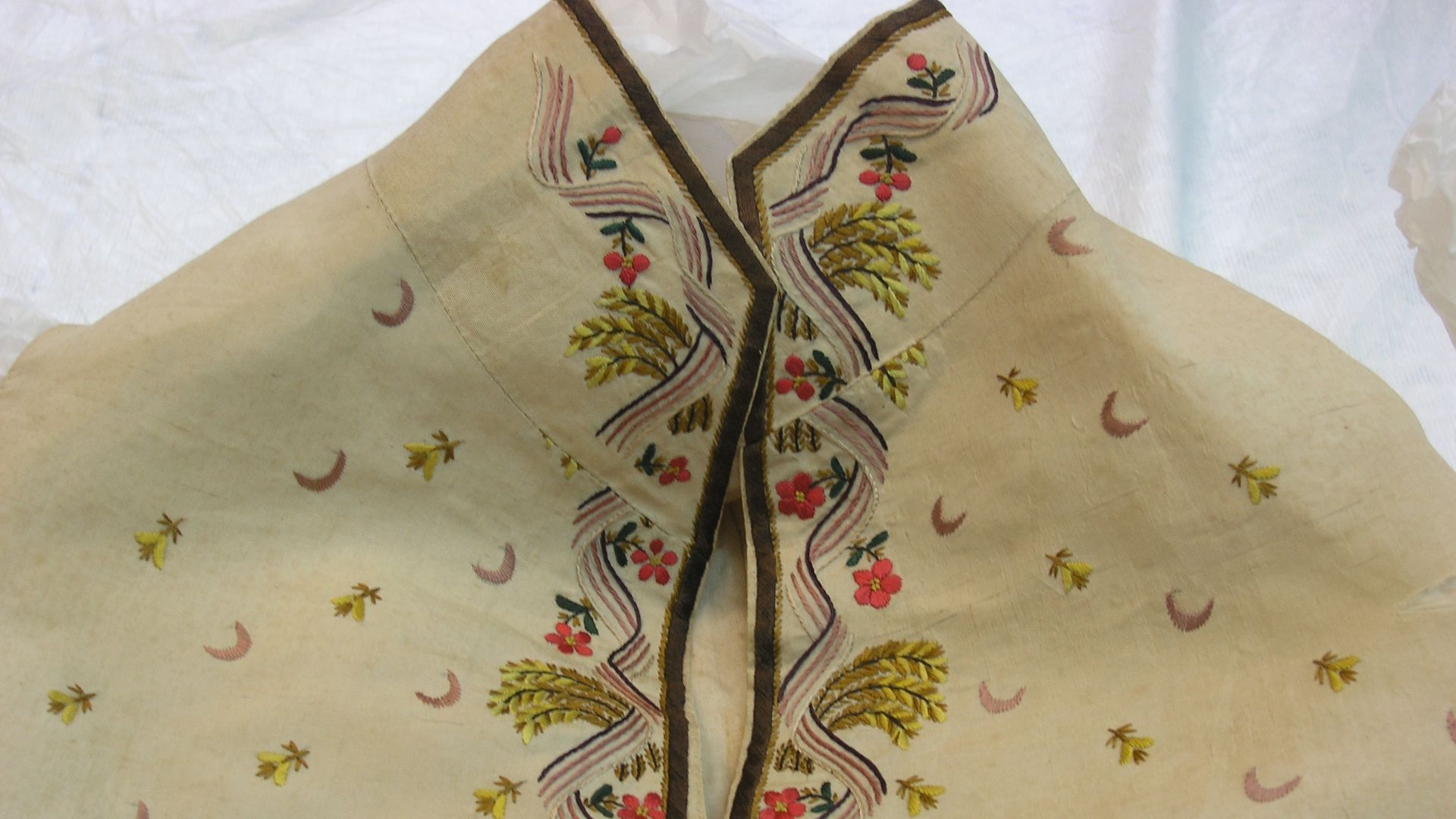
Flowers weren’t considered too delicate for fashionable men in earlier centuries. Wealthy gentlemen wore coats and waistcoats covered in embroidered blossoms, vines, and other colorful decorative patterns during the 1700s. When men’s suits became darker and simpler, embroidery largely vanished from mainstream male wardrobes. Floral detailing continued much more strongly in women’s clothing and eventually picked up a heavily feminine image.
11. Decorative Fans
Hand fans are usually pictured as elegant accessories for women, but men have carried them in numerous cultures throughout history. In places such as Japan and China, fans could form part of masculine court dress, ceremonial clothing, and even military culture. European men also used fans at certain points, although women eventually became far more strongly associated with decorative folding varieties.
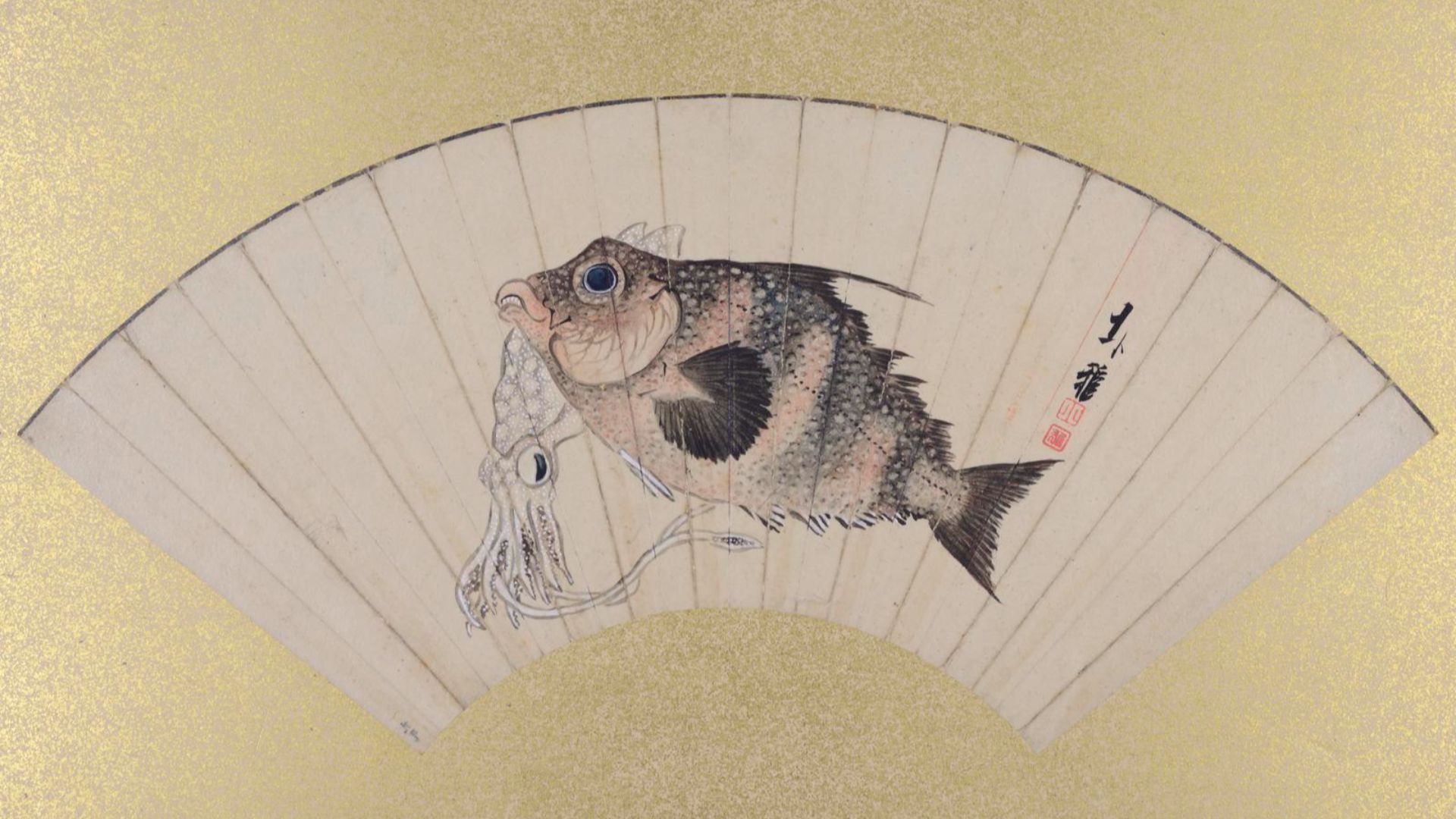 Katsushika Hokusai (葛飾北斎) on Wikimedia
12. Makeup
Cosmetics haven’t always been separated neatly by gender. Wealthy European men in the 17th and 18th centuries sometimes whitened their faces, rouged their cheeks, darkened facial features, and covered blemishes as part of elite grooming. After the late 1700s, visible makeup became increasingly unacceptable for respectable Western men, but women continued using it, eventually turning makeup into an industry marketed overwhelmingly toward them.
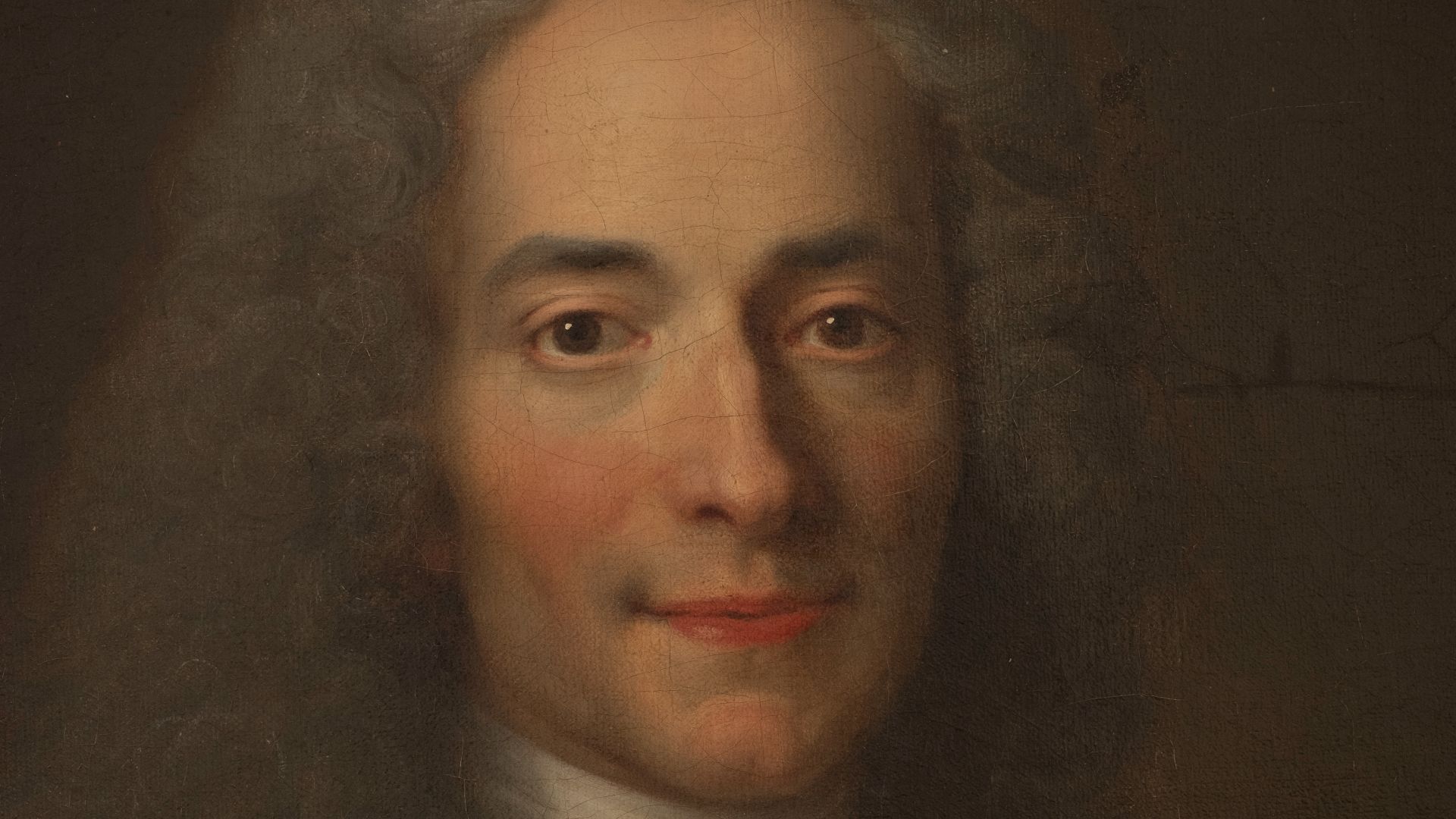 Nicolas de Largillière on Wikimedia
13. Perfume
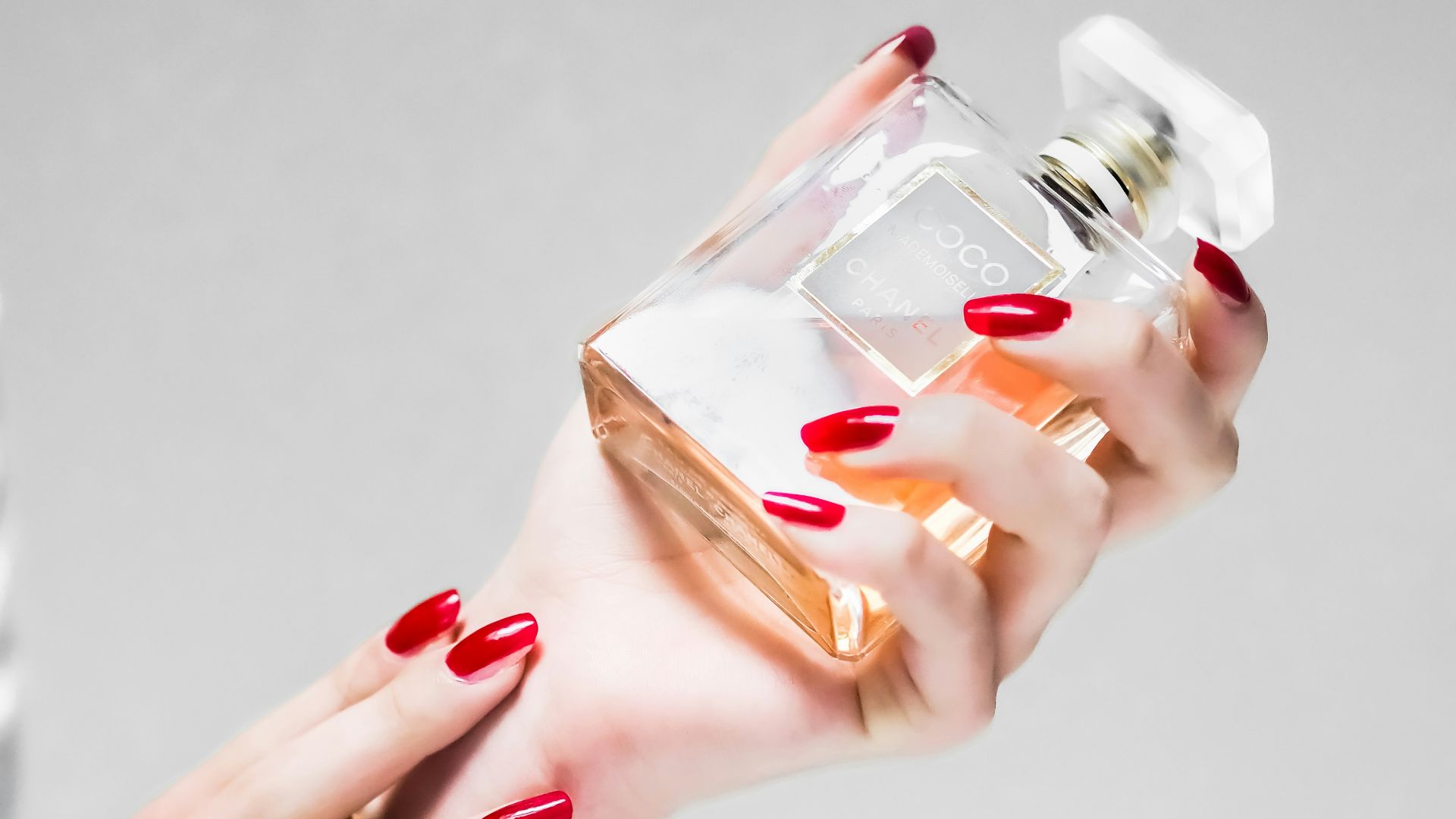
A heavily scented man would hardly have seemed unusual at certain royal courts. European aristocratic men used perfumes generously, especially during eras when fragrance was connected with wealth, cleanliness, and fashionable grooming. Modern marketing later divided fragrance into distinctly masculine and feminine categories, with men increasingly pushed toward products labeled as cologne or aftershave.
14. Long, Decorative Hair
Long hair has moved between masculine and feminine associations countless times. Men in various historical periods wore shoulder-length hair, curls, braids, or highly styled locks without having their masculinity questioned. Western men’s hairstyles became significantly shorter during the 19th and early 20th centuries, particularly under military and professional influences.
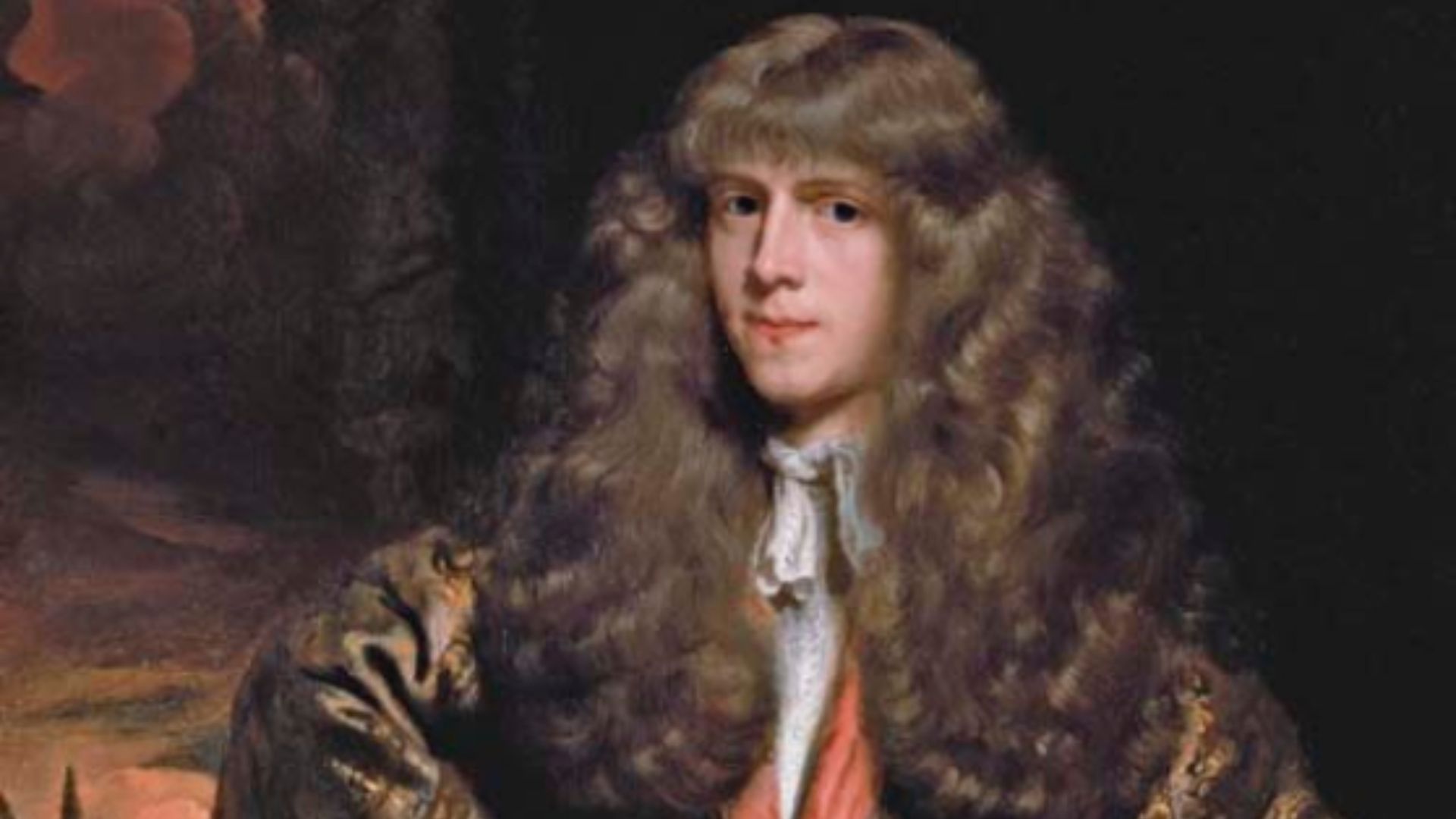
15. Decorative Brooches
Brooches once had practical and fashionable roles in men’s clothing. Medieval and early modern men used jeweled pins and clasps to secure garments, while wealthy gentlemen later wore decorative versions simply to show off. As masculine dress became plainer, brooches practically disappeared from everyday men’s wardrobes while women kept wearing them.
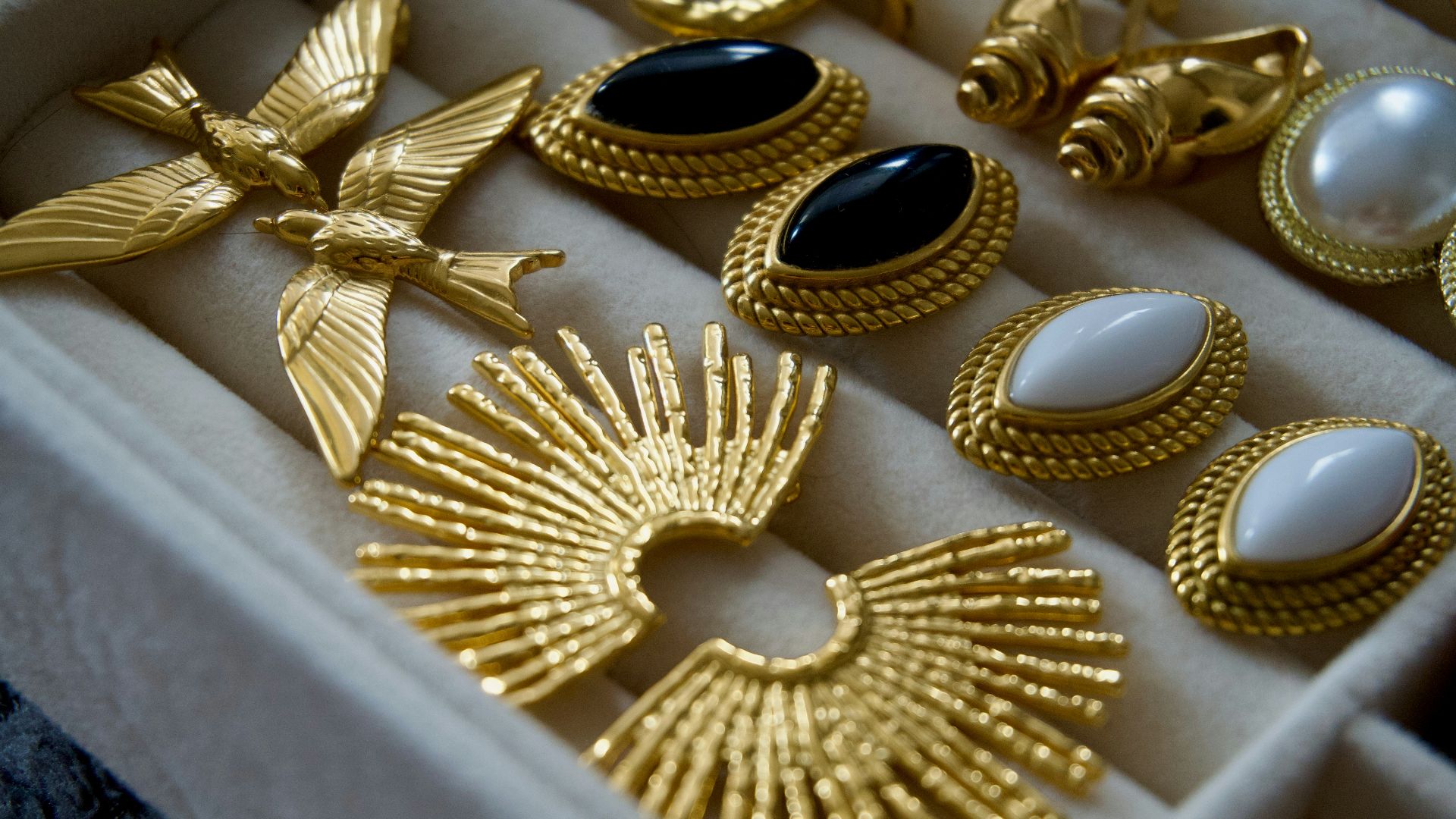
16. Ornate Shoes
Modern men’s formal shoes tend to be fairly restrained, but that wasn’t always the case. Elite European men once wore footwear covered with embroidery, huge bows, jeweled buckles, bright fabrics, and other attention-grabbing decorations. When men's fashion became much more conservative during the 19th century, such ornamentation went out of fashion for them but continued in women's footwear.
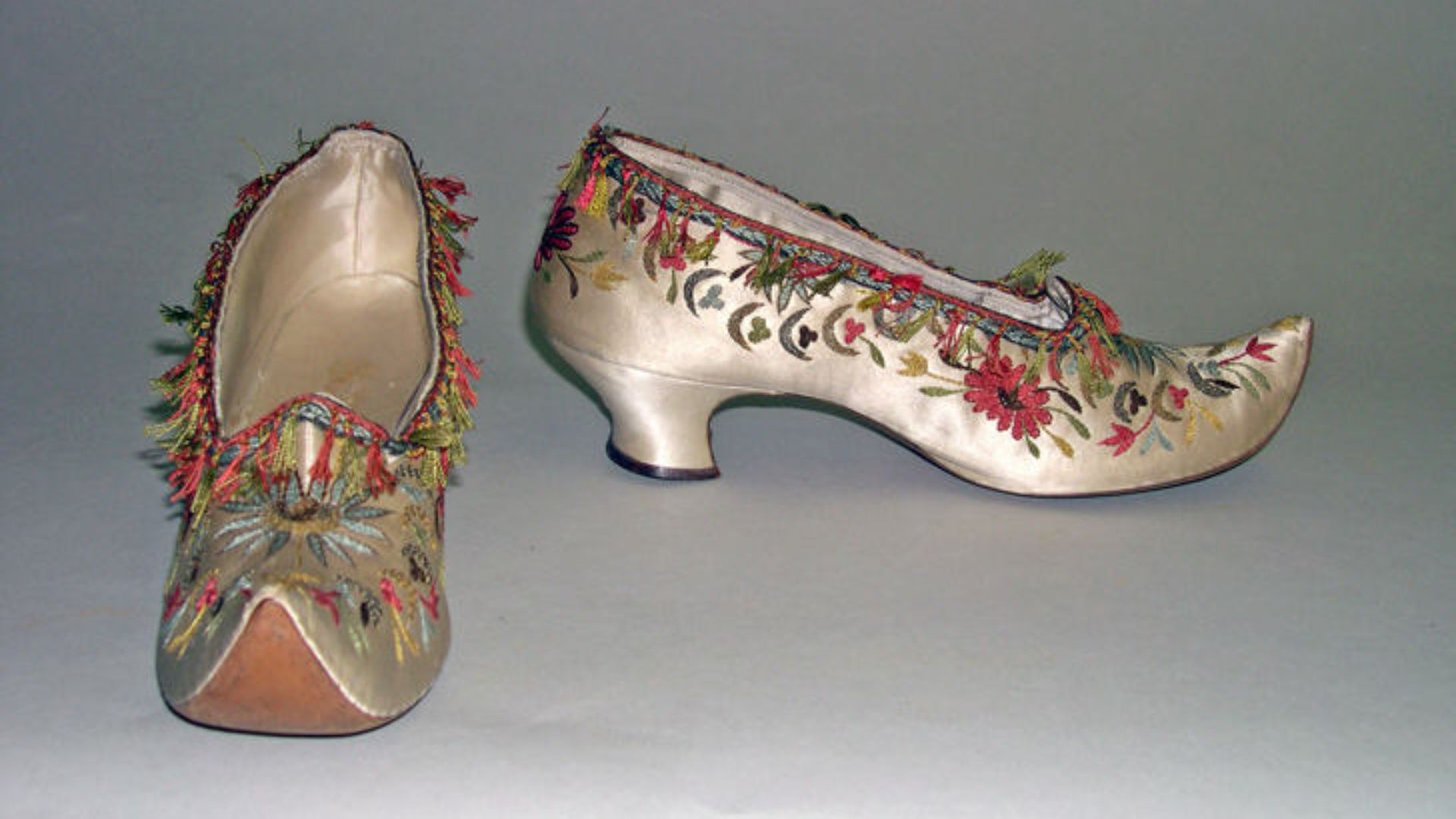
17. Pastel Colors
Soft colors weren’t originally treated as exclusively feminine choices. Aristocratic men during the 18th century happily wore pale blues, pinks, lavenders, yellows, and other delicate shades in silk coats and waistcoats. Industrial-era menswear later shifted toward darker colors, and pastels remained more common in women’s clothing.
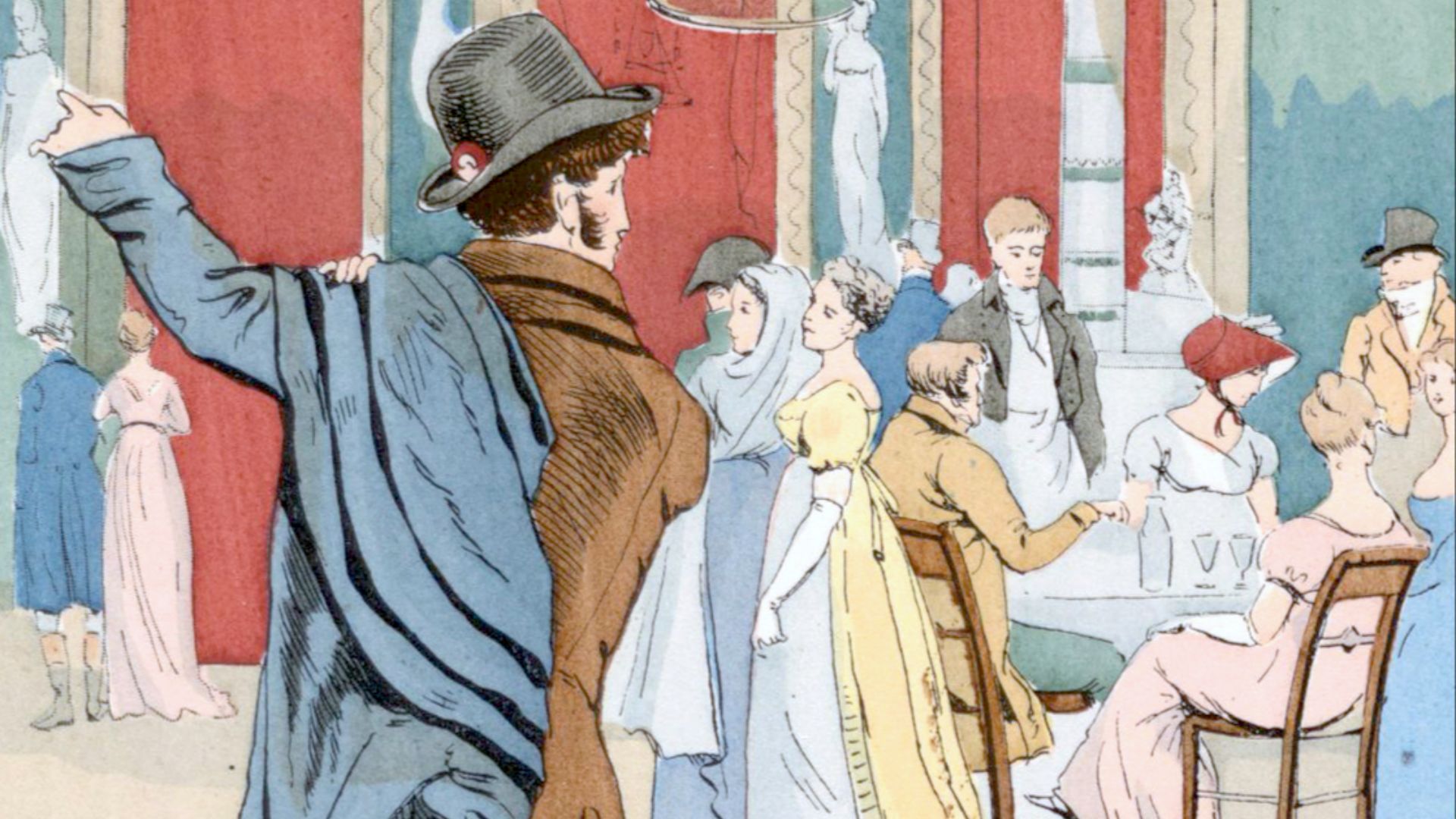 François Courboin on Wikimedia
18. Silk Clothing
Silk once represented wealth and social rank more than gender. Affluent men wore silk coats, waistcoats, robes, stockings, and other garments because the expensive fabric immediately signaled status. Western menswear eventually became dominated by materials such as wool and cotton, particularly as tailored suits took over. Silk remained far more visible in women’s dresses, blouses, lingerie, and eveningwear, giving the fabric a more feminine image.
19. Puffy Sleeves
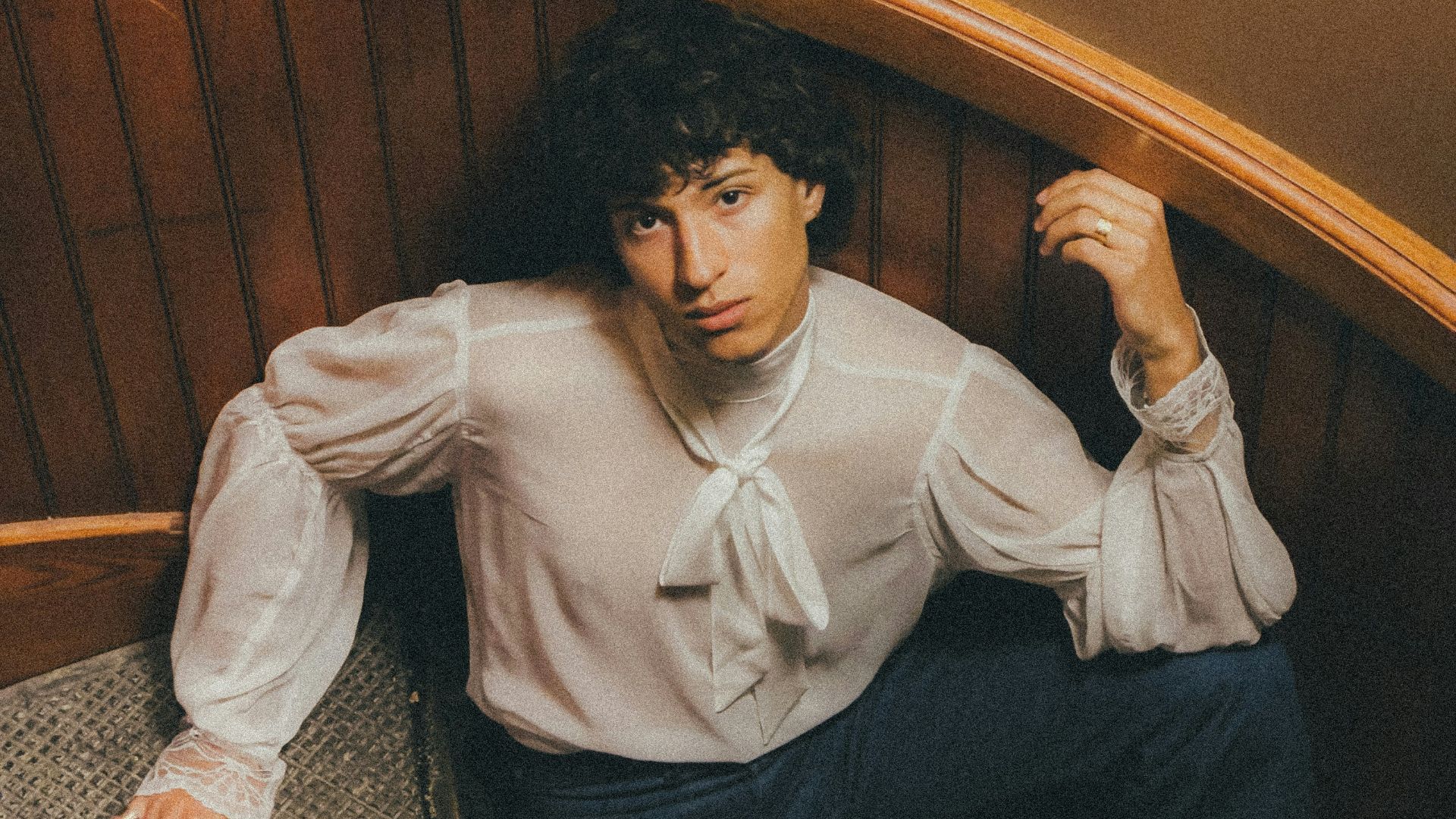
Voluminous sleeves have spent plenty of time on masculine shoulders. Renaissance and early modern men wore doublets and coats with padded, slashed, gathered, or exaggerated sleeves designed to create an imposing silhouette. Those dramatic shapes gradually disappeared as men’s tailoring became cleaner and narrower, but women’s fashion repeatedly revived puffed sleeves in dresses and blouses.
20. Decorative Bows
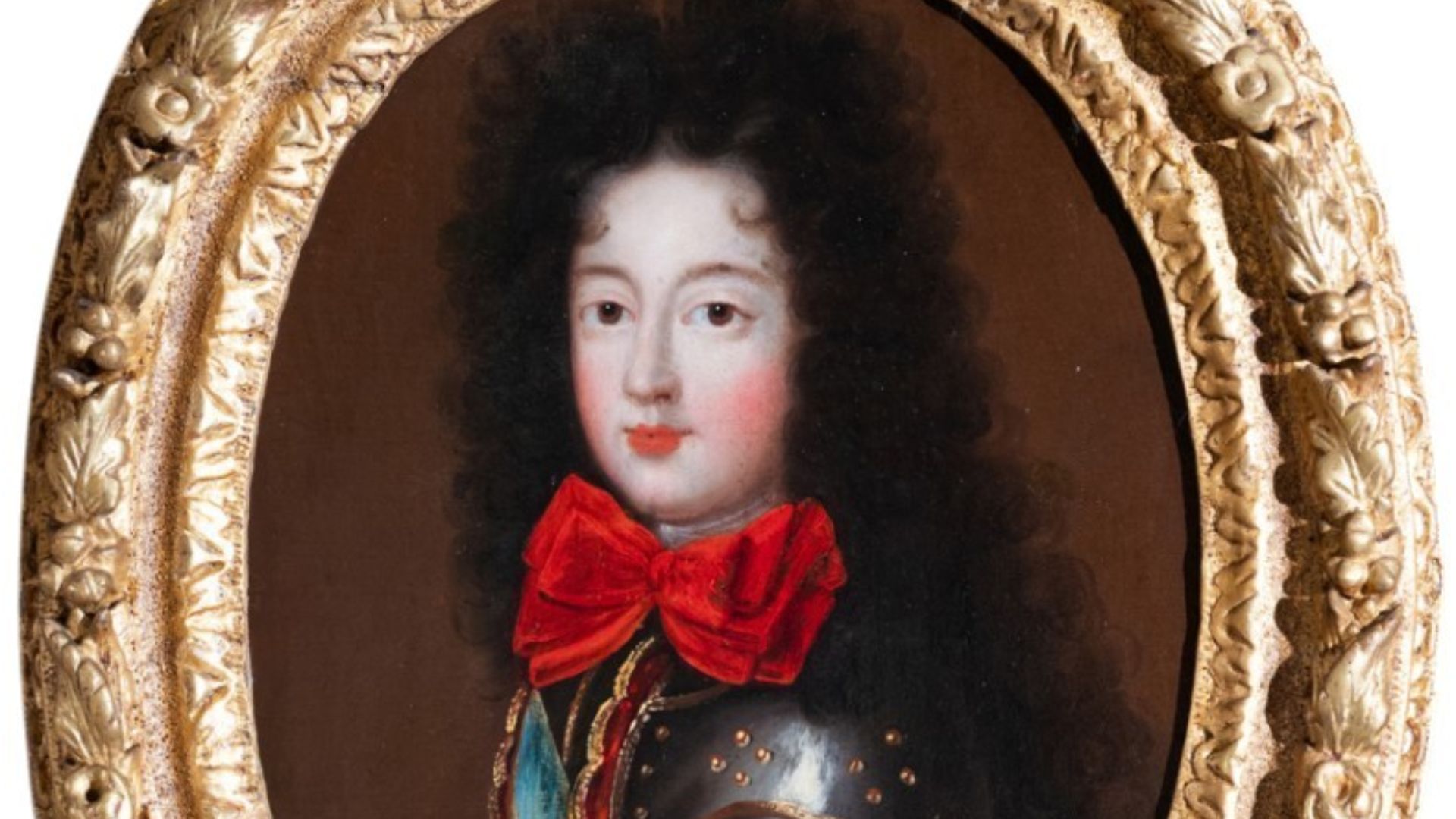
Bows can seem intensely feminine today, but fashionable men once covered their clothing with them. During the 1600s and 1700s, bows could appear on men’s shoes, sleeves, collars, breeches, and even wigs, particularly among members of the upper classes. Changing ideas about respectable masculinity eventually stripped most decorative bows from menswear. Women’s clothing kept them alive, transforming an aristocratic unisex decoration into a familiar feminine detail.
 French School / Unidentified painter on Wikimedia