Style Has Always Been Part Of The Story
Fashion history isn’t only tucked away in preserved gowns, old shoes, or glass cases filled with fragile lace. A lot of it hides in plain sight, right inside famous paintings. Artists captured the clothes people wore when they wanted to look wealthy, respectable, fashionable, powerful, rebellious, or just beautifully put together. A sleeve, jewel, hat, or neckline can tell us a lot about the world a person lived in, especially when clothing was tied so closely to class and reputation. These 20 paintings show how fashion shaped beauty, status, and self-presentation across different eras.
 Jkirriemuir at English Wikipedia on Wikimedia
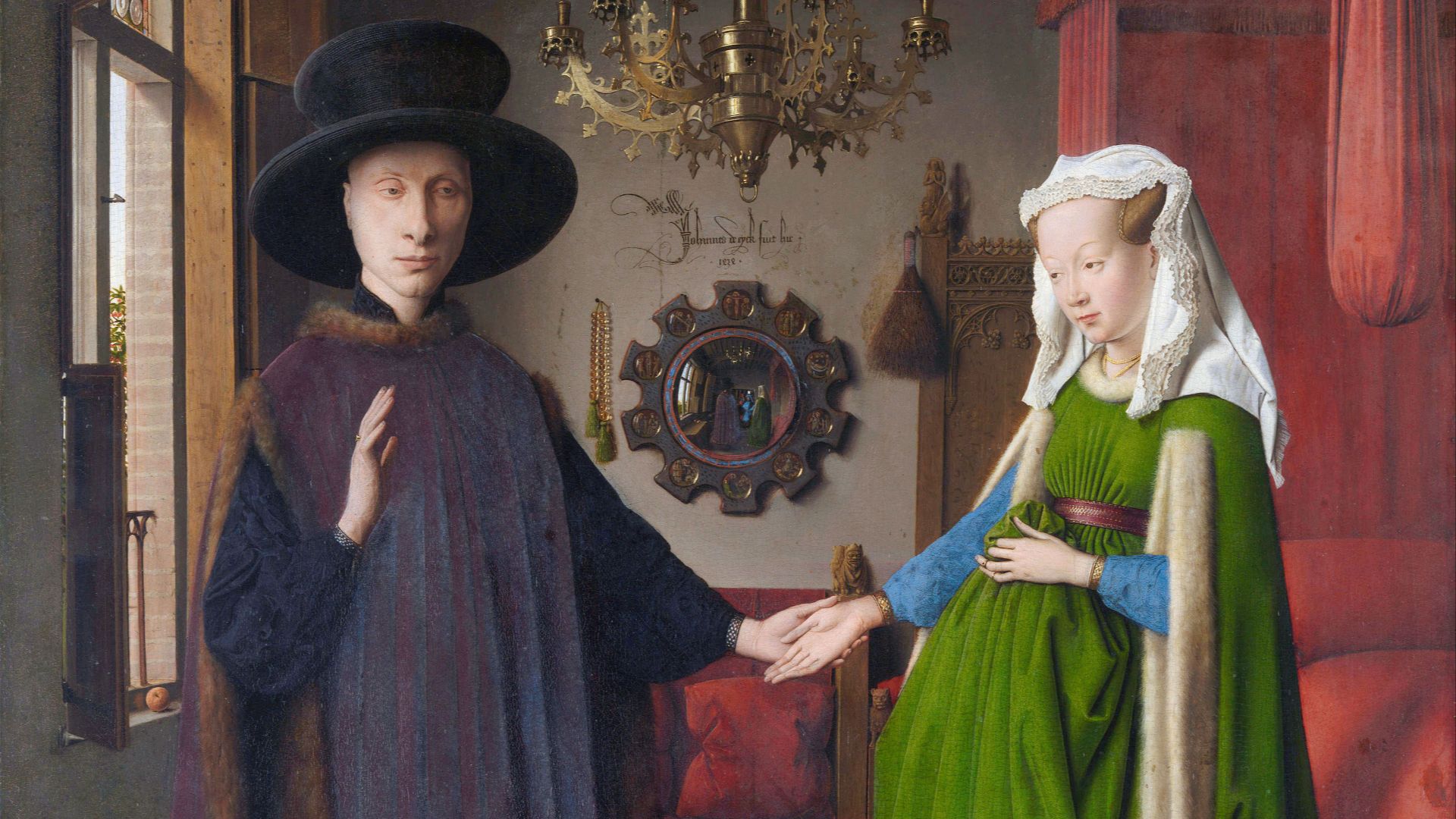
1. The Arnolfini Portrait By Jan Van Eyck
The woman’s green wool gown, fur lining, and heavy folds make this 15th-century portrait a standout fashion record. Her clothing, along with the man’s dark fur-trimmed outfit and large hat, reflects the wealth of a merchant household in Bruges.
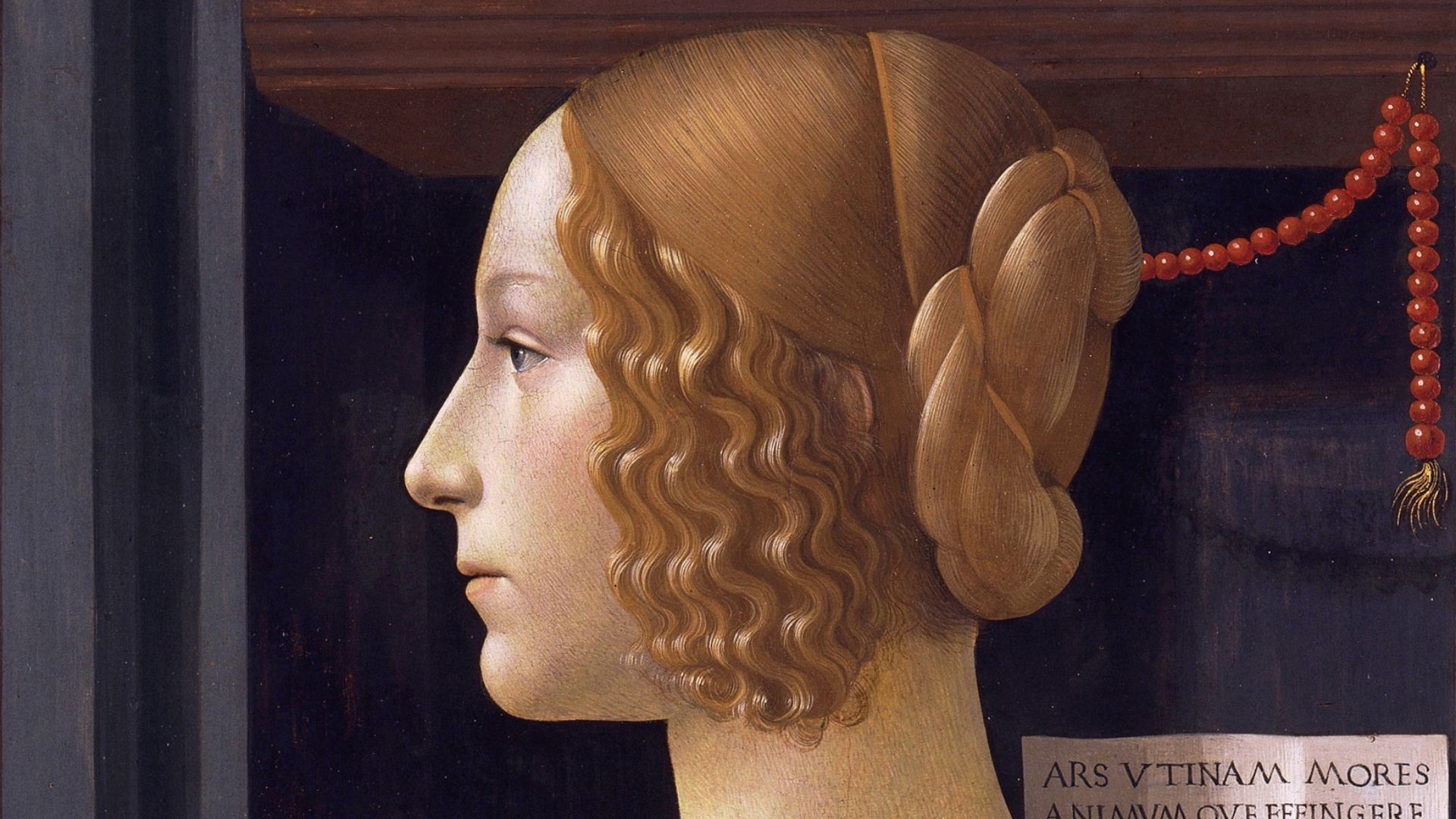
2. Portrait Of Giovanna Degli Albizzi Tornabuoni By Domenico Ghirlandaio
Giovanna’s profile pose, jewelry, fitted bodice, and carefully arranged hair reflect elite Florentine beauty in the late 1400s. Nothing about her look feels casual, because clothing helped communicate family status, marriage, virtue, and refinement.
 Domenico Ghirlandaio on Wikimedia
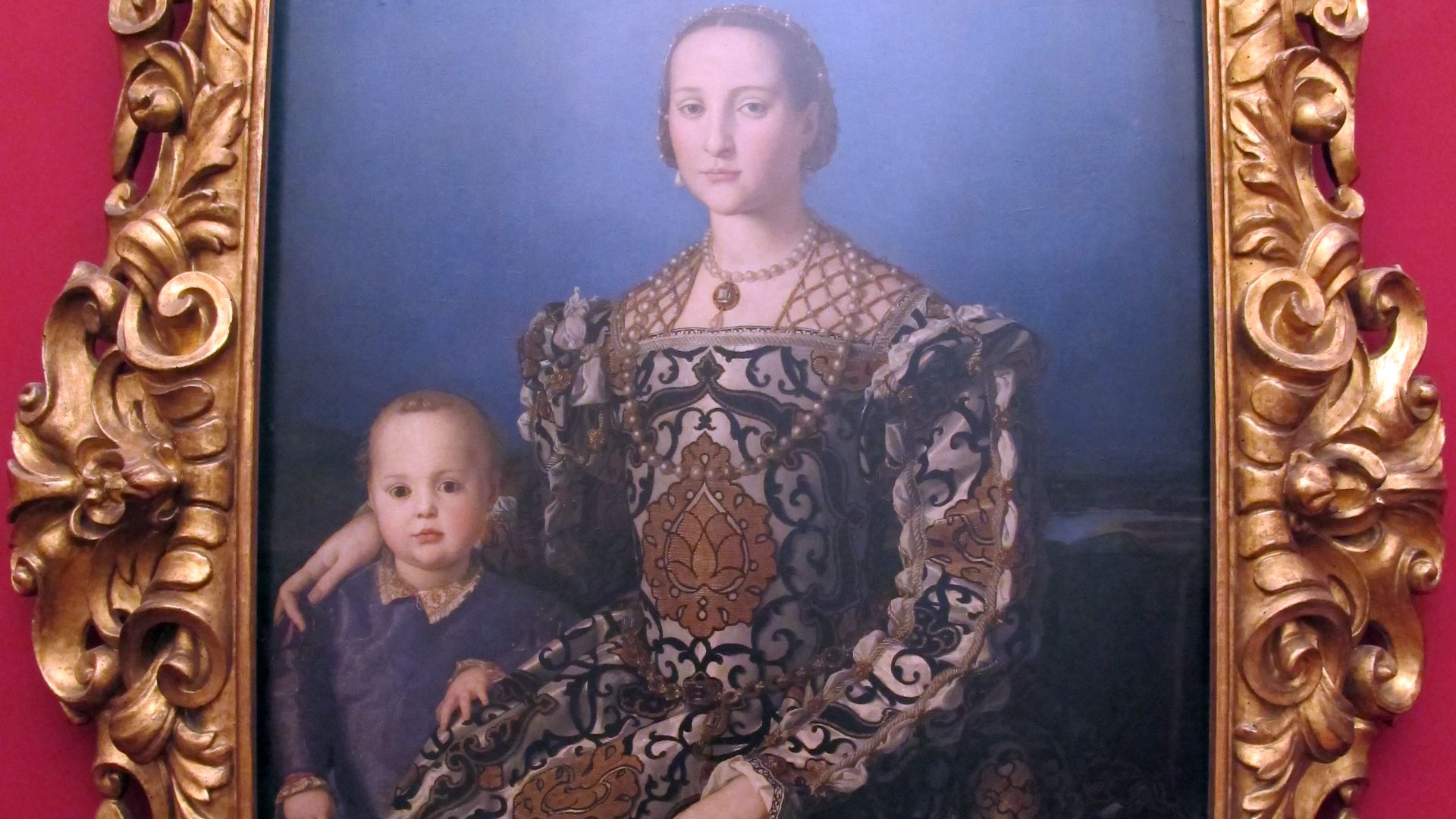
3. Portrait Of Eleonora Di Toledo With Her Son Giovanni By Bronzino
Eleonora di Toledo’s silk brocade gown is the pièce de resistance of this painting, with its rich patterning, polished structure, and unmistakable luxury. As Duchess of Florence, she used fashion to project dynastic strength, wealth, and authority beside her young son.
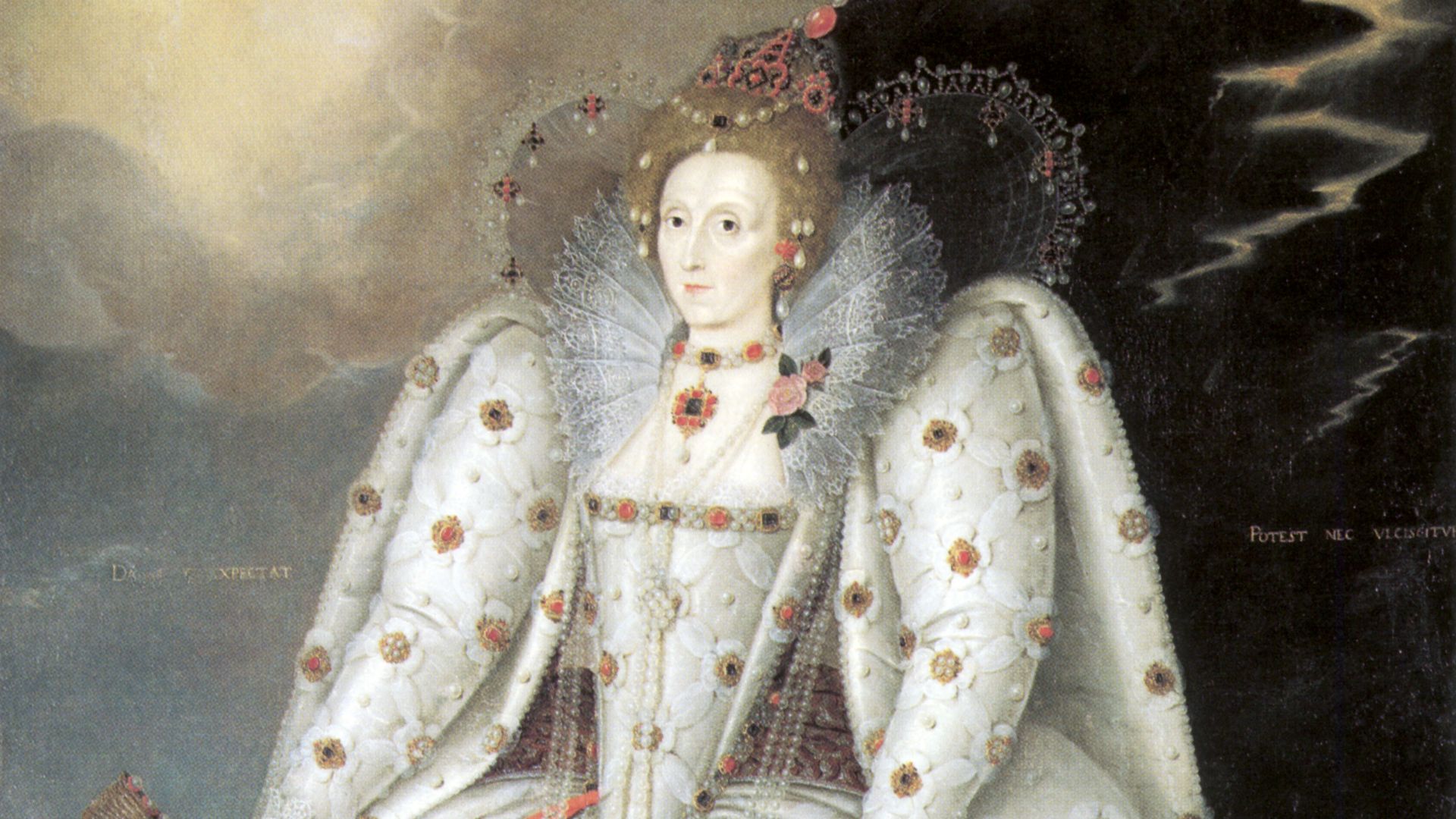
4. Queen Elizabeth I, The Ditchley Portrait, By Marcus Gheeraerts The Younger
Elizabeth I’s white gown, pearls, jewels, gloves, fan, wide skirt, and elaborate ruff turn clothing into royal image-making. Her outfit reflects late 16th-century court fashion at its most extreme, where every detail helped support power, purity, and distance.
 Marcus Gheeraerts the Younger on Wikimedia
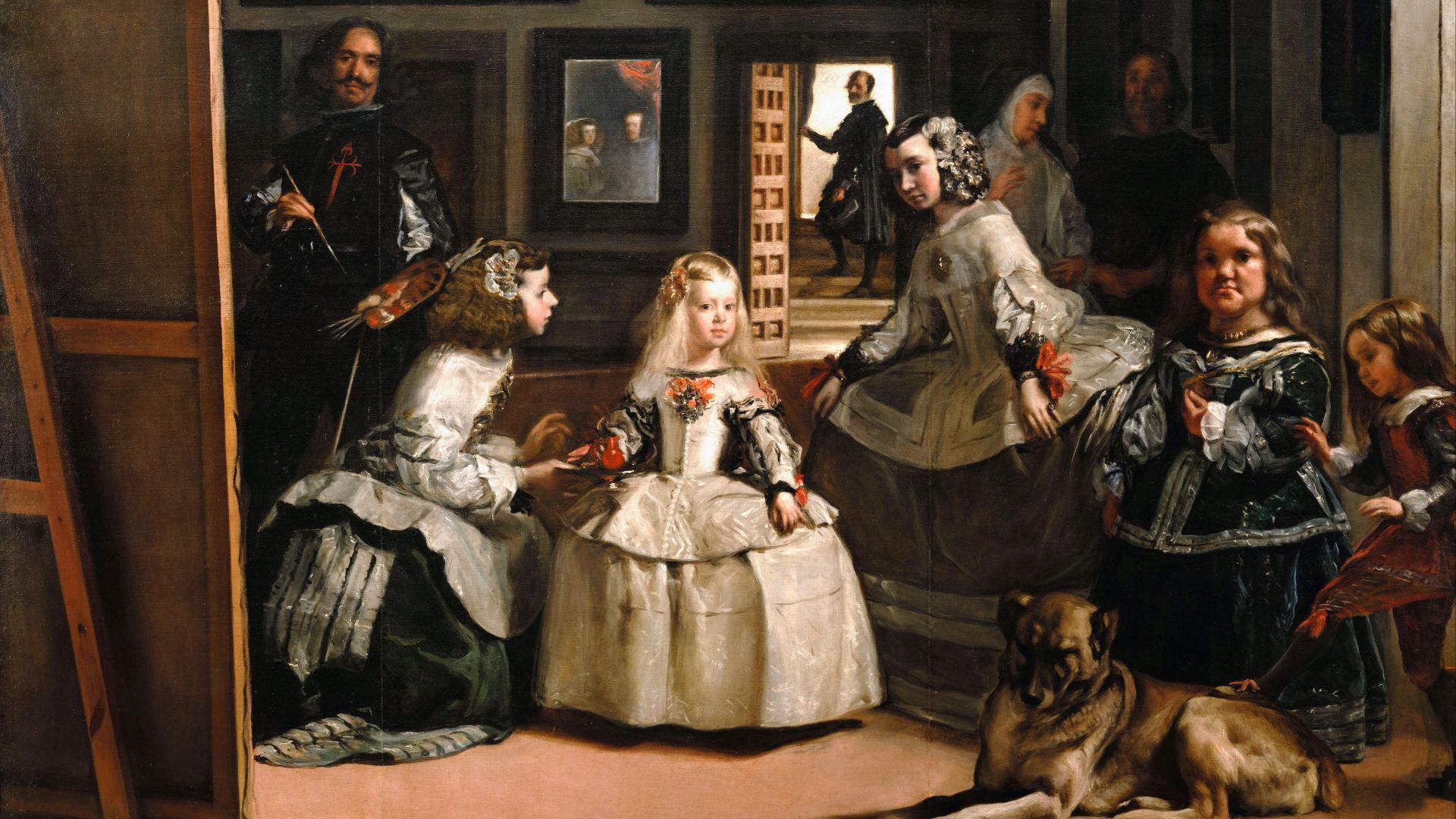
5. Las Meninas By Diego Velázquez
Infanta Margarita’s pale, structured gown places her at the center of the Spanish court. The stiff shape, formal styling, and surrounding attendants show how dress helped organize rank inside a royal household.
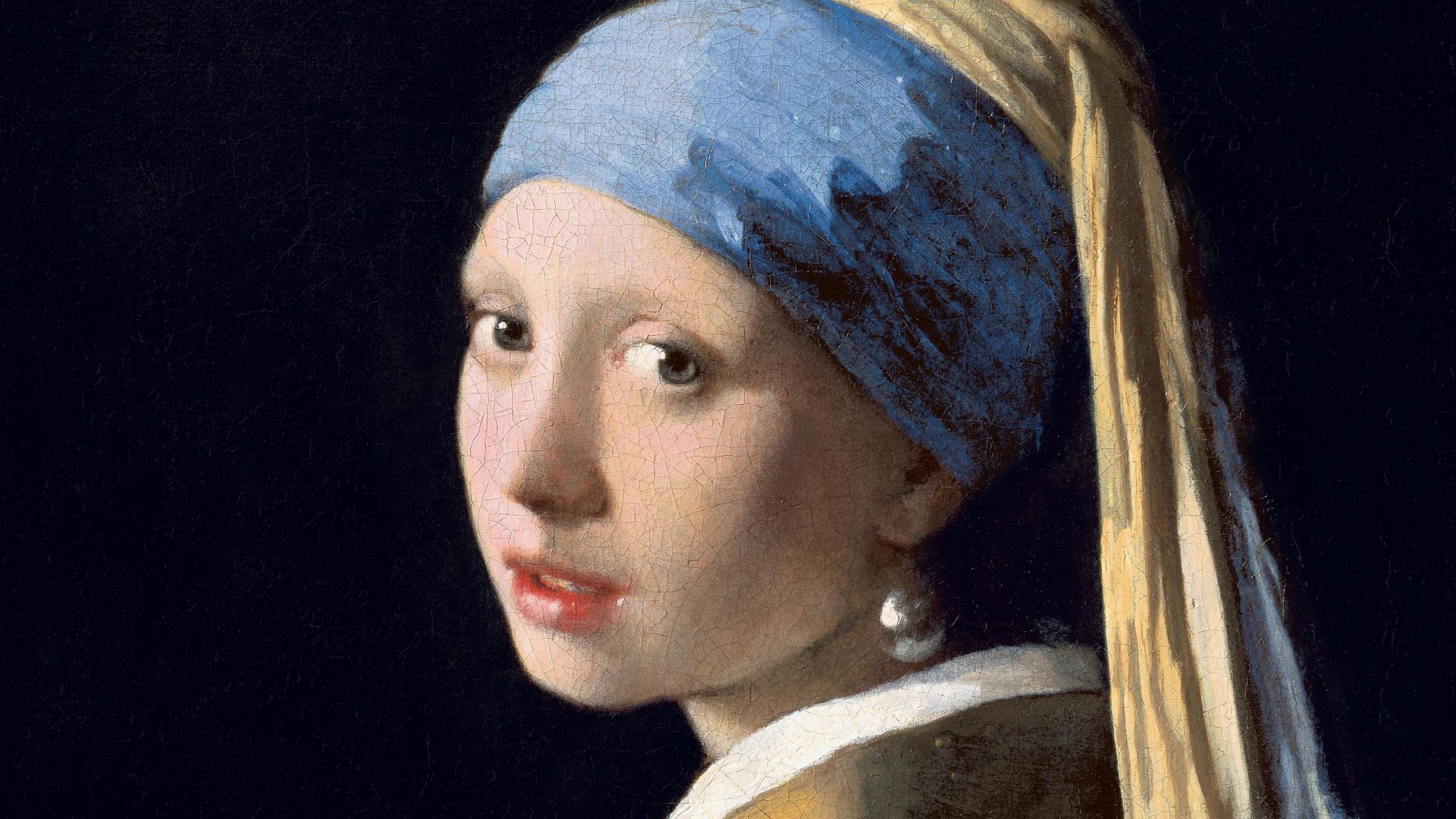
6. Girl With A Pearl Earring By Johannes Vermeer
The blue-and-yellow turban, loose garment, and oversized pearl make this painting feel more like a styled costume than everyday Dutch dress. Since the figure is imagined rather than a standard portrait subject, fashion becomes part of the mystery and mood.
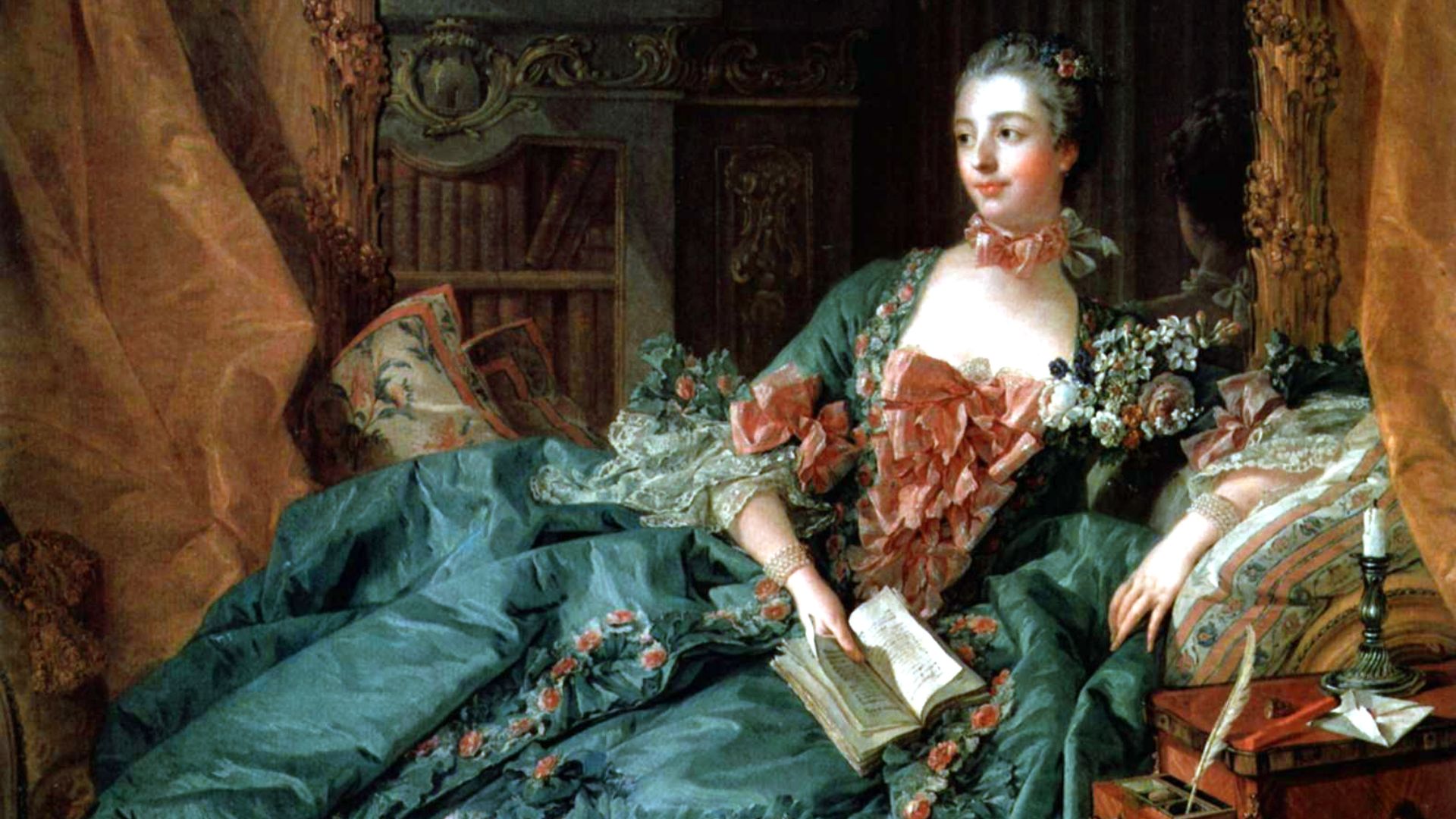
7. Madame De Pompadour By François Boucher
Madame de Pompadour appears in an embellished afternoon dress surrounded by books, music, drawings, and letters. Her Rococo styling shows beauty and polish, while the setting reminds us that her image also depended on culture, taste, and influence.
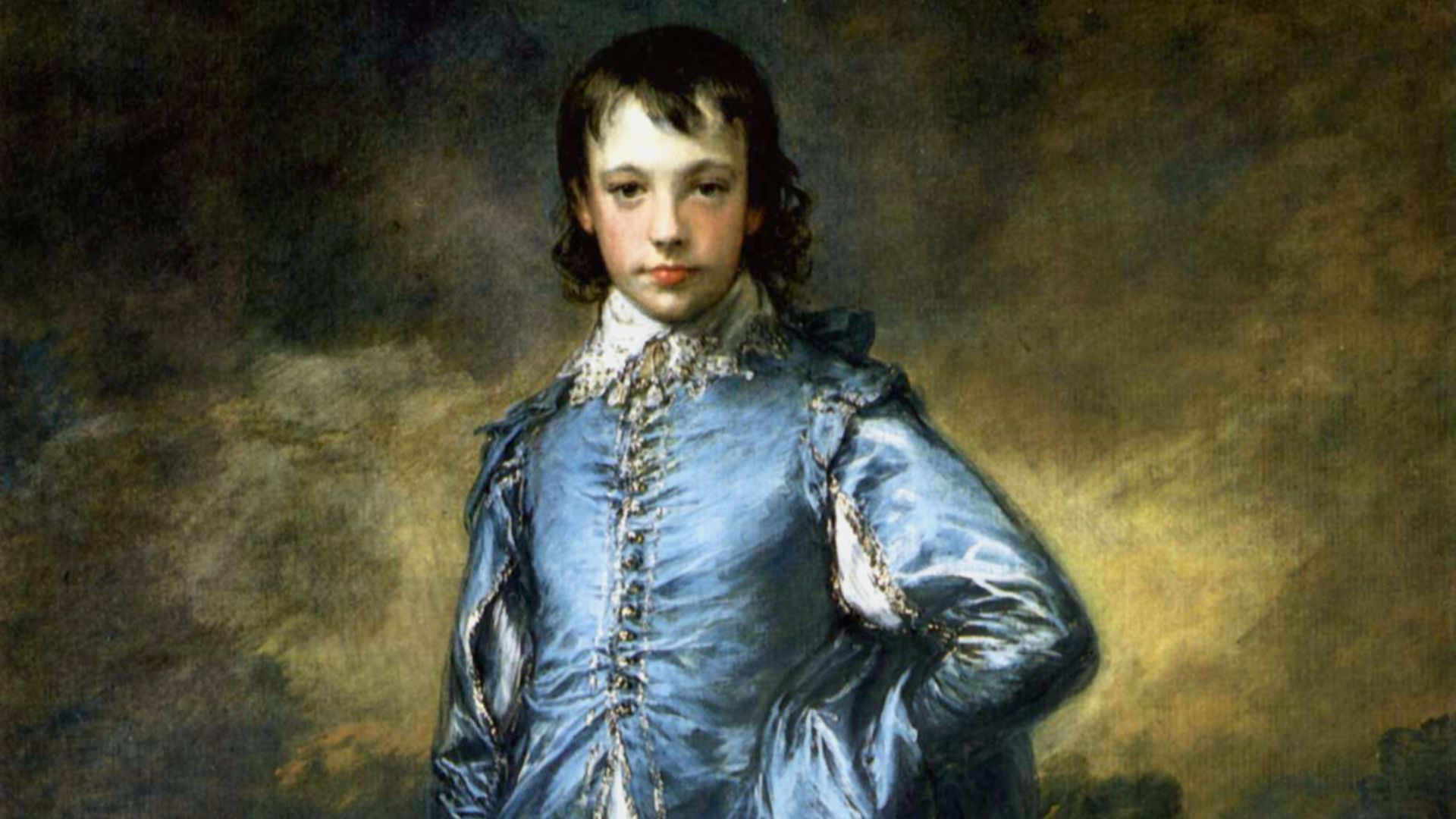
8. The Blue Boy By Thomas Gainsborough
The Blue Boy looks backward on purpose, with Van Dyck-style dress inspired by 17th-century aristocratic portraiture. The blue satin, lace collar, and slashed sleeves show how historical costume could become fashionable again when tied to elegance and pedigree.
 Thomas Gainsborough on Wikimedia
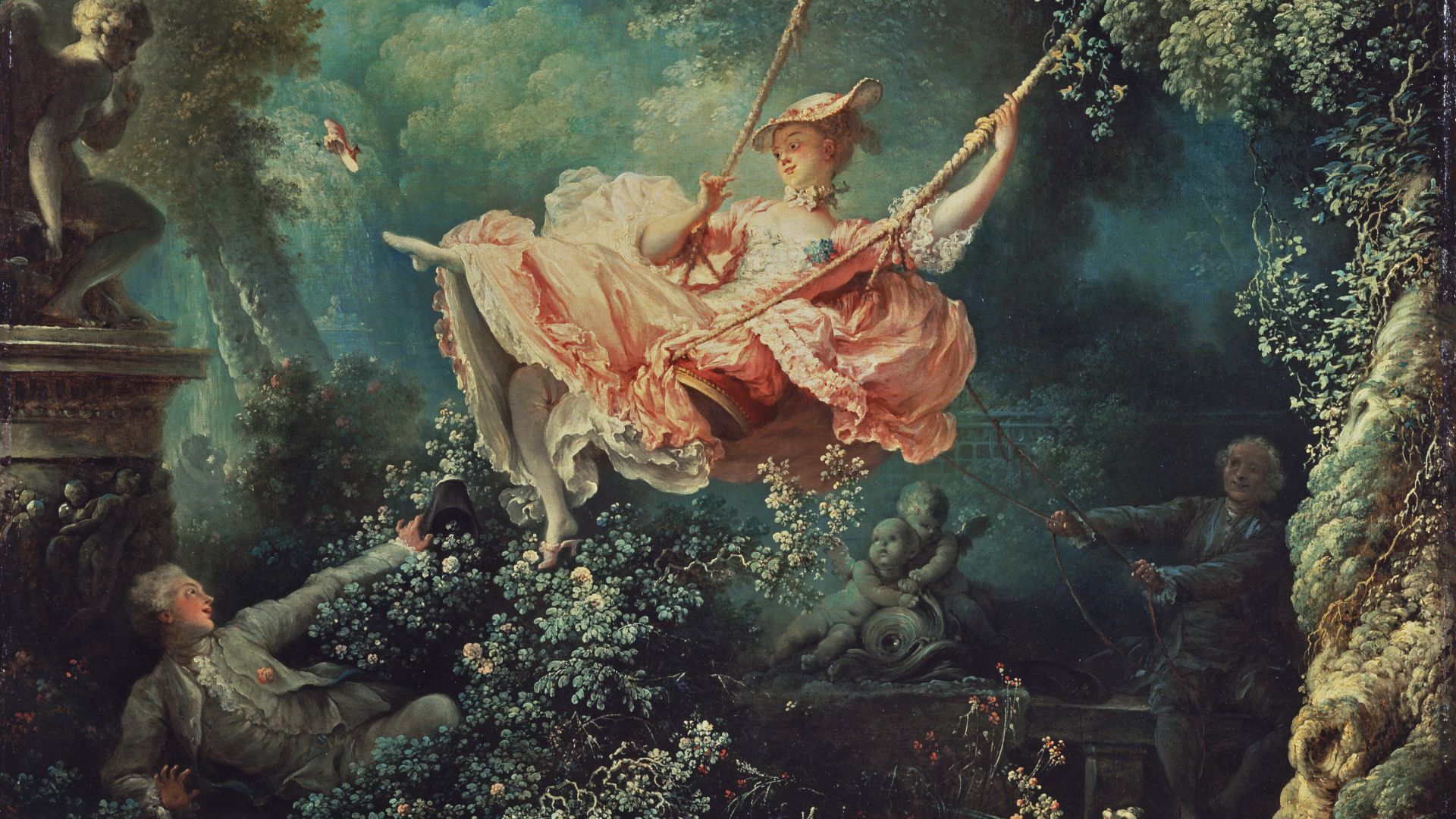
9. The Swing By Jean-Honoré Fragonard
The pink dress in The Swing does a lot of the painting’s work, catching movement as the young woman kicks off her shoe. Its soft fabric, lifted skirt, and garden setting reflect Rococo fashion’s love of flirtation, ornament, and playful luxury.
 Jean-Honoré Fragonard on Wikimedia
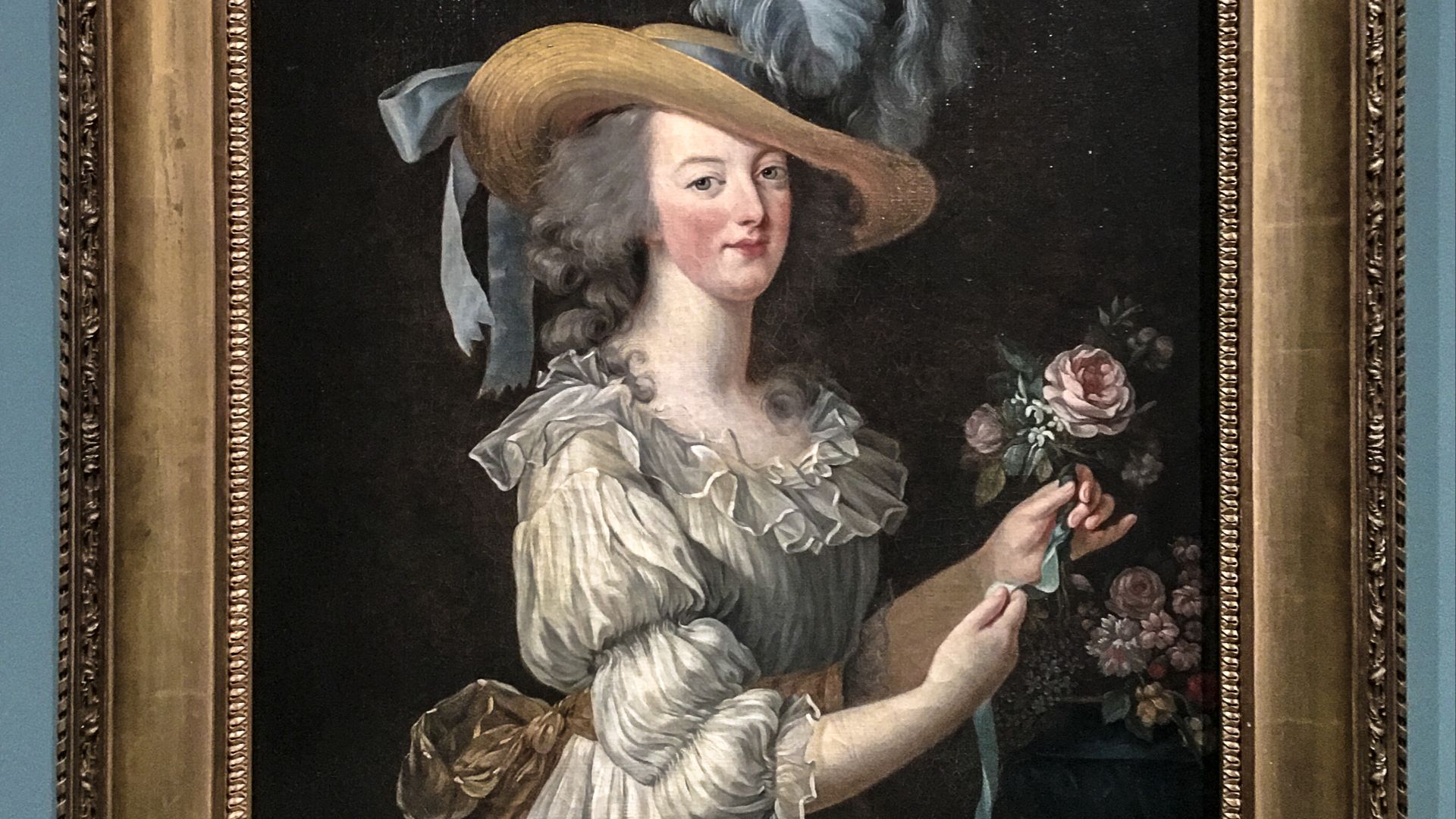
10. Marie Antoinette In A Chemise Dress By Élisabeth Vigée Le Brun
Marie Antoinette’s loose white muslin dress looked relaxed, but it caused a stir when shown in 1783. The gown seemed too informal, too close to underwear, and too far removed from the silk-heavy image people expected from a French queen.
 Élisabeth Louise Vigée Le Brun on Wikimedia
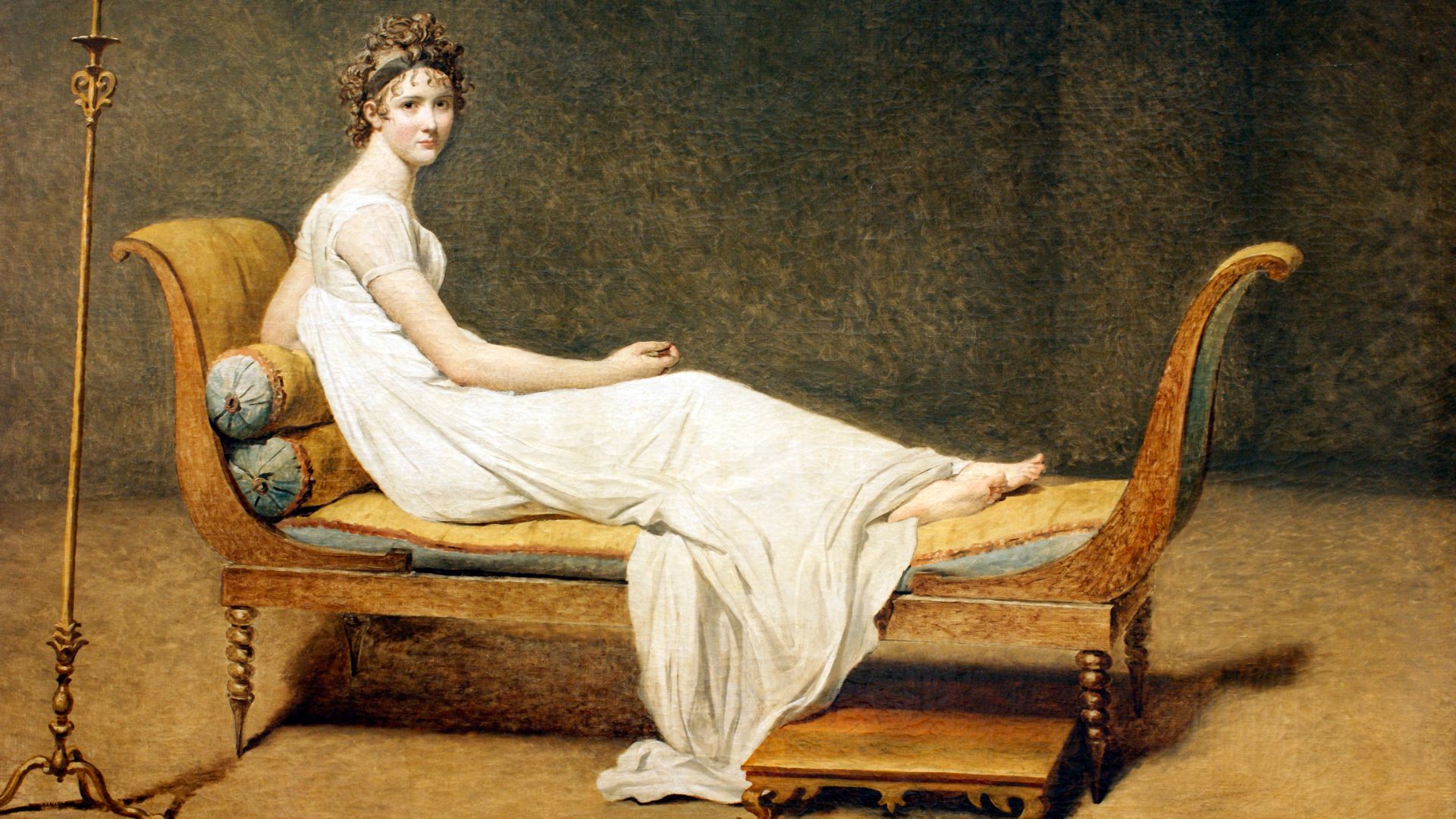
11. Portrait Of Madame Récamier By Jacques-Louis David
Madame Récamier’s white dress, high waist, bare arms, and soft draping reflect early 19th-century neoclassical fashion. After the heavier court styles of the previous century, this look felt lighter, cleaner, and more connected to ancient Greek and Roman influence.
 Jacques-Louis David on Wikimedia
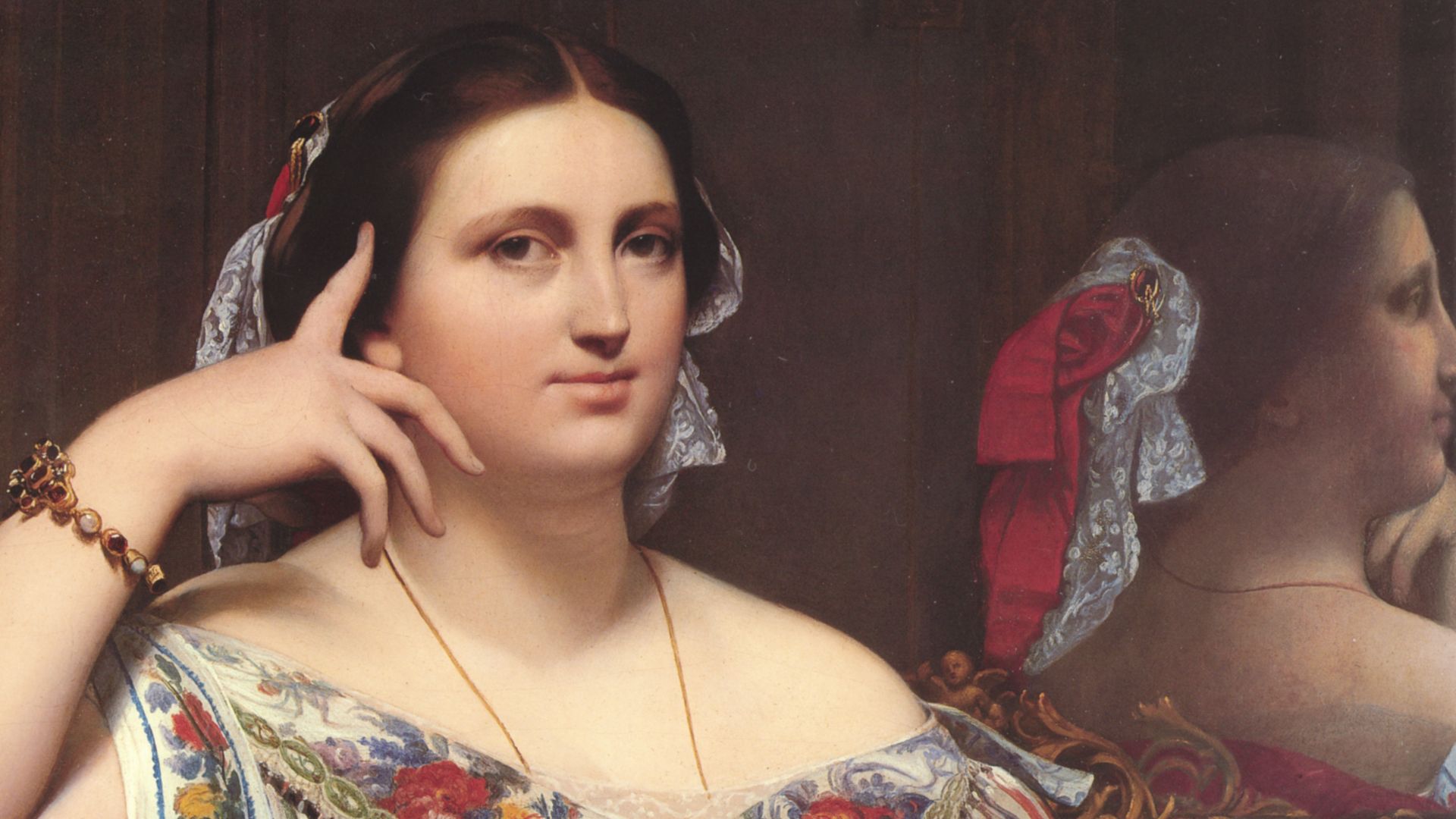
12. Madame Moitessier By Jean-Auguste-Dominique Ingres
Madame Moitessier’s floral silk gown, exposed shoulders, jewelry, and wide skirt capture 1850s society dressing at full strength. The portrait shows a woman who knows the power of expensive fabric, careful posture, and a room arranged around her presence.
 Jean-Auguste-Dominique Ingres on Wikimedia
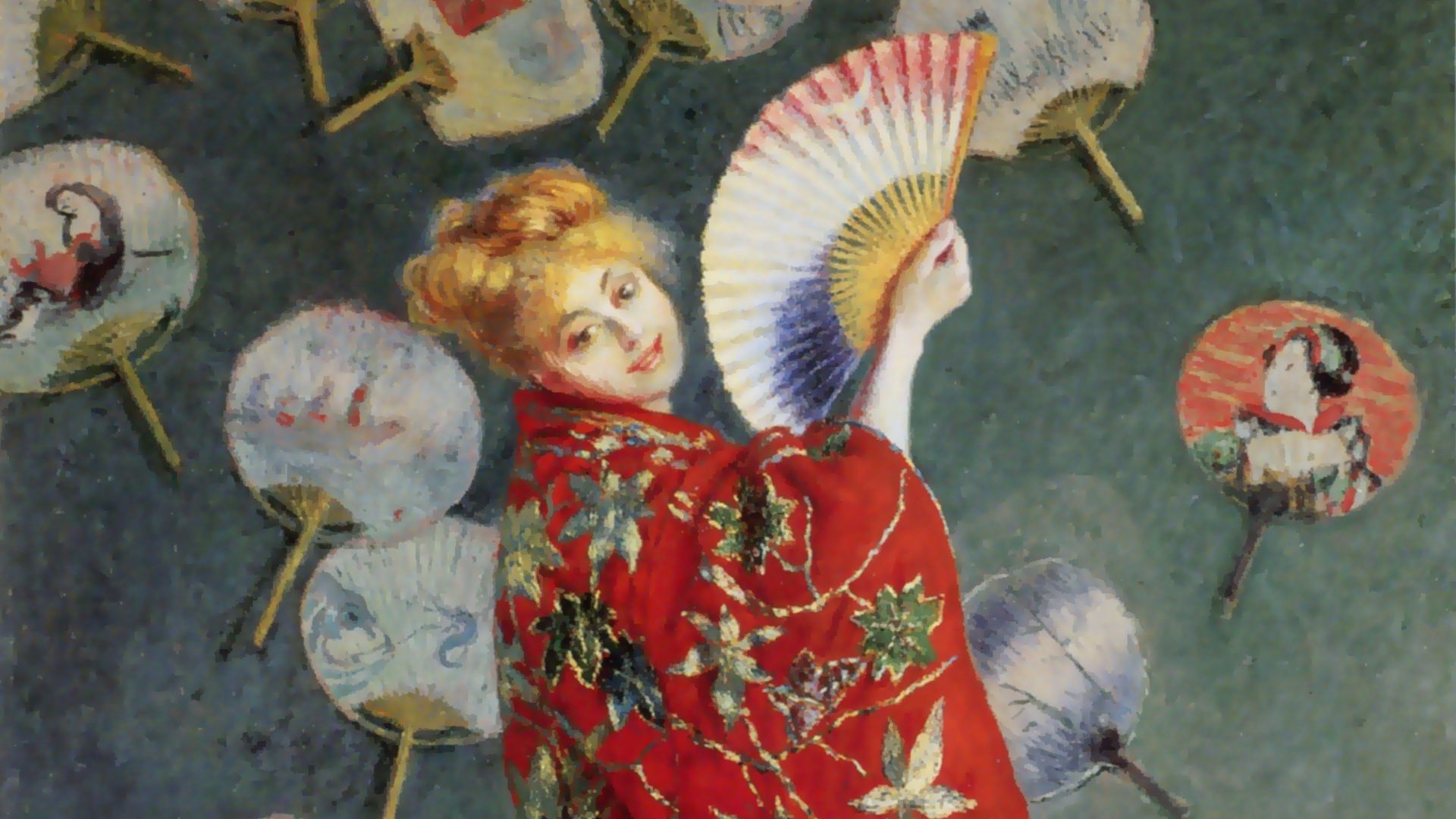
13. La Japonaise By Claude Monet
Camille Monet wears a red Japanese costume while standing before a wall of fans, reflecting 19th-century Europe’s fascination with Japanese design. The painting is beautiful, but it also shows how fashion trends can move through cultural borrowing and uneven power.
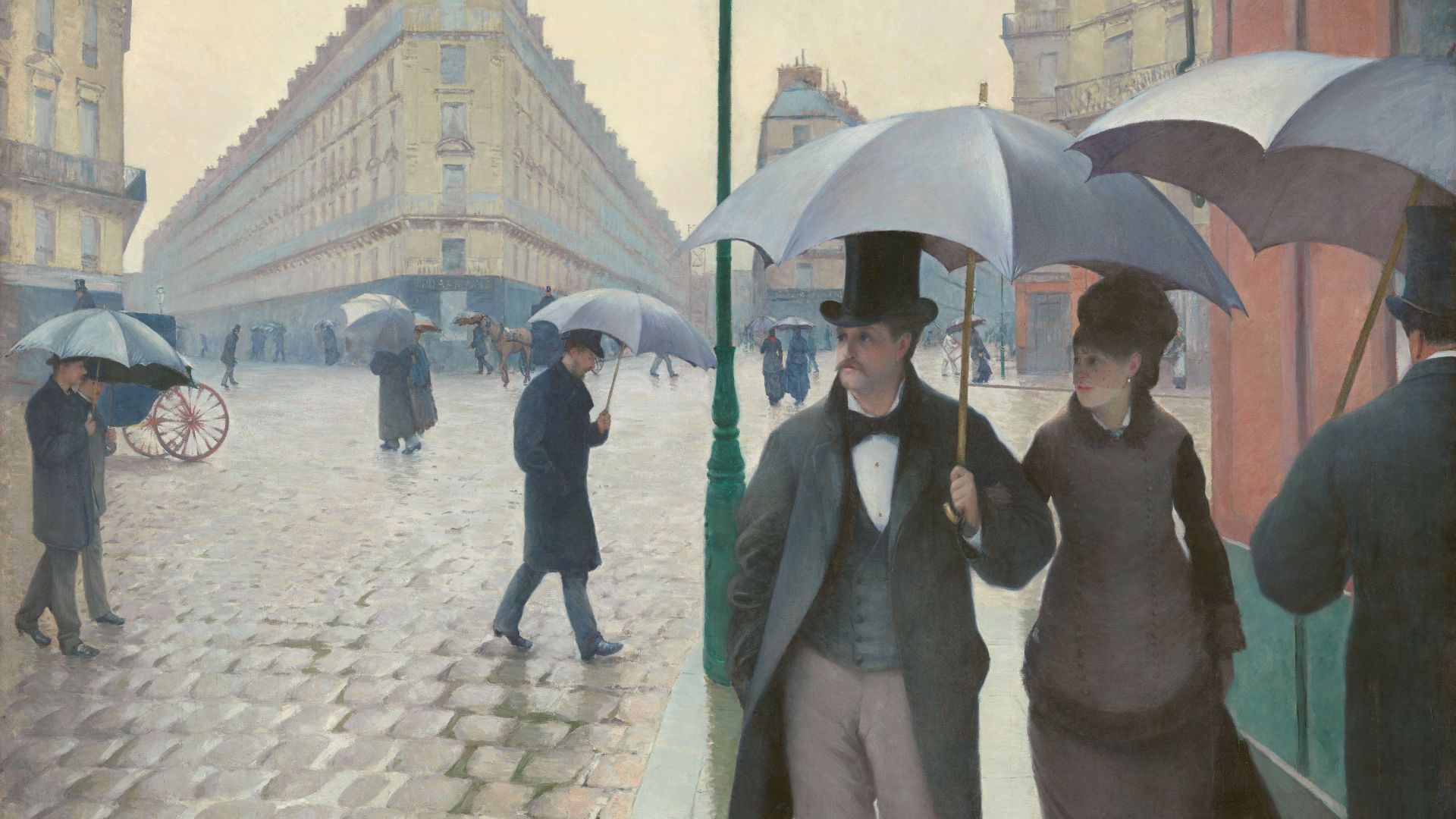
14. Paris Street; Rainy Day By Gustave Caillebotte
This rainy Paris scene captures modern city dressing in the late 19th century, with coats, hats, veils, and umbrellas commonly seen throughout society. The couple in front looks polished but guarded, and clearly dressed for the moody weather.
 Gustave Caillebotte on Wikimedia
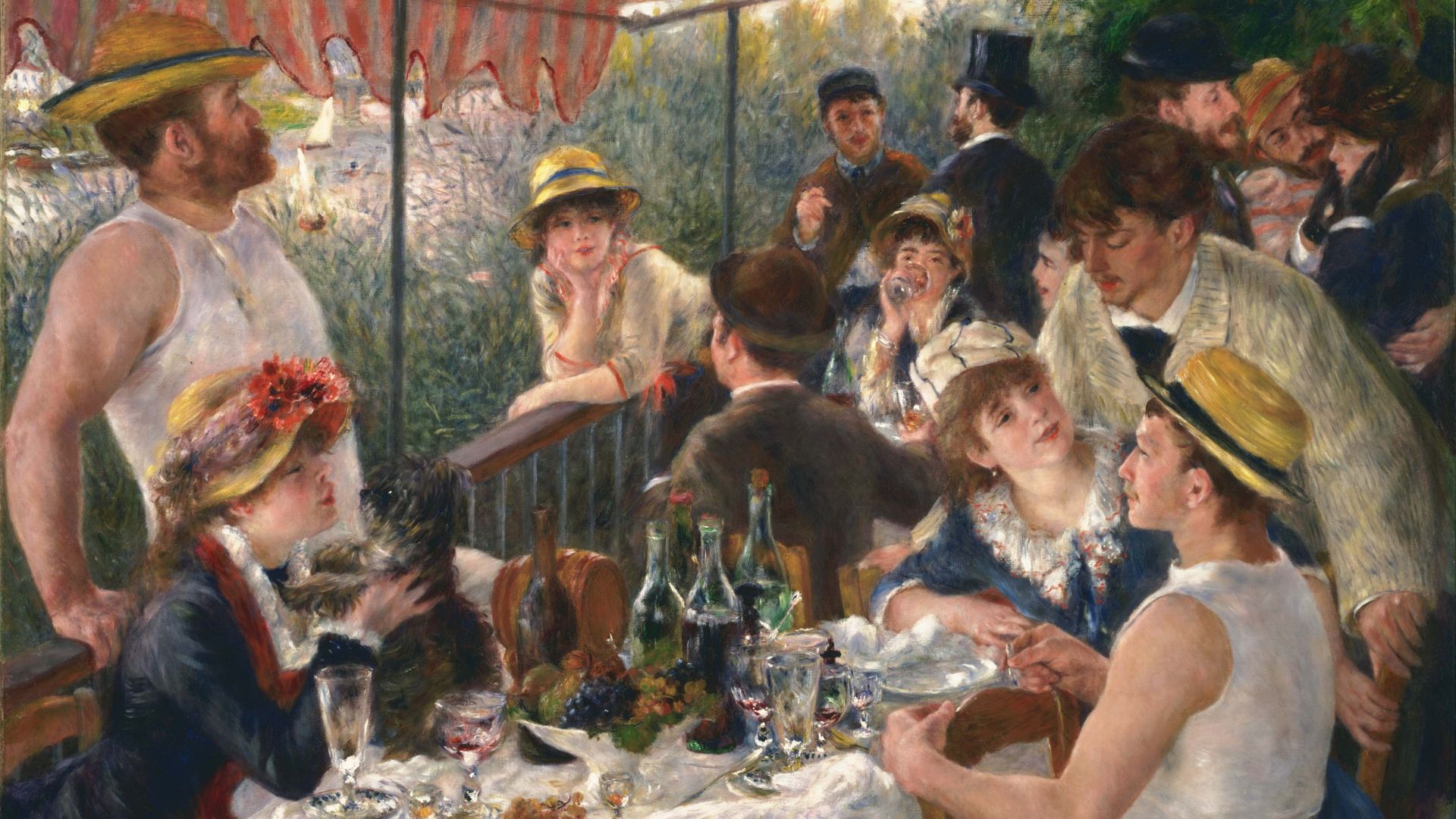
15. Luncheon Of The Boating Party By Pierre-Auguste Renoir
Renoir’s riverside lunch is full of straw hats, light dresses, jackets, shirts, and easy leisurewear. The clothing feels social and lived-in, showing fashion away from courtrooms and salons, somewhere closer to friends, food, sunshine, and a day by the Seine.
 Pierre-Auguste Renoir on Wikimedia
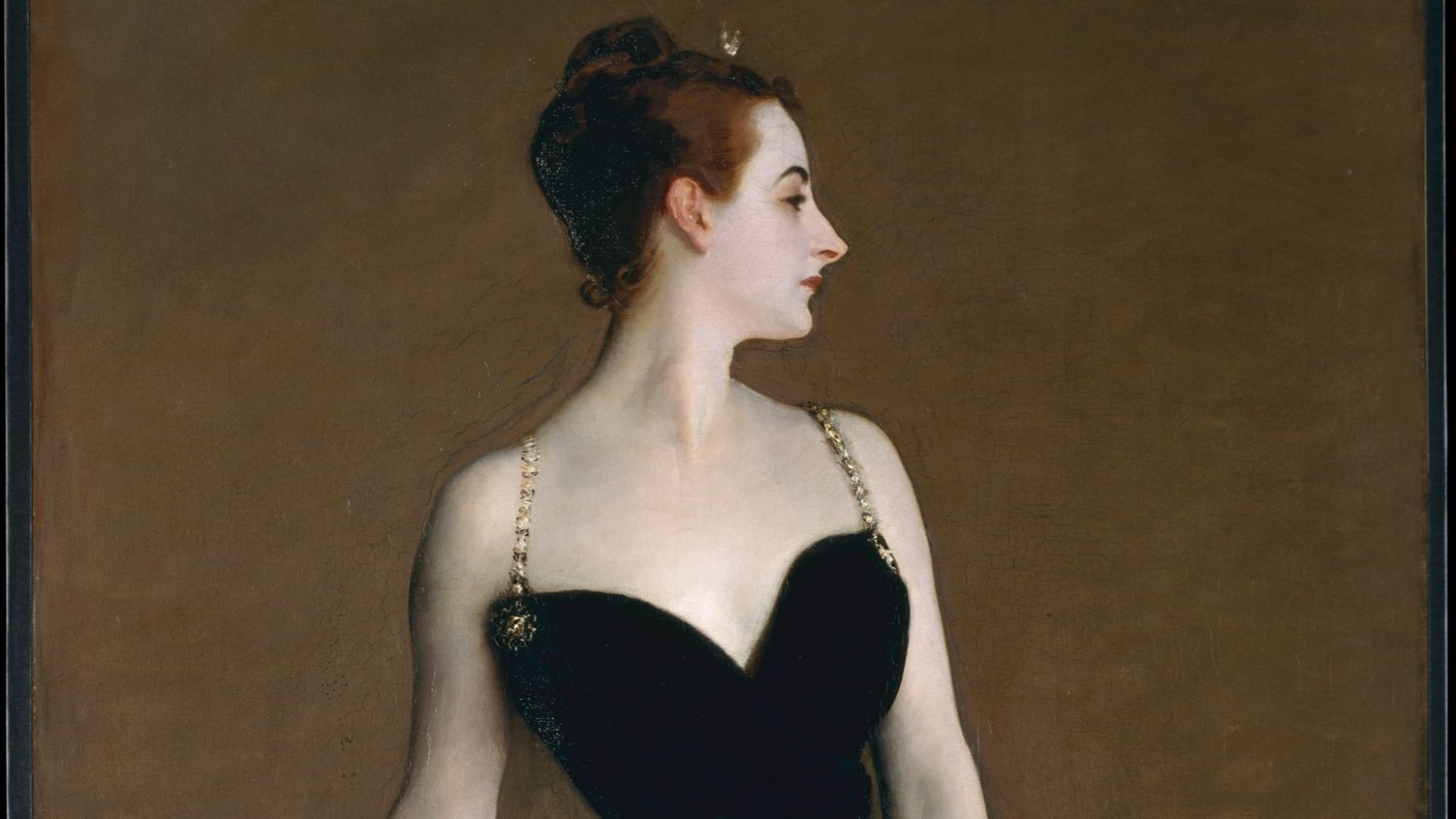
16. Madame X By John Singer Sargent
The black gown in Madame X became famous partly because one strap originally slipped from the sitter’s shoulder. The fitted shape, jeweled straps, pale skin, and cool pose made the portrait feel daring in 1884, when female display was heavily judged.
 John Singer Sargent on Wikimedia
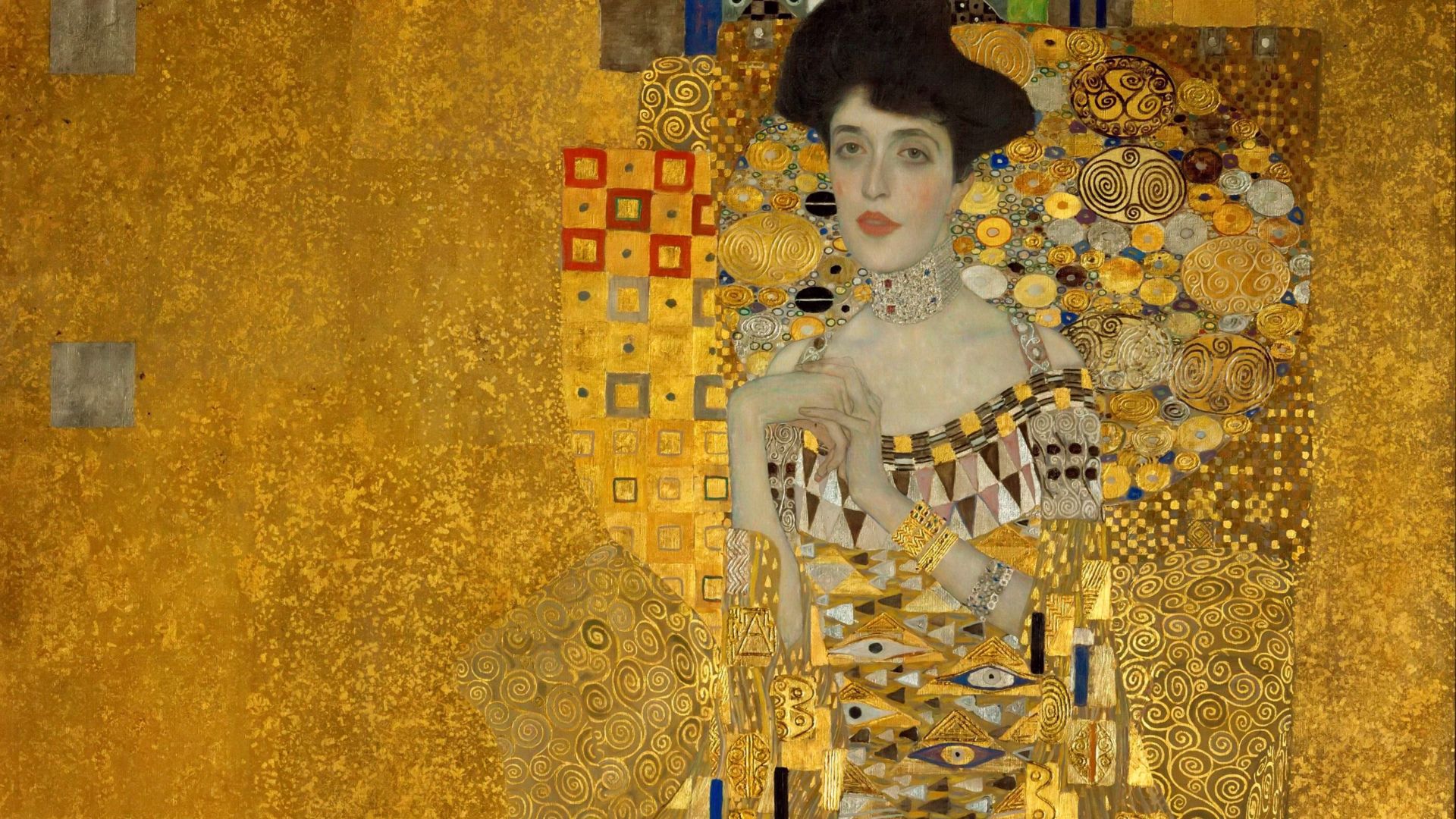
17. Portrait Of Adele Bloch-Bauer I By Gustav Klimt
Adele Bloch-Bauer’s portrait turns clothing into a field of gold, pattern, and shine. Her face and hands remain clear, while the rest of her body blends into early 20th-century Viennese decoration, luxury, and surface beauty.
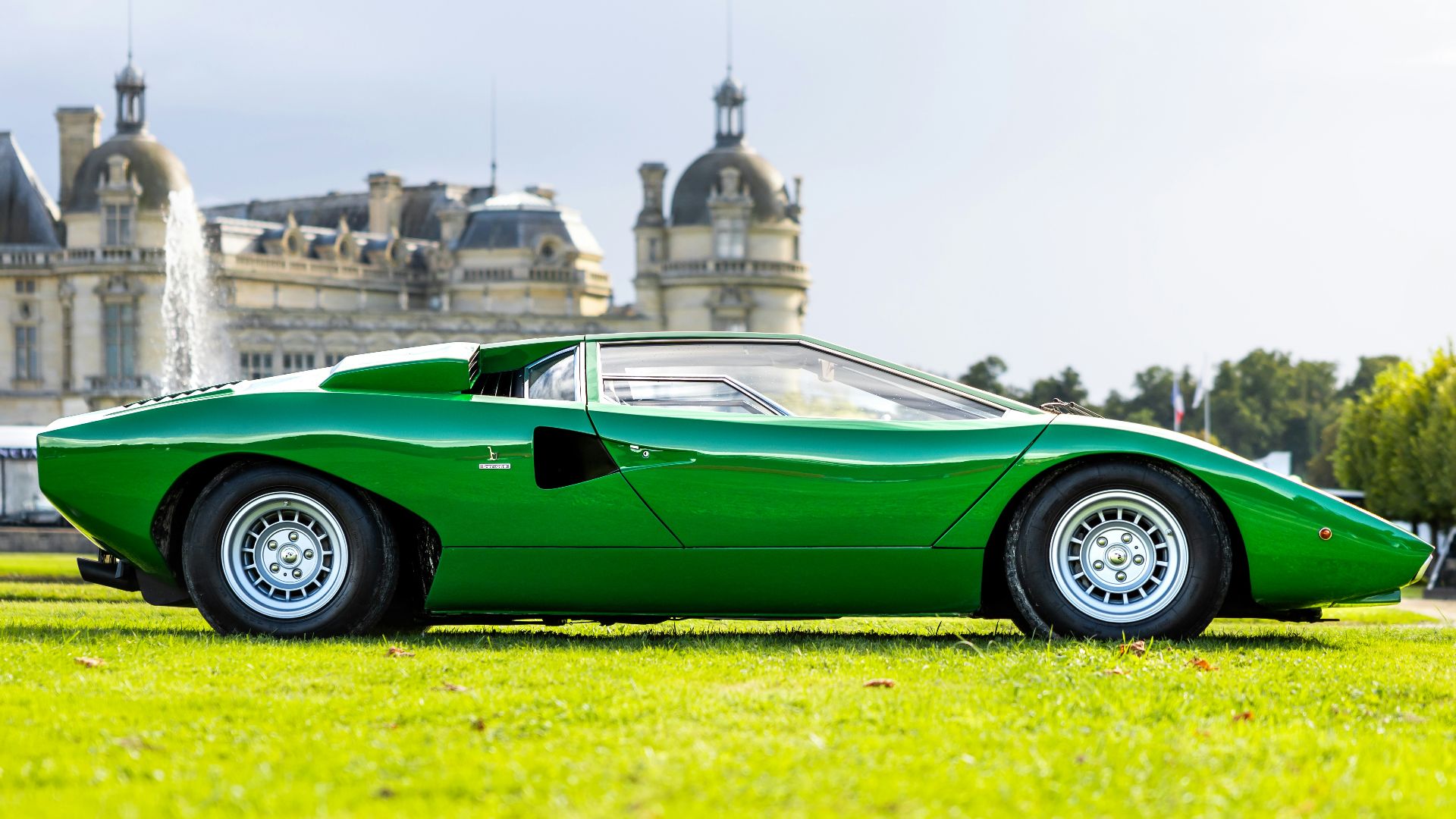
18. Self-Portrait In The Green Bugatti By Tamara De Lempicka
Tamara de Lempicka presents herself in a helmet, gloves, scarf, and sleek car, looking every bit the modern Art Deco woman. The outfit suggests speed, money, independence, and control, even though the green Bugatti was part of her styled self-image.
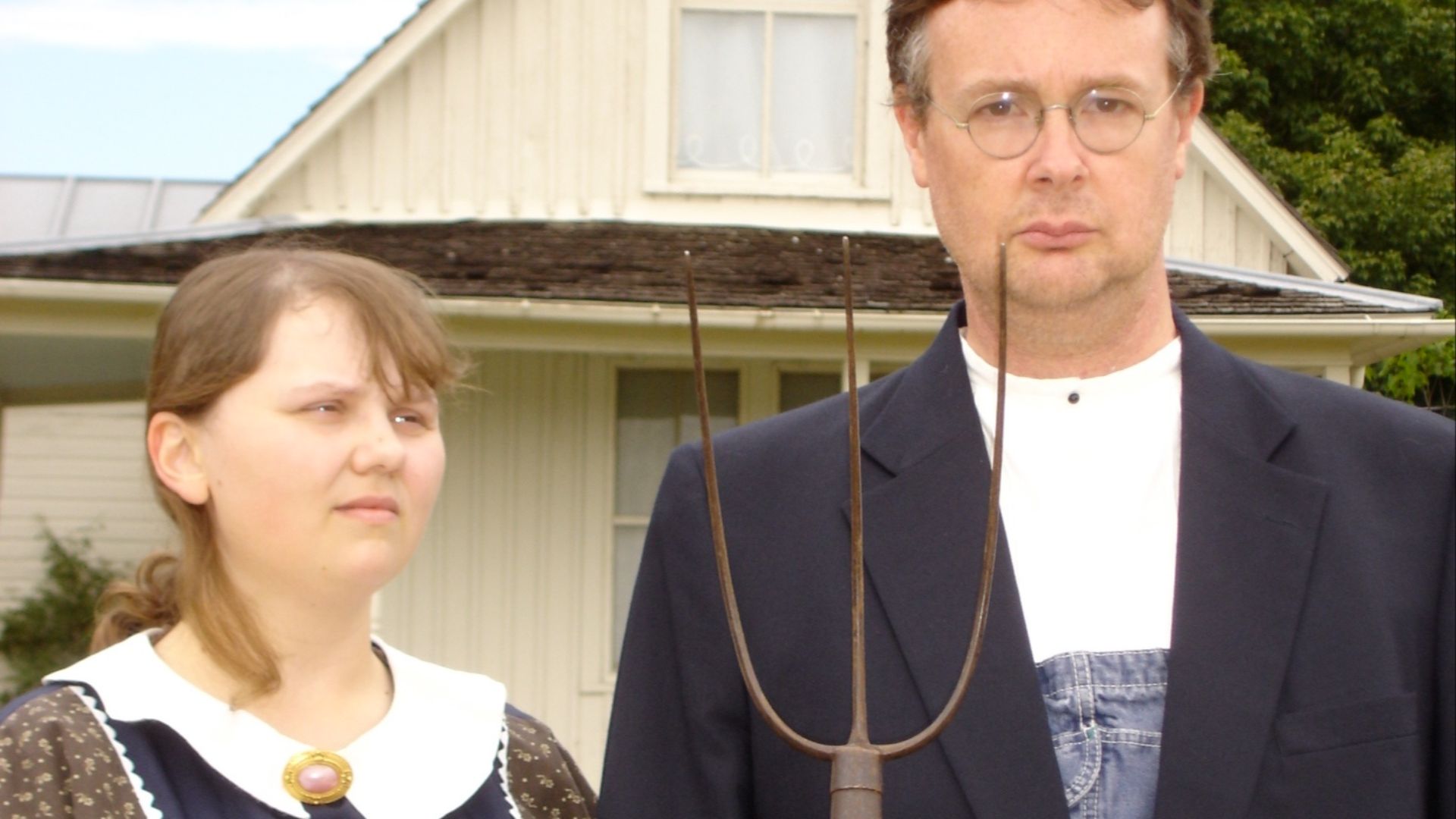
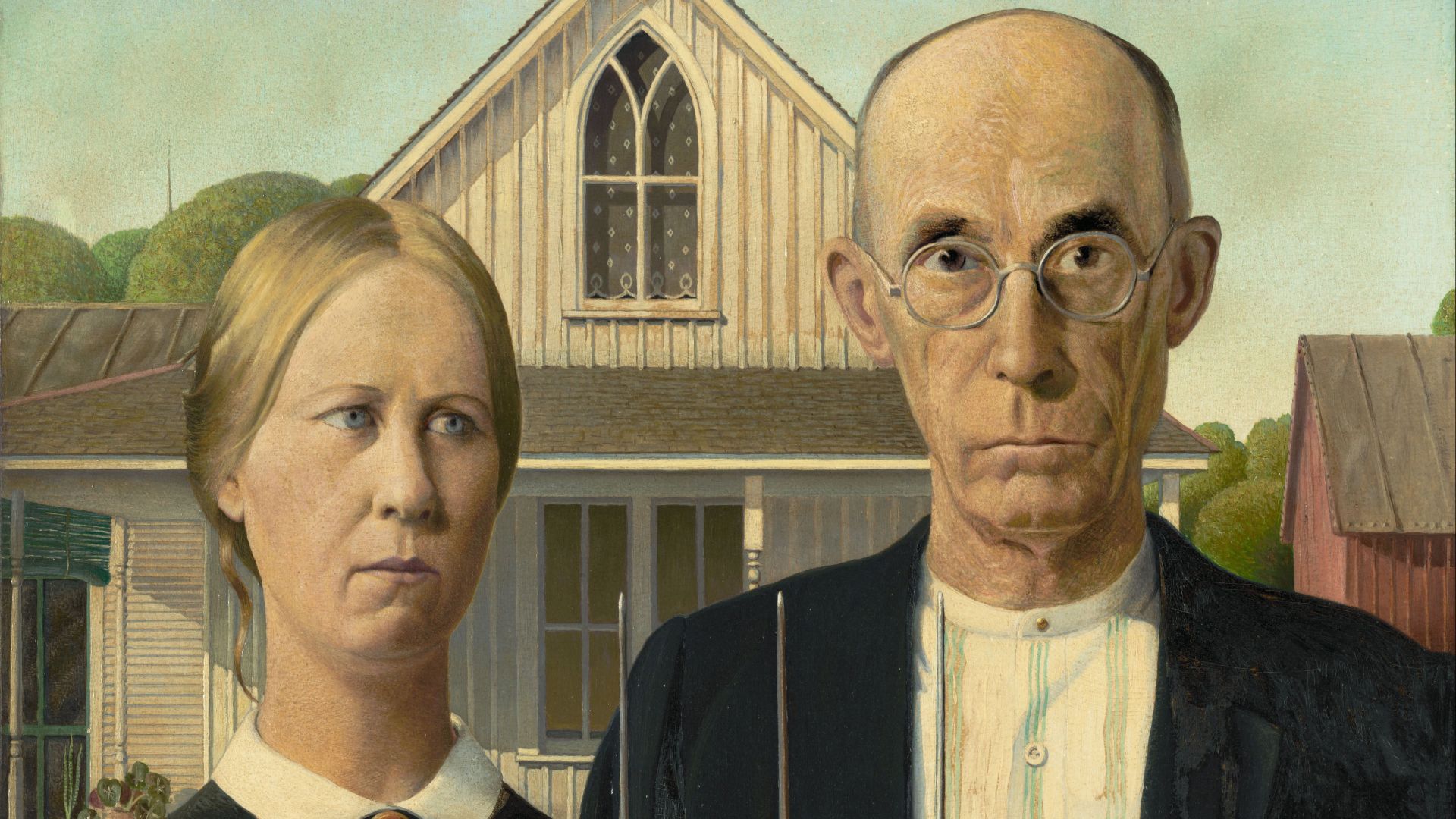
19. American Gothic By Grant Wood
The farmer’s overalls and jacket, paired with the woman’s apron and high-necked dress, create a plain, old-fashioned look. Their clothing reflects rural identity, family memory, and a kind of guarded seriousness that makes the painting feel so severe.
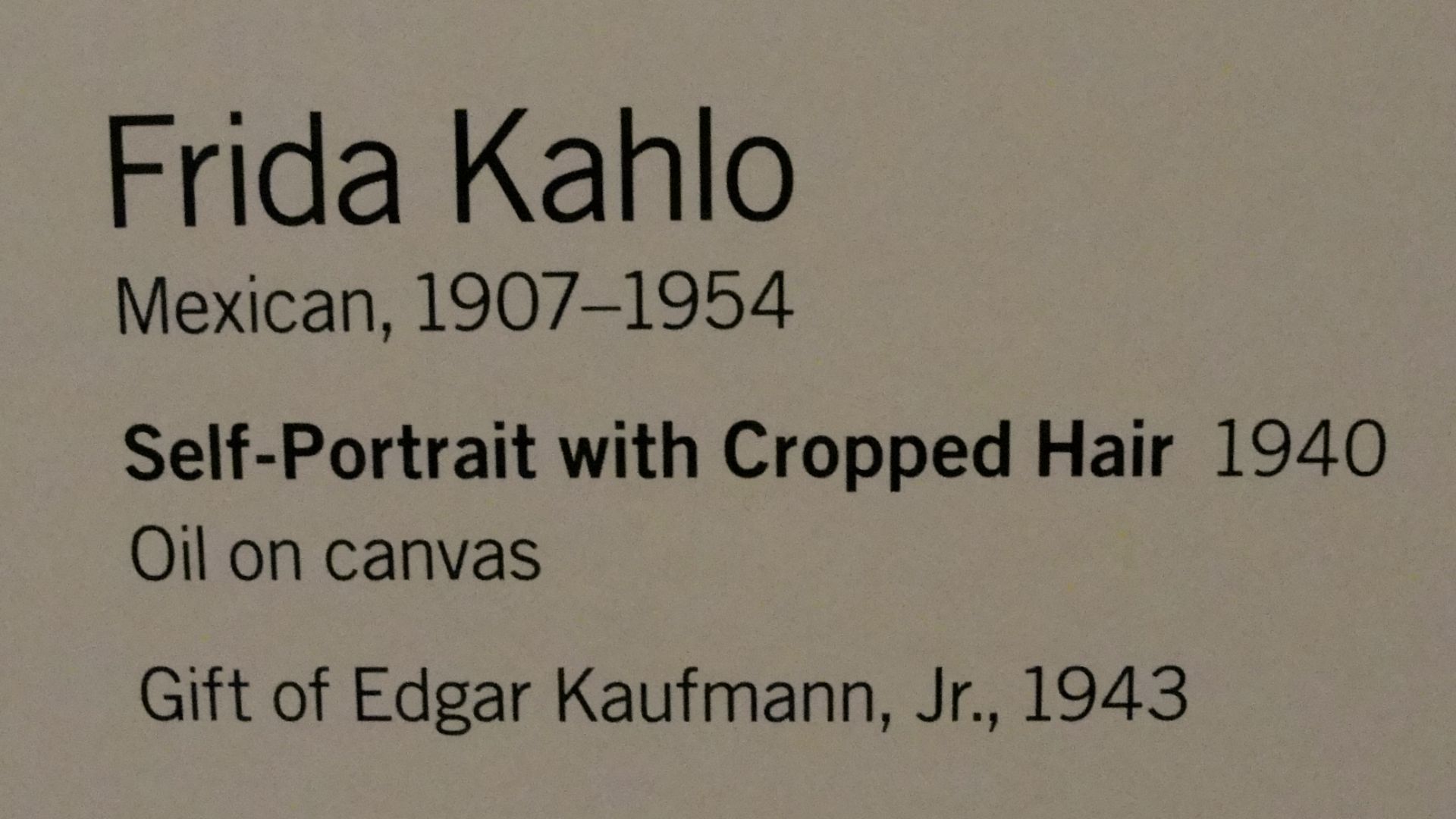
20. Self-Portrait With Cropped Hair By Frida Kahlo
Frida Kahlo’s loose men’s suit and cropped hair mark a sharp break from the Tehuana dresses and flowers she often wore in self-portraits. Painted after her divorce from Diego Rivera, the image uses fashion to show pain, autonomy, and refusal.