How Did Fashion Hold Up?
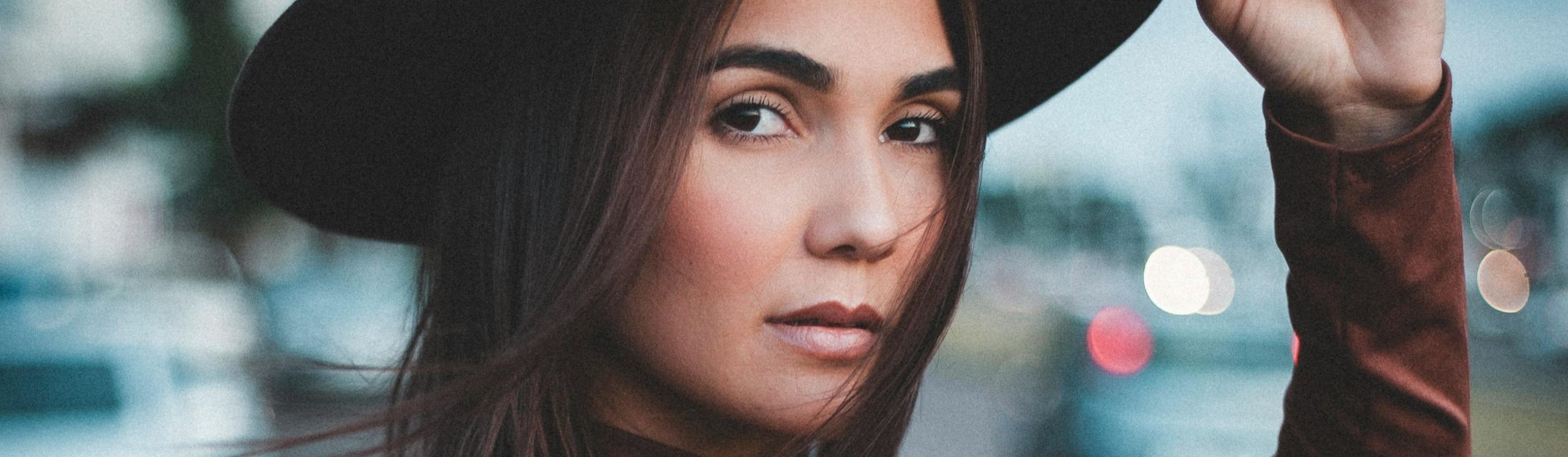
Culture, technology, and people’s ideas of what was stylish and what was not have kept standards of beauty and attractiveness constantly evolving. Whether it was the glamour and elegance of the 1900s, the plunging necklines of the 1920s, or women with full brows, smoky eyes, and unapologetic bodies with bright lipstick today, beauty has come a long way. With that in mind, here are 20 ways being attractive has changed in the past century.
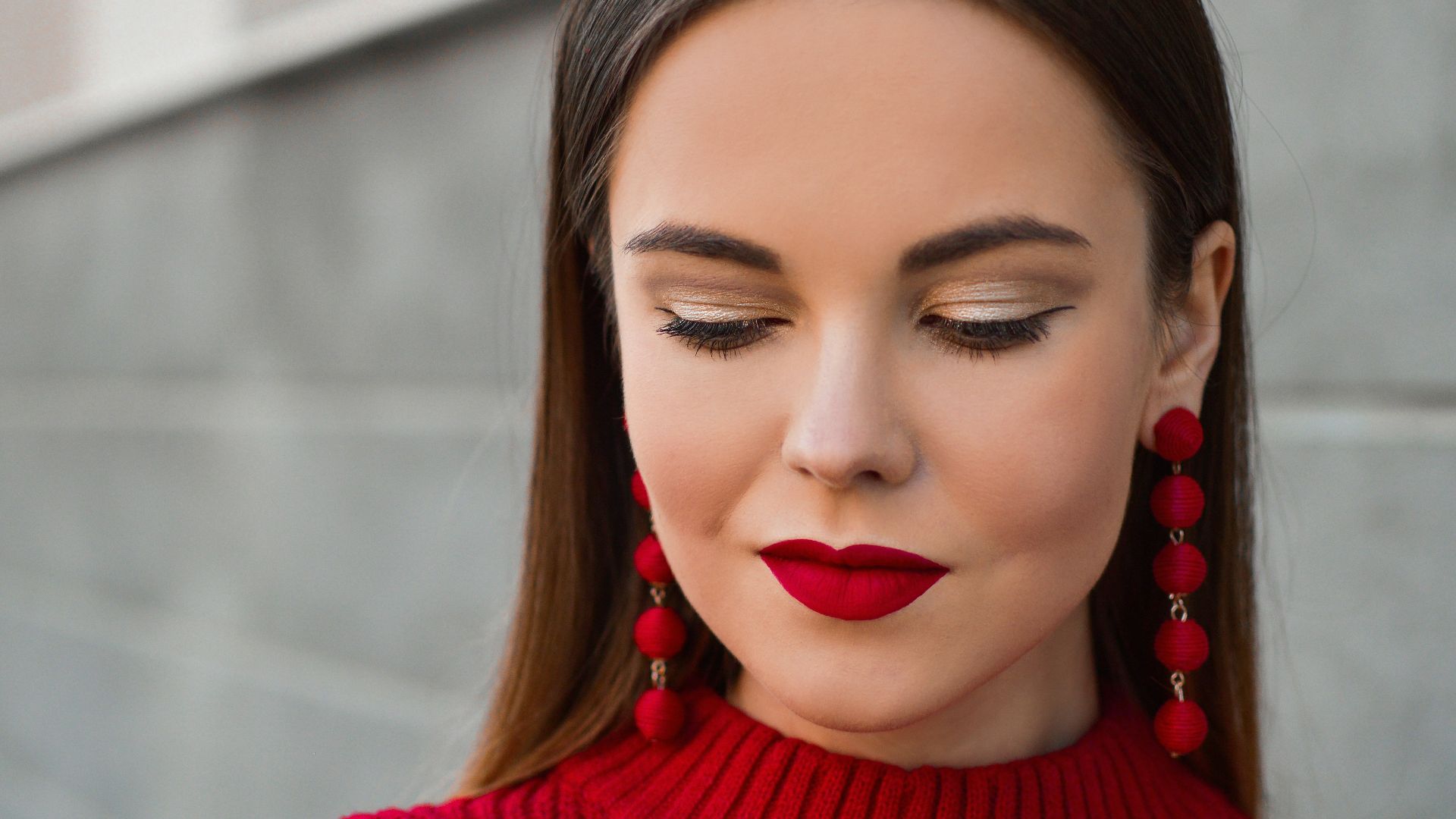
1. Red Lipstick
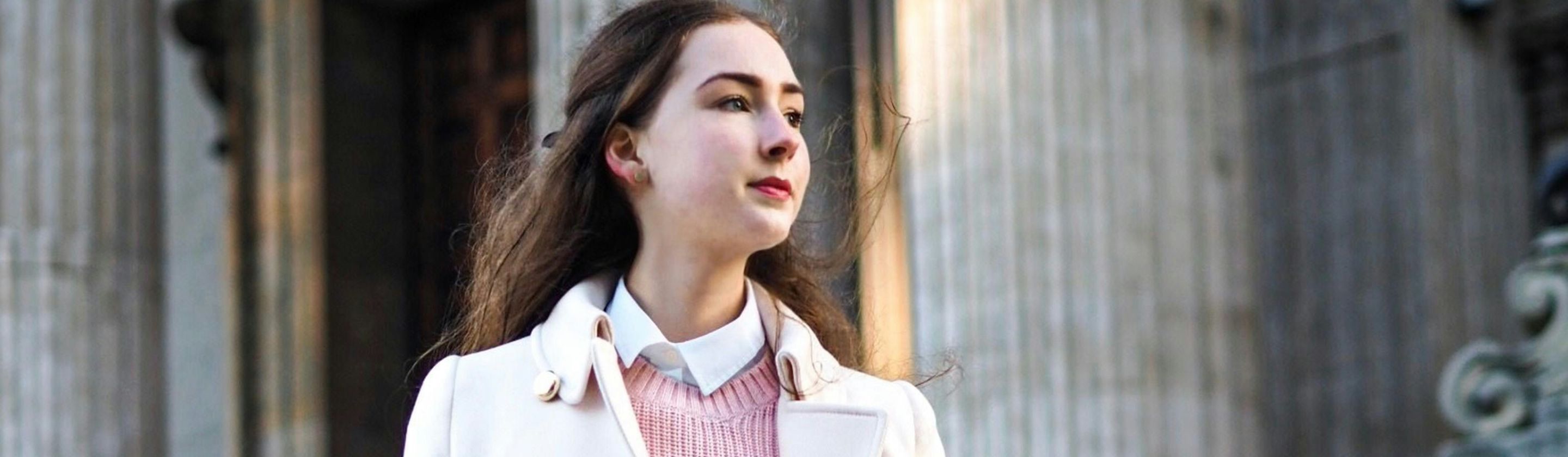
Bold red lips have long been a symbol of beauty and allure. Evolving from matte to glossy, long-wearing formulas, red lipsticks now cater to a variety of skin tones. Lip makeup continues to be a classic method for accentuating the face and expressing individual style.
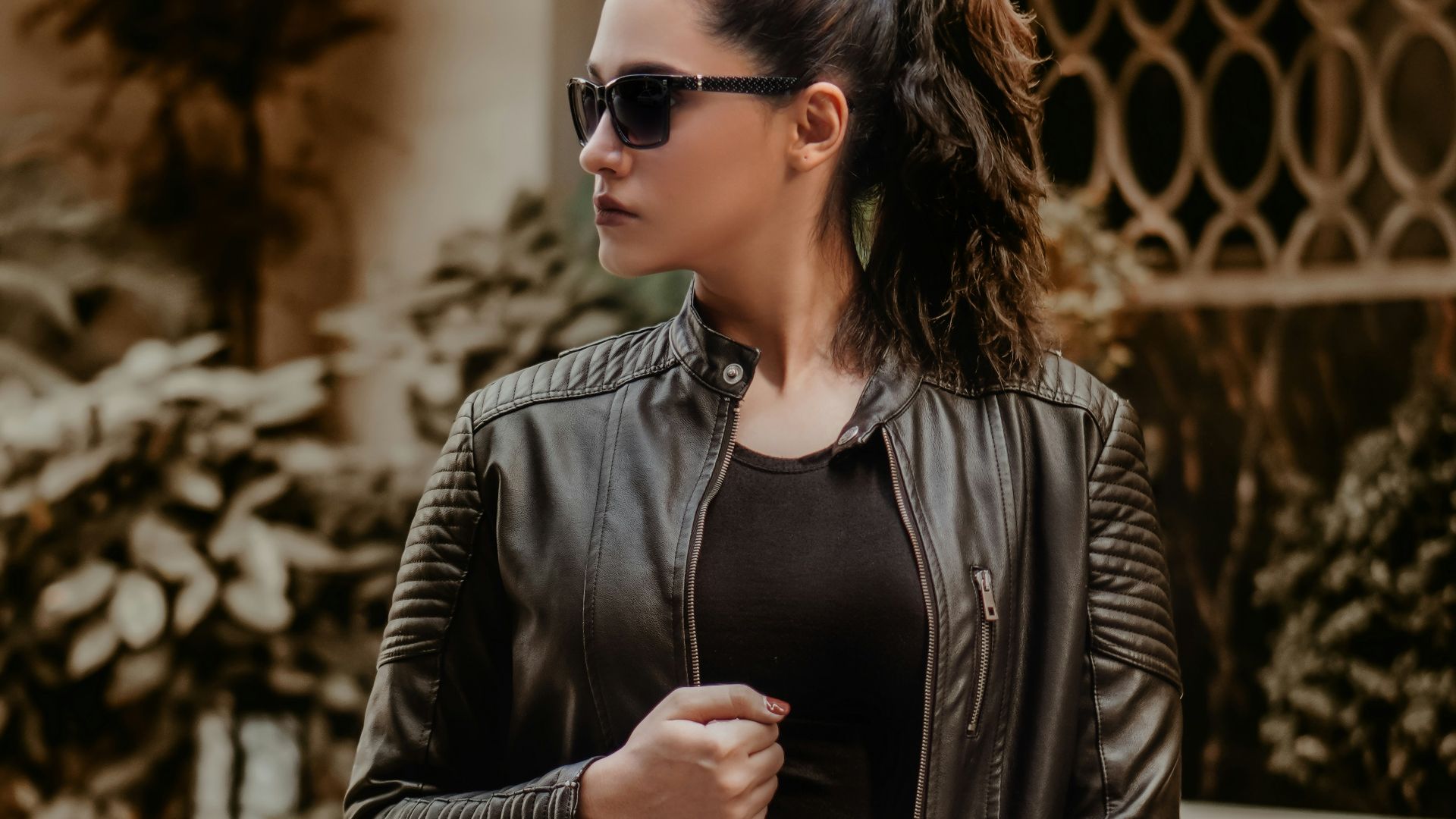
2. Leather Jackets
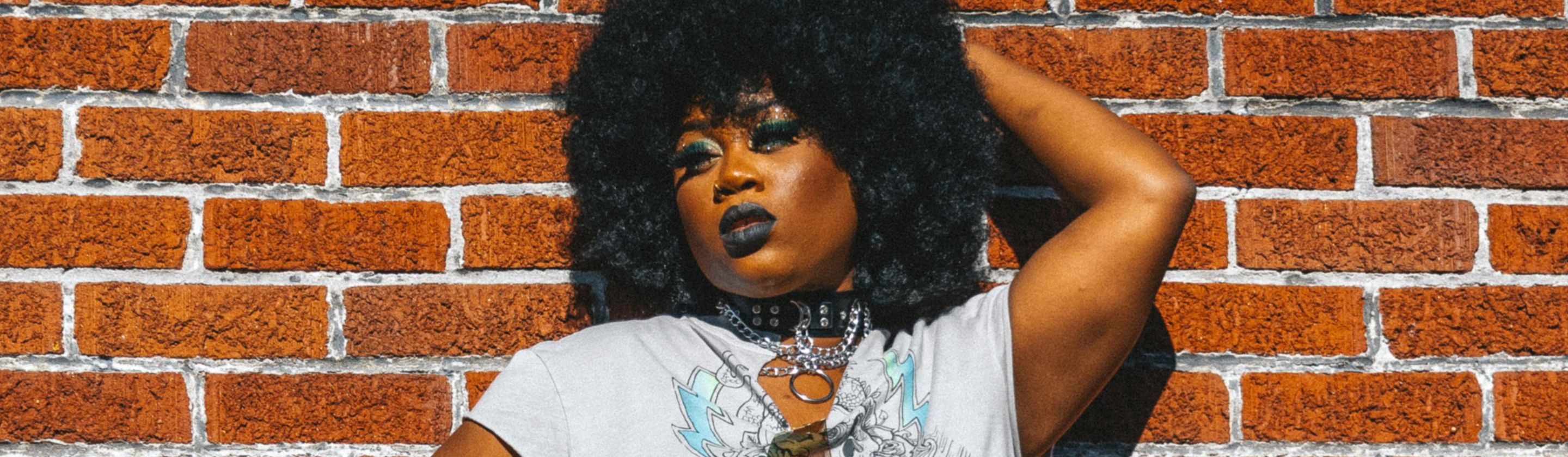
Leather jackets, once symbols of rebellion and masculinity, evolved into mainstream fashion staples by the late 20th century. Emblematic of edge, attitude, and durability, they transcend subcultural boundaries. In contemporary style, leather is embraced in both fitted and oversized silhouettes, blending traditional toughness with modern sensibilities.
 Ali Karimiboroujeni on Unsplash
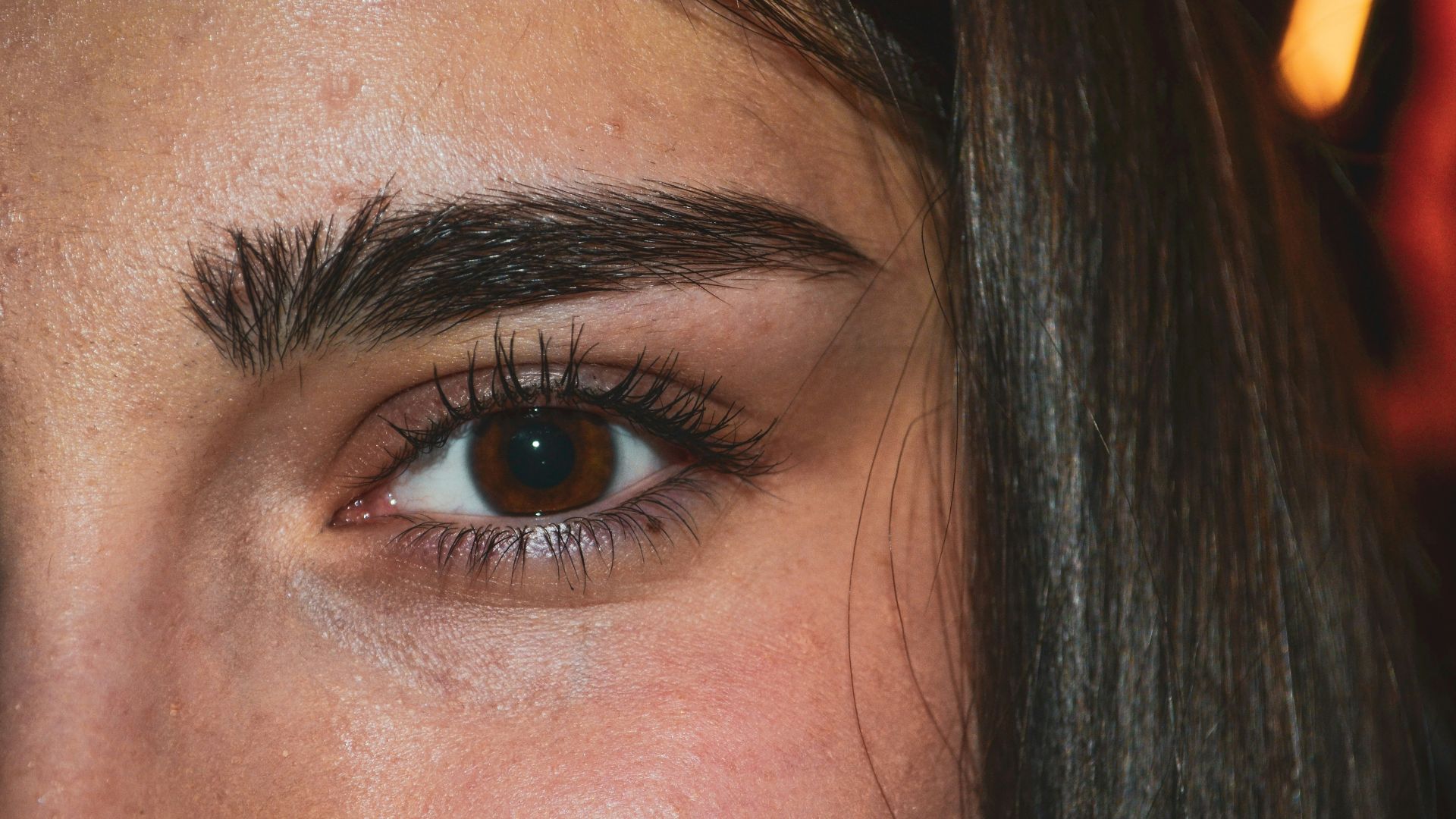
3. Bold Eyebrows
Sparse penciled brows were the beauty ideal in the mid-20th century. Bold, thick brows now connote health and youth. Microblading and eyebrow gels enhance natural thickness and shape. Eyebrows have moved from a background to a foreground role in framing the face and emphasizing expression.
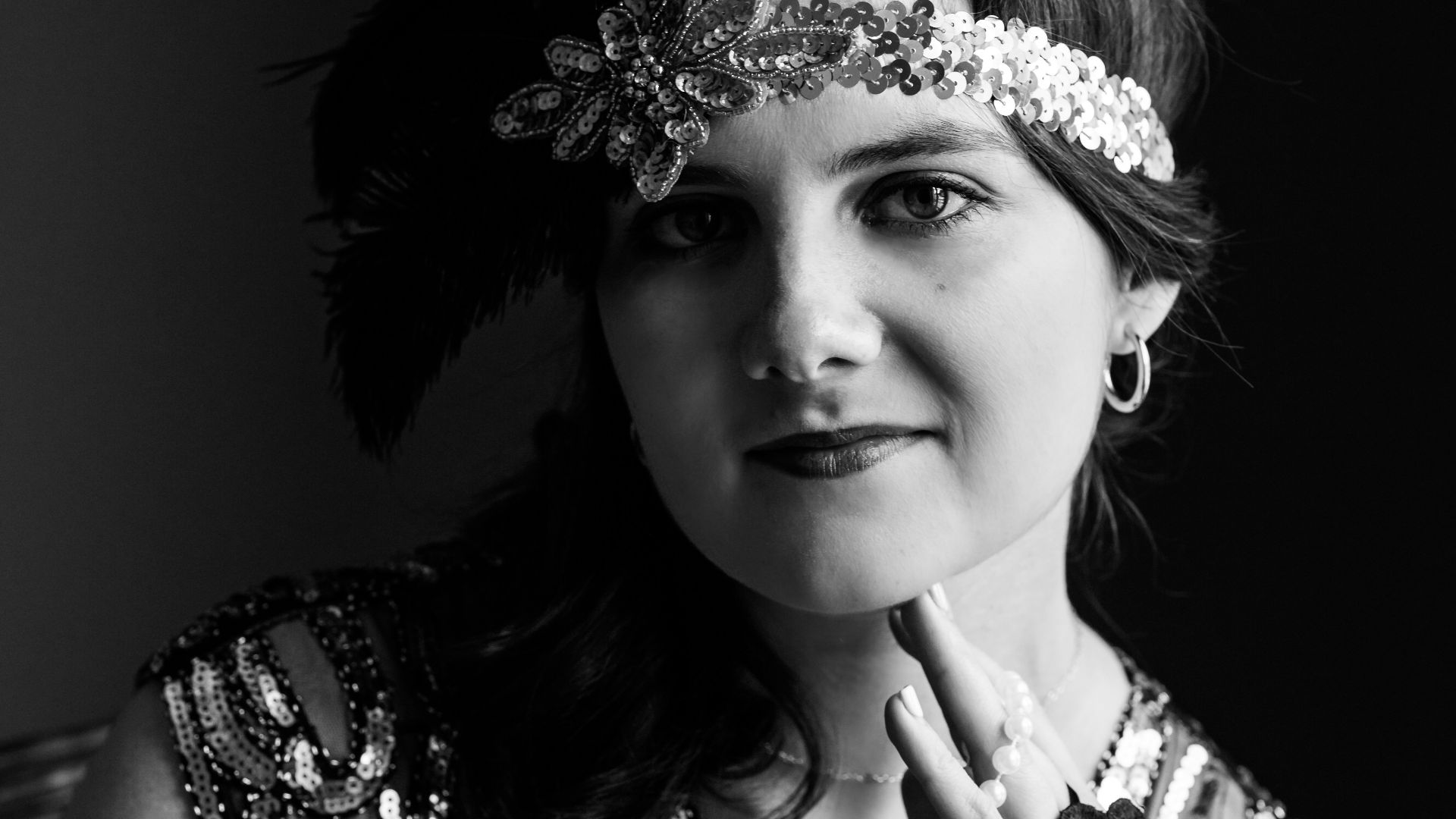
4. Flapper Dresses
Flapper dresses of the Roaring Twenties featured dropped waists, fringe, and beading that celebrated motion and freedom. Breaking from more modest styles, they symbolized a new era for women to dance, socialize, and express themselves. The energetic, playful design made boldness and confidence central to attractiveness.
5. Fringe Bangs
Fringe has evolved from a statement of youth and rebellion to a fluctuating trend since the 1920s. Fringe bangs frame the face to accentuate eyes or cheekbones. Their allure lies in versatility: they can be soft and wispy or blunt and bold. Today, they're frequently styled with modern textures for a fresh, edgy look.
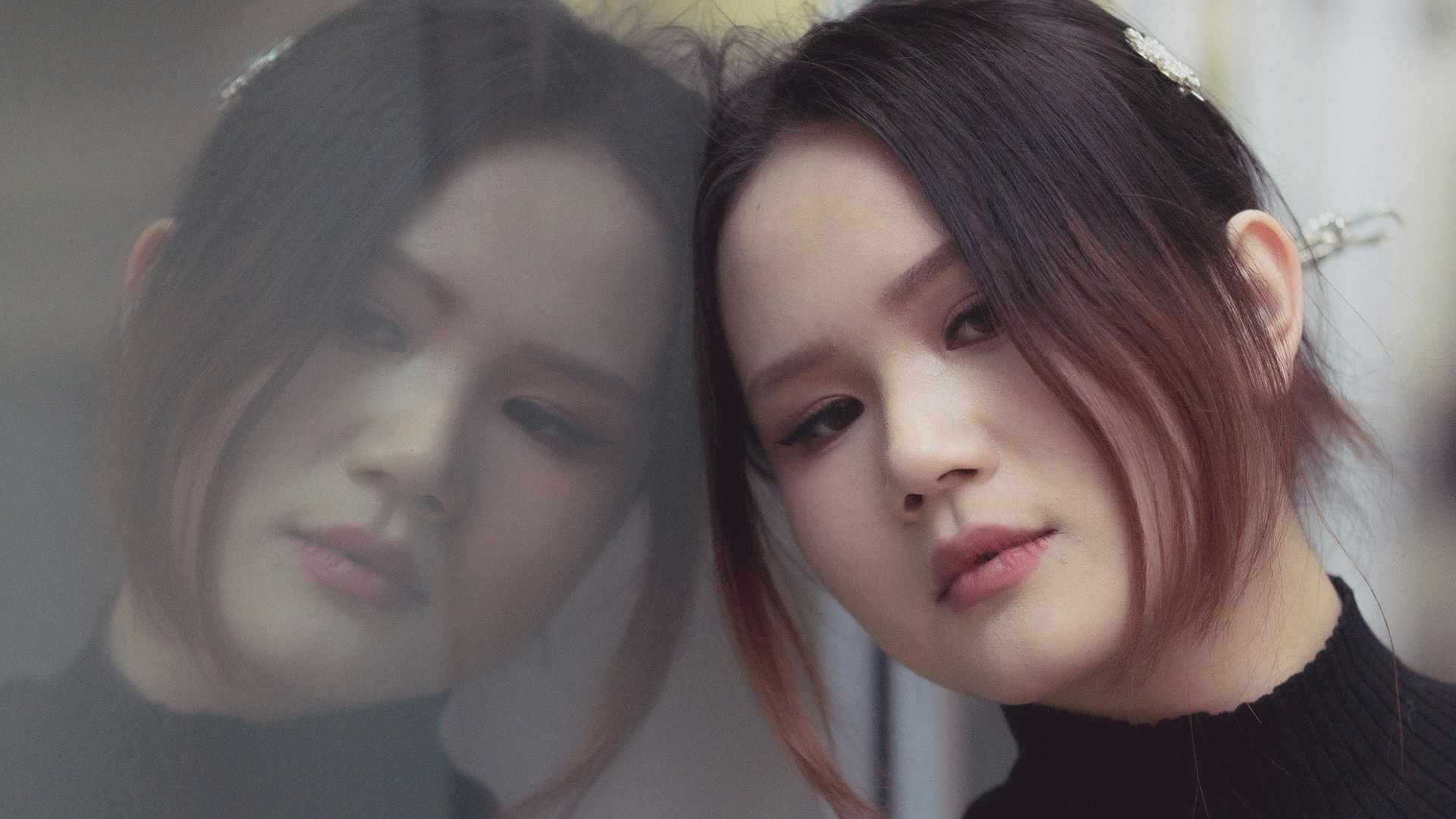
6. Victory Rolls
Victory rolls became popular during World War II as a chic and functional hairstyle. Rolled curls at the sides of the face framed it beautifully. Hair was both practical for the workplace and visually appealing, combining beauty and patriotism during difficult times.

7. Platform Shoes
Raised shoes have long been a staple of power dressing. From 1970s disco to today's athleisure, platforms elongate the leg and have dramatic appeal for men and women of any era. Designers continue to experiment with height, making platforms a go-to in modern wardrobes.

8. Poodle Skirts
The 1950s full, swing-style skirts often featured appliqués such as poodles or musical notes. Full skirts accentuated the waist and suggested fun on the dance floor. Poodle skirts made flirtatious, playful femininity a central aspect of attractiveness.

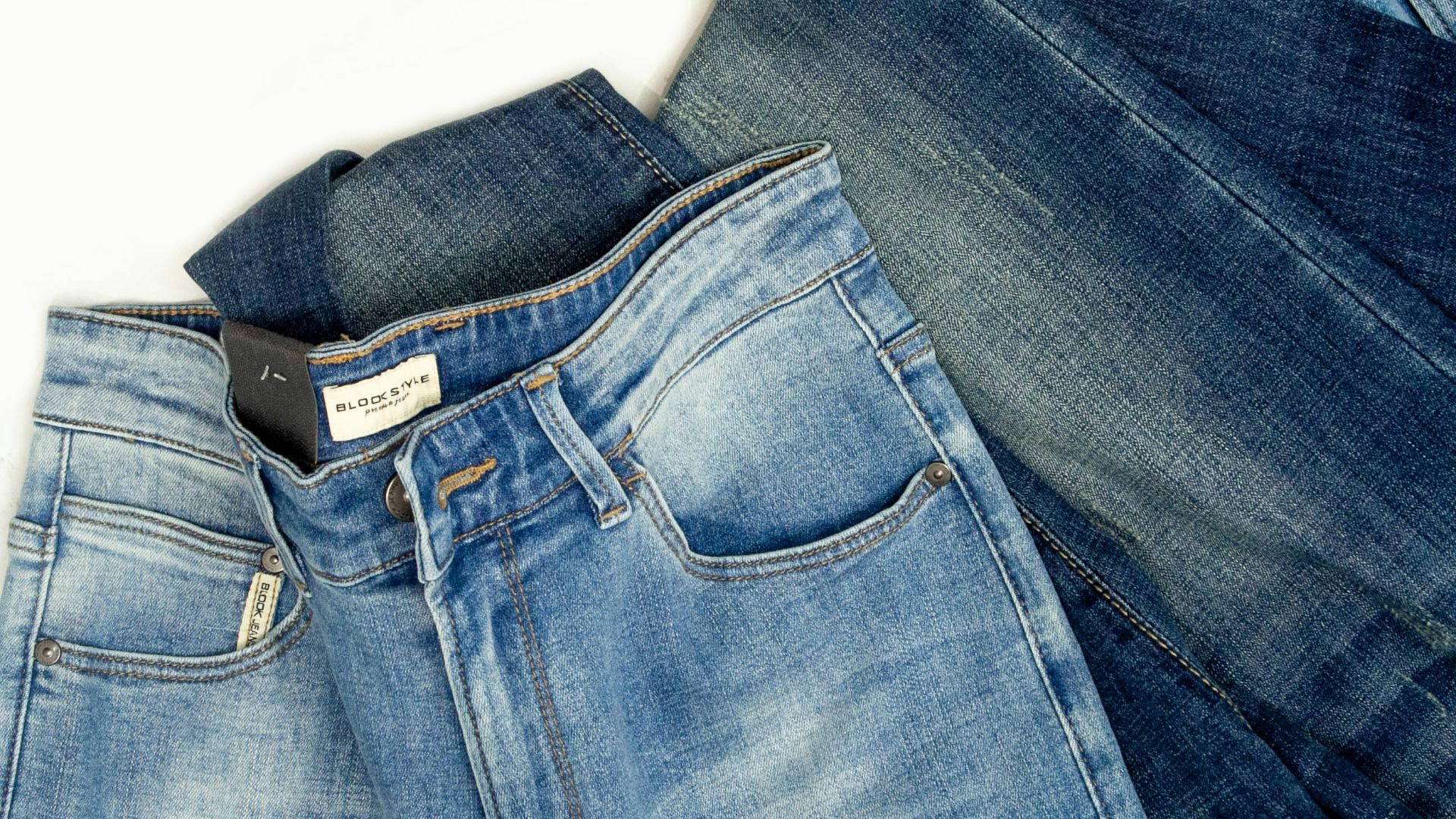
9. High-Waisted Jeans
Denim has mirrored cultural ideals of body shape over time. The high-waisted style first appeared in mid-20th-century fashion, emphasizing the waist while elongating the legs. It also creates a comfortable, flattering fit. Today, they are making a comeback, with designers mixing vintage appeal and modern cuts.
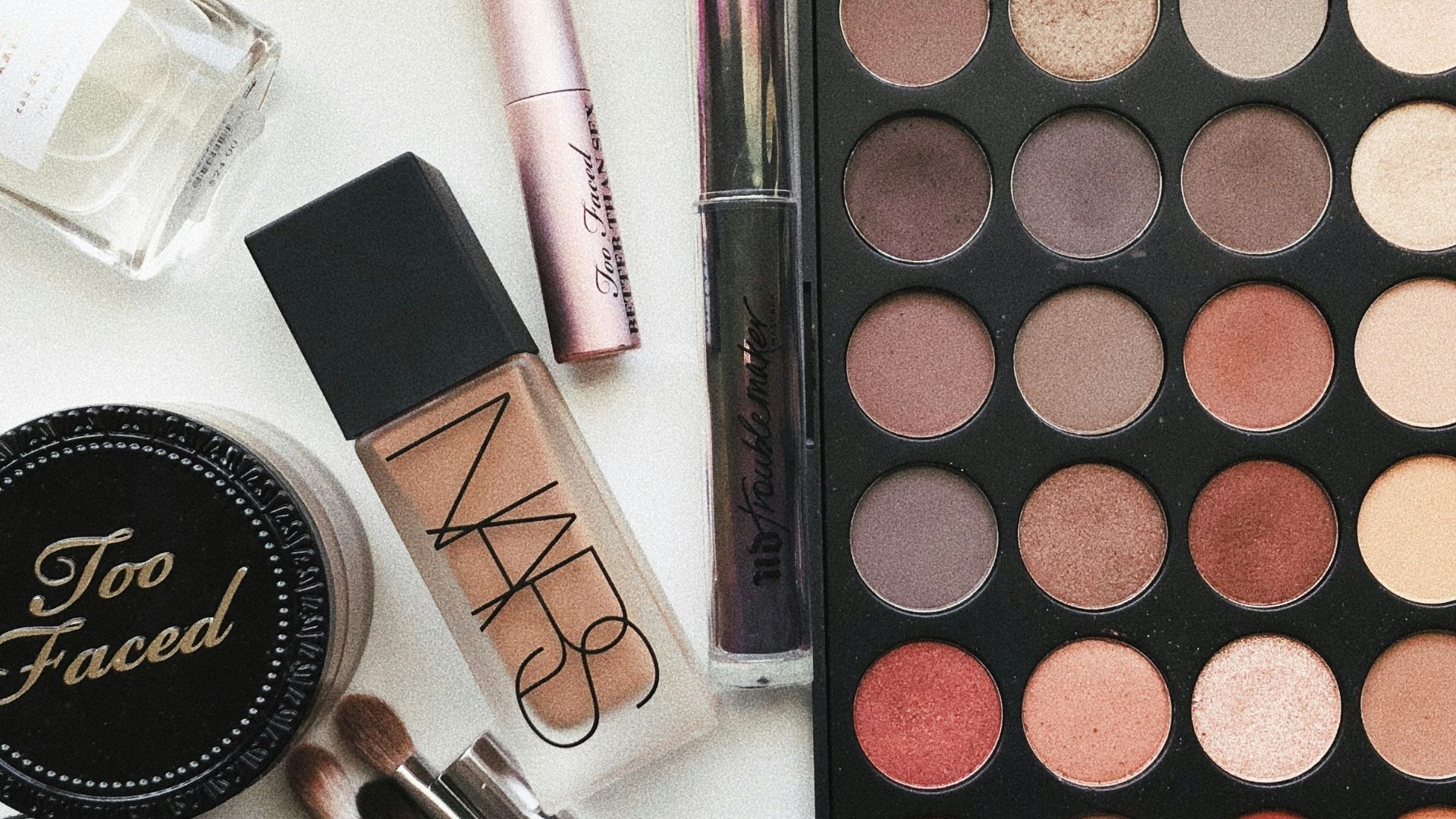
10. Mod Eye Makeup
Eyeliner, false eyelashes, and bright eyeshadow in the 1960s are unmistakable. Eyes became more important than lips in a graphic style that communicated modernity and rebellion. Bold, individual, and dramatic became key elements of sex appeal in the mod style.
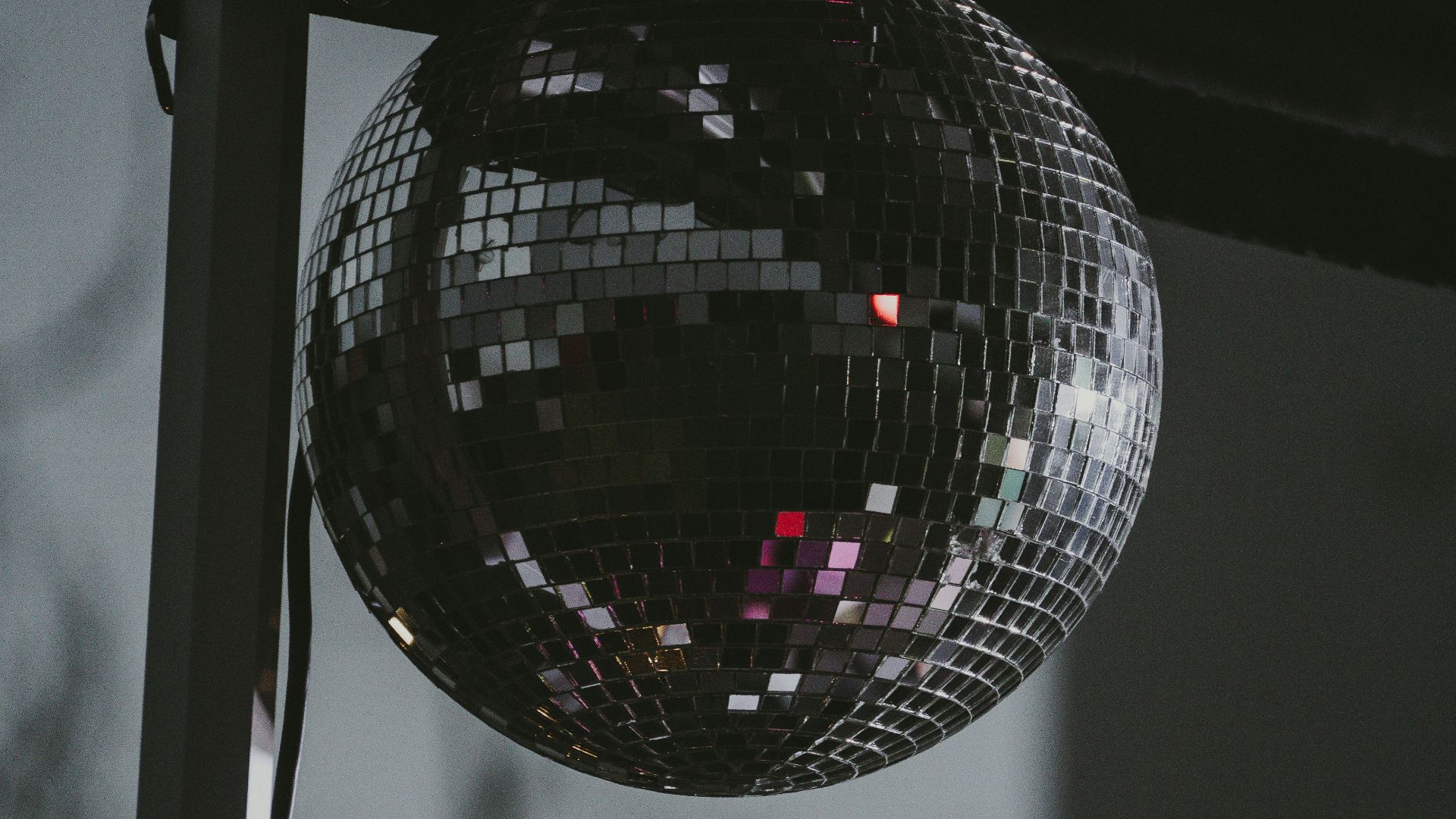
11. Disco Glam
Sequins, metallic materials, and platform shoes became everyday disco nightclub fashion. Clothing was tight to emphasize movement, in bright colors and with a shine that was impossible to ignore.
12. Pin Curls
These hairstyles represent the early to mid-1920s and 1930s, focusing on a sophisticated, well-groomed, architectural look. Created with considerable effort and maintenance, these waves are now enjoyed in retro-style clothing and costume events.
13. Nail Art
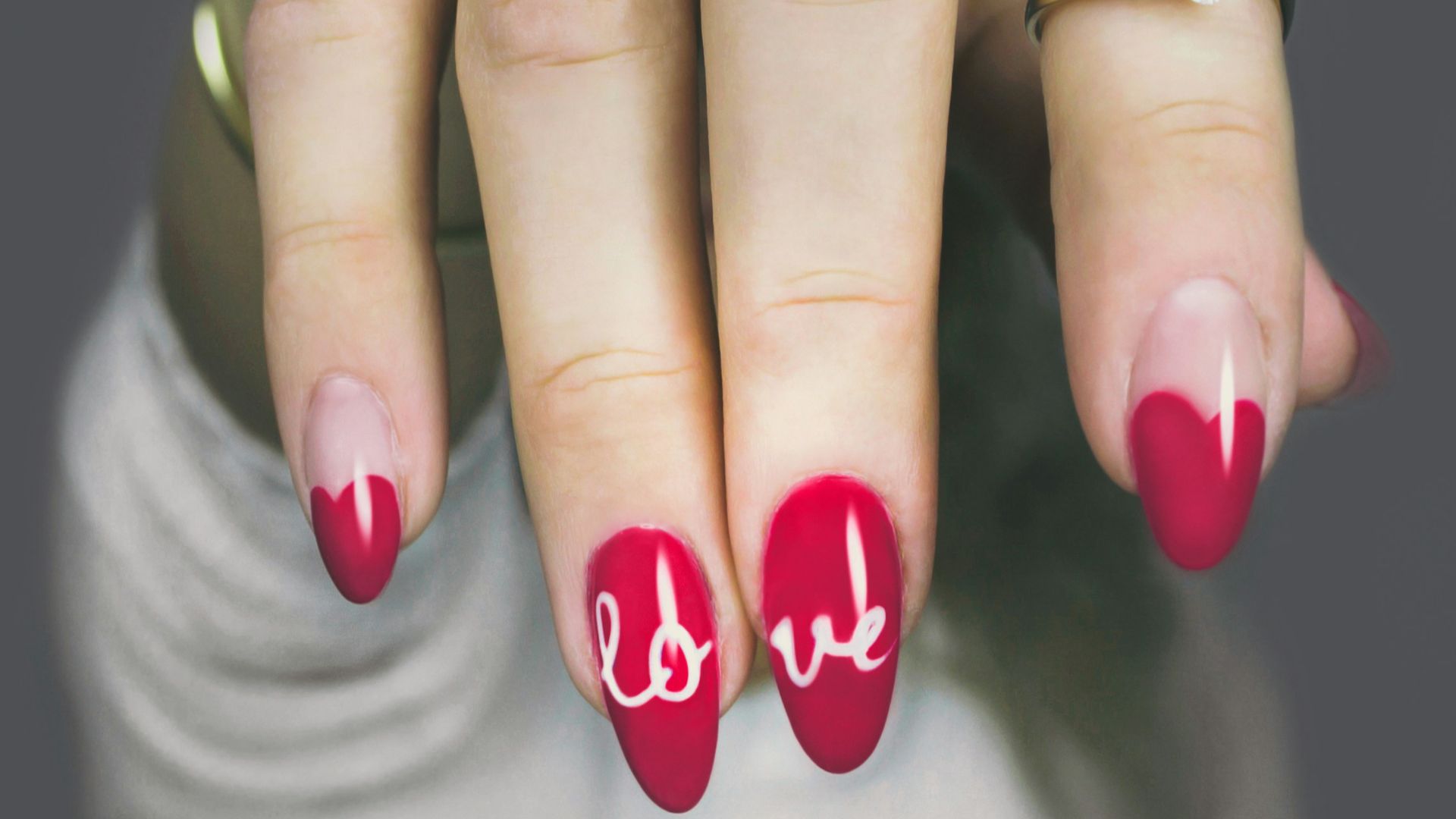
Gone are the days when nail art meant just nail polish. People now create intricate patterns, textures, and embellishments, turning nails into statements. Nail art has become an expression of self and a way to participate in trends, from minimalist designs to 3D creations.
14. Graphic Tees
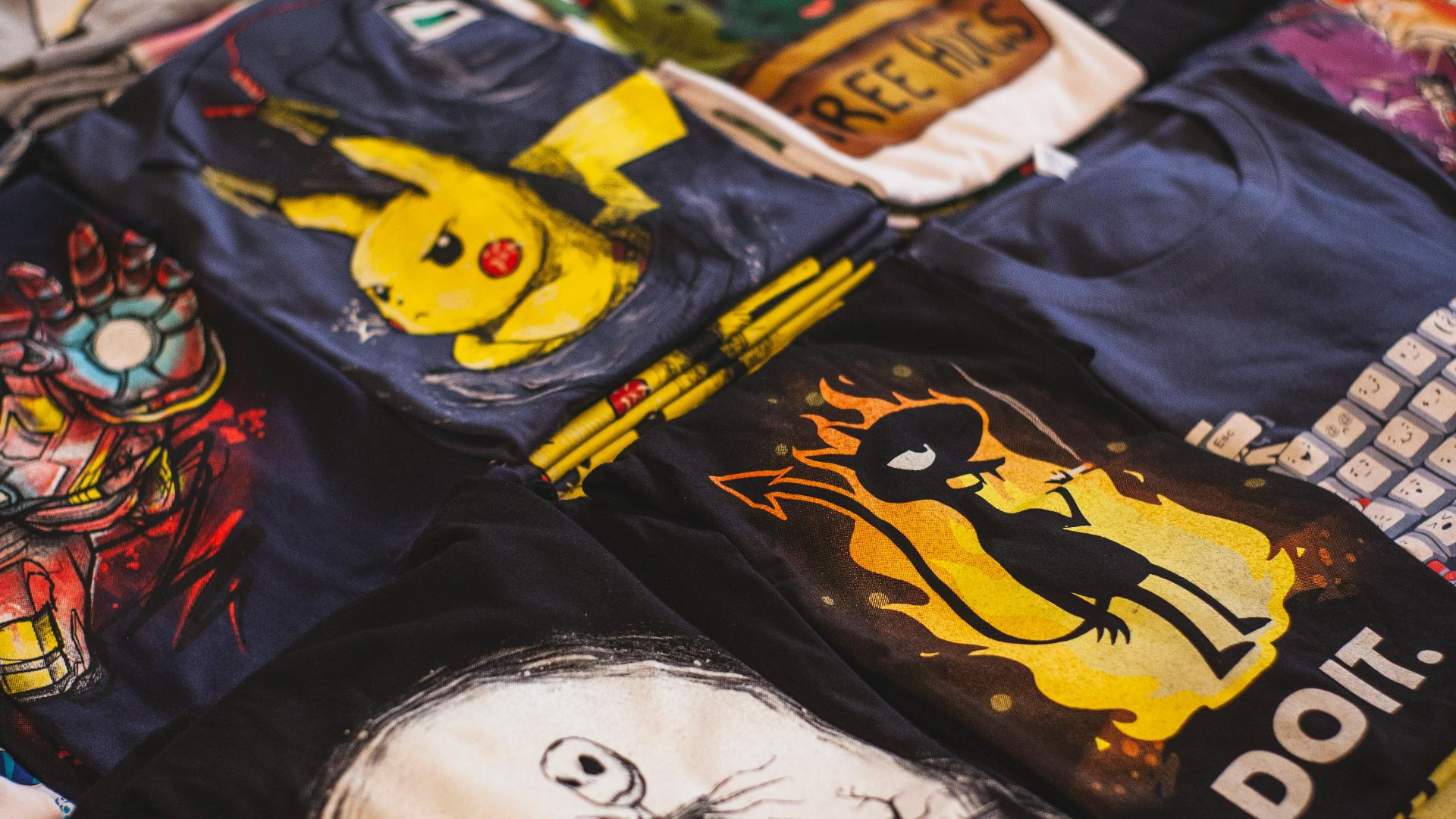
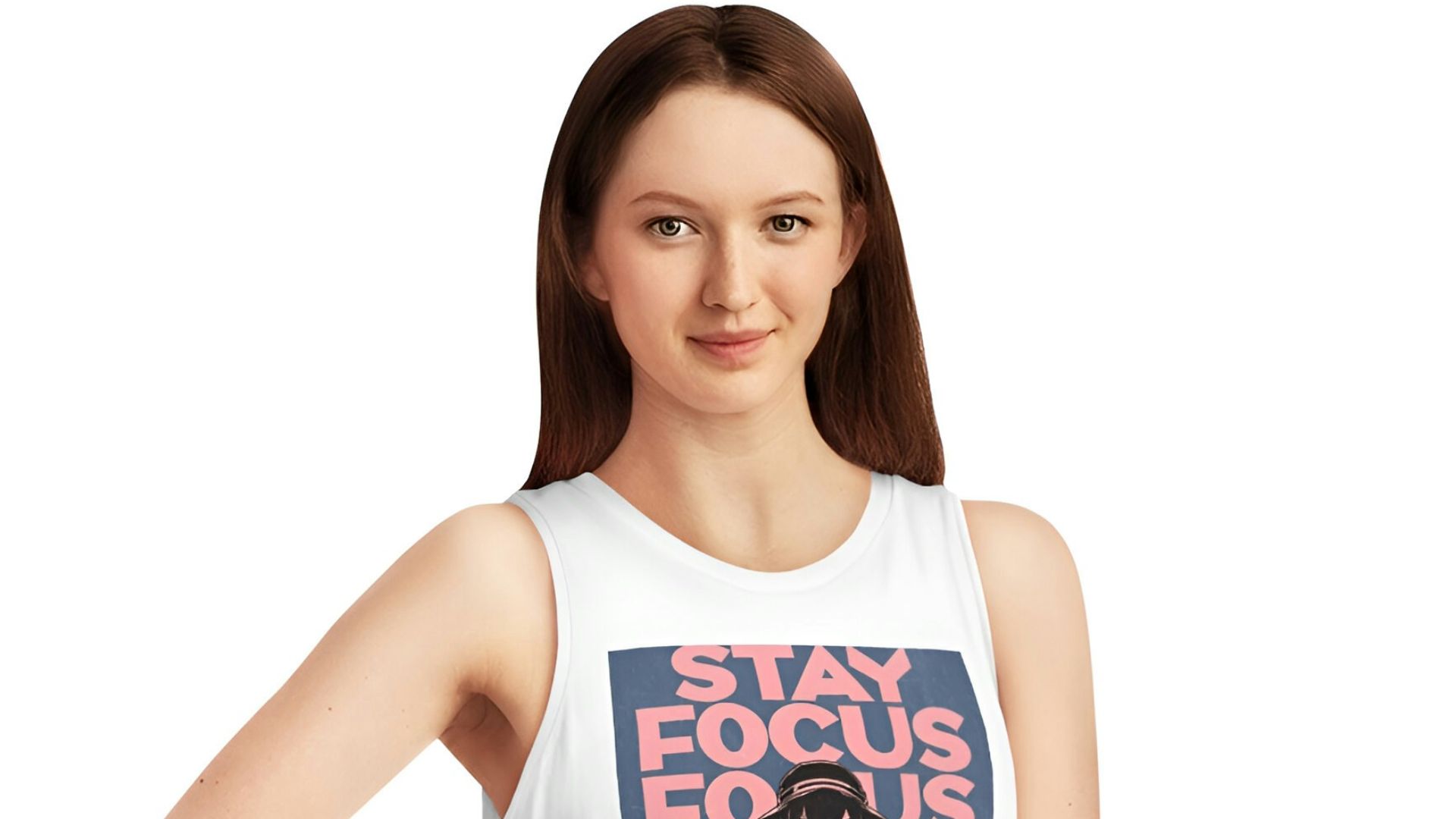
Graphic T-shirts, t-shirts with logos, slogans, or artwork, were once considered mundane undergarments but have become bold fashion statements. They allow self-expression and add personality to an outfit. Wearing a graphic tee communicates humor, interests, or support for causes, making modern attractiveness as much about personality as appearance.
15. Chunky Sneakers
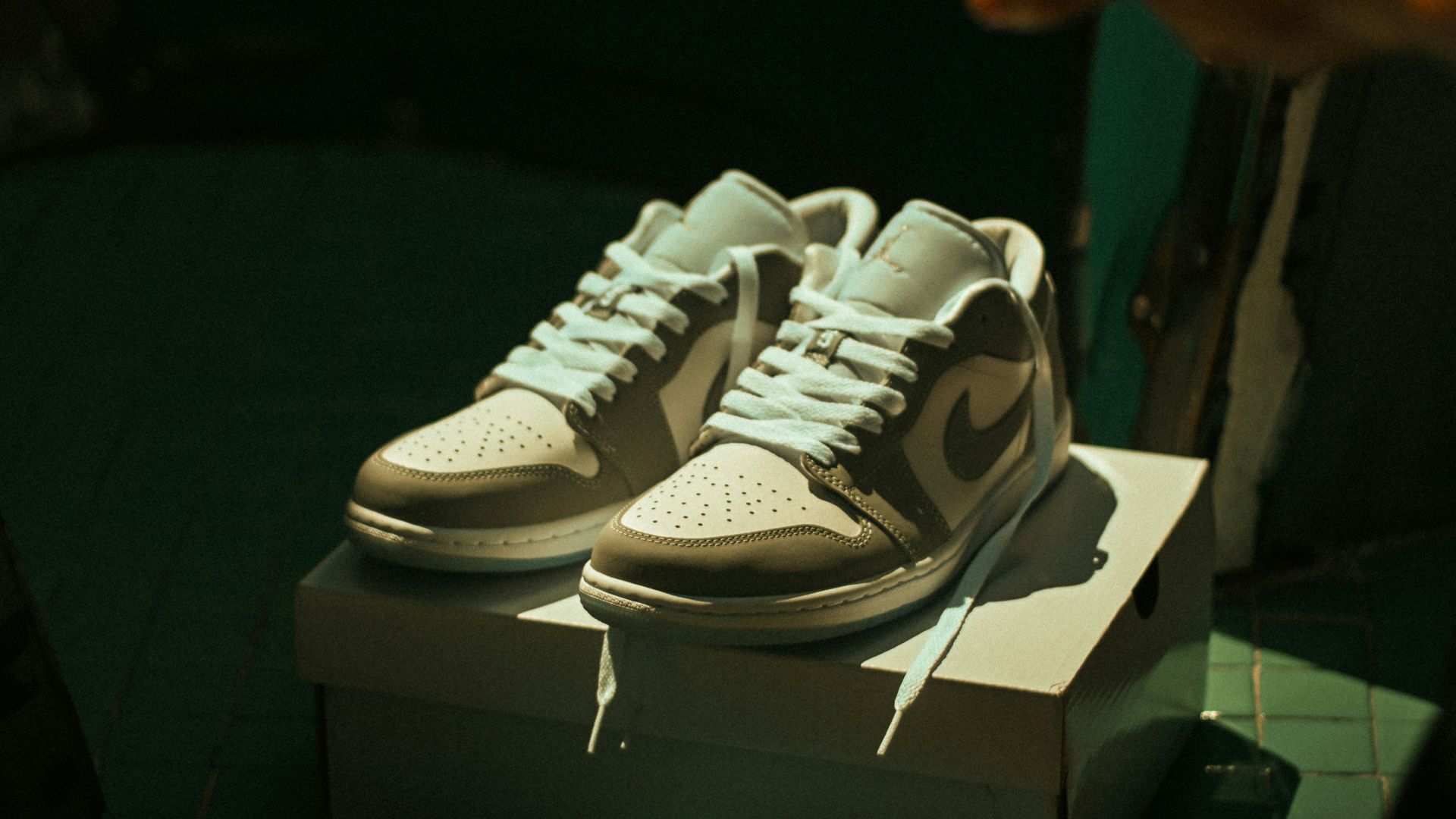
Athletic shoes, originally designed for sports, later became everyday casual wear. Chunky or “dad” sneakers became a trend in the 2010s, contrasting with streamlined footwear. Defined by large proportions and emphasis on comfort and nostalgia, sneakers now function as both fashion statements and utilitarian footwear.
16. Layered Jewelry
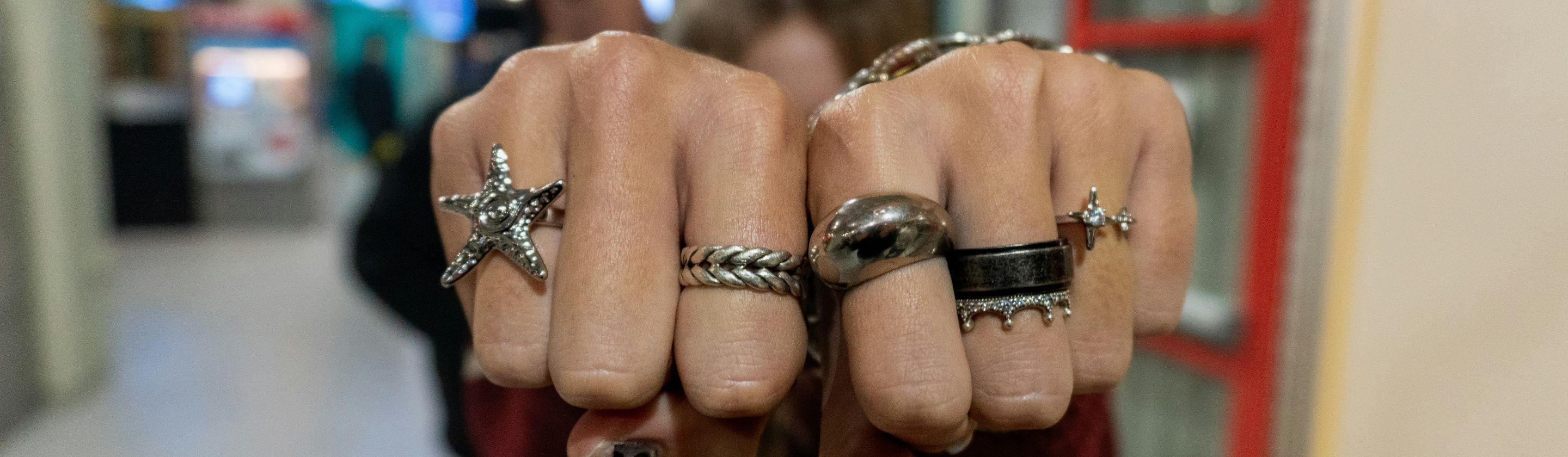
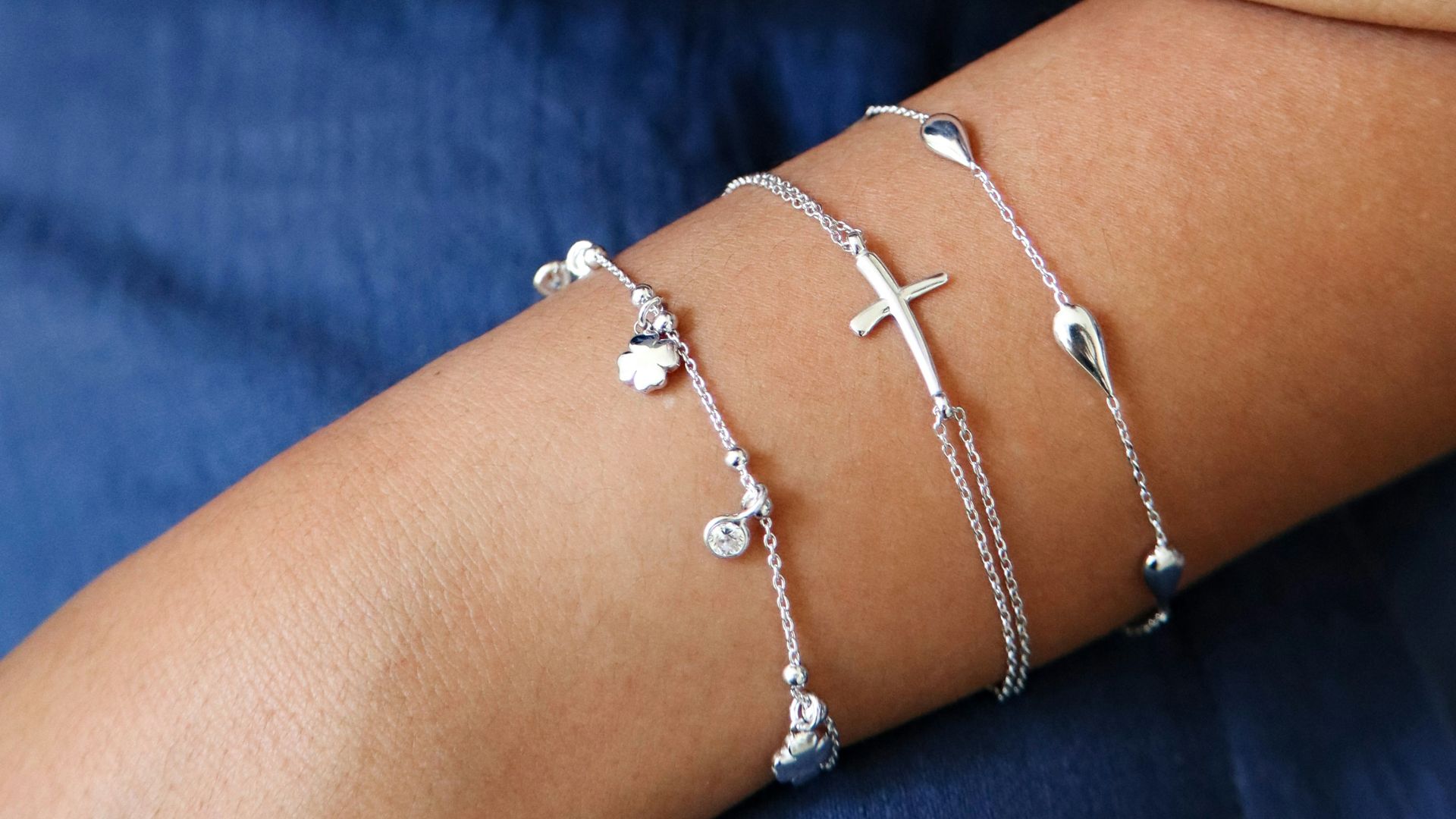
Layering necklaces, bracelets, and rings allows customization and fun with accessories. Stacked jewelry adds visual interest and demonstrates attention to detail. It also lets you express yourself through accessorizing, reflecting modern beauty standards’ focus on thoughtful styling.
17. Athleisure
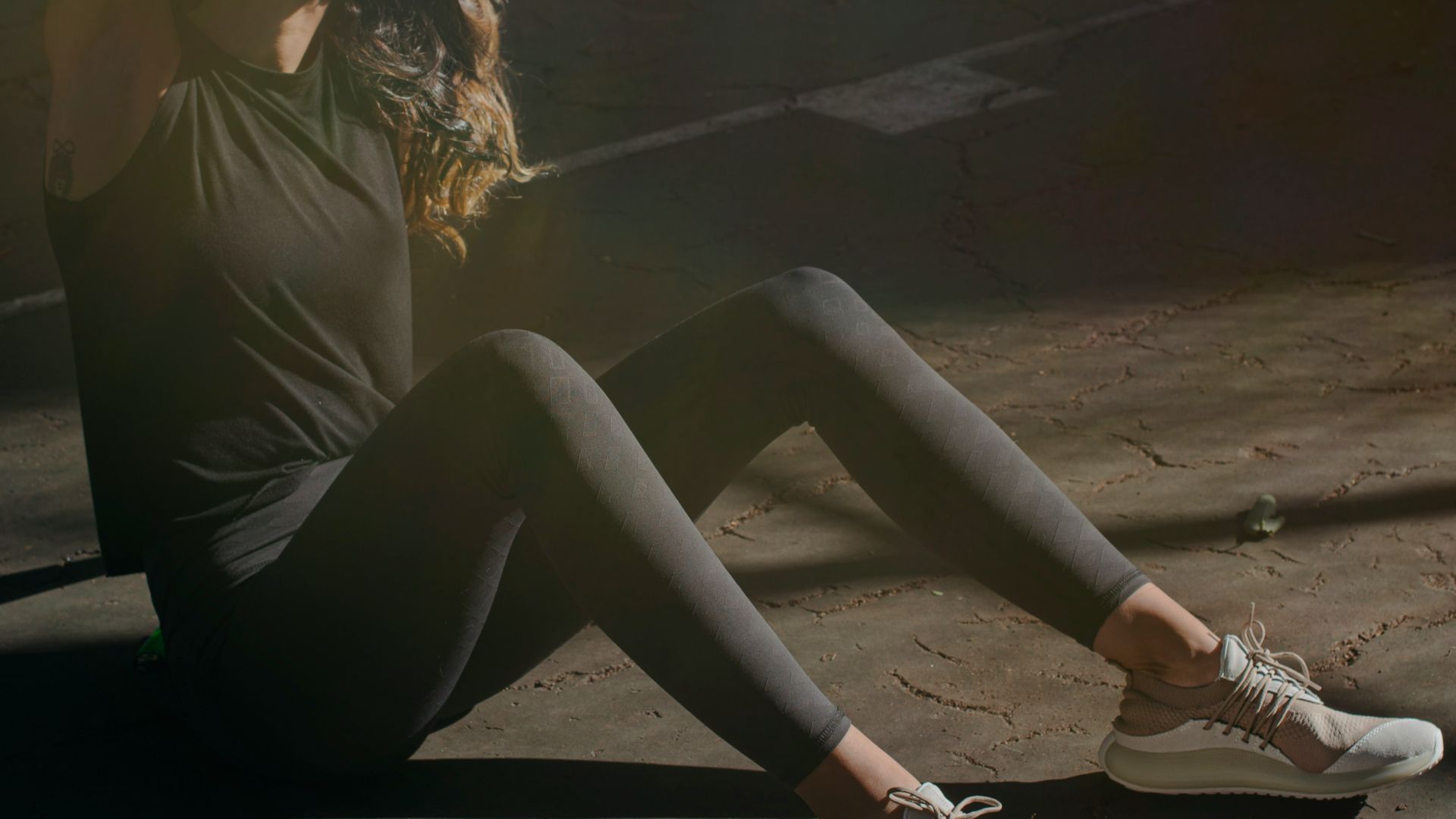
Athleisure blends workout gear with street style. Comfortable athletic clothes are worn daily, signaling a fitness-aware, functional fashion approach. Leggings, hoodies, and sneakers are more than gym wear; they showcase a healthy, active, and stylish life. Comfort is now as desirable as elegance.
18. Balayage Hair
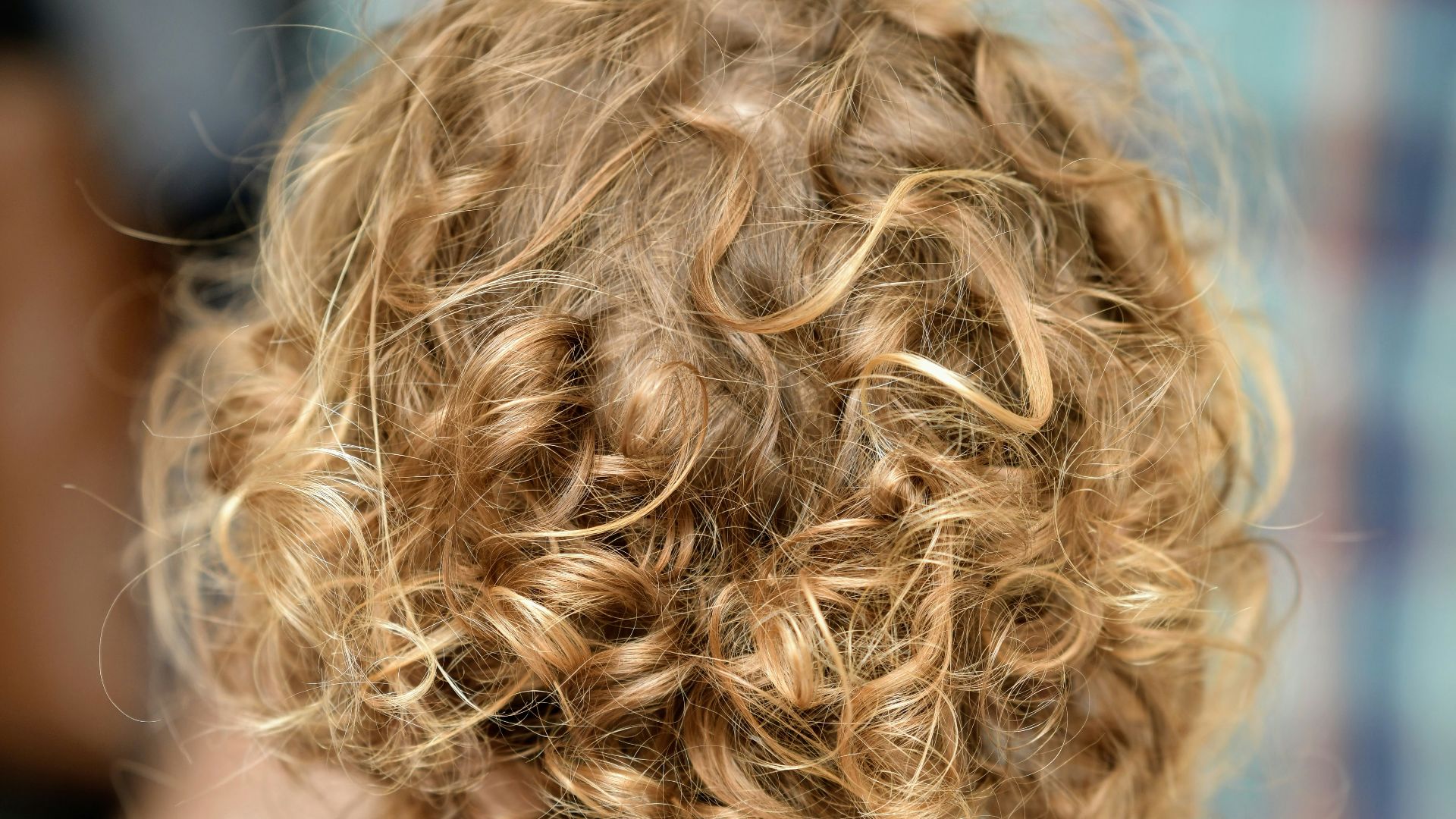
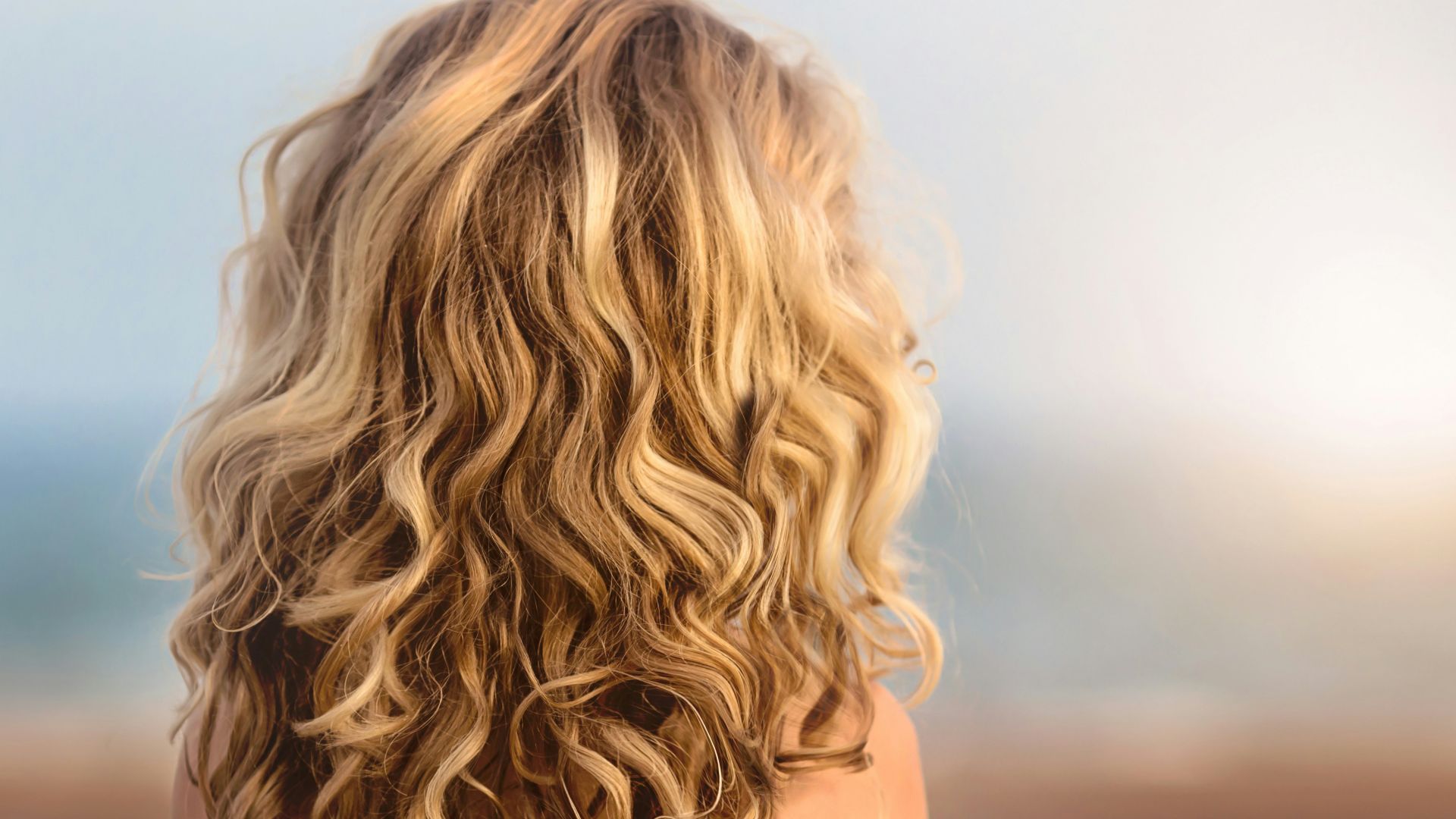
Hair coloring is a significant form of self-expression. Techniques like ombre and balayage add depth and dimension, creating a natural gradient that enhances facial features and adds movement. Modern hair coloring emphasizes individuality and artistry, moving away from the flat, uniform colors of the past.
 Paloma LaMadreInspirada on Unsplash
19. Crop Tops
Crop tops were once seen as provocative and daring. Society’s views on showing skin have shifted, and they now represent body positivity and self-assurance. Crop tops highlight the midriff and waist and can be styled with high-waisted pants or skirts for a flattering, trendy ensemble.
20. Statement Glasses
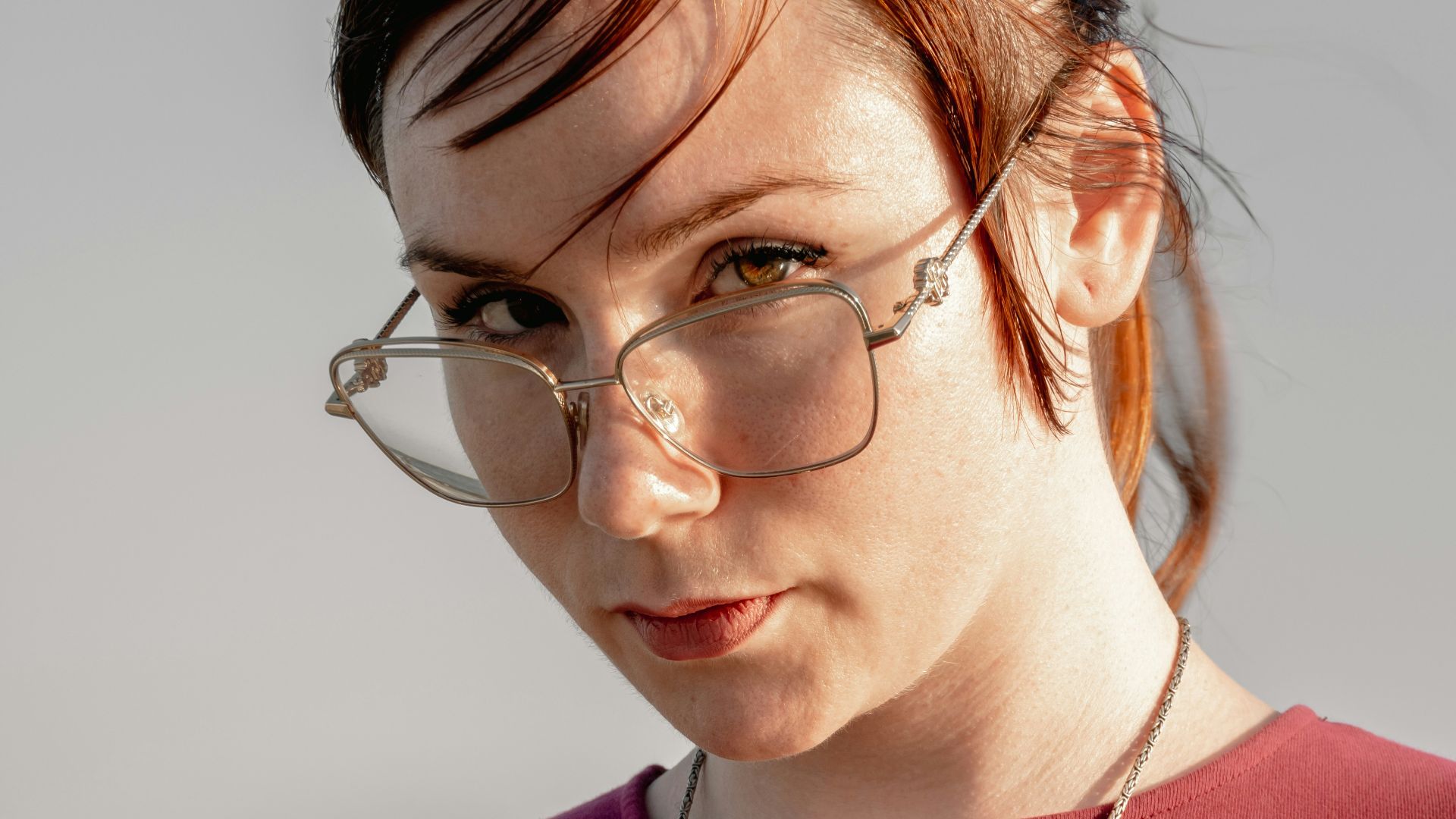
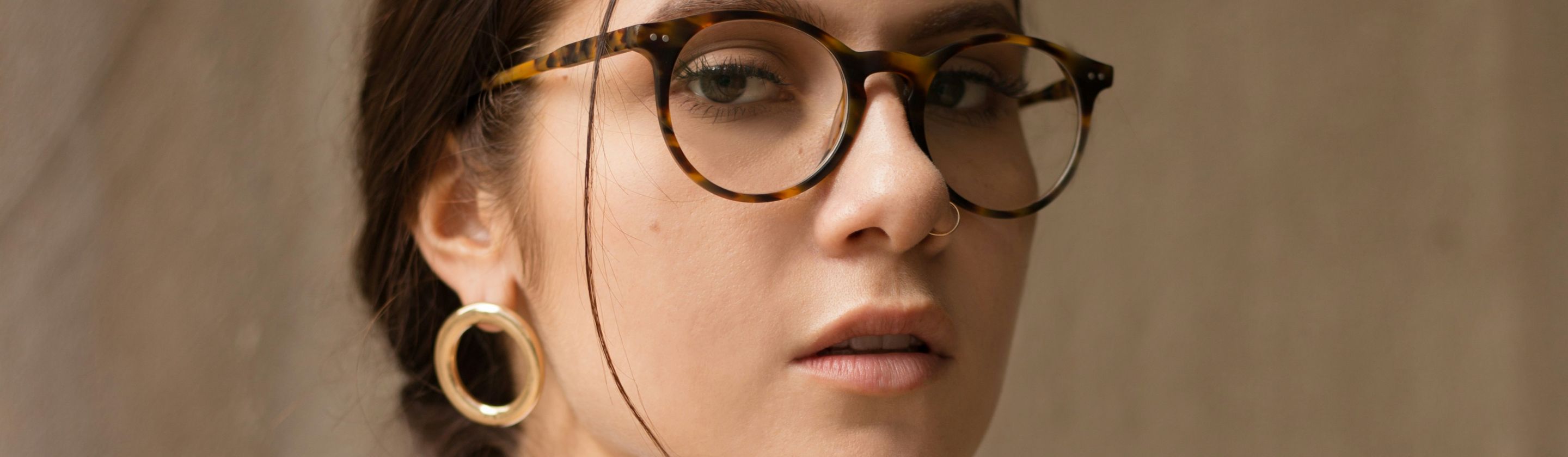
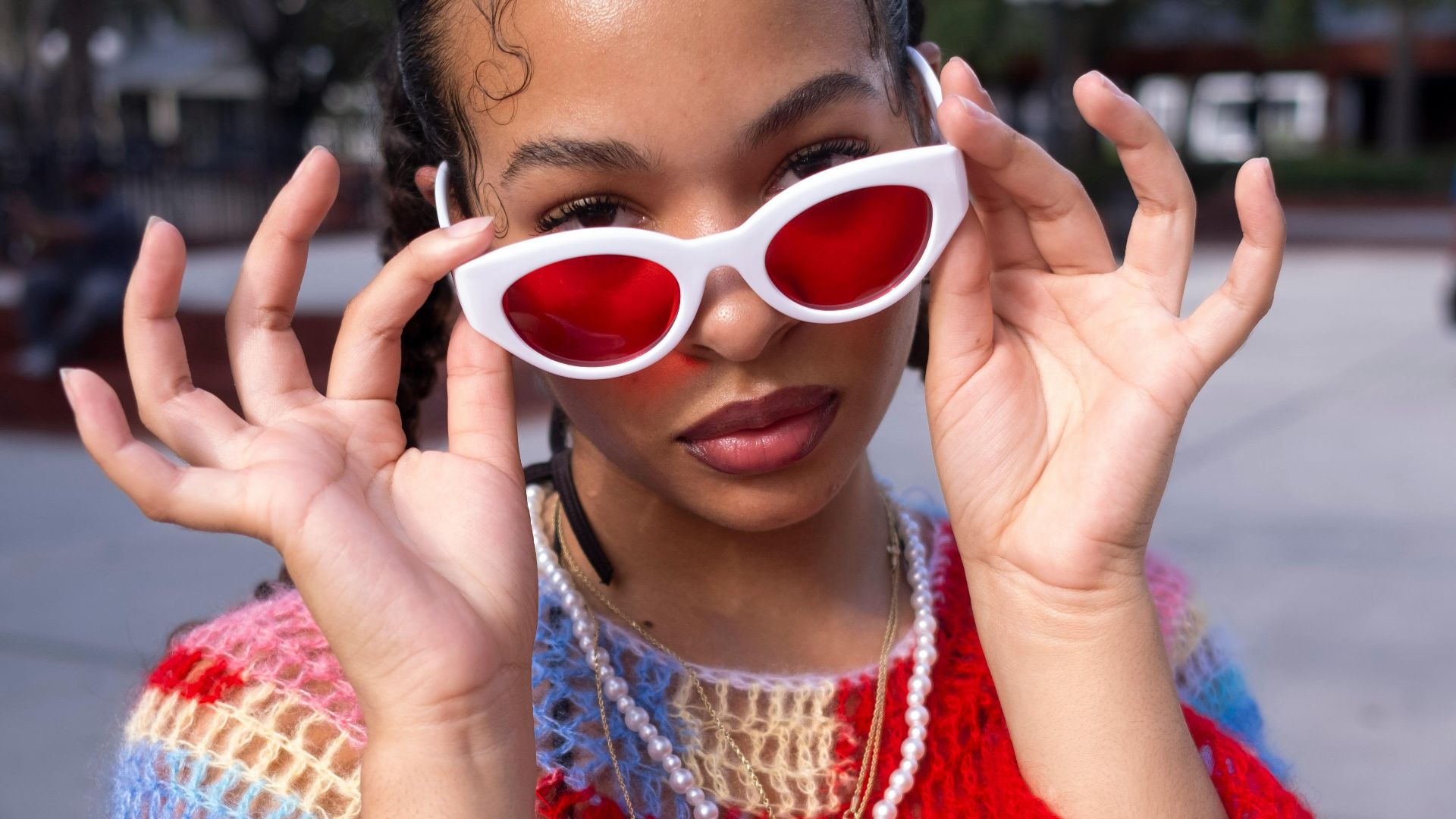
Glasses have evolved from basic function to fashion statement. Thick frames, funky shapes, and colorful lenses allow individuals to express themselves and frame their face. Accessories are now integral to personal style and attractiveness.