10 Terrible Suit Mistakes to Never Accidentally Make & 10 Smarter Ways to Style Your Tux
10 Terrible Suit Mistakes to Never Accidentally Make & 10 Smarter Ways to Style Your Tux
Small Details Can Change the Entire Look
Heading out to a formal event? You might think coordinating a suit is an easy thing to do, but unless you're someone who wears one often and knows exactly how to make it look good, you might accidentally embarrass yourself. For example, are you guilty of picking out a too-short or too-long tie? What about mixing patterns that don't match? Choosing a belt that's too big? Wearing sneakers with your non-tailored slacks? As the saying goes, clothes make the man, so you definitely don't want to make these amateur hiccups. Here are 10 suit mistakes to never make, and 10 that'll help you look far more refined.
1. Wearing a Too-Big Jacket
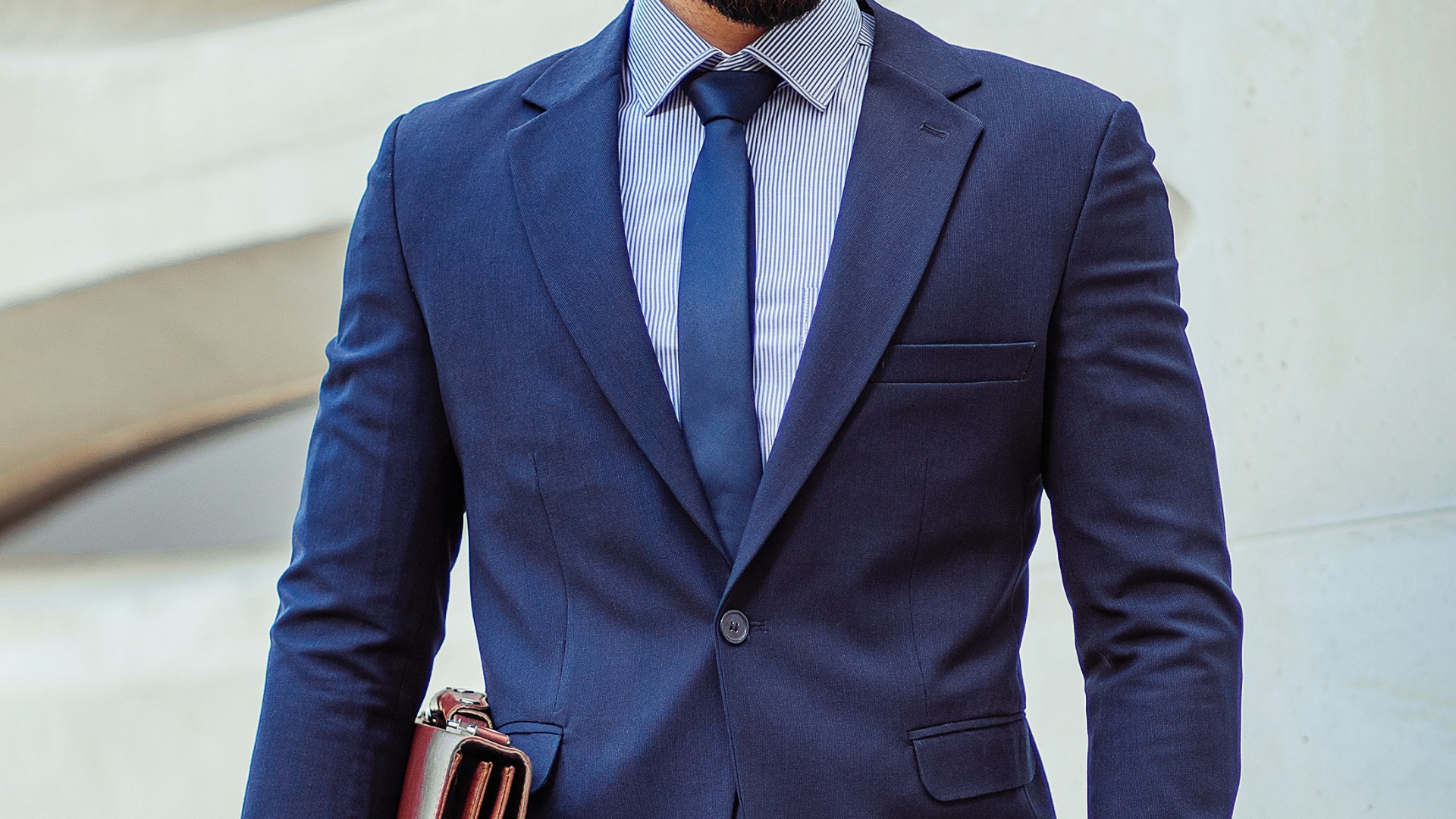
An oversized jacket can make your shoulders look rounded and hide the natural shape of your body. The shoulder seams should end close to where your actual shoulders do, without sagging down your upper arms. Although a tailor can alter the waist and sleeves, poorly fitting shoulders are much harder to correct.
2. Choosing the Wrong Tie Length
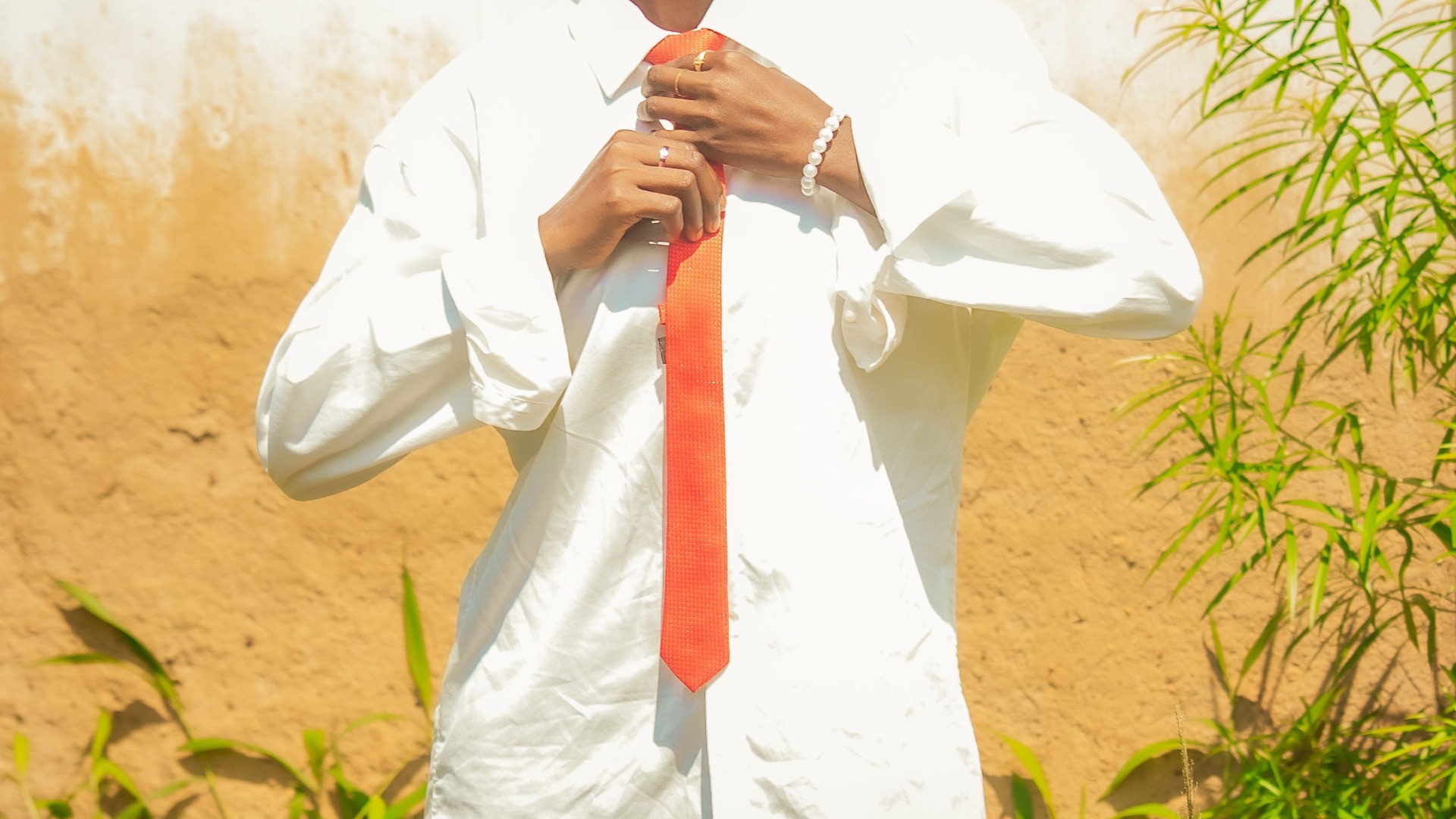
A tie that stops halfway down your shirt or hangs below your belt immediately throws off the outfit’s proportions. The tip should generally reach the middle of your belt buckle or waistband. You may need to adjust where you begin the knot depending on your height and the length of the tie.
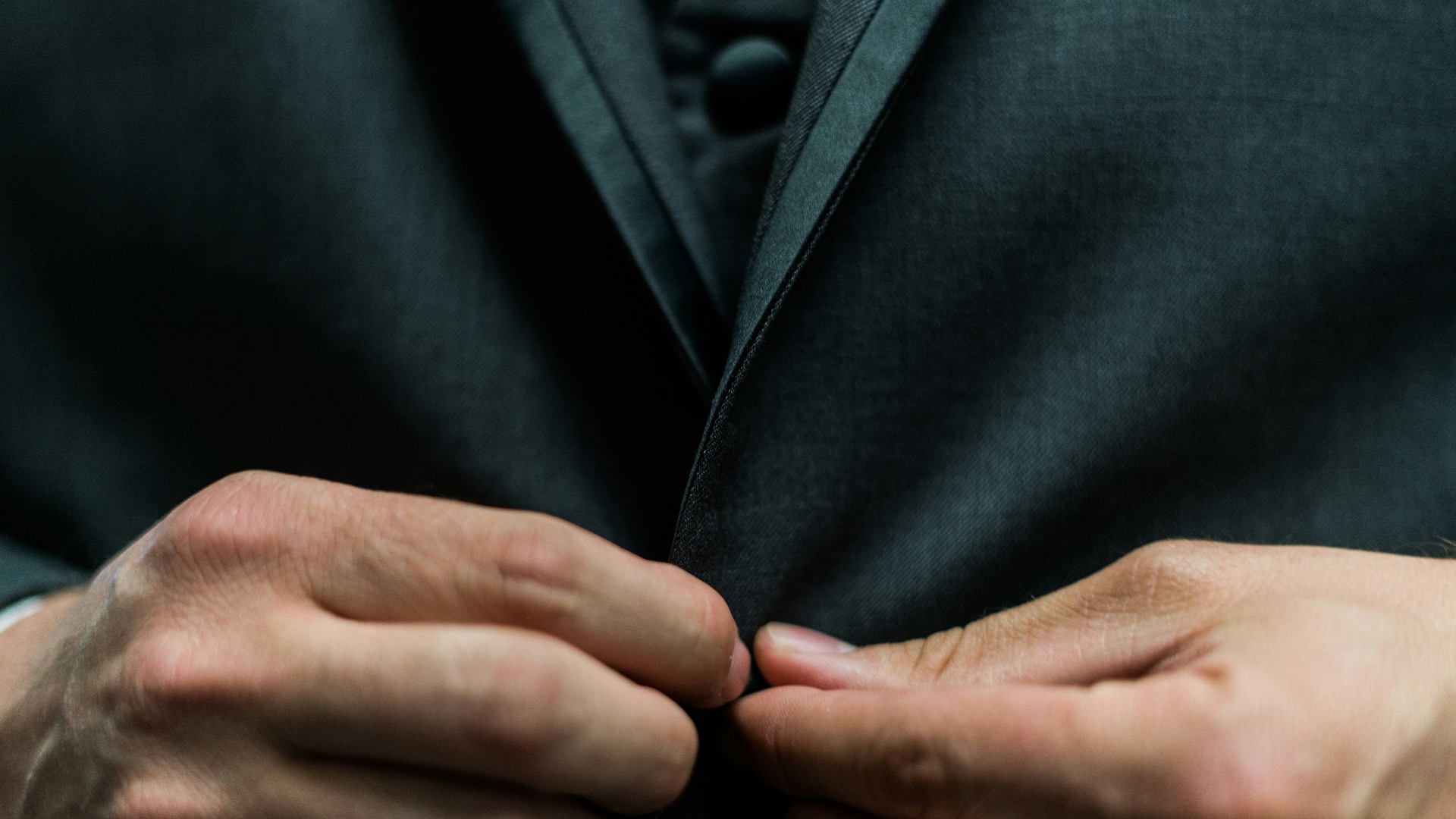
3. Buttoning Every Jacket Button
Fastening every button can distort the jacket and create pulling around the waist. On a standard two-button suit, you should fasten the top button while standing and always leave the bottom one undone. Unbutton the jacket before sitting to avoid placing unnecessary strain on the fabric.
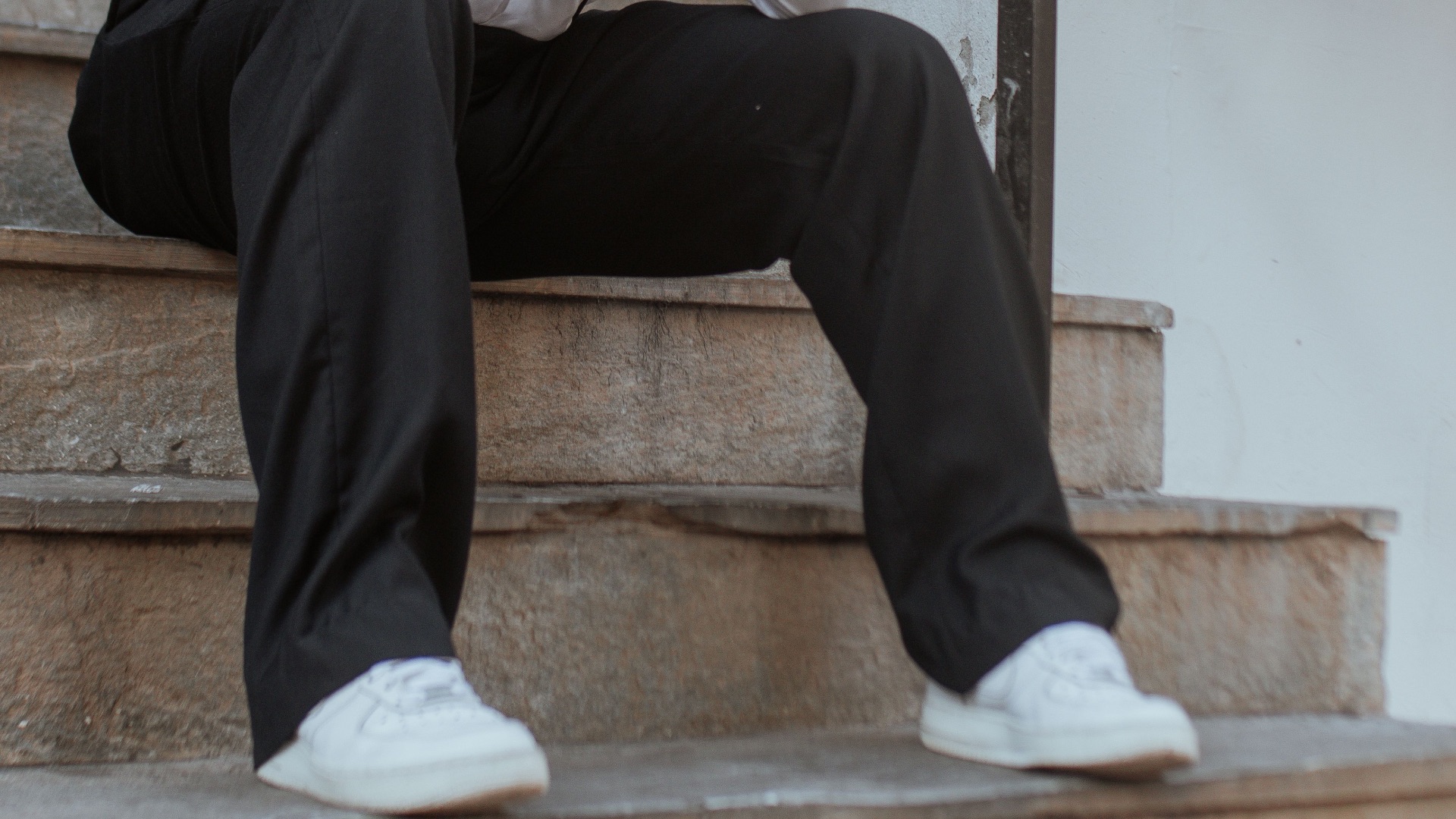
4. Letting Your Pants Pool Around Your Shoes
Excess fabric gathering at the ankles makes tailored trousers look sloppy and can cause the hems to wear out faster. Your pants should fall neatly over your shoes with a clean break that suits the cut. If several folds are forming above the footwear, it’s time to visit a tailor.
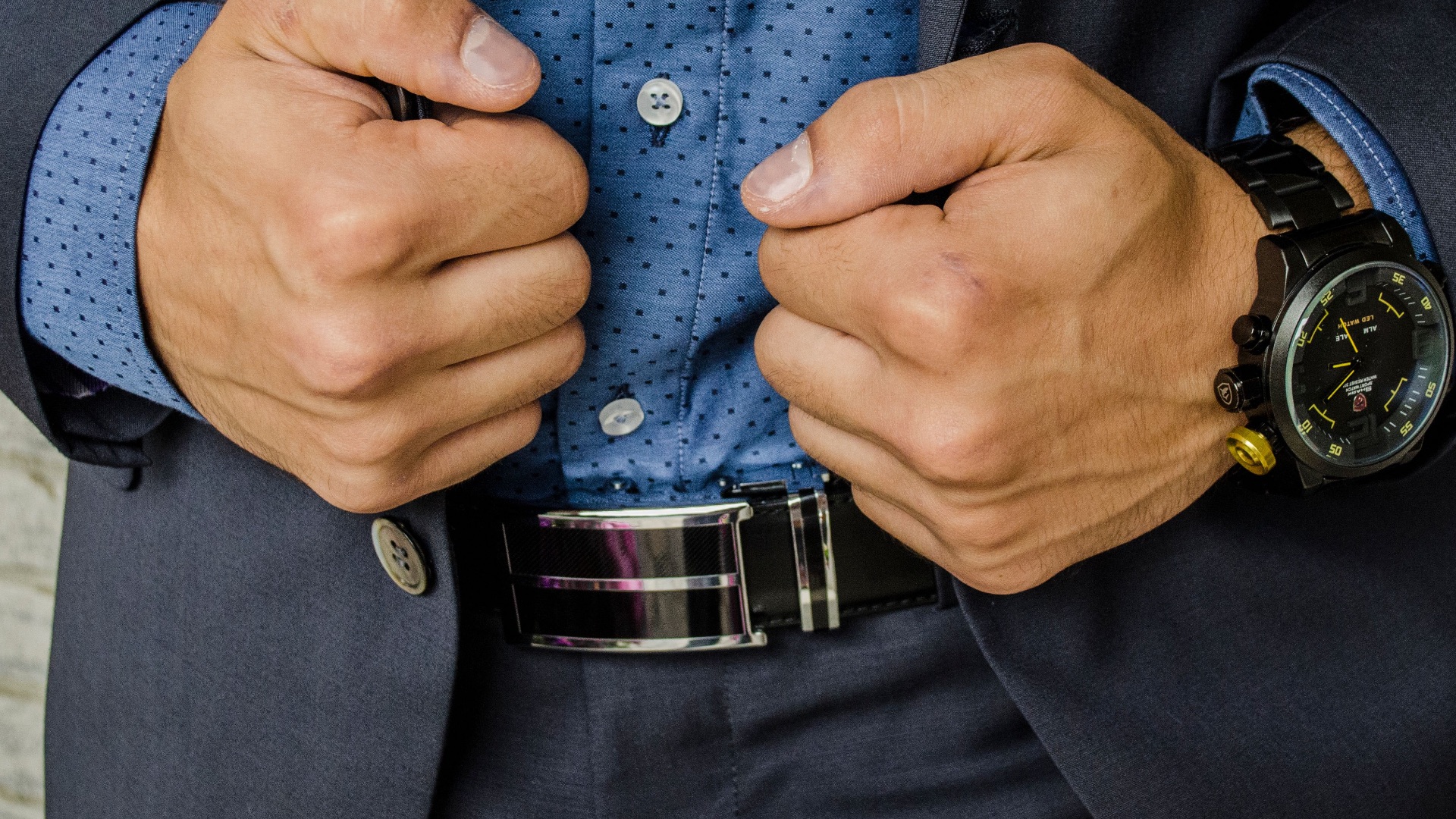
5. Pairing a Bulky Belt with a Formal Suit
A thick, casual belt with a large buckle can look out of place beside refined tailoring. Choose a slim leather belt that coordinates closely with the color and finish of your dress shoes. For highly formal occasions, properly fitted trousers with side adjusters or suspenders may look even cleaner.
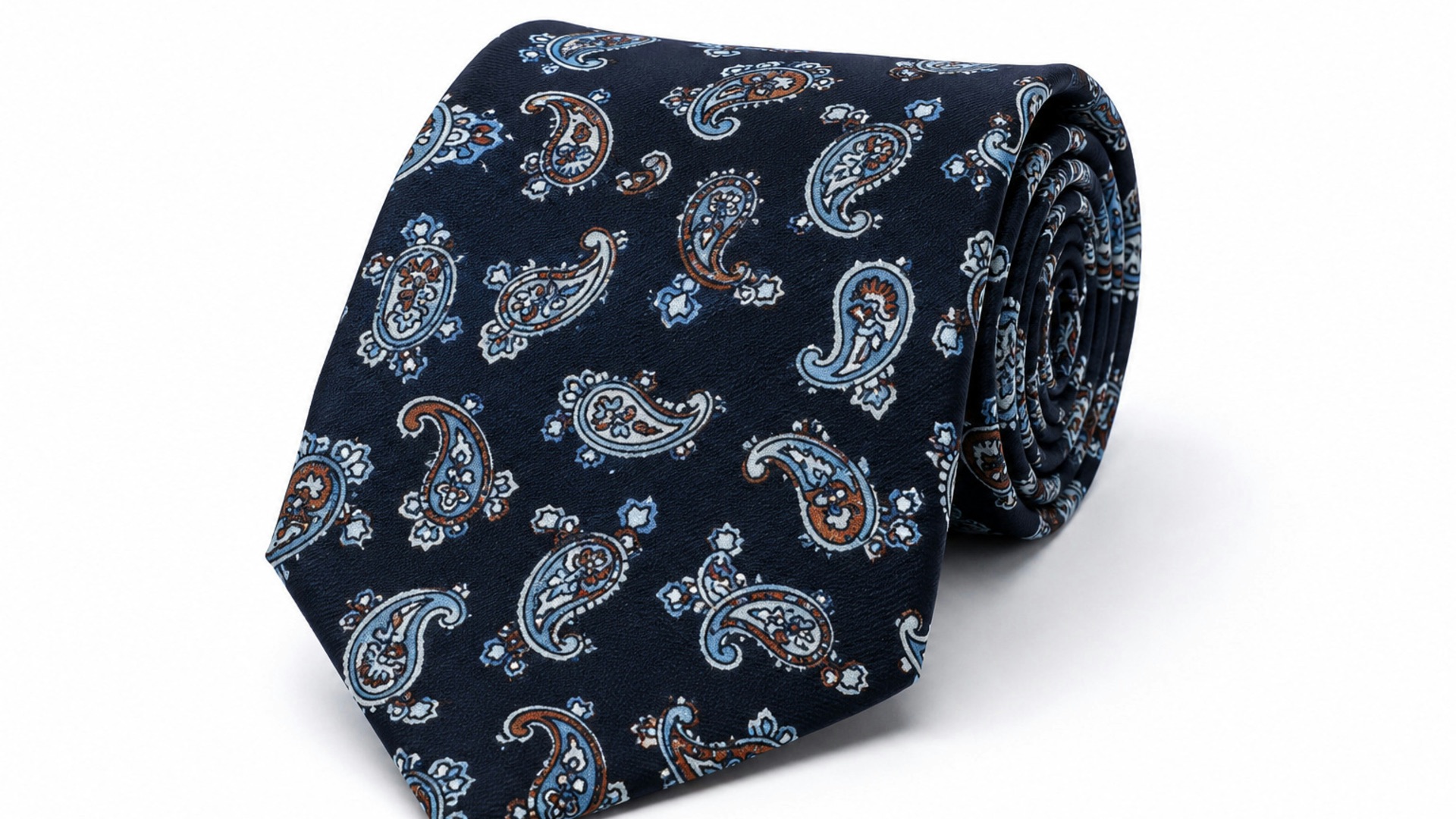
6. Picking a Tie That Clashes with Everything
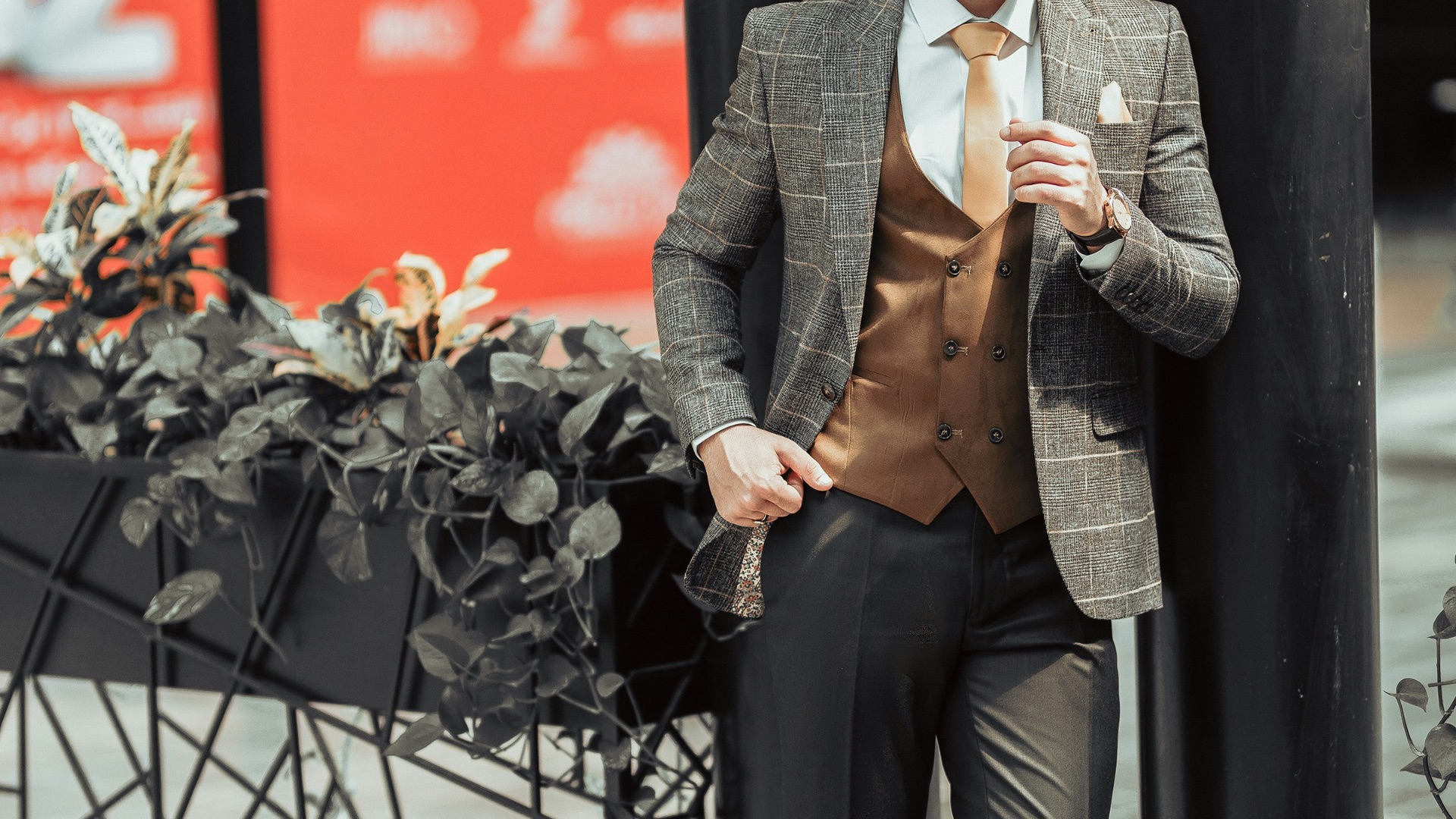
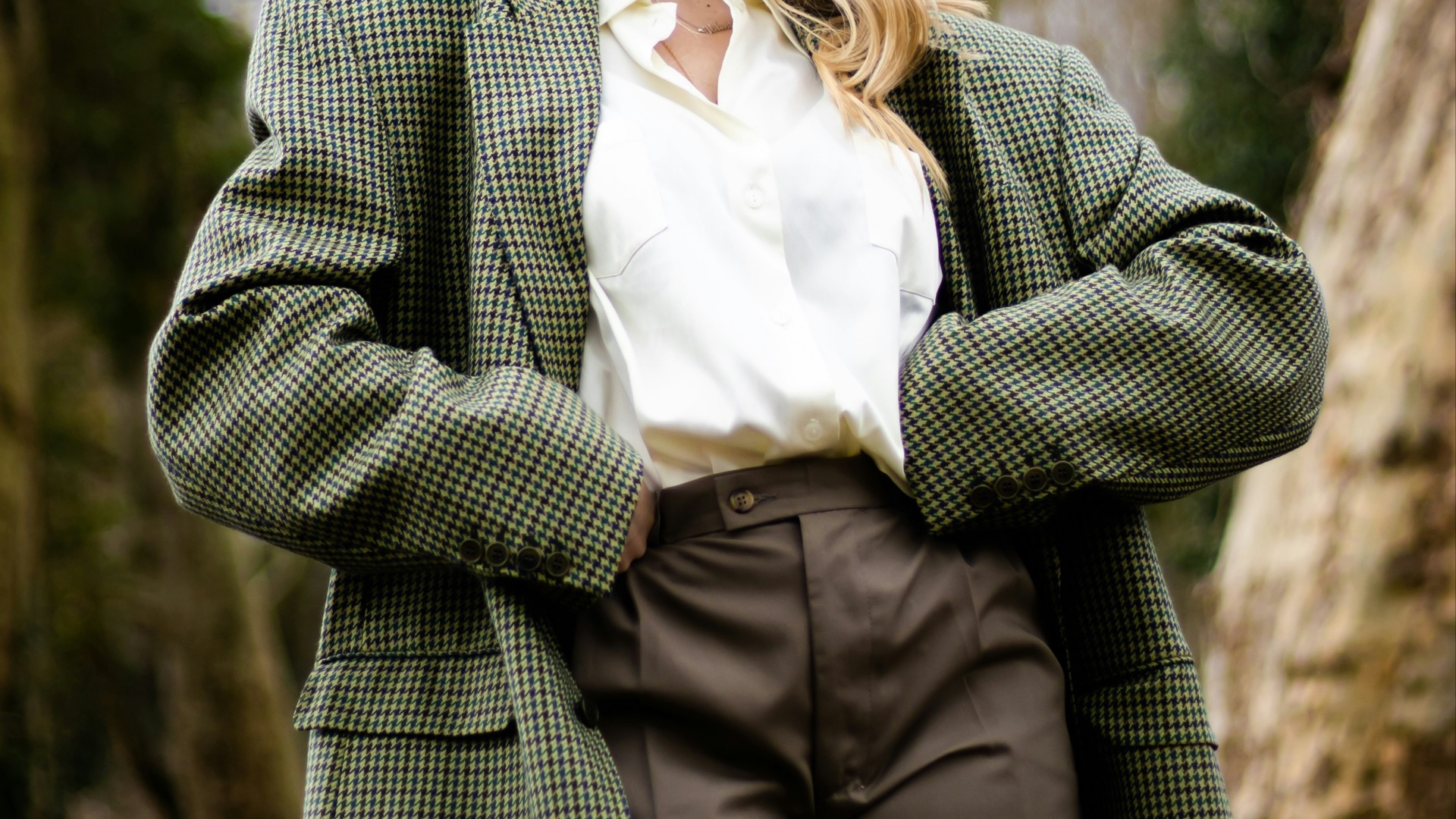
A tie doesn’t have to match your shirt or pocket square exactly, but its colors and patterns should still work with the rest of the outfit. Combining a heavily patterned shirt with an equally busy tie can make the upper half look crowded. When one piece is bold, keep the other relatively simple.
 Joseph Bou Chalhoub on Unsplash
7. Wearing White Athletic Socks
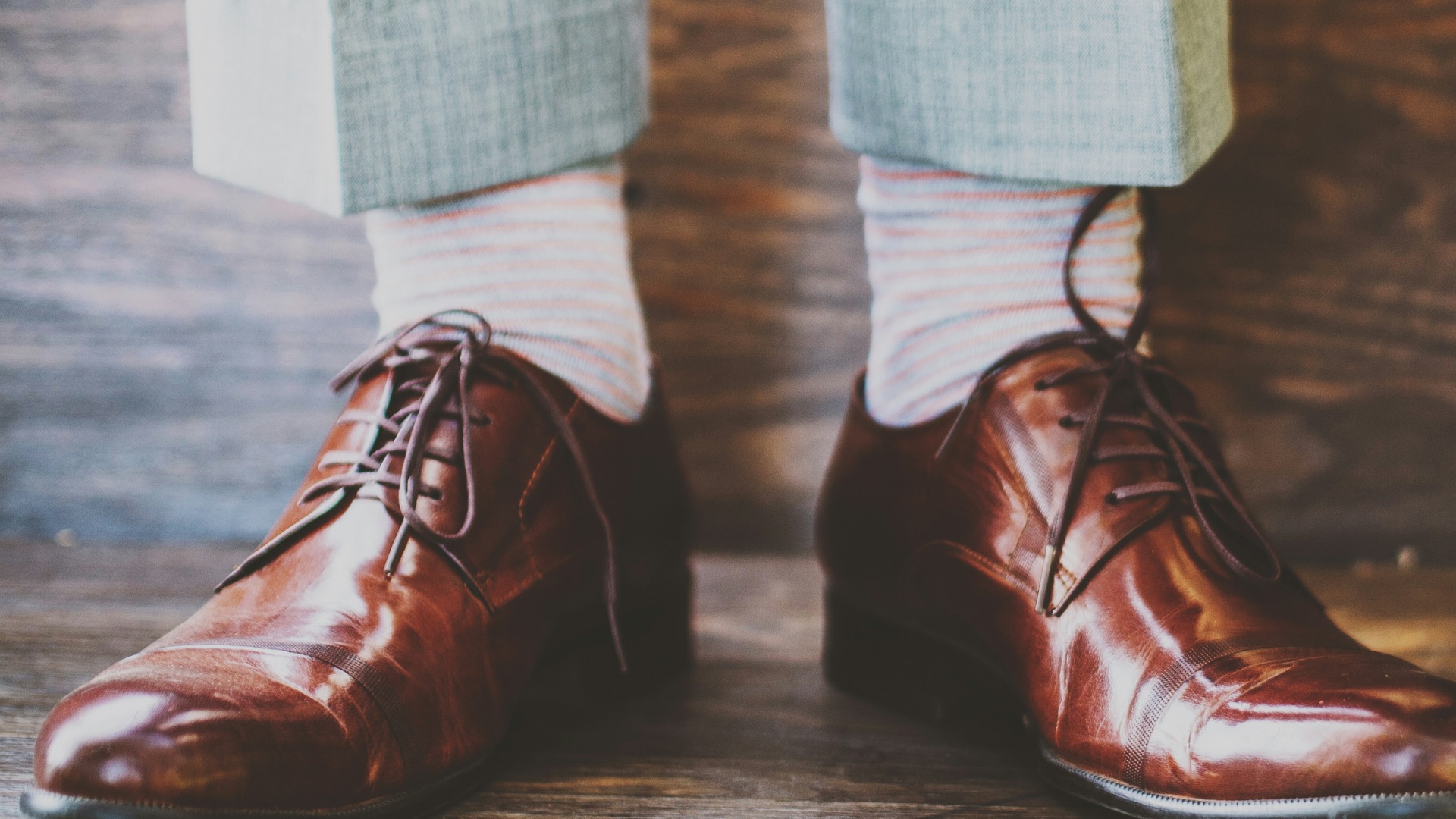
White gym socks tend to look jarring beside tailored trousers and polished dress shoes. Choose dress socks that coordinate with your pants, or introduce a subtle pattern that complements another color in the outfit. They should also be long enough to cover your legs when you sit down.
8. Wearing Sneakers
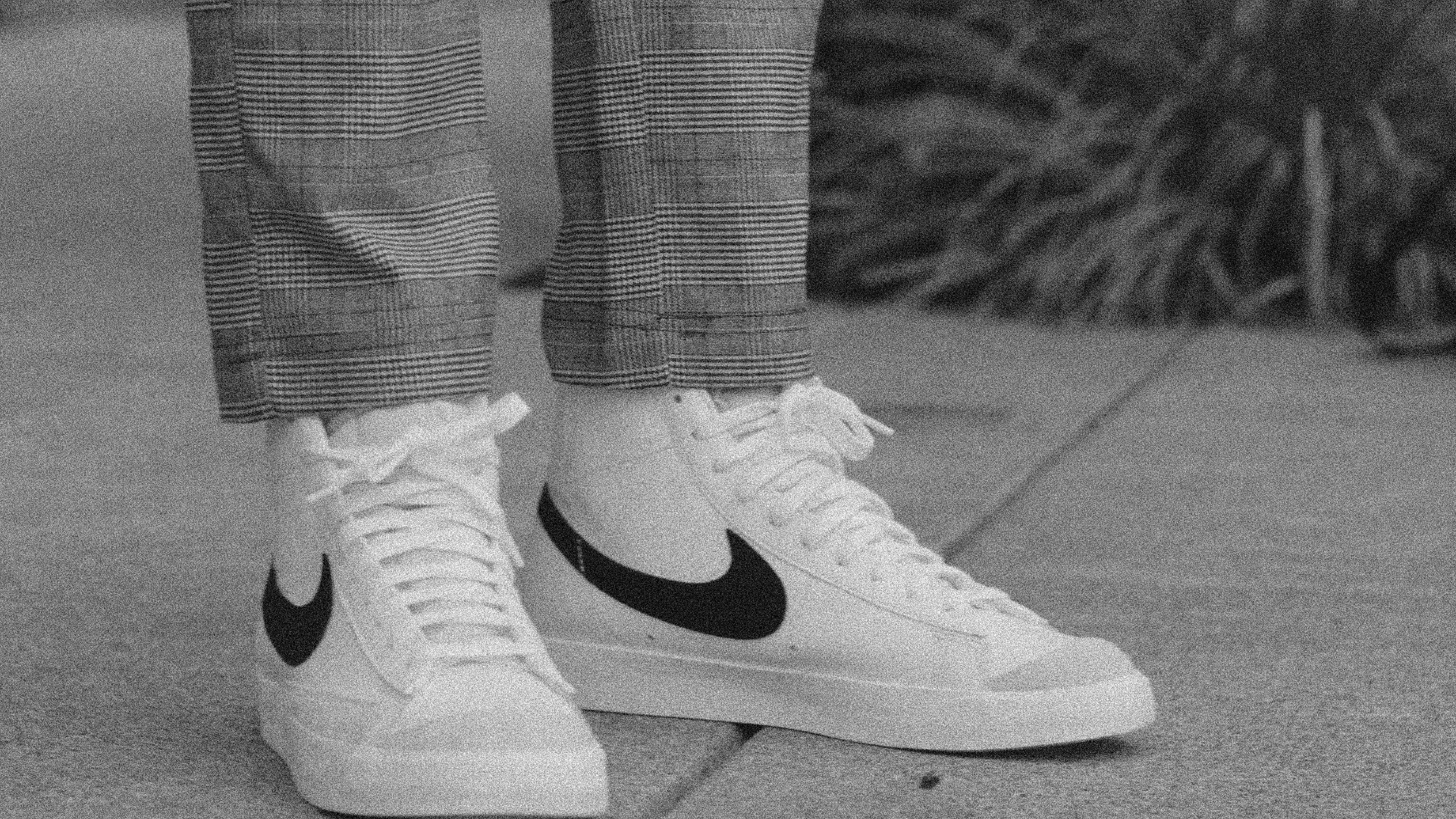
Sure, sneakers could work with your suit, but only on certain occasions. Bulky athletic shoes or brightly colored trainers, however, tend to clash with tailored clothing and can make the outfit look mismatched no matter what. If you want to go this route, stick to clean, minimal sneakers in neutral colors, and make sure the dress code allows for it.
9. Stuffing Your Pockets with Bulky Items
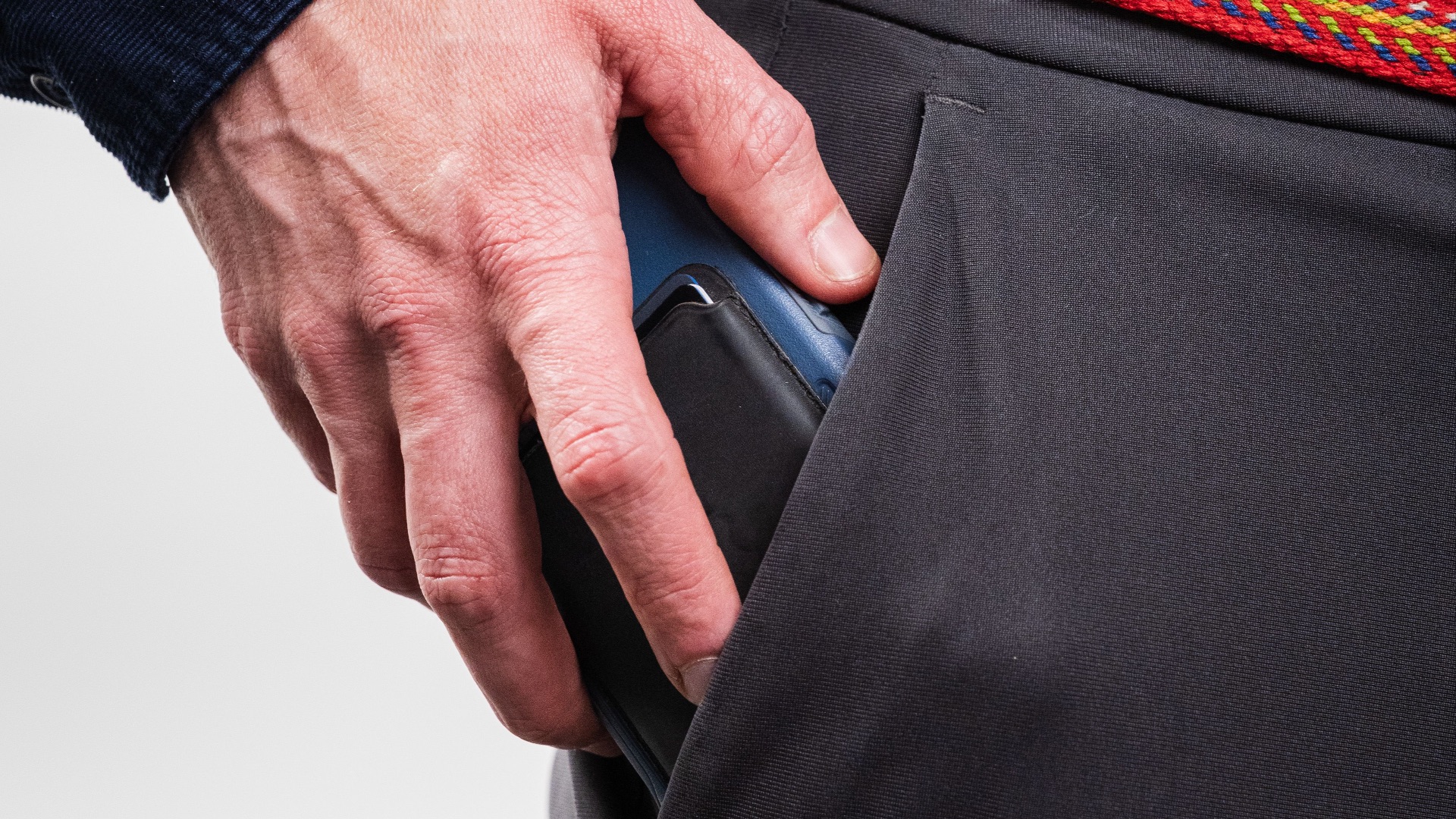
Phones, wallets, keys, and other objects can create noticeable lumps in a fitted suit. Overloaded pockets may also stretch the fabric and disrupt the clean shape of the jacket and trousers. Bring only the essentials, and store larger belongings somewhere else whenever possible.
10. Wearing a Wrinkled or Untucked Shirt
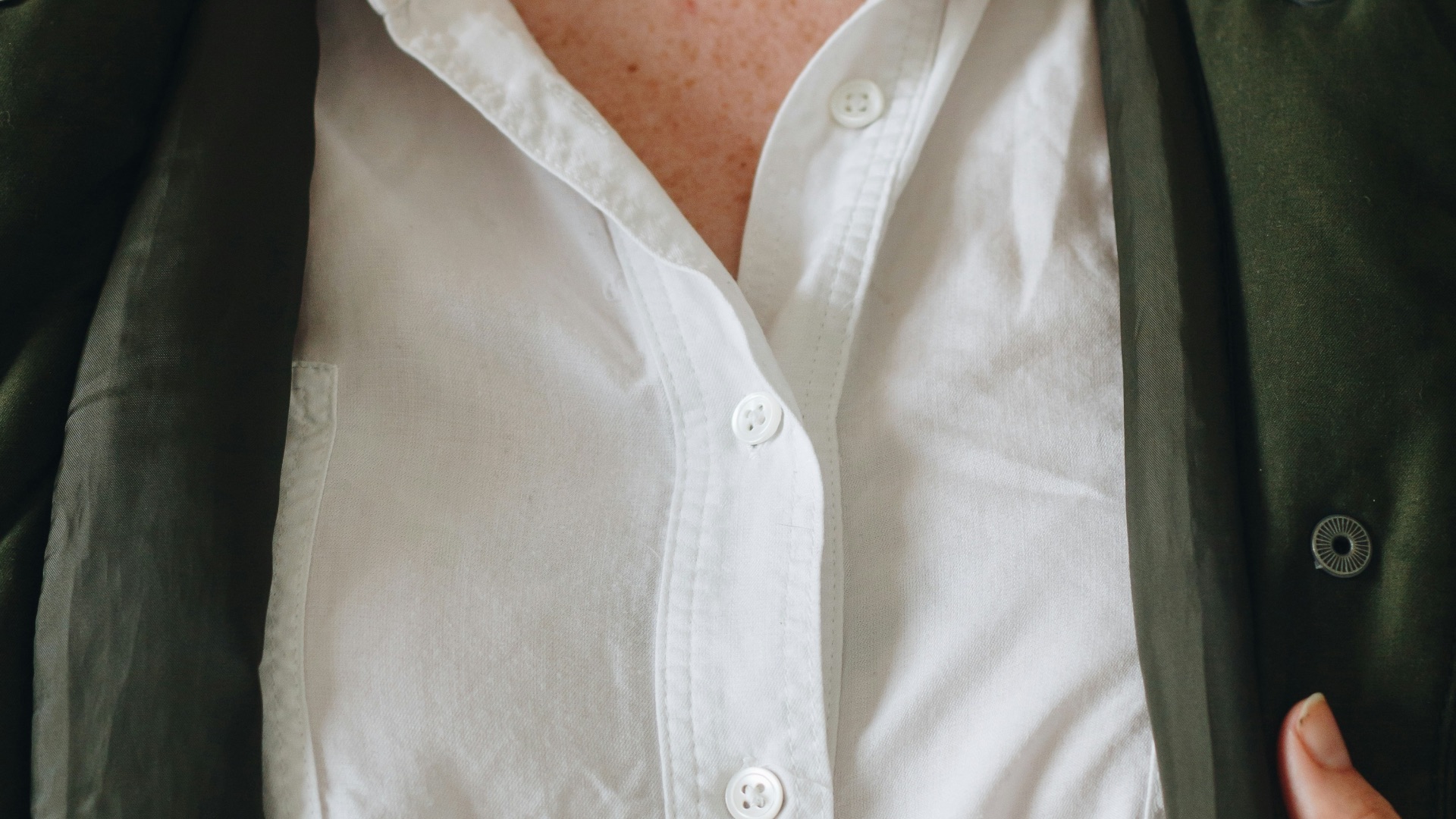
Even a well-tailored suit loses much of its impact when the shirt underneath is rumpled. Press it beforehand, tuck it evenly, and make sure excess fabric isn’t ballooning around your waist. Check the sides and back in a mirror because bunching can be less obvious from the front.
Avoiding errors is only part of dressing well, though. So now that you know which mistakes to never make, let's jump into how you can look sharp and dapper in your formal wear.
1. Have the Suit Tailored to Your Body
Most off-the-rack suits benefit from at least a few adjustments, even when you’ve chosen the correct size. A tailor can refine the sleeve length, trouser hem, jacket waist, and other areas that affect the overall silhouette. These relatively small alterations can make an affordable suit look much more polished.
2. Match the Tie Width to the Lapels
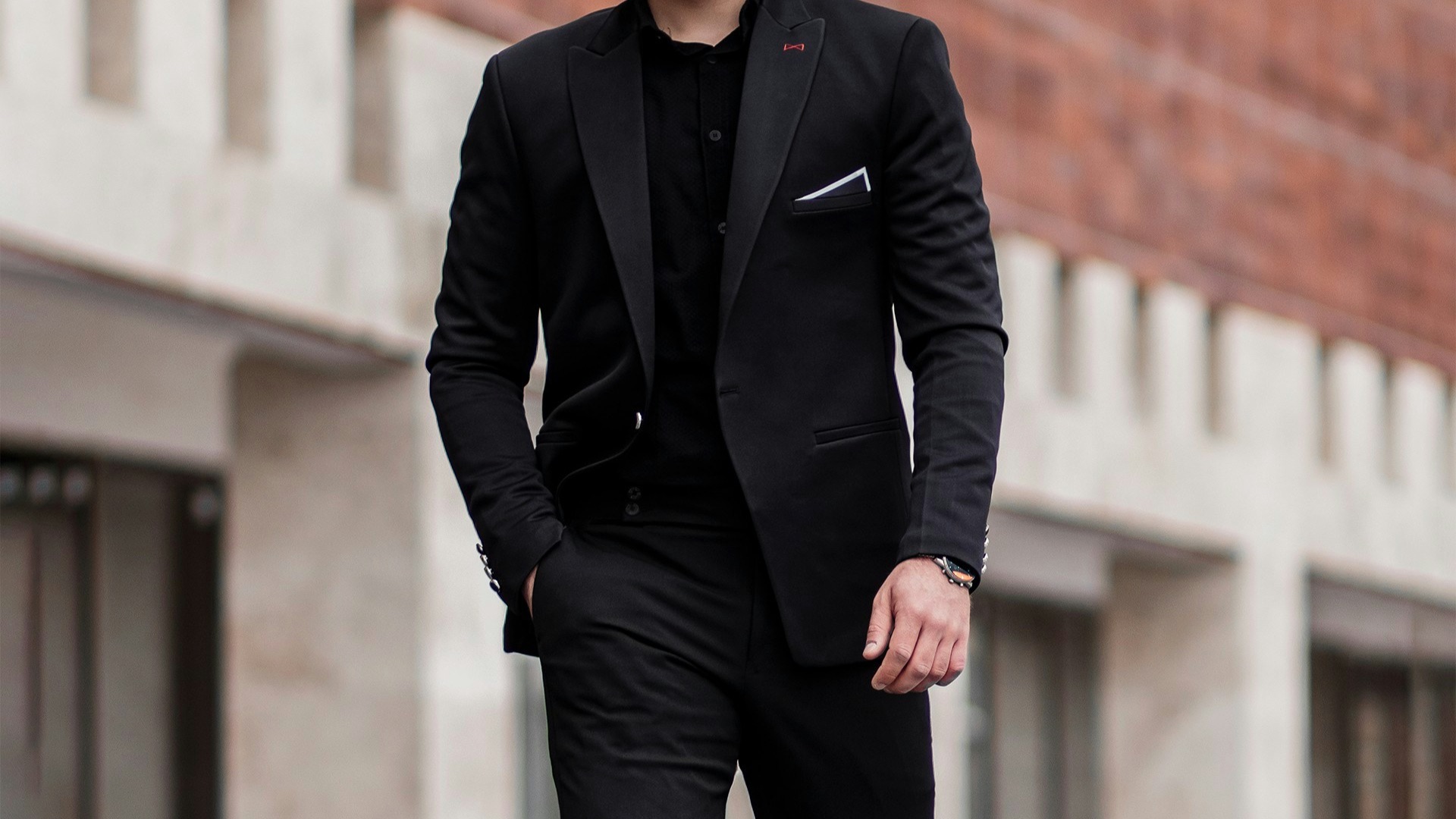
Proportion matters when you’re combining a tie with a suit jacket. A narrow tie generally works best with slim lapels, while a wider tie complements broader ones. Keeping the widths reasonably consistent makes the pieces look as though they were chosen for the same outfit.

3. Choose a Shirt That Creates Contrast
A dress shirt should stand apart from the suit without fighting for attention. White and light blue are dependable choices because they work with many suit colors and leave room for a more distinctive tie. If you choose a patterned shirt, make sure the design remains visible rather than blending into the jacket.
4. Coordinate Your Belt and Shoes
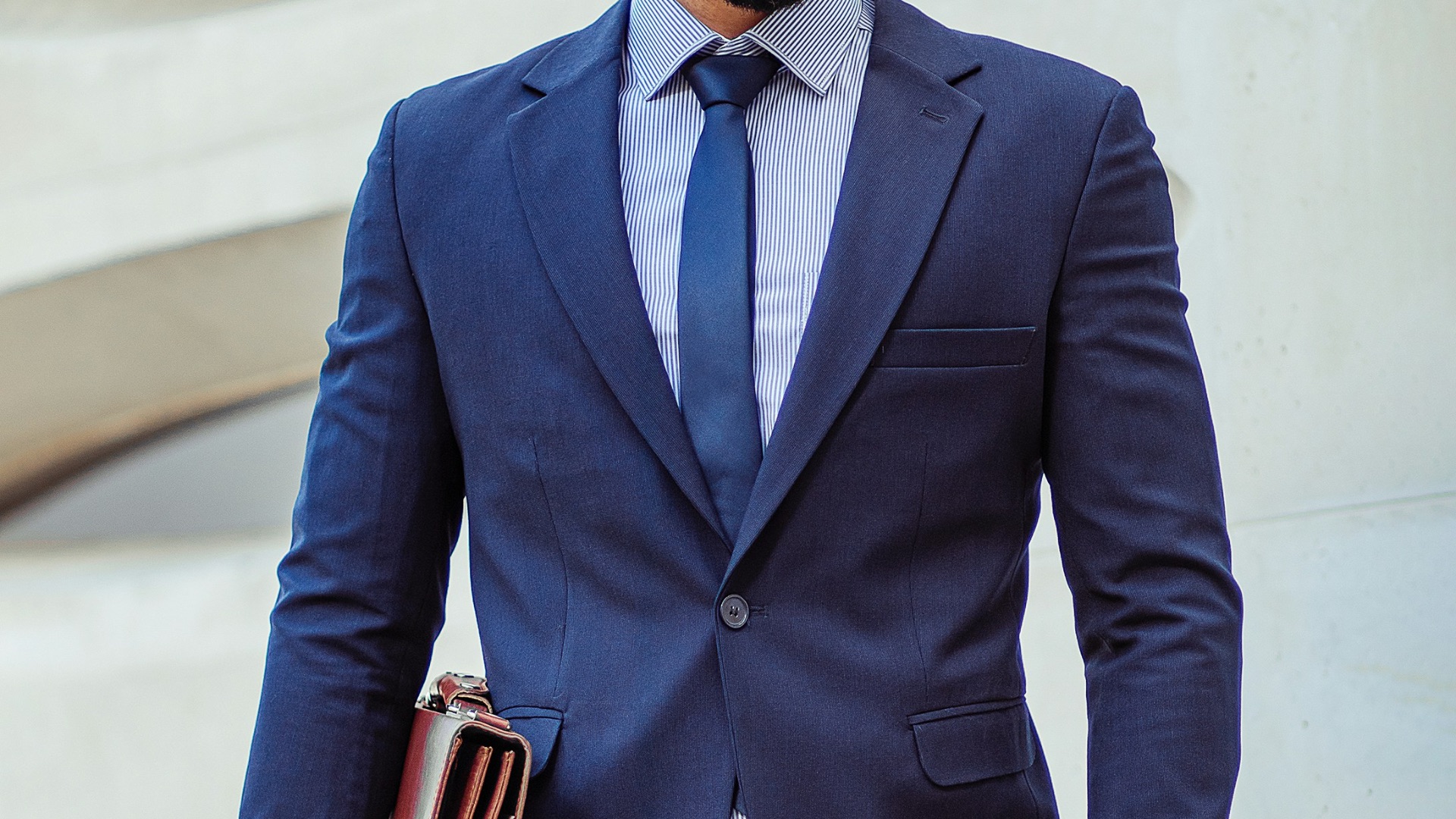
Your belt and shoes don’t need to be identical, but they should belong to the same general color family and level of formality. Black shoes pair naturally with a black belt, while brown footwear usually looks best with a similar brown leather. Avoid oversized buckles or heavily distressed finishes when the rest of the outfit is formal.
5. Use the Pocket Square as an Accent
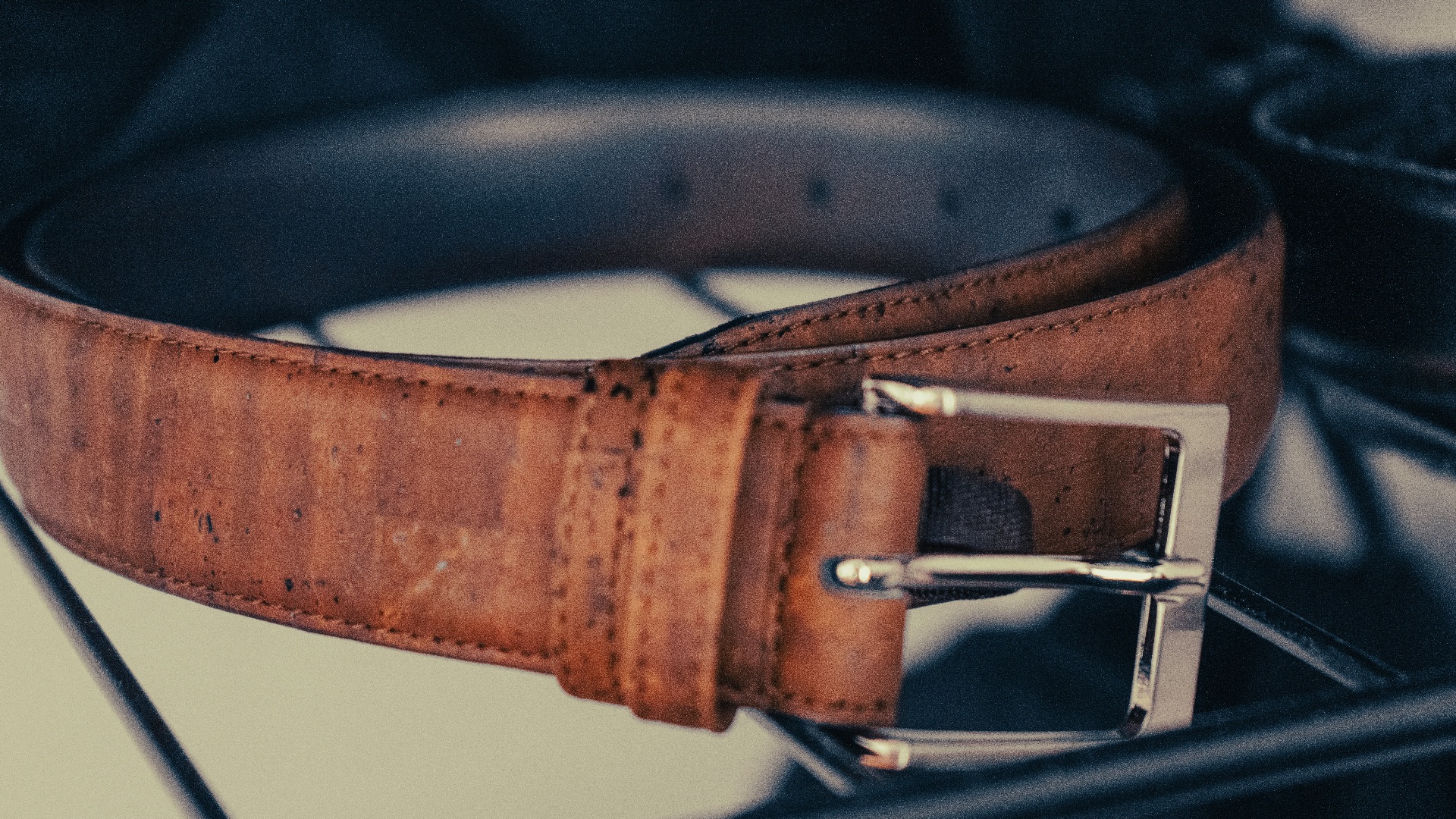
A pocket square can add personality without taking over the entire look. Choose a color or detail that connects with your tie, shirt, or suit, but avoid using an exact matching set. Simple folds tend to appear more refined, especially when the tie or shirt already features a noticeable pattern.
6. Pay Attention to Trouser Rise
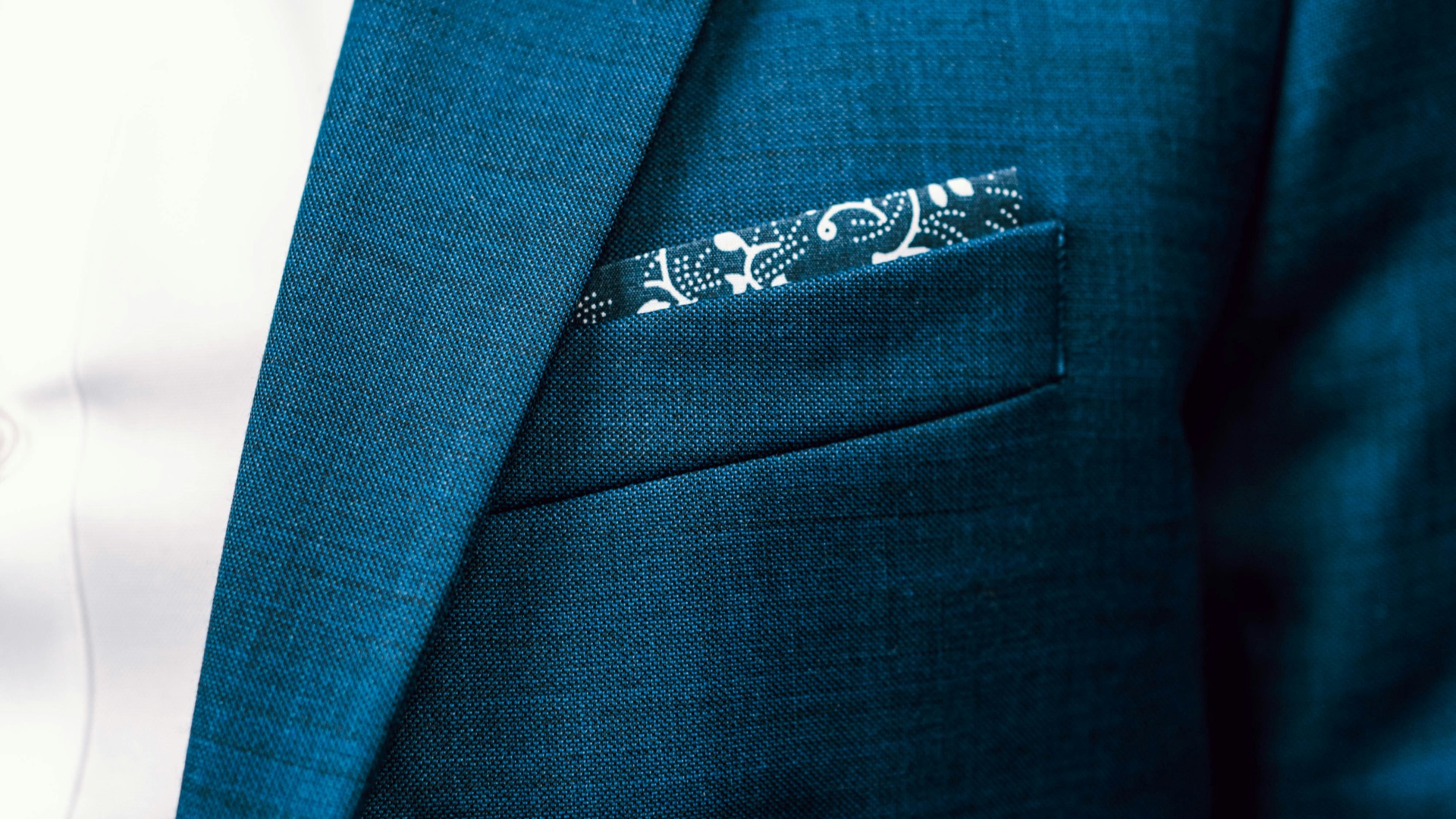
The height of your trousers affects how the shirt, jacket, and legs appear together. Pants that sit too low can create an awkward gap beneath the jacket button and make the torso look unusually long. A medium or higher rise often creates cleaner proportions and keeps the shirt tucked more securely.

7. Pick Shoes That Match the Occasion
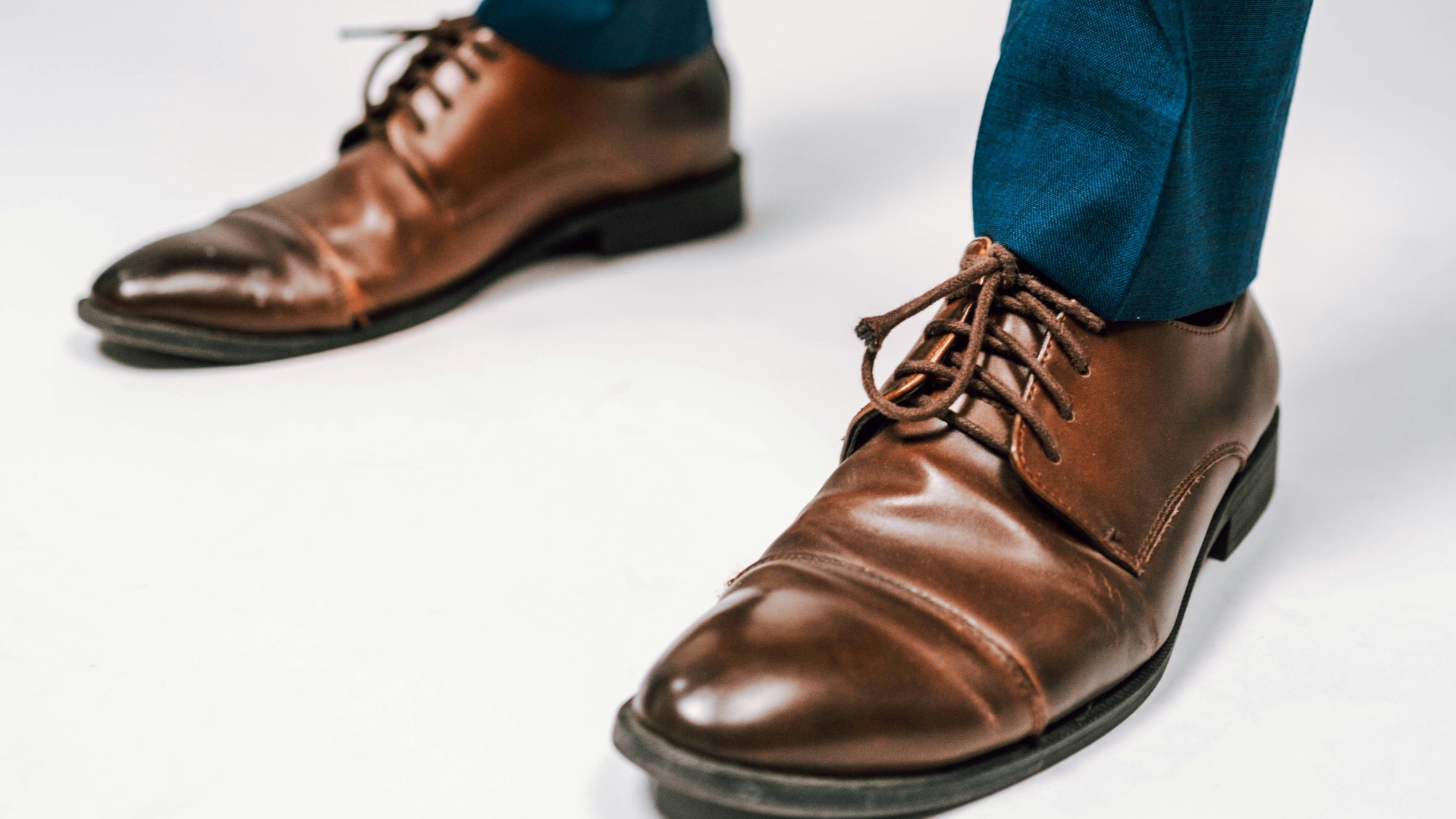
The right footwear depends on how formal the event is and what kind of suit you’re wearing. Sleek oxfords or derbies work well for business and dressier gatherings, while loafers can make a lighter suit feel more relaxed. Whatever style you choose, make sure the shoes are clean, polished, and in good condition.
8. Introduce Patterns in Different Scales
Wearing more than one pattern can work when each design has a noticeably different size. For example, a finely striped shirt may pair well with a tie featuring a larger geometric print. Avoid combining patterns that are nearly identical in scale, since they can compete and make the outfit look overly busy.
9. Add Accessories with Restraint
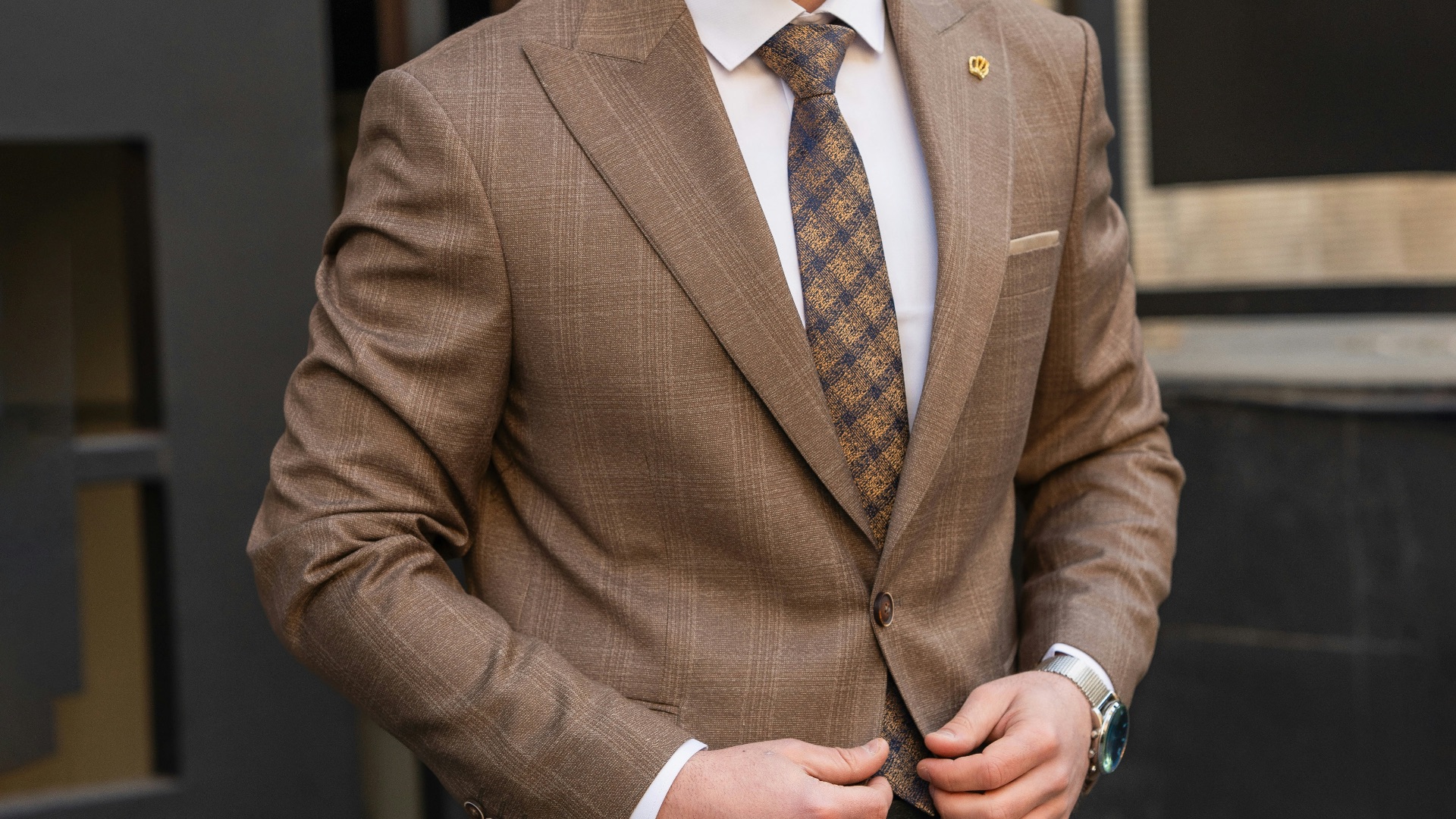
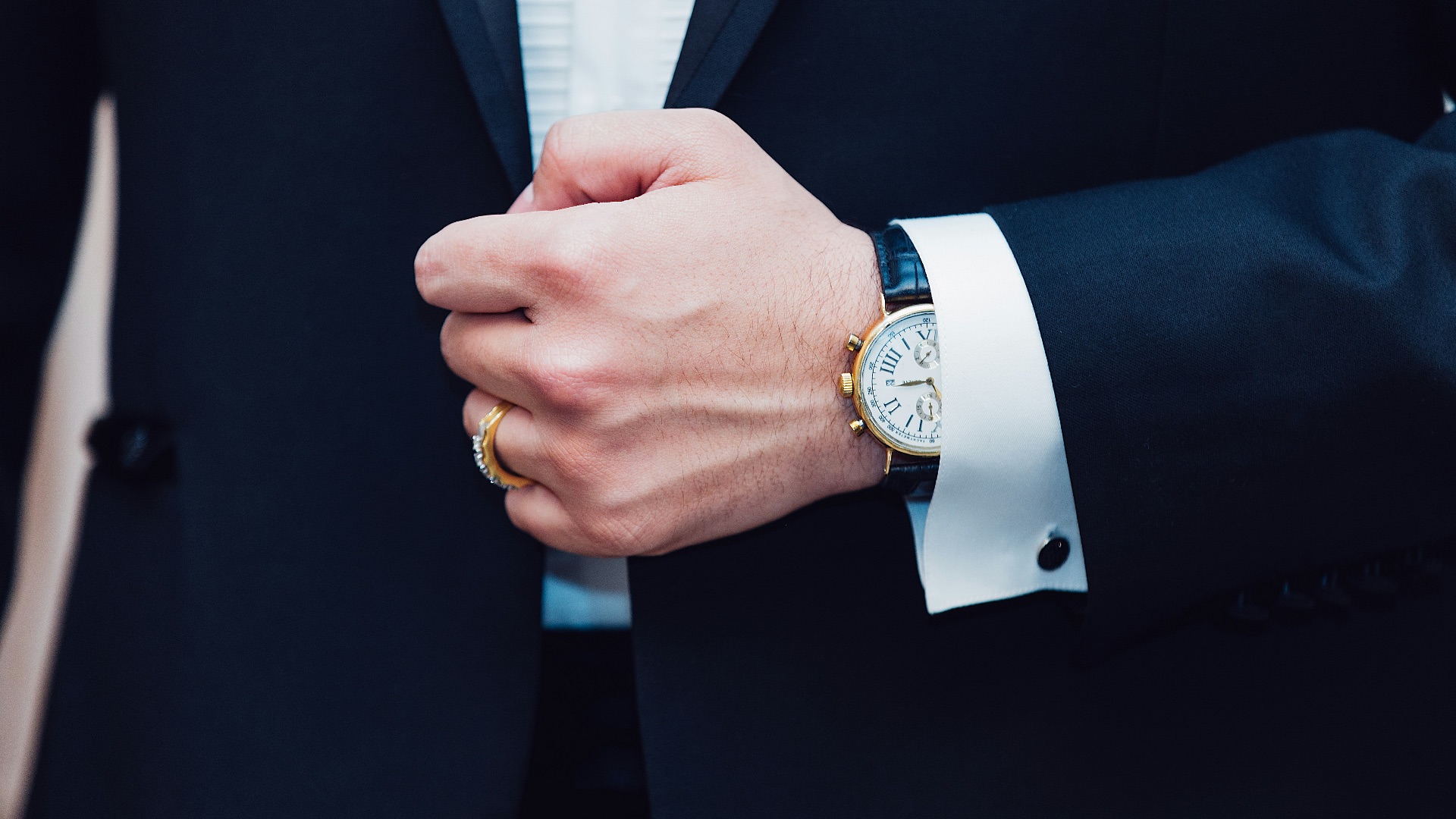
A watch, tie bar, lapel pin, pocket square, and bracelet can all look stylish individually, but wearing them all at once may overwhelm the suit. Select one or two accessories that suit the occasion and keep the finishes coordinated. A tie bar, when worn, should sit between the third and fourth shirt buttons and shouldn’t be wider than the tie.
10. Dress for the Setting
A navy wool suit with a silk tie may work beautifully for a wedding or business event, while a linen suit and open-collar shirt may be more appropriate for a warm-weather gathering. Consider the venue, time of day, season, and expected dress code before choosing your accessories. Styling a suit successfully means looking polished without appearing disconnected from the occasion.