
Comfort Starts With Proper Fit
We've all been there—squeezing into jeans that looked perfect on the hanger, or convincing ourselves that the uncomfortable shirt will "break in eventually." But ill-fitting clothes do more than feel restrictive. They can make you look larger and have you tugging at hems all day long. The truth? Most of us are making the same fitting room mistakes. Read on to identify what's wrong with the clothing choices you are making and how to fix them.

1. Buttons Strain
When buttons start pulling apart like they’re barely holding a secret together, the fit is too small. Those little gaps that flash skin and the stress lines around the closures are your first warning. If fastening feels forced, the size isn’t right.

2. Seams Pull
In case your seams look like they’re working overtime or shifting out of alignment, your outfit is crying for help. Distorted stitching and stress marks along the seams mean the fabric is under pressure, and the size simply can’t keep up.
3. Restricted Arm Movement
You know the fit is too tight when raising your arms feels awkward or tense. Sleeves that grip at the shoulders and reduce your range of motion disrupt your day. Well-fitting clothes should adapt to your movement, not restrict it.

4. Waistband Digging In
A waistband that leaves red marks or makes sitting uncomfortable is doing too much. If you feel fabric pressing into your skin or any restriction around your midsection, it’s a strong hint that your waist needs a little more breathing room.

5. Fabric Rides Up
Nothing breaks the flow of movement like a top that keeps riding upward. That upward shift usually means the piece doesn’t have enough room to relax on your frame. Clothing should not fight to stay in place.

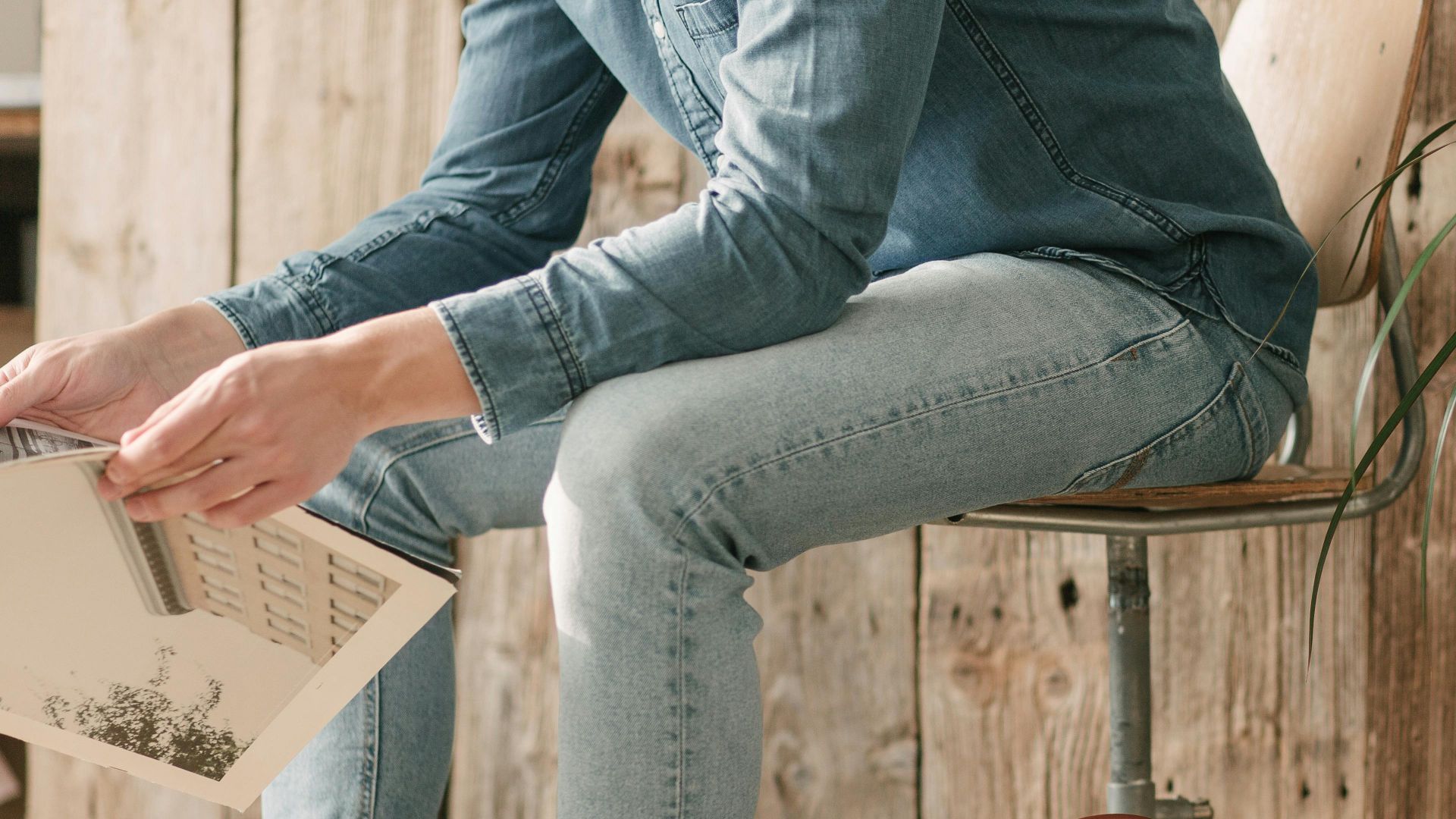
6. Thigh Tightness
When pants pull uncomfortably in the crotch or squeeze your thighs, every step feels shorter than it should. Tightness that limits your stride or makes sitting restrictive is one of the biggest clues that your bottoms are simply too small.
7. Visible Undergarment Lines
If your clothes cling so tightly that every outline of your underwear shows through, the fabric isn’t getting the ease it needs. This disrupts the smooth look of the garment and makes the overall fit appear uneven and strained.

8. Difficulty Sitting Comfortably
Sitting shouldn’t feel like you’re bracing for discomfort. Clothes that cut into your hips or tighten across your thighs make every bend feel strained. Once comfort vanishes the moment you sit, it’s a clear sign the size isn’t serving you.

9. Collar Pressure
A collar should feel effortless, not restrictive. Marks on the skin or limited movement signal a size that’s too small. Neckline comfort matters even more during long office days, when adjusting or changing clothes simply isn’t an option.

10. Constant Adjusting
An outfit that demands babysitting sends a clear signal. Frequent pulling or adjusting points to a fit that’s too tight or too short. Without enough ease, pieces shift throughout the day and make everything feel fussier than necessary.

Now that you know the signs your clothes are working against you, let’s flip the script and look at how to choose pieces that actually fit right.
1. Understand Your Body Shape
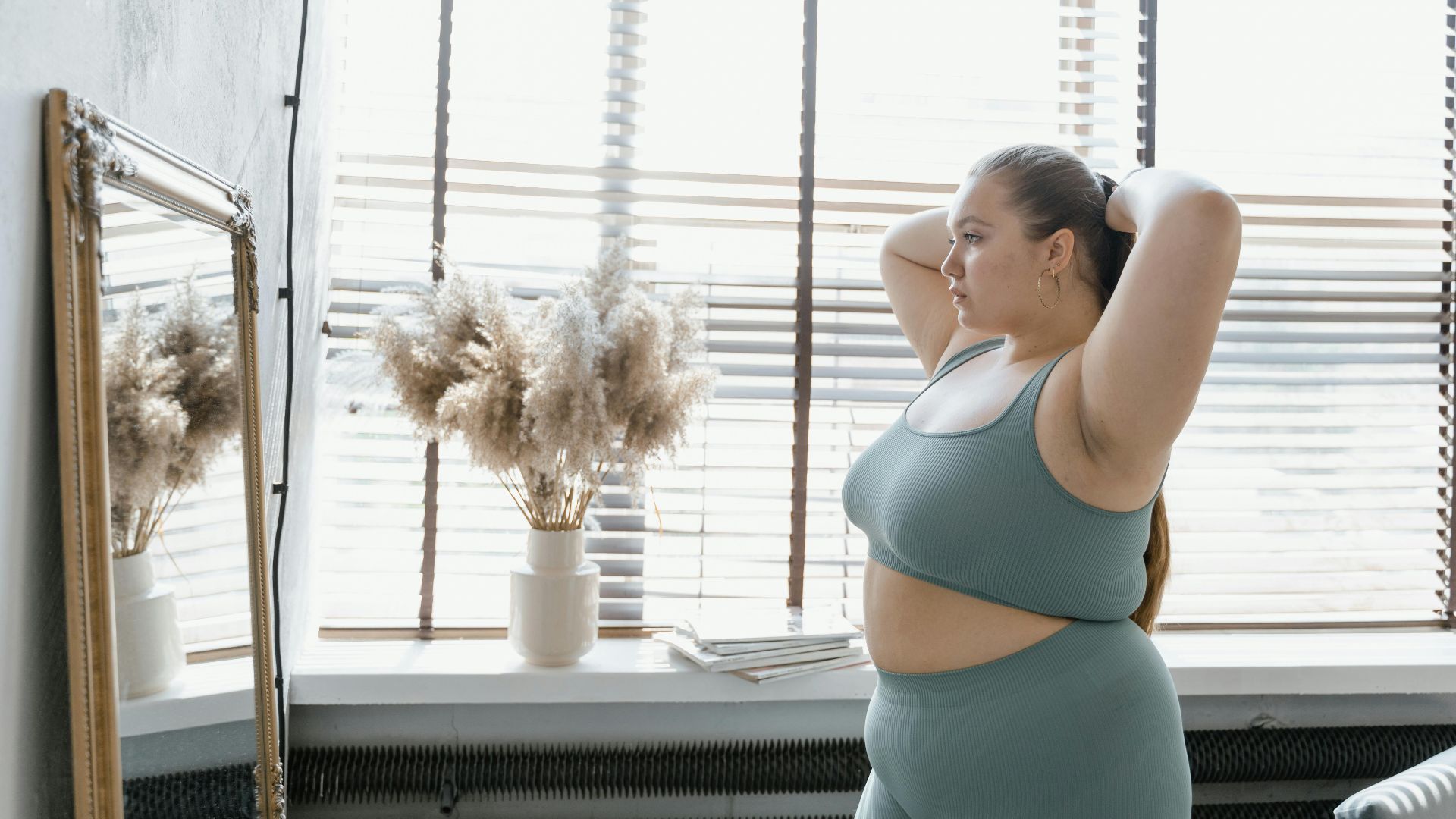
Before you even pick up a hanger, it helps to know the blueprint you’re working with. Your proportions influence which cuts feel effortless and which don’t. Once you understand your shape, clothes become less guesswork and more instinct.
2. Know Key Fit Styles
Think of fit styles as personalities, and each behaves differently on your body. The style you choose will shape your silhouette and comfort level. Pick the one that supports your lifestyle instead of limiting it.

3. Evaluate Shoulder Drop
One quick glance at the shoulders tells you almost everything. When the seams sit right at the edge of your shoulder, the entire garment hangs correctly. Misalignment throws the proportions off, so this tiny detail becomes a big fit indicator.

4. Check Rise In Pants
Every rise—high, mid, or low—changes how pants feel the moment you sit or bend. This rise determines where the waistband rests and how much freedom you get to move. Choose the one that works with your natural comfort zone.

5. Balance Proportions
Outfits feel intentional when the proportions work together. Pairing a fitted piece with something looser creates visual balance and makes movement easier. When your silhouette feels harmonious, comfort follows naturally—no adjusting or shape awkwardness.

6. Inspect Fabric Weight
Ever notice how some clothes feel structured while others move like water? That’s fabric weight at work. It determines drape and comfort. When the weight doesn’t suit the style, the fit falls flat—literally. The right weight makes all the difference.

7. Account For Shrinkage
Some clothes love to play tricks after the first wash—especially cotton and wool. Shrinkage can tighten the fit permanently, so planning ahead matters. Sizing up or checking care labels protects you from that “why is this suddenly smaller?” moment.

8. Test Garment Durability
A quick stretch-and-seam check can save you from future wardrobe malfunctions. Strong stitching and supportive fabric signal longevity, while weak seams tell you trouble is coming. Durability affects whether the garment keeps its shape over time.
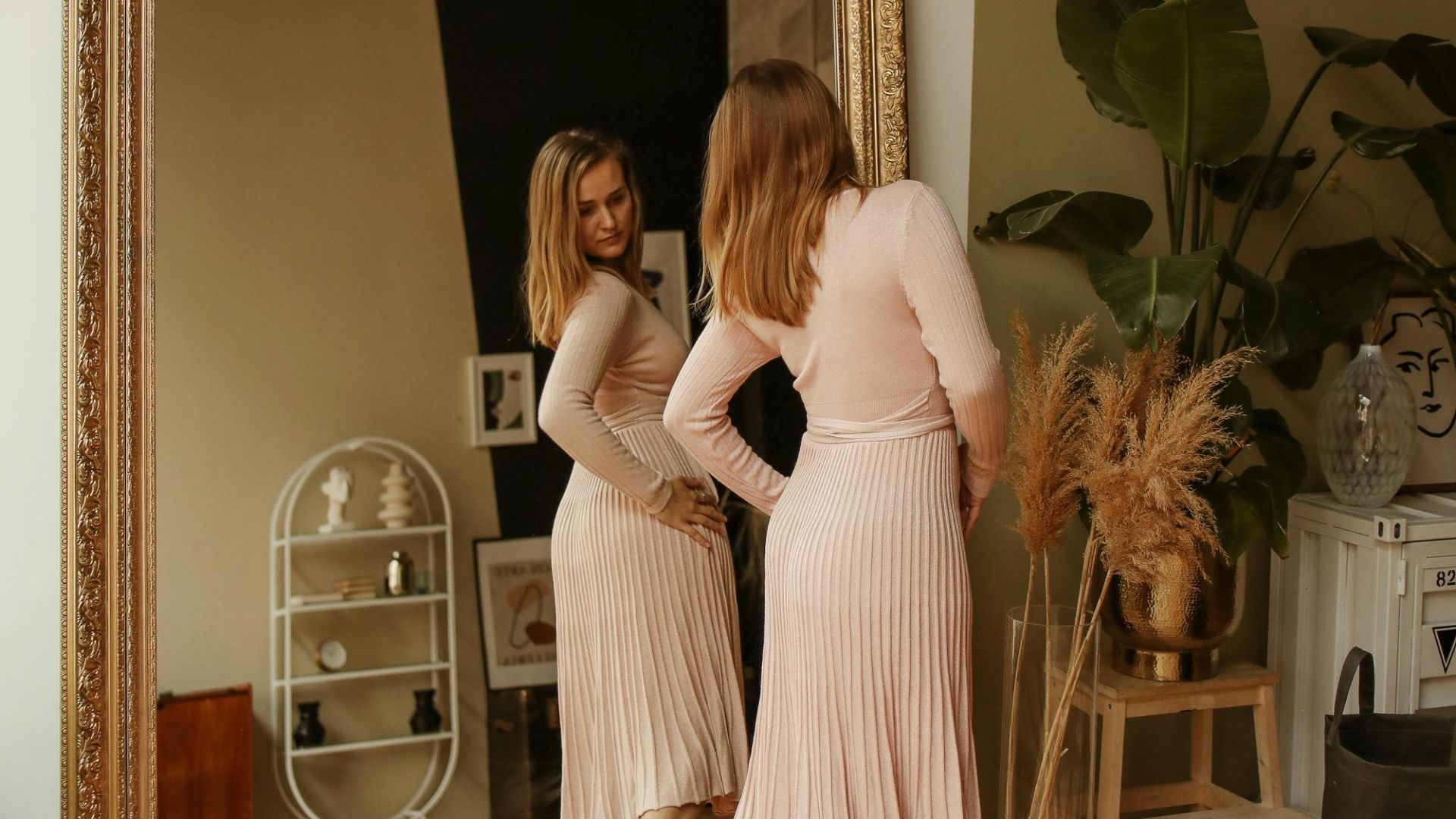
9. Use Mirrors From Multiple Angles
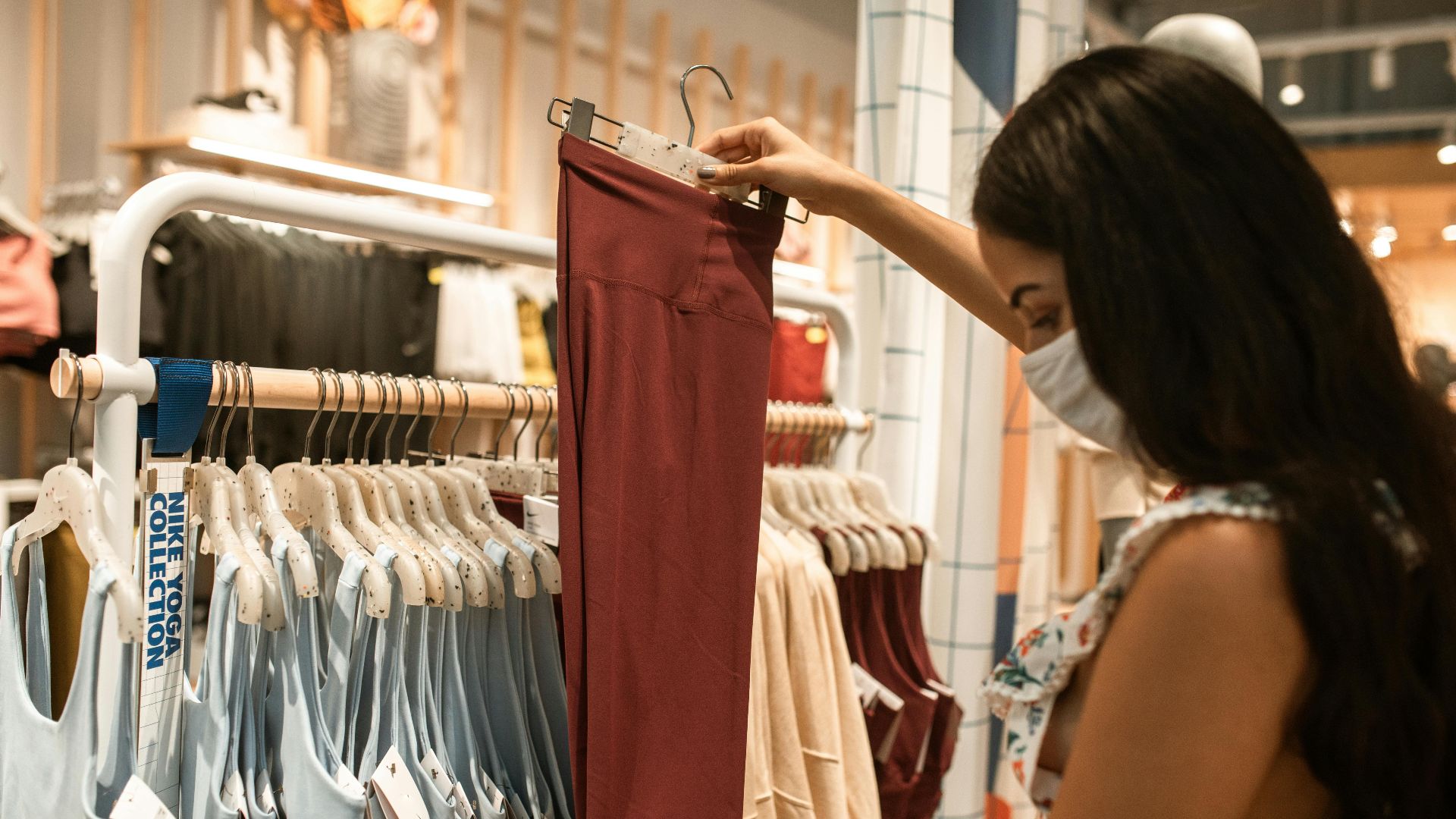
That first mirror glance can be deceiving. It’s only when you check the side or back that hidden issues like pulling or bunching show up. A full-angle check tells you whether the fit truly works or just pretends to from the front.

10. Learn Brand Fit Philosophy
Brands have their own “fit language”—some cut narrow, others boxy. Understanding how a brand approaches sizing saves time and returns. Some research helps you predict fit before even stepping into the dressing room.