
It’s Bigger Than You Think
A visible tattoo lives out in the open. It’ll be there for first impressions, in office lighting, in wedding photos, and in every quick little interaction from here on out. That can feel exciting, comforting, personal, or, on certain days, a little exposing. It also means healing, maintenance, and placement matter more than people sometimes admit. Before you book the appointment, these are the 20 things worth thinking over first.

1. It Joins Your Everyday Look
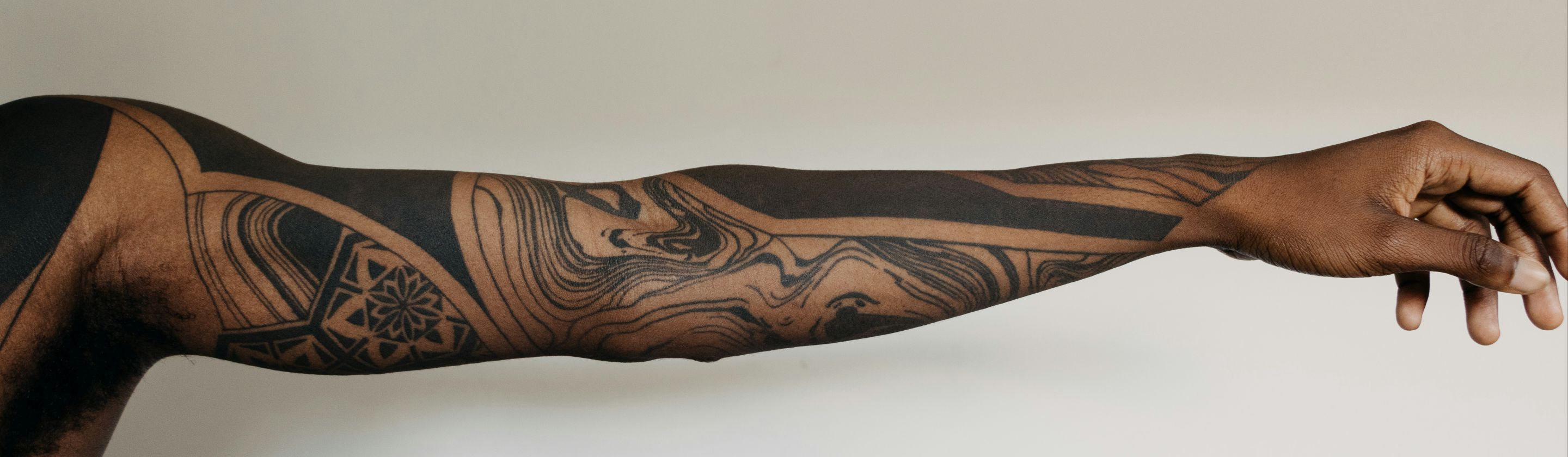
A visible tattoo becomes part of your appearance the same way your haircut, jewelry, or favorite boots do. If it’s on your forearm or hand, it’ll always show up, no matter what you’re wearing.

2. The Work Culture
A small tattoo in a design studio won’t be accepted the same way it might at a law firm or a hotel front desk. A lot of workplaces are more relaxed now, but visible ink can still shape how you’re read in client-facing, conservative, or uniform-heavy jobs.

3. People Will Bring It Up
If your tattoo sits on your wrist, fingers, or collarbone, people are going to notice it. Some comments will be sweet, some will be nosy, and some will come from strangers in checkout lines who’ve decided your body is now a topic for public discussion.
4. Think About The Placement
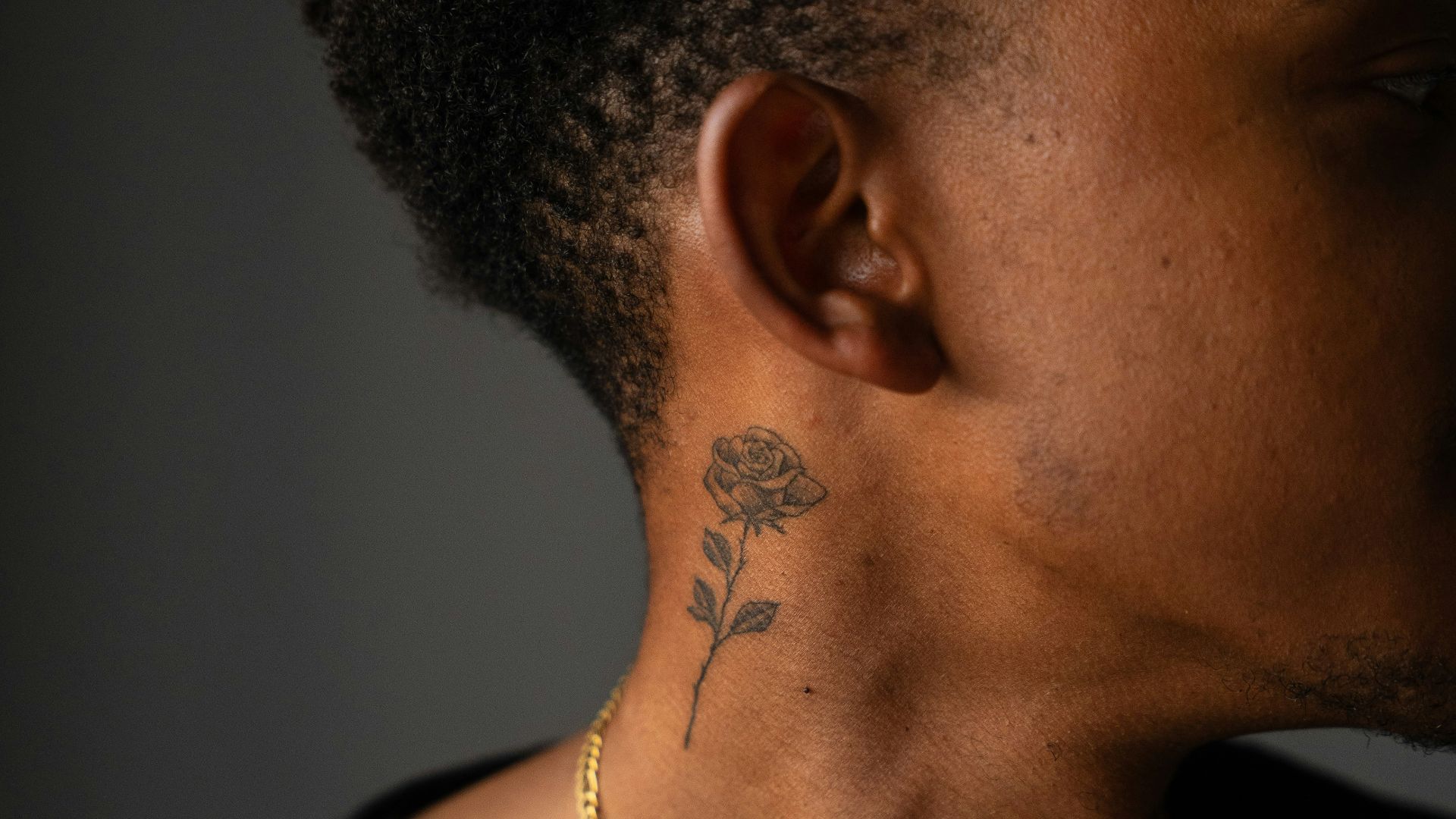
A forearm piece can disappear under a cardigan or blazer without much effort. A hand or neck tattoo is a different commitment, and that difference matters when you’re heading to a funeral, a formal event, or a family gathering where you already know people might have opinions.

5. A Fresh Tattoo Is Still Healing Skin
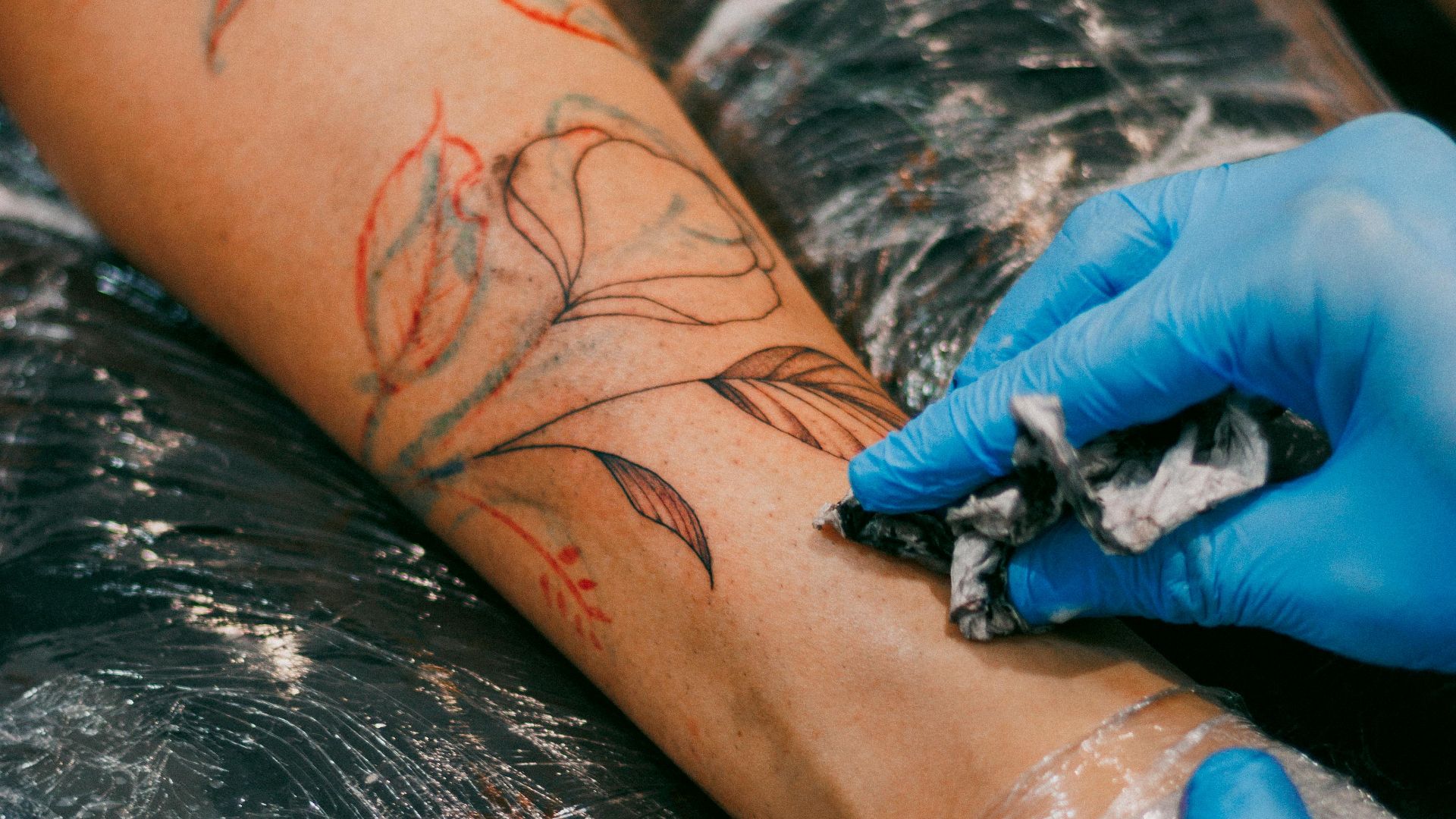
Tattooing breaks the skin, and your body treats it that way. A new tattoo can look sharp on day one and still need careful washing, moisturizer, and basic protection for days and weeks afterward.
6. Allergic Reactions Can Happen
Some people react to tattoo ink, and those reactions don’t always show up right away. Red ink gets mentioned a lot for a reason, but any tattoo can irritate sensitive skin, and that’s worth keeping in mind if you already deal with eczema or other skin-related conditions.
 Certified Tattoo Academy on Unsplash
7. The Infection Risk
A tattoo can get infected if the ink is contaminated, the equipment isn’t sterile, or you’re a little too loosey-goosey with your aftercare. This part sounds obvious, but people still get swept up in the design, the appointment, the whole experience, and forget that shop hygiene matters just as much as artistic skill.
8. The Artist Matters More Than The Trend
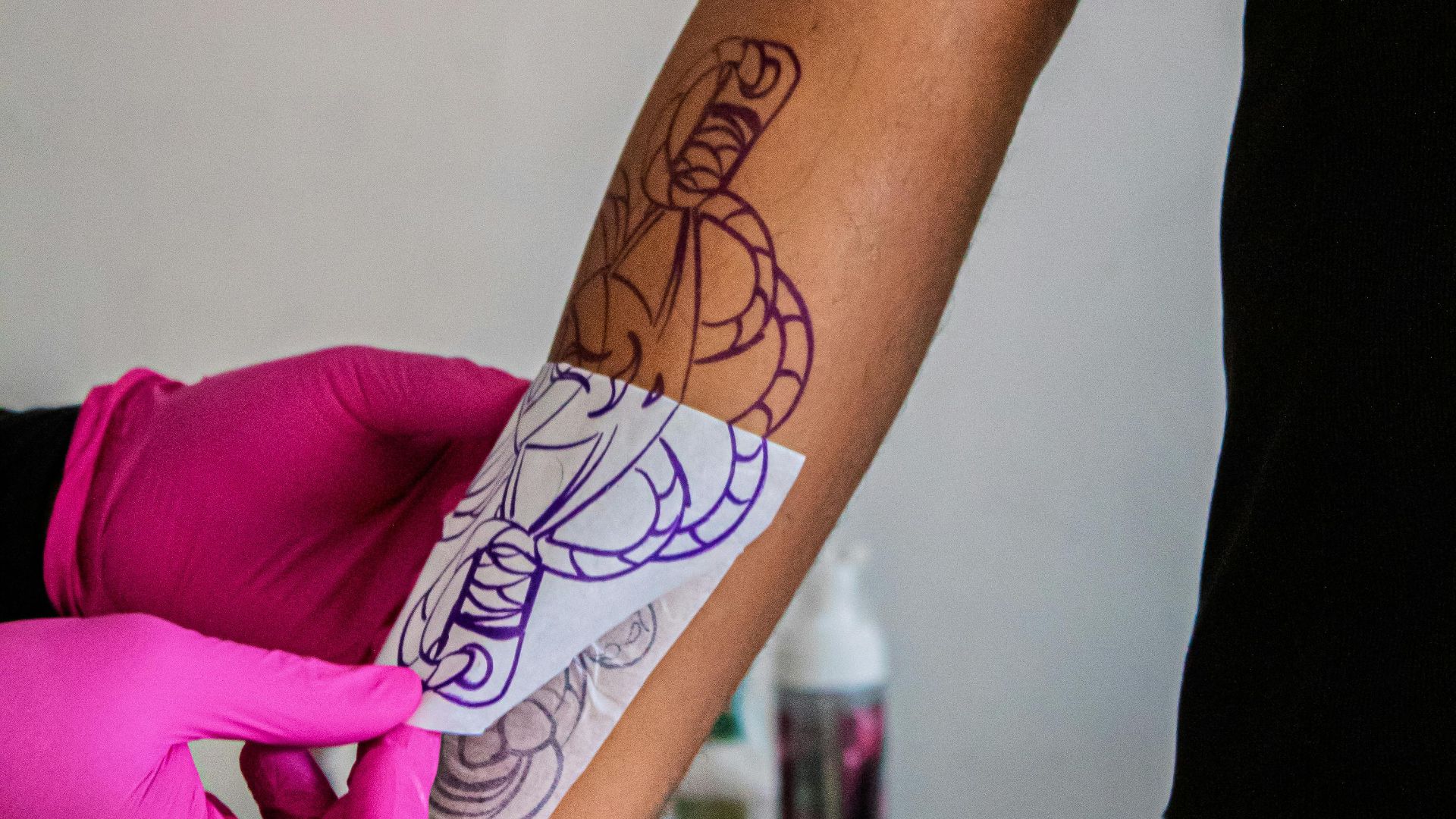
Tiny script, fine-line florals, little finger symbols, all of that can look great in a close-up photo from 2024. What matters more is whether your artist’s healed work still looks clean months later, whether their lines stay solid, and whether they know how to place something on a body, not just on an Instagram grid.
9. Think About Impulse Purchases
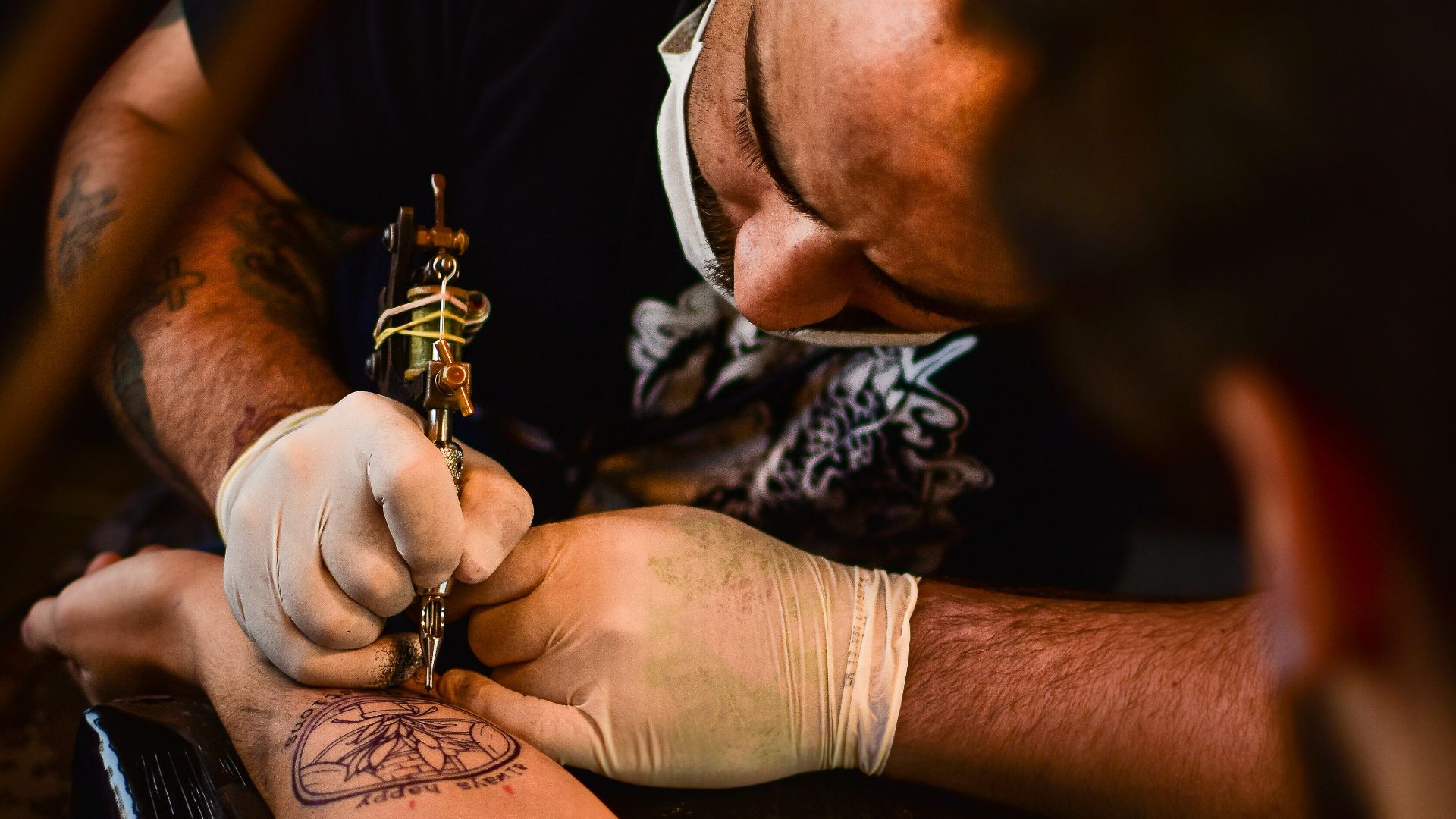
Getting a visible tattoo because you had a rough week becomes a lifelong agreement. Let the design sit on your phone for a while, print it out, look at it in daylight, and see whether you still want it after the first rush wears off.

10. Aftercare
You can’t just walk out of the studio and go straight into pool water, hard sun, tight sleeves, or a dusty weekend festival. Healing asks for boring, repetitive care, and that’s especially annoying when the tattoo is somewhere easy to bump, rub, or expose while you’re just trying to live your life.
11. Sun Exposure
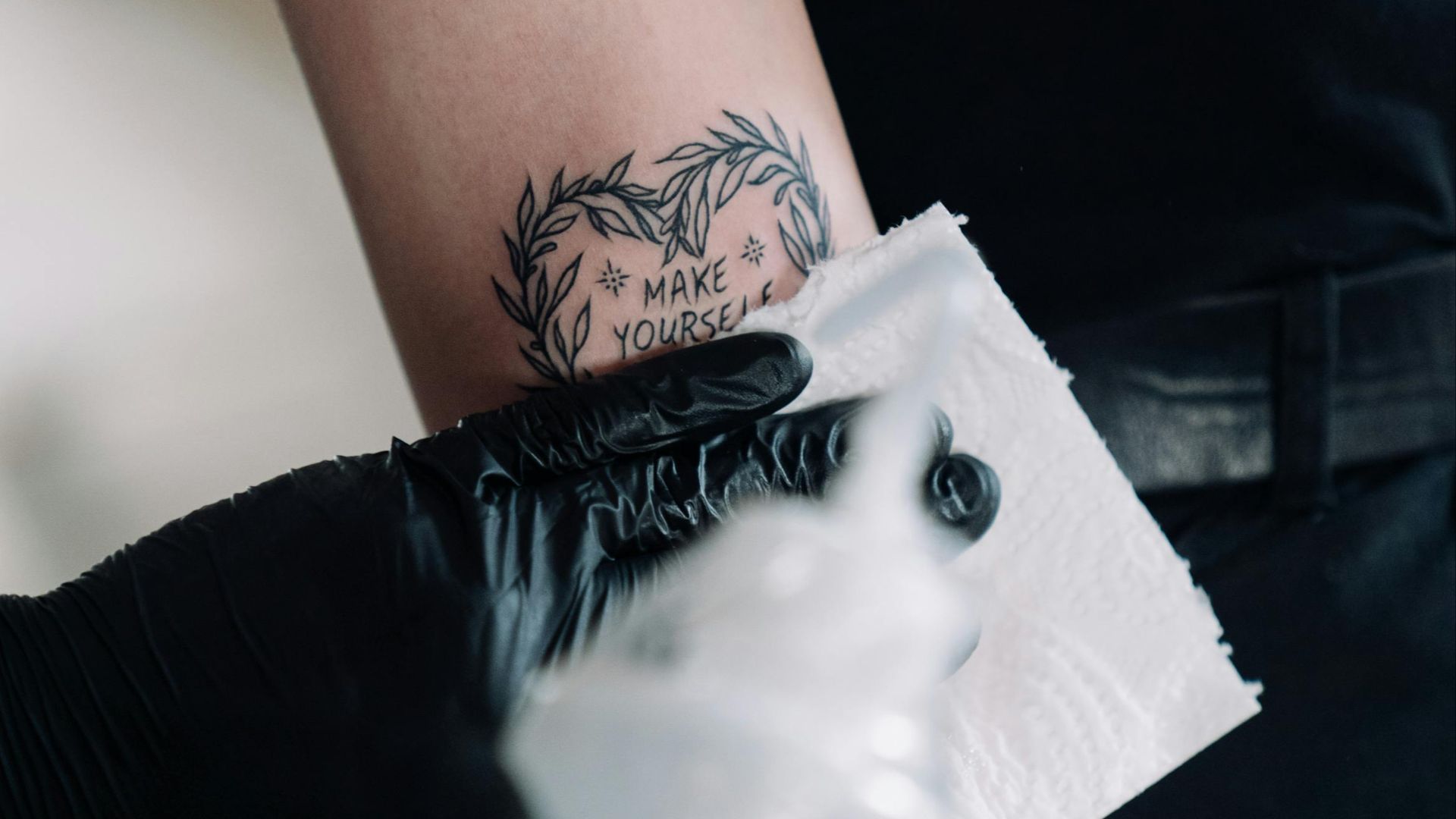
A tattoo on your forearm deals with a lot more UV exposure than one tucked high on your ribcage. If you’re getting visible ink, sunscreen stops being optional, as you’ll often end up with faded lines and washed-out color.

12. Swimming And Sweating
That doesn’t mean you need to spend the rest of your life indoors, but timing does matter. Getting a new tattoo two days before you’re heading out for some outdoor activities is never a good mix.
 Rodrigo Rodrigues | WOLF Λ R T on Unsplash
13. Some Spots Wear Faster Than Others
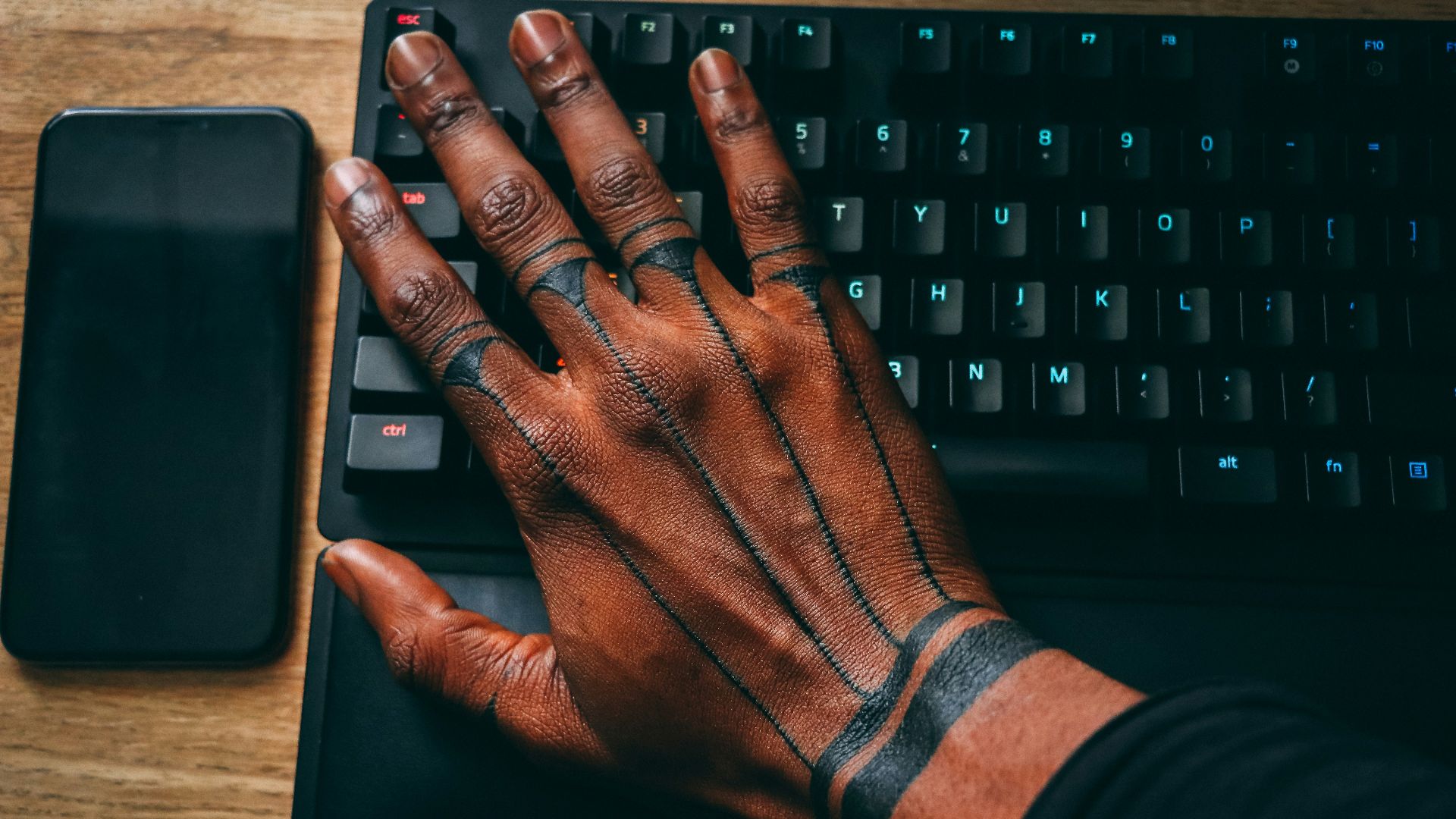
Hands, fingers, feet, and wrists deal with constant movement and friction. If your tattoo is going on a place that rubs against steering wheels, keyboards, shoes, jewelry, or shirt cuffs all day, it may soften or fade faster than something on your upper arm or leg.
14. Skin Changes, And Tattoos Change With It
Bodies shift over time, and tattoos shift with them. Weight changes, pregnancy, aging, sun exposure, and plain old skin texture can all affect how a tattoo looks five, 10, or 20 years later, which is why placement deserves a little long-range thinking.
15. MRI Issues Are Rare, But Worth Knowing About
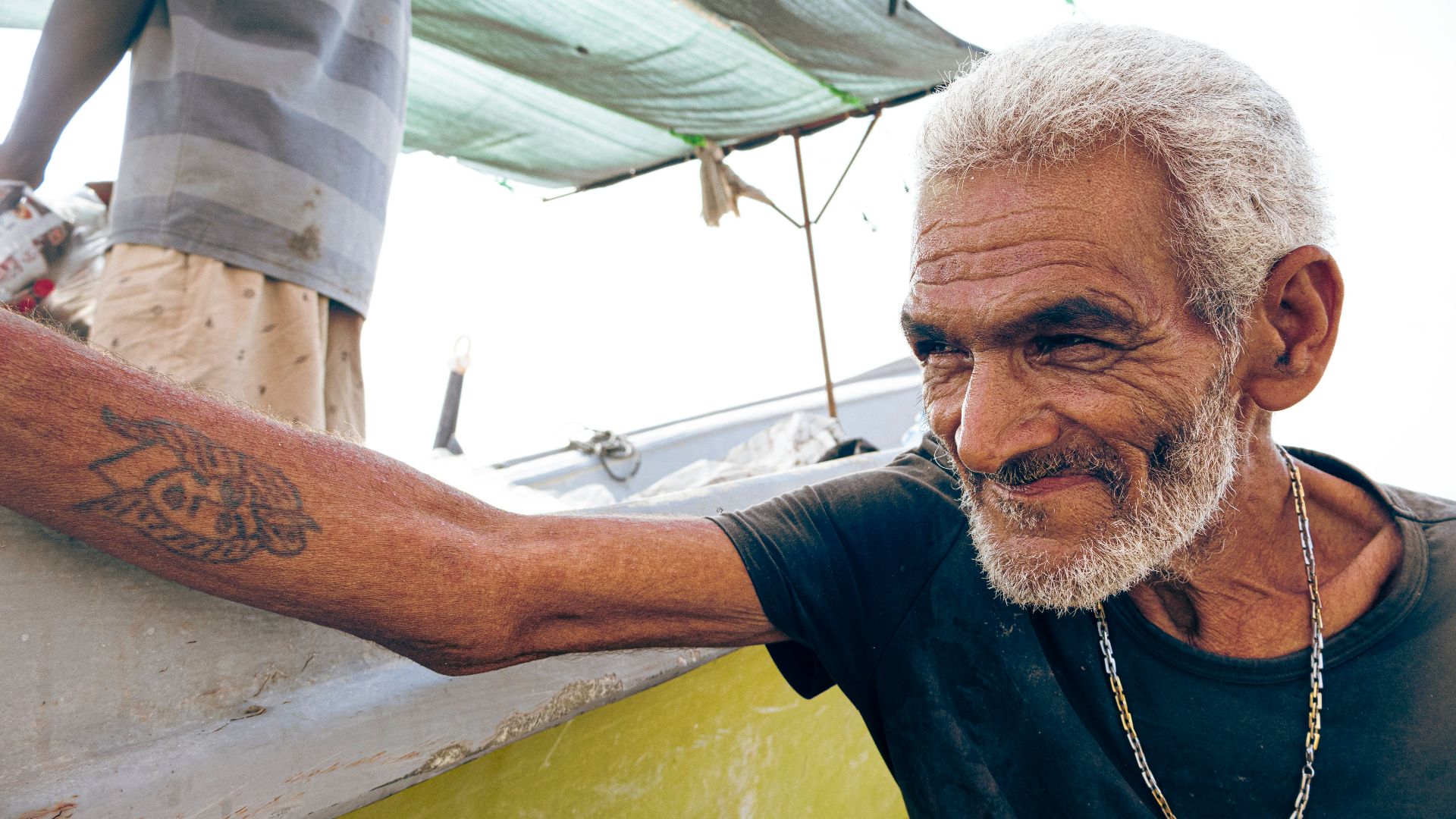
Tattoos don’t stop you from getting an MRI, but tattooed areas can rarely feel irritated or warm during a scan. That’s not a reason to panic or swear off the whole idea. It’s just one more practical detail that belongs in the real conversation, along with aftercare and removal.

16. Tattoo Removal
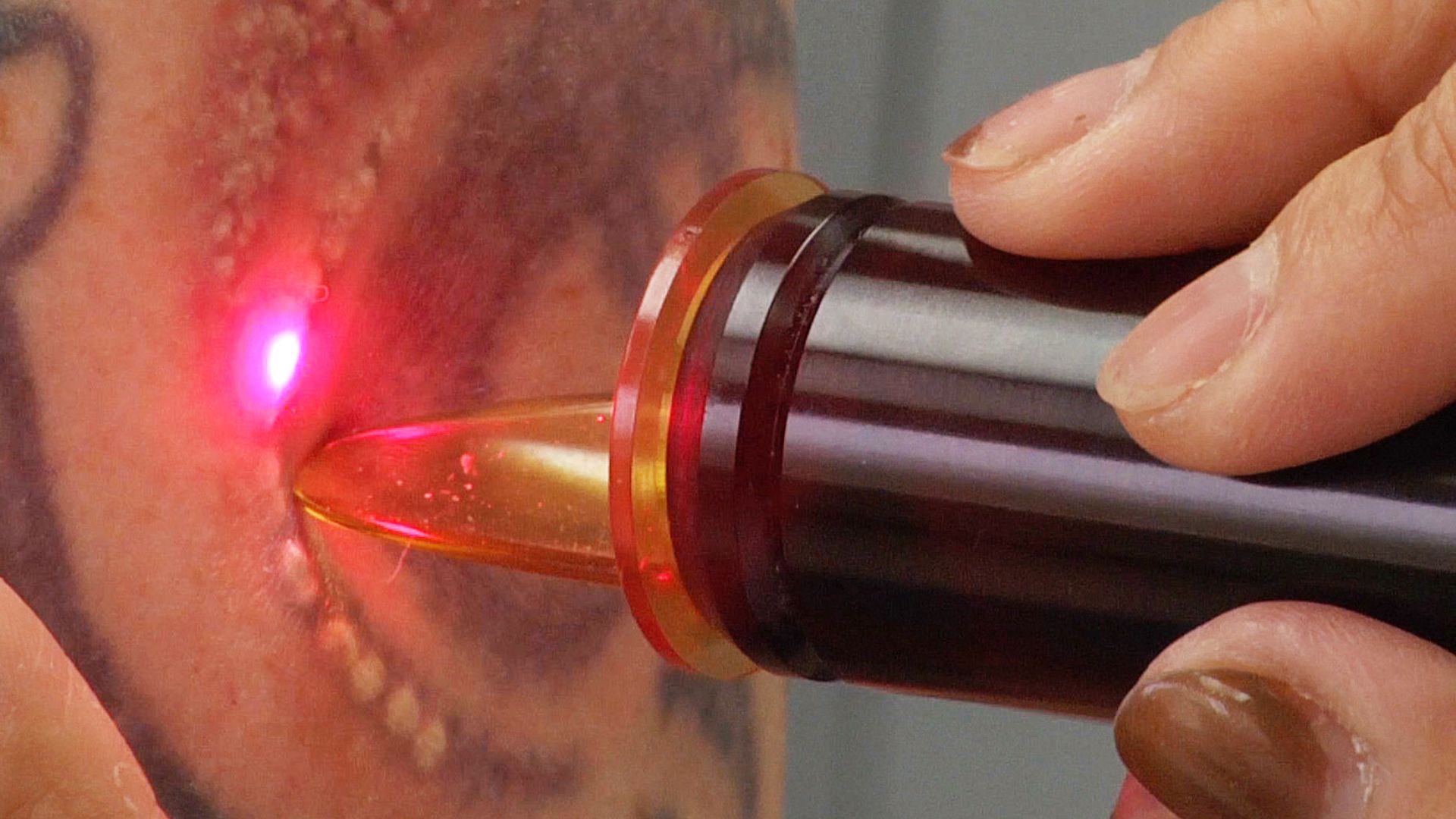
Laser removal exists, and plenty of people use it, but it’s rarely simple. It can take multiple sessions, cost a lot more than the original tattoo, and still leave behind faint pigment changes or texture differences.
17. Regret Isn’t Rare Enough To Ignore
Plenty of people keep their tattoos for life and love them. Some don’t. Names, trend-heavy designs, inside jokes, and symbols tied to one exact chapter of your life can hit very differently at 35 than they did at 22.

18. People Won’t All Read It The Same Way
A visible tattoo can look stylish, personal, rebellious, polished, sentimental, or careless, depending on who’s looking at it and where you are. Age, family background, workplace culture, and social setting still shape those reactions, even now, even with tattoos being more common than they were in the early 2000s.
19. It Can Feel More Personal Than You Expected
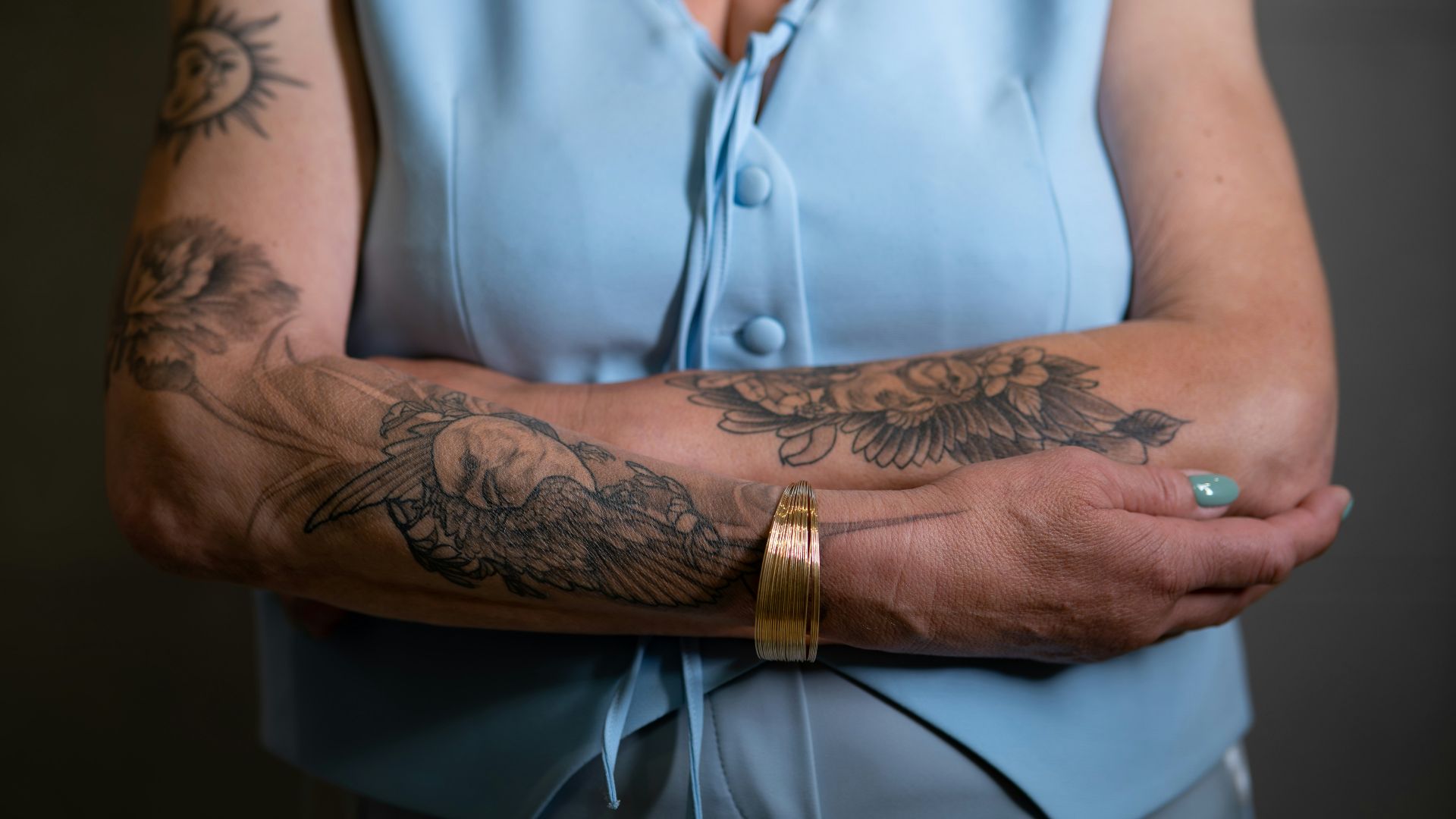
Some people feel more settled in themselves after getting a visible tattoo. Some feel exposed for a while, even when they like the design. Seeing something on your body every day can bring up more emotion than you planned for, especially if the piece marks grief, change, sobriety, a breakup, or a stretch of life you fought hard to get through.

20. The Best Decisions Are Well Thought-Out
A visible tattoo tends to work out best when you’ve had enough time to think through the artist, the placement, the healing, the social reality, and the fact that this thing will be a part of you forever. That kind of certainty isn’t flashy, but it does prepare you for the long-term.