Shoes That Don't Quite Fit
Uh-oh: you ordered a pair of shoes online that you triple-checked to make sure would fit, only to have your expectations shattered when they, in fact, do not fit your feet perfectly. What do you do now? If they're no longer available to swap out for a different size, don't worry—you might be able to salvage them somehow. From wearing thicker socks to freezing water bags inside your new kicks, here are 20 hacks that may come in handy when your shoes are too big or too small.
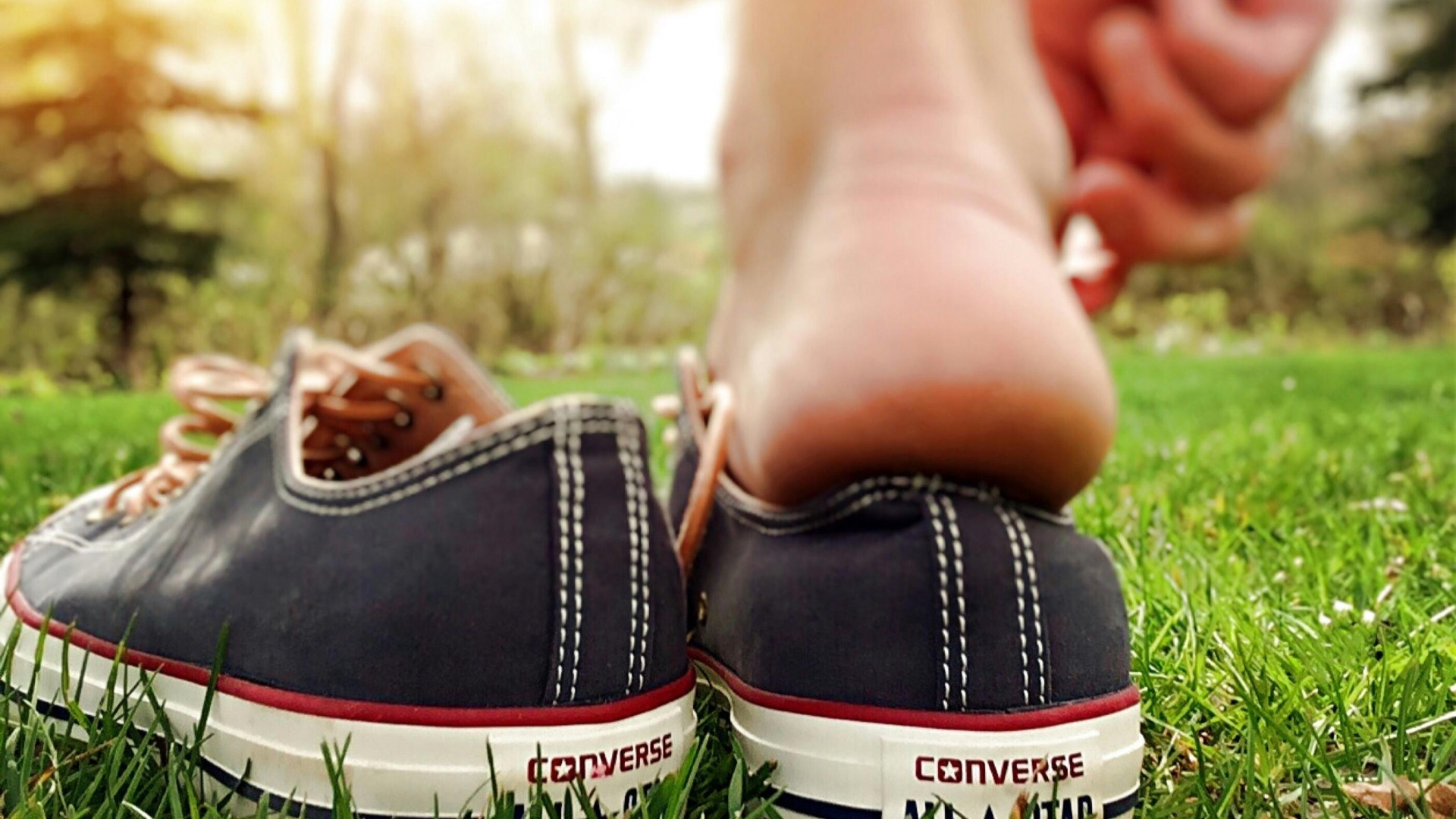
1. Add Heel Grips for Better Hold
Heel grips are one of the easiest ways to make shoes that are too big feel more secure. They stick to the inside back of the shoe and help reduce slipping while giving your heel a softer surface to rest against. If your shoes keep lifting as you walk, this small change can make them feel much more stable.
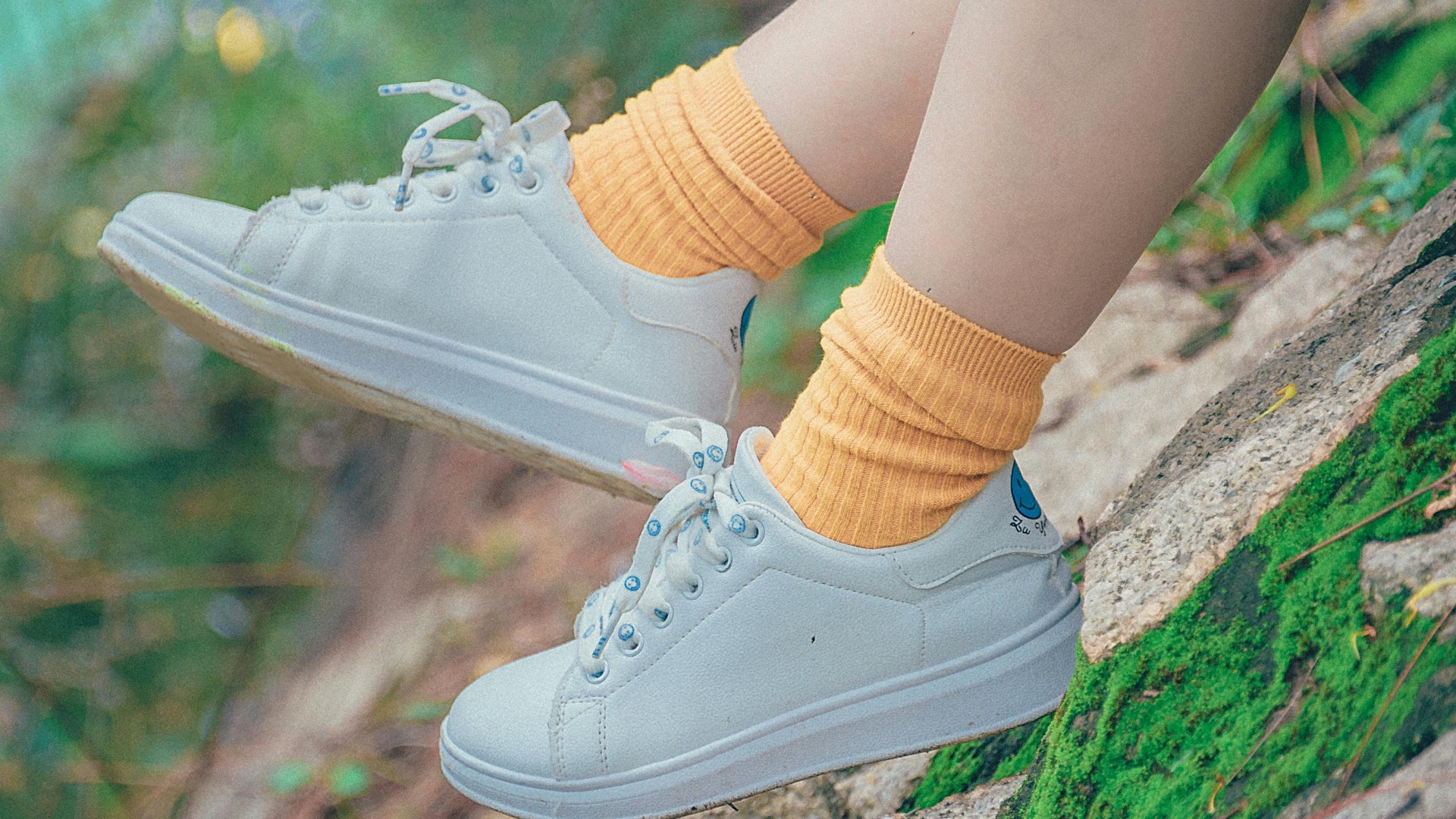
2. Use Cushioned Insoles
A cushioned insole takes up extra space inside the shoe while also making it more comfortable to wear for longer periods. This works especially well in flats, loafers, boots, and even some sneakers that feel roomier than expected. You’ll also get the added benefit of more support under your feet, which can improve the overall fit.
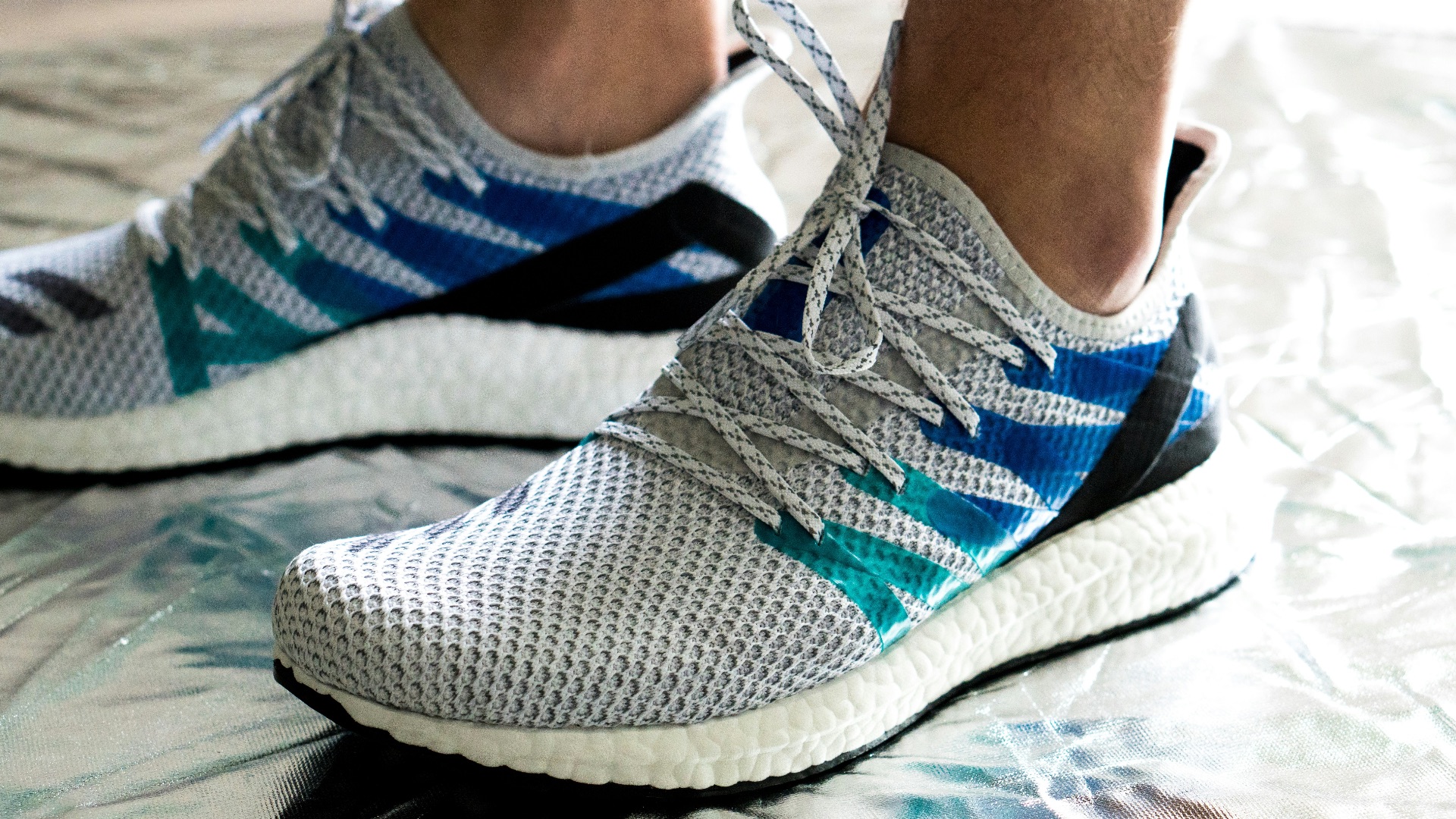
3. Wear Thicker Socks
A thicker pair of socks can make a surprising difference when shoes feel too loose. This option is especially useful in boots and casual shoes where a bit of extra bulk won’t look out of place. If one thick pair feels like too much, layering two lighter pairs can also help fine-tune the fit.
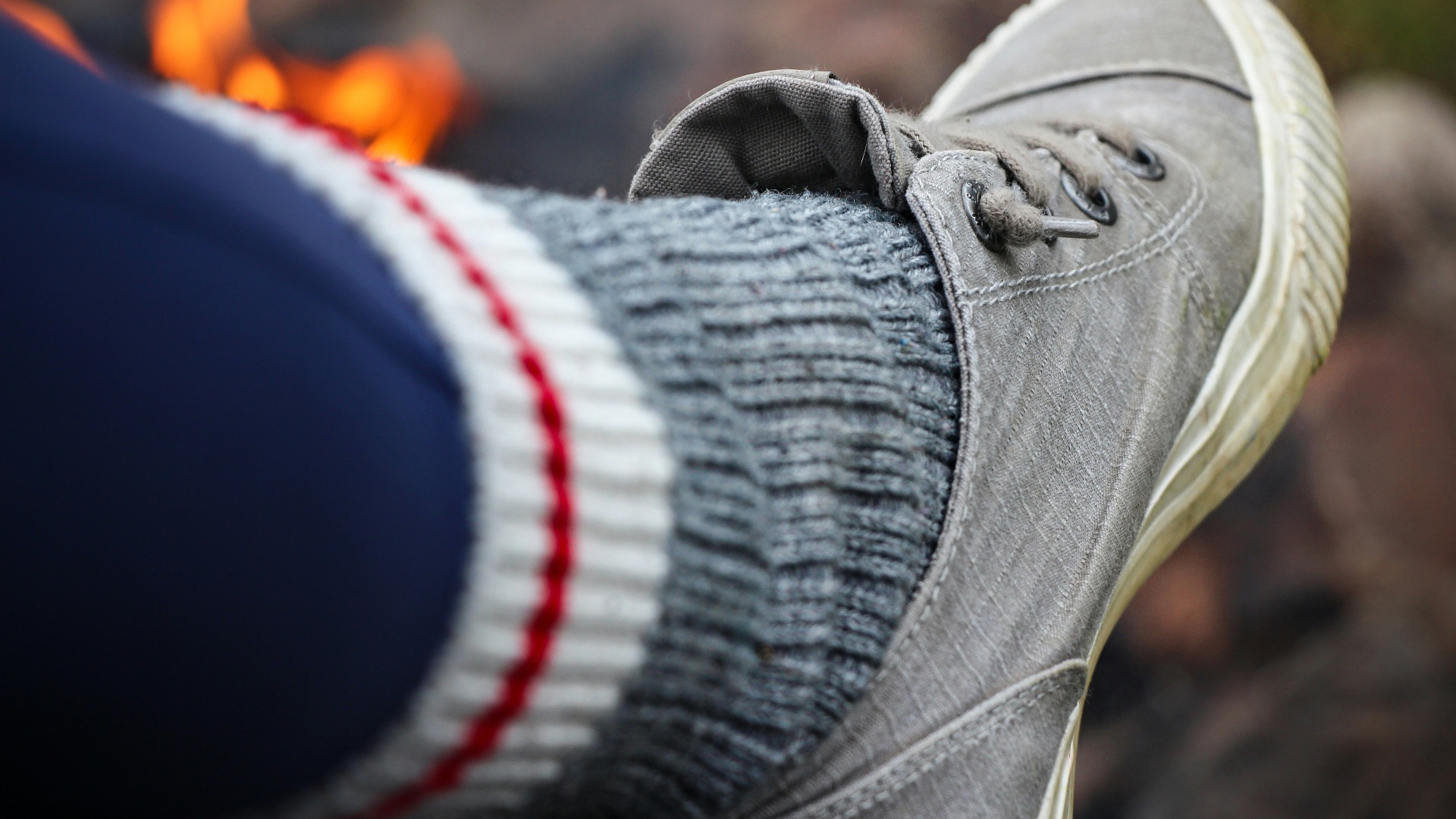
4. Try Ball-of-Foot Pads
Ball-of-foot pads are helpful when your foot keeps sliding forward into the shoe. They sit under the front of your foot and create a little extra grip while also taking up some of the empty space. As a result, your toes won’t be shoved forward as much, and the shoe may feel easier to control.
5. Insert Toe Fillers
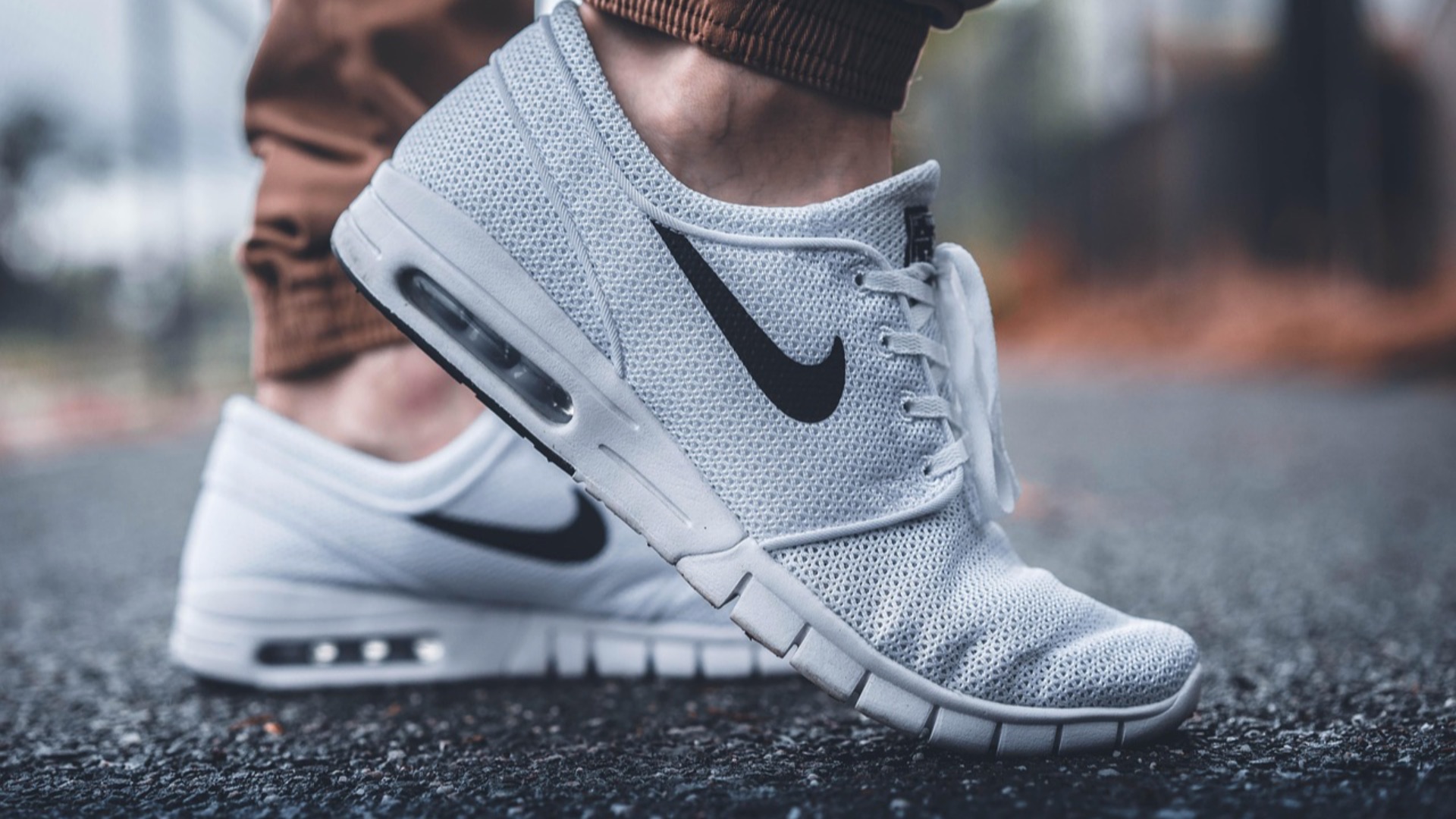
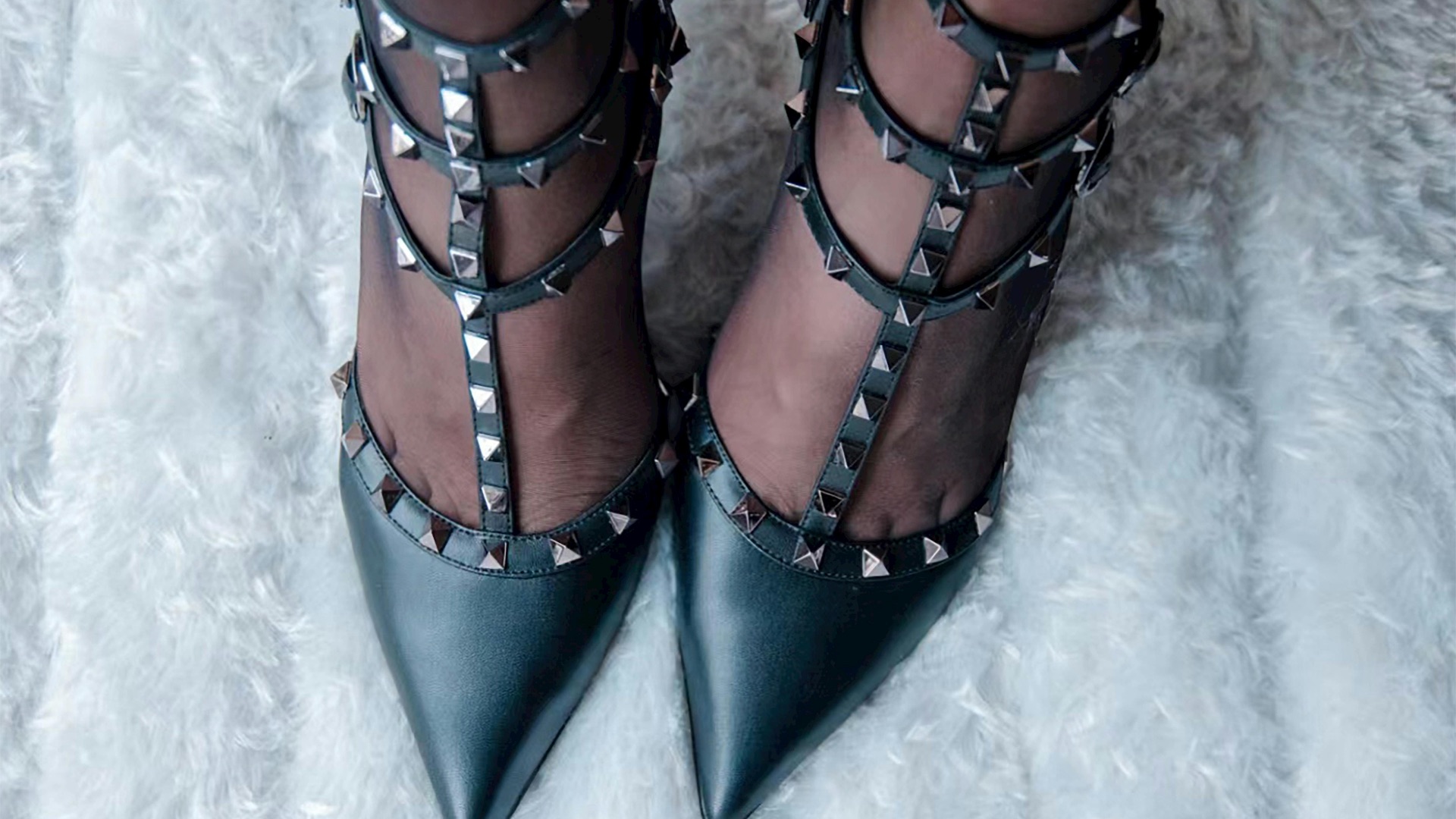
Toe fillers are designed to occupy the extra room at the front of a shoe. They’re especially useful in closed-toe heels, dress shoes, and any style where your foot doesn’t reach all the way forward. Once they’re in place, the shoe often feels snugger without putting pressure on the rest of your foot.
6. Adjust the Lacing Pattern
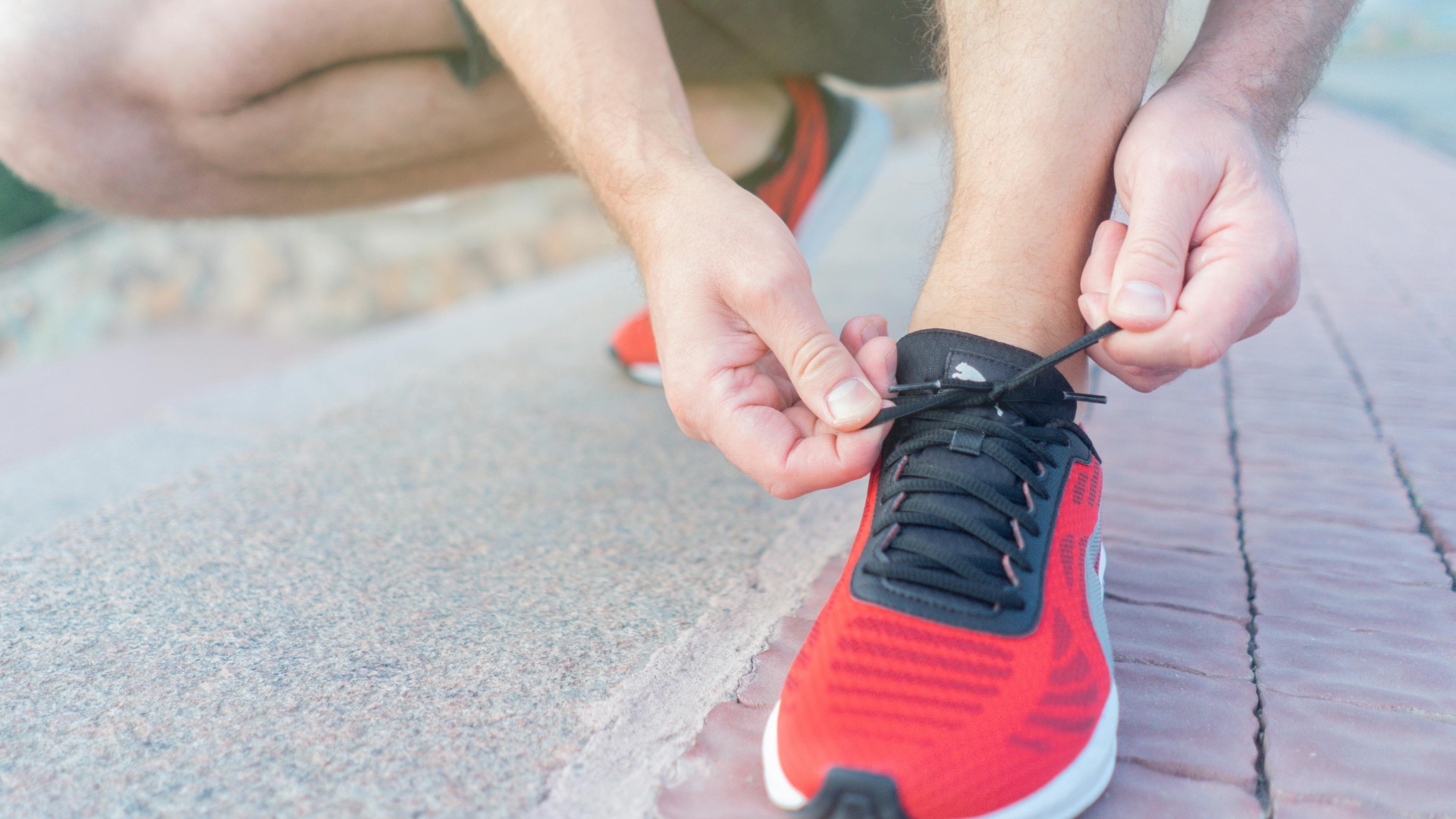
If the shoes are lace-up, changing the way you lace them can improve the fit more than you might expect. A tighter lacing pattern around the midfoot or ankle can help hold your foot in place and reduce unnecessary movement inside the shoe. This is a simple fix that doesn’t cost anything and can be done in just a few minutes.
7. Use Tongue Pads for Extra Snugness
Tongue pads attach beneath the tongue of the shoe and help fill extra volume over the top of your foot. They’re especially helpful when shoes feel loose in the instep even though the length is manageable. By reducing that extra space, they can make the shoe feel more secure without changing its appearance much.
8. Layer a Second Insole
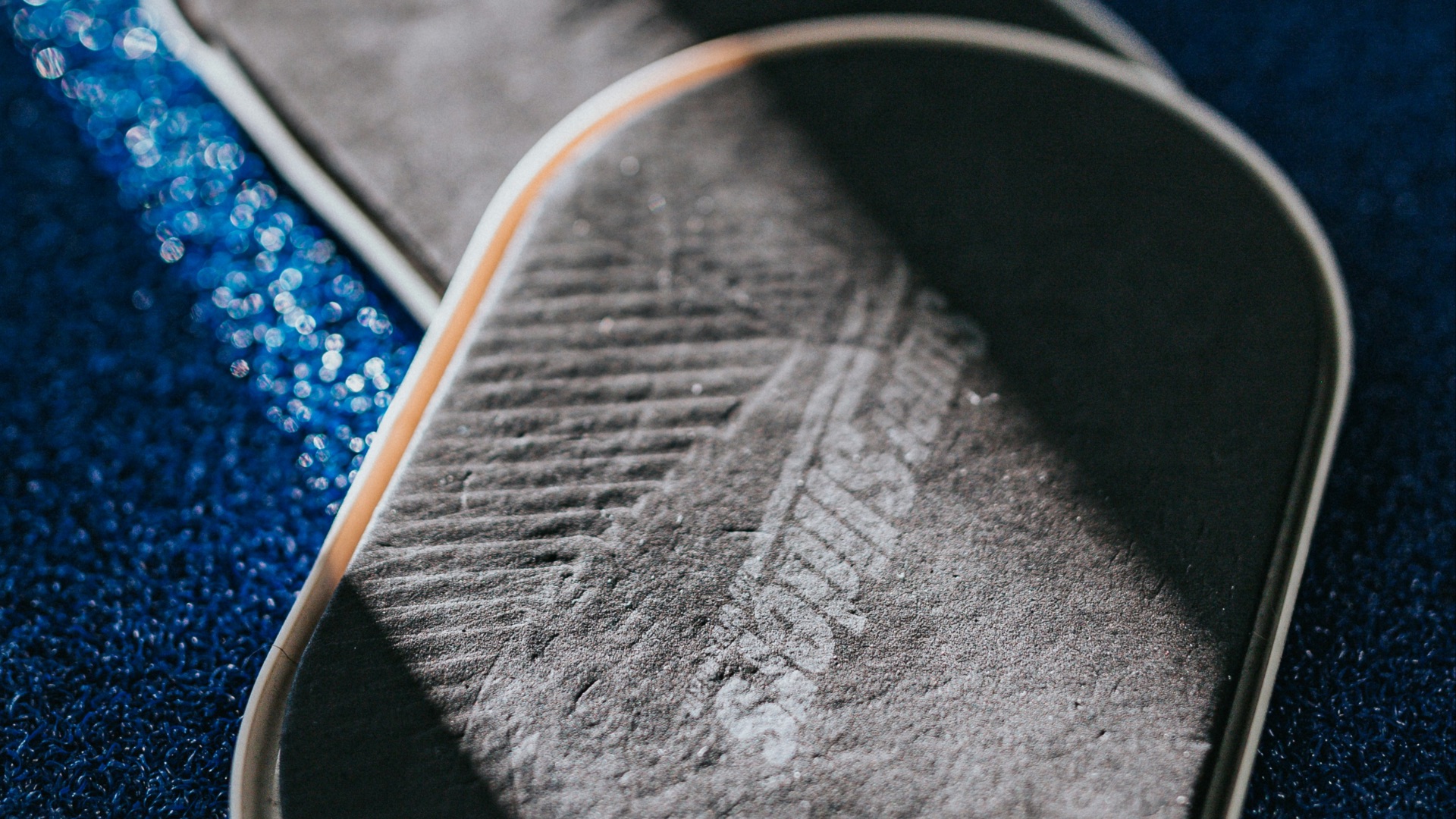
If one insole isn’t enough, adding a second thin insole can create a better fit. This works best when the shoe is noticeably roomy and you need to reduce both length and depth slightly. You’ll want to test this carefully, though, because too much layering can make the fit uneven.
9. Use Strap Tighteners or Inserts
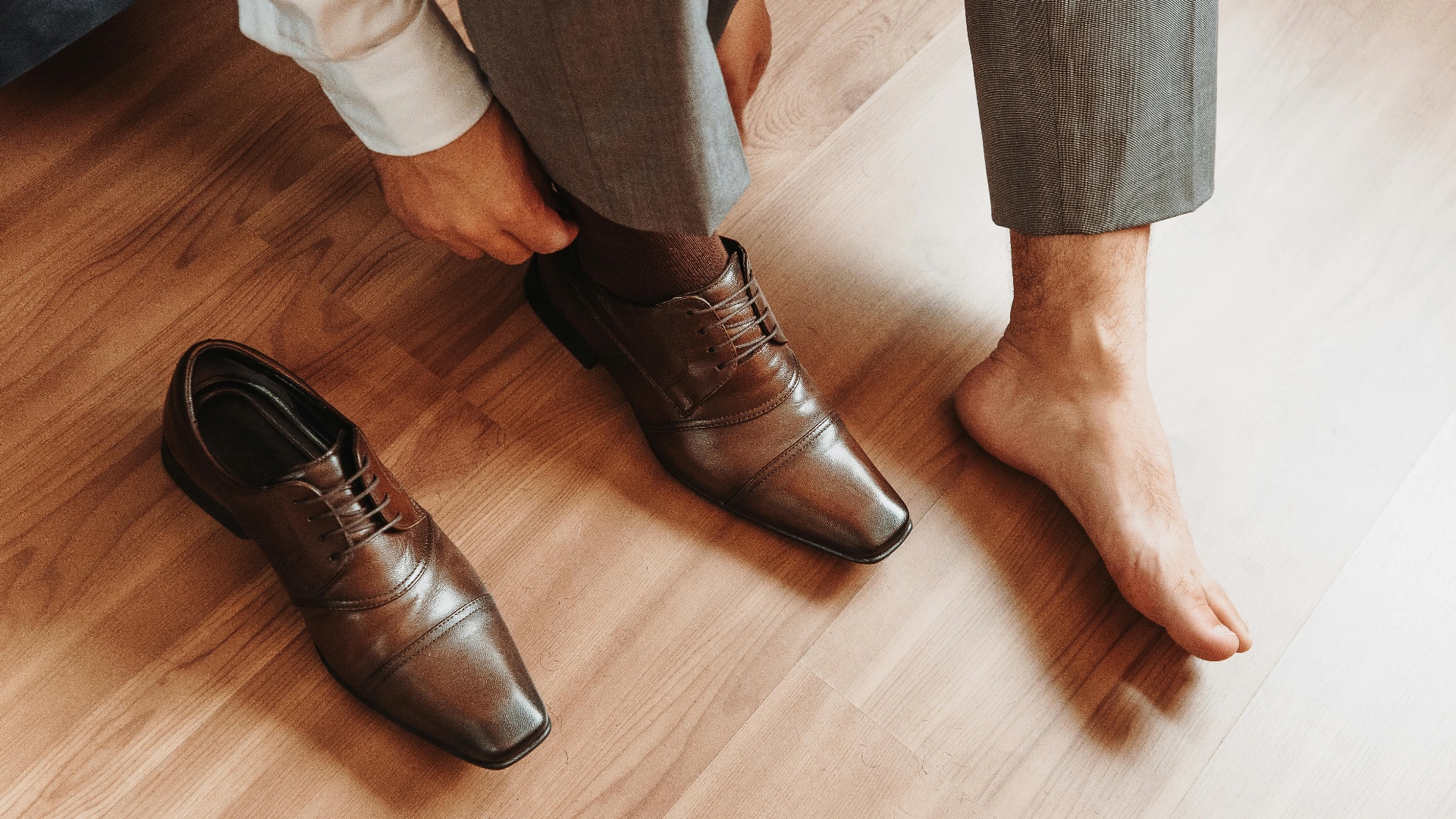
For sandals or shoes with straps, small strap-tightening inserts can help reduce looseness without altering the shoe permanently. They’re useful when the shoe fits in length but feels unstable because the straps don’t hold your foot securely enough. That extra hold can make walking easier and reduce the chance of rubbing.
10. Visit a Cobbler for Professional Adjustments
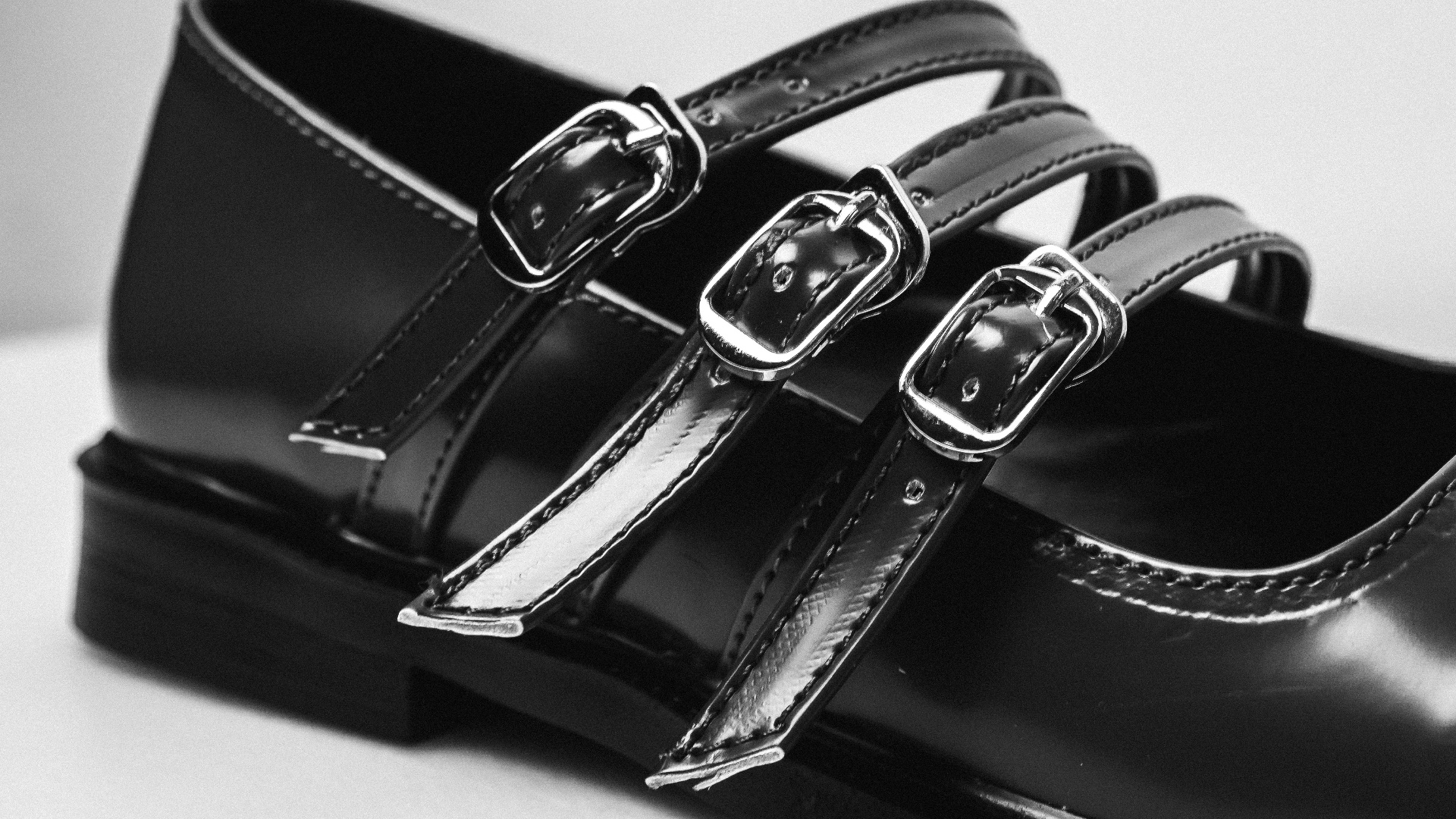
If the shoes are expensive or hard to replace, a cobbler may be able to improve the fit in a more lasting way. Depending on the style, they can add pads, adjust straps, or make other subtle changes that help the shoe sit better on your foot. It’s often worth considering when home fixes haven’t solved the problem well enough.
Now that you know how to deal with shoes that are too big, let's flip the switch and see what steps you can take if your shoes are too small.
1. Use a Shoe Stretcher
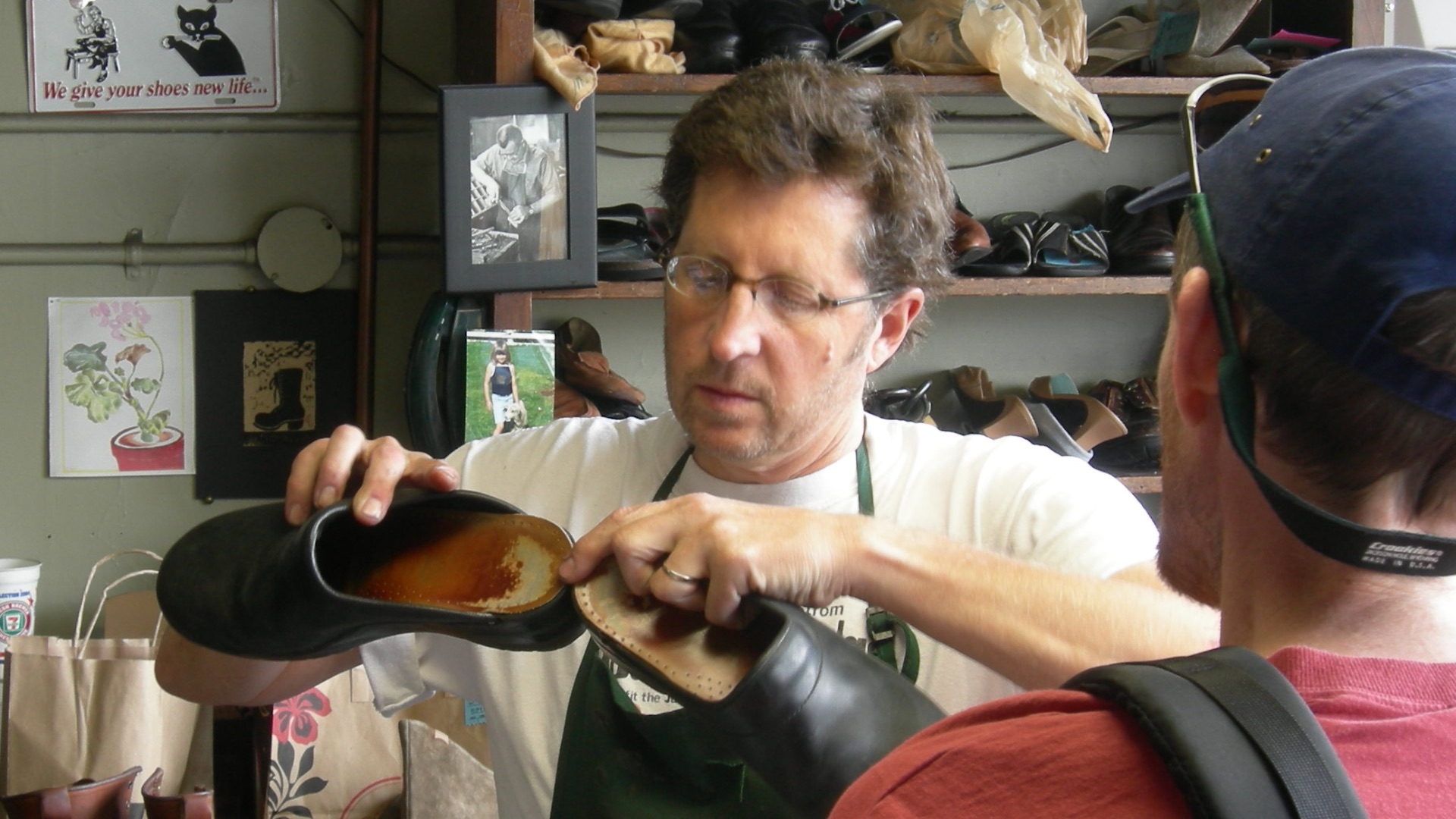
A shoe stretcher is one of the most reliable tools for making slightly tight shoes more wearable. It gently expands the material over time, and many versions let you target problem areas like the toe box or sides. This method works best when the shoes are only a little too snug rather than way too small.
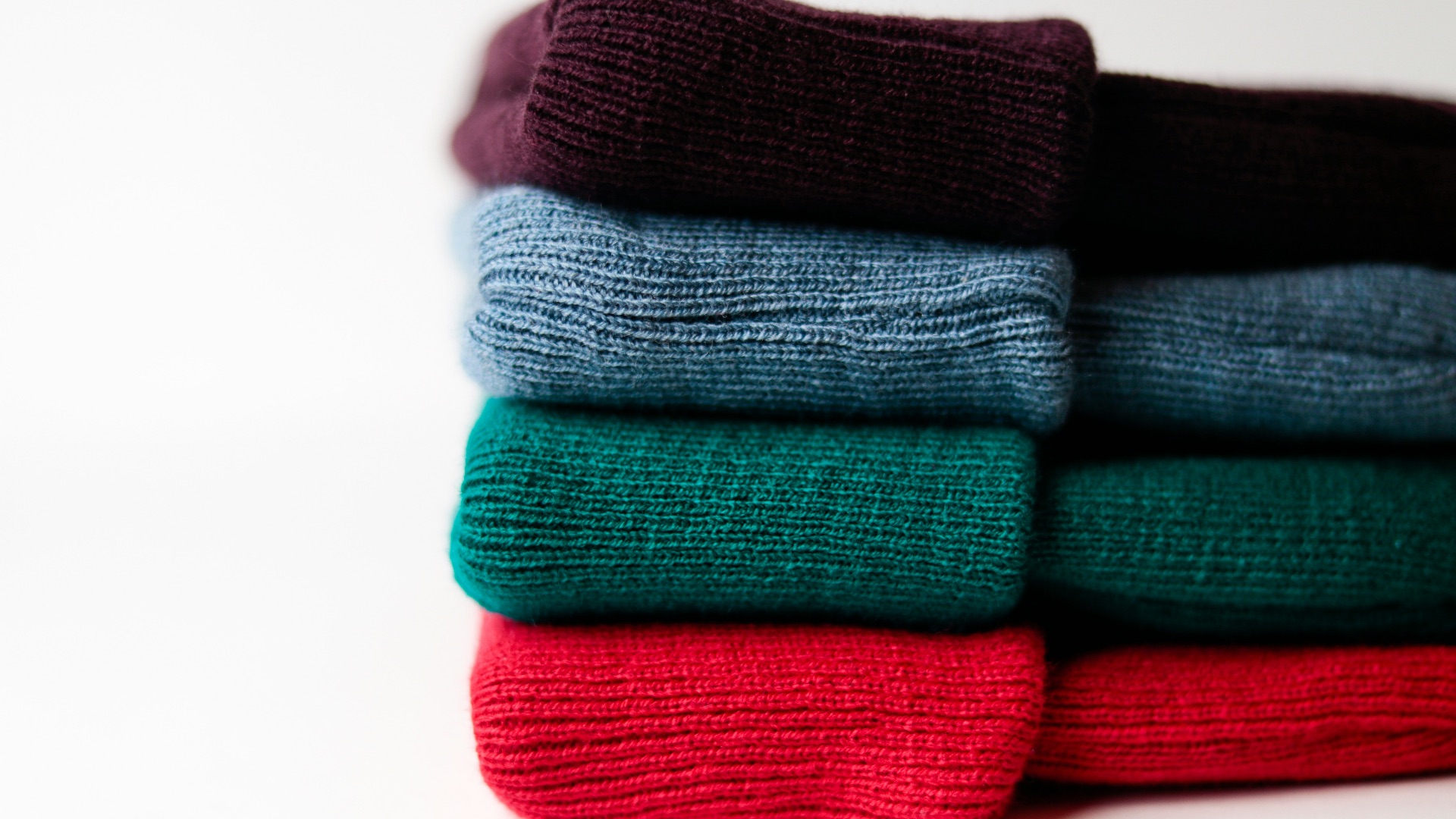
2. Wear Thick Socks While Breaking Them In
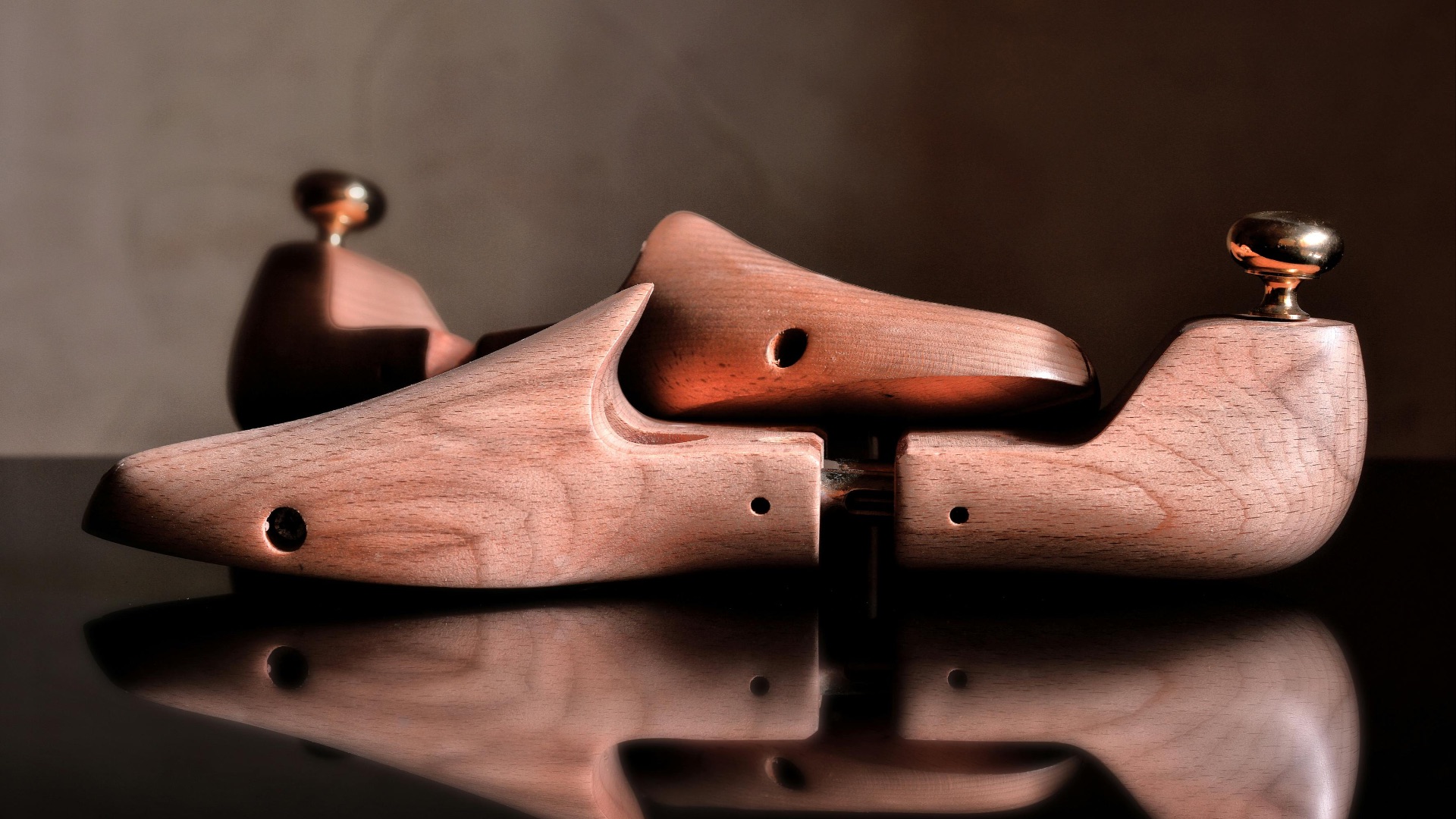
Thick socks don't just help with too-big shoes! In fact, they can also help loosen too-small shoes gradually. The extra padding encourages the material to give a little while also protecting your feet from immediate friction. It’s a slow approach, but it can be effective for leather and other flexible materials.
3. Apply Gentle Heat Carefully
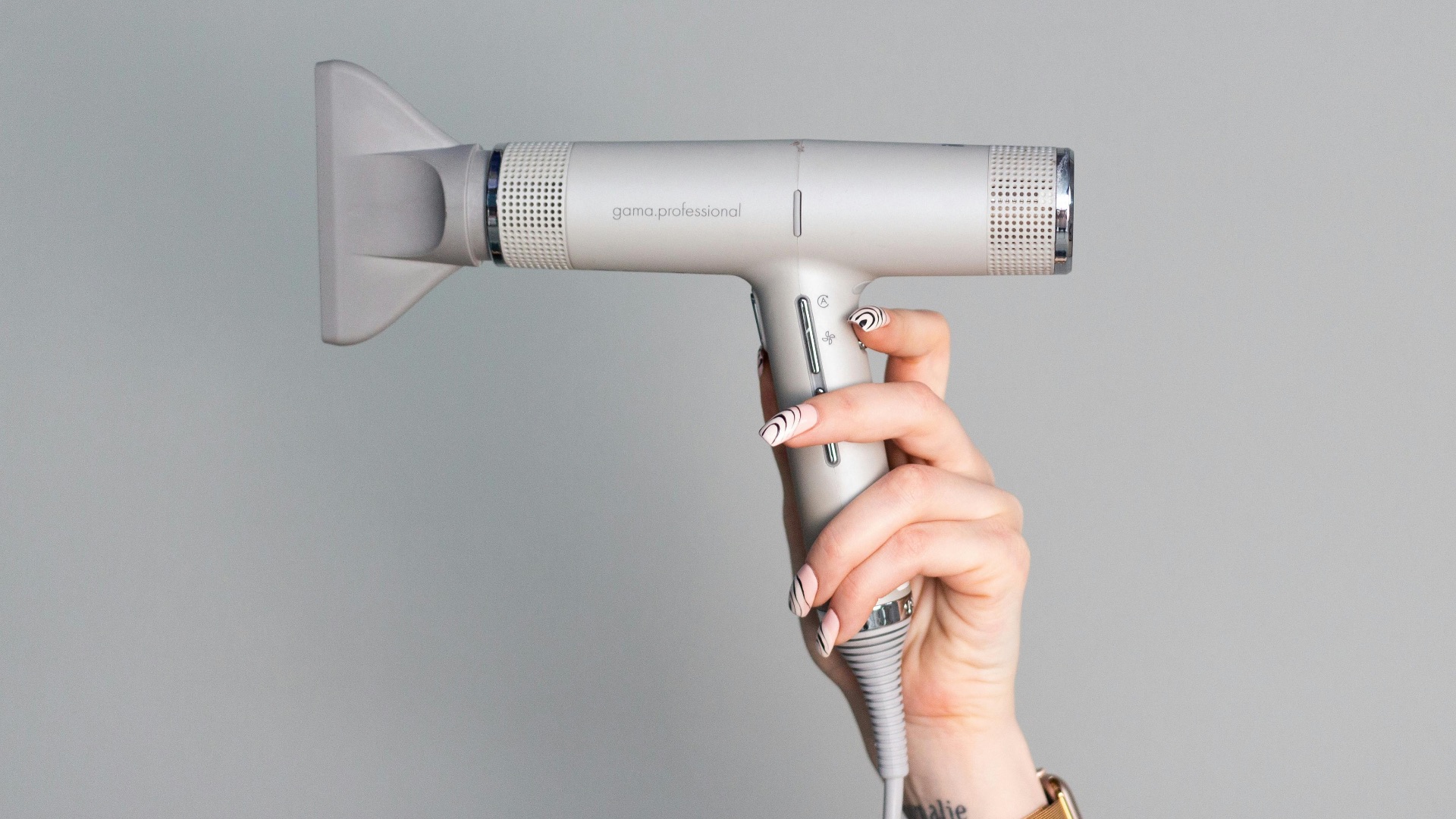
A hair dryer can help soften certain shoe materials enough to encourage a bit of stretching. You’d want to apply low to moderate heat while wearing thick socks, then walk around in the shoes until they cool. This needs to be done carefully, since too much heat can damage adhesives or alter the finish.
 Valentin vorotnikova on Pexels
4. Freeze Water Bags Inside the Shoes
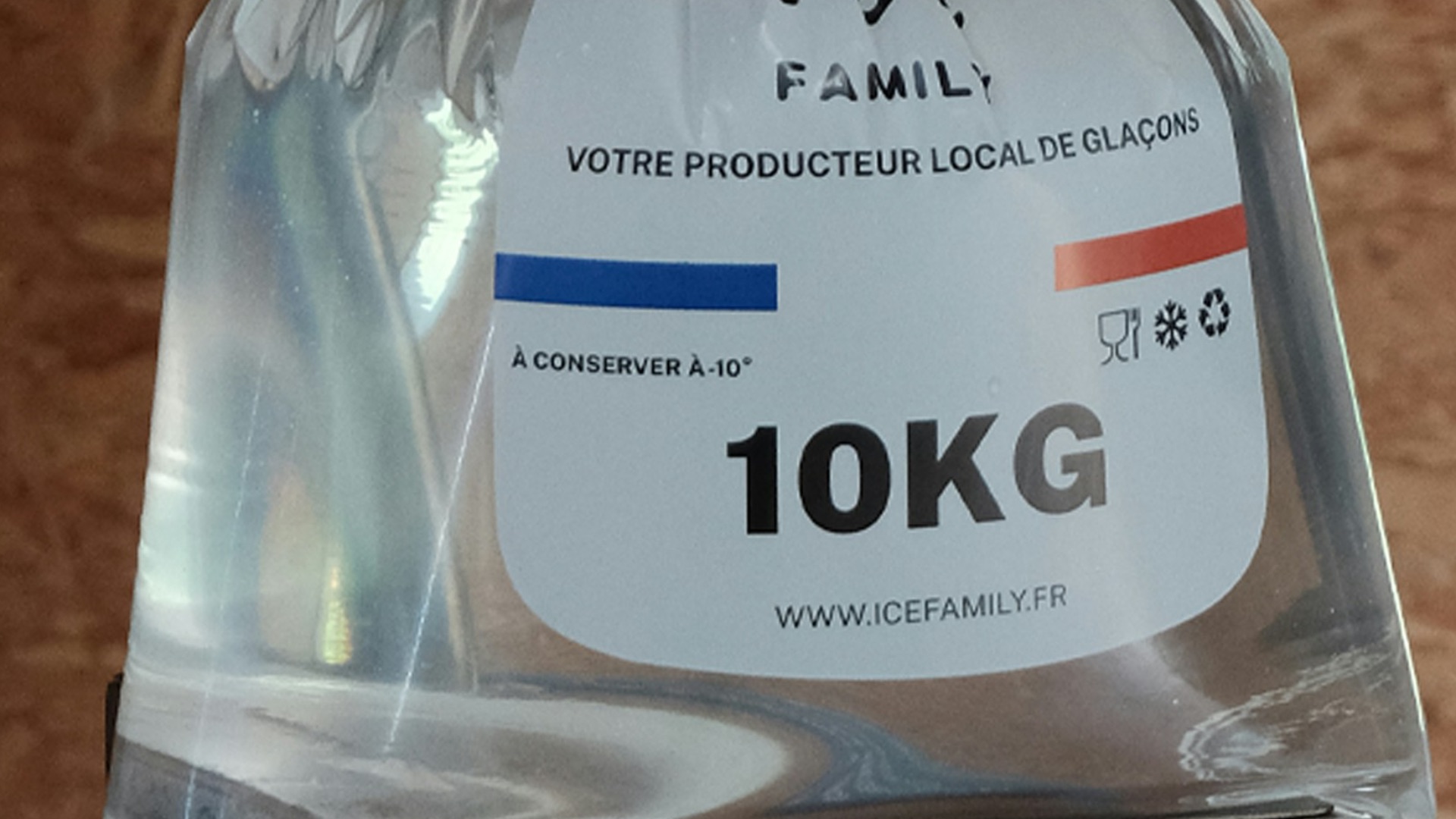
Some people use sealed bags of water placed inside the shoes and then freeze them so the expanding ice stretches the material slightly. This can work in some cases, though it’s better suited to sturdy materials and should be done with care to avoid moisture damage. If you try it, make sure the bags are tightly sealed and the shoes are protected.
5. Use Stretch Spray
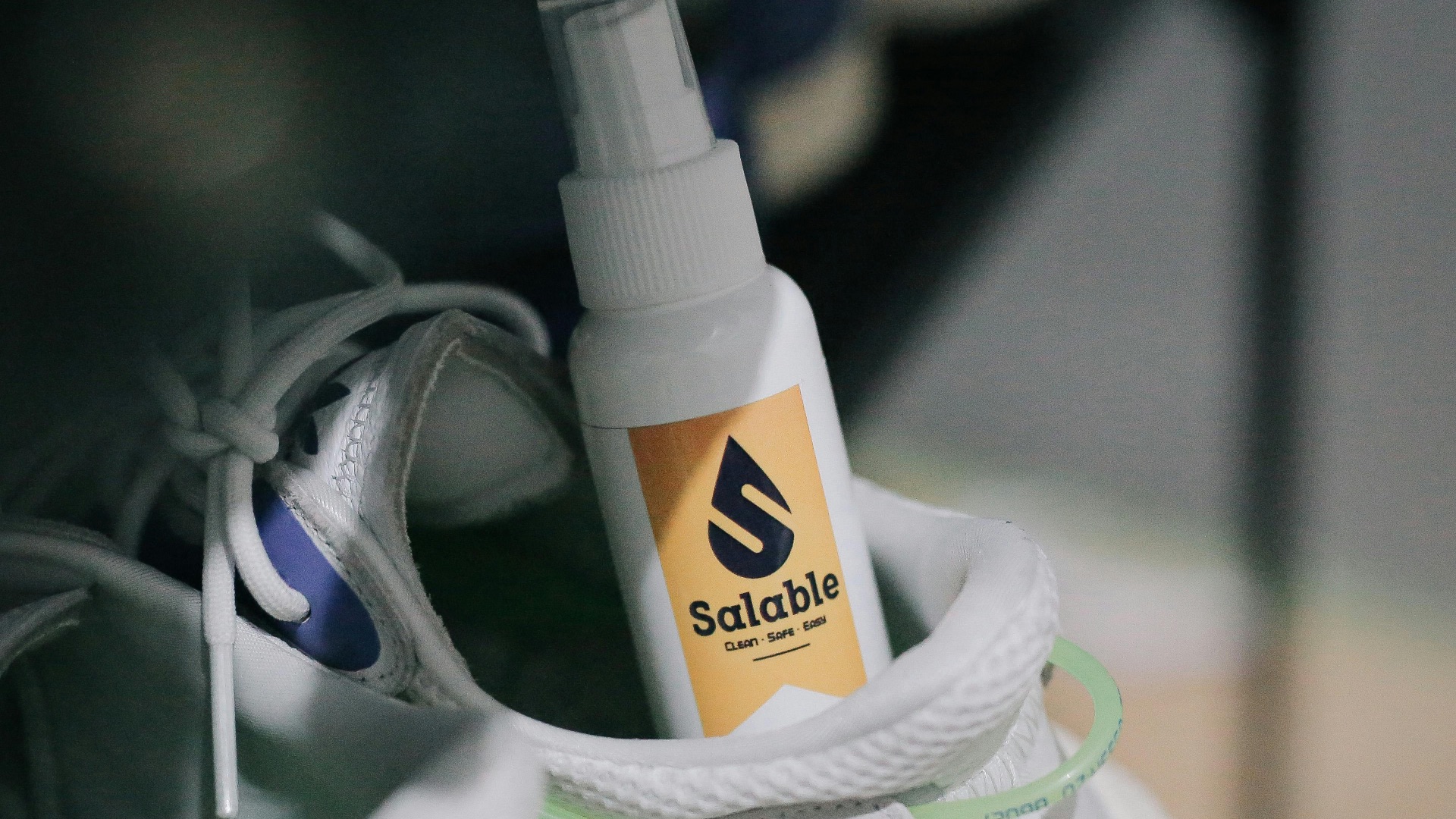
A stretch spray is designed to soften the shoe material so it becomes easier to expand. It’s often used alongside a shoe stretcher or during wear to help target especially tight areas. When used properly, it can make the breaking-in process faster and a little more comfortable.
6. Target Pressure Points with Stretching Plugs
If the shoe only hurts in one or two specific places, stretching plugs can help focus on those spots instead of loosening the entire shoe. This is useful for bunion areas, tight toe joints, or places where the shoe presses unevenly. A more targeted fix often works better than trying to stretch the whole shoe at once.
7. Remove Thick Insoles
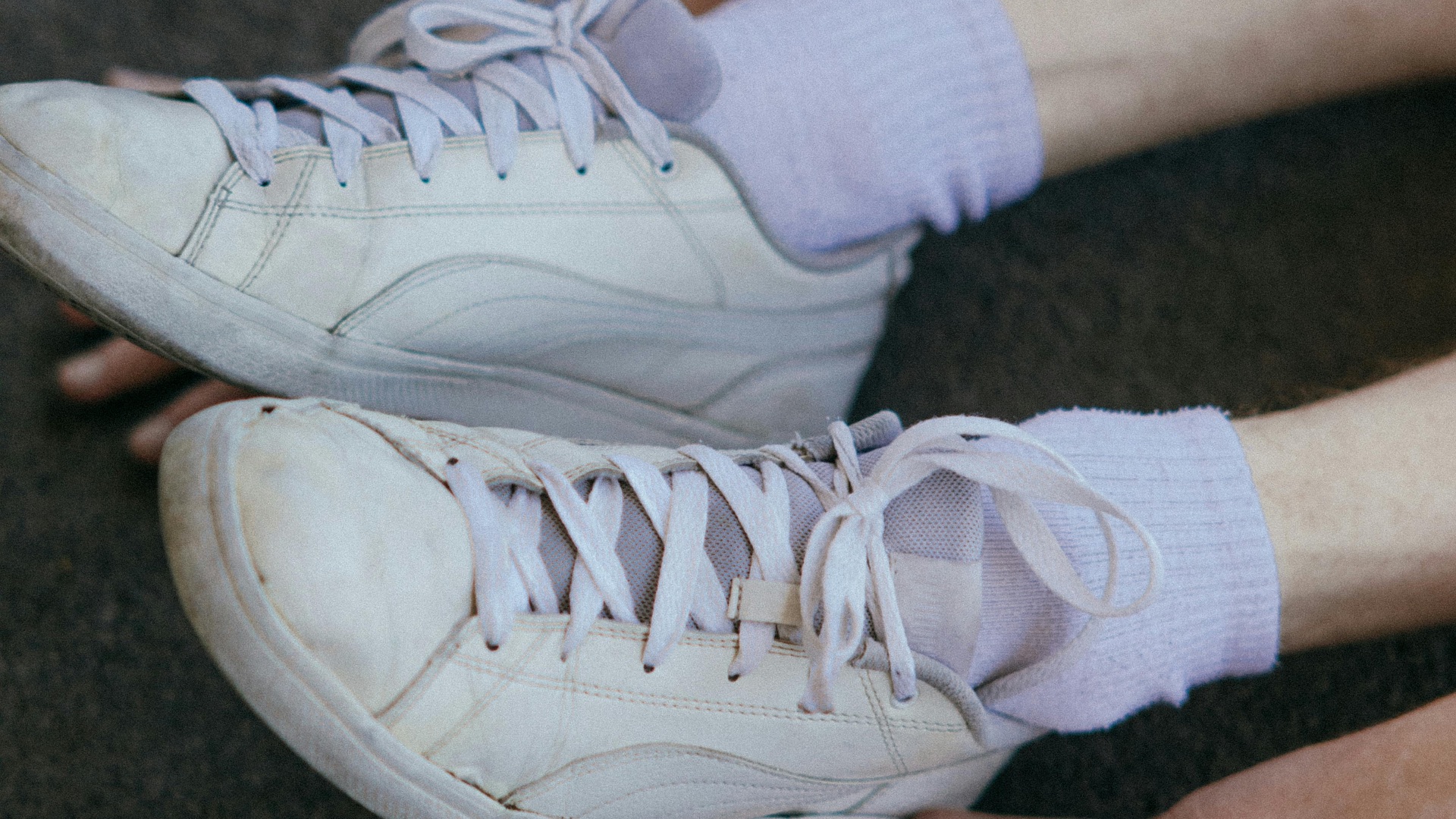
Sometimes the shoe feels too small because the interior volume is being taken up by a bulky insole. Swapping it for a thinner insole, or removing it if the design allows, can create more room without changing the outside shape. This is an easy first step to test before trying more involved methods.
8. Take Them to a Cobbler for Stretching
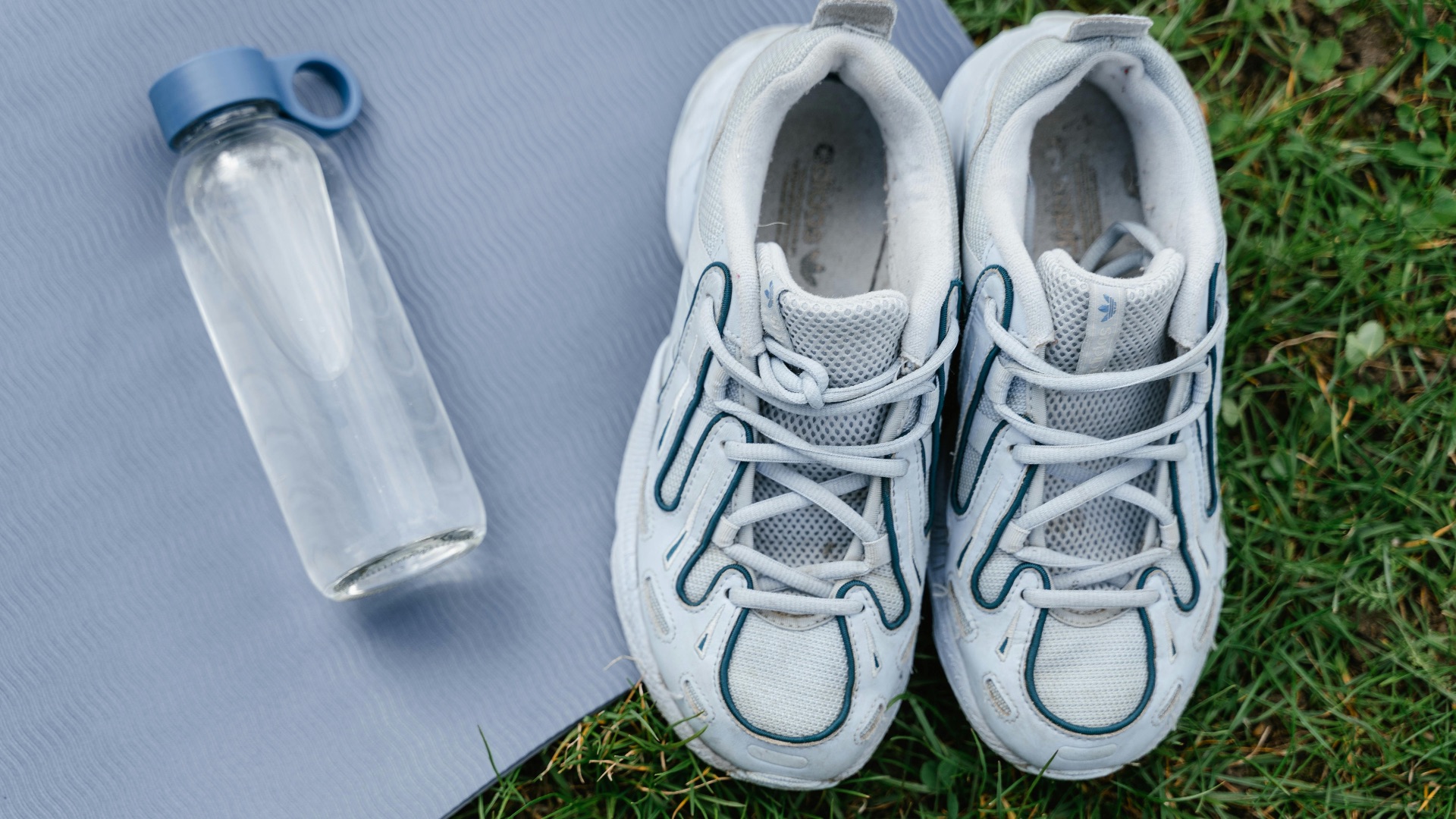
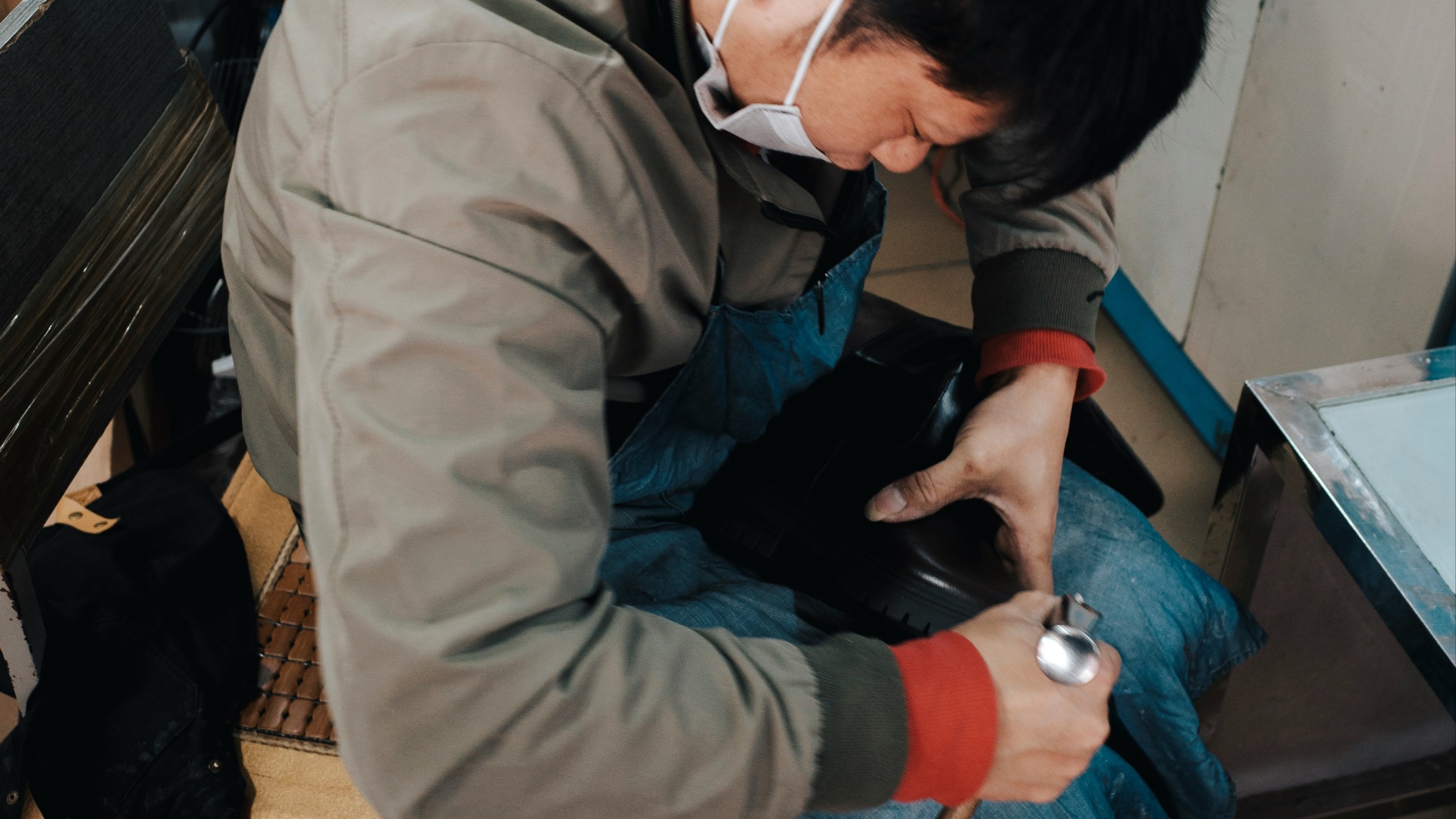
A cobbler can professionally stretch shoes with more precision than most at-home methods. They have tools that can widen certain sections, soften stubborn materials, and improve the fit without putting the shoe at unnecessary risk. For leather dress shoes, boots, or quality heels, this is often the safest option.
9. Soften the Interior with Protective Padding
If the shoe is only slightly too small, adding soft padding in strategic areas can reduce friction enough to make it wearable. This won’t create more space, but it can make the tightness feel less harsh on your skin while the shoes begin to loosen. It’s especially helpful for the back of the heel or the sides of the toes.
10. Know When to Stop Forcing the Fit
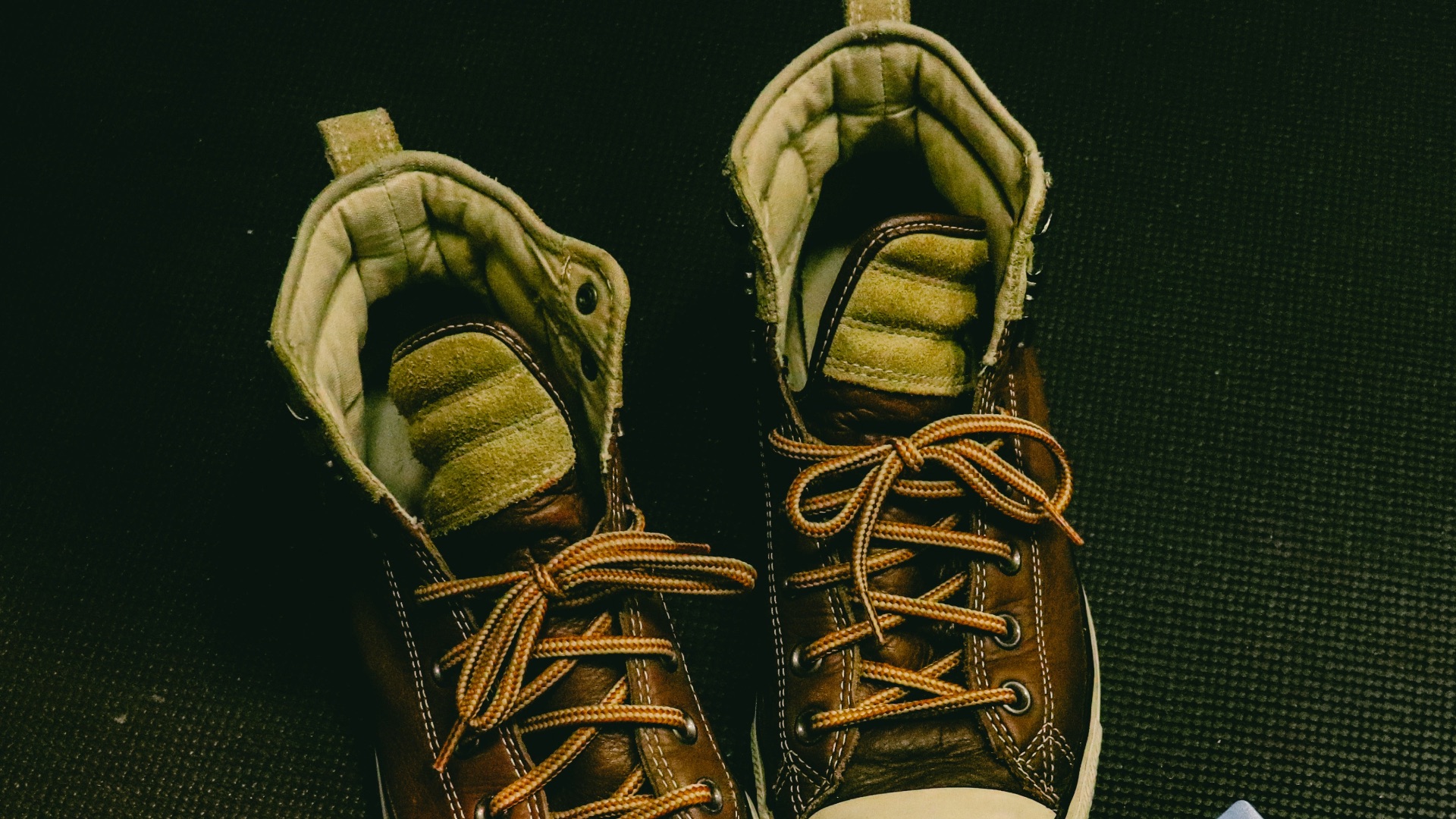
Some shoes are simply too small to fix in any practical or comfortable way. If your toes are cramped, circulation feels restricted, or the shoe causes persistent pain, it’s better to stop trying to make them work. In those cases, replacing the pair is usually the smarter choice for both comfort and foot health.