The Stretch Breakdown
The clothes in your closet fall into two camps: fabrics that forgive every movement and fabrics that absolutely do not. Stretchy materials revolutionized how we dress by creating clothes that adapt to bodies instead of forcing bodies to adapt to clothes. Meanwhile, rigid fabrics refuse to compromise, maintaining structure and shape through sheer stubbornness. Understanding which fabrics stretch and which don't explains half of fashion's comfort mysteries.

1. Spandex (Elastane)
Spandex can stretch up to 800% of its original length, which sounds fake until you see it happen in real life. A DuPont chemist named Joseph Shivers invented it in 1958, and the name is literally an anagram of "expands." It shows up in everything from sportswear to medical compression garments.
 U.S. Air Force photo/Mike Kaplan on Wikimedia
2. Nylon-Spandex Blend
This combination brings together nylon's toughness with spandex's ridiculous stretchiness for fabric that moves in four directions. Quick-drying and resistant to abrasion, it's the standard for swimwear and leggings that actually survive regular use.
3. Polyester-Spandex Blend
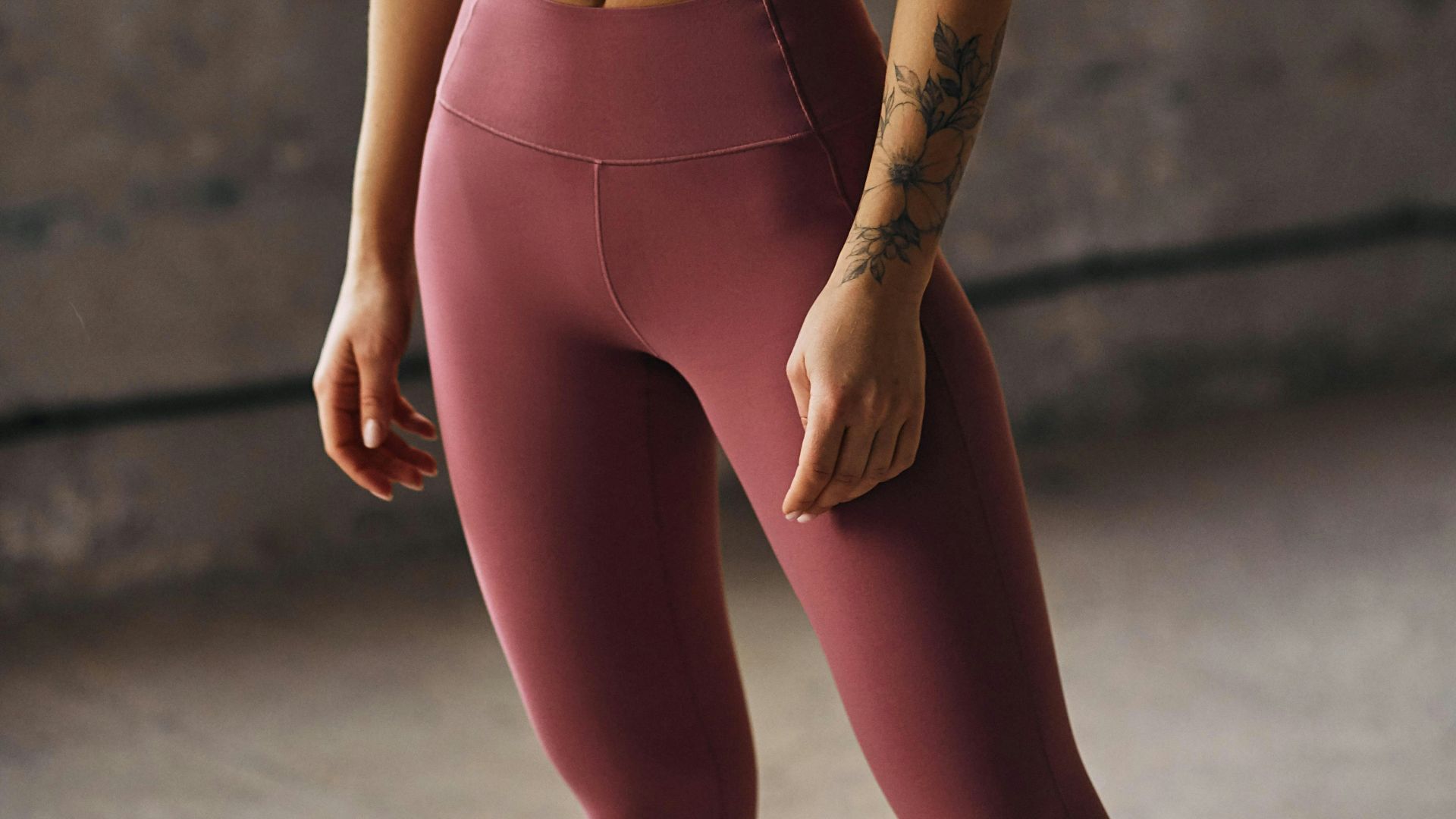
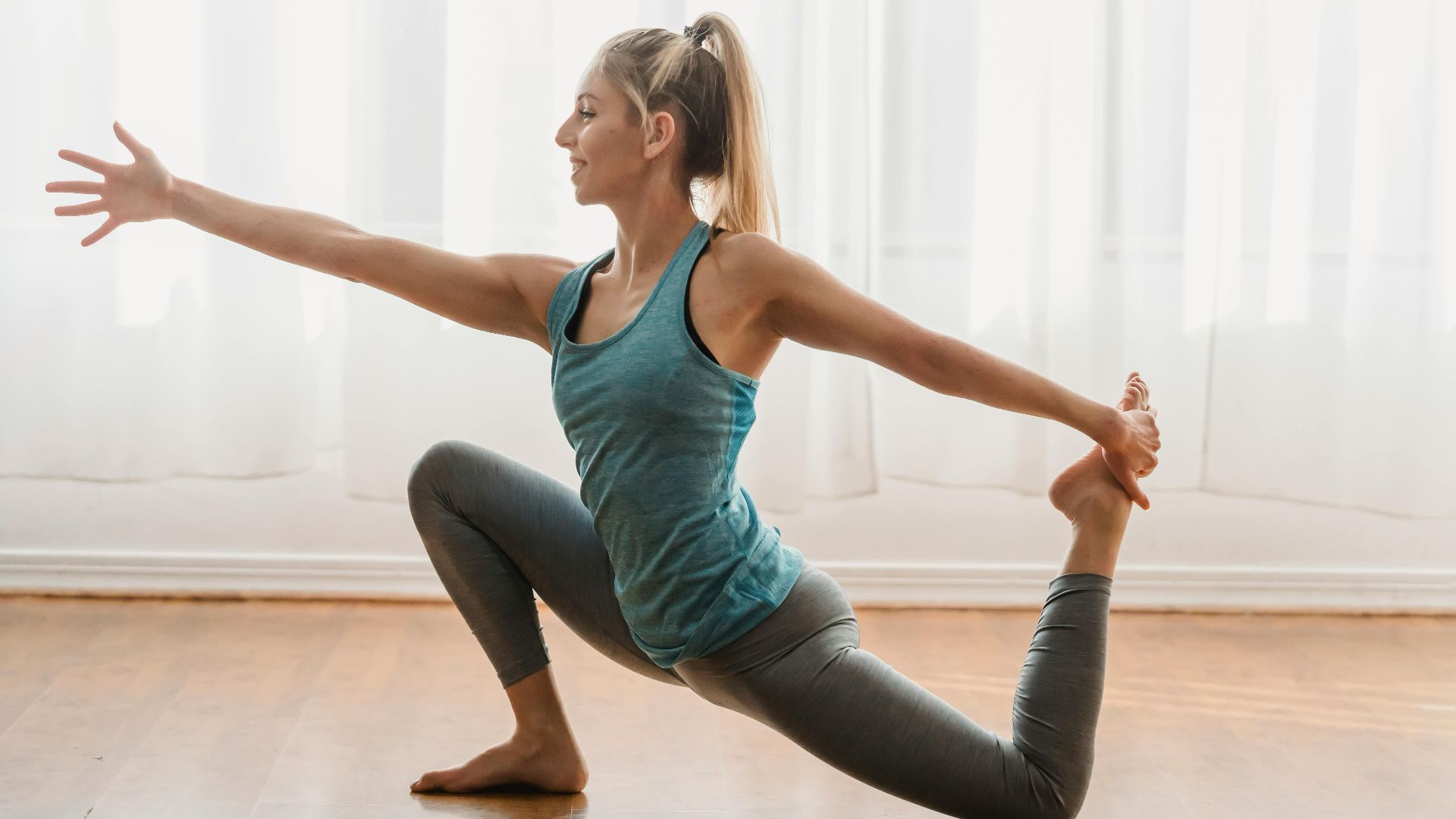
Lightweight and wrinkle-resistant, this blend stretches well and keeps its shape even after you've washed it a hundred times. Athleisure and yoga wear rely on it heavily because it handles sweat and movement without getting saggy or weird. Dance costumes also use it constantly since performers need extreme movement.
4. Power Mesh
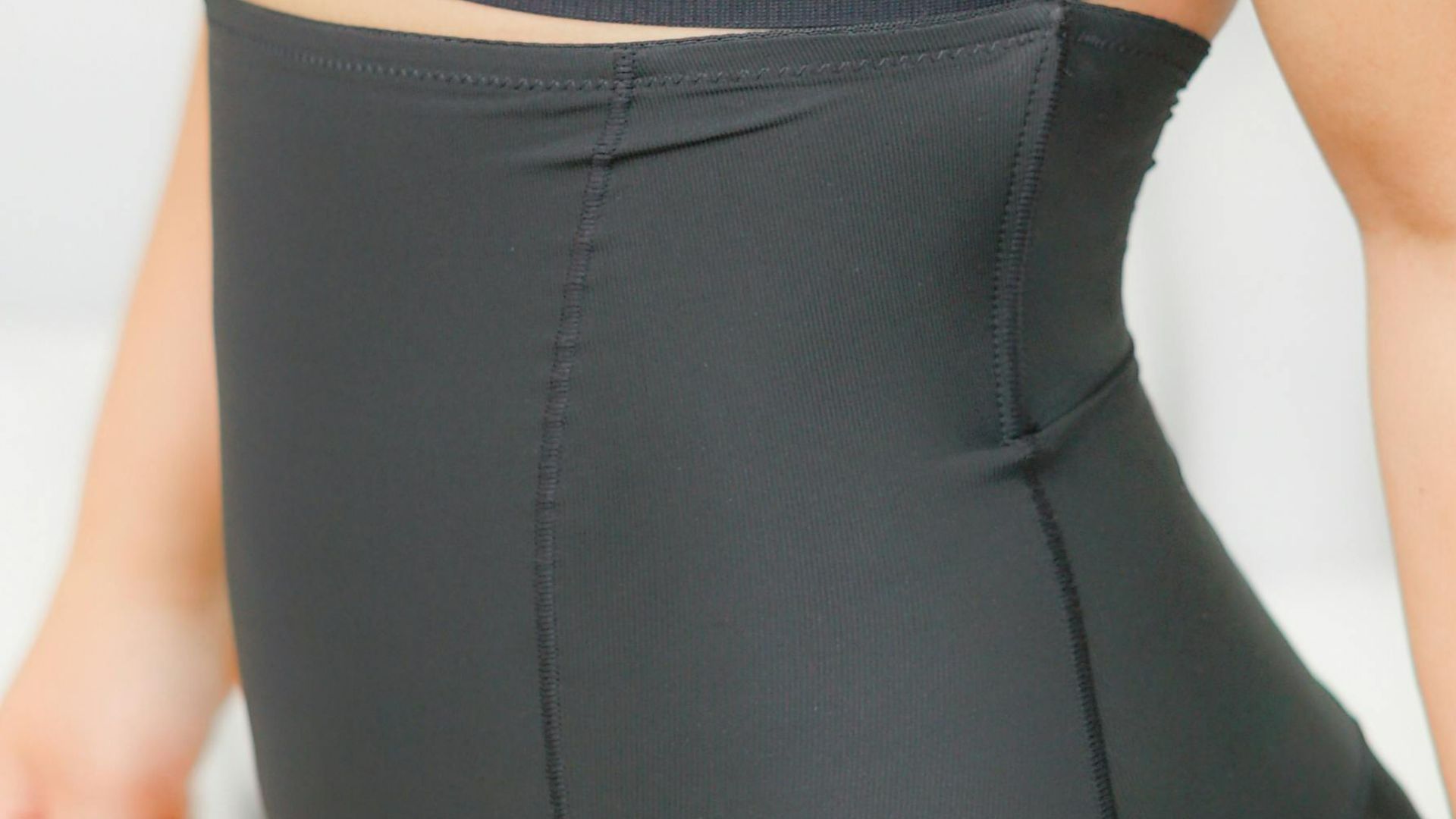
Sheer and lightweight but surprisingly strong, power mesh stretches while staying breathable enough for all-day wear. It's everywhere in lingerie and shapewear, and provides structure without feeling suffocating. Designers love using it as "illusion fabric" to create daring cutouts.
5. Bamboo-Spandex Blend
Eco-friendly bamboo fibers team up with spandex to create fabric that's naturally breathable and moisture-wicking with serious stretch. The soft texture provides either a two-way or a four-way stretch, depending on construction. Yoga enthusiasts call bamboo-spandex pants "second skin" because they're so comfortable you forget you're wearing them.
6. Four-Way Stretch Fabric
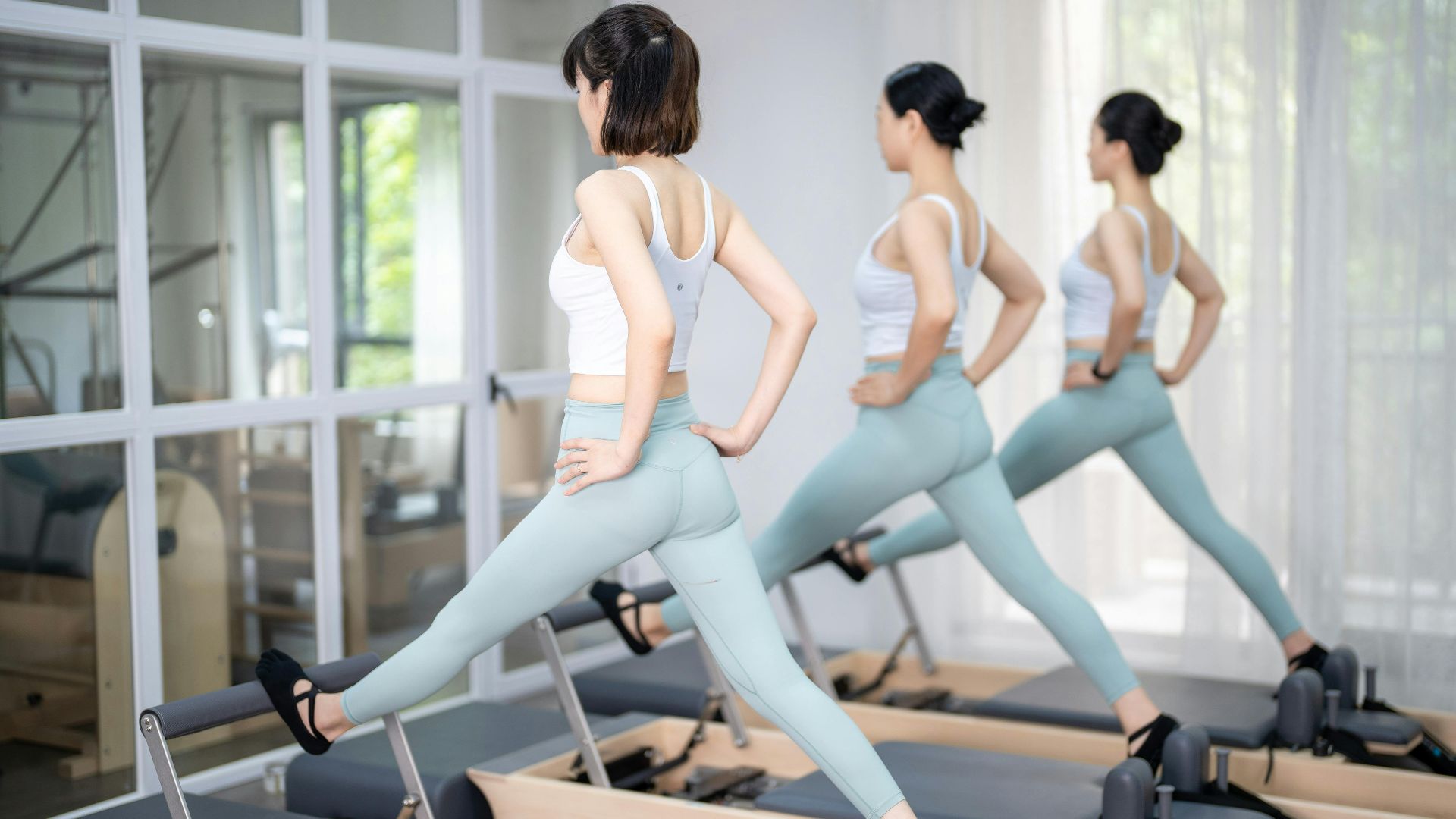
Stretching both crosswise and lengthwise gives maximum freedom of movement, which is essential for swimwear and performance gear. Sportswear relies on it when athletes need clothes that won't restrict motion during competition. Gymnasts' leotards use four-way stretch specifically to avoid wardrobe malfunctions mid-routine.
7. Stretch Jersey Knit
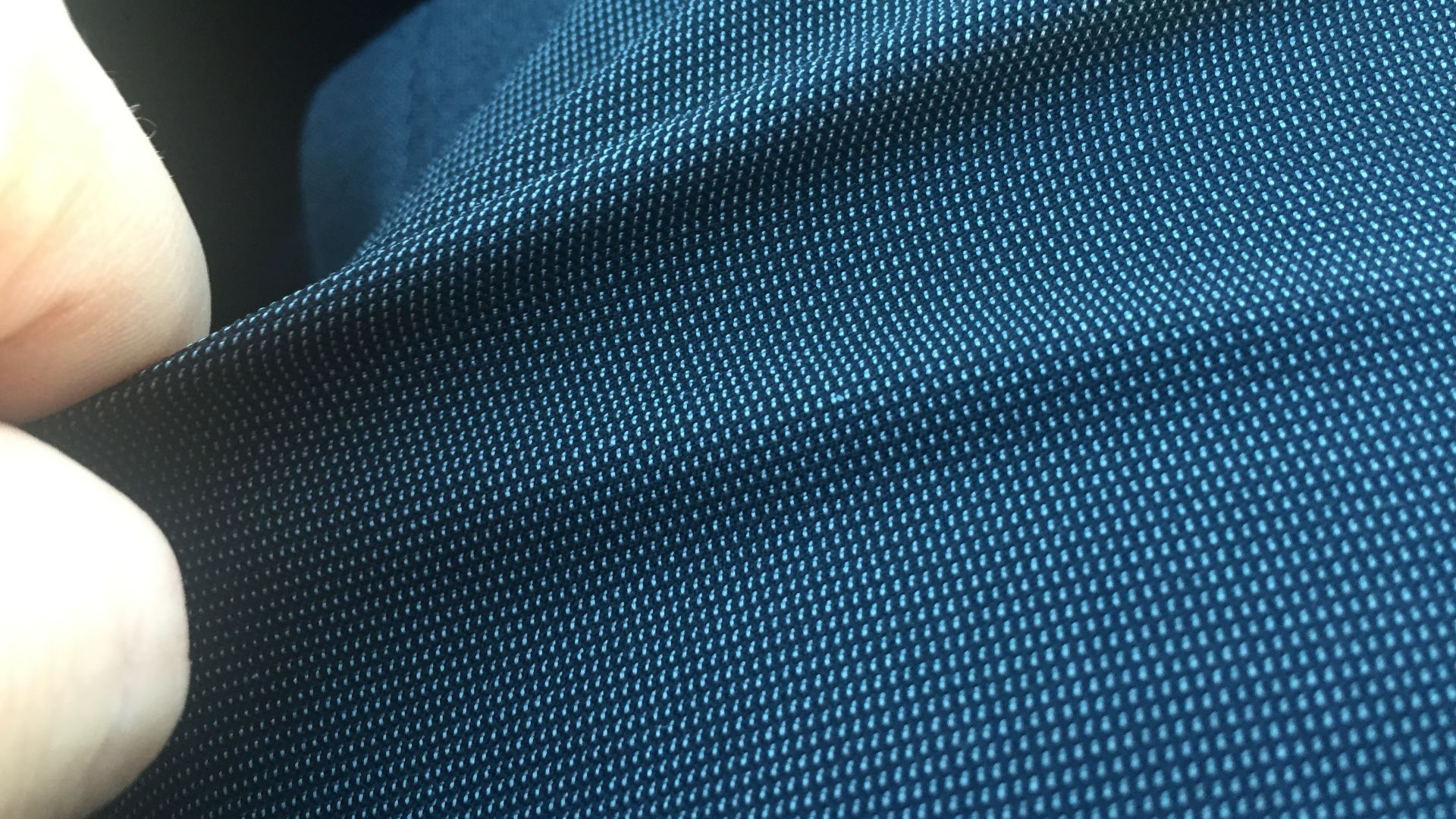
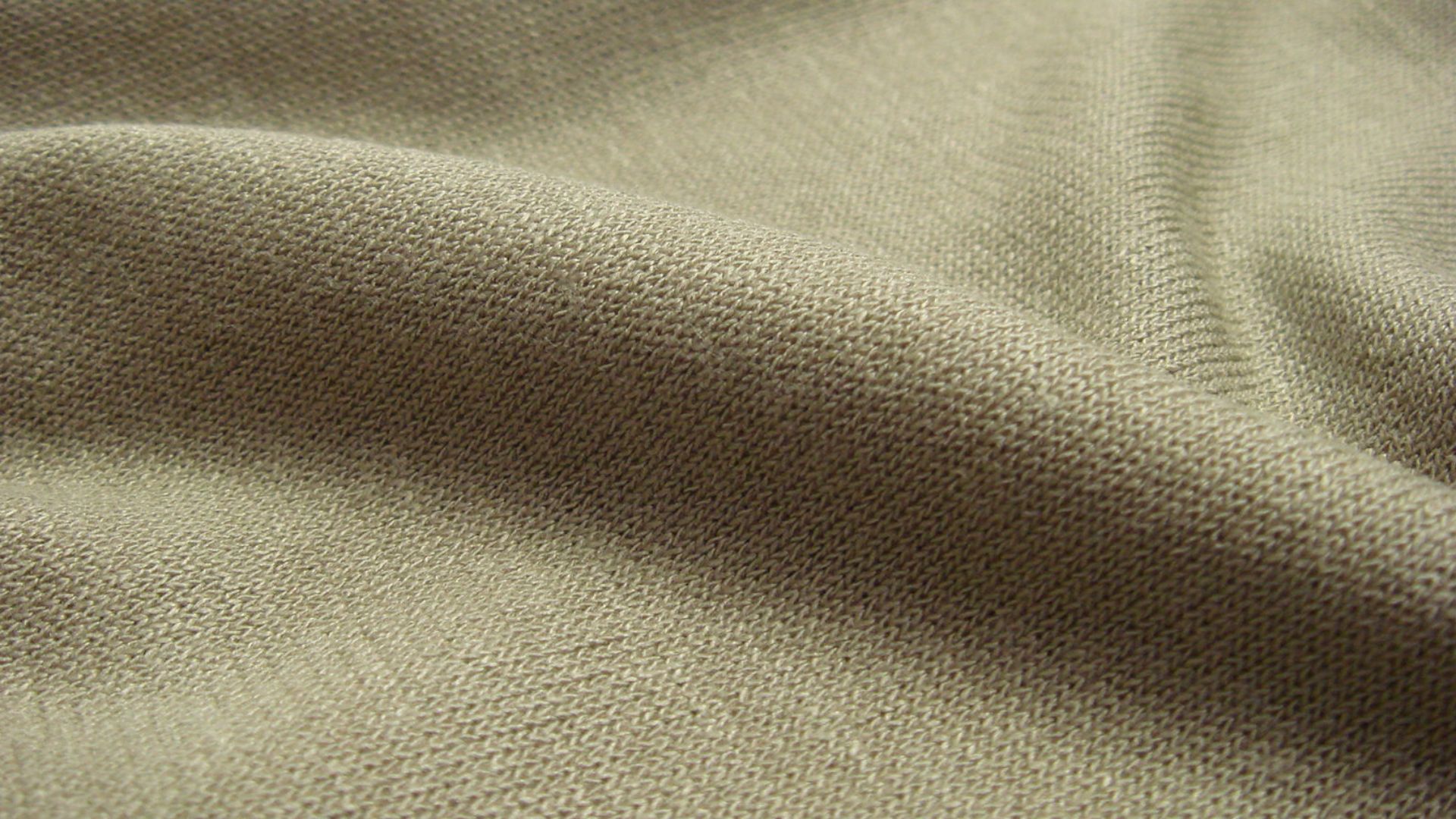
The knit construction itself provides natural stretch without needing spandex, though many versions include it anyway for extra give. It drapes beautifully and shows up in everything from T-shirts to casual dresses. Coco Chanel even famously used jersey knit to revolutionize women's fashion.
8. Stretch Lace
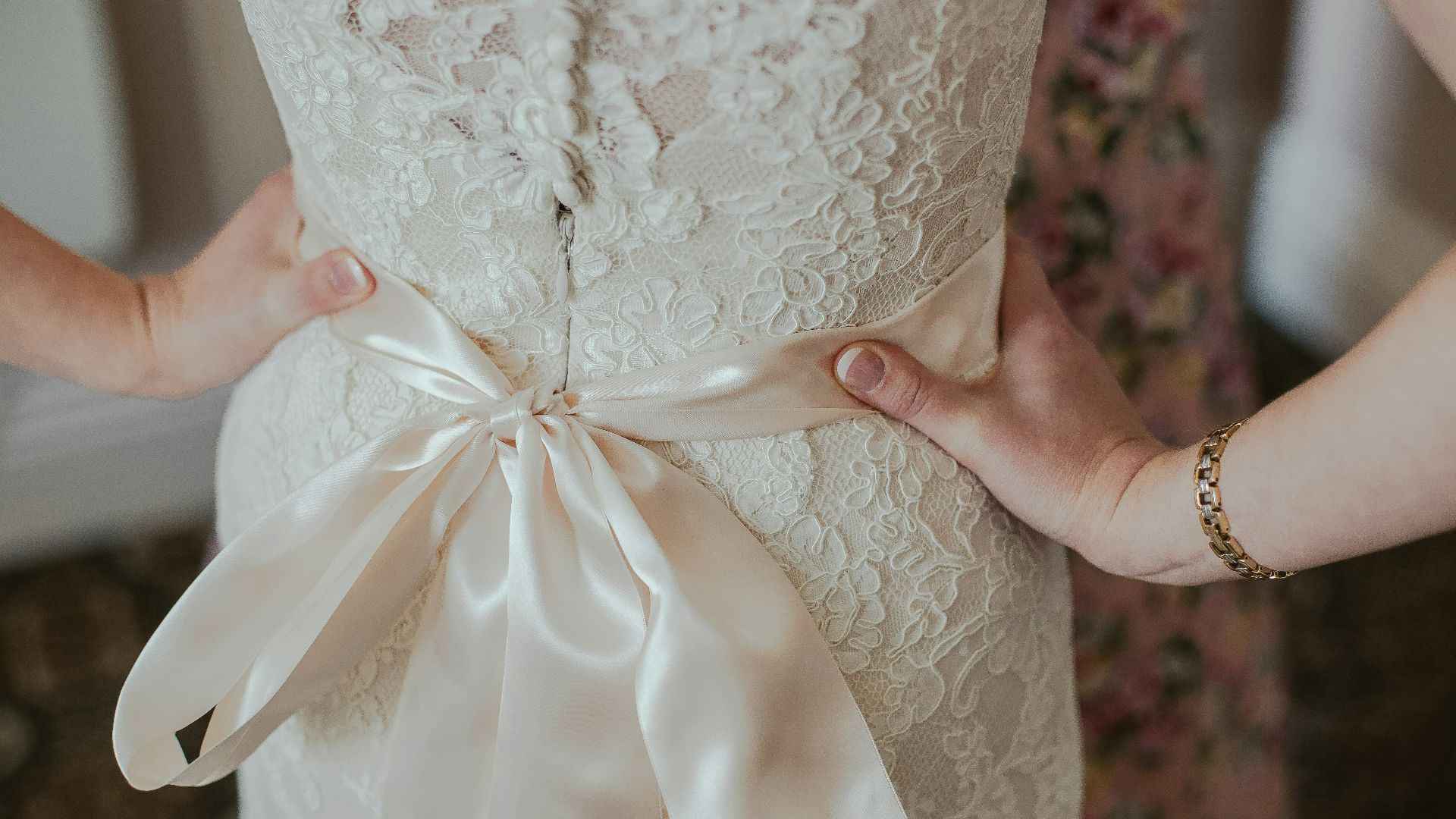
Adding spandex to lace creates fabric that maintains decorative patterns while providing the flexibility you don't expect from something so delicate. Lingerie, bridal wear, and costumes use it when beauty and movement both matter.
9. Cotton-Spandex Blend
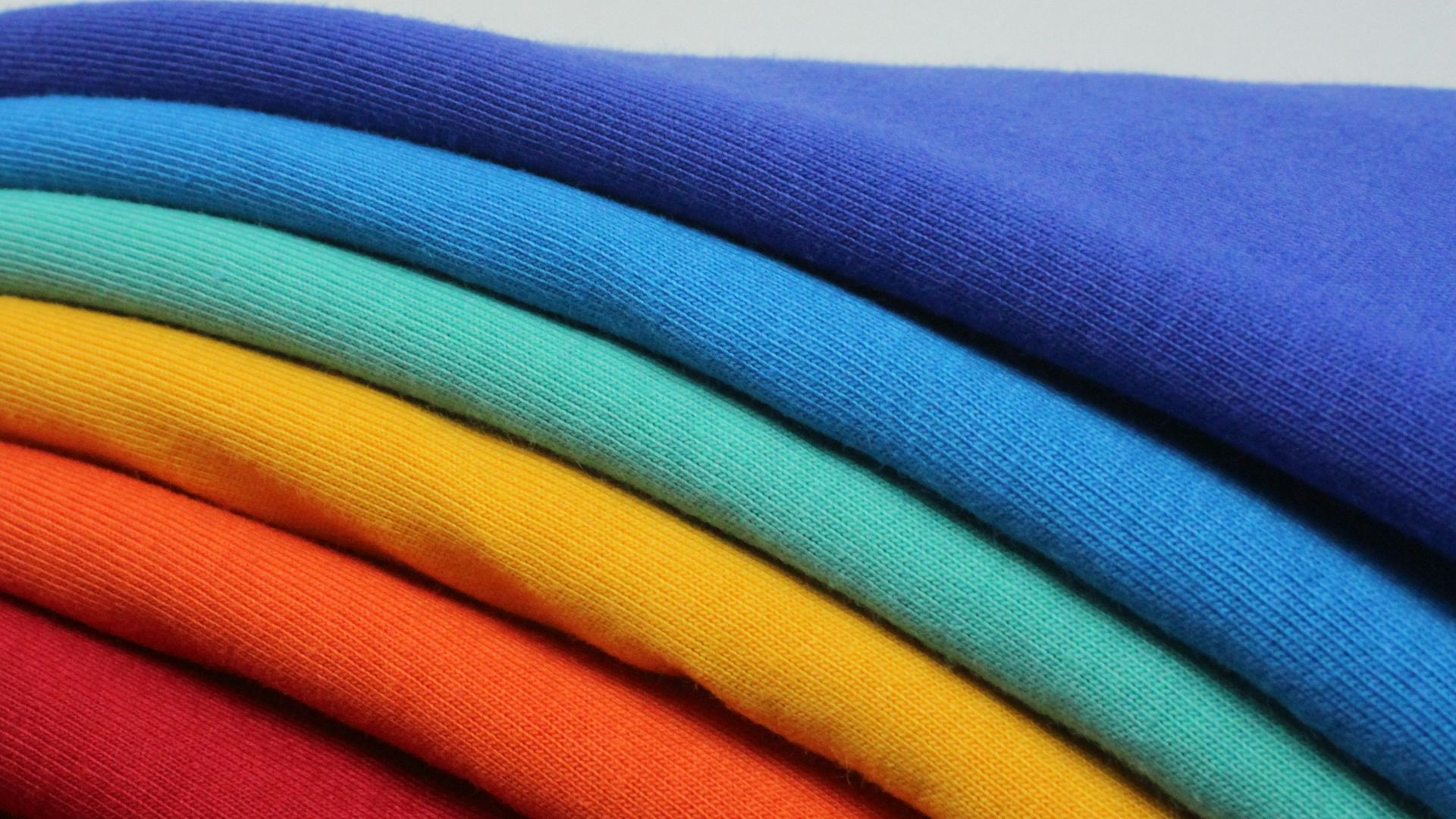
Cotton's natural comfort meets spandex's elasticity in this blend that revolutionized casual wear, especially jeans. It provides moderate stretch and stays breathable, which makes all-day wear actually tolerable. Stretch jeans became a fashion game-changer in the 1990s as people finally had denim that moved with them.
 Moonstarious Project on Unsplash
10. Rib Knit
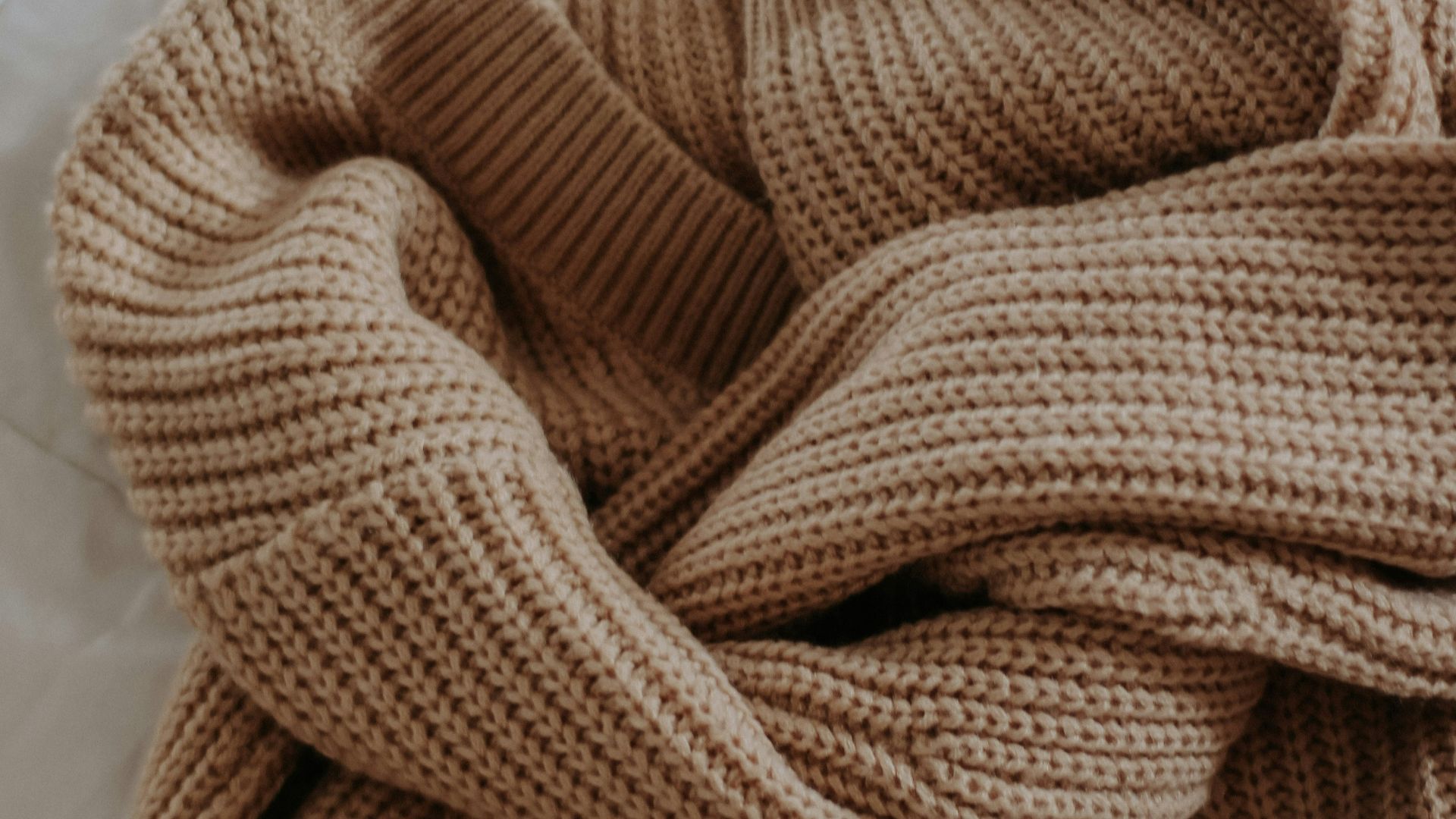
Vertical ribs in the knit structure create natural stretch that holds up better than plain knits over time. You see it constantly in cuffs, collars, and body-hugging tops that need to stay snug without losing shape.
 Nataliya Melnychuk on Unsplash
Now let’s switch to the fabrics that hold their shape and refuse to stretch at all.
1. Canvas
Heavy-duty plain weave makes canvas extremely rigid, which is why it shows up in sails, tents, and bags that need to survive abuse. The tight weave means zero natural elasticity. Artists have painted on canvas since the Renaissance because it holds tension perfectly.
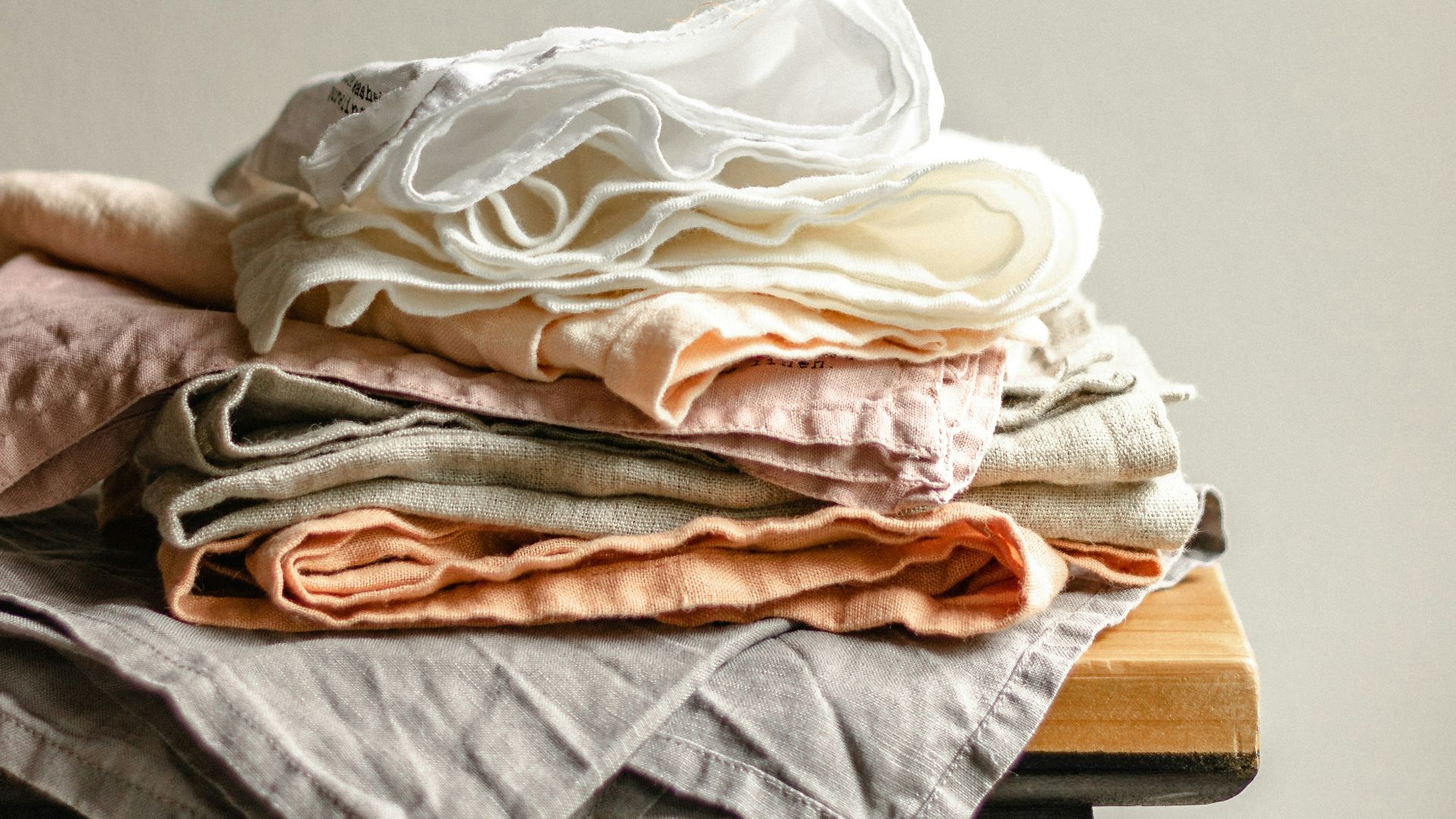
2. Linen
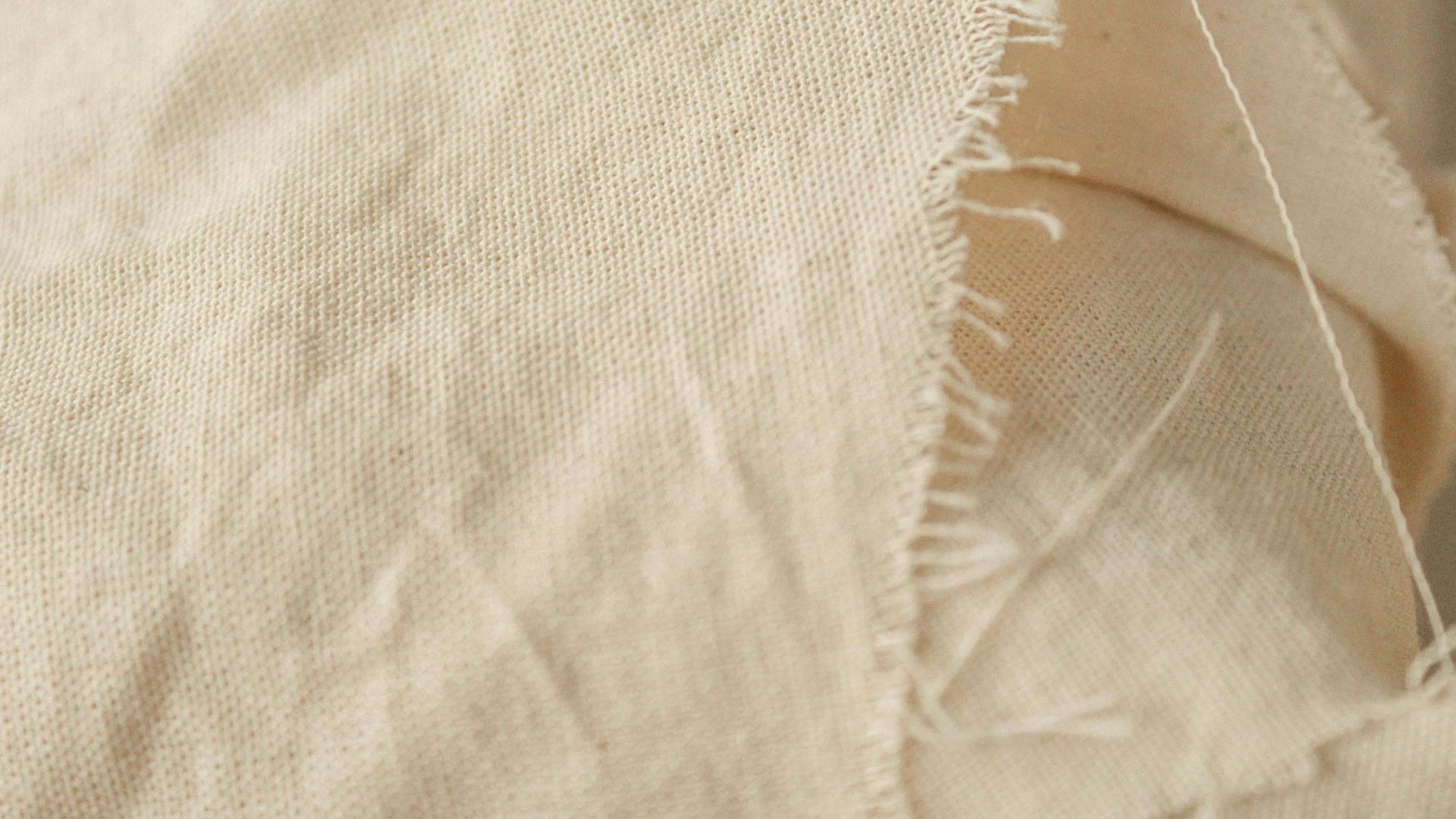
Flax fibers create fabric that's naturally crisp and stronger than cotton but completely lacks stretch. It wrinkles the second you sit down because rigidity is built into its DNA. Ancient Egyptians wrapped mummies in linen, probably because the fabric's refusal to decompose matched its refusal to bend.
3. Silk Taffeta
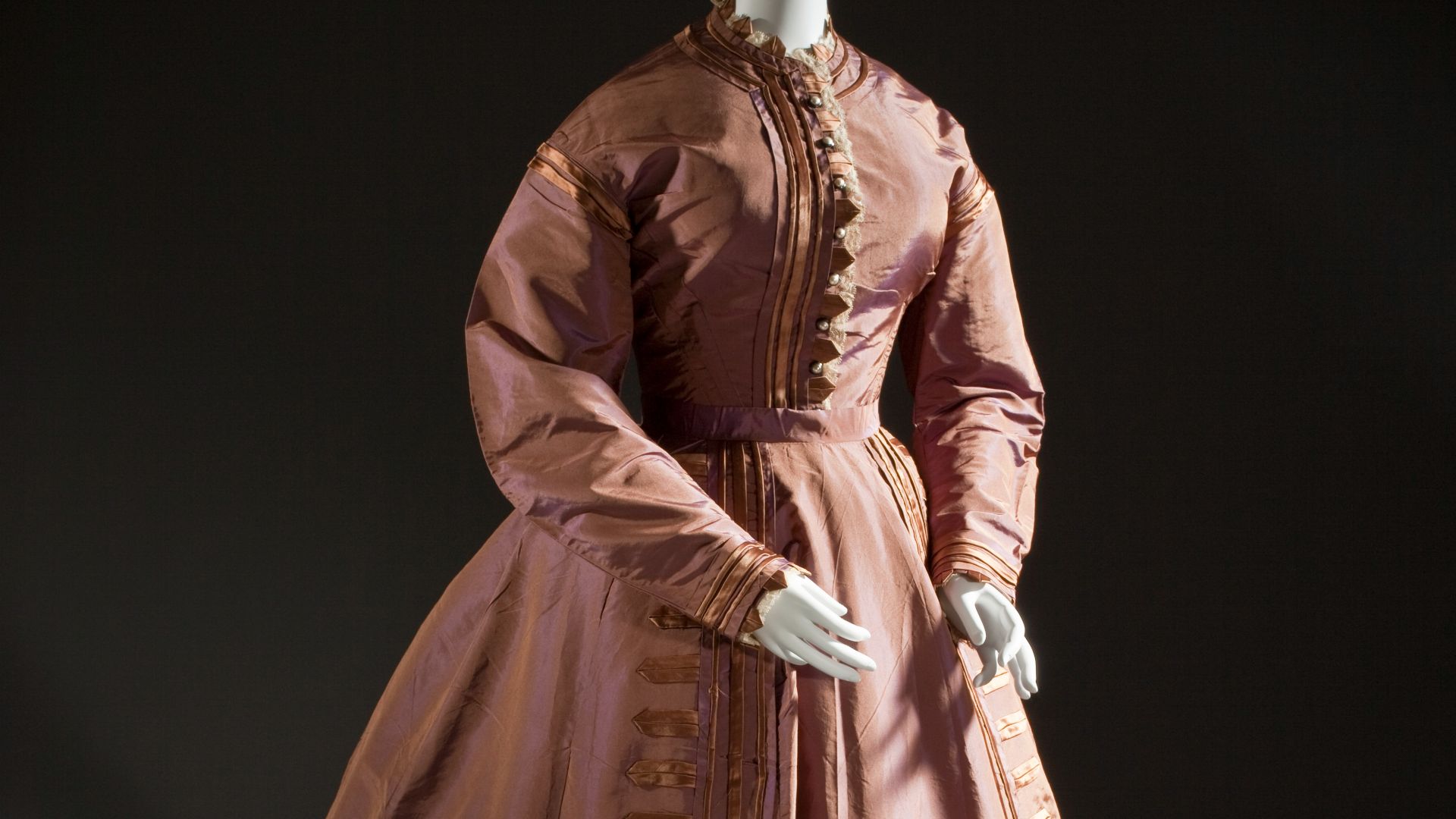
Taffeta holds shape so firmly that it was the fabric of choice for royal ball gowns back when looking structured mattered more than comfort. This crisp, tightly woven silk has no stretch whatsoever. Evening gowns and bridal wear still use it when designers want fabric that stands up on its own.
 Unknown authorUnknown author on Wikimedia
4. Organza
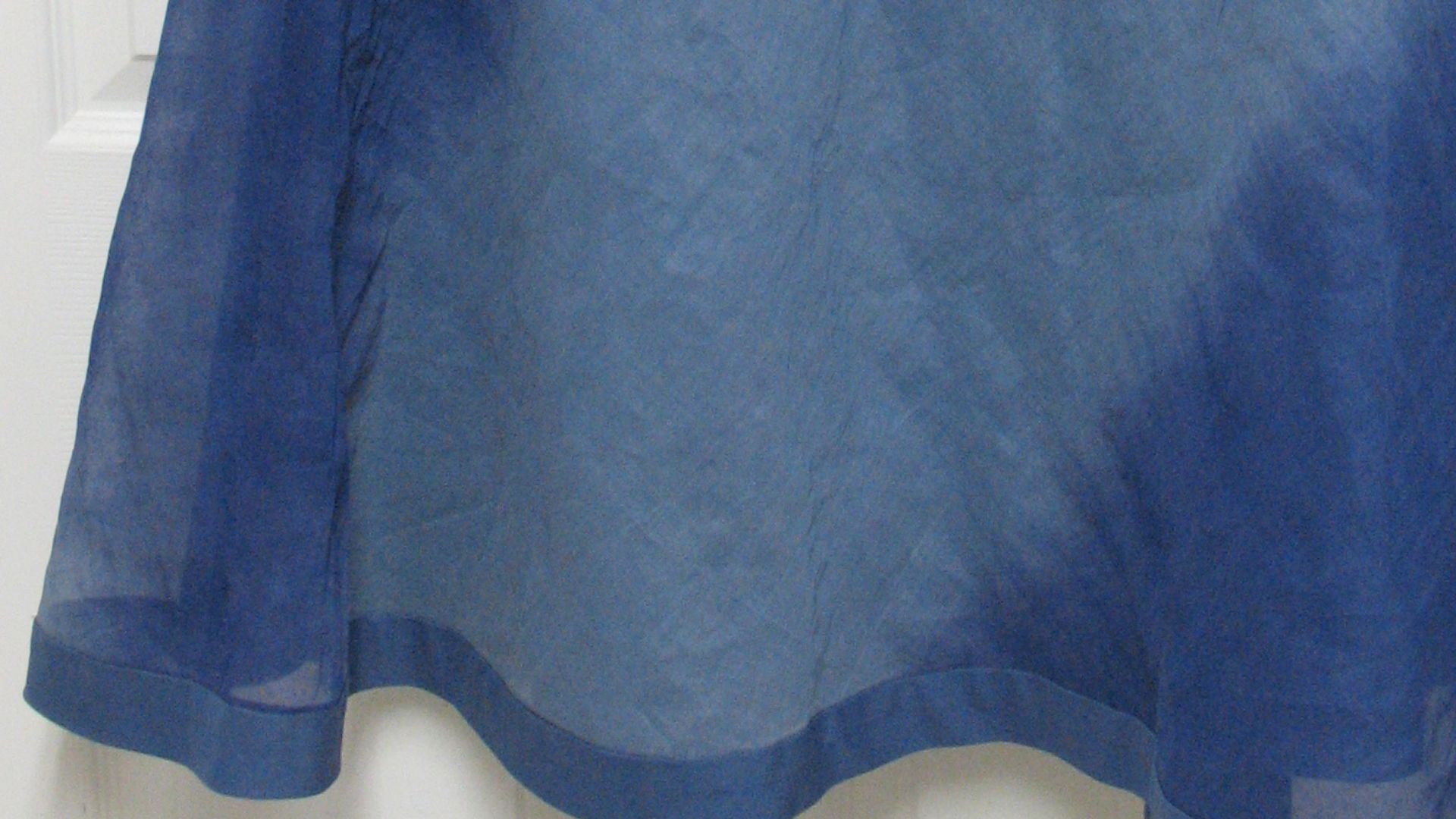
Sheer and stiff, organza refuses to drape softly despite being see-through and delicate-looking. The plain weave construction eliminates any elasticity completely. It's the go-to fabric for creating "fairy-tale" puff sleeves and bridal overlays.
 Own work / rmkoske on Wikimedia
5. Burlap (Hessian)
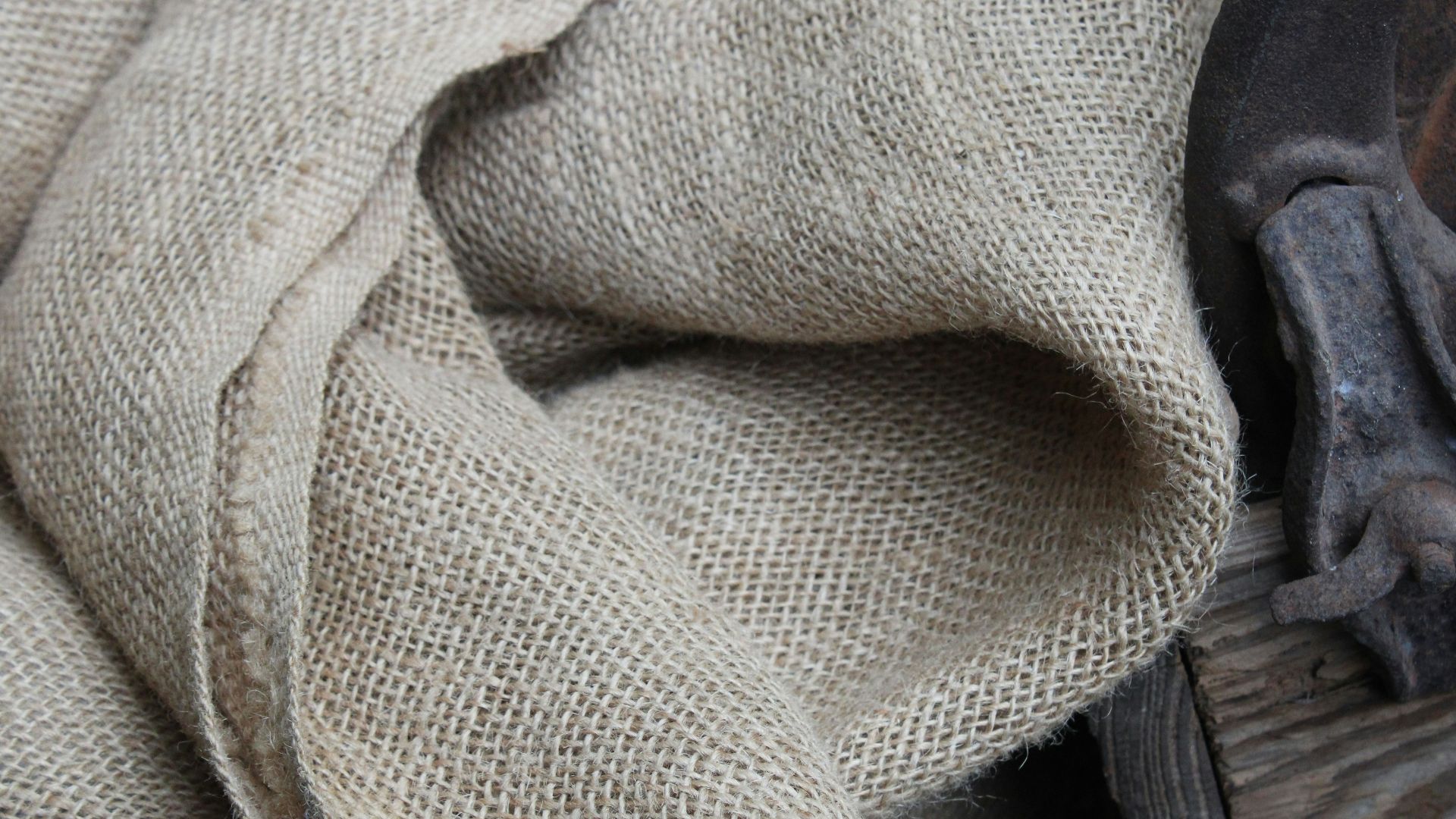
Burlap’s coarse jute weave creates a rigid fabric with no stretch, ideal for sacks and upholstery backing that must hold shape. Its rustic texture also makes it a staple in modern wedding décor trends.
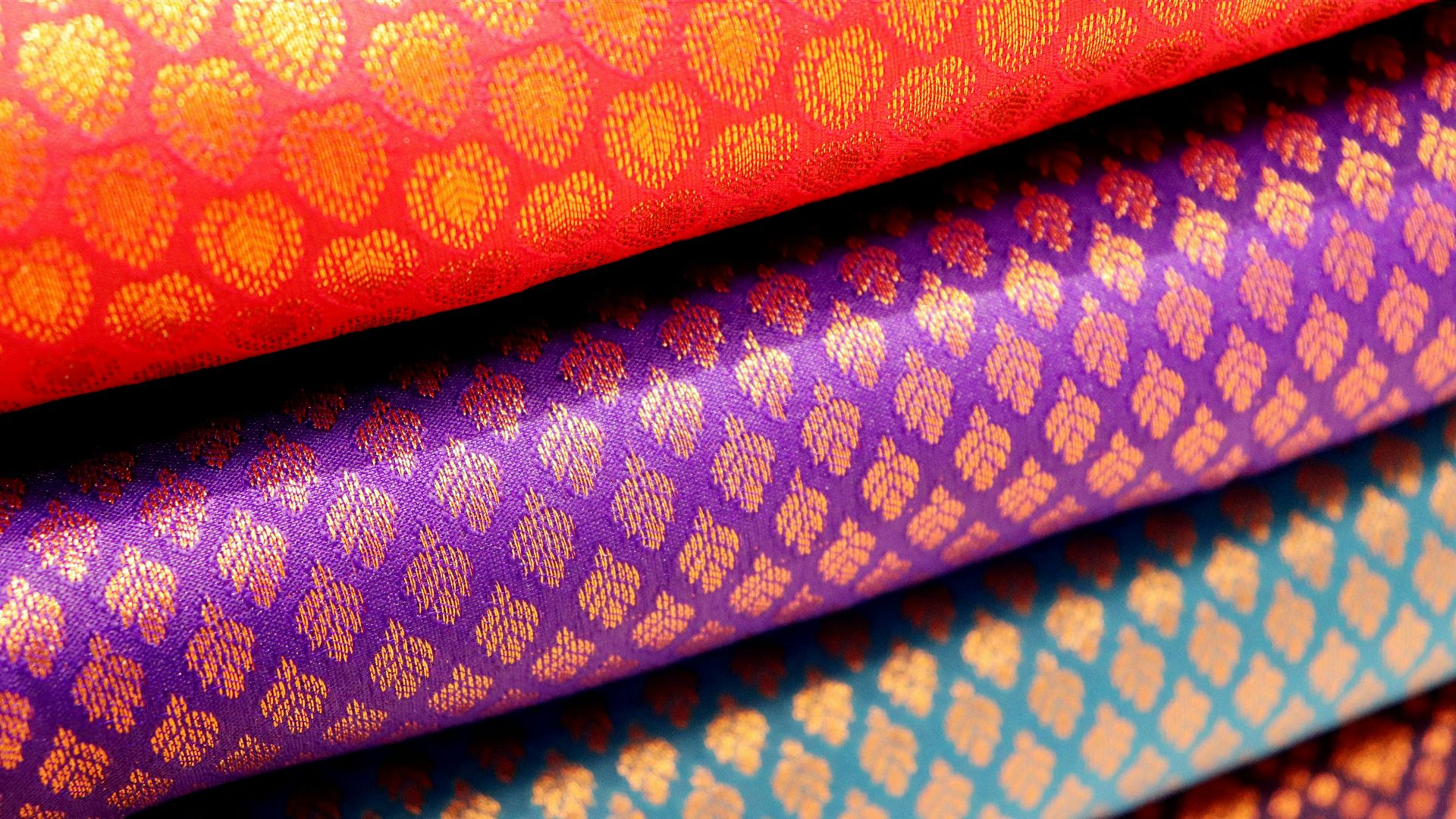
6. Brocade
Decorative jacquard weave with raised patterns makes brocade heavy and structured with absolutely no give. It's used in upholstery and ceremonial garments. Historically, brocade was woven with actual gold or silver threads, making it both expensive and impossibly rigid at the same time.
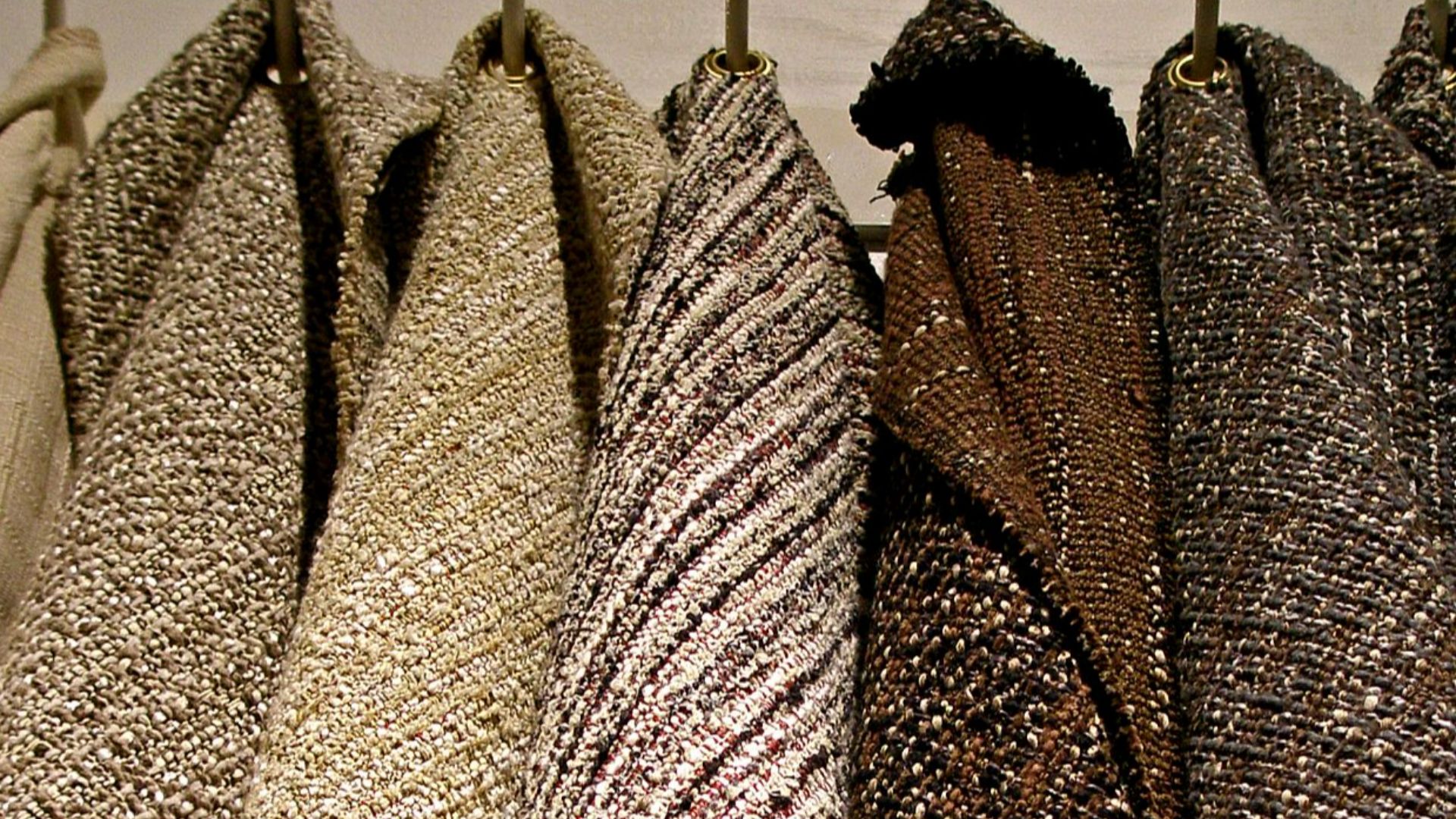
7. Tweed
Rough texture and firm weave give tweed its signature stiffness that traditional jackets and suits rely on. Sherlock Holmes' iconic deerstalker hat made tweed famous, and the fabric's rigid structure is exactly why it holds that distinctive shape.
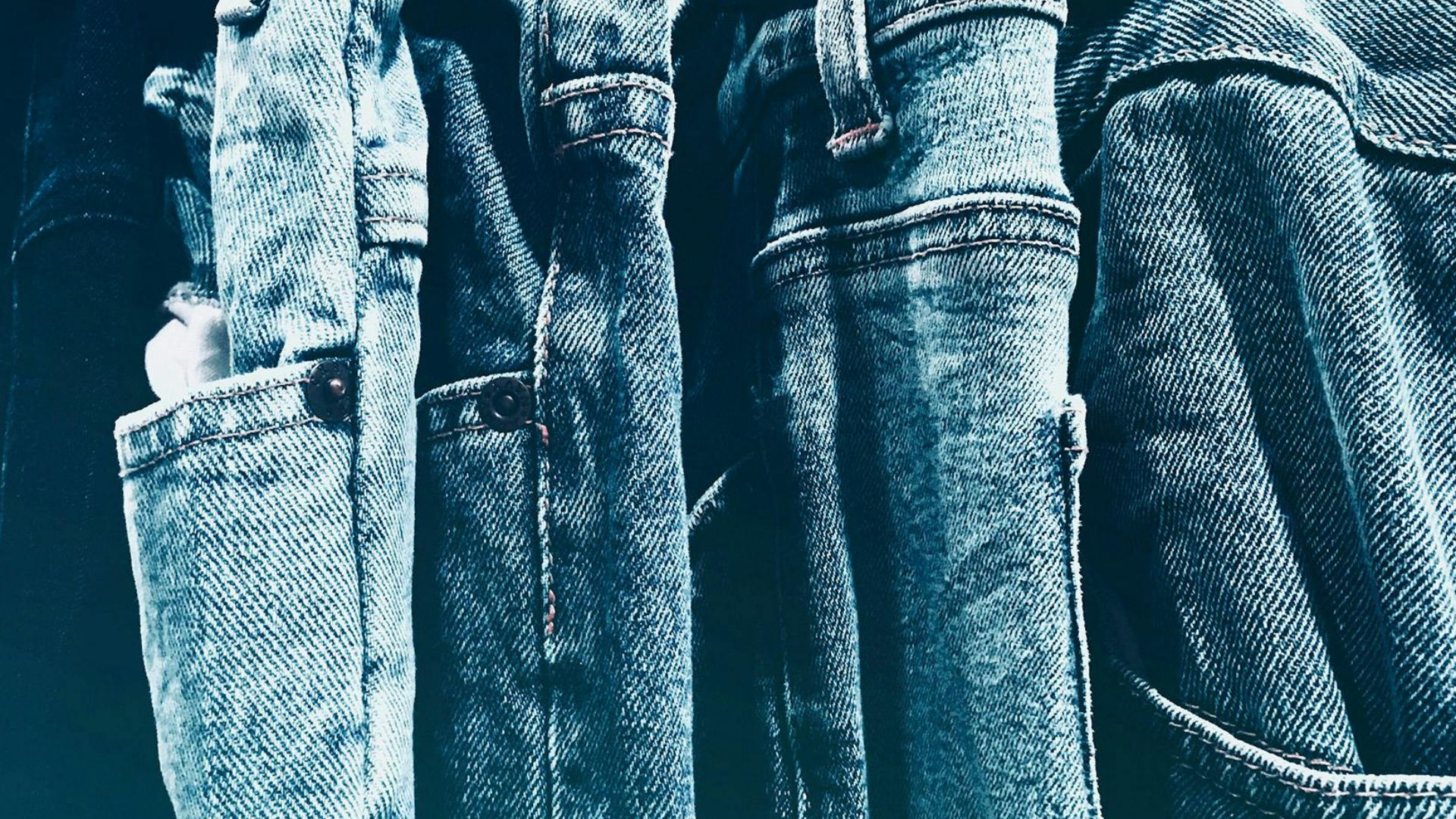
8. Raw Denim (Non-Stretch)
One hundred percent cotton in tightly woven twill creates jeans so rigid they're basically cardboard until you break them in through wear. Raw denim enthusiasts even avoid washing for months to create unique fades.
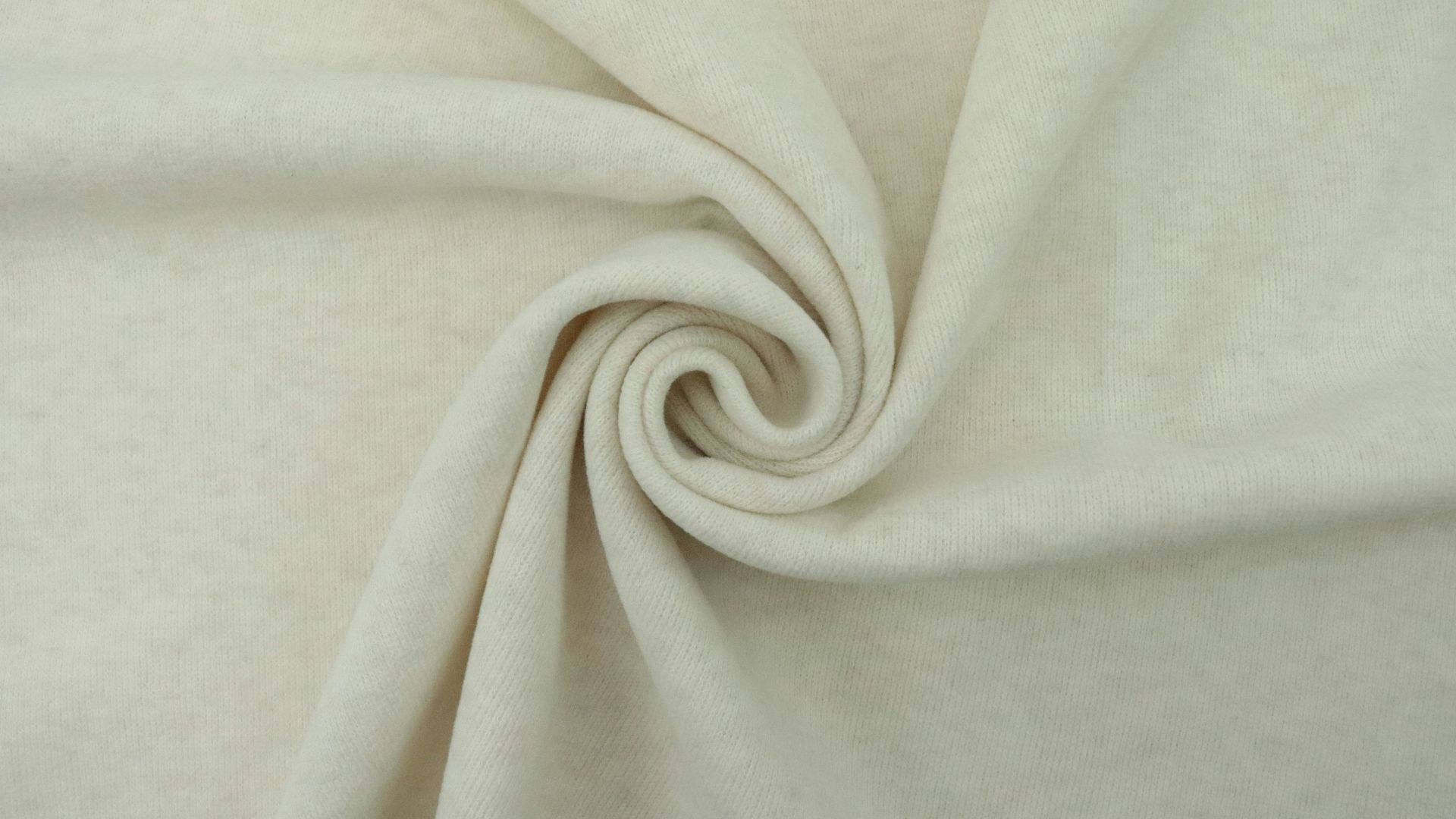
9. Cotton Poplin
Smooth and tightly woven, poplin is lightweight but maintains surprising rigidity despite being thin. It's everywhere in shirts and uniforms when crisp appearance matters. Renaissance Europe originally wove poplin with silk and wool and created fabric fancy enough for important people who wanted their clothes to look sharp and professional.
 Divazus Fabric Store on Unsplash
10. Hemp Fabric
Plant-based fibers create coarse, strong fabric that's naturally rigid with zero stretch built in. It shows up in ropes, sails, and eco-textiles when durability beats comfort. Fun fact: The U.S. Declaration of Independence draft was written on hemp paper.