
Avoiding Dire Mistakes
An essential part of growing up is experiencing dyeing your hair at home. You have the opportunity to get creative, mixing colors, and learning how you want to express yourself. Sadly, if you're not careful, home dye can also go sideways, mostly because hair color depends on more than the shade printed on the front of the box. Your natural color, old dye, texture, damage, scalp sensitivity, and even last night’s dry shampoo can affect the final result. A small mistake may look a lot larger once it's visible across your head. Before you open the bottle and commit, these are the mistakes that make at-home color harder than it needs to be.
1. Choosing a Color Change That’s Too Big
Going several shades lighter or darker at home is where a simple refresh can turn into a long weekend. Box dye is usually better for small shifts, gray coverage, or refreshing a shade you already like, not for taking dark brown hair to pale blonde in one sitting.

2. Skipping the Instructions
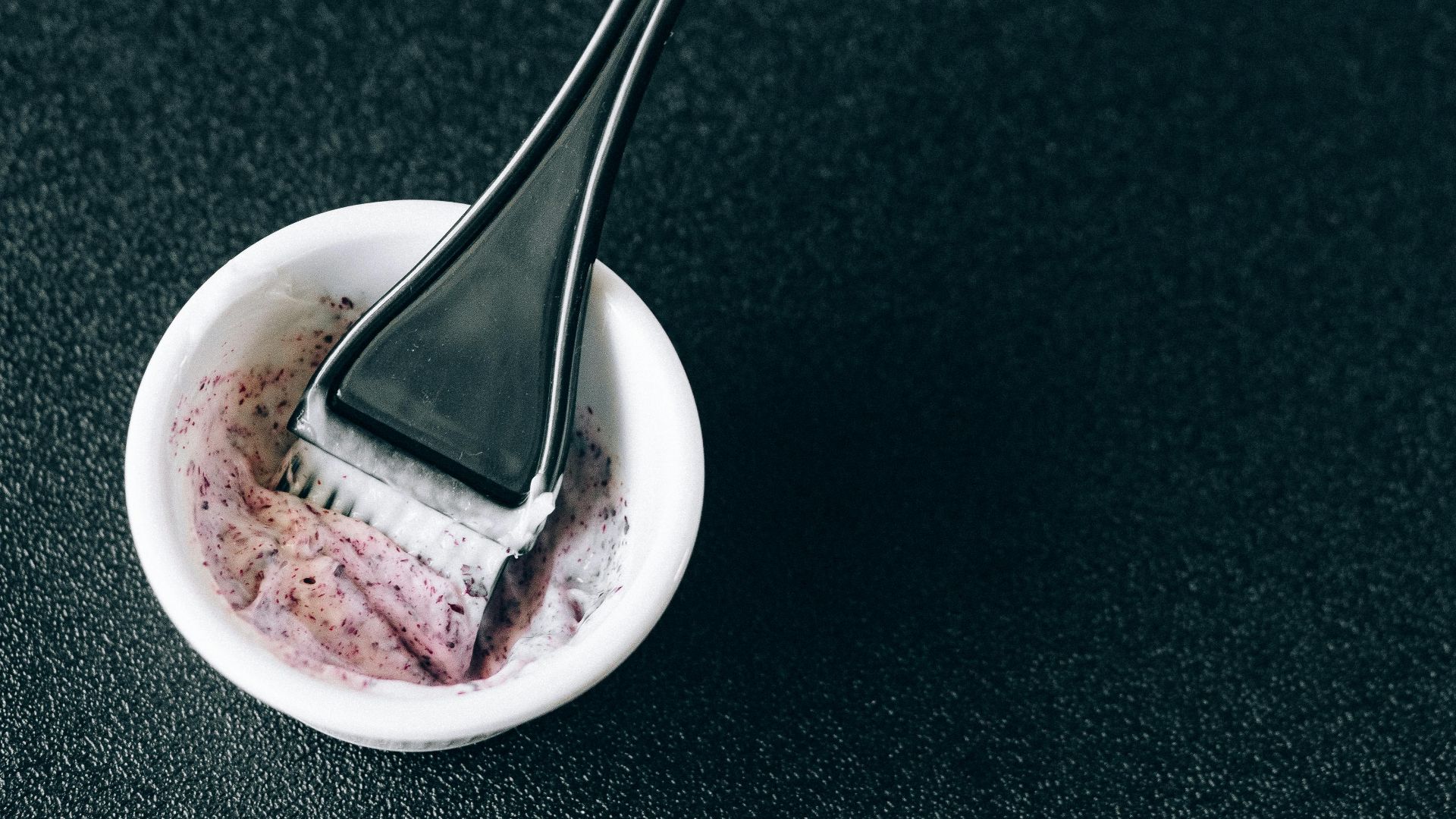
The directions are easy to ignore when you’ve dyed your hair before, which is exactly how people end up rinsing too early or leaving color on too long. Each formula has its own mixing steps, timing, and rinse process, so read the leaflet before your gloves are already covered in dye.
3. Trusting the Box Photo Too Much
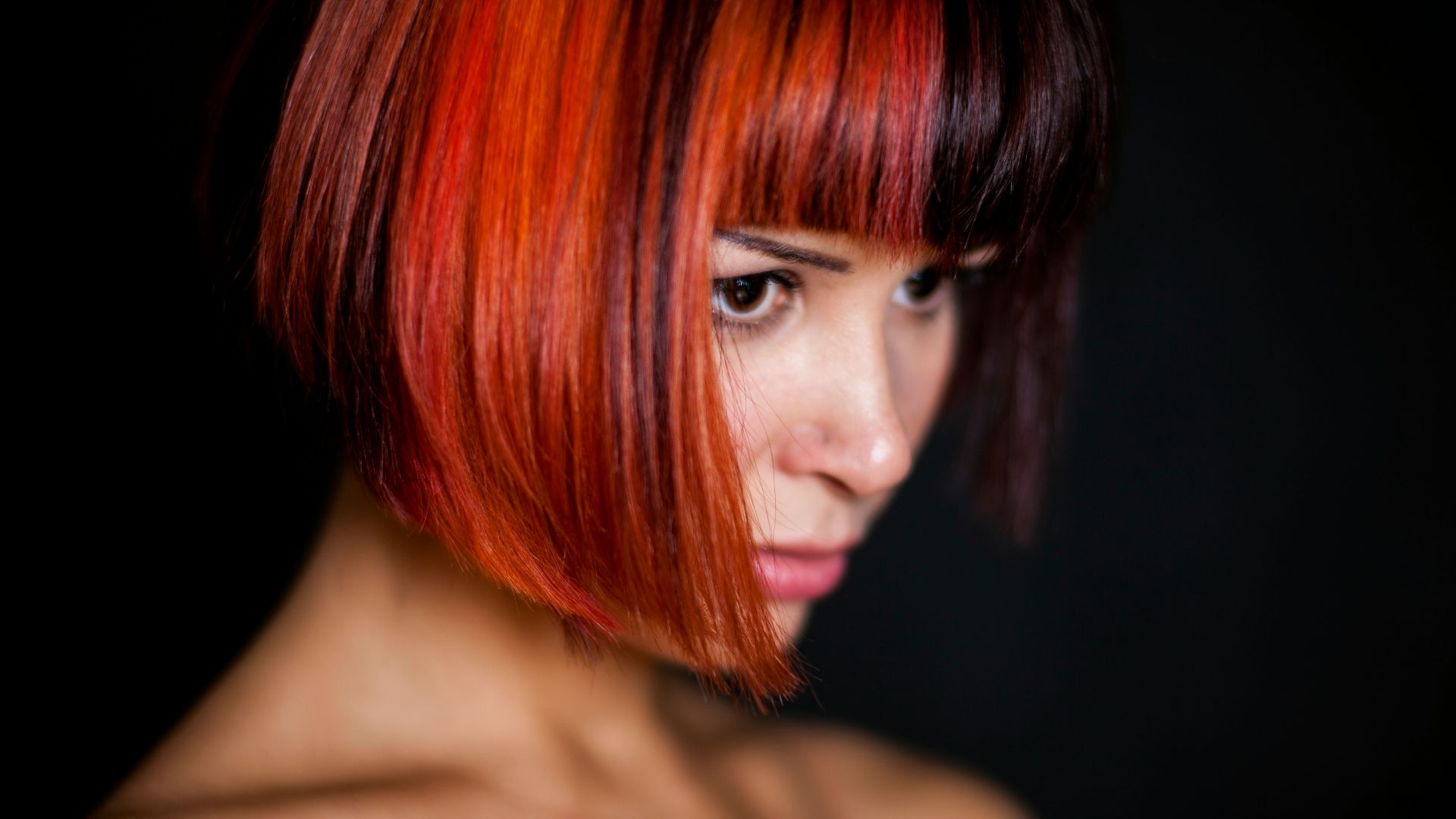
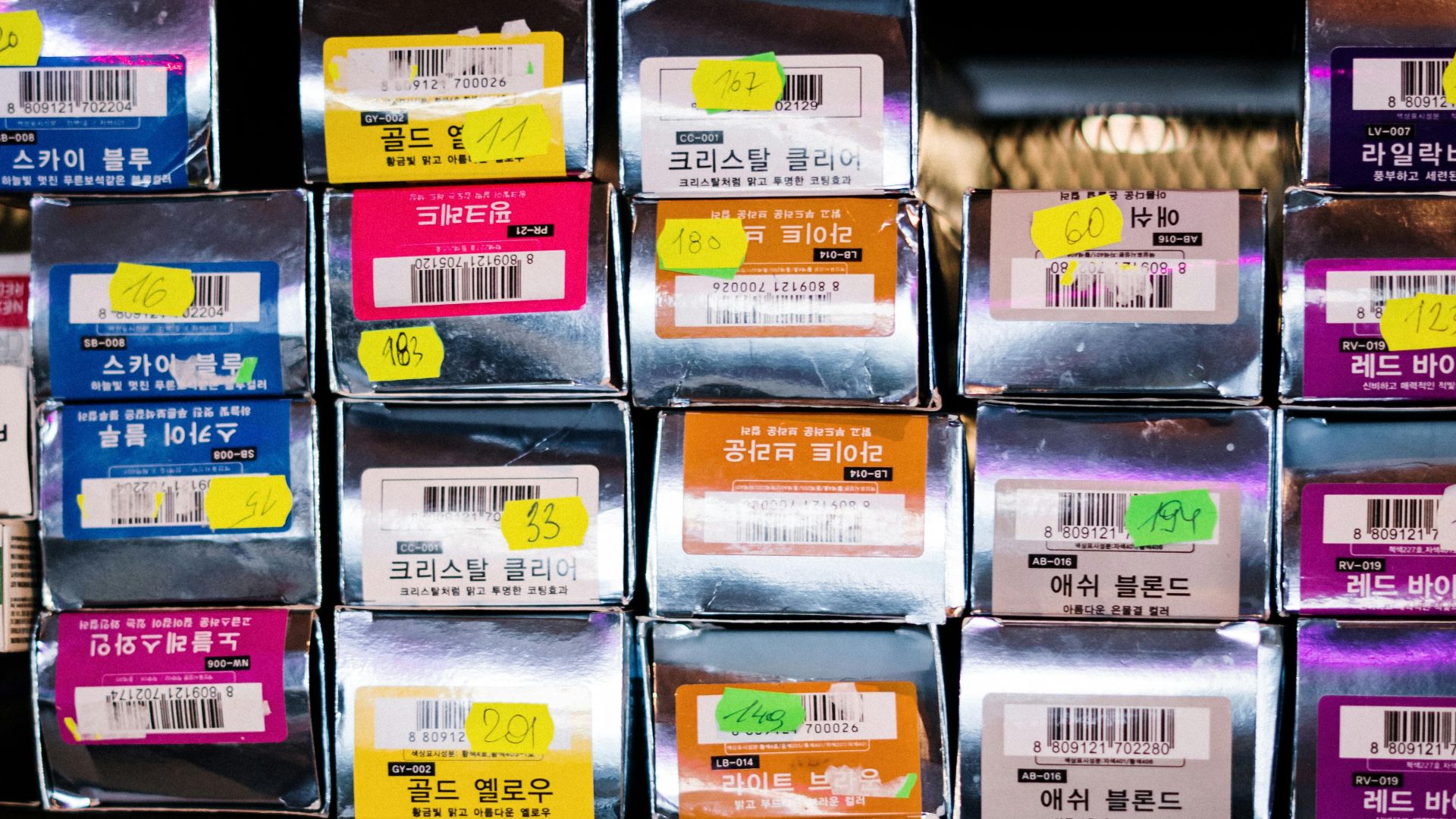
The model on the box is showing one possible result for one starting shade. Your hair might be darker, lighter, warmer, cooler, more porous, or previously colored, and all of that can change how the shade looks on your head.
4. Not Doing a Strand Test
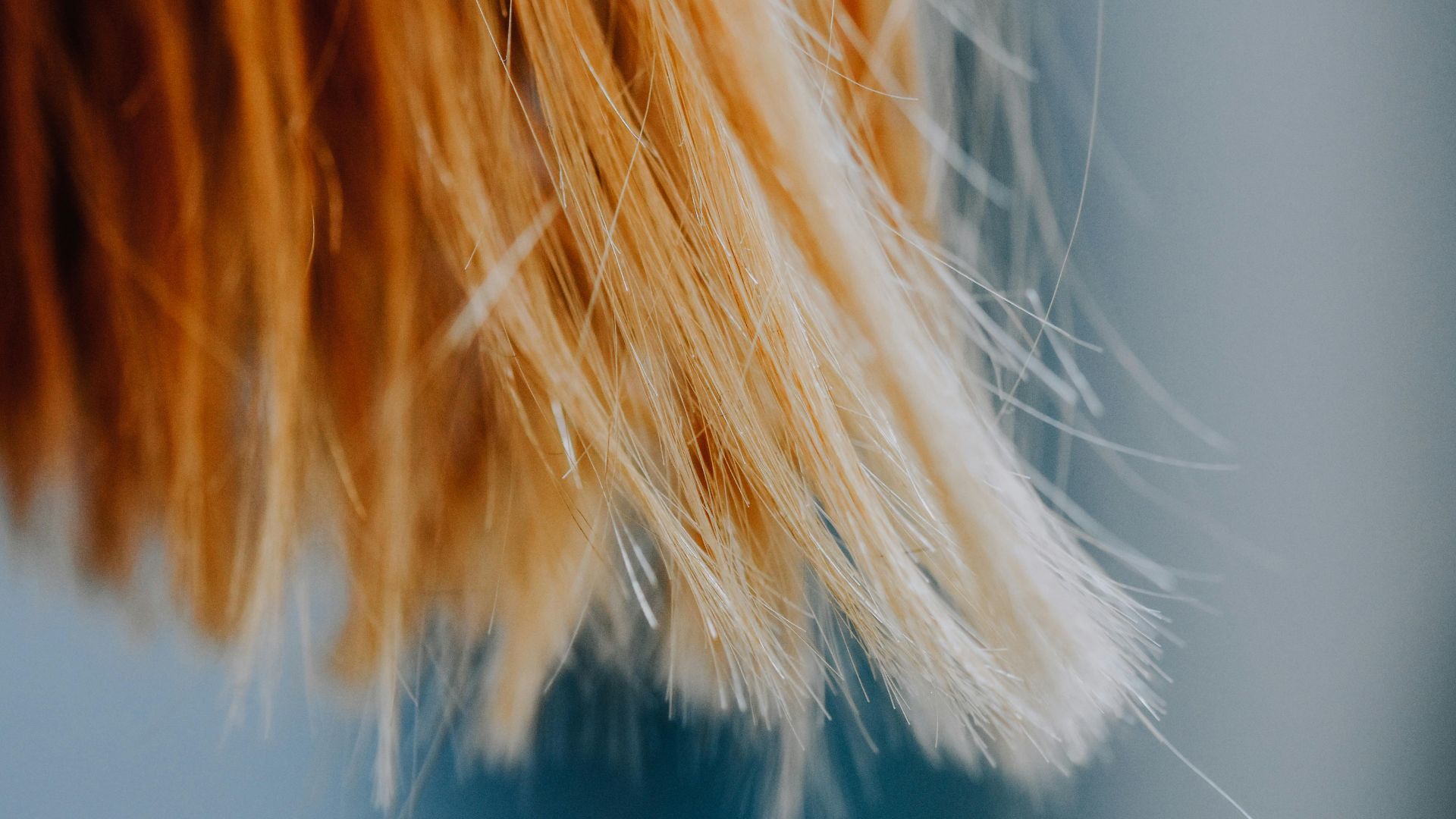
A strand test feels fussy until it saves you from a full head of color you don’t like. Try the dye on a small hidden piece first, then dry it fully so you can see whether it pulls too dark, too red, too orange, or just a little off.
5. Skipping the Patch Test
A patch test is one of those boring steps that matter in the long run. Reactions can happen even if you’ve used hair dye before, so testing first can help flag possible irritation before the formula touches the rest of your head.
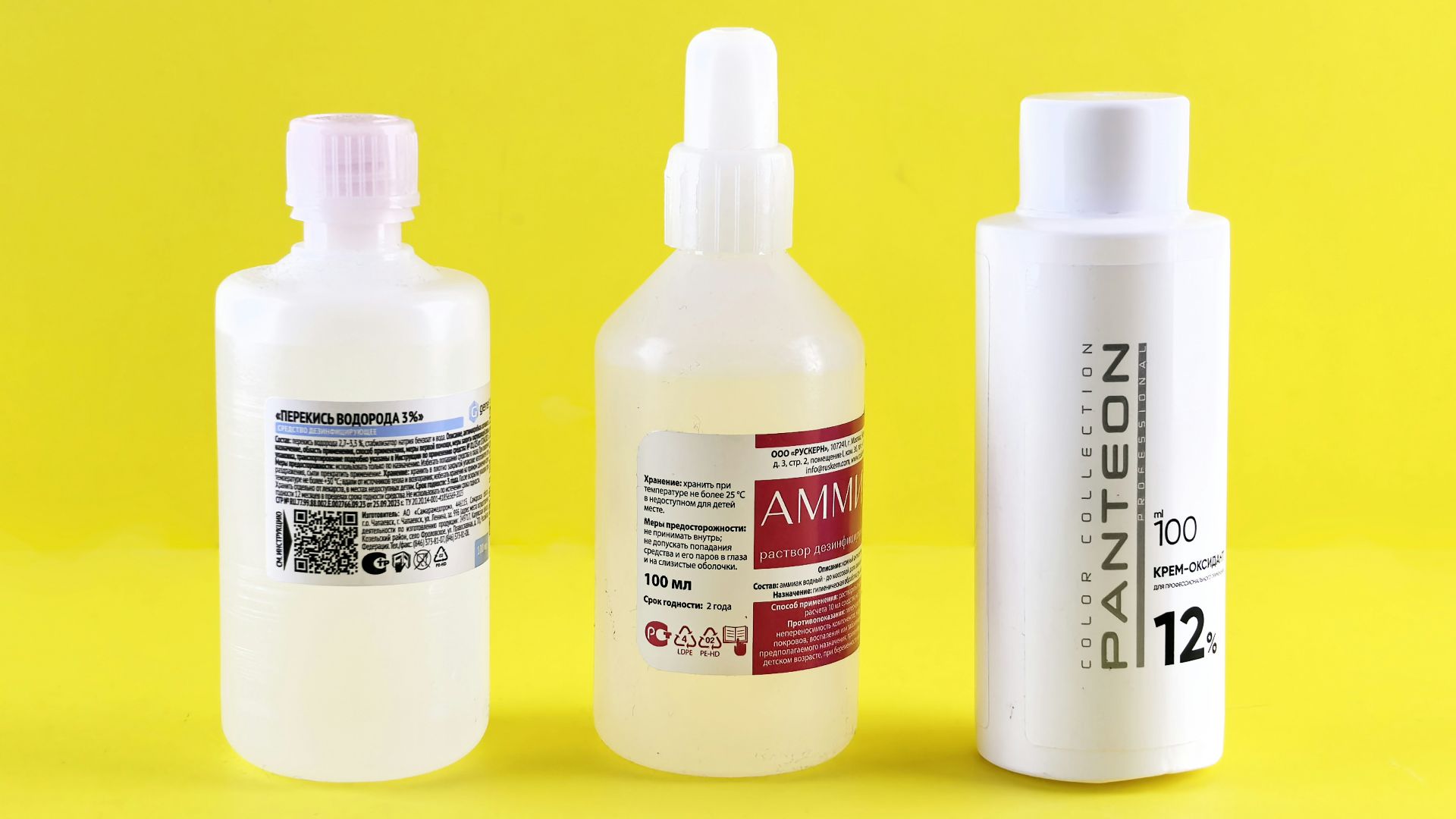
6. Using the Wrong Developer
Developer strength affects how color processes, deposits, and lifts. If the developer is too strong, too weak, or not meant for that formula, the result can look uneven, harsh, too dark, or warmer than planned.
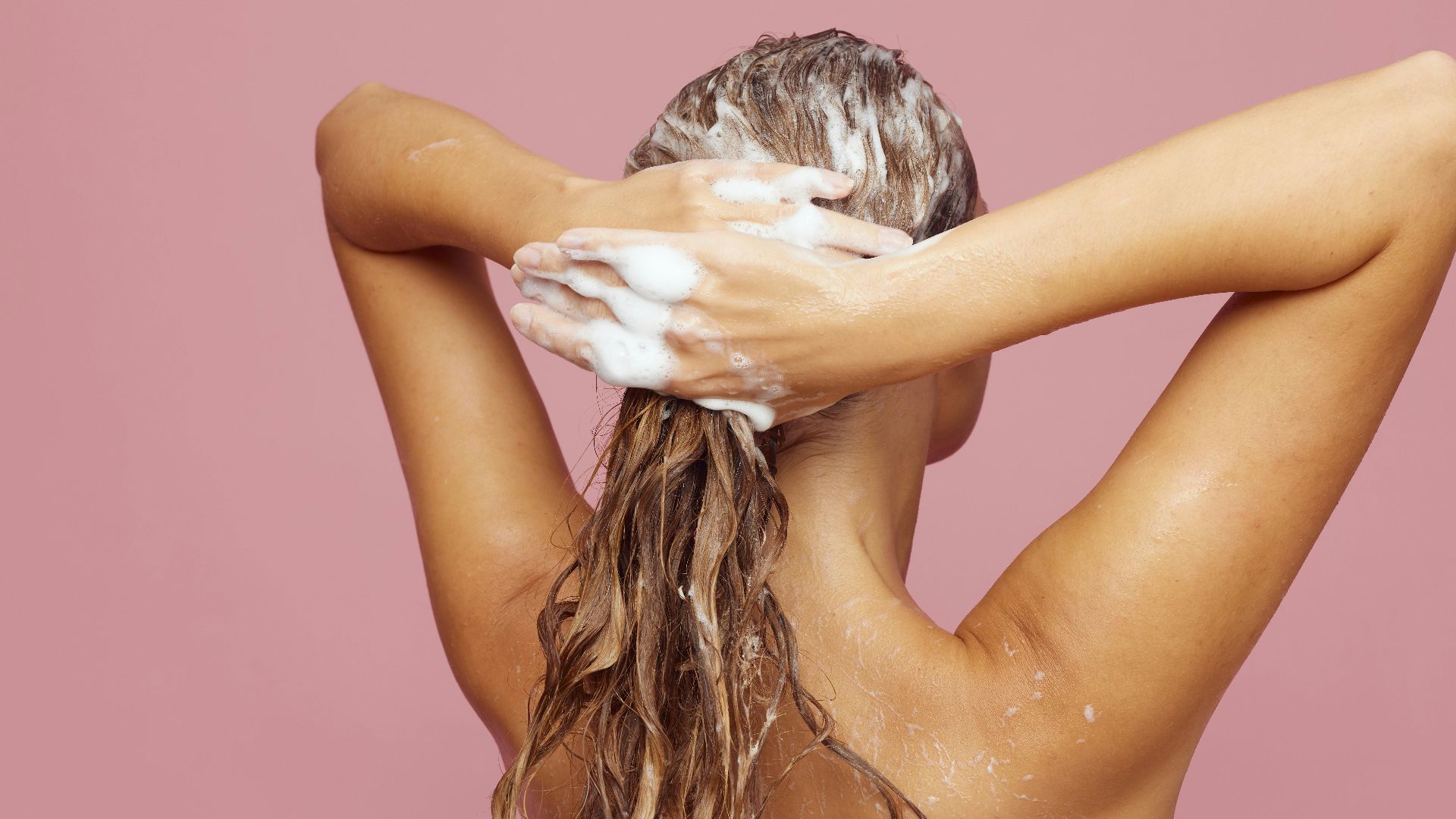
7. Coloring Freshly Washed Hair
Hair that was shampooed right before coloring can leave your scalp more exposed and sensitive. Waiting a day or two after washing usually gives your scalp a little natural oil, while still keeping the hair clean enough for color to take.
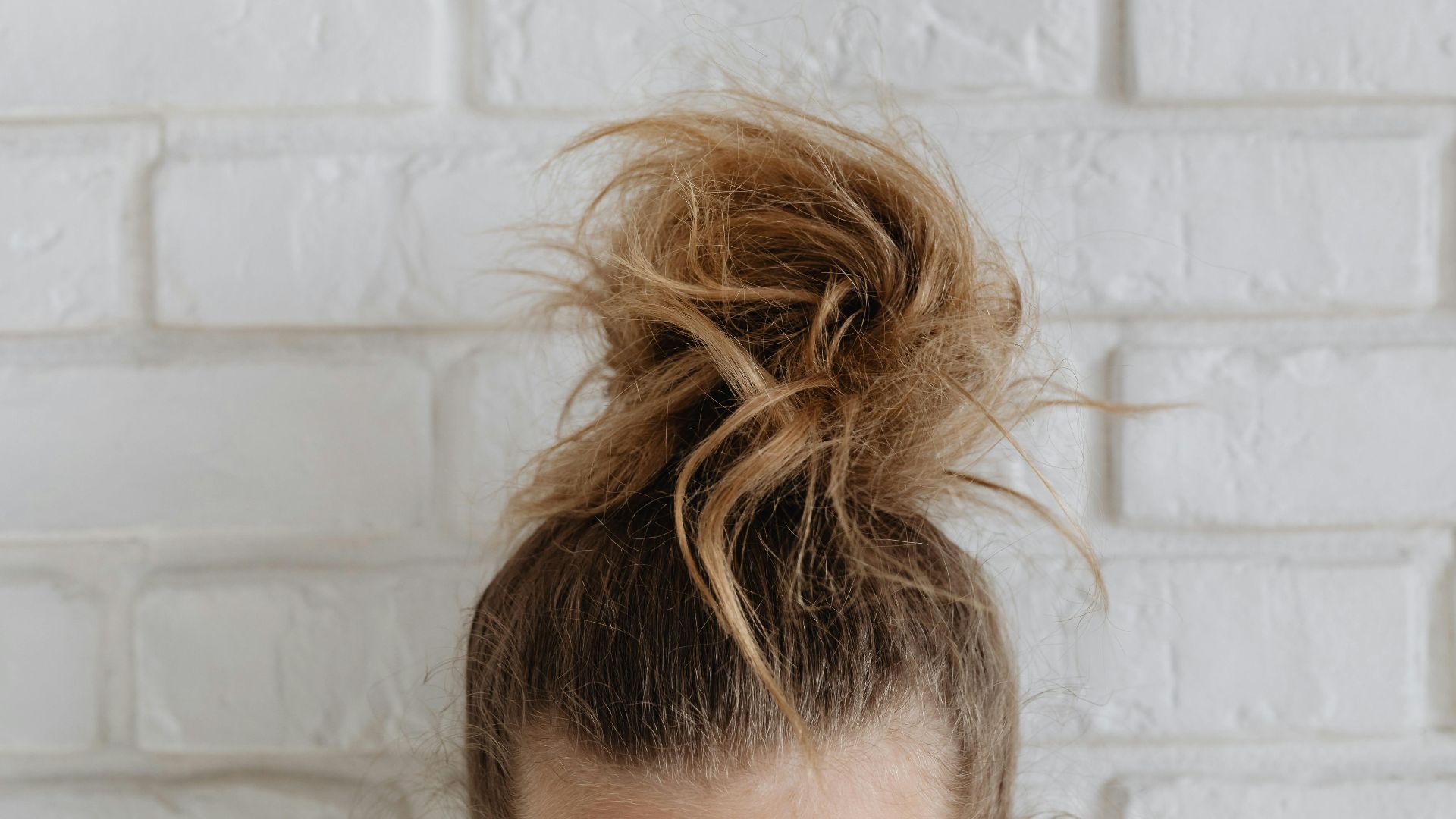
8. Coloring Hair That’s Too Dirty
There’s also such a thing as pushing that too far. If your hair is coated in dry shampoo, root spray, gel, hairspray, or a week’s worth of oil, the dye may not spread or absorb evenly.
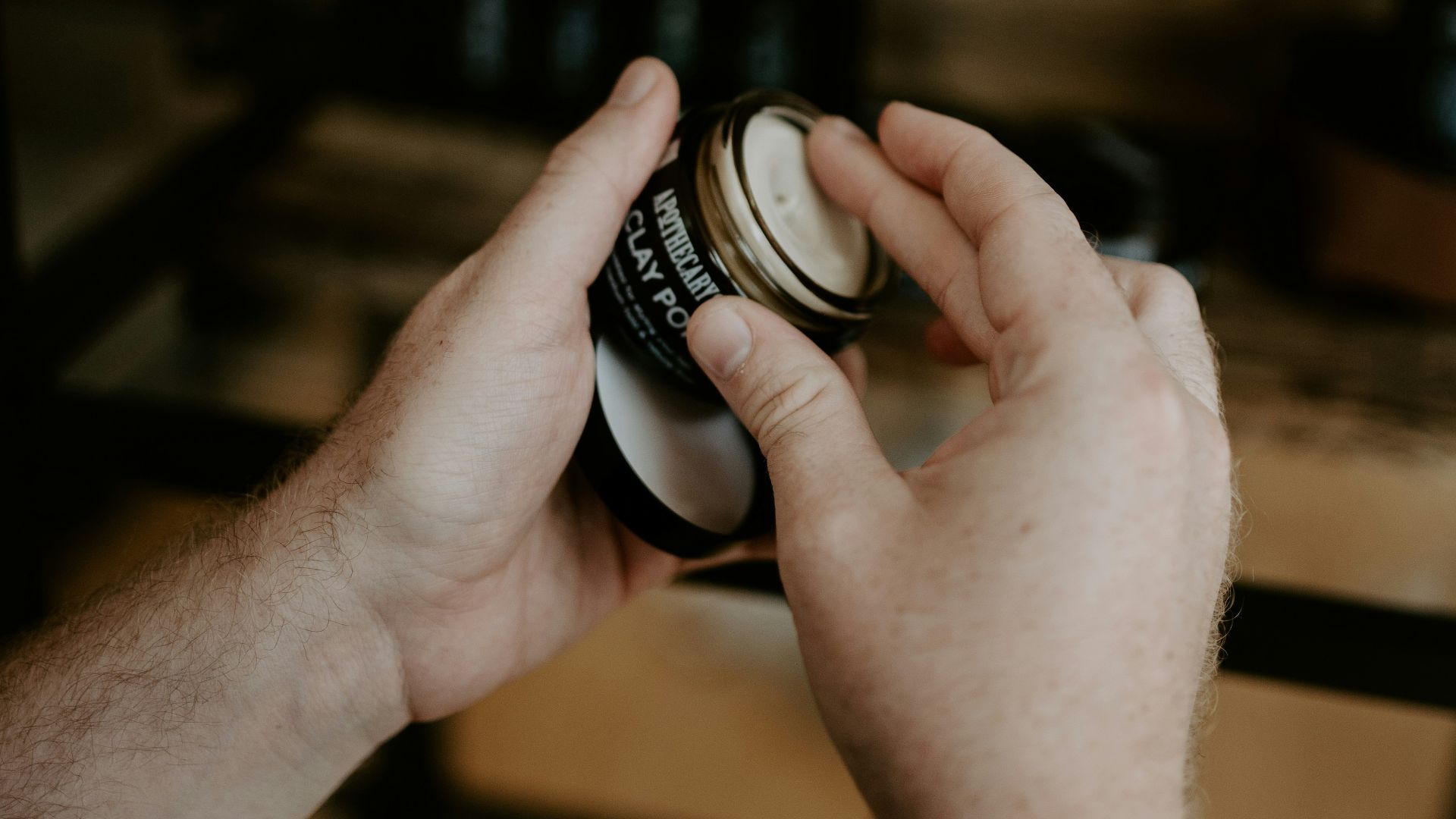
9. Leaving Styling Products in Your Hair
Product residue can interfere with how color grabs, especially near the roots and around the hairline. Wash out heavy styling products ahead of time, then give your hair time to settle before dyeing it.
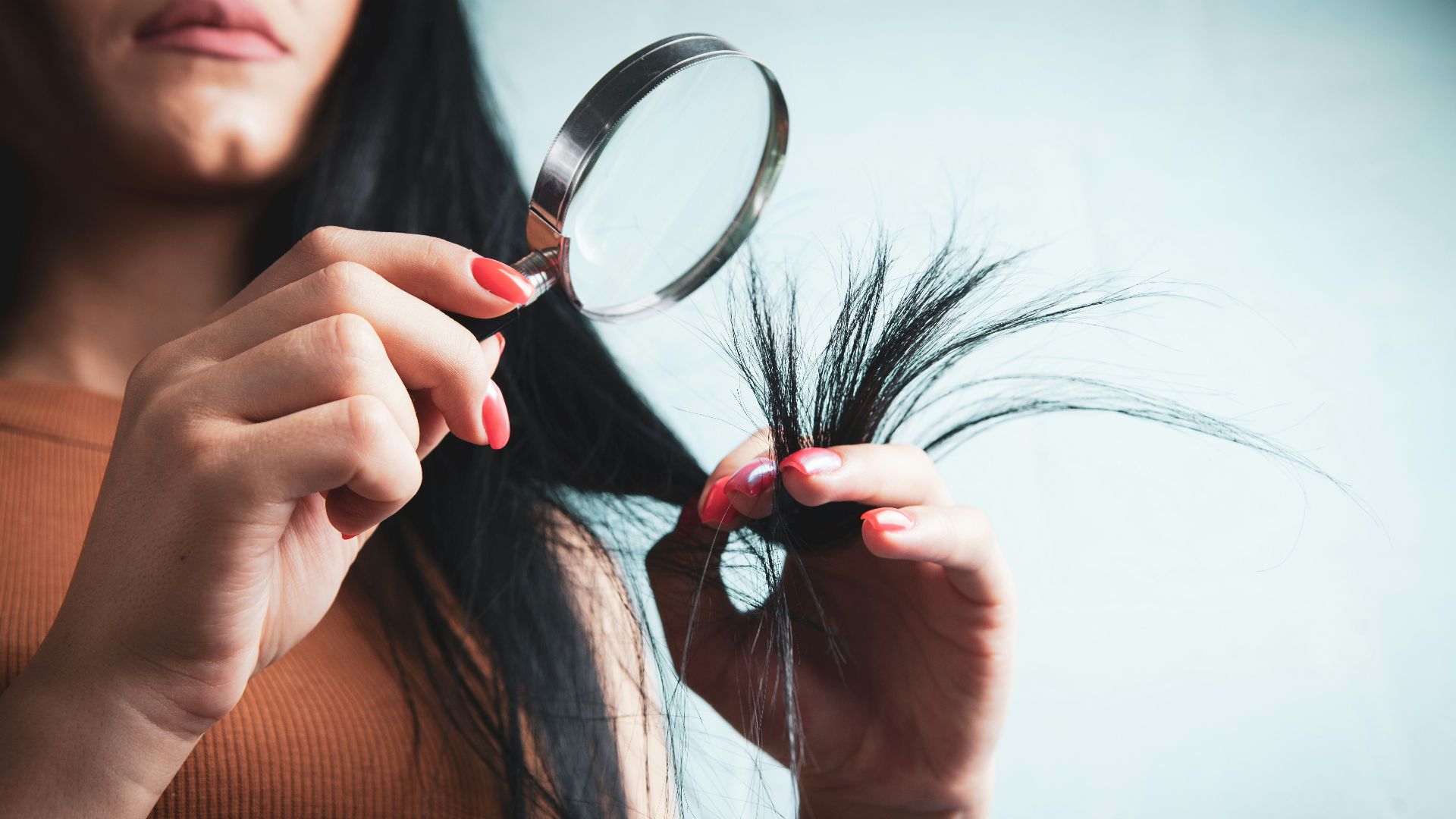
10. Coloring Damaged Hair
Dry, brittle, or overprocessed hair can soak up color unevenly because some areas are more porous than others. If your ends feel rough, snap easily, or already look fried from bleach or heat, give them care and time before adding another chemical process.
11. Forgetting to Protect Your Hairline
Dye stains along the forehead, ears, and neck can hang around longer than anyone wants. A thin layer of petroleum jelly or a similar barrier around the hairline helps keep the color on your hair instead of your skin.
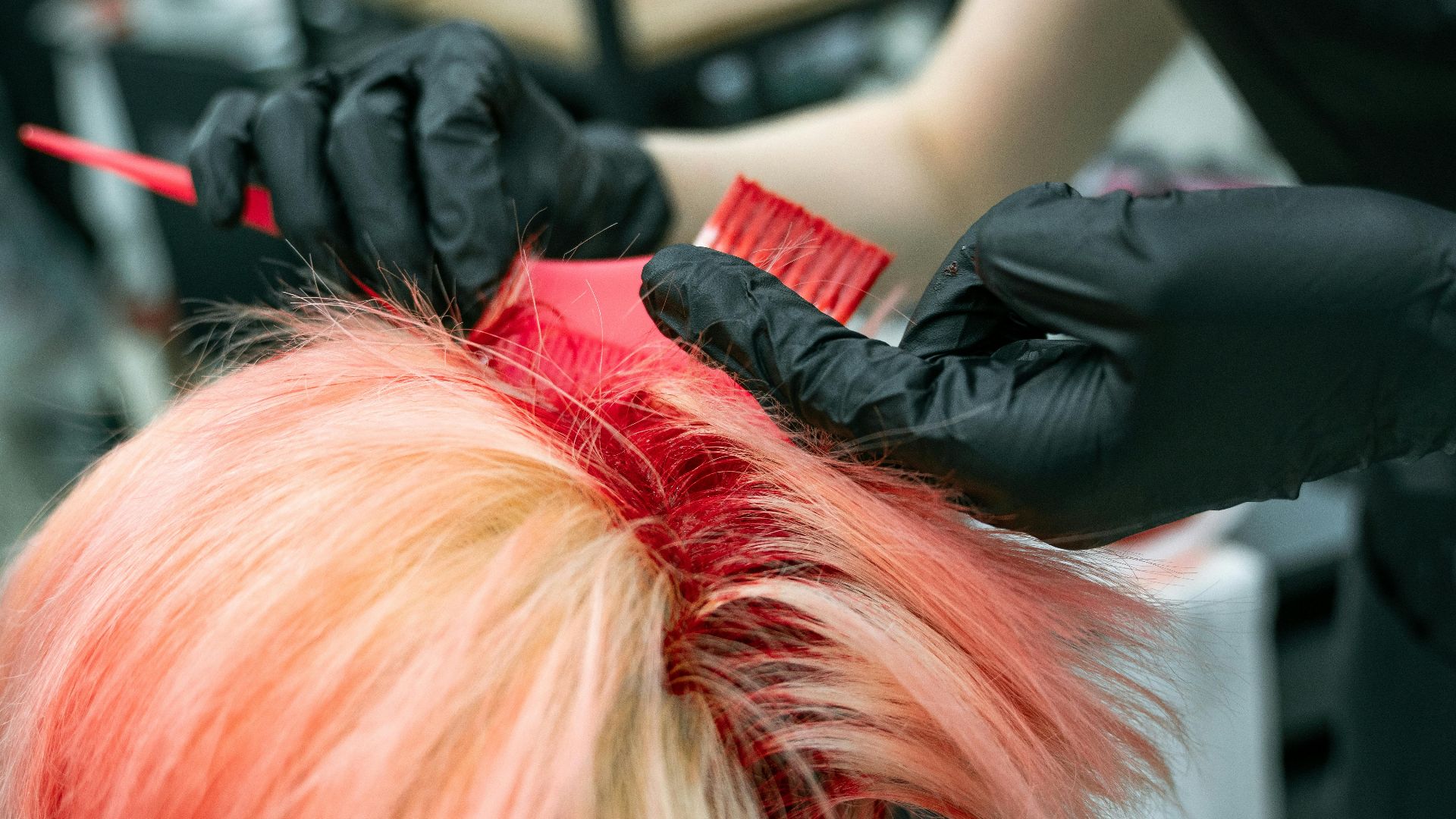
12. Not Wearing Gloves
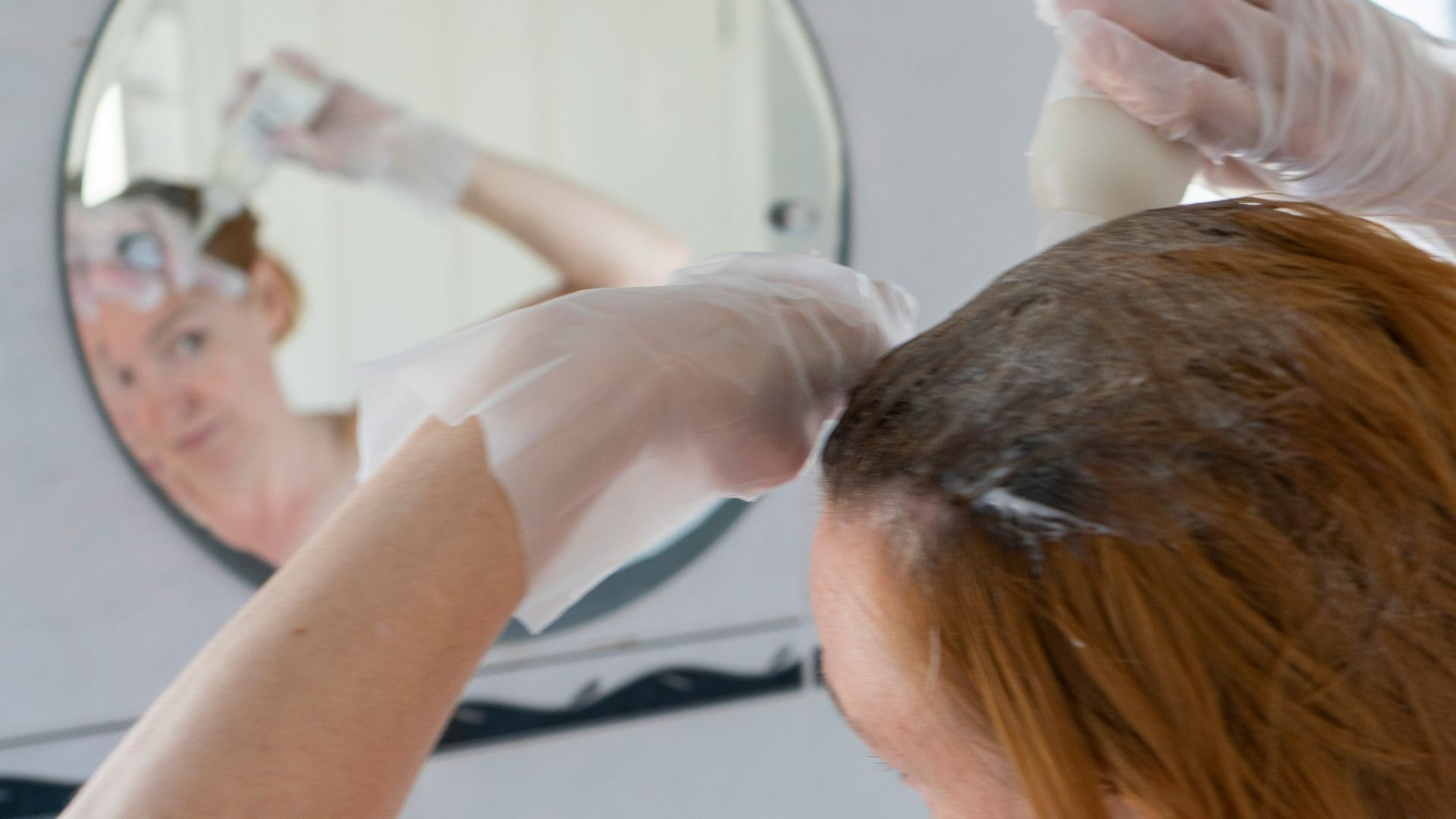
Gloves protect your hands from stains and unnecessary contact with the formula. They also make cleanup a lot easier, since you're not wiping products everywhere as you try to clean up.
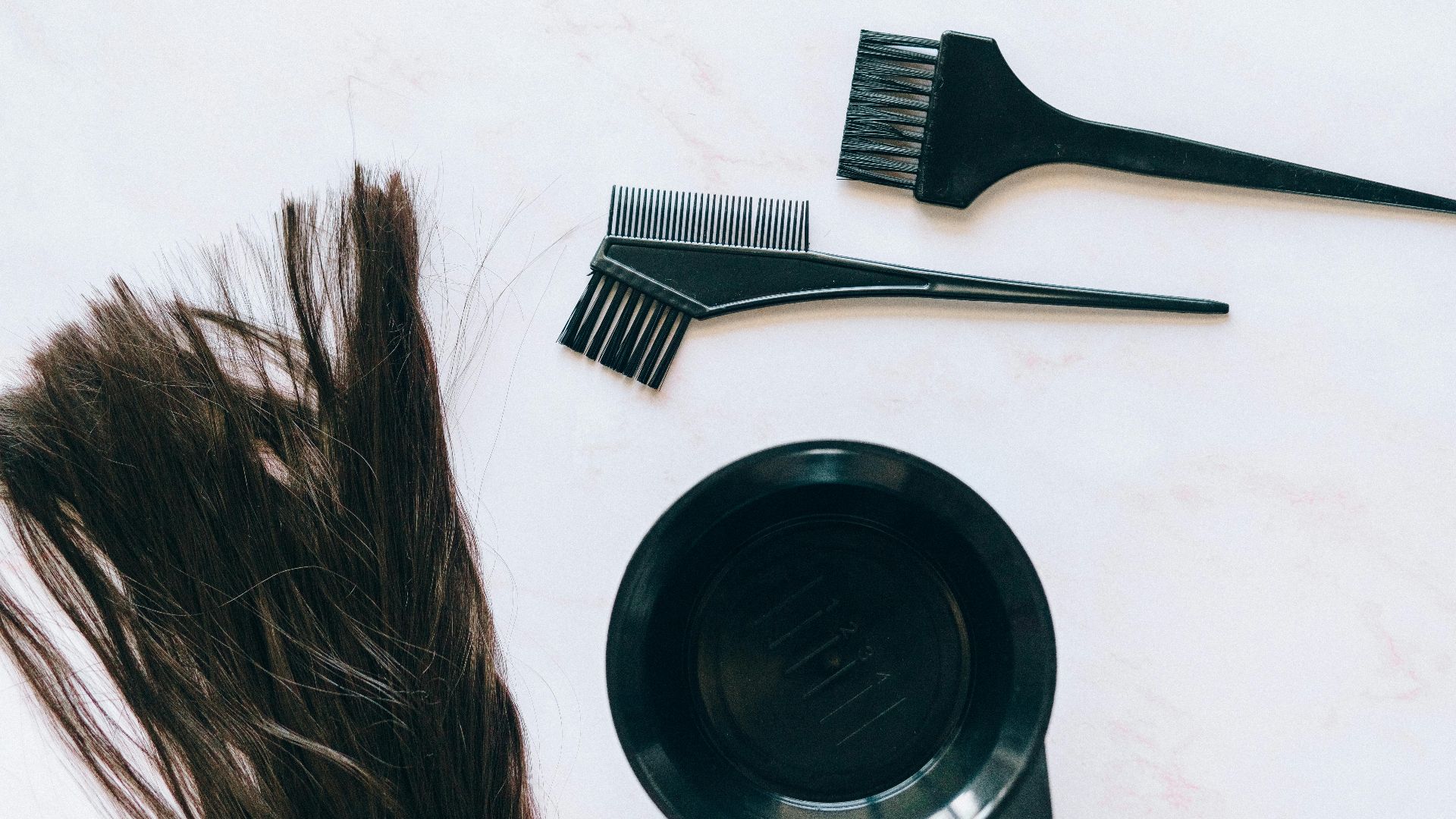
13. Applying Dye With Your Fingers
Your fingers won’t give you the control you need around roots, parts, and the back of your head. A tint brush, bottle applicator, or sectioning clips can help you cover hair more evenly instead of hoping every piece gets enough product.
14. Leaving the Dye on Too Long
Extra processing time doesn’t make color look more expensive. Leaving dye on longer than directed can make the shade come out too dark, dry out your hair, or irritate your scalp.
15. Rushing Through the Application
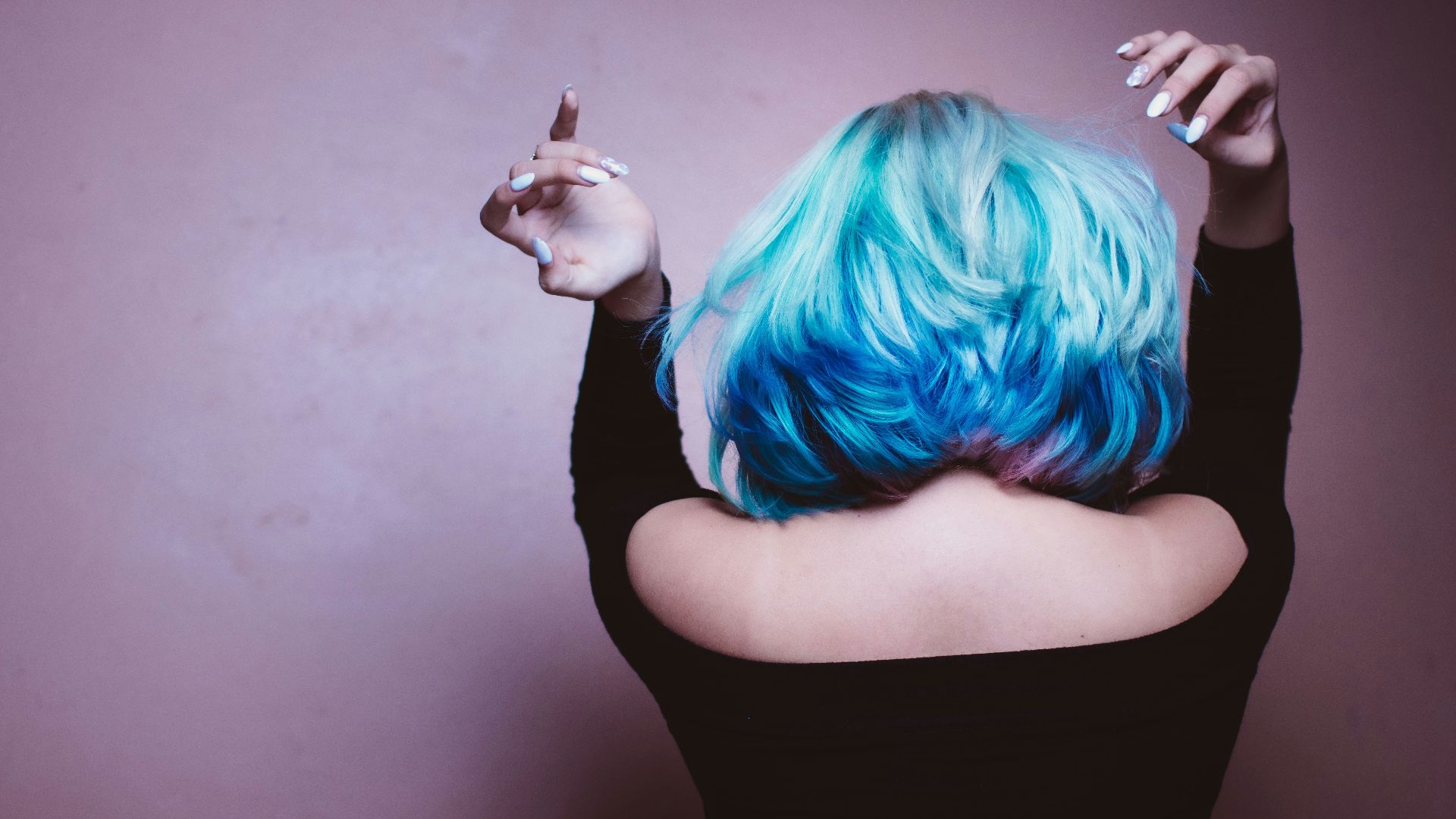
Patchy color often comes from moving too fast and missing sections. Part your hair into smaller pieces, clip each section out of the way, and fully saturate the strands before moving on.
16. Using Only One Box for Long or Thick Hair
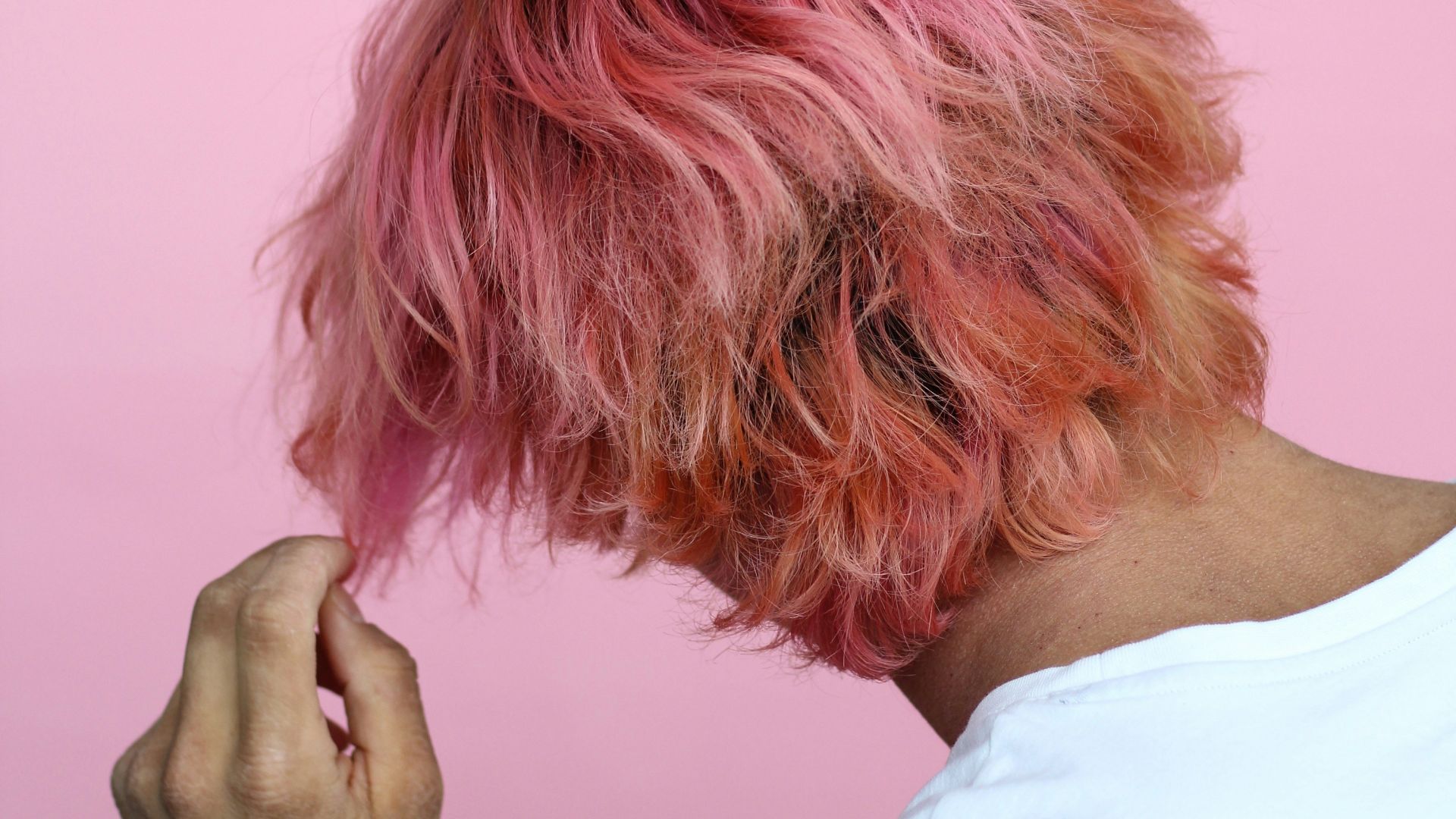
One box may not be enough for long, thick, coarse, or very absorbent hair. Running out halfway through can leave thin spots and uneven patches, so buy a second box if your hair falls past your shoulders.

17. Expecting Box Dye to Lift Very Dark Hair
Very dark hair usually won’t turn pale blonde from one round of regular box dye. Strong lightning often needs bleach and toner. Trying to force it at home can leave orange, yellow, or damaged-looking sections.
18. Ignoring Old Color
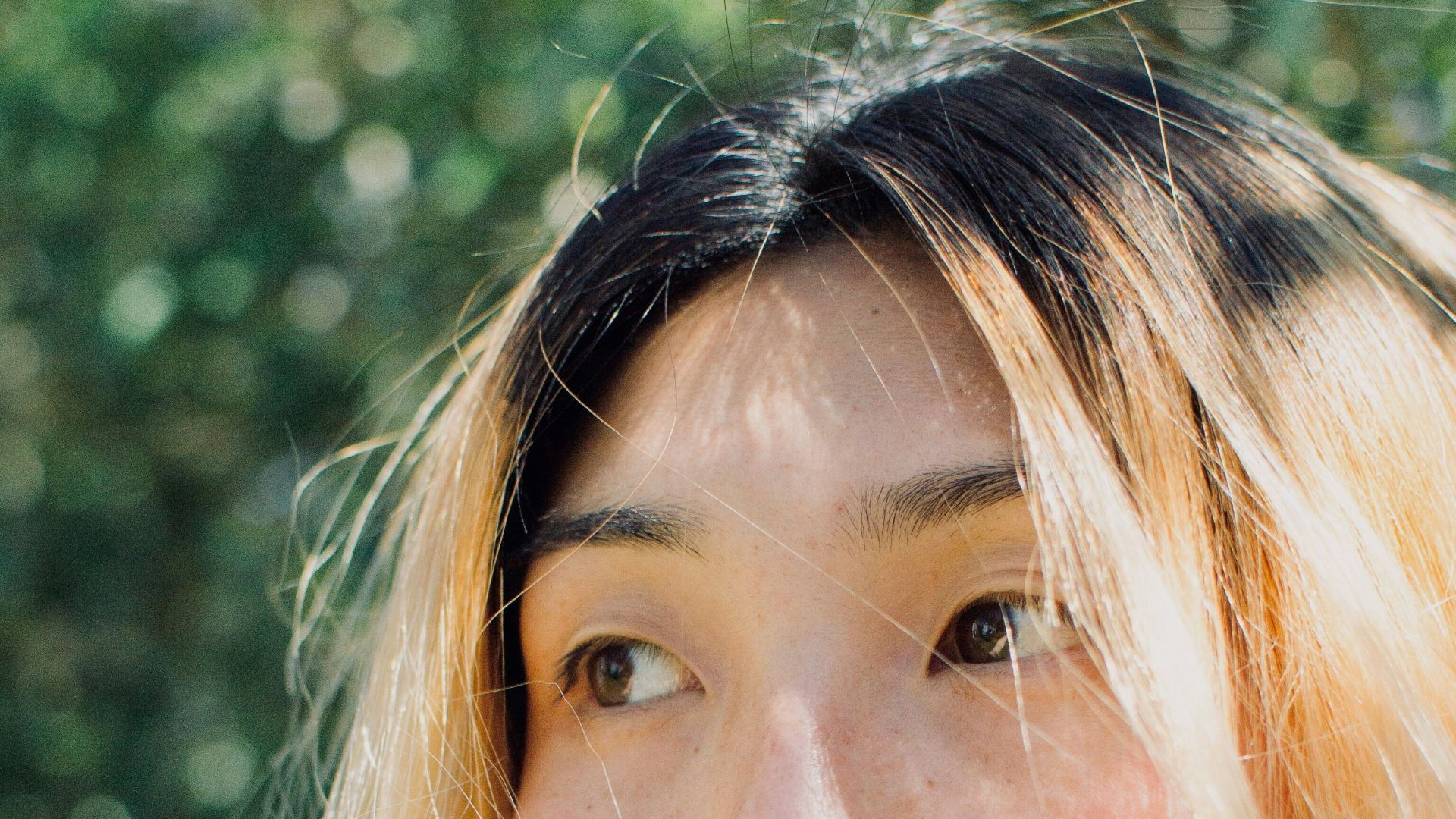
Previously dyed, bleached, toned, highlighted, or glossed hair won’t react the same way as untouched hair. Old pigment can make the new color too dark in some places, look muddy through the ends, or show up unevenly from roots to ends.
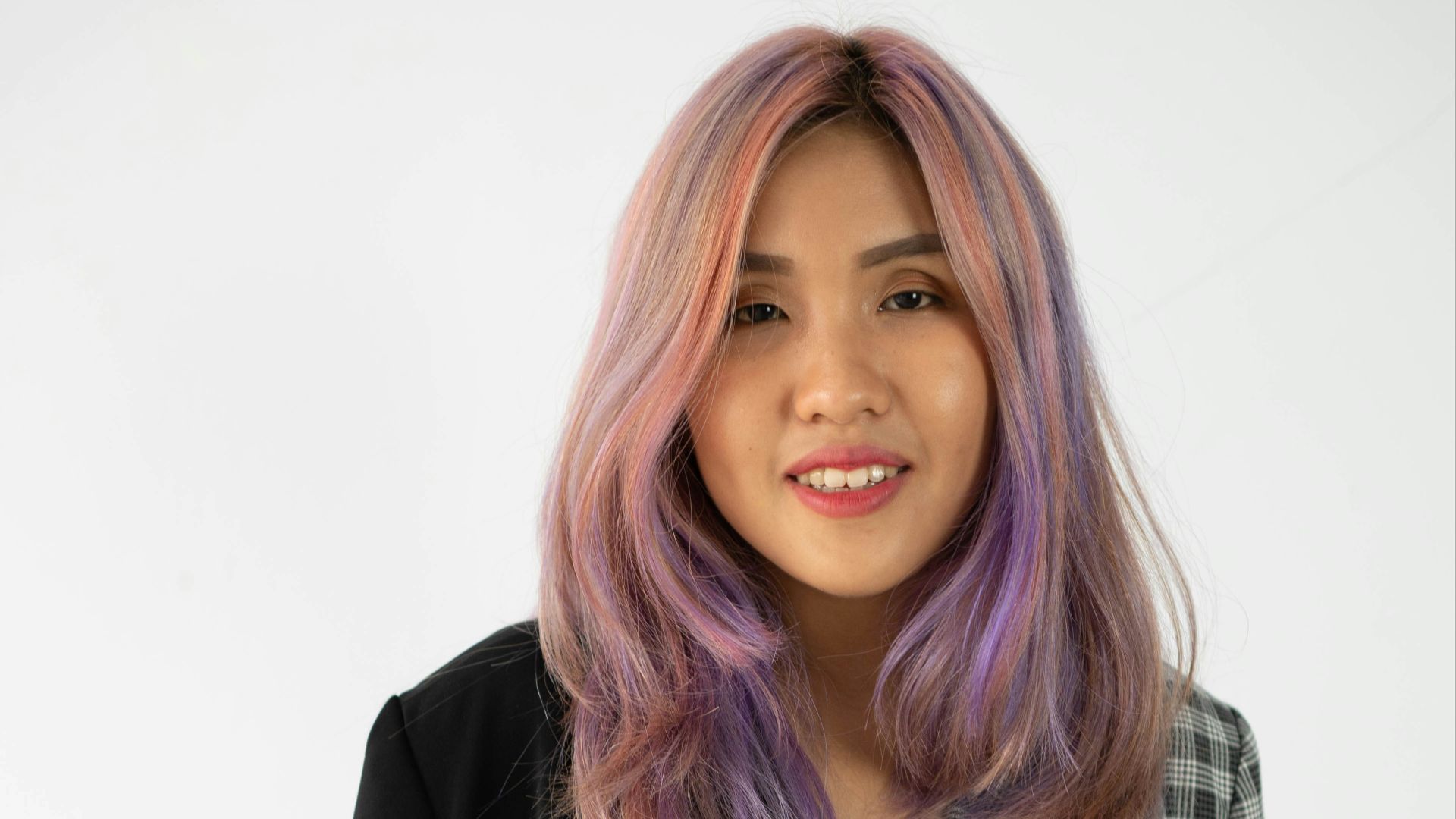 oktavianus mulyadi on Unsplash
19. Skipping Color-Safe Aftercare
Fresh color needs gentler care if you want it to look good past the first few washes. Hot water, harsh shampoo, daily washing, and heavy heat styling can fade tone faster, while cooler rinses and color-safe products help the shade last longer.
20. Expecting Your Hair to Behave Like Someone Else’s
Your texture, thickness, natural color, porosity, and damage level all shape the final result. The same dye can look soft on fine light-brown hair and much deeper on coarse dark hair, so your own hair history matters more than the photo on the front of the box.