
The Online Fit Problem
That moment when a delivery arrives, and excitement turns into doubt, is all too familiar. Shopping for clothes online promises convenience, yet it comes with hidden frustrations. This article explores why those moments happen and how smarter habits can change the outcome. If you want fewer regrets and more wins, let’s first look through the challenges of buying online so you can be aware of them next time.
1. Inconsistent Sizing Across Brands
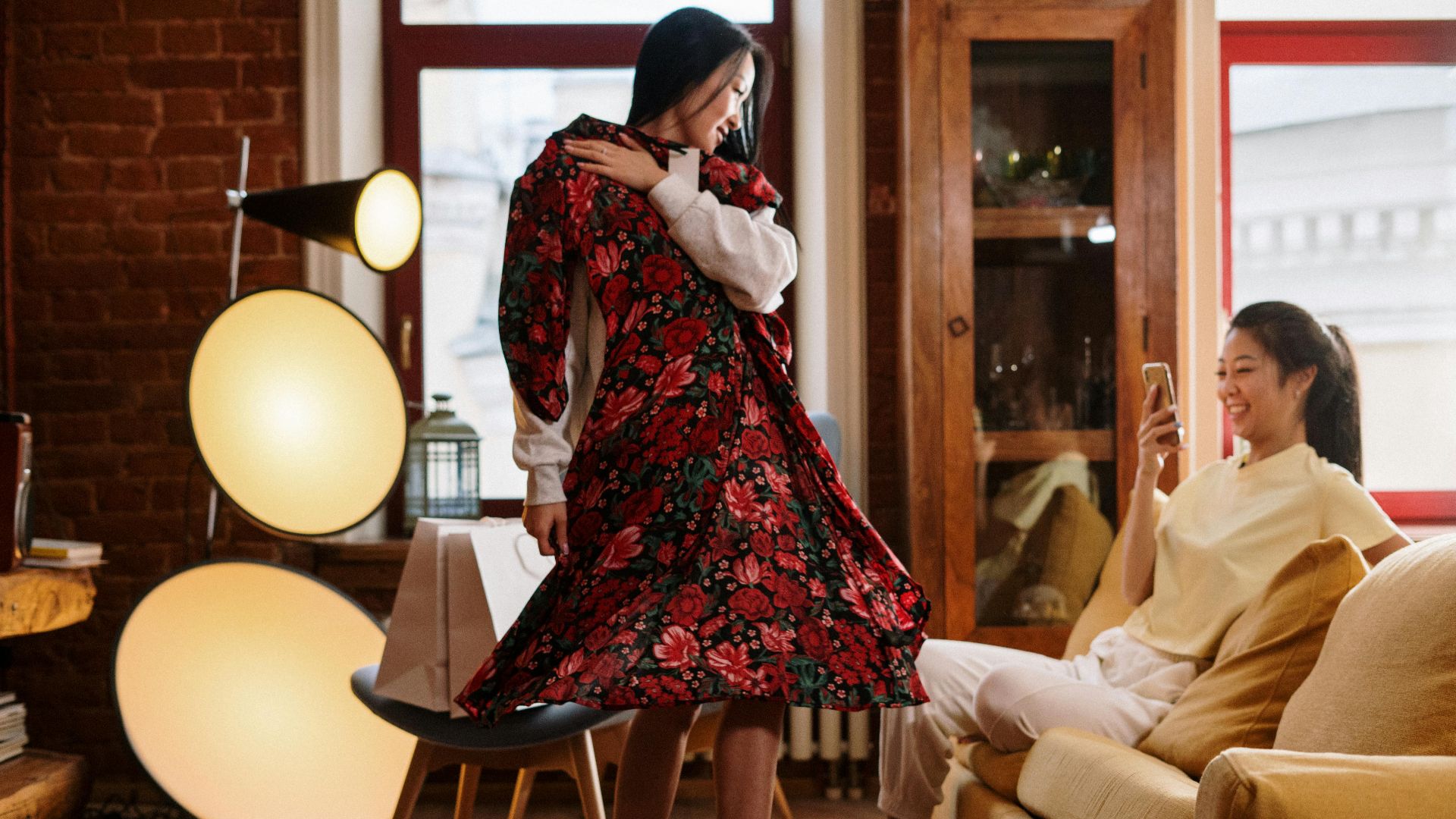
Clothing sizes vary widely between manufacturers, which makes fit a guessing game online. A medium in one brand may feel like a large in another. Without standard sizing, predictability disappears, which explains why some shoppers keep personal “size diaries.”

2. Inability To Try On Clothes Before Purchase
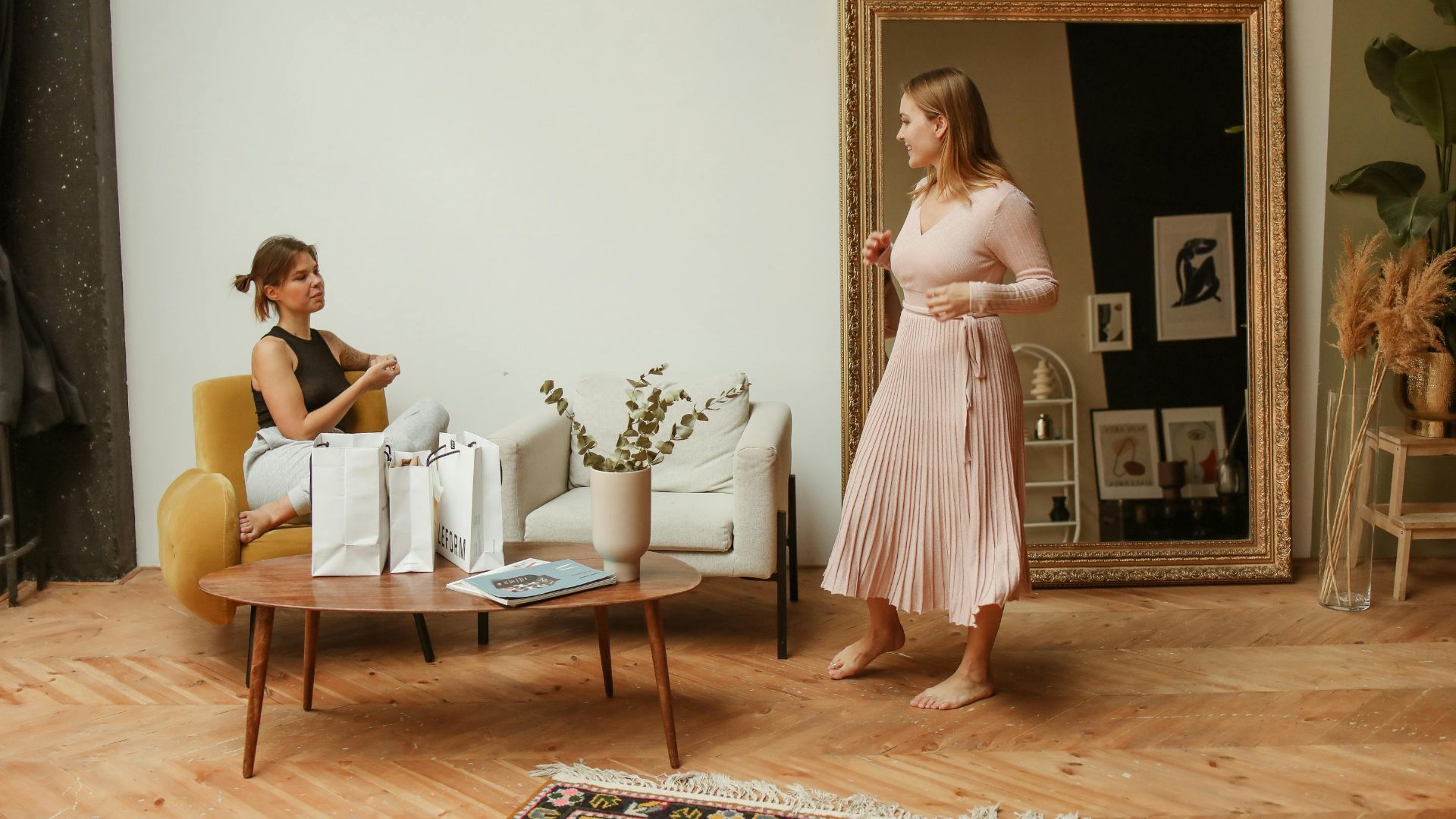
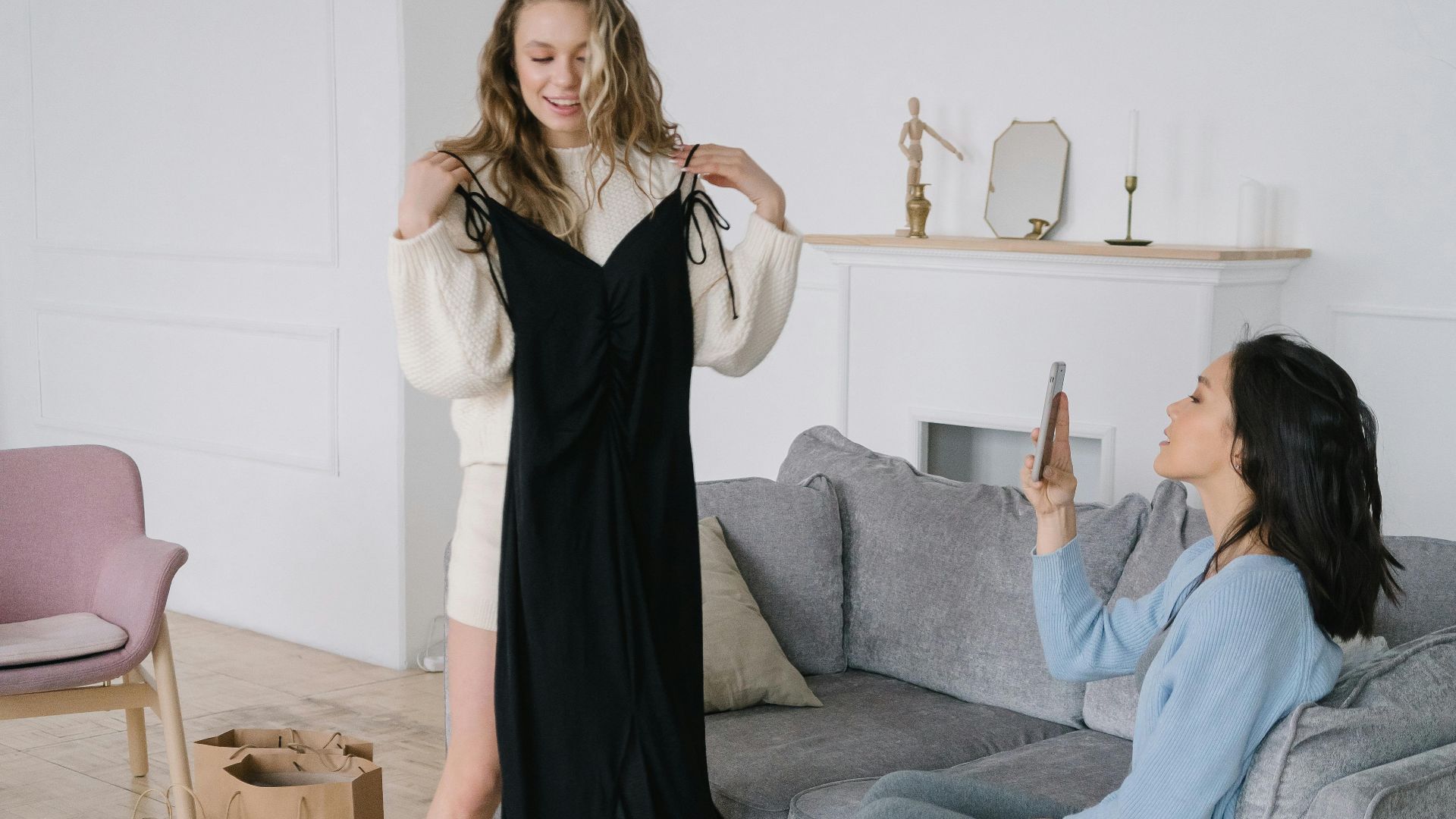
Online shopping removes the ability to test fit in person. Shoppers can’t judge if it is a perfect fit before buying, which increases returns. Trying clothes on normally prevents this problem, and this is why most people prefer shopping in person.

3. Difficulty Assessing Fabric Quality And Texture
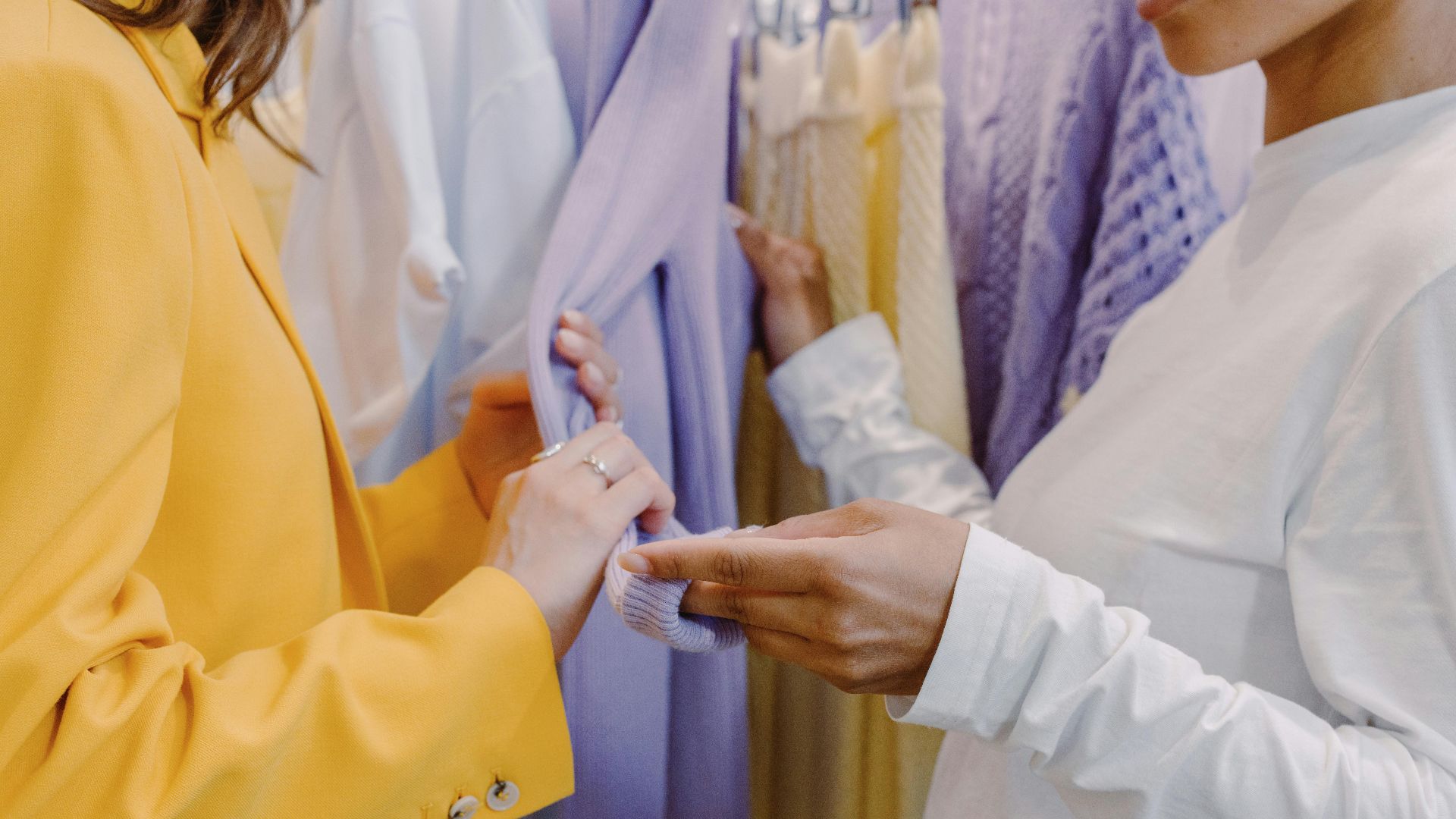
Photos can’t show how the fabric actually feels. Materials that look smooth online may be rough in real life, and descriptions often skip fabric weight details. To reduce surprises, some shoppers order fabric swatches before committing.
4. Inaccurate Color Representation In Photos
Most brands use special effects and lighting to take pictures that go online. As a result, items often arrive looking different from what was expected. Only the images taken in natural daylight can offer the most accurate preview.
5. Misleading Product Images On Models
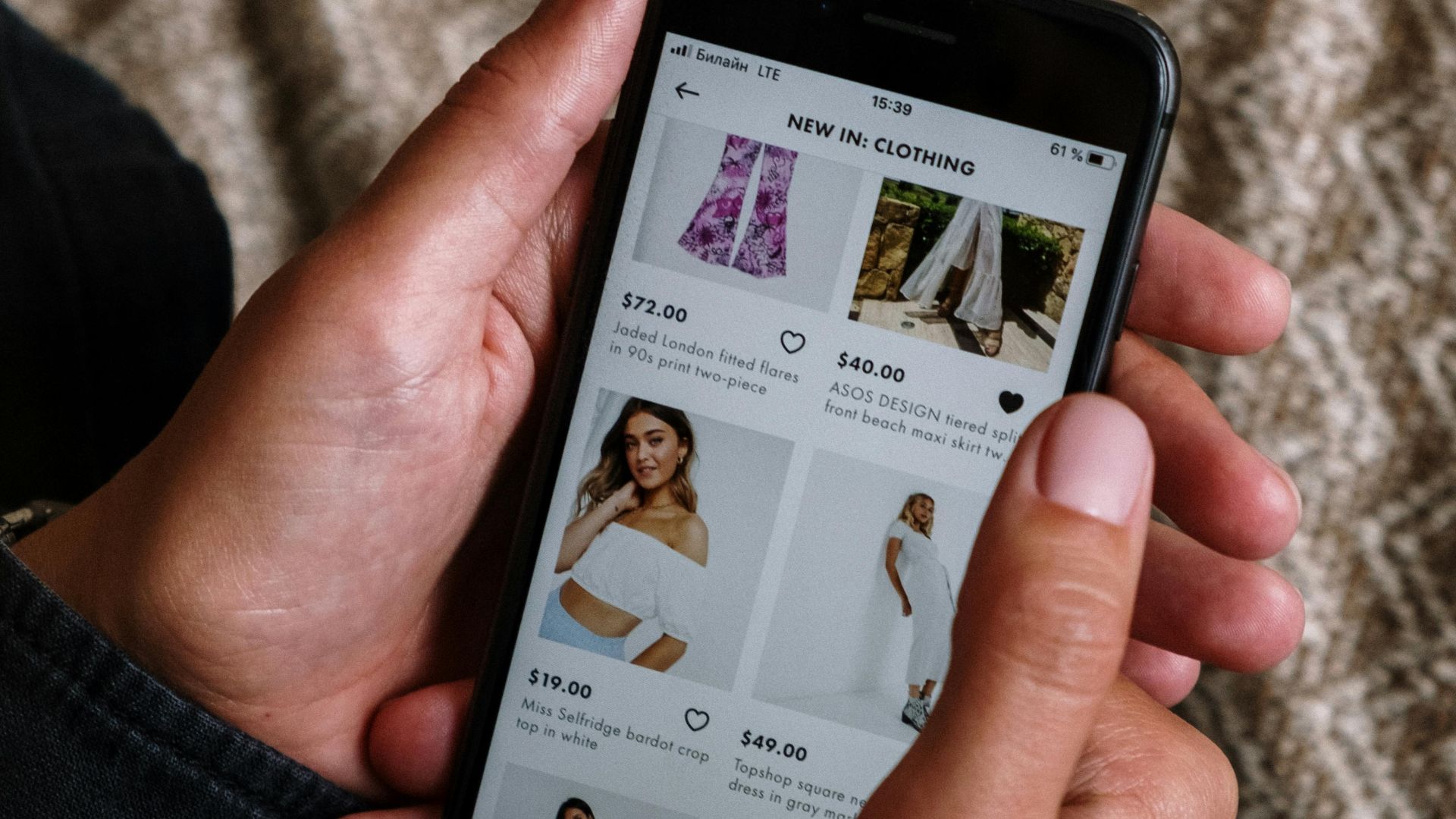
Clothes shown online are often pinned or altered to fit models perfectly, and hide issues like poor draping. Moreover, model body proportions rarely reflect the average shopper. To address this, some brands now feature diverse models to show more realistic fits.
6. Can't Tell If Armholes Or Sleeves Will Bind
Armhole placement and sleeve construction affect movement drastically, but photos rarely reveal these details clearly. Tight armholes restrict lifting your arms, while poorly cut sleeves pull across your shoulders uncomfortably. These fit issues only become obvious when you actually try moving around in the garment.

7. Difficulty Judging Garment Length Accurately
Camera tricks and model proportions make judging actual garment length nearly impossible from photos alone. What looks like a perfect midi length online might drag on the floor or hit mid-calf awkwardly in reality. Sleeve and pant lengths suffer the same problem.
8. Necklines Photograph Differently Than They Fit
A V-neck that looks perfect on a model might plunge too low or sit awkwardly high, depending on your body shape. Crew necks can feel choking or loose based on neck thickness. Neckline fit dramatically impacts whether you'll actually wear something, yet it's nearly impossible to judge from standard product photos.
9. Risk Of Receiving Counterfeit Items
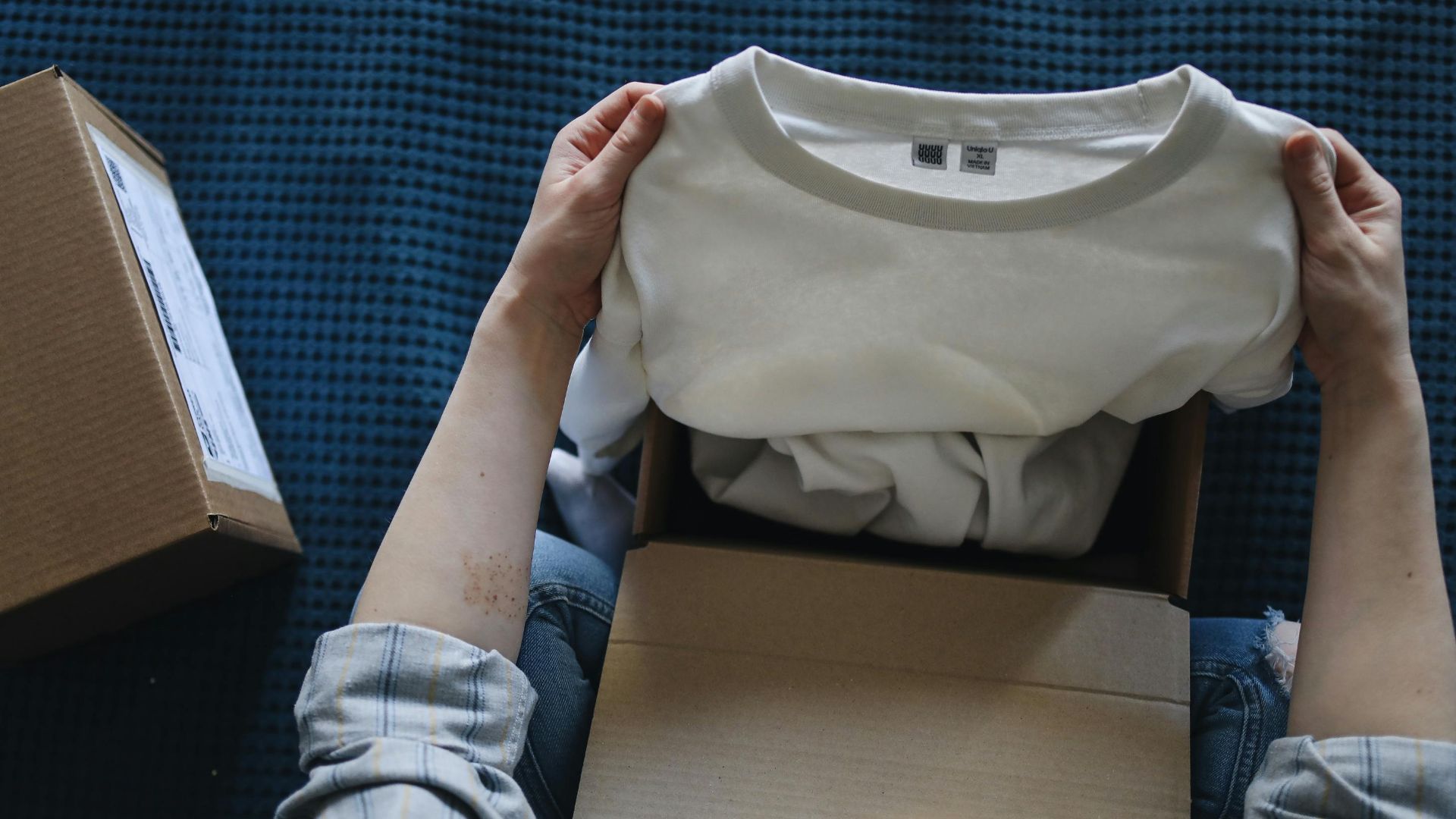
Online marketplaces can include unauthorized sellers offering convincing knockoffs. Counterfeit products often copy brand logos but fail in quality, while low-grade items may not match descriptions. Finding a genuine product from a trusted seller is difficult.
10. Overwhelming Choice Leading To Decision Fatigue
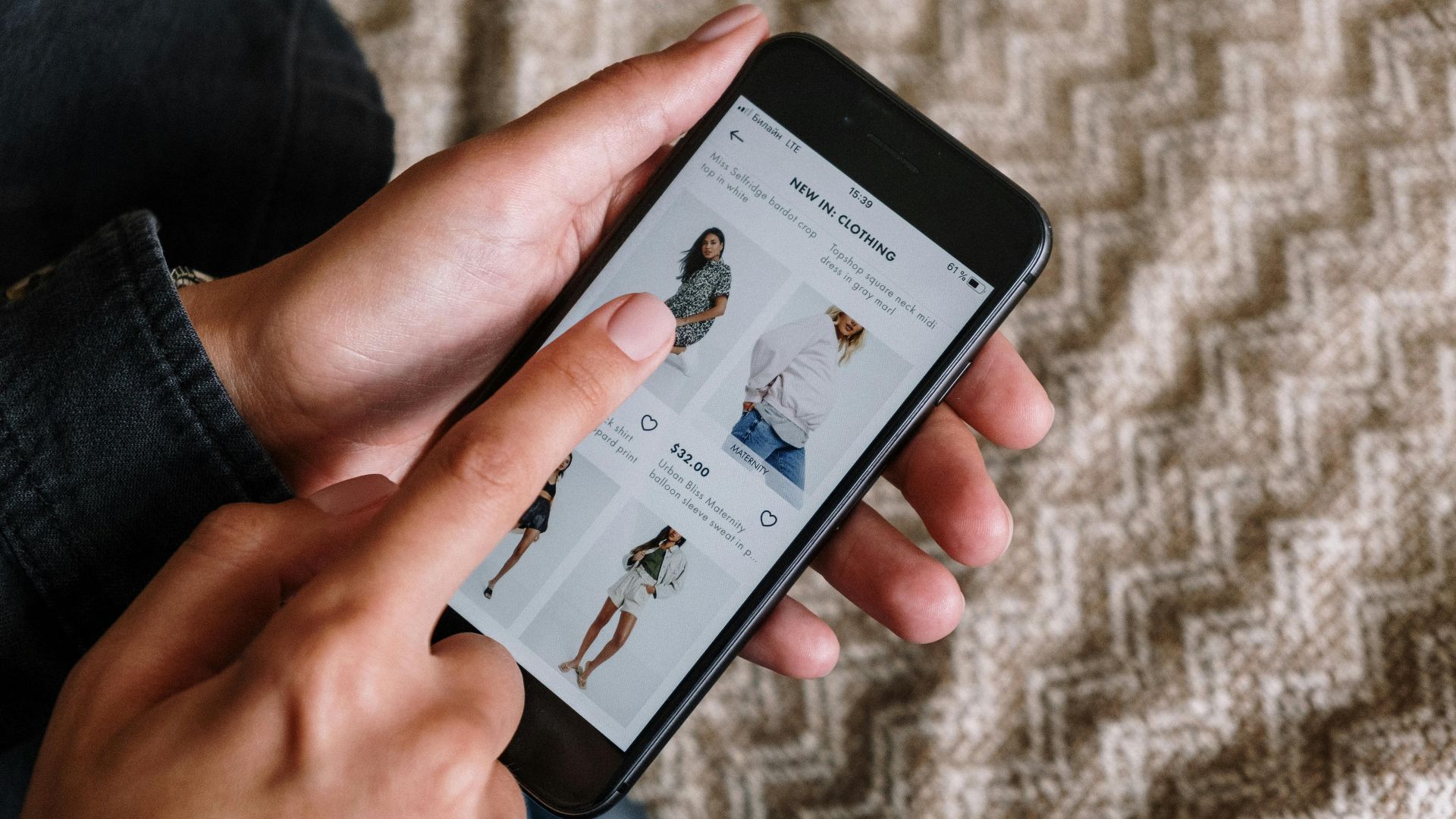
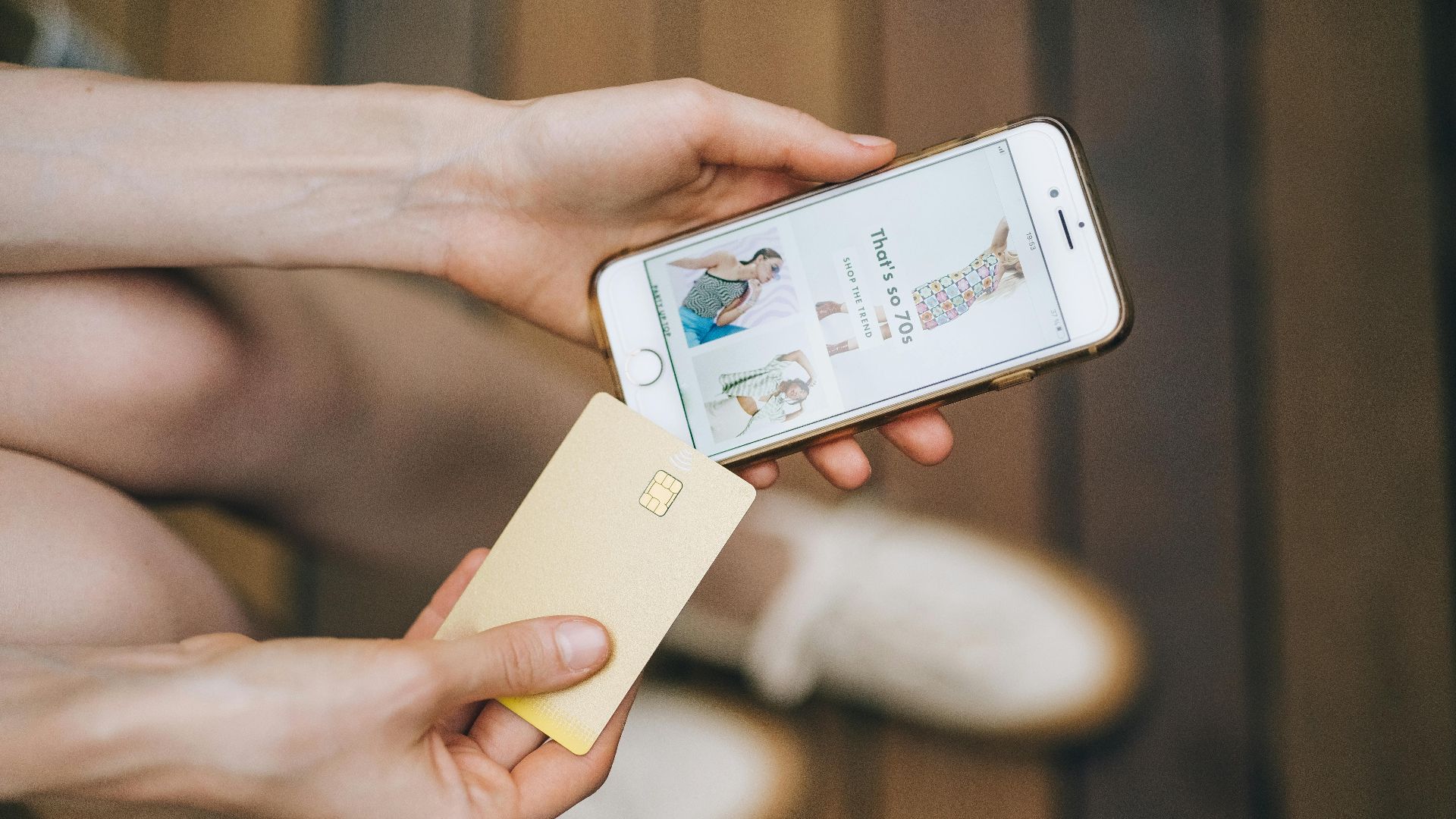
Online stores often display thousands of similar options, which can quickly make decision-making stressful. Instead of feeling helpful, endless choices overwhelm shoppers and lead to abandoned carts. Even the filters cannot offer much help while browsing.

When fit becomes the biggest hurdle, smart preparation matters more than luck. That’s where practical sizing strategies come into play.
1. Decode The Fabric Composition
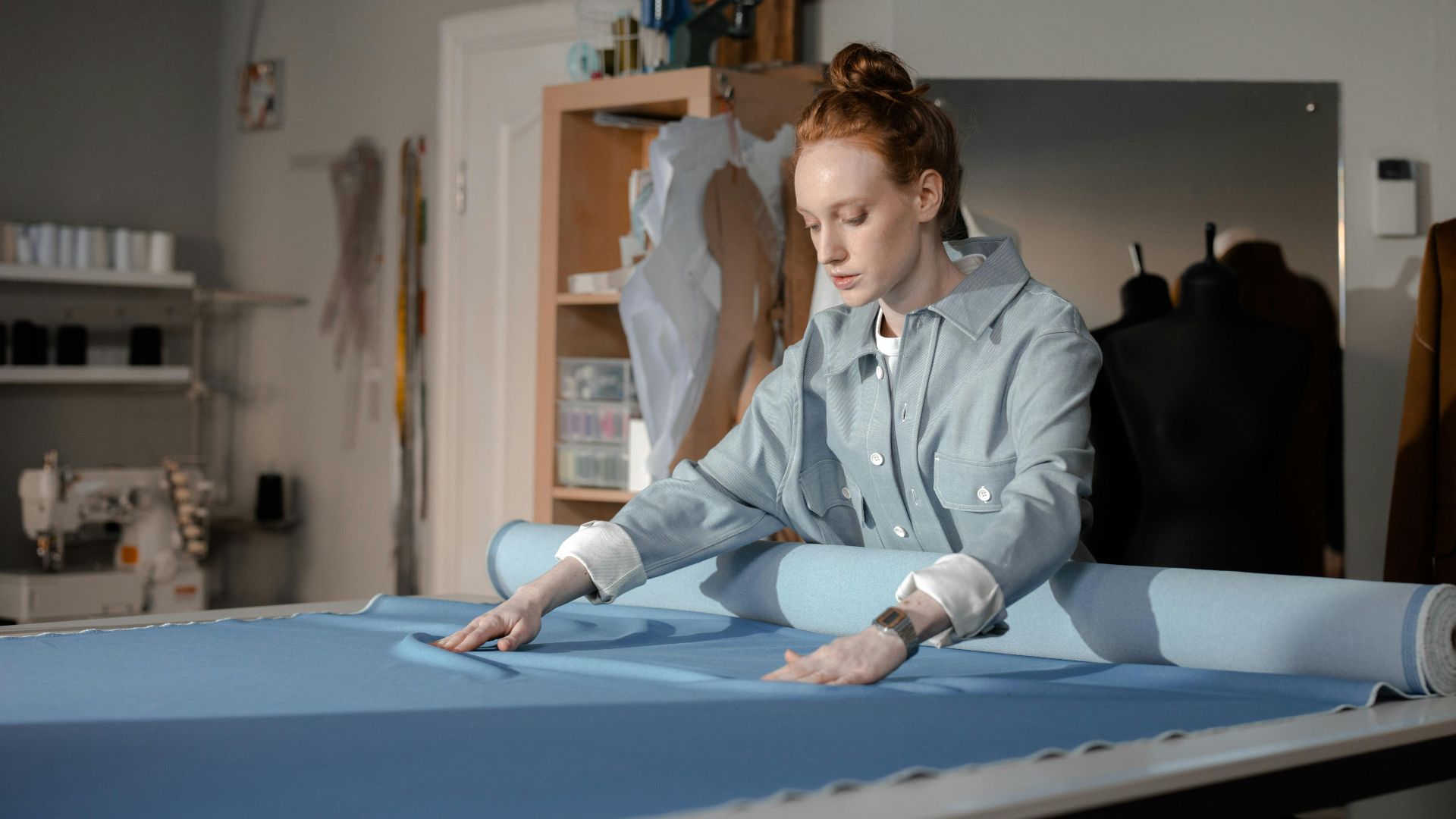
Fabric blends directly affect durability and how a garment behaves over time. Natural fibers like cotton tend to breathe better than synthetics. Learn to understand fabric composition as it helps predict shrinkage or stretch.
2. Cross-Reference The “Model Stats”
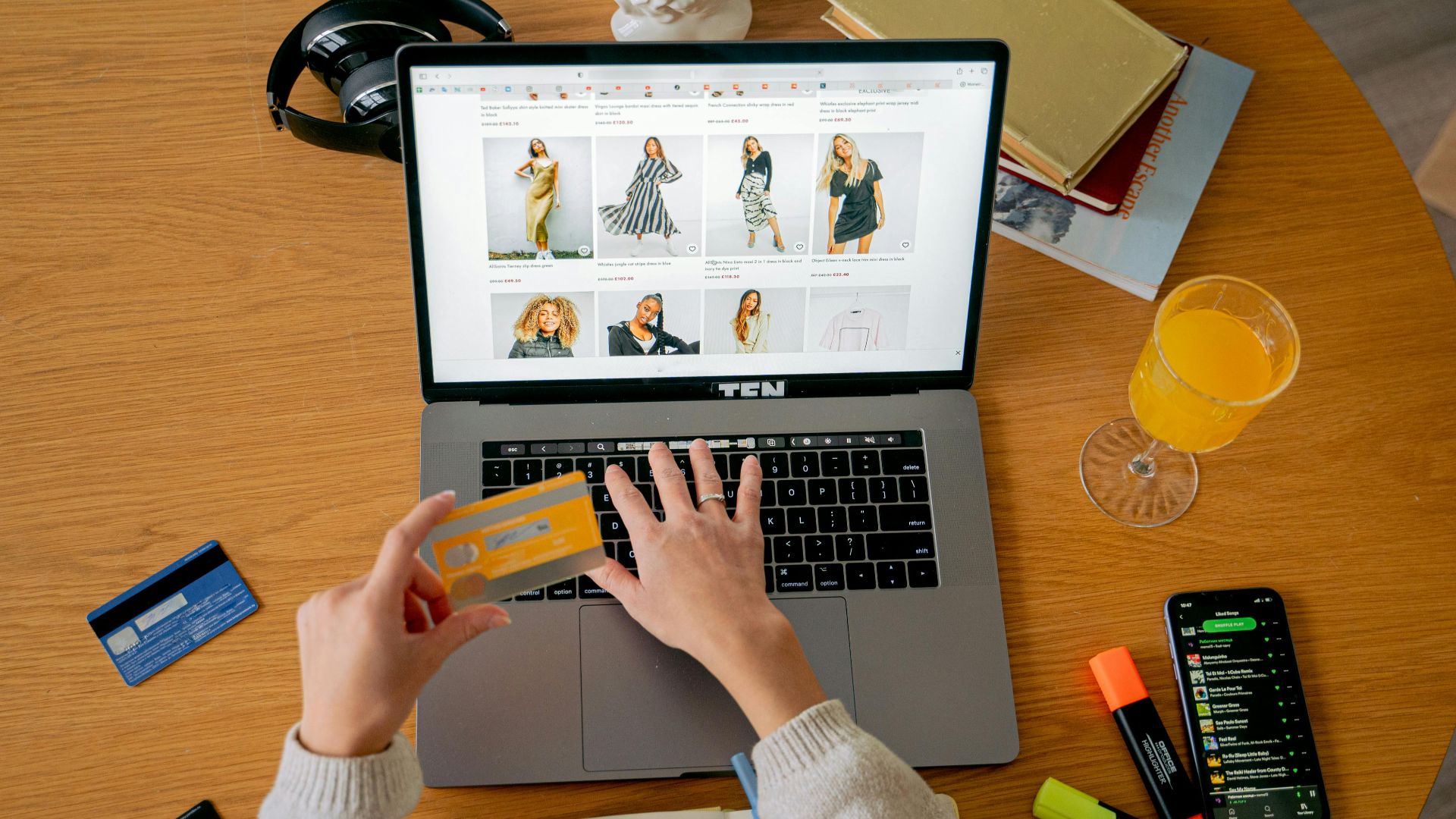
Model height and size offer valuable clues about how a garment fits. Comparing those stats to your own helps visualize proportions and identify whether items run small or large. If you can find a similar build on the model, it is the best way to start.
 Antoni Shkraba Studio on Pexels
3. Utilize The “User Photo” Filter
Customer-uploaded photos reveal real-life fit and true color beyond studio lighting. These images often show how clothes behave on different body types, which turns the browsing into a more authentic and relatable shopping moment.
4. Search The Item Name On Social Media
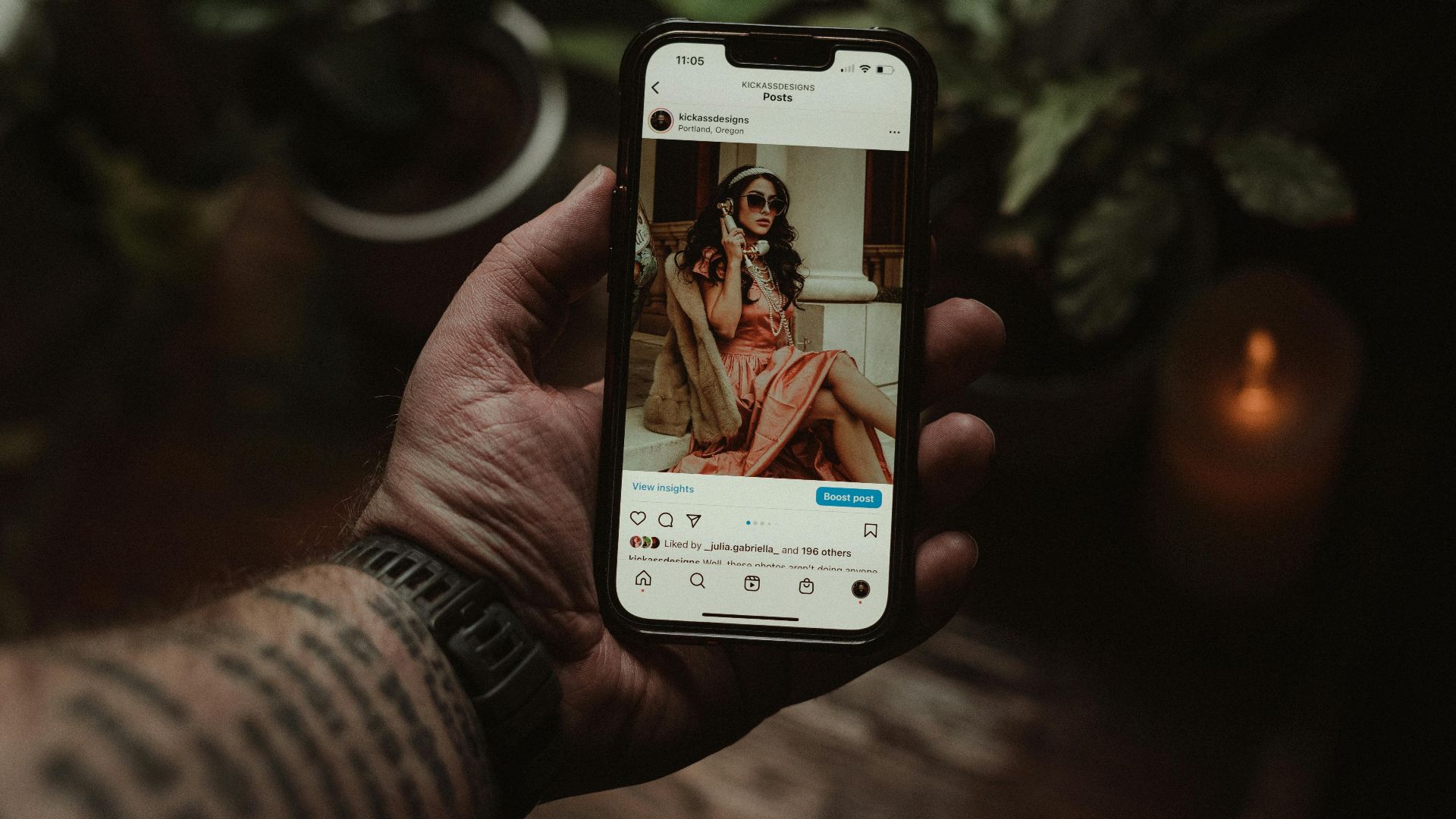
Social media is the perfect place for research. It can show unfiltered photos of the exact item worn in real life. Influencers may also share styling tips, while hashtags reveal how widely it’s worn and how trendy it is.
5. Analyze The “Wash And Care” Requirements
Care instructions impact how wearable an item is long-term. Delicate fabrics may require dry cleaning, adding effort and cost. Easy-care pieces save time and money by making surprises like machine-washable silk feel especially rewarding.
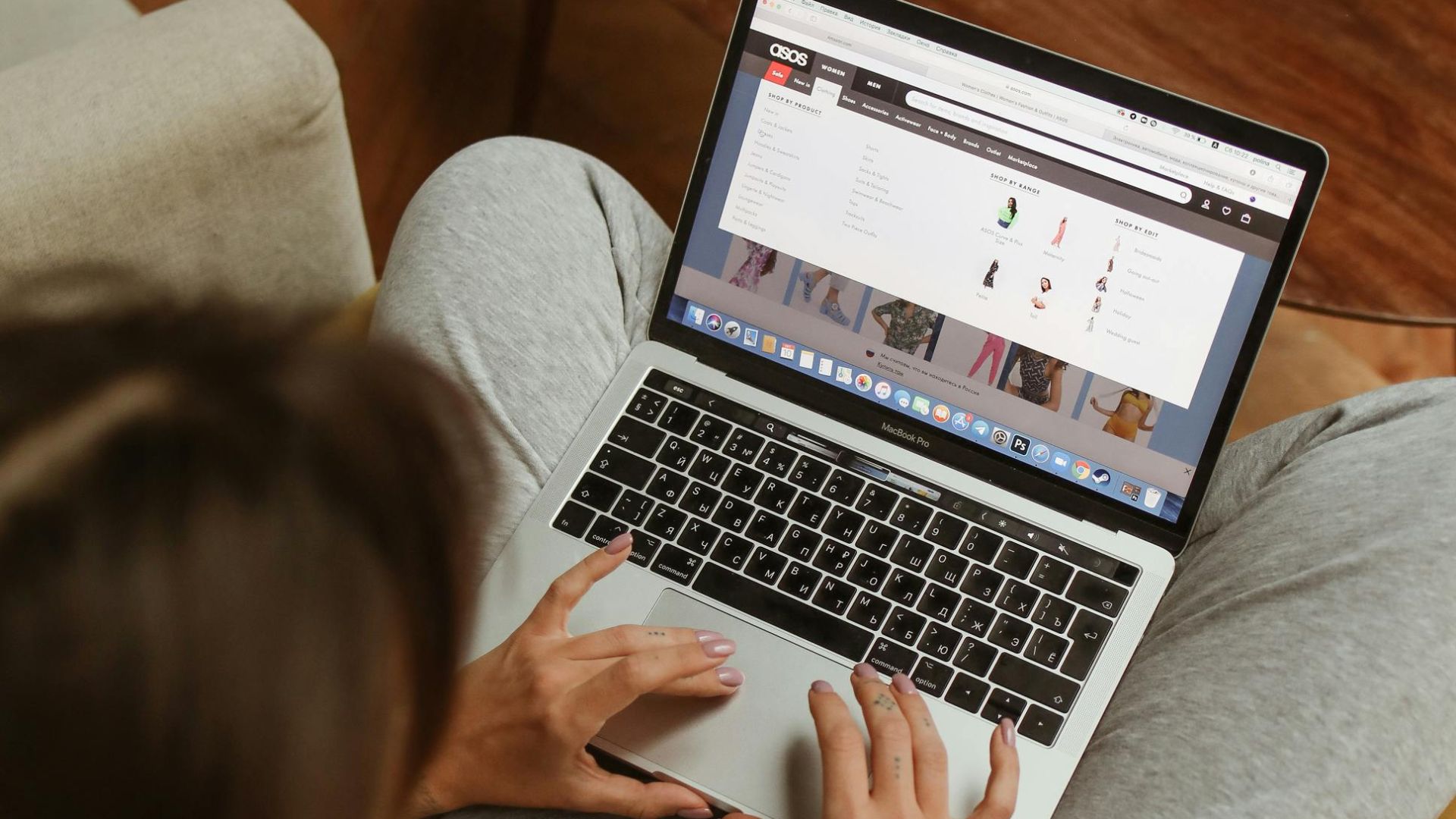
6. Use “Reverse Image Search” For Price Parity
Reverse image searches reveal whether the same item appears on other sites, often at different prices. They also help spot duplicate or counterfeit listings. Finding the exact piece for less is a skill that only a few can master.
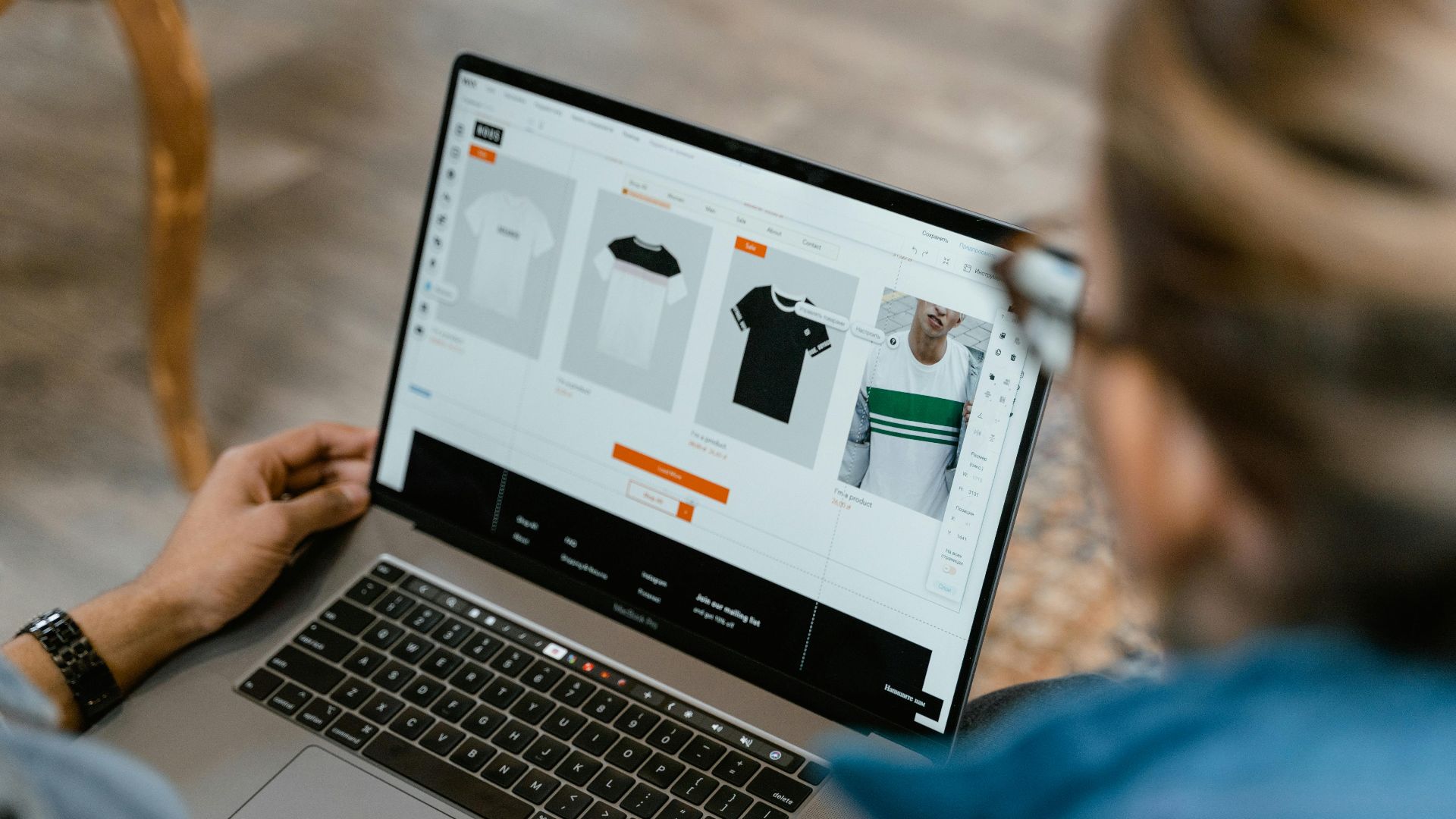
7. Zoom In On The Seams And Hardware
Close-up images expose stitching quality and finishing details. Zippers, buttons, and seams signal durability and craftsmanship. Poor stitching usually shows at these joints first. If you can spot them in the image, it's better to skip the item.
 Hoi An Photographer on Unsplash
8. Check The “Weight” Of The Item
The weight of the fabric is often overlooked, but it is one of the best ways to find out if the material will be durable. It is also relevant depending on the seasons. Summer fabrics should be lighter, while knitted sweaters are usually heavy.
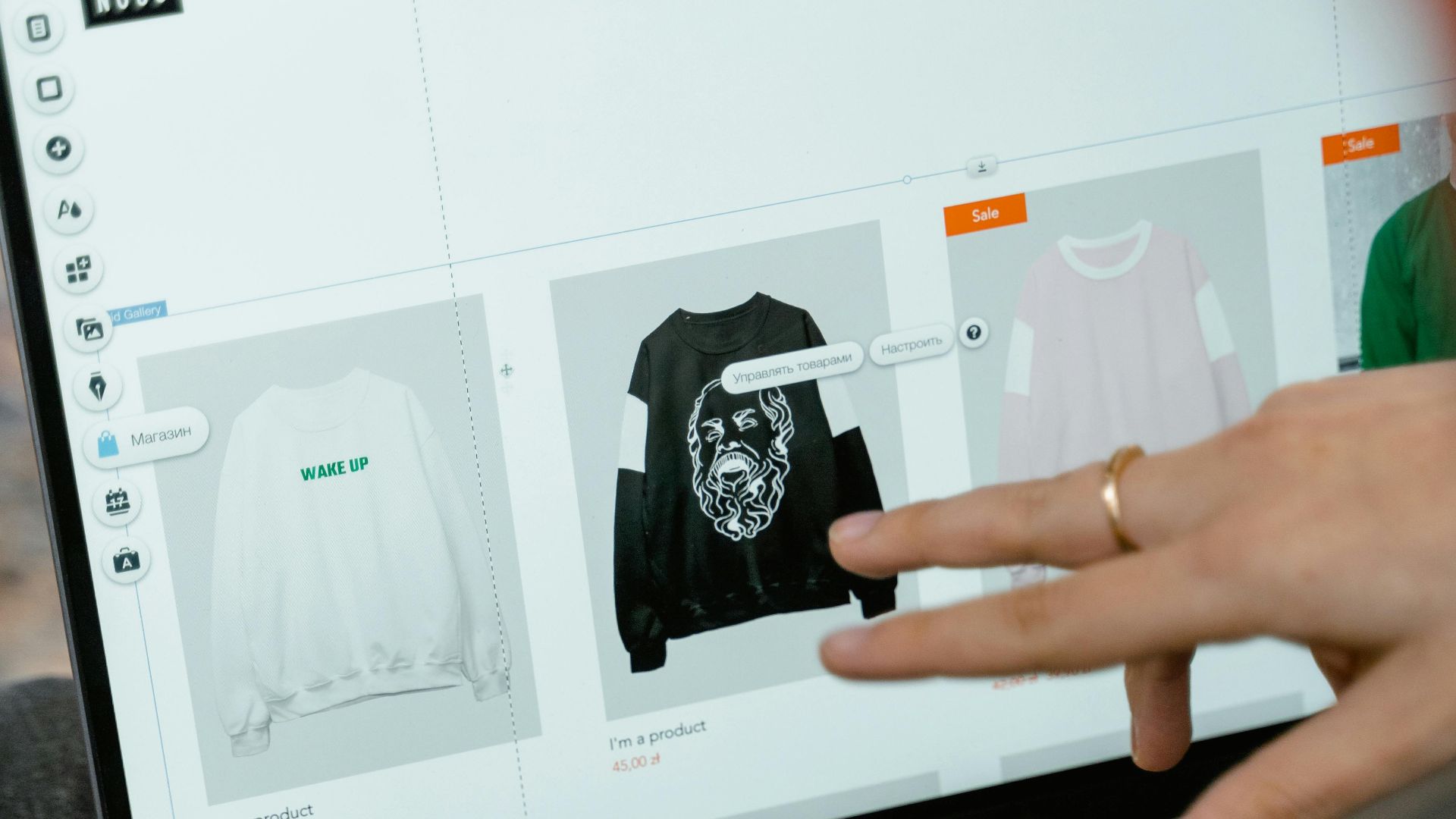
9. Read Reviews For “Keywords”
Reviews include keywords like “runs small” or “true to size,” offering practical fit guidance. Repeated comments highlight consistent issues or strengths. Spot phrases like “better than expected,” as it can instantly boost shopping confidence.

10. Map The Item To Your Current Wardrobe
New pieces work best when they complement outfits you already own. Mapping items mentally helps avoid accidental duplicates and impulsive buys. This kind of wardrobe planning boosts versatility and helps find one piece that fits three looks.