
20 Tattoo Designs That Mean Something Very Different Depending on the Culture
What Your Tattoo Might Mean Somewhere Else
Getting a tattoo is usually a personal decision, whether you're honoring someone special, expressing your personality, or simply choosing a design you love. However, some of the world's most popular tattoos have meanings that change dramatically depending on where you are. A symbol associated with good fortune in one country might represent danger, death, or something surprisingly controversial somewhere else. Before you commit to your next piece of ink, here are 20 tattoo designs with cultural meanings you might not have considered.
1. Dragons
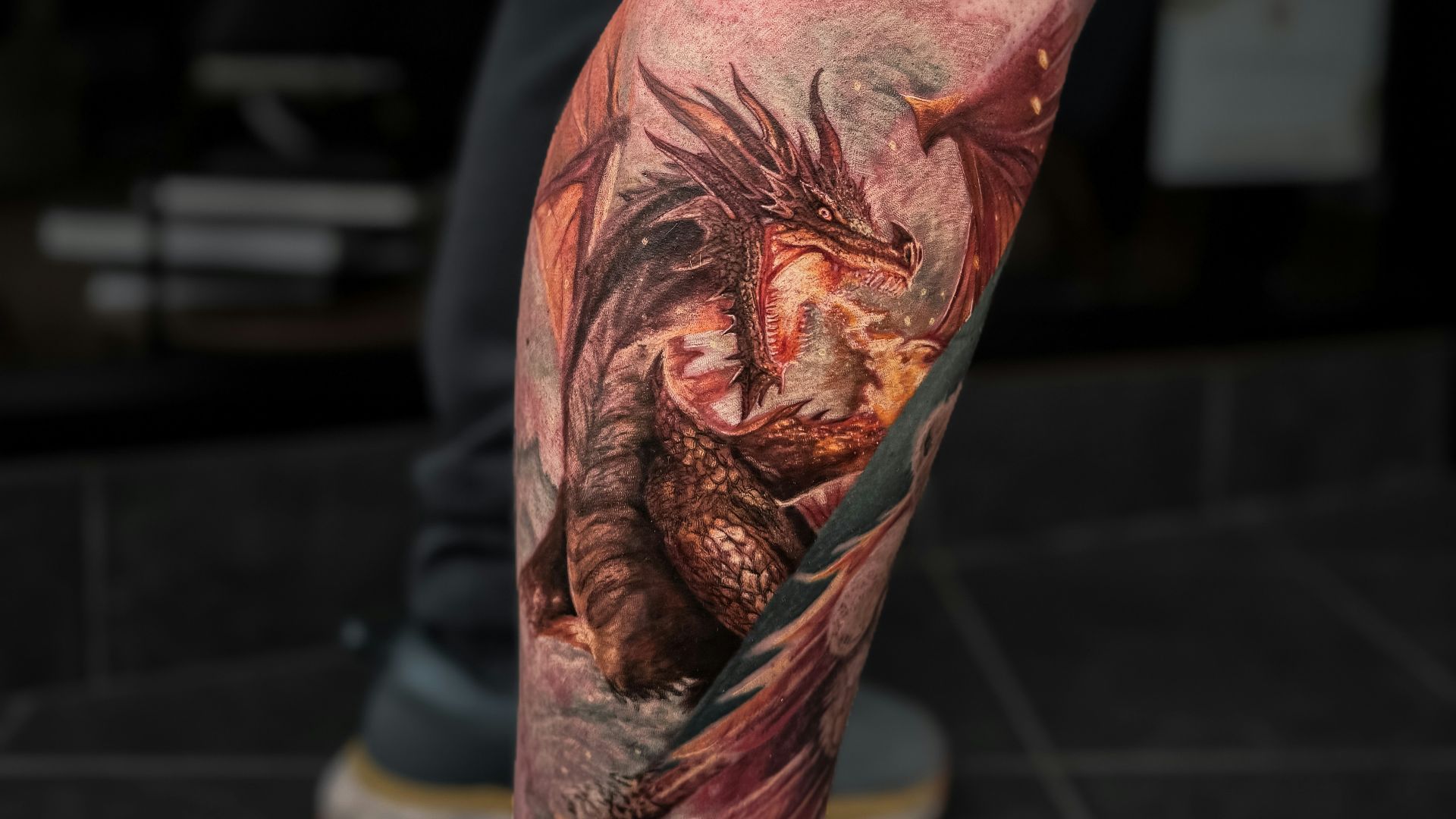
In Chinese culture, dragons traditionally represent power, prosperity, and good fortune, making them highly respected creatures. European folklore, on the other hand, often portrays dragons as dangerous monsters that heroes must defeat. Japanese dragons are also strongly associated with water, wisdom, and protection, giving them a different meaning from their Western counterparts. Depending on the tradition, a dragon tattoo could represent a protective guardian or a terrifying enemy.
2. Lotus Flowers
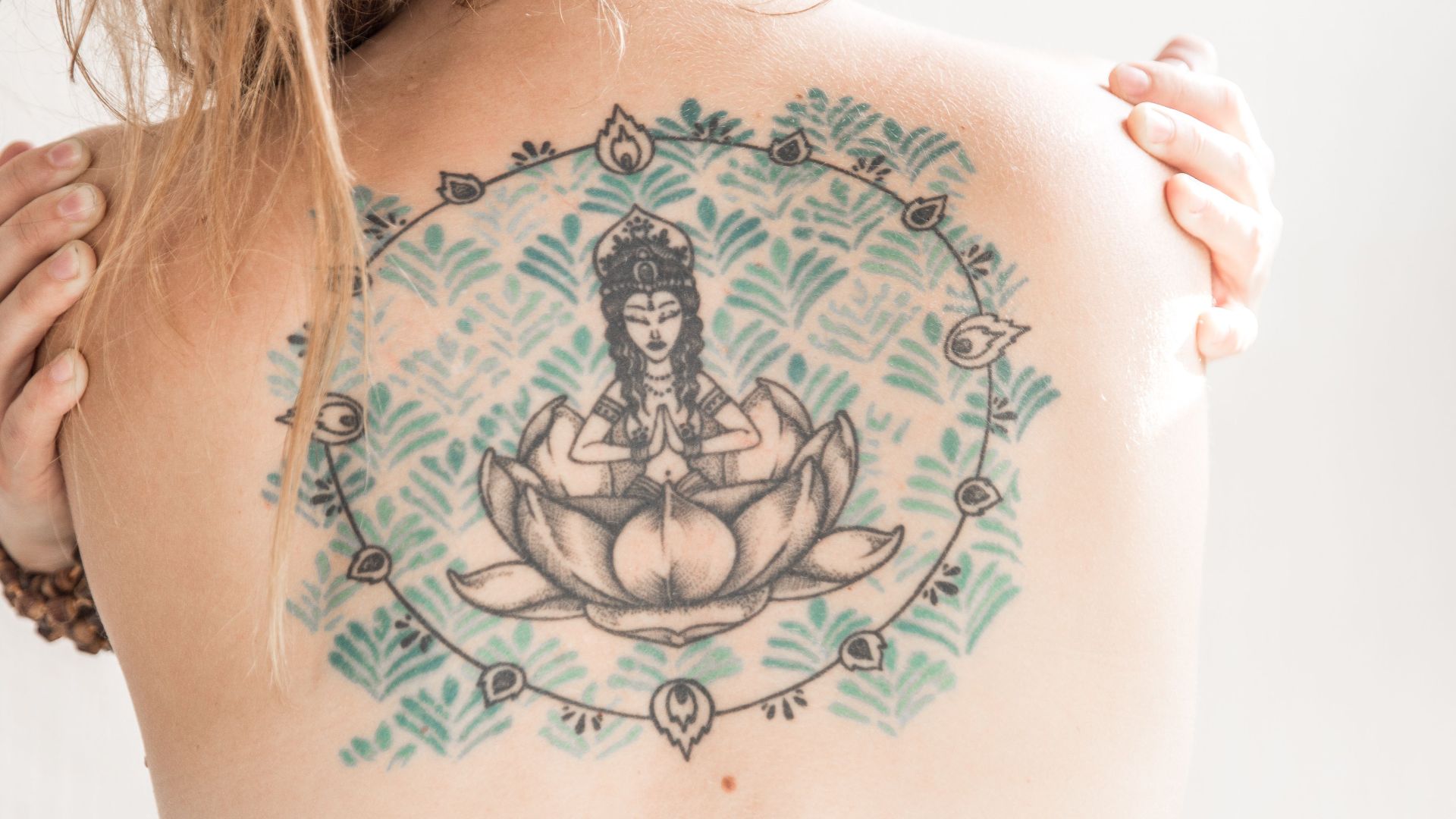
Lotus tattoos are popular among people who want something delicate and meaningful, although their symbolism goes well beyond personal growth. In Buddhism, the flower represents spiritual awakening and purity, while Hindu traditions connect it to divinity and deities such as Lakshmi. Ancient Egyptians associated lotus blossoms with creation, the sun, and rebirth because the flowers open with daylight. Your floral tattoo could therefore carry several different religious and historical meanings.
3. Snakes
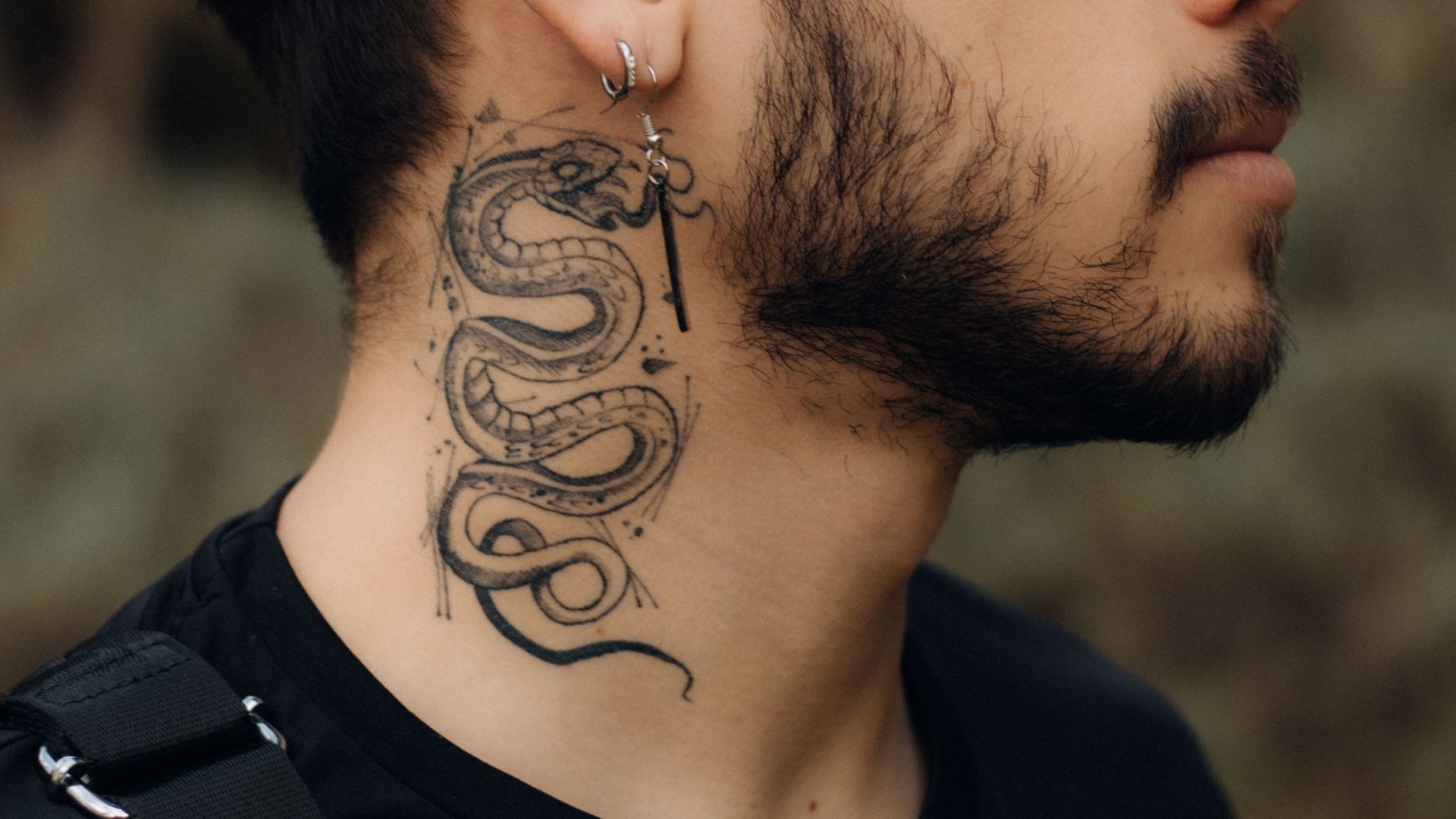
A snake tattoo might seem like an obvious symbol of danger, but plenty of cultures view these reptiles more positively. In ancient Greece, snakes were associated with healing and medicine, which explains their appearance on the Rod of Asclepius. Hindu traditions also feature sacred serpents called nagas, while Christianity often connects snakes with temptation through the story of Eden. The same animal can represent healing, spiritual power, or deception depending on the imagery surrounding it.
4. Skulls
Skull tattoos are often associated with rebellion, mortality, and darker imagery in Western tattoo culture. In Mexico, however, decorated skulls are closely connected to Día de los Muertos, a celebration that honors loved ones who have passed away. Tibetan Buddhist imagery also features skulls as reminders that life is temporary. What looks intimidating to one person might represent family memories or an important spiritual teaching to another.

5. Owls
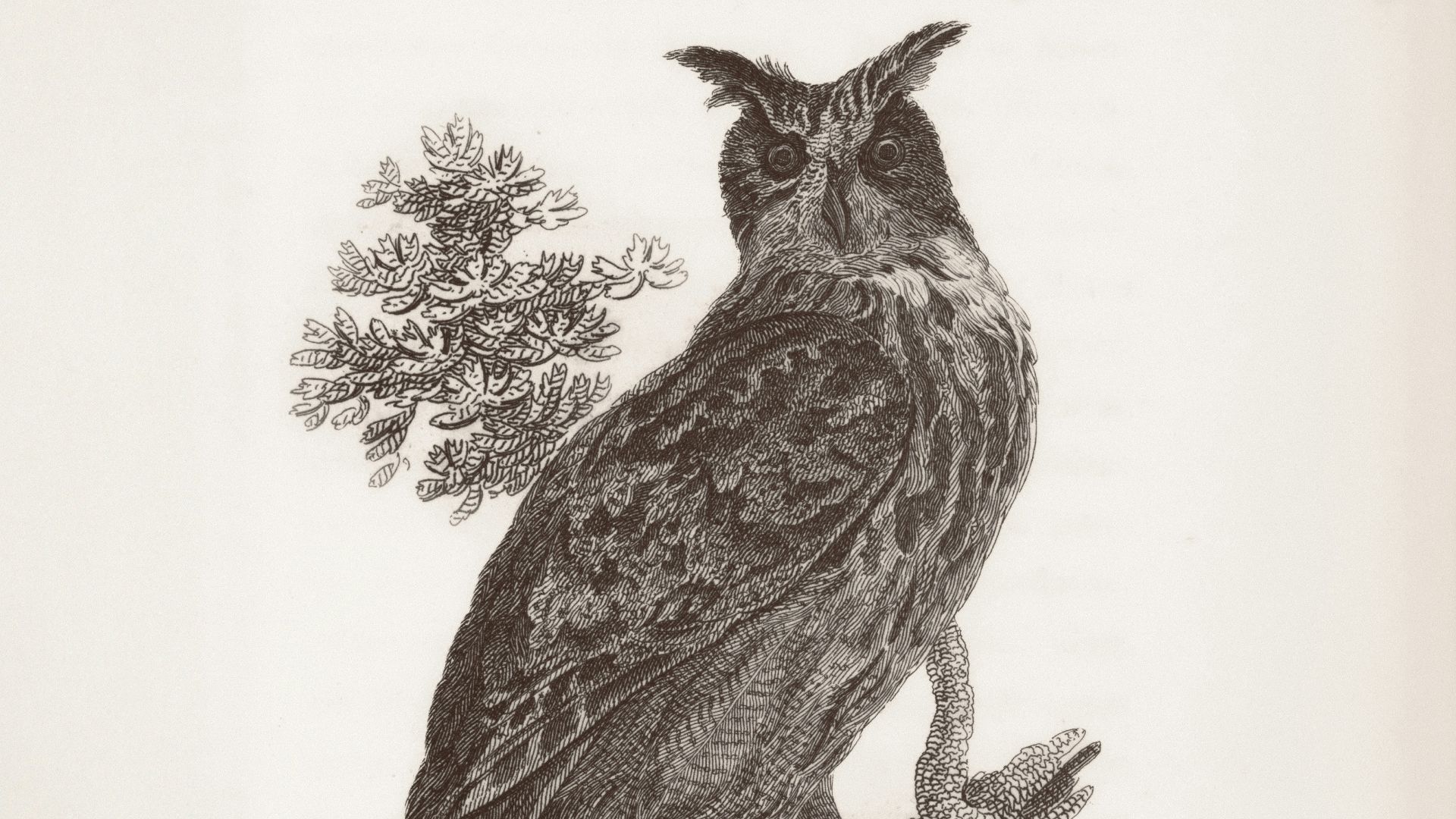
Western traditions often portray owls as wise creatures, partly because of their association with Athena, the ancient Greek goddess of wisdom. In some Japanese beliefs, owls are considered good-luck symbols, with wordplay connecting the bird to protection from hardship. Certain Indigenous North American traditions, meanwhile, associate particular owls with death or spiritual warnings, although beliefs vary between communities. An owl tattoo can communicate wisdom, luck, or something much more mysterious.
 The New York Public Library on Unsplash
6. Butterflies
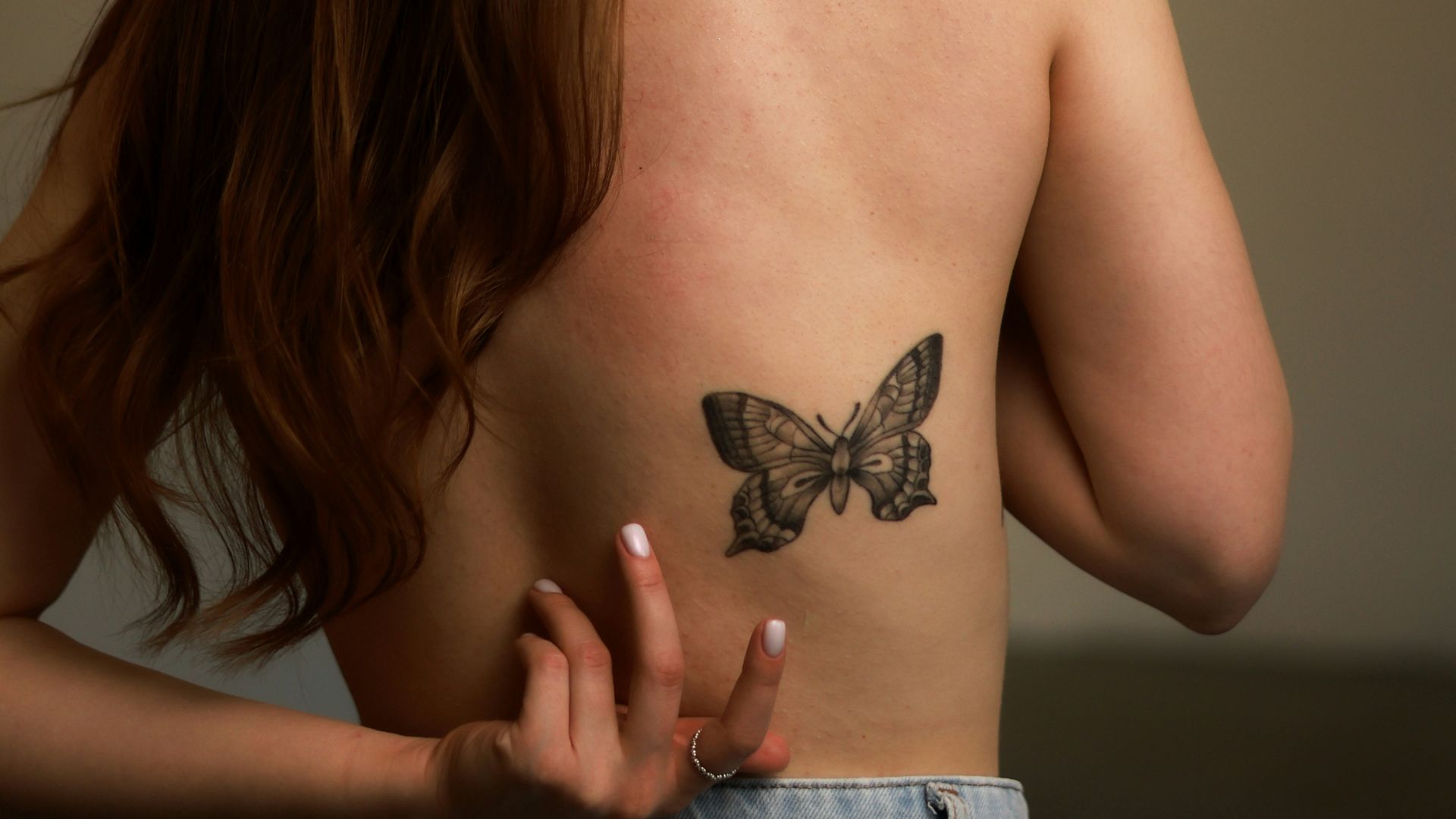
Butterflies are popular tattoos for people celebrating personal transformation, especially after major life changes. In Japanese symbolism, they can represent the human soul, while pairs of butterflies are sometimes associated with marital happiness. Chinese traditions also connect butterflies with romance and longevity, particularly through stories such as the Butterfly Lovers. Although the designs might look similar, their meanings can range from spiritual connections to lasting love.
7. Phoenixes
Most Western audiences recognize the phoenix as a mythical bird that rises from its ashes, making it a popular tattoo choice for anyone celebrating a fresh start. The Chinese fenghuang, often translated as a phoenix, has a different meaning associated with harmony, virtue, and good fortune. Unlike its Western counterpart, the fenghuang isn't primarily known for dying and returning to life. Someone choosing a phoenix tattoo might therefore be expressing either personal resilience or an appreciation for balance and prosperity.

8. Tigers
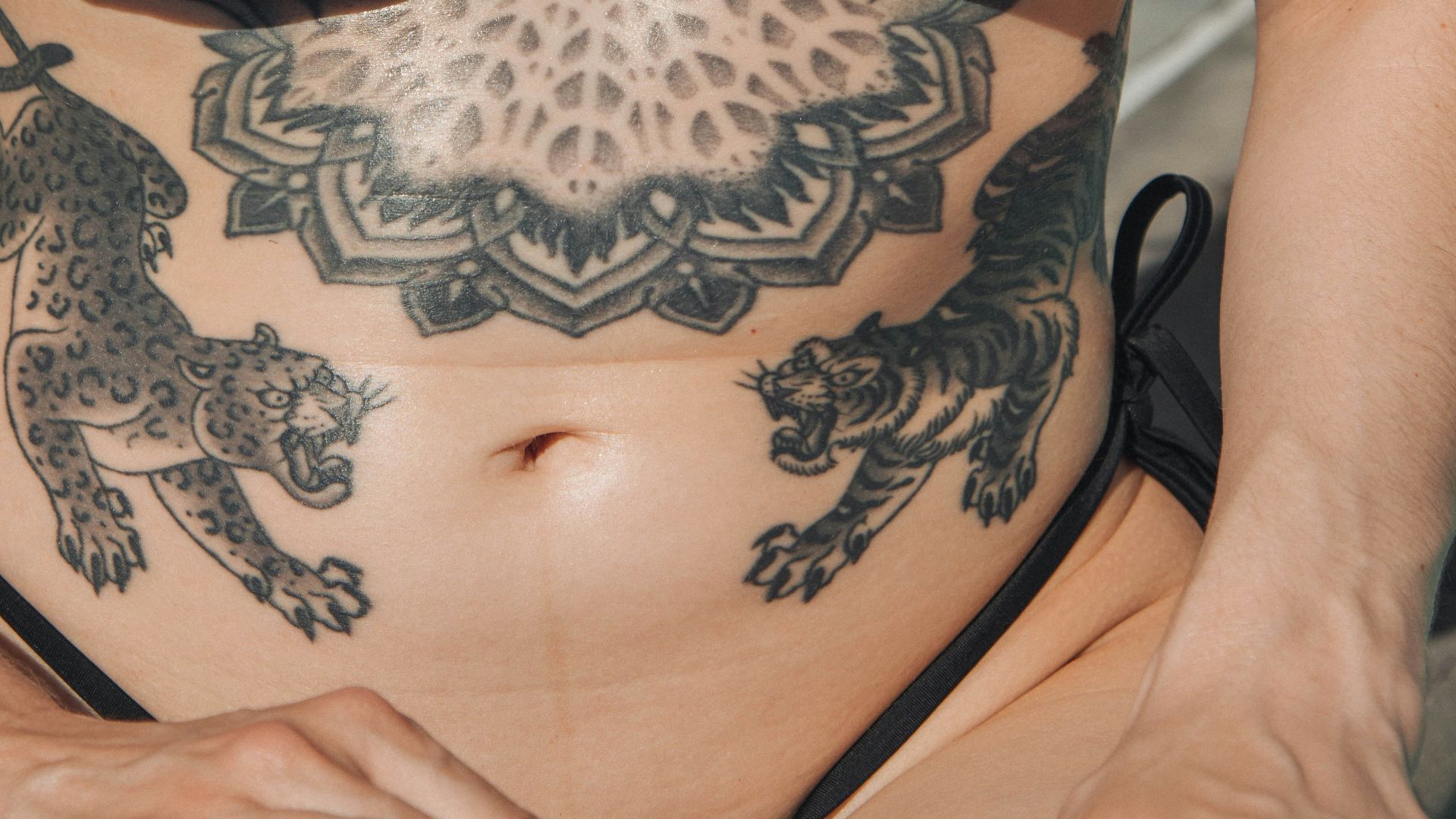
Tiger tattoos are popular for their fierce appearance, but their cultural significance goes beyond strength and aggression. In Korean folklore, tigers can serve as protective figures, although they're also portrayed as humorous or frightening characters. Chinese symbolism associates the white tiger with the west and autumn, while some Hindu traditions connect tigers with divine power through the goddess Durga. Depending on the design, your tiger might represent protection, spiritual significance, or extraordinary strength.
9. Sea Turtles
A sea turtle tattoo might remind you of tropical vacations, but these animals hold considerable cultural significance throughout the Pacific. In various Polynesian traditions, turtles are associated with longevity, peace, and ancestral connections. Chinese symbolism also links turtles to long life, stability, and the structure of the universe. What looks like a simple appreciation for marine life can represent a much deeper connection to heritage and family.

10. Waves
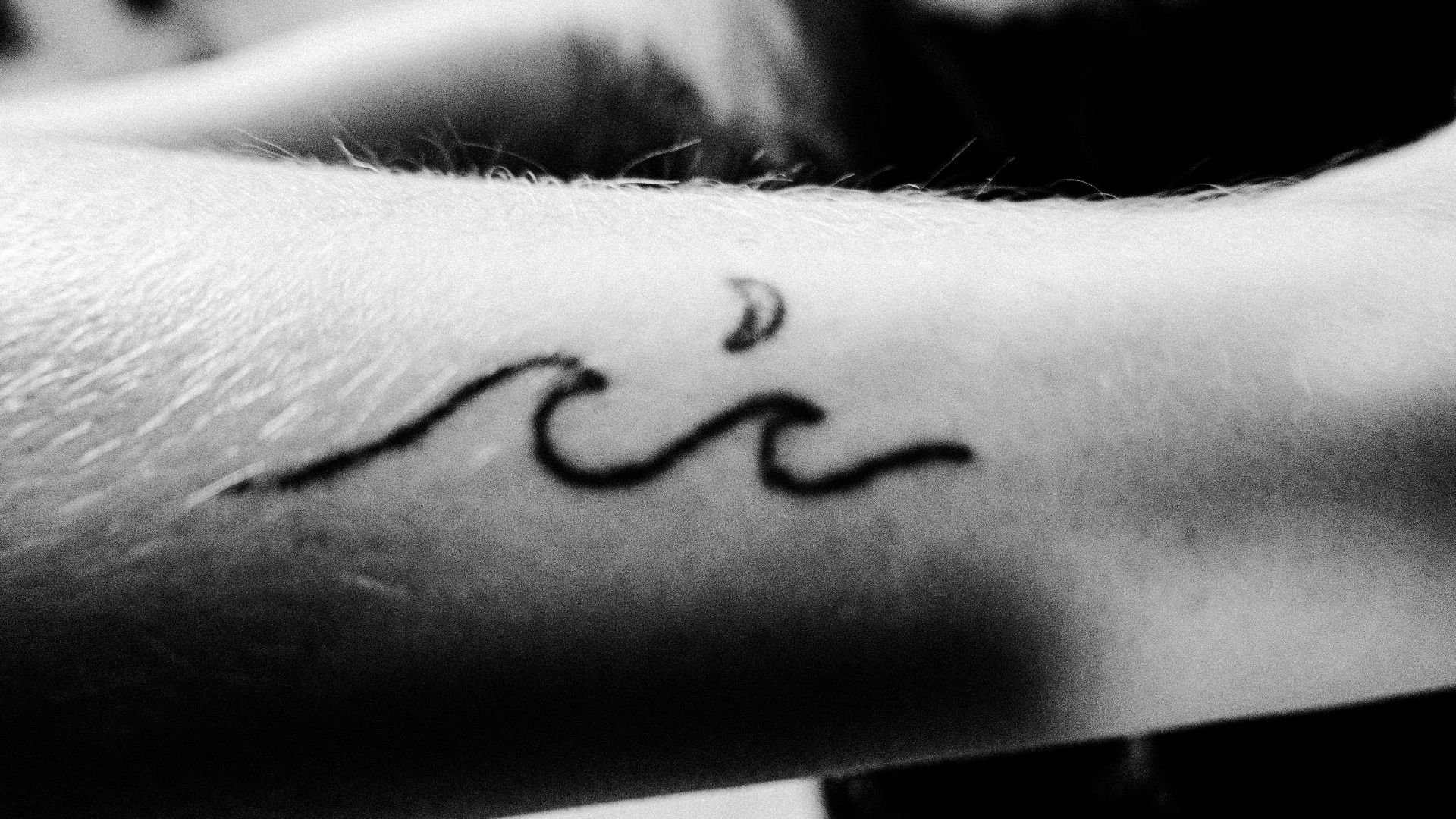
Wave tattoos often appeal to people who love the ocean, surfing, or spending time near the water. In Japanese art, powerful waves can represent nature's overwhelming force, while traditional Polynesian tattoo patterns can use wave motifs to express relationships with the sea, travel, and personal identity. While both traditions draw inspiration from the ocean, the surrounding patterns can completely change the meaning.
 Samuel Regan-Asante on Unsplash
11. The Sun
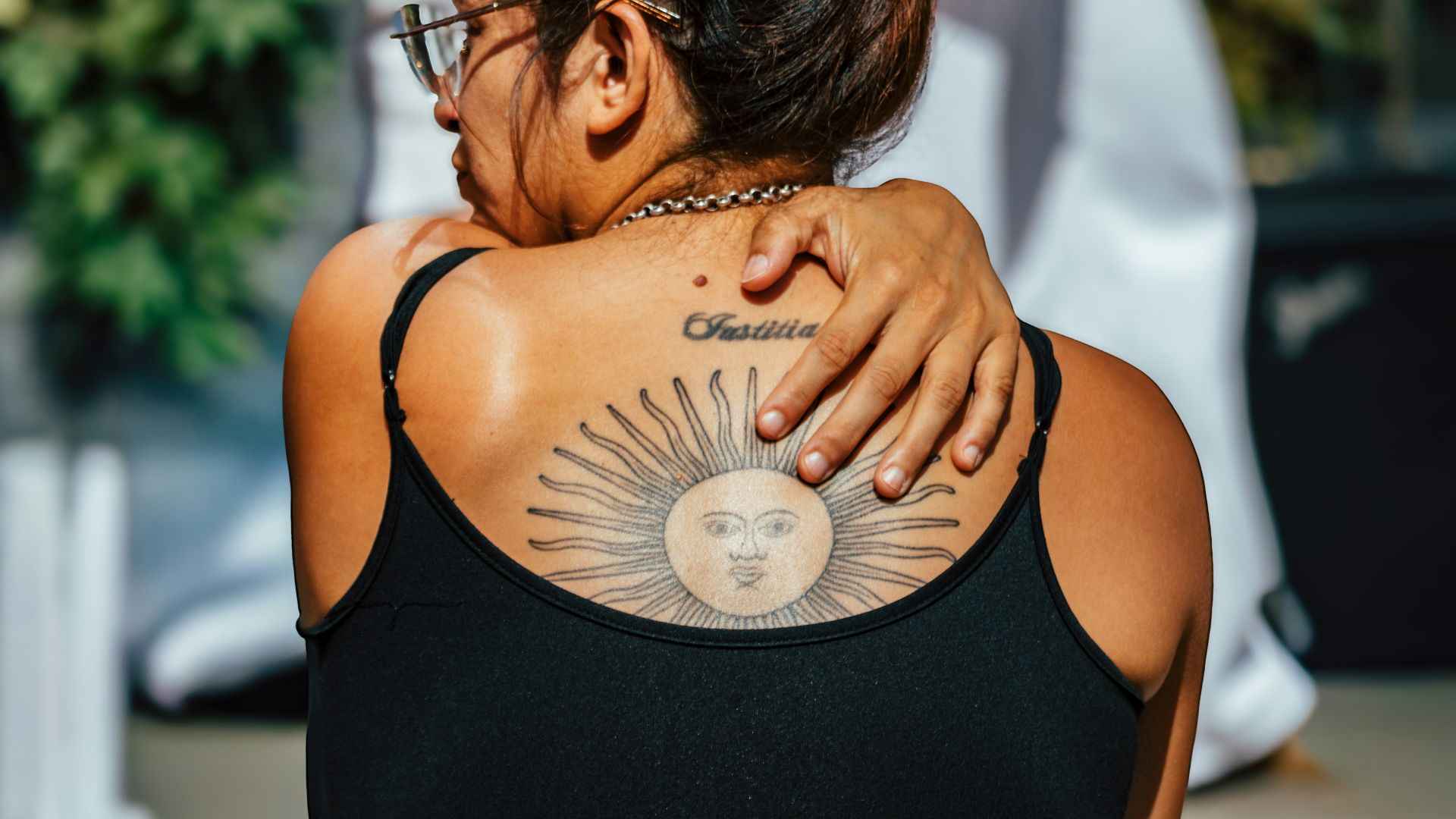
A sun tattoo might seem universally cheerful, but its significance depends heavily on the culture behind the design. Ancient Egyptians connected the sun with Ra, a major deity associated with creation and divine authority. In Japanese tradition, the sun has longstanding connections to Amaterasu, the Shinto sun goddess and an important figure in imperial mythology. Meanwhile, contemporary Western tattoos often use the sun to express optimism, warmth, or happiness.
 atelierbyvineeth ... on Unsplash
12. The Moon
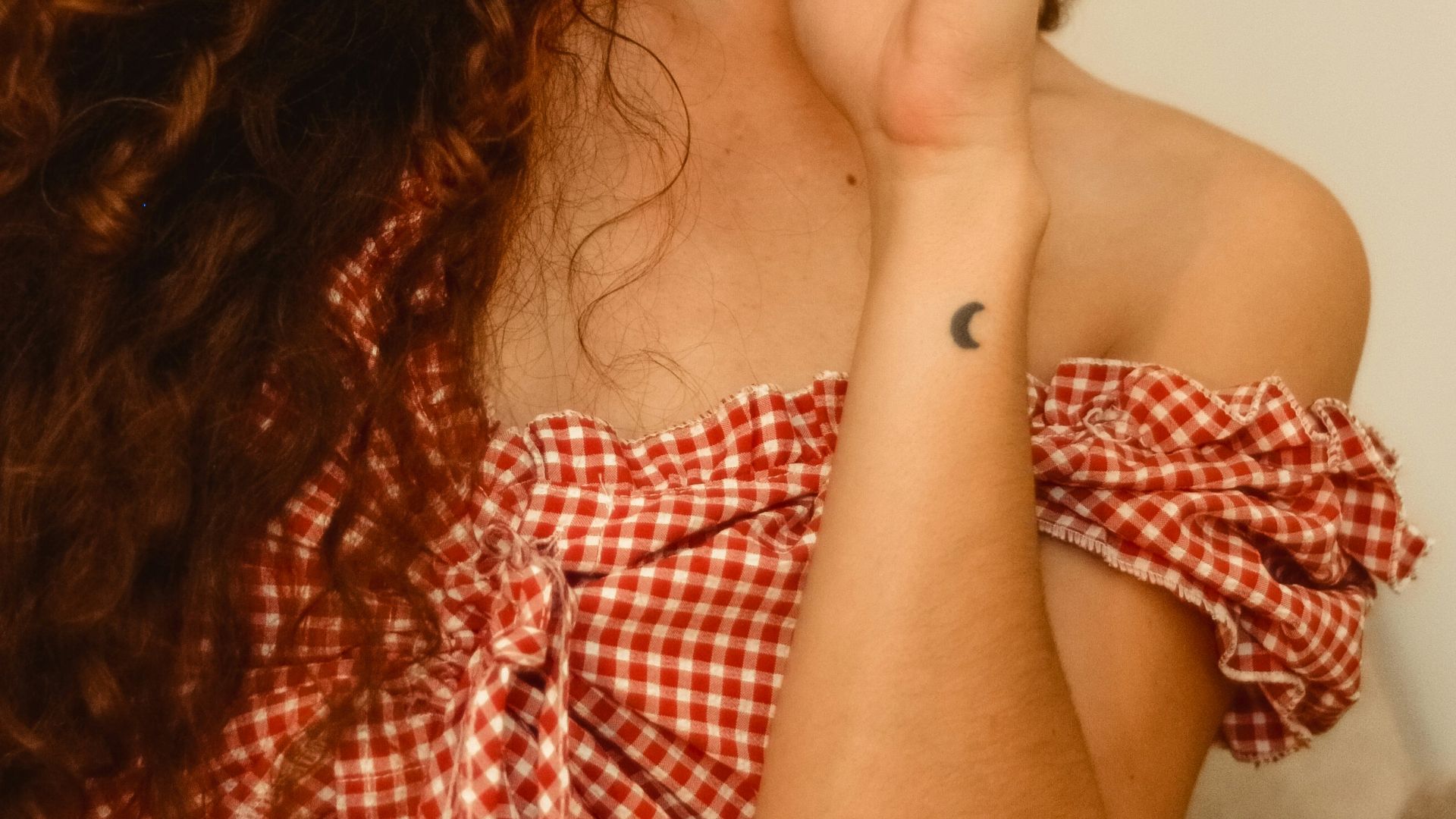
Moon tattoos are particularly popular among people who appreciate celestial imagery, although they aren't always just about nighttime beauty. In ancient Greek mythology, the moon was associated with Selene, while Chinese traditions connect it to Chang'e and the Mid-Autumn Festival. Hindu traditions also feature Chandra, a lunar deity with an important place in religious mythology. Your crescent moon might symbolize personal change, but similar imagery can carry entirely different religious meanings elsewhere.
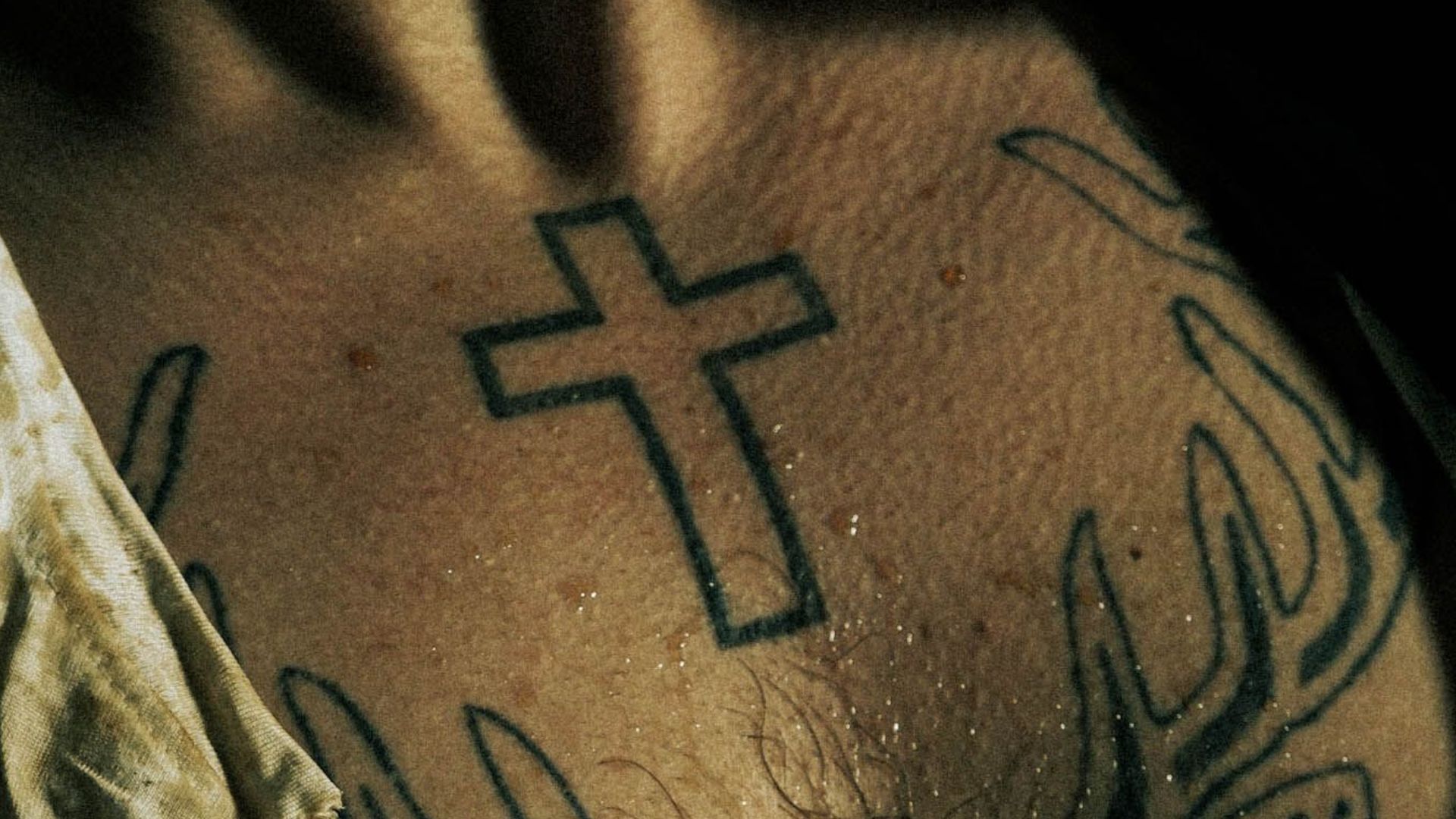
13. Crosses
For many Christians, a cross tattoo expresses religious devotion and commemorates the crucifixion of Jesus. However, cross-shaped symbols existed before Christianity, including the ancient Egyptian ankh, which represents life and has a distinctive loop at the top. In Norse symbolism, certain cross-like arrangements may represent solar imagery, although their historical interpretations aren't always certain. The exact shape matters because two tattoos that look similar might come from completely different traditions.
 Jose Ángel Ruiz Olivares on Pexels
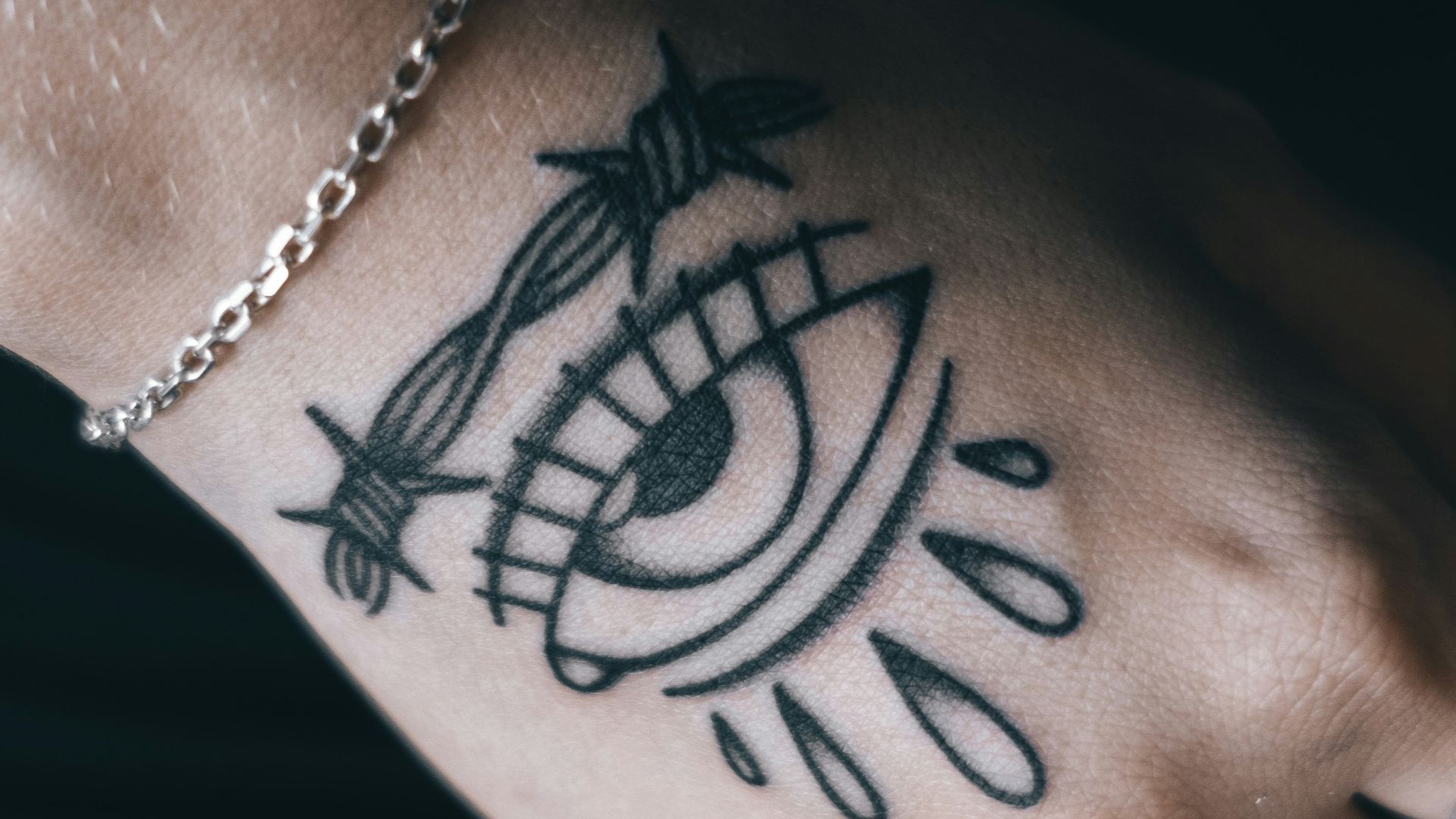
14. Eye Symbols
Eye tattoos are often chosen for their mysterious appearance, but their cultural meanings can be surprisingly different. In ancient Egypt, the Eye of Horus was associated with protection, healing, and restoration. Across parts of the Mediterranean and Middle East, eye-shaped amulets are traditionally used to ward off the evil eye, a harmful gaze believed to bring misfortune. An eye tattoo might therefore represent protection against danger rather than someone watching over you.
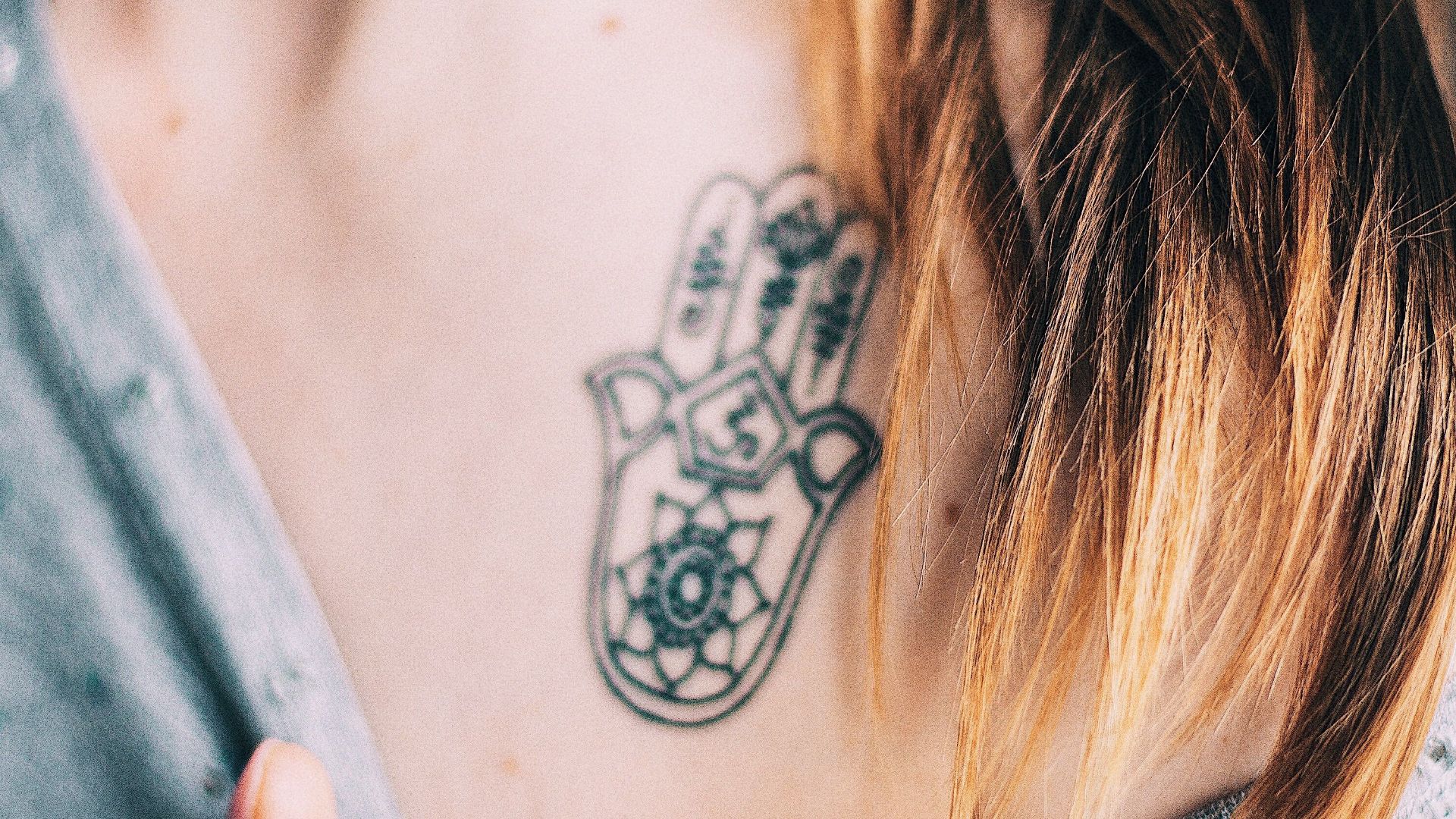
15. Hamsa Hands
The hamsa is a hand-shaped symbol commonly associated with protection against the evil eye, although its meaning varies between communities. In some Jewish traditions, it's called the Hand of Miriam, while certain Muslim communities refer to it as the Hand of Fatima. The symbol also appears throughout North African and Middle Eastern cultures, sometimes without a specific religious meaning. What one person sees as a good-luck charm might hold deep religious significance for someone else.
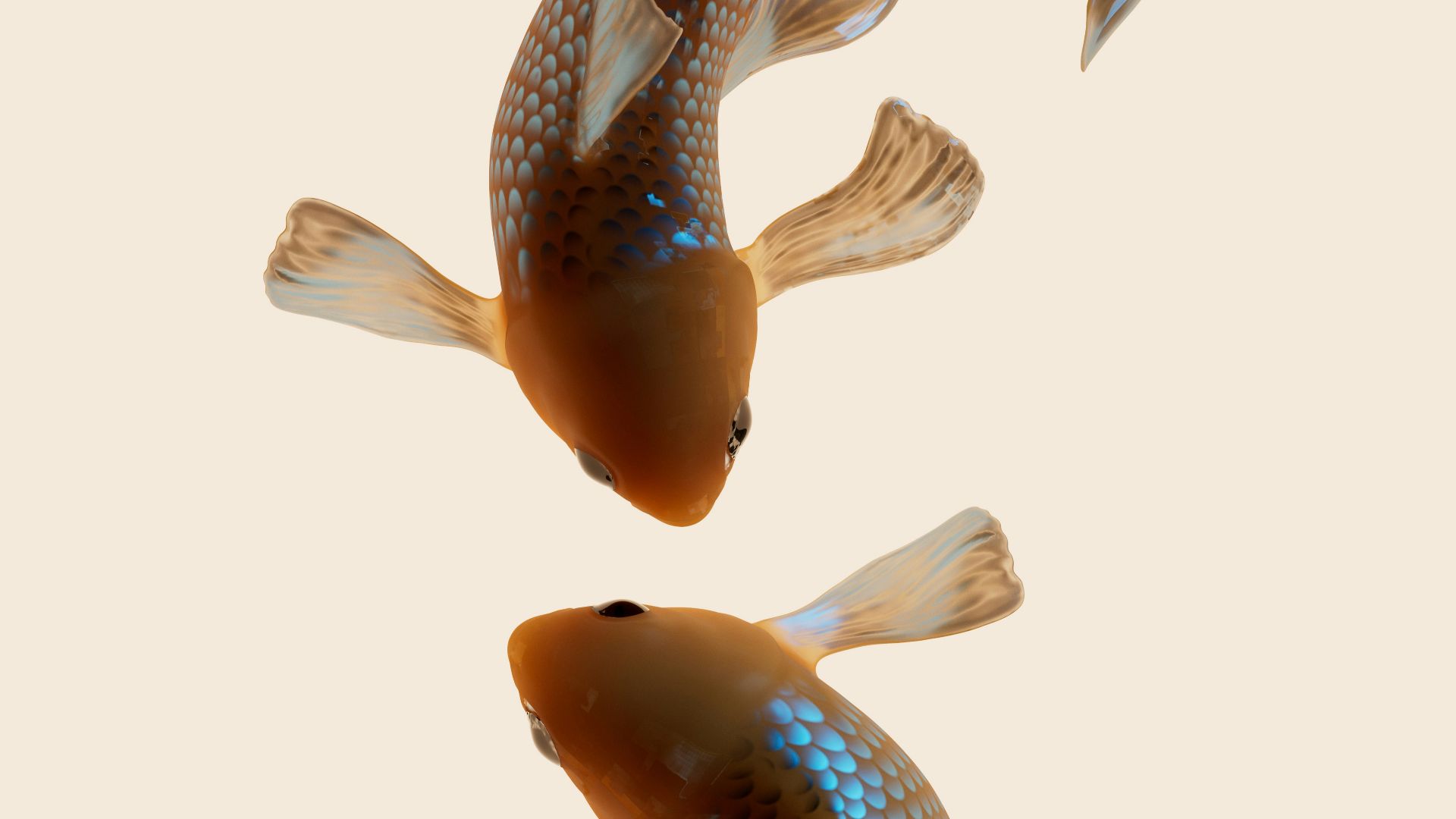
16. Koi Fish
Koi tattoos are especially recognizable in Japanese tattooing, where they're commonly associated with perseverance, courage, and overcoming adversity. Their symbolism partly comes from a Chinese legend about a carp that swims up a waterfall and transforms into a dragon. In Chinese decorative traditions, fish can also represent abundance and prosperity. Depending on the design, a koi tattoo might celebrate determination, ambition, or hopes for good fortune.
17. Spider Webs
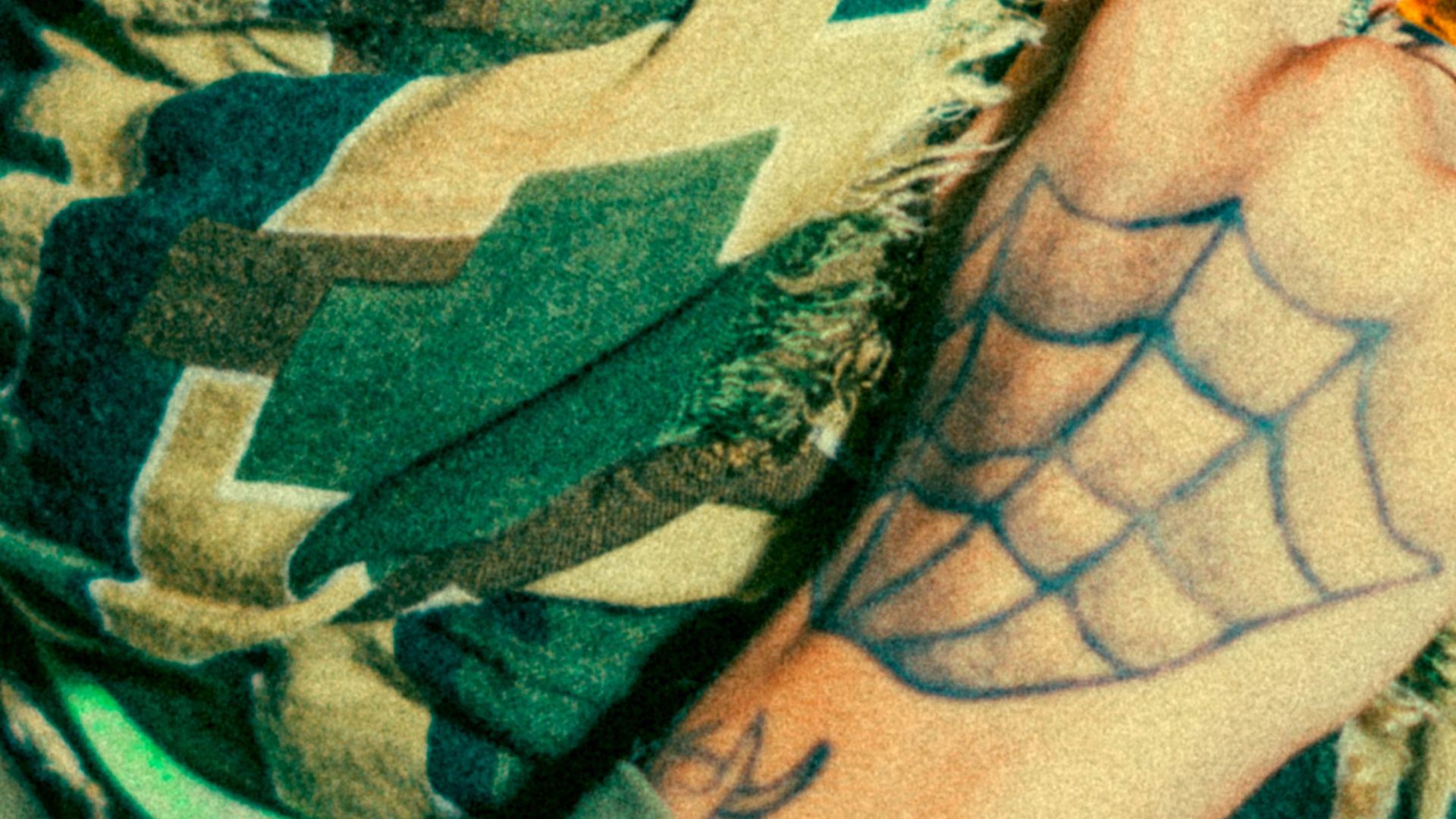
Spider web tattoos have become fashionable among people who appreciate gothic or alternative styles, particularly when placed on the elbow. However, they've historically been associated with incarceration in certain American prison subcultures, sometimes suggesting time spent behind bars. In some contexts, these tattoos have also been linked to white supremacist groups, although that meaning certainly doesn't apply to everyone wearing one. Someone might choose this design purely for its appearance without realizing how differently others could interpret it.
18. Swastikas
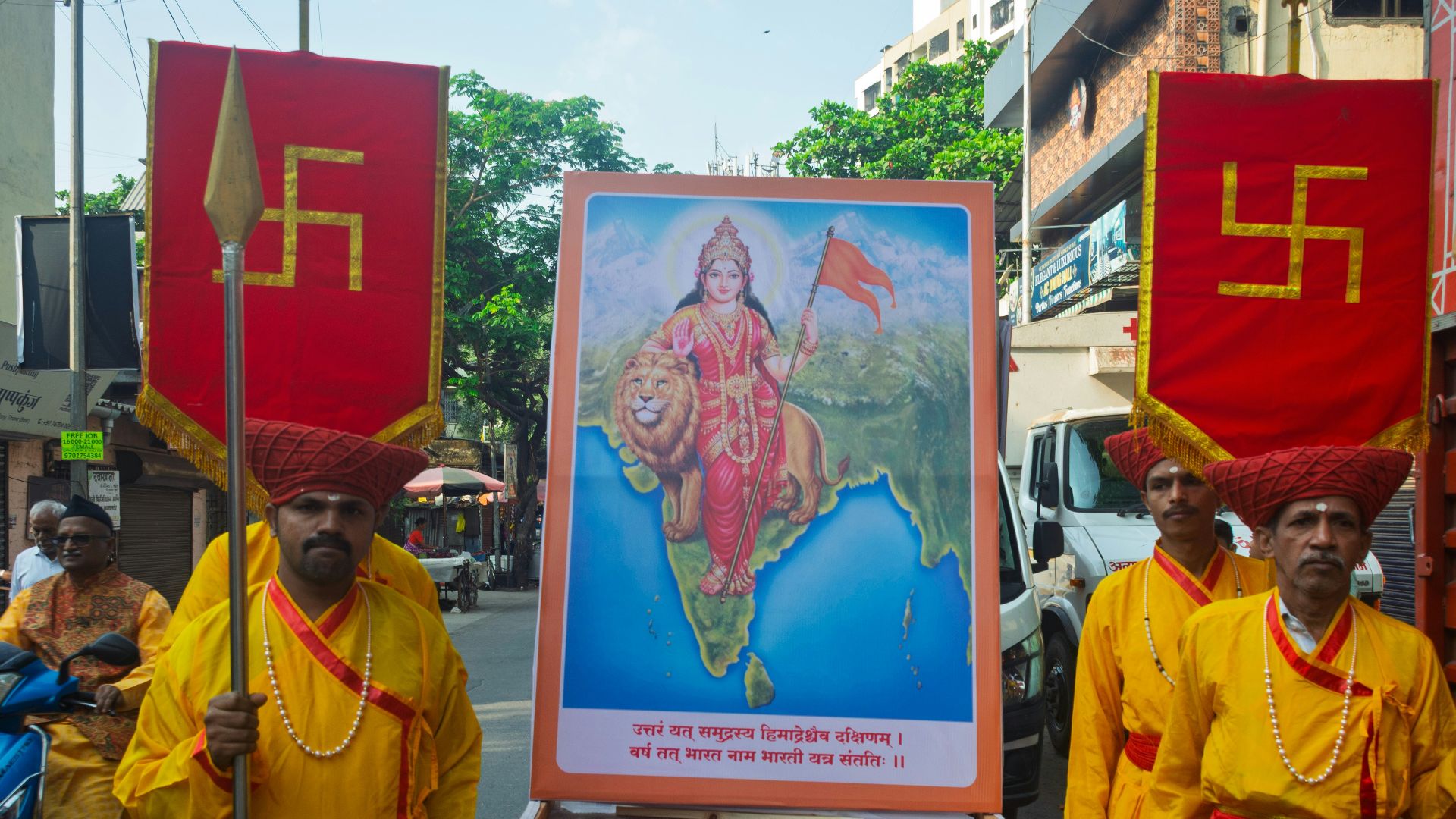
Few symbols demonstrate the importance of cultural context as clearly as the swastika. In Hinduism, Buddhism, and Jainism, traditional versions of this ancient symbol have long represented good fortune, well-being, and prosperity. However, its adoption by Nazi Germany dramatically changed its meaning across much of the Western world, where it's strongly associated with antisemitism, genocide, and white supremacy. A symbol considered sacred in one setting can cause immediate alarm in another.
 Tanmay Abhay Mahajan on Unsplash
19. Spiral Patterns
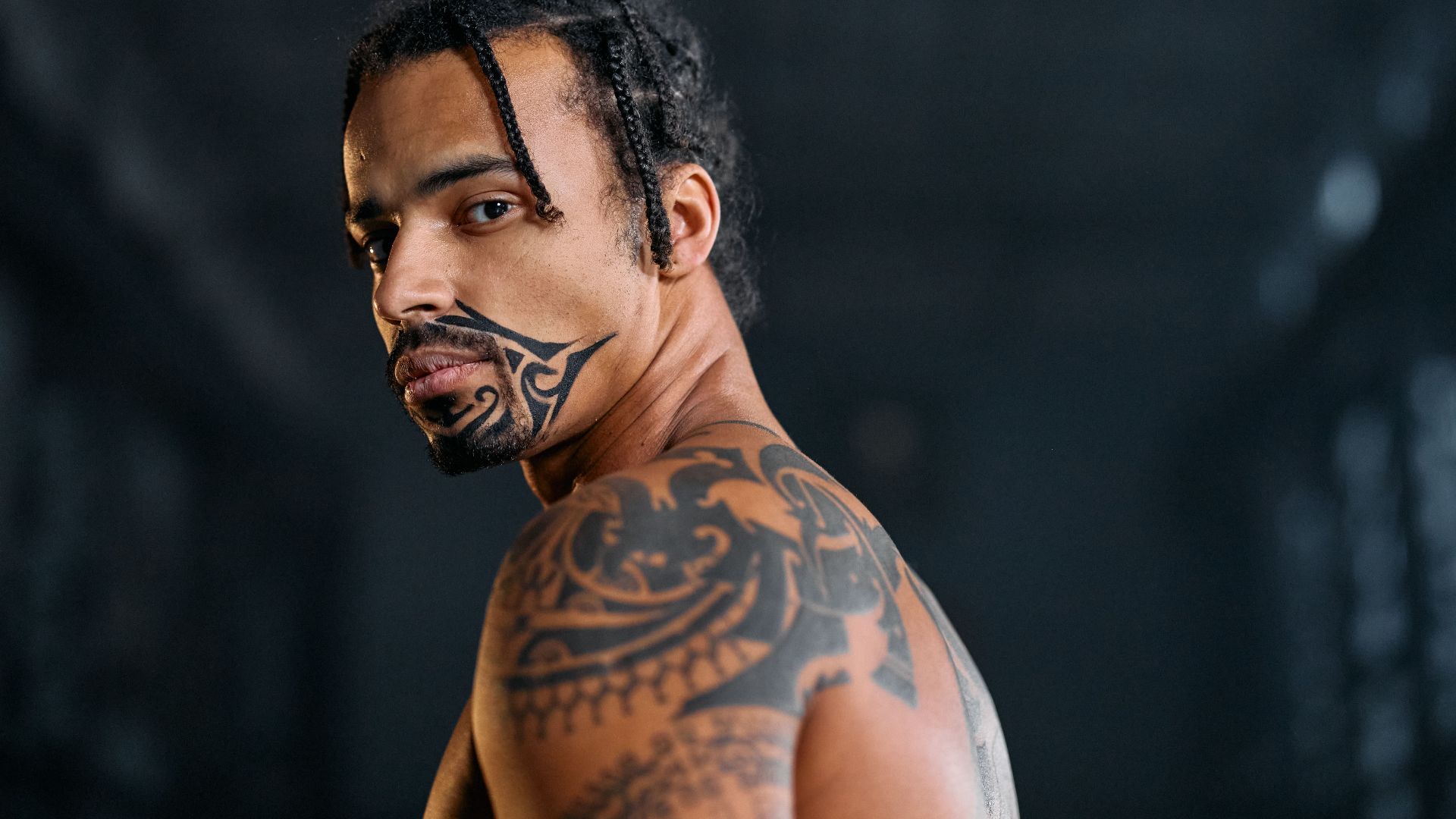
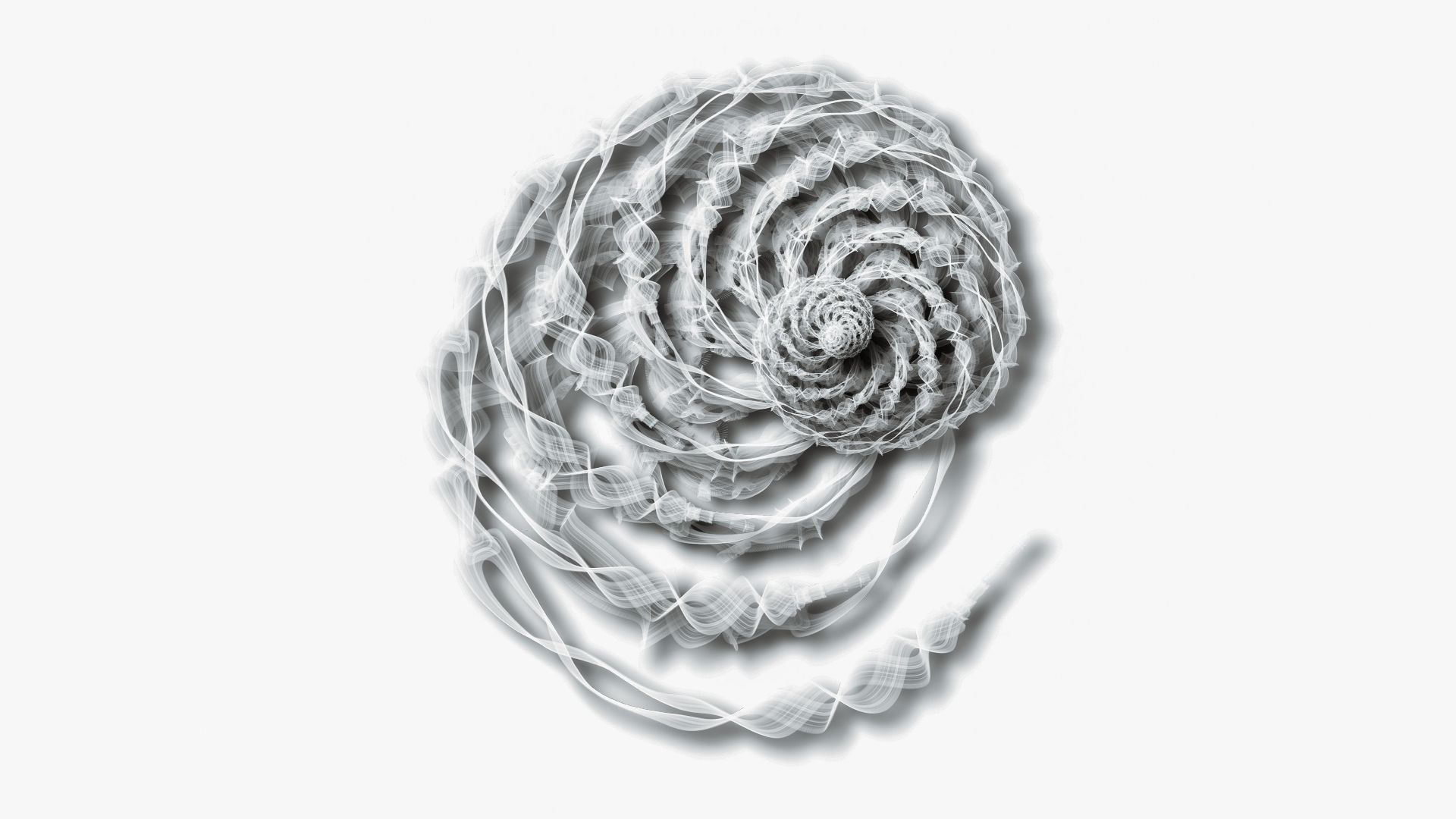
Spiral tattoos have become popular in minimalist designs, often representing personal growth or life's constant changes. In Māori culture, the koru takes inspiration from an unfurling fern frond and symbolizes new life, renewal, and growth. Spiral elements also appear in tā moko, where their significance comes from larger designs connected to identity and cultural expression. If you're considering something inspired by Māori tattooing, it's worth understanding the difference between a simple spiral and a culturally significant traditional design.
20. Geometric Tribal Patterns
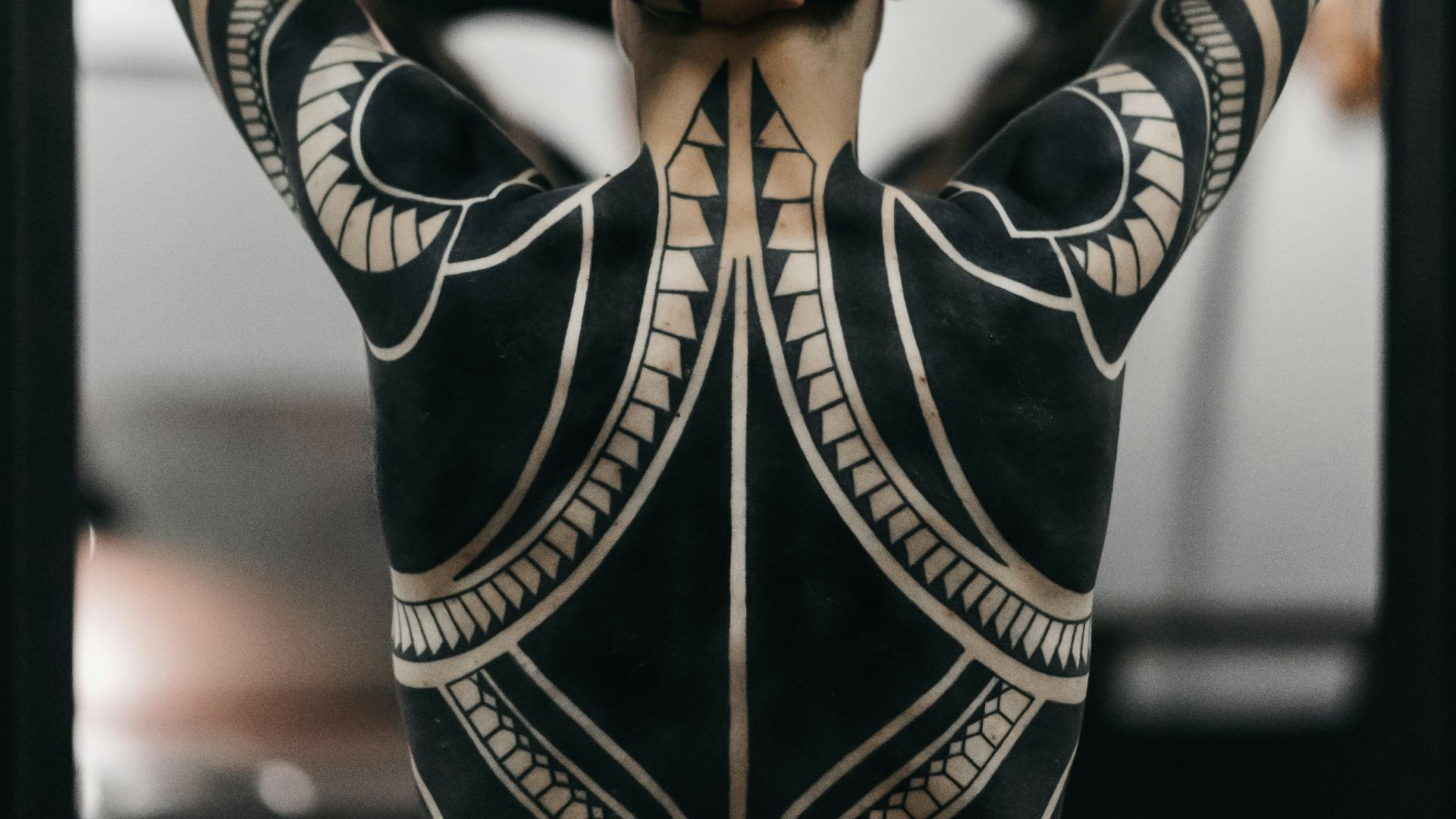
Bold geometric tattoos are popular worldwide because they're so visually striking, but their meanings can vary widely depending on where they originated. Traditional Samoan tatau carries connections to cultural identity, community responsibilities, and social roles, while Indigenous Filipino tattooing traditions have historically expressed achievements, ancestry, and protection. Because traditional patterns can communicate personal and ancestral information, copying them without understanding their origins can mean wearing something far more meaningful than you intended.