
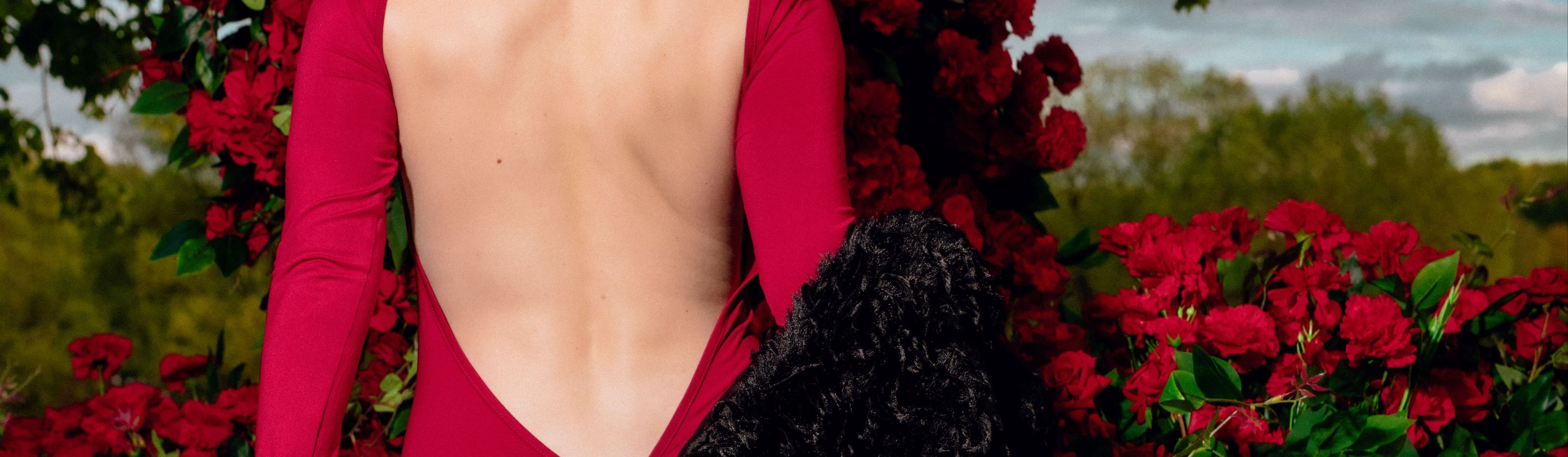
Pearl Clutching Since Antiquity
What we so often deem as scandalous today would’ve stopped the hearts of three or four generations behind us. These clothing items, for the most part, won’t seem scandalous to us now. But throughout history, humans adored policing what other people wore. The real fuss was usually bigger than the fabric, since these clothes raised uncomfortable questions about gender, class, beauty, movement, and who was allowed to take up space in public. Many of the pieces that once seemed outrageous now look elegant, useful, or just normal. These 20 historical clothes were once treated as daring, improper, or a little too salacious for polite comfort.
1. Transparent Roman Silk Dresses
Fine silk was one of ancient Rome’s most talked-about luxuries, especially when the fabric was thin enough to reveal the body beneath it. Moral critics disliked the way sheer cloth blurred the line between being dressed and being on display. What made the fabric expensive also made it controversial, since it drew attention to the body rather than fully covering it.
2. Medieval Poulaines
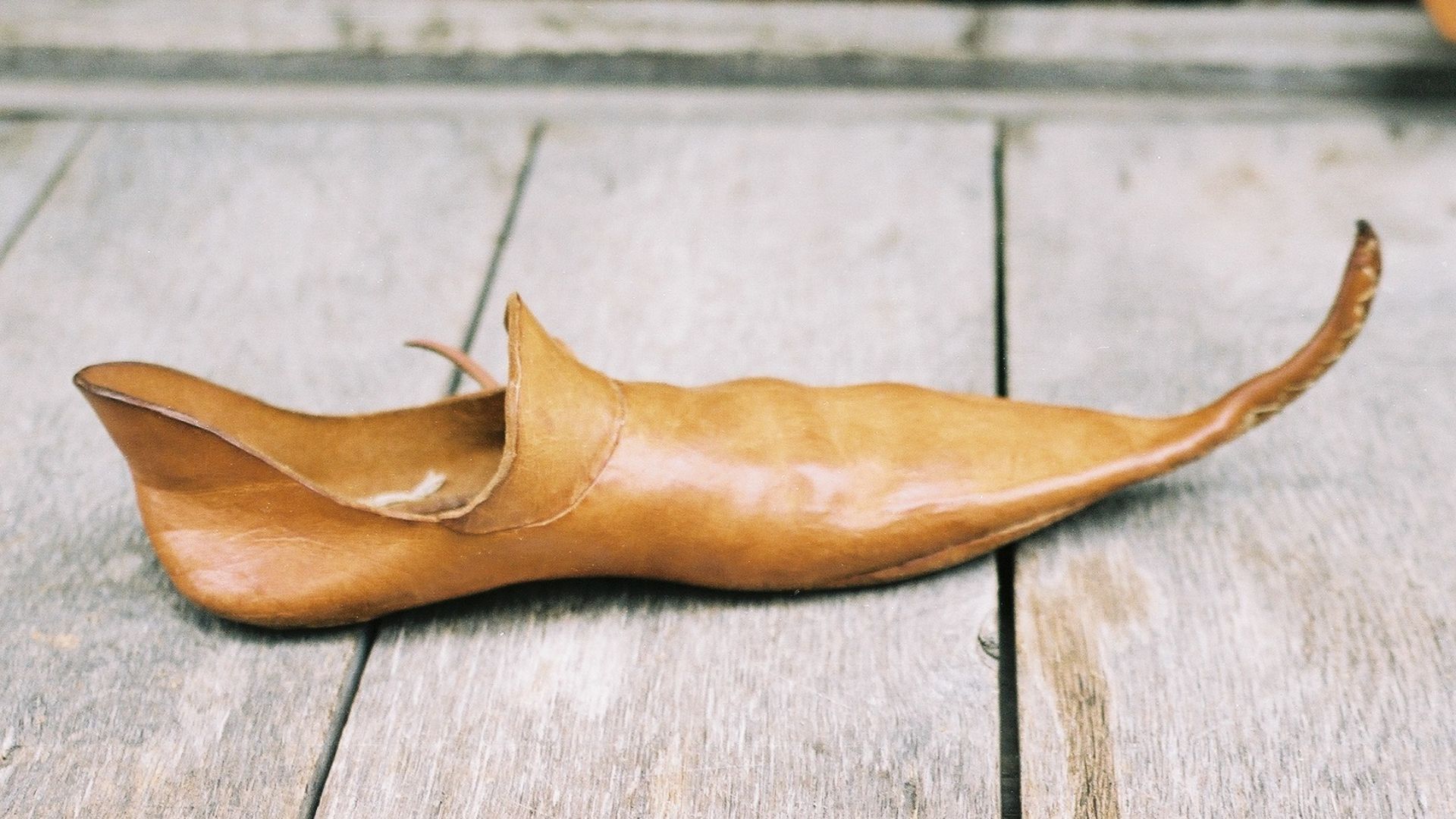
Poulaines were medieval shoes with long, pointed toes that could reach almost absurd lengths. Their shape made them easy to mock, especially when fashionable young men leaned into the look. Critics connected them with vanity, effeminacy, and suggestive display.
3. Renaissance Codpieces
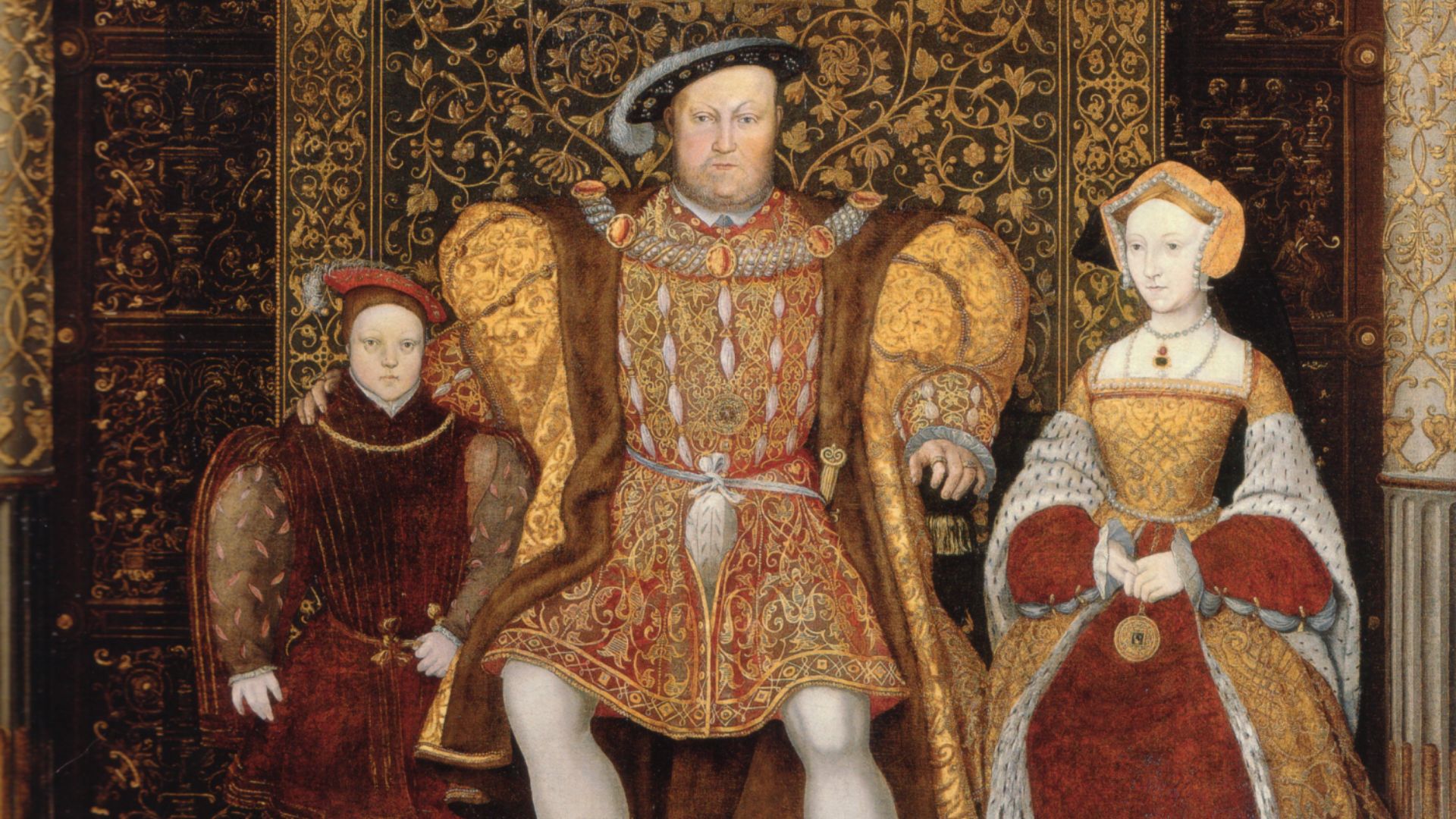
The codpiece started as a practical covering for men’s groin. As time passed, Renaissance fashion made the clothing item a little more…pronounced. Codpieces could be padded, shaped, and decorated, putting emphasis exactly where polite society claimed not to be looking. Its reputation for indecency wasn’t exactly surprising.
 Unknown authorUnknown author on Wikimedia
4. Venetian Chopines
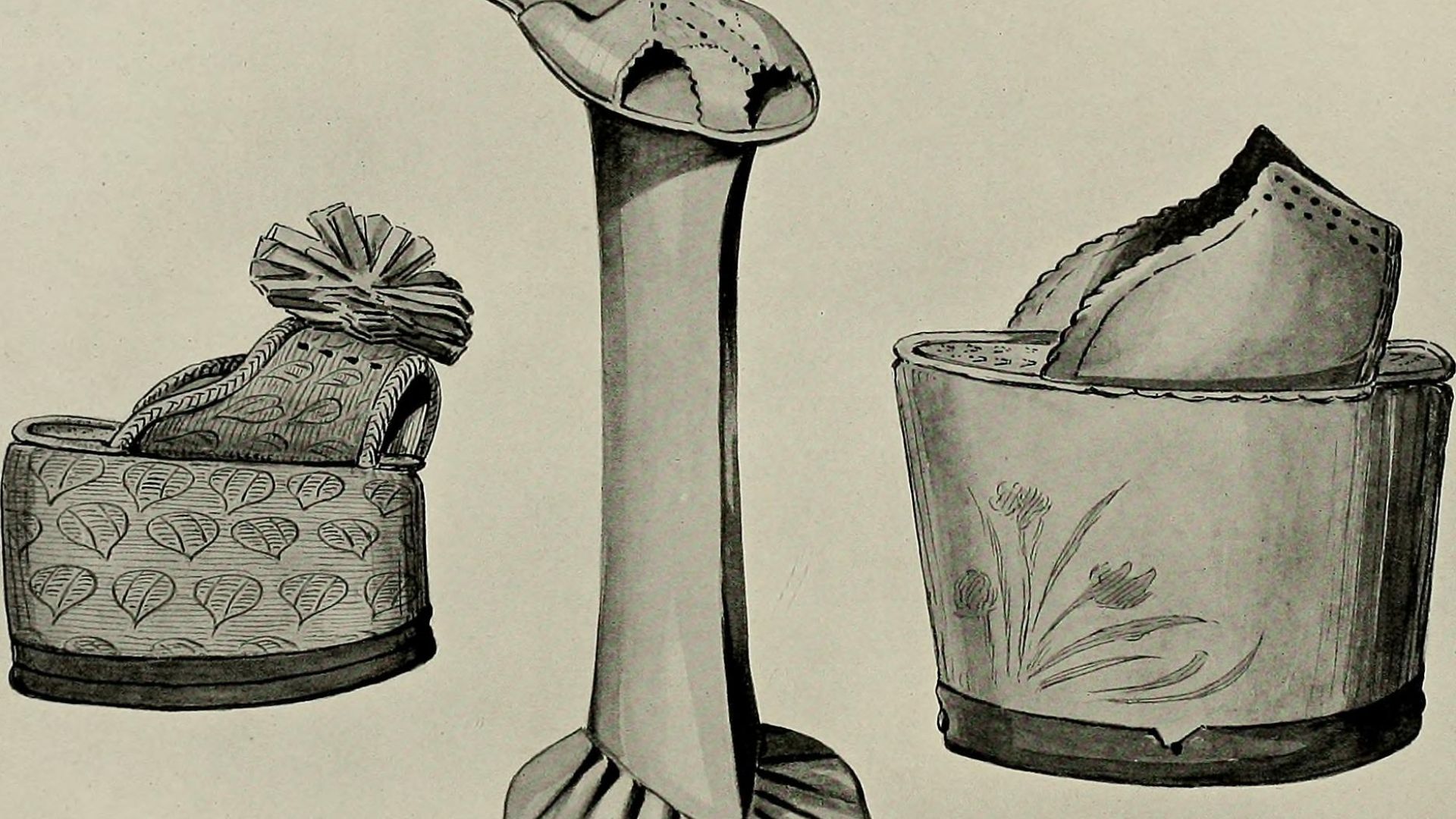
Chopines were high platform shoes worn in Venice, where they showed status as much as style. Some later accounts and period imagery tied very high versions to courtesans, though the shoe was also worn as a sign of wealth and showy elegance. Either way, this was footwear designed to be noticed.
 Internet Archive Book Images on Wikimedia
5. Directoire Muslim Dresses
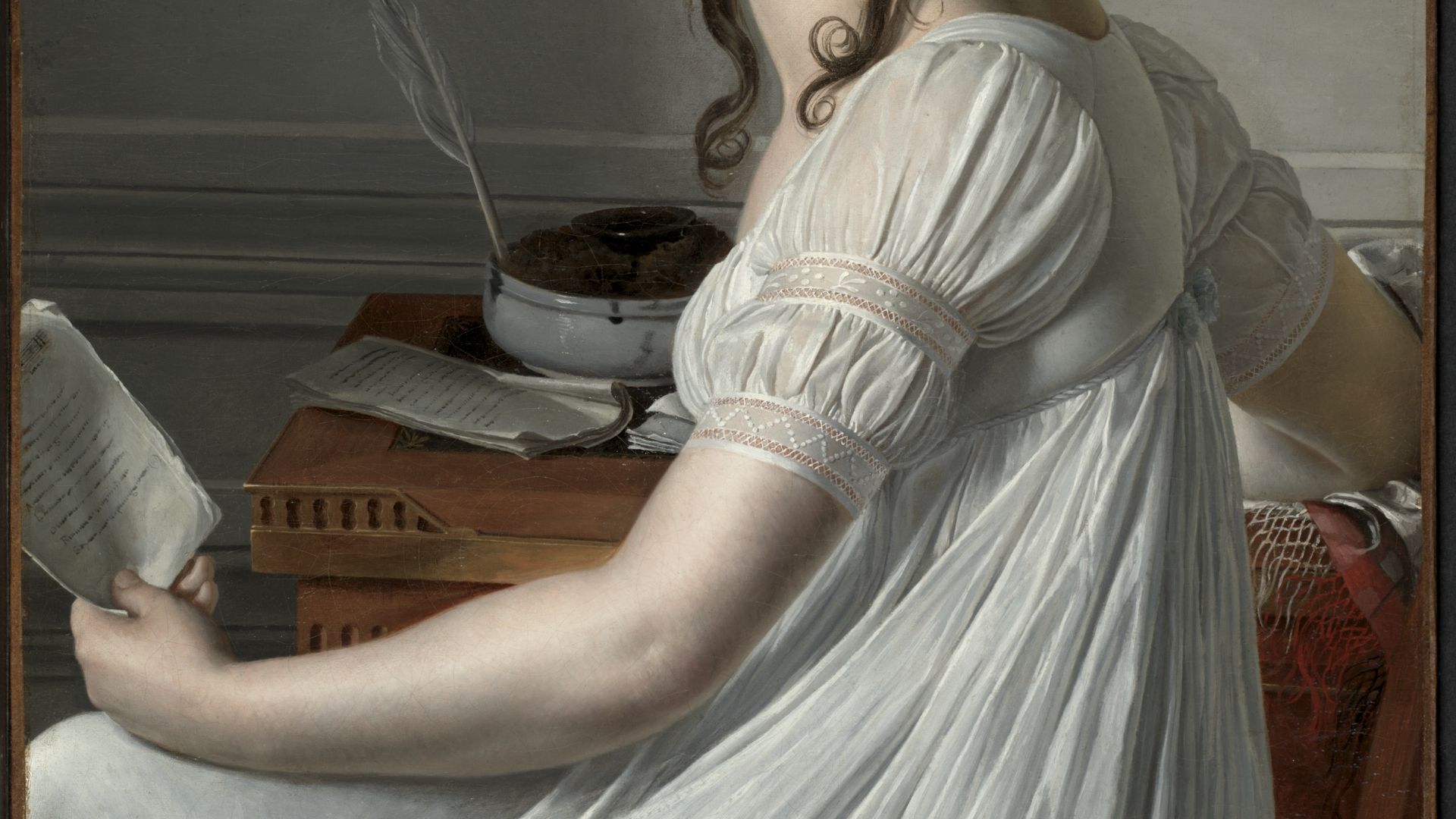
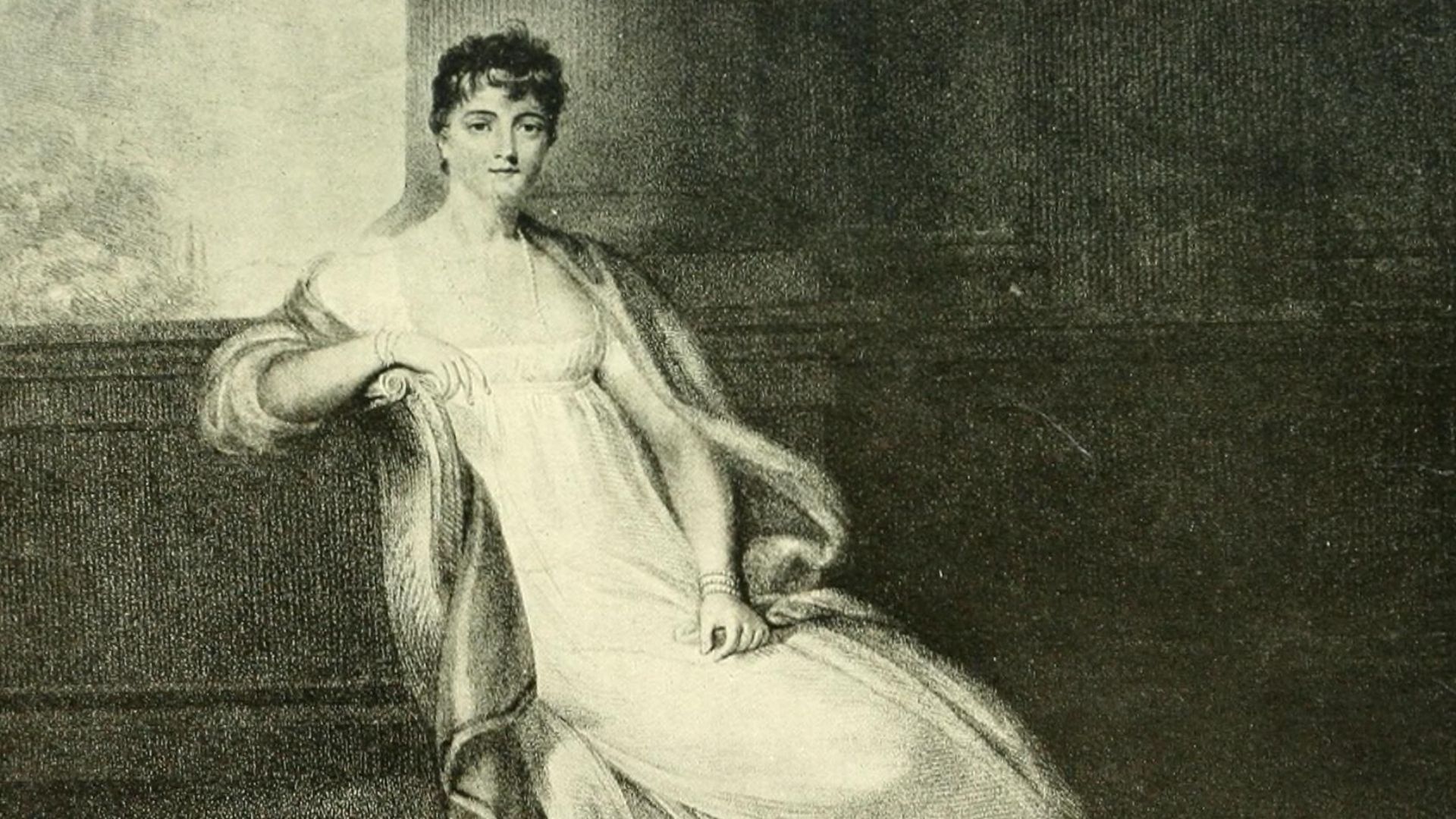
After the French Revolution, pale, high-waisted muslin dresses gave women’s fashion a much lighter shape. The soft fabric, narrow lines, and occasional sheerness made the body seem more visible after years of heavier structure. That lighter look was fashionable, but it was also a little scandalous.
 Internet Archive Book Images on Wikimedia
6. The Chemise À La Reine
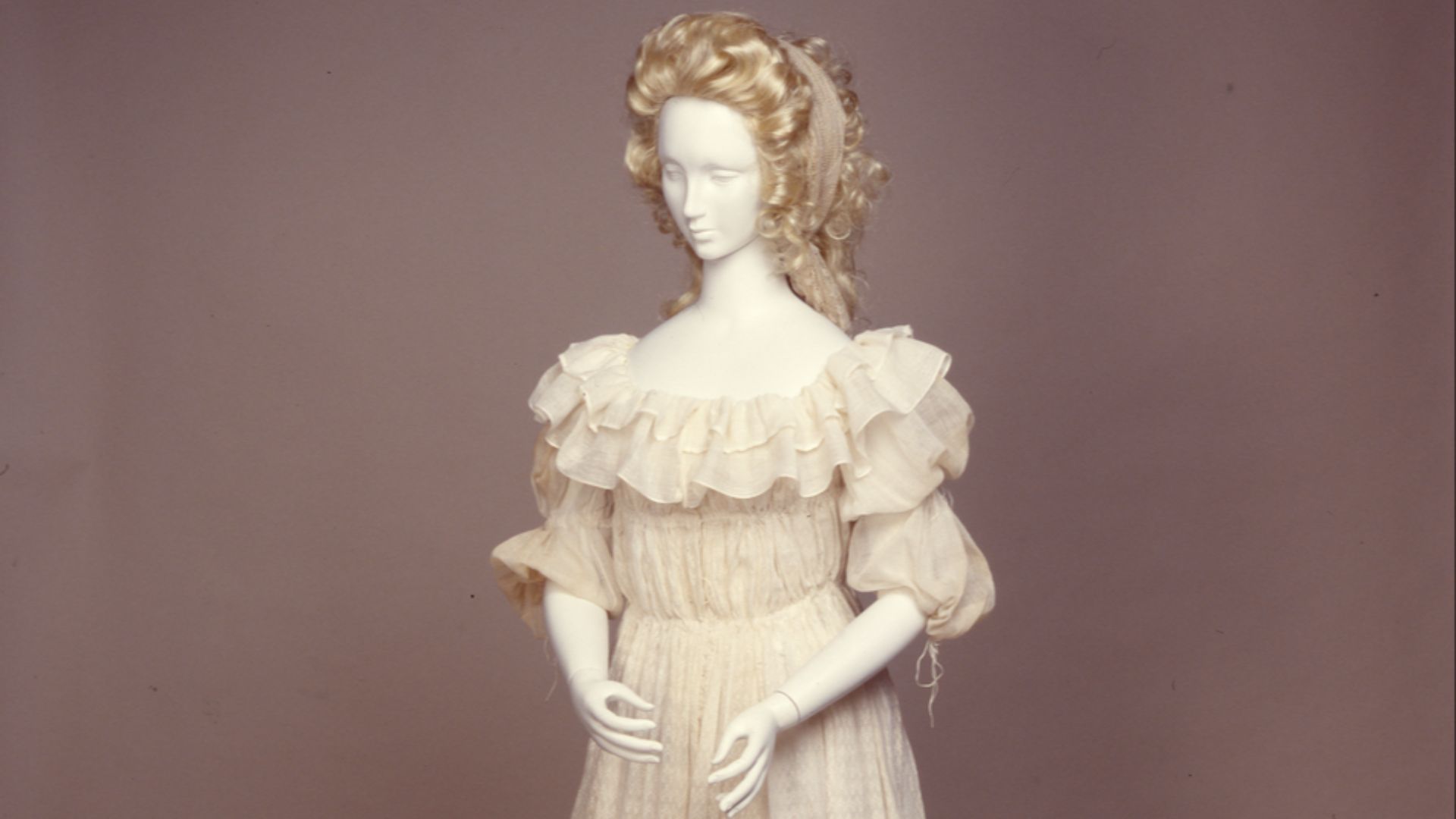
Marie Antoinette’s white chemise dress looked loose, simple, and almost pastoral. Unfortunately, its resemblance to underclothing made it feel too private and too informal for a queen in public view. A dress meant to look relaxed ended up reading as improper.
 Unknown authorUnknown author on Wikimedia
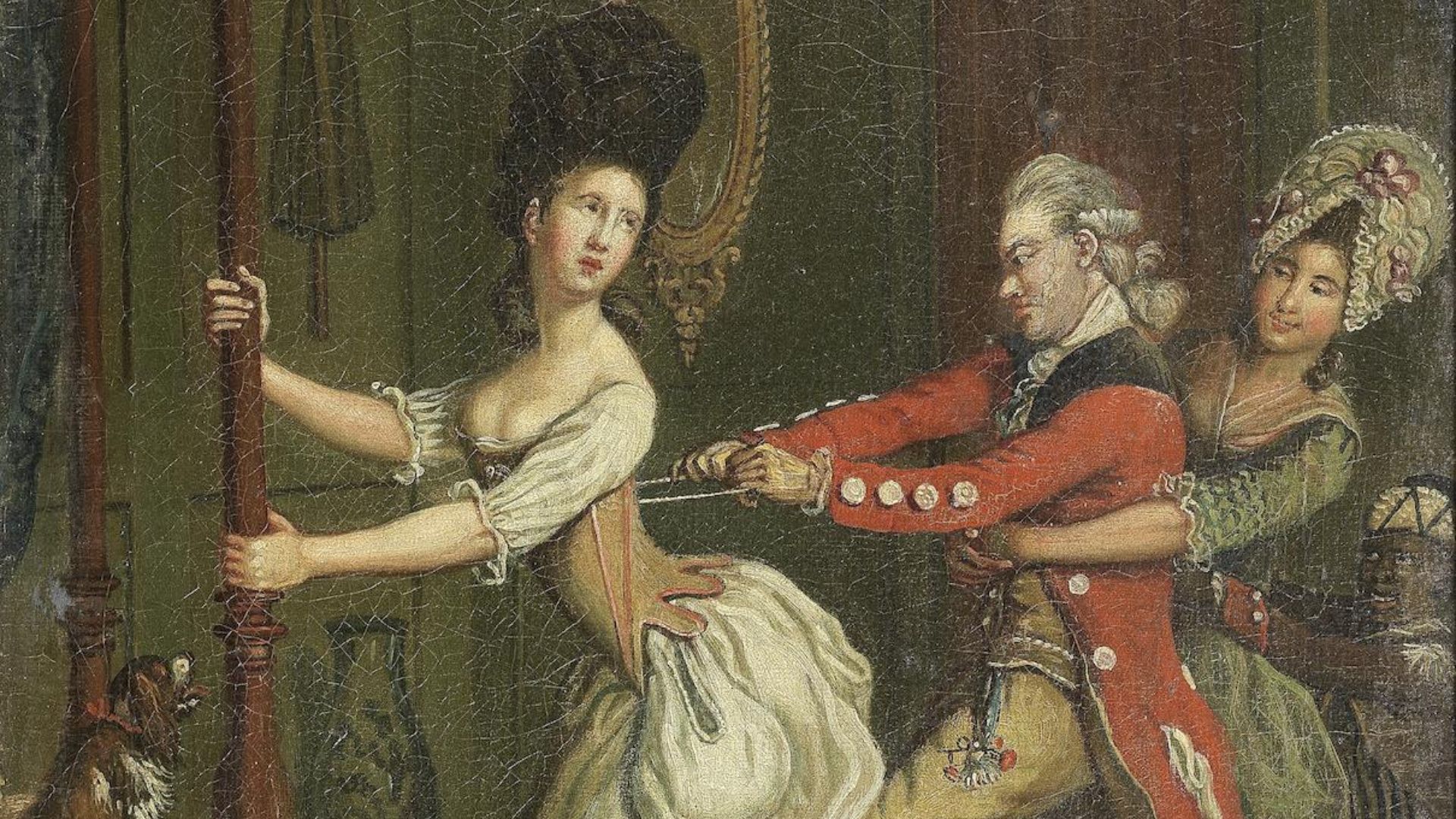
7. Tight-Laced Corsets
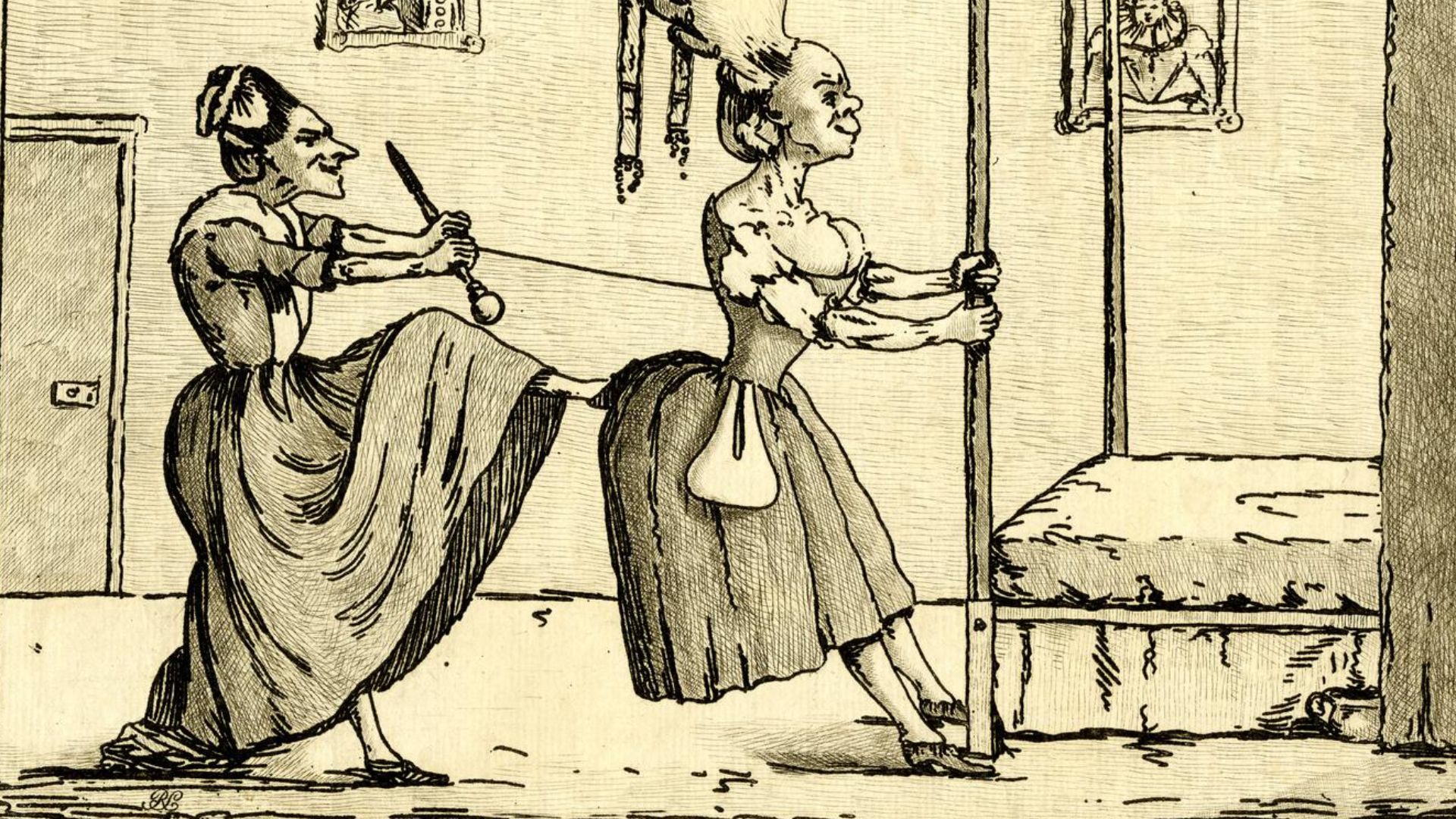
Corsets themselves were not automatically scandalous, since they were part of everyday dress for many women. The controversy came with tight-lacing, which made the waist look dramatically smaller. This fashion trend drew criticism about health, vanity, and beauty standards taken too far.
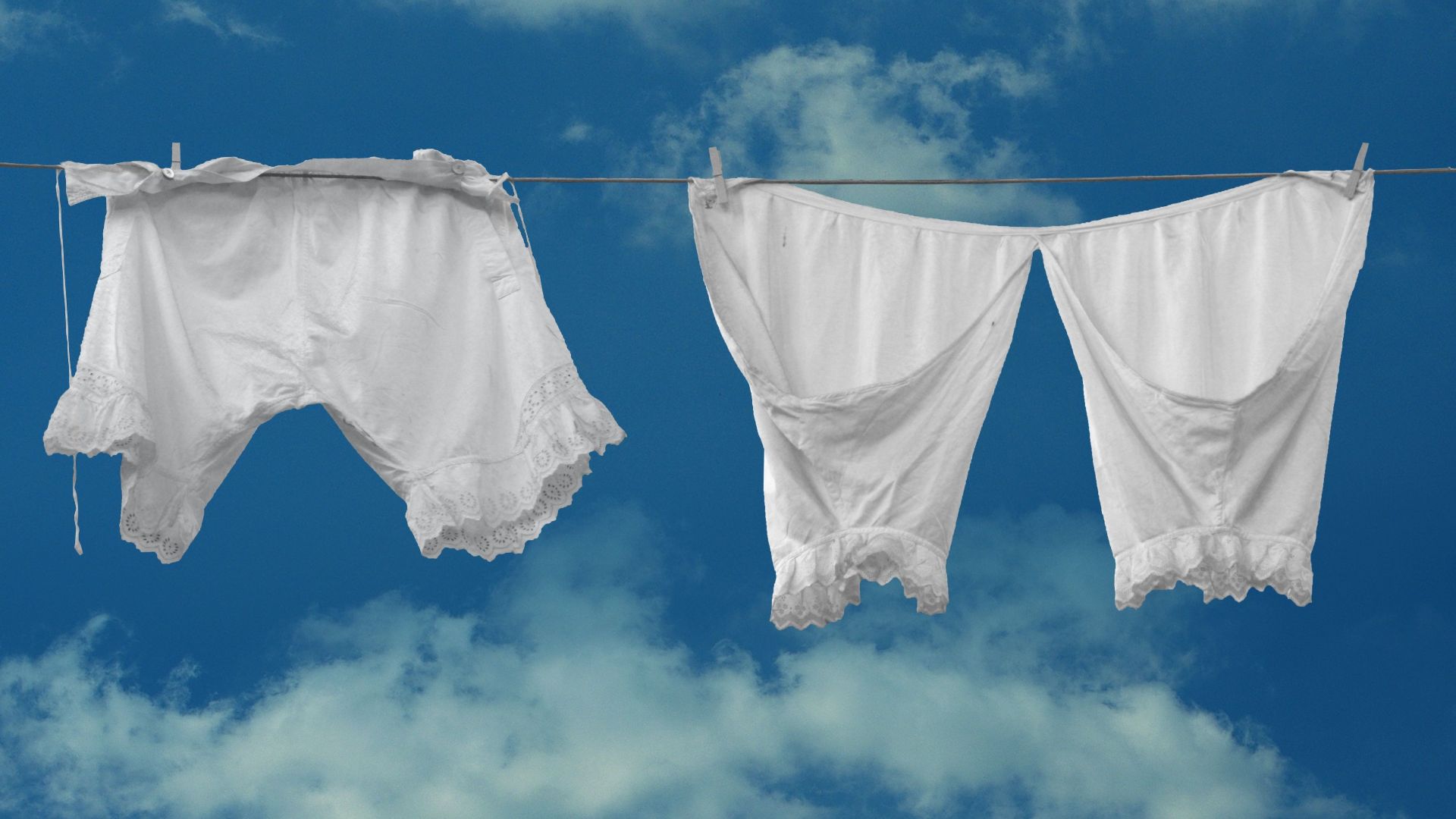
8. Bloomers
Bloomers paired a shorter skirt with loose trousers underneath, which gave women more freedom to move than heavy floor-length skirts allowed. The practical design still bothered critics because trousers were so often associated with men’s clothing.
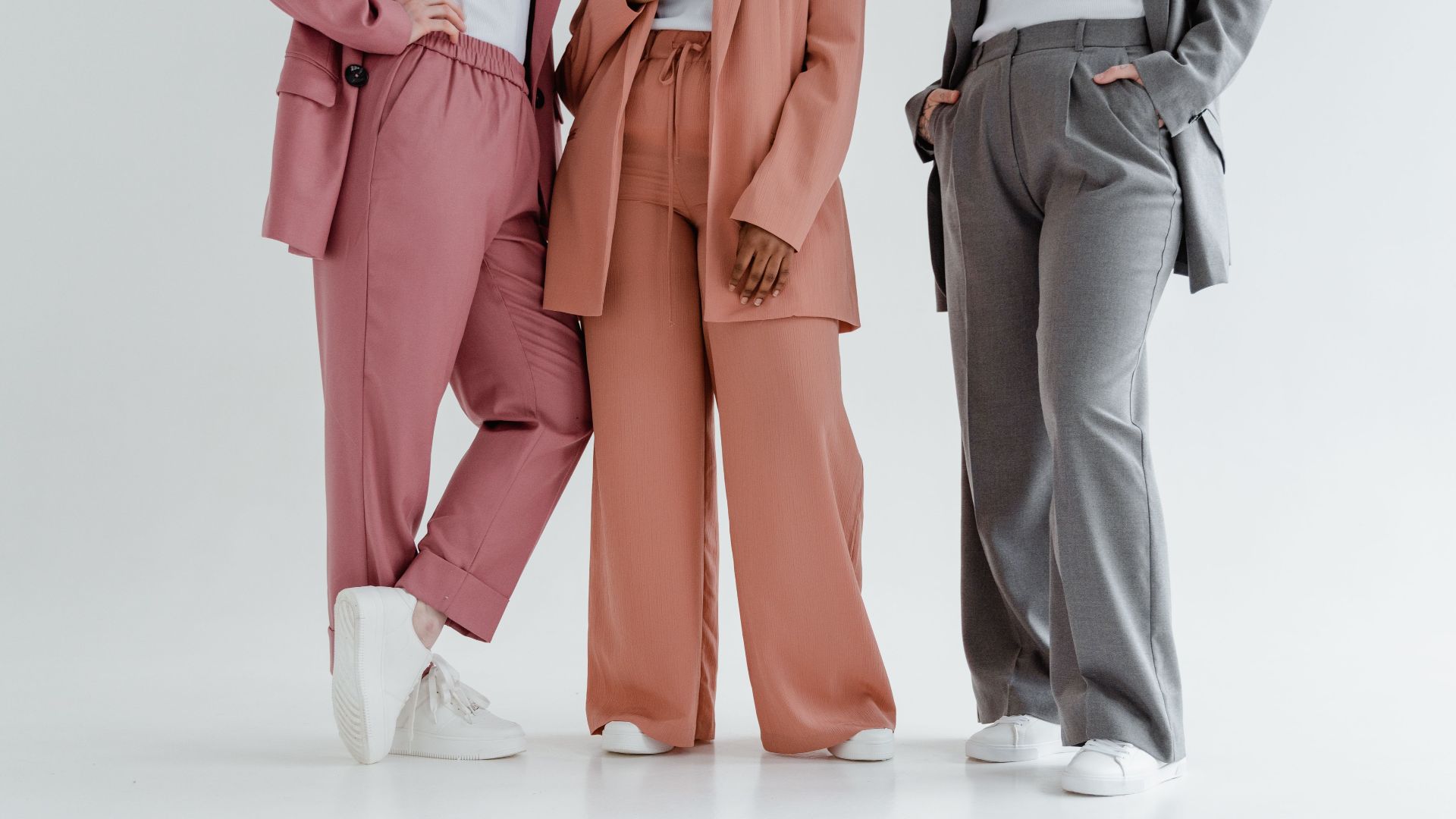
9. Women’s Trousers
For a long time, women wearing trousers were treated as though they had crossed a major social line. While pants provided more movement and personal freedom in a way skirts didn’t, it still took a lot of time for pants to become everyday wardrobe staples for women.
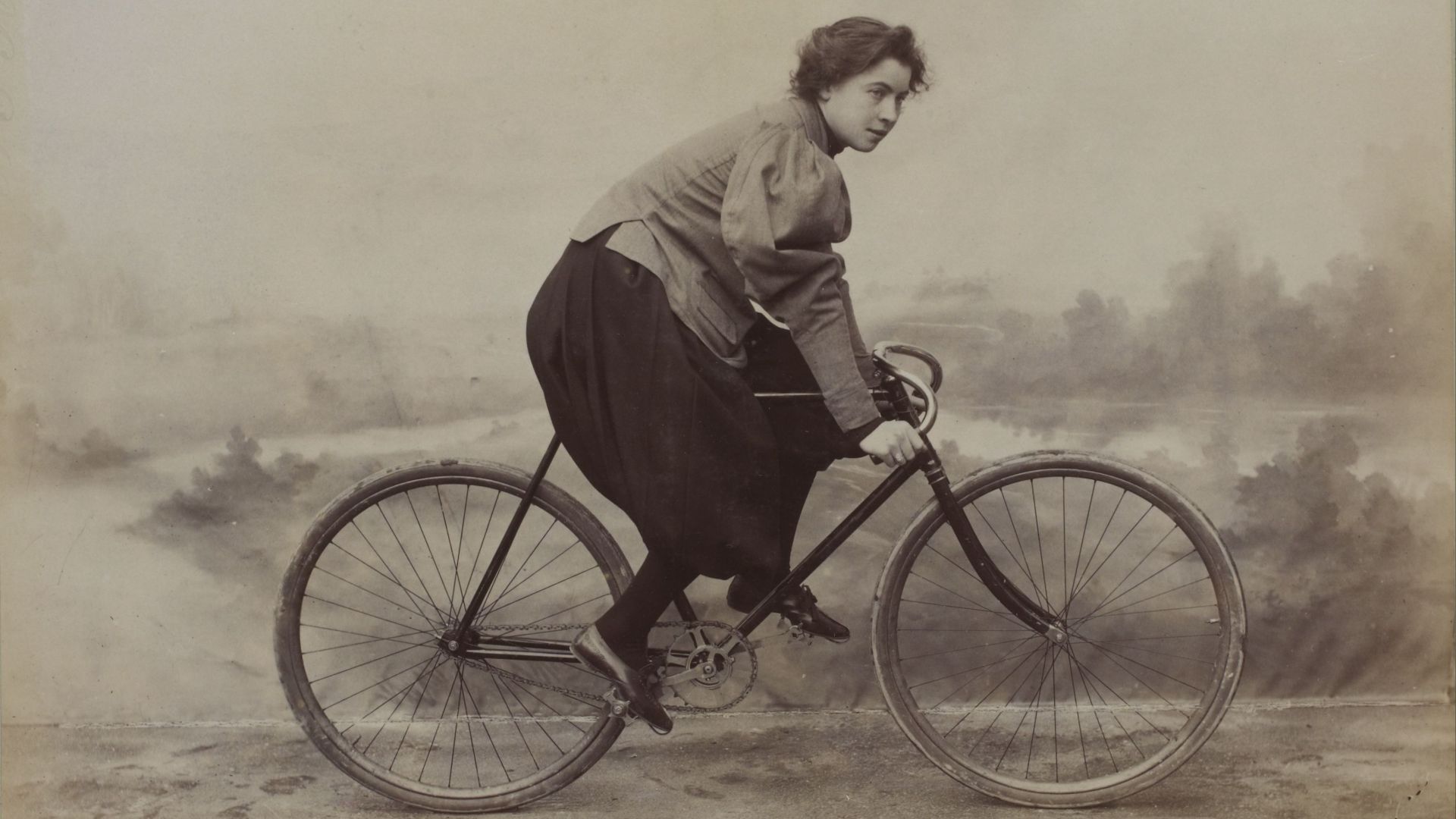
10. Cycling Bloomers
The bicycle craze made restrictive skirts look awkward and unsafe for women who wanted to ride. Bloomers and divided skirts helped solve that problem, giving riders more room to move. They also made women’s independence highly visible, which was enough to invite ridicule.
11. Peek-A-Boo Waists
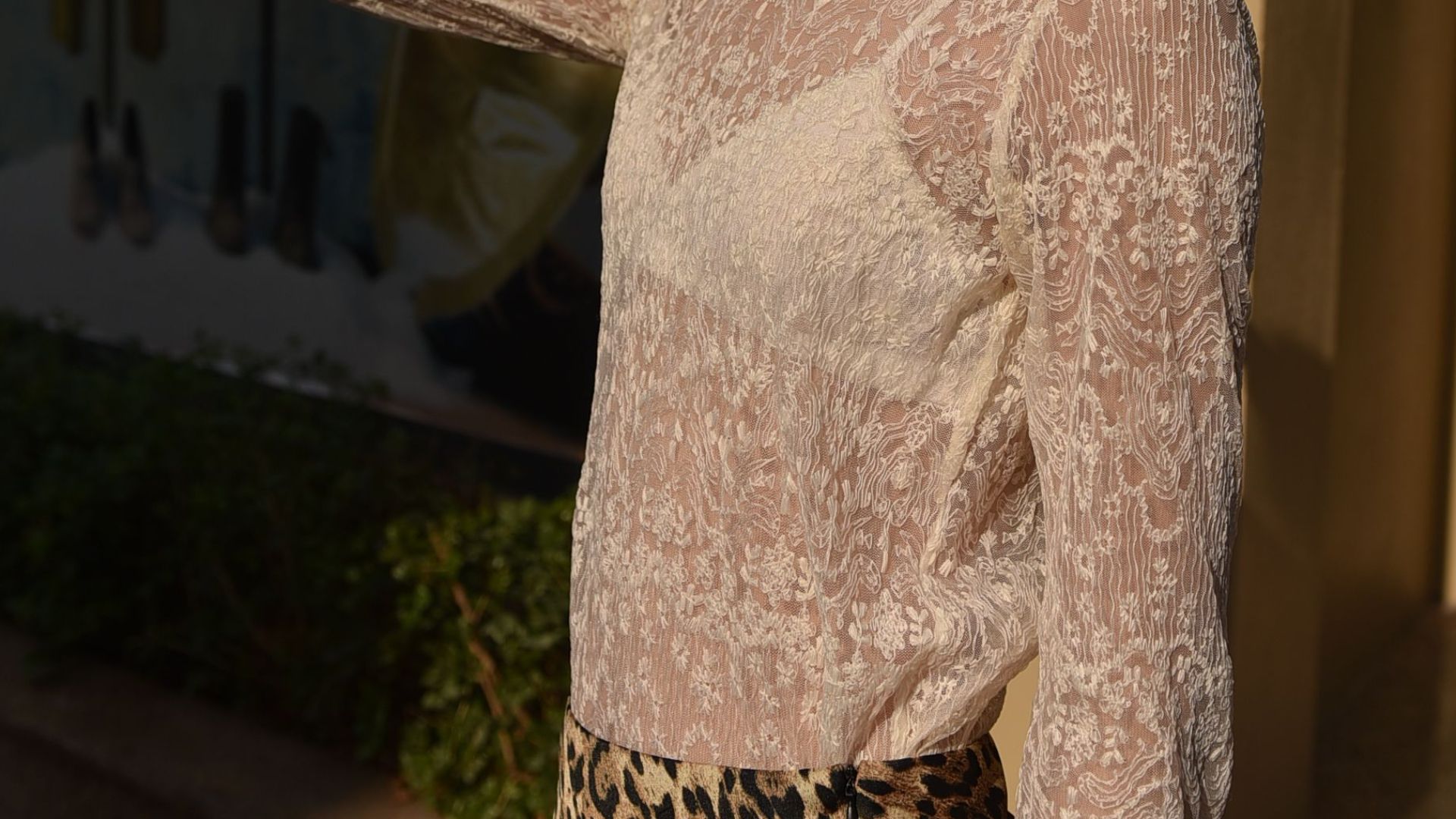
The peek-a-boo waist was a delicate blouse made with sheer fabric, openwork, lace, or embroidery. It might look soft and pretty now, almost sweet, but those glimpses of skin or underlayers were enough to draw criticism. Even subtle transparency could be treated as too revealing.
12. One-Piece Bathing Suits
Early women’s swimwear was often heavy, skirted, and built around modesty before comfort. Sleeker one-piece bathing suits made swimming easier, which was the whole point. Their closer fit, visible arms, and visible legs still made them seem shockingly bold by more traditional standards.

13. Hobble Skirts
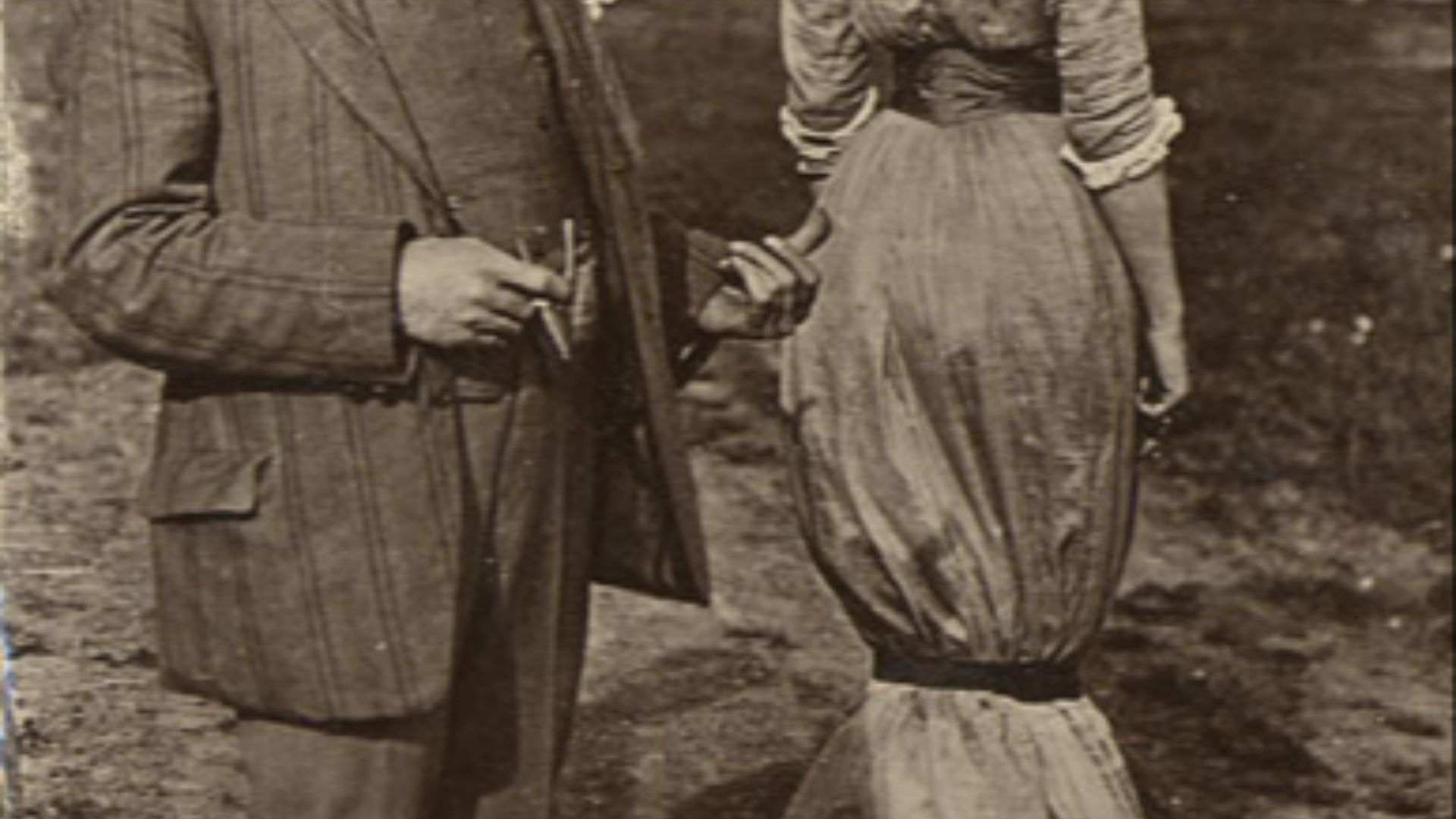
The hobble skirt narrowed around the ankles so sharply that it restricted a woman’s stride. Its slim outline looked modern and striking, but critics mocked it as impractical and body-conscious. The wearer could look fashionable, but they couldn’t move freely.
14. Harem Pants
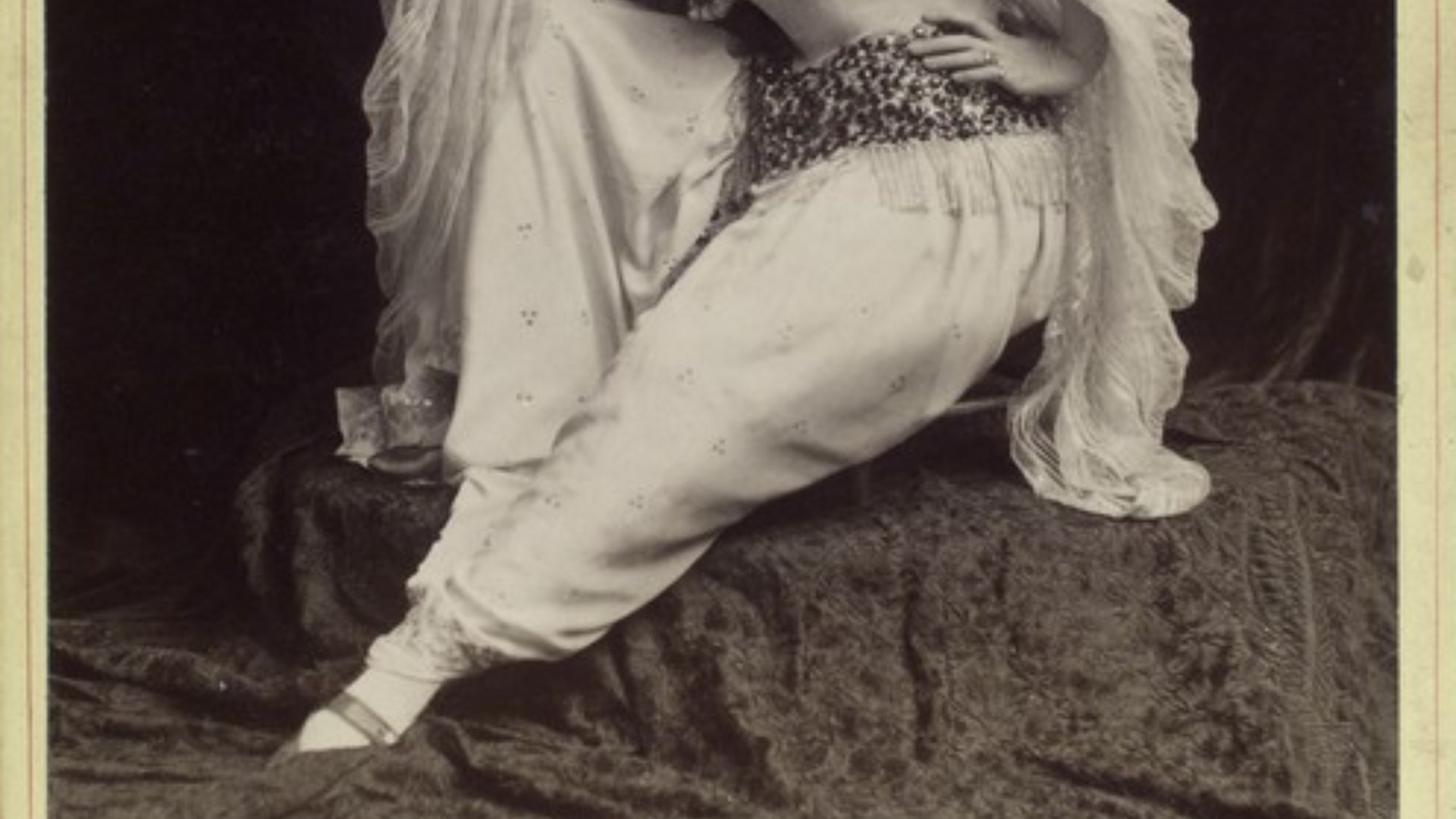
Harem pants brought theatrical fantasy into early 20th-century womenswear. Fashion-forward women found the look fascinating, while critics saw pants on women as improper. The sensual styling only made the reaction sharper.
 Benjamin Joseph Falk on Wikimedia
15. Slit Skirts
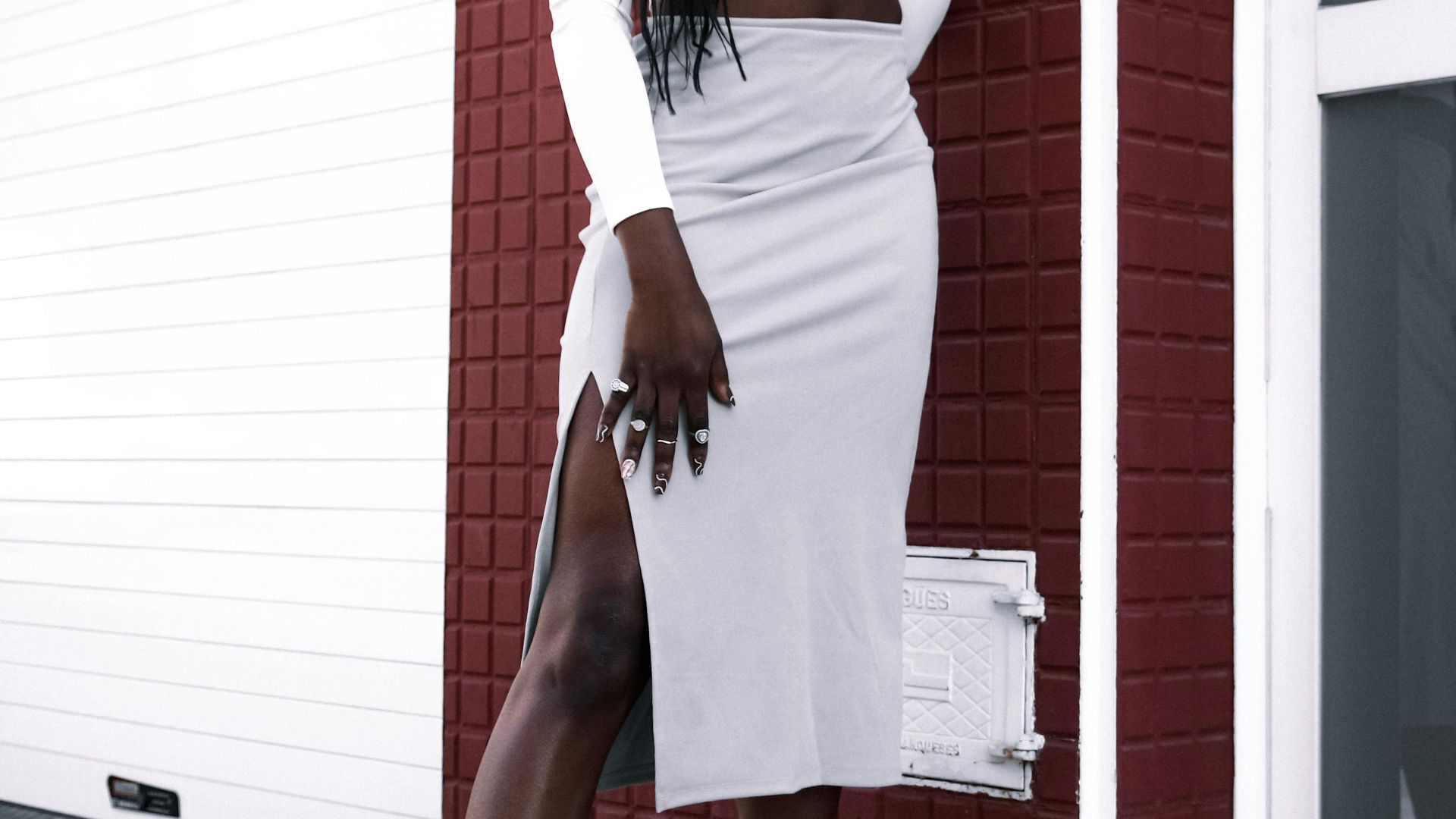
Slit skirts became controversial because they revealed—gasp—women’s legs. A flash of calf or ankle could still set people off, especially when the wearer seemed too “on display.”
16. X-Ray Skirts
“X-ray” skirts were a nickname for sheer or revealing early 20th-century styles. The phrase says plenty about how nervous people were around transparency. Critics treated the fabric as if it turned a fashionable skirt into something indecent.

17. Flapper Dresses
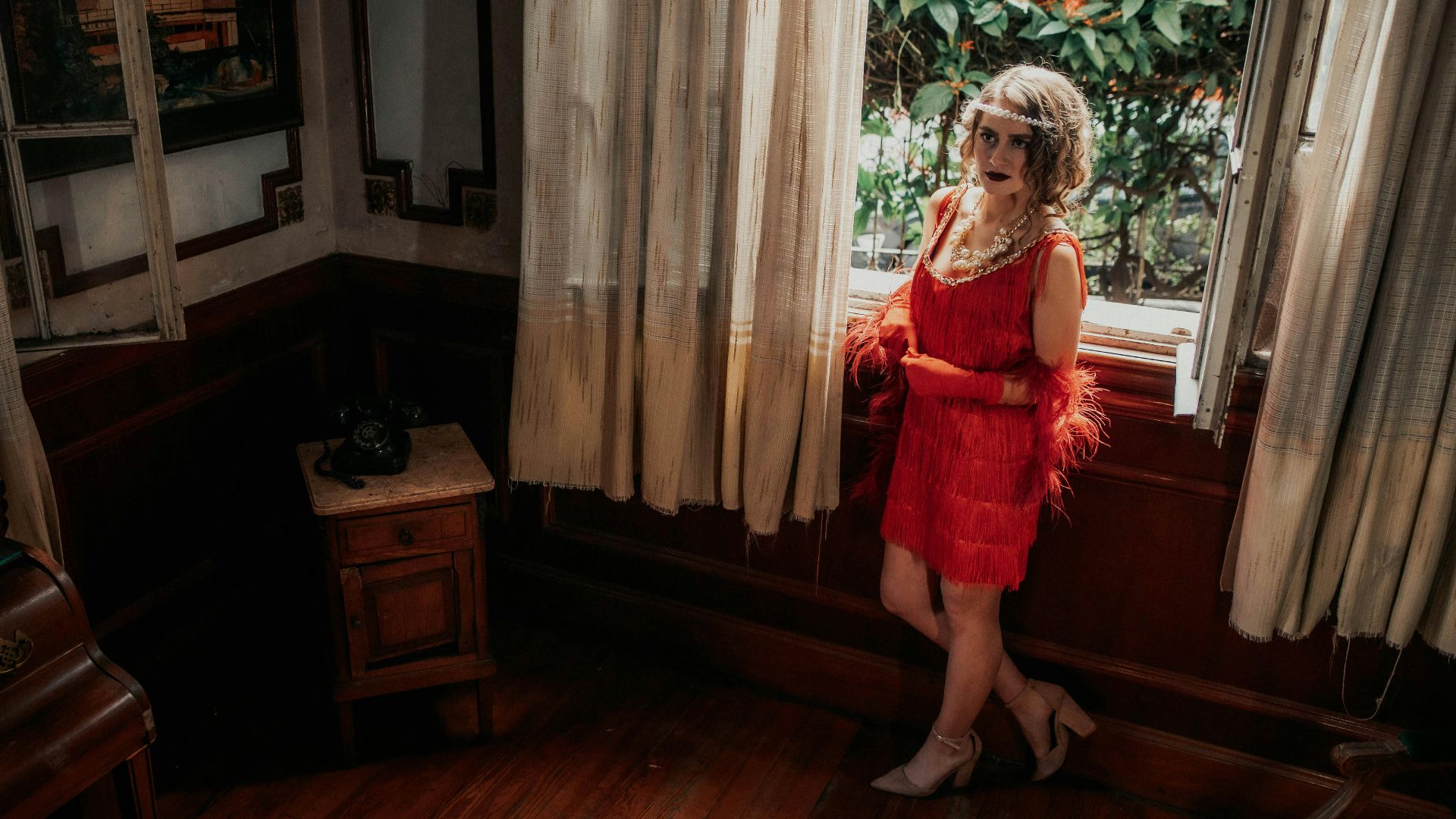
Flapper dresses were loose, youthful, and made for movement, especially dancing. Their dropped waists, exposed arms, and shorter hems became linked with women who smoked, drank, danced, bobbed their hair, and stepped away from older rules of respectability. The dress carried the attitude of a changing generation.
18. Backless Evening Gowns
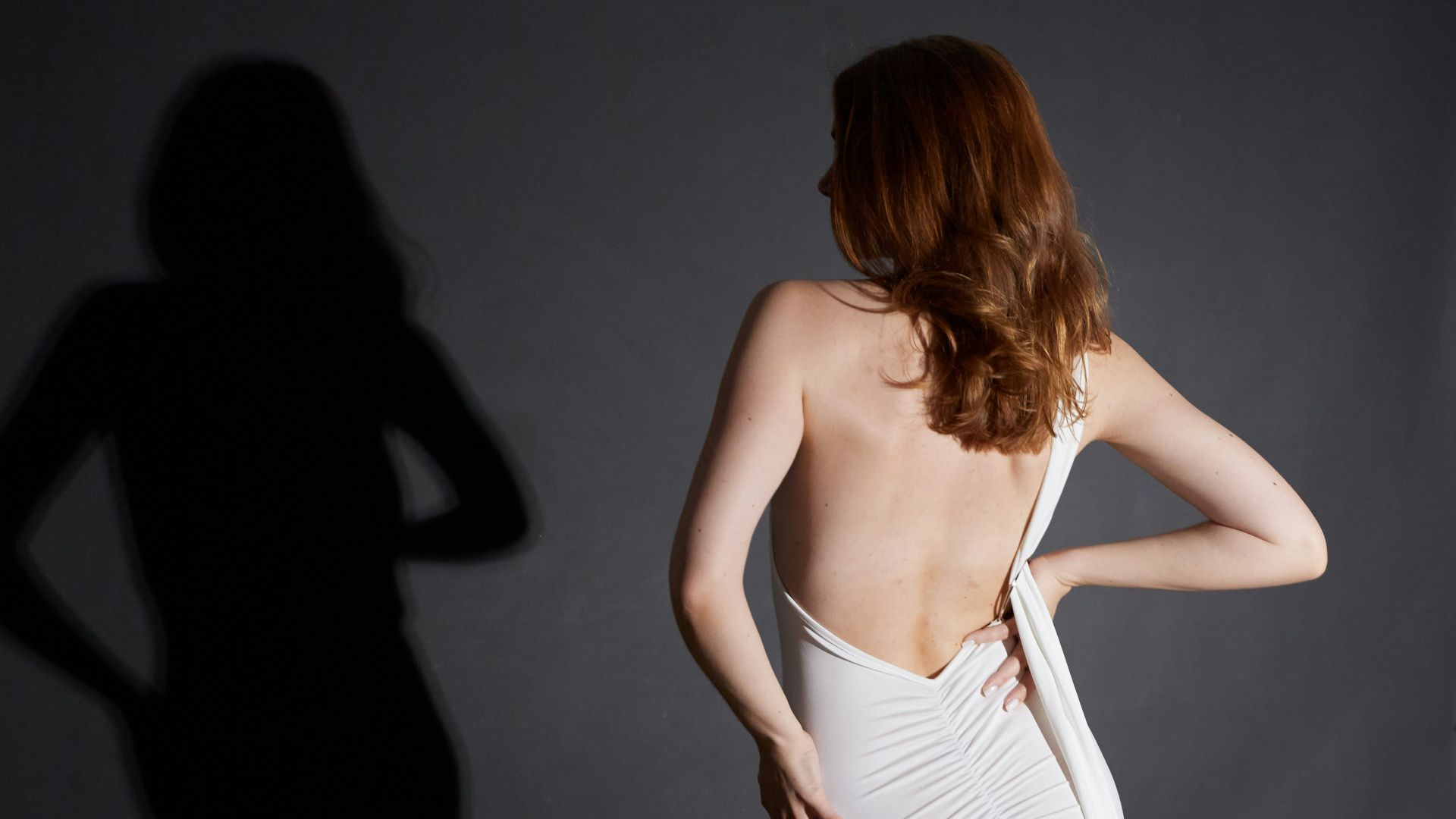
In the 1930s, eveningwear often became longer and sleeker, while the back became a new place for impact. While elegant, it was the 30s equivalent of a mullet. Business in the front, party in the back.
19. The Bikini
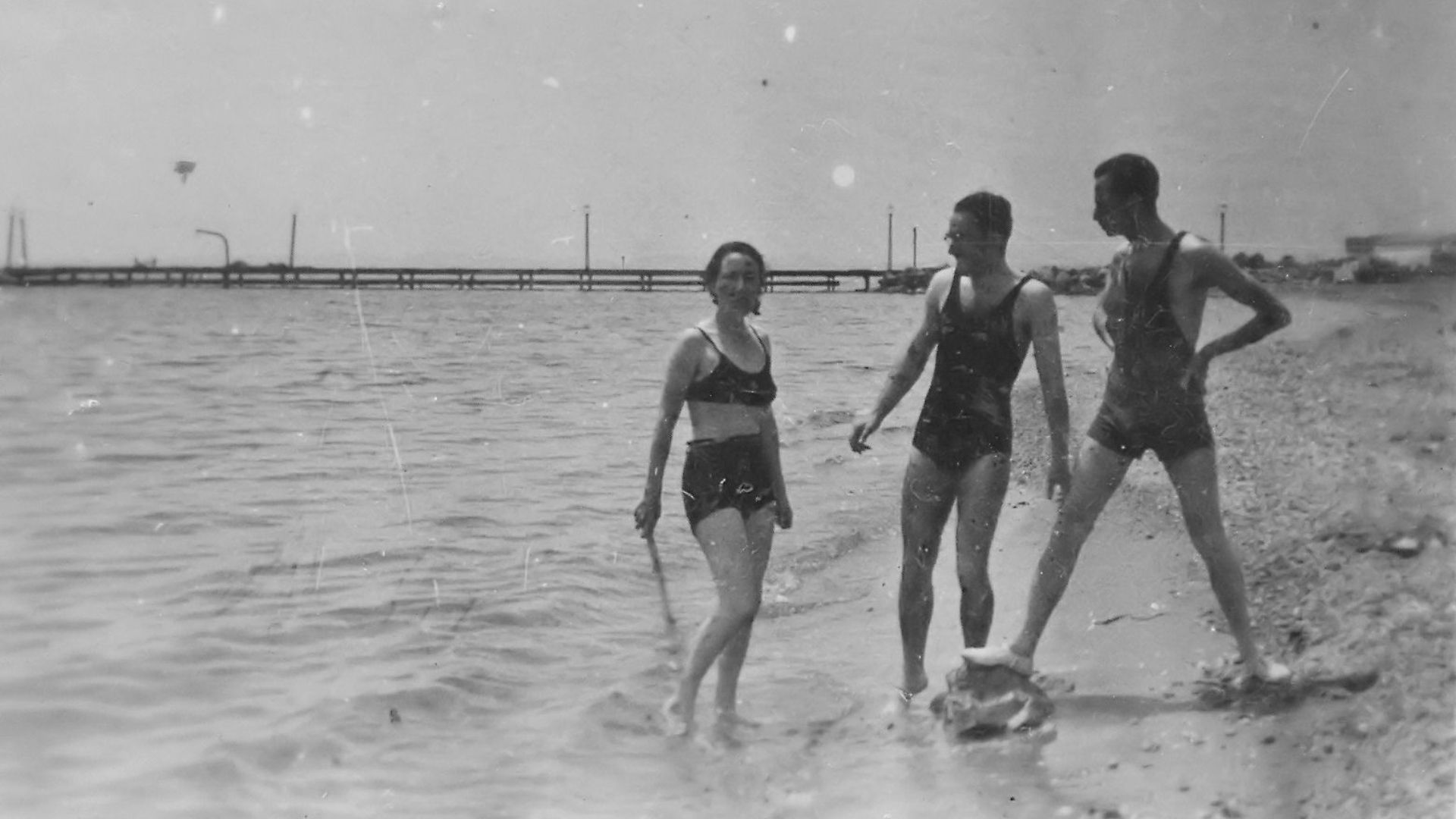
The modern bikini debuted in the 1940s and immediately got people talking. Its exposed navel and minimal cut pushed swimwear well past older ideas of public modesty. A tiny two-piece suit became one of fashion’s most famous provocations.
20. The Miniskirt
By the 1960s, the miniskirt had become a clear symbol of youth culture and changing social rules. It was playful, practical, and easy to wear, which helped make it so powerful. Critics still saw the rising hemline as rebellious, freeing, and far too comfortable.