Questionable Things We Still Put On Our Faces
Most makeup is just there to help you look a little more awake, a little more polished, or a little less annoyed at your own face before 9 a.m. But every now and then, you glance at your concealer's ingredient list and start wondering if all of those mystery materials are truly harmless. Some of these chemicals are controversial because they can irritate skin, some raise bigger safety questions, and some just have the kind of reputation that makes people immediately suspicious. Here are 20 chemicals used in makeup to be aware of.
1. PFAS
PFAS are a large class of synthetic chemicals that have shown up in products like lipsticks, eyeshadows, blush, moisturizers, and nail products. They're used to improve texture, wear, and a smooth or shiny finish, which sounds nice until you remember they're also persistent chemicals that have become a major public-health concern.
2. Talc Contaminated With Asbestos
Talc itself is still widely used in powders and color cosmetics, but the real fear has long been contamination with asbestos. Talc and asbestos can occur close together in the earth, which is why the contamination question has never gone away and why the FDA keeps testing talc-containing cosmetics.
3. Lead
Lead isn't typically added on purpose to modern makeup, but it can show up as an impurity in color cosmetics. The problem is that lead is toxic, and regulators expect manufacturers to keep these kinds of contaminants as low as possible. A chemical doesn't need to be intentionally included to be worth worrying about when it still turns up in testing.
4. Mercury
Mercury is another heavy metal that still shows up in makeup, particularly illegal or unregulated skin-lightening creams, anti-aging, and acne treatments. It's toxic depending on the dose and exposure pattern.
5. Arsenic
Arsenic has one of those names that doesn't need much help sounding alarming, and unfortunately, it has also been part of the FDA’s cosmetic contaminant testing. Like other heavy metals, it may appear as a contaminant rather than an intended ingredient. It often appears as an impurity in raw minerals used for pigments and fillers.
6. Cadmium
Cadmium isn't exactly what you want hanging around your blush or eye shadow, even as a trace impurity, but it's often found in trace amounts, particularly in mineral-based formulations. It's one of the heavy metals the FDA has specifically surveyed in cosmetics because it can be toxic depending on how much exposure occurs.
7. Chromium
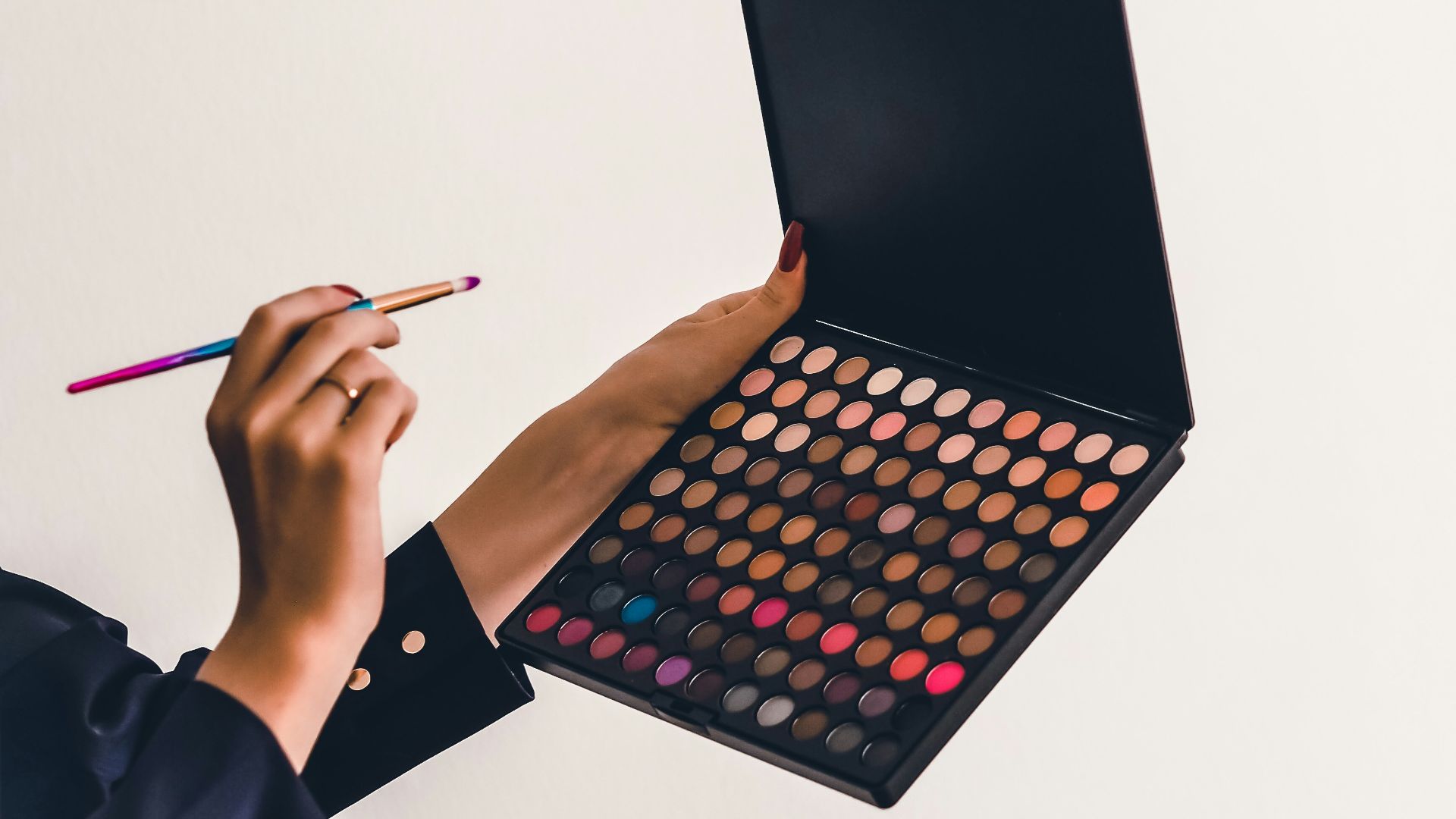
Chromium sits in an awkward category because some forms are more hazardous than others, but that nuance doesn't make it desirable either. It's primarily used as a pigment to create green, blue, or vibrant, long-lasting shades. The FDA doesn't place limits on its use even though it can be toxic in certain forms, and its use in cosmetics is outlawed in the EU.
8. Nickel
Nickel is one of the classic cosmetic troublemakers because it is a well-known contact allergen. It can show up as a contaminant, and for people who are sensitive to it, even smaller exposures can be enough to cause miserable skin reactions.
9. Cobalt
Cobalt gets less public attention than lead or mercury, but it's still on the FDA’s list of metals surveyed in cosmetics. While short-term exposure isn't necessarily going to harm you, it can sensitize some people, and long-term exposure may be carcinogenic.
10. Formaldehyde
Formaldehyde has a long, unpleasant reputation in cosmetics because it's both a direct irritant and a known allergen concern. It also tends to appear in label conversations because some preservatives can release it over time.
11. Diazolidinyl Urea
Diazolidinyl urea is one of the formaldehyde-releasing preservatives that show up on cosmetic allergen lists. That means it can help preserve a product while also becoming exactly the sort of thing that can cause sensitive skin to flare up.
 melanfolia меланфолія on Pexels
12. DMDM Hydantoin
DMDM hydantoin is another preservative that gets flagged because it can release formaldehyde. If your skin is reactive or you're already trying to avoid formaldehyde-related ingredients, this is one of those label names worth spotting quickly. It may sound like a chemistry final exam, but unfortunately, it can matter a lot more than that.
13. Imidazolidinyl Urea
Imidazolidinyl urea belongs to the same irritating little family of formaldehyde-releasing preservatives. That makes it less of a scandalous mystery and more of a familiar concern for anyone dealing with cosmetic allergies or ingredient avoidance.
14. Quaternium-15
Quaternium-15 is one of the better-known names in the formaldehyde-releaser group, and it has been on dermatologists’ and ingredient-watchers’ radar for years. FDA’s allergen page lists it right alongside the other preservatives most commonly involved in cosmetic reactions. If you have sensitive skin, this is one of those names that tends to be smart to avoid.
15. Fragrance
“Fragrance” sounds harmless because it's vague, which is exactly part of the problem. Cosmetic fragrance mixtures can contain many different components, and fragrance is one of the biggest drivers of allergic reactions in cosmetics. It's hard to love an ingredient category that can hide a crowd behind one soft little word.
16. Methylisothiazolinone
Methylisothiazolinone, often shortened to MIT, has become a familiar villain in preservative discussions because it's a notable contact irritant. It shows up on the FDA’s list of common cosmetic allergens, which isn't the kind of list you want your face cream preserving itself onto.
17. Methylchloroisothiazolinone
Methylchloroisothiazolinone, or CMIT, tends to travel in the same troublesome circles as MIT. It's also listed among common cosmetic allergens, which means it's not just obscure chemistry trivia for label nerds. When your skin is already fussy, ingredients like this are exactly the kind that can make a bad day feel thoughtfully curated.
18. Phthalates
Phthalates are used in various cosmetics and personal care products, acting primarily as solvents, fixatives in fragrances, and plasticizers to prevent brittleness. They've been a longtime concern in cosmetics because of broader worries about reproductive and developmental toxicity. It's hard for a chemical family to sound relaxed once it becomes a permanent part of endocrine-disruption conversations.
19. Triclosan
Triclosan used to benefit from sounding clean and high-tech, but it has since attracted far more scrutiny than charm. The European Commission’s consumer safety committee has specifically evaluated triclosan for potential endocrine-disrupting properties in cosmetic products. If a preservative or antibacterial agent keeps showing up in that context, people are reasonable to be cautious.
 Kier in Sight Archives on Unsplash
20. Benzophenone-2
Benzophenone-2 is one of those ingredients that sounds obscure until you see what regulators are worried about. In 2025, the EU’s Scientific Committee on Consumer Safety said its use in cosmetic products may pose a risk because of indications for genotoxicity and endocrine activity, while also noting that the safety assessment still needed additional data.