When Your Skin Feels Steady, Everything Feels Easier
Makeup might allow you to express yourself, but it's good skin that keeps you feeling calm and confident. After all, constant dryness, oiliness, or breakouts are annoying to deal with, and blemishes and uneven textures can make you avoid socializing or looking in the mirror altogether. When your skin feels comfortable and predictable, on the other hand, you usually spend less energy managing how you look and more energy living your life. Here are 20 ways skin can affect your confidence more than makeup.
1. Calm Skin Frees Up Mental Space
When your skin isn’t itchy, tight, or irritated, you stop thinking about it every few minutes. That matters because constant discomfort pulls attention away from conversations, work, and even relaxing. The more physically calm your skin feels, the more emotionally calm you tend to be in social situations.

2. Redness Can Make You Feel On Display
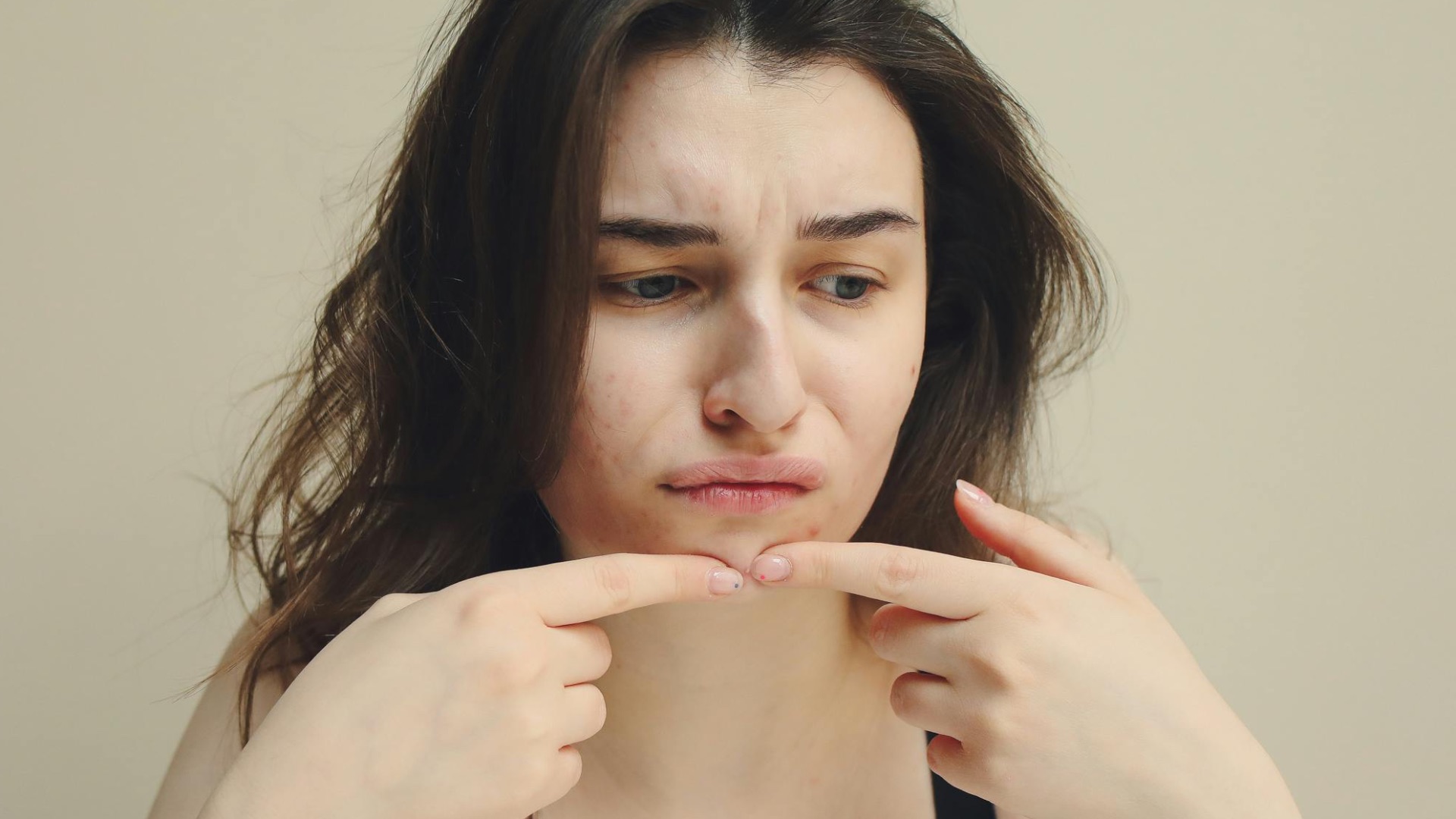
Facial redness has a way of making you feel visible even when you’d rather blend into the background. You might worry that people will assume you’re stressed, overheated, or having an allergic reaction, and that can change how confidently you speak or hold eye contact. When redness is less intense or less frequent, it’s easier to feel like you’re being seen for what you’re saying, not what your cheeks are doing.
3. Breakouts Can Drain You
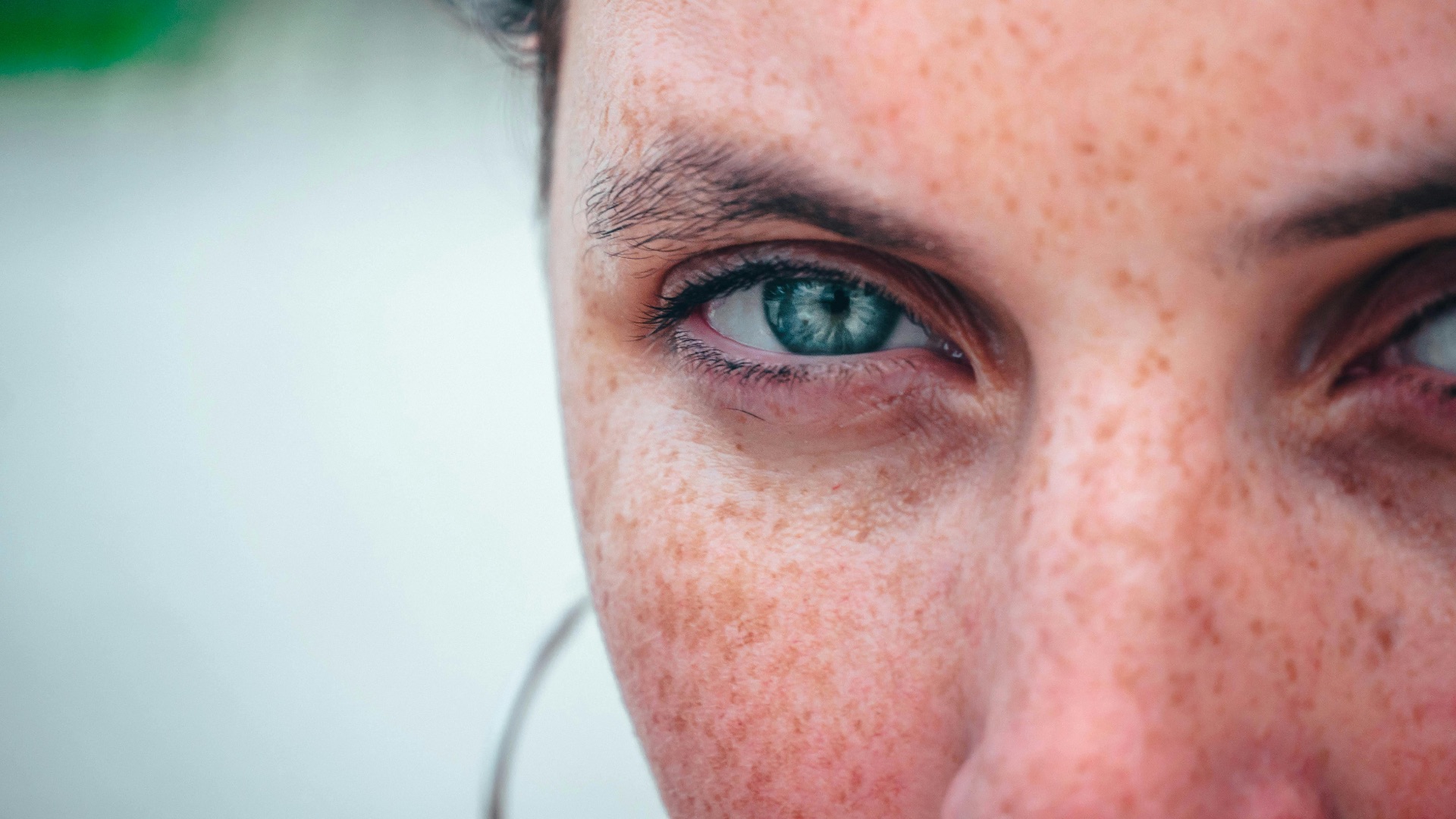
A breakout doesn’t just change your skin—it can change how you carry yourself. You may cancel plans, avoid going outside, or overthink whether you’ll run into someone you know, especially when the blemish is painful or hard to cover. When your skin is stable, however, you’re more likely to say yes.
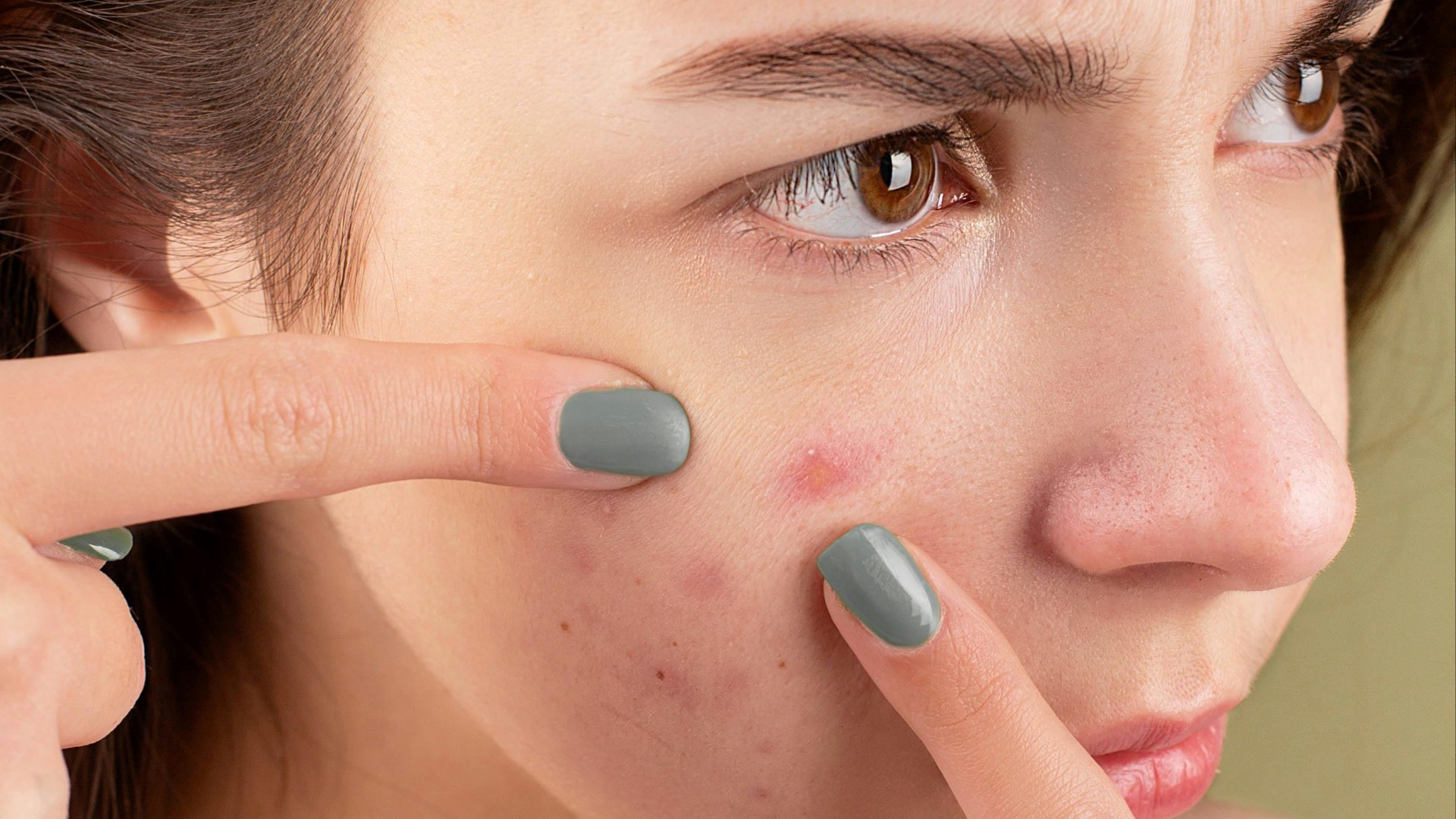
4. Texture Can Keep You Stuck in Mirror-Checking
Uneven texture can make you feel like your face looks different depending on lighting, distance, or camera quality. Even if your makeup looks fine overall, you might fixate on the spots where it clings, settles, or emphasizes pores. When texture is smoother or better hydrated, you’re less likely to get pulled into that cycle of checking and correcting.
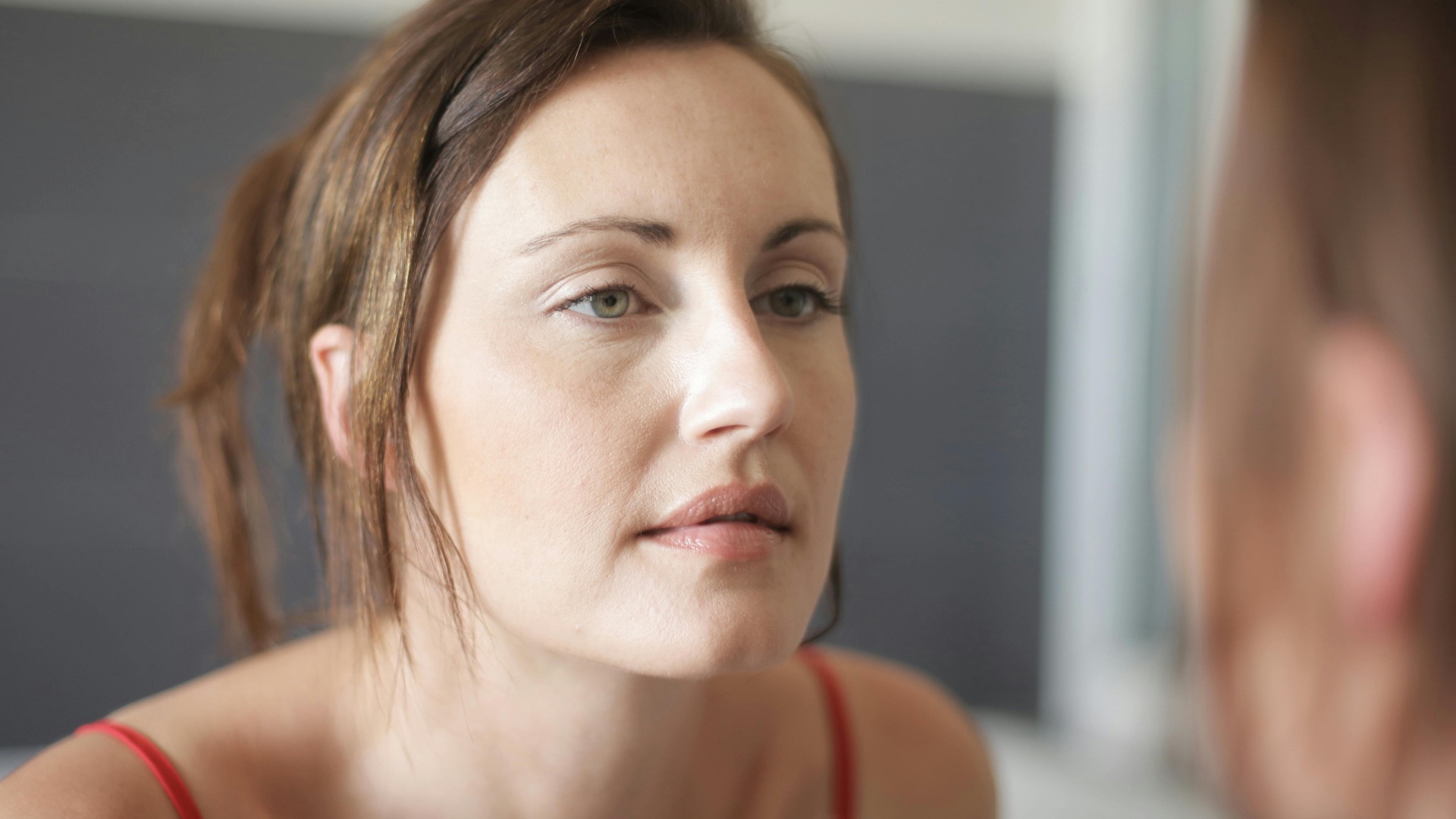
5. Oiliness Can Turn Into Constant Maintenance
If you get shiny fast, you may feel like you’re always one step away from looking messy or tired. That often leads to frequent blotting, extra powder, and repeated mirror checks that interrupt your day more than you realize. When oil is more balanced, you can trust your face to stay presentable without constant supervision.

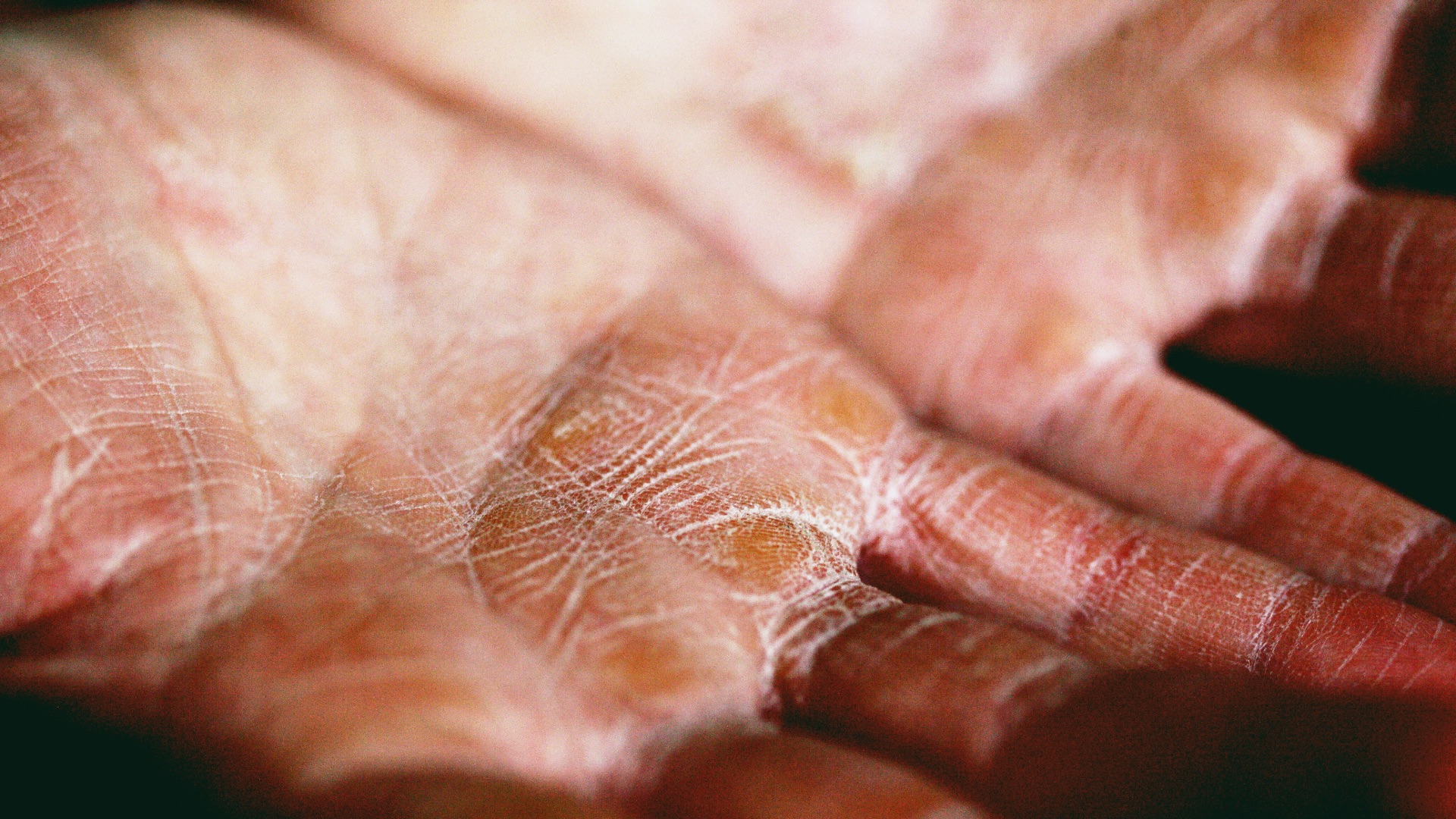
6. Dryness Can Make You Feel Rough
Dry skin isn’t only about appearance; it can be uncomfortable in a way that makes you less patient and less relaxed. Flaking or tightness can also make makeup sit unevenly, which pushes you toward more layering and more touch-ups. When your skin holds hydration well, you get a smoother finish and a calmer mindset at the same time.
7. Sensitivity Makes Getting Ready Feel Like a Gamble
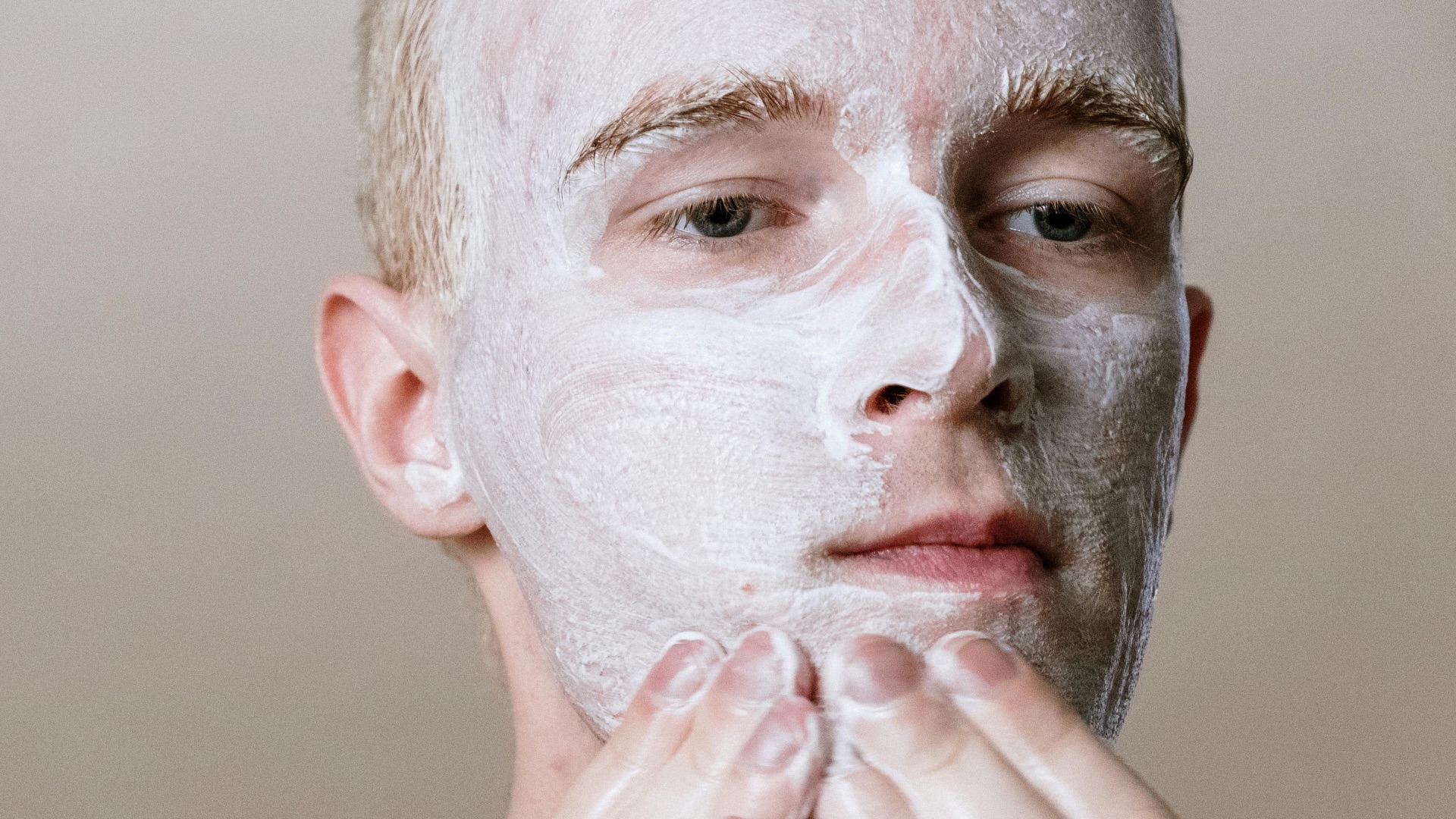
With reactive skin, even basic steps like cleansing or applying sunscreen can come with a fear of stinging or inflammation. That uncertainty can make you hesitant to try new products, change routines, or even wear makeup for long periods. When your barrier is stronger, your choices feel simpler because you’re not bracing for consequences.
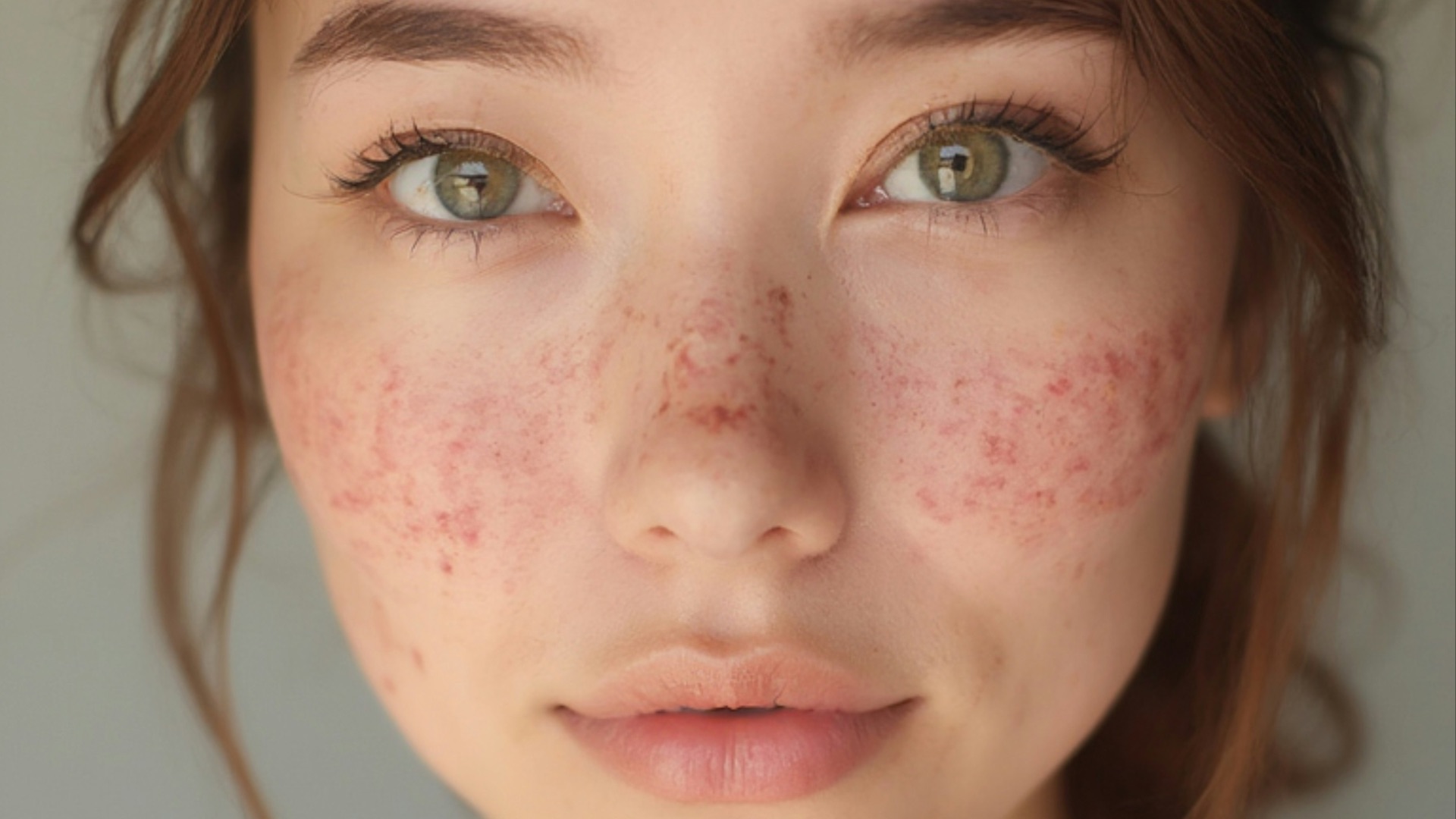
8. Post-Breakout Marks
Marks can linger long after a blemish stops being active, which can feel frustrating in a very specific way. You might feel like you’re doing everything right, yet your skin keeps reminding you of last week’s breakout. As discoloration fades, confidence often returns because your face stops feeling like it’s stuck in recovery mode.
 MUTHIA ASHIFA SALSABELLA on Unsplash
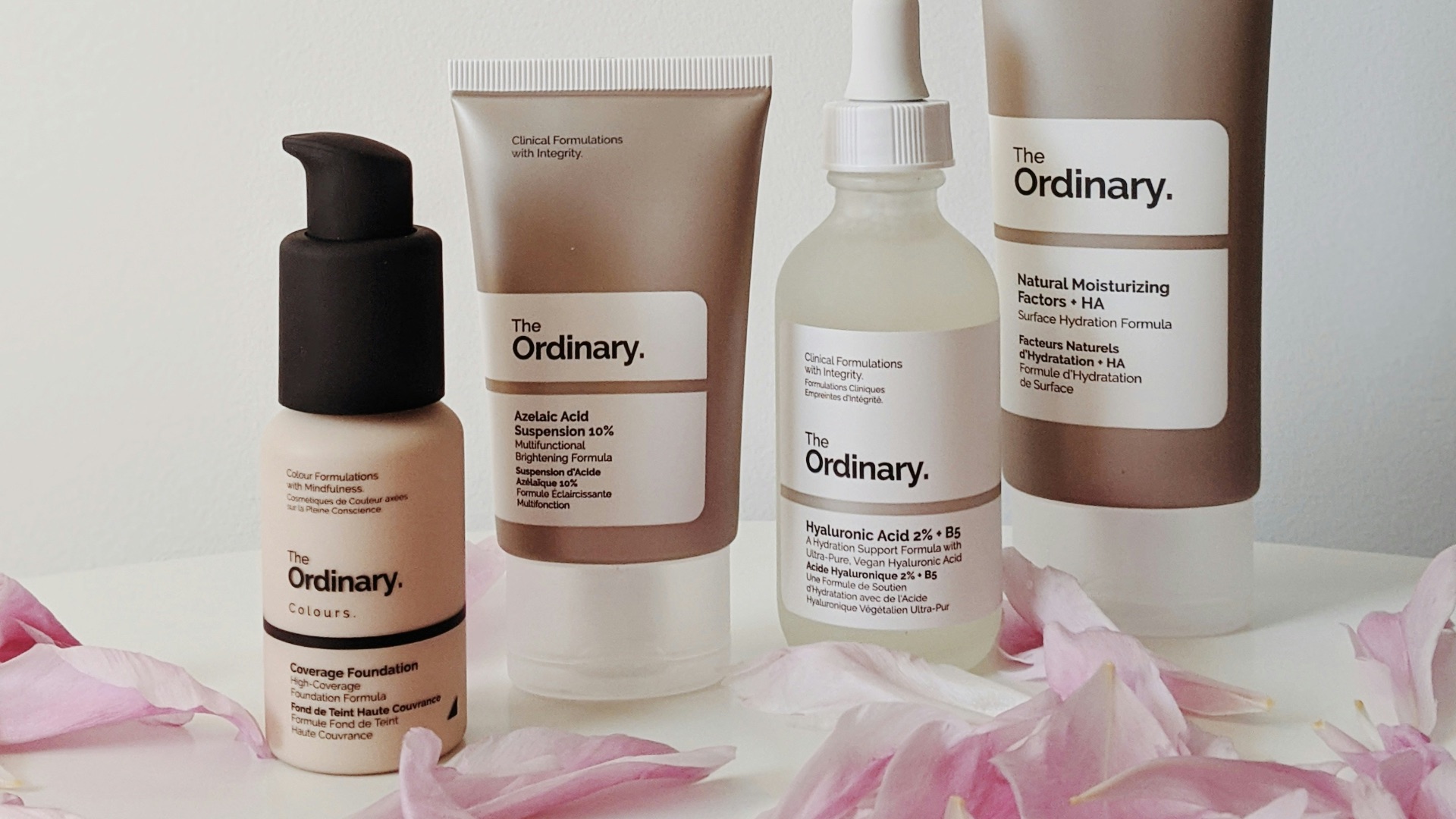
9. A Reliable Routine Builds Self-Trust
There’s a real confidence boost in knowing what your skin needs and being able to meet that need consistently. A routine that works reduces the urge to panic-buy products, over-exfoliate, or switch everything at once after a bad day. When your routine is steady, your confidence becomes steadier too because you feel capable and in control.
10. Skin Stability Changes How You Photograph
When you’re worried about your skin, taking photos can make you feel even worse. You might dread flash, avoid group pictures, or mentally review every image for flaws instead of enjoying the moment. When your skin behaves predictably, you’re more likely to participate without the lingering fear of seeing a version of yourself you don’t like.

11. Feeling Okay Barefaced Makes Mornings Lighter
When you don’t feel pressured to cover your skin, your mornings become less stressful and more flexible. You can go to the gym, run errands, or take a quick video call without feeling like you’re breaking a rule. That ease adds up because confidence grows when you don’t need a full routine to feel like yourself.
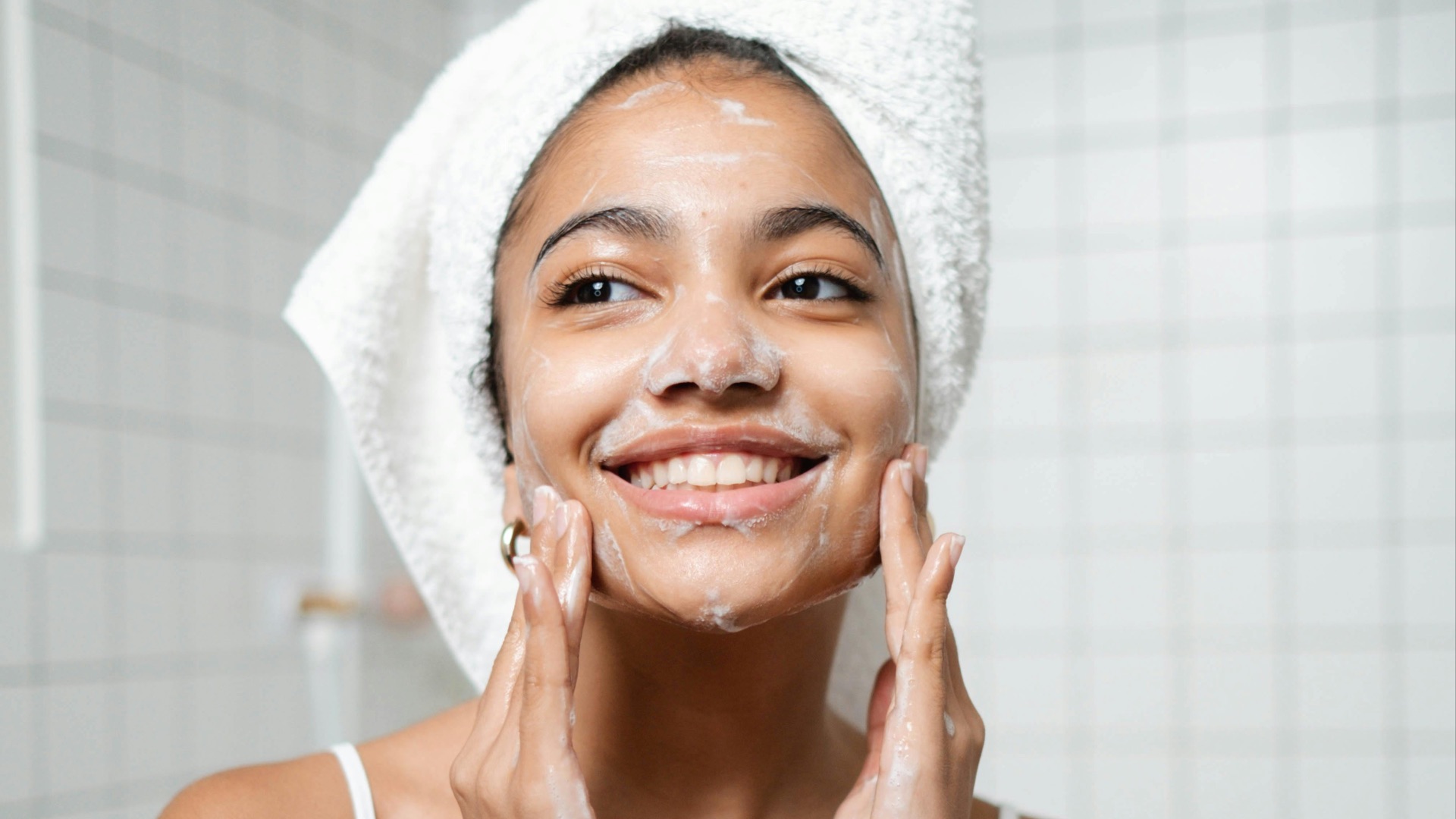
12. Flare-Ups Can Dull Your Social Energy
If your skin is inflamed, you may become more careful about being up close with people, especially in bright lighting. You never feel ready for the onslaught of questions, comments, or even just your own negative thoughts while you try to be present. When flare-ups are managed, you can give your attention outward instead of guarding your face.
 Karolina Grabowska www.kaboompics.com on Pexels
13. Skin Can Affect How You Show Up at Work
In professional settings, skin changes can feel like they’re sending signals you didn’t choose. You might worry that redness reads as stress, breakouts read as poor hygiene, or dryness reads as fatigue, even if none of that is true. When your skin looks and feels healthier, it’s easier to focus on your ideas rather than how your face might be interpreted.

14. Makeup Behaves Better When Skin Is Calm
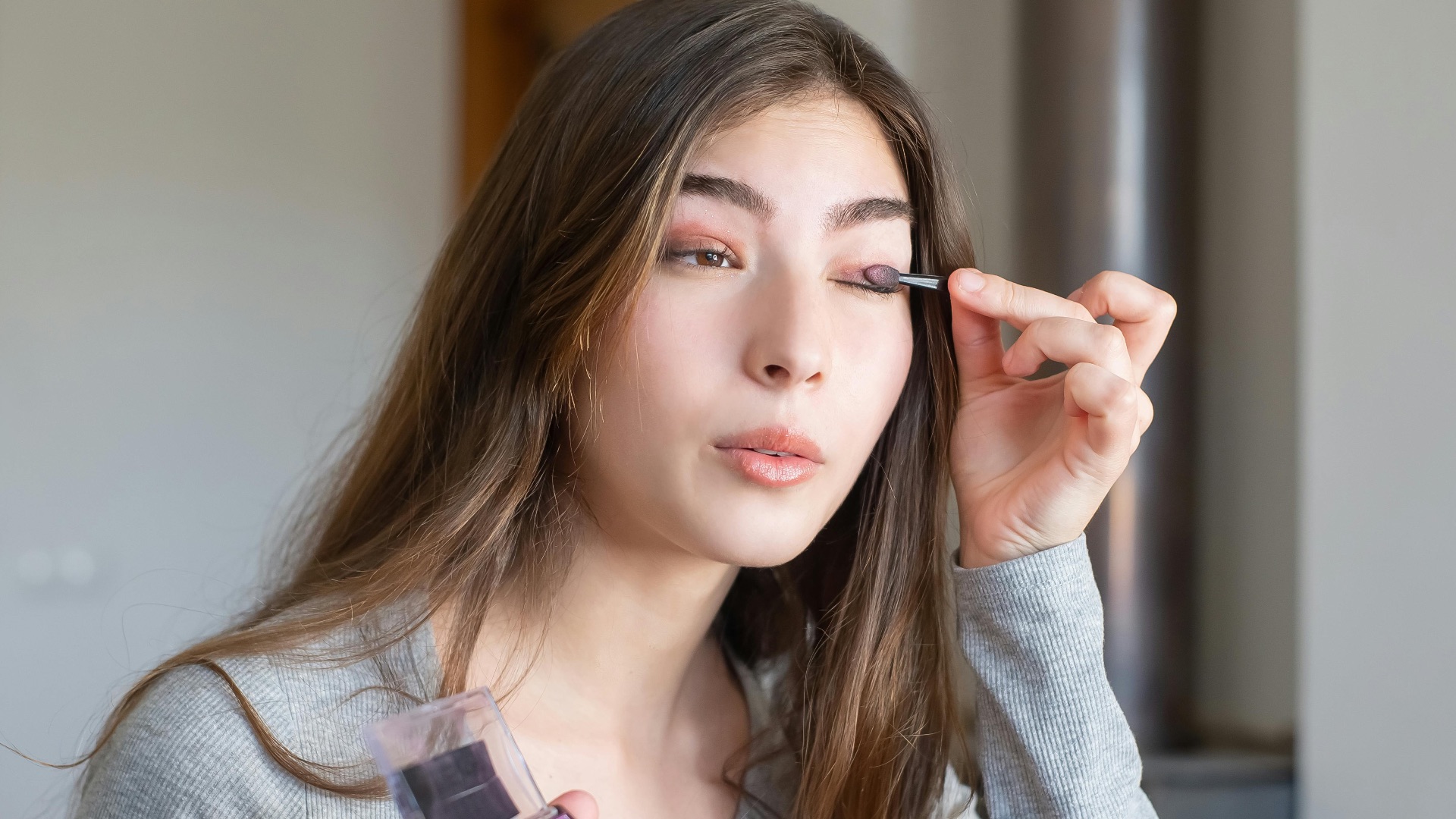
A lot of makeup struggles are really skin struggles in disguise, like patchiness from dryness or slipping from excess oil. When your skin is hydrated and calm, foundation sits more evenly, concealer blends more naturally, and you don’t feel like you’re fighting your face all day. That makes confidence feel effortless because you’re not constantly adjusting your look.
15. Sleep Shows Up on Skin Faster Than You’d Like
Skin often reflects poor sleep quickly through dullness, puffiness, and increased sensitivity. When you see those changes, it can affect your confidence before you’ve even had coffee, because you feel like you look off. Better sleep doesn’t guarantee perfect skin, but it usually makes your face look more even and your mood more resilient.

16. Working Out Feels Safer When You Trust Your Skin
Some people avoid exercise because sweat triggers breakouts or redness, or because they hate the feeling of makeup melting off. That hesitation can limit routines that would otherwise support stress reduction and self-esteem. When you trust that cleansing and recovery will keep your skin stable, it’s easier to commit to movement without overthinking.

17. Touch and Closeness Feel More Natural
When your skin is sore or inflamed, you may avoid touching your face, leaning on your hand, or even getting close for photos. That can subtly change your body language, making you seem guarded when you’re really just uncomfortable. Comfortable skin lets you move naturally without planning around tenderness.

18. Weather Stops Running the Show
If your skin reacts to cold, heat, humidity, or wind, you may plan your day around avoiding triggers. That can mean skipping outdoor events, stressing about travel, or carrying a mini pharmacy in your bag. When your skin is less reactive, you can focus on what you’re doing instead of managing what the environment might do to you.

19. Less Monitoring Means More Living
Constantly checking mirrors can become a habit that reinforces insecurity, even on good skin days. The more often you look for problems, the more likely you are to find something to worry about. When your skin feels predictable, you check less, think less, and that mental quiet is a real form of confidence.

20. Feeling Like Yourself Lasts Longer Than Any Look
Makeup can change your appearance, but skin affects how you experience your appearance across the entire day. When your skin feels healthy enough for you, you’re more likely to speak freely, smile without hesitation, and show up without self-editing. That kind of confidence tends to stick because it’s built on comfort and self-trust, not constant correction.