
Checking Stereotypes Against the Data
A visible tattoo can change how people see a woman before she's even said a word. Plenty of people still associate tattoos with certain personalities or lifestyles, often based on stereotypes that have been around for decades. Researchers have tested many of these assumptions in surveys and experiments, and the results don't always match what people expect. Here are 20 common assumptions about women with tattoos that don't hold up as well as people might think.
1. Tattoos Are More Common Among Men Than Women
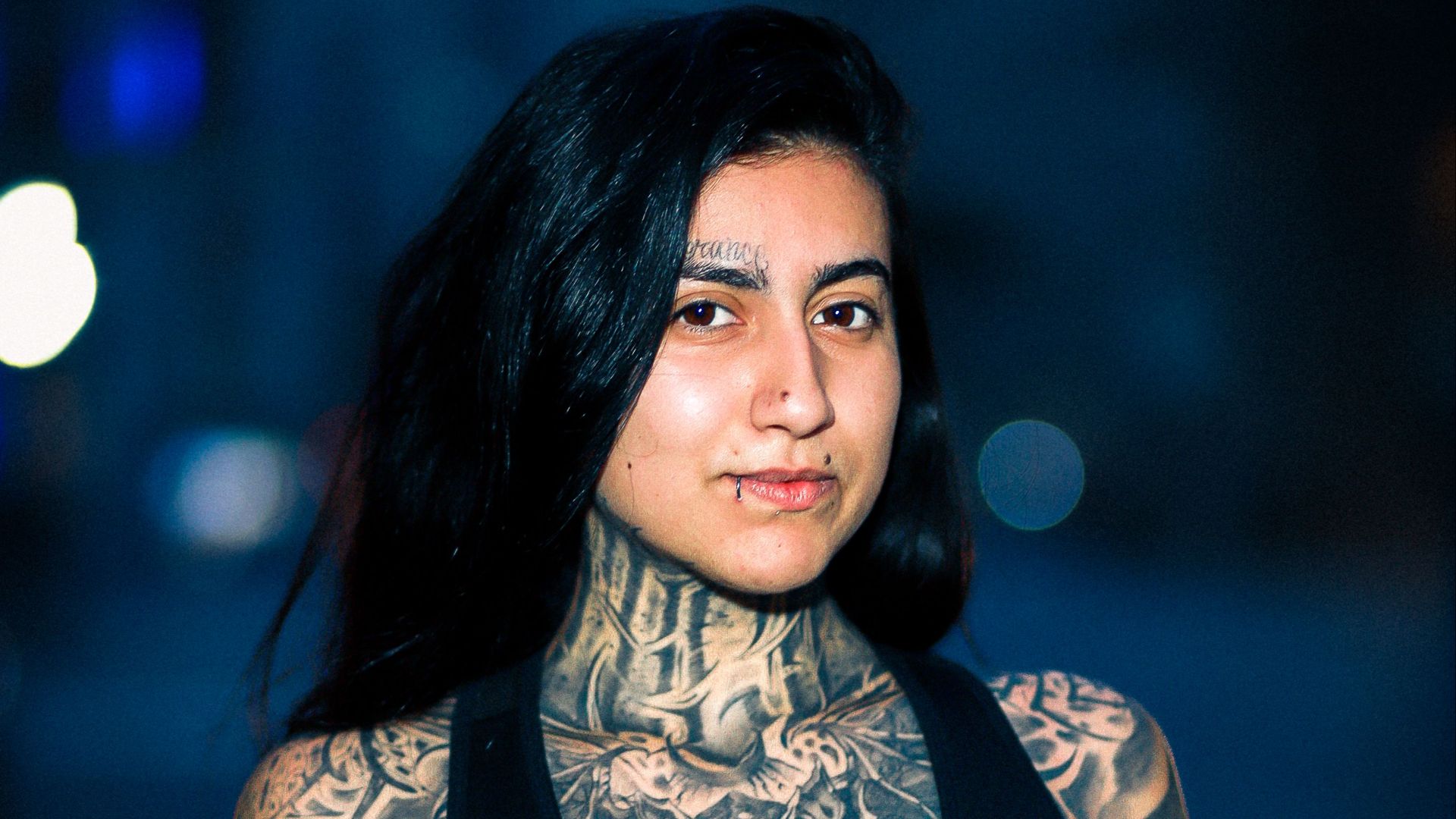
About a third of American adults have at least one tattoo, and a 2023 survey found women ahead of men. Among women in their twenties, more than half had one. A phone survey in 2010 found fewer tattooed adults overall, though the methods differ too much for a direct comparison.

2. Women With Visible Tattoos Are Less Competent
Hiring managers in a 2021 experiment read online profiles of women with identical qualifications, and the ones with visible tattoos were rated as less competent. They were also less likely to be hired and tended to get lower salary offers. Strong qualifications erased the salary difference in a follow-up but did not change the hiring result.

3. Most Tattoos Come From Impulse or Rebellion
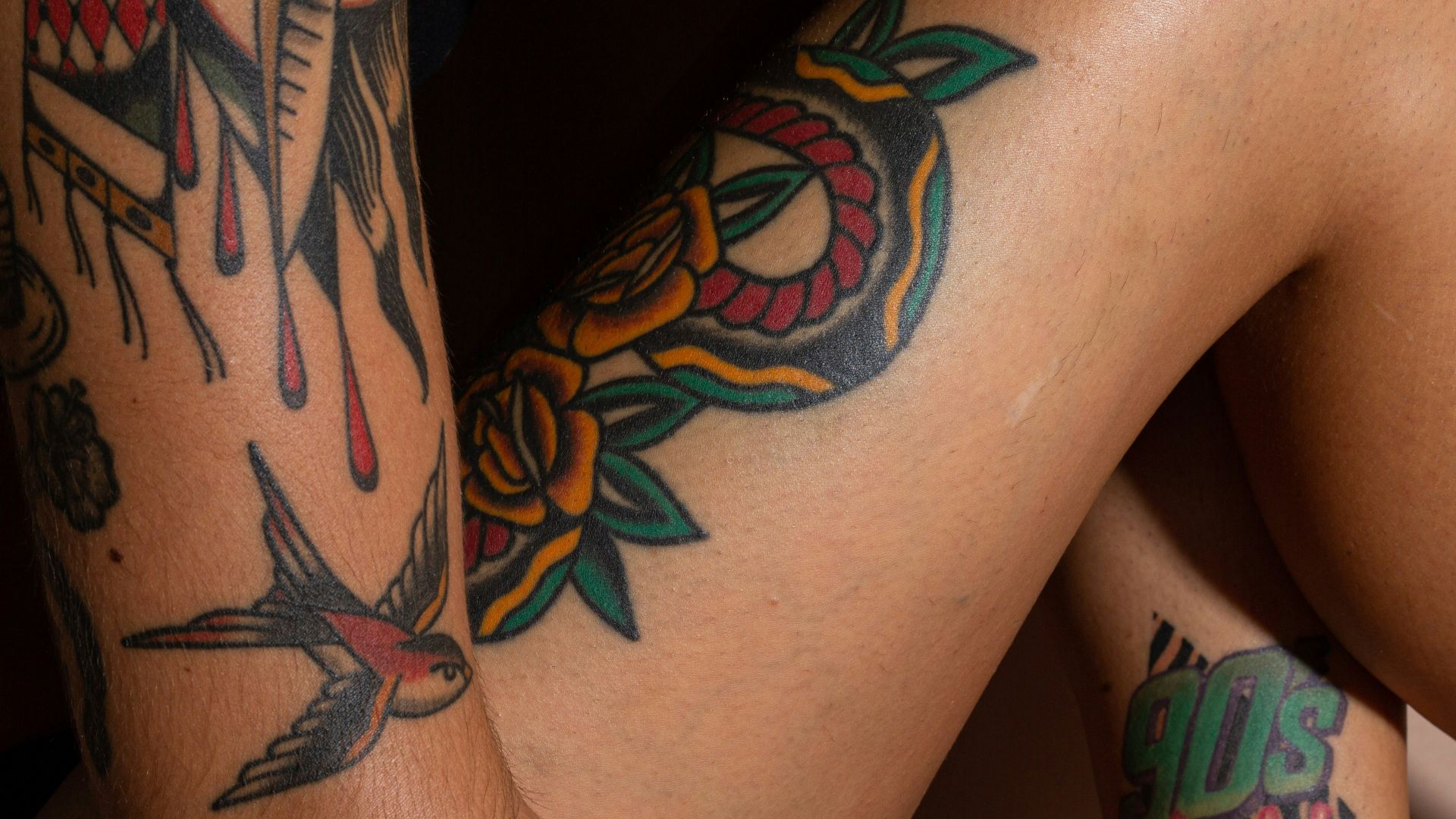
The most common reason women give for a tattoo is remembering someone or something, and nearly three in four tattooed women in a 2023 survey said that was behind at least one of theirs. Tattooed men gave that reason less often. Close to half of all tattooed adults also said they wanted to make a statement about what they believe.
 Stories & Ink Tattoo Care on Unsplash
4. A Lower Back Tattoo Rules Out an Epidural
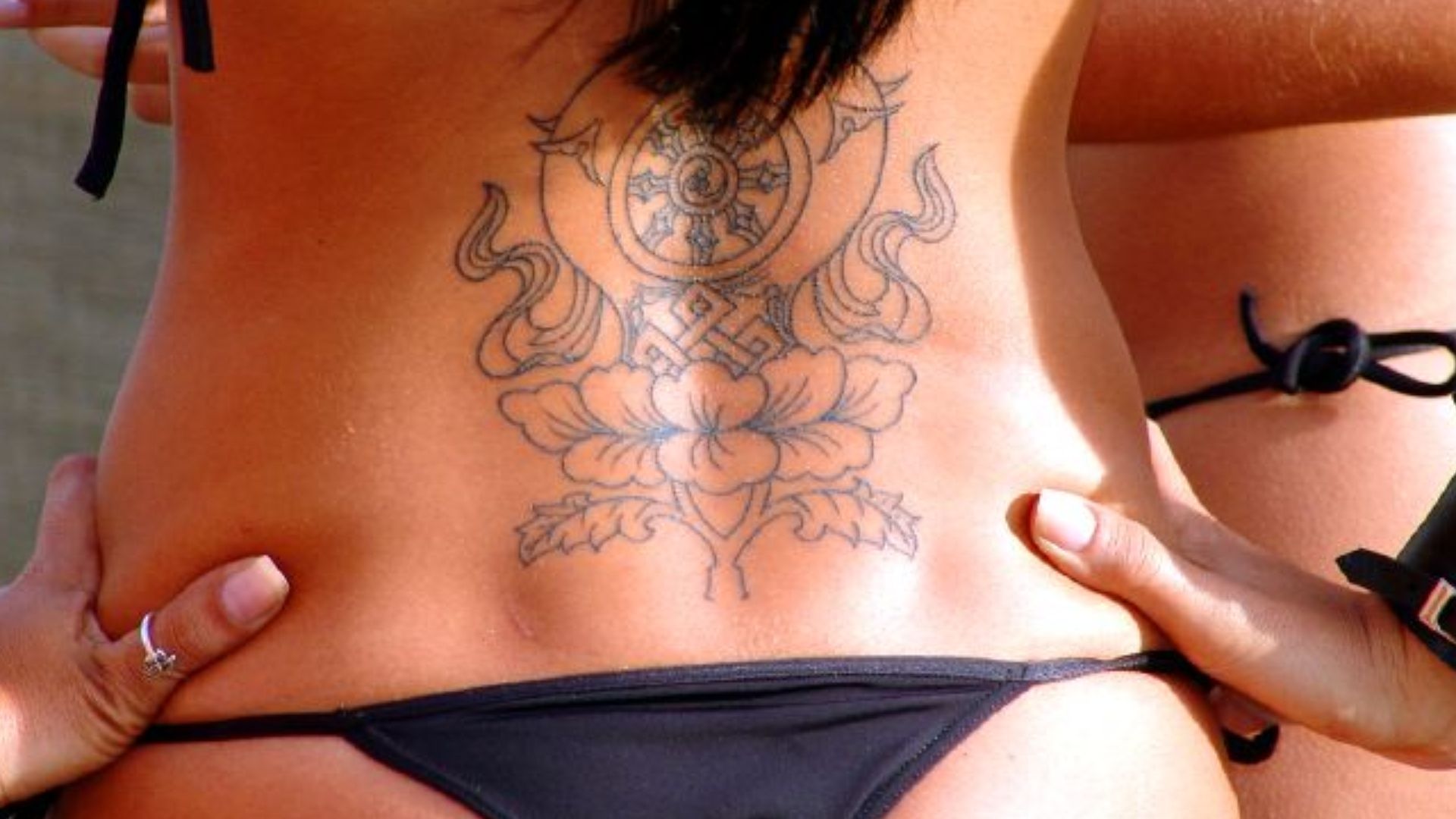
Plenty of expectant moms worry that a lower back tattoo means no epidural, but doctors usually don't see it that way. A 2020 medical review traced the worry to theoretical risks and called it a misconception, and real complications are rare. Anesthesiologists generally hold off mainly when the tattoo is infected or still healing.
 Sérgio Savaman Savarese / Sérgio Savarese on Wikimedia
5. Tattoos Belong to Women in Their Twenties
Women in their thirties and forties are nearly as likely to have a tattoo as women in their twenties, with more than half of both groups tattooed in a 2023 survey. Across all adults, people in their thirties and forties were the most tattooed group, slightly ahead of the under-30 crowd. The share drops to about one in four for ages 50 to 64.

6. Men Think Tattooed Women Are More Open to Hookups
In a 2013 beach experiment in France, men approached women far more often when they wore a temporary tattoo on the lower back. Men surveyed separately also guessed they'd have better odds of landing a date, and of sex on the first date, with the tattooed women. The researchers measured only what men expected and called a misreading by men possible.

7. Tattoos Go With Less Education
A 2023 survey found tattoos at every education level, from about one in five adults with a postgraduate degree to more than a third of adults with some college or less. Adults with a bachelor's degree landed in between. Income followed the same slope, with lower-income adults more likely to be tattooed than upper-income adults.

8. Patients Trust Tattooed Doctors Less
Emergency room patients in a 2018 study rated doctors the same on competence and professionalism whether or not the doctor wore a visible tattoo or piercing. The doctors wore stick-on tattoos and fake piercings on some shifts over several months, and patients didn't know it was a test. Ratings didn't change with the patient's age either.
9. Tattooed People Are Reckless
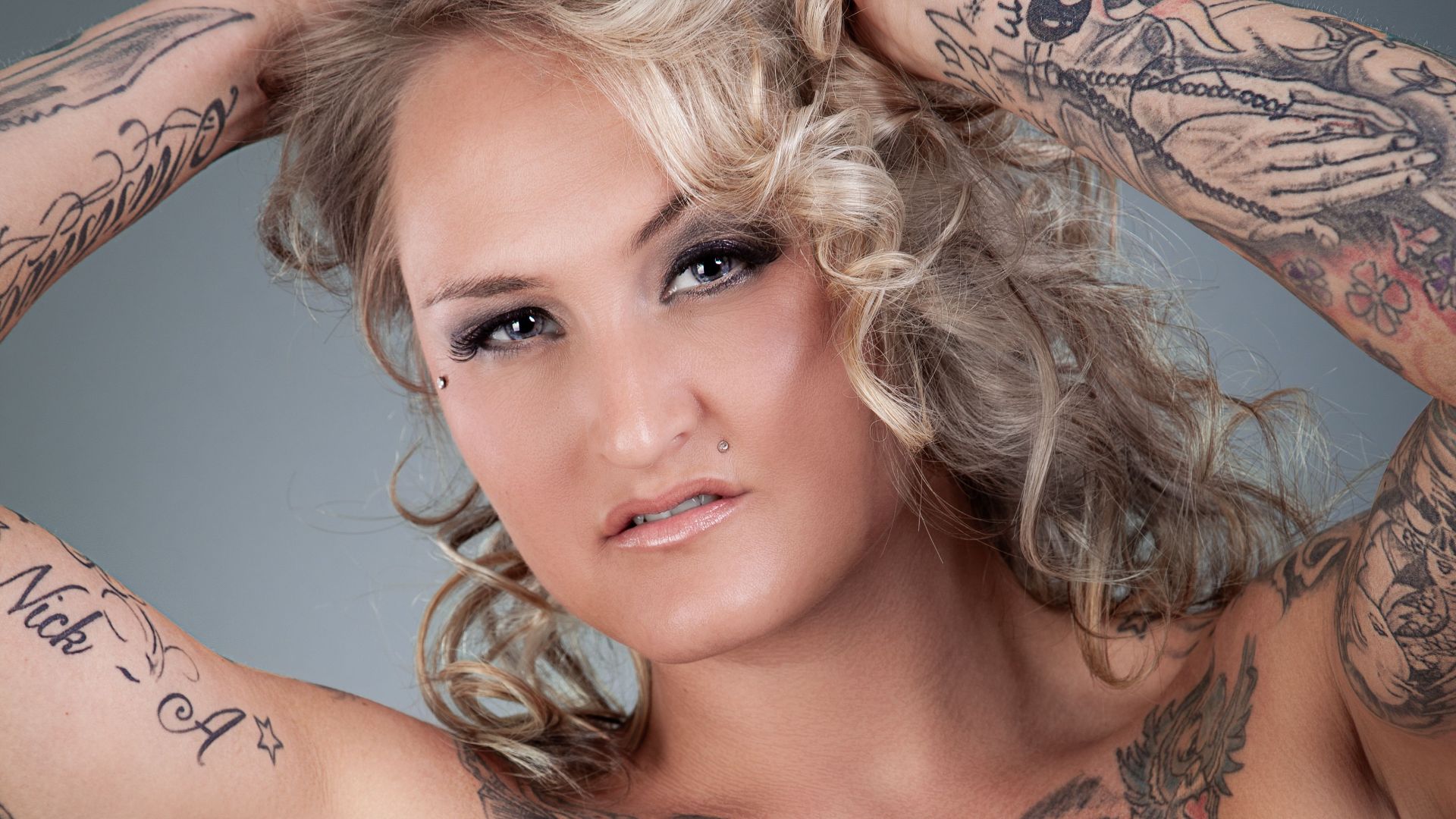
People with tattoos scored slightly higher on impulsiveness and risk-taking in a 2016 survey, but the researchers called the differences negligible to small. A 2019 experiment about waiting for bigger payouts found more impulsive choices among people with visible tattoos, with hidden tattoos landing in between.

10. More Tattoos Mean More Risk-Taking
In that same 2016 survey, the number of tattoos a person had made no significant difference to any trait the researchers measured. They described tattooed and untattooed adults as more similar than different overall. Men and women were about equally likely to have a tattoo among the respondents.

11. Customers Punish Tattooed Servers
People in a 2019 experiment read about a restaurant service mistake while looking at a photo of the server, then said how likely they'd be to badmouth the place. Visible tattoos on the server didn't change their answers. Tattooed male servers did draw more negative word of mouth than tattooed female servers, the reverse of what the researchers predicted.

12. Tattooed Women Regret Their Ink
About one in four tattooed Americans said in 2023 that they regret at least one of their tattoos. The rest had no regrets about any of them. Regret was a little less common among tattooed adults with a bachelor's degree or more.

13. Women Feel More Pain From Tattooing
Women and men reported the same pain level during a tattoo in a large 2020 study, where most of the participants were women. Women did rate their pain higher right after the session ended. Longer sessions and more stress went with more pain across the board.

14. Most People Judge Tattoos Harshly
Among adults without tattoos in a 2023 survey, about two in three said seeing a tattoo leaves them with neither a good nor a bad impression of the person. Roughly three in ten said it leaves a worse one, and very few said a better one. Adults 65 and older were the most negative.

15. Tattoos Belong to One Political Camp or Religious Group
Tattoos cross party lines, with about a third of Democratic and Republican adults alike having one in 2023. Religious adults have them too, though less often than adults with no religious affiliation. Veterans and nonveterans were about equally likely to have one as well.

16. Tattoos Reveal Low Self-Esteem
A 2011 study that followed people through a first tattoo found self-esteem and body appreciation were higher a few weeks afterward than before. A 2019 comparison of young women found lower self-esteem among the tattooed group, though both groups felt about the same about their bodies. Women in the 2011 study also felt more nervous about how others viewed their bodies.

17. Every Tattoo Draws the Same Judgment
In a 2017 experiment, tattoos showing violence or nudity earned the lowest trust ratings, while Christian and flower images earned the highest, with tribal designs landing in the middle. Whether the viewer had a tattoo and whether the tattooed person was a man or a woman also shifted the ratings.
 Priscilla Du Preez 🇨🇦 on Unsplash
18. Tattooed Women Show Their Ink Everywhere
A 2010 U.S. phone survey found that most tattooed adults said their tattoos weren't usually visible. Tattooed women were less likely than tattooed men to say theirs usually were. A 2013 British survey found most tattooed adults had none visible in public or at work.

19. Tattoos Make Women Less Attractive
A 2007 study found women with tattoos rated as less attractive, but men on a French beach in 2013 rated the same women as equally attractive with or without a temporary tattoo. That beach test used a single butterfly design on the lower back, and the result may not carry over to every tattoo.
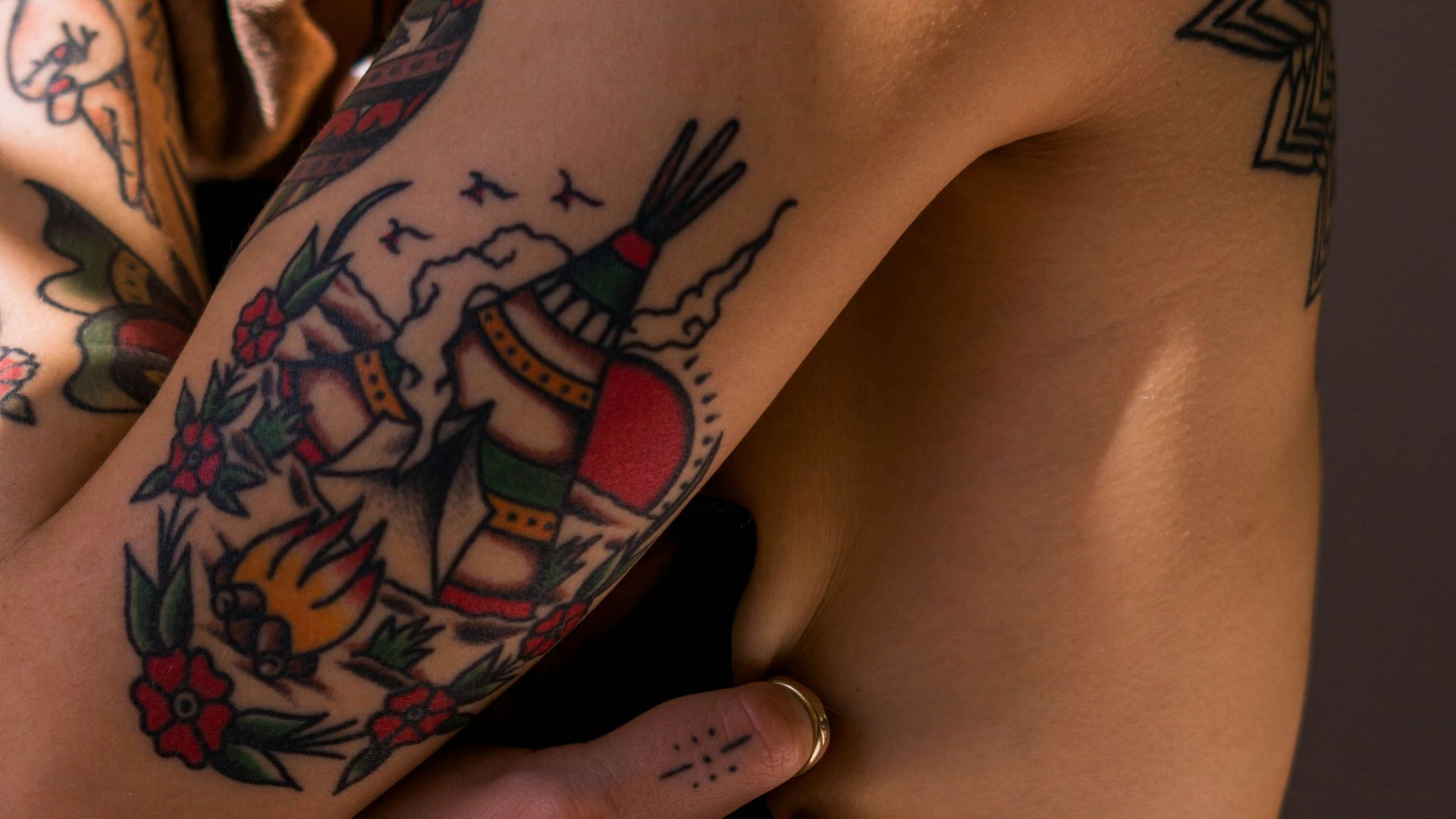
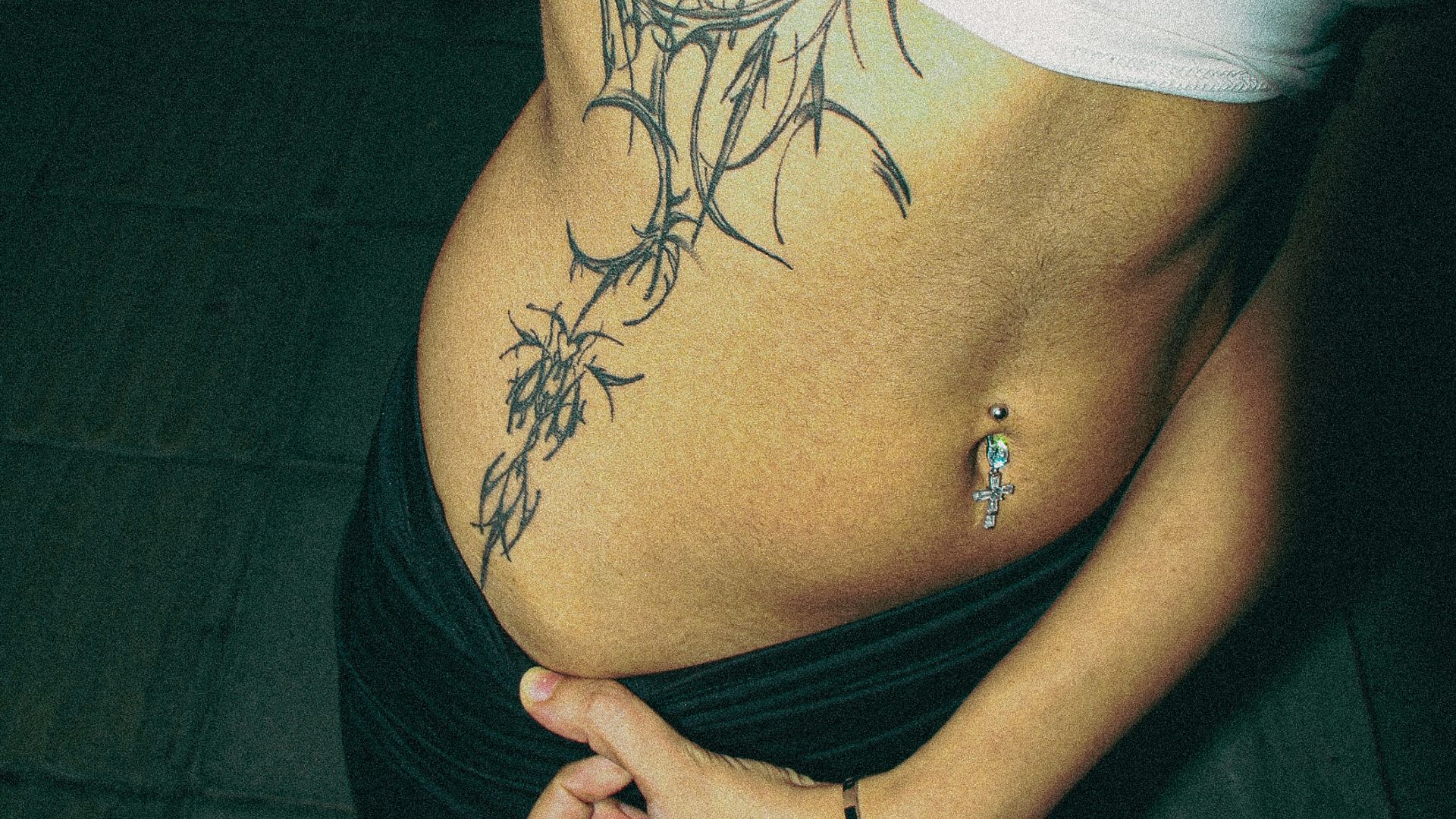
20. Pregnancy Ruins a Stomach Tattoo
Pregnancy doesn't always change a belly tattoo, since it depends on how much a person's skin stretches. Some women see no change at all, and others get stretch marks that run through the ink and shift its lines or color. Many skin changes fade after delivery, though stretch marks can alter the look of a tattoo for longer.