

What the Trained Eye Catches
Most of us look at a face and register one overall impression. A makeup artist sees the same face in layers, starting with the skin underneath and working out to the last swipe of mascara. Years spent under bright lights, a few inches from clients, train the eye to catch details that nobody else clocks. None of it means the makeup looks bad to a casual observer. Here's 20 things makeup artists notice that regular people miss.
1. The Jawline
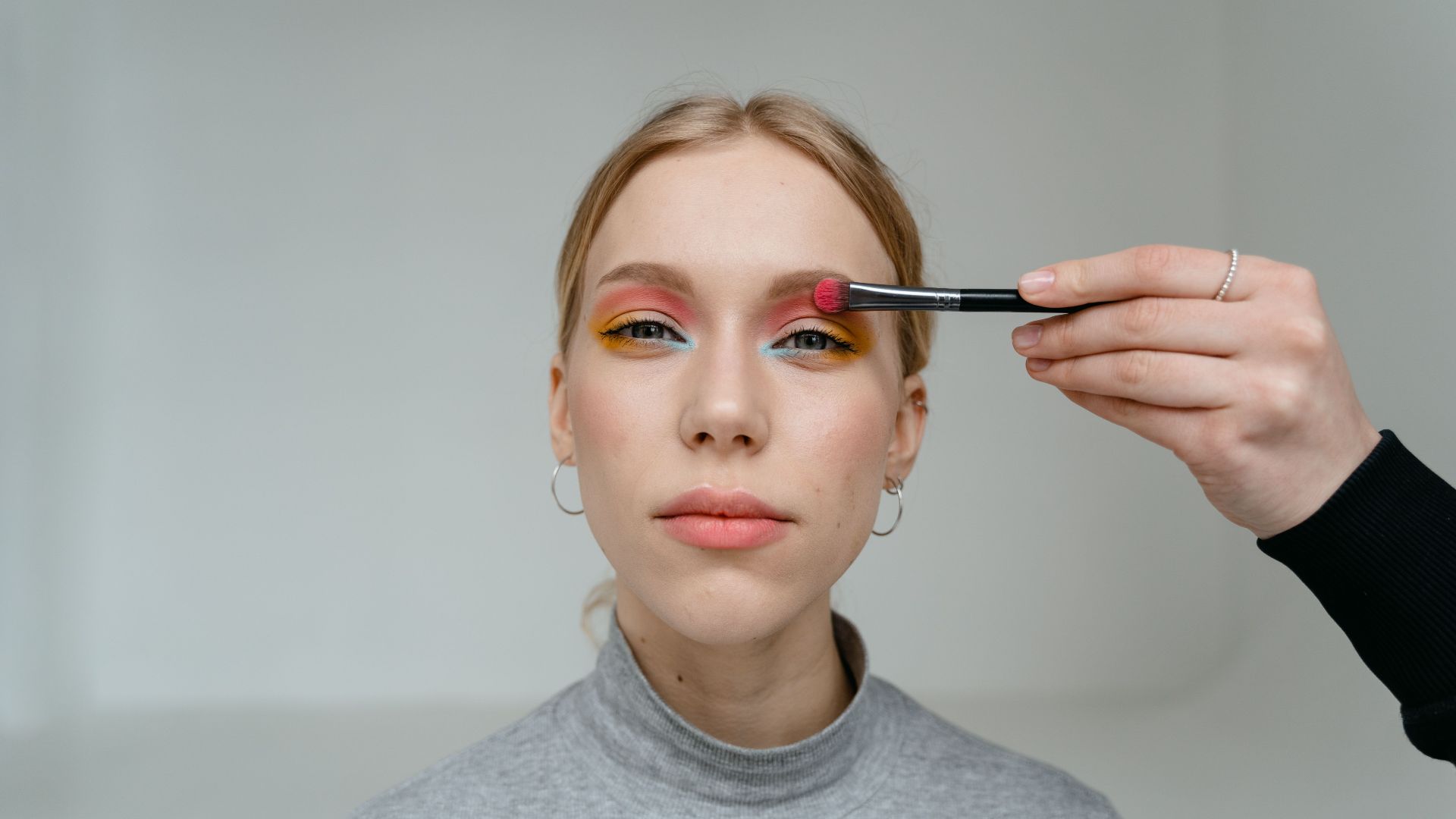
Foundation that ends at the jaw leaves a faint line where the face meets the neck. It shows best from the side, and the ears and neck usually give it away first. Blending down past the jaw, or picking a shade that matches the chest instead of the cheeks, makes the edge disappear.

2. Oxidation
A foundation that looked right in the store can turn noticeably darker or more orange within an hour. Skin oils and oxygen in the air react with ingredients in the formula, so the color shifts as it sits. Swatching a shade on the jaw and waiting before you buy shows you which version you'll be wearing by lunch.
3. Undertone
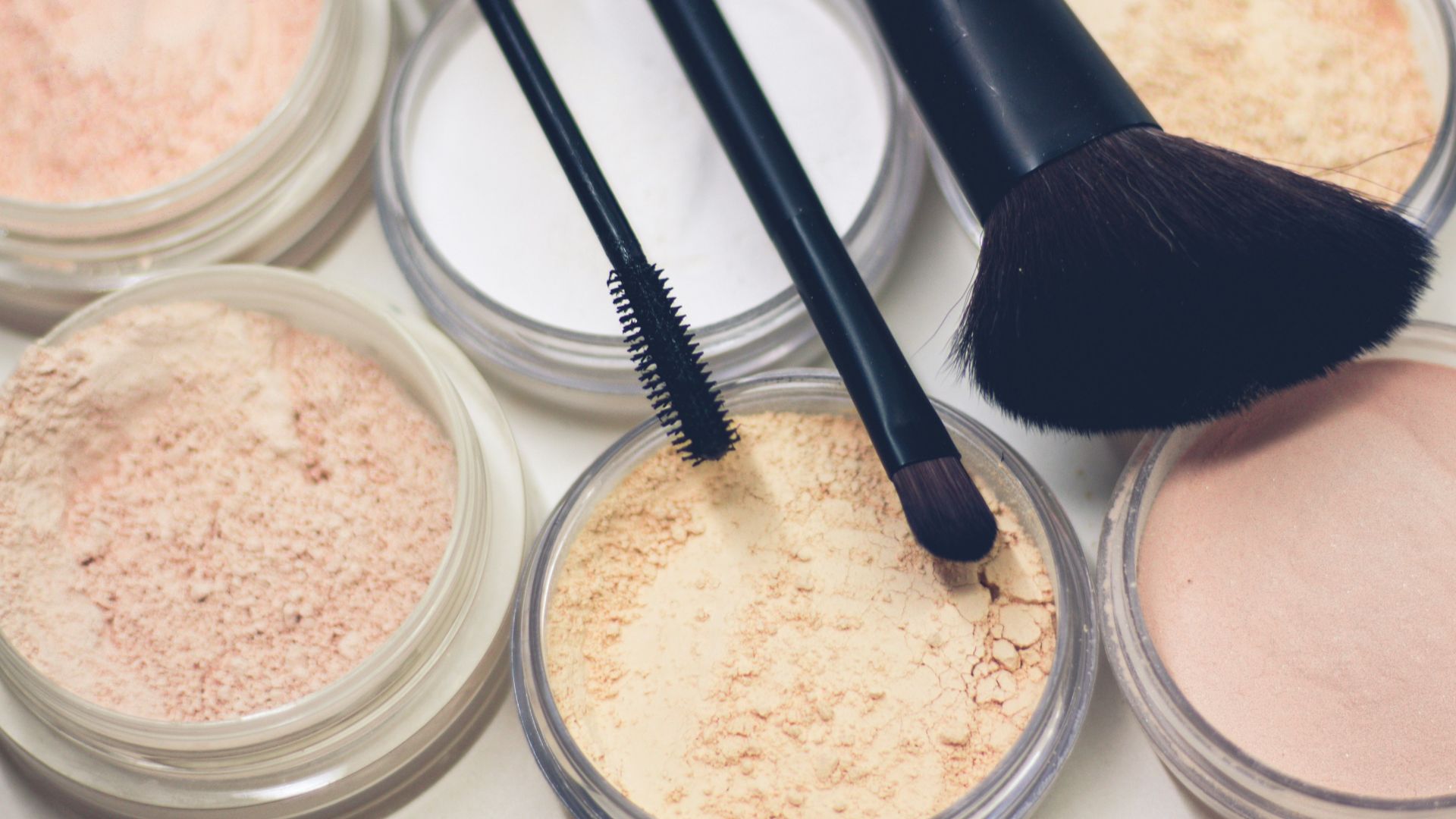
Getting the depth right is only half of a foundation match. A shade can be light enough and still look slightly gray or pink against skin that leans warm, and artists spot that mismatch at a glance. A quick check is the veins on the inner wrist, where a greenish tint suggests warm undertones and a bluish one suggests cool.

4. Flashback
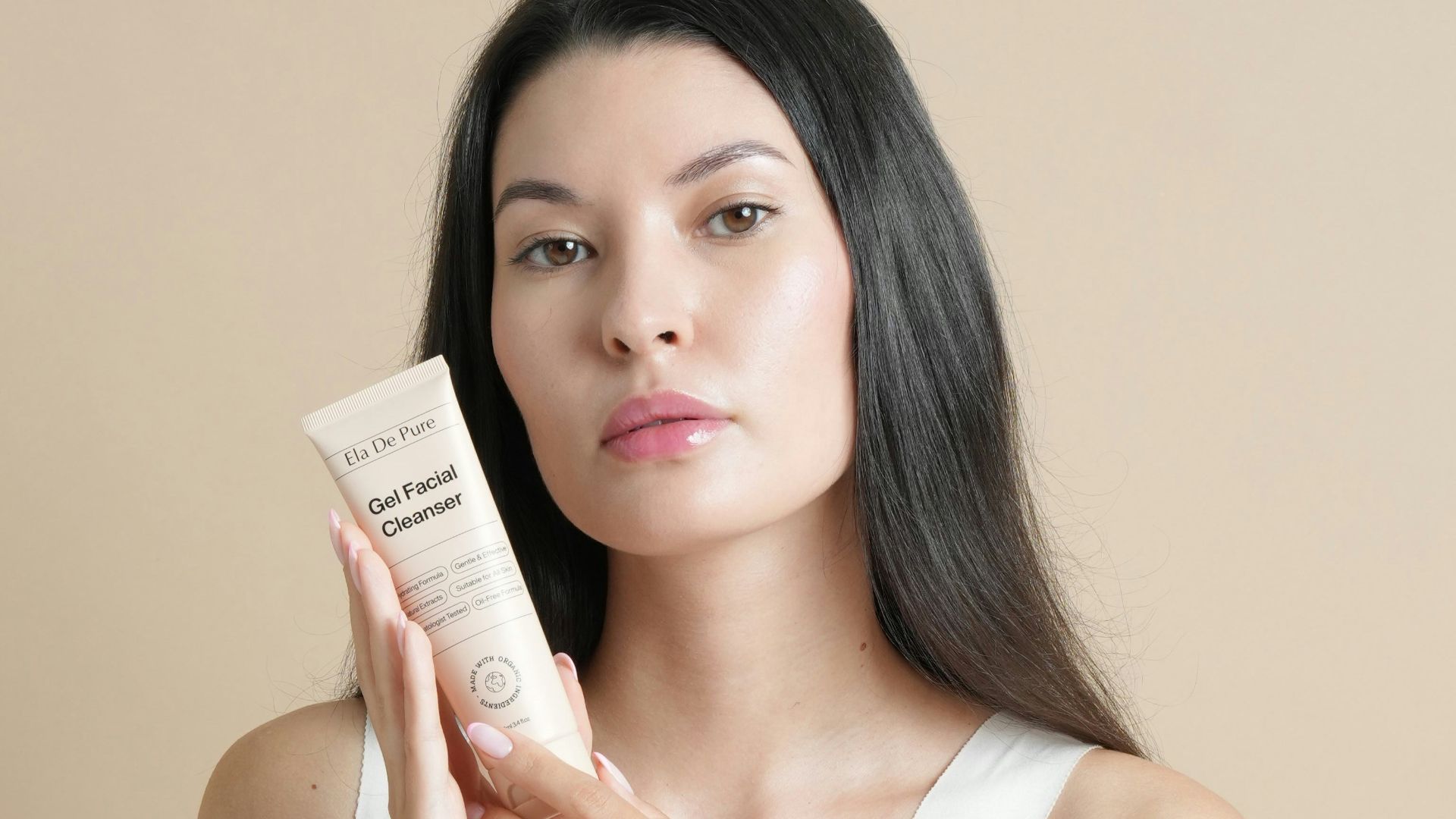
Mineral sunscreens use titanium dioxide and zinc oxide, and both reflect a camera flash straight back at the lens. Some setting powders made with silica, often sold as HD powder, do the same thing. In person the face looks fine, and in the photo it comes out chalky white around the eyes and forehead.
5. Creased Concealer
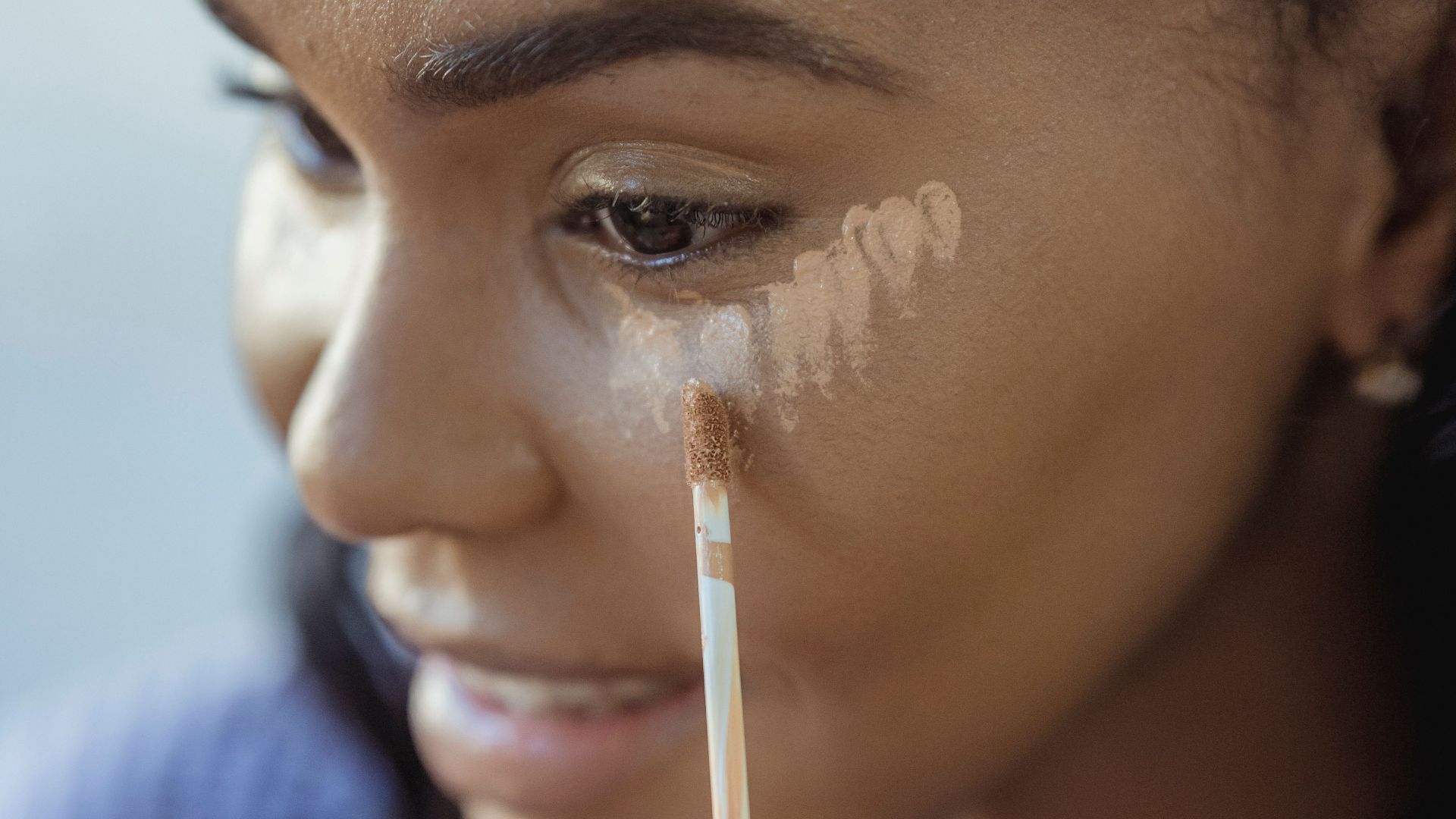
Under-eye skin moves every time you smile or squint. Concealer applied too thick settles into those lines within a couple of hours, and the grid of creases shows at normal talking distance. Thin layers pressed in with a fingertip, then set with a light dusting of powder, hold up much better.
6. Pilling
When a silicone-based primer meets a water-based foundation, the two can refuse to blend. The product rolls into tiny balls on the surface of the skin, usually around the nose and chin. The fix is matching the base of each product, which most people never think to check on the label, where dimethicone near the top of the ingredient list signals a silicone base.
7. Dry Patches
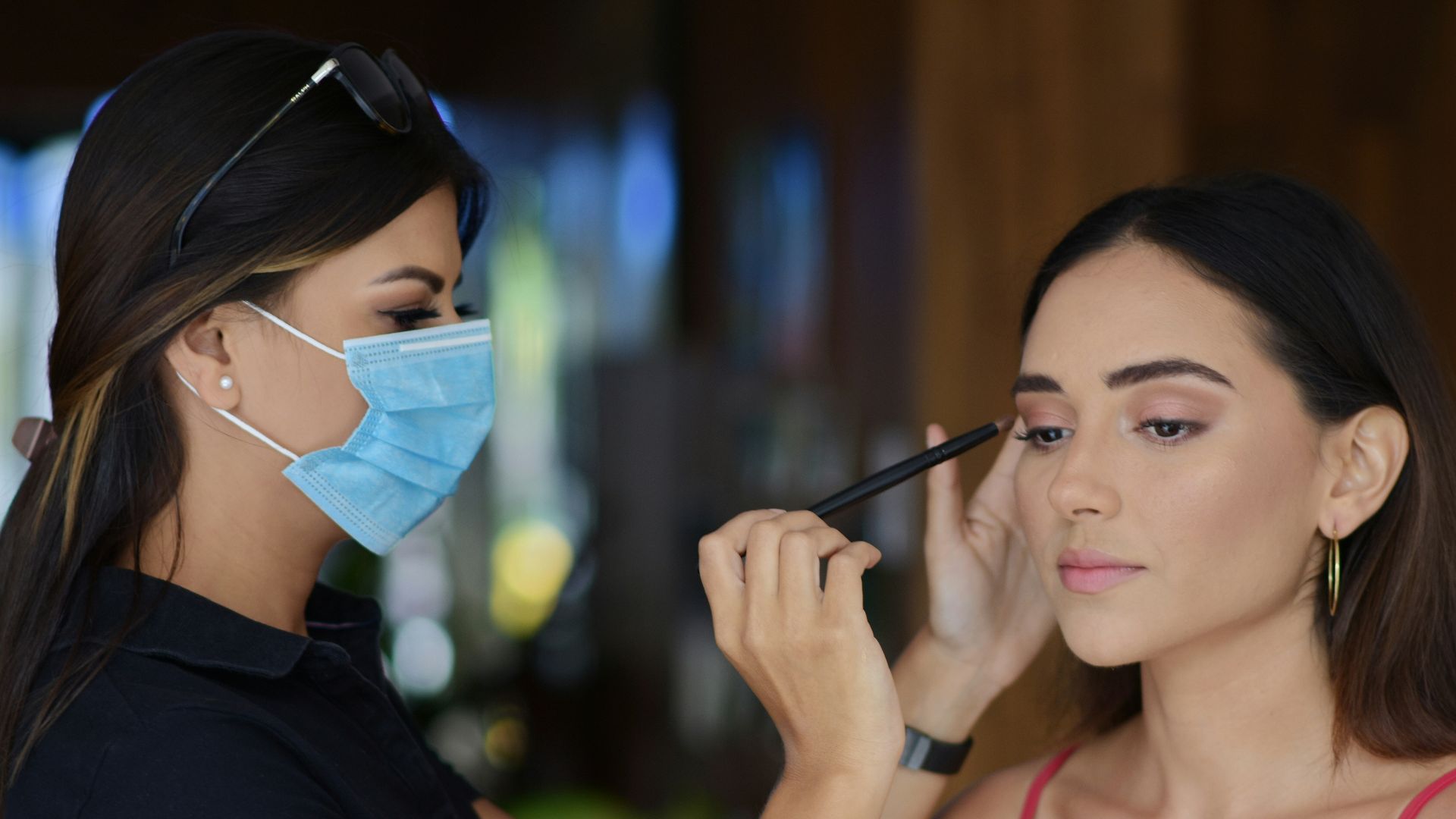
Foundation clings to flaky skin and makes it look worse, most of all near the brows and the sides of the nostrils. Artists run a hand over the cheeks before starting, because dehydrated patches show up by touch before they show up by sight. A few minutes with a moisturizer can do more than any primer, as long as it soaks in before the foundation goes on.
8. Peach Fuzz
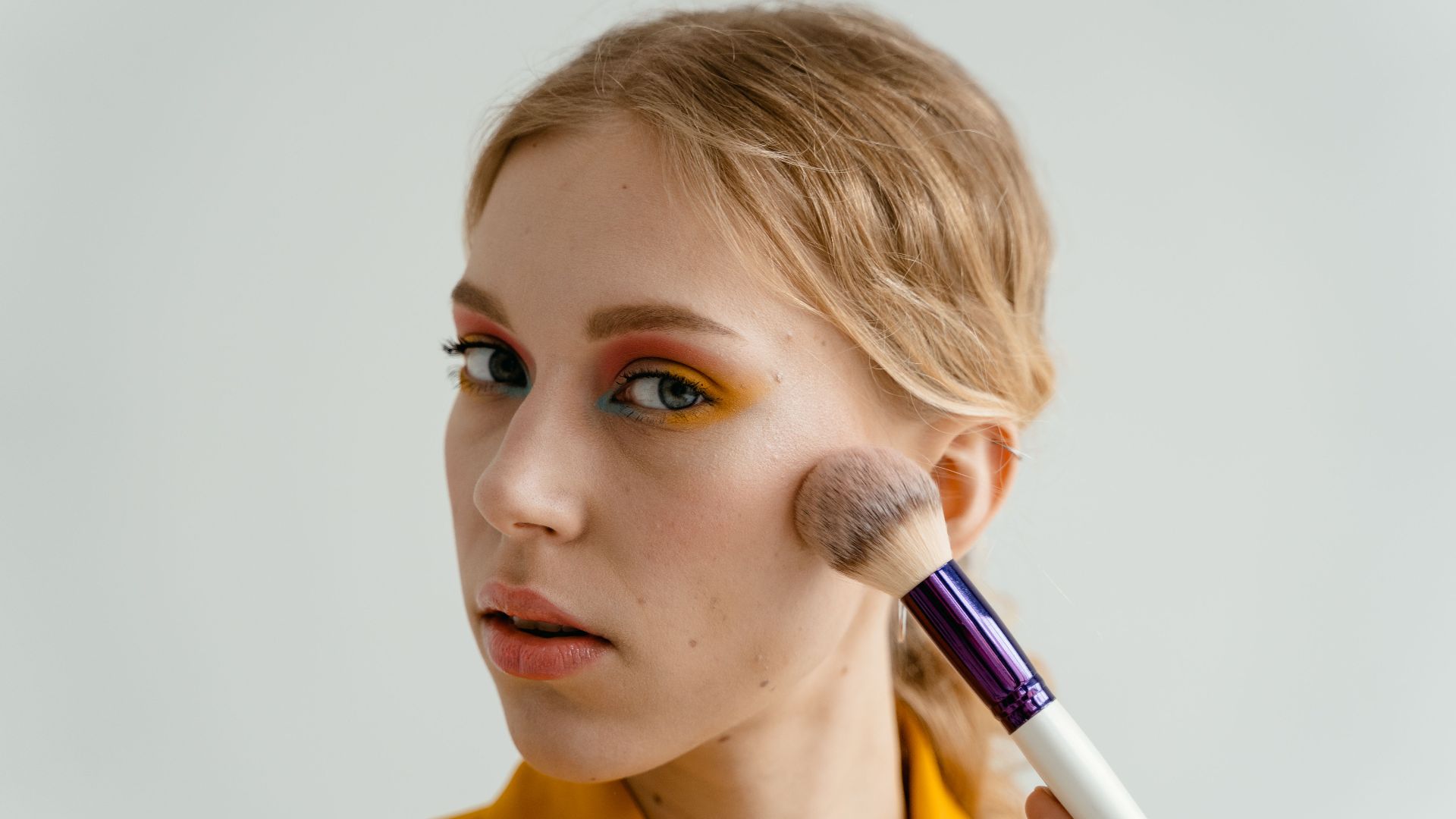
The fine, soft hair on most faces is called vellus hair. Powder catches on it and turns it visible, especially along the cheeks and upper lip in side light. Some artists dermaplane clients before big events, gently shaving the fuzz off with a small single-edge blade.

9. Muddy Contour
Contour is meant to mimic a shadow, and real shadows are cool-toned. Warm bronzer used as contour reads as a stripe of dirt, especially when it sits too low on the cheek and drags the face downward. It belongs in the hollow just under the cheekbone, in a shade with a little gray in it.
10. The Wrong Corrector
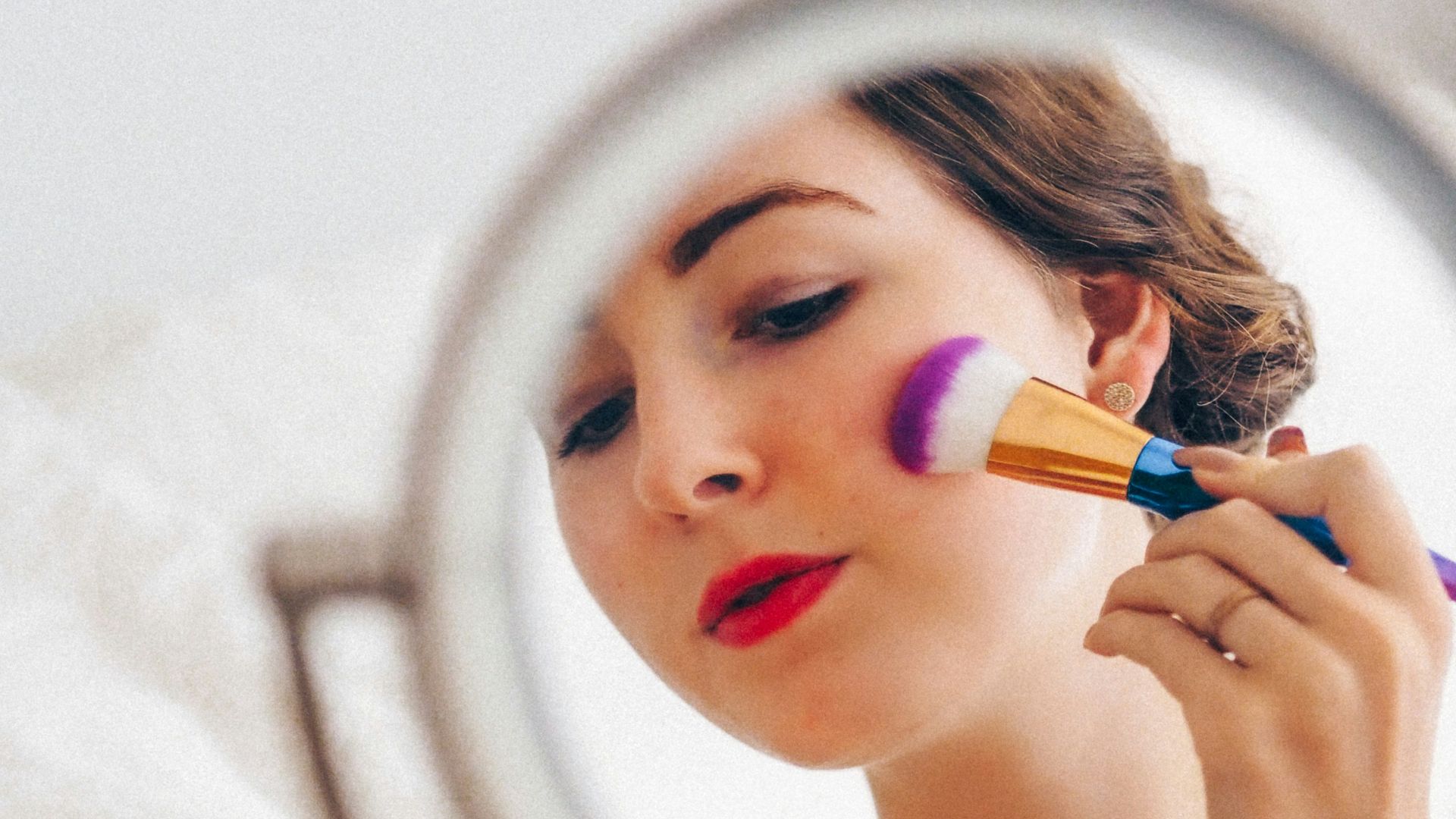
Color correcting works off the same color wheel painters use, where opposite shades cancel each other out. Green neutralizes redness, and peach or orange cancels the blue of dark circles, depending on skin depth. Put on the wrong one, and the circles turn gray instead of disappearing.
11. Highlighter on Texture
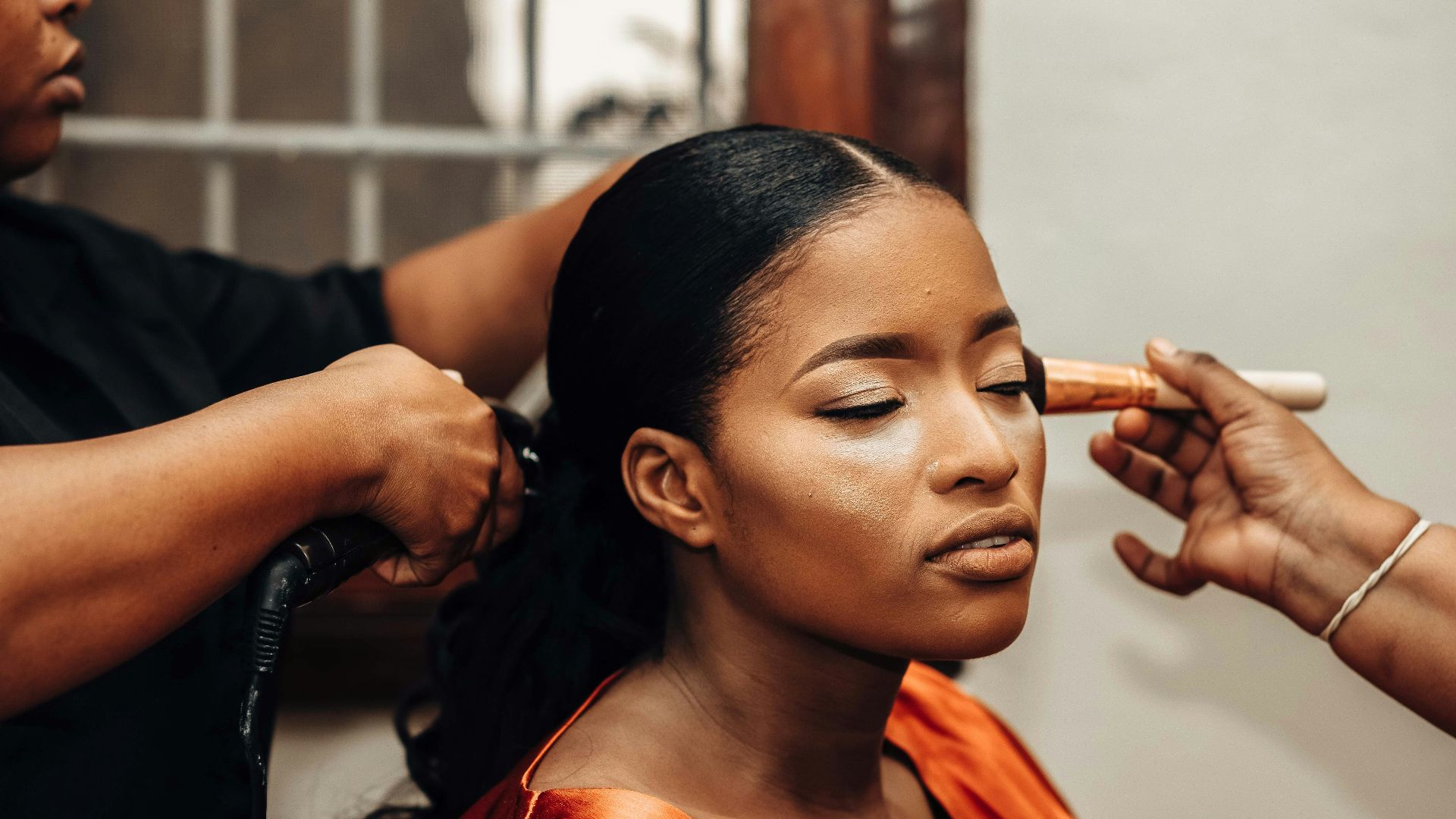
Shimmer bounces light, and it bounces extra off anything raised, so highlighter swept over enlarged pores or breakouts makes them look bigger. It works best on the smoothest high points of the face, like the high point of each cheekbone.
12. Brow Mapping
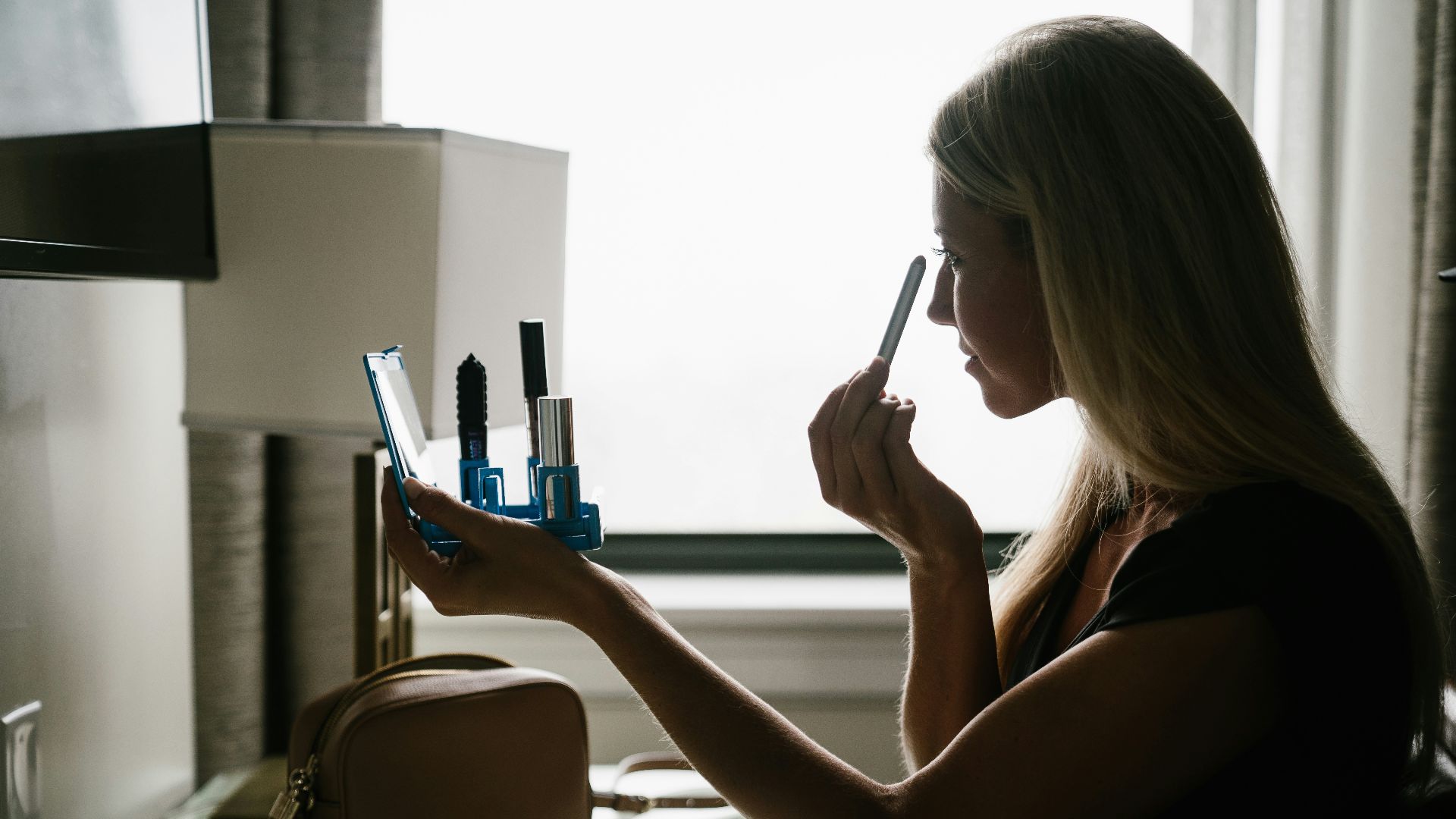
A common guide starts the brow above the inner corner of the eye and puts the arch in line with the outer edge of the iris. Brows that start too far apart can make eyes look wider set than they are, while brows that start too close can make a face look tense. Holding a pencil straight up from the edge of the nostril shows where the brow should begin.

13. Overlined Lips
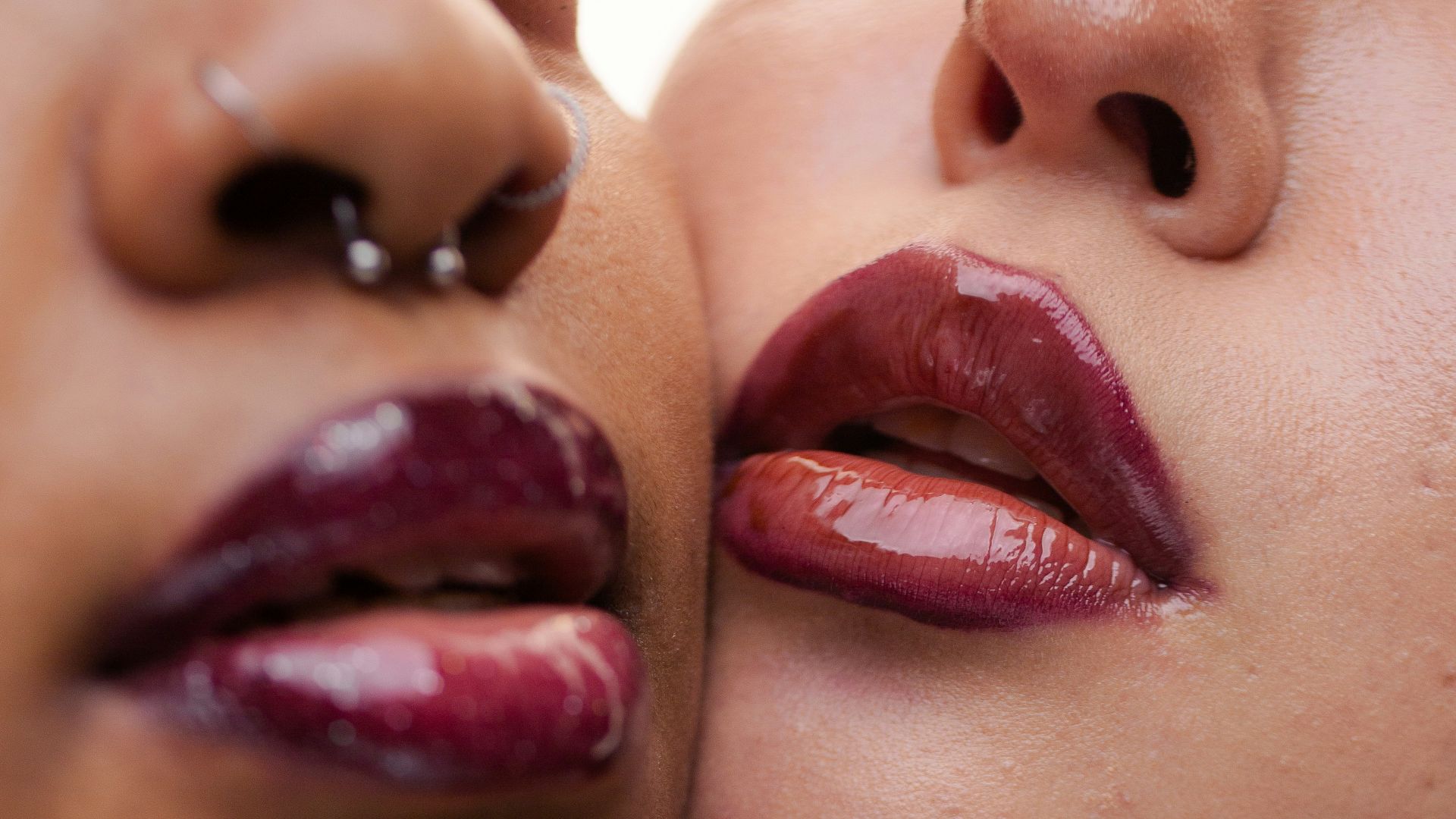
Overlining can look great across a crowded room or in a phone selfie. Up close in daylight, the gap between the liner and the natural lip edge shows once the lipstick wears off the center. Keeping the extra line to the middle of the top lip reads as fuller without looking drawn on.
14. Lash Bands
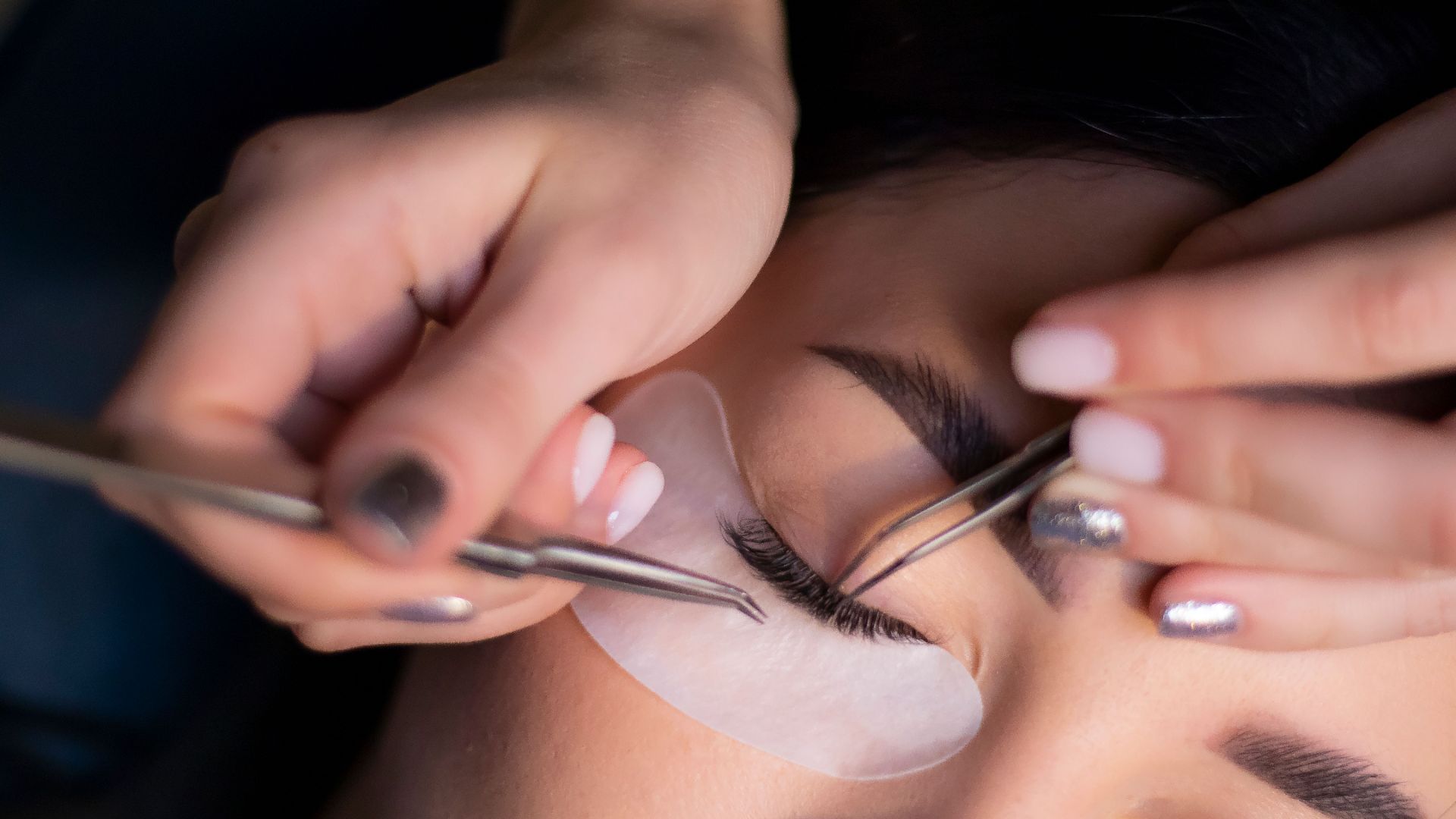
Most false lash strips come longer than the eye they're meant for. When the band runs past the outer corner, it starts lifting halfway through the day. Measuring the strip against the lid and trimming from the outside end fixes it before any glue comes out.
15. Old Mascara
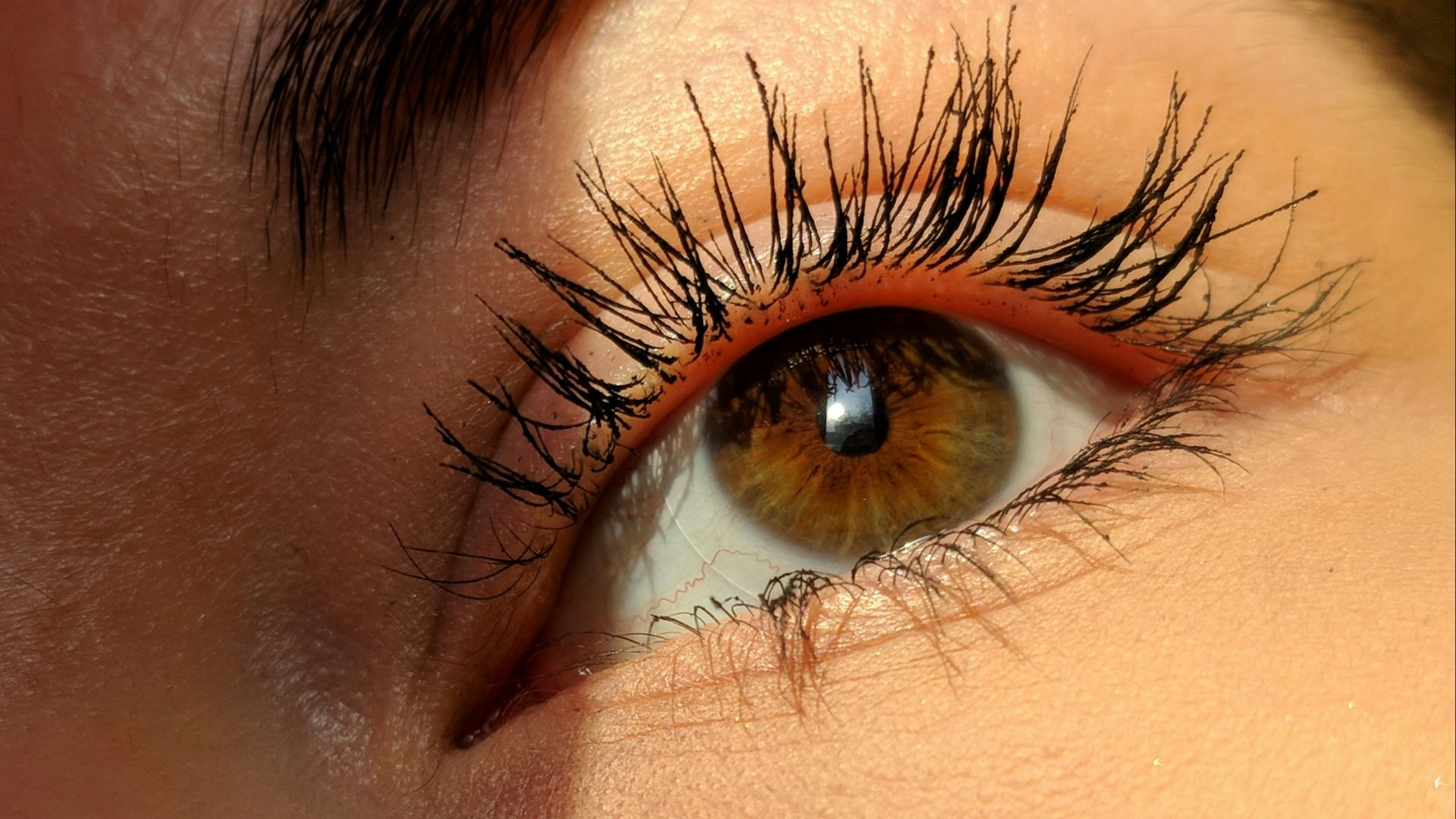
Clumps and flakes under the eye usually mean a tube that's been open too long. The FDA notes that many experts recommend replacing mascara three months after purchase, since the wand carries bacteria back into the tube each time it goes back in. Pumping the wand in and out also pushes air into the tube and dries the formula faster.
16. Dirty Brushes
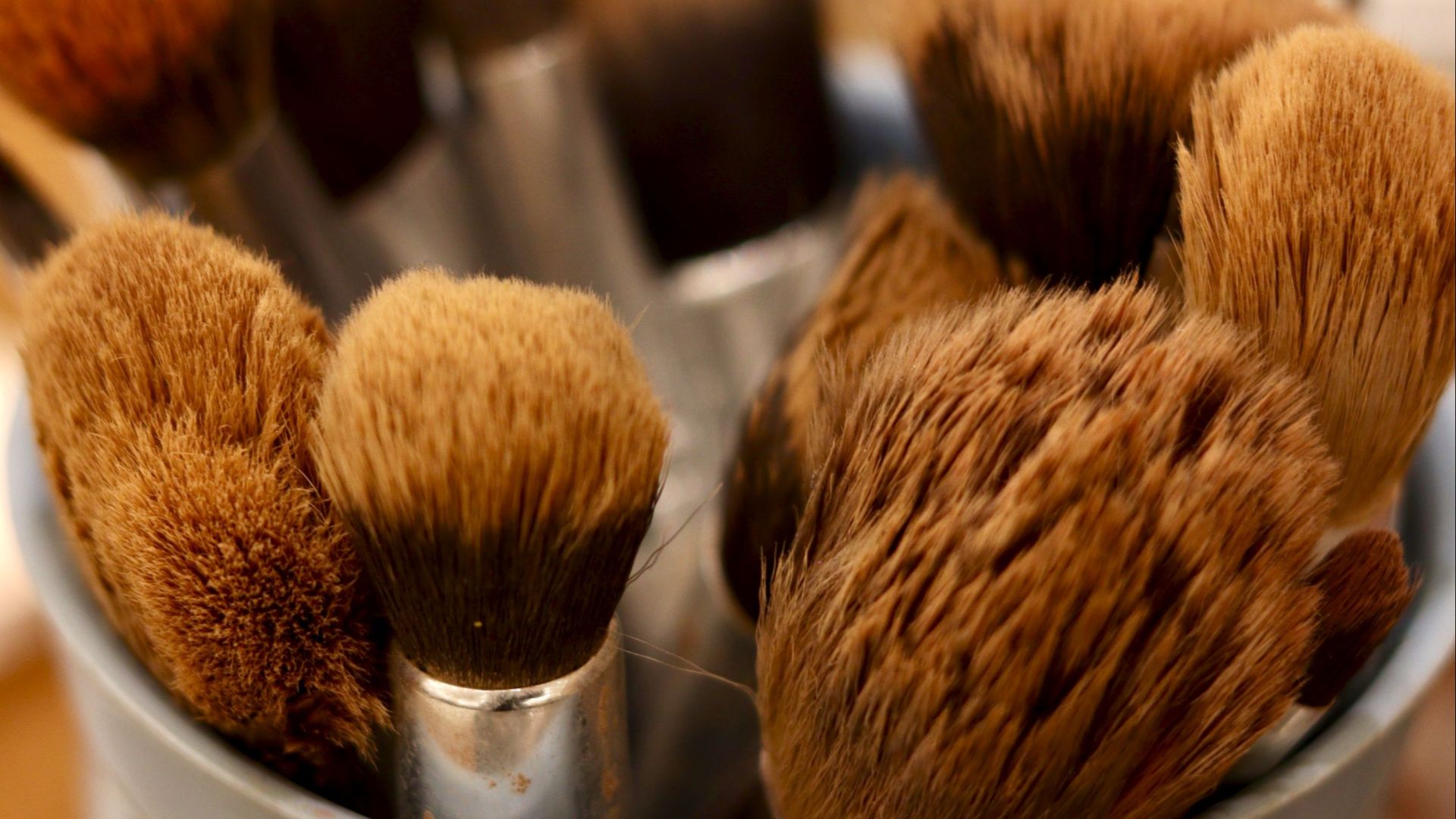
A brush that's gone weeks without washing drags old oil and pigment across the skin, and the finish looks streaky. Professional artists clean their brushes with alcohol between clients, a step most clients never see.
17. Expiration Dates
Look for a tiny drawing of an open jar on the packaging, with a number and the letter M next to it. That period-after-opening symbol tells you how many months the product stays good once it's open, so 12M means a year. The European Union requires it on many cosmetics, and it's easy to go years without spotting it.
18. Bathroom Lighting
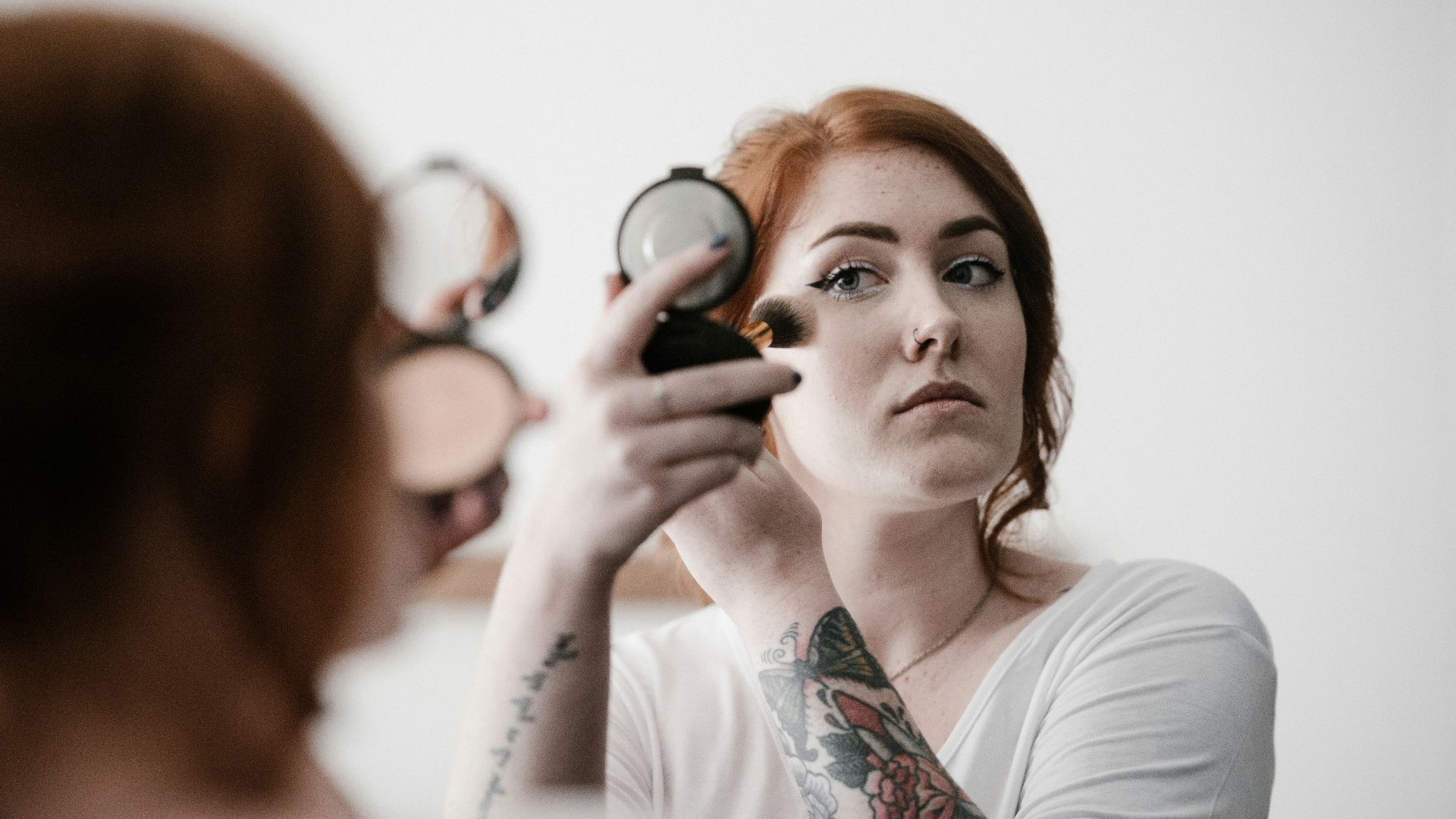
Standard warm-white bulbs run around 2,700 kelvin, while midday daylight is roughly twice that. Makeup blended under warm light can look orange or heavy once you step outside. Artists also watch a number called the color rendering index, or CRI, and many look for bulbs rated 90 or higher.
19. Self-Tanner Streaks
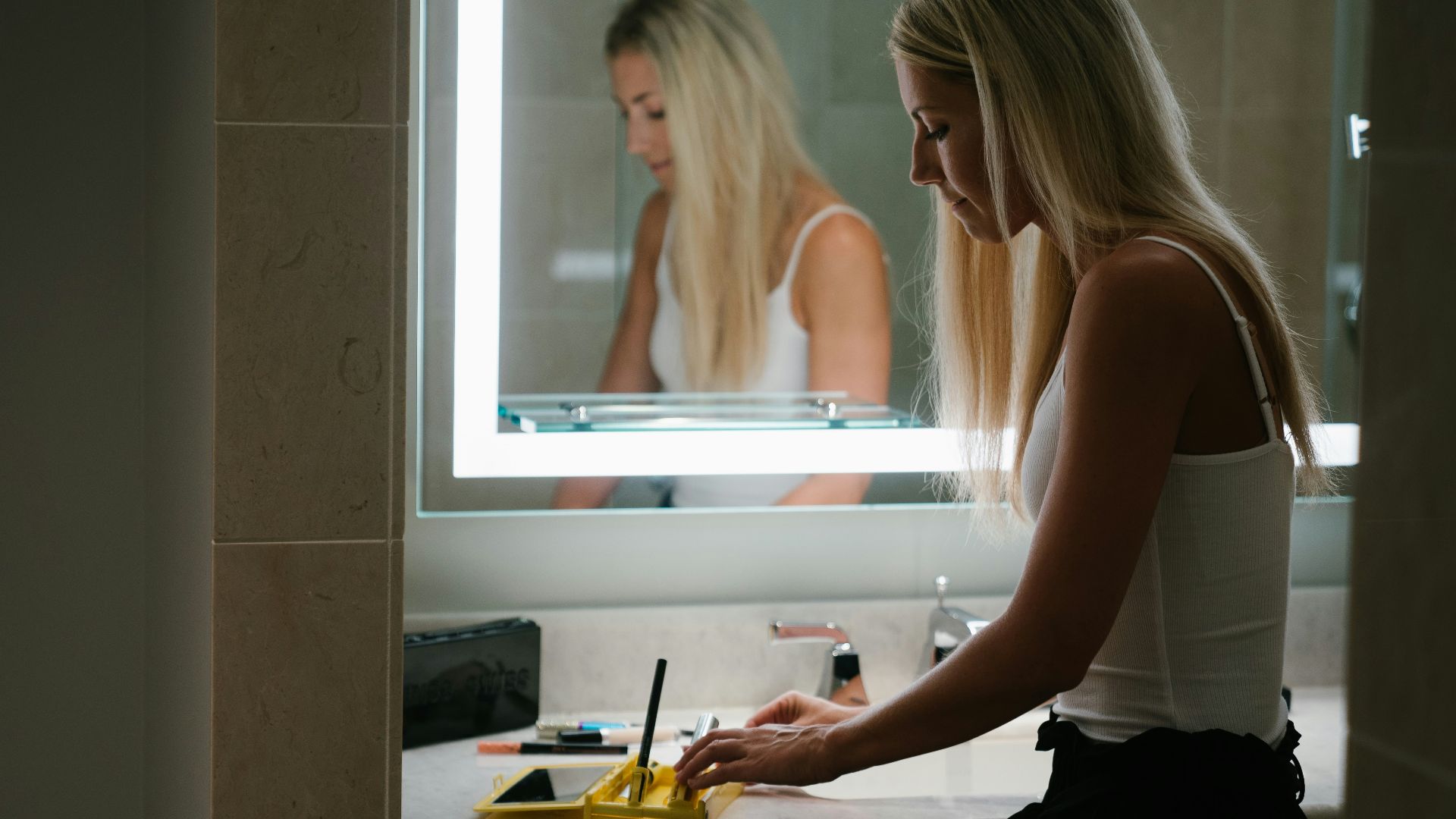
Self-tanner works through a sugar called DHA that reacts with proteins in the top layer of skin, which is why the color takes a few hours to develop. Dry spots absorb more of it, so knuckles and ankles come out darker than everything else. An artist spots a fake tan by checking the palms and the backs of the hands first.

20. The Hairline
A quarter-inch gap between foundation and the hairline leaves a pale border where the scalp begins. A nearly dry sponge fixes it. The ears need the same attention, since they catch the camera flash more often than you'd expect once hair is pulled back.