Beauty in the Eye of History
We often imagine historical figures through the lens of polished marble statues or idealized oil paintings, but the reality was usually much more "human." Throughout the centuries, many of the world's most influential thinkers, leaders, and artists were famously described as unconventional or even plain by their contemporaries. With that in mind, here are 20 figures that were noted for being "ugly" (although they were probably just fine).
 Unidentified painter on Wikimedia
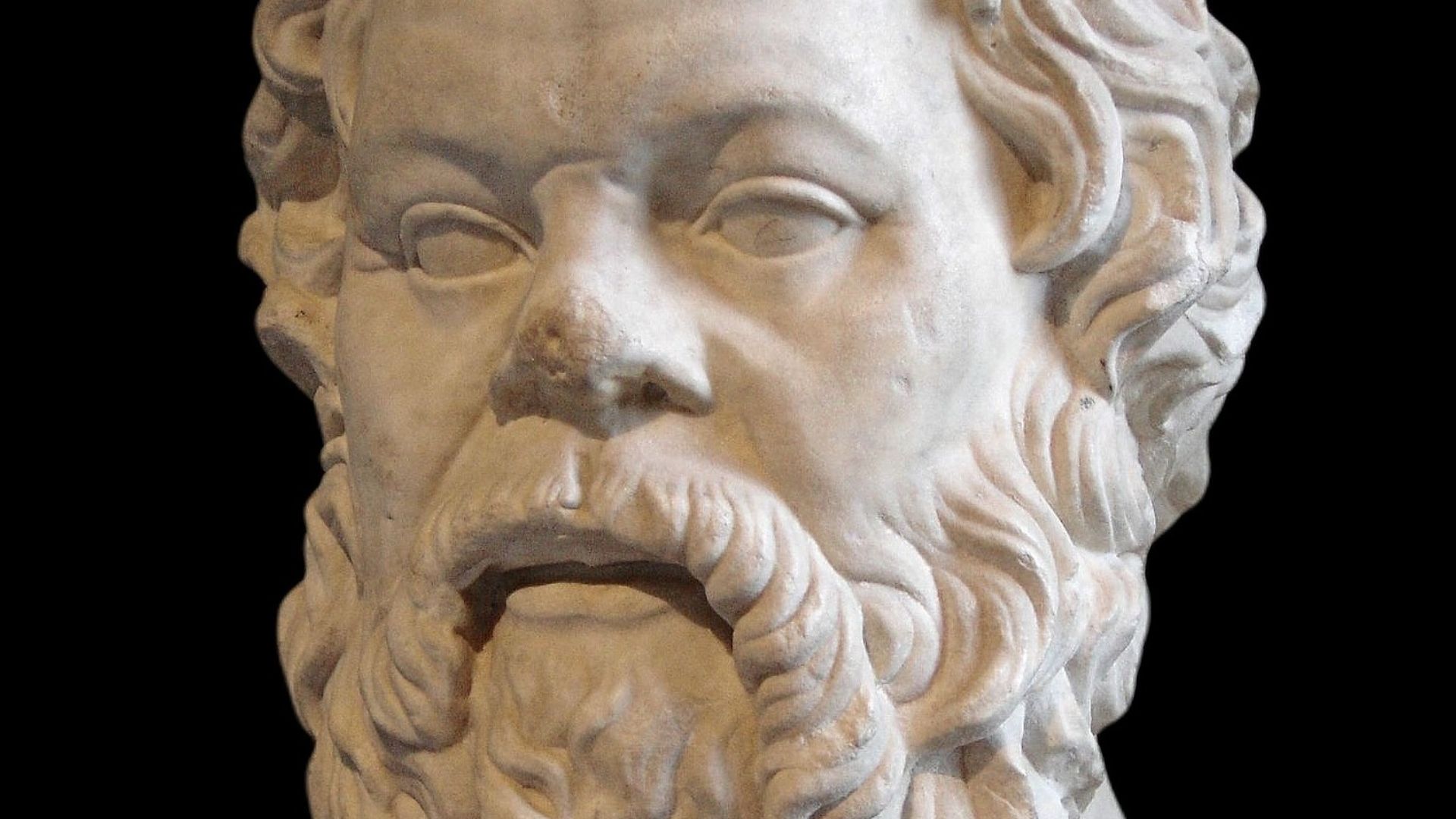
1. Socrates
The father of Western philosophy was frequently described by his fellow Greeks as having a flat nose and bulging eyes that made him look a bit like a crab. Instead of trying to hide it, Socrates wore his plain appearance proudly, lecturing people that real beauty comes from the soul. You've got to admire the guy for that.
 Copy of Lysippos (?) on Wikimedia
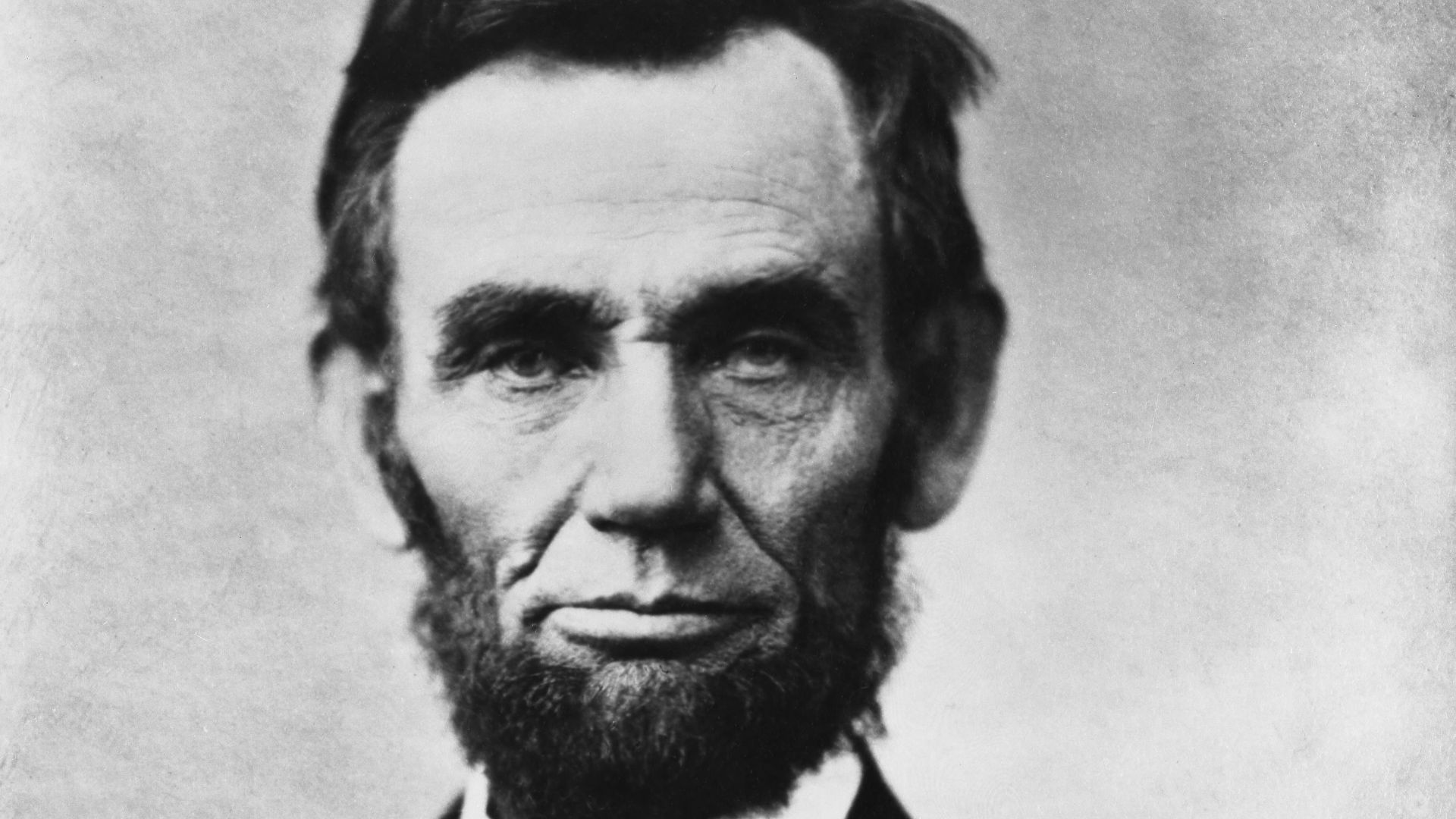
2. Abraham Lincoln
Though we tend to remember Honest Abe as dignified and regal, he was called gangly, pasty-faced, and "sunken-chested" by his detractors. Politics aside, his height and powerful speaking voice easily overrode any issues with his "homely" appearance. He famously joked about his own face.
 Alexander Gardner on Wikimedia
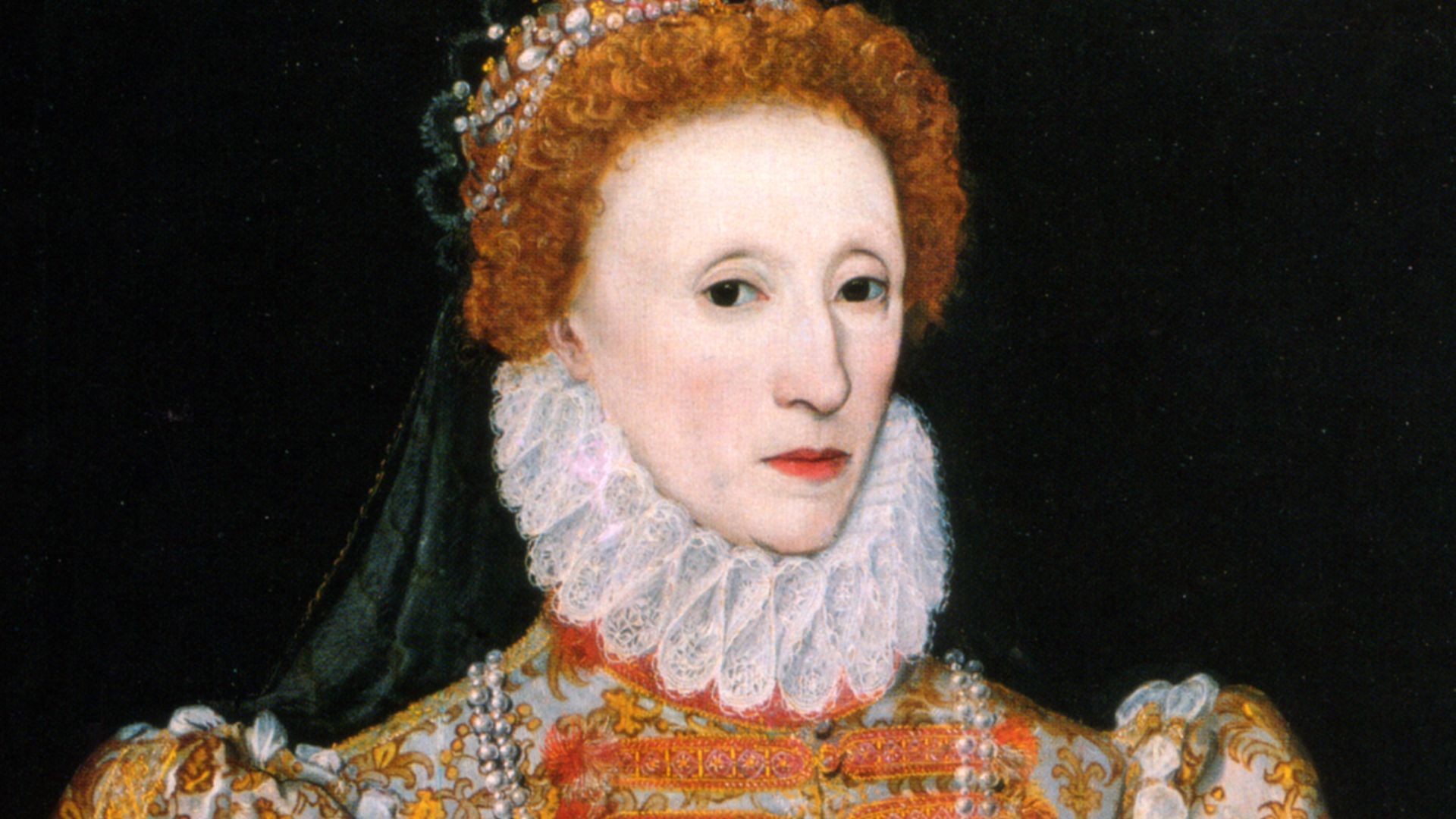
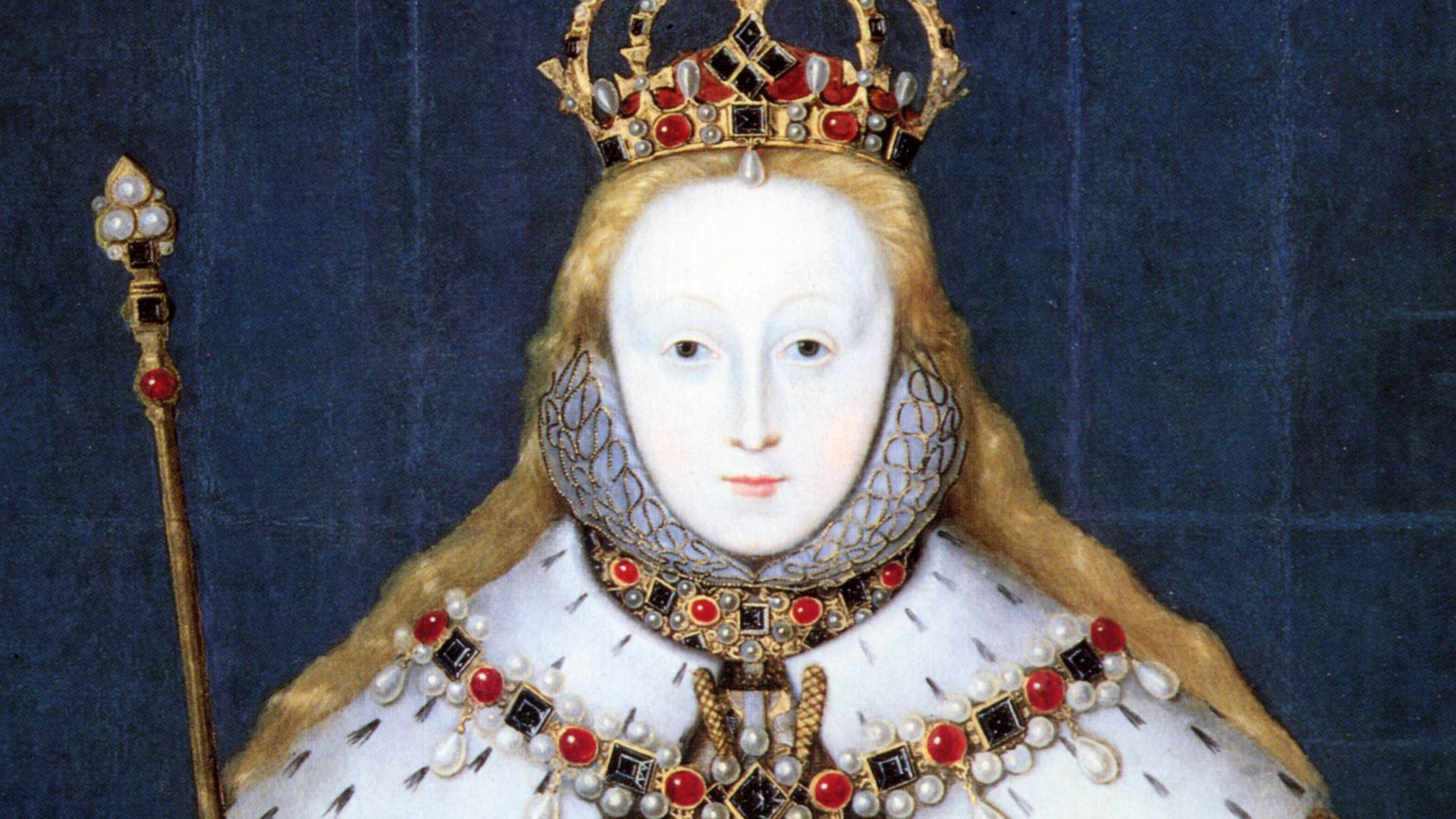
3. Queen Elizabeth I
Due to contracting smallpox early on in her life, Elizabeth I's skin was severely scarred. She covered herself in thick white lead makeup, which eventually gave her a ghostly-white complexion. People would stare at her great hairstyles and towering collars to avoid seeing her aged skin.
 After Levina Teerlinc on Wikimedia
4. Louis XIV
While Louis was busy filling the Palace of Versailles with elegance, his kidneys were failing him. Enlarged by many operations and years of Bourbon excess, the Sun King lost most of his teeth and smelled constantly of ammonia. He wore towering wigs and high heels to add height and intimidation to his frame.
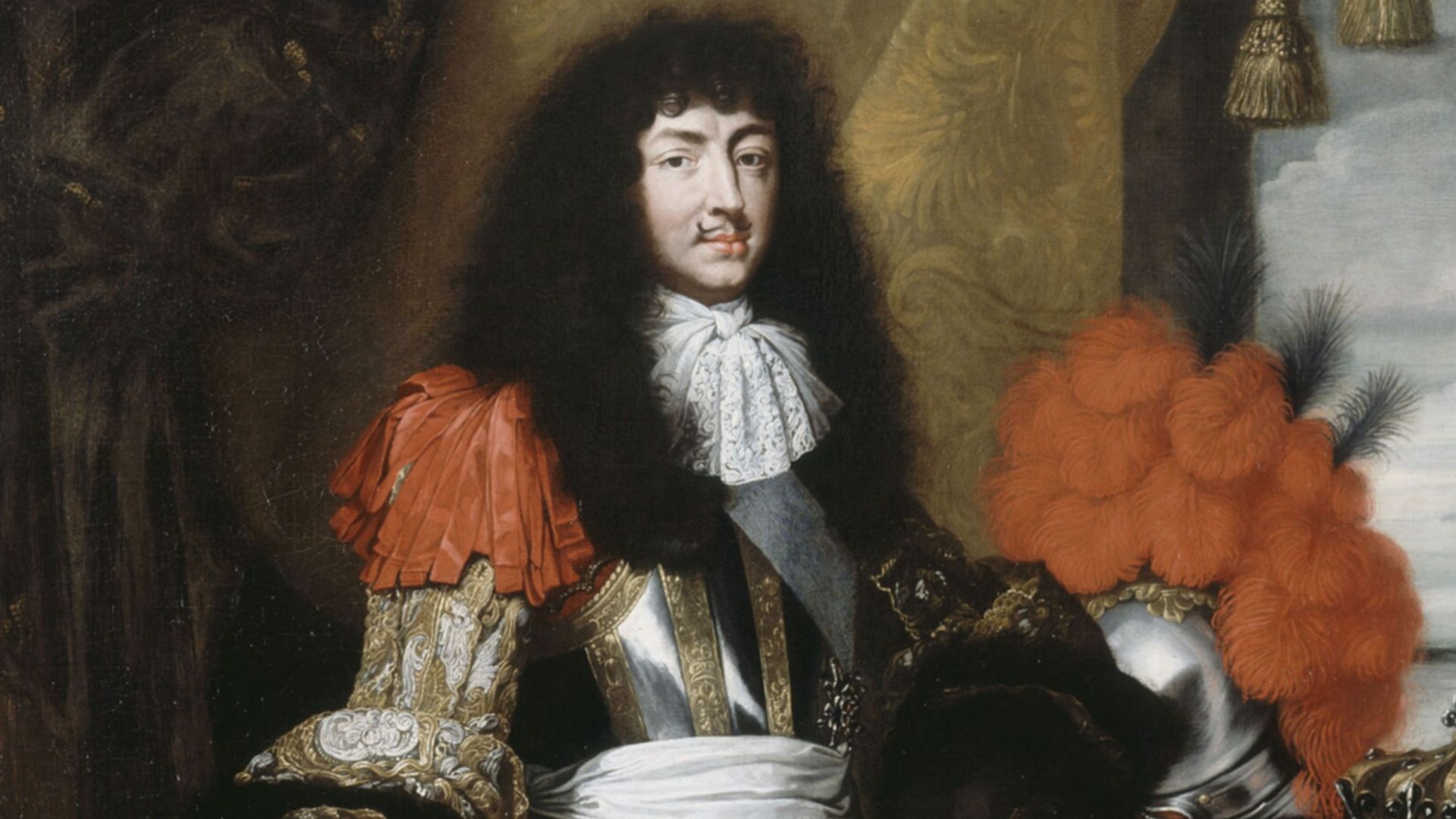
5. George Washington
America's first president was big-boned, and his face was severely scarred from various childhood diseases. Most of his trouble came from his bite—or lack thereof; his wooden teeth were made of hippo ivory and lead, causing his mouth to jut out at people. Notice his pursed lips in paintings?
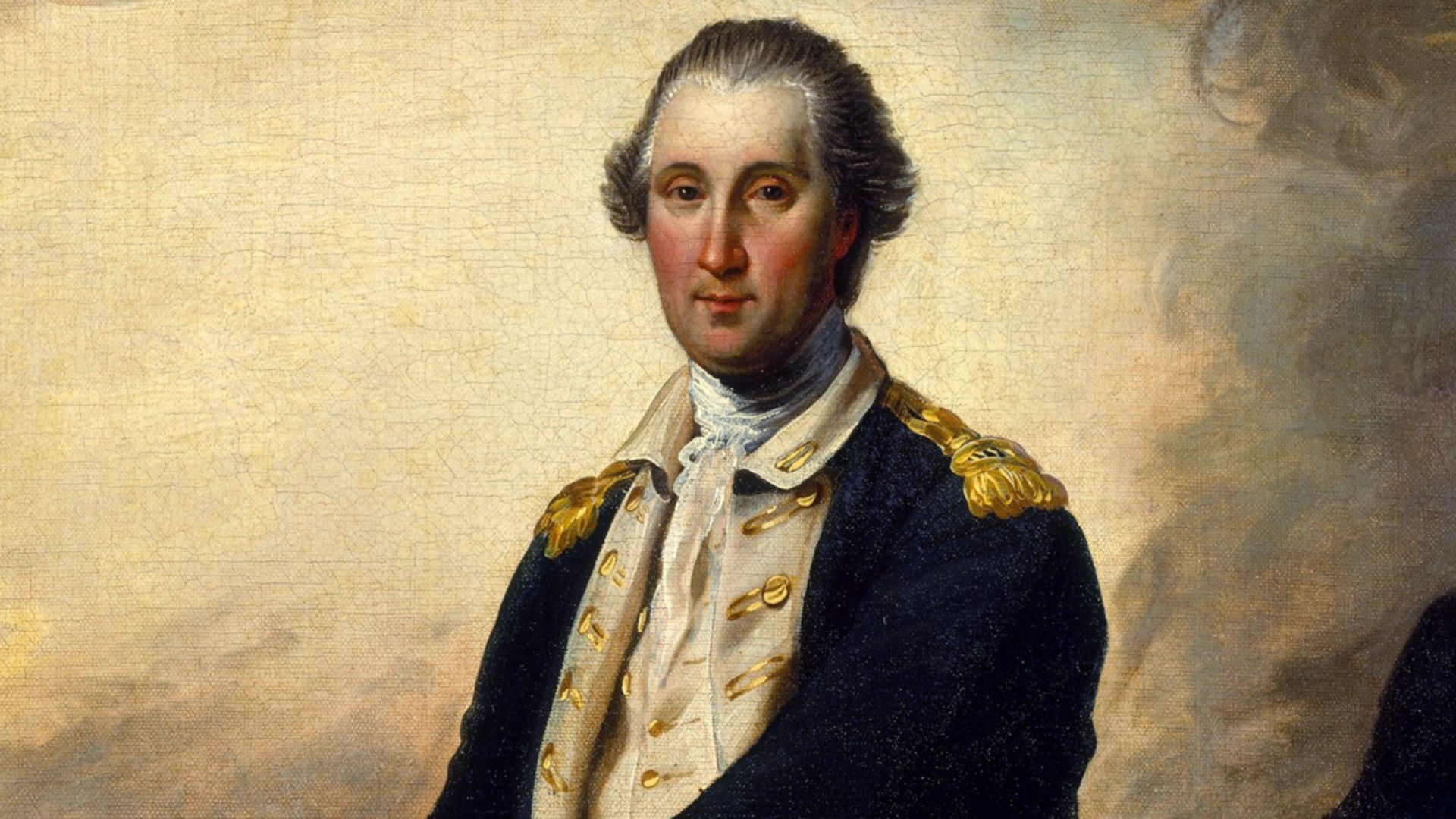
6. Beethoven
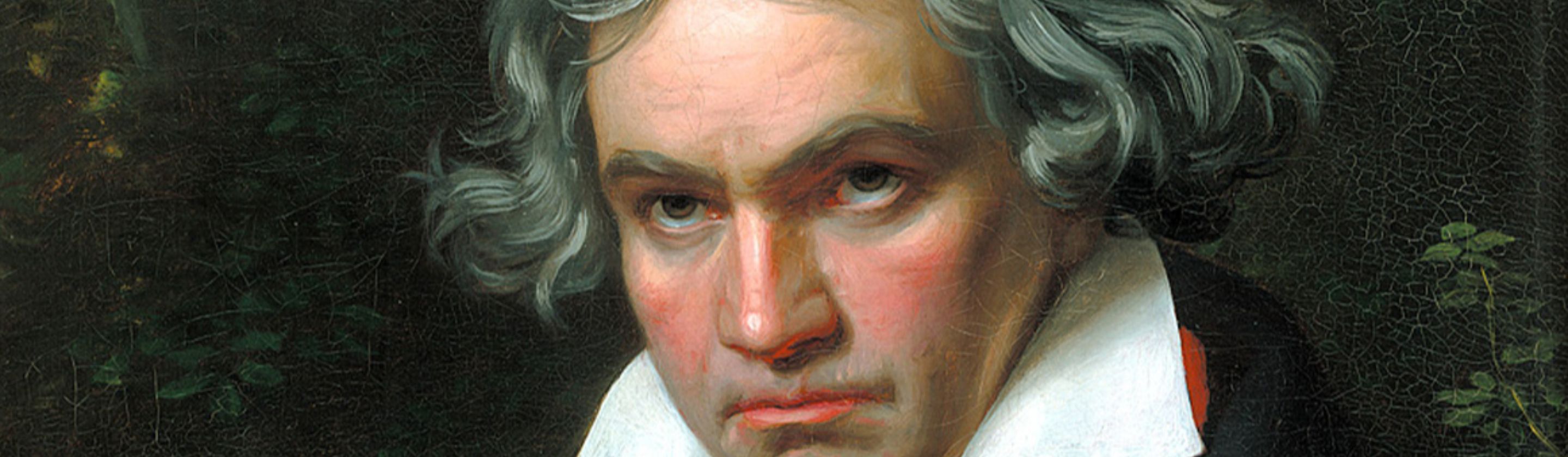
His music may have made him immortal, but Ludwig van Beethoven had a pretty grumpy mug. He had acne scars on his face and wild hair that he refused to trim or style. He often wore worn-out clothing and looked downright irritated wherever he went.
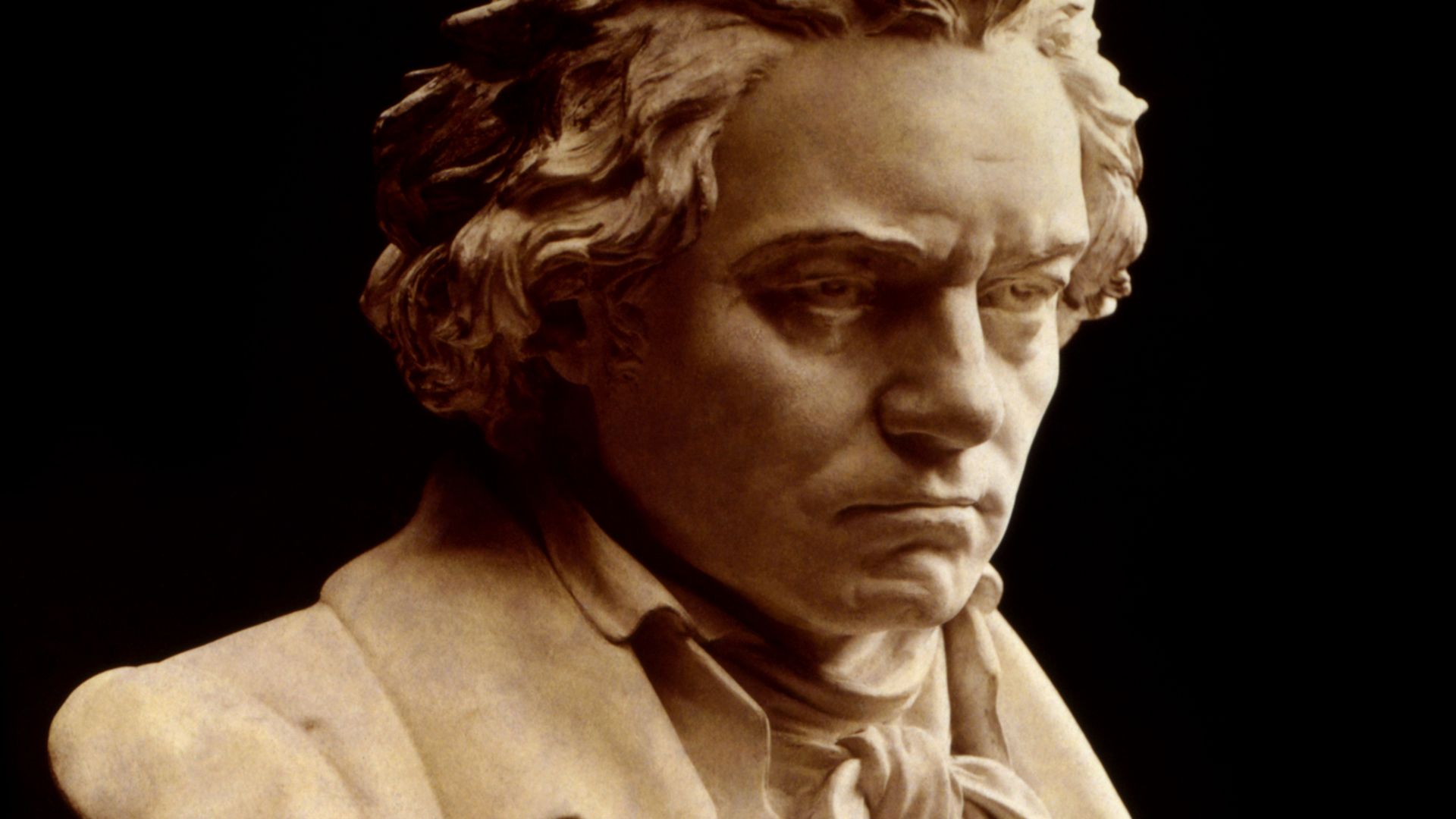 W.J. Baker (held the expired copyright on the photograph) on Wikimedia
7. Michelangelo
Michelangelo went years without bathing or changing his boots. As a young man, a competitor smashed his nose and left him self-conscious for the rest of his life. He reportedly spent more time studying his statues than looking at himself in a mirror.
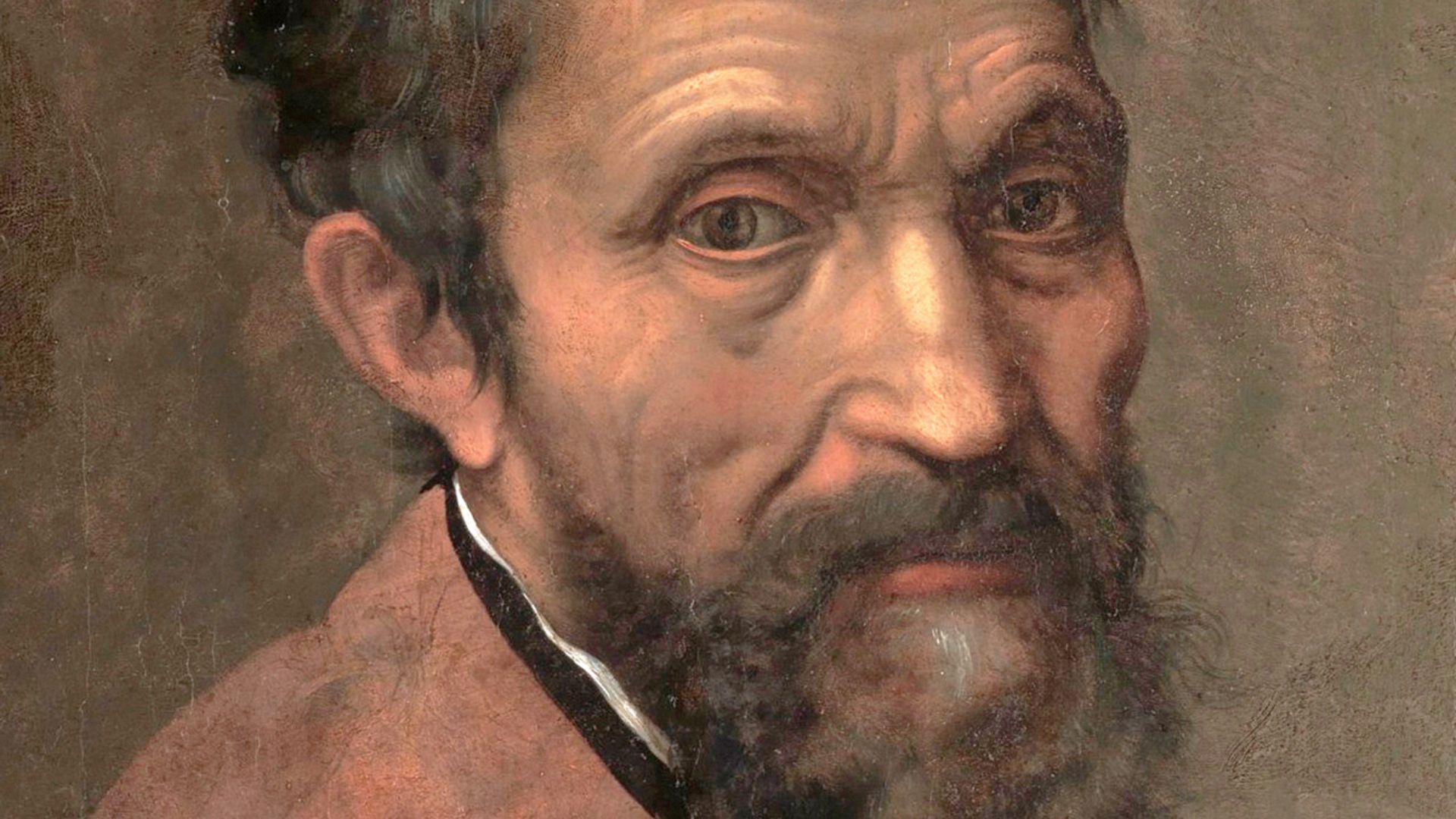 Attributed to Daniele da Volterra on Wikimedia
8. Charles II of Spain
Son of Philip II and Elizabeth of France, Charles was the last Spanish ruler of the House of Austria. The centuries of inbreeding had finally caught up to him when Charles was born with one of the worst "Habsburg jaws" recorded. His lower jaw was so prominent that he couldn't chew food properly.
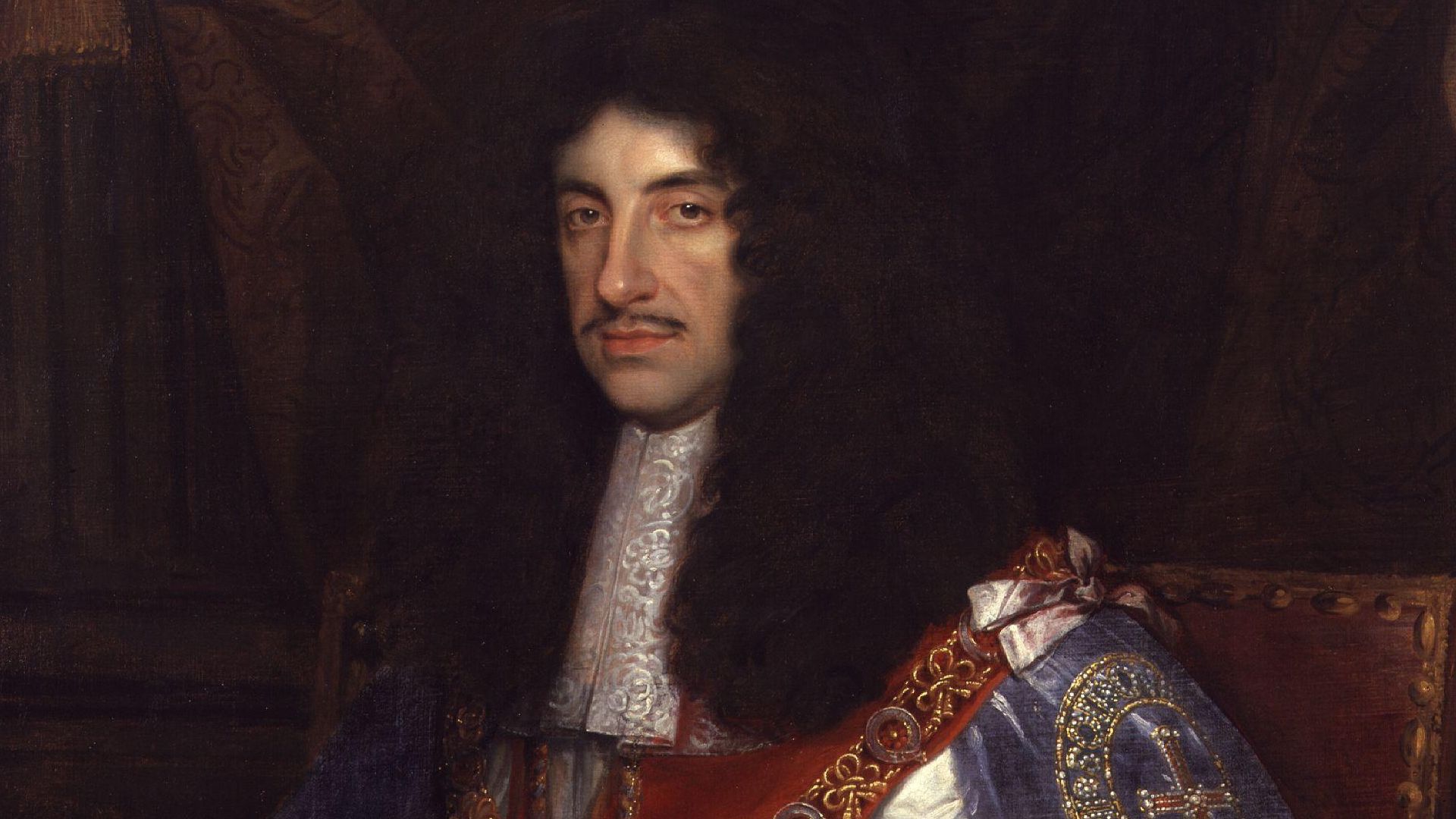 John Michael Wright on Wikimedia
9. Erasmus
Leading Dutch philosopher of the Northern Renaissance? Check. Thin lips, sharp nose, and sickle-grey eyes? Check. Despised by his peers for his bird-like appearance? Check.
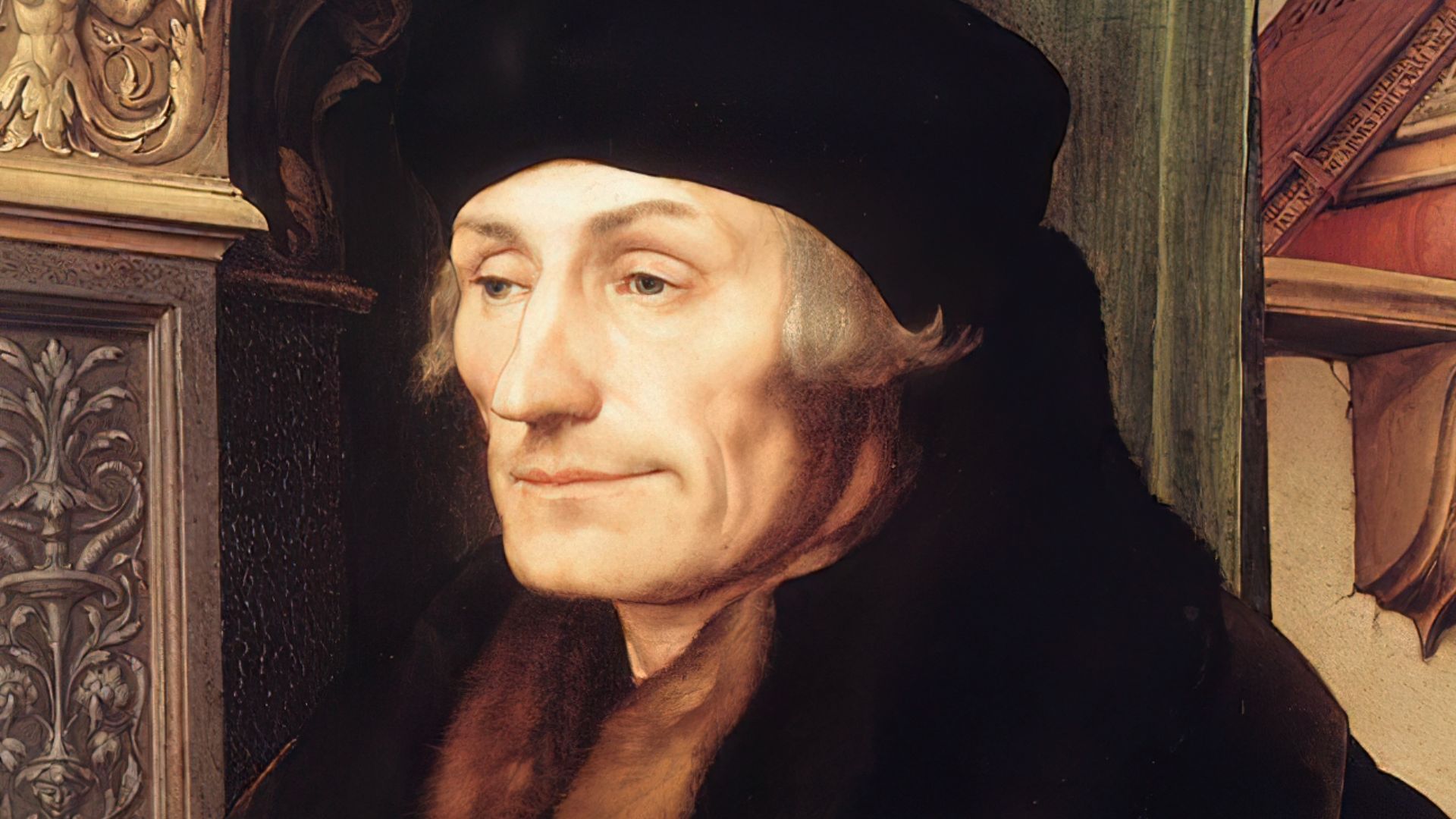 Hans Holbein the Younger on Wikimedia
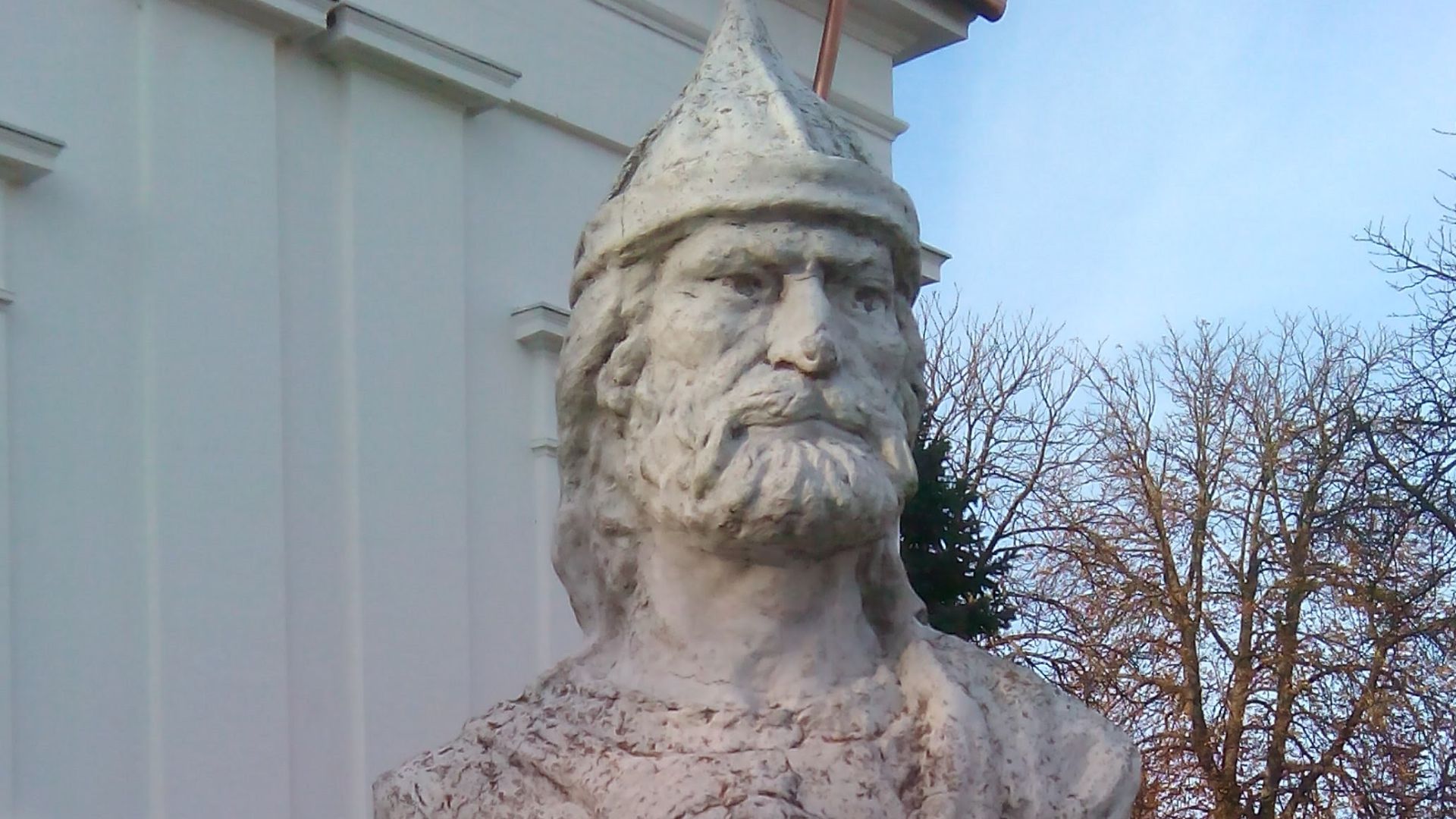
10. Attila the Hun
According to Roman historians, Attila was short with a broad chest, a wide, flat nose, and a thin beard atop an enormous head. They meant these descriptions to be insulting, but it worked out well for Attila. No one really wanted to mess with that face.
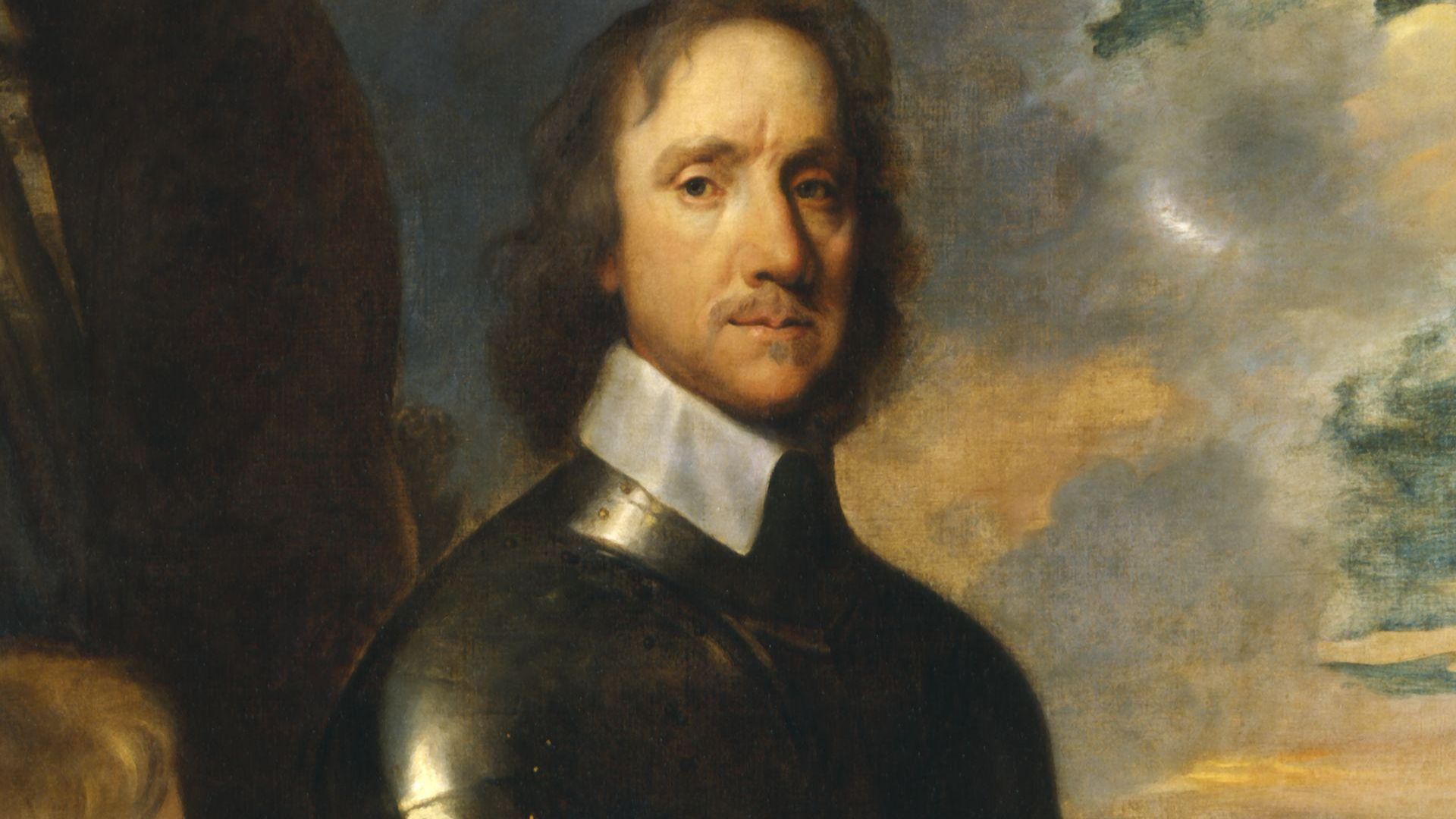
11. Oliver Cromwell
This English political leader was so adamant about his plain appearance that he demanded his portrait be painted "warts and all." He rejected the idealized style of the time because he wanted to be remembered exactly as he was, imperfections and all. His rough skin and prominent nose became symbols of his no-nonsense approach to governing.
12. Julius Caesar
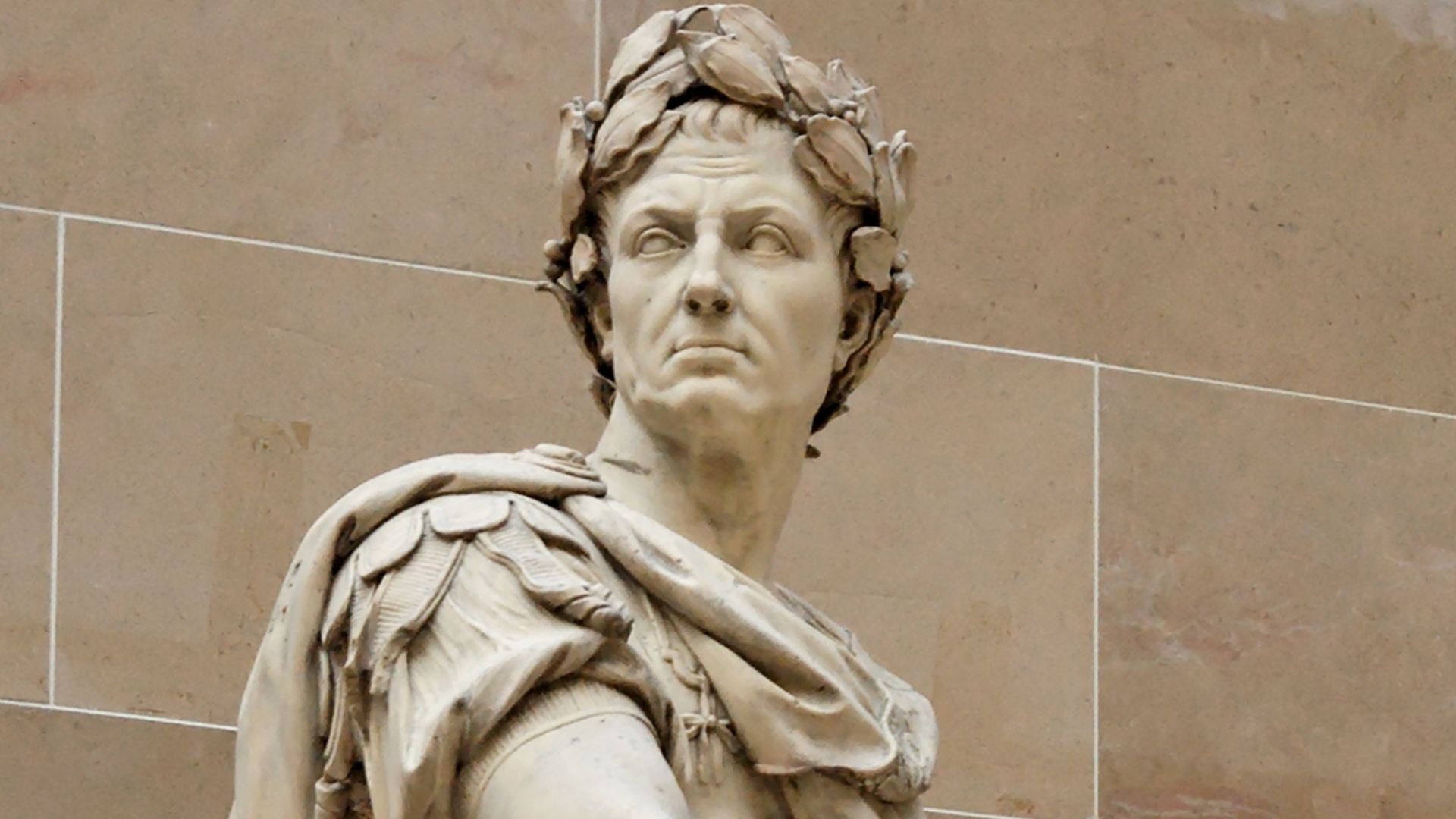
Even though he was a master of Roman politics, Caesar was incredibly sensitive about his premature balding and went to great lengths to hide it. His vanity was a well-known quirk among his peers, who found his "comb-over" attempts quite amusing. When the Senate allowed him to wear a laurel wreath at all times, he nearly jumped for joy.
13. Benjamin Franklin
Our kite-flying founder was stout of stature and famous for his balding-on-top hairline. While Franklin didn't win any beauty contests, the women of France fell madly in love with him. Perhaps charm and intelligence are the best accessories of all.
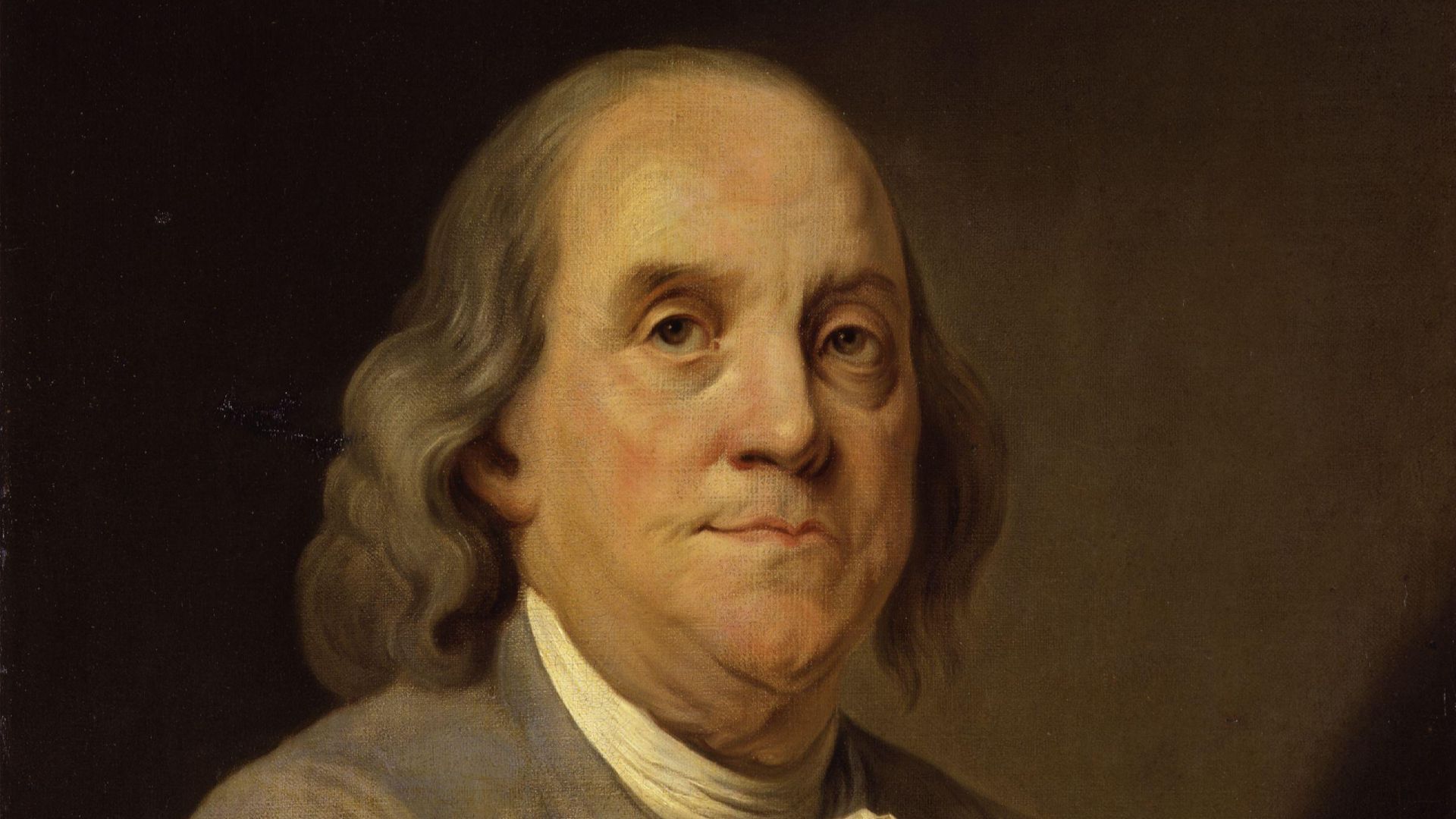 After Joseph-Siffred Duplessis on Wikimedia
14. Charlotte Brontë
The author of "Jane Eyre" was frequently described by her contemporaries as very small and having a somewhat plain, mousey appearance. She lacked the traditional beauty of the Victorian era. You can see her own experiences reflected in her famous heroines, who were valued for their spirit rather than their looks.
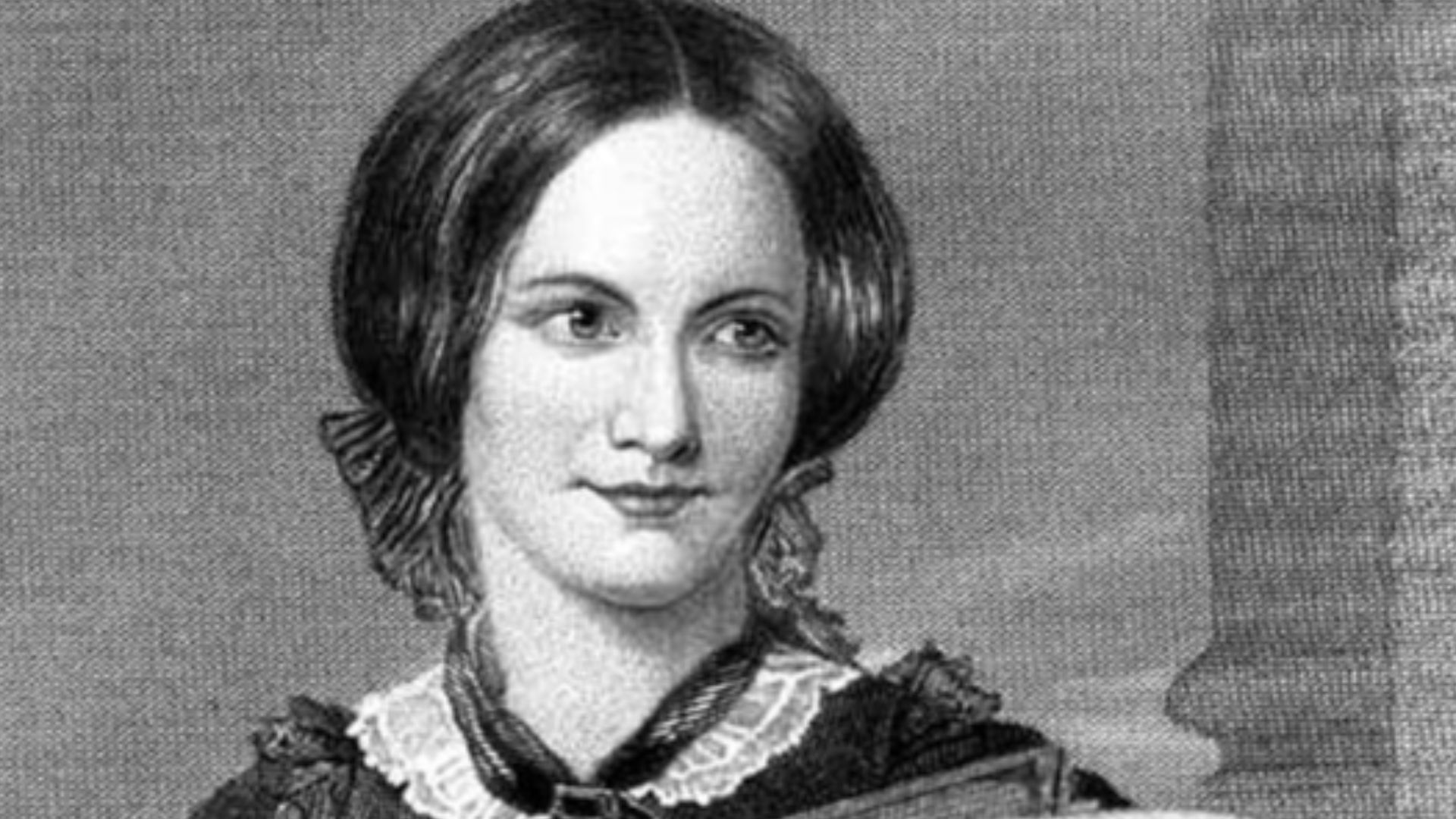 Painted by Evert A. Duyckinick, based on a drawing by George Richmond on Wikimedia
15. Samuel Johnson
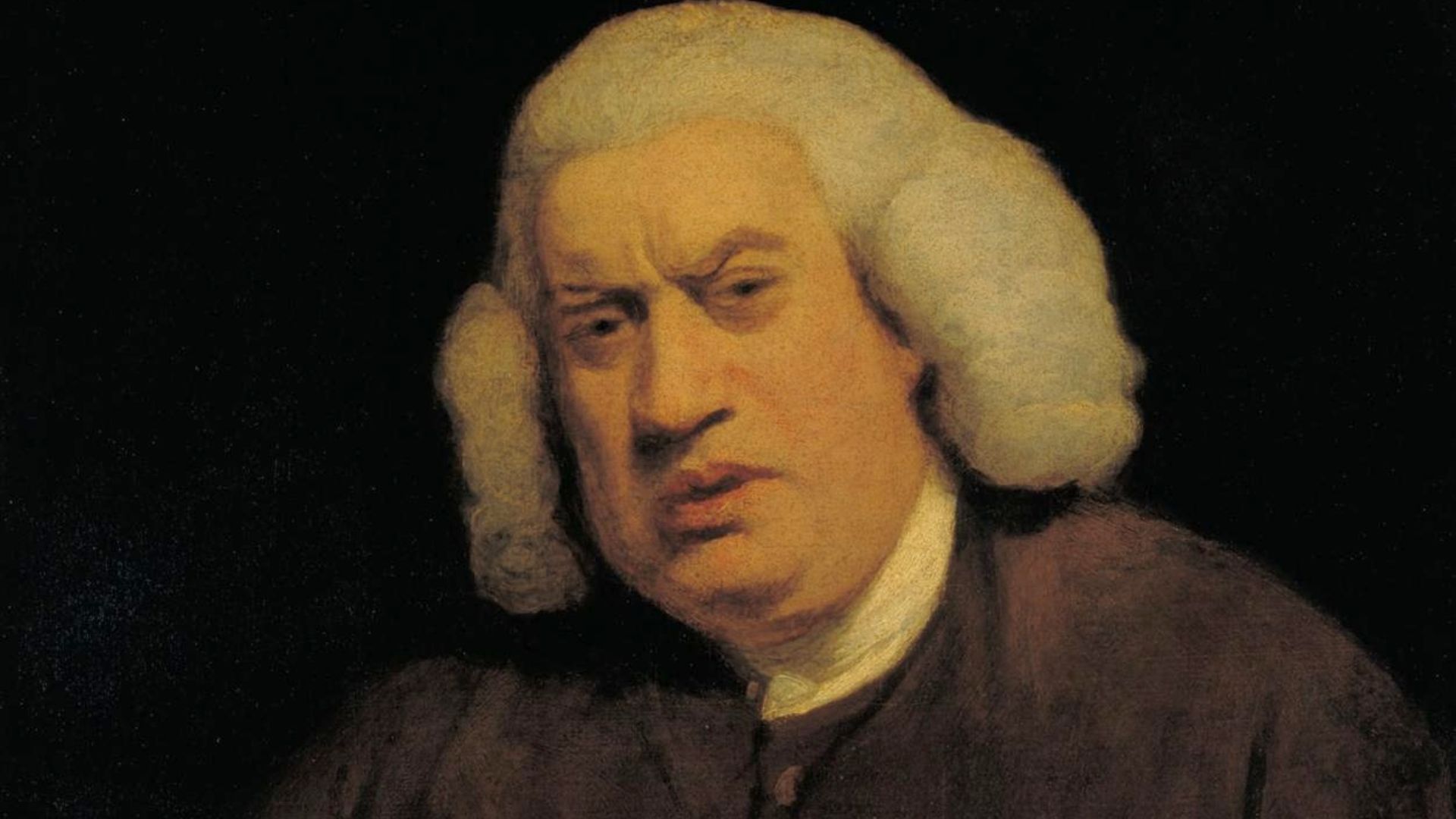
The man who wrote one of the most famous English dictionaries was a physically imposing figure with many tics and scars from childhood scrofula. A rude man by most accounts, he was known to have random outbursts of talking to himself in public. However, once he began to speak, everyone fell in love with him.
16. Leo Tolstoy
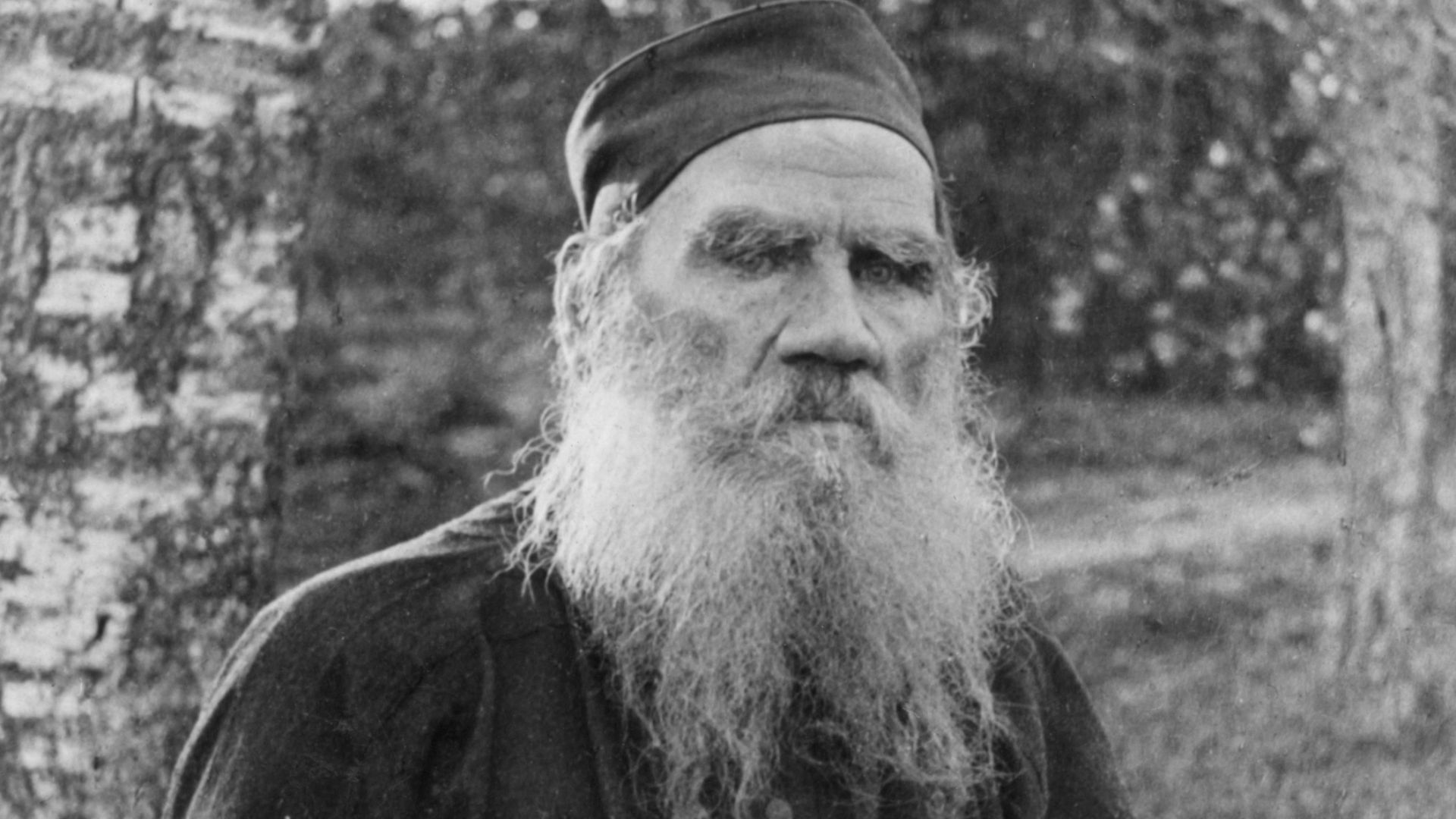
War and Peace author Leo Tolstoy had peasanty features and a large nose. In his old age, he grew a gigantic bushy beard that covered much of his face. His look came to fit his status as a philosophical guru perfectly.
17. Hans Christian Andersen
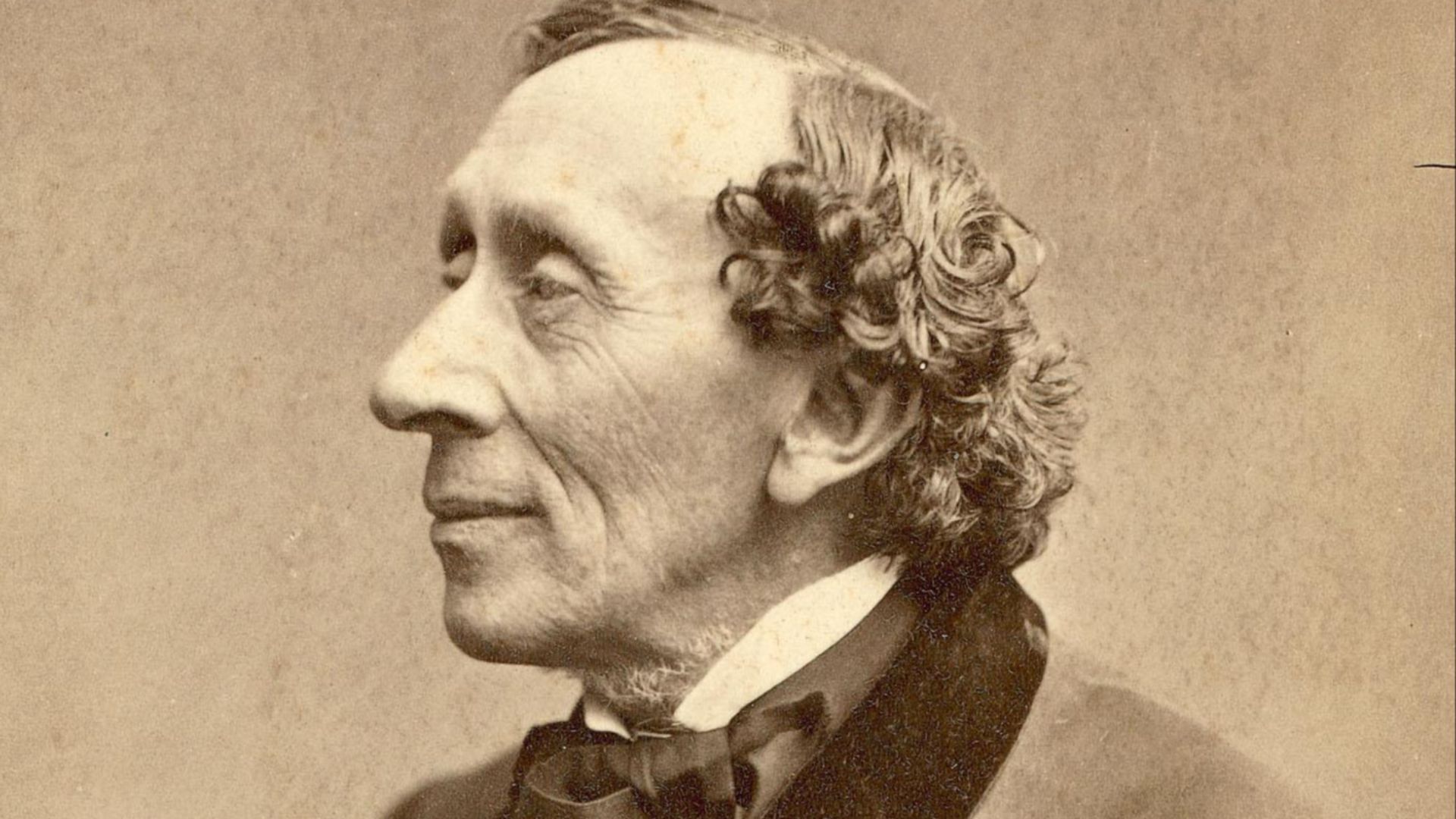
Creator of such classics as The Ugly Duckling, Andersen is said to have considered himself that ugly duckling. He was tall, thin, and rod-shaped like a sewing needle. His nose was large and intimidating, which made him painfully self-conscious.
18. Mary Todd Lincoln
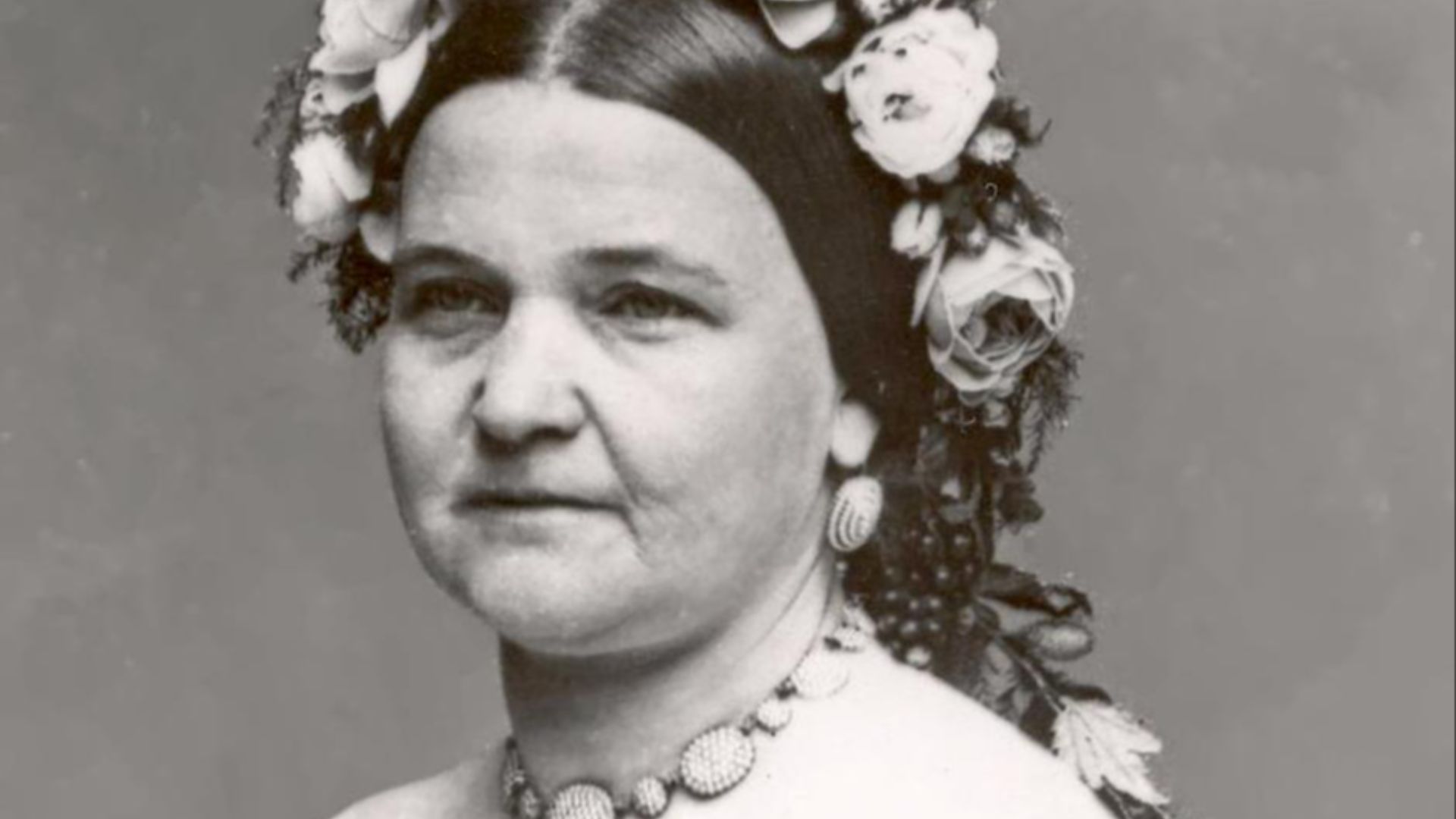
Contrary to her famous husband, Mary Lincoln was said to be short and stout. Many Washington gossip-columnists made fun of her, saying she was too "common" to be First Lady. Her fashion choices were also said to be tacky and cheap-looking.
 Mathew Benjamin Brady on Wikimedia
19. Marquis de Sade
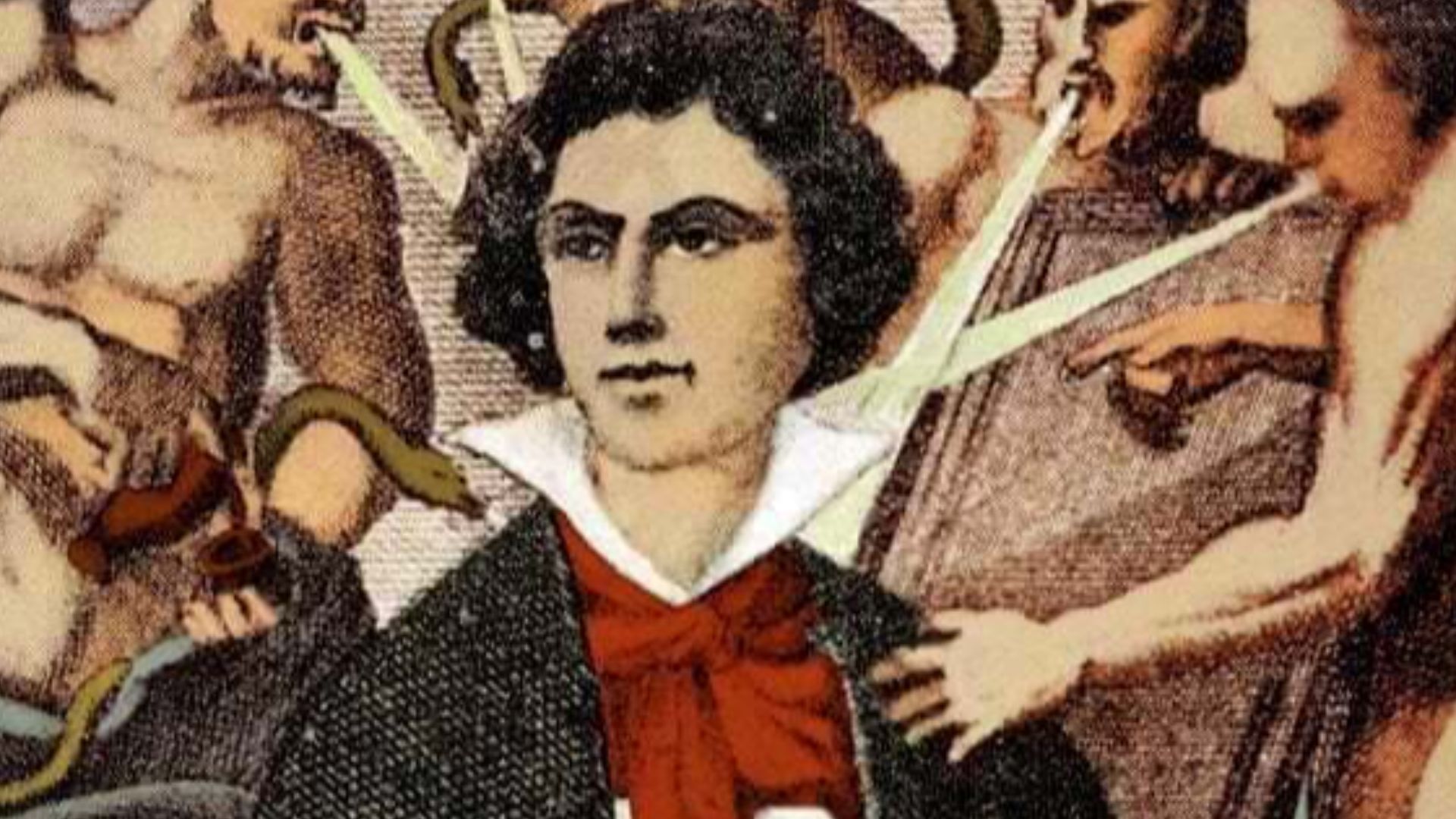
This controversial French nobleman was described in his later years as being extremely overweight, with a face that had lost all its youthful definition. His physical decline was a result of many years spent in prison. He became a figure that people found both fascinating and repulsive, much like the scandalous stories he wrote.
20. Eleanor Roosevelt
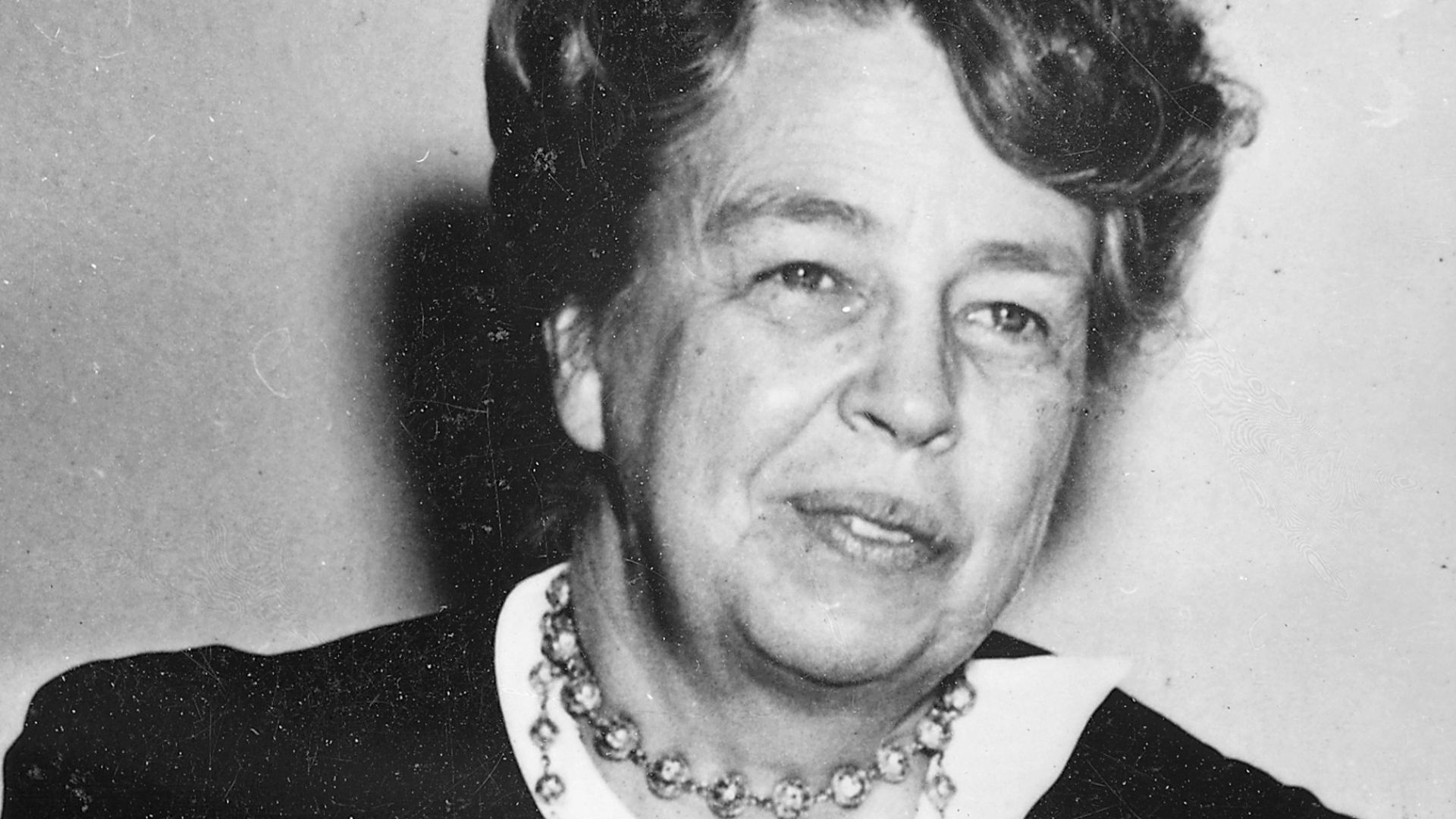
Madame Roosevelt once called herself the "ugly duckling" of her family. Her mother actually told her this before she grew into her beautiful self. Eleanor may not have been a glamorous First Lady, but she was an amazing humanitarian.