Beauty Has Never Stayed The Same
Ideas about attractiveness have changed dramatically depending on the time, place, social class, and cultural values involved. Features that people now try to hide were once deliberately emphasized, while some admired looks required uncomfortable clothing, dangerous cosmetics, or hours of preparation. These 20 beauty standards from different eras that would surprise people today show that appearance trends have always reflected much more than personal taste.

1. High Foreheads In Renaissance Europe
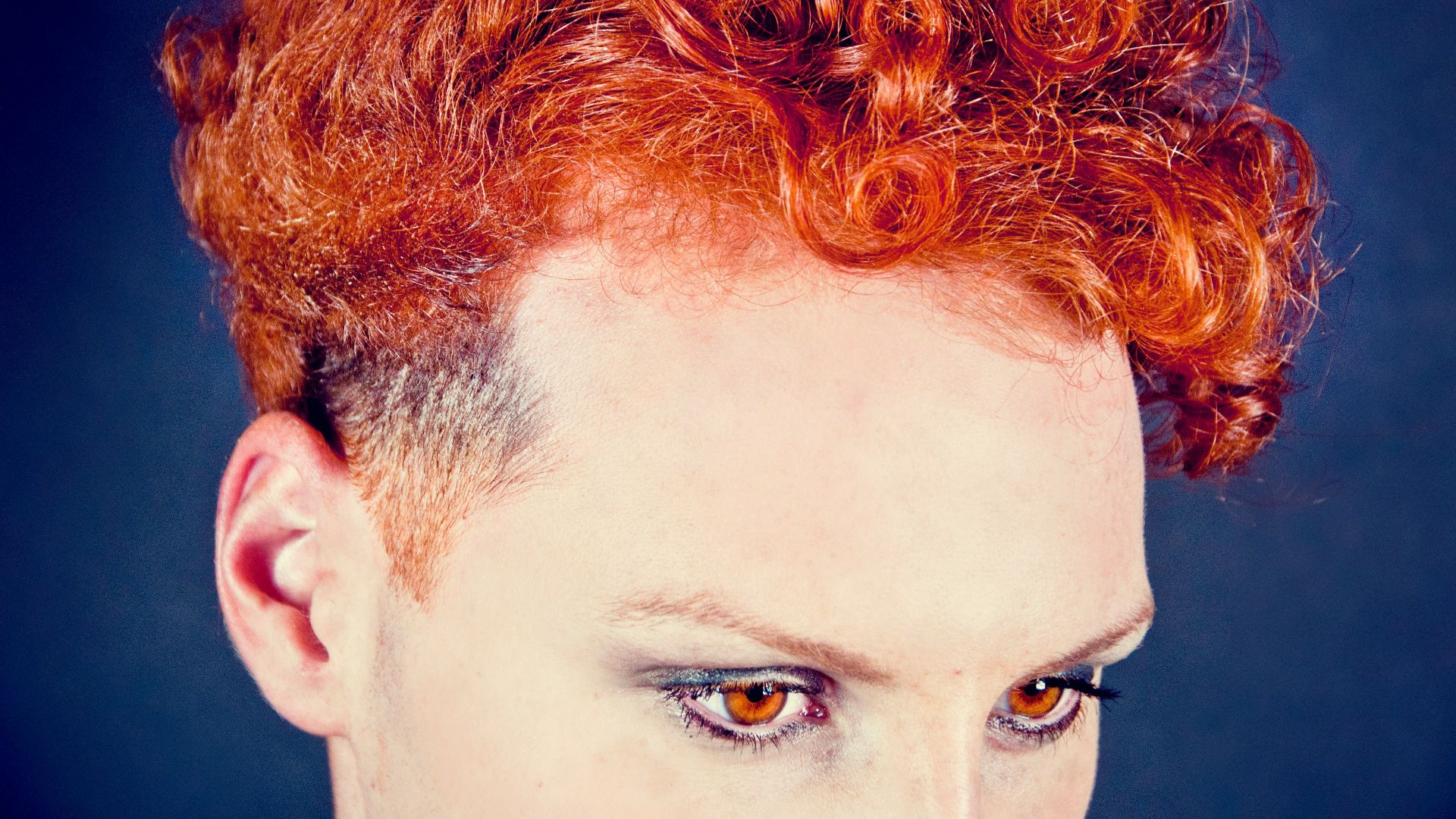
Women in parts of Renaissance Europe often considered a high, rounded forehead elegant and aristocratic. Some removed hair along the natural hairline to make the forehead appear larger, and eyebrows could be thinned for the same effect.
 Emiliano Vittoriosi on Unsplash
2. Blackened Teeth In Japan
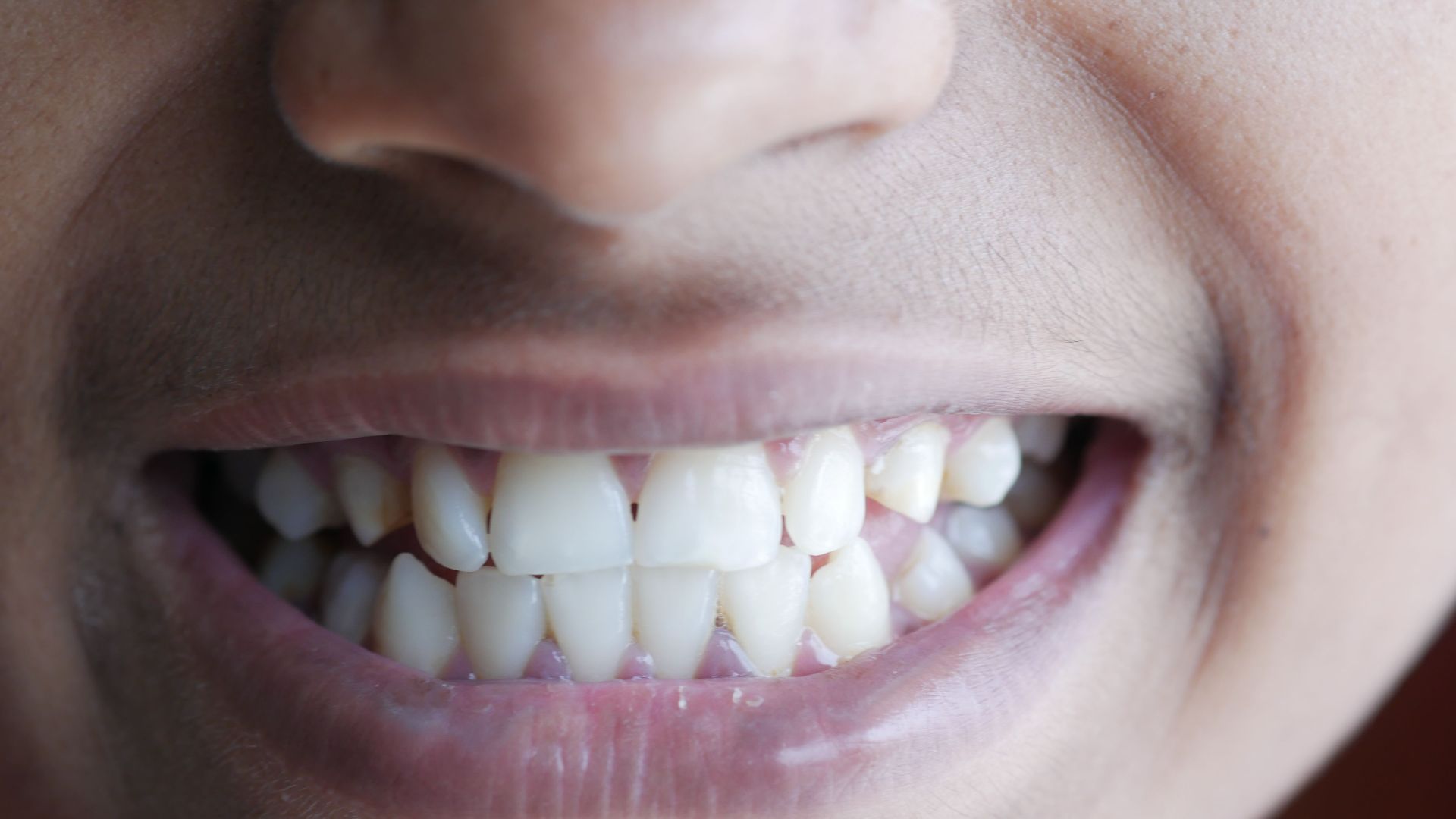
For centuries, some married women and members of elite society in Japan practiced ohaguro, which involved dyeing the teeth black. The dark coating was associated with maturity, beauty, and social status, and it may also have helped protect teeth from decay.
3. Pale Skin In Ancient Rome
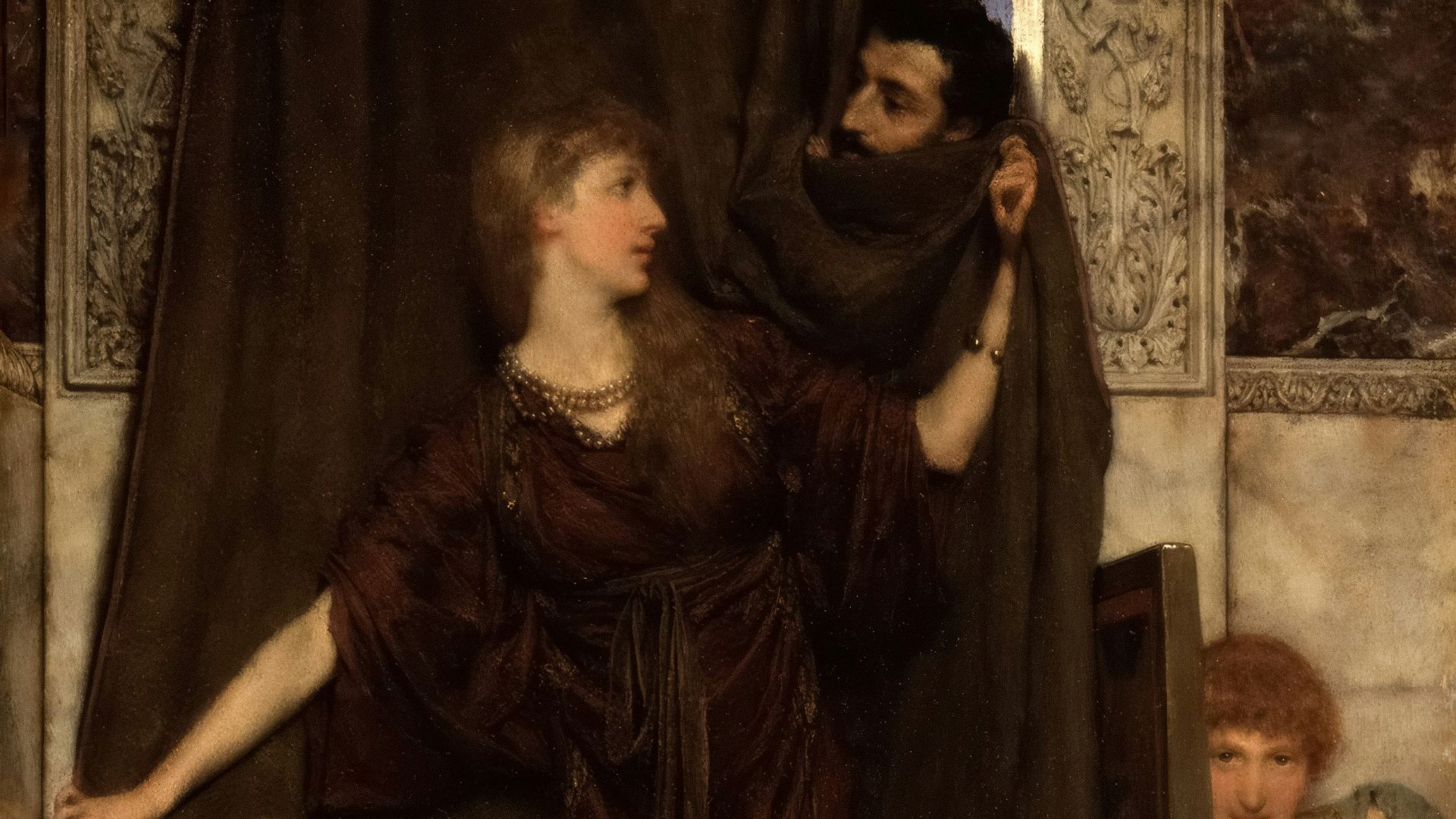
Upper-class Roman women often preferred very pale complexions because lighter skin suggested that a person didn’t work outdoors. Unfortunately, lead-based preparations were toxic, making this beauty practice far more dangerous than its users understood.
 The Walters Art Museum on Unsplash
4. Plucked Eyebrows In Medieval Europe
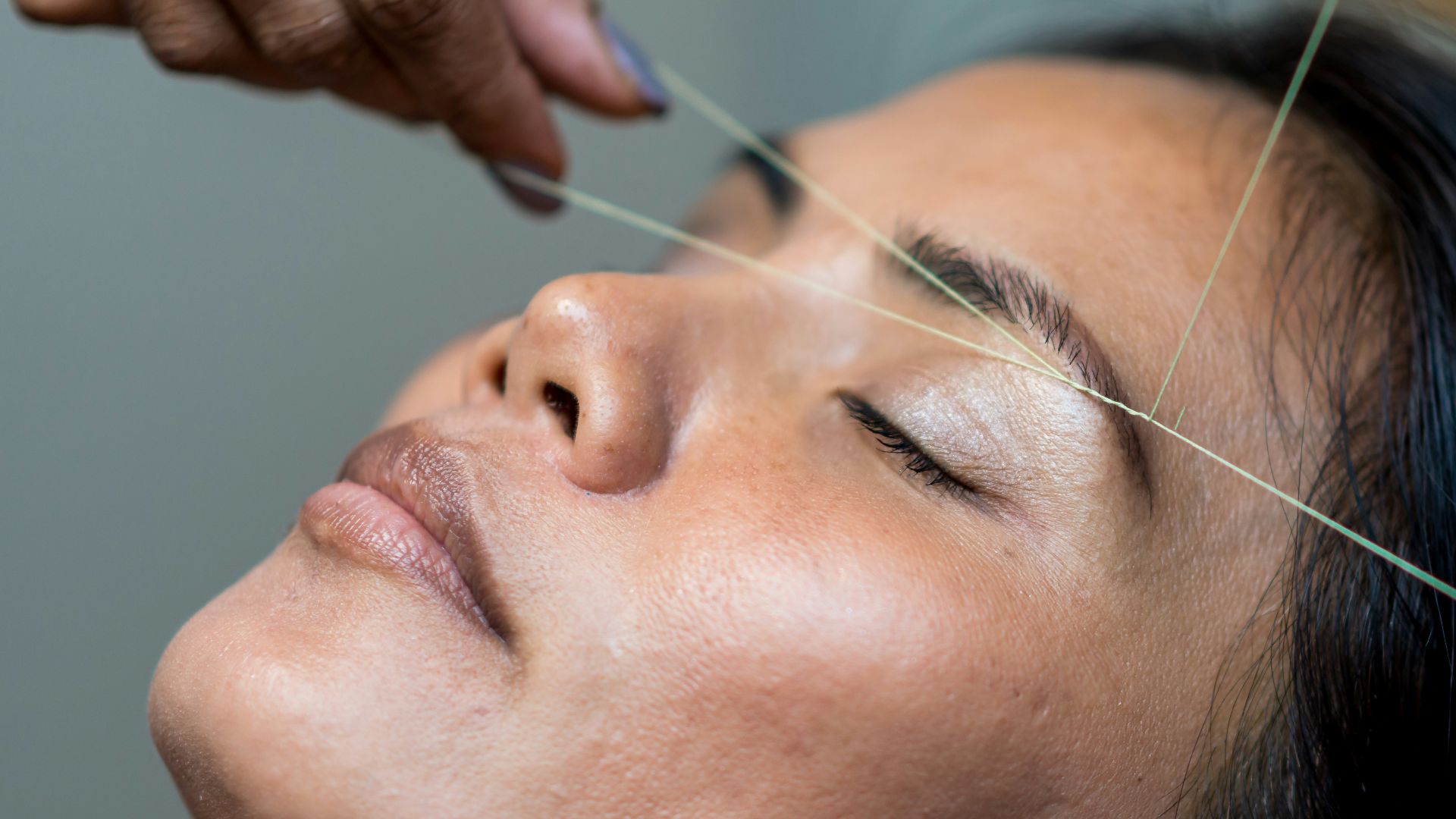
During parts of the Middle Ages, fashionable European women sometimes removed most or all of their eyebrows. A smooth forehead and barely visible brows were associated with refinement, particularly in elite circles. Modern beauty routines usually focus on shaping, filling, or thickening eyebrows rather than making them disappear.
5. Rounded Bodies In Renaissance Italy
Many Renaissance paintings celebrated women with soft stomachs, rounded hips, and fuller figures. This appearance could suggest fertility, prosperity, and access to plentiful food at a time when shortages were common.

6. Small Feet In Imperial China
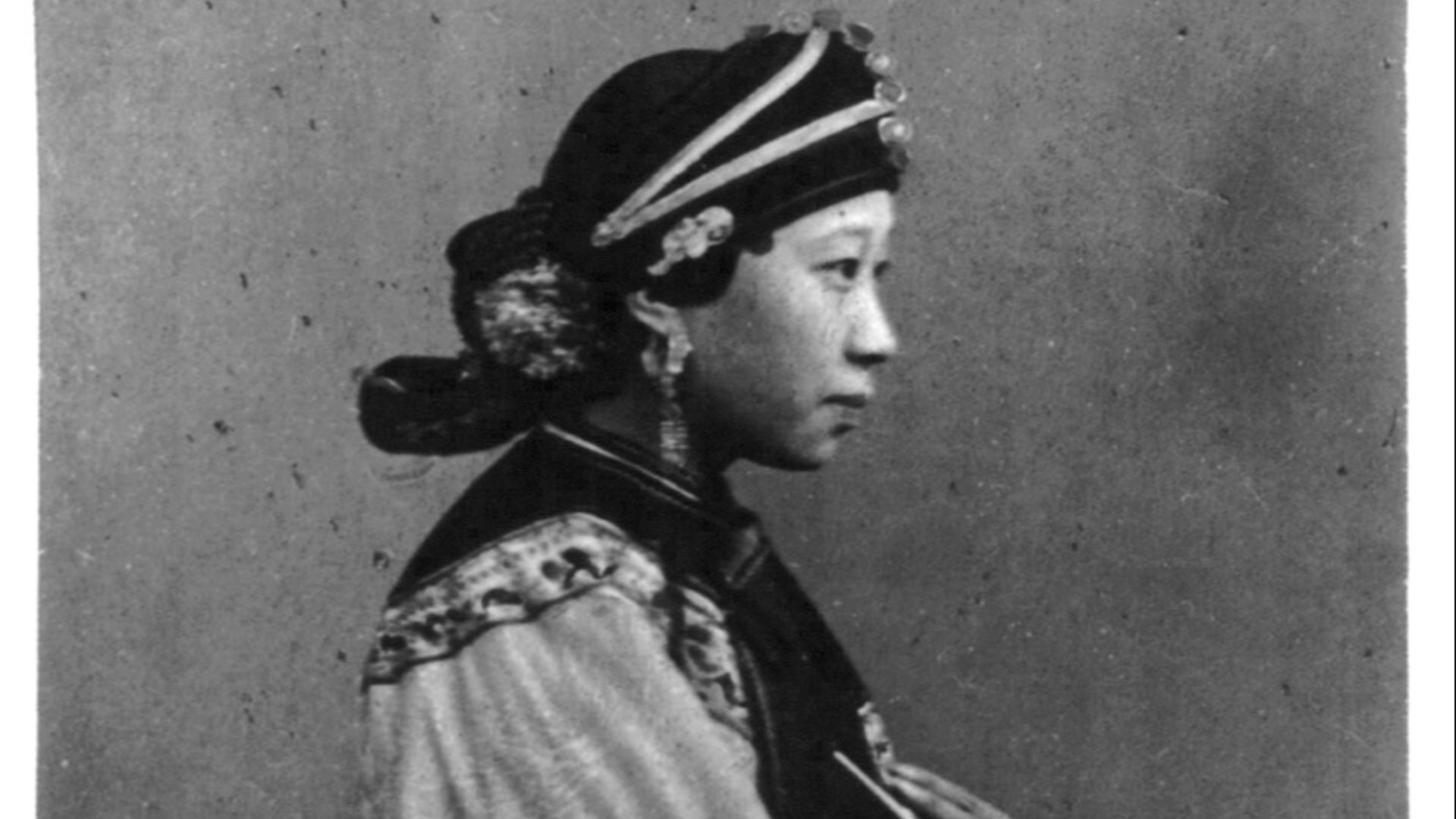
Foot binding began among elite women in China and eventually spread to other social groups, with extremely small feet becoming associated with beauty and status. Girls’ feet were tightly wrapped from childhood to alter their growth and create the desired shape.
 Thomson, J. (John), 1837-1921, photographer. on Wikimedia
7. Lead-Based Makeup In Elizabethan England
A pale face was highly fashionable among wealthy women in Elizabethan England, partly because it signaled that they avoided outdoor labor. Some used a white cosmetic made with lead and vinegar, applying it repeatedly despite the damage it could cause. The mixture could irritate skin, contribute to hair loss, and lead to chronic poisoning.
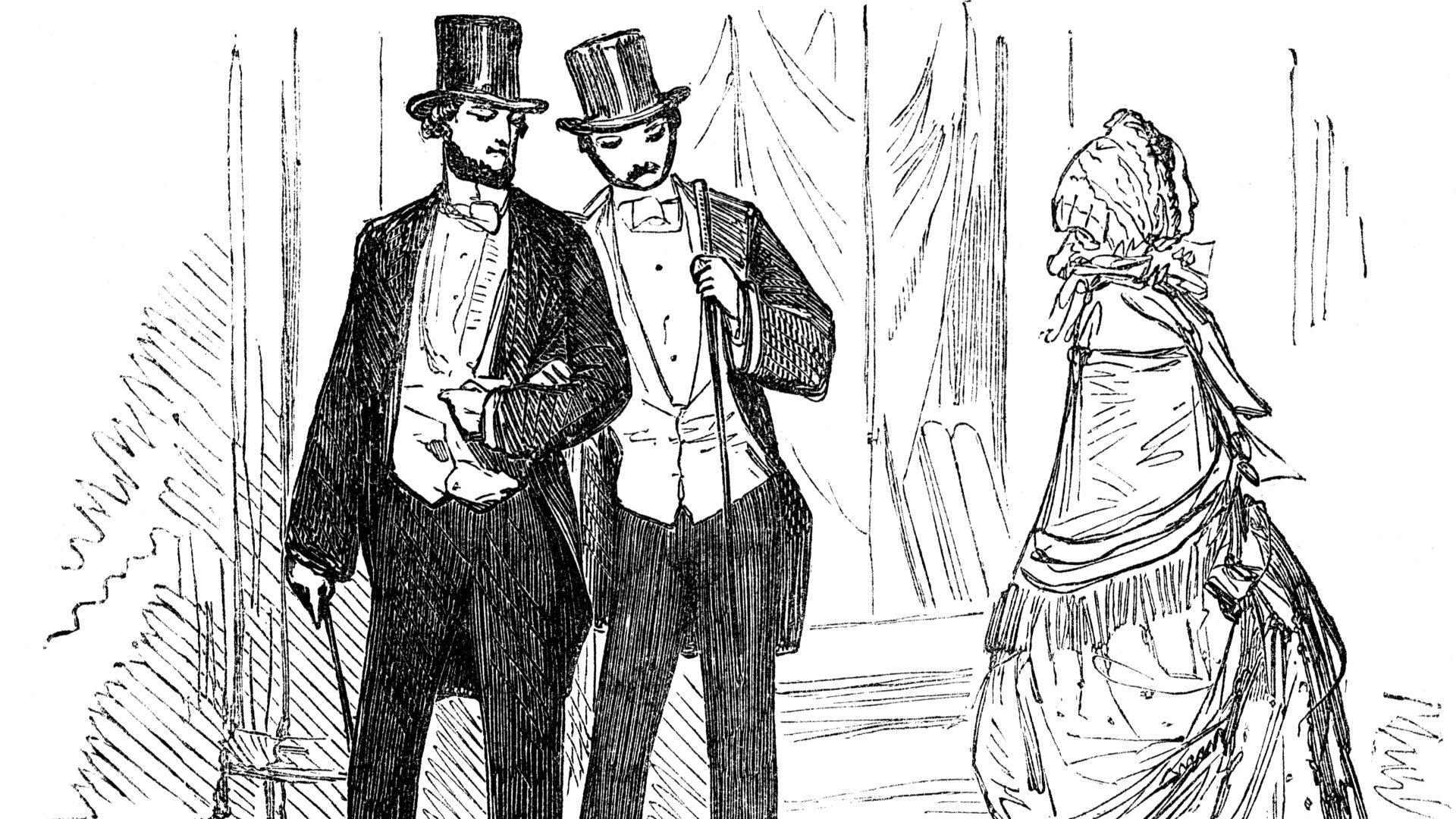
8. Tiny Waists In The Victorian Era
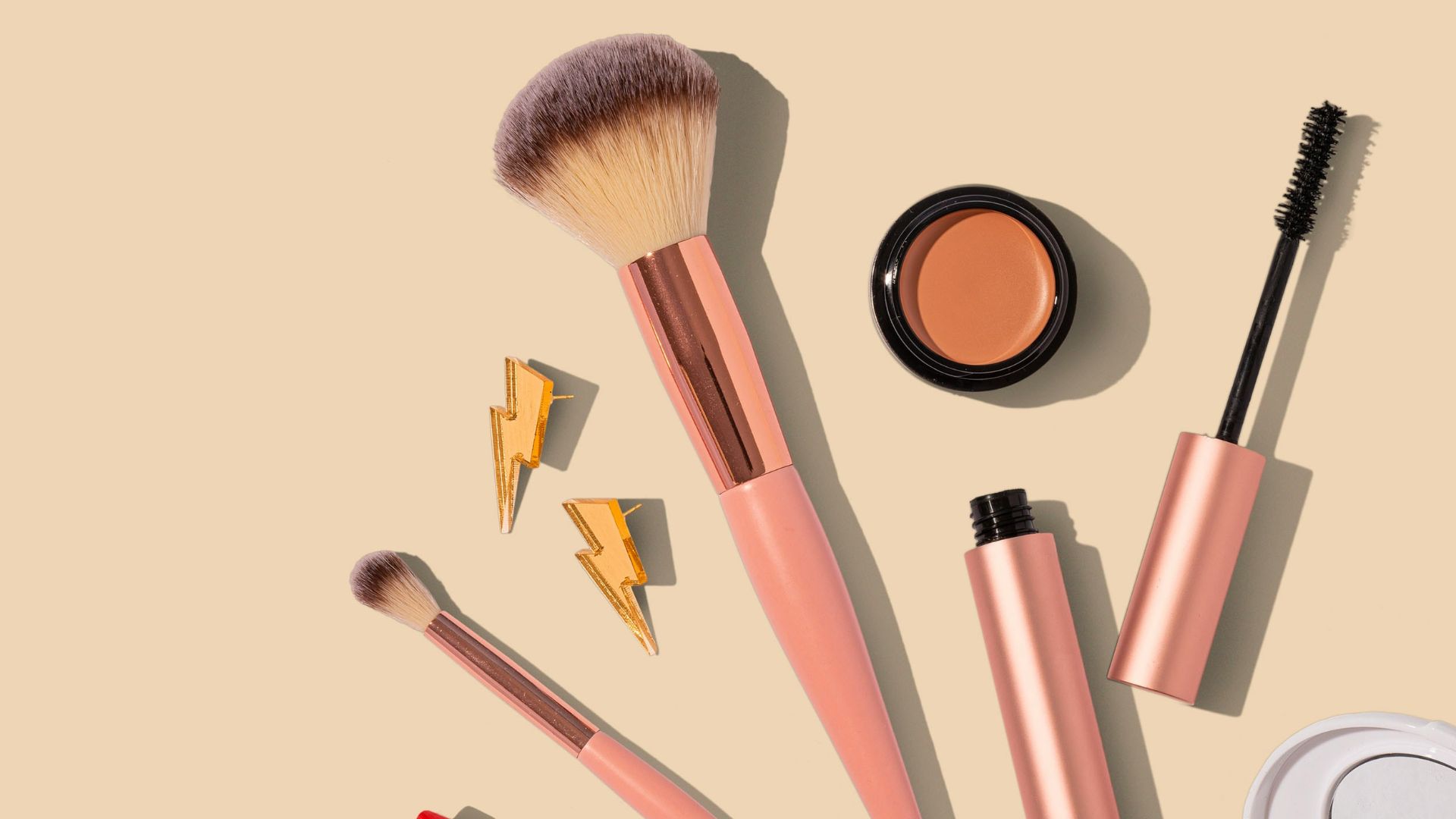
Victorian fashion encouraged an hourglass shape, and tightly laced corsets helped create a dramatically narrow waist beneath structured clothing. The overall silhouette mattered as much as the woman’s natural body shape.
 AnonymousUnknown author on Wikimedia
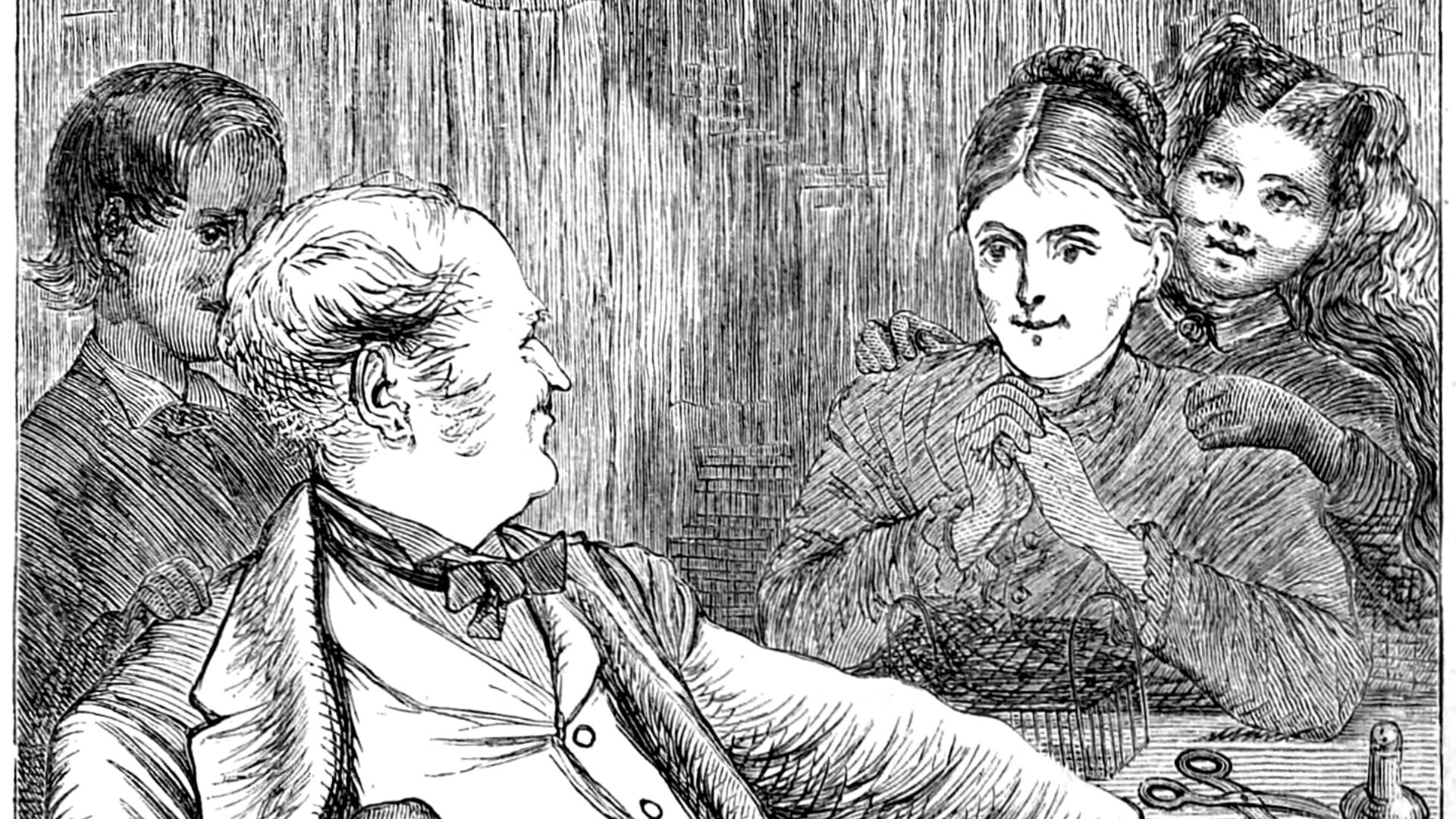
9. Full Figures In The Gilded Age
During the late 19th century, a fuller female figure was often connected with health, wealth, and social success. Actress Lillian Russell became famous partly for embodying this fashionable appearance. At a time when food insecurity remained common, carrying extra weight could communicate comfort and financial security rather than poor health habits.
 Mark Twain and Charles Dudley Warner on Wikimedia
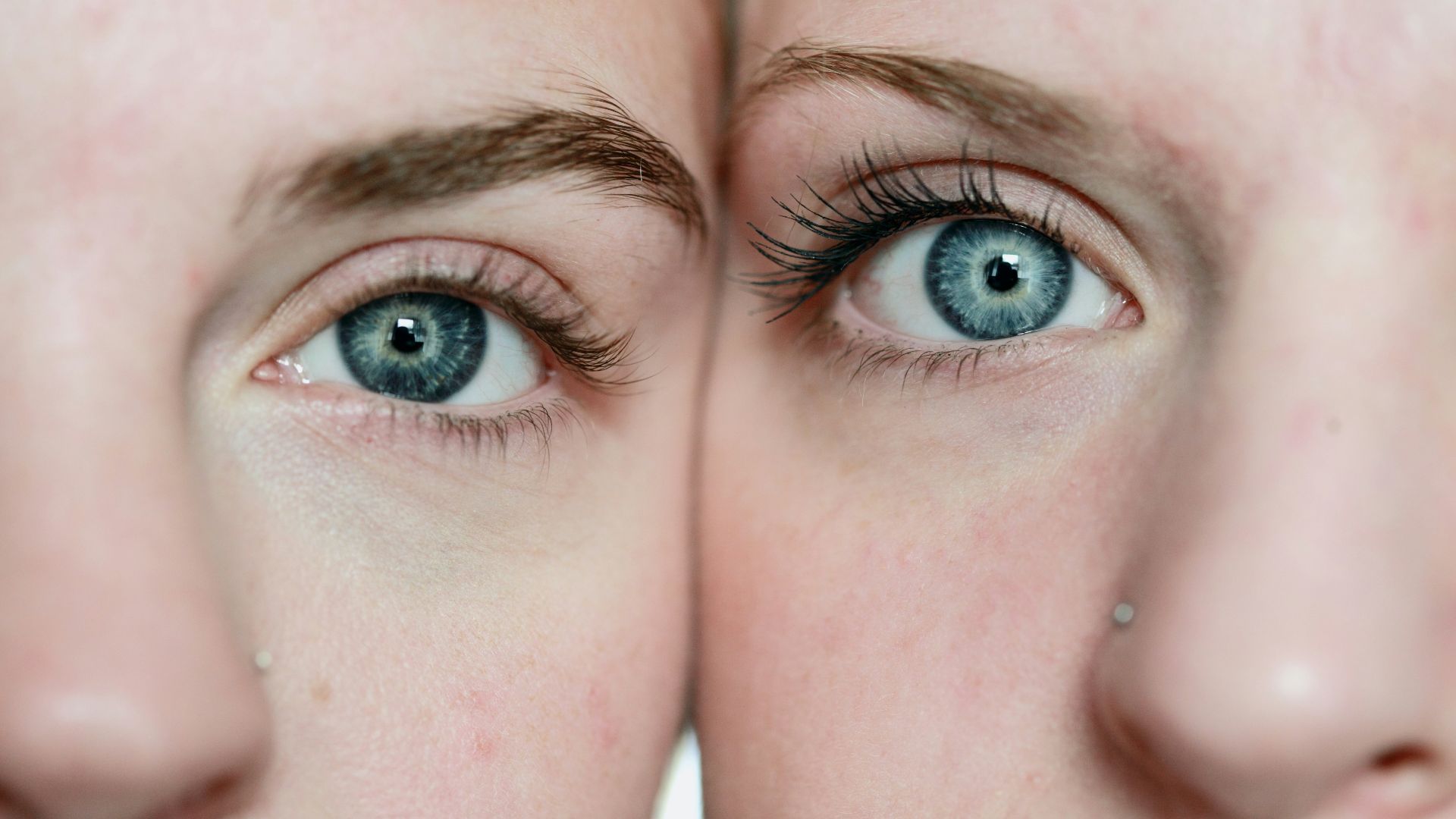
10. Extremely Thin Eyebrows In The 1920s
Women in the 1920s often plucked their eyebrows into thin, curved lines that extended toward the temples. The style complemented bobbed hair, dark eye makeup, and the expressive appearance popularized by silent-film stars. It later returned in modified form during the 1930s and again near the end of the 20th century.
11. Sunken Cheeks In The 1930s
Some fashionable women during the 1930s sought a mature, sculpted face with defined cheekbones and slightly hollow cheeks. Makeup artists used shading techniques to create sharper contours, particularly for film and photography.
12. Pointed Breasts In The 1950s
Structured bras in the 1950s created a noticeably pointed shape beneath sweaters and fitted dresses. The silhouette became closely associated with glamorous actresses and advertising images of the period.
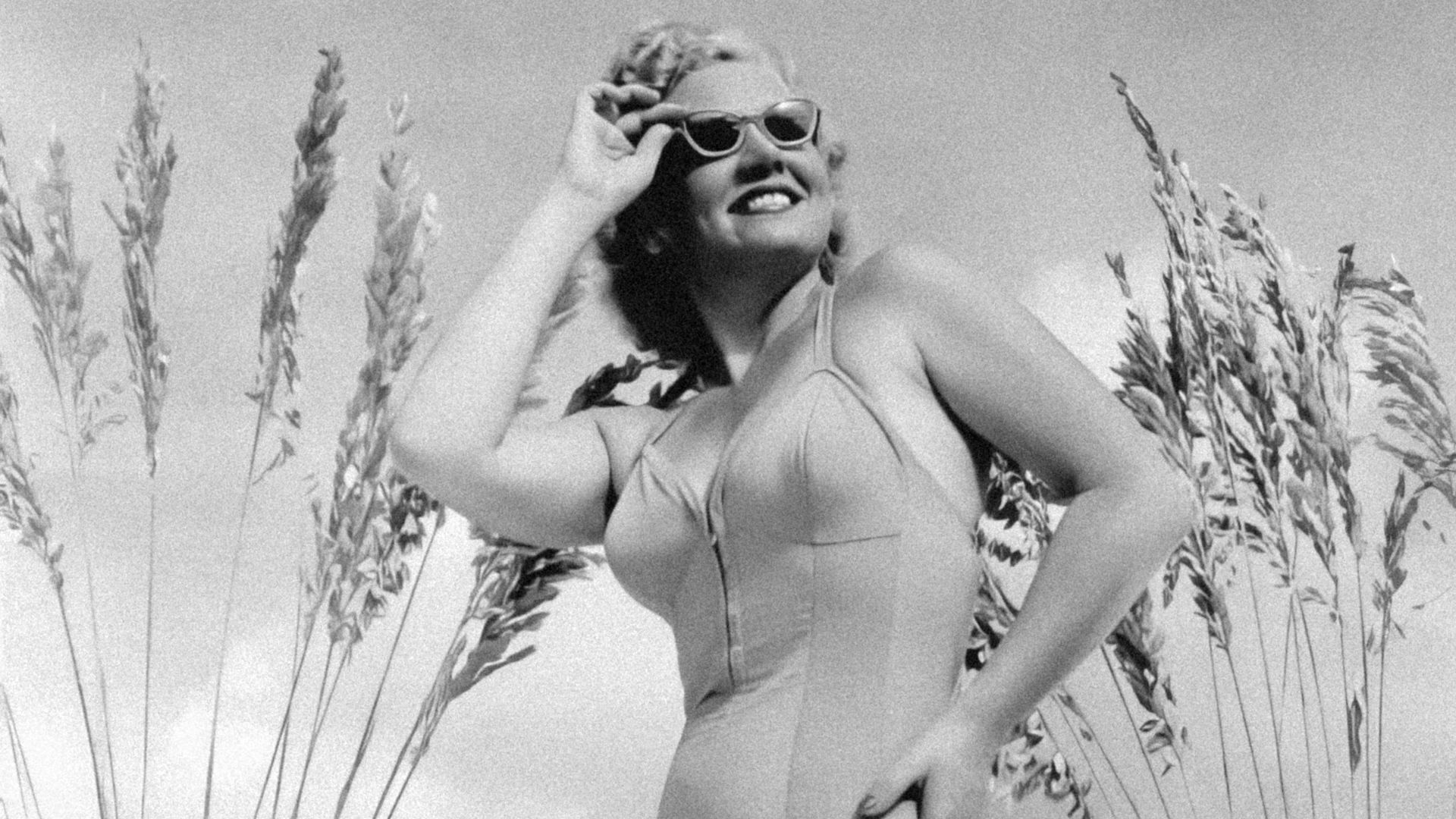
13. Very Pale Lips In The 1960s
The dramatic eye makeup of the 1960s was often paired with lips covered in pale pink, beige, or nearly white lipstick. Some women even applied concealer or foundation to reduce their natural lip color.
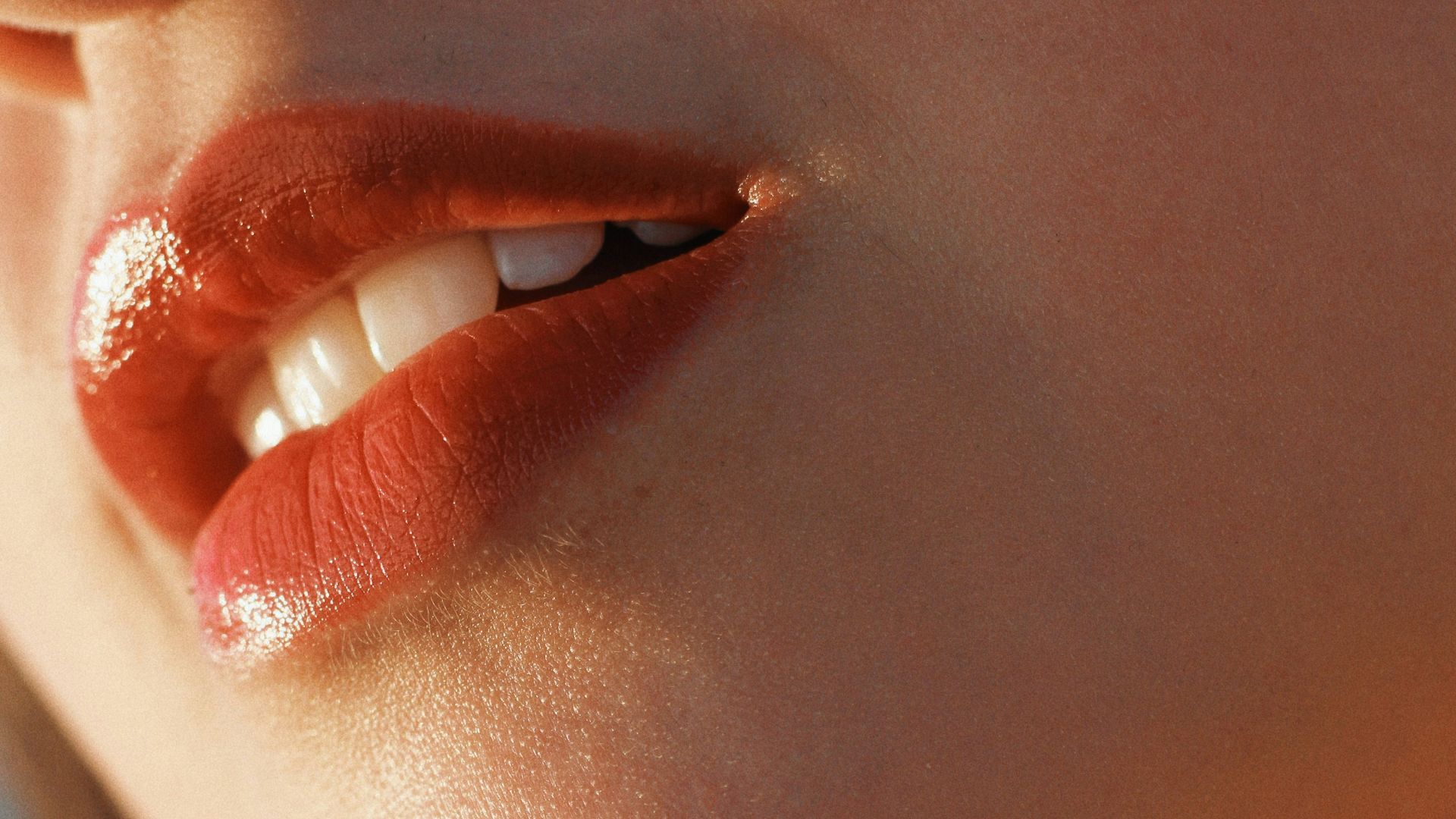
14. Extremely Thin Bodies In The 1960s
Models such as Twiggy helped popularize a narrow, youthful frame that contrasted with the fuller hourglass ideal of the previous decade. Fashion designers increasingly created clothing for straighter body shapes, and magazines promoted the new silhouette widely.
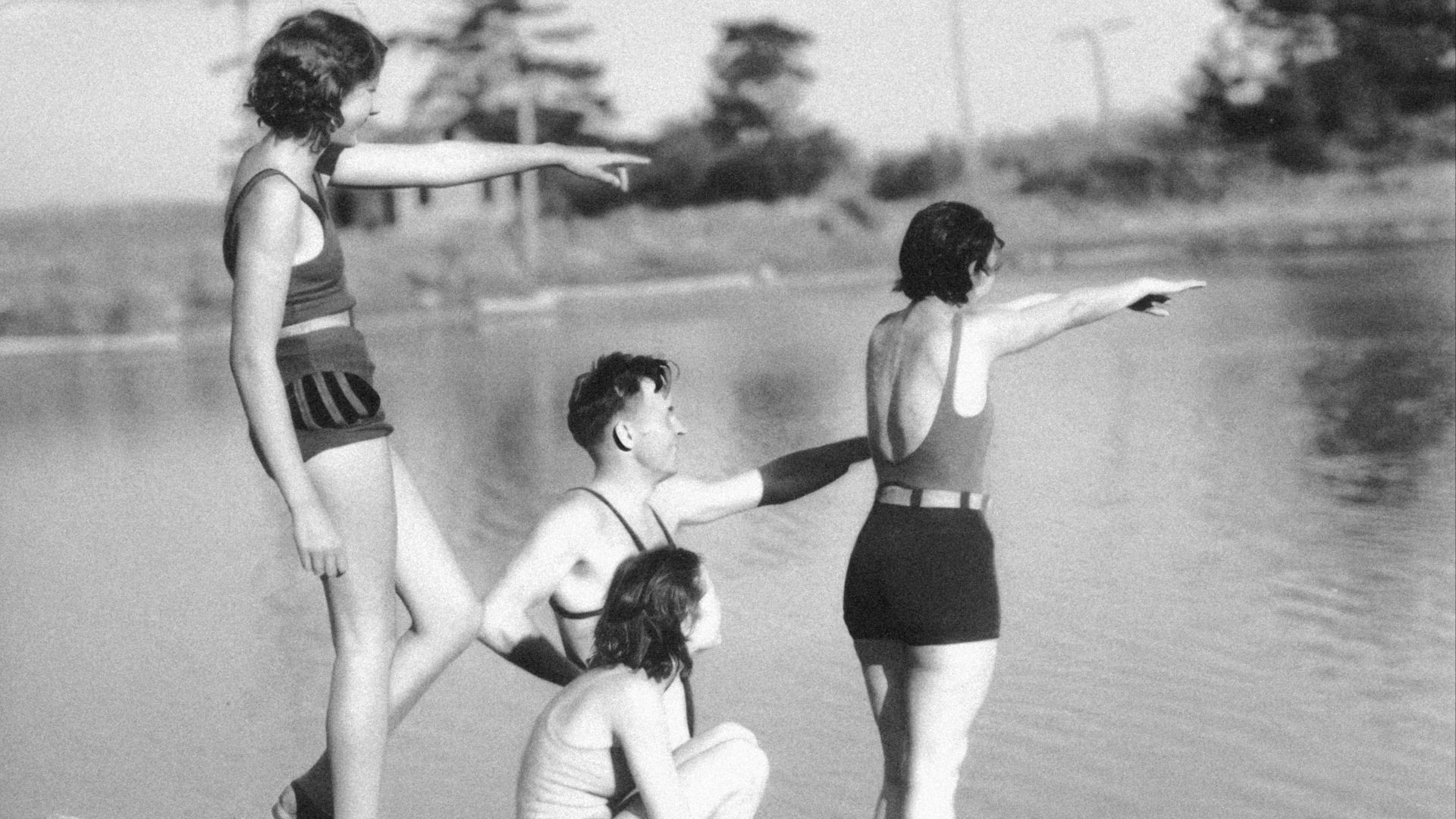 University of Washington Libraries on Unsplash
15. Deep Tans In The 1970s
Tanned skin became highly fashionable in the 1970s, representing leisure, travel, and an active outdoor lifestyle. Many people used tanning oils with little or no sun protection because the dangers of ultraviolet exposure weren’t discussed as widely as they are now.
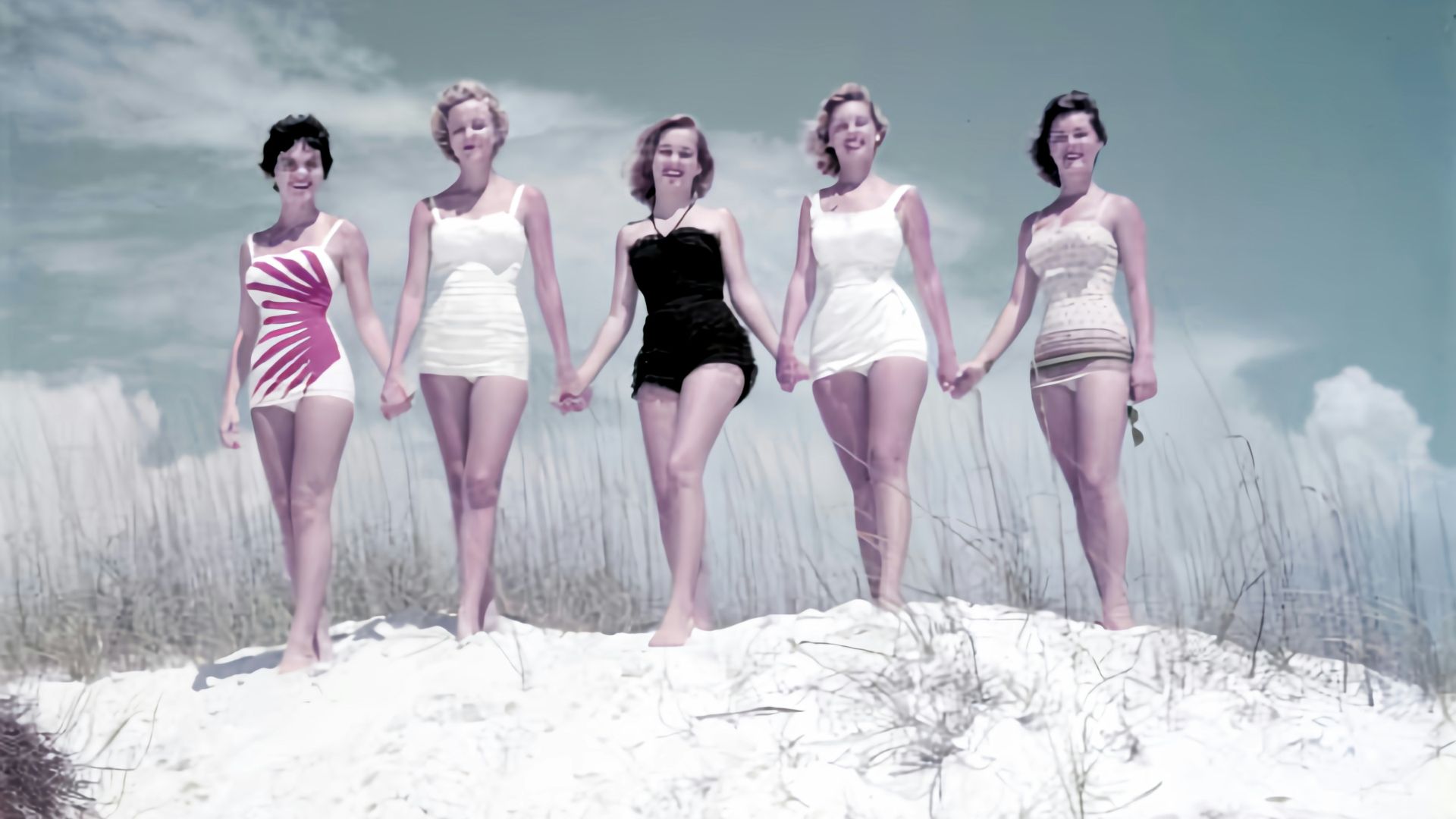
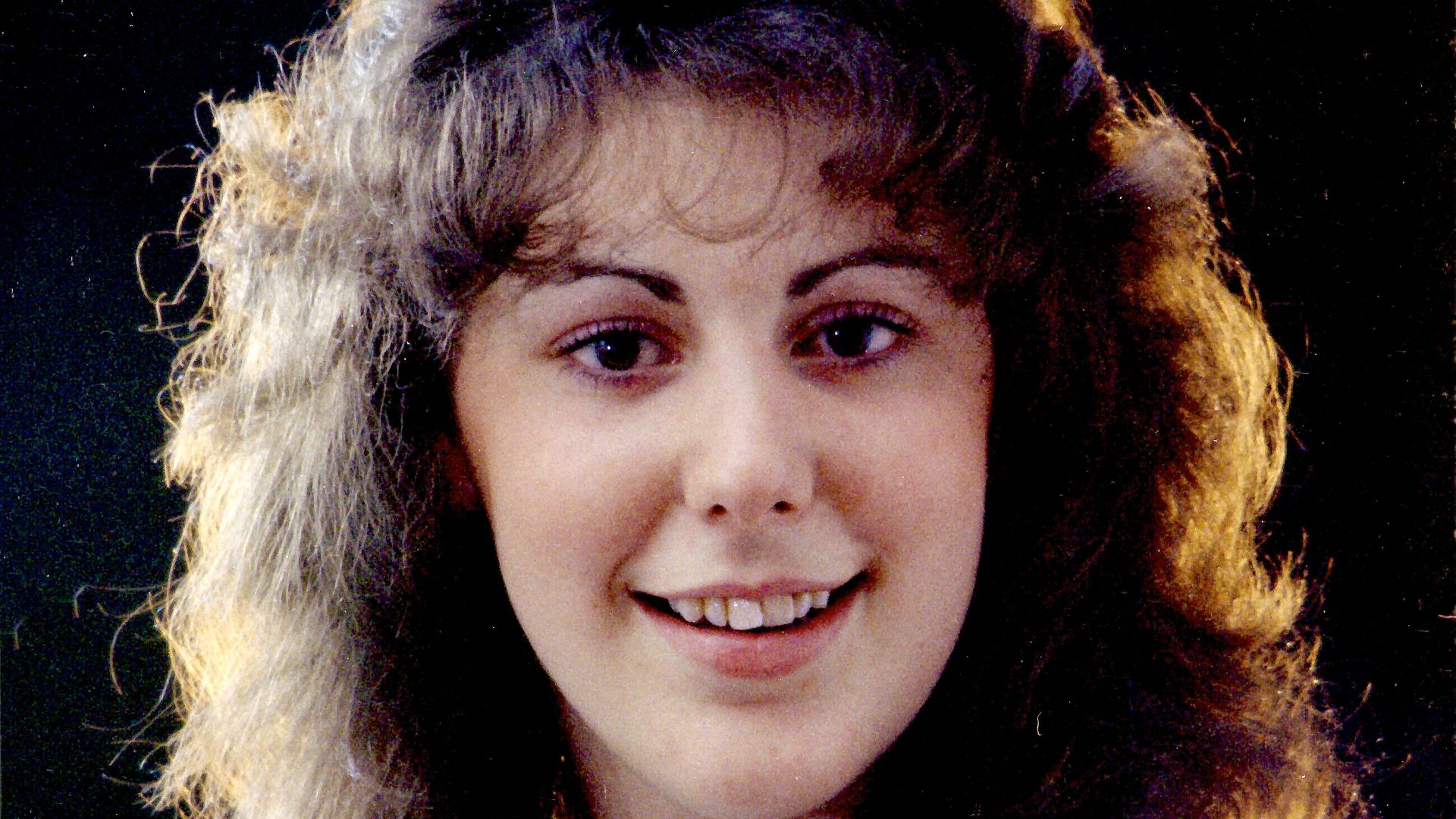
16. Very Large Hairstyles In The 1980s
Hair in the 1980s was often teased, curled, sprayed, and lifted to create as much volume as possible. Both women and men embraced styles that required strong products and considerable maintenance.
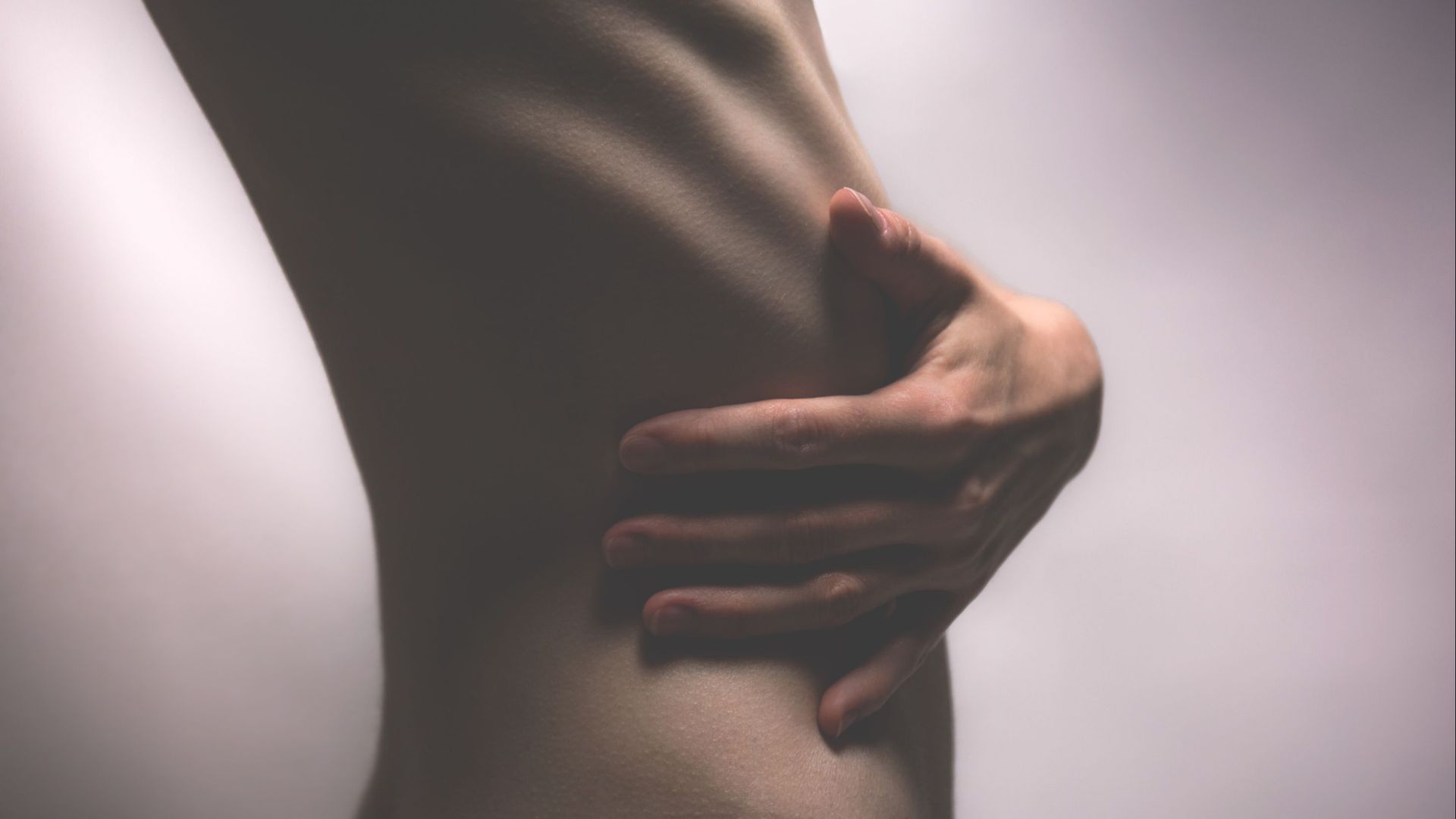
17. Extremely Thin Bodies In The 1990s
Some 1990s fashion imagery promoted a very thin, tired-looking appearance with minimal curves and deliberately understated styling. Critics argued that these images glamorized illness and reinforced damaging expectations about weight.
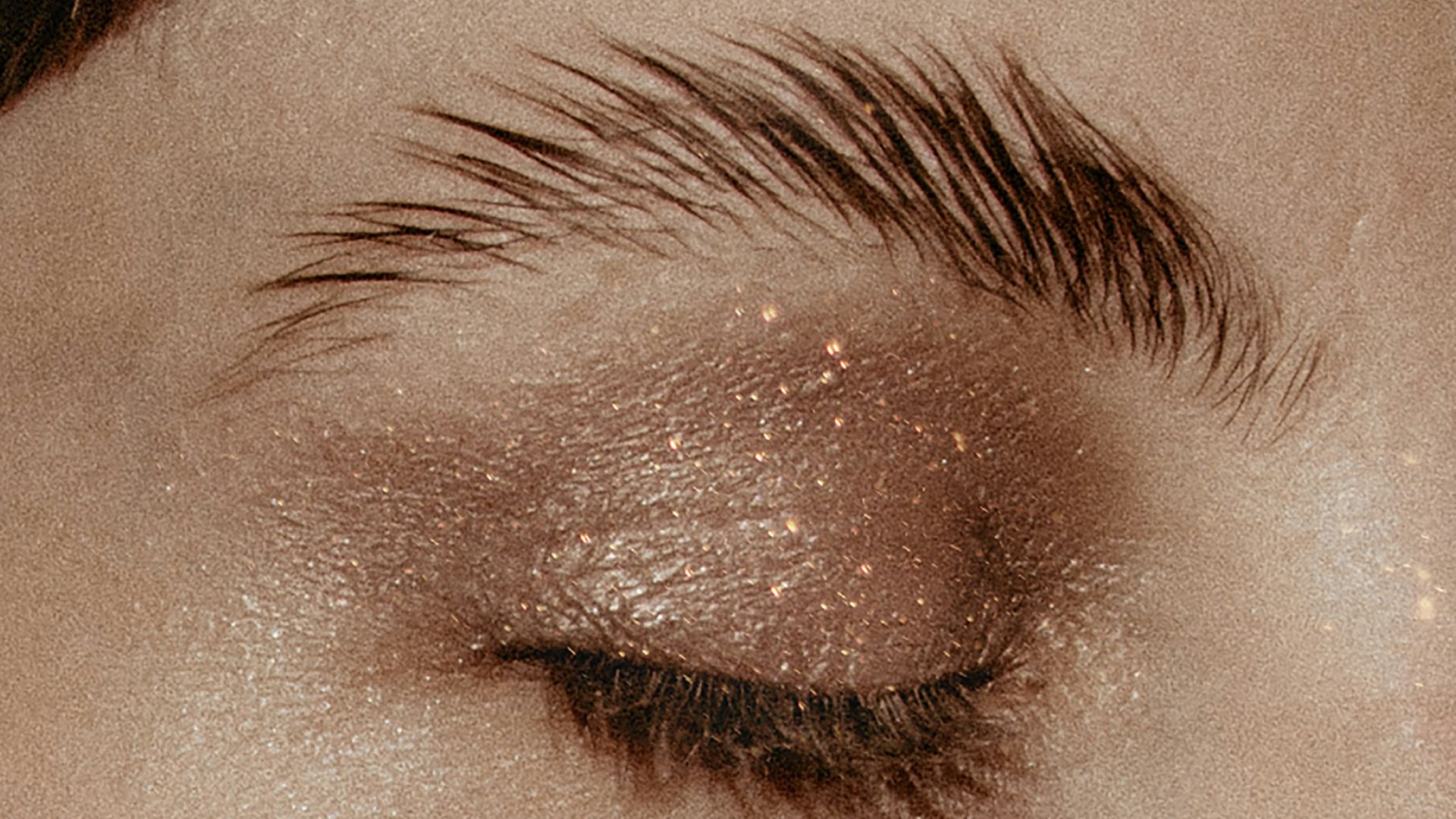
18. Overplucked Eyebrows In The 1990s
Very thin eyebrows returned during the 1990s and early 2000s, with many people repeatedly tweezing their natural brows into narrow arches. Some found that the hair didn’t fully grow back after years of removal.
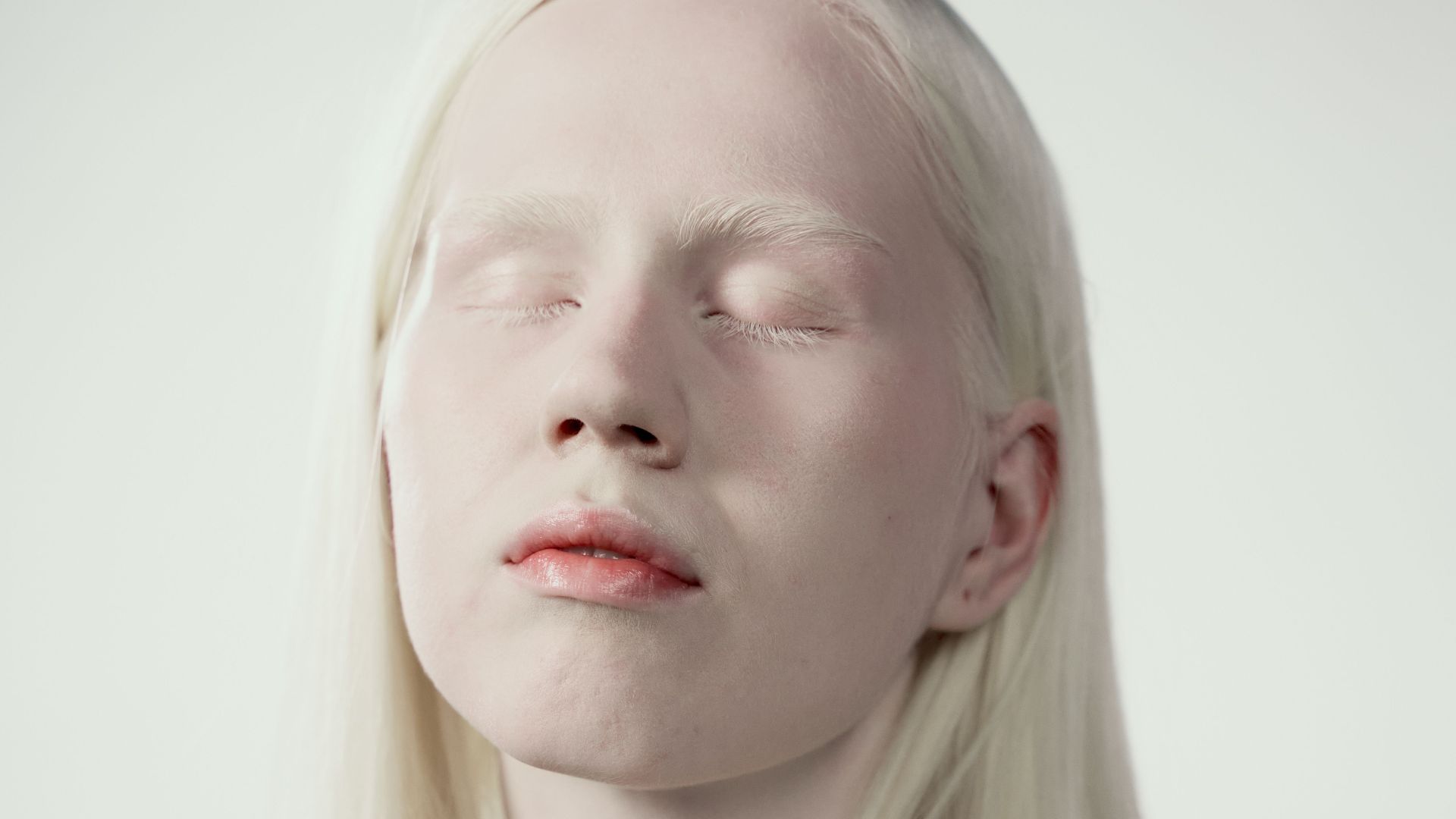
19. Unnaturally White Skin In The Georgian Era
Wealthy Georgian men and women sometimes covered their faces with heavy white makeup to create a smooth, pale complexion. Small decorative patches could then be applied to hide scars, blemishes, or marks left by diseases such as smallpox.
20. Bound Skulls In Several Ancient Societies
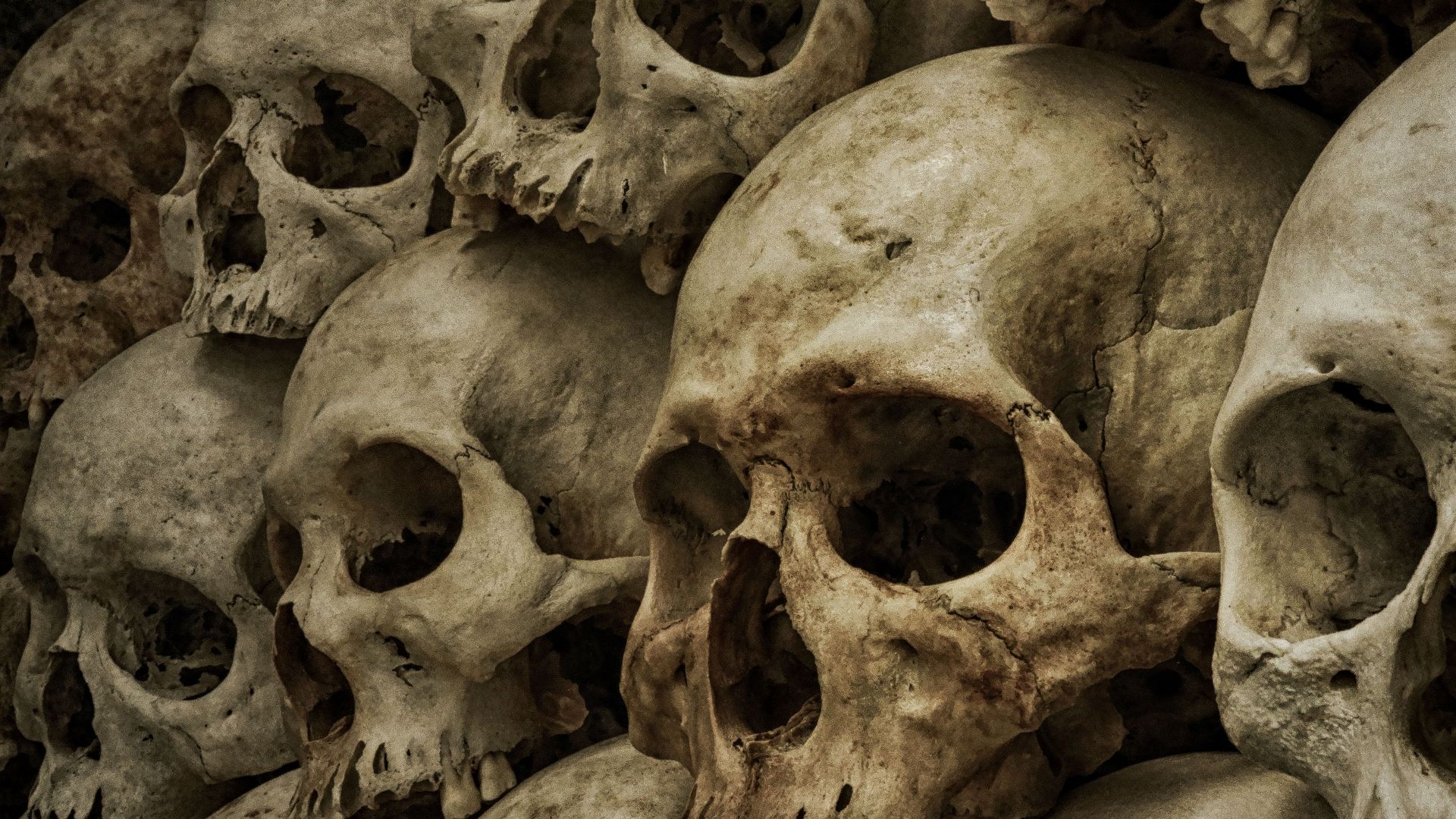
Some ancient communities deliberately shaped infants’ skulls by securing boards, cloth, or other materials around the head during early development. The elongated or flattened result could indicate beauty, ancestry, status, or membership in a particular group.