10 Mistakes to Never Make Before Getting a Tattoo Sleeve & 10 Tips for a Better Result
10 Mistakes to Never Make Before Getting a Tattoo Sleeve & 10 Tips for a Better Result
Ready for a Sleeve?
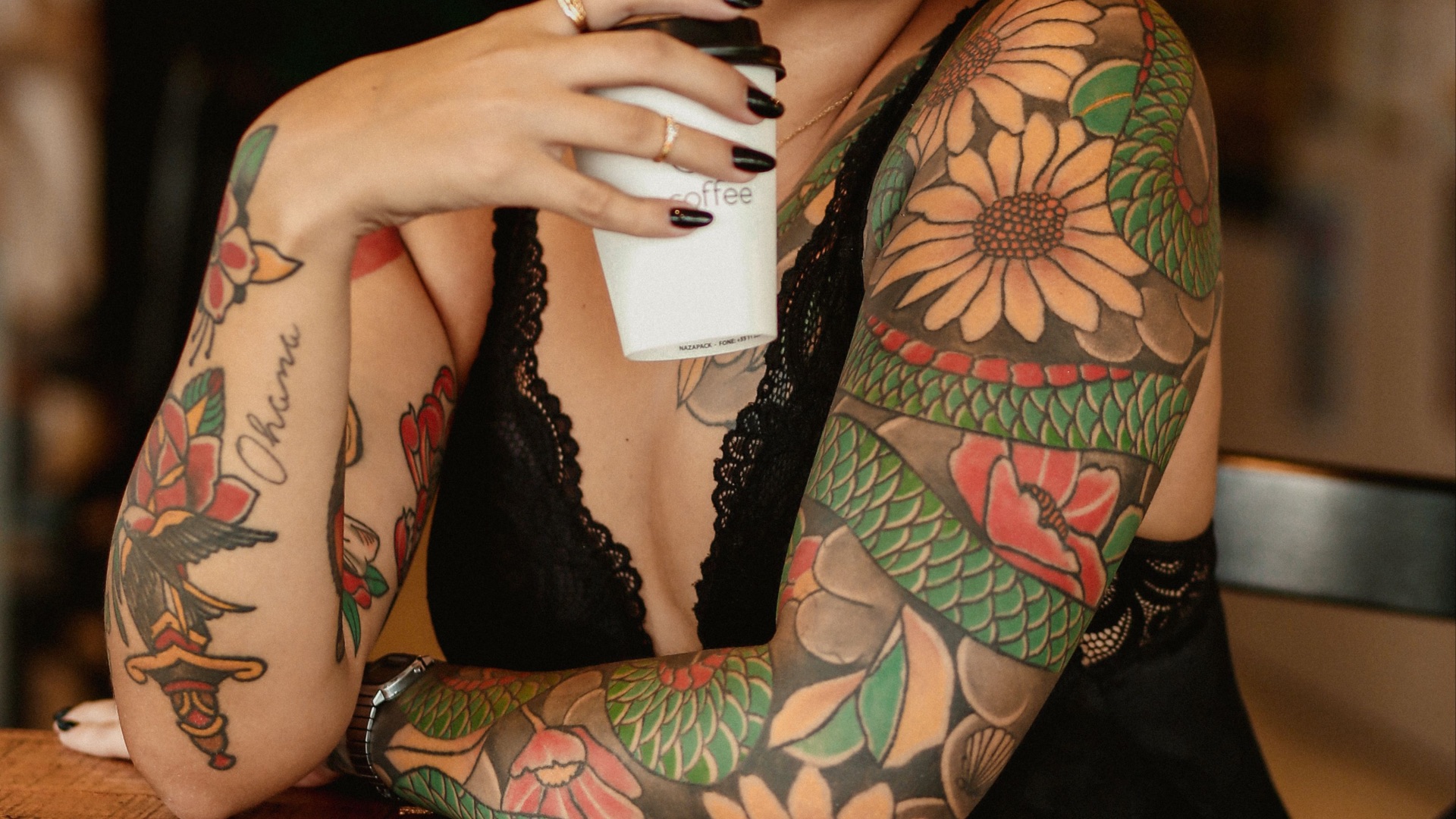
Thinking of getting a tattoo sleeve? Whether you're already inked or thinking of getting your first-ever design, you probably don't need us to remind you to approach the process with patience. From the artist you choose to the placement of each element and the way the final design comes together on your arm, the decisions you make can all affect how your sleeve will look years from now. Here are 10 rash mistakes you should never make, and 10 tips that'll help you get the result you want.
1. Choosing an Artist Based Only on Price
A sleeve requires considerable skill, planning, and consistency, so the cheapest quote shouldn’t automatically win your business. A lower price may reflect limited experience with large-scale compositions, although cost alone doesn’t determine quality. Study an artist’s healed work and full-sleeve projects before deciding whether their abilities match what you have in mind.

2. Ignoring the Artist’s Specialty
Not every talented tattoo artist excels at every style. Someone known for bold traditional designs may not be the right choice for delicate realism, fine-line florals, or highly detailed black-and-gray work. Selecting an artist whose portfolio already reflects your preferred style gives you a stronger chance of getting the visual result you expect.
3. Collecting Random Tattoos Without a Plan
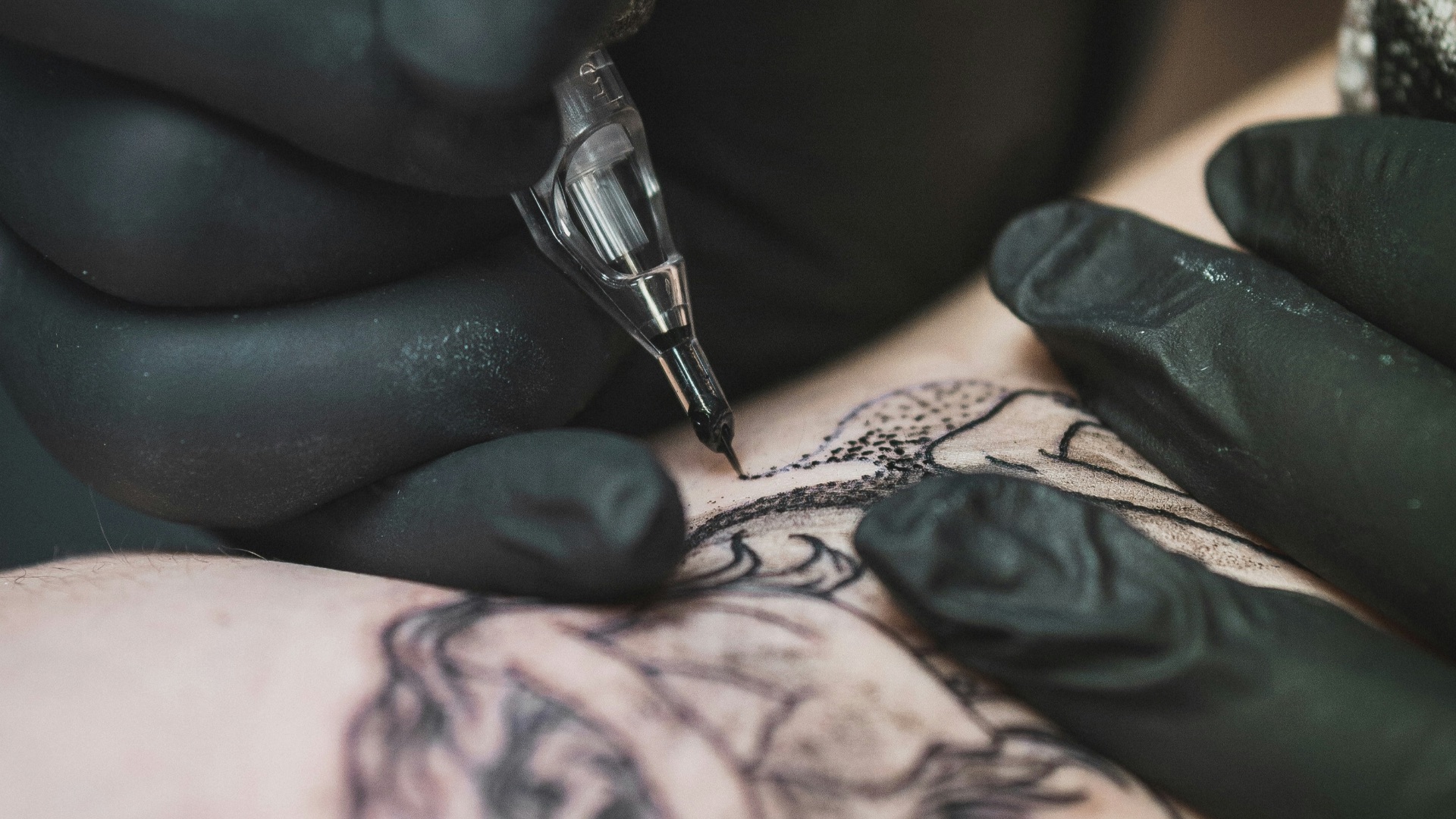
Individual tattoos can look impressive on their own but become difficult to connect once you decide to build a sleeve around them. Differences in size, shading, subject matter, and placement may leave awkward gaps or create a cluttered appearance. Even if you want a patchwork sleeve, it’s wise to consider how each new piece will relate to the rest.
4. Copying Someone Else’s Sleeve Exactly
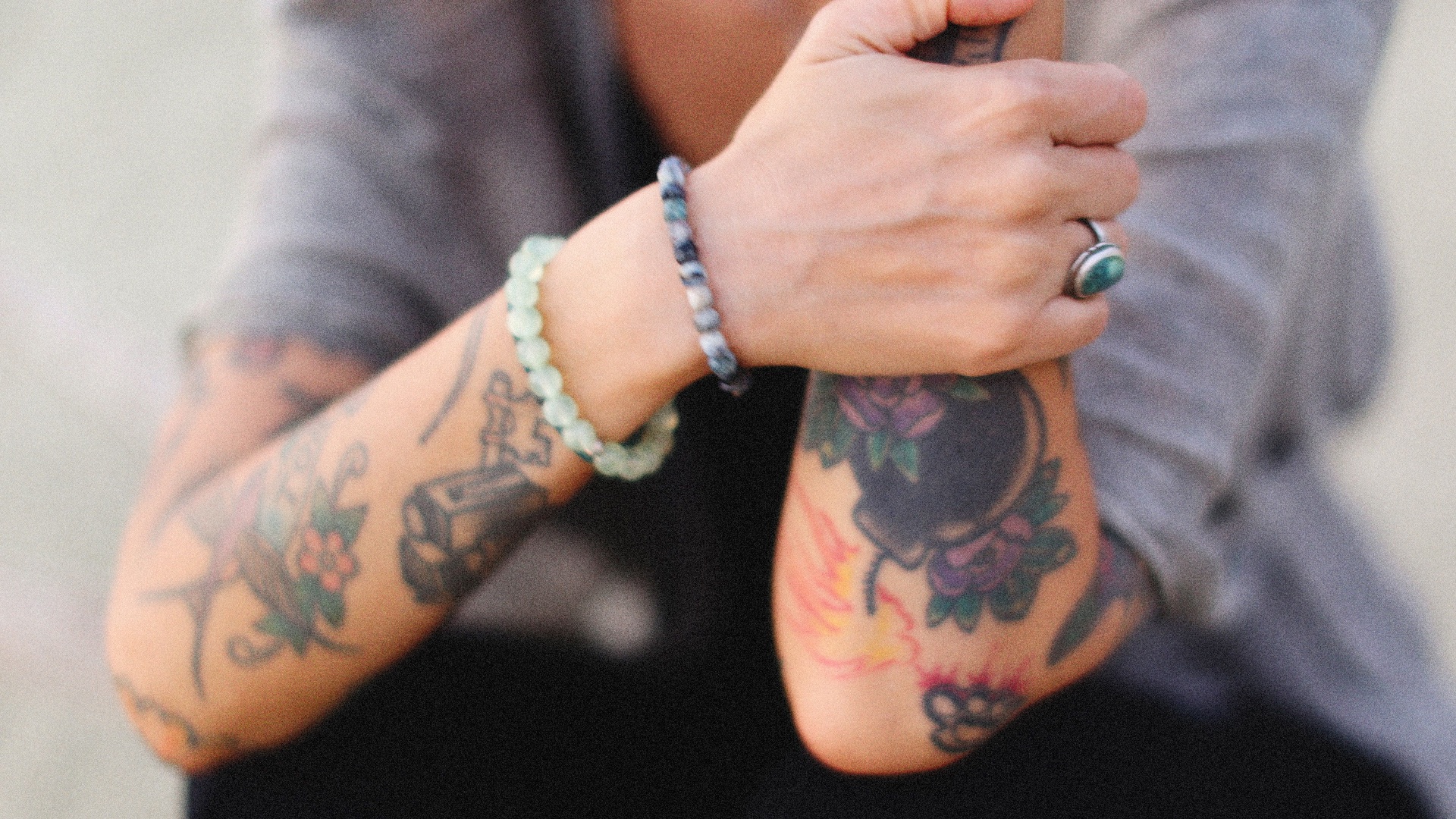
Using reference images can help you explain your preferences, but asking for an exact duplicate limits the artist’s creativity and may result in work that doesn’t suit your body. A composition designed for another person’s arm might not fit your proportions or movement in the same way. Focus on the elements you like, then allow the artist to create an original version for you.
5. Rushing the Design Consultation
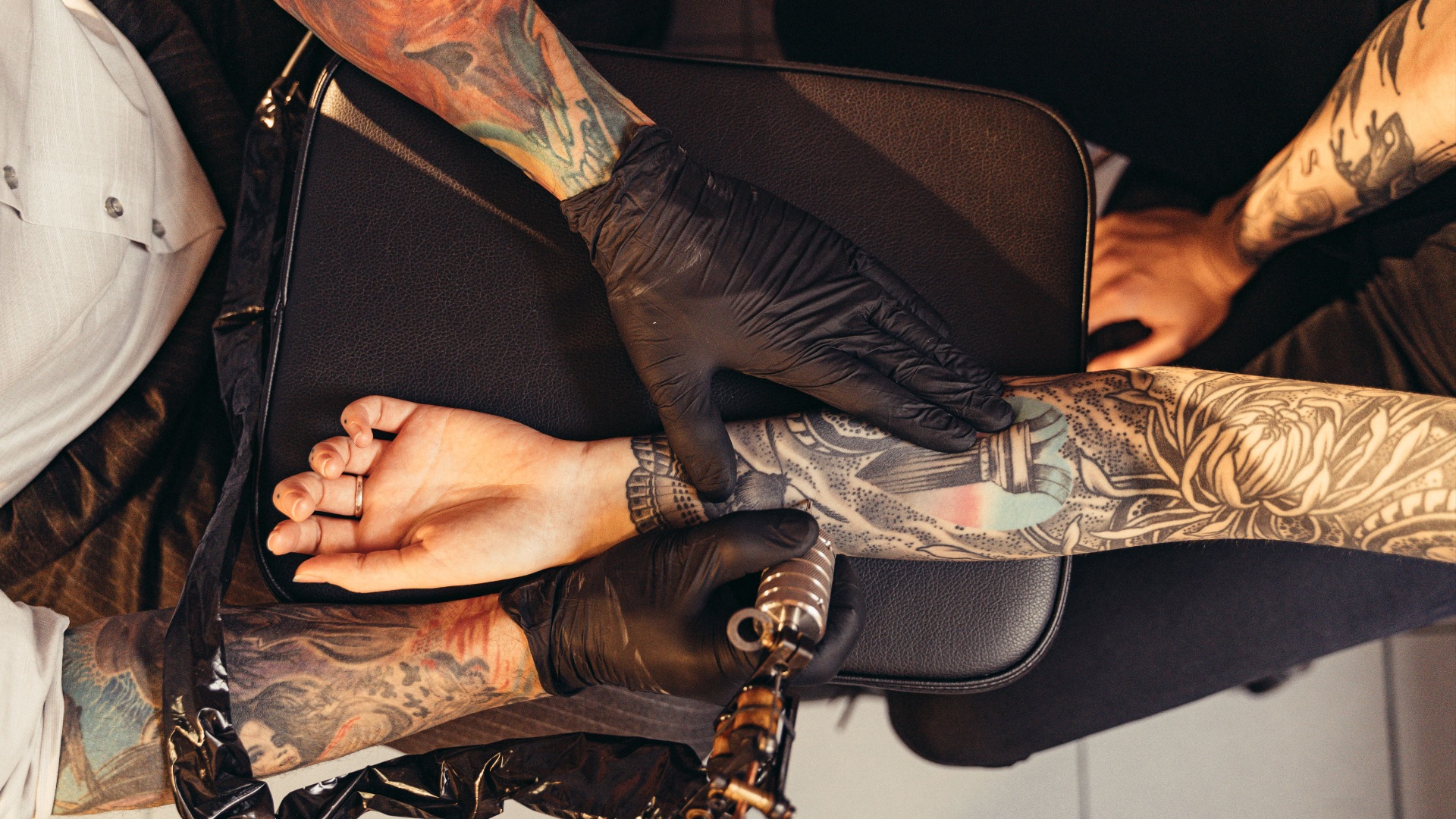
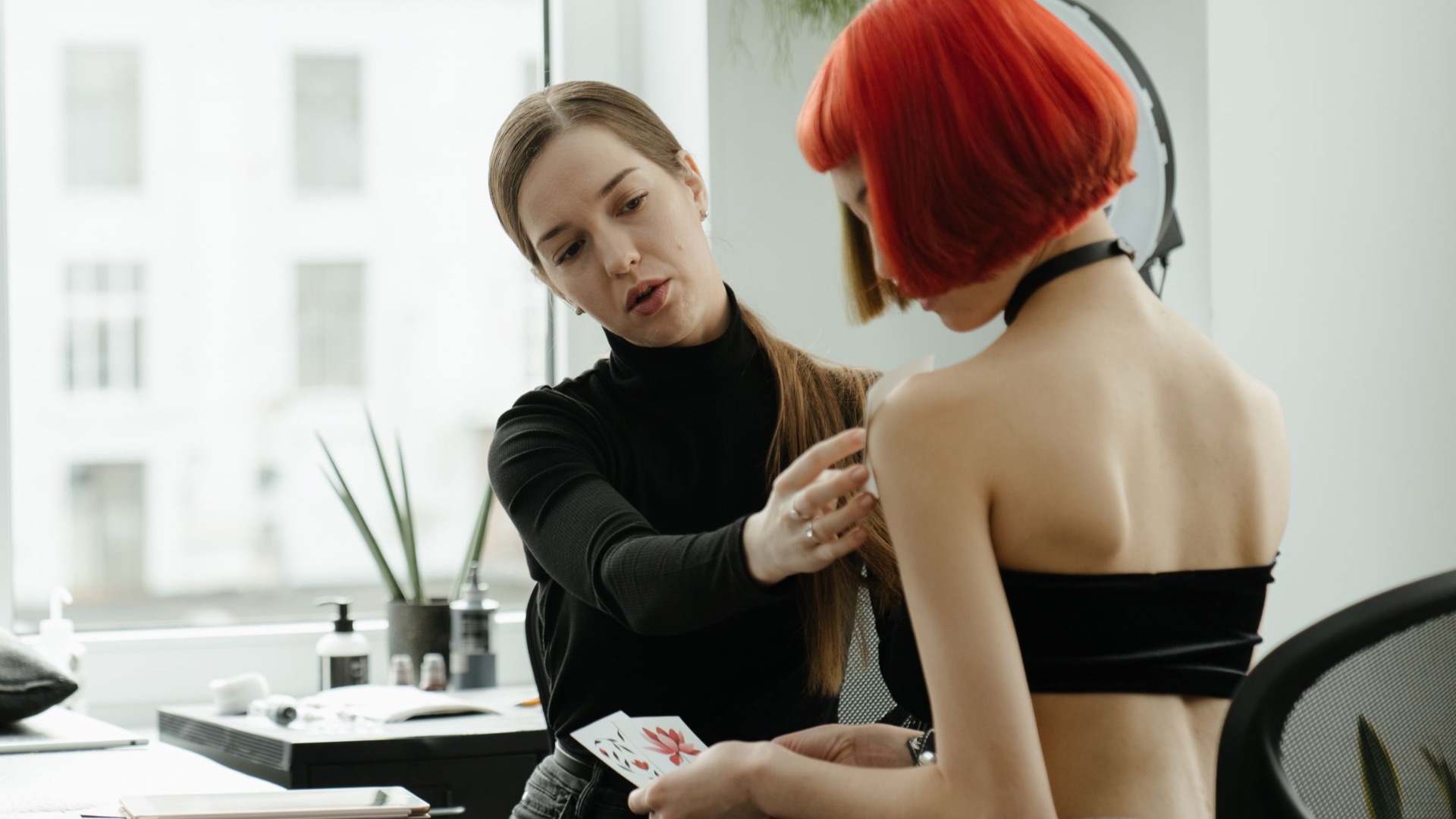
A full sleeve involves too much time, money, and permanent coverage to settle every detail during a hurried conversation. Your consultation is the right moment to discuss themes, boundaries, placement, color, scheduling, and any existing tattoos that need to be incorporated. Leaving important decisions until the appointment day can create confusion and unnecessary pressure.
6. Forgetting How the Design Will Age
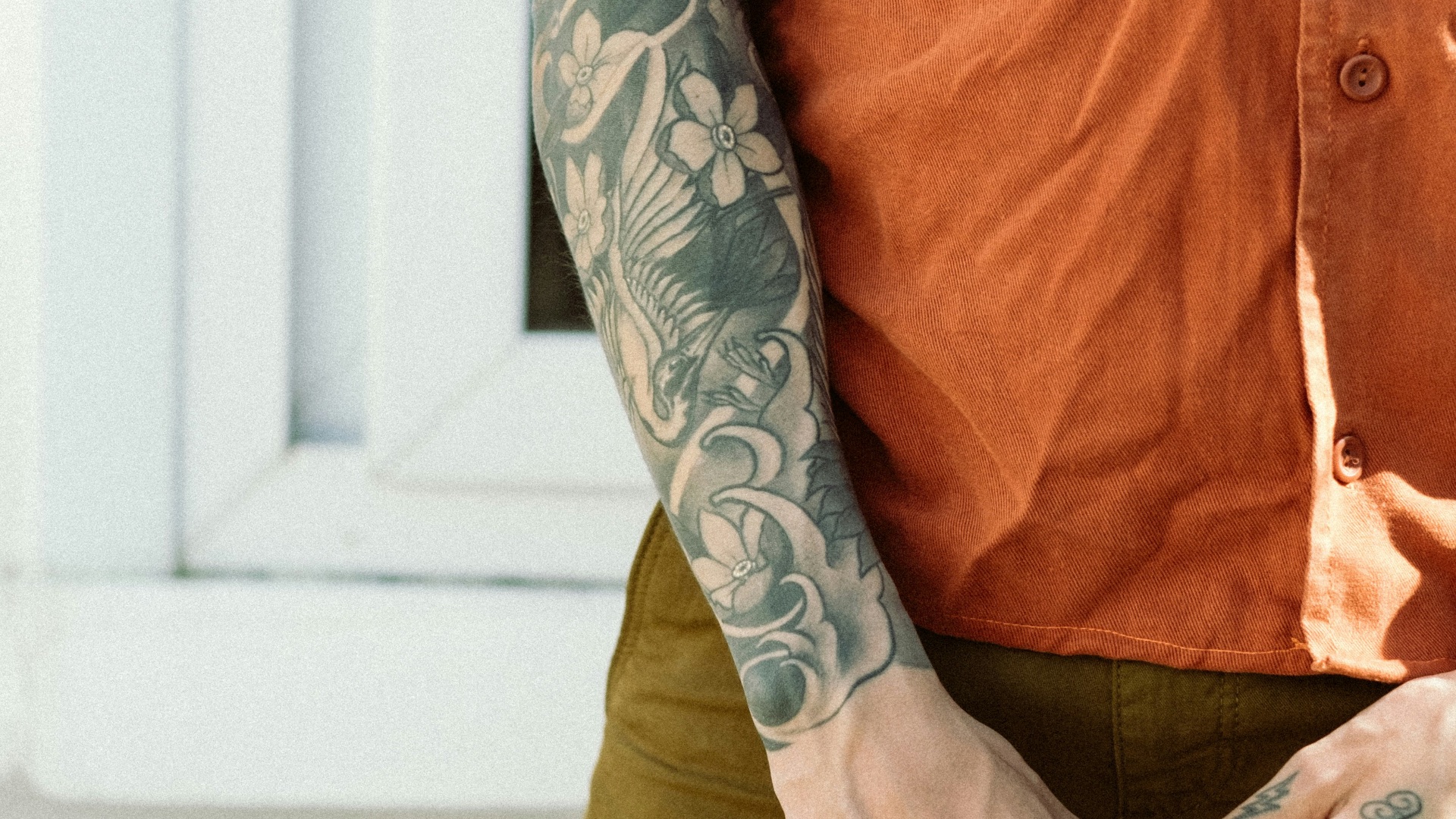
Tiny details, cramped lettering, and extremely fine lines may appear sharp at first but can become less defined over time. Skin changes, sun exposure, and natural ink spread can all affect how a tattoo looks years later. A knowledgeable artist can recommend spacing, line weights, and contrast that support better long-term readability.
7. Scheduling the Sleeve Before a Major Event
Fresh tattoos can be swollen, tender, flaky, or visibly irritated while they heal. Booking a session just before a wedding, vacation, athletic event, or professional photo shoot may leave you dealing with discomfort and aftercare when you’d rather be focused elsewhere. Give your skin enough time to recover before anything important on your calendar.
8. Arriving with Sunburned or Irritated Skin
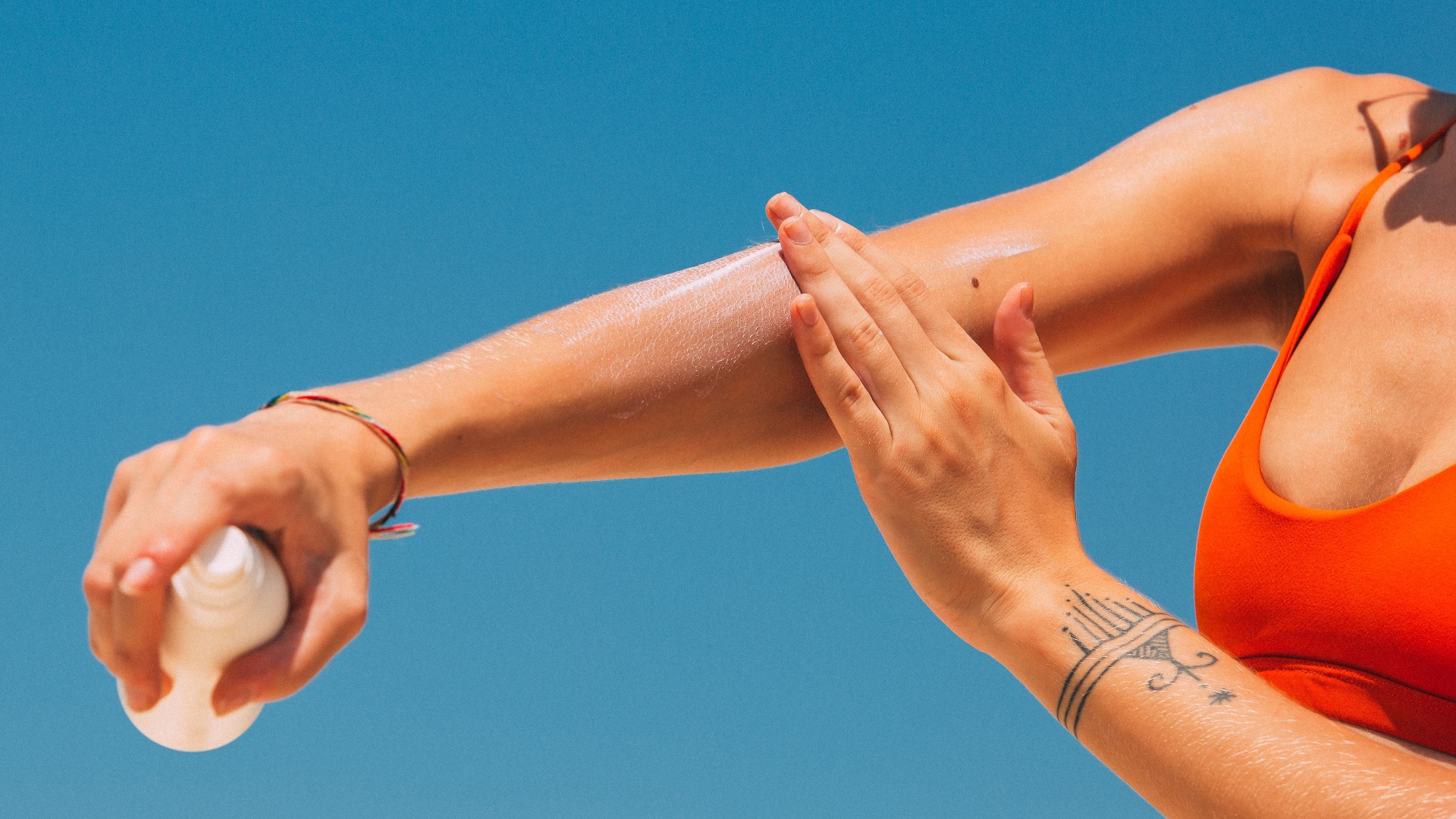
Tattooing over damaged, inflamed, or peeling skin can make the process more painful and may interfere with healing. Sunburn, rashes, cuts, and certain skin reactions can also force the artist to postpone the appointment altogether. Protect the area beforehand and contact the studio if anything unusual develops.
9. Underestimating the Financial Commitment
A sleeve usually takes multiple sessions, and the total cost can increase depending on detail, color, placement, and the artist’s hourly rate. Budgeting for only the first appointment may leave the project unfinished for much longer than expected. Remember to account for deposits, tips, aftercare supplies, travel, and possible touch-up sessions as well.

10. Assuming It Can Be Rushed
Large-scale tattooing puts stress on both your skin and your body, which means sessions need to be spaced appropriately. Trying to complete too much at once can increase discomfort, fatigue, and healing difficulties. A sleeve often develops over several months or longer, so patience should be part of the plan from the beginning.
Yet, while avoiding these mistakes gives you a stronger foundation, preparation alone won’t guarantee a great sleeve. The choices you make throughout the design, tattooing, and healing process can also influence how polished and cohesive the final result becomes, so let's touch on how you can get the best result.
1. Decide on the Overall Direction First
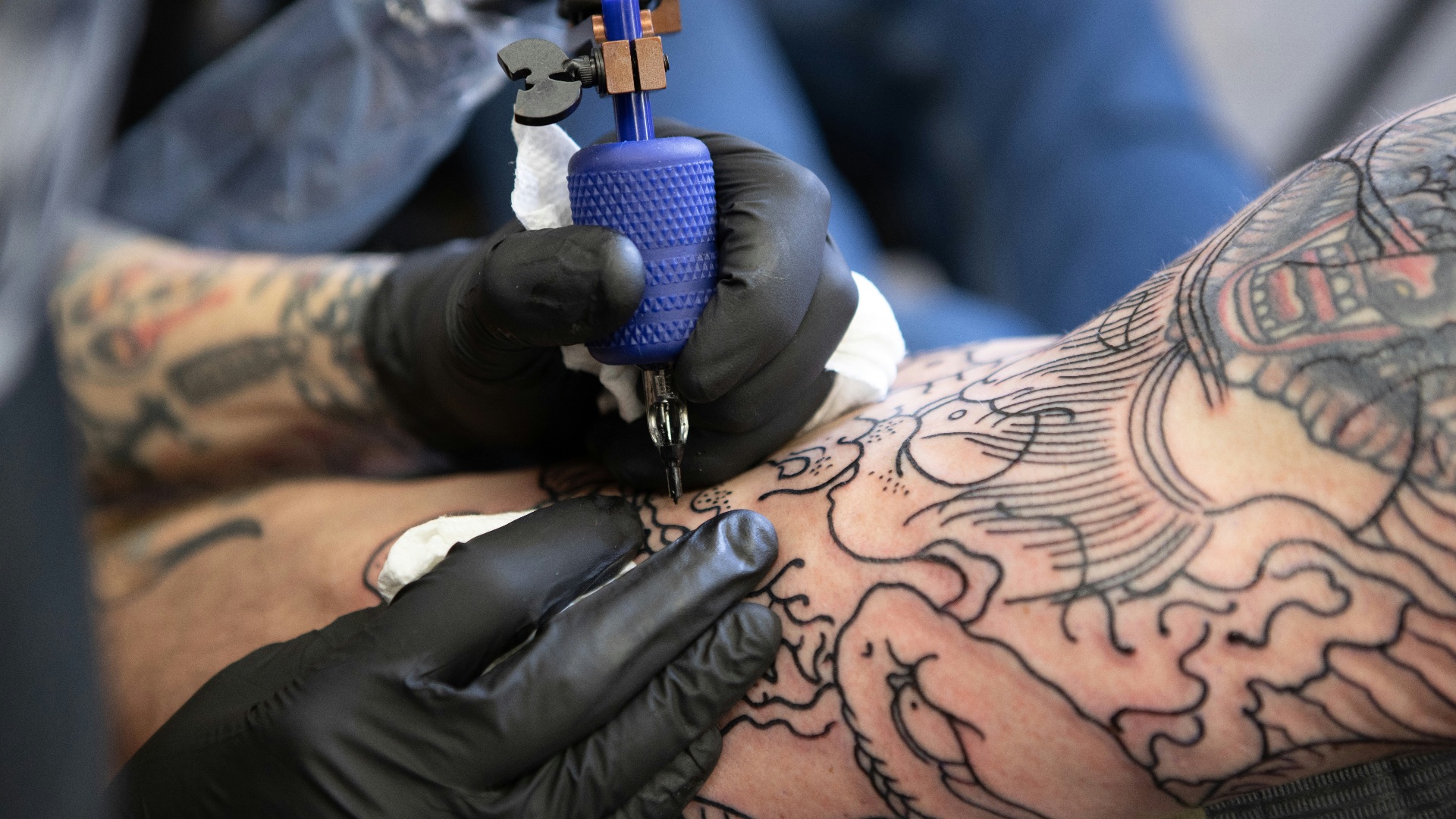
You don’t need to know every tiny detail before meeting your artist, but you should have a clear sense of the sleeve’s general style and subject matter. Think about whether you want realism, traditional imagery, ornamental patterns, illustrative work, or a combination that can be blended effectively. A defined direction helps the artist create a composition that feels intentional from top to bottom.
2. Gather References Without Overloading the Artist
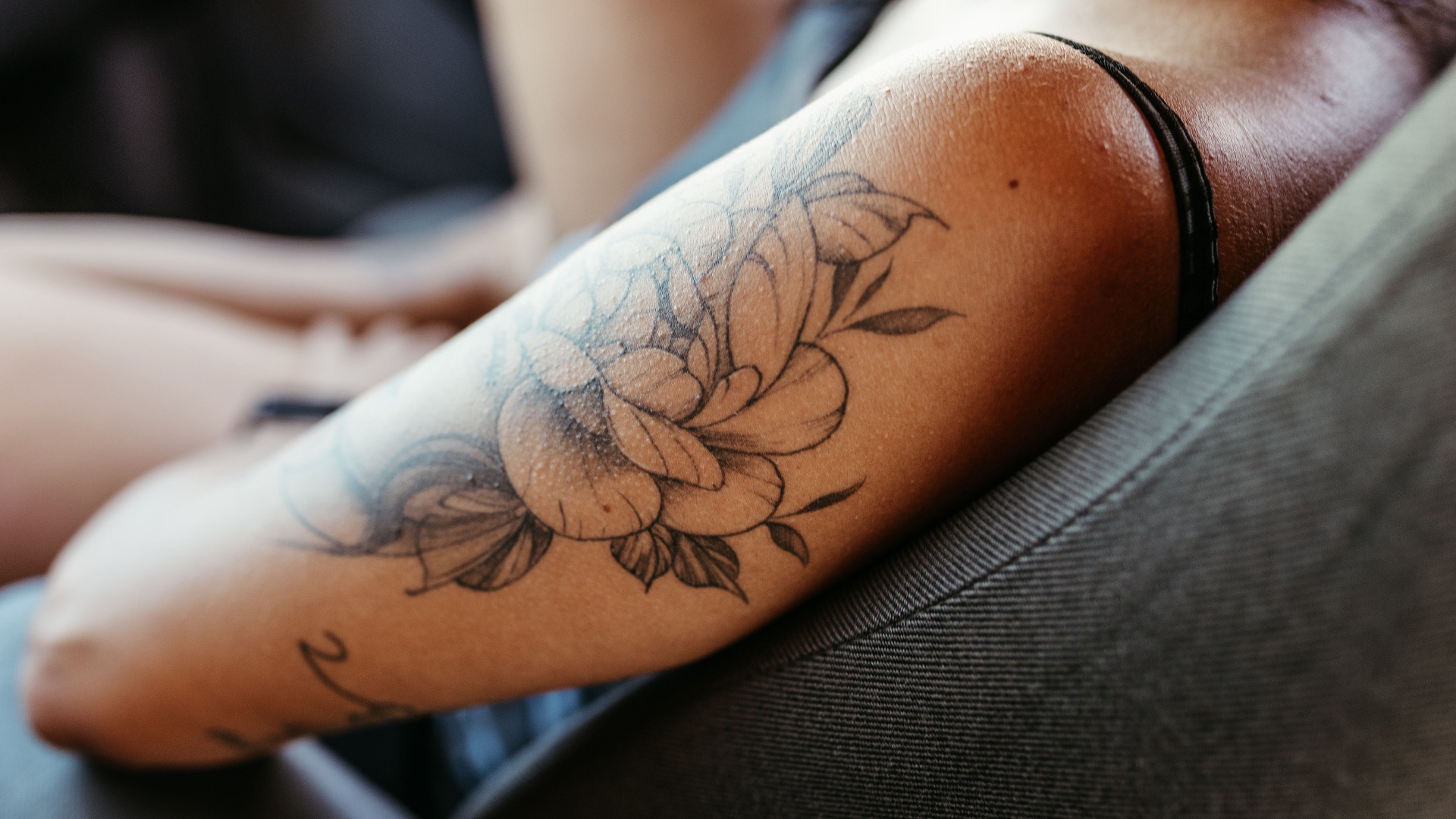
A small collection of useful images can communicate your preferences more clearly than dozens of loosely related screenshots. Include examples of subjects, shading, colors, layouts, and details you either love or strongly dislike. This gives the artist practical guidance while still leaving room for an original design.
3. Think About the Arm as a Whole
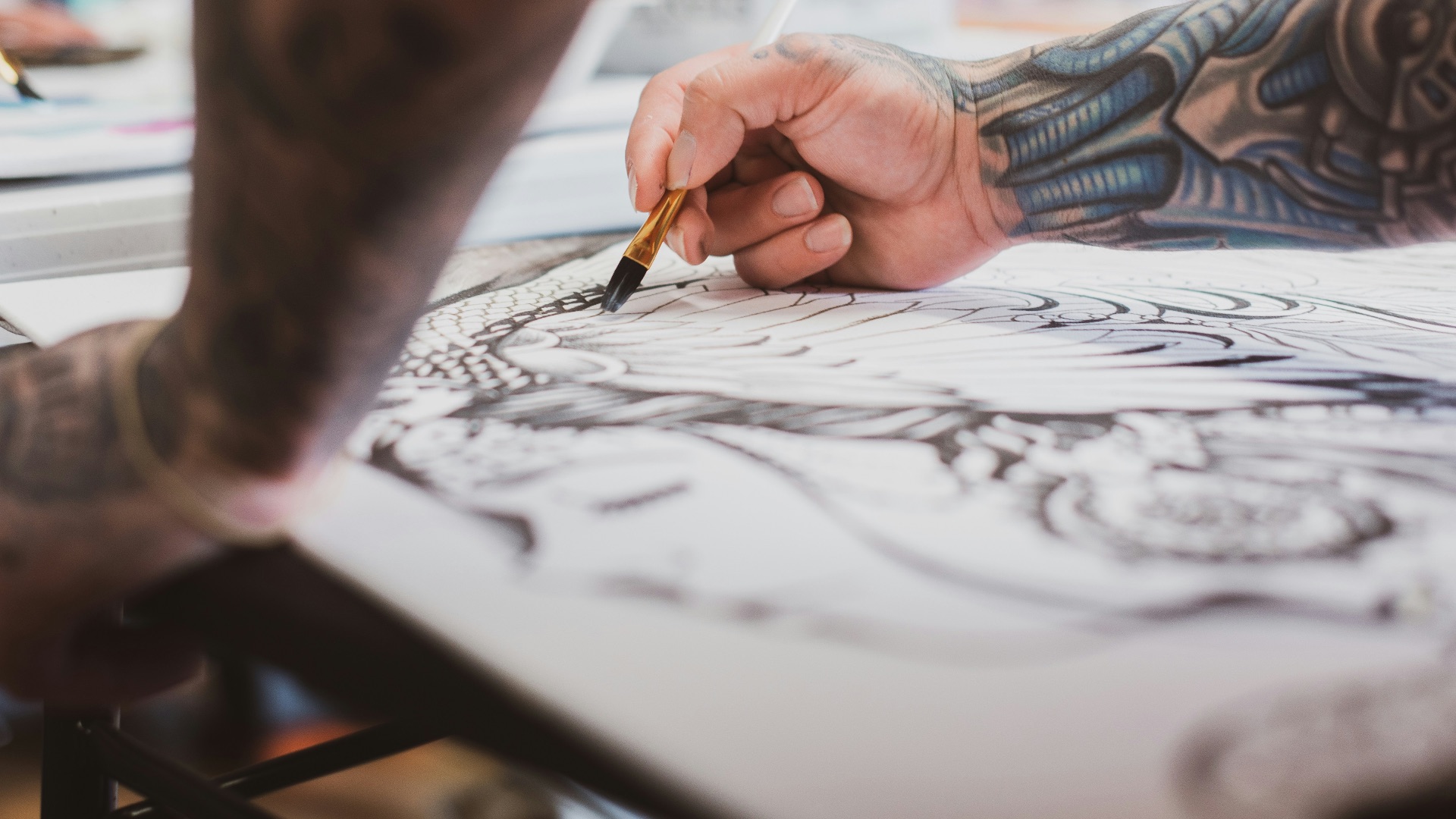
A successful sleeve should look considered from the front, back, and sides rather than from a single viewing angle. Important focal points need enough space, while secondary imagery can help connect the larger elements. Ask how the design will move around your shoulder, elbow, forearm, and wrist before approving the final layout.
4. Give the Elbow and Inner Arm Special Attention
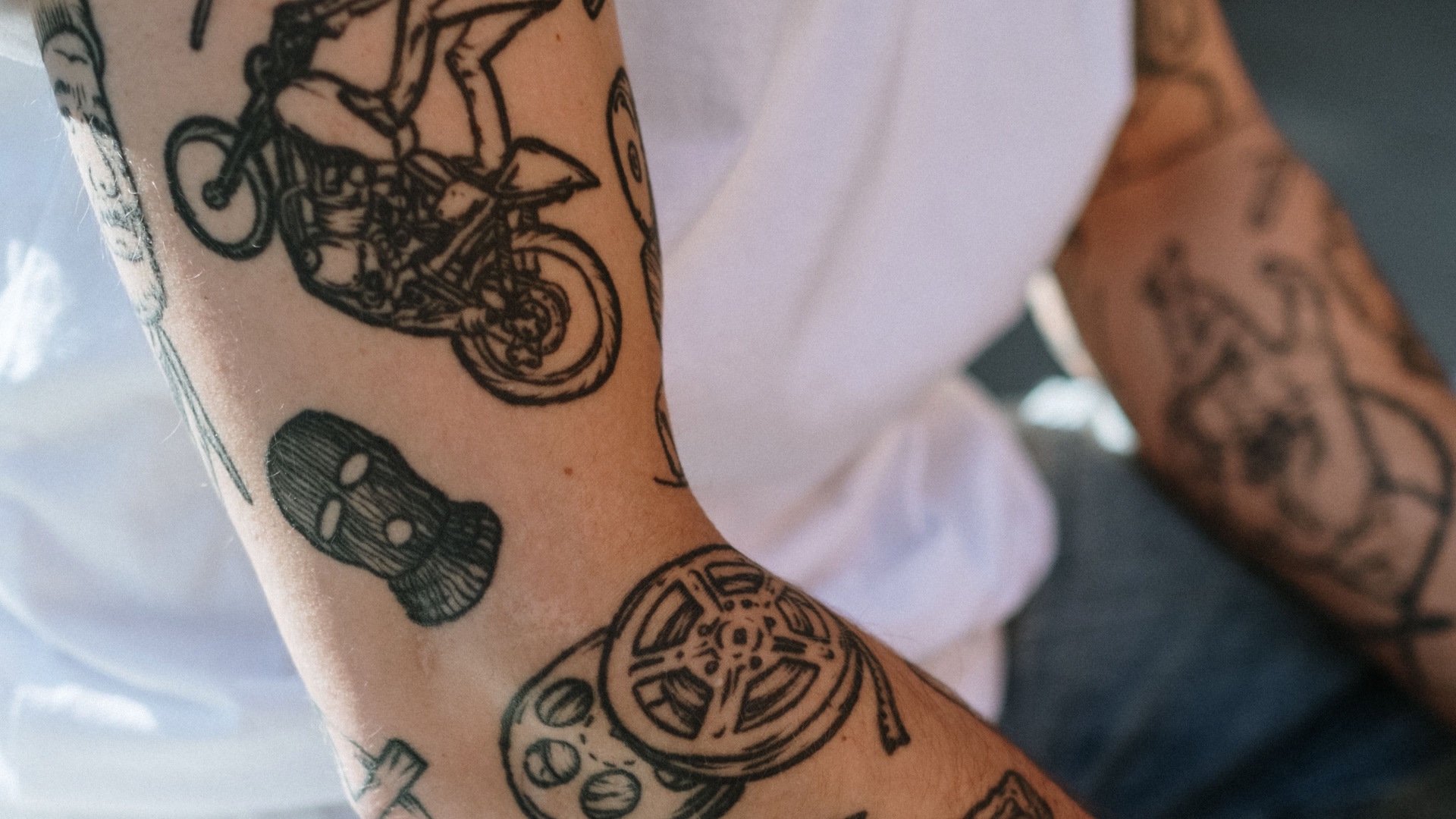
The elbow, ditch, and inner arm can be more sensitive and may heal differently from flatter areas. Designs placed there also bend, stretch, and distort whenever you move your arm. Your artist may suggest simpler shapes, stronger lines, or strategic background work to help those sections remain readable.
5. Discuss Color and Contrast Early
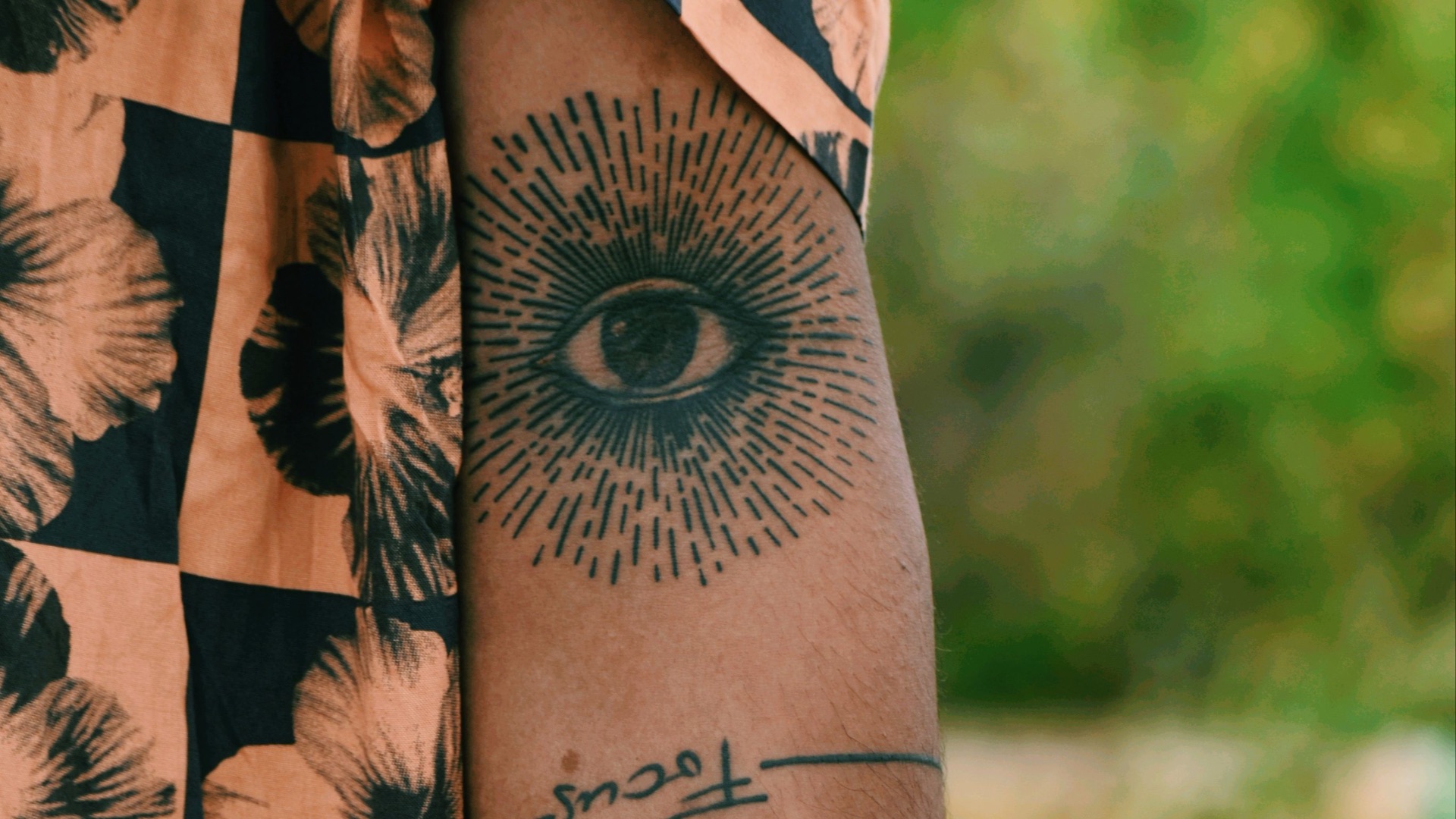
Deciding between full color, black and gray, or selective color should happen before the sleeve is well underway. Changing direction halfway through can make the completed piece feel inconsistent. Strong contrast also helps separate subjects and prevents detailed sections from blending together visually.
6. Prepare Your Body Before Each Appointment
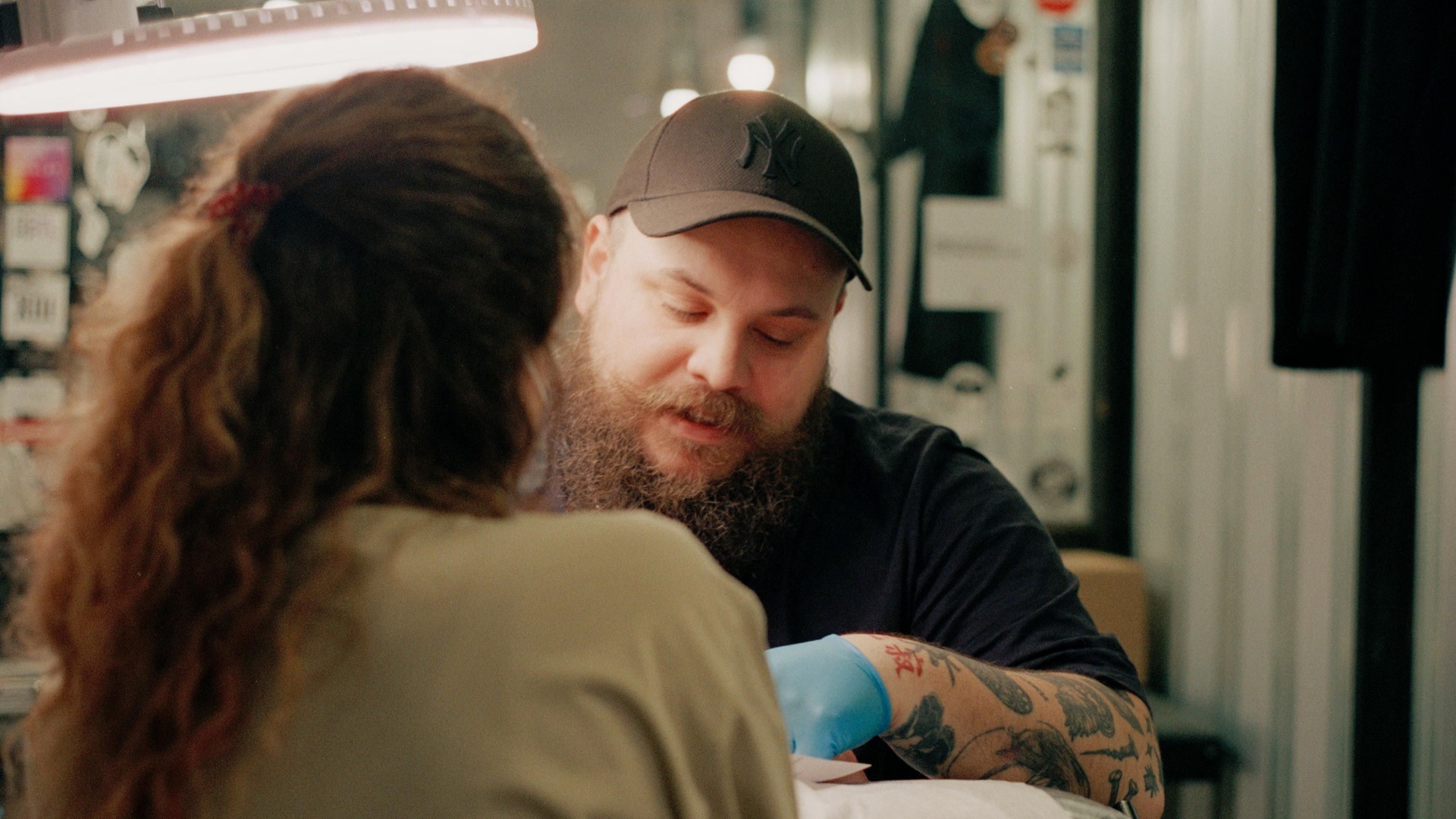
Eat a proper meal, drink enough water, and get a full night of sleep whenever possible. Tattoo sessions can be physically tiring, especially when they last several hours. Arriving rested and nourished may help you remain comfortable and still while the artist works.

7. Wear Clothing That Gives Easy Access
Choose something loose, comfortable, and unlikely to interfere with the part of your arm being tattooed. A sleeveless shirt, loose T-shirt, or button-up can make it easier for the artist to reach the area without stretching or staining your clothes. Darker garments are also practical because tattoo ink and stencil marks can be difficult to remove.
8. Follow the Aftercare Instructions Exactly
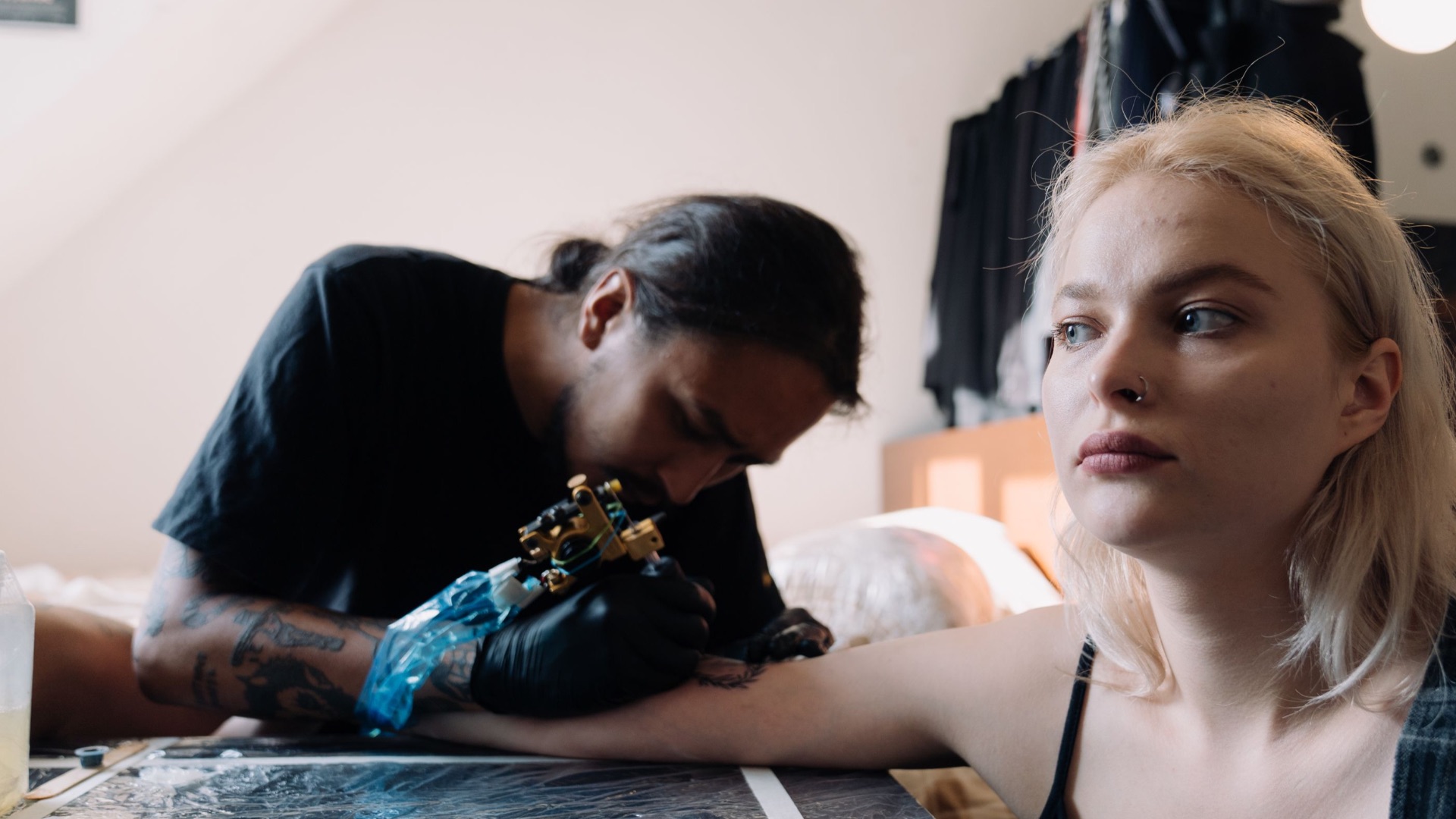
Your artist’s aftercare guidance should take priority over tips from friends or unverified advice online. Washing too aggressively, applying too much product, picking at flakes, or soaking the tattoo can disrupt healing. Contact the studio if you’re unsure about a reaction instead of experimenting with different products.
9. Protect the Sleeve from Sun Exposure
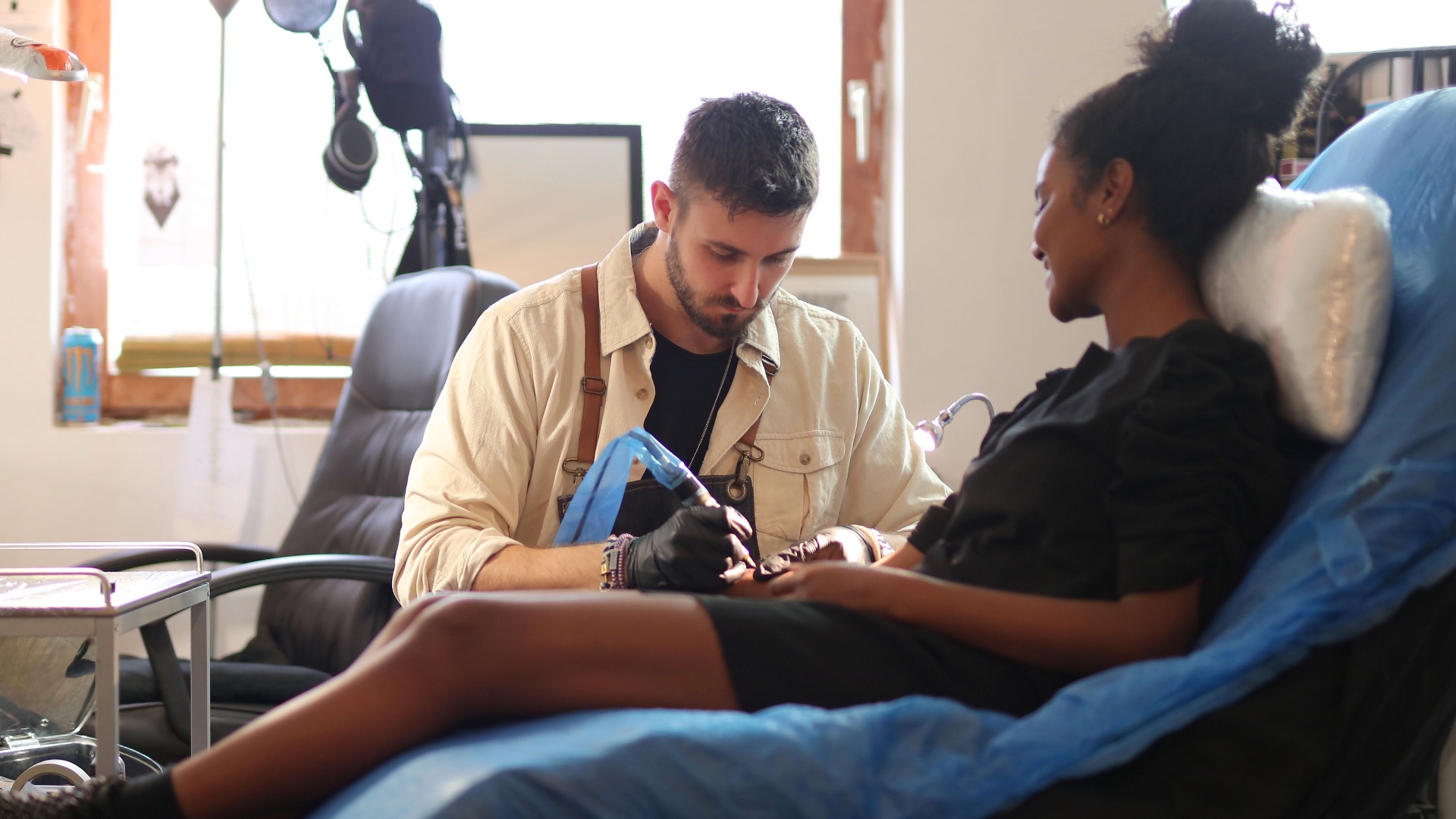
Ultraviolet exposure can contribute to fading and reduce the contrast that makes a detailed sleeve stand out. Once the tattoo is fully healed, use broad-spectrum sunscreen and cover the area during prolonged periods outdoors. Consistent protection can help preserve both color and black ink over the years.
10. Leave Room for Adjustments Along the Way
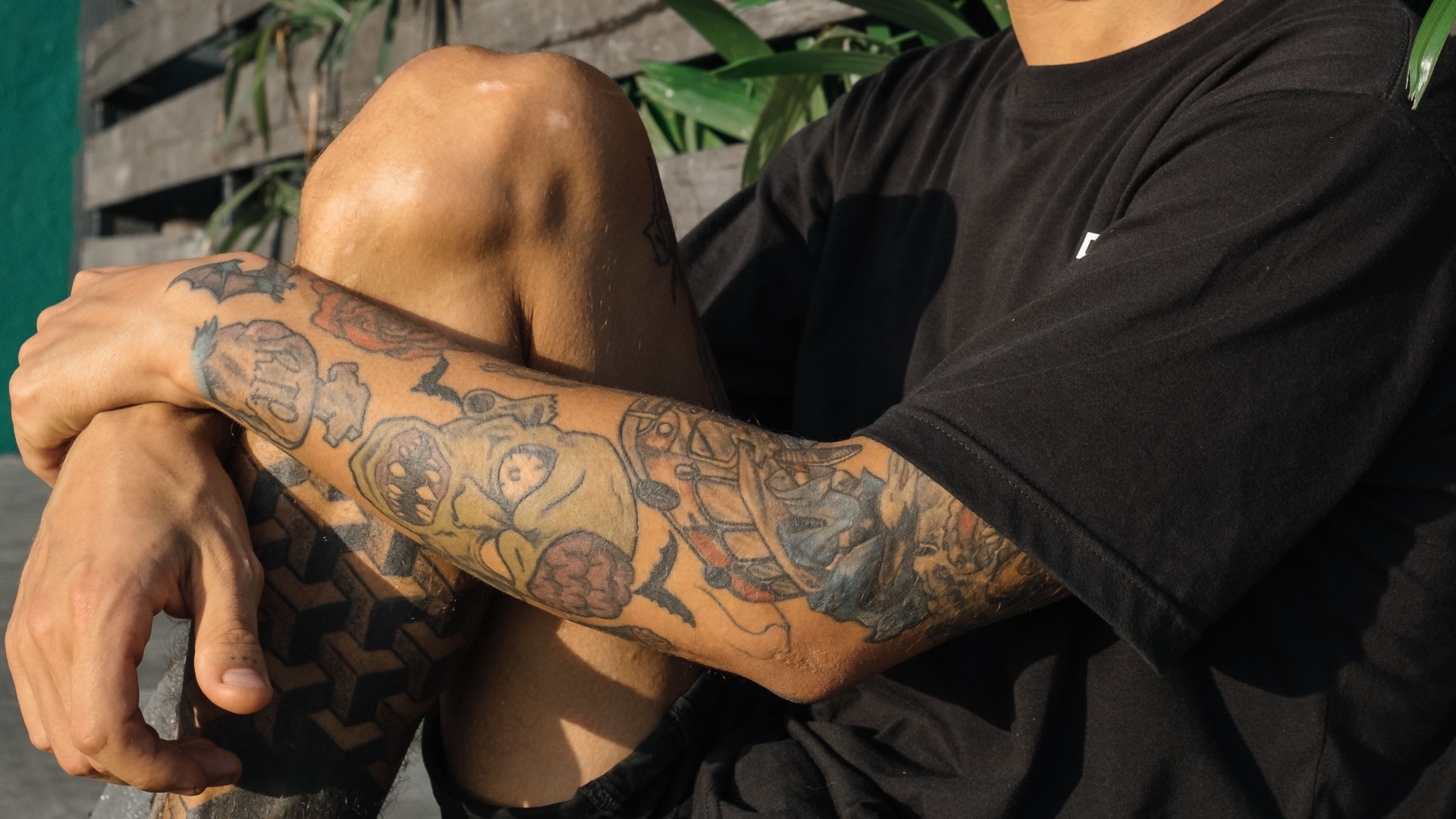
A sleeve may evolve as sections are completed and the artist sees how the design sits on your body. Small changes to scale, spacing, background elements, or shading can improve the overall balance. Staying involved while remaining receptive to professional recommendations can produce a stronger final composition.