10 Appearance "Flaws" People Actually Find Attractive & 10 Ways to Embrace Your Natural Features
10 Appearance "Flaws" People Actually Find Attractive & 10 Ways to Embrace Your Natural Features
Imperfections? That's Called "Character"
Society has a long history of telling people which features are desirable and which ones need to be fixed, covered up, or changed, but those standards have never been as universal as they're made out to be. In fact, many of the things you might consider flaws (think freckles or smile lines) are the exact features that make you stand out and make you, you. Whether it's a physical quirk you've spent years trying to hide or a feature you've been sefrlf-conscious about since childhood, there's a good chance lots of people out there find it completely magnetic.
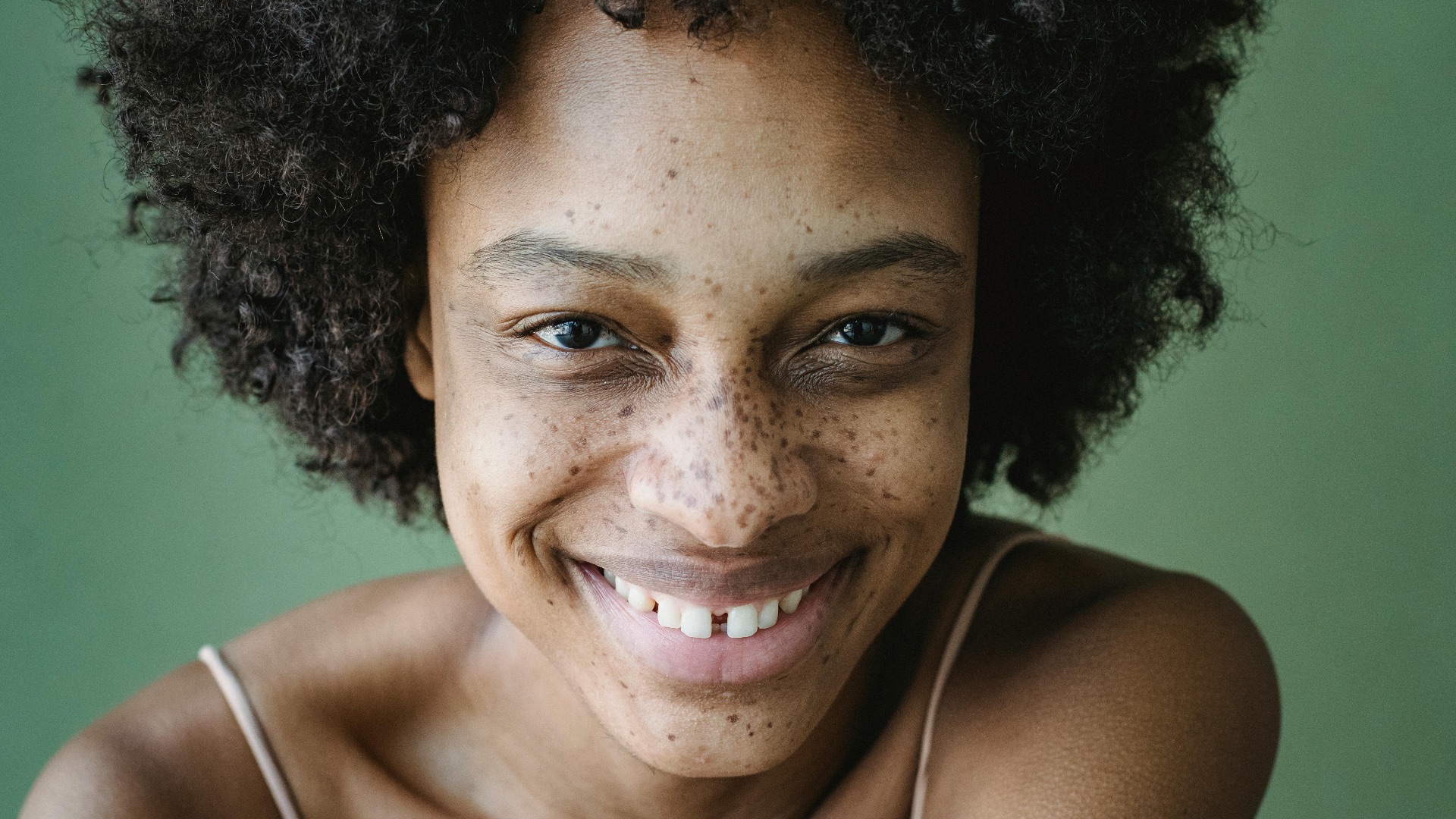
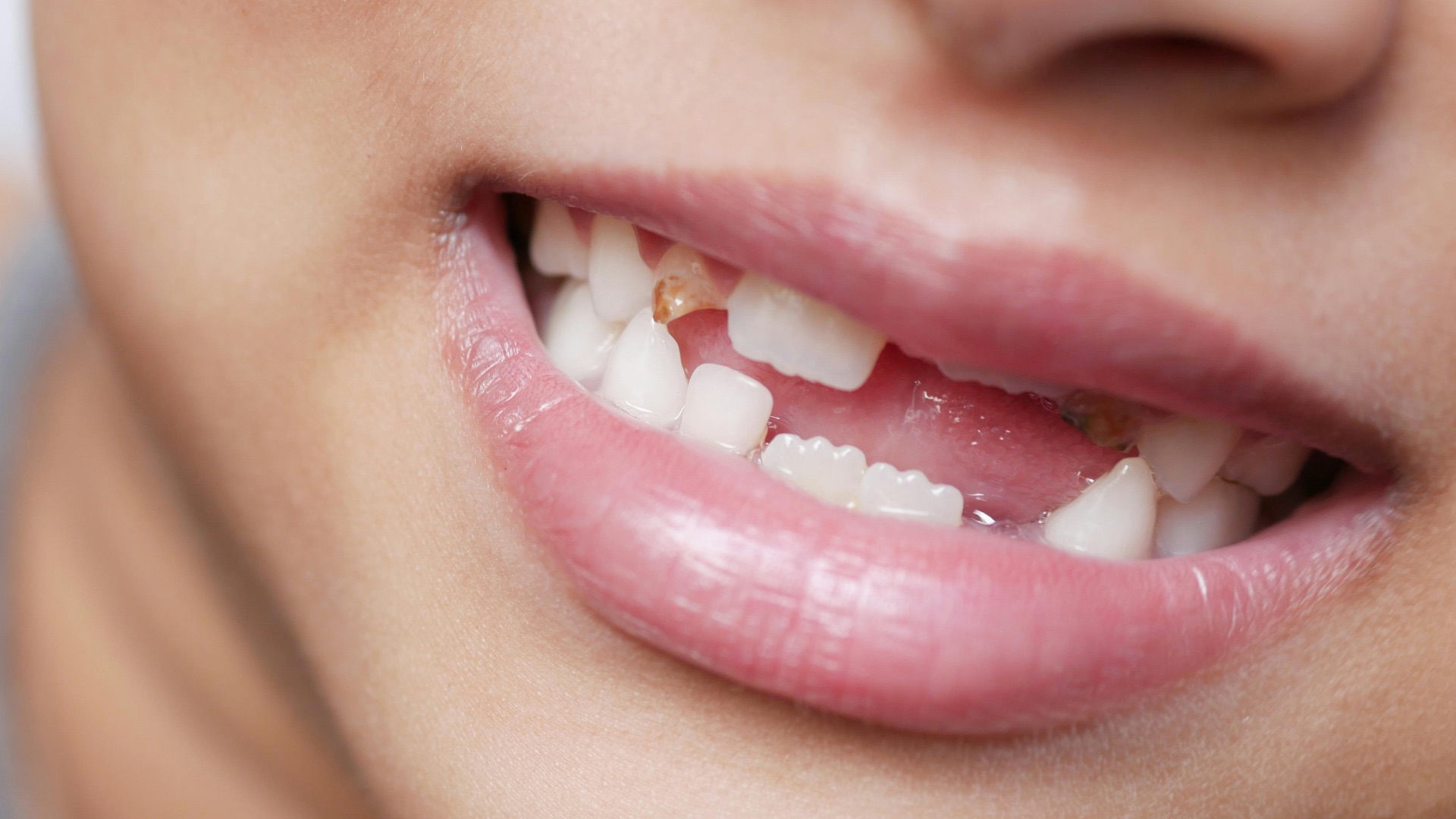
1. Crooked or Imperfect Teeth
A perfectly straight, white smile might be the beauty ideal plastered across magazines, but a lot of people find slightly crooked or gap-toothed smiles far more charming and distinctive. There's something about an imperfect smile that comes off authentic and approachable. In Japan, the yaeba look, where canine teeth slightly overlap, has even been considered a beauty trend.
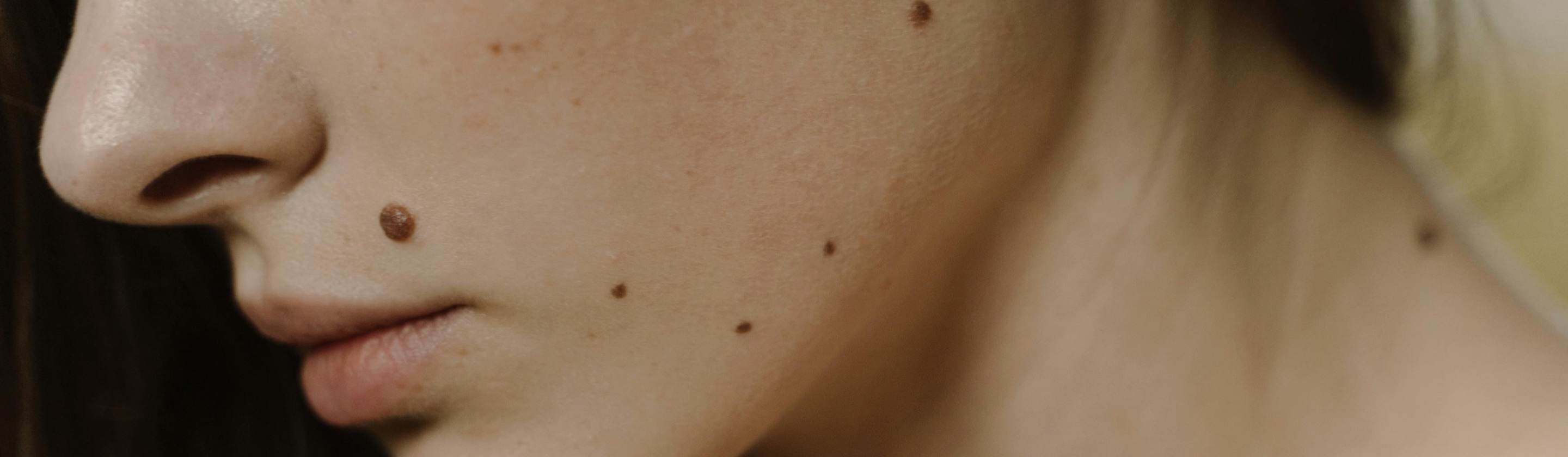
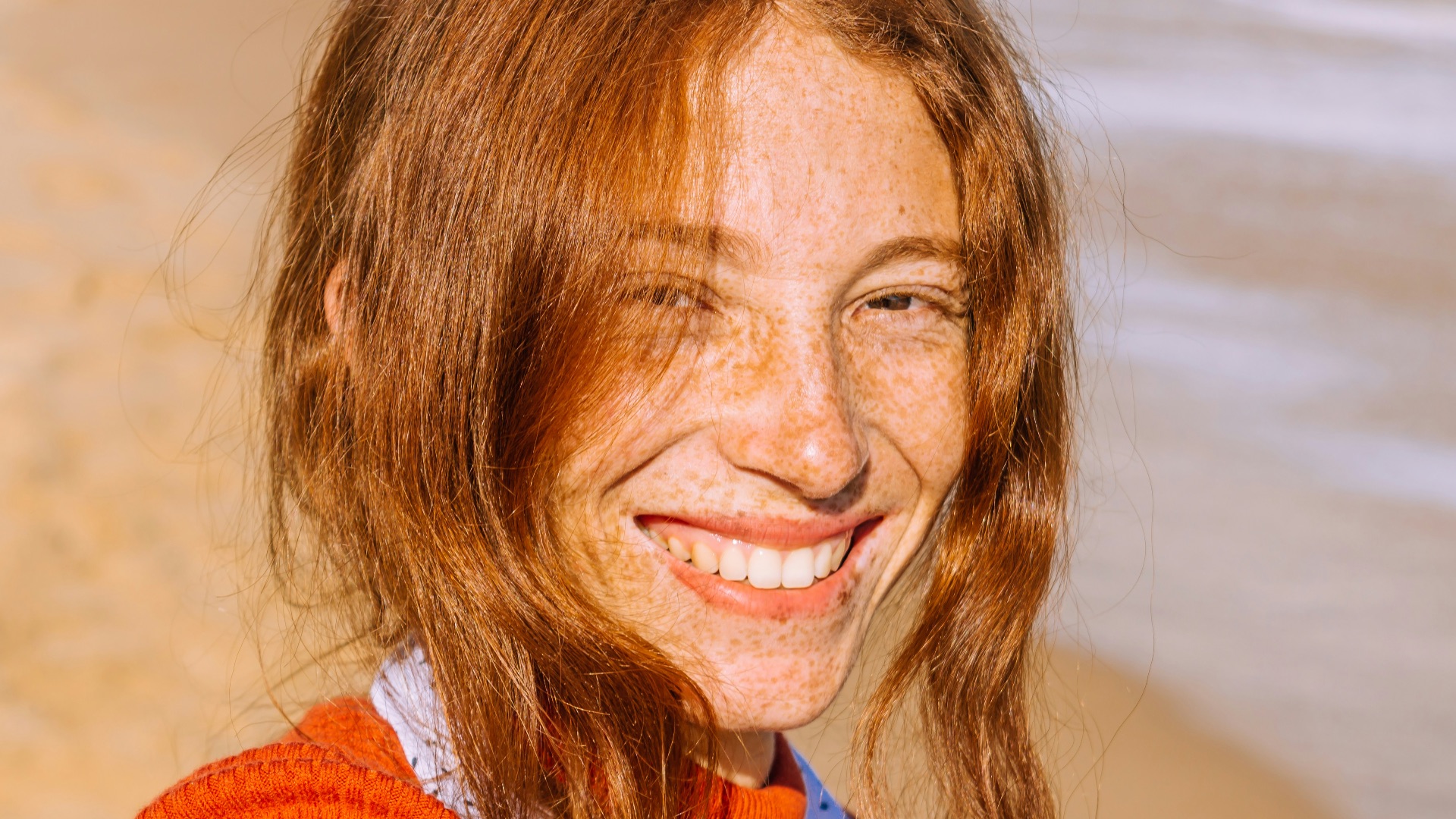
2. Freckles
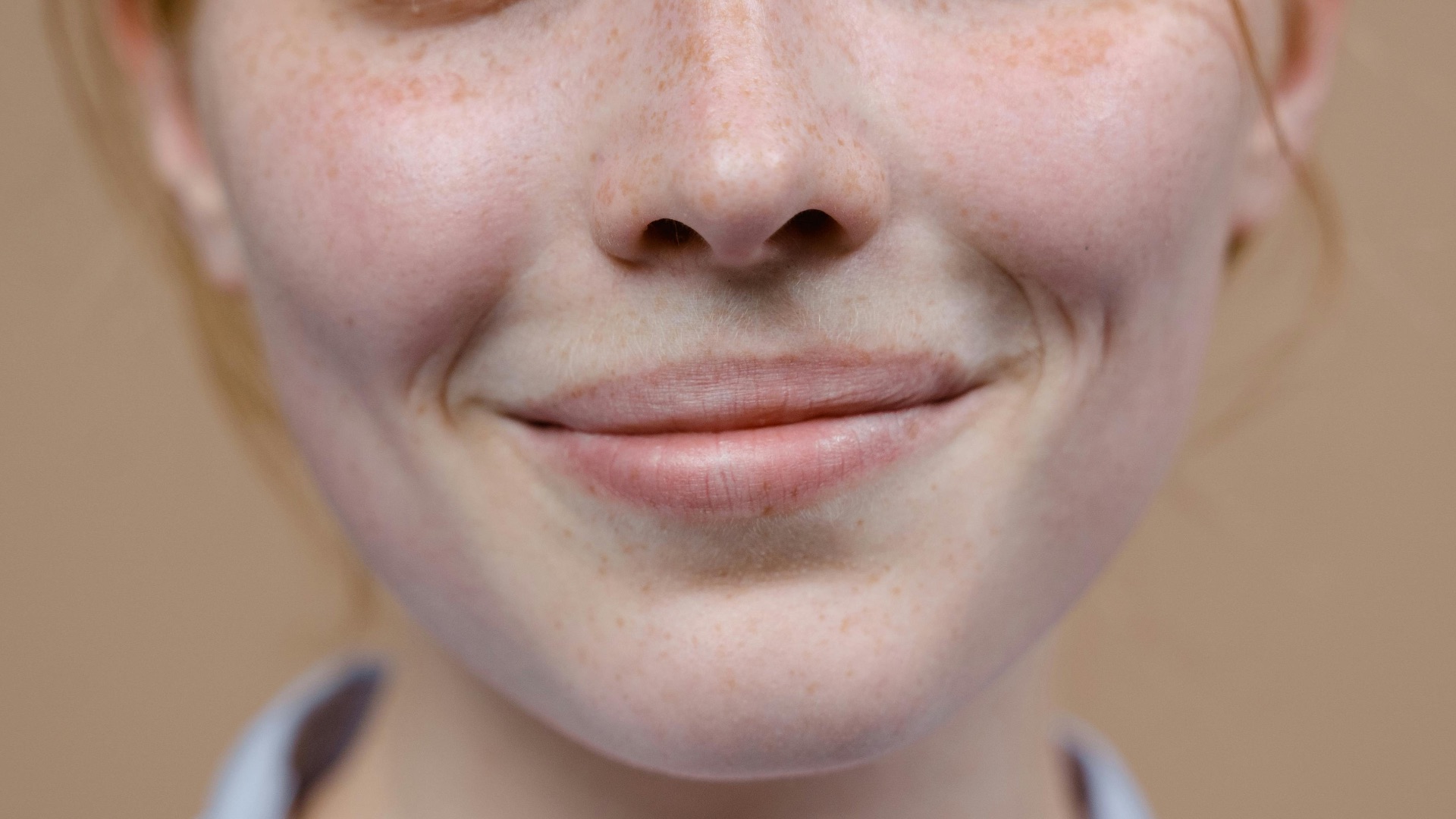
Freckles are one of those features people tend to either embrace or spend years trying to cover with foundation, but attraction-wise, they're consistently rated as endearing and even striking. In fact, they draw attention to the face in a way that no other feature can match. Plus, what was once considered a skin "imperfection" has become so desirable that some people are now getting faux freckles tattooed on, or dotting them on themselves with eyeliner.
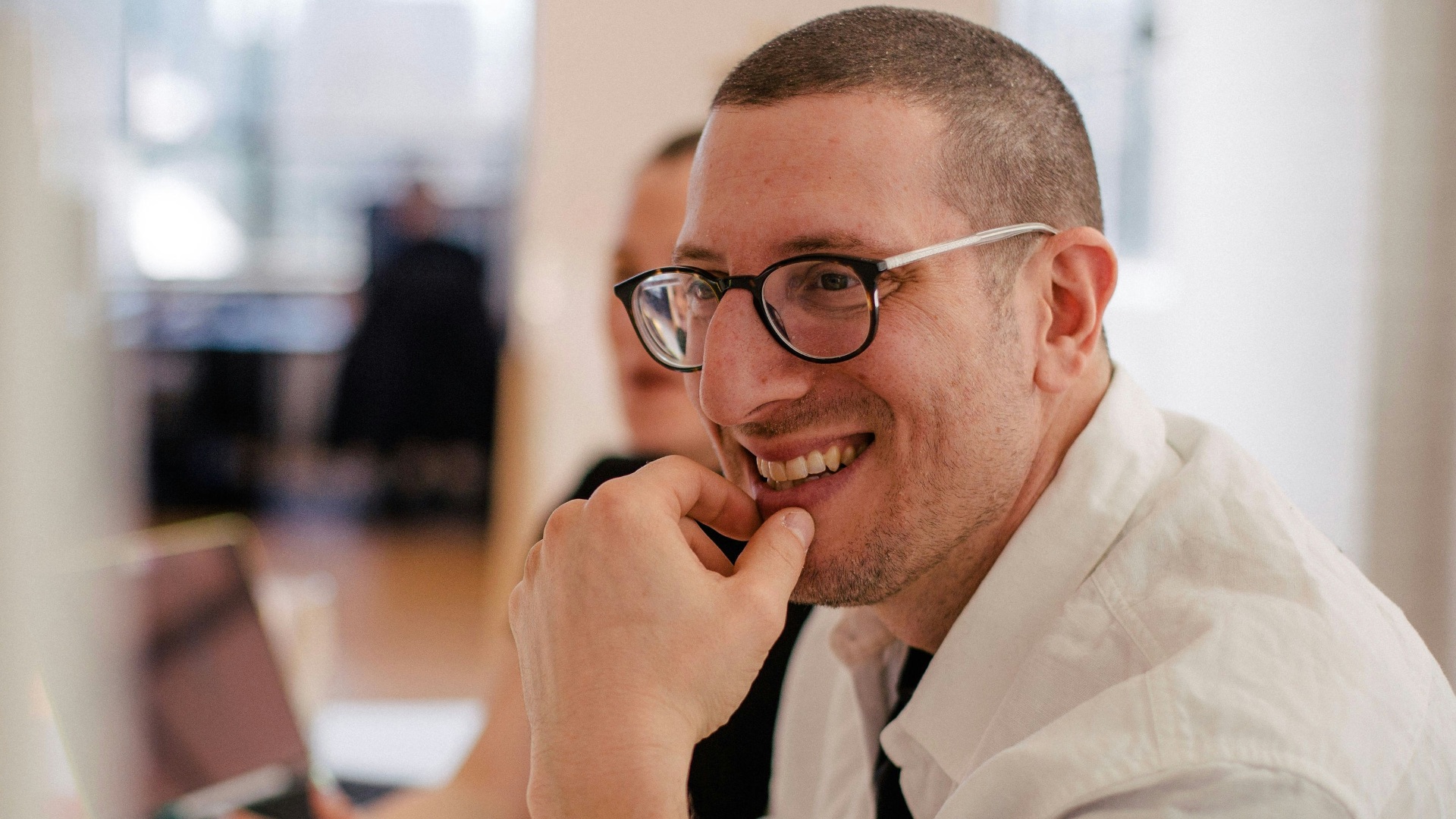
3. A Prominent or Unconventional Nose
Noses come in an enormous range of shapes and sizes, and while rhinoplasty remains one of the most requested cosmetic procedures, plenty of people are specifically attracted to faces with distinctive noses. A strong nose gives the face character and definition, and many people associate it with confidence and striking looks.
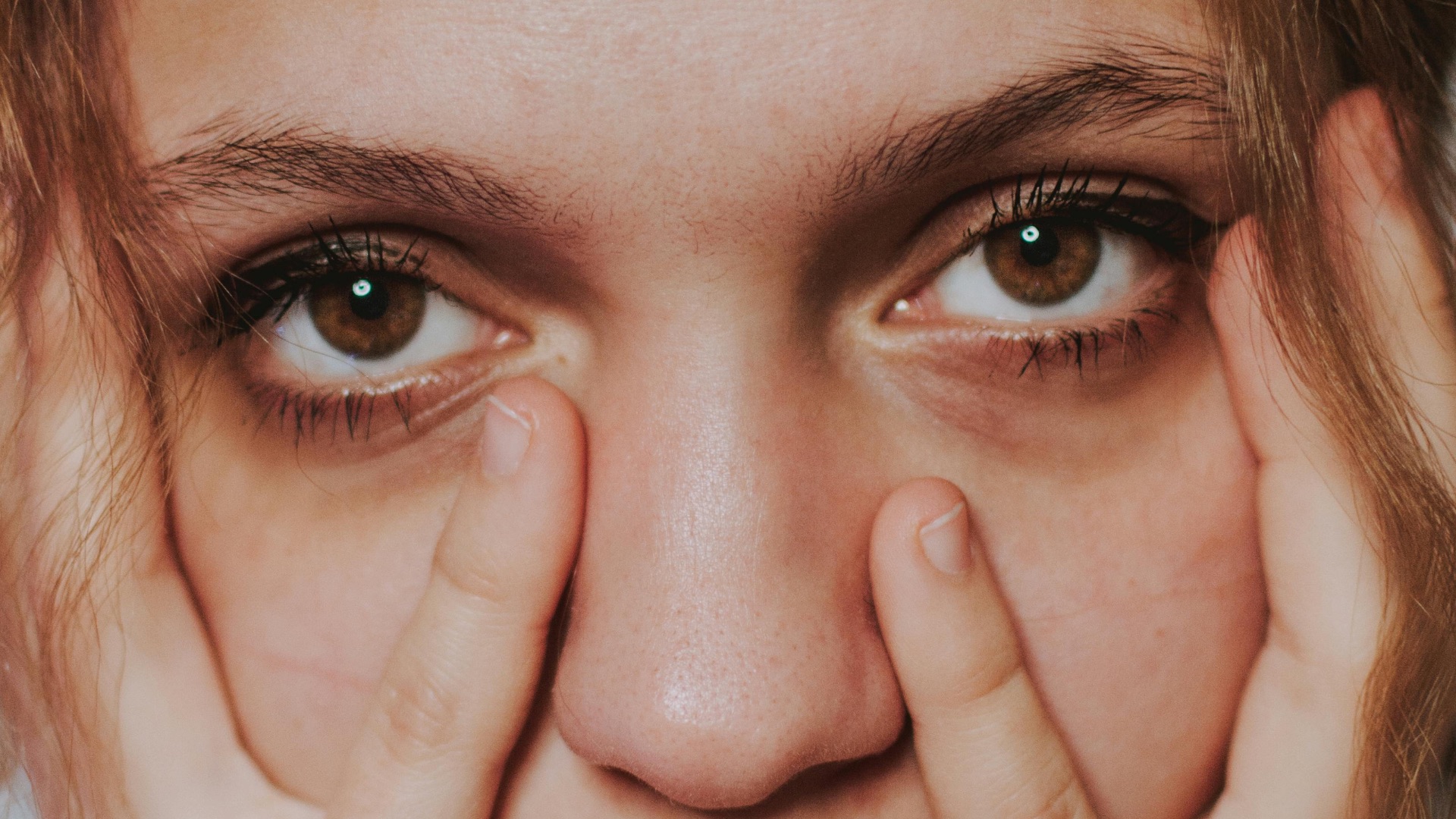
4. Dark Under-Eye Circles
Dark circles are something most people try to conceal, but they've actually developed a bit of a cult following in certain beauty and fashion circles. The slightly shadowed, tired look has been described as mysterious and brooding, and it's even been deliberately replicated with makeup in editorial and runway contexts. It turns out that the feature you've been reaching for concealer to hide might be adding more depth to your face than you realized.
5. A Round Face
Contrary to what you might think, a round face may oftentimes be preferred over the smaller, sharper faces that dominate beauty trends. After all, rounder cheeks can look warm, youthful, and approachable, and these softer facial shapes have their own appeal. They can also make expressions look more open and create a natural sweetness without trying.

6. A Rounder or Softer Belly
The flat stomach ideal has dominated diet culture for decades, but softer, rounder midsections have been found attractive across many cultures and throughout much of human history. A lot of people actively prefer the look and feel of a softer body, and that preference is more common than diet culture tends to let on.

7. Stretch Marks
Stretch marks are incredibly common, and yet they're frequently treated as something to be ashamed of or erased. Many people find them attractive, and they're increasingly being celebrated in body-positive spaces as natural markers of a life lived in a changing body. Several popular brands and campaigns have intentionally kept stretch marks visible in their imagery because the audience responds positively to seeing them.

8. Asymmetrical Facial Features
Perfectly symmetrical faces are actually quite rare, and while symmetry is often cited as a marker of attractiveness, research on the topic is more nuanced than the headlines suggest. Some studies have found that subtle asymmetry makes a face appear more dynamic, interesting, and memorable compared to artificially symmetrical ones. The slight differences between the two sides of your face are part of what gives you a distinctive look rather than a generic one.
9. Scars
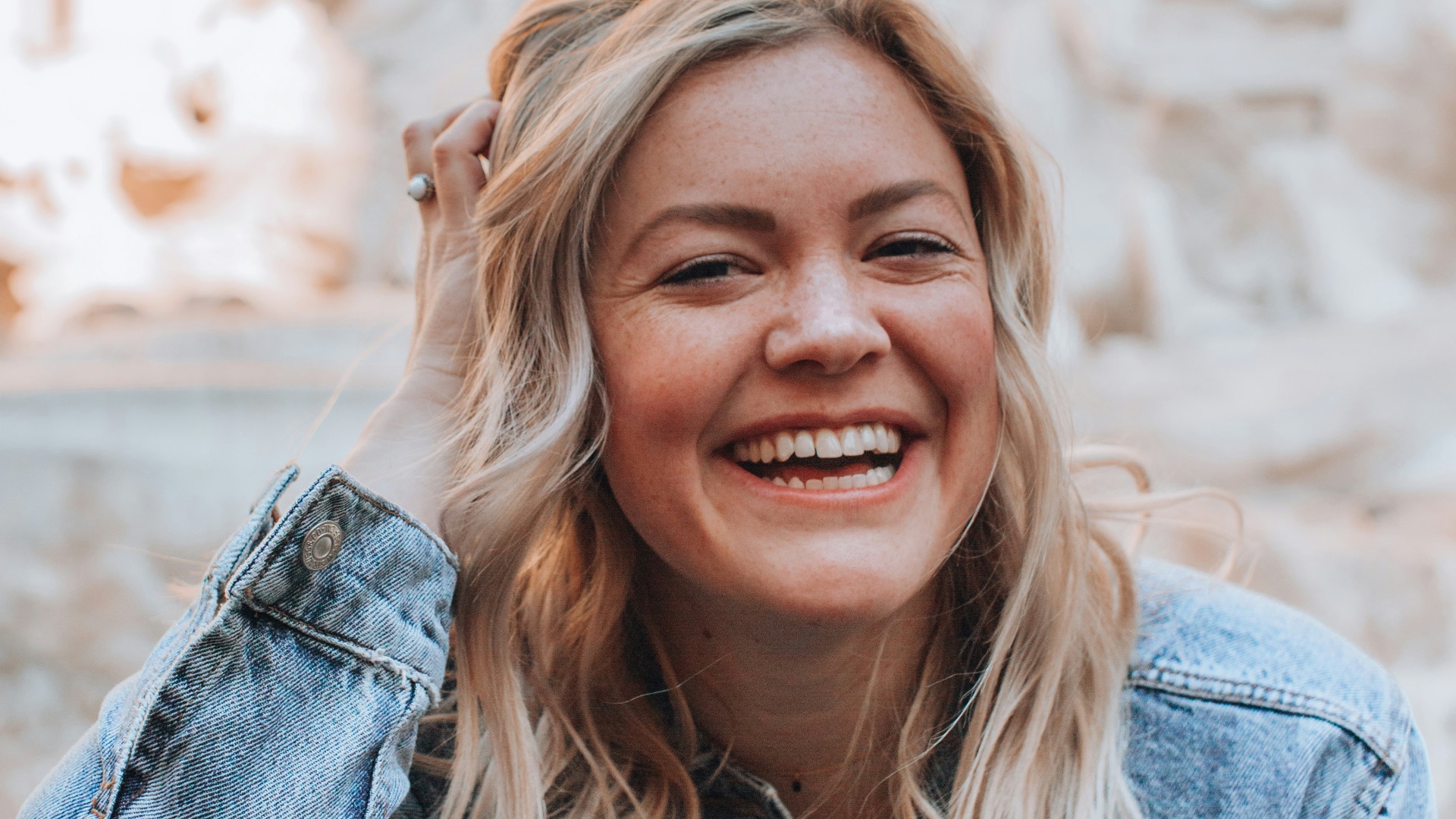
Just like stretch marks, scars can feel personal, so it’s understandable if you’ve had complicated feelings about them. Still, many people see scars as interesting and meaningful rather than unattractive. They can add depth to someone’s appearance because they point to experience, healing, and resilience. You don’t owe anyone an explanation for them, but you also don’t have to see them as something that takes beauty away.
10. Smile Lines
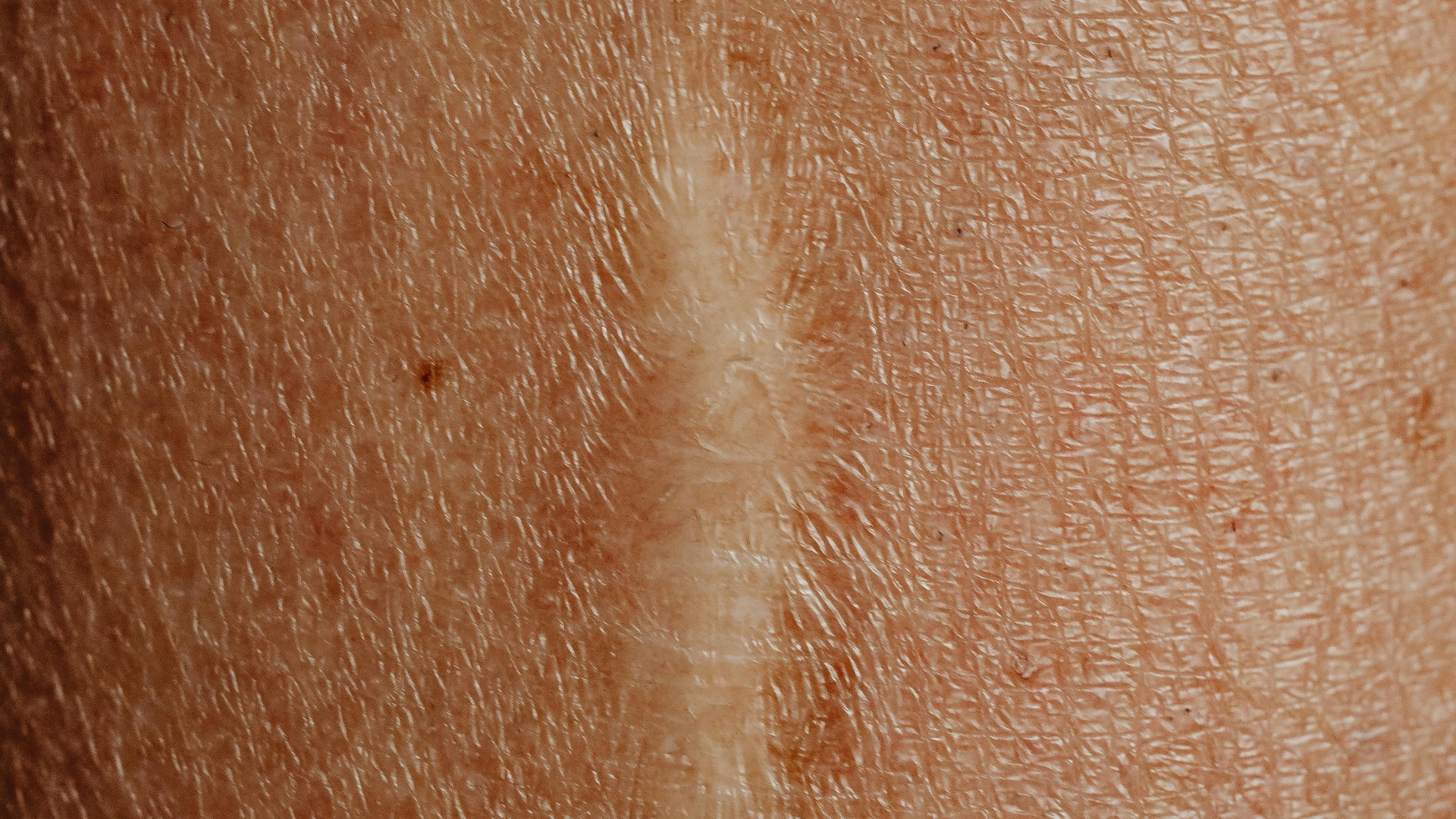
Smile lines show expression, warmth, and the fact that your face moves when you feel things. They’re often associated with friendliness and emotional openness, which can make someone more appealing. A completely smooth face isn’t always what people connect with most. Lines around the mouth can make a smile look more natural and inviting.
Now that you've seen how many so-called flaws people actually find attractive, the next step is learning how to feel that way about yourself. Attraction from others is nice, but building your own confidence in your natural features is what really lasts, and what matters most.
1. Audit the Media You're Consuming
The images and content you absorb on a daily basis have a direct impact on how you feel about your own appearance, whether you're consciously aware of it or not. If your feed is full of heavily filtered, surgically altered, or digitally retouched images, you're essentially training your brain to see that as the baseline for "normal." Following a wider range of body types, skin tones, and features, and unfollowing accounts that make you feel worse about yourself, is one of the most impactful things you can do for your self-image.

2. Stop Treating Makeup as the Default
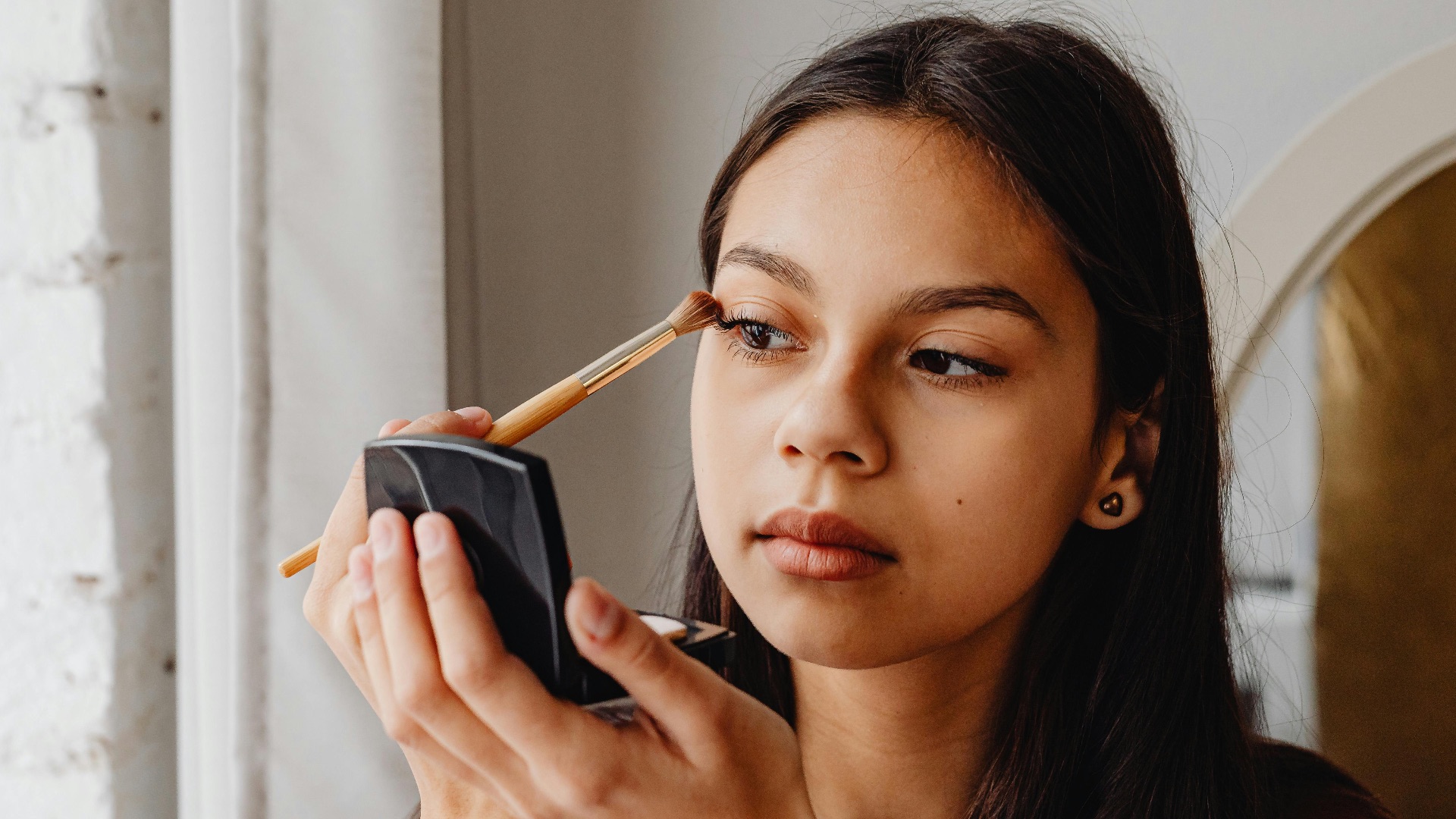
There's nothing wrong with using makeup or styling choices to enhance your look, but it's worth examining whether you're covering certain features out of genuine preference or just out of habit and insecurity. Try giving yourself a few low-stakes days where you leave the concealer off or skip the step you normally use to minimize a feature you're self-conscious about. The more you allow yourself to be seen as you are, the less power the perceived "flaw" tends to hold over you.
3. Learn the History Behind the "Flaw"
A lot of the features people feel worst about have been considered attractive or neutral for most of human history, and the stigma around them is often recent, culturally specific, and commercially motivated. Reading up on how beauty standards have shifted over time can take a lot of the sting out of your insecurities. It's much harder to feel ashamed of something once you understand that the shame was largely constructed and sold to you.
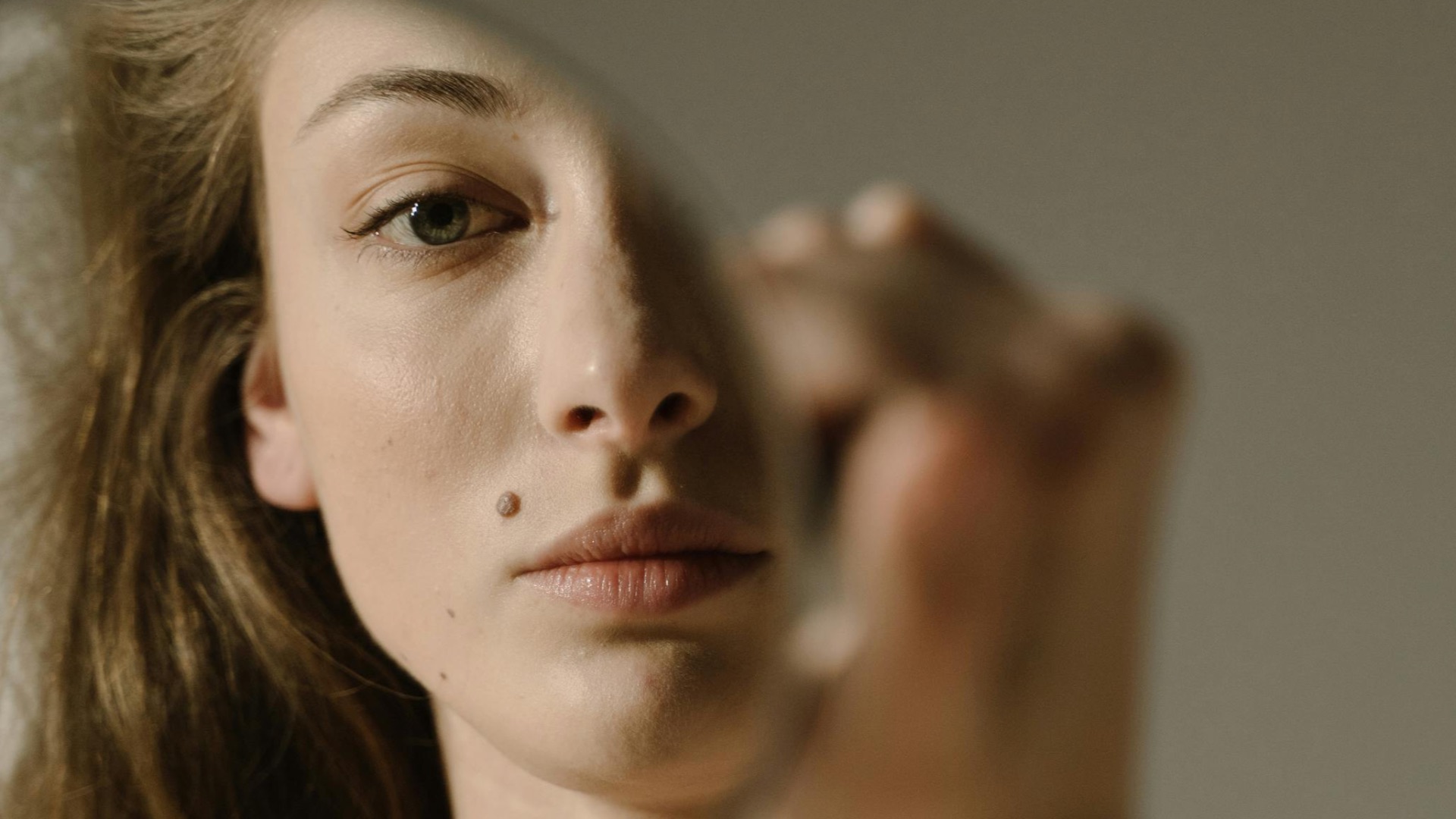
4. Reframe Your Internal Language
The way you talk about your own appearance has a real effect on how you feel about it over time. Shifting from "I hate my nose" to "my nose is unique and a strong feature" or even just "my nose is mine" might feel awkward at first, but the practice of neutral or positive self-description does accumulate. Making it a goal to remove the harsh, critical language you direct to yourself is a meaningful first step.
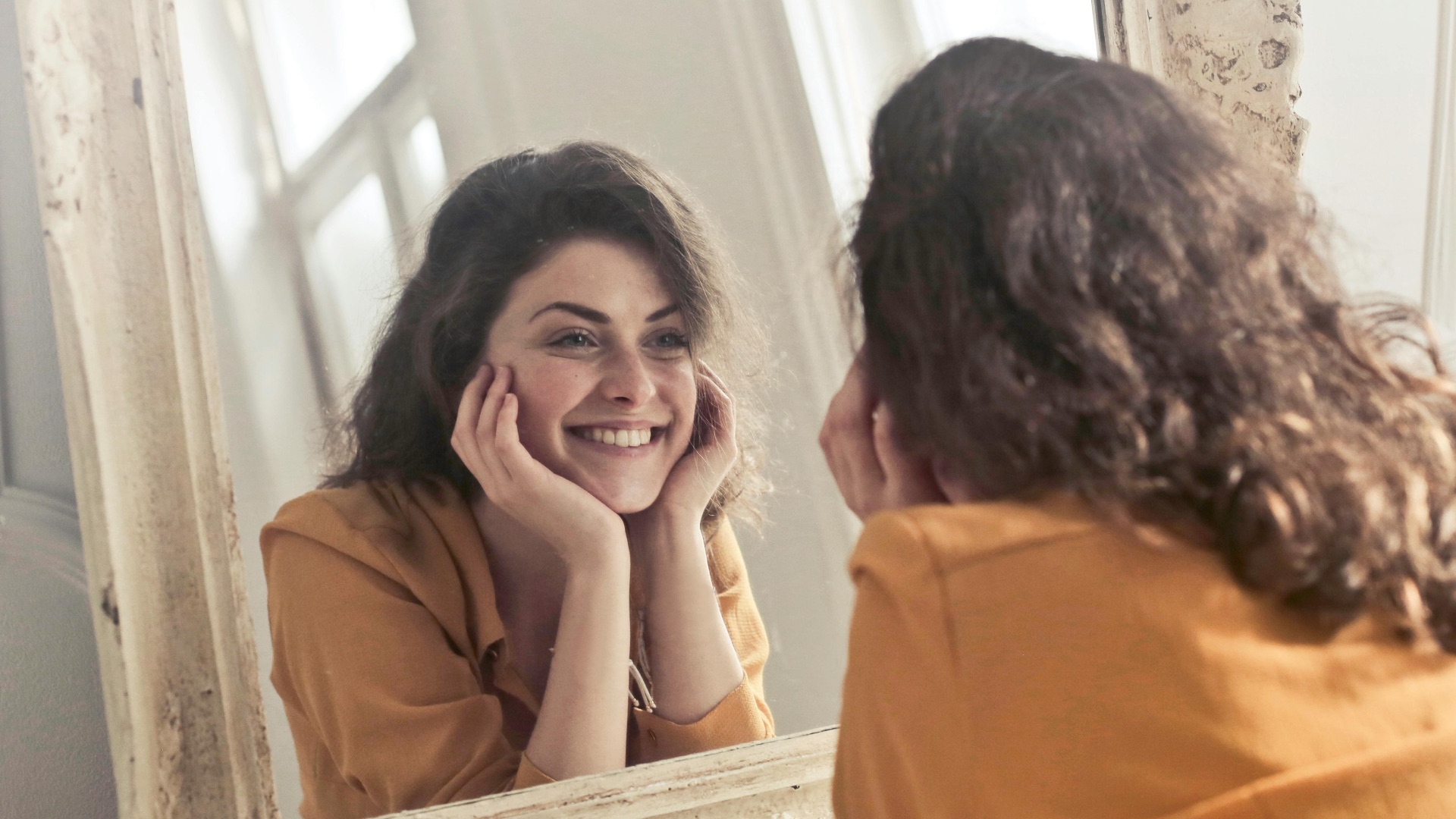
5. Seek Out Representation That Looks Like You
Seeing people who share your features being celebrated, whether in film, fashion, social media, or even just in your own community, can make a real difference in how you perceive those features in yourself. Representation, after all, has a direct psychological effect on self-esteem and body image, particularly for features that are underrepresented in mainstream beauty. Actively looking for that representation, rather than waiting for it to show up in your regular feed, puts you in control of what your brain normalizes.

6. Dress and Style in Ways That Feel Good to You
Embracing your natural features means making them for yourself rather than to compensate for or hide parts of yourself. Clothes, accessories, and styling that you genuinely enjoy wearing tend to make you carry yourself differently, and that confidence is more visible than any individual feature. When your overall presentation feels aligned with who you are, individual "flaws" tend to fade into the background.
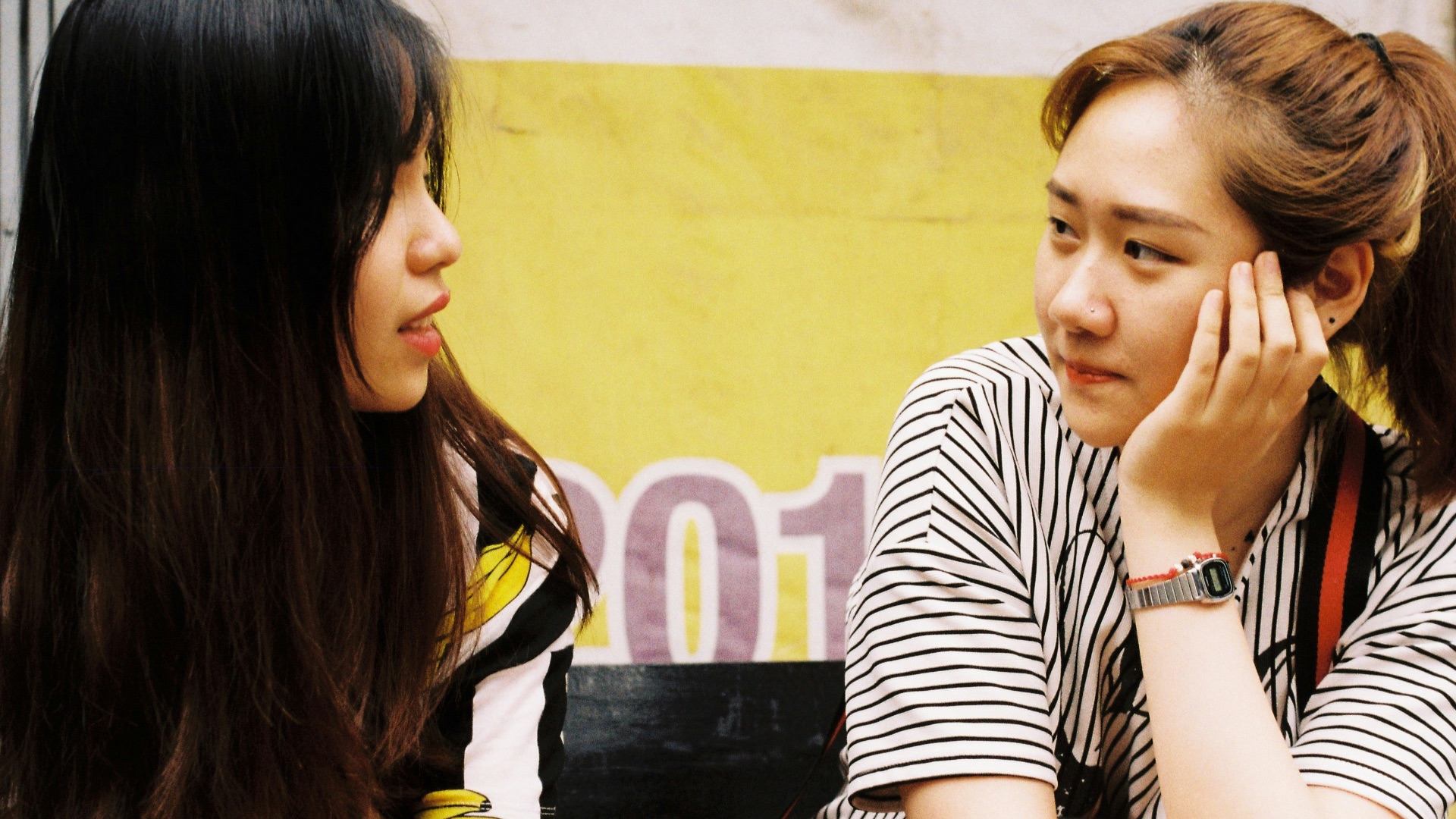
7. Talk to People You Trust About It
Sometimes the fastest way to dismantle an insecurity is to say it out loud to someone who knows you well. More often than not, the feature you've been fixating on in the mirror is something the people around you have barely noticed, or something they actually love about your appearance. That reality check from a trusted friend or partner won't fix deep-seated insecurities overnight, but it can interrupt the mental loop that keeps them in place.
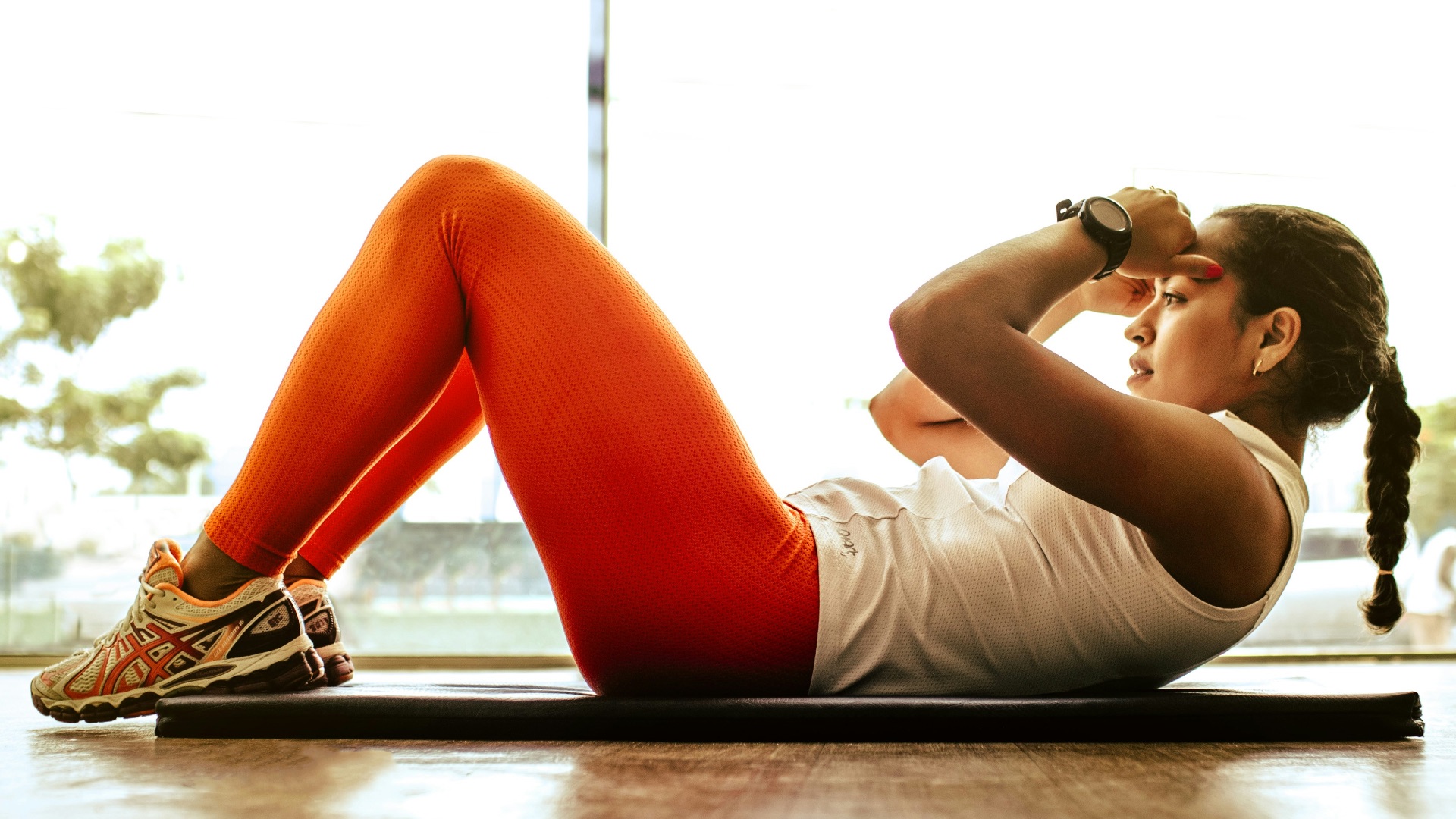
8. Move Your Body in Ways That Build Appreciation
Exercise that focuses on what your body can do helps to shift your relationship with your physical self in a pretty fundamental way. When you experience your body as capable, strong, or coordinated, it becomes harder to reduce it to a list of flaws to be fixed. Whether it's dancing, swimming, hiking, or lifting, finding movement that feels good rather than punishing changes how you relate to your physical appearance over time.
9. Be Selective About Whose Opinions You Let In
Not everyone's feedback about your appearance deserves equal weight, and part of self-acceptance is learning to filter whose voice actually matters to you. Comments from people who have your best interests at heart are worth sitting with; unsolicited criticism from acquaintances, internet strangers, or people with their own insecurities to project isn't. You get to decide which opinions have access to your self-image, and exercising that discernment is a skill worth developing.

10. Give It Time and Repetition
Self-acceptance isn't a switch you flip once, but something that builds gradually through repeated choices to treat yourself with less criticism and more patience. There will be bad mirror days, and there will be moments where old insecurities resurface, and that's completely normal. It isn't a sign that you've failed. The goal isn't to feel perfectly confident about every feature every day, but to spend more time at peace with how you look than at war with it. You are beautiful exactly the way you are, and that will always be true.