Your Camera Already Edited It
Nobody decided that pores were a flaw. It arrived one default setting at a time, and by the time anybody noticed, an unedited face had started to look like a mistake. The strange part is how fast the whole thing became invisible. Most people now carry a baseline for their own face that a camera built for them. Here's 20 ways filters changed what normal looks like.
 Apostolos Vamvouras on Unsplash
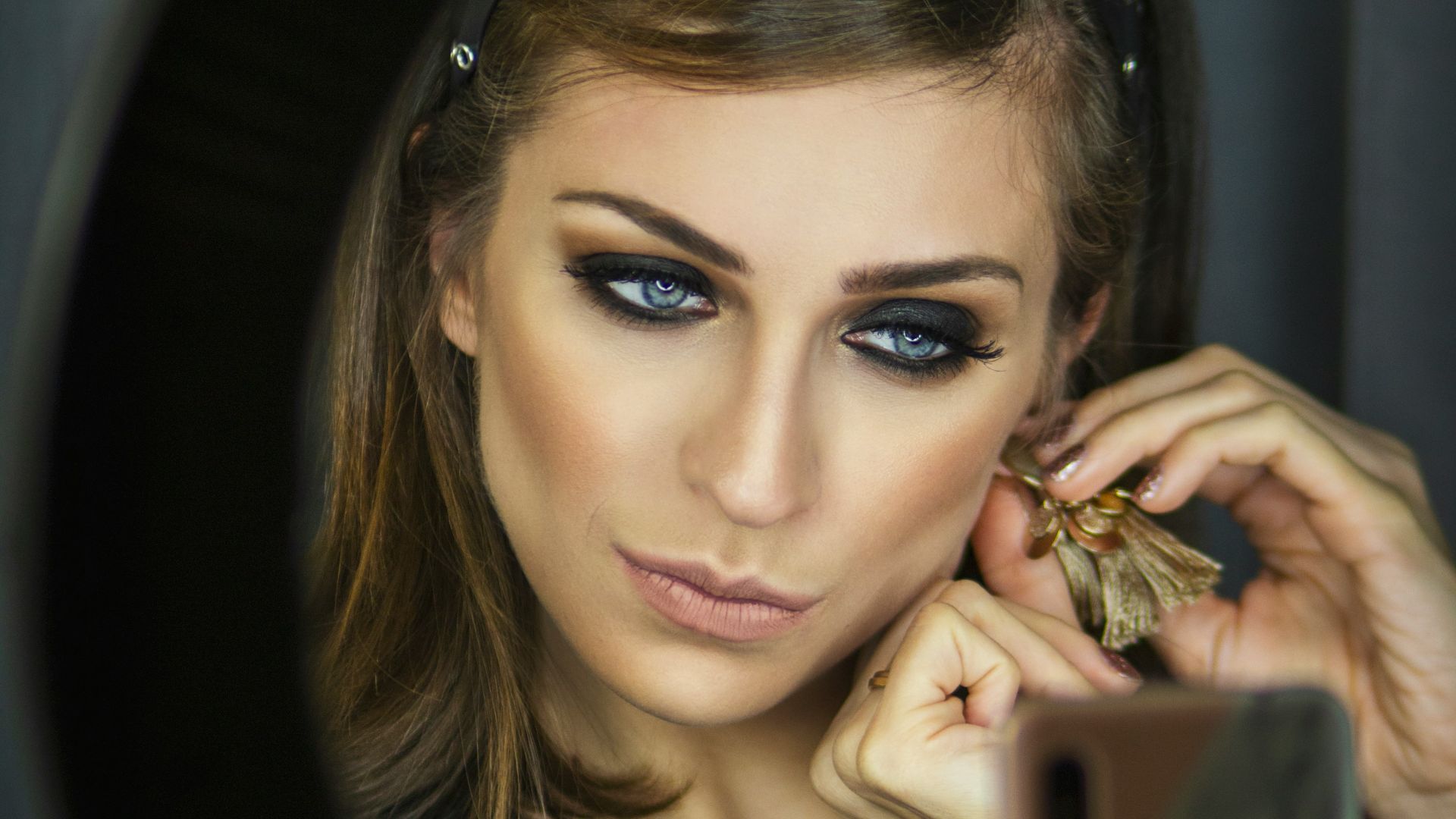
1. Snapchat Dysmorphia
Surgeons began noticing patients who arrived with filtered selfies of their own faces, asking to be made to look like the photo rather than like anybody famous. Dermatologists at Boston University named it Snapchat dysmorphia and the name stuck. The old reference photo was a celebrity, which at least gave a doctor an argument to win, and a patient's own filtered face is much harder to talk anybody out of.
2. Beauty Mode Comes Switched On
Plenty of phones ship with skin smoothing already turned on in the camera app, at a level low enough that nothing looks obviously wrong. Nobody digs through three screens of settings to check, so the photo that feels like the honest one isn't. The baseline picture of your own face was edited before you ever looked at it once.
3. Touch Up My Appearance
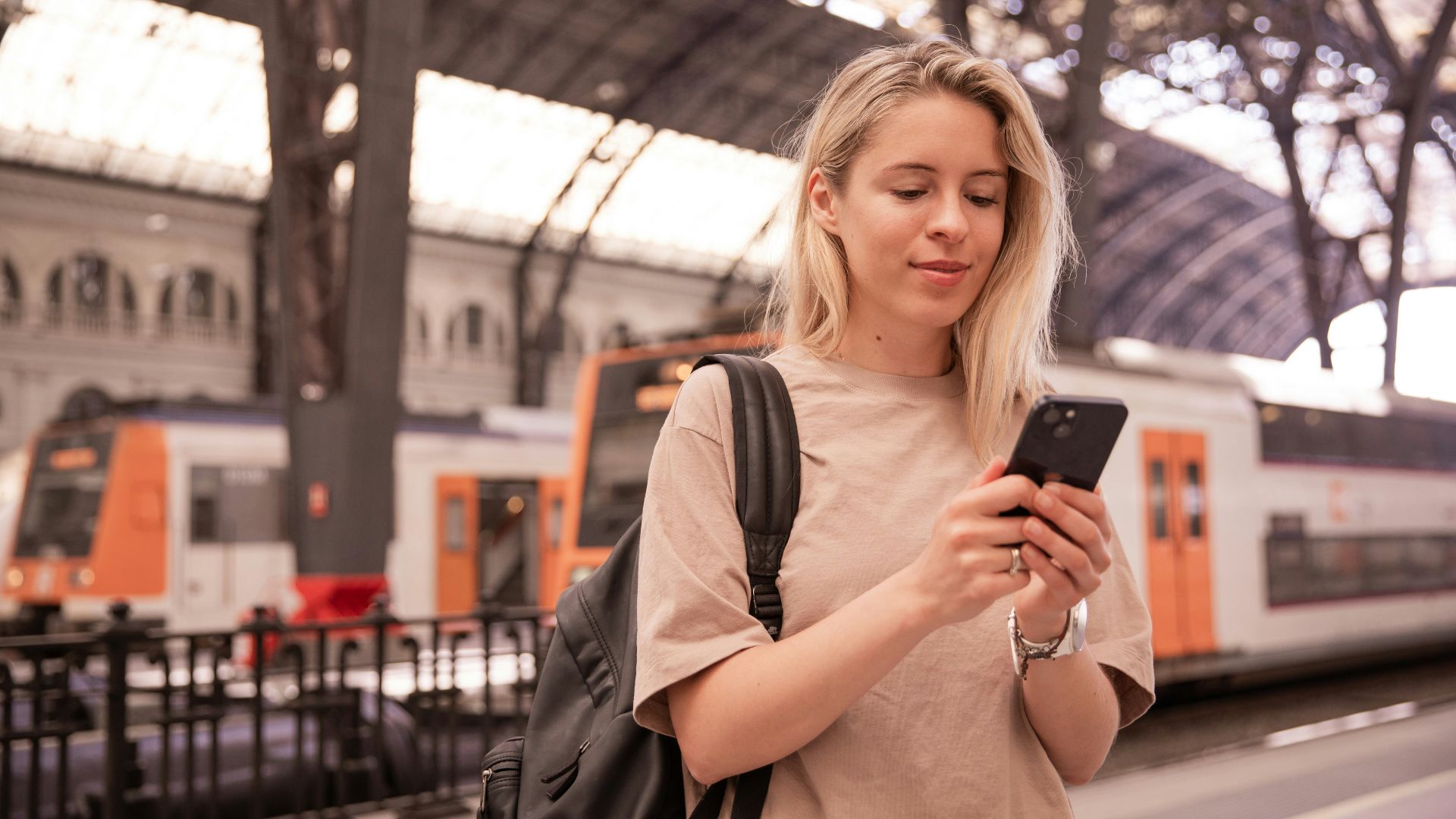
Zoom has a slider that smooths your skin during calls, and it has been switched on by default for plenty of accounts. A fair number of people spent two years of meetings watching a retouched version of themselves without being told. Switching it off halfway through a Tuesday and seeing the difference is a rough afternoon for anybody.

4. The Front Camera Lies
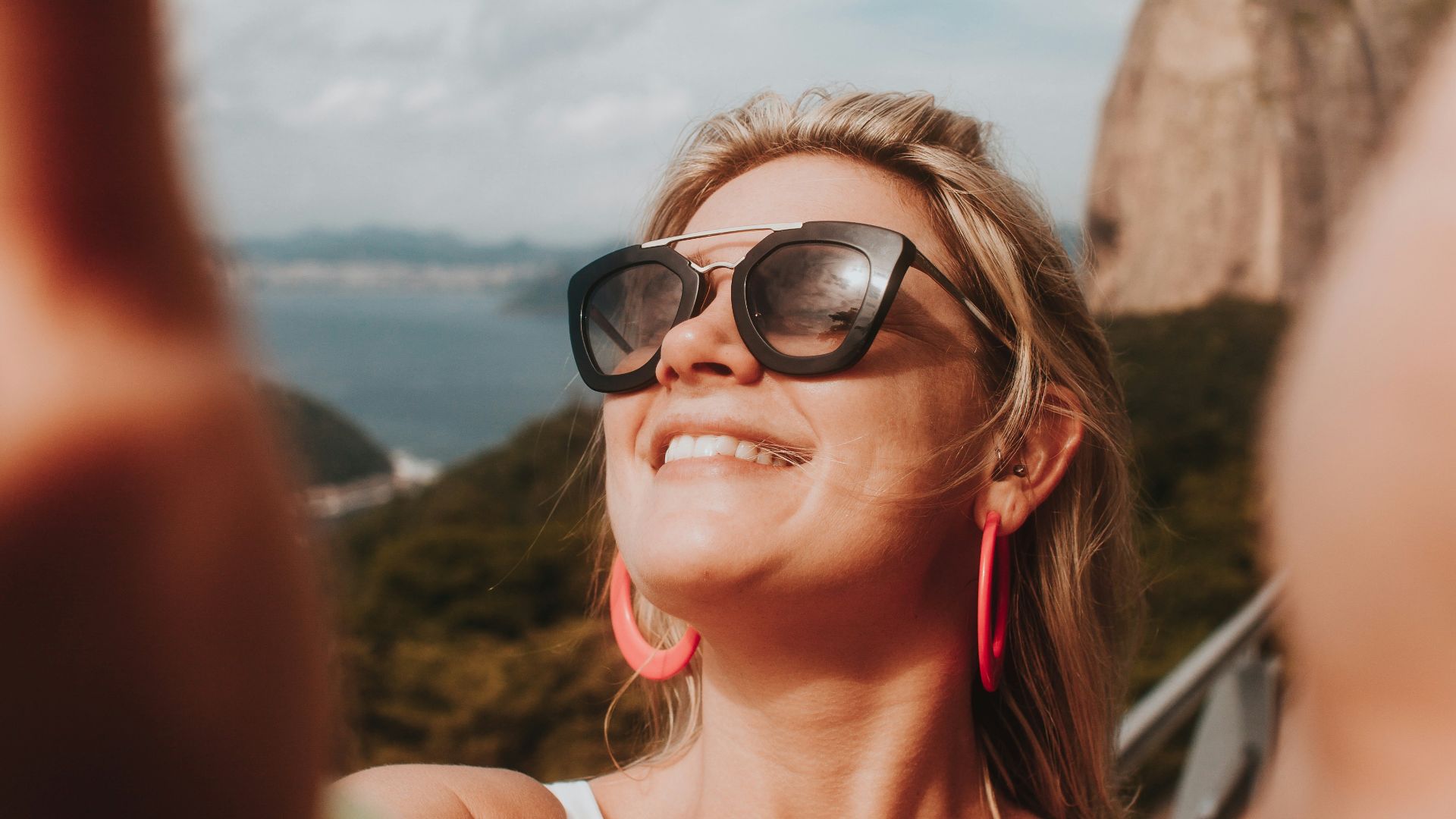
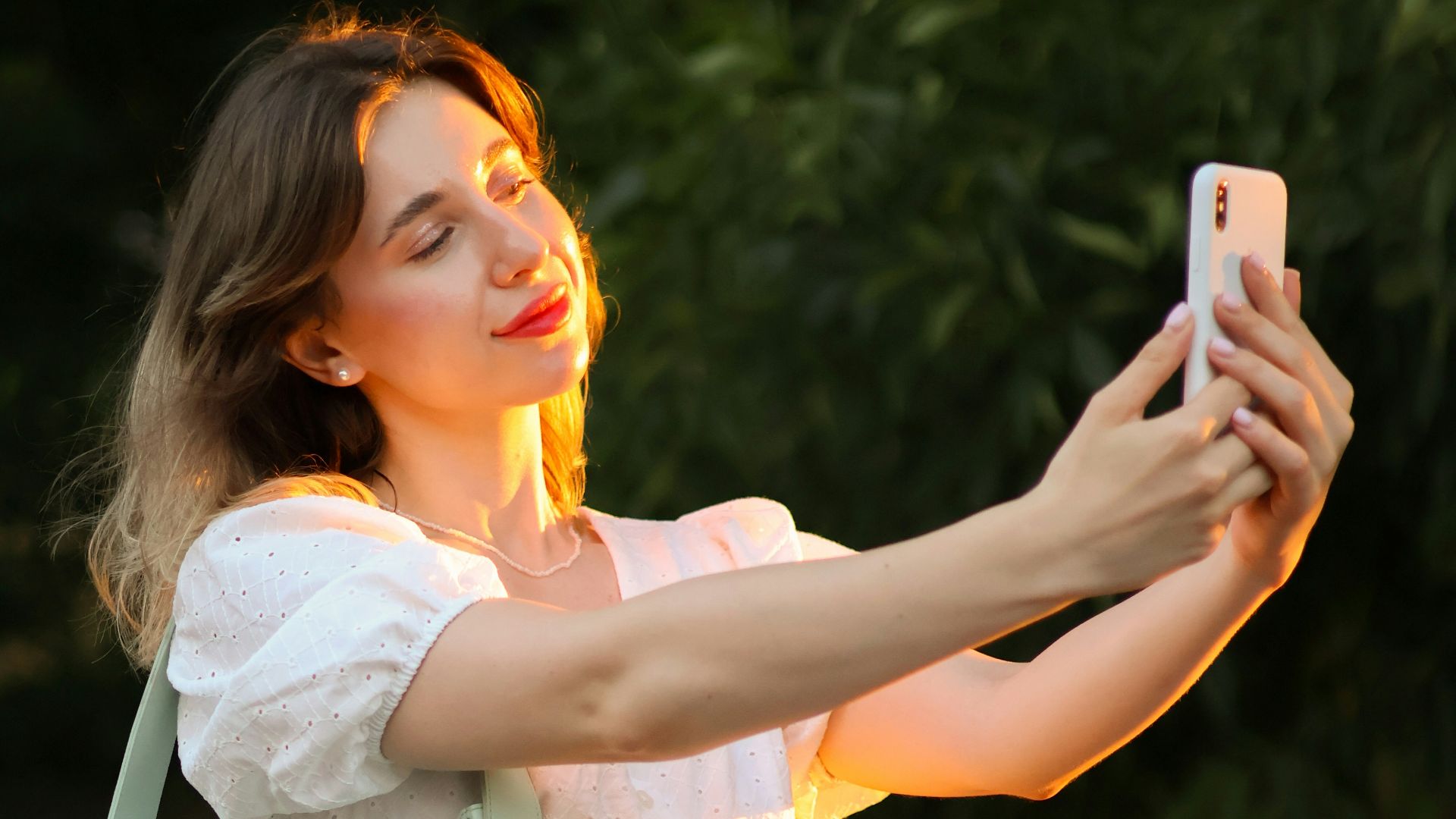
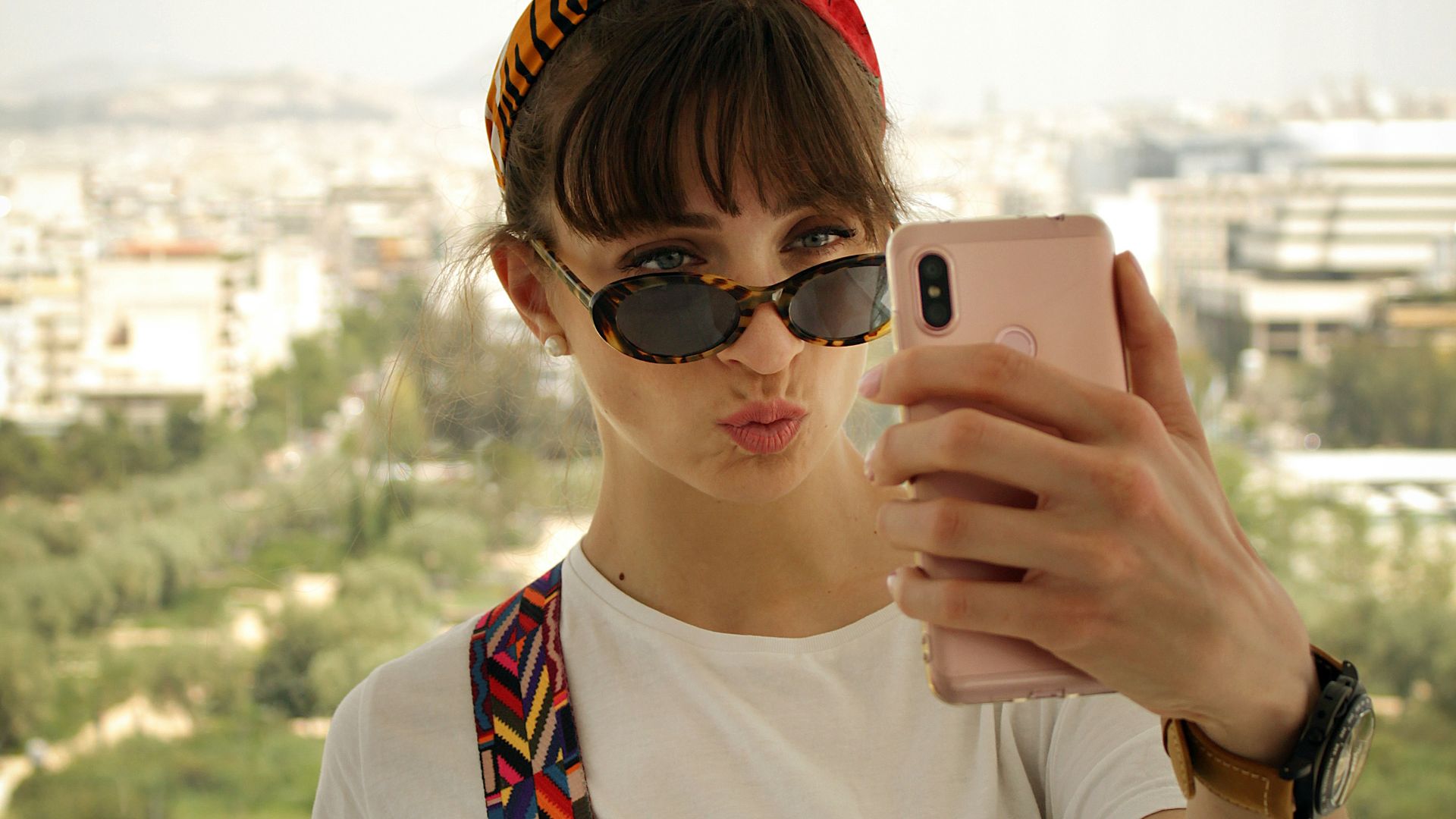
Boris Paskhover, a surgeon at Rutgers, ran the math on this with a Stanford computer scientist in 2018. A photo taken about a foot from your face makes the base of your nose look roughly 30 percent wider than the same face shot from five feet back. Everybody has spent a decade judging their nose against a picture the lens made up at arm's length, which is also the distance nobody else ever stands at.
 Marcos Paulo Prado on Unsplash
5. Mirrors and Cameras Disagree
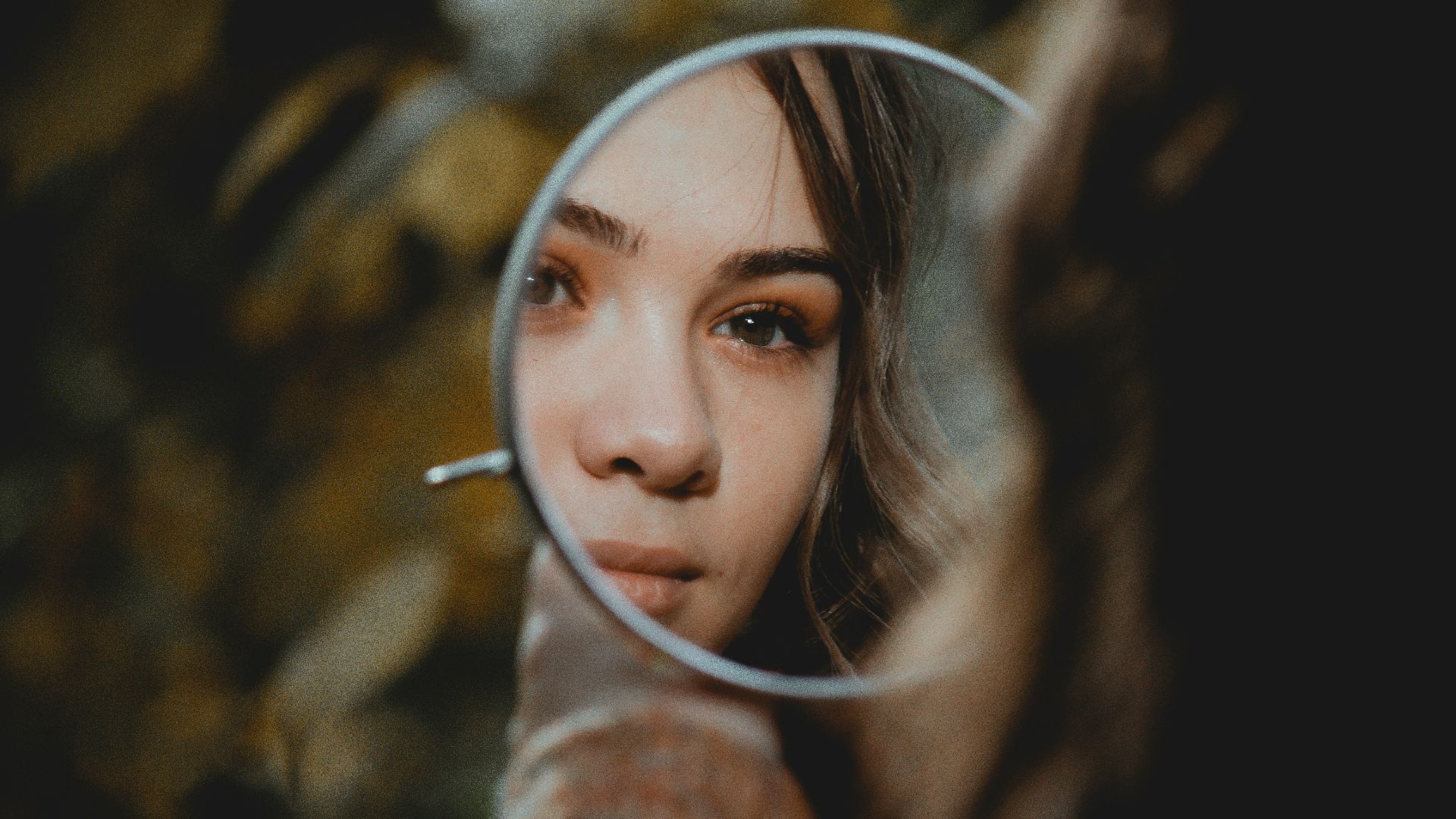
The mirror shows a reversed face you've been looking at your whole life, lit by whatever is on the ceiling. The front camera shows an unreversed version from close range, and the two never quite line up. Most people conclude the camera must be the honest one, which gets it backwards.
6. Pores Became a Problem
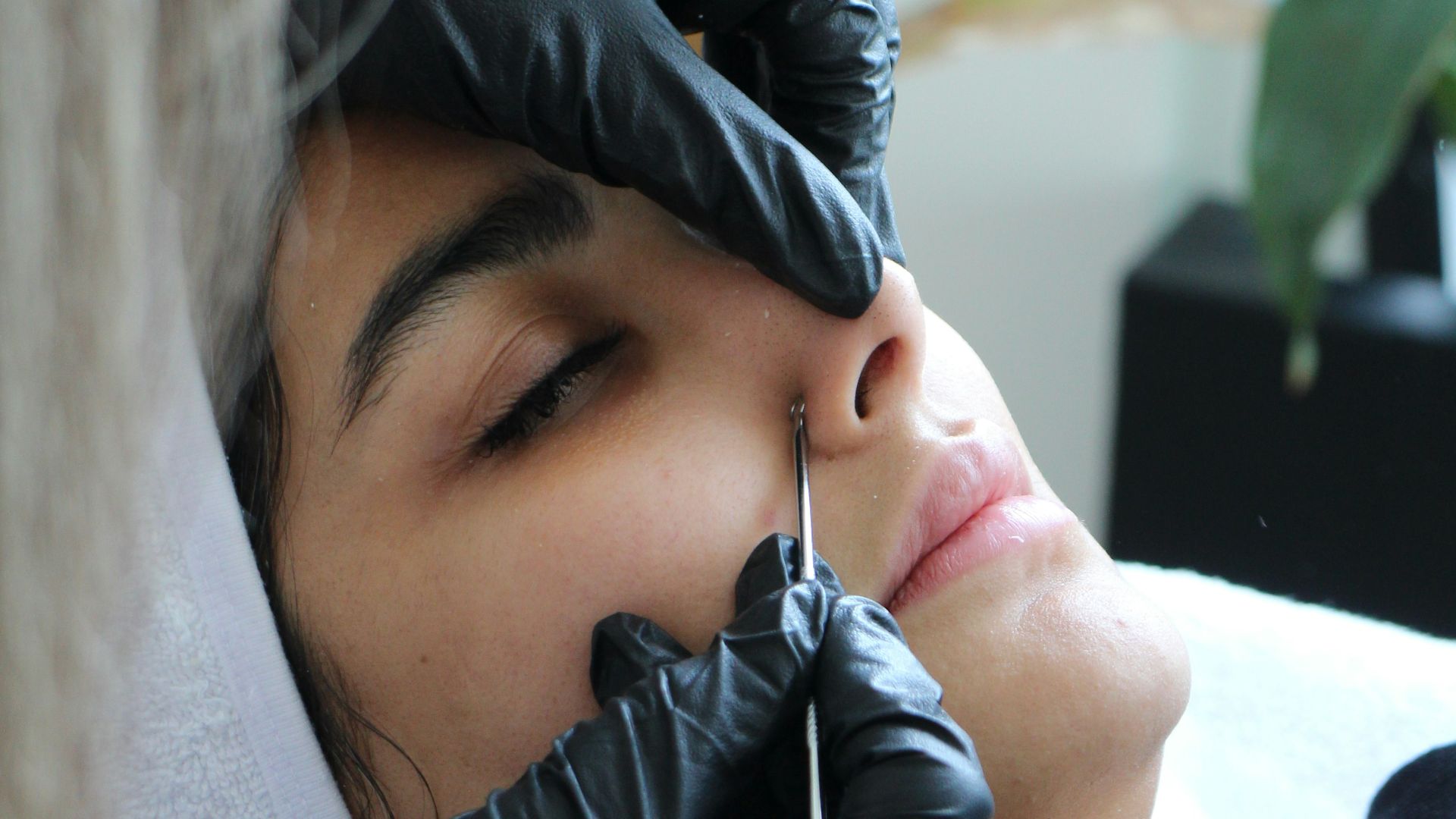
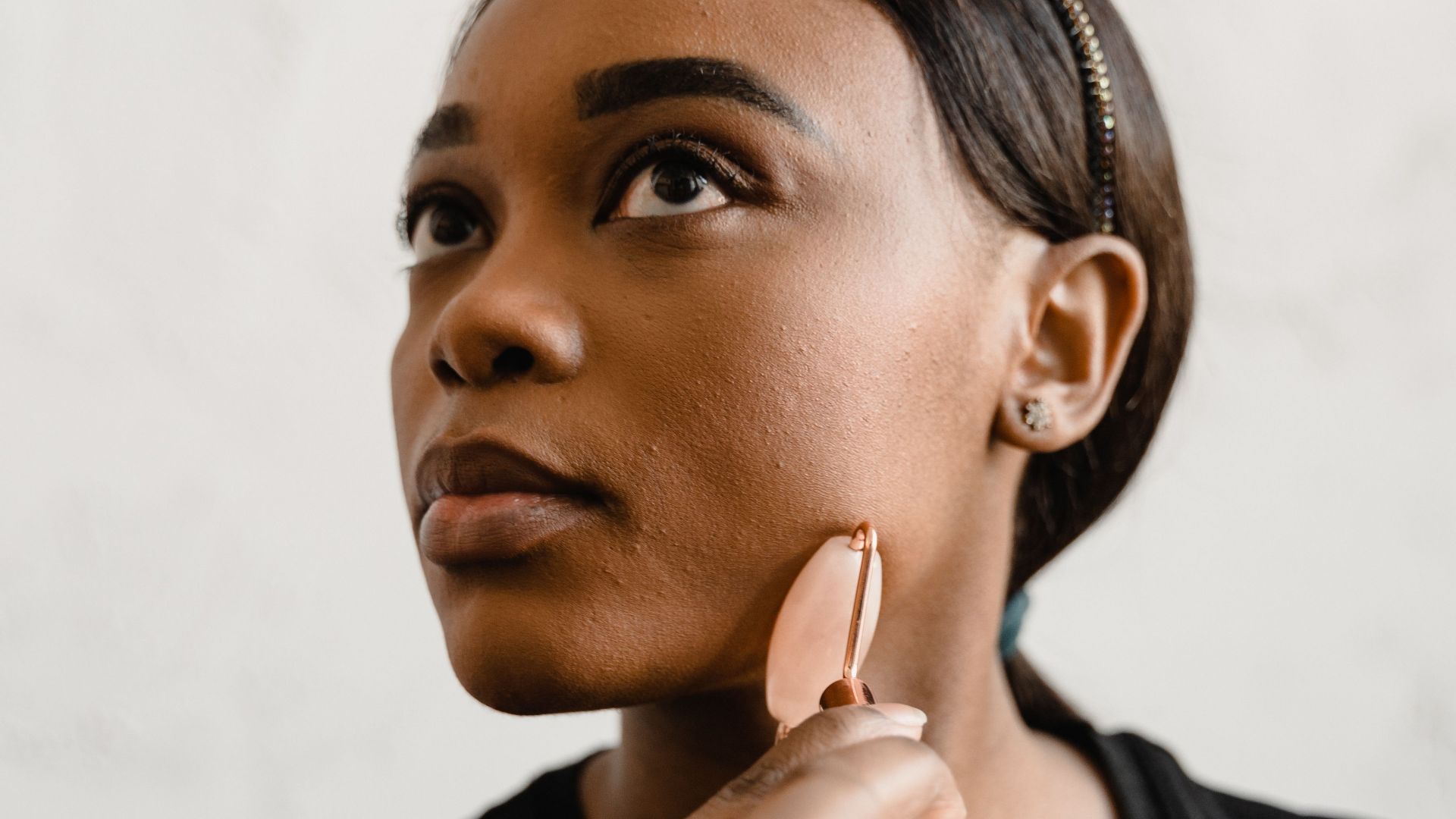
Texture is the first thing smoothing software takes out, because blurring is the easy part of the job. The result is that the images everyone scrolls past show skin with no pores at any age or in any light. Dermatologists now spend paid appointment time explaining that pores belong on a human face.
7. Instagram Face
Jia Tolentino named it in The New Yorker in 2019, describing a single look taking over the entire platform. A small nose and full lips over high cheekbones, repeated until it read as a type rather than a person. Filters got people most of the way there without an appointment or a recovery period.
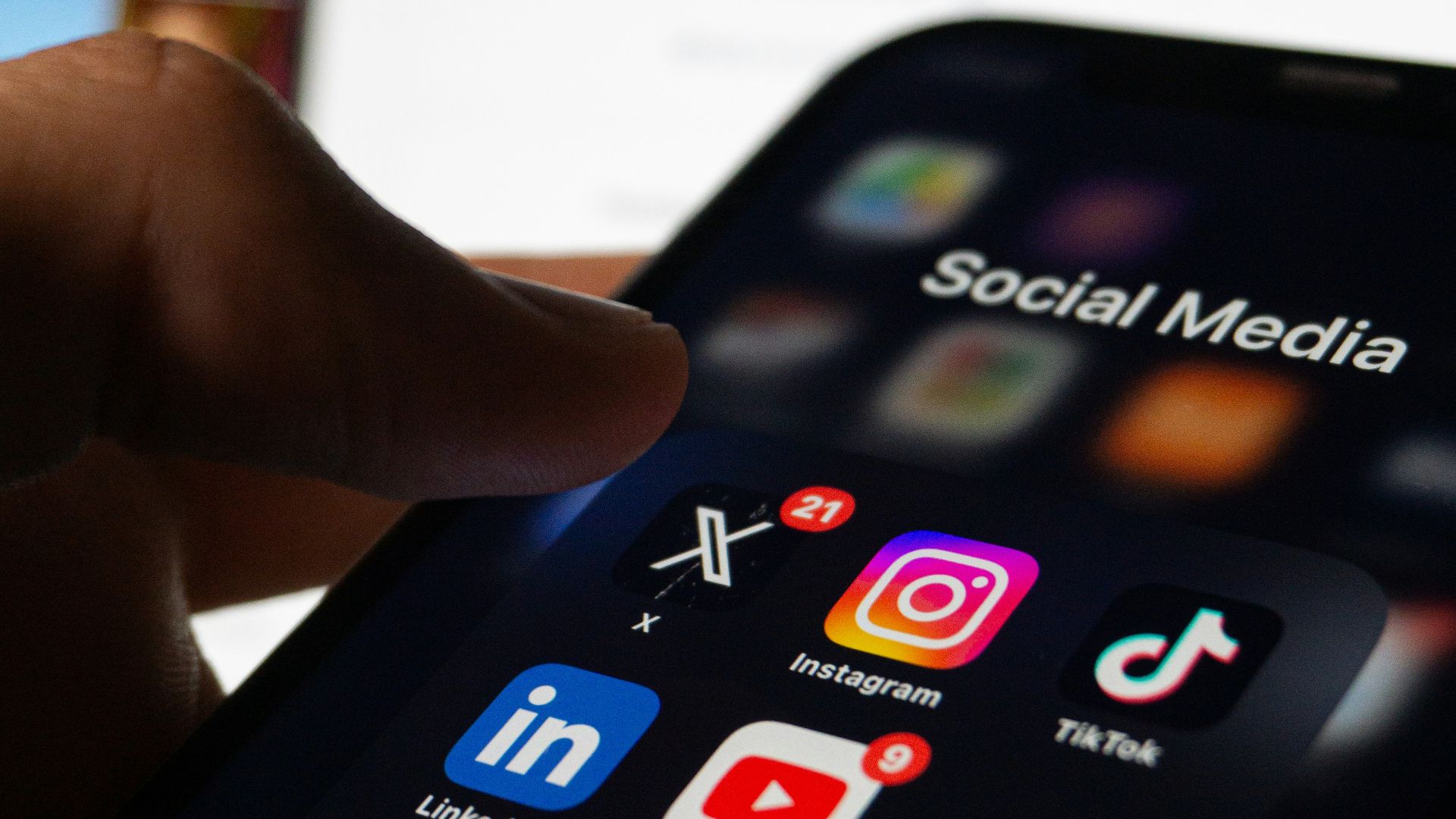
8. The Filter You Can't See
The ones that changed things are the ones nobody can spot. TikTok's Bold Glamour, out in early 2023, rebuilt the face with AI instead of laying a mask over it, and the effect held up when people poked their own cheeks on camera. A filter stops reading as a filter once you can't catch it working on somebody's face.
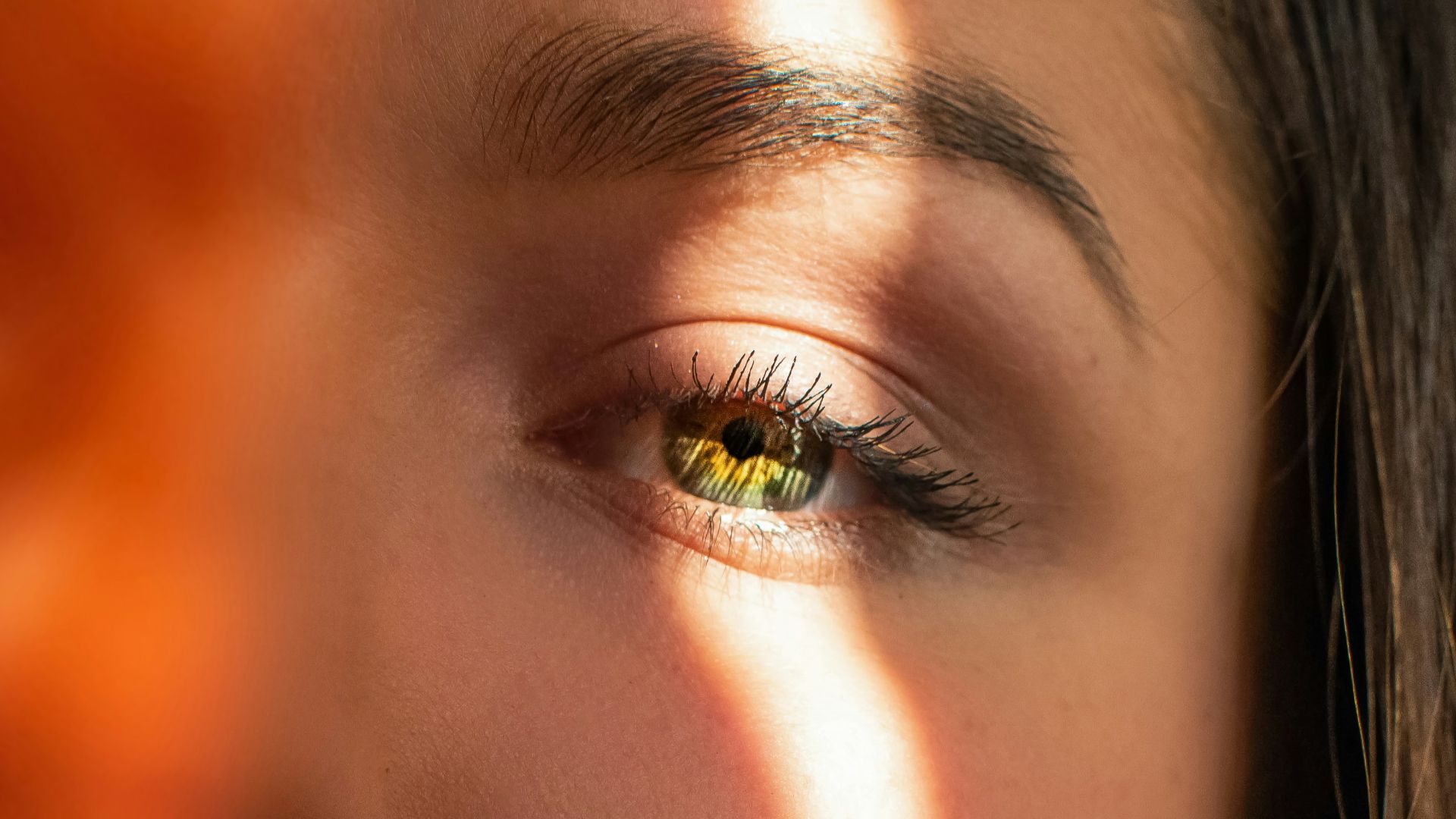
9. Under-Eye Shadows
Almost every beauty app brightens the area under the eyes by default. Shadows that come from having a skull now read as exhaustion, so people decide they photograph worse than they look in a room. Plenty of them end up asking a dermatologist about a shadow they've had since they were nine.
 Kamila Maciejewska on Unsplash
10. Teeth
Teeth come out whiter without anybody asking for it or noticing it happen. Real enamel sits closer to ivory, so a camera roll full of brightened smiles makes the set in your bathroom mirror look stained by comparison. Whitening strips more or less sell themselves now.
11. Forty Shots for One Post
Taking one photo and keeping it is close to a lost practice. The process now runs to dozens of nearly identical frames, picked over on the walk home. What goes up is the single best frame out of forty, and everybody looking at it understands that.
12. The Group Photo Veto
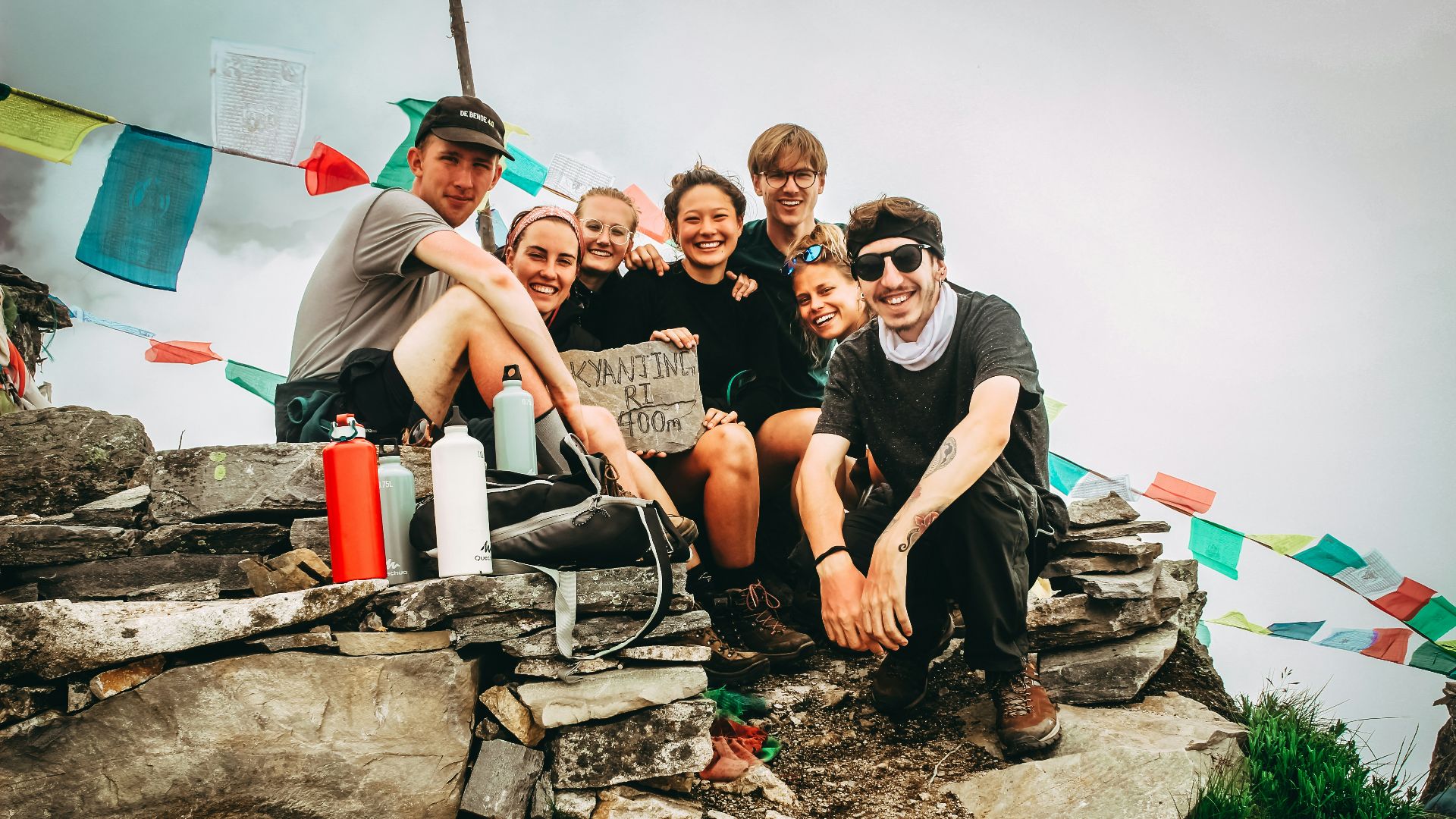
Nothing gets posted until everybody in the frame has signed off on it. One person wants to retake the whole thing, and somebody else wants their own side edited before it goes anywhere. A photo of six people now needs six separate approvals before it exists publicly.
13. Jawlines on Video
Software tracks a face in motion and reshapes it frame by frame, which took real computing power a few years ago and is free now. A jaw can be sharpened through an entire clip without one visible glitch. Neither the viewer nor the person rewatching their own footage a week later can tell.
14. Body Slimming in Real Time
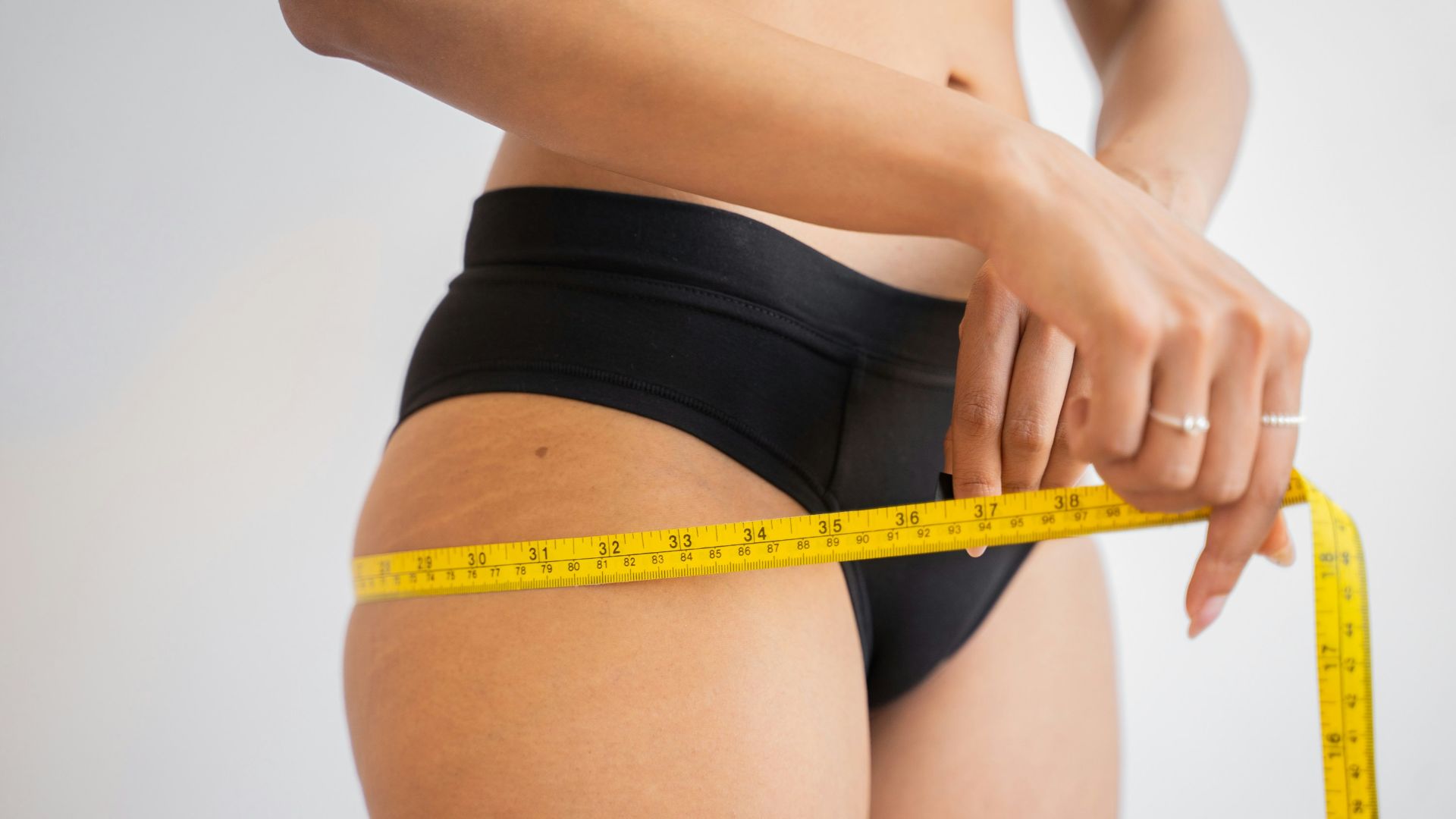
The technology moved from faces to whole bodies, with a waist narrowing live on camera while somebody walks across a room. Occasionally a doorframe bends behind a moving arm and gives the game away for a second. Usually nothing gives it away at all.
15. Men Picked Them Up
These apps sold to women first and reached men a few years behind that. Jaw sharpening and hairline edits are standard on dating profiles now, and the presets exist for exactly that. Nobody mentions using them, and the photos keep getting posted.
 Apostolos Vamvouras on Unsplash
16. Your Aunt Has One Now
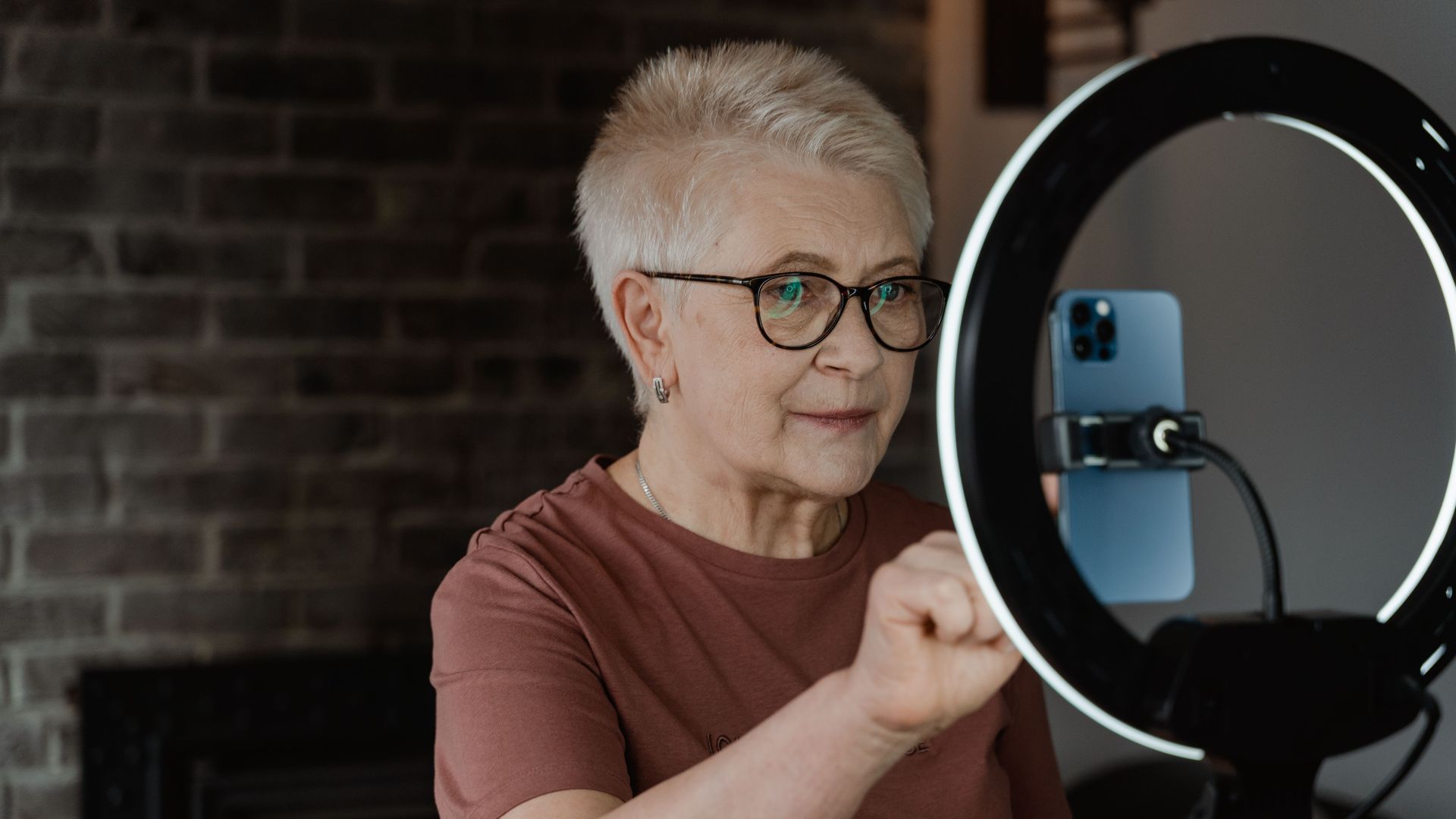
Smoothing filters on Facebook found an older audience faster than anybody expected. Relatives who have never once used the word filter are posting photos with their wrinkles gone and the background slightly melted around their hair. They aren't trying to fool anybody, and the effect works on everybody anyway.
17. Meeting Someone From an App
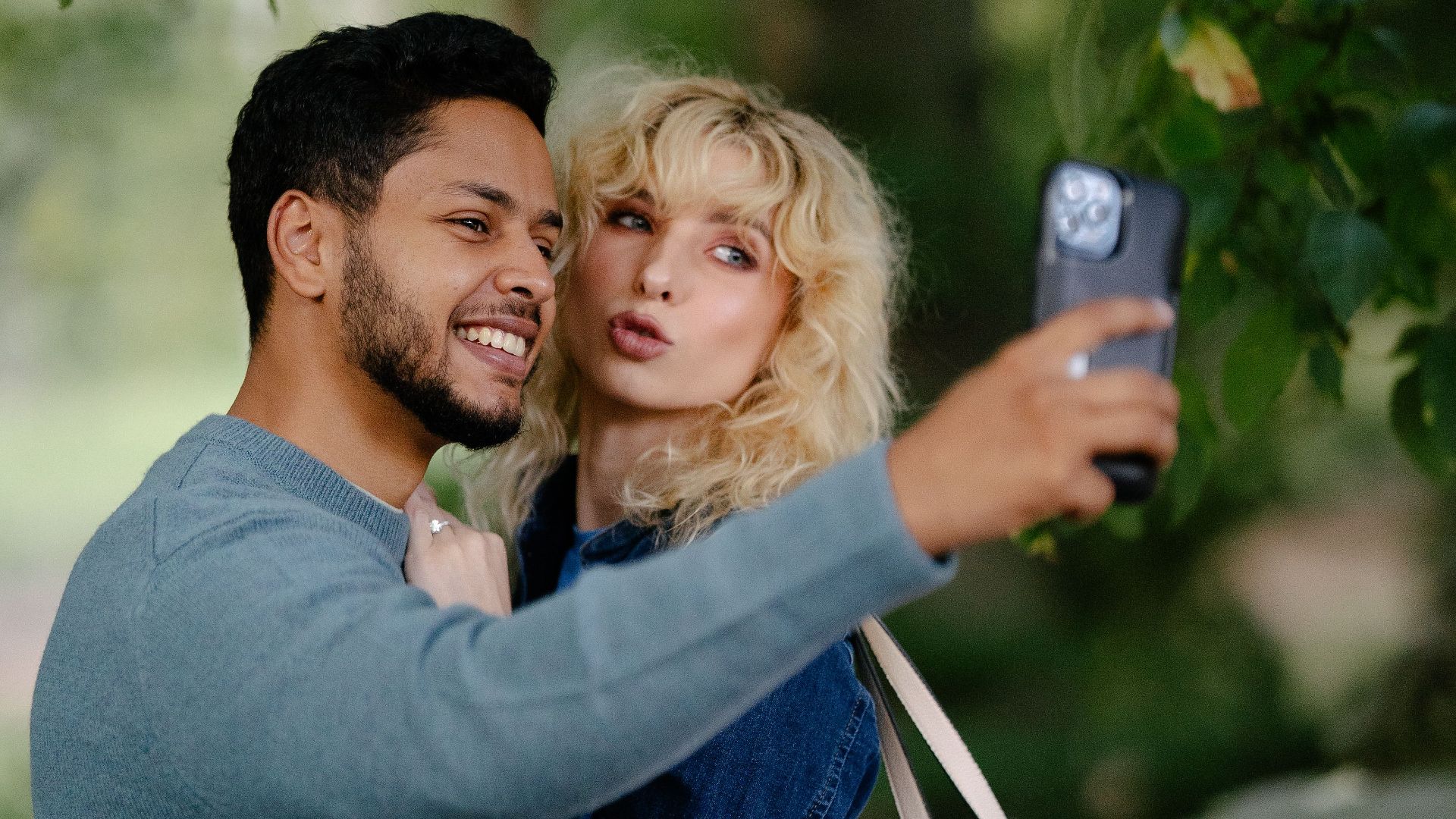
Dating profiles run on lightly edited photos, so the first minute of a first date includes a few seconds of silent recalibration. Both people are doing the same arithmetic about each other at the same time. The polite move is to act like nobody noticed and order a drink.
18. Bad Lighting Became Your Fault
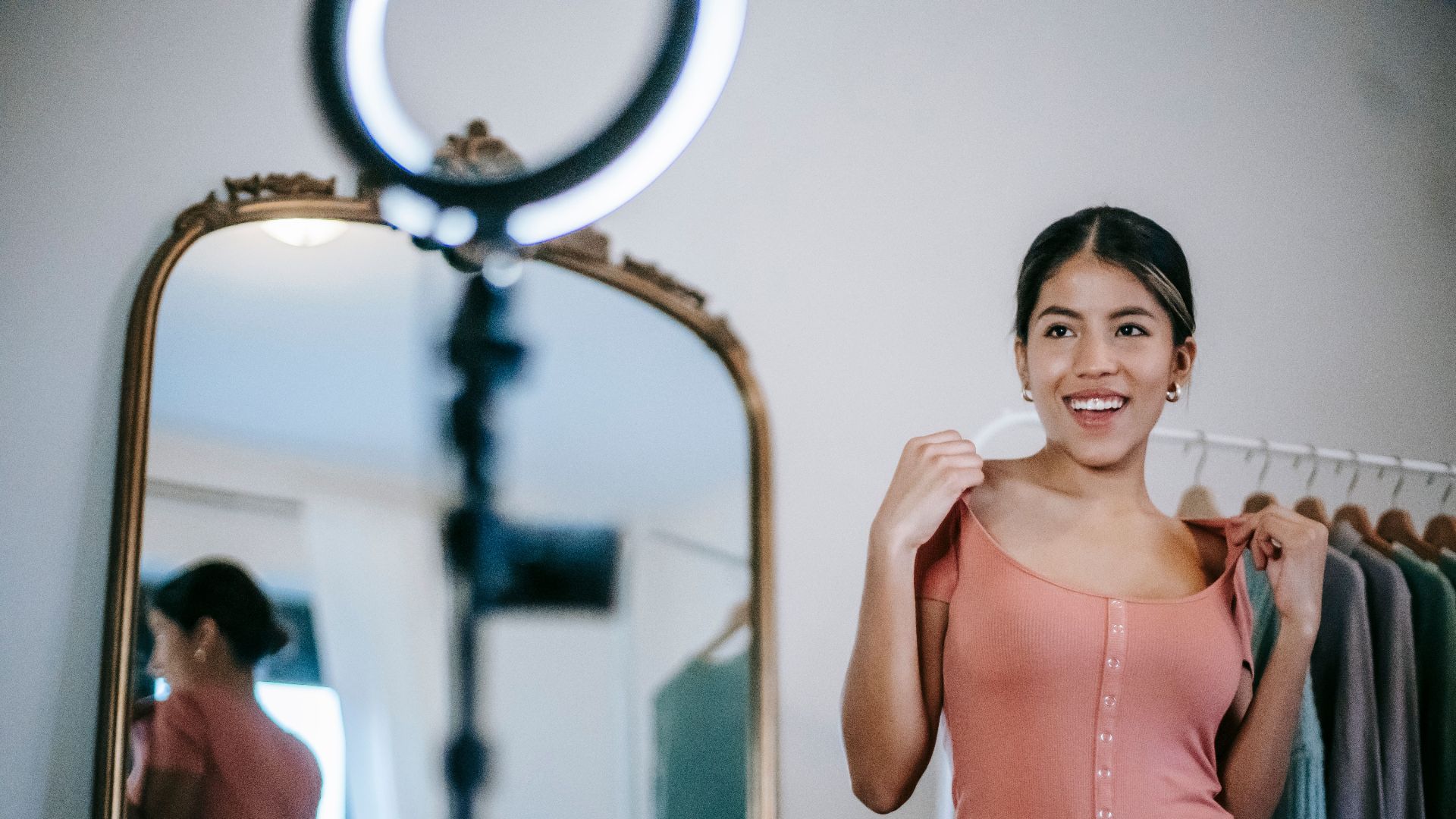
Overhead light in a kitchen used to be nothing more than light. Now it reads as a personal failure, because every reference image was shot in a ring light or fixed afterward. People get up and move toward the window before they let anybody take a picture.
19. Kids Learned It First
Children are using these apps years before they could remember what a camera did on its own. The edit is already part of their baseline for a human face, which leaves the plain version looking odd. Schools have been running media literacy sessions on it for a decade now.
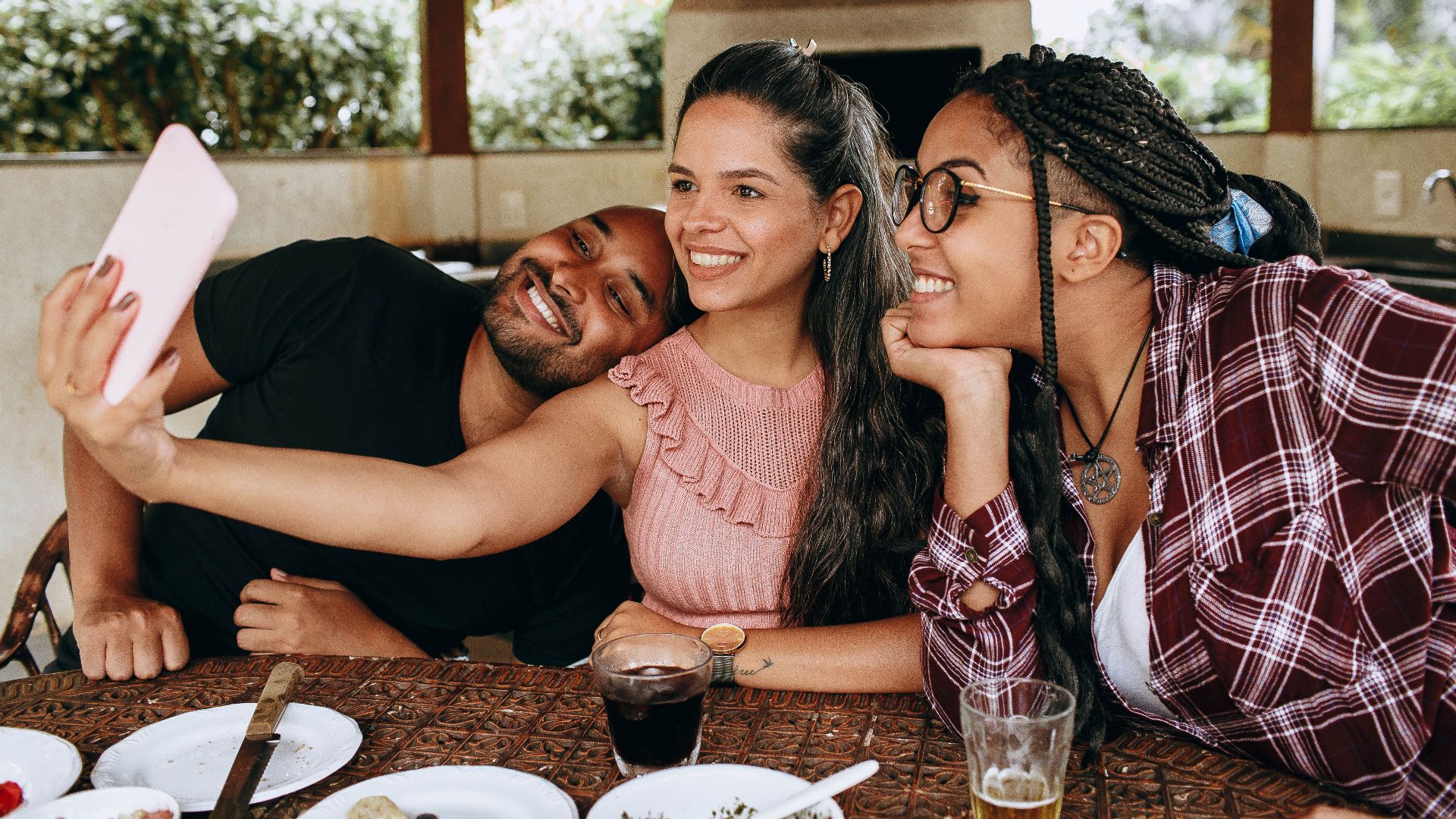
20. Apologizing for a Real Photo
Send an unedited picture from a normal camera and somebody asks whether you're feeling all right or coming down with something. The apology comes out automatically, usually something about the lighting or the angle. The whole shift took about a decade, start to finish.