The Secret Science of Your Shopping Cart
It’s no accident that you walk into a store for milk and walk out with a full cart and a lighter wallet. Retailers have spent decades mastering the art of environmental psychology to nudge your brain toward making impulsive decisions. From the specific scent in the air to the way the tiles feel under your feet, every detail is meticulously designed to lower your inhibitions.
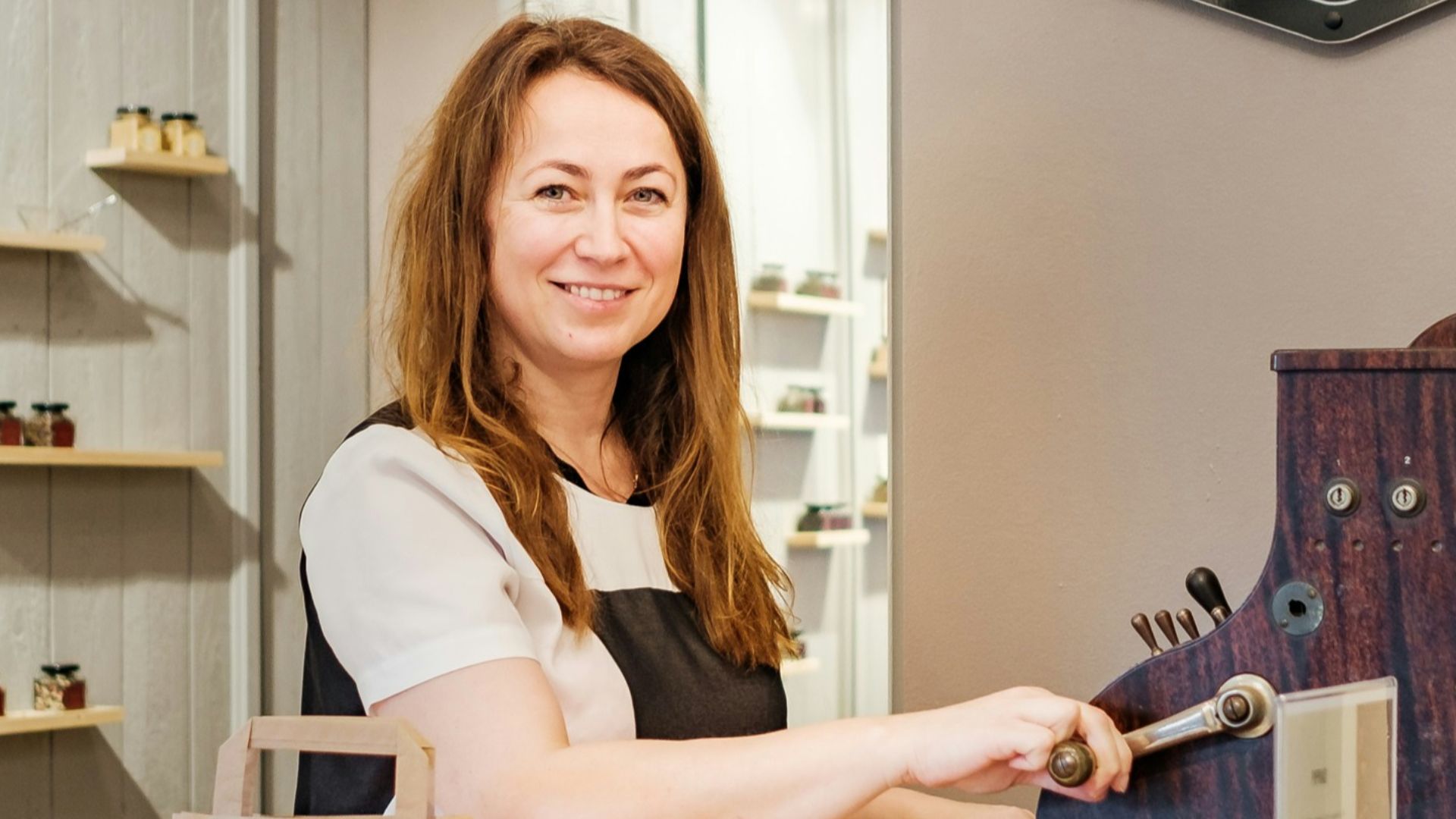
1. The Power of "Charm Pricing"
Notice how nearly every price ends in “.99” instead of rounding up to the nearest whole dollar? It turns out that because we read left to right, our brains interpret $9.99 to be much cheaper than it actually is. Psychologists call this forcing yourself to “feel” like you’re getting a deal when you really aren’t.
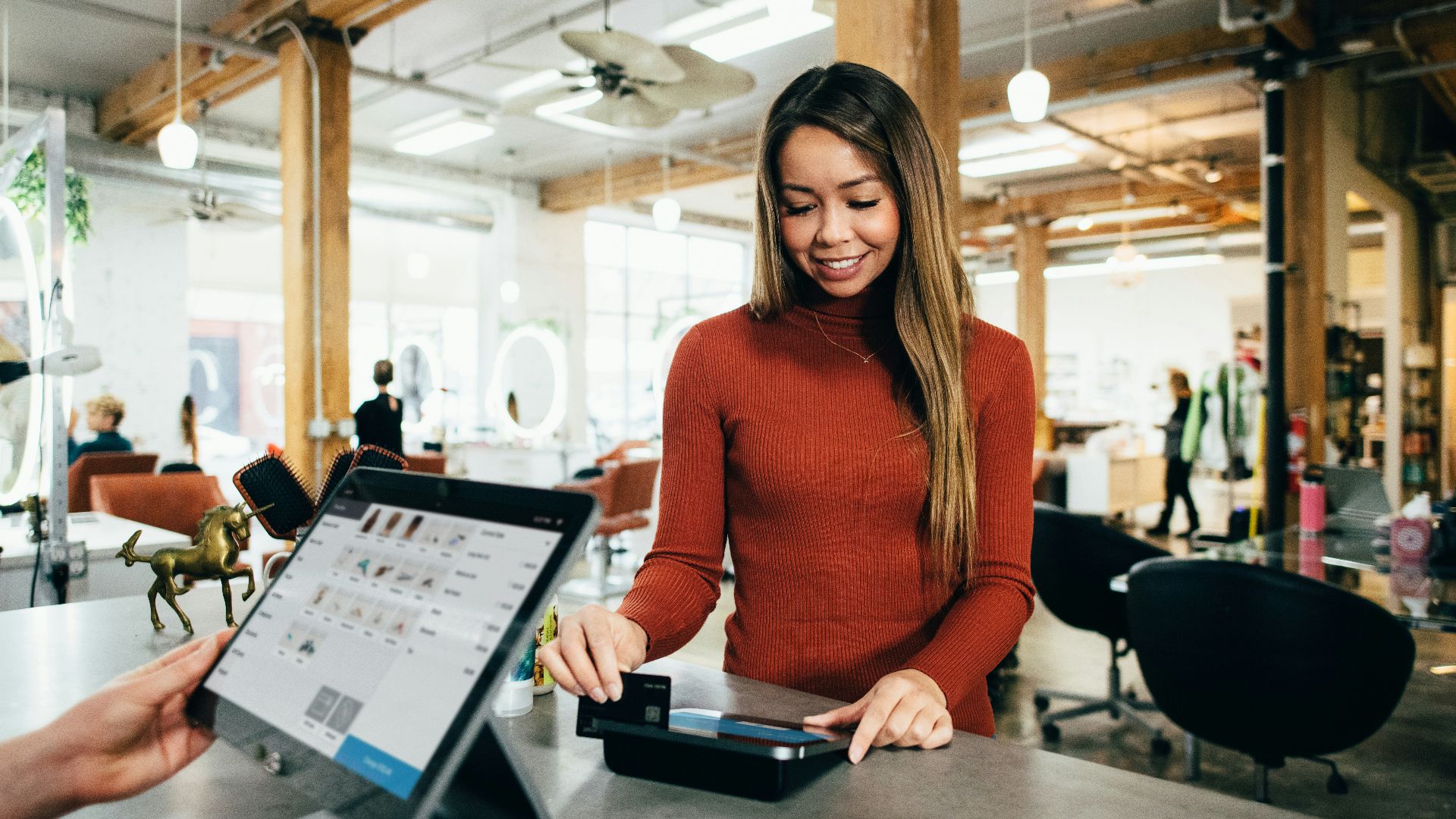
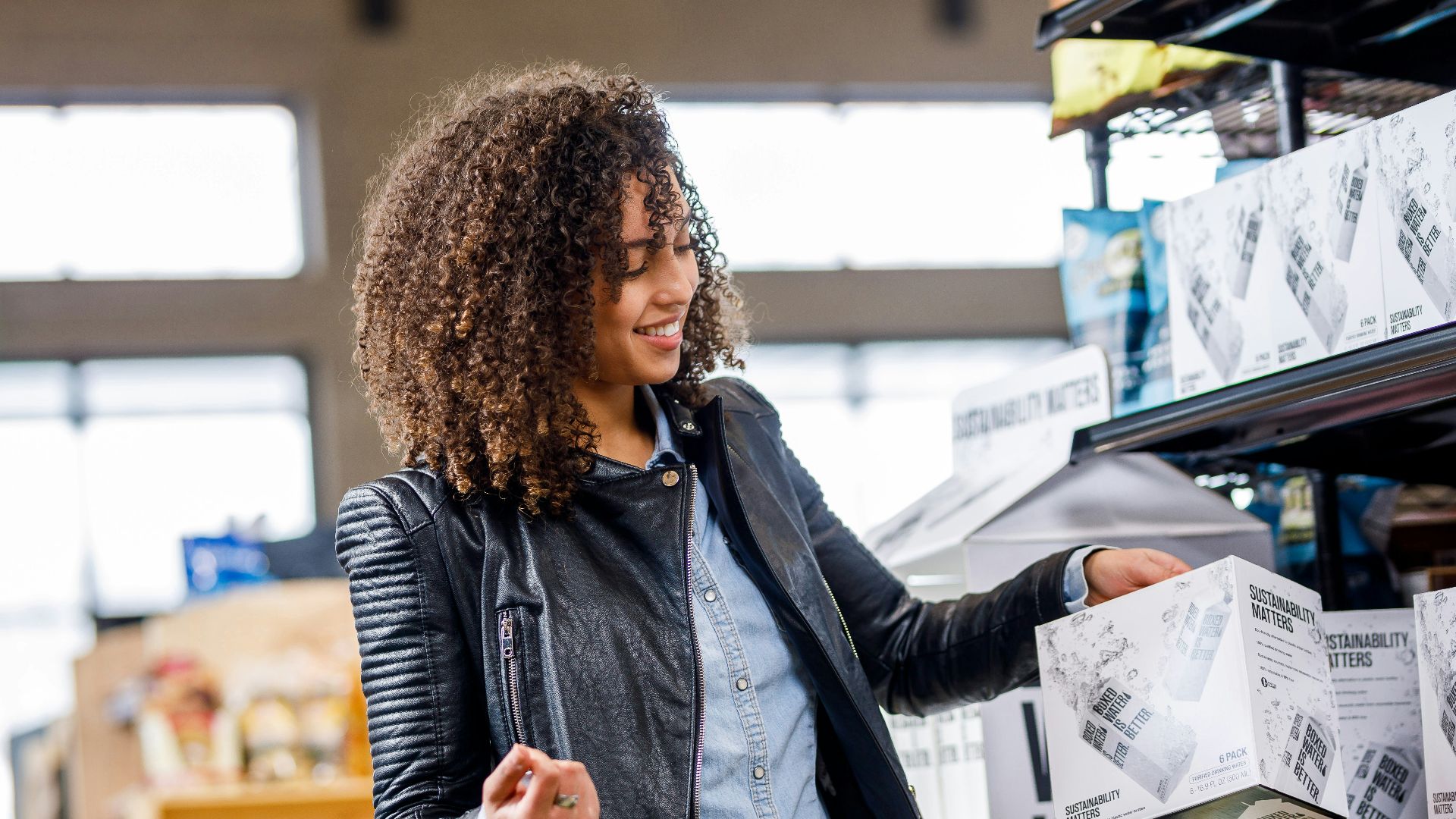 Boxed Water Is Better on Unsplash
2. Strategic Floor Transitions
Many high-end shops use plush carpeting in expensive sections to slow your walking pace down. When you transition from hard tile to a soft surface, your body naturally relaxes and you linger longer near the premium merchandise. This increased browsing time directly correlates to a higher chance of you picking up an item you didn't plan to buy.

3. The Decoy Effect
Ever walk into a store and see the “expensive” thing you wanted right next to something that costs five times as much? Funny enough, that second item isn’t nearly as expensive as you’d think. Retail stores will often place a high “anchor” price next to the thing they want you to buy in order to mess with your internal price range.

4. Intentional Maze Layouts
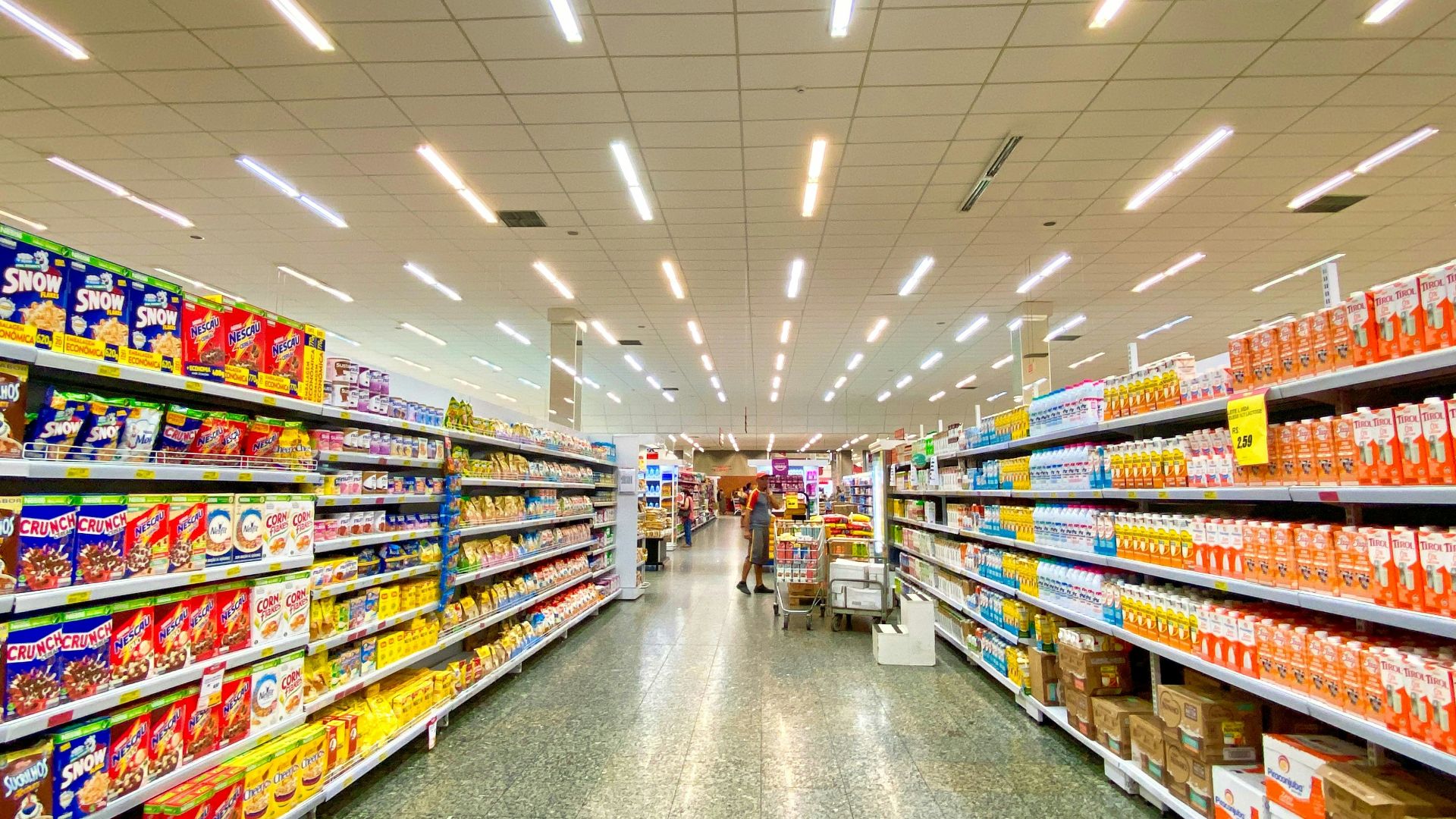
Ever notice how grocery stores always place eggs and bread in the back? Traveling through every product the store offers forces you to add “visual interruptions” to your shopping list. Maze-like store layouts are very difficult to navigate and ensure that you’ll get lost and buy more than you planned.
5. Nostalgic Scent Branding
A faint whiff of baby powder or freshly baked cookies can actually trigger happy memories that make you more likely to open your purse. Smells bypass the logical parts of your brain and head straight for the emotional centers, creating a sense of comfort. When you're feeling nostalgic and cozy, you're much less likely to stick to a strict budget.
6. Eye-Level Product Placement
High-profit brands pay extra to have their products placed at eye level for the average consumer. Shelving beneath eye level is reserved for store brands or bulk goods. If you’re looking for a real deal, you’ve got to hunt high and low rather than fixing your eyes straight ahead.
7. Limited-Time Urgency
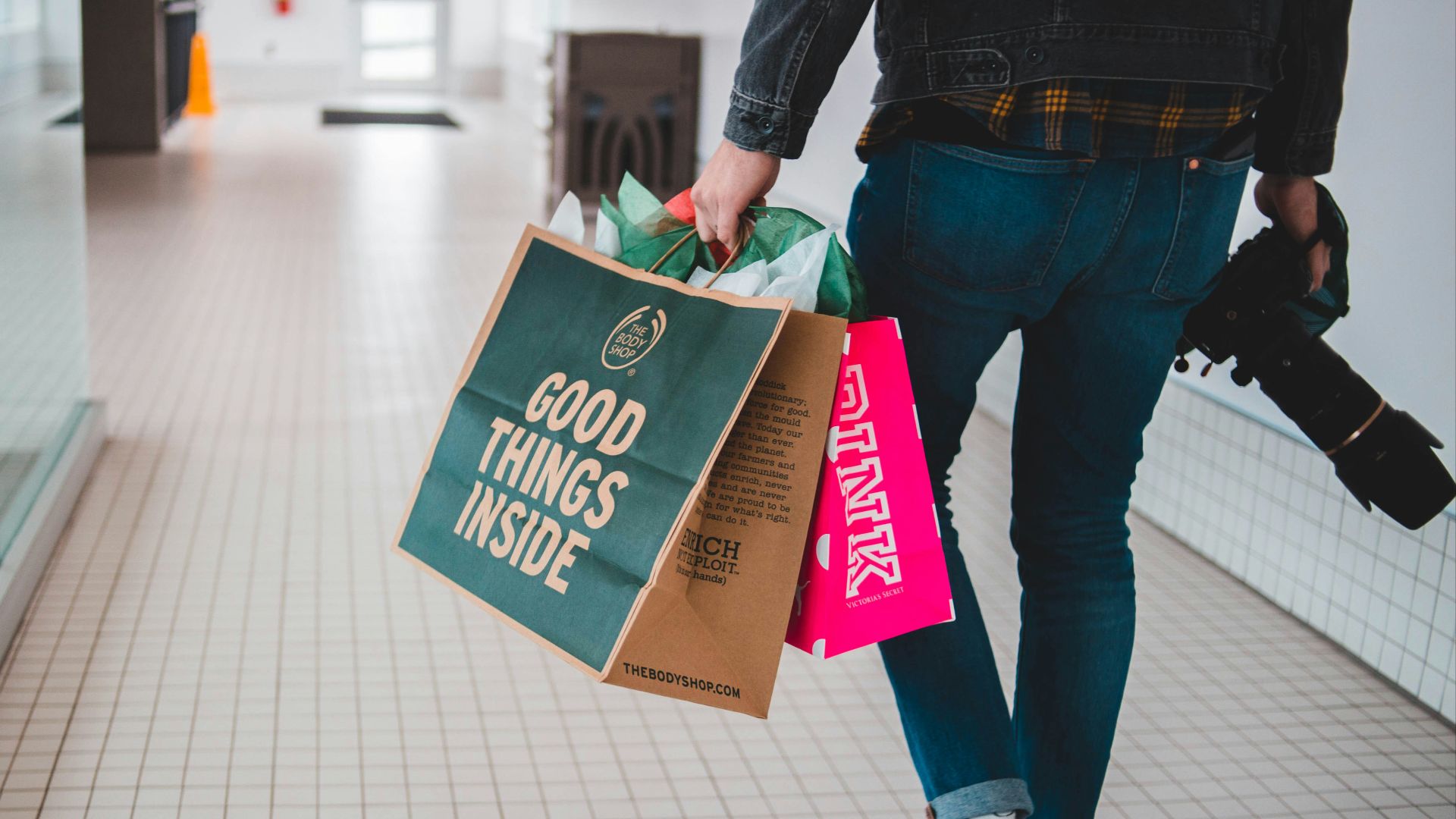
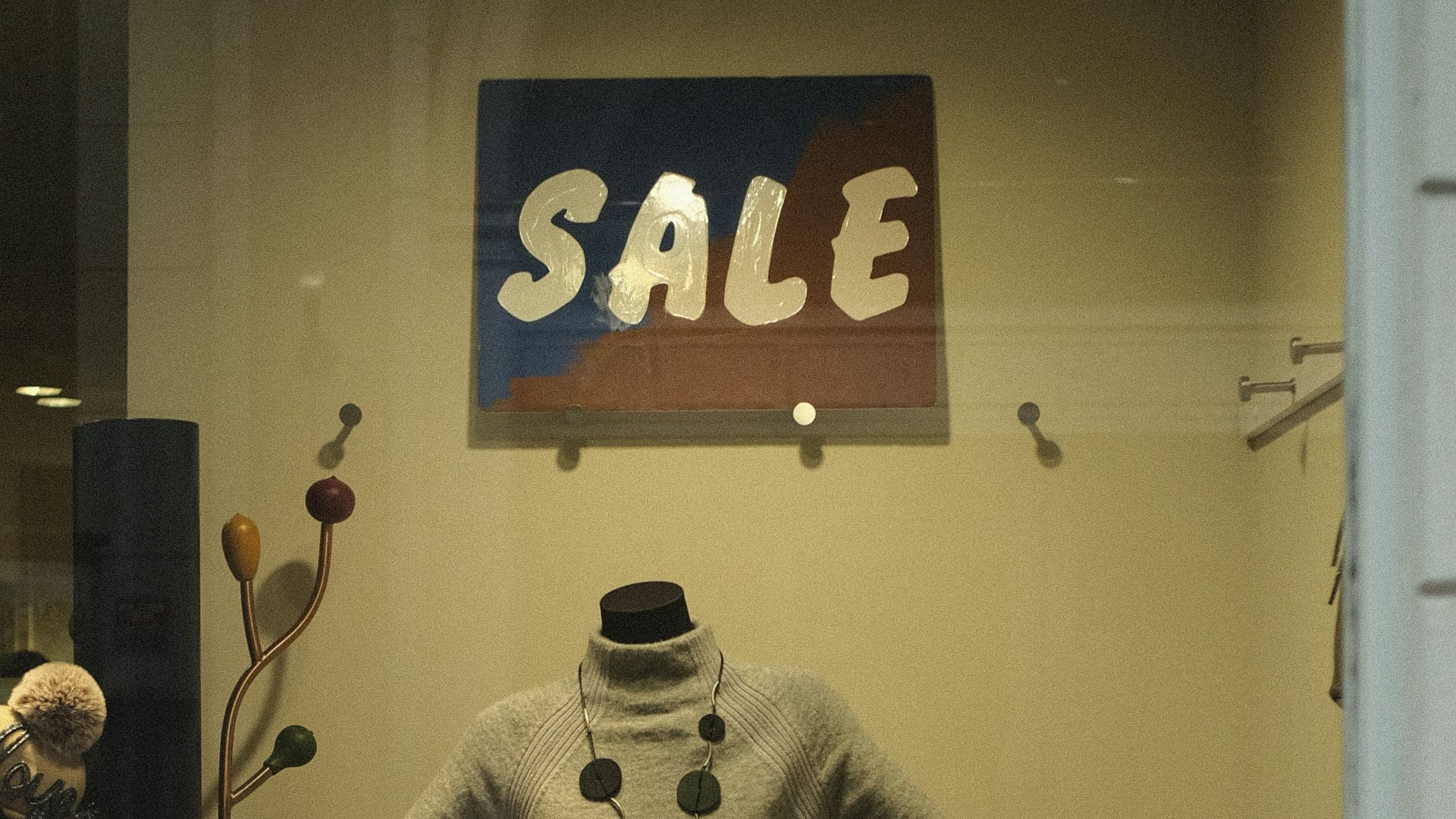
Signs that scream "Today Only!" or "While Supplies Last!" create a sense of scarcity that causes a mild panic in your subconscious. You start to worry that if you don't grab the item now, you'll miss out on a once-in-a-lifetime opportunity. This fear of missing out usually overrides your ability to question if the product is even useful to you.
8. Free Samples and Reciprocity
When a friendly staff member hands you a bite of cheese or a sip of juice, you feel a tiny, unconscious social obligation to give something back. Often, that "payback" comes in the form of buying a full-sized version of the product you just tasted. It’s a very effective way to turn a polite gesture into a guaranteed sale.
9. Upbeat Background Music
Stores use faster-tempo music during rush hours to keep you moving quickly through your shopping. During off-peak hours, however, they’ll switch to slower jams that encourage you to dawdle. Research shows that slower music tempos lead to more browsing and, of course, more buying.
 Alexander Naglestad on Unsplash
10. The Gruen Effect
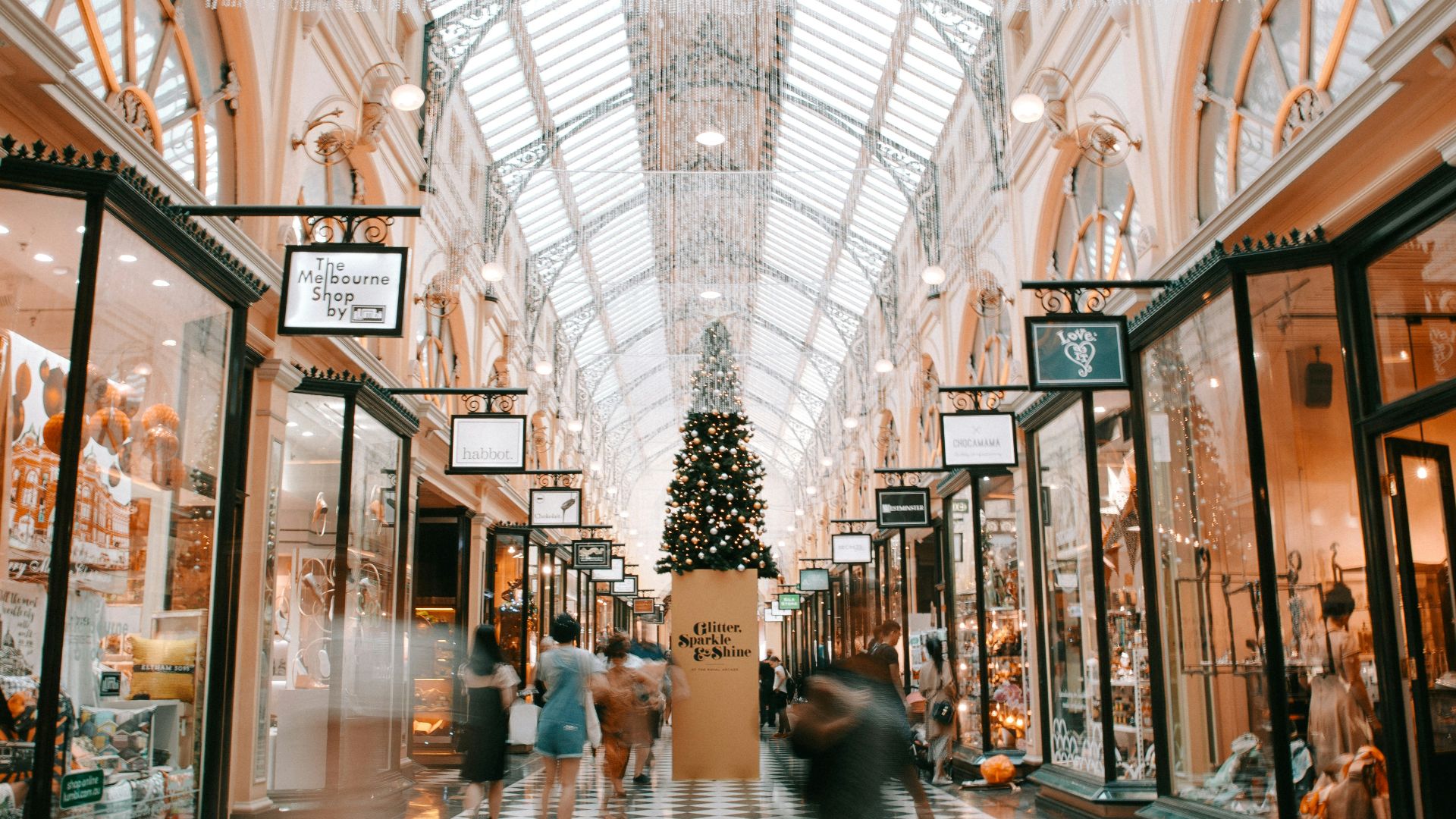
Getting lost on your way to find something at the store is known as the Gruen Effect. When your brain can no longer comprehend the store’s design, you become forgetful and are prone to impulse buying. Many modern malls are specifically designed to induce this effect.
11. Complementary Item Bundling
You'll often find expensive chips right next to the salsa or gourmet crackers sitting on top of the cheese display. Retailers are doing the "thinking" for you by suggesting items that go together perfectly. This convenience makes it way too easy to grab three things when you only walked in for one.
12. Giant Shopping Carts
We judge things by their size, and your shopping cart is no different. A bigger cart means more room for you to fill up, thus more stuff for you to buy. If you’re trying to limit your spending, opt for the handbasket and feel the weight of your decisions.
13. Bright Color Psychology
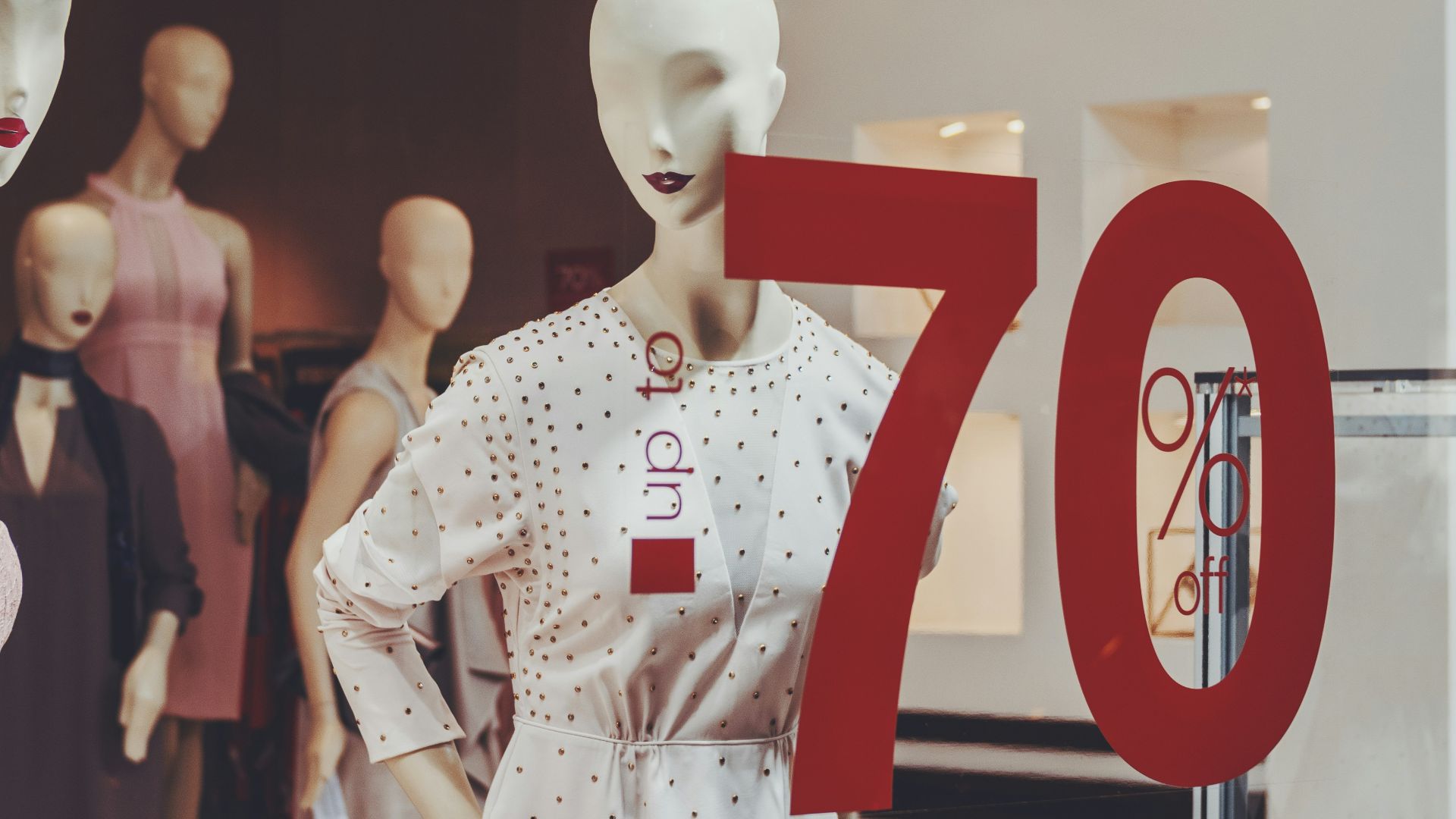
Yellow and red are commonly used for clearance sales because of their high visibility. These colors can make you more excited and hungry, leading to rash decisions. Red raises your blood pressure, which means you’re probably spending way too much.
14. Checkout Aisle Distractions
The narrow lanes where you wait to pay are packed with small, inexpensive treats like gum and magazines. Since you're likely tired and bored at the end of your trip, your willpower is at its lowest point. These "low-stakes" purchases feel harmless, but they add up significantly over the course of a year.
15. Removal of the Dollar Sign
Some modern menus and price tags have started leaving off the "$" symbol entirely to distance the number from the concept of actual money. By presenting a price as just a plain digit, the pain of spending feels slightly less intense. It's a subtle way to keep your focus on the product's benefits rather than its financial cost.
16. Mirrors in Dressing Rooms
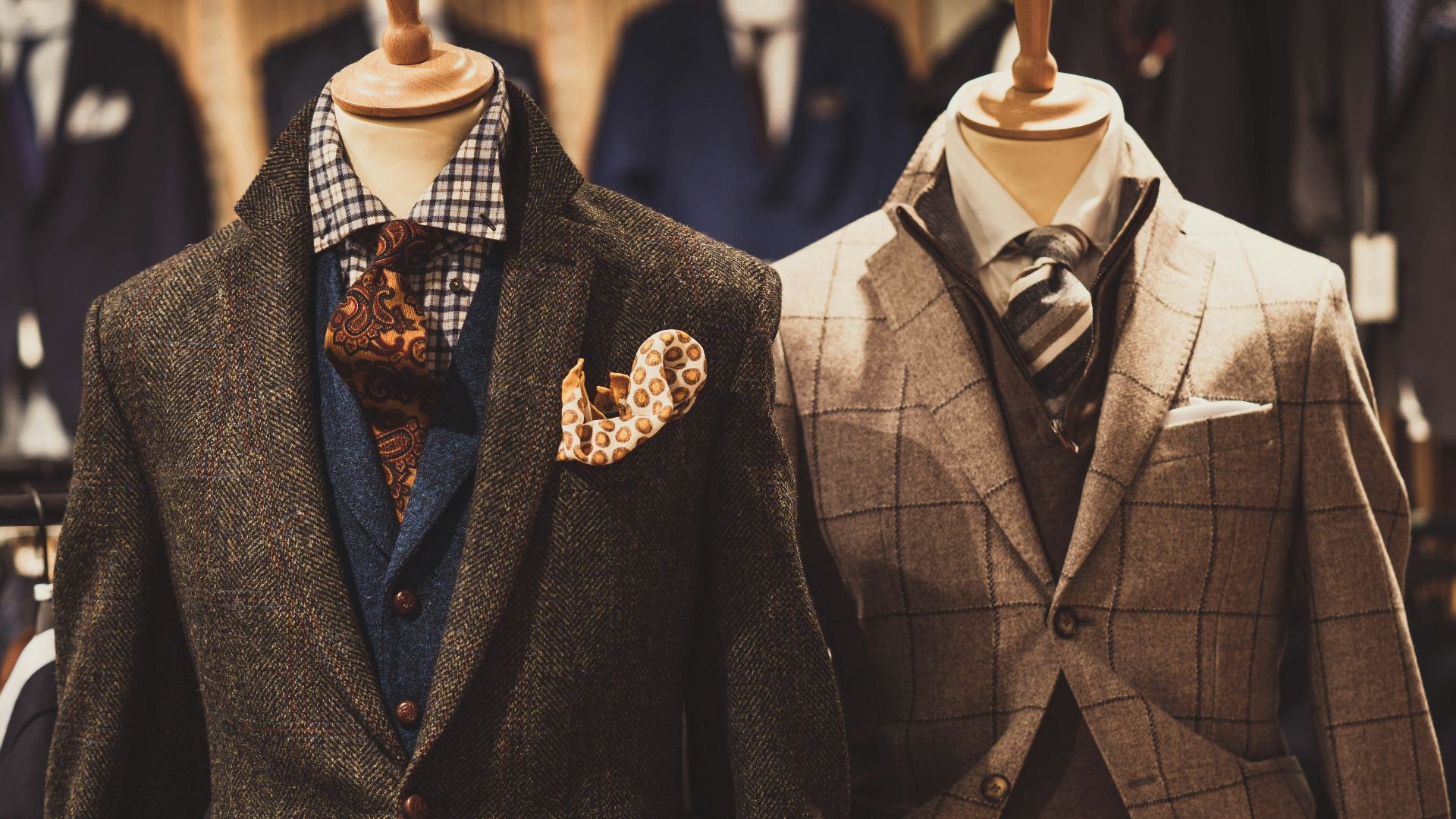
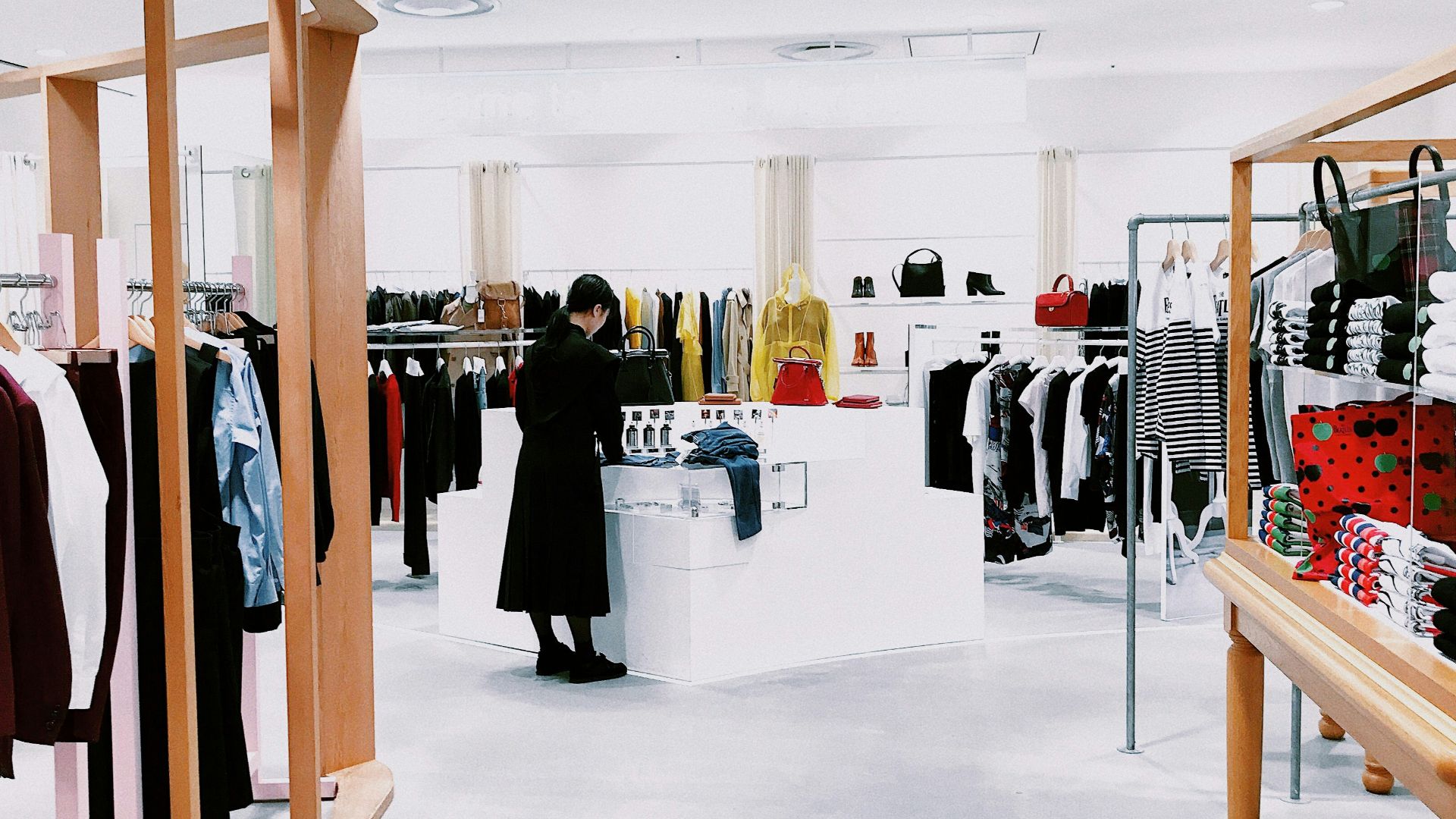
Mirrors angled in your favor and blinding store lights are no accident. Clothing stores are trying to make you look and feel like the best version of yourself before you buy something. Dopamine floods your brain whenever you like your appearance, which could create an attachment to the clothing you try on.
17. Buy One, Get One Free (BOGO)
While this feels like you're saving money, it’s often a trick to get you to buy more volume than you actually need. You might only need one bottle of shampoo, but the "free" offer convinces you to spend more upfront. This clears out store inventory while ensuring you don't shop at a competitor for a while.
18. Social Proof Displays
Have you ever seen a sign that says “Best Seller?” Odds are, it does sell a lot just because other people buy it. Psychological terms like these create a social proofing effect that shortcuts your decision-making process.
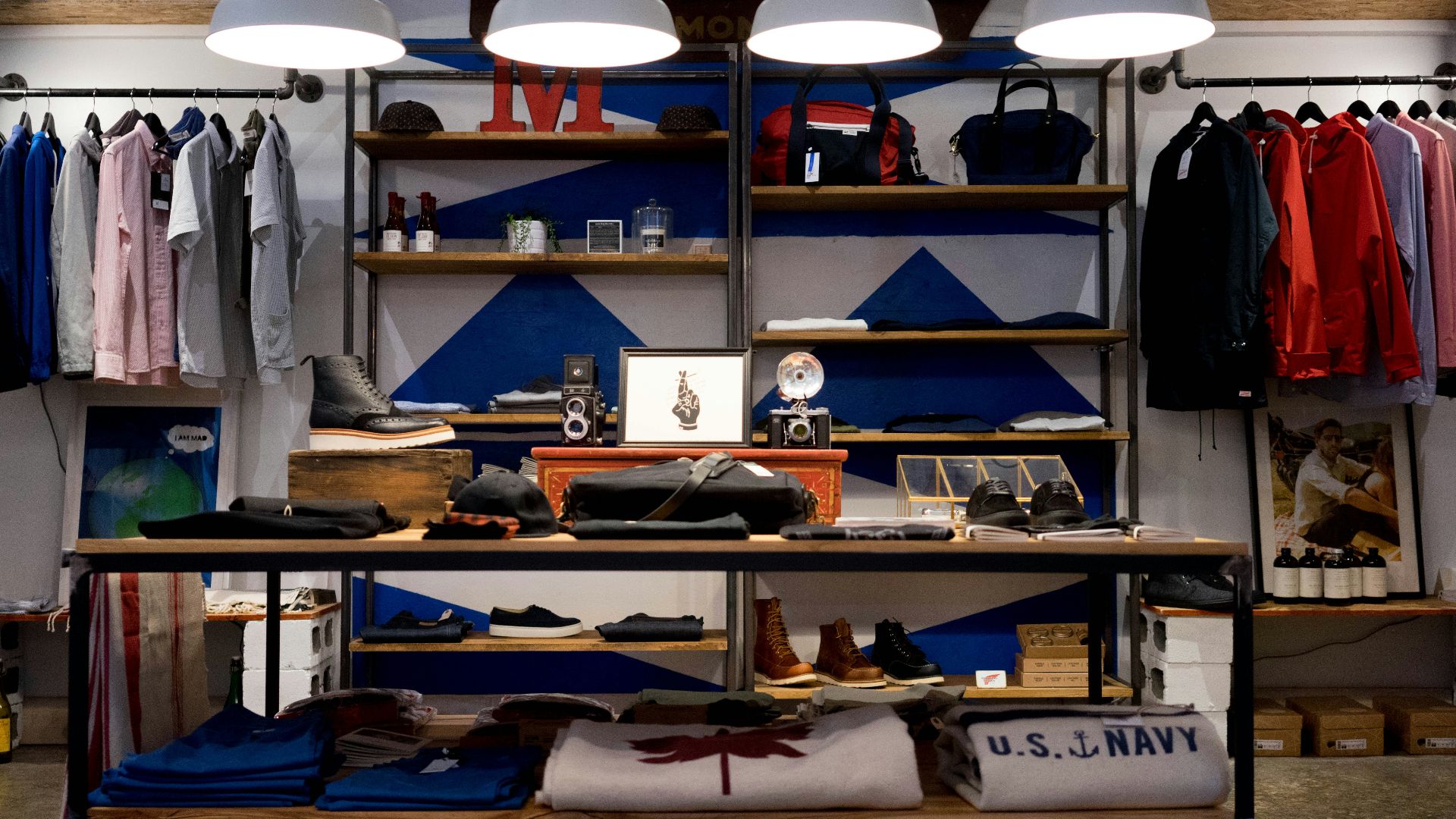 Clark Street Mercantile on Unsplash
19. Tiered Loyalty Programs
Earning points for every dollar spent makes shopping feel like a game where you're trying to reach the next level. You might find yourself spending an extra twenty dollars just to hit a "gold status" or unlock a small discount. It turns a simple transaction into a long-term commitment to a single brand.
20. The "Touch" Factor
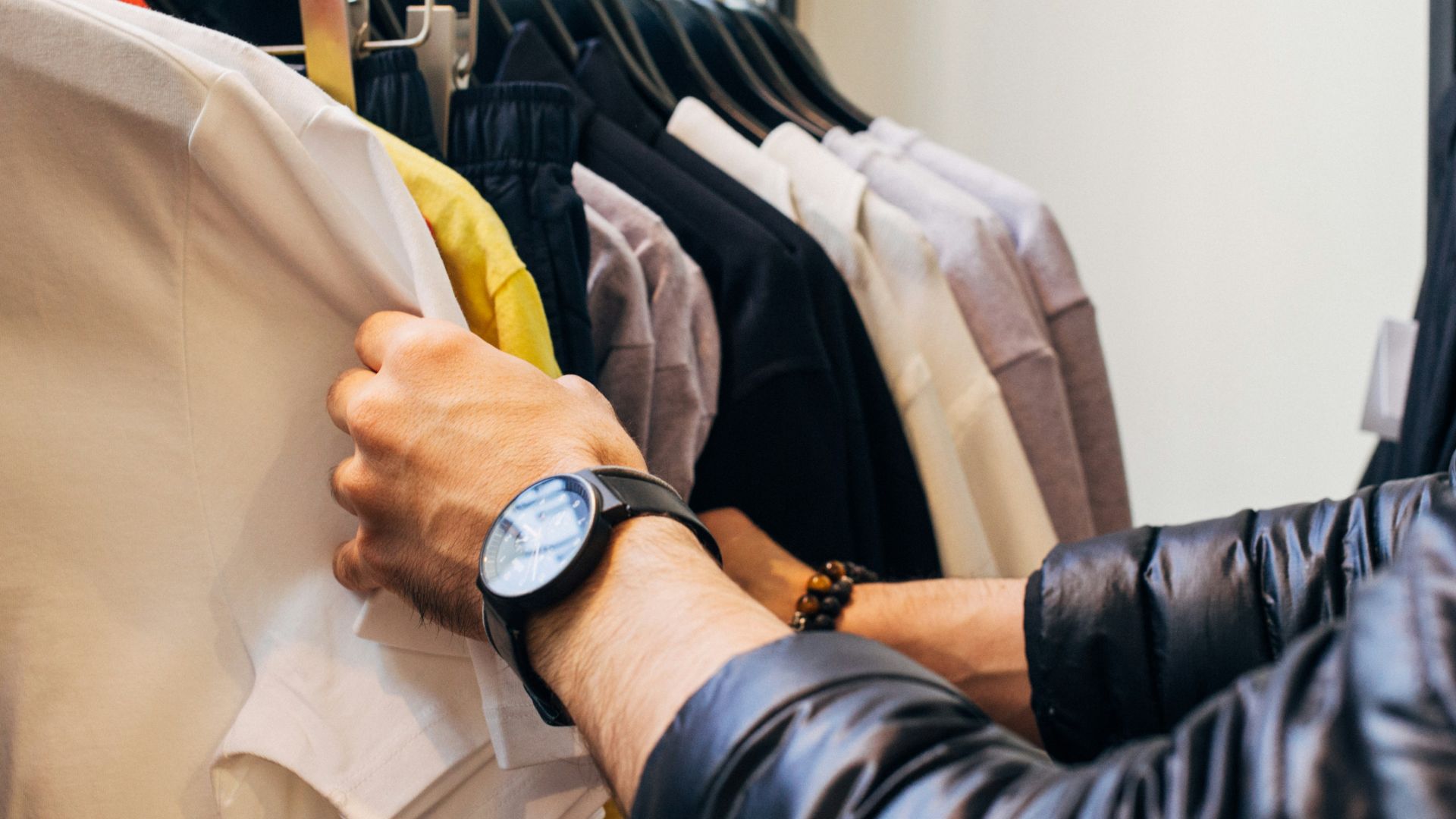
Ever notice how almost all stores want you to touch their merchandise? Psychological researchers call this phenomenon psychological ownership. By placing an object in your hands, you begin to associate it with your home and feel reluctant to put it back on the shelf.