Fabric Choice Matters
The fabric you wear can make a huge difference in how comfortable you feel throughout the day. You know it. We know it. However, we all also know that sometimes, pain is beauty, which is exactly why we subject ourselves to some of the most uncomfortable fabrics around! That’s why we decided to go through which ones will only make you itch and which ones will actually keep you looking cute and comfortable all day.

1. Cotton
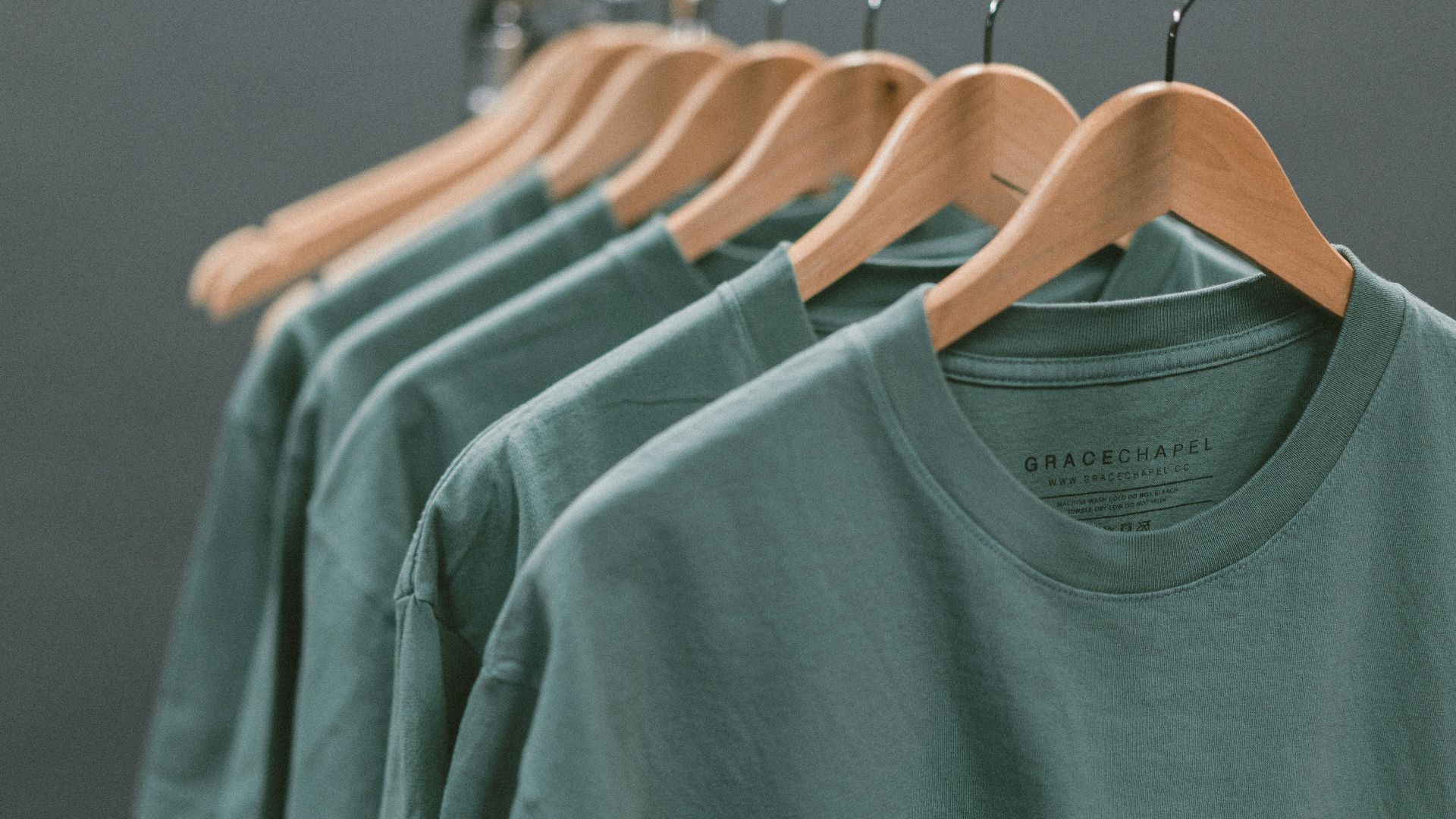
There’s a reason cotton is one of the most popular fabrics around! Let’s break it down: it feels soft, it’s breathable, and it’s incredibly familiar against the skin. It’s also a great choice for everyday basics like T-shirts, underwear, pajamas, and casual dresses. You’ll especially appreciate cotton in warm weather, too.
2. Linen
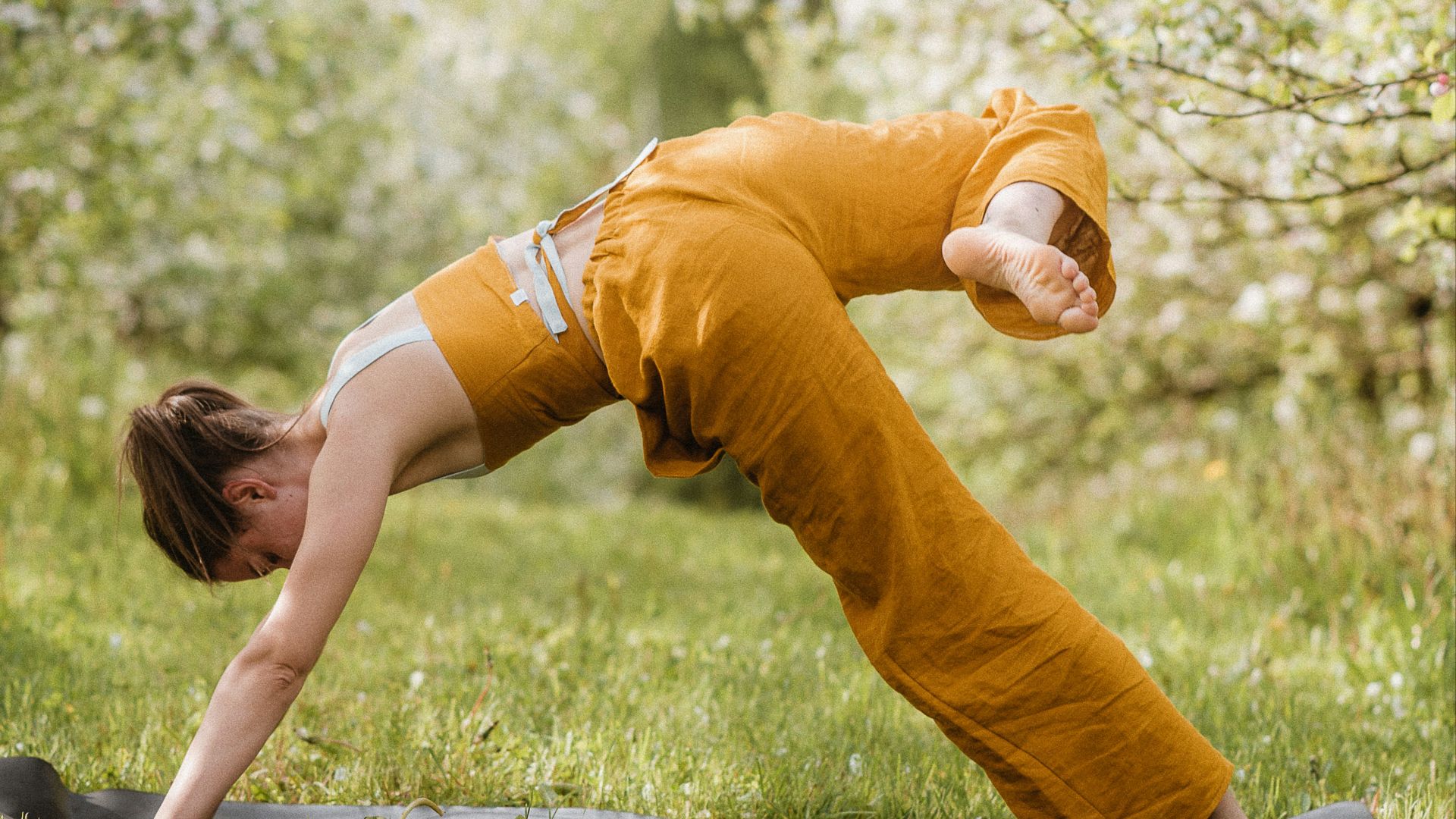
Speaking of warm weather, linen is beloved for its crisp feel and excellent breathability, making it a favorite for humid days. It also has a naturally relaxed texture that gives clothing an easy look without feeling too stiff, even if it does wrinkle quickly.
3. Bamboo
Bamboo fabric is smooth, lightweight, and often praised for being gentle on sensitive skin. What more could we ask for? It tends to have a soft drape, too, so it works well for loungewear, and since bamboo is also breathable, it can help you stay fresh when you want clothing that doesn’t cling.

4. Modal
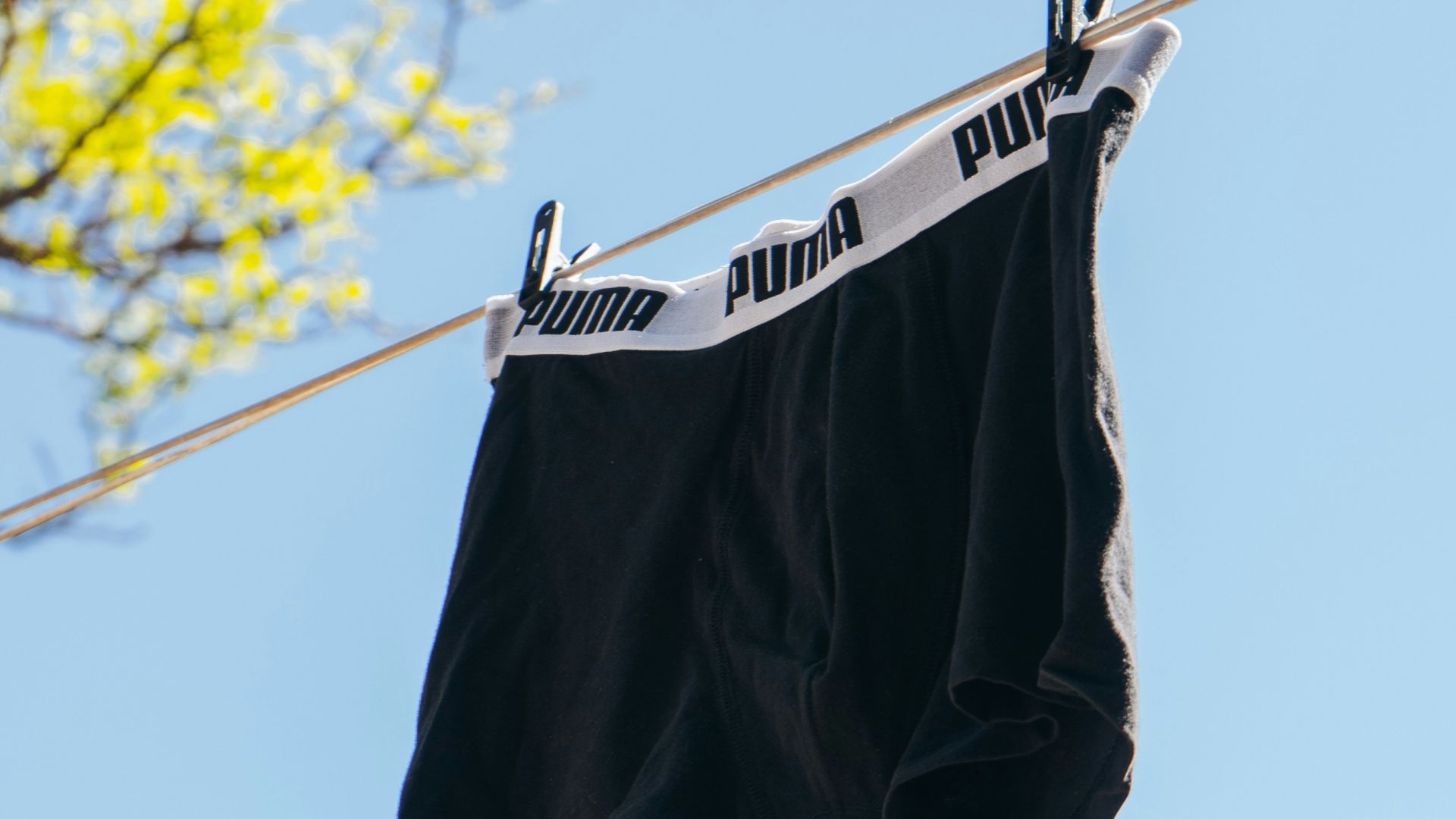
There’s nothing like the feel of modal underwear—though it has other purposes, too! Its silky softness makes it feel more luxurious than many everyday fabrics, meaning it’s commonly used in pajamas, underwear, T-shirts, and layering pieces. It stretches comfortably and holds its shape well, so you can’t go wrong.
5. Jersey Knit
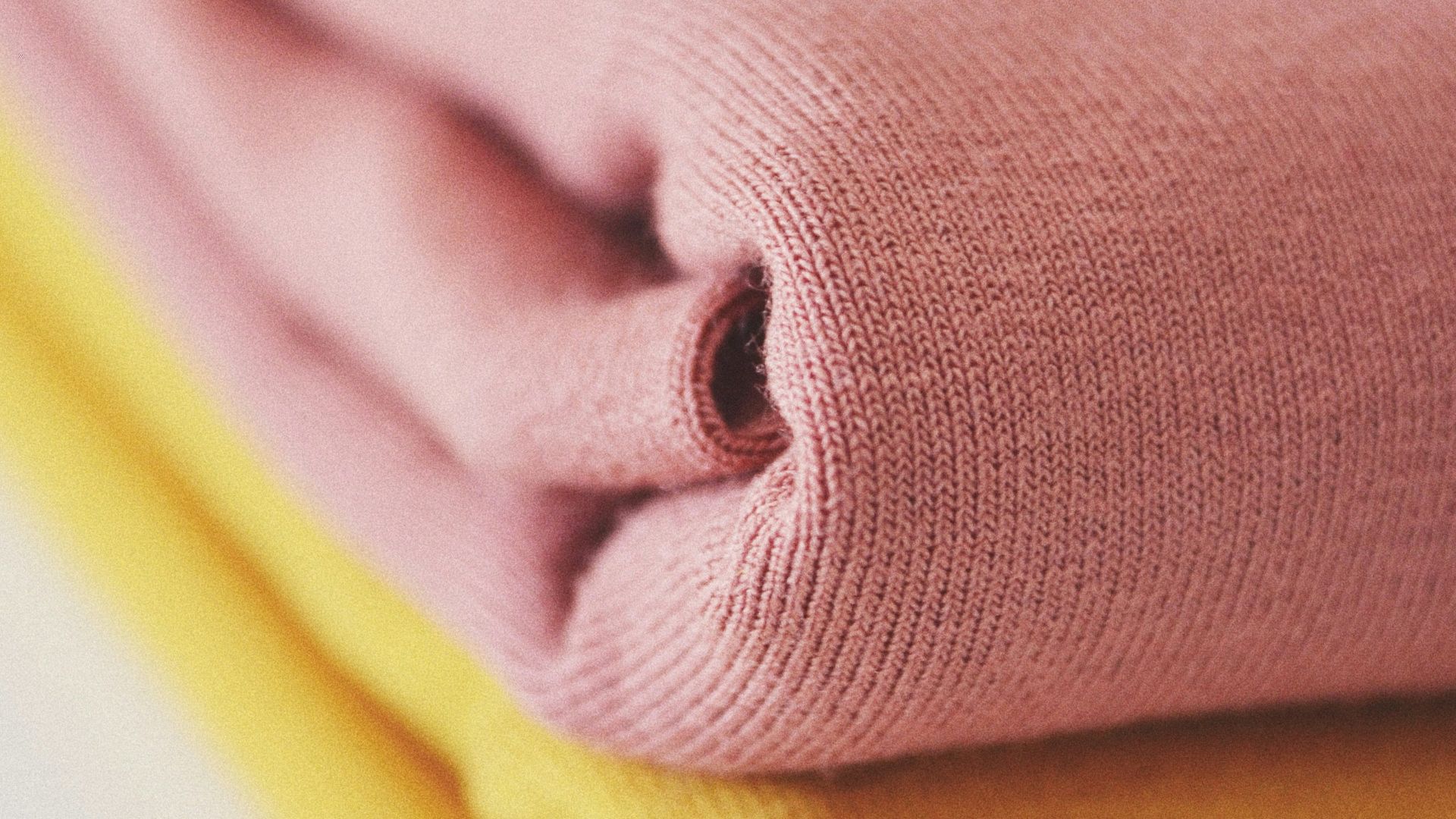
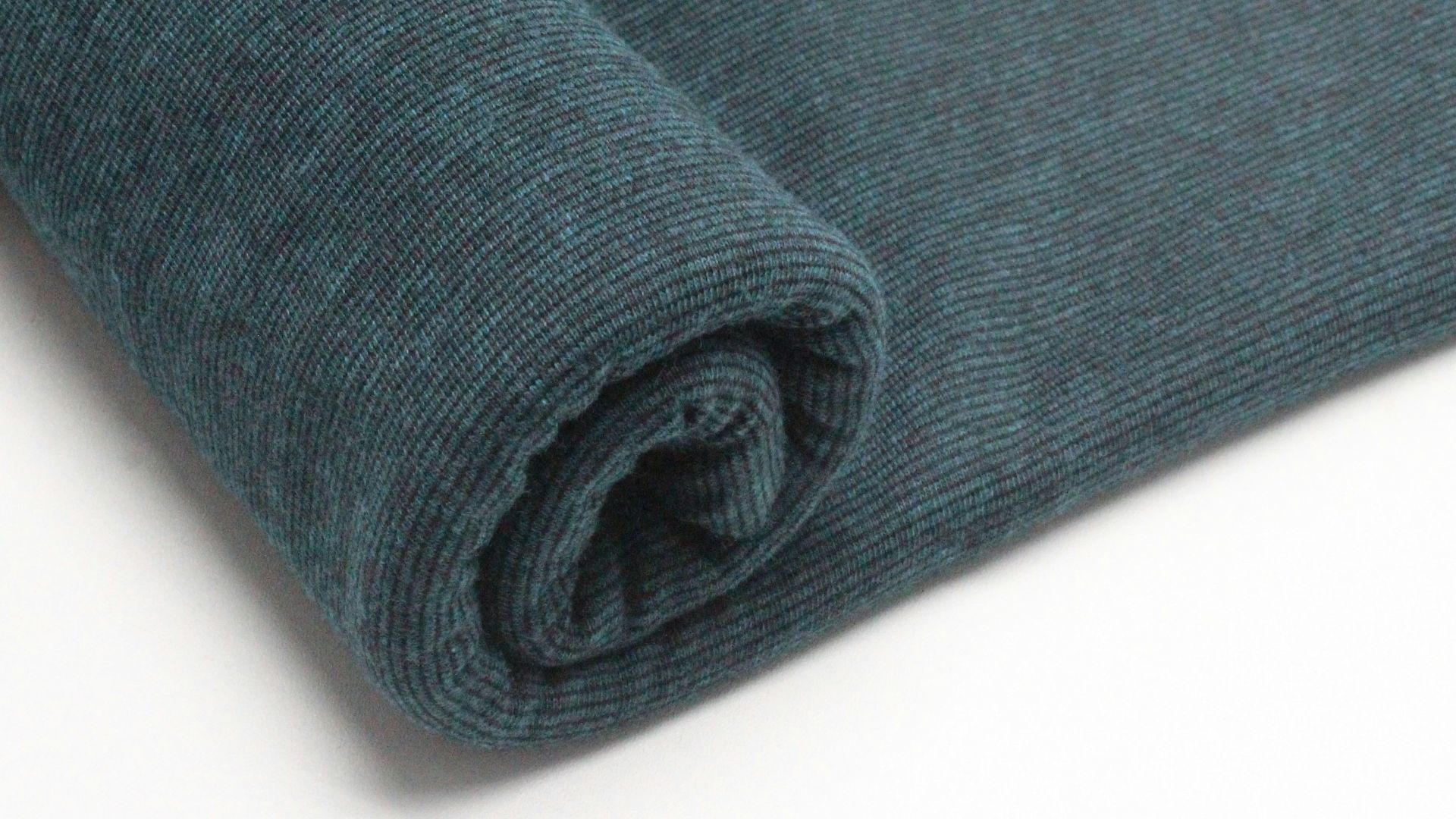
Jersey knit has a flexible structure that moves with your body. It’s often made from other comfortable fabrics, like cotton, rayon, polyester, or blends, so the feel can vary depending on the specific garment, but for casual dresses and relaxed pants, jersey knit has the stretch people reach for.
6. Cashmere
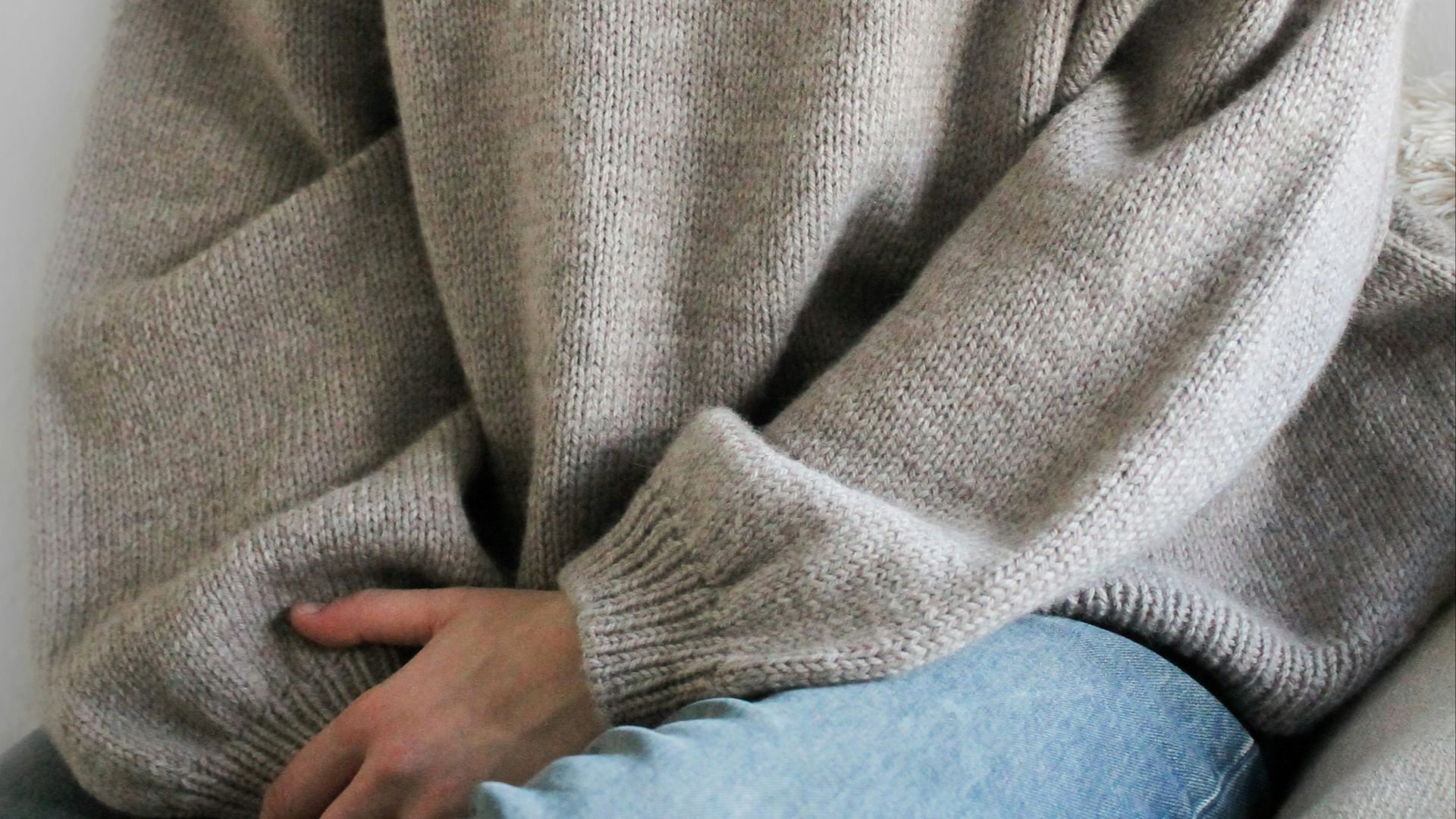
How could we possibly ignore cashmere? It’s soft, it’s warm, and best of all, it’s surprisingly lightweight, which makes it a standout fabric for cooler weather. It comes from the fine undercoat of cashmere goats, giving it a delicate feel that’s less scratchy than many heavier wools. You just have to take care of it!
7. Merino Wool
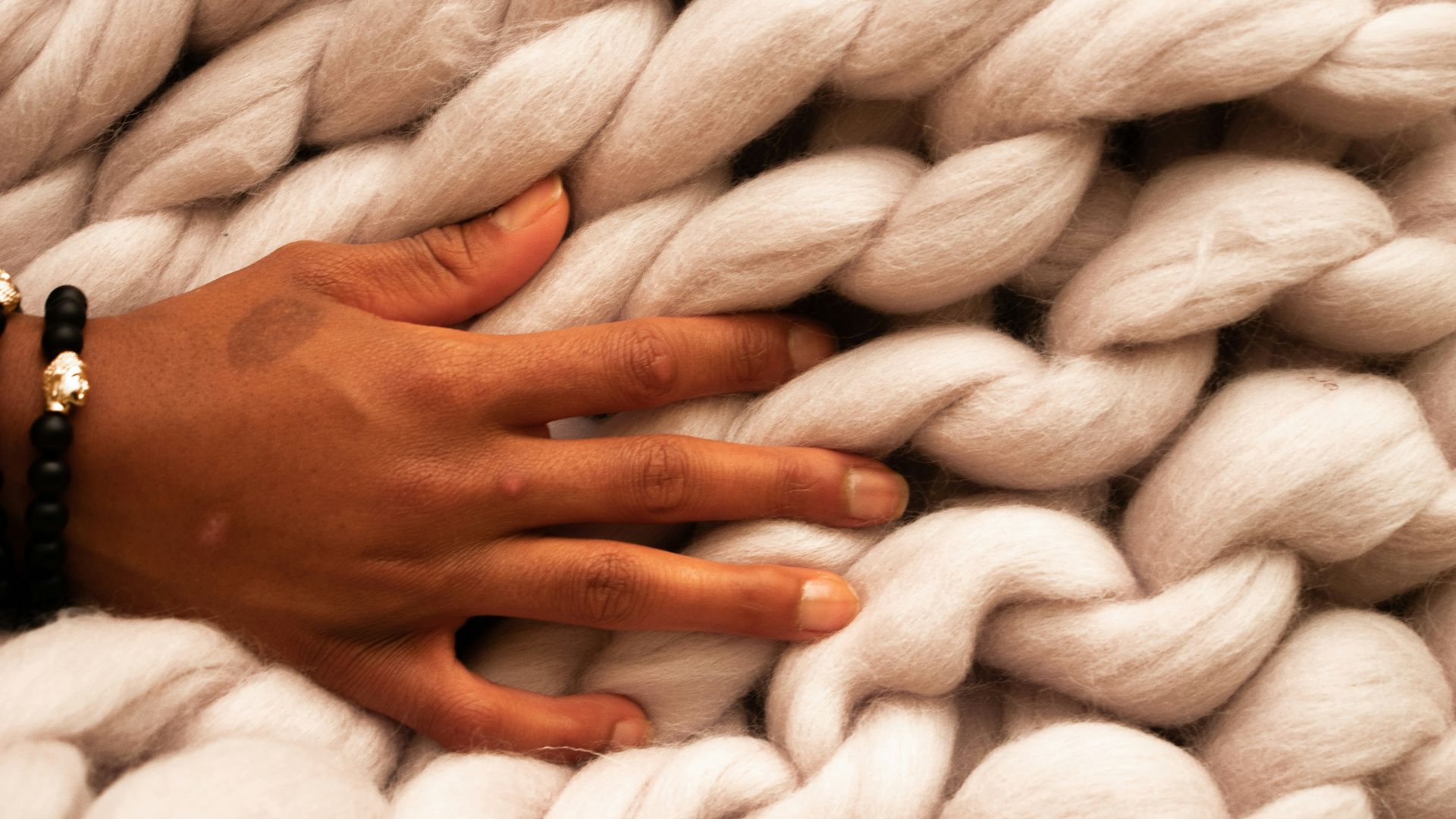
Merino wool may be expensive, but it’s also much softer than traditional wool. Consider it a down payment on a less itchy fabric! It’s breathable, moisture-wicking, and useful for both everyday clothing and outdoor layers, too.
8. Silk
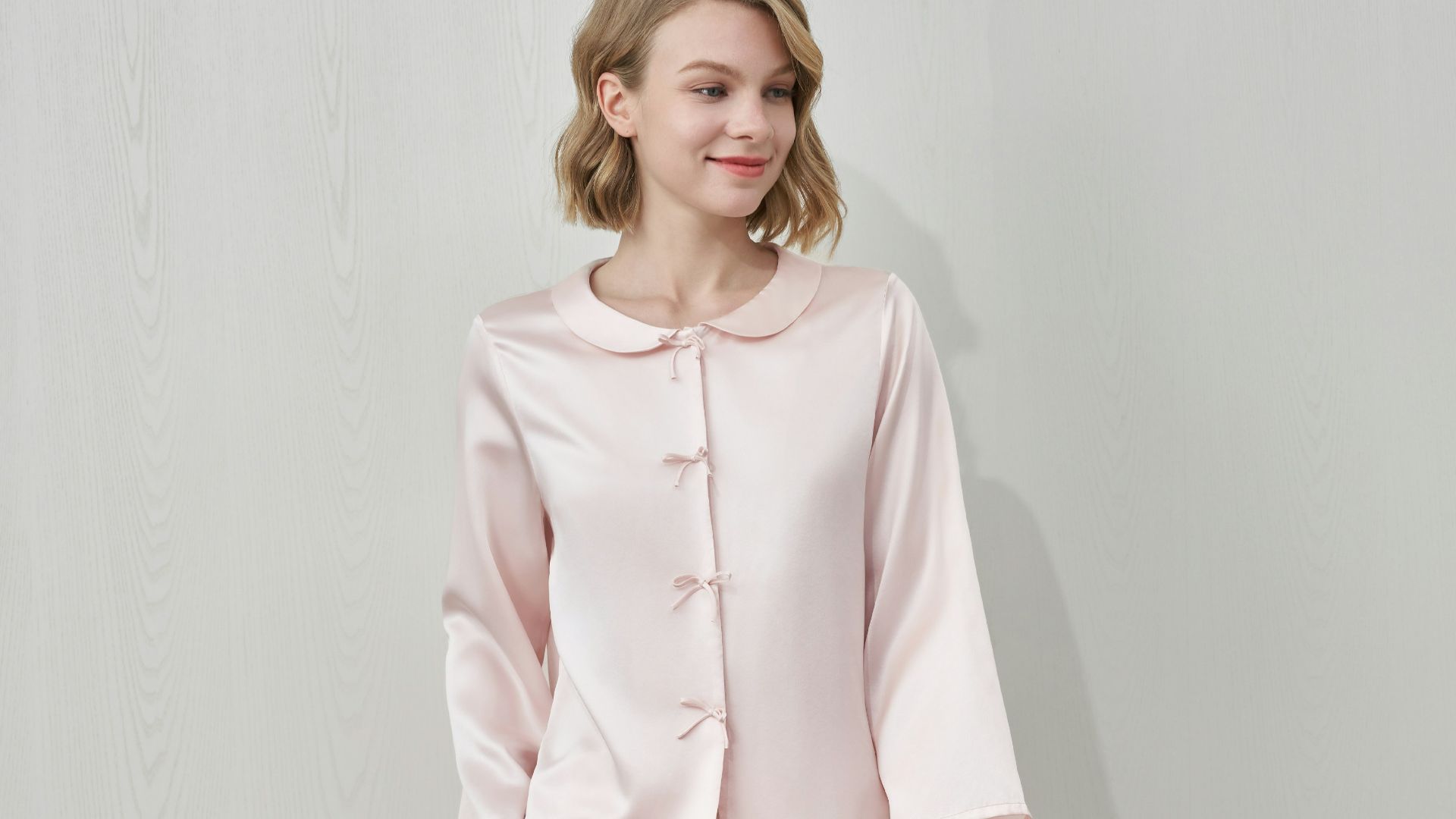
We all know how luxurious silk is to sleep on, but wearing it is a game-changer. Silk is everything we want: smooth, light, elegant, and especially comfortable for sleepwear and warm-weather pieces. Because silk is delicate, it does need thoughtful care, but the comfort is well worth it.
9. Tencel Lyocell
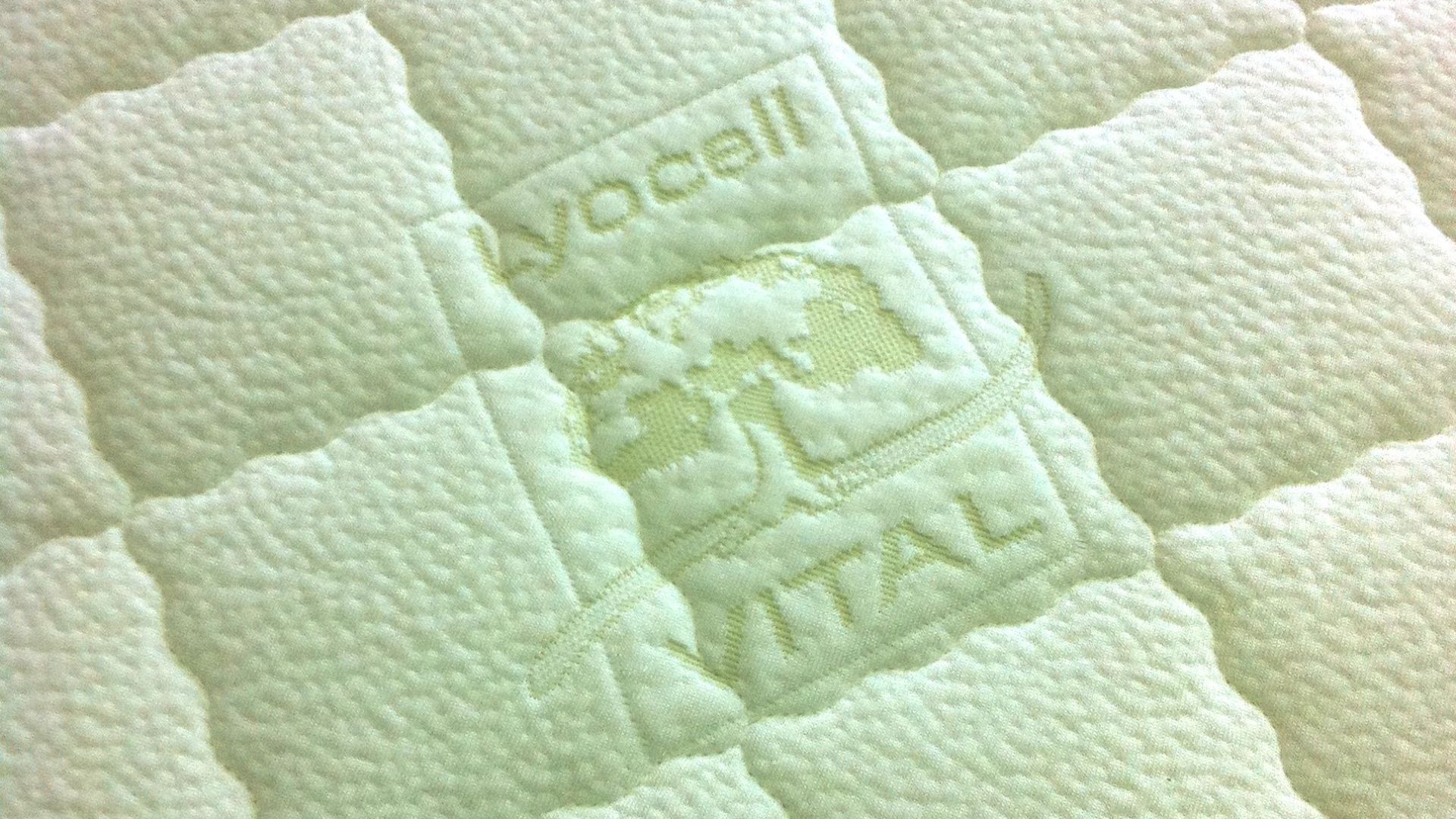
Tencel lyocell is known for its soft texture, breathable feel, and fluid drape. That’s exactly why it’s often used in shirts, pants, and bedding—it feels cool and smooth without being stiff. You’ll likely enjoy Tencel lyocell when you want clothing that looks put-together but still feels relaxed.
10. Fleece
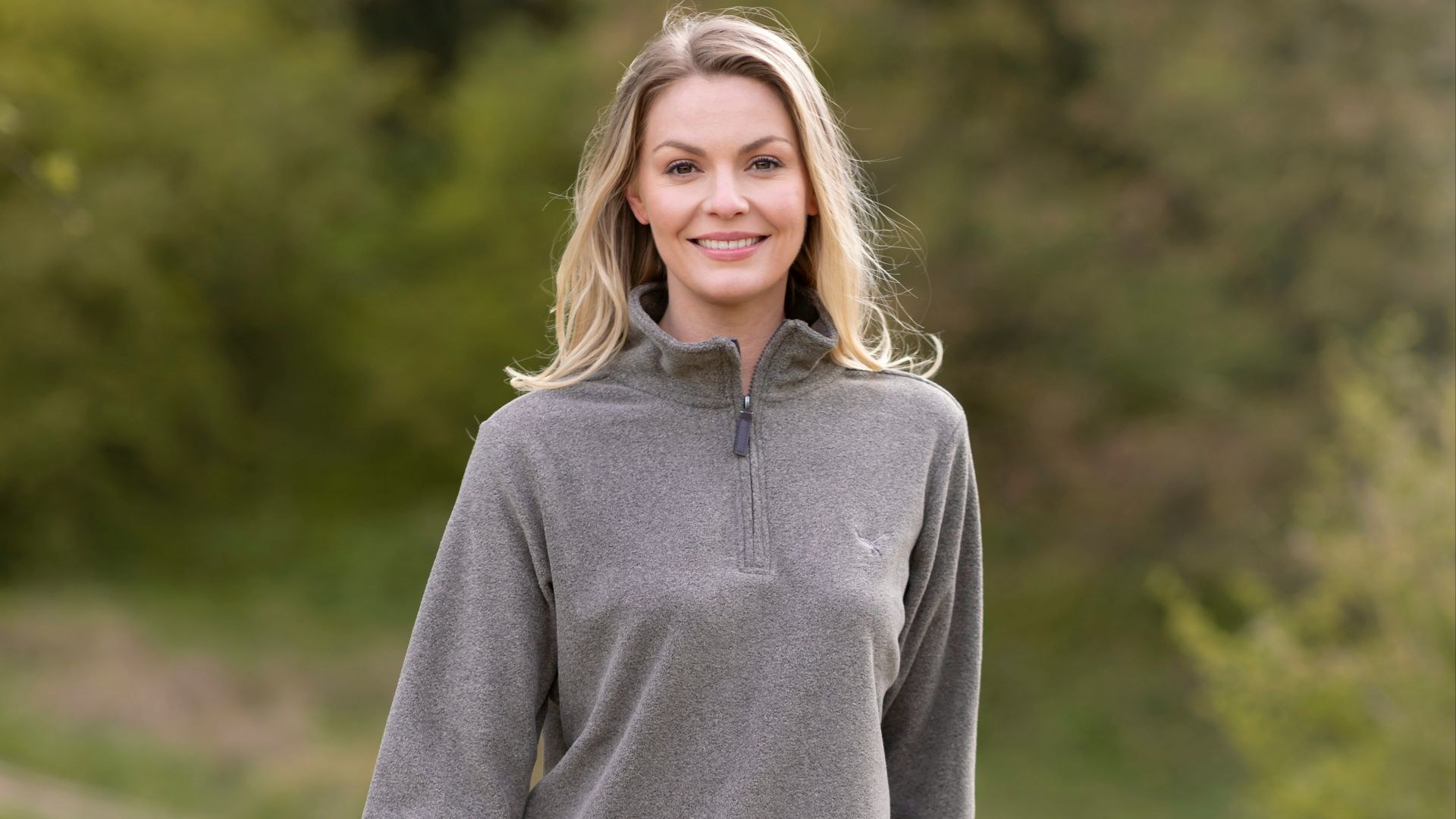
Fleece is a cozy fabric that provides warmth without the weight of traditional cold-weather materials. Think jackets, pullovers, sweatpants, and blankets; it feels plush and comforting. Fleece gives you a soft layer that’s easy to wear, so you bet we reach for it on chilly mornings.
The sad reality is that not every fabric is designed with comfort as the priority. Some materials trap heat, feel scratchy, restrict movement, or irritate the skin, and we’re here to help you stay clear!
1. Polyester
Polyester may be in everything, and it may be praised as being durable and easy to care for, but it’s also uncomfortable when it doesn’t allow enough airflow. In warm weather, it just traps heat and moisture against your skin, which makes you sticky.
 Moonstarious Project on Unsplash
2. Nylon
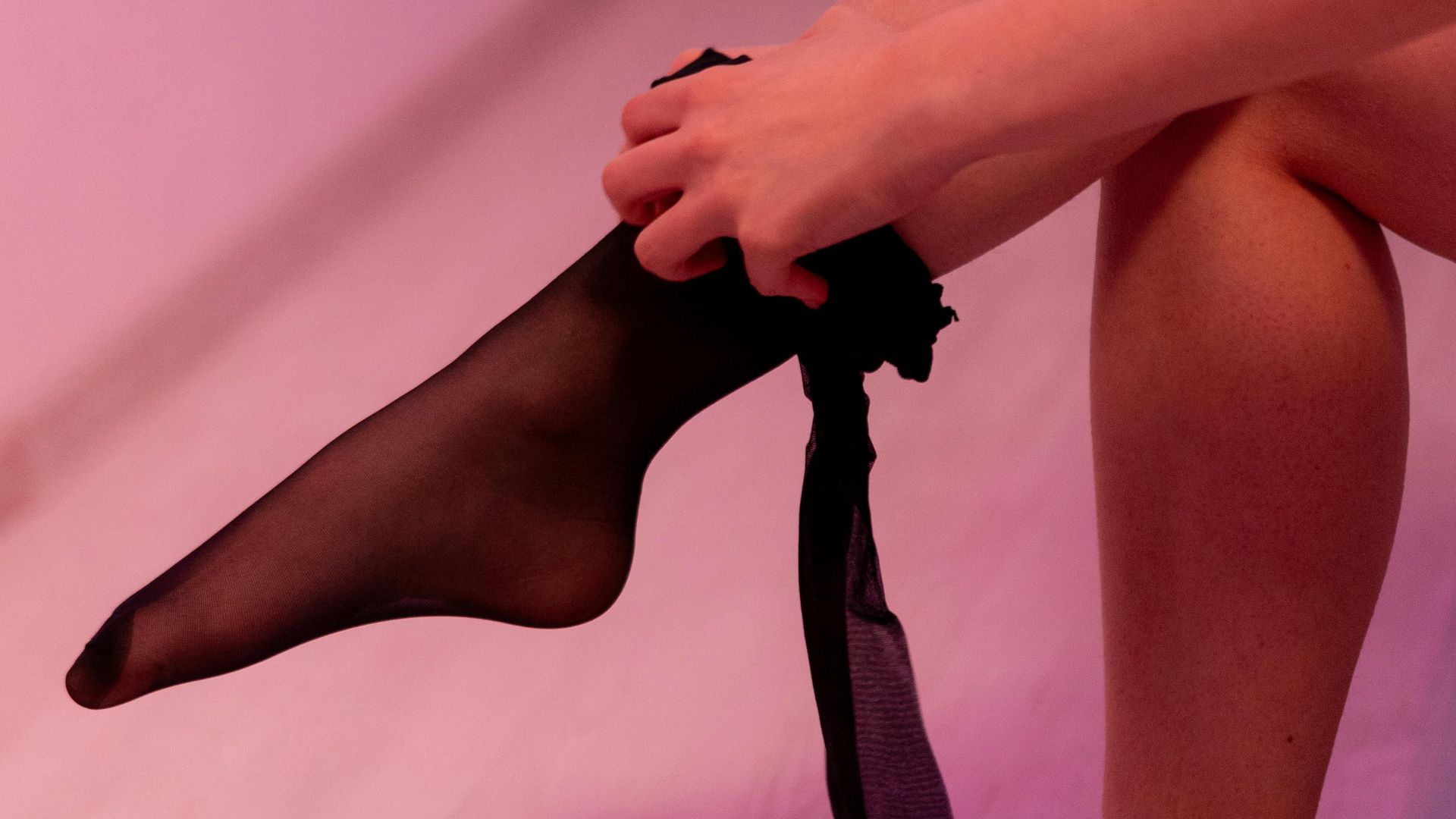
Nylon is lightweight and strong; there’s no denying that. There’s also no denying that it can feel slick, clingy, or overly synthetic in everyday clothing. Since it doesn’t always breathe well, it also gets uncomfortable during long wear or in humid conditions.
3. Acrylic
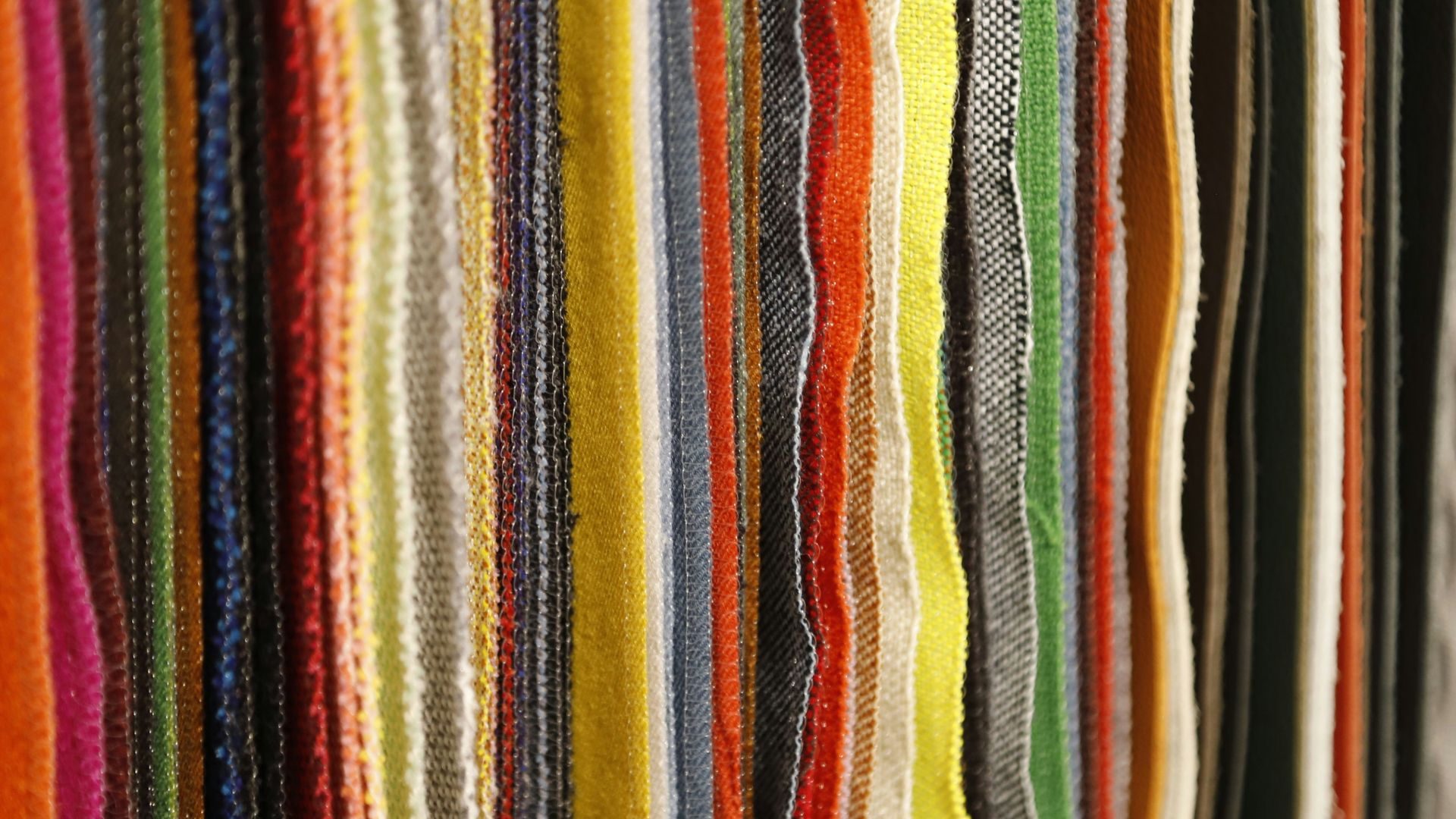
Acrylic is often used as a cheaper alternative to wool, but with cheaper options come more problems. It can be scratchy, stiff, and oddly warm without being breathable. Worse still, it also builds static, which makes sweaters and scarves more annoying than comfortable.
4. Vinyl
Vinyl has a bold, glossy finish we crave sometimes—but it’s rarely known for comfort. It doesn’t breathe well, so heat and moisture build up quickly when you wear it for more than a short outing. Vinyl clothing also feels rigid, which makes sitting, walking, or moving way less pleasant.

5. Latex
Alright, we’ll say it: latex is stretchy. It’s form-fitting and can hug the body in some pretty great ways. But that close fit also makes it difficult to wear for long periods. At the end of the day, it’s hot, tight, and restrictive, particularly because air doesn’t pass through it easily.

6. Sequined Fabric
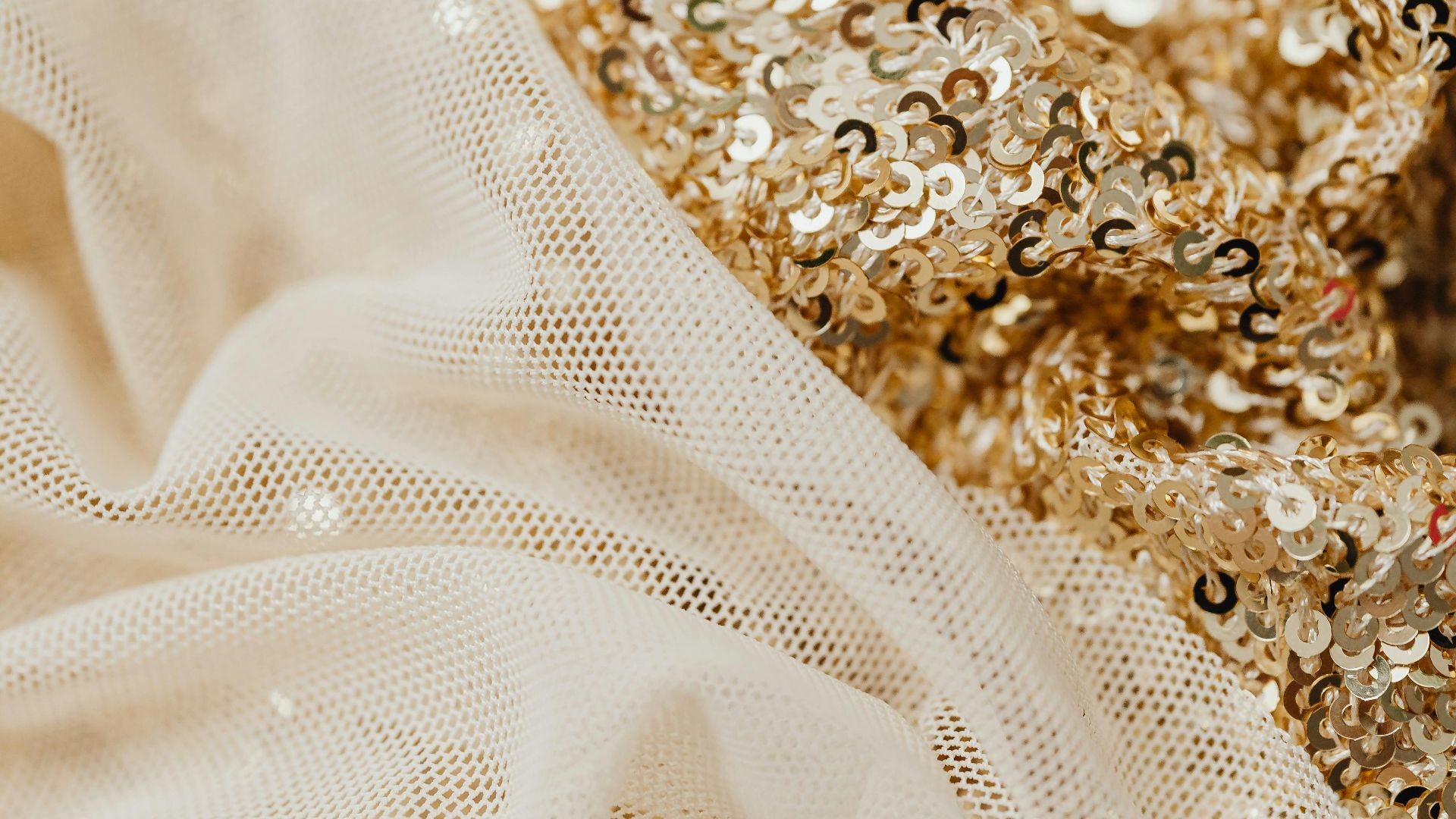
Sequined fabric can be fun for special occasions, but the comfort level depends on how well the garment is lined. Let’s be honest, when sequins rub against your arms or neckline, they feel rough and irritating very quickly.
7. Tulle
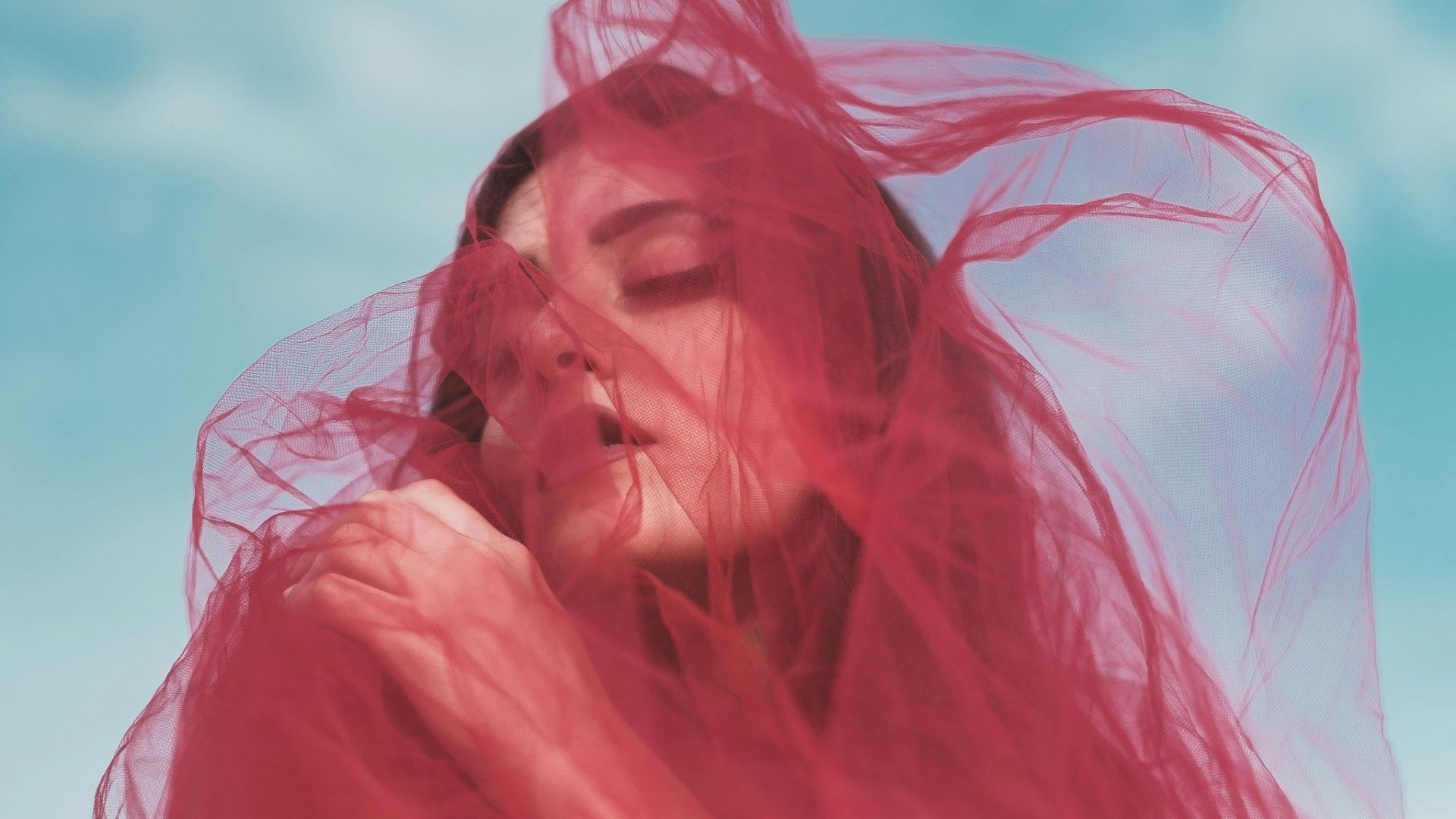
As if ballerinas don’t have it hard enough! Tulle is light and airy in appearance—not in actual wear. In reality, it can feel stiff, scratchy, and abrasive when it touches the skin. A good lining helps, though you’ll still want to be careful with tulle around the waist, shoulders, and sleeves.
8. Organza
Organza has a crisp, structured feel that can make clothing polished, but that same stiffness very much reduces comfort. It may poke or sit away from the body in a way that feels unnatural during regular wear, so for all-day comfort, it usually demands a little patience.

9. Brocade
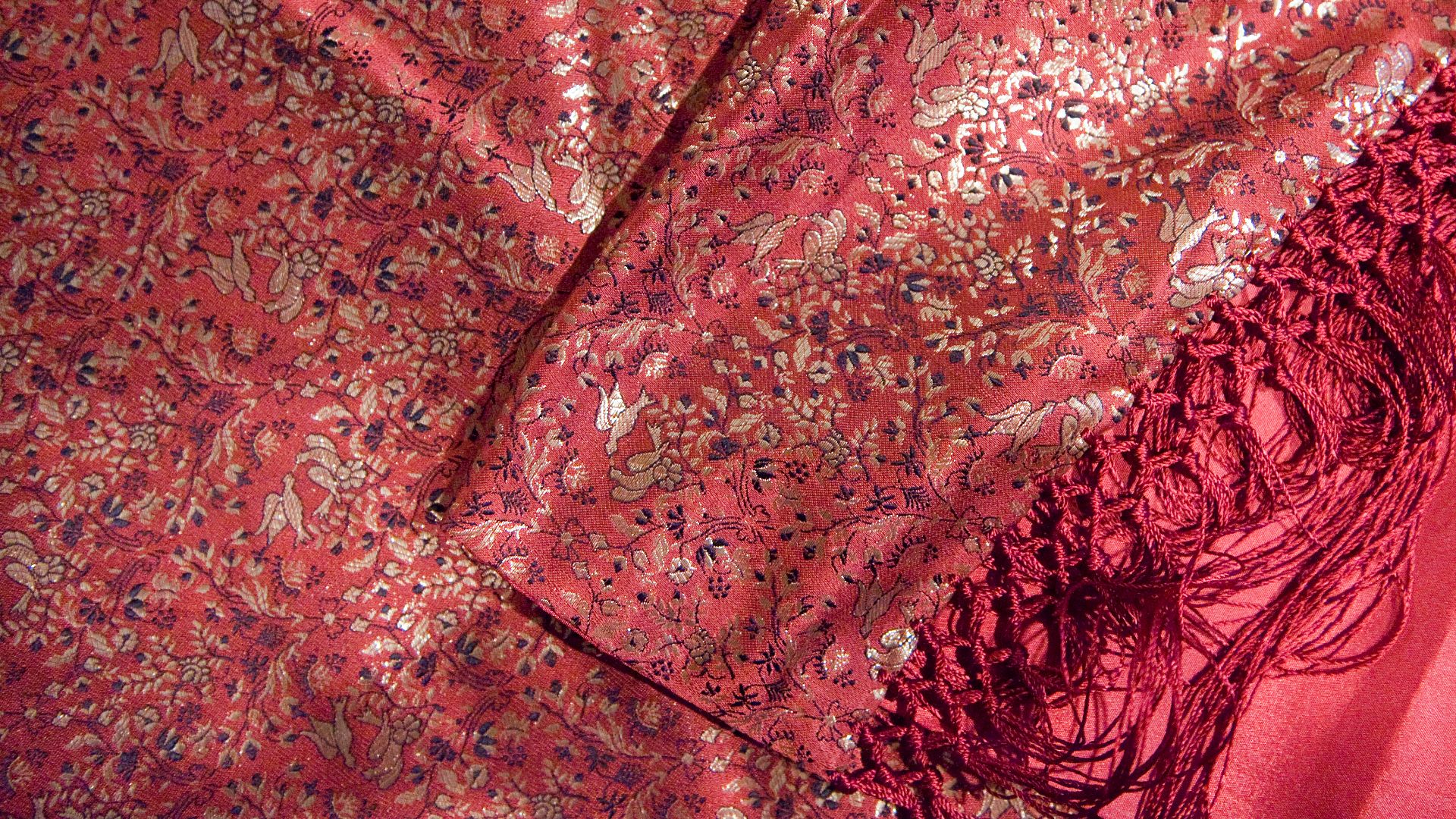
Brocade is rich, decorative, and often quite heavy, a trio that makes it formal rather than relaxed. The raised patterns and dense weave are especially rigid in jackets, skirts, and dresses that don’t have much stretch. You might enjoy the look for a special occasion, but it’s not something most people reach for otherwise.
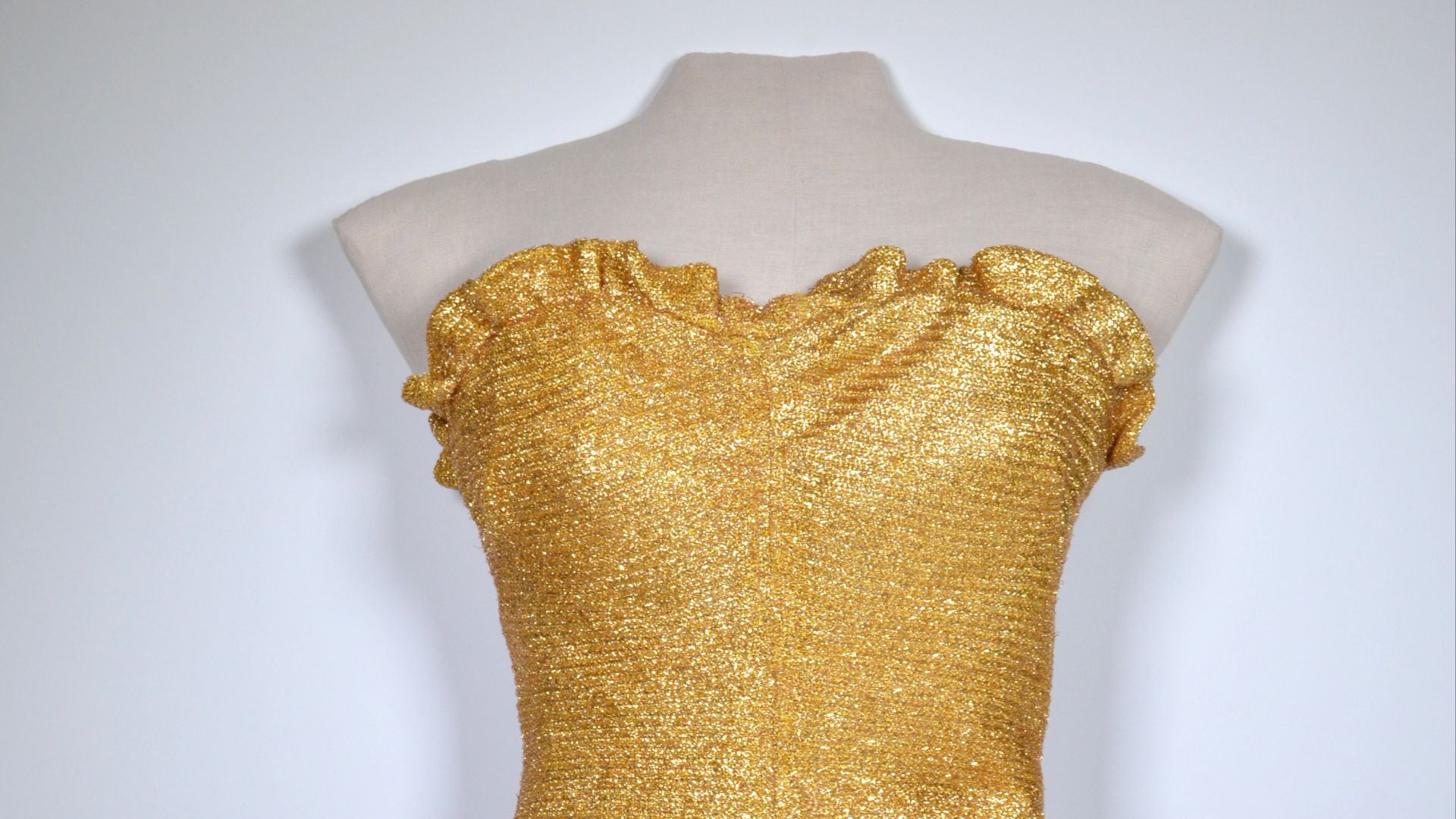
10. Lamé
Lamé might bring the shine, but it also brings a scratchy, stiff, and irritating feel depending on how it’s made. It usually has a textured surface that bothers the skin, particularly around seams, cuffs, and necklines. That said, it’s really known for visual impact, so comfort always takes a back seat anyway.