
Why Your Scalp Feels So Dry
A dry scalp can be a persistent source of discomfort, showing up as tightness, flakiness, and itching that no amount of expensive shampoo seems to fix for long. Unlike dandruff, which is often linked to excess oil and a specific type of yeast, a dry scalp is primarily a moisture problem, and the two conditions call for very different approaches. Before you can start treating it effectively, it helps to understand exactly what's causing all that dryness in the first place.
1. You're Not Drinking Enough Water
Hydration affects every part of your body, and your scalp is no exception when it comes to feeling the effects of not getting enough fluids throughout the day. When you're consistently under-hydrated, your skin (including the skin on your head) becomes dry, tight, and more prone to flaking. Aiming for around eight glasses of water a day is one of the simplest habits you can build to support your scalp's moisture levels from the inside out.
2. You’re Scratching Before the Skin Can Heal
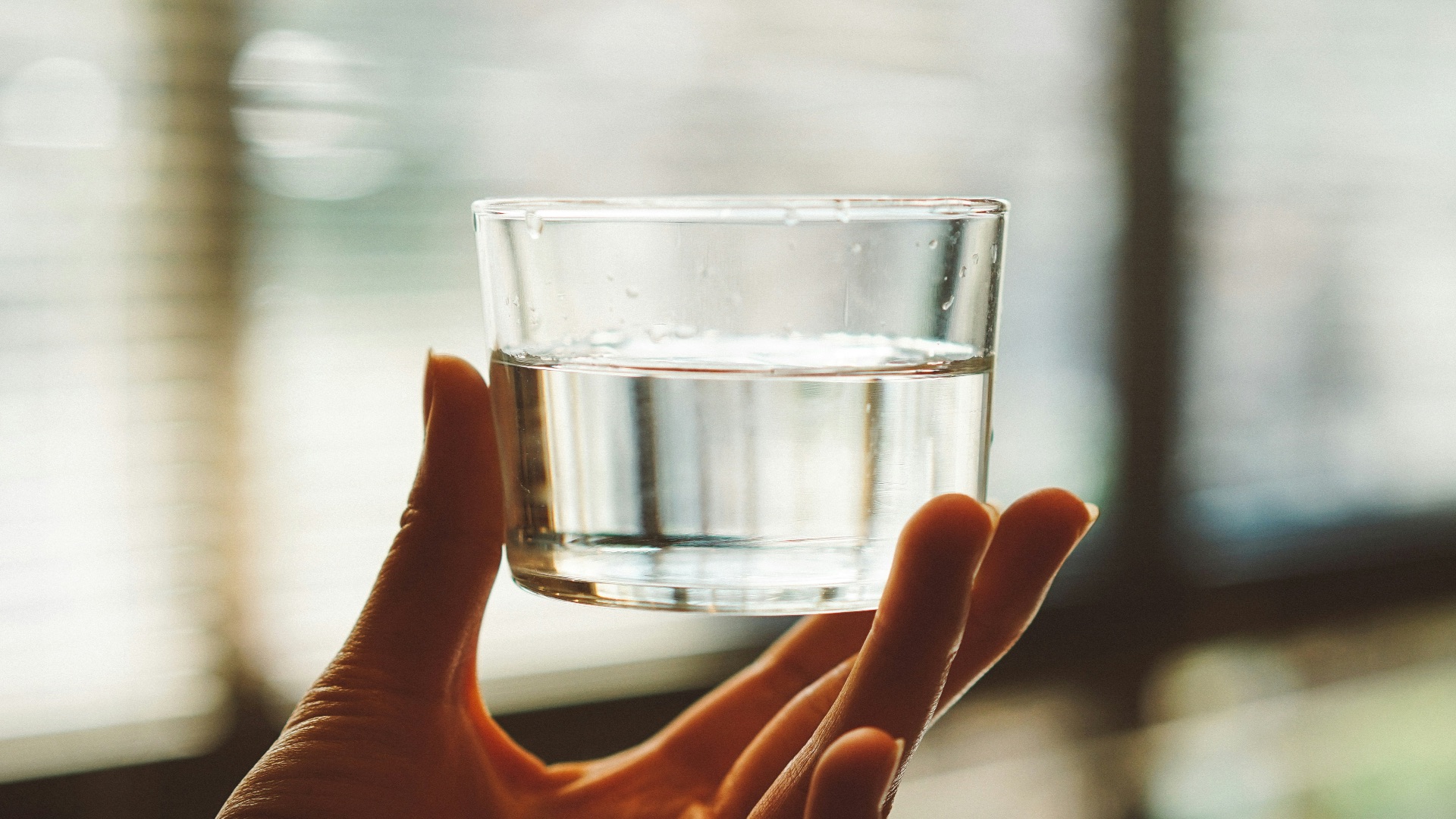
Scratching can feel impossible to resist when your scalp is itchy, and while it brings temporary relief, it often only keeps the irritation going. It may also create tiny abrasions, worsen tenderness, and make flakes even more noticeable. Once the scalp is already inflamed, even normal products can sting or feel harsher than they usually would.
3. Your Shampoo Formula Is Too Aggressive
Not every shampoo on the shelf is designed with scalp health as a priority, and some contain sulfates and harsh detergents that are far too stripping for already dry skin. These cleansing agents are good at removing dirt and buildup, but they can also compromise your scalp's natural moisture barrier in the process. Checking the ingredient list and swapping to a sulfate-free or hydrating formula is often one of the fastest ways to start noticing a real difference.
4. Your Showers Are Running Too Hot
A hot shower might feel like a great way to start or end your day, but the high temperature does your scalp a disservice every time you rinse your hair. Hot water breaks down the skin's lipid barriers, allowing moisture to escape and leaving the scalp feeling tight and parched afterward. Turning the temperature down just a few degrees when you're washing your hair can help your scalp hold onto its natural moisture much more effectively.
5. Your Shower Water Is Too Hard
Hard water contains higher levels of minerals like calcium and magnesium, which can leave residue on your hair and scalp. Over time, that mineral buildup may make your scalp feel dry, tight, or irritated, even when you’re using products that normally work well for you. If your dryness seems worse after washing or your hair feels coated no matter how much you rinse, your water could be part of the problem.
6. Your Scalp's Oil Production Is Slowing Down with Age
The sebaceous glands responsible for producing your scalp's natural oils tend to become less active as you get older, which means dryness becomes increasingly common as part of the natural aging process. This shift can happen gradually, which is why many people don't connect their worsening dry scalp to aging until it's been an issue for a while. It's a completely normal change, but it does mean your hair care routine may need updating to compensate for the reduced oil production.
7. Your Diet Is Missing Key Nutrients
What you eat has a direct impact on your skin's ability to stay hydrated and healthy, and deficiencies in specific nutrients can show up as dryness and flaking on your scalp. Omega-3 fatty acids, zinc, and vitamins B and E are particularly important for maintaining the skin's moisture barrier, and not getting enough of them can leave your scalp more susceptible to dryness. If your meals have been lacking in variety or nutritional density, that could be a significant contributing factor worth addressing.

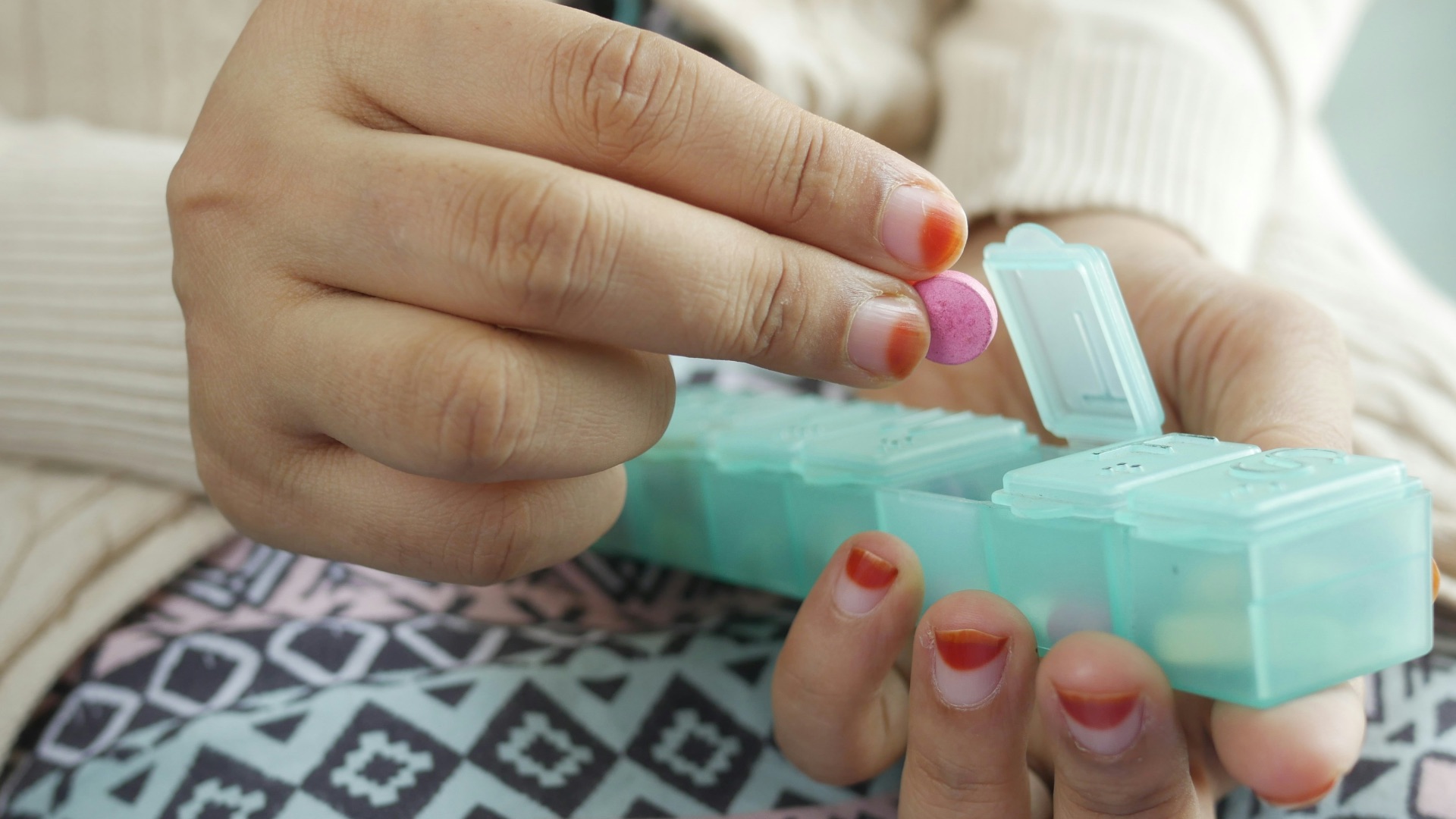
8. A Medication You're Taking May Be the Culprit
Certain prescription and over-the-counter medications list dry skin as a known side effect, and the scalp can be just as affected as the rest of your body. Diuretics, retinoids, and some acne treatments are among the most commonly associated with increased skin dryness. If your scalp started feeling noticeably drier around the time you began a new medication, it's worth mentioning to your doctor so you can explore whether it's connected.
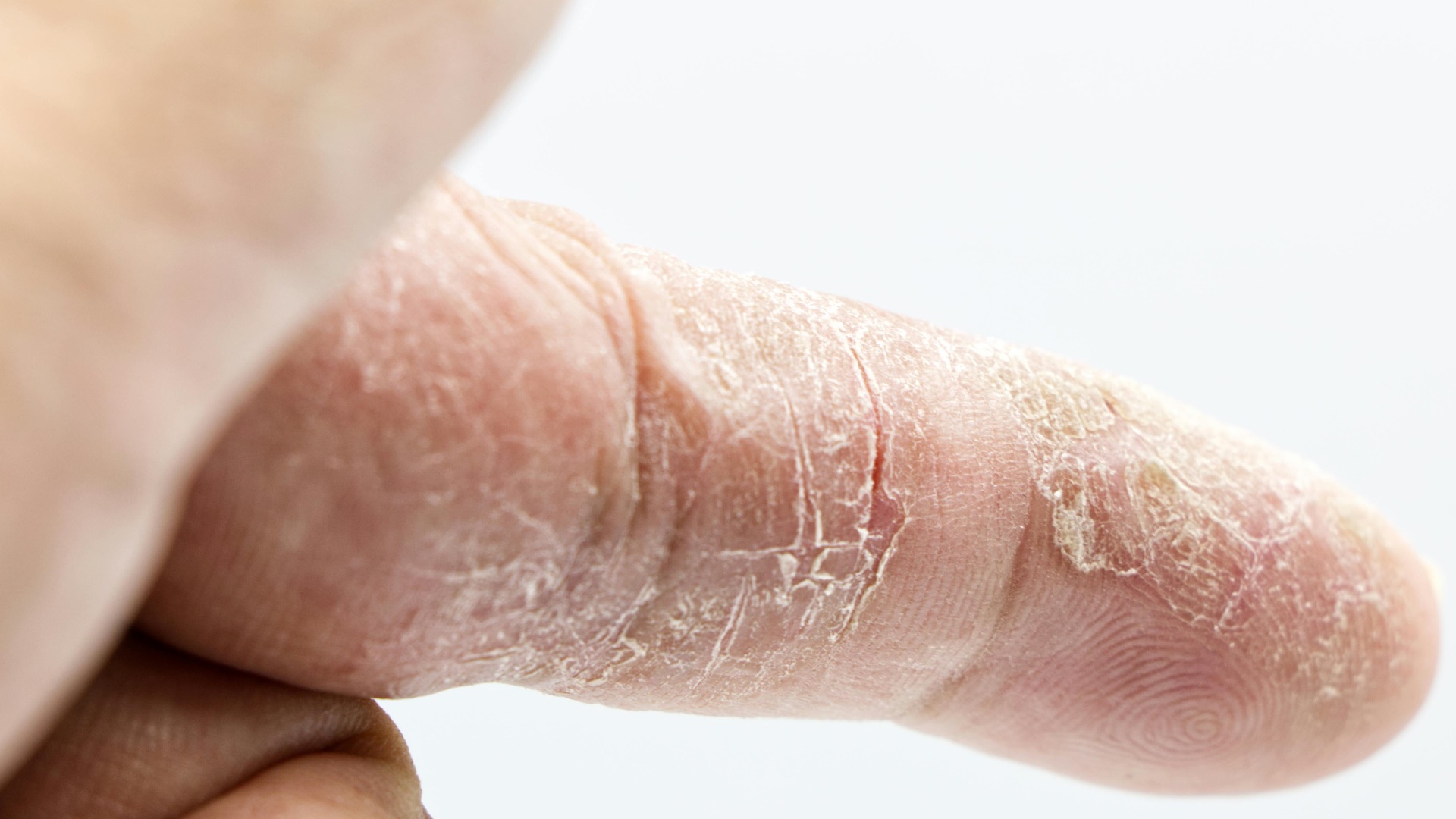
9. An Underlying Skin Condition Is Involved
Conditions like eczema and psoriasis can affect the scalp specifically, causing dryness, flaking, and irritation that goes well beyond what general moisturizing strategies can address. Both involve an immune-related disruption to the skin's normal renewal cycle, leading to symptoms that tend to be more intense and persistent than standard dry scalp. A dermatologist can help you determine whether one of these conditions is at play and put together a treatment plan that actually targets the root cause.
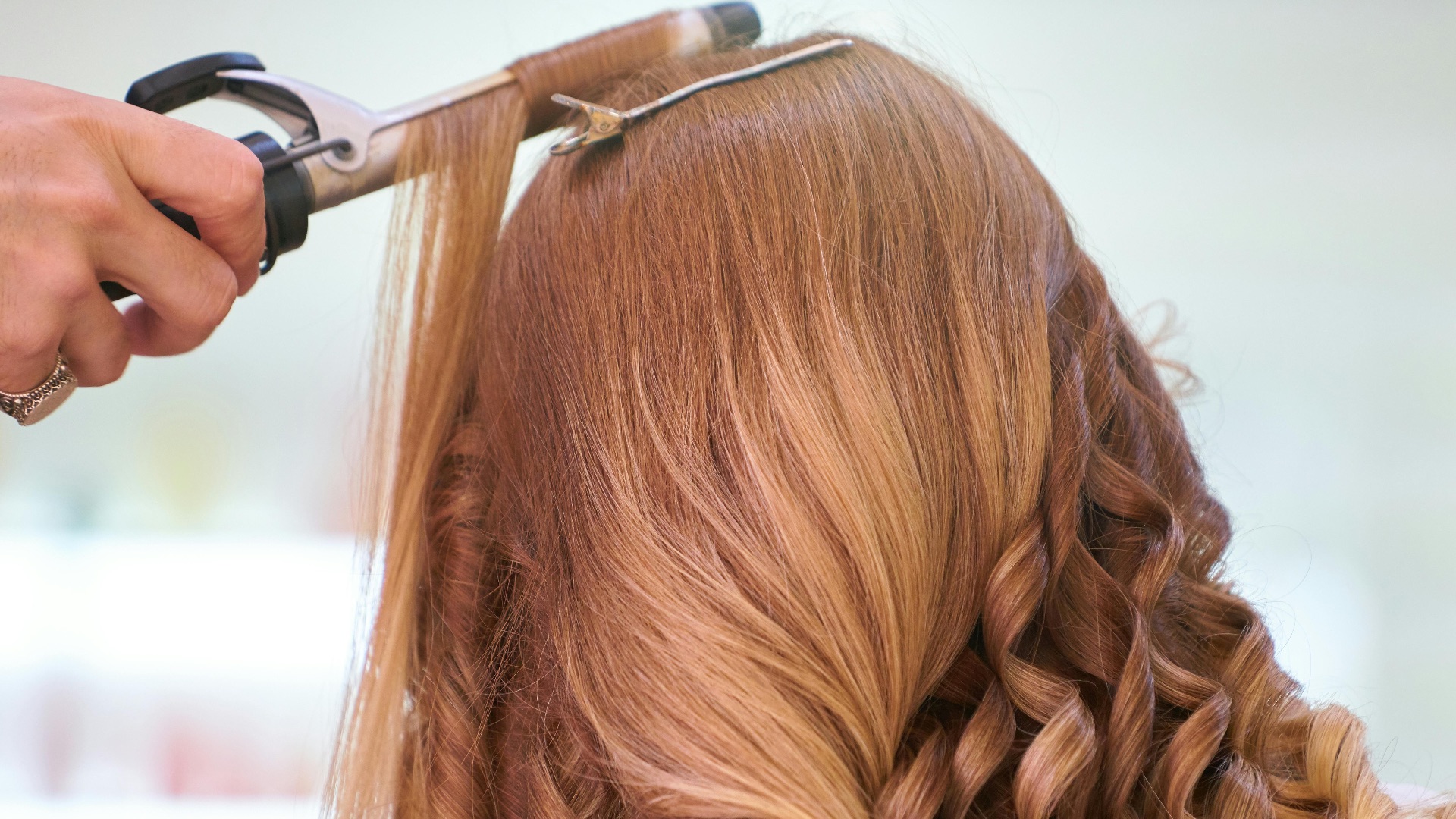
10. Heat Styling Tools Are Dehydrating Your Scalp
Blow dryers, curling wands, and flat irons all apply concentrated heat very close to the scalp, and frequent use can gradually dehydrate the skin over time. The scalp's outer layer is sensitive to heat damage in the same way that hair itself is, and repeated exposure can wear down its ability to retain moisture. Using heat tools on a lower setting, keeping them moving rather than holding them in one spot, and taking breaks from heat styling a few days a week can all help reduce the impact.
Now that you have a clearer picture of what's behind the dryness, the next step is doing something about it. These 10 practical tips will help you build a scalp care routine that keeps things balanced, healthy, and comfortable on a long-term basis.
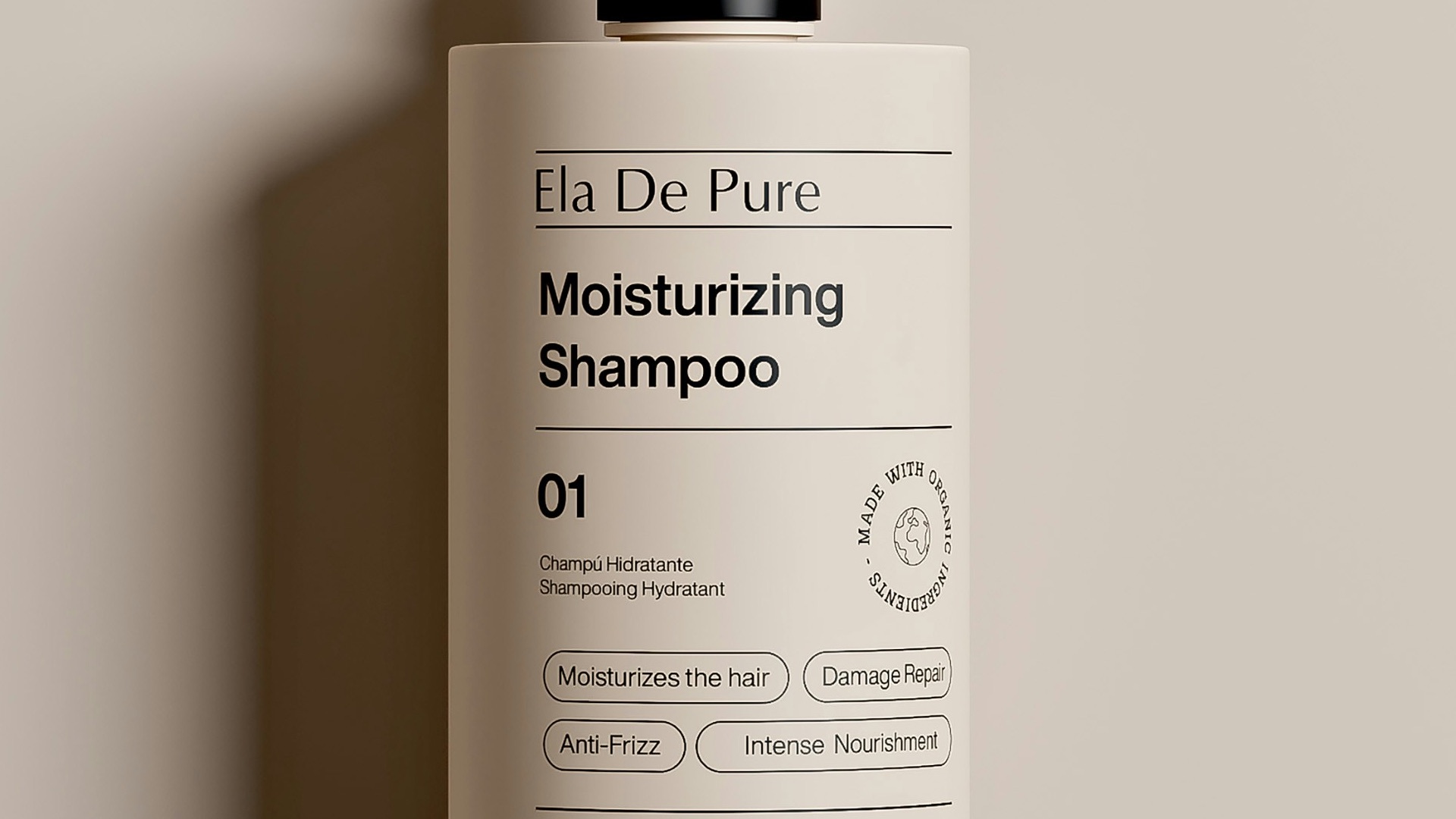
1. Switch to a Moisturizing or Gentle Shampoo
Upgrading your shampoo to one formulated for dry or sensitive scalps is one of the most impactful changes you can make to your routine. Ingredients like glycerin, hyaluronic acid, aloe vera, and oat extract are all worth looking for, as they're known to help the skin hold onto moisture. Steering clear of sodium lauryl sulfate (SLS) and similar harsh surfactants will also prevent the stripping effect that leaves your scalp drier after every wash.
2. Scale Back Your Wash Frequency
Giving your scalp more time between washes allows its natural oils to build up and do their job of keeping the skin moisturized and protected. If you're used to daily shampooing, it's worth gradually cutting back to every other day and then every two to three days, since the adjustment can take a little time. Dry shampoo can help you manage any extra oiliness at the roots while your scalp finds its new equilibrium.
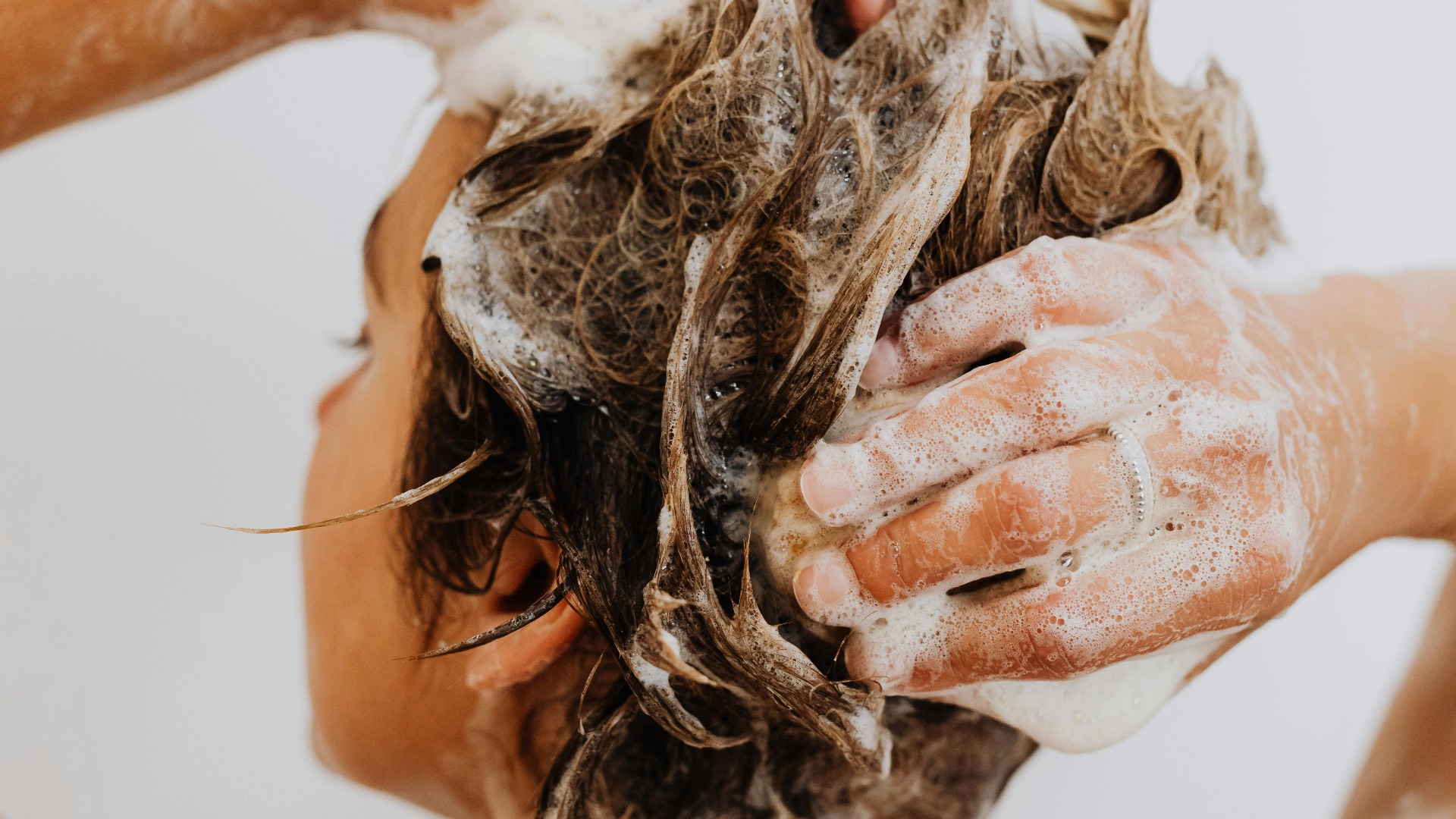
3. Incorporate a Weekly Scalp Oil Treatment
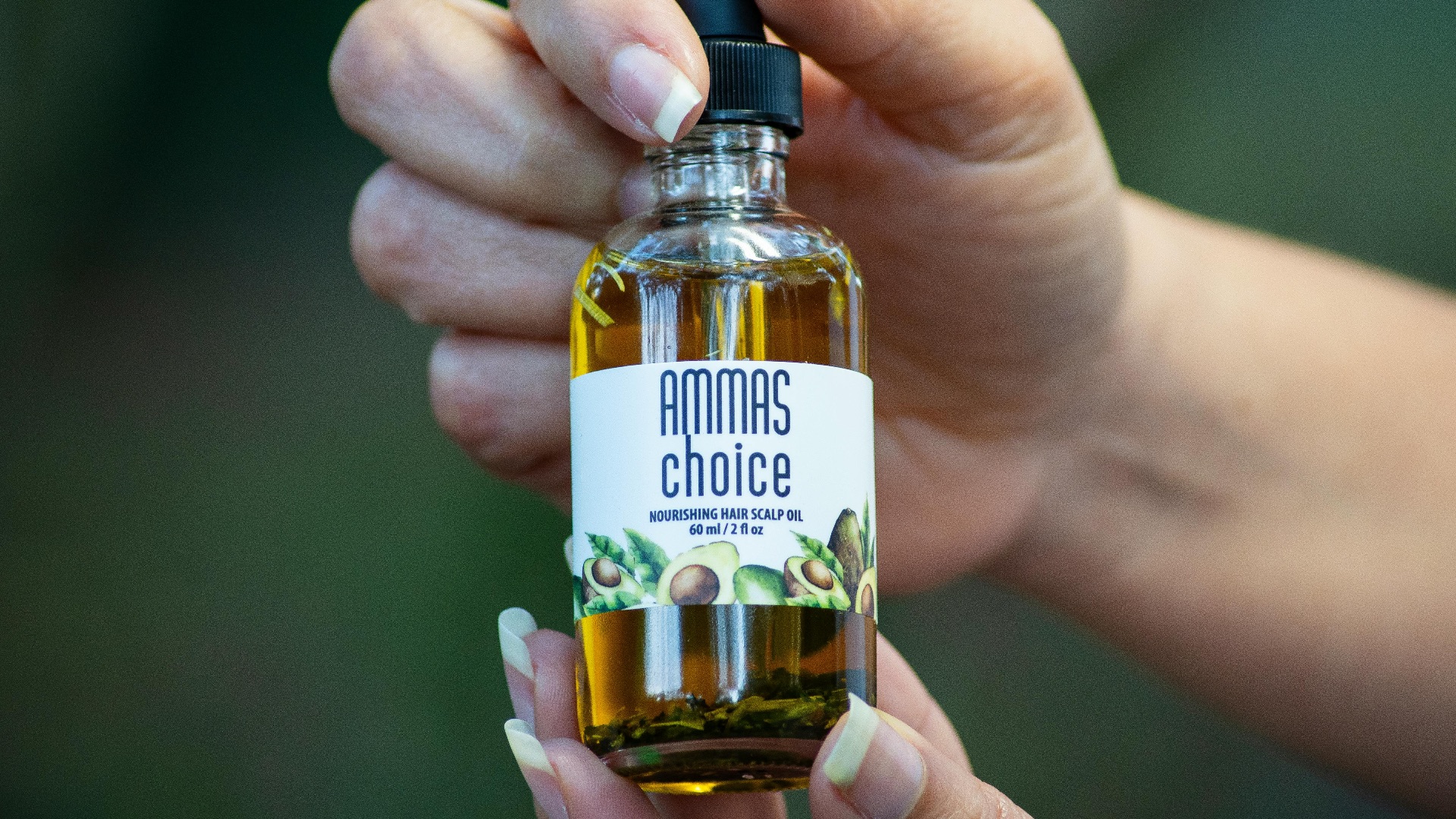
Applying a dedicated scalp oil treatment once or twice a week gives dry skin a more concentrated boost of hydration than shampoo alone can provide. Jojoba oil is a particularly well-suited option because its composition is close to the scalp's own sebum, allowing it to absorb without feeling heavy or greasy. Taking a few minutes to massage the oil in gently also improves circulation to the area, which supports healthier skin over time.
4. Lower Your Shower Temperature
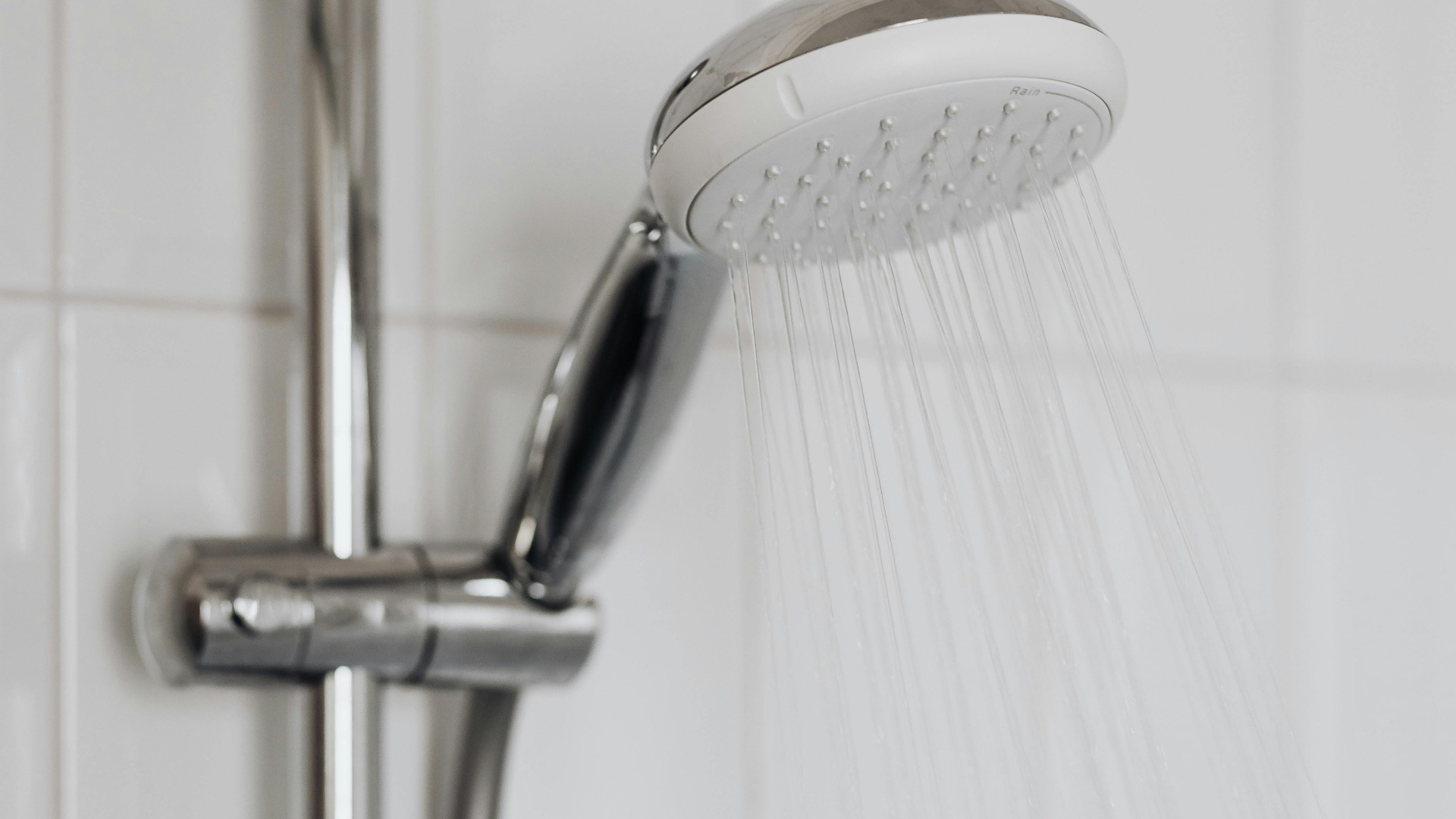
Making a deliberate effort to wash your hair in cooler water is a simple change that can have a surprisingly meaningful impact on how your scalp feels afterward. Lukewarm water is just as effective at cleansing as hot water, but it doesn't strip away the skin's lipid barriers in the process. Finishing with a brief cool rinse can help seal things in and leave your scalp feeling less dry and tight once you're out of the shower.
5. Use a Humidifier Indoors
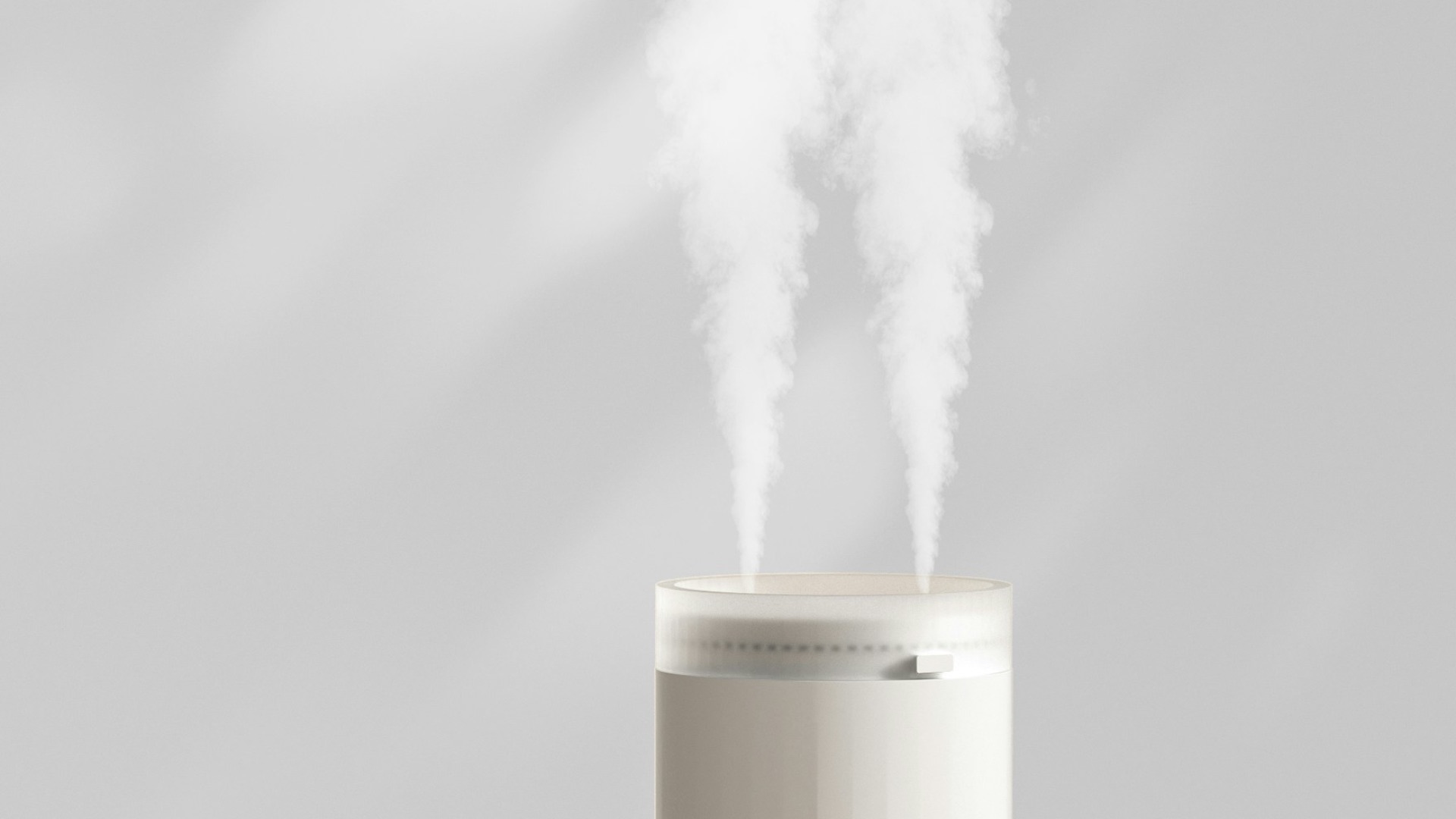
If your home tends to get dry during winter or you run air conditioning frequently, a humidifier can help restore some of the atmospheric moisture that's being pulled out of the air and out of your skin. Keeping one in your bedroom is especially helpful, since your body does a lot of its repair work overnight when you're asleep. Maintaining indoor humidity levels between 40 and 60% is generally considered beneficial for skin health.
6. Try an Apple Cider Vinegar Rinse
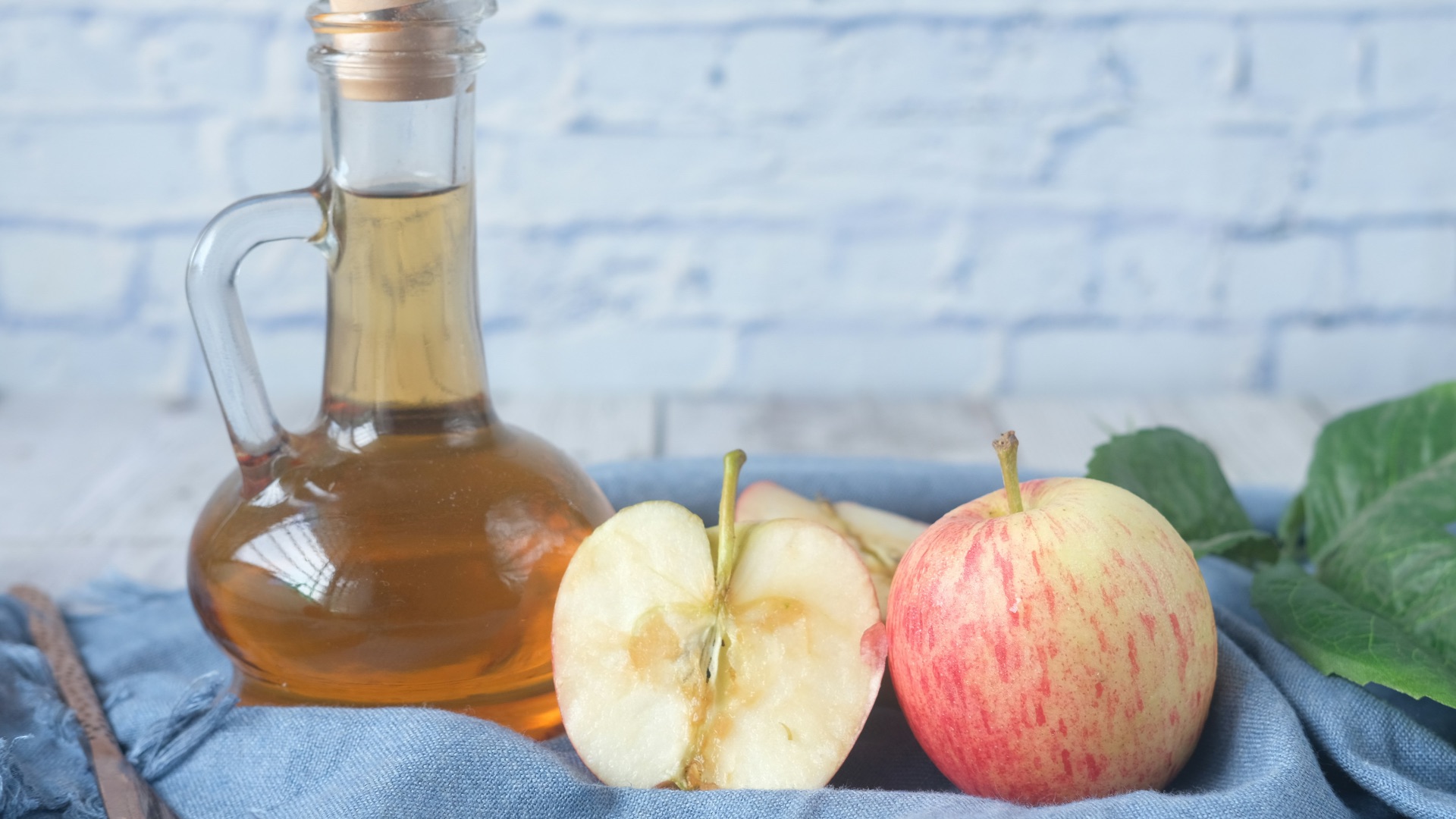
An apple cider vinegar rinse may help remove some buildup from the scalp, which can be useful if your roots often feel coated or itchy between washes. However, because vinegar is acidic, always remember to dilute it with water and use it sparingly rather than pouring it directly onto the scalp. You should also skip this tip if your scalp is cracked, burning, or highly irritated; if using it causes stinging or extra dryness, stop immediately.
7. Use Glycolic Acid (with Restraint!)
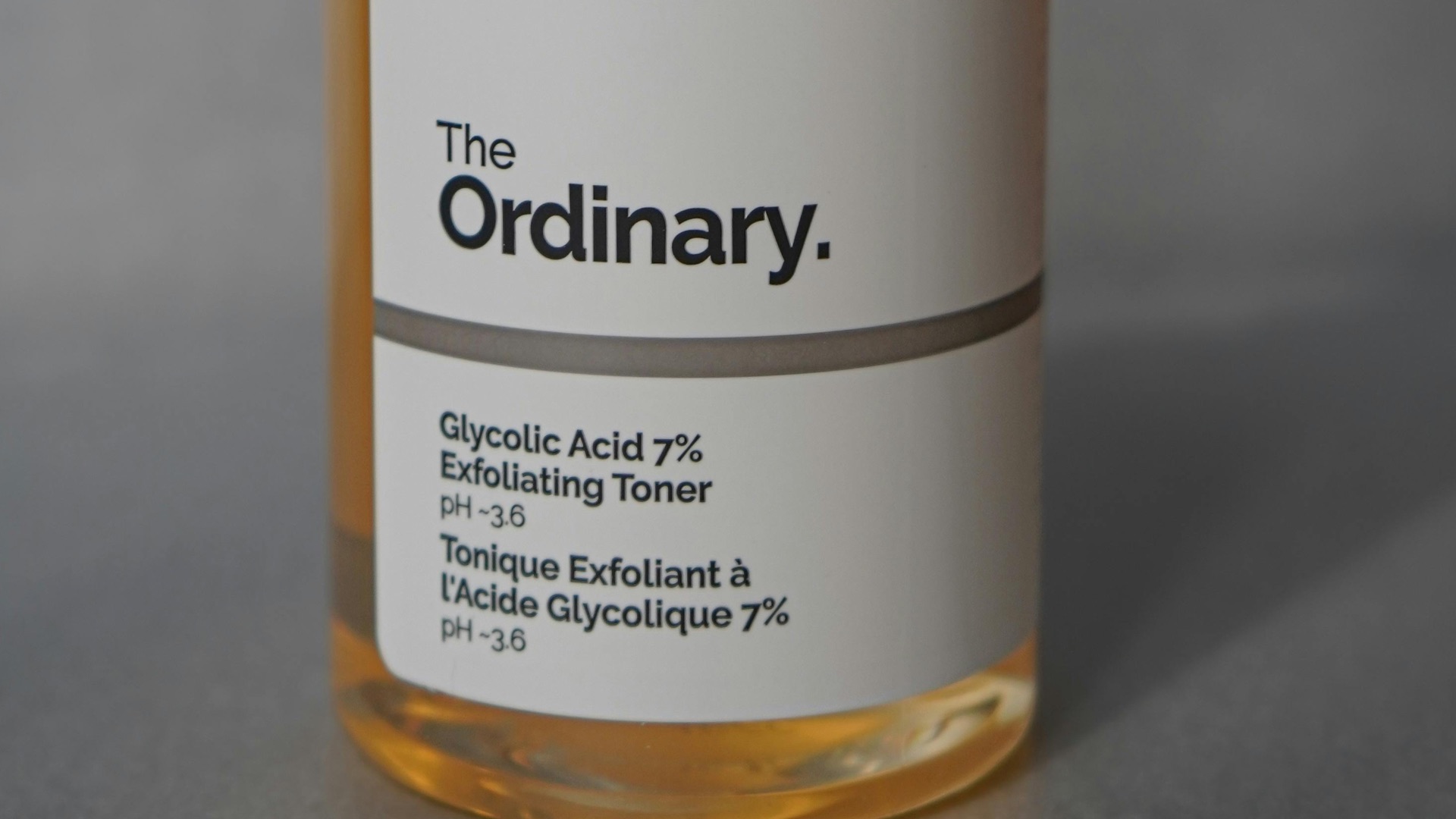
Glycolic acid can help exfoliate the scalp, which may be useful when dryness is made worse by buildup or dead skin sitting near the roots. But there's a caveat to keep in mind with this treatment, too: because it’s an active ingredient, it shouldn’t be used too often or layered casually with other strong treatments. Start with a scalp product made specifically for this purpose, follow the directions closely, and avoid using it on broken, burning, or freshly irritated skin.
8. Build a More Scalp-Friendly Diet
Supporting your scalp's moisture barrier through your diet is one of the most effective long-term strategies available to you. Foods rich in omega-3 fatty acids, like salmon, walnuts, and flaxseeds, are particularly valuable, as are eggs, leafy greens, and pumpkin seeds for their vitamin and mineral content. Reducing your intake of processed foods and refined sugars, which can drive inflammation, is also worth considering if scalp health is a priority for you.

9. Add a Scalp Mask to Your Weekly Routine
A scalp mask is a more targeted treatment than standard shampoo and can deliver a higher concentration of hydrating and soothing ingredients directly to the skin. Formulas containing ceramides, shea butter, or panthenol are particularly effective at restoring and locking in moisture, so they're worth prioritizing when you're shopping around. Using one once a week, following the instructions for how long to leave it on, and rinsing thoroughly can make a noticeable difference in how your scalp feels between regular washes.
10. Consult a Dermatologist if the Problem Persists
If you've worked through several of these changes and your scalp is still stubbornly dry, itchy, or flaking, it's time to bring in a professional rather than continuing to guess. Persistent symptoms may point to an underlying condition like psoriasis, eczema, or seborrheic dermatitis, all of which require specific treatments that go beyond general scalp care. Getting an accurate diagnosis from a dermatologist means you can address what's actually going on, rather than managing the symptoms without ever getting to the source.