Your Belt, Your Rules
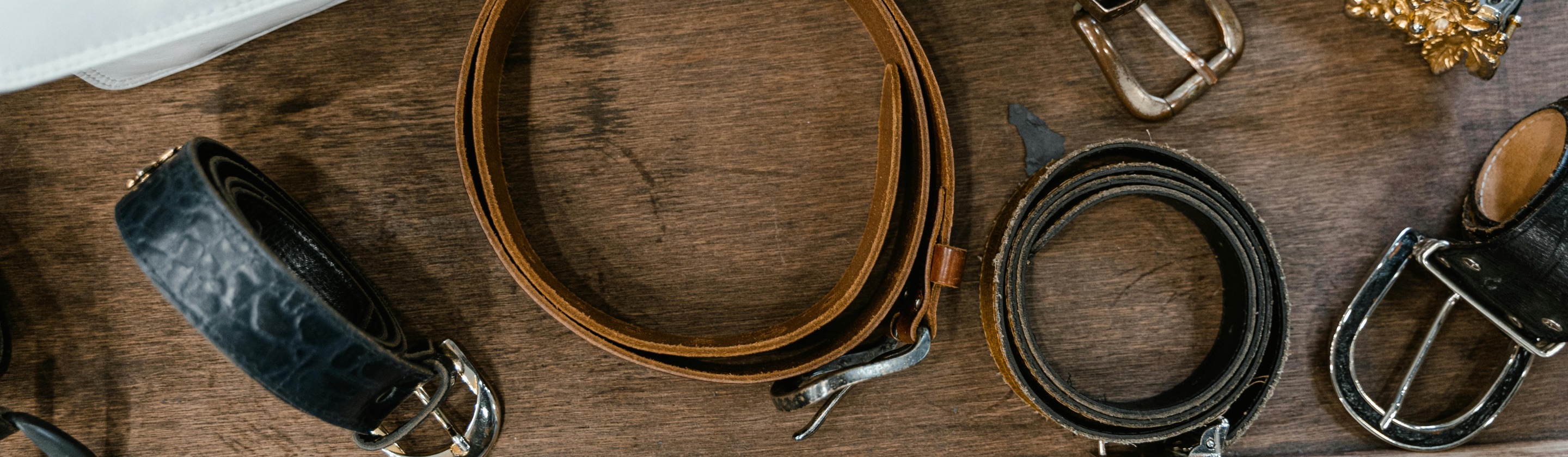
A belt is one of those accessories that people often overlook, but it has more creative potential than you might think. Whether you're working with a plain leather strap or a woven canvas band, there are plenty of ways to make it feel uniquely yours without spending a fortune or needing professional help. From looping a scarf through the hoops to attaching mini keychains, here are 20 fun ways to personalize and upgrade your everyday style.
1. Swap Out the Buckle
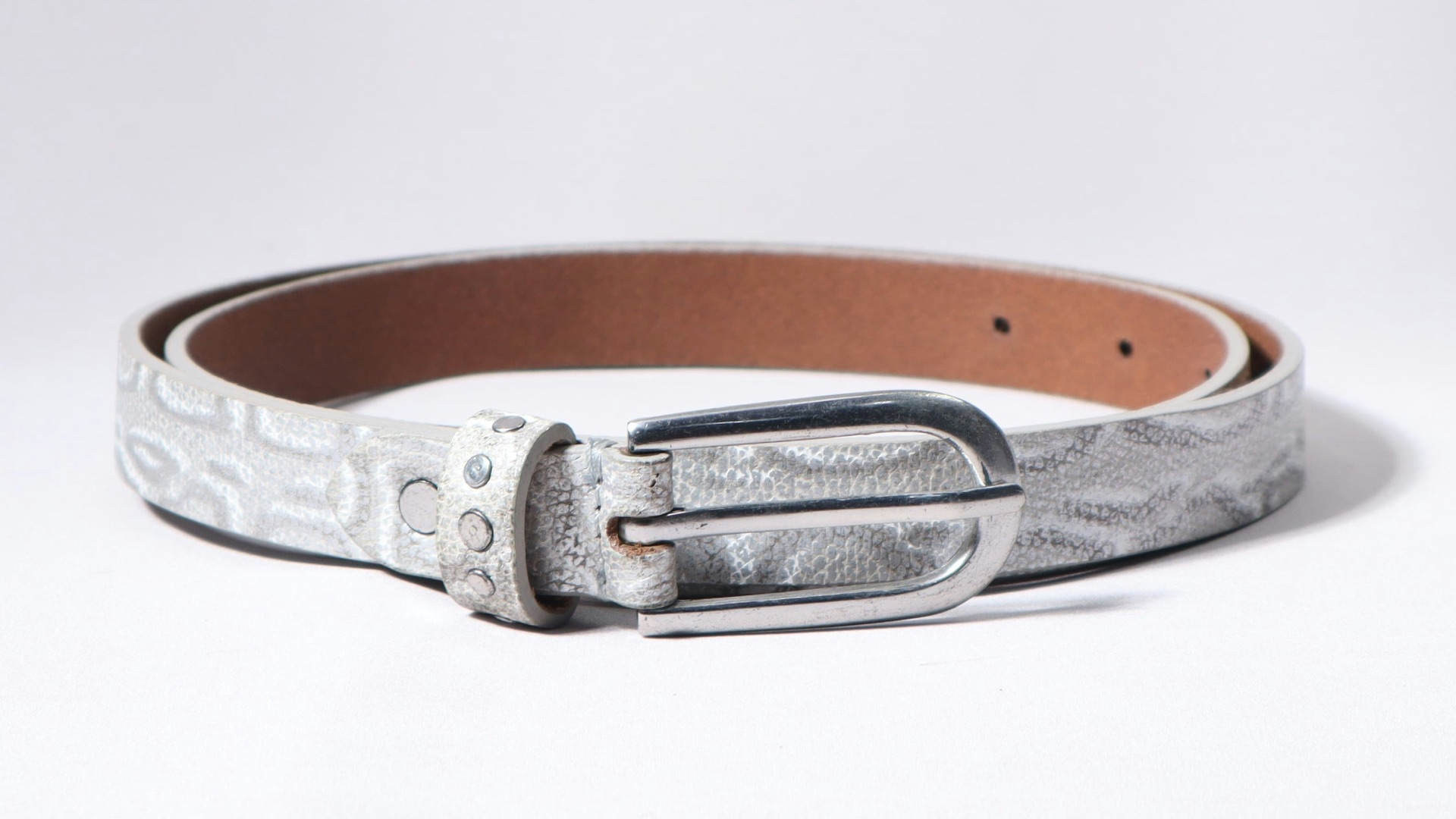
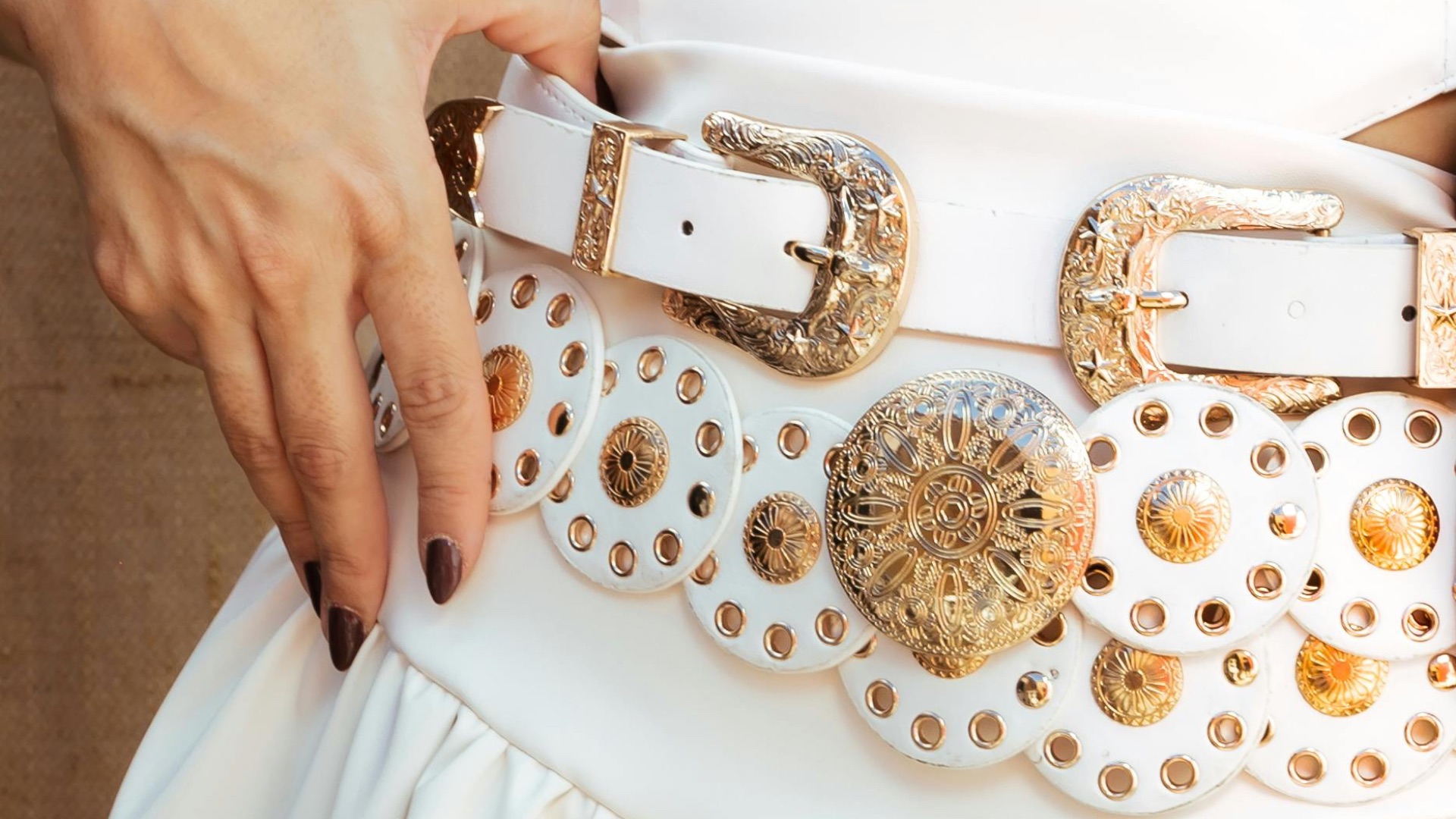
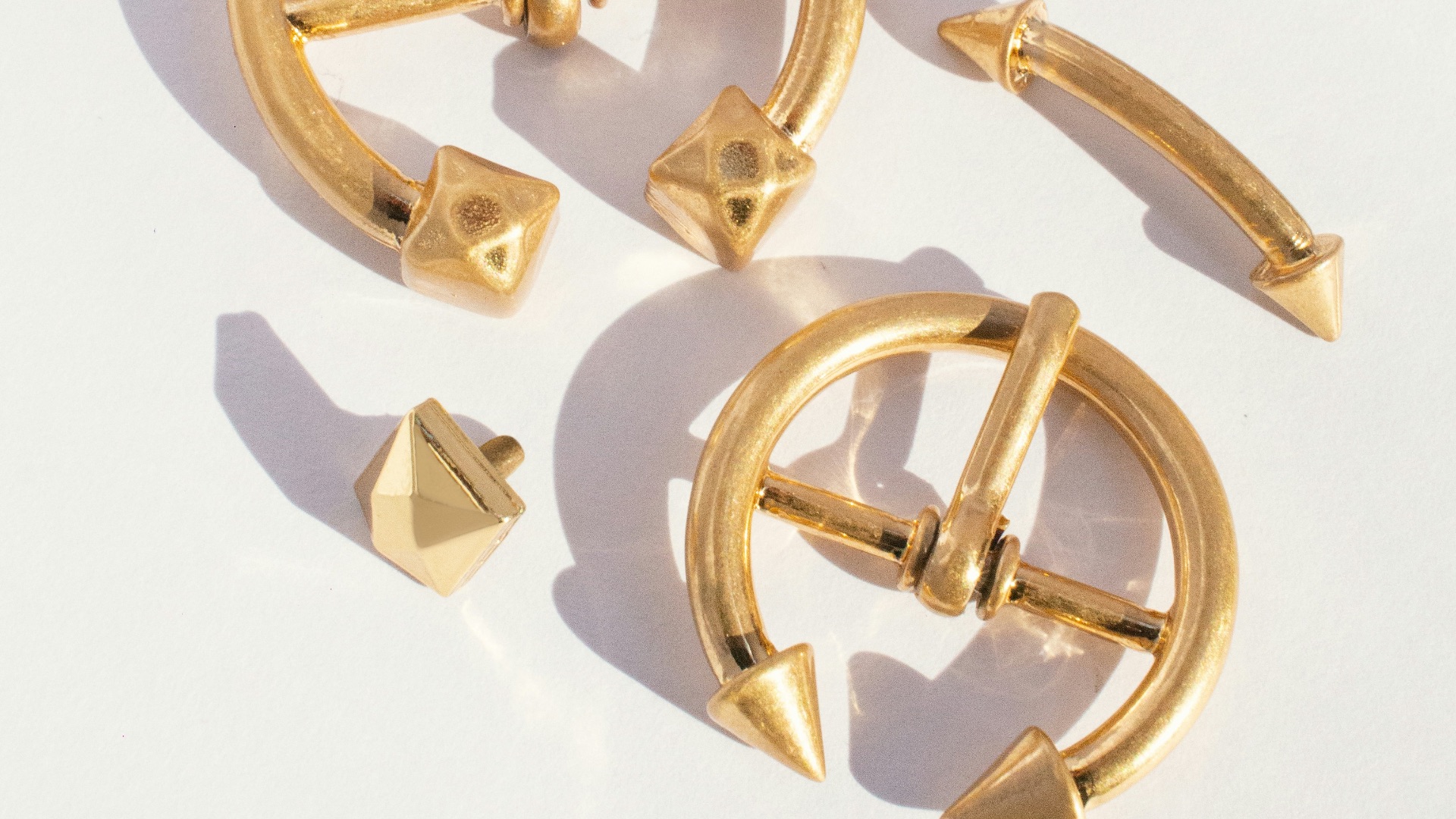
One of the easiest ways to change the look of your belt is to replace the buckle with something that better suits your personality. Many belts are designed with interchangeable hardware, so you can slide off the original buckle and snap on a new one without any tools. You'll find replacement buckles in all kinds of styles, from vintage brass frames to sleek modern bars, at most craft or leather goods stores.
 Ruan Richard Rodrigues on Unsplash
2. Add Studs or Rivets
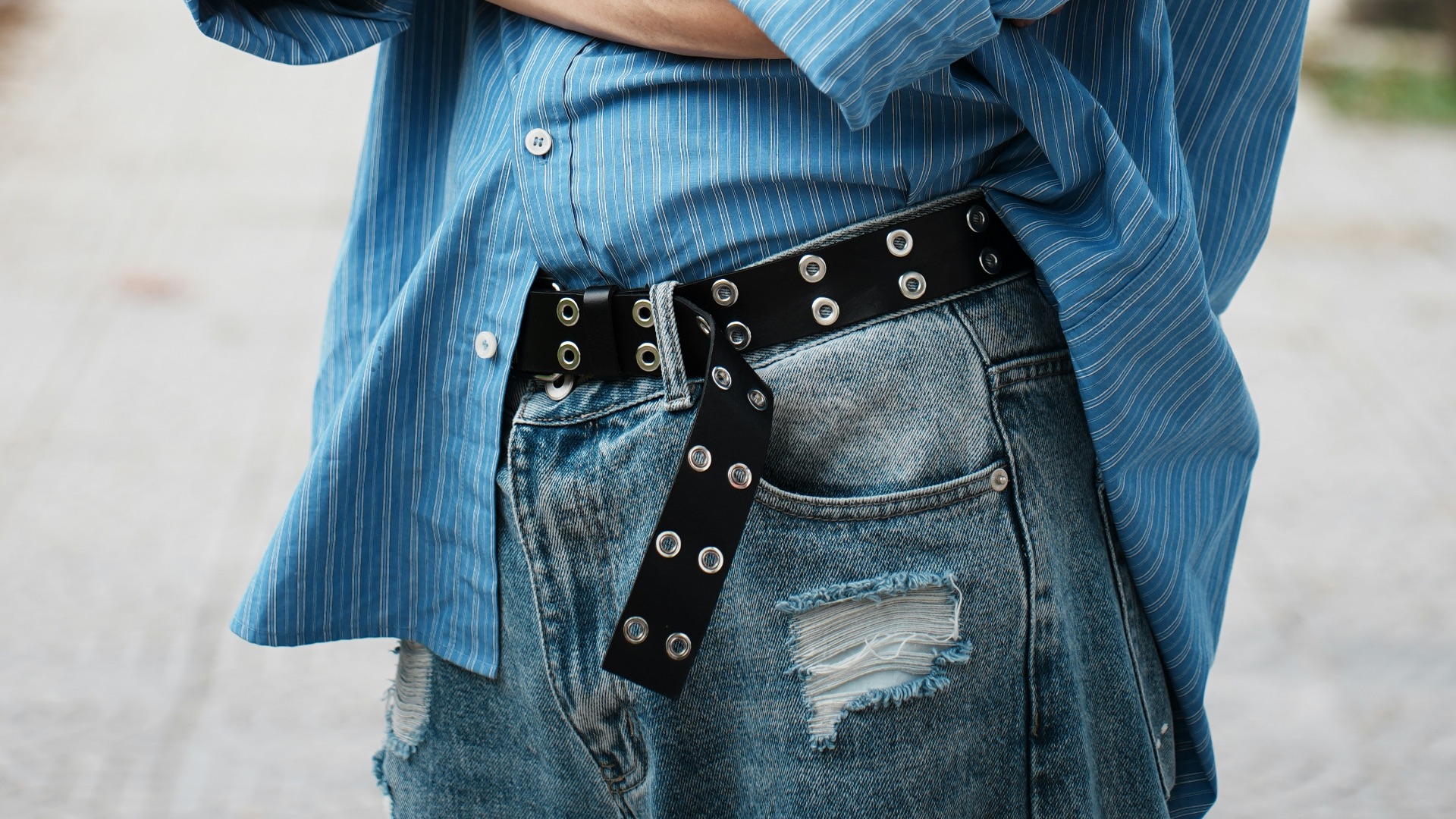
Metal studs and rivets are a classic way to add some edge to a plain belt, and they're surprisingly simple to apply at home. You can purchase sets of decorative studs in various shapes, such as spikes, stars, or domed rounds, and press them directly into the leather using a stud setter or even a pair of pliers. Spacing them evenly across the strap creates a polished look, while a more scattered arrangement gives off a casual, DIY vibe.
 Hoi An and Da Nang Photographer on Unsplash
3. Try Leather Tooling
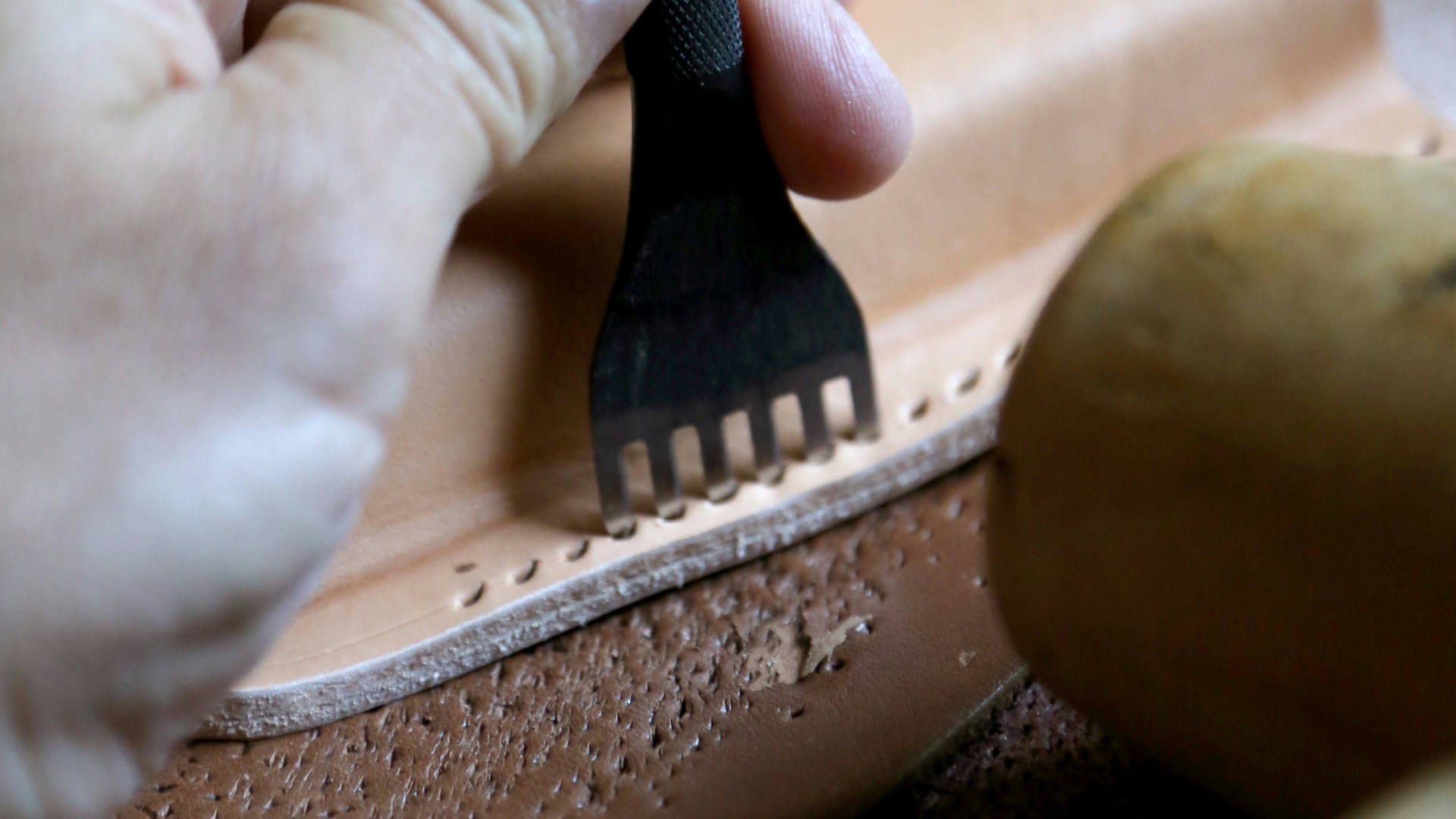
Leather tooling is the art of stamping or carving designs directly into the surface of the leather, and it produces some seriously impressive results. You'll need a few basic leather-working tools, a damp piece of vegetable-tanned leather, and a steady hand to get started. Common motifs include floral patterns, geometric shapes, and wildlife designs, but you can stamp anything you like to make the belt feel completely personal.
 La Compagnie Robinson on Unsplash
4. Use Leather Paint or Dye
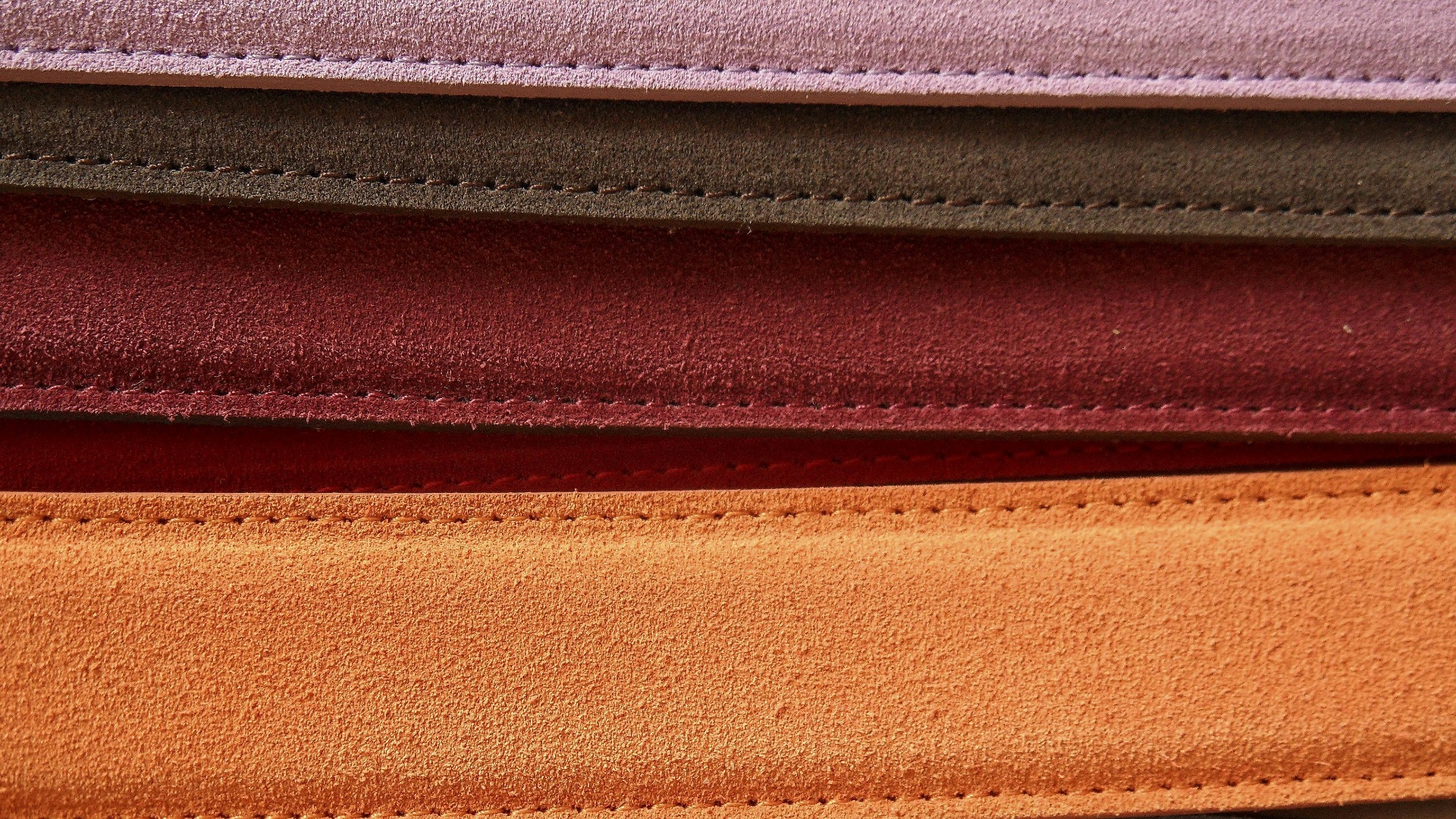
If you're tired of the original color of your belt, leather-specific paints and dyes let you transform it into something entirely new. Acrylic leather paints are the most beginner-friendly option, as they're flexible when dry and won't crack the way regular craft paint tends to. You can go for a full color change, paint a gradient effect, or use tape to create clean geometric patterns across the strap.
5. Monogram or Initial Stamp It
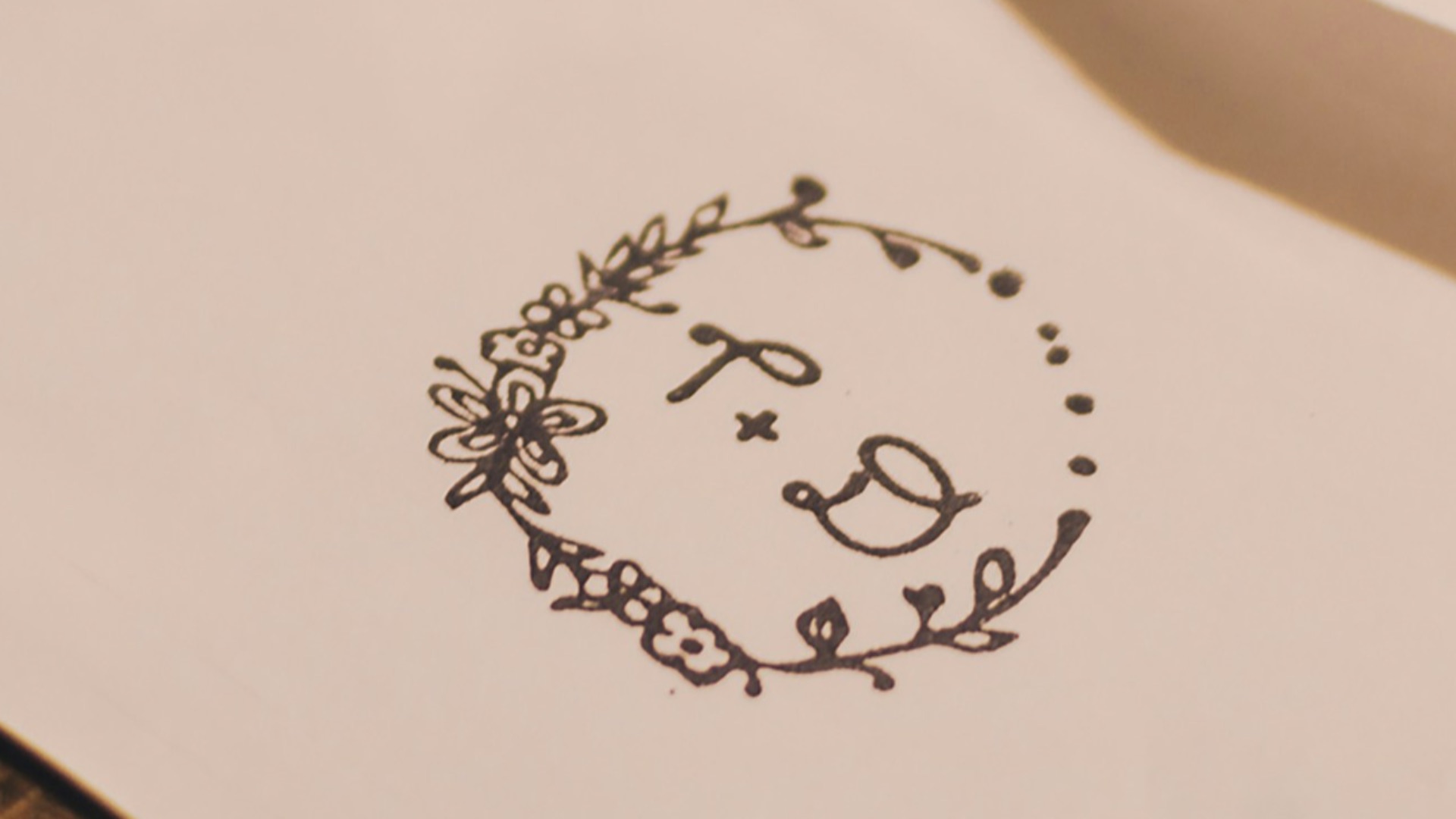
Adding your initials or a monogram to your belt is a timeless personalization technique that gives it a custom, high-end feel. Alphabet stamp sets designed for leather are widely available and affordable, and all you need is a mallet and an ink pad or leather dye to transfer the letters onto the surface. Placing your initials near the tip of the belt or along the inner side keeps things subtle while still making the piece feel distinctly yours.
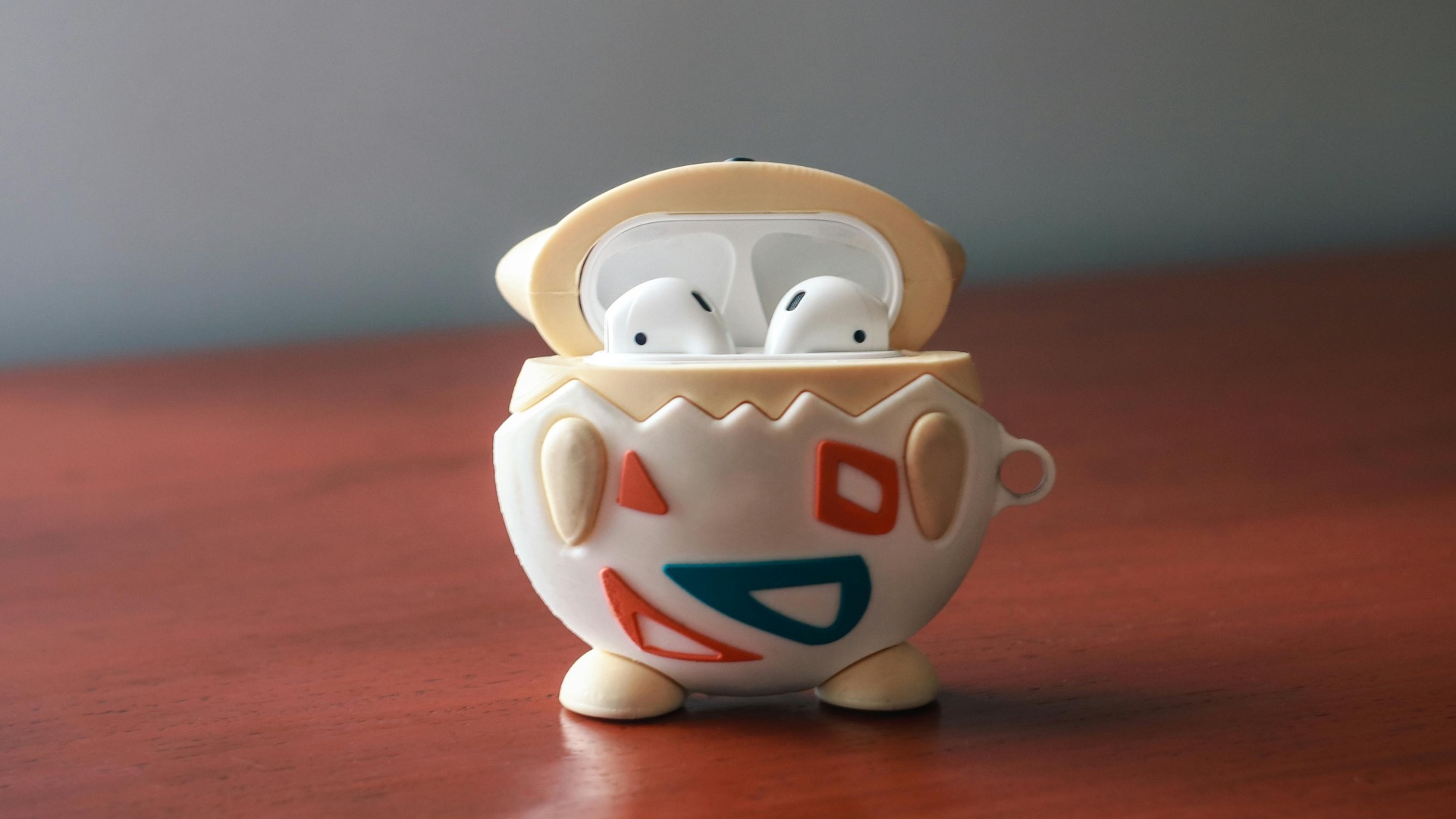
6. Hang Keychains or Cases Off the Strap
Clipping small keychains, carabiners, or even your AirPods case onto your belt is a great way to keep everyday essentials within easy reach while adding a bit of visual interest to your look. Many phone cases, earbud cases, and small pouches come with built-in loops or rings that attach directly to a belt loop or D-ring without any extra hardware needed, so go and show off your personality!
 Harvey Tan Villarino on Pexels
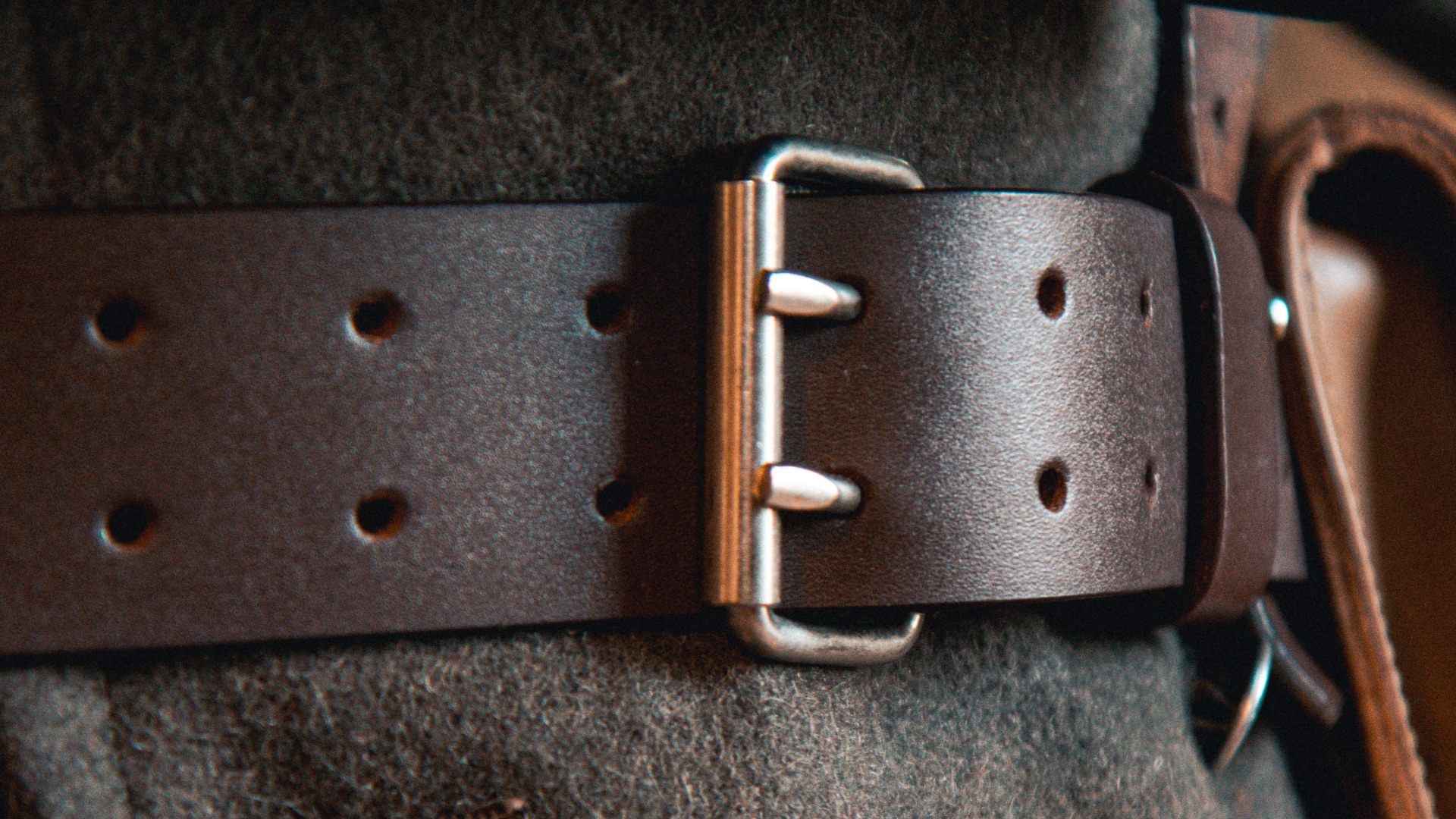
7. Punch Extra Holes
Adding extra holes to your belt isn't just practical for getting a better fit; it can also be a stylish touch if done intentionally. A leather hole punch is inexpensive and easy to use, and you can space the holes evenly for a traditional look or arrange them in a decorative pattern for something more unique. Some people punch a row of small holes along the edge of the belt to create a perforated border effect that looks deliberately designed.
 Caroline Eymond Laritaz on Unsplash
8. Wrap It with Thread or Cord
Wrapping sections of your belt in waxed thread, leather cord, or embroidery floss is a great way to add texture and color to an otherwise plain strap. You can wrap just the section near the buckle, alternate segments across the length, or create a tight full wrap for a completely different aesthetic. The technique is forgiving and reversible if you use a slip knot finish, so it's a low-risk way to experiment with new looks.
9. Apply Iron-On Patches
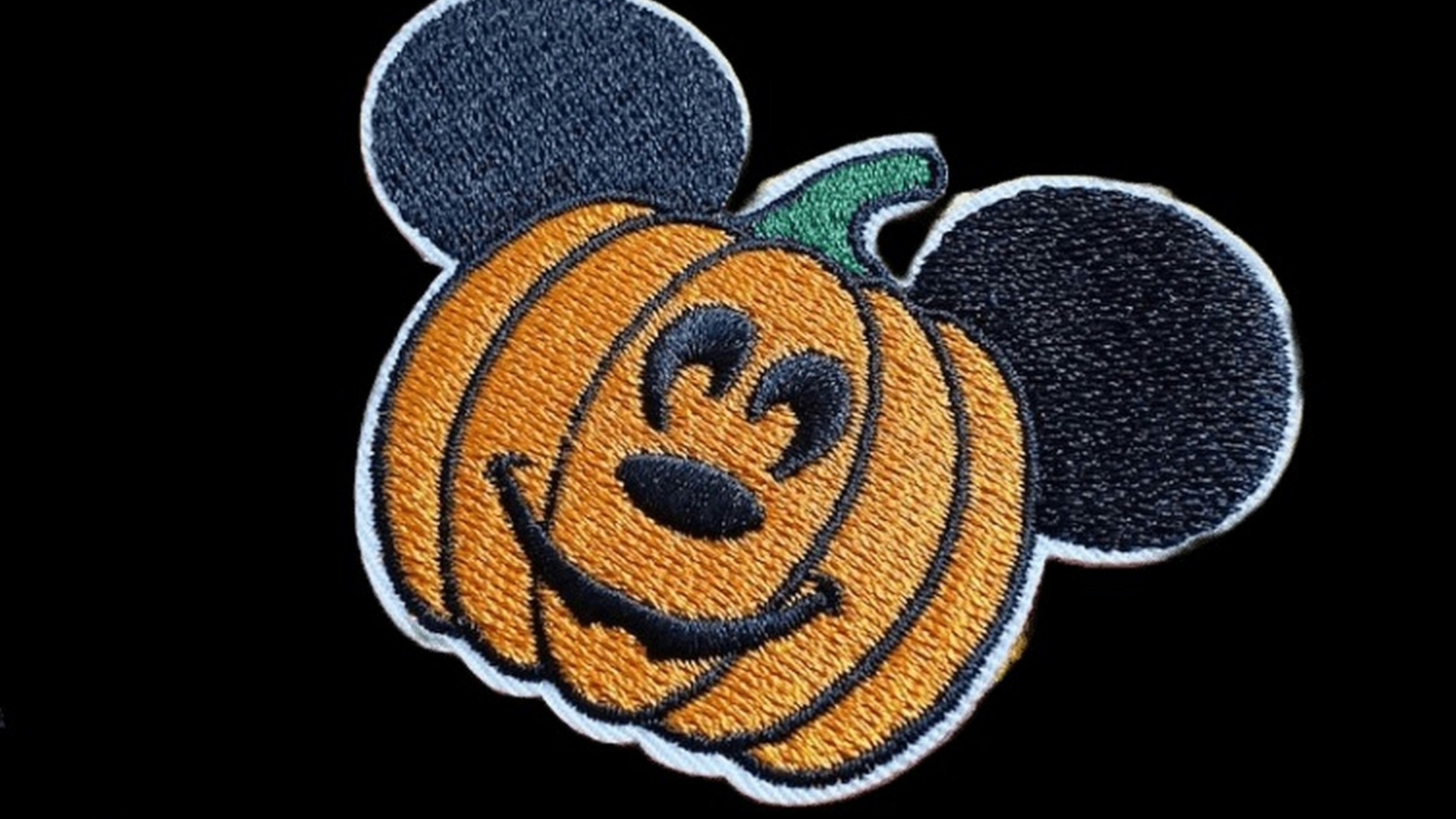
Iron-on patches aren't just for denim jackets; they can work surprisingly well on fabric or canvas belts to add a pop of personality. You'll find patches in every imaginable theme, from retro logos and floral motifs to bold text and cartoon characters, so there's plenty to choose from depending on your style. Just make sure the belt material is compatible with heat before pressing, and reinforce the edges with a bit of fabric glue for a longer-lasting hold.
10. Engrave the Buckle
If you want a more permanent and refined personalization, having the buckle engraved is a wonderful option. Many jewelry stores, trophy shops, and online engraving services can add names, dates, short phrases, or decorative designs to metal buckles for a reasonable price. It's especially meaningful if the belt is a gift, turning a practical accessory into something that carries a bit of sentimental value.
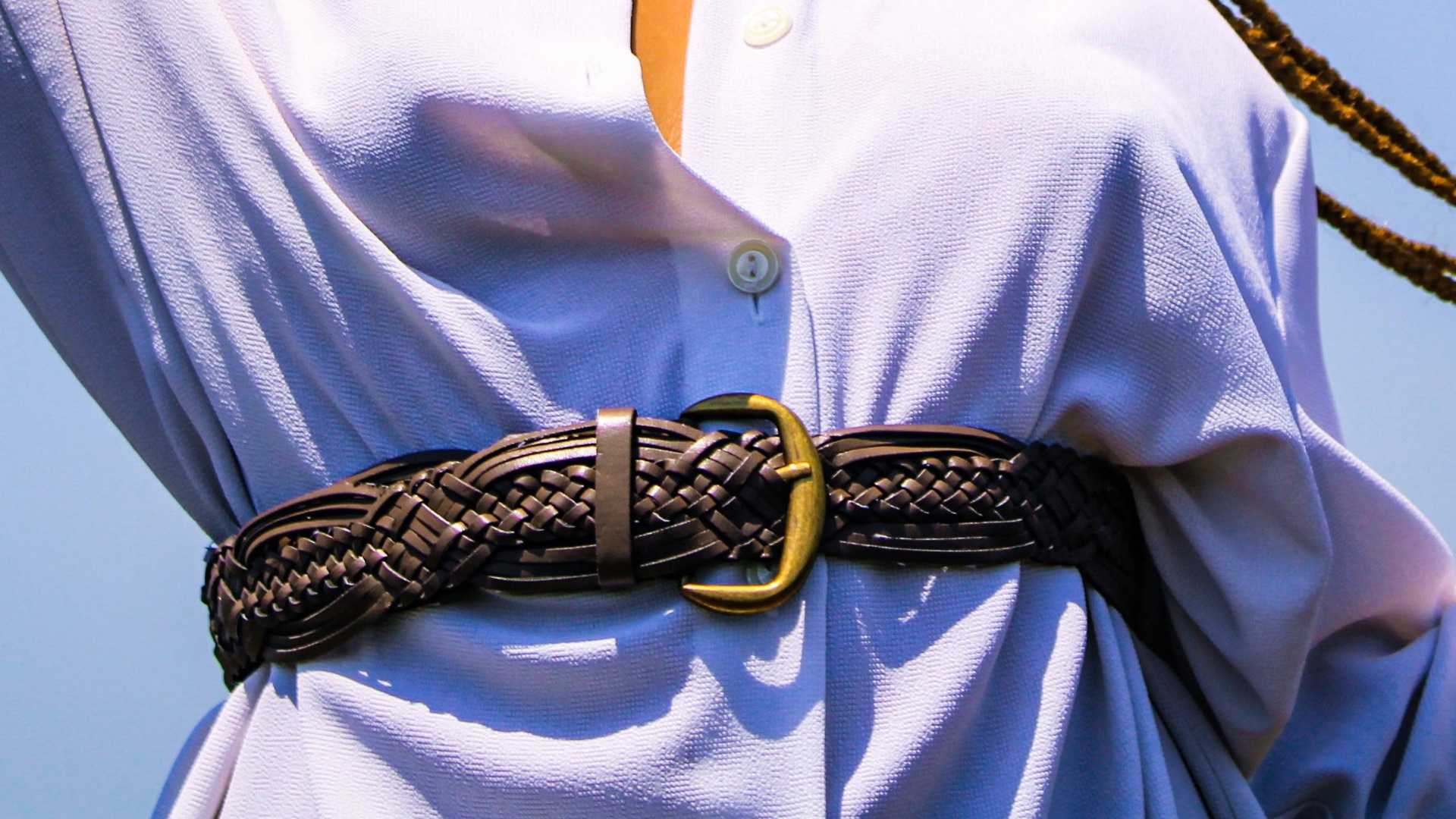
11. Braid or Weave the Strap
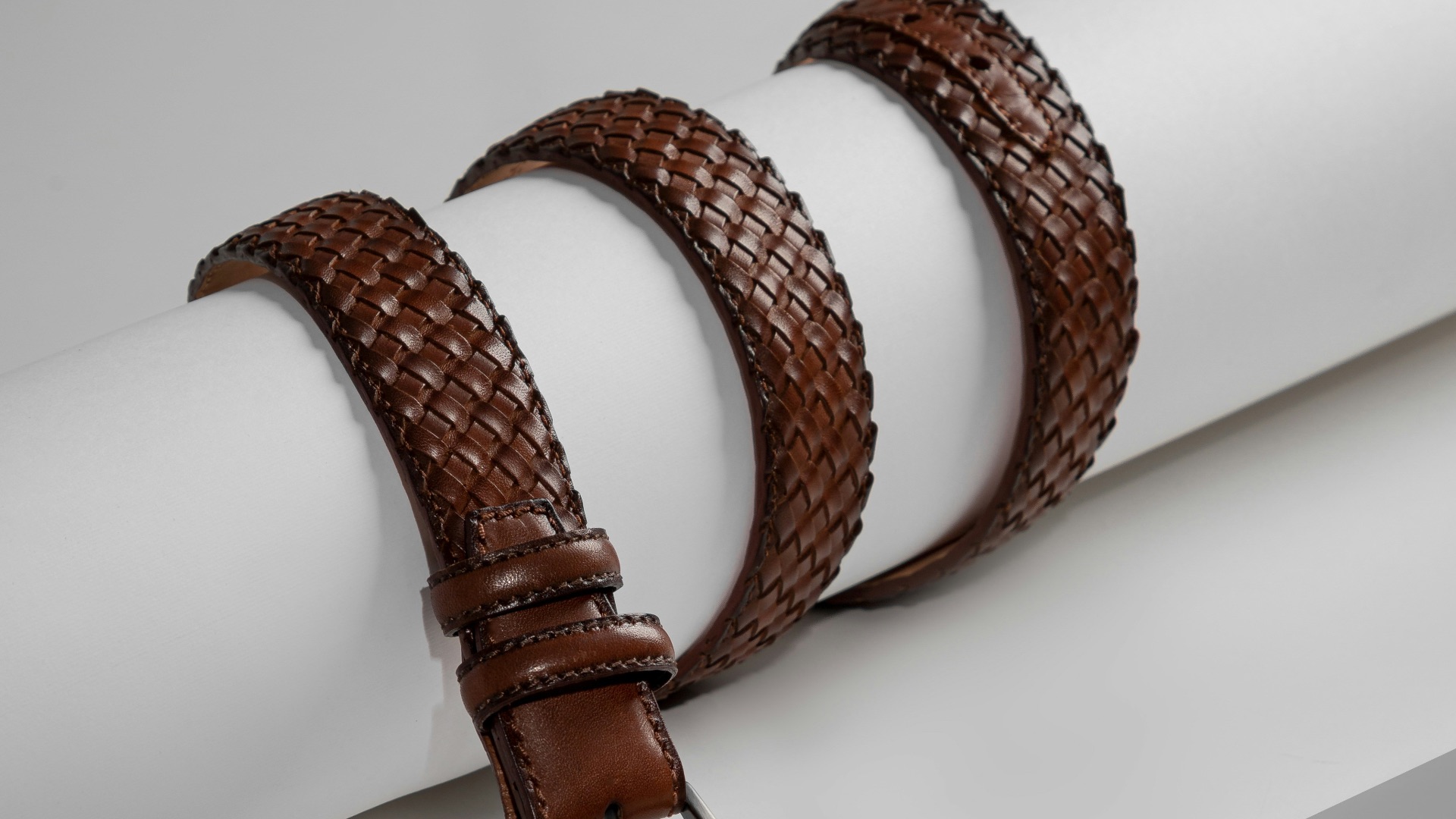
Braided belts have a distinctive handcrafted look that you can achieve yourself with strips of leather, suede, or even thick fabric. You'll need to cut your material into even-width strips and braid them tightly before securing the ends through a buckle attachment. The finished result has an organic, textured quality that's hard to replicate with a standard flat strap, and you can mix different colors or materials for an even more eye-catching effect.
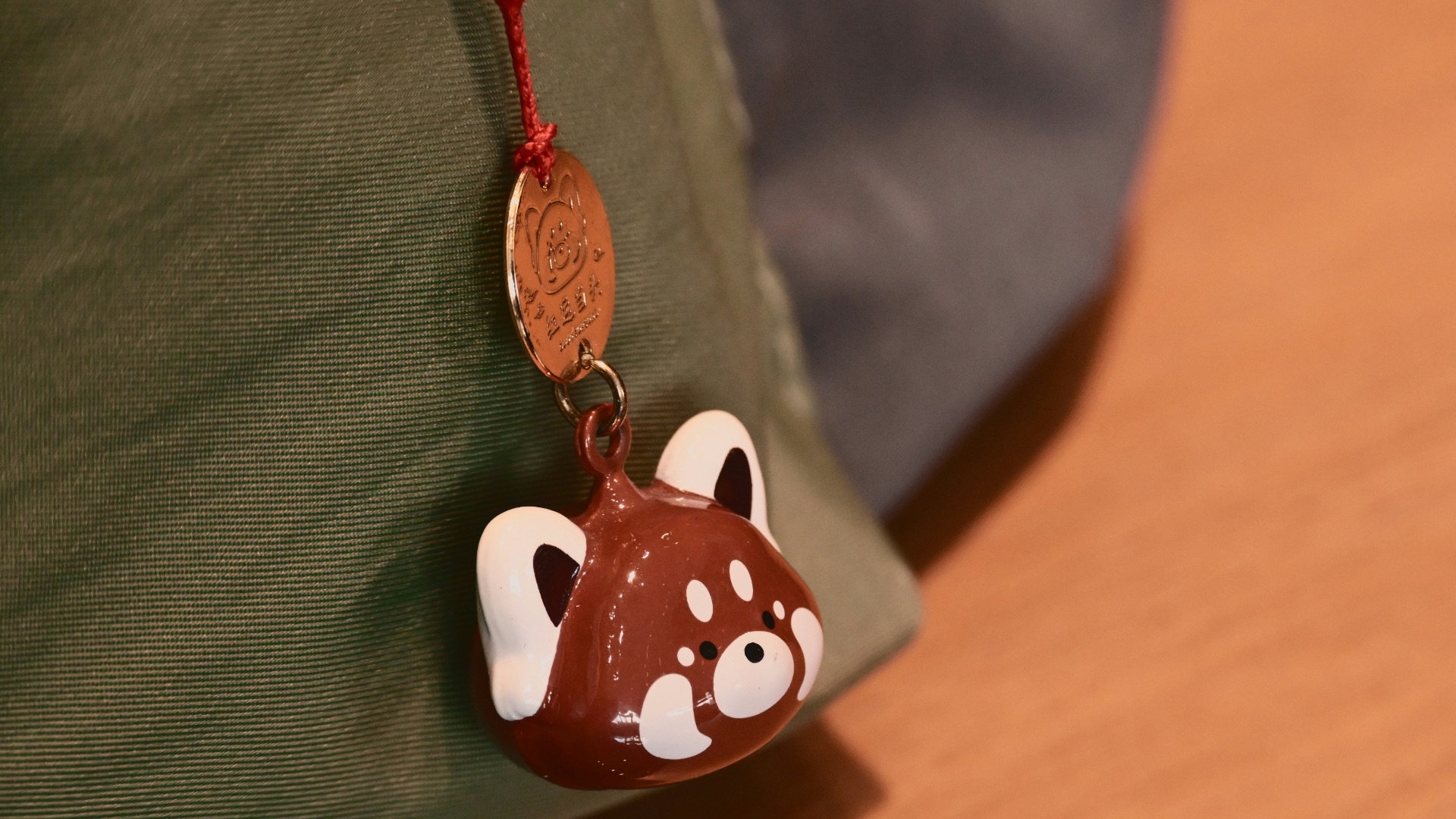
12. Attach Charms or Dangles
Small charms or dangling pendants threaded onto a belt loop or attached near the buckle can add a playful, fashion-forward element to your look. You can use jewelry-style clip rings to attach them without permanently altering the belt, making it easy to switch them out whenever you want a change. Charms shaped like letters, symbols, or tiny objects work especially well and let you reflect your interests without overpowering the overall outfit.
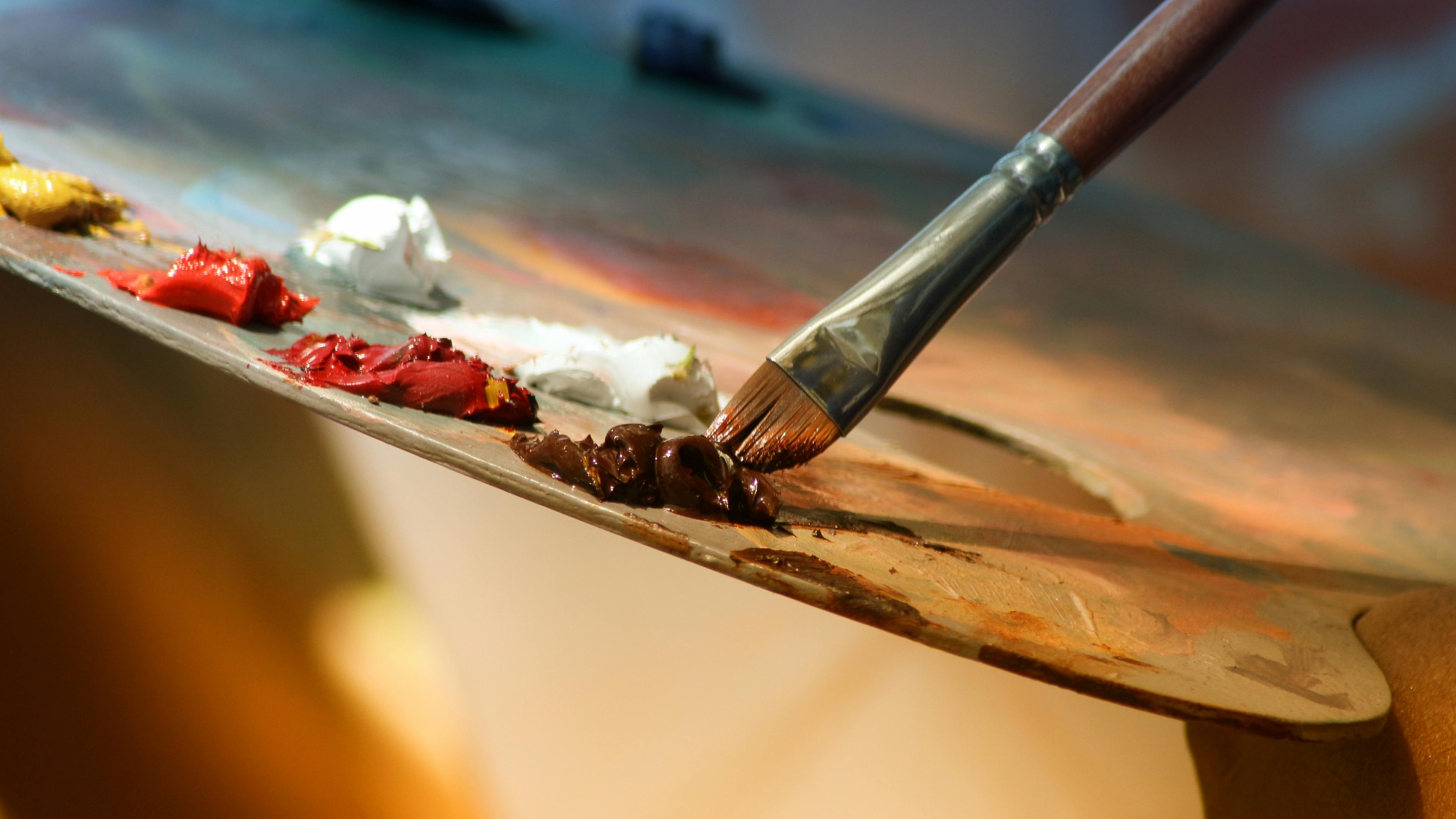
13. Hand-Paint a Design
For those who enjoy art, hand-painting a design directly onto your belt is one of the most expressive personalization methods available. Use a fine brush and acrylic leather paint to sketch out your design first, then fill it in with careful, thin layers to avoid cracking once the belt flexes. Sealing the finished artwork with a leather finisher helps protect it from scuffing and moisture, keeping your design looking sharp for a long time.
14. Distress or Age the Leather
Deliberately distressing a new leather belt gives it a worn, vintage character that can take years to develop naturally. Techniques include rubbing the surface with sandpaper, applying a darker dye along the edges, or using a damp cloth and heat to create subtle creasing patterns. The result is a belt that looks like it's been well-loved for years, which pairs especially well with casual denim or workwear-style outfits.
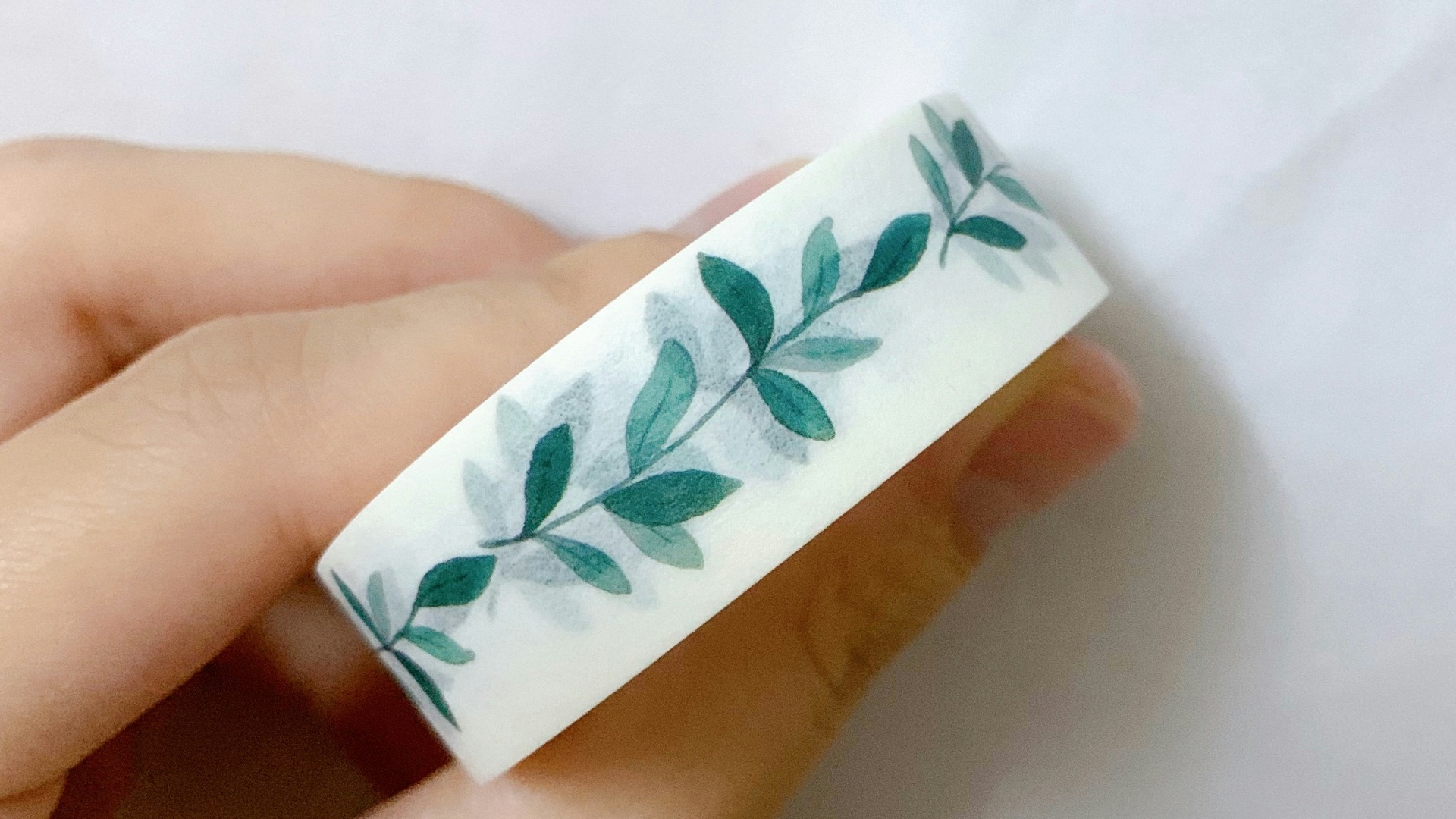
15. Use Washi Tape for a Temporary Look
Washi tape is a surprisingly versatile decorating tool that works well on fabric and some smooth leather belts for a fun, temporary transformation. The tape comes in hundreds of patterns and colors, and you can layer it, cut it into shapes, or run it along the edges of the belt to create a colorful border. Since it peels off cleanly, it's a commitment-free way to test out bold looks before deciding whether you want something more permanent.
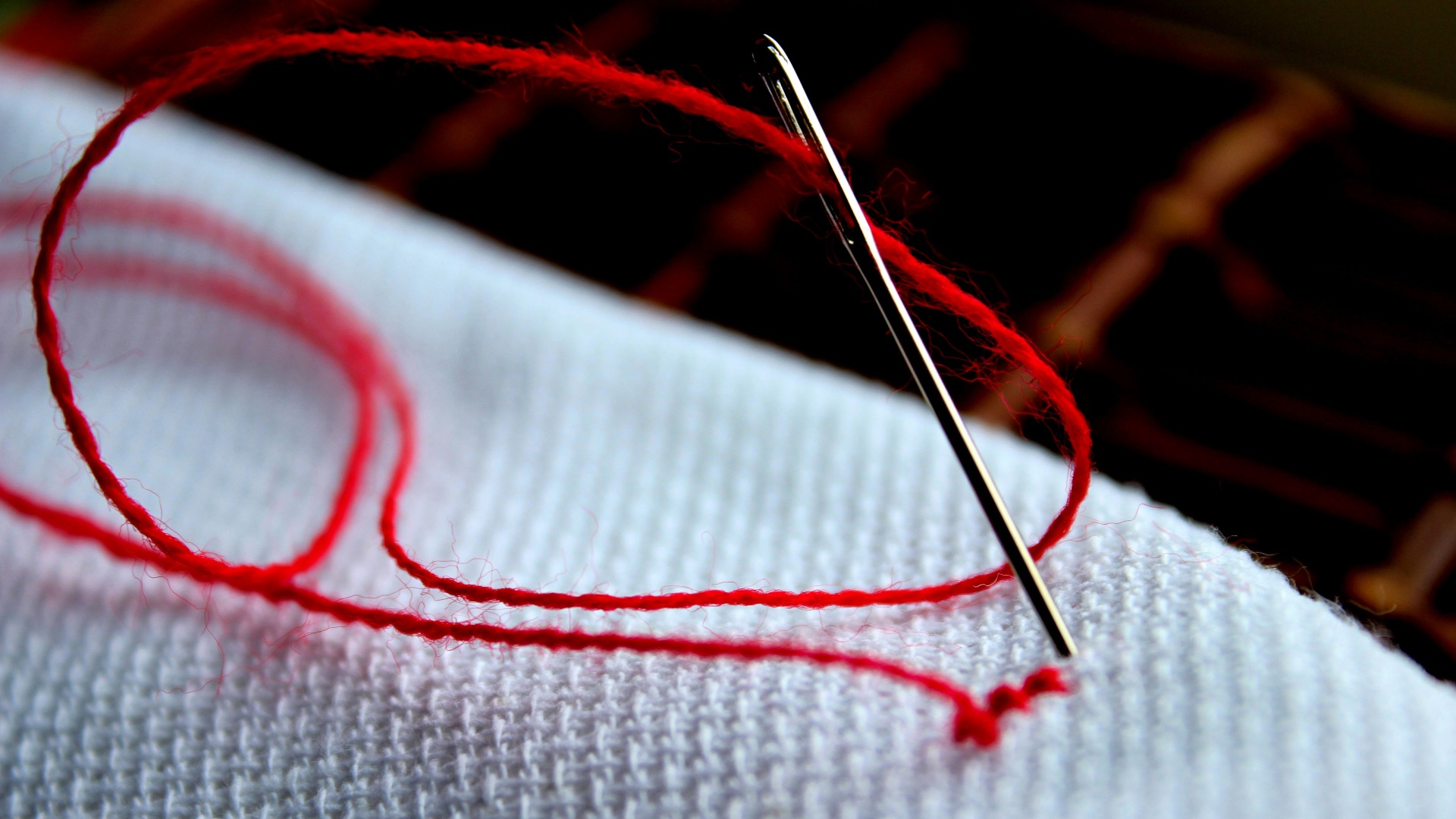
16. Add Embroidery
Embroidery works beautifully on fabric, canvas, and even thin suede belts, adding rich color and texture through stitched designs. You don't need to be an expert embroiderer to pull off simple patterns like geometric shapes, small flowers, or short words stitched in a contrasting thread color. A canvas belt is the easiest surface to start with since a needle passes through it without much resistance, and the finished embroidery holds up well with regular wear.
 Kateryna Shevchenko on Unsplash
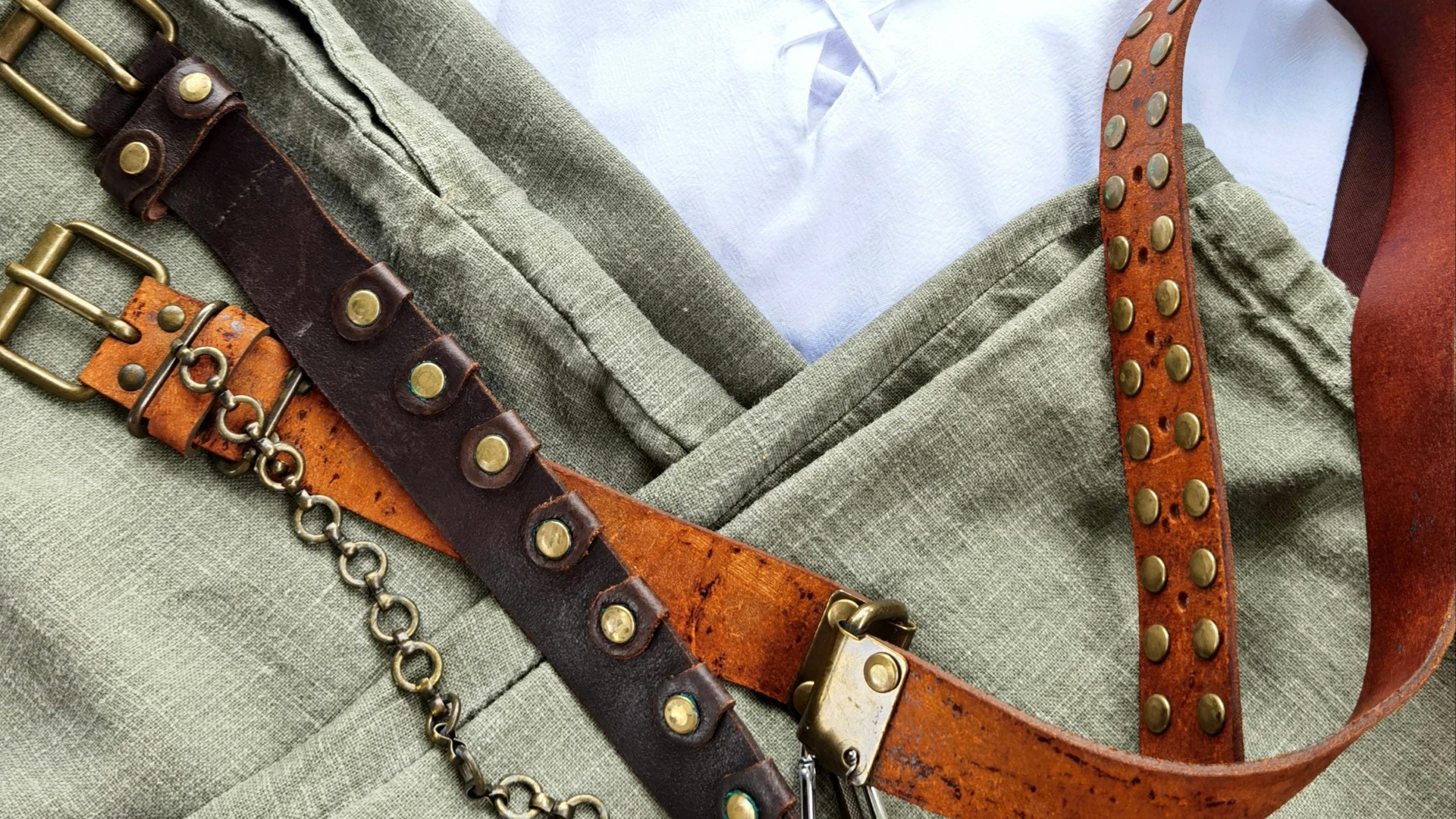
17. Layer Two Belts Together
Wearing two thin belts stacked together through the same belt loops is a styling technique that has made its rounds in fashion circles, and it's an easy way to create a more interesting silhouette. Pairing a narrow leather belt with a wider fabric one in complementary colors creates a layered effect that looks intentional and put-together. You can mix textures like a smooth leather strap with a braided rope belt for an even more dynamic combination.
18. Make a DIY Fabric Belt
If you enjoy sewing, crafting your own fabric belt from scratch gives you complete control over the pattern, width, and length. You can use any sturdy fabric, such as canvas, denim, or even upholstery material, and attach a D-ring or slide buckle for a clean, adjustable finish. This approach is especially appealing if you want to match your belt to a specific outfit or use a fabric that holds personal significance, like a piece from a favorite old shirt.
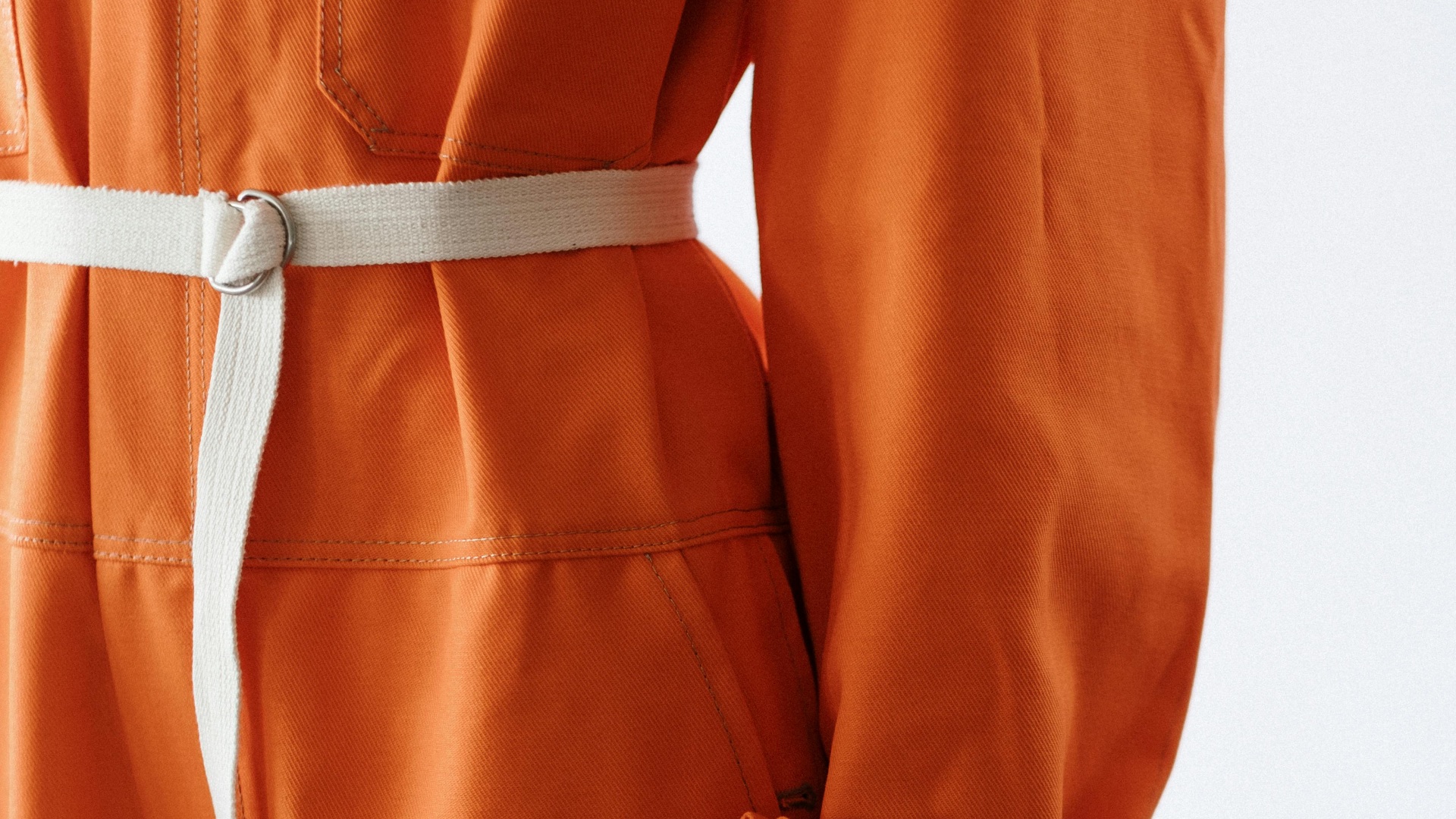
19. Tie a Scarf Through the Loops Instead
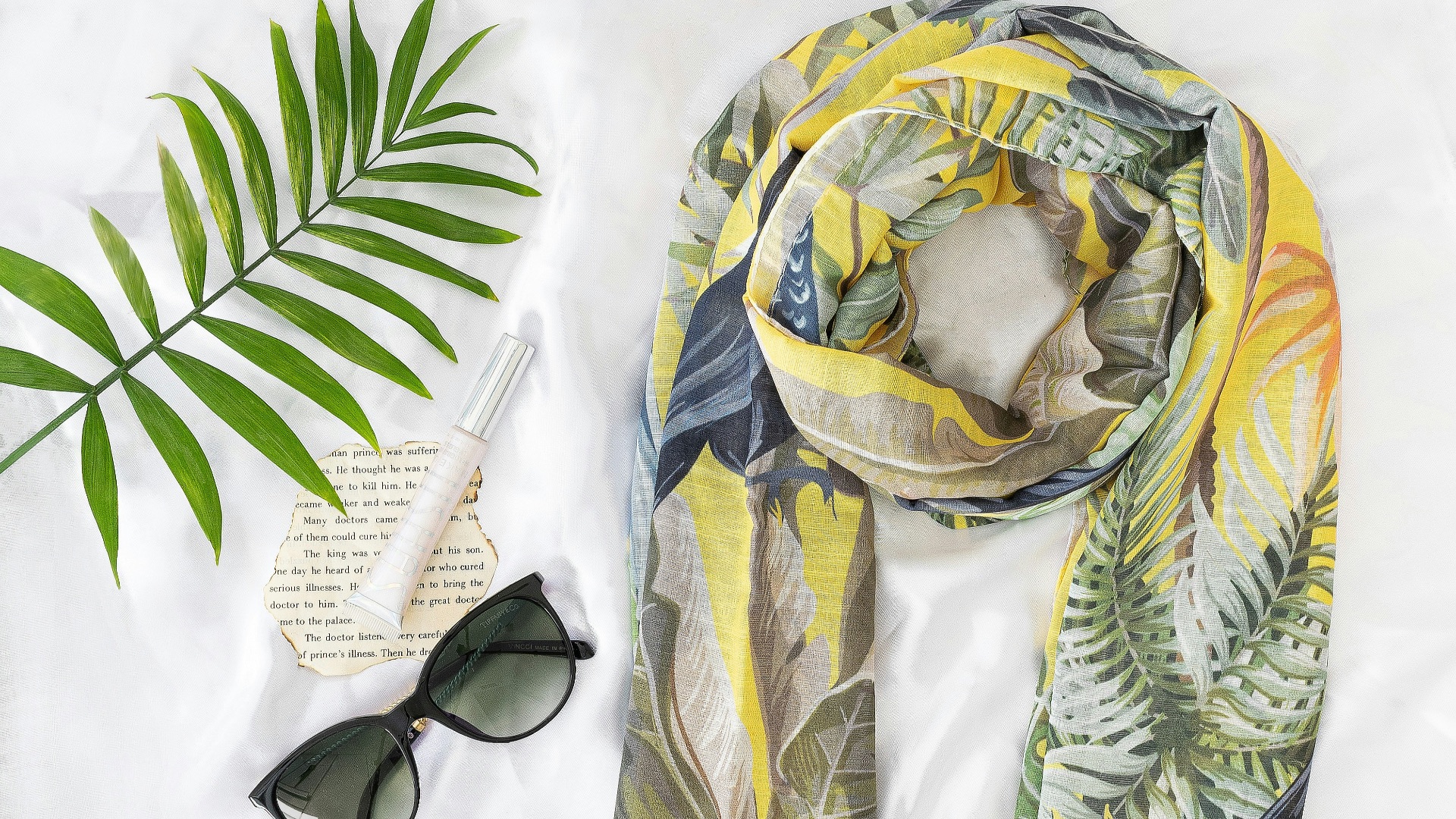
Replacing a traditional belt with a long scarf or ribbon threaded through your belt loops is a stylish and creative alternative that works particularly well with high-waisted pants or skirts. Silk scarves, grosgrain ribbons, and even repurposed fabric strips all work for this technique, and you can tie them in a bow, knot, or tucked finish depending on the look you're going for. It's an especially effective trick for adding color or pattern to an otherwise neutral outfit.
20. Get It Custom-Made
Sometimes the best way to get exactly what you want is to commission a belt from a skilled leather worker or accessories maker who can bring your vision to life from start to finish. Platforms like Etsy are full of talented artisans who specialize in custom belts and can incorporate specific materials, hardware, tooling designs, and dimensions based on your preferences. It costs more than a DIY approach, but the end result is a truly one-of-a-kind piece built entirely around your specifications.