Make Your Closet Work for You
A good wardrobe doesn’t have to be big, expensive, or trendy. It just needs to make getting dressed easier and help you feel like yourself when you walk out the door. Optimizing your wardrobe is less about rules and more about clarity, comfort, and intention. Once you dial that in, everything else gets simpler. Here are 20 tips for optimizing your wardrobe.

1. Start With What You Actually Wear
Before buying anything new, look at what you reach for most. Those pieces already work for your lifestyle, body, and taste. Let them guide future choices instead of fantasy outfits you will never wear. Your habits are usually more honest than your fashion aspirations.

2. Edit Before You Add
Resist the urge to shop your way to a better wardrobe. Removing what doesn’t fit, flatter, or function creates space and perspective. Sometimes subtraction does more than another purchase ever could. A cleaner closet makes better decisions easier.

3. Build Around a Core Color Palette
Choose a handful of colors that naturally work together. This makes mixing and matching effortless, even on rushed mornings. You’ll get more outfits from fewer pieces without trying. It also reduces the temptation to buy random items that don’t belong.
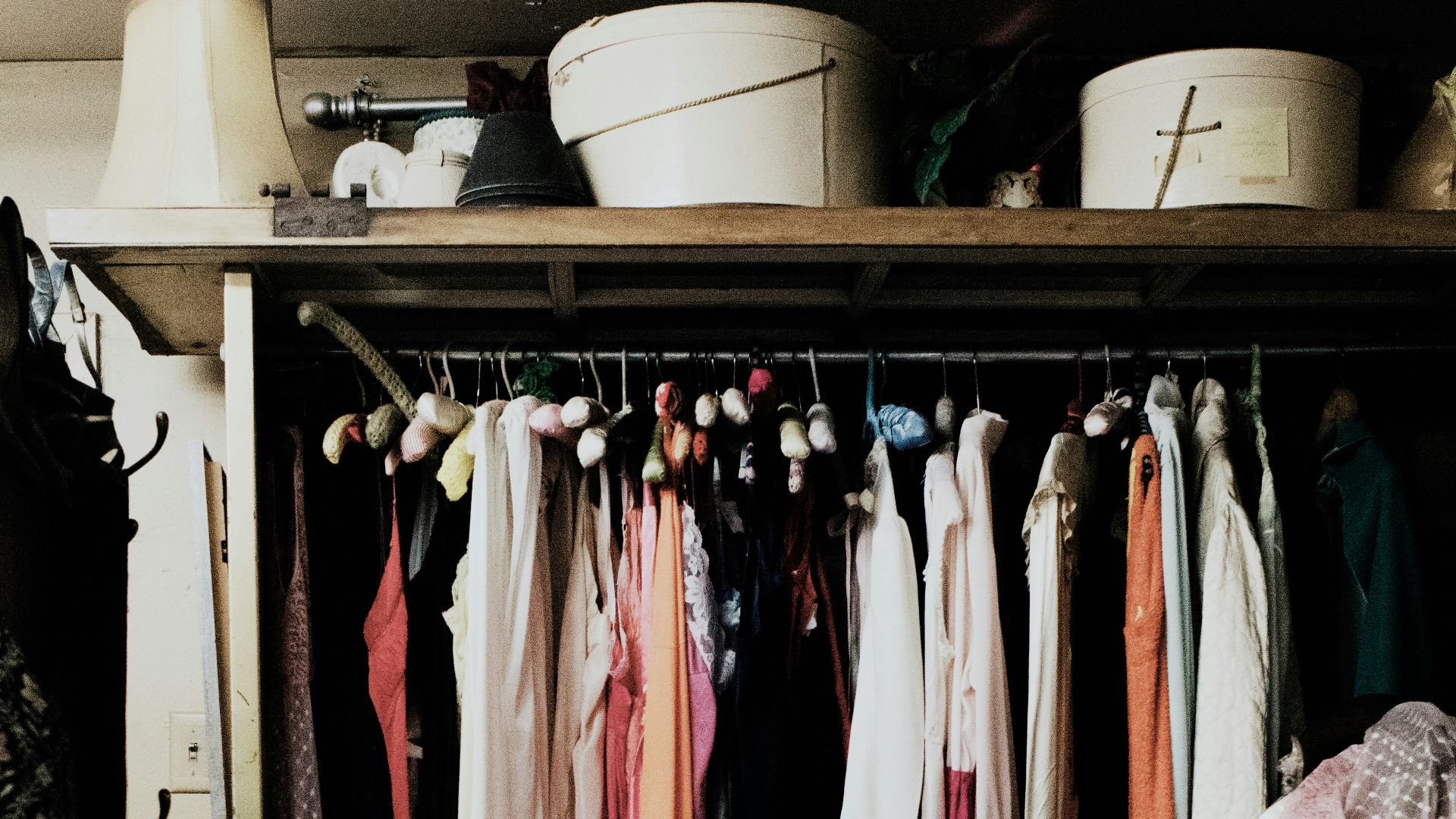
4. Prioritize Fit Over Brand
A perfectly fitting basic will always beat an ill-fitting designer piece. Tailoring can transform something average into something great. When clothes fit well, everything else matters less. Don't forget, confidence tends to follow proper fit.
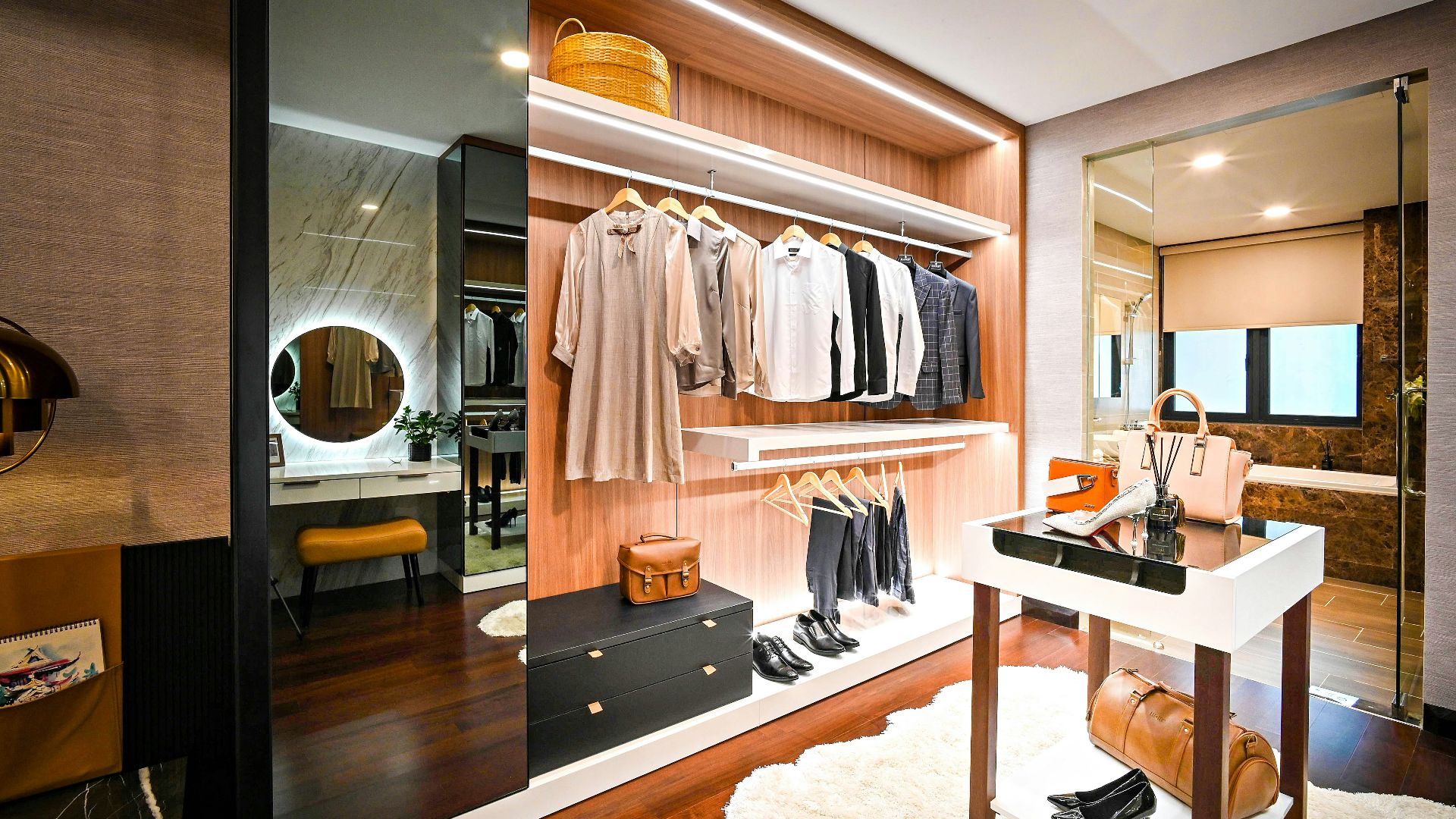
5. Dress for the Life You Actually Live
Your wardrobe should reflect your real schedule, not an imagined one. If you work from home, own great casual pieces. If you’re always out, invest there instead. Clothes should support your routine, not fight it.

6. Pay Close Attention to Fabric
Fabric affects comfort more than most people realize. Breathable materials feel better and last longer. Once you notice the difference, it’s hard to go back. Texture can quietly shape your entire day.

7. Stop Saving Clothes for “Someday”
If you love something, wear it now. Clothes don’t earn value by sitting untouched. A wardrobe should serve your present life, not wait for a perfect moment. Someday usually arrives faster than expected.
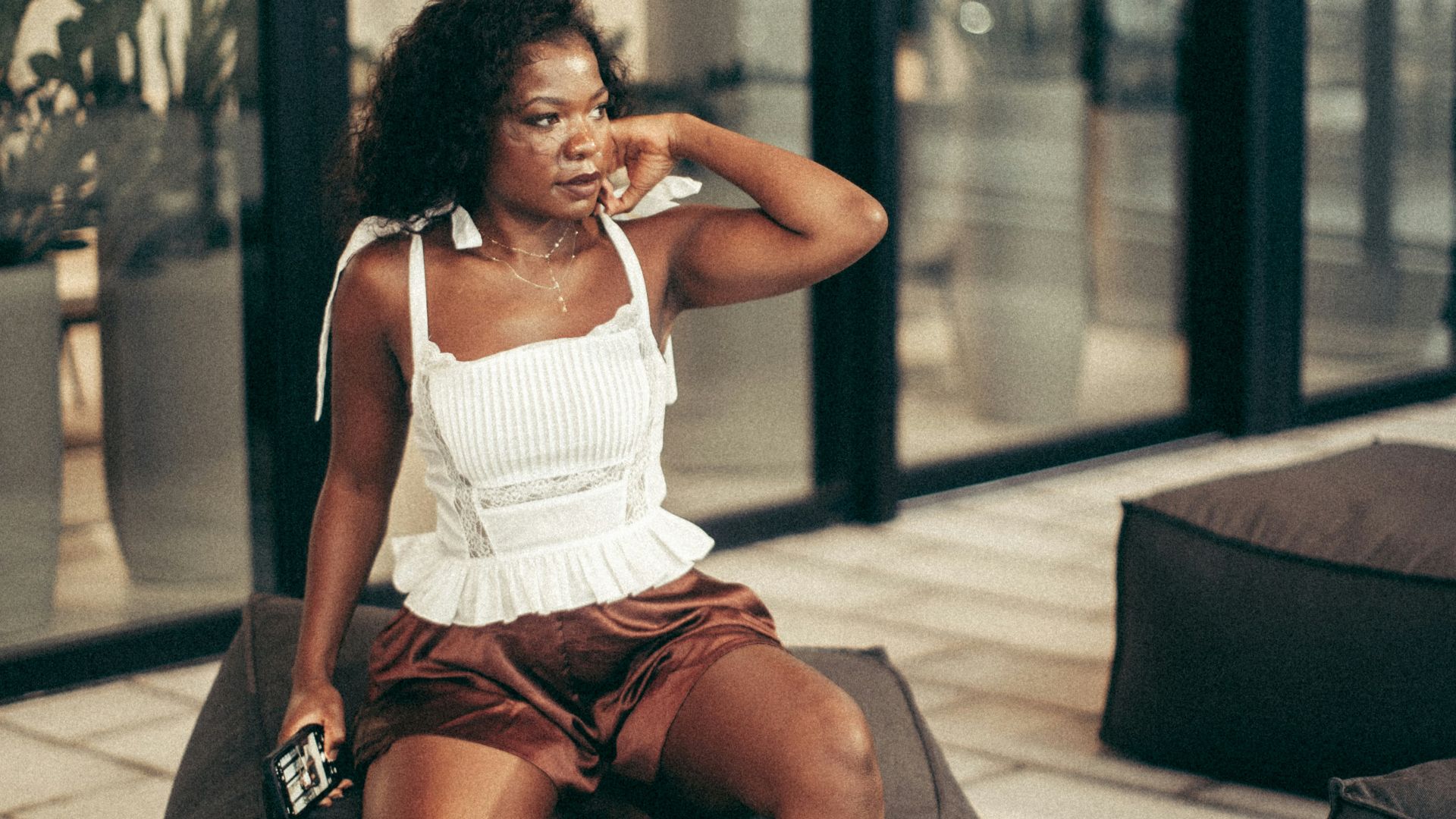
8. Create Go-To Outfits
Some days you don’t want to think. Having a few reliable outfits removes decision fatigue entirely. These become your default when energy is low, and also reveal what truly works for you.
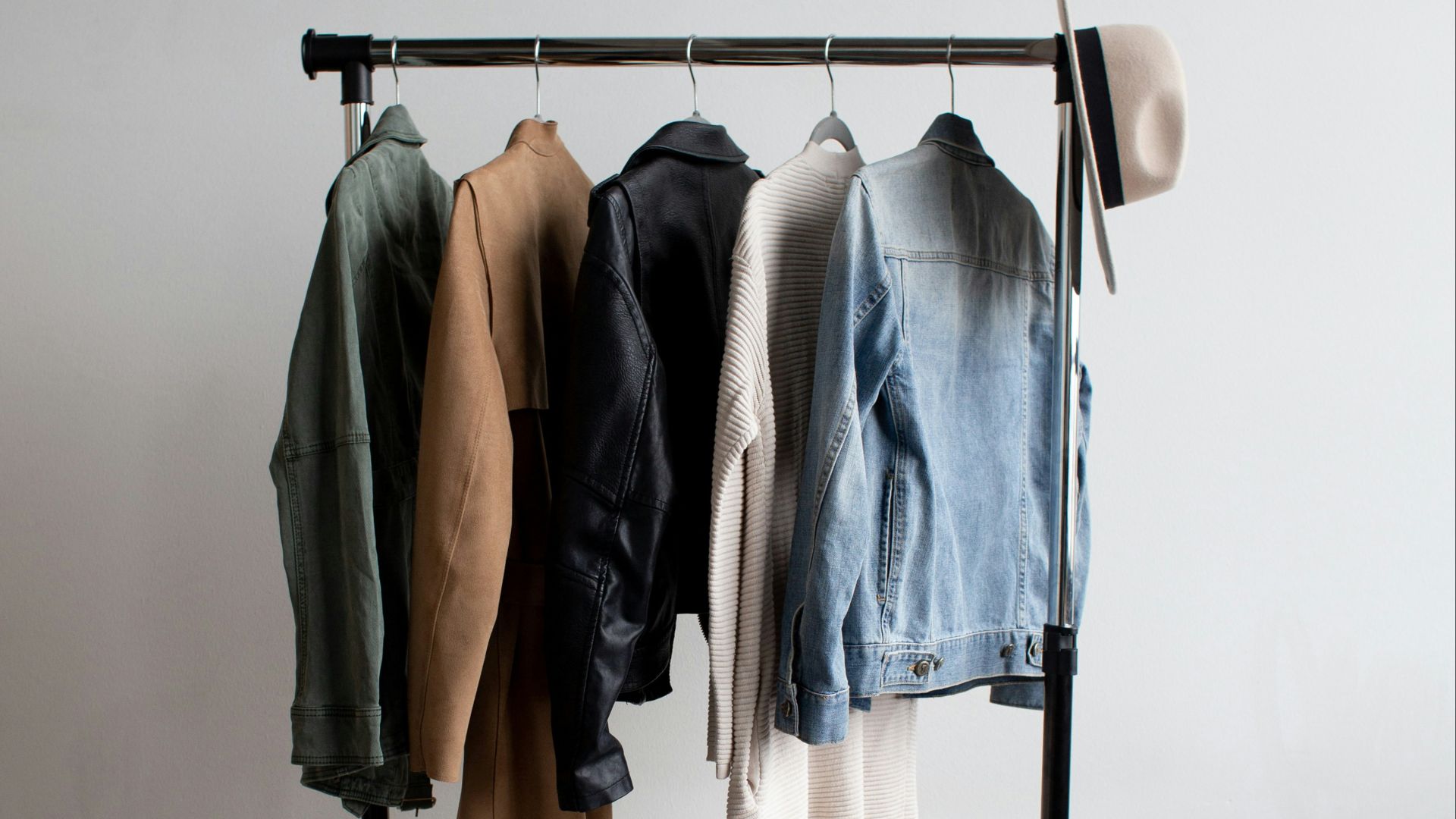
9. Be Honest About Comfort
If something looks good but feels wrong, it won’t get worn. Comfort isn’t laziness, it’s practicality. Clothes you forget you’re wearing are usually the best ones.
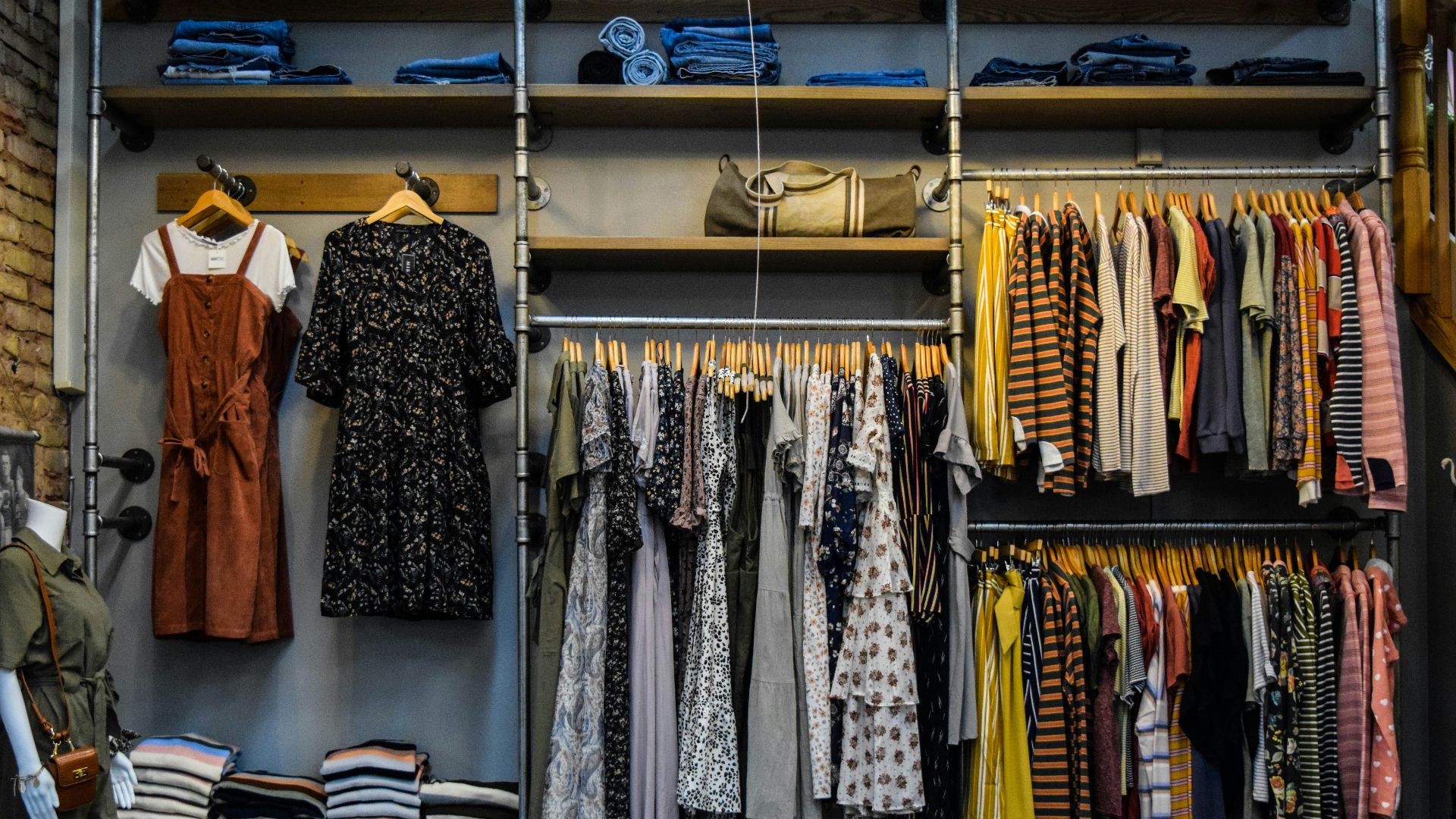
10. Shop With a List
Impulse buys are wardrobe clutter in disguise. Knowing what you need keeps purchases focused and intentional. It also makes shopping faster and less frustrating. Remember, a list protects you from regret later.
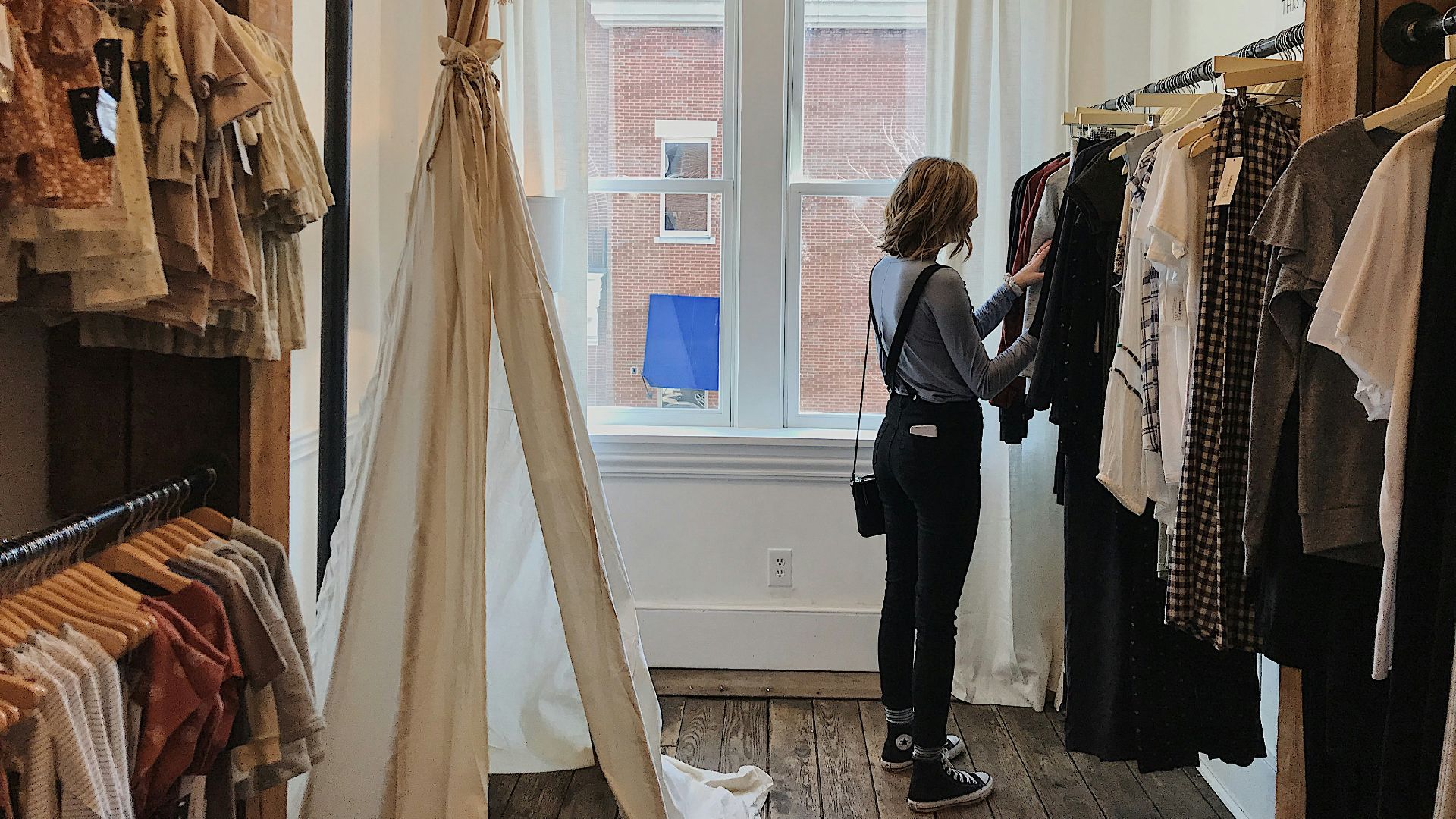
11. Learn What You Don’t Like
Dislikes are just as useful as favorites. Notice patterns in what you avoid wearing. That information saves you money and closet space later. Your wardrobe improves when you listen to those signals. And over time, this awareness sharpens your personal style.
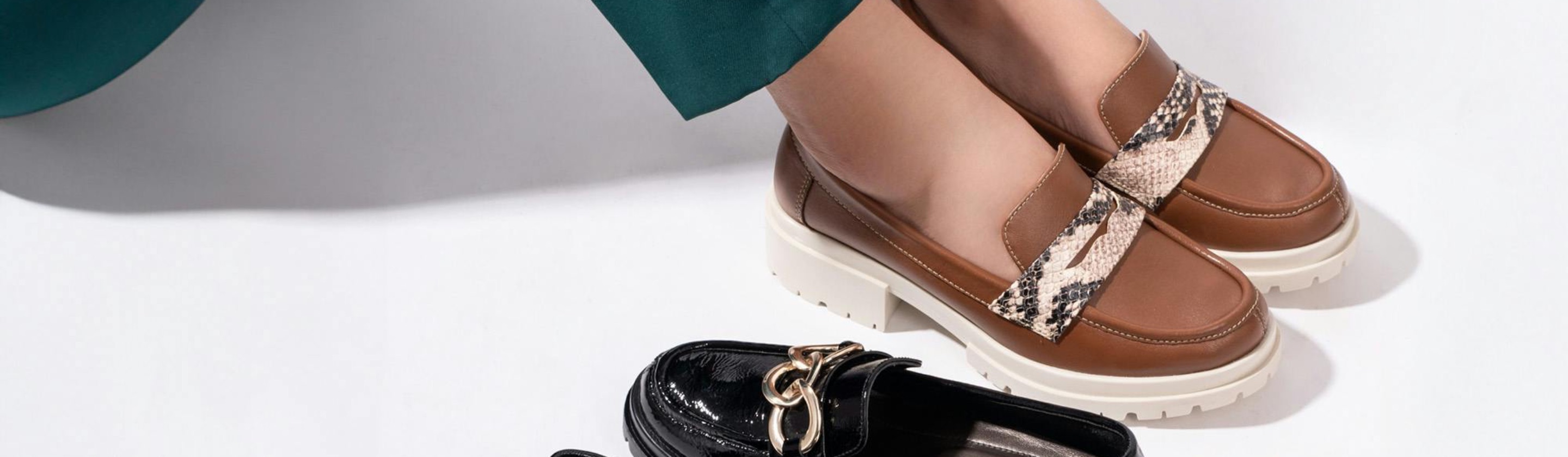
12. Invest in Shoes You Can Walk In
Shoes that hurt your feet will limit your day. Comfort here has an outsized impact. Good shoes quietly carry everything else, and you’ll notice how often you reach for them compared to impractical pairs.
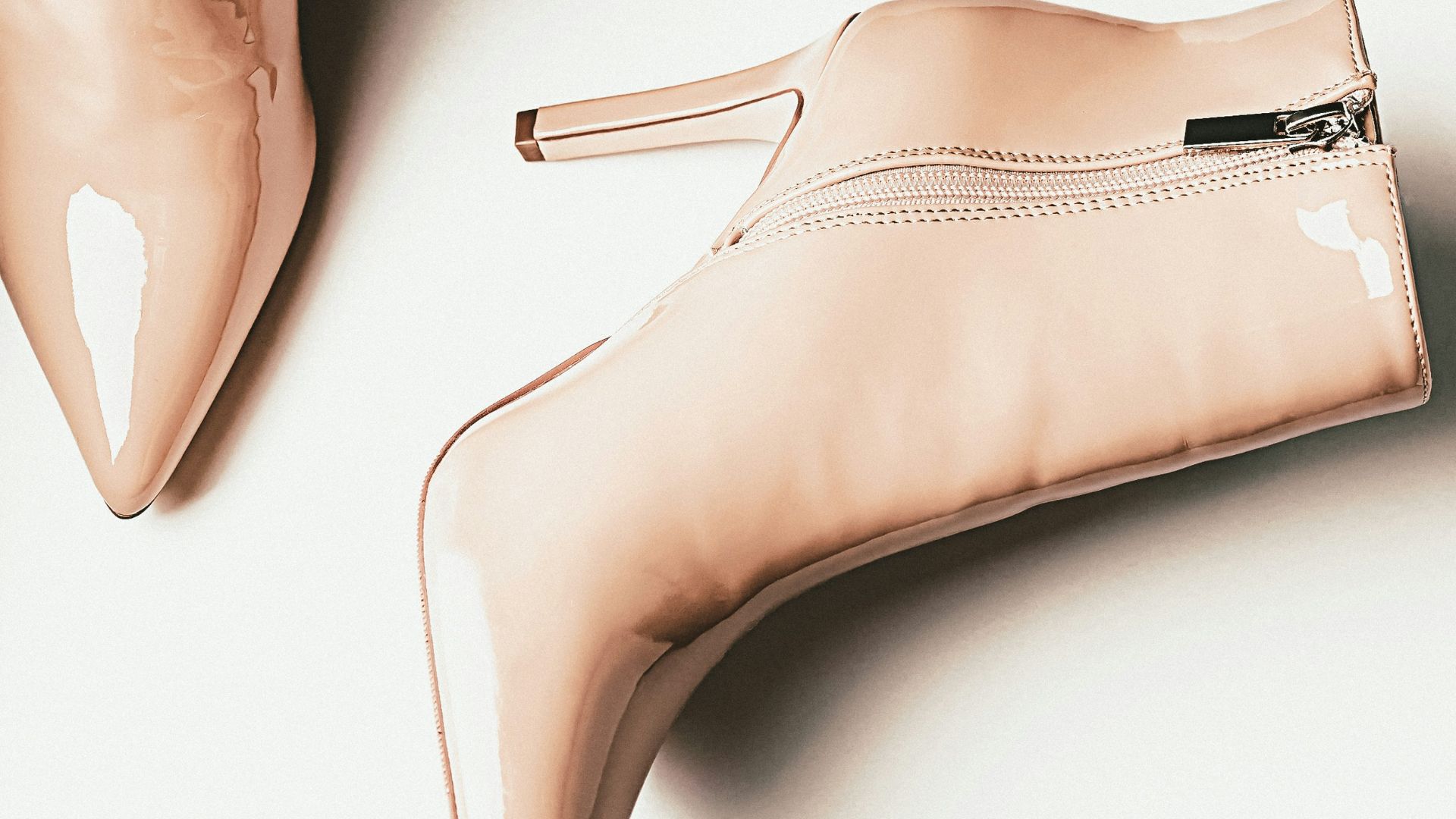 Kier in Sight Archives on Unsplash
13. Keep Basics Updated
Worn-out basics quietly drag down everything else. Replacing them refreshes your entire wardrobe without changing your style. Small upgrades can make a big difference, as they’re the foundation most outfits rely on.
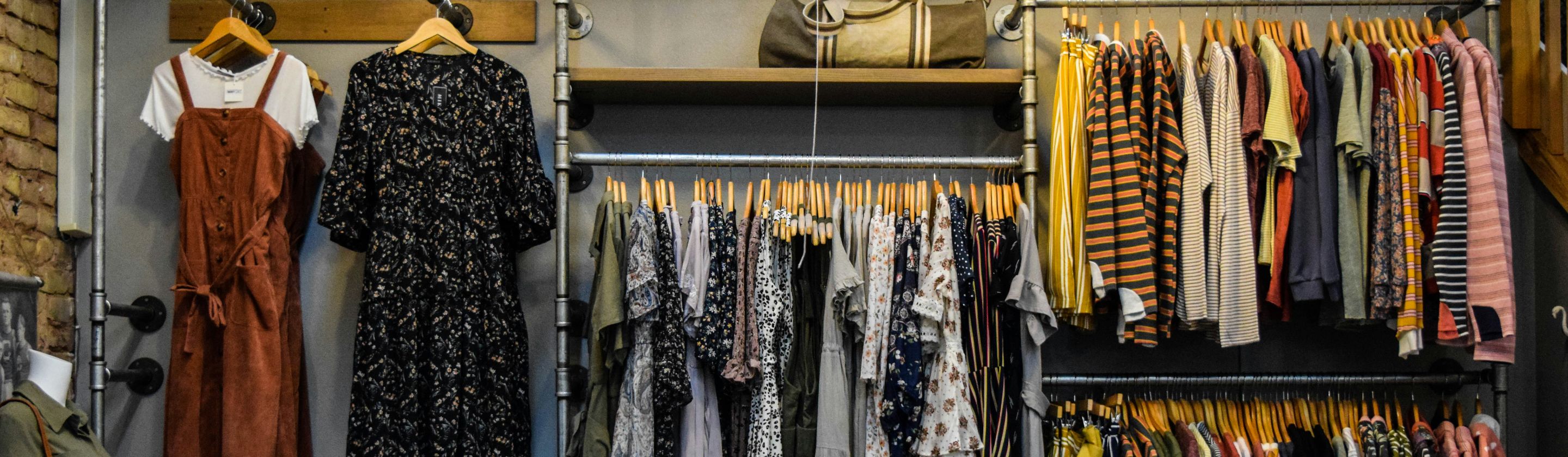
14. Organize by Visibility
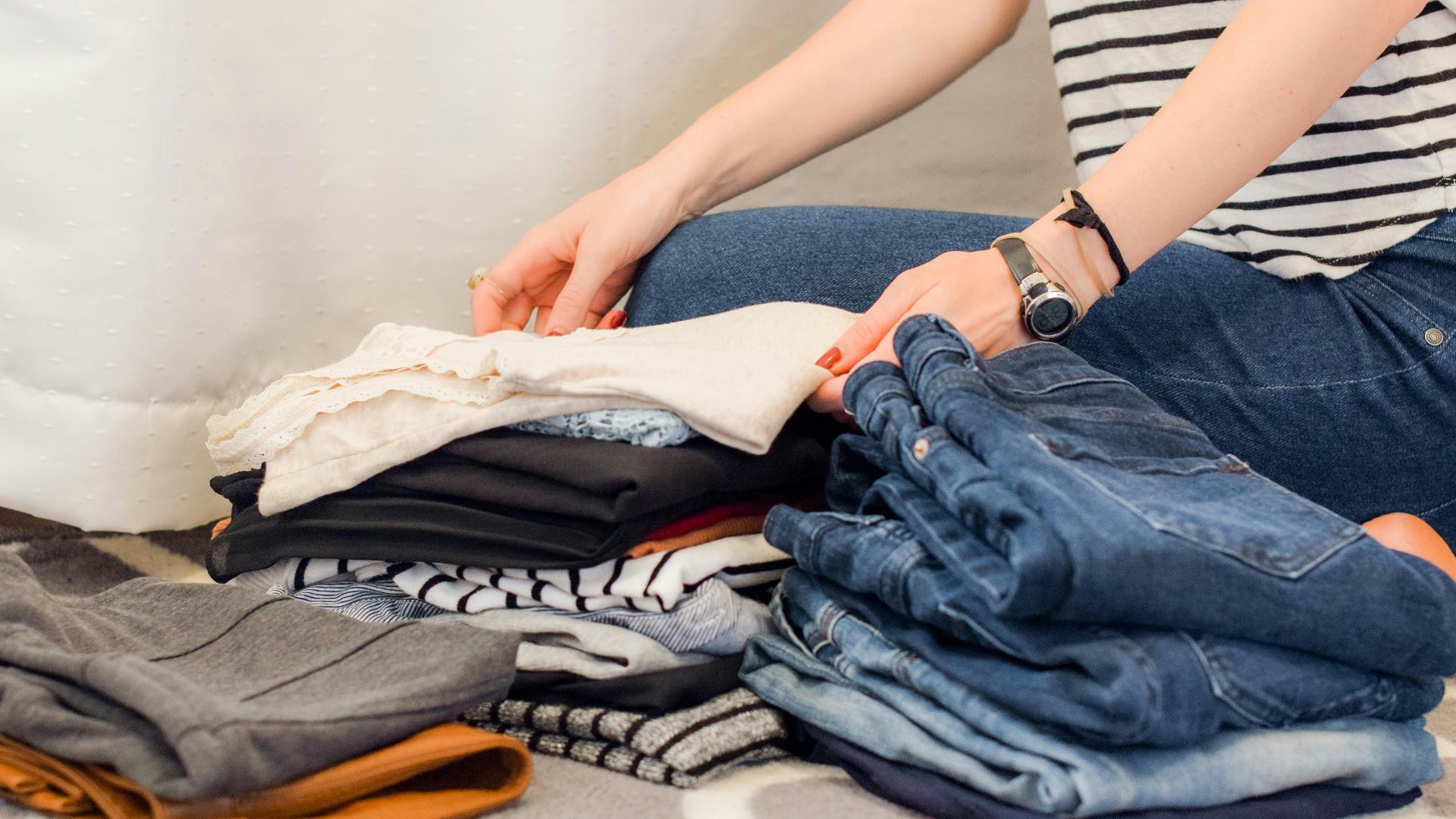
If you can’t see it, you forget it exists. Arrange your closet so everyday items are easy to spot. Convenience leads to better use. This also reduces unnecessary repeat purchases. Ultimately, seeing your options clearly changes how you dress.
15. Don’t Overbuy Trends
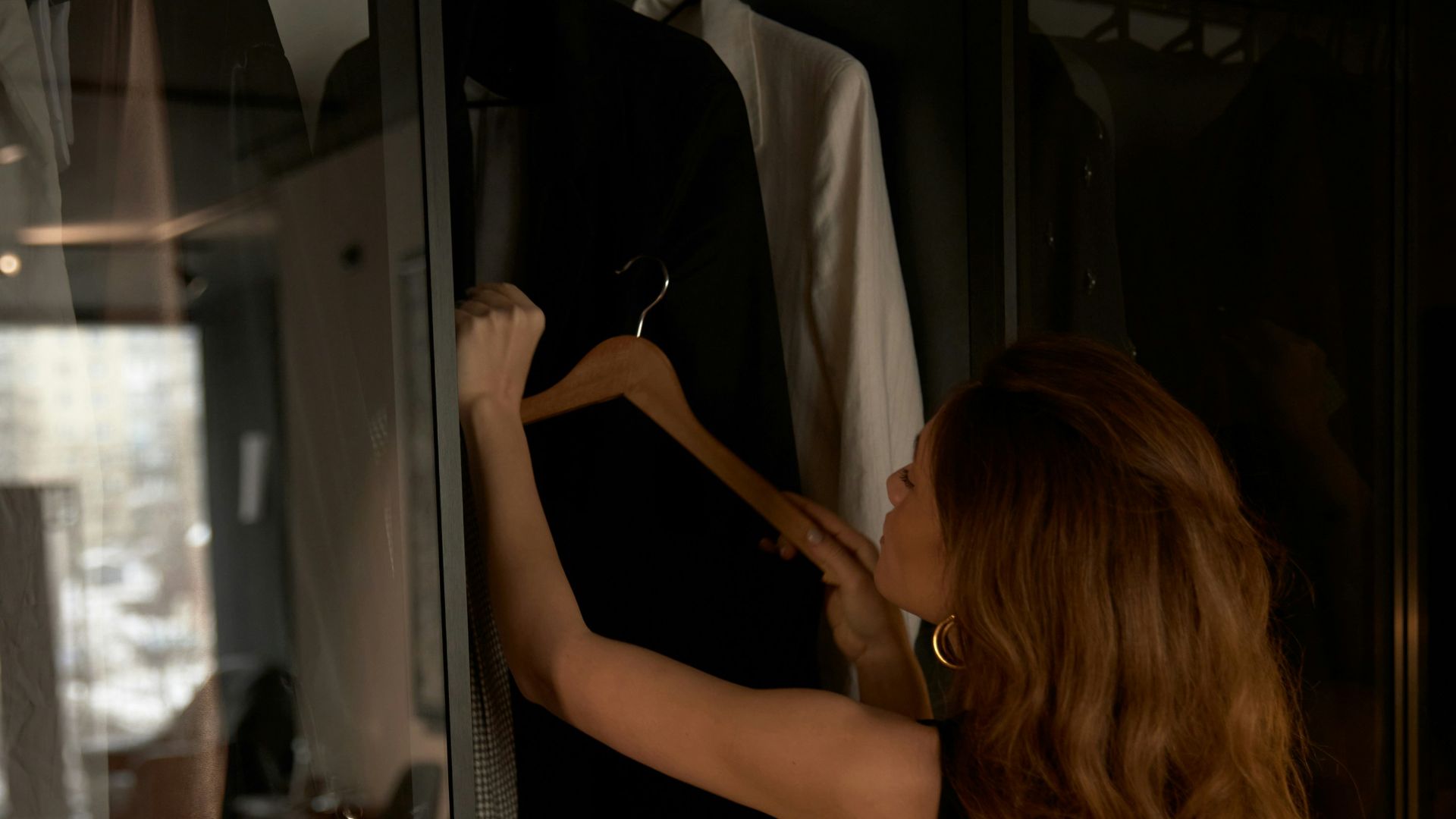
Trends can be fun in small doses. Let them complement your wardrobe, not dominate it. When trends fade, your closet shouldn’t collapse with them. A few intentional pieces go much further, but longevity usually beats novelty.
16. Dress for the Climate You’re In
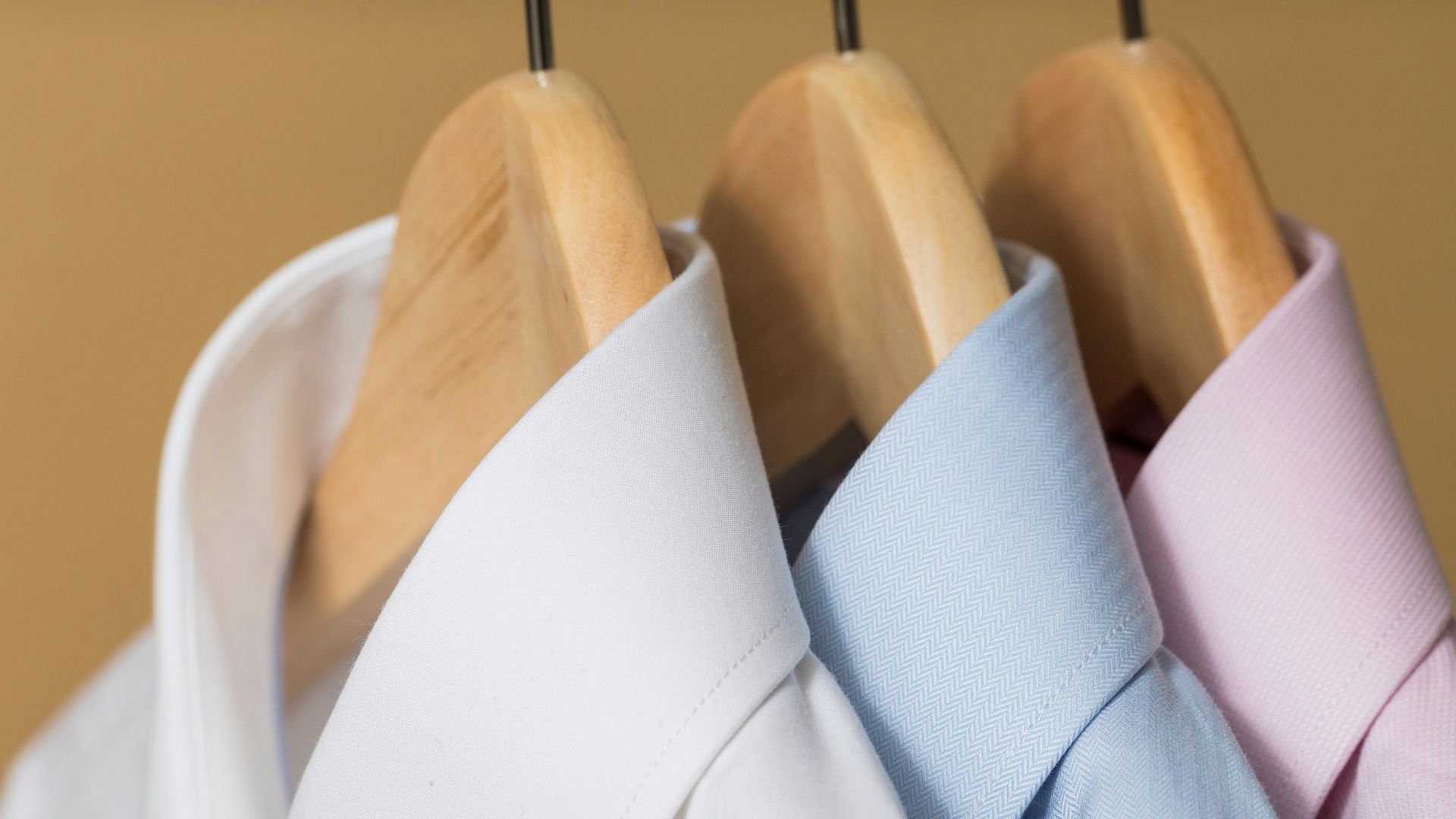
A beautiful coat doesn’t help if you never need it. Your wardrobe should reflect your actual weather conditions. Practical pieces get worn more often, and climate-aware choices save space and money. They also make daily dressing more intuitive.
17. Define Your Version of “Put Together”
Everyone’s version looks different. Decide what feeling you’re aiming for, not what others expect. That clarity simplifies every outfit choice. It also reduces second-guessing, and not to mention, getting dressed becomes faster and can be done with more confidence.

18. Rotate Seasonally
Storing off-season clothes reduces visual clutter. It also helps you rediscover pieces when seasons change. Familiar items can feel new again, meaning a rotation keeps your closet feeling fresh. It also prevents wear from constant use.
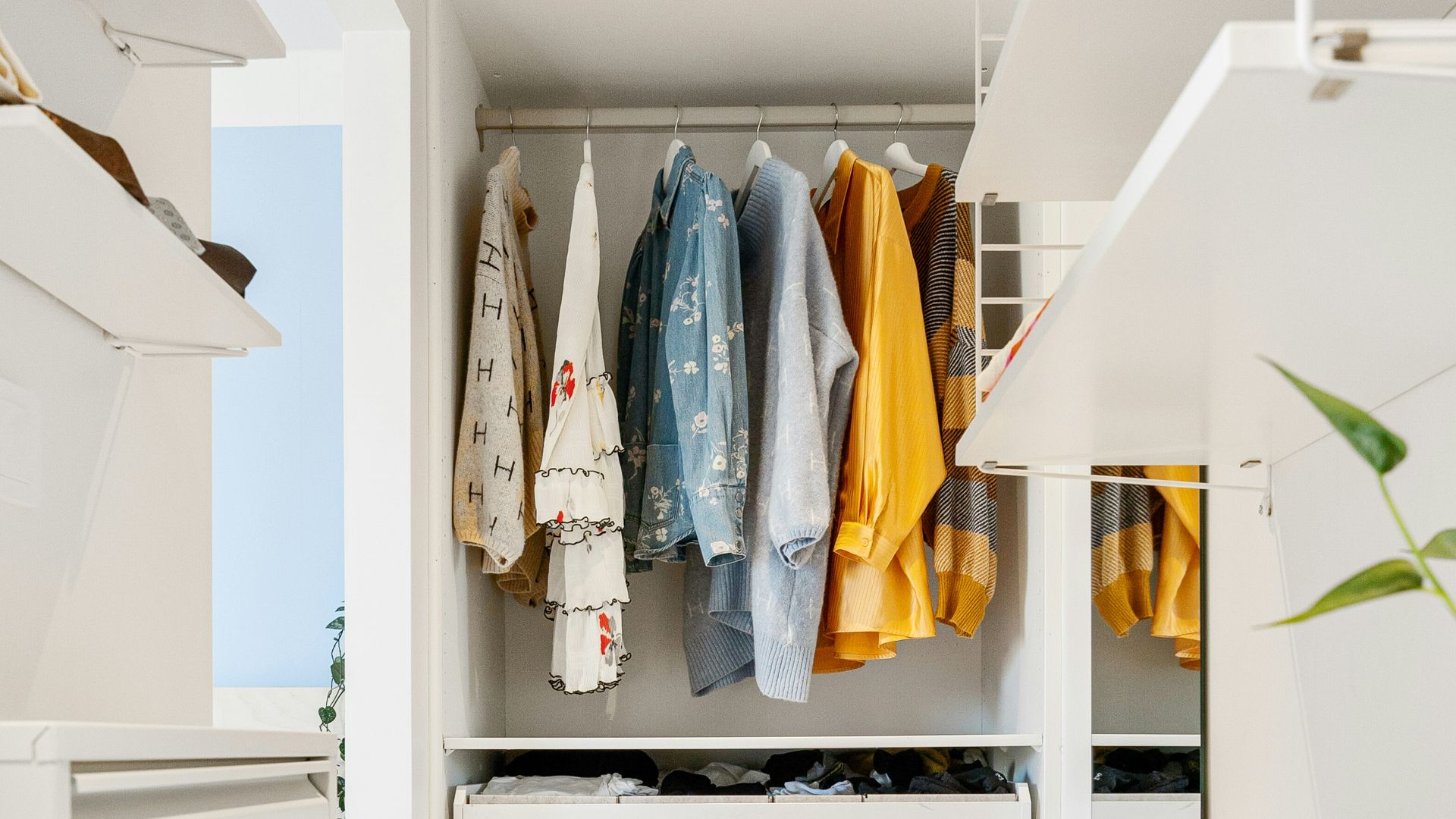
19. Buy Fewer, Better Things
Quality doesn’t mean luxury pricing. It means durability, comfort, and repeat wear. Owning less can still feel like having more. Thoughtful purchases age better over time, and you’ll spend less replacing things that don’t last.

20. Let Your Wardrobe Evolve
Style isn’t static, and it shouldn’t be forced to stay that way. Allow your closet to change as you do. A flexible wardrobe stays useful longer. Letting go creates room for what fits now. Growth should show up in your clothes, too.