The Little Choices That Quietly Undercut Style
Work style is rarely ruined by one dramatic mistake. It’s usually death by a thousand small details: a hem that’s off, a fabric that reads “weekend,” shoes that look tired, or an outfit that’s technically fine but sends the wrong signal in that specific room. Most people aren’t trying to dress badly, they’re trying to get out the door, and that’s exactly how tiny missteps sneak in. The frustrating part is that these mistakes don’t always look like “mistakes” in the mirror at home, especially under flattering lighting and five minutes of optimism. Here are 20 work-style slipups people make without realizing, and why they matter more than they should.
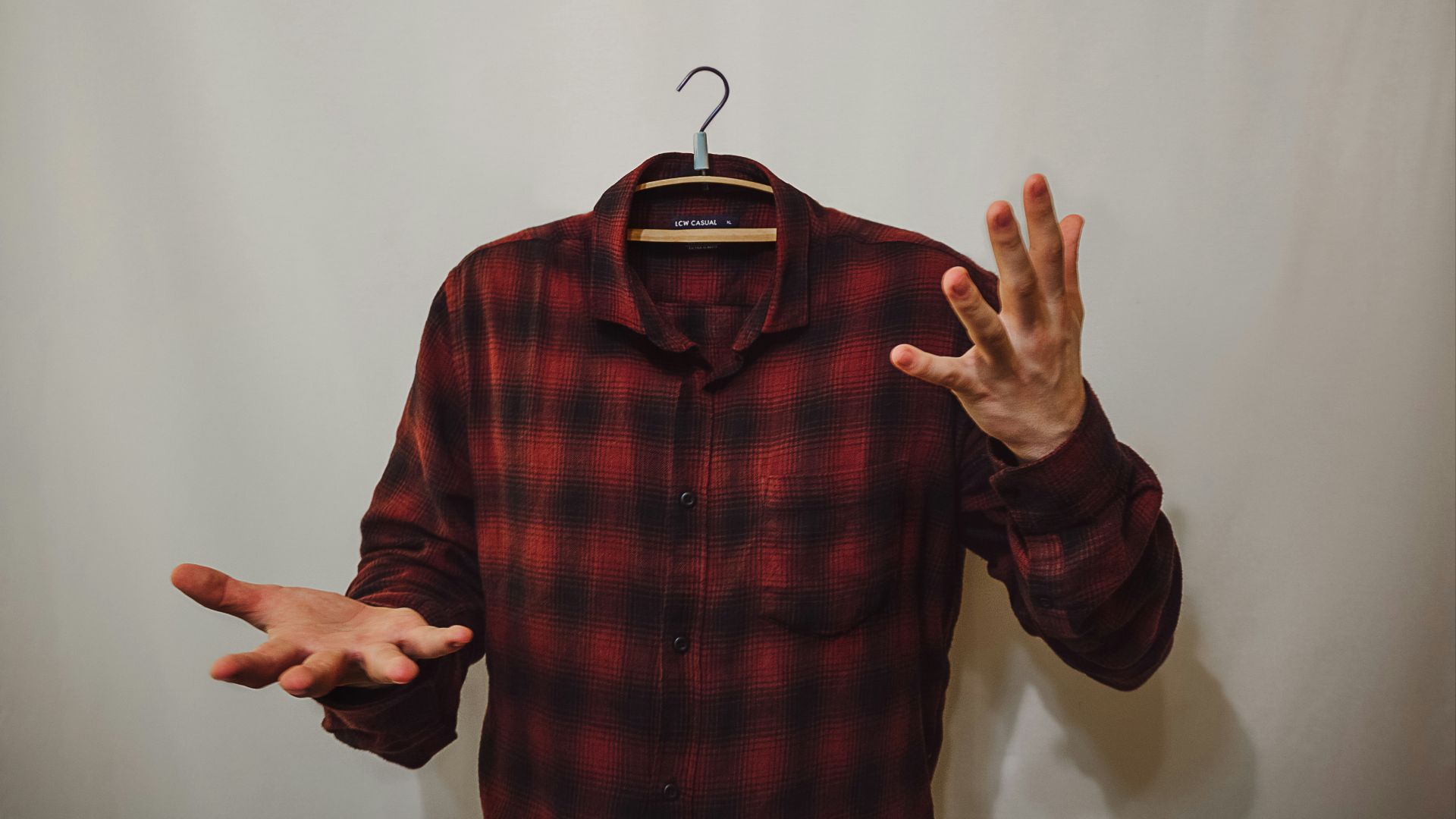
1. Wearing Clothes That Fit The Hanger Better Than You
Too-big blazers and pooling trousers can read relaxed in theory, yet at work they often read unfinished. Tailoring doesn’t have to be fancy, it just has to make your clothes look like they belong to your body, not the rack.

2. Treating “Business Casual” Like A Vibe Instead Of A Standard
In one office, business casual means polos and clean sneakers, and in another it means a blazer is still expected on client days. When you dress for the vibe you wish the office had instead of the one it actually runs on, you end up looking like you missed a memo you never received.

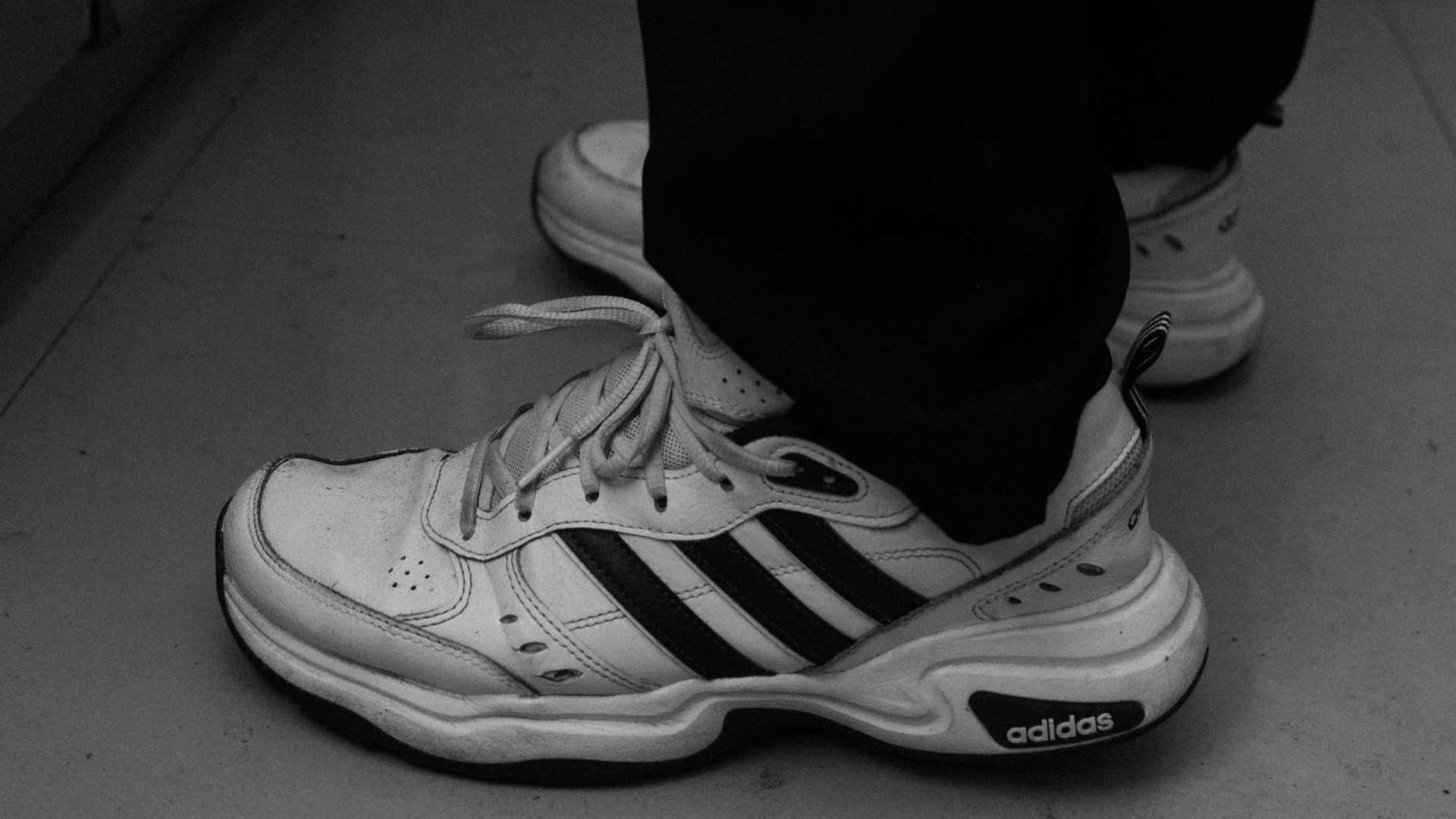
3. Letting Shoes Look Tired
Shoes take the hardest hit, and everyone can tell when they’re losing the fight. Scuffed toes, collapsing heels, and worn soles pull focus from everything else, even if the rest of the outfit is solid.
4. Choosing Fabrics That Wrinkle On The Walk From The Car
Wrinkles signal neglect even when you just have a long commute and a normal human life. If a shirt looks crumpled by 9:15, it changes the whole tone of the outfit, no matter how expensive it was.

5. Wearing Loud Logos Without Meaning To
A big logo can look casual or flashy in a way that clashes with most workplaces, even creative ones. The problem isn’t the brand, it’s the distraction, because logos turn your outfit into a billboard when you were aiming for polished.

6. Ignoring The Power Of A Clean Neckline
Stretched collars, pilled knits, and dingy undershirt lines are tiny details that read messy up close. A crisp neckline makes even a basic top feel more intentional, which is why it’s worth paying attention to.

7. Overdoing Fragrance
Scent travels farther than you think, especially in elevators, conference rooms, and shared desks. Even a fragrance you love can feel aggressive to someone else, which is why “barely there” usually wins at work.

8. Wearing The Same Outfit Pattern Too Often
Repeating outfits is fine, yet repeating the exact same silhouette every day can make you look stuck. Small variation, a different shoe, a different layer, a different pant shape, keeps your look from feeling like a uniform you didn’t choose.

9. Dressing For Your Desk, Not Your Day
If you have a client meeting, a presentation, or a leadership-heavy day, your outfit should match the highest-stakes moment on your calendar. When you dress only for sitting quietly at your laptop, you can end up underdressed exactly when you need extra credibility.

10. Choosing The Wrong Level Of Casual Knitwear
A sweater can look refined or sloppy depending on its shape, weight, and condition. Thin, stretched-out knits and oversized hoodies often read too casual, even when the office is relaxed.

11. Wearing Pants That Need A Lint Roller
Black trousers and dark skirts attract lint like a hobby, and it shows immediately under office lighting. A quick roll takes seconds and makes you look significantly more put-together than you feel.

12. Forgetting That Bags Count As Part Of The Outfit
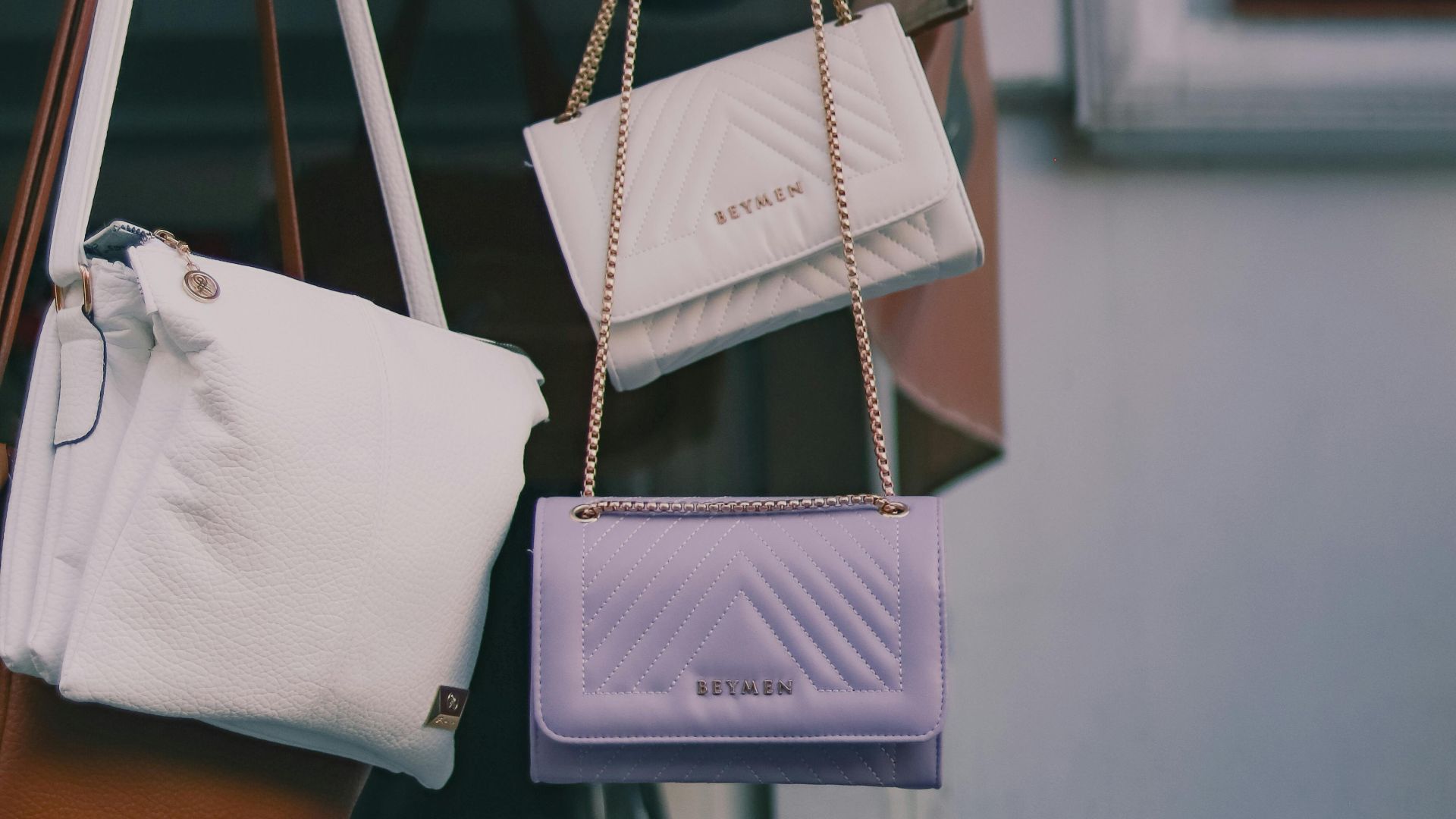
A worn-out tote, a backpack with fraying straps, or a purse that’s peeling at the corners can drag down a good outfit. Your bag is basically your work accessory, and it quietly signals how you handle details.
13. Wearing The Wrong Socks
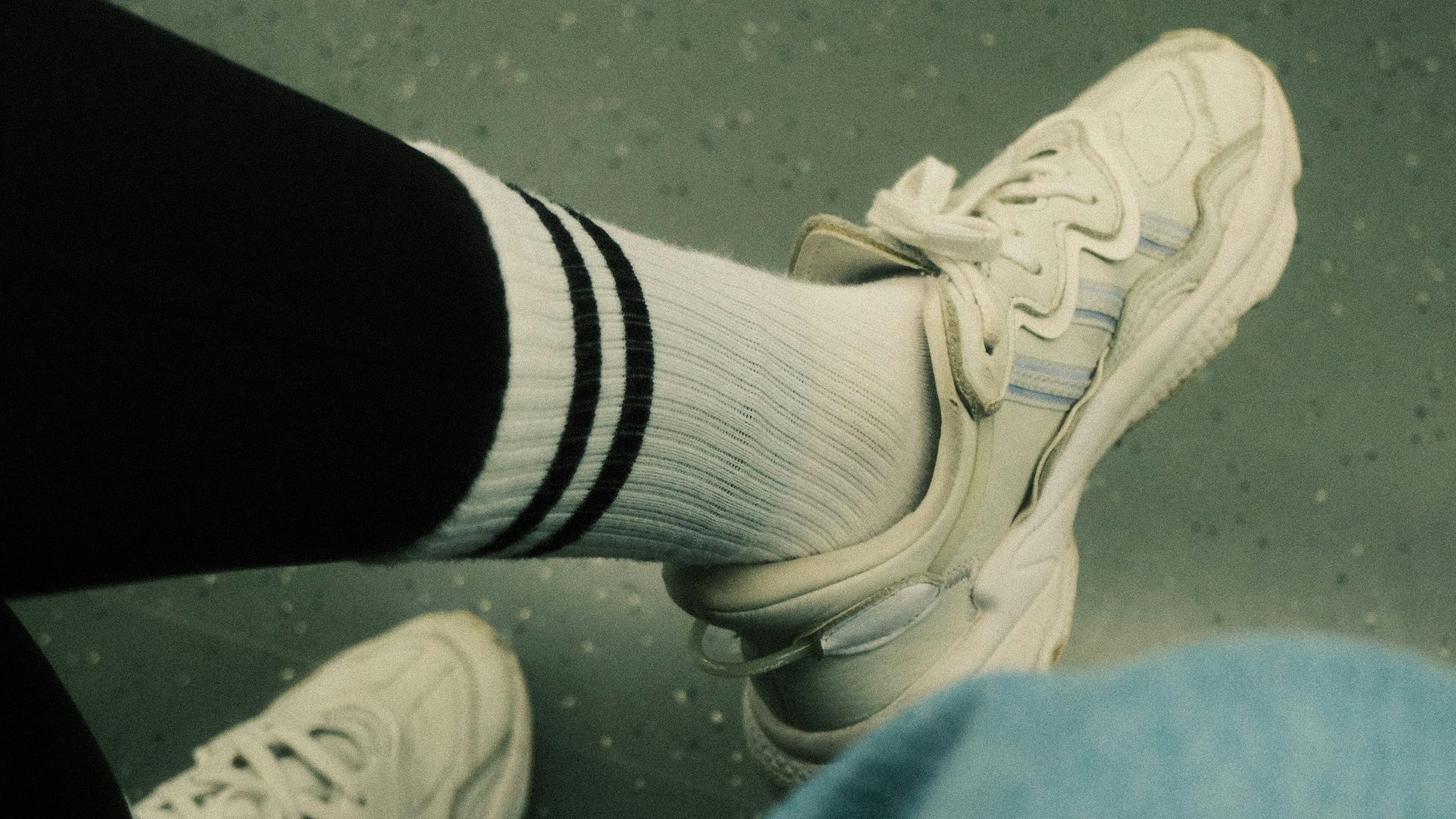
Visible athletic socks, socks that slump, or socks that clash with the formality of your outfit can look accidental. Good socks are like good hair, nobody notices them until they’re wrong.
14. Letting Undergarments Do Too Much Talking
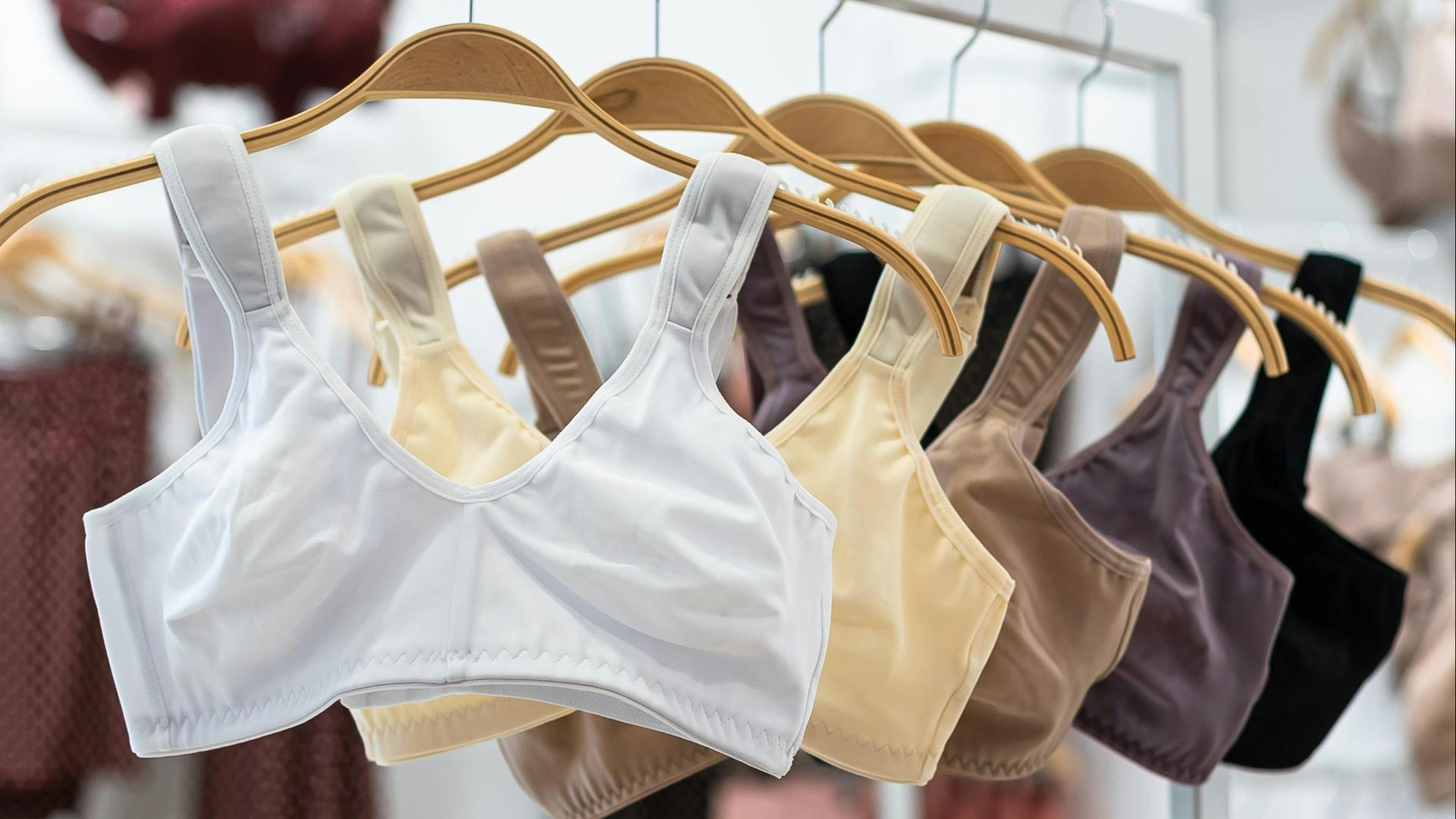
Visible bra lines, straps, or underwear edges distract, even if the rest of the outfit is professional. It’s not about shame, it’s about clean lines, because work clothes look sharper when they lie smoothly.
15. Choosing Shiny Or Noisy Fabrics
Satin, loud synthetics, and fabrics that swish when you walk can read “night out” or “cheap” depending on the cut. In an office, matte textures usually look more credible and easier to style.

16. Wearing Outerwear That Doesn’t Match The Outfit
A beautiful outfit can get undermined by a battered puffer, a hoodie, or a coat that doesn’t fit over your blazer. Outerwear is the first thing people see in hallways and lobbies, so it needs to be in the same story as the rest of you.

17. Over-Accessorizing
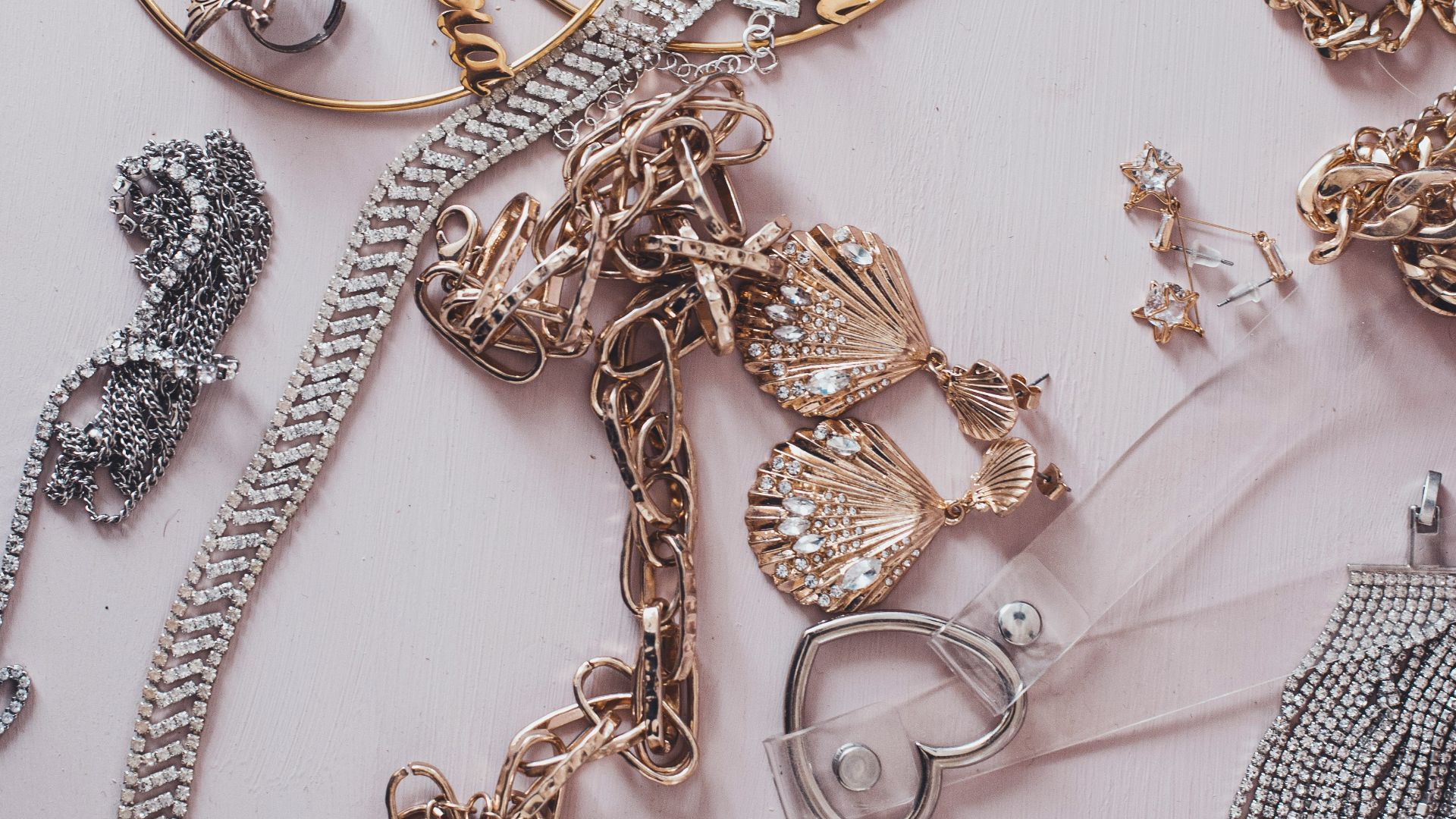
Too many rings, bracelets, or statement pieces can pull focus and make you look less professional, especially in conservative workplaces. One strong accessory usually reads more confident than five competing ones.
18. Ignoring Hair And Nail “Finish”
Even if your office isn’t formal, hair and nails can change whether an outfit reads intentional. It doesn’t require a blowout or a manicure, just basic grooming that looks clean and cared for.

19. Wearing Clothes That Don’t Handle Office Temperatures
Offices swing between freezer and furnace, and an outfit that can’t adapt will look like you’re constantly adjusting and uncomfortable. Layers that can be removed cleanly are a style strategy, not just a comfort trick.

20. Forgetting That Confidence Has A Dress Code, Too
If you’re tugging at a hem, adjusting a neckline, or worrying about a fit issue all day, it shows in your posture and presence. The most stylish thing you can wear to work is clothing you don’t have to think about once you’re in it.