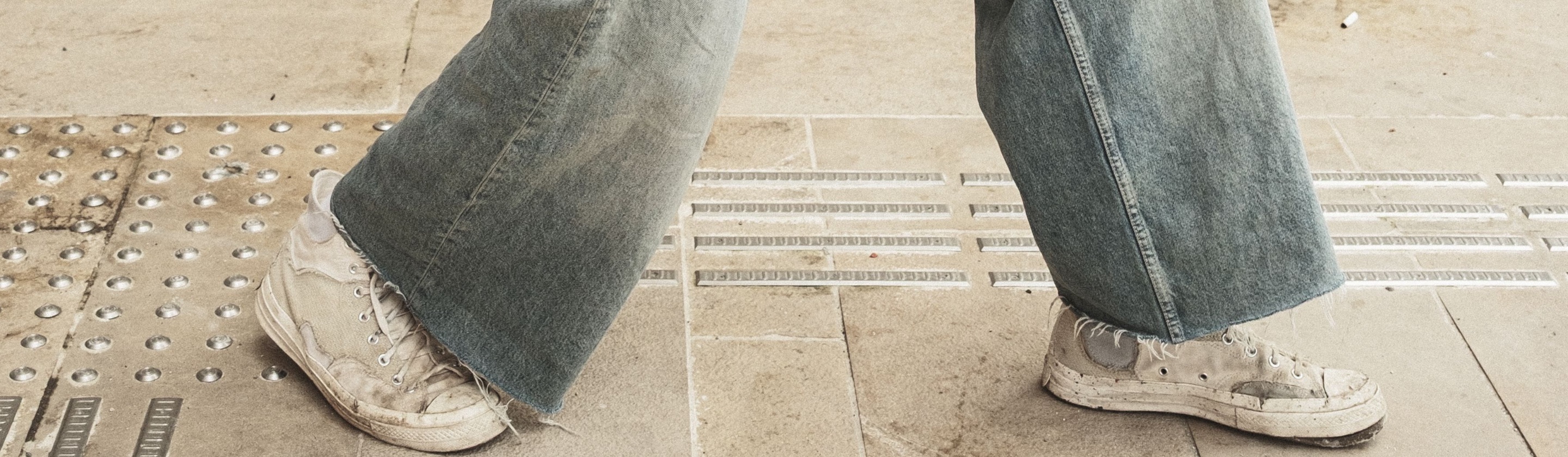
Baggy Shouldn't Mean Sloppy
Baggy clothing has earned a permanent spot in casual and street style wardrobes, and for good reason. Who doesn't want to look like they threw on a random outfit that just happens to make them come off both effortless and chic? Yet, you might not want to go too crazy with your styling; pair an oversized hoodie with a slouchy jacket and wide-leg pants, and you may find yourself looking more sloppy than runway model. Here are 10 baggy clothing mistakes that will instantly ruin your silhouette, and 10 better tips that'll look flattering.
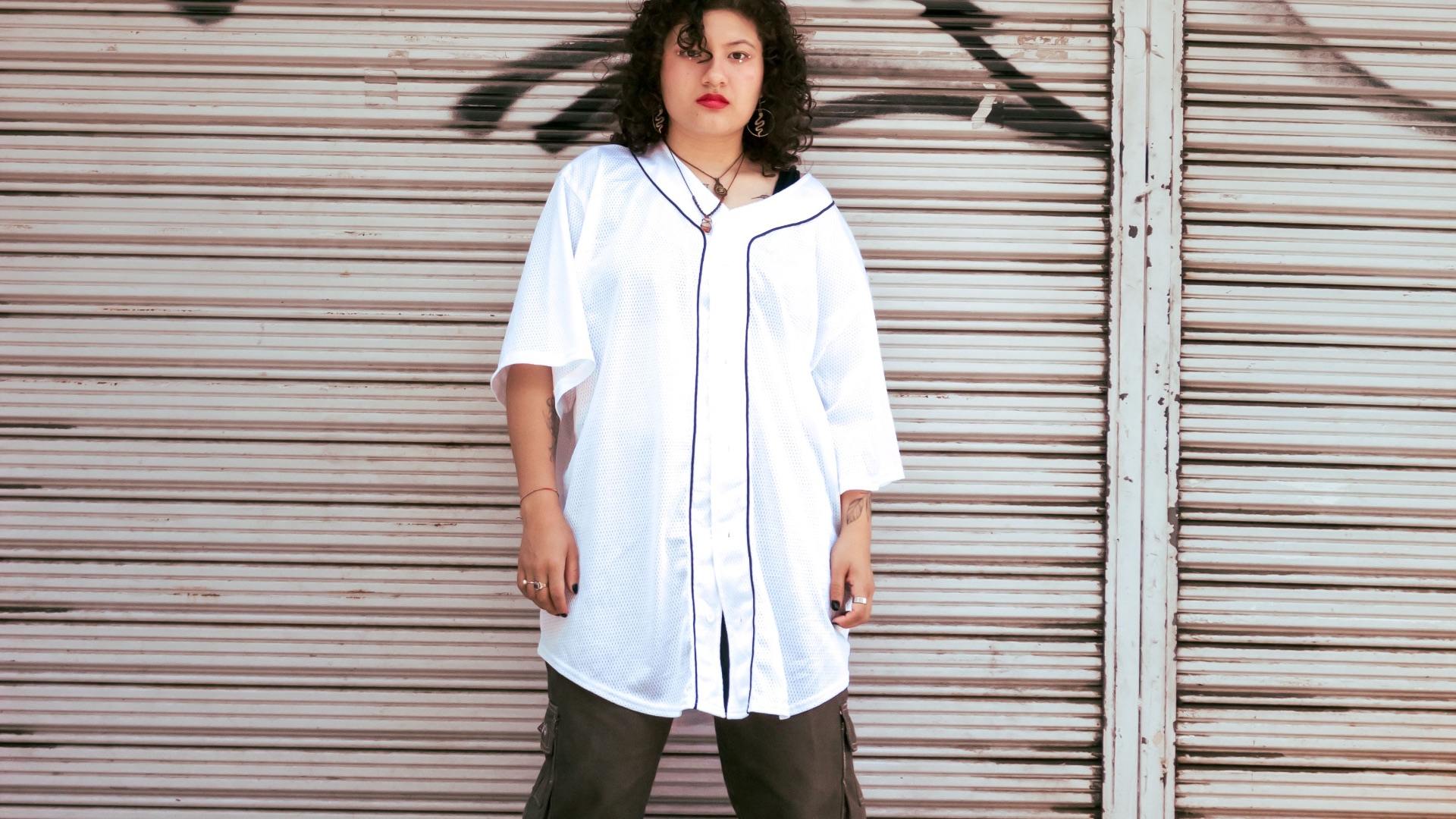
1. Pairing Baggy Everything
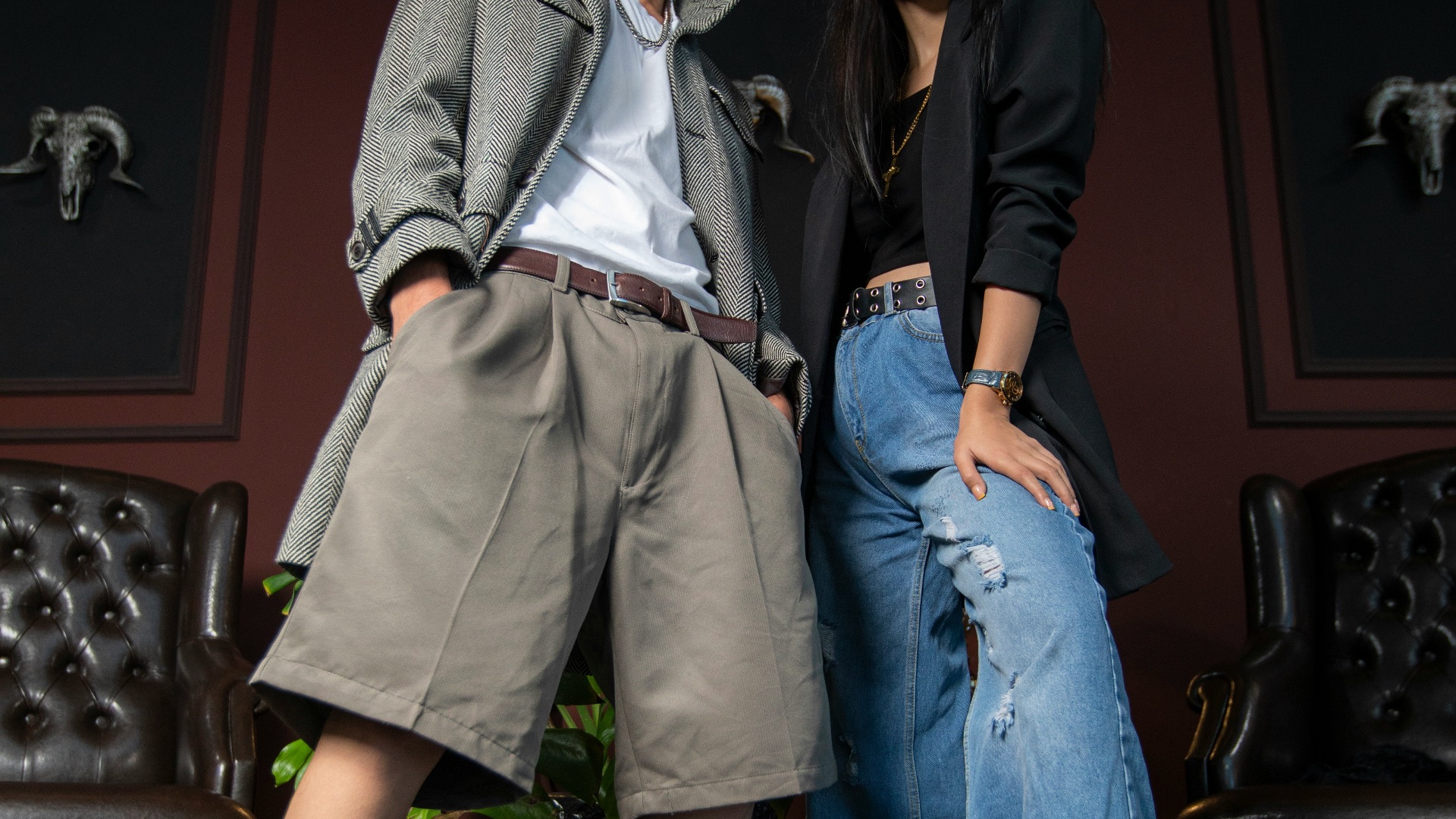
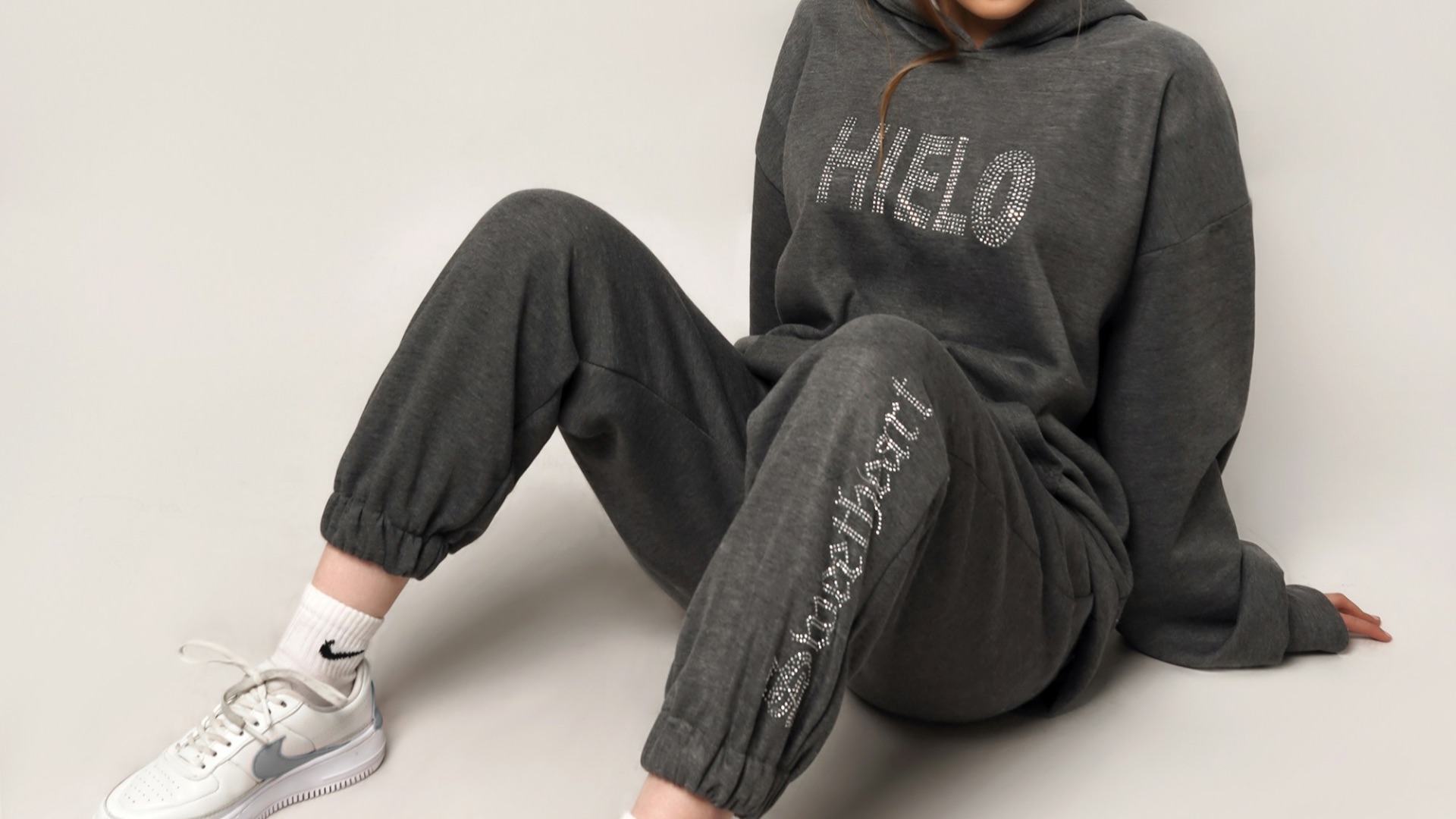
Wearing an oversized top with equally oversized pants erases your shape completely and leaves you swimming in fabric. This combination tends to overwhelm smaller frames and can make even taller people look shapeless from a distance. You're better off treating baggy clothing like a seesaw, where one loose piece gets balanced by something more fitted elsewhere.
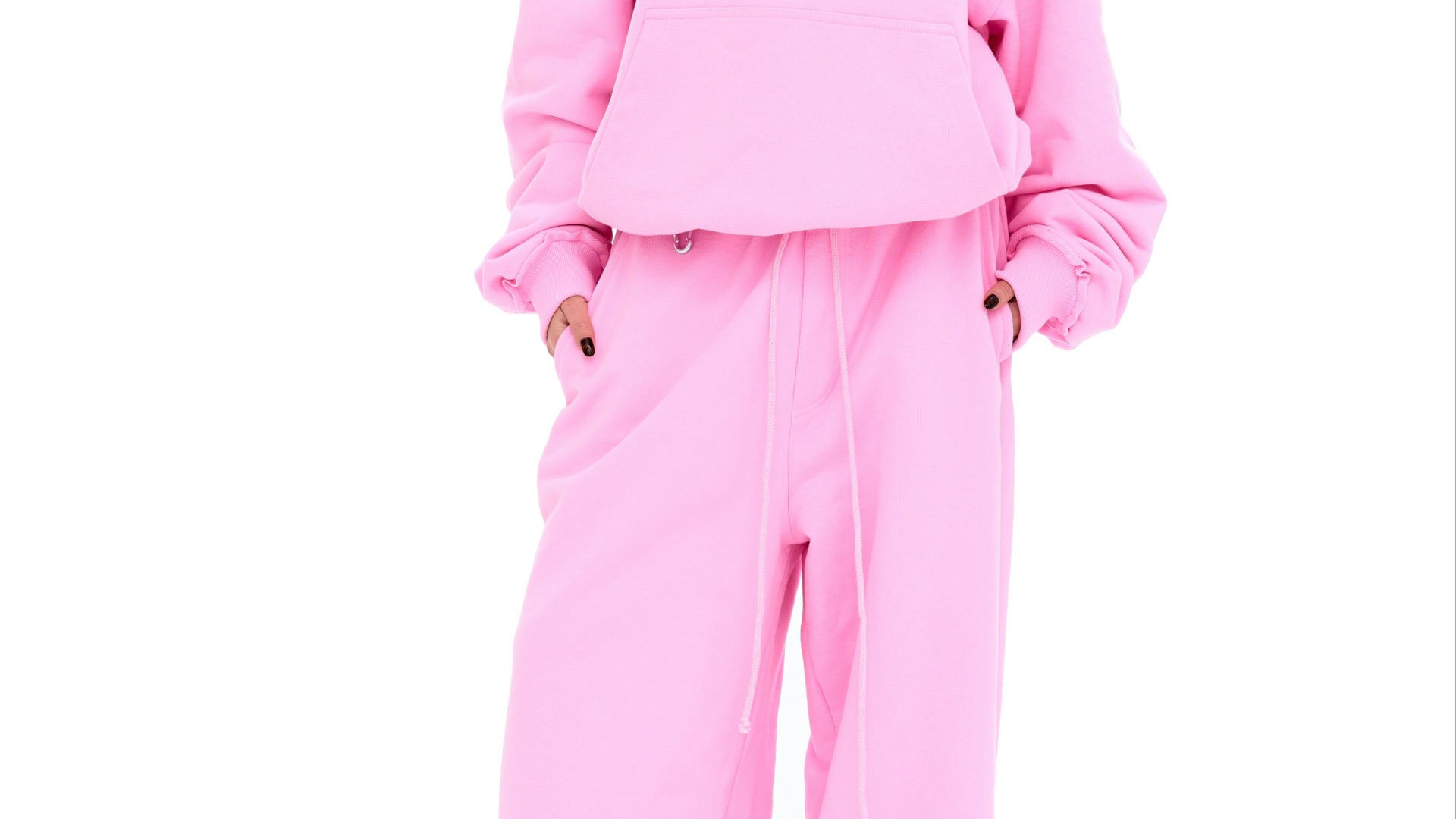
2. Ignoring Shoulder Seam Placement
A lot of shoppers grab an oversized top without checking where the shoulder seam actually lands on their body. When the seam drops too far past your natural shoulder line, the whole garment starts to look like it belongs to someone several sizes larger than you. Paying attention to that seam placement is one of the easiest ways to tell whether a piece is intentionally oversized or just the wrong size.
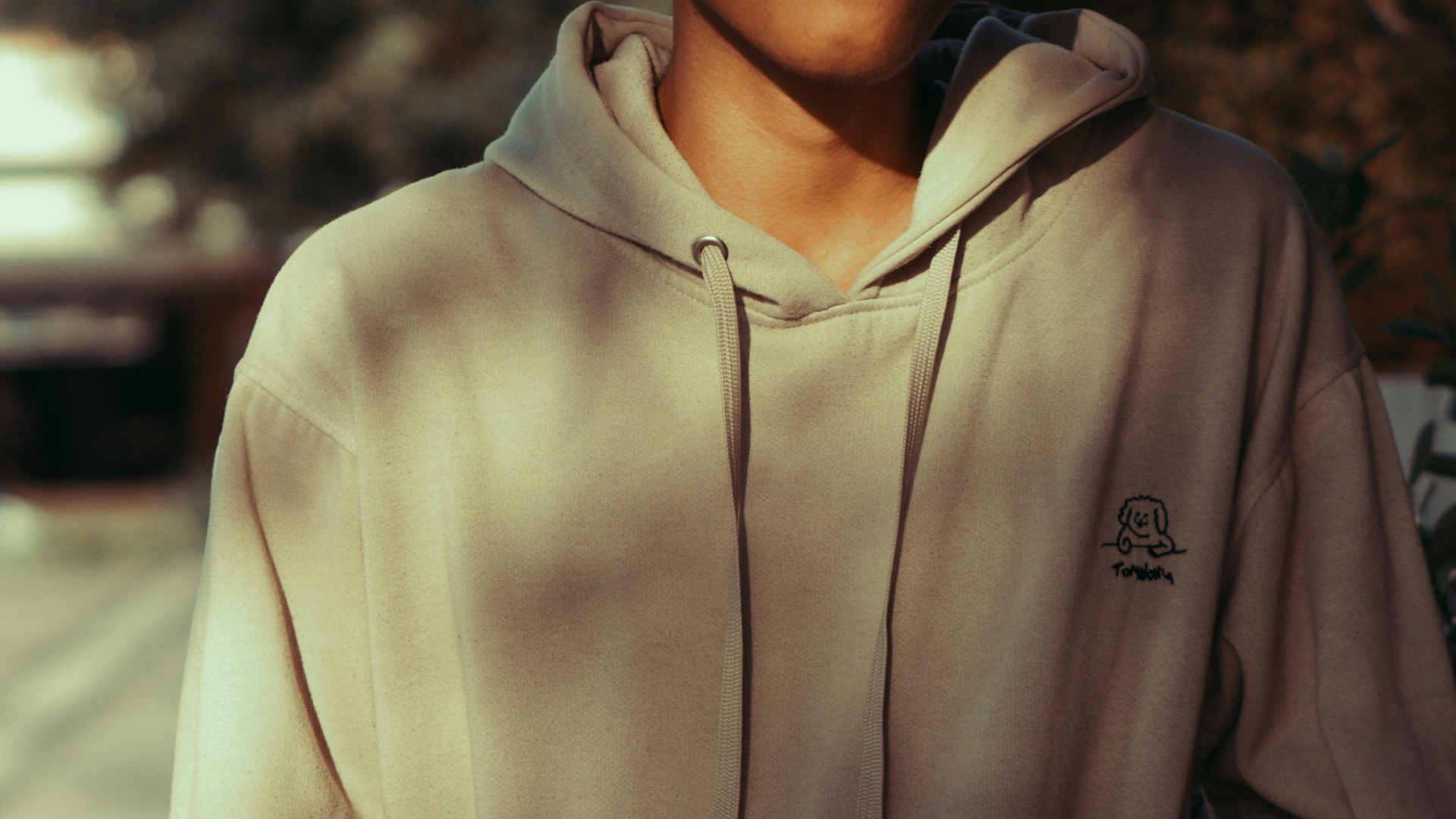
3. Wearing the Wrong Fabric Weight
Heavy, stiff fabrics in a baggy cut can add visual bulk that makes you look larger than you are, especially in structured pieces like denim or canvas. Lightweight and fluid fabrics, on the other hand, drape naturally and move with your body instead of standing away from it. Choosing the right fabric weight for your specific piece changes how the whole garment sits and photographs.
4. Forgetting About Proportions Entirely
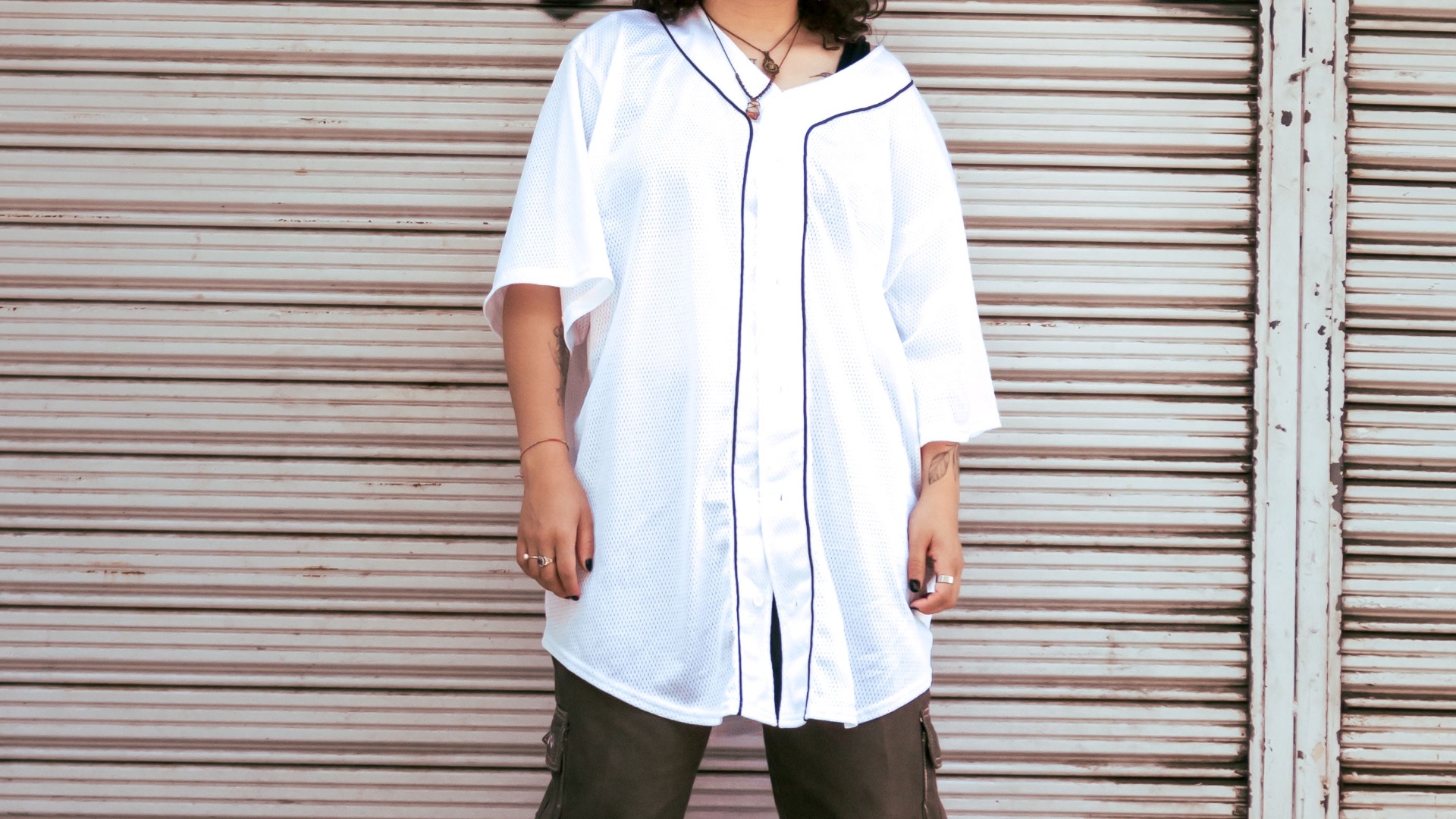
Baggy clothing still has to answer to the basic rules of proportion, even if it feels like those rules shouldn't apply anymore. A long, loose top paired with long, loose pants creates one giant rectangle that hides your waistline and throws off your overall silhouette. Breaking up that rectangle with a shorter layer or a cropped piece somewhere in the outfit brings back some much-needed shape.
5. Choosing the Wrong Shoes
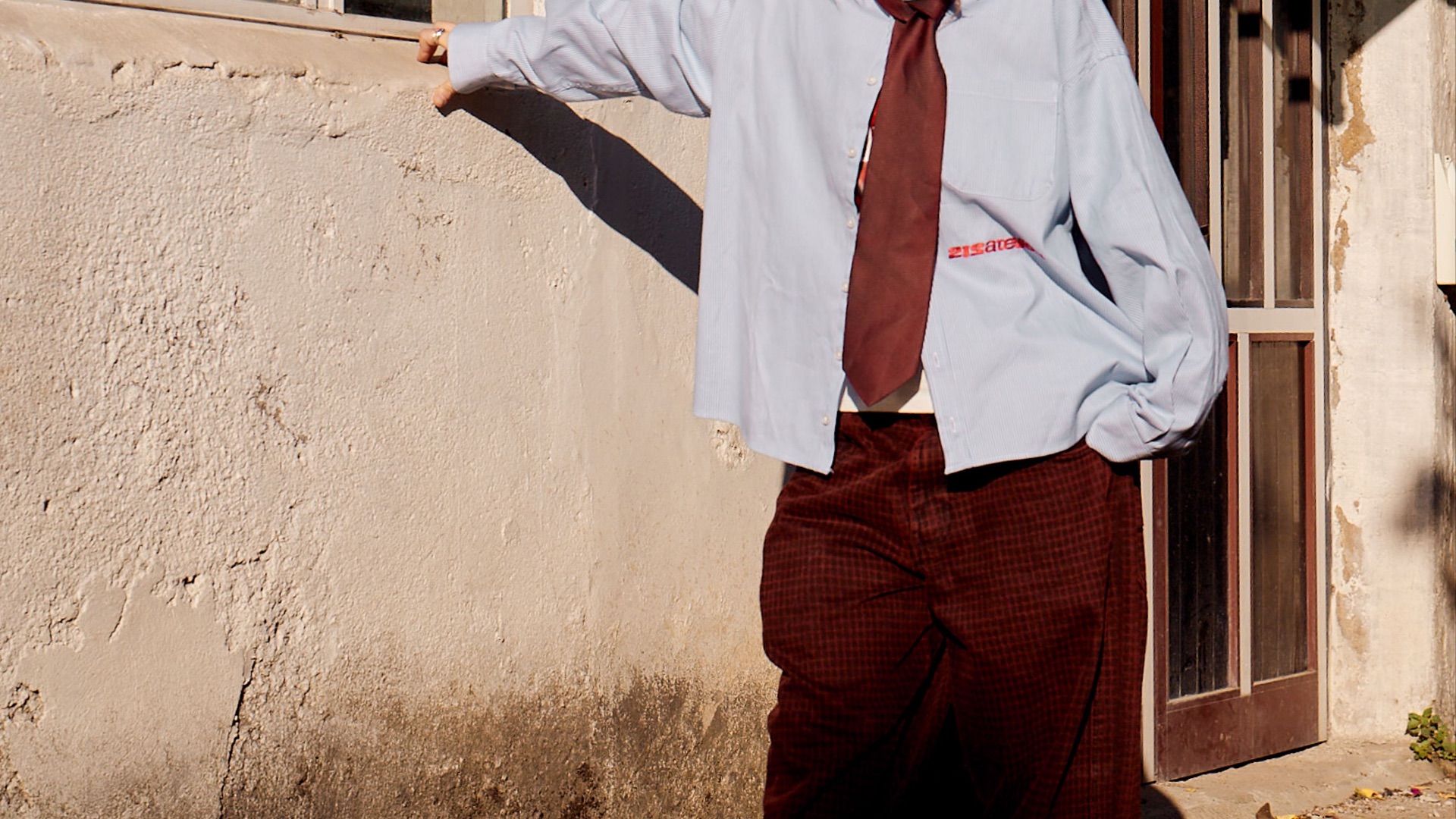
Baggy pants pooling over a delicate strappy sandal or a slim ballet flat can look unfinished and a little mismatched. Chunkier shoes, sneakers, or boots tend to hold their own against the volume of wide-leg or slouchy pants. Matching your footwear weight to your outfit's overall volume keeps everything looking cohesive from top to bottom.
6. Skipping a Defined Waist
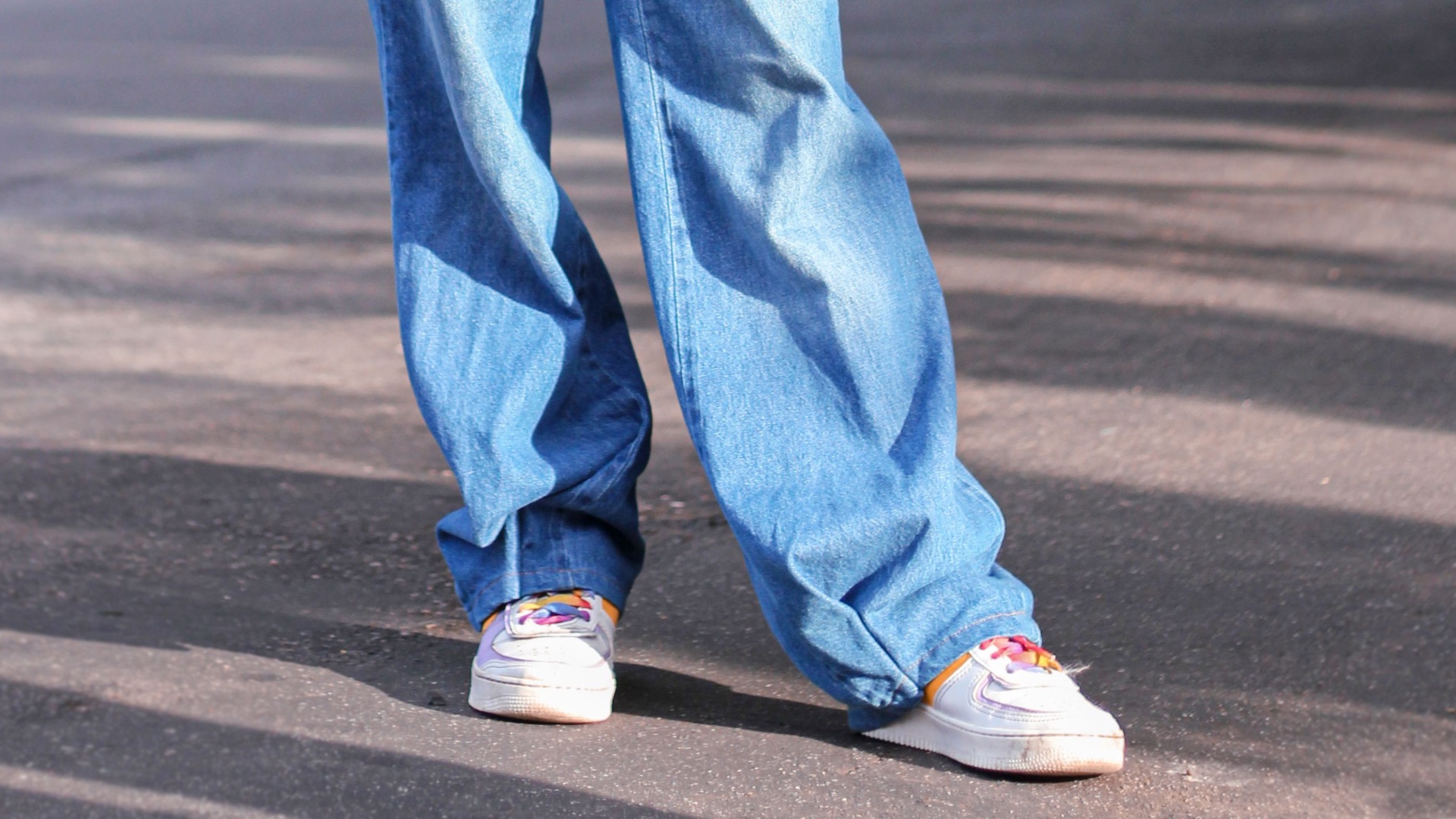
Without any indication of where your waist actually sits, baggy clothing can start to look like a single shapeless tent. A belt, a tucked-in layer, or even a drawstring pulled snug gives your outfit a reference point that the eye can latch onto. That single detail often makes the difference between an outfit that looks put together and one that looks unfinished.
7. Layering Too Many Loose Pieces Together
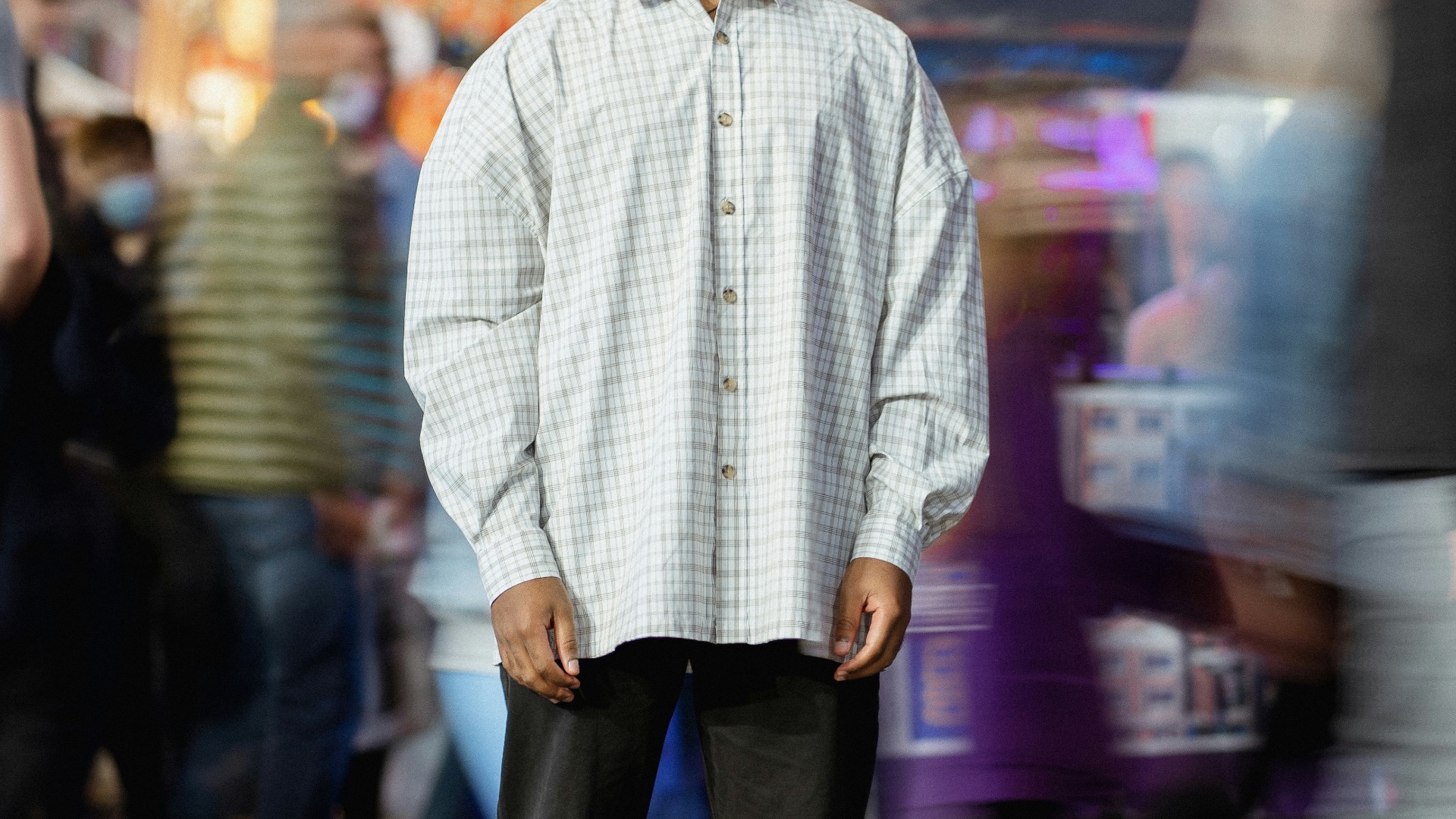
Throwing an oversized jacket over a baggy sweater over wide-leg pants adds up to a lot of fabric with no visual break in between. Each additional loose layer competes with the ones before it, and the outfit loses any sense of intention. Limiting yourself to one or two truly oversized pieces per outfit keeps the look from spiraling into pure bulk.
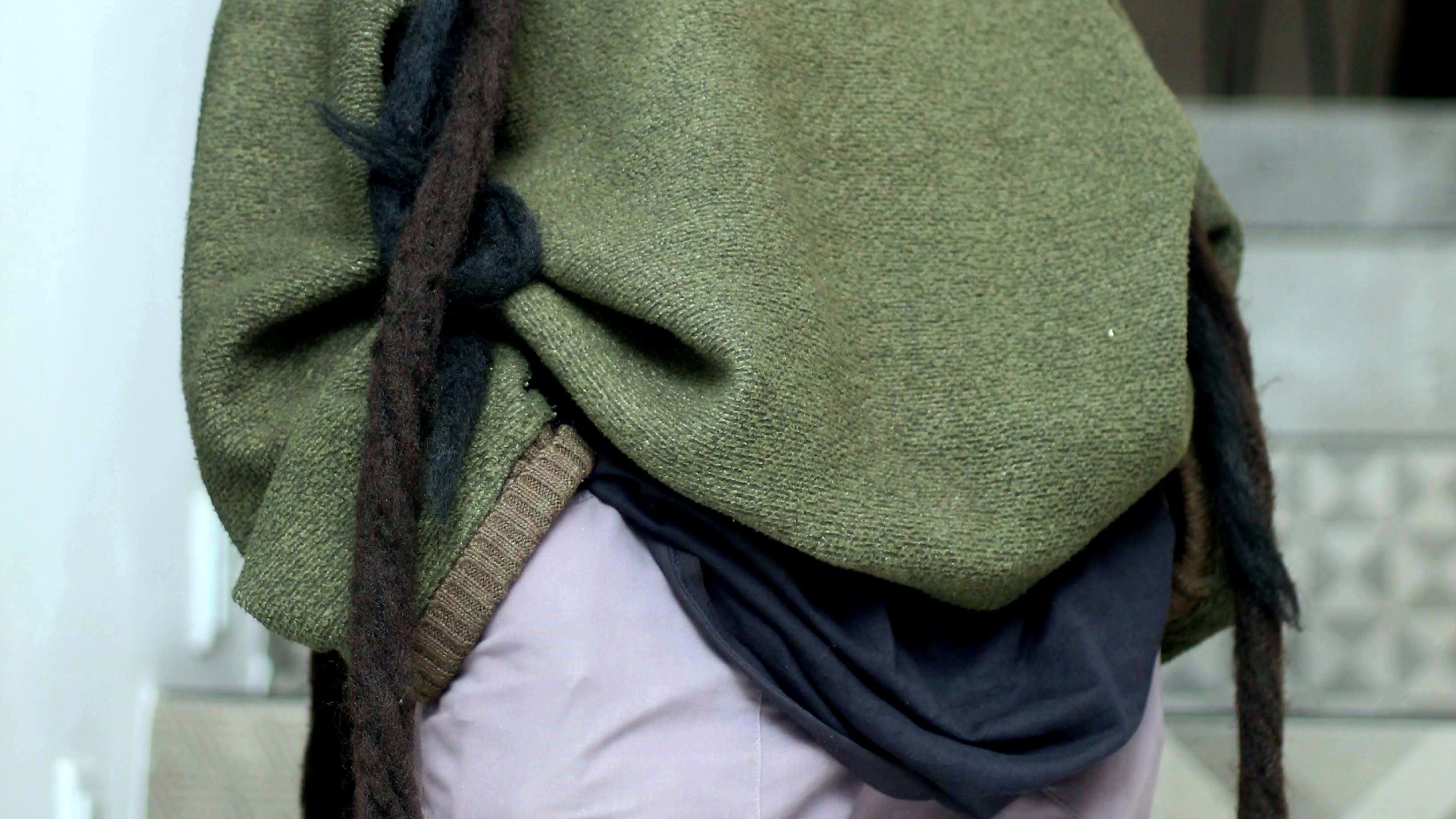
8. Neglecting Hem Length
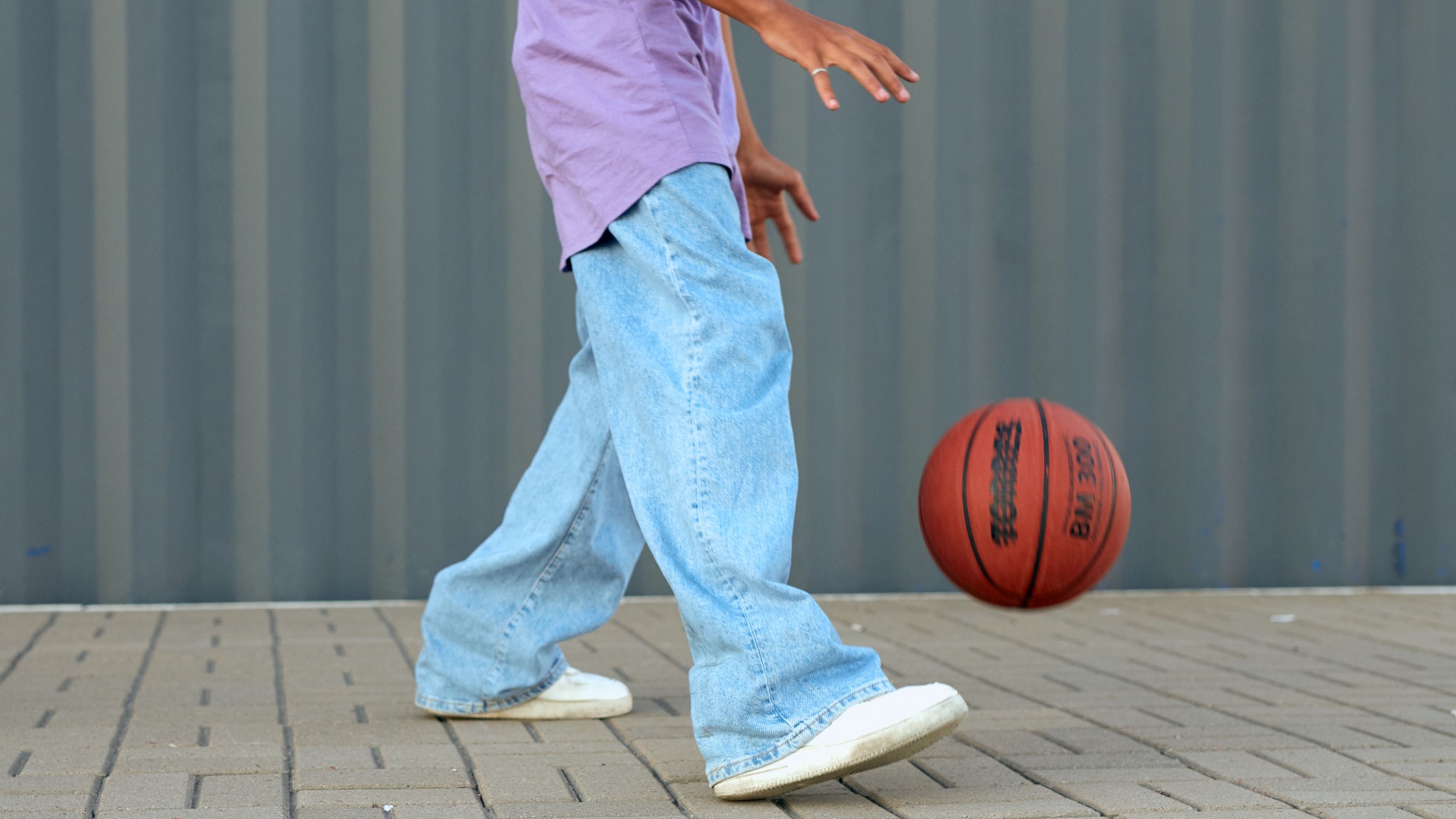
Pant hems that drag on the ground or sleeves that swallow your hands entirely can make an outfit look accidental rather than styled. Excess fabric bunching around your ankles or wrists also creates a safety hazard and wears out faster from foot traffic or friction. Getting key pieces tailored or cuffed to an appropriate length preserves the relaxed vibe without sacrificing a polished finish.
9. Choosing Prints That Fight the Silhouette
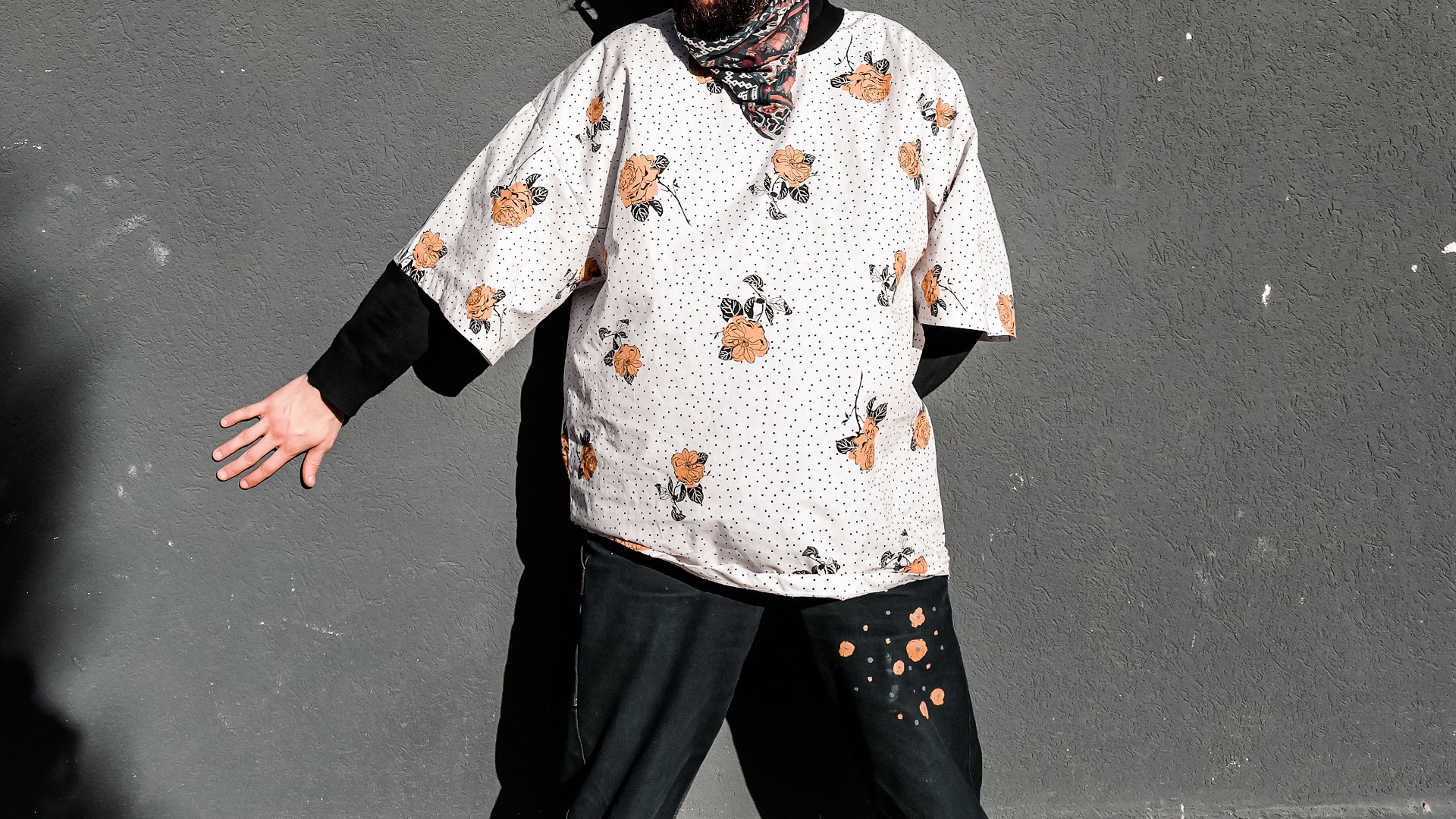
Large, busy patterns on an already voluminous garment can exaggerate its size and make the fabric look like it's taking over the whole outfit. Bold prints need extra breathing room to read clearly, and a baggy cut doesn't always give them that space. Sticking to smaller patterns or solid colors on your loosest pieces lets the silhouette itself do the talking.
10. Assuming Baggy Means No Effort
Some people treat baggy clothing as an excuse to skip styling altogether, throwing on whatever oversized pieces are closest without any real thought. That mindset usually results in outfits that look thrown together rather than deliberately relaxed. Baggy style actually requires just as much intention as fitted style, even though the end result looks effortless.
Now that you know which habits tend to work against you, it's worth flipping the script and looking at what actually makes baggy clothing shine. These next 10 approaches will help you turn those same loose silhouettes into outfits that look pulled together every time.
1. Balance Loose with Fitted
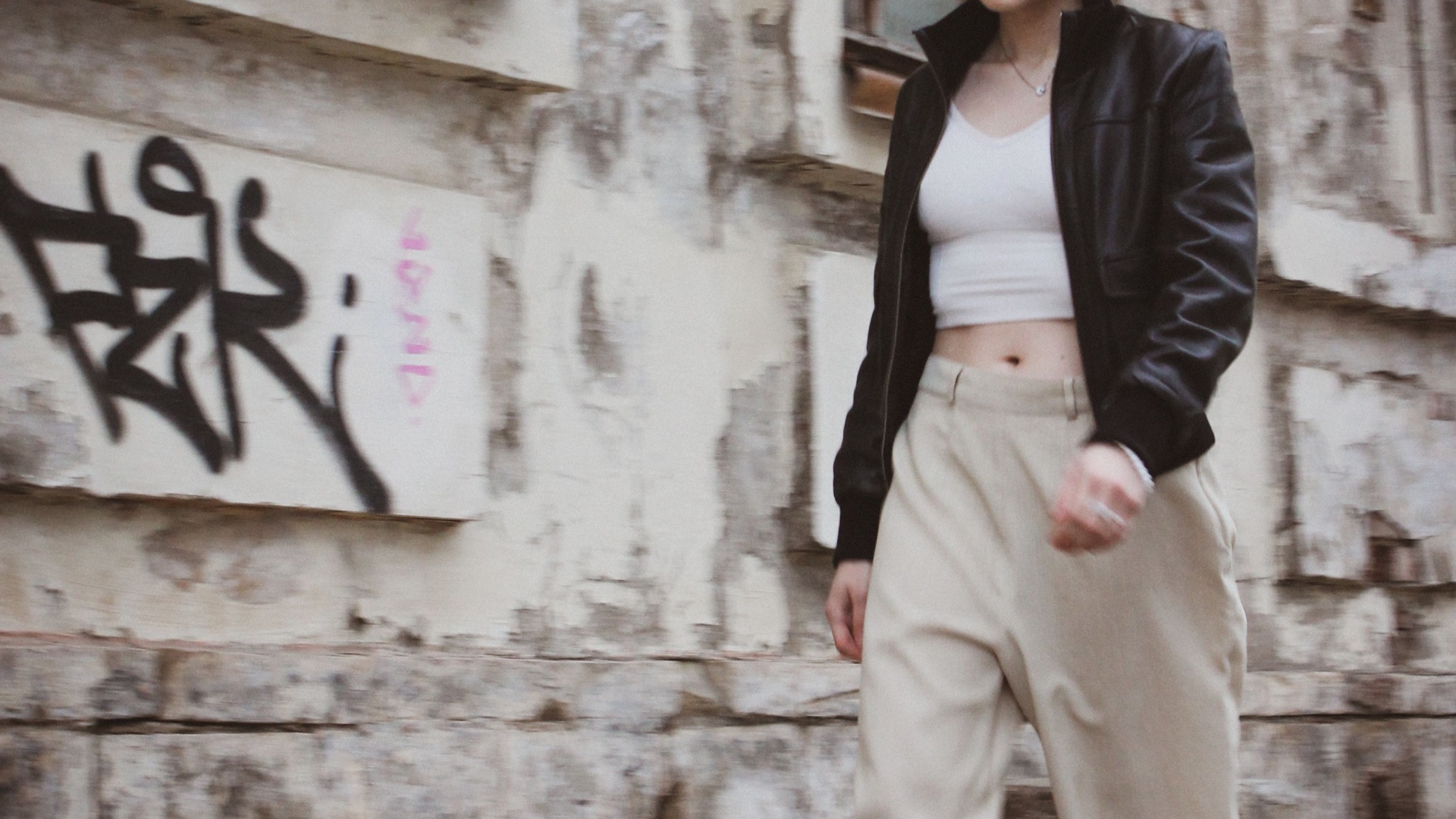
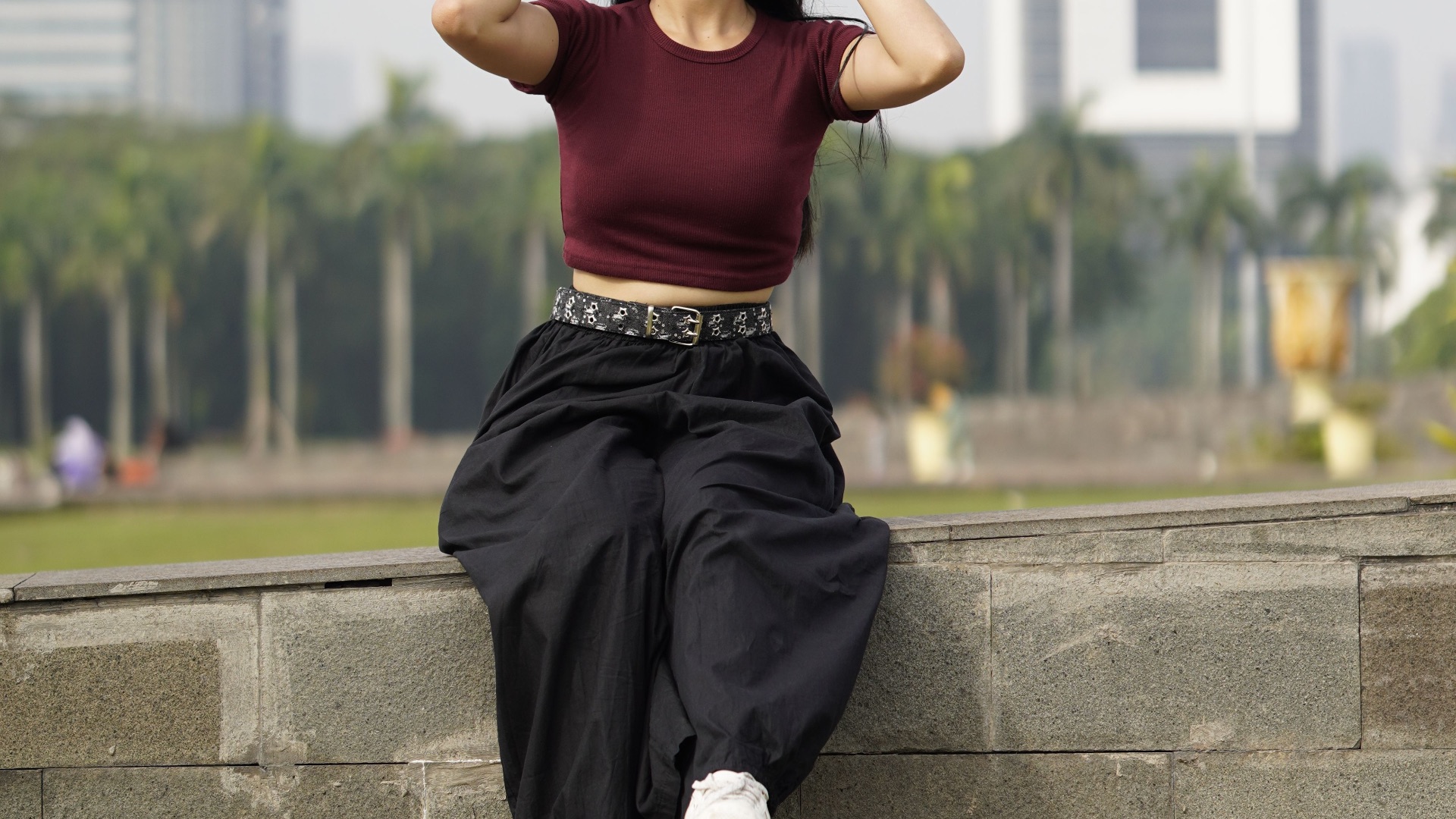
The single most reliable trick for wearing baggy clothing is pairing it with something more fitted on the opposite half of your body. An oversized sweater looks sharp with slim-fit jeans, while wide-leg trousers pair nicely with a fitted tank or bodysuit. This contrast gives your outfit structure and keeps the loose piece from overwhelming your entire frame.
2. Tuck in Strategically
A simple front tuck or French tuck can transform a shapeless top into something with actual definition. This small adjustment reveals your waistline without requiring you to size down or sacrifice the relaxed feel of the garment. It's a quick styling move that takes seconds but changes the entire look of an outfit.
3. Add a Belt for Definition
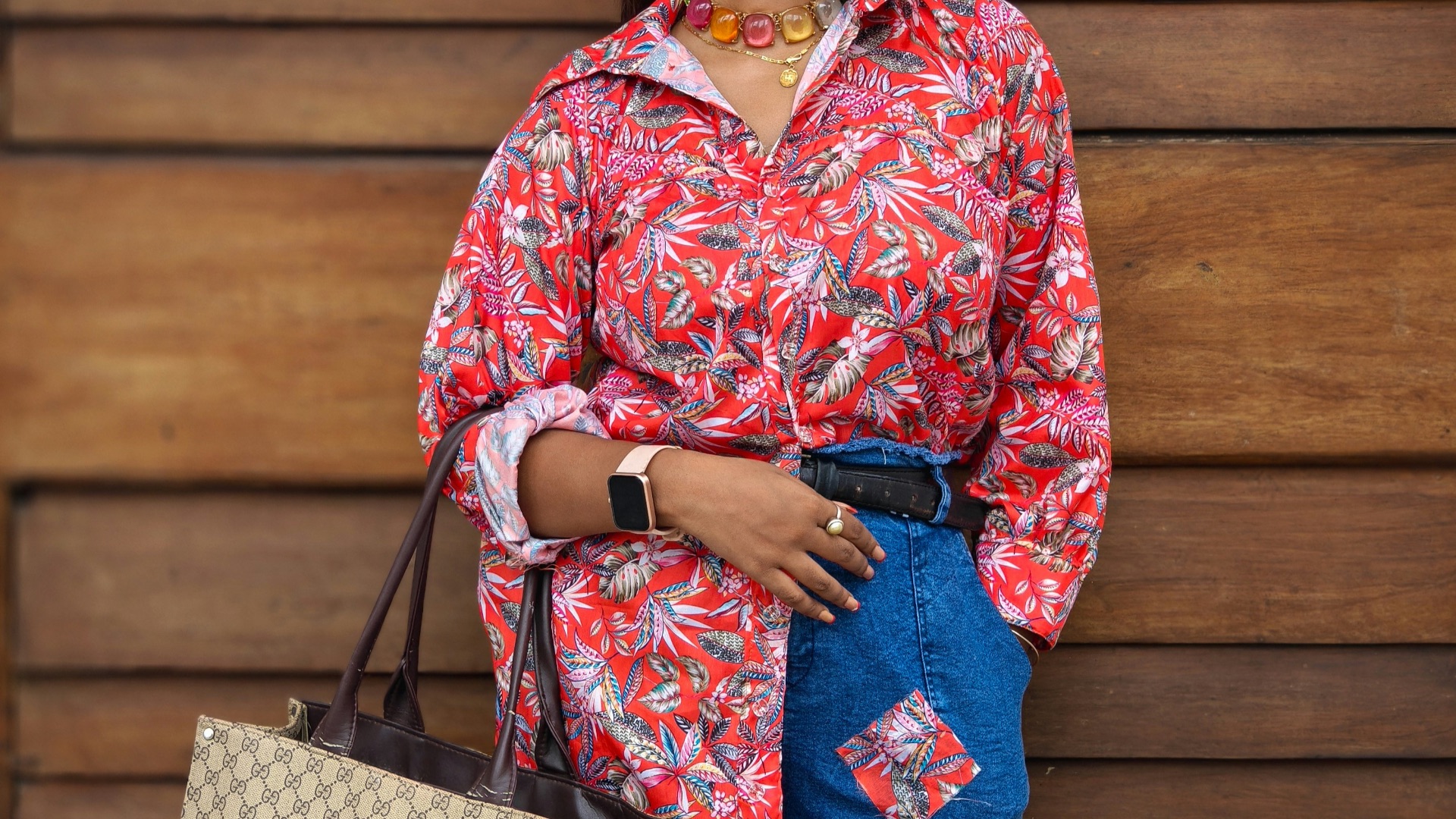
Cinching an oversized jacket, dress, or top with a belt instantly creates a waistline where there wasn't one before. You can experiment with wide belts for a bolder statement or thin belts for something more subtle. Either way, this technique works across nearly every category of baggy clothing, from coats to shirts to dresses.
4. Roll or Cuff Your Sleeves and Hems
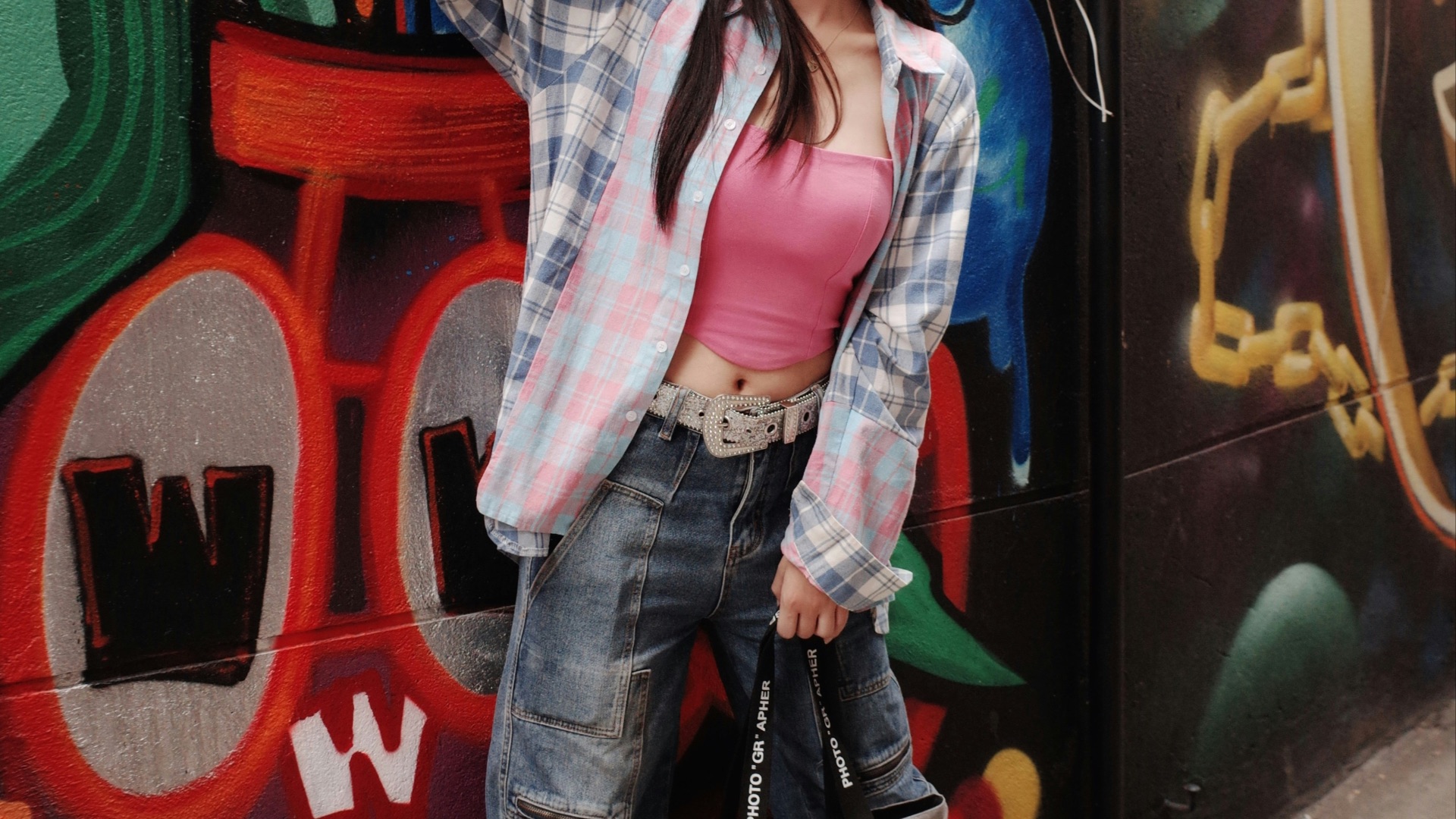
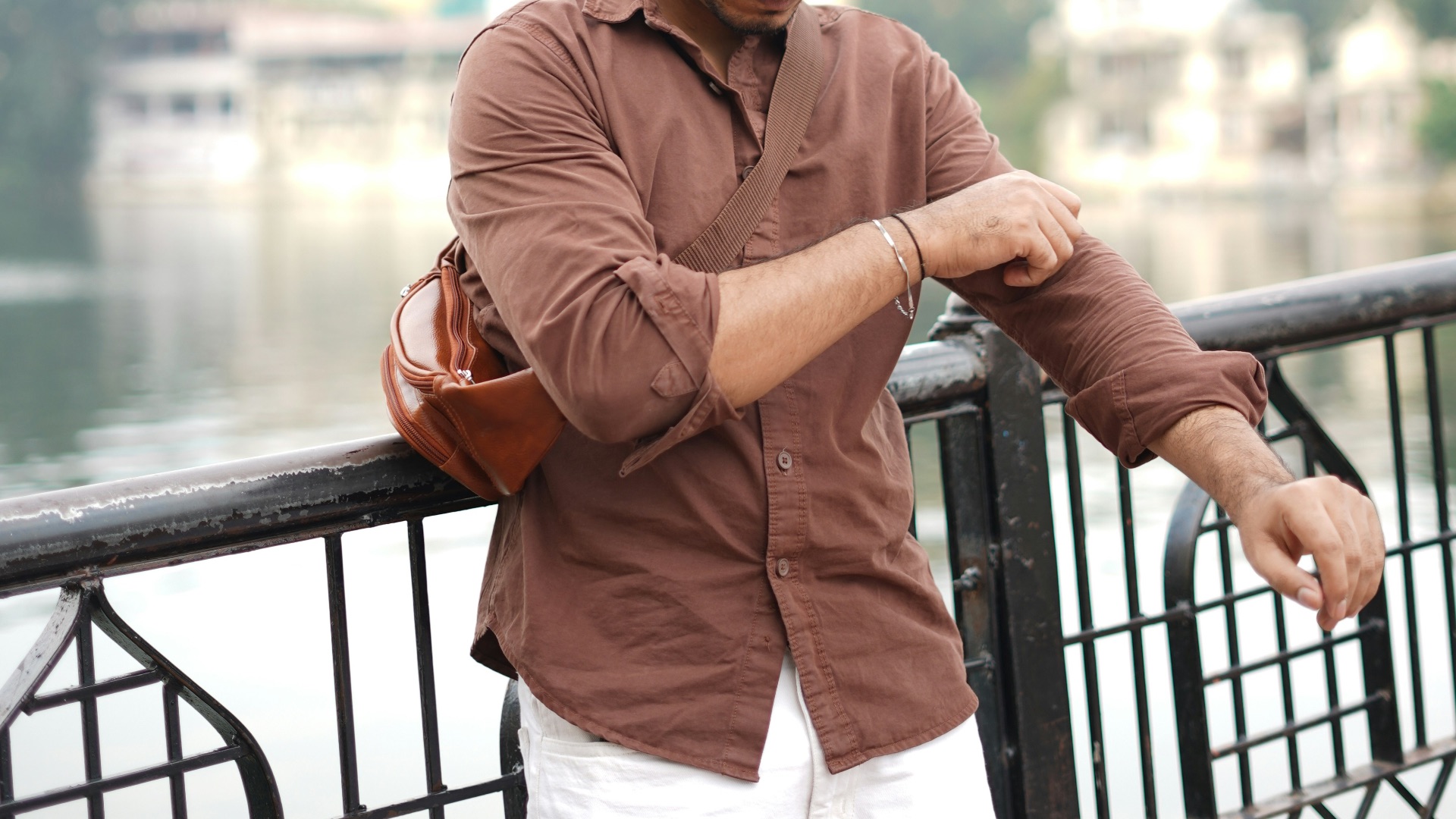
Rolling up sleeves on an oversized shirt or cuffing the hem on wide-leg pants shows off a bit of wrist or ankle, which keeps the outfit from feeling too heavy. This small reveal of skin breaks up the volume and adds a casual, put-together touch. It also happens to be a practical solution if you bought a piece that runs slightly long.
5. Choose the Right Undergarments
The right base layer, whether that's a fitted camisole or a smooth pair of leggings, keeps baggy outerwear from adding unwanted bulk underneath. Bunchy or ill-fitting undergarments can peek out from loose sleeves or necklines and throw off the whole silhouette. Investing in a few seamless basics makes a noticeable difference in how your looser pieces ultimately fall.
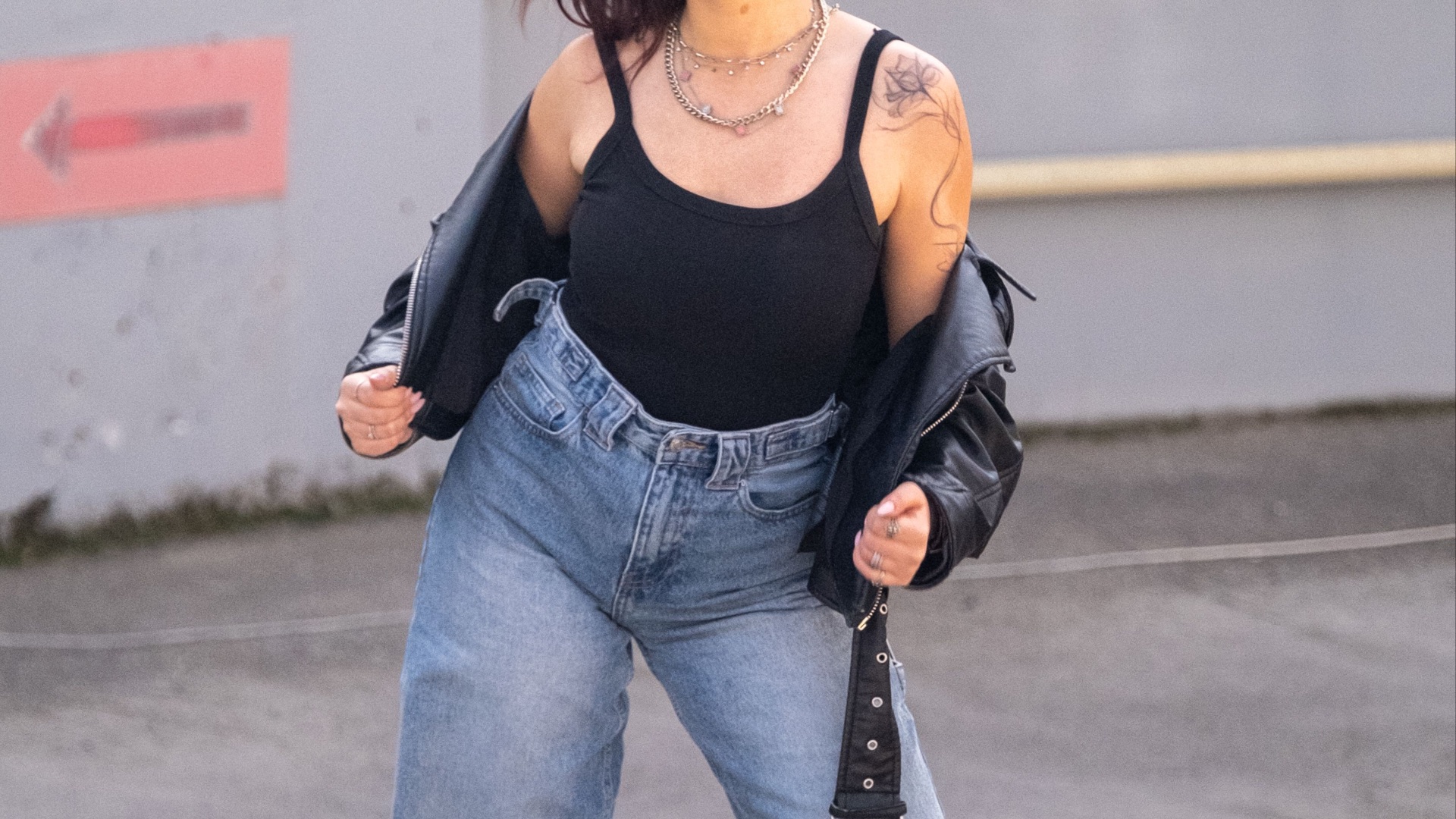
6. Play with Texture Contrast
Mixing a smooth, flowy fabric with something more structured, like leather or denim, adds visual interest without adding bulk. This kind of texture contrast draws the eye around the outfit instead of letting it register as one big shapeless mass. It's an easy way to make a baggy outfit feel more curated and less accidental.
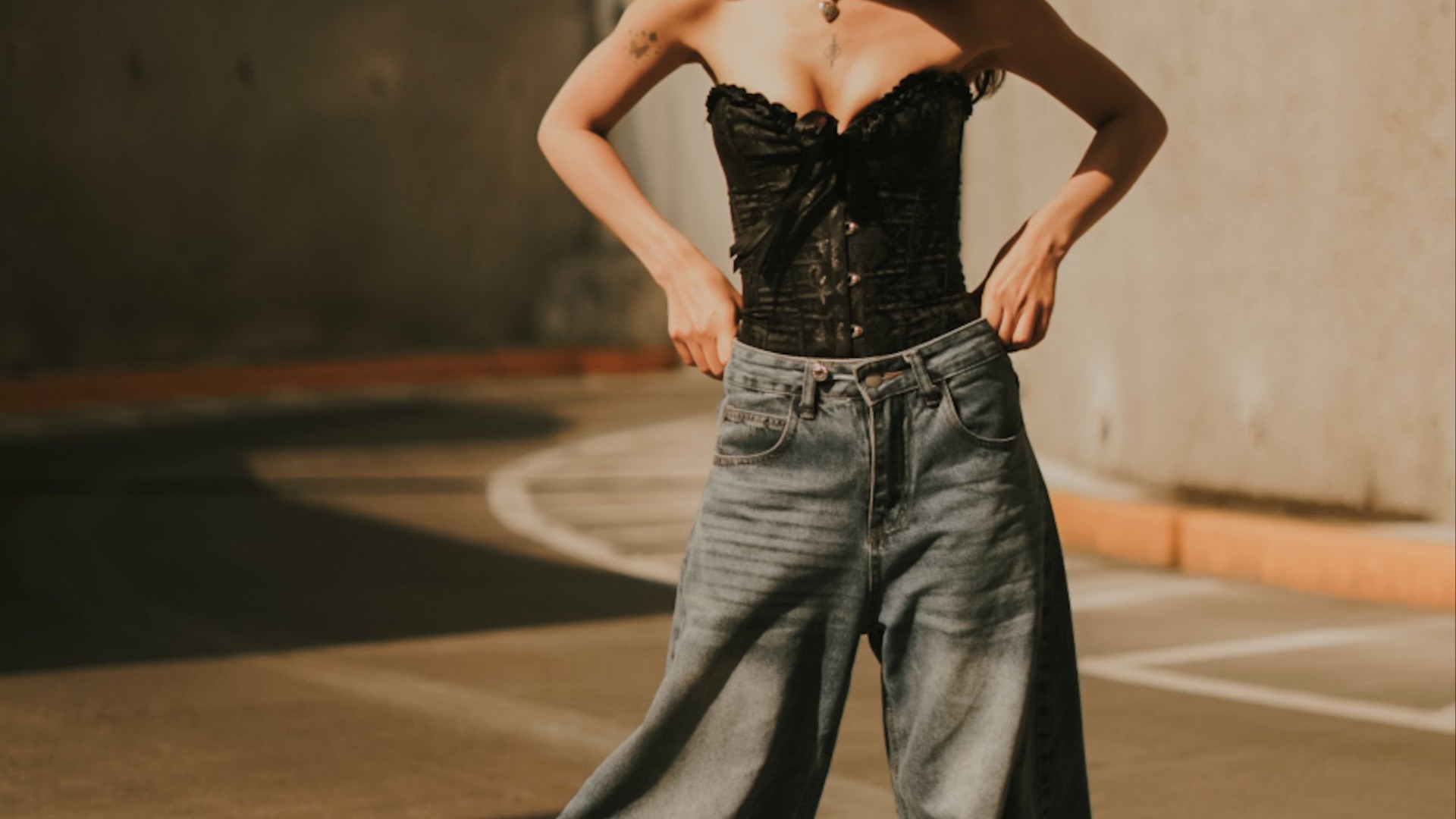
7. Anchor with Statement Accessories
A bold bag, a stack of jewelry, or a standout pair of sunglasses gives people something specific to focus on besides the volume of your clothing. These smaller details signal that your outfit was put together on purpose rather than thrown on in a hurry. Accessories also give you an easy way to inject personality into an otherwise simple, oversized look.
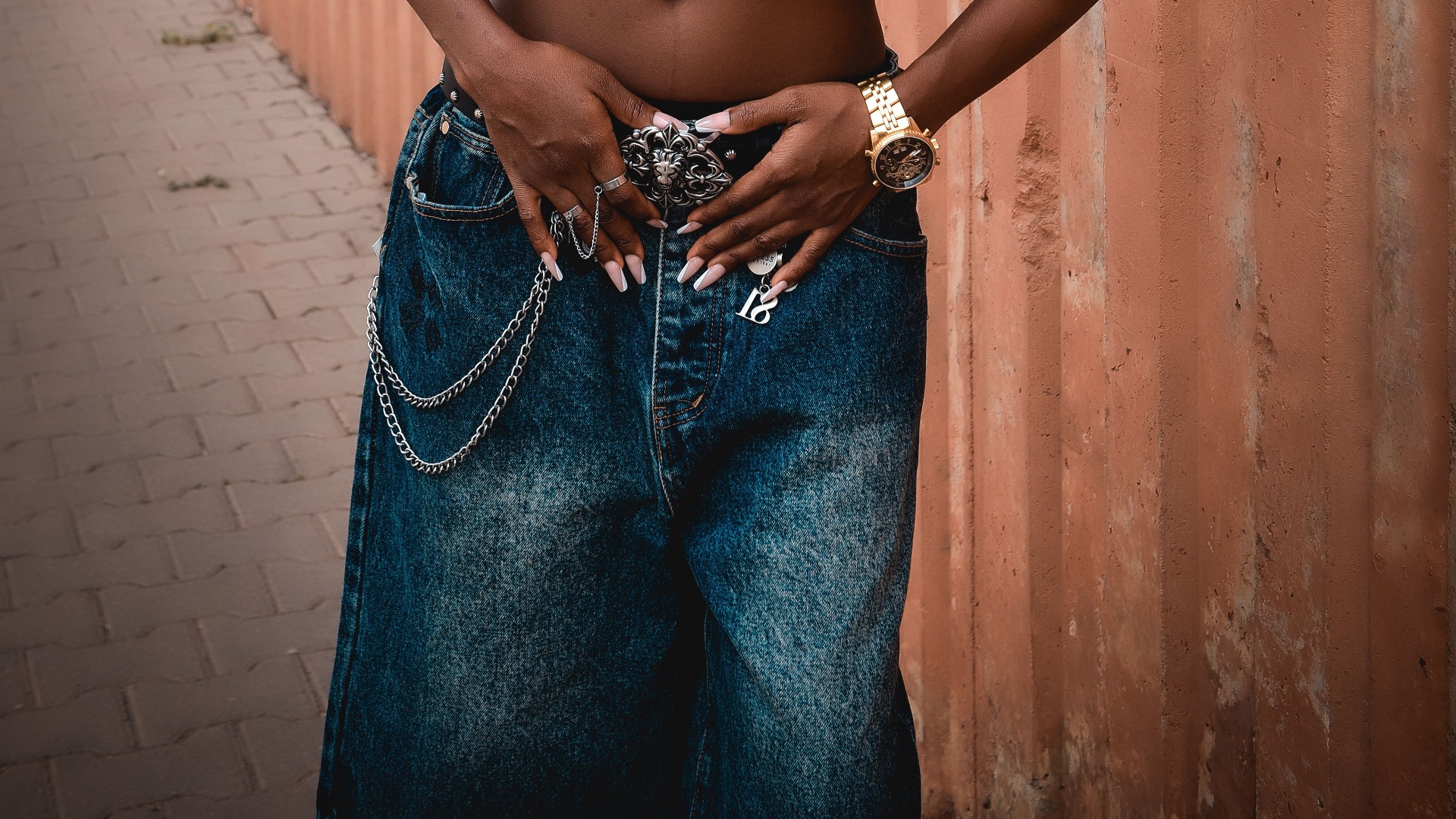
8. Get Key Pieces Tailored
Taking an oversized blazer to a tailor for a slight shoulder adjustment, or having pants hemmed to the right length, makes an enormous difference in how professional and intentional the piece looks. Tailoring doesn't mean sizing down or losing the relaxed silhouette entirely; it just means removing the excess fabric that doesn't serve the look. Even minor alterations can take a bargain find and make it look custom-fit.
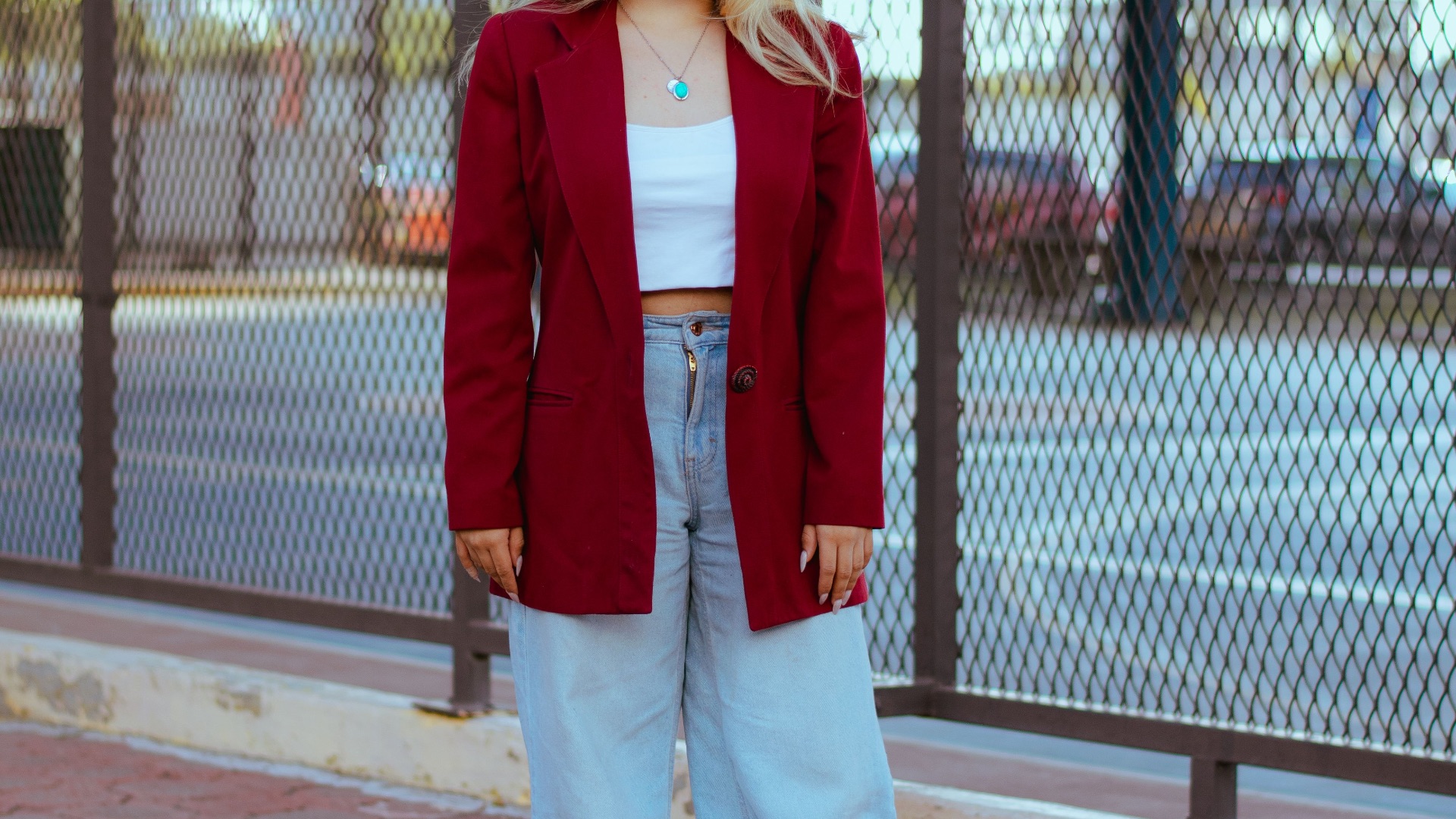
9. Stick to One Dominant Loose Piece
Building your outfit around a single statement piece, whether that's an oversized coat or wide-leg trousers, and keeping everything else more streamlined creates a cleaner overall silhouette. This approach prevents the layered, bulky look that happens when too many loose garments compete for attention. It also makes getting dressed easier since you only have to build around one focal point.
10. Trust Monochromatic Color Schemes
Wearing baggy pieces in a single color family, from light to dark, creates a streamlined vertical line that makes you look taller and more put together. This monochromatic approach minimizes visual breaks across your body, which can otherwise make an oversized outfit look choppier than intended. It's a foolproof styling trick that works whether you're dressing up wide-leg pants or an oversized dress for the day.