
20 Fashion Accessories Women Used to Keep Unwanted Men Away
When Fashion Was About More Than Looking Good
Fashion has always been a form of self-expression, but throughout history, certain accessories have also helped women maintain their personal space and avoid unwanted attention. Long before modern personal safety devices were available, women turned to everything from sharp hatpins to elaborate veils to feel more secure in public. While some accessories were specifically created for protection, others proved surprisingly useful for keeping unwanted admirers at a distance, even if that wasn't their intended purpose. Here are 20 fashion accessories that helped women establish boundaries, maintain their privacy, or simply make it more difficult for men to get too close.
 San Francisco Sunday Call on Wikimedia
1. Extra-Long Hatpins
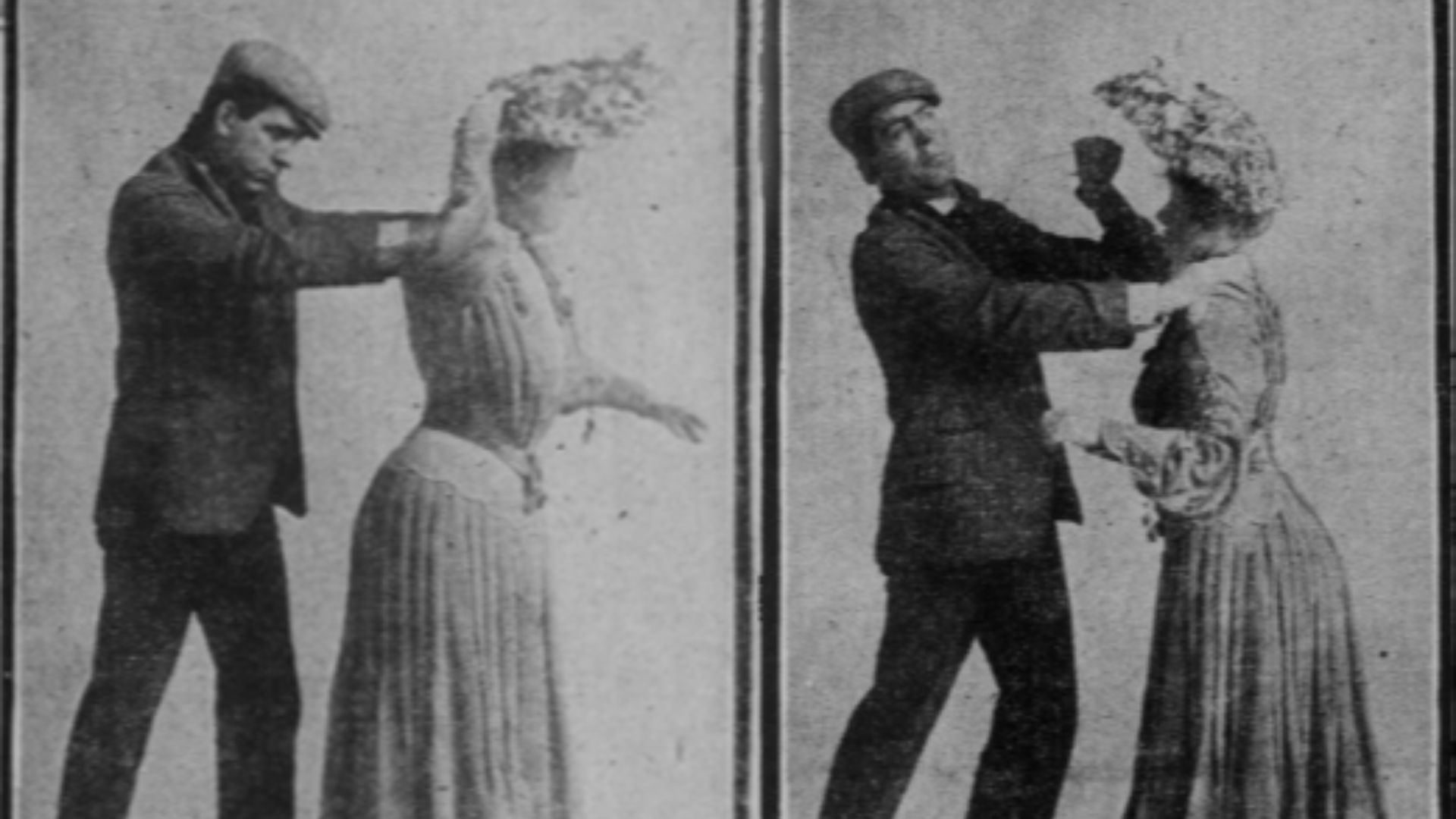
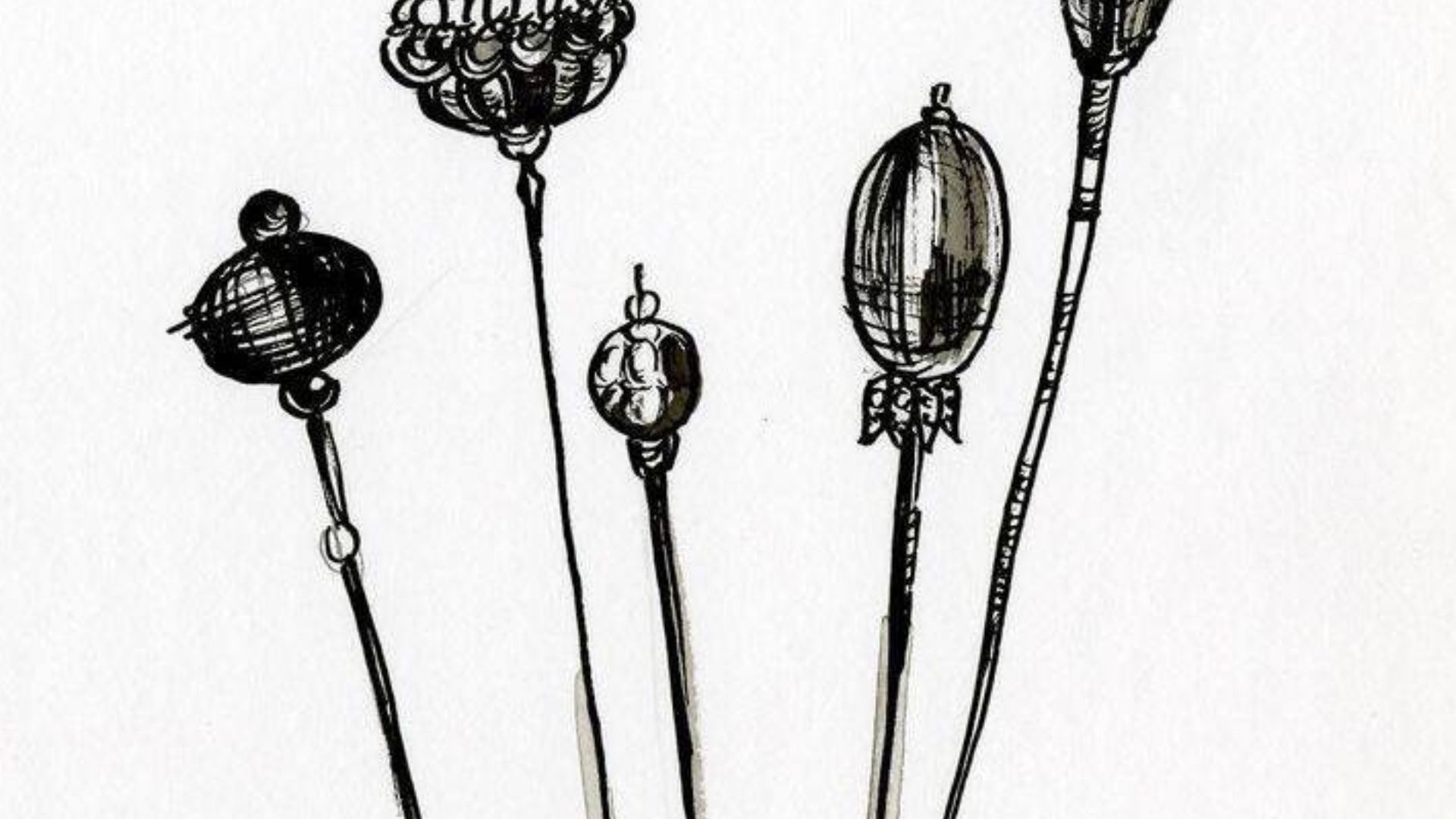
During the late 1800s and early 1900s, women wore huge decorative hats that needed equally impressive pins to hold them in place. Although these accessories were originally intended to secure headwear, women soon realized they could also discourage men who touched them without permission. Some hatpins reached nearly a foot in length, and concerns about their potential use as weapons eventually prompted several cities to introduce restrictions on how long they could be.
2. Fake Wedding Rings
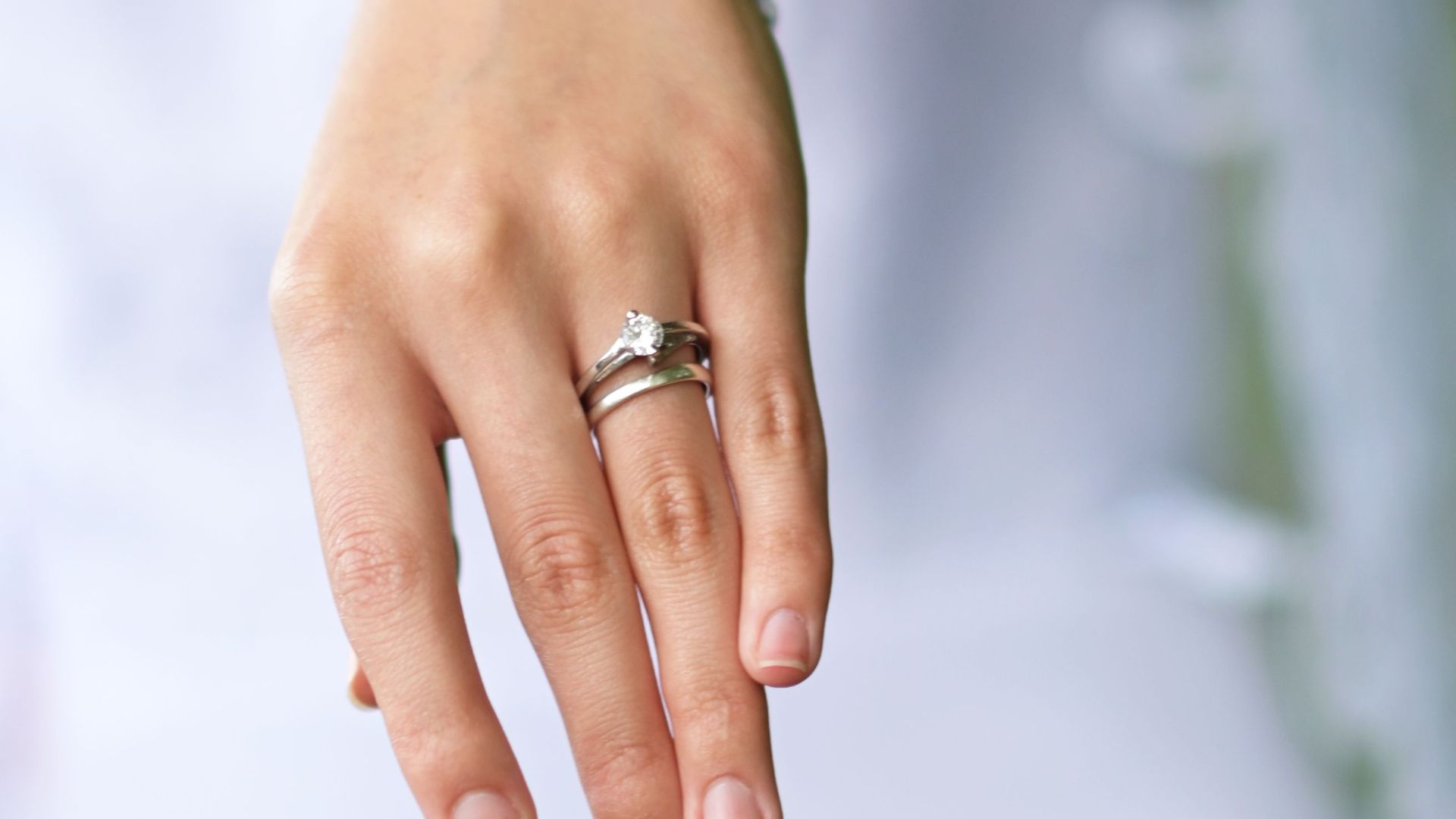
Some women wear fake wedding rings to discourage unwanted advances without having to explain that they're not interested. By creating the impression that they're already married, these simple accessories can make certain men less likely to approach them romantically. Although wedding rings weren't originally invented for this purpose, imitation versions are sometimes worn specifically to avoid unwanted attention, especially when women are traveling alone or going out.
3. Sharp Hairpins
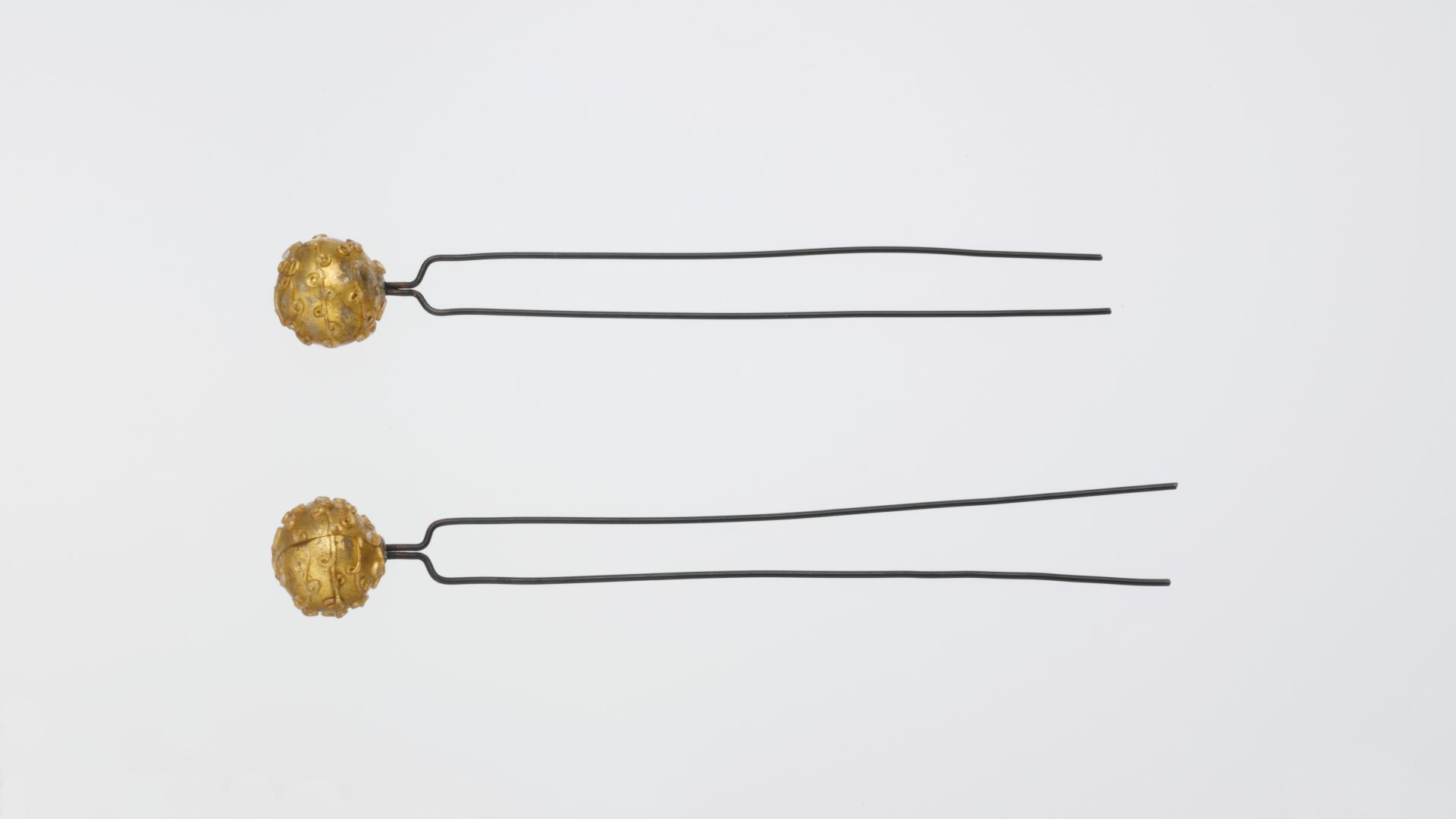
Before modern hair clips became widely available, women used metal and wooden pins to keep their elaborate hairstyles in place. While these accessories were designed for practical purposes, their pointed ends could also serve as an improvised form of protection. Stronger, sharper versions were particularly useful in situations where a woman needed to defend herself against an unwanted advance.
4. Victorian Mourning Veils
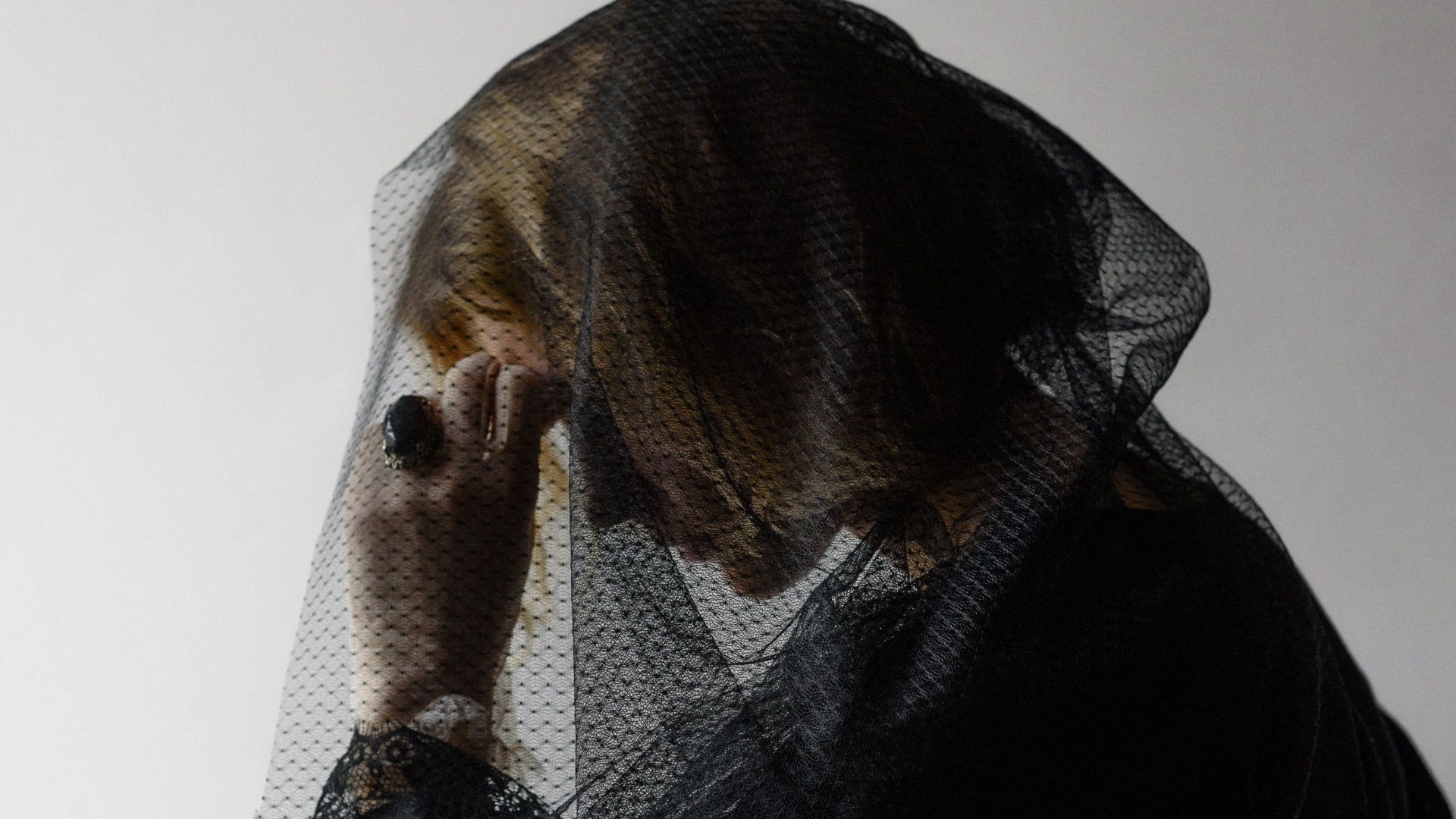
In Victorian society, widows often wore long black veils that covered their faces while publicly acknowledging the death of their husbands. These accessories weren't specifically created to discourage romantic attention, but they made it clear that the wearer was going through a period of grief and social withdrawal. Since mourning etiquette often discouraged widows from participating in social gatherings, the veil helped communicate that their usual social obligations had temporarily changed.
5. Sturdy Walking Umbrellas
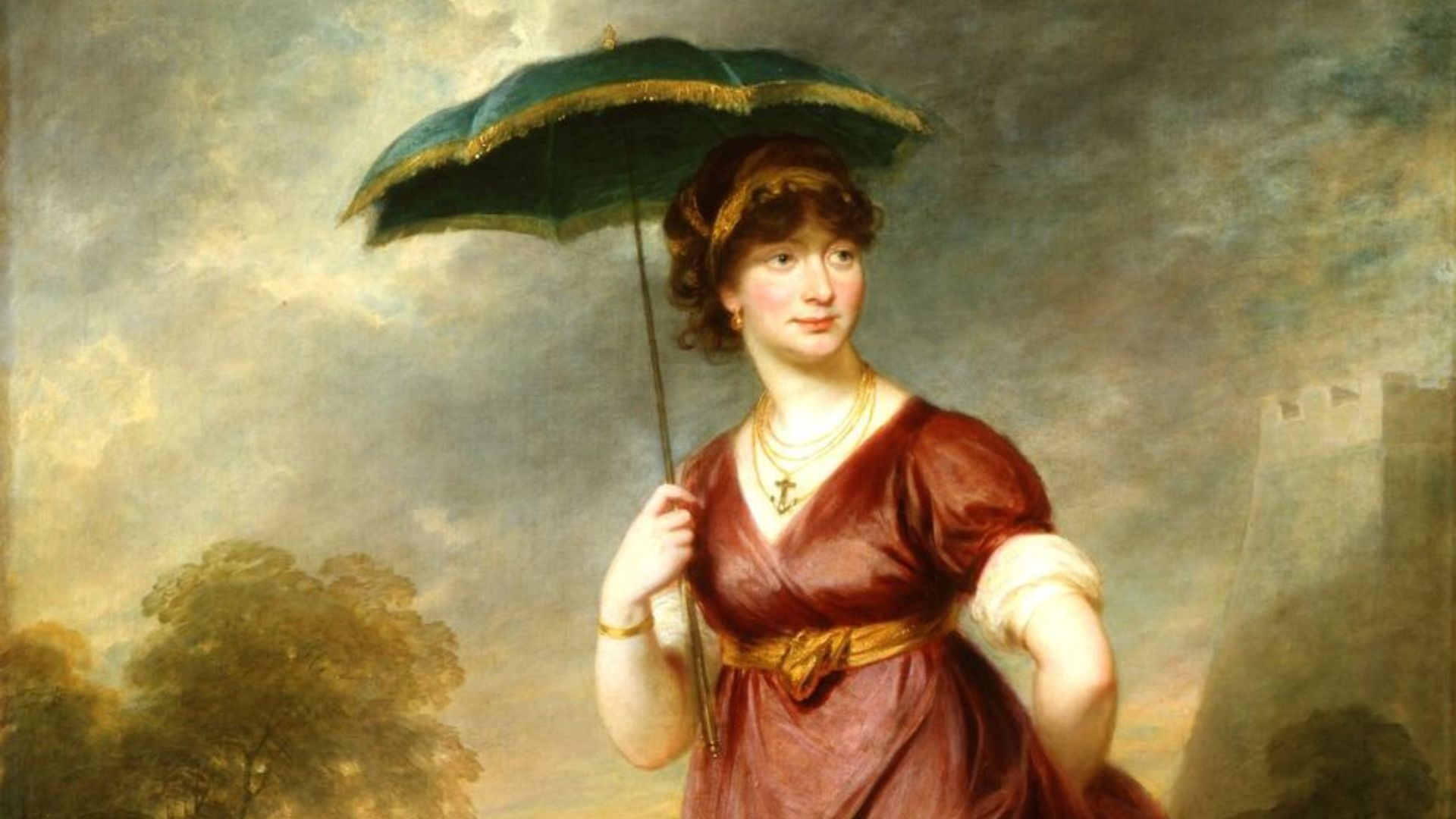
Before personal safety products were readily available, carrying an umbrella could offer some reassurance to a woman traveling alone. Certain designs featured solid wooden handles or metal components that made them much stronger than their appearance suggested. Historical self-defense guides even discussed using umbrellas to fend off attackers, despite the fact that they were originally intended to keep people dry during bad weather.
6. Self-Defense Hatpins
As women became increasingly concerned about unwanted attention in public during the early 1900s, some manufacturers began promoting hatpins designed specifically for self-defense. Unlike ordinary hatpins used to secure elaborate headwear, these versions featured sharp, sturdy points that could help women fend off aggressive strangers. They offered a discreet way to carry some protection without attracting attention, especially when traveling alone.
San Francisco Sunday Call on Wikimedia
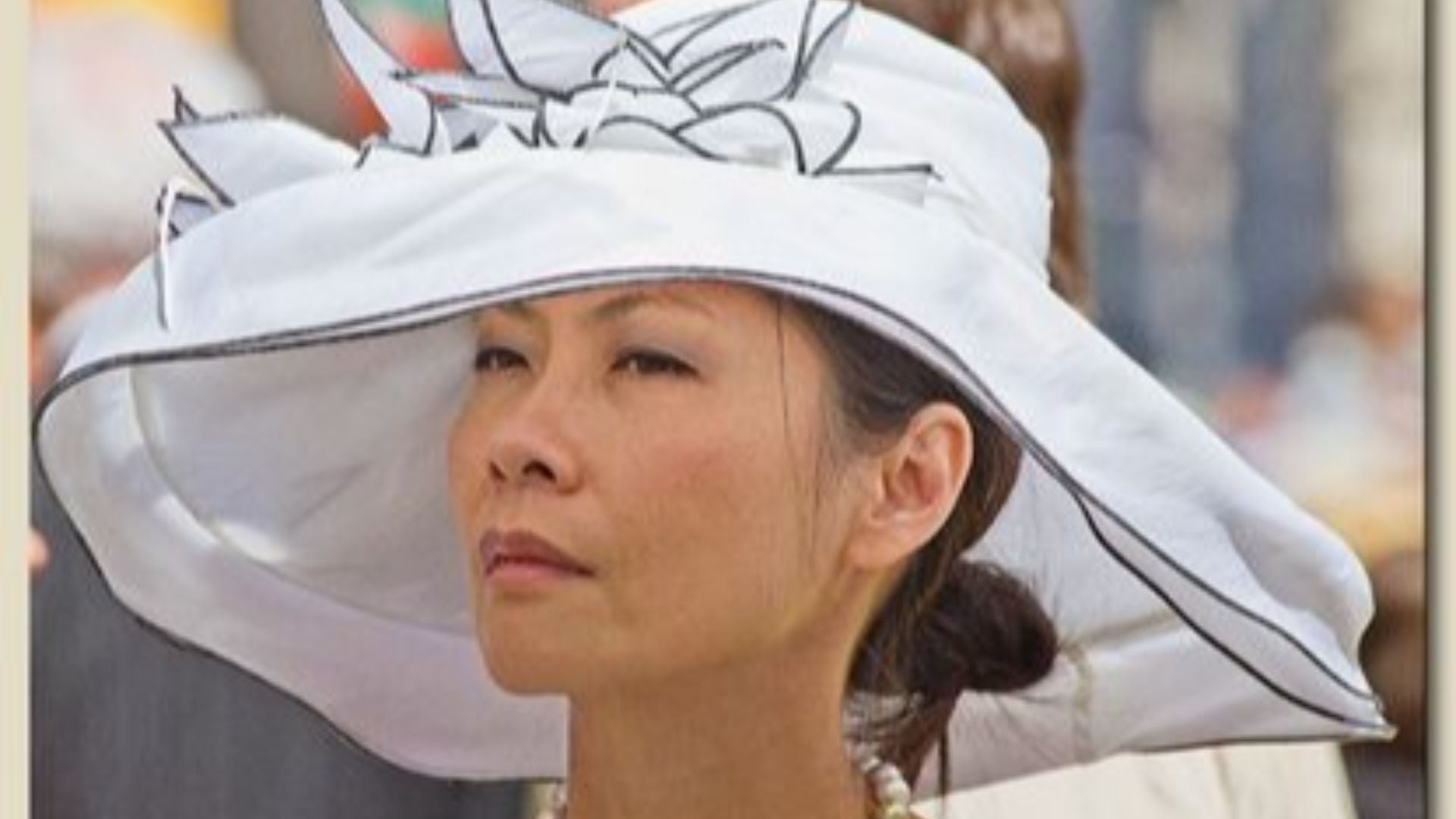
7. Wide-Brimmed Hats
During the Edwardian era, fashionable women's hats sometimes reached extraordinary sizes, featuring wide brims covered in feathers, ribbons, and artificial flowers. While attractive to look at, their sheer size could make close physical contact rather difficult. Anyone attempting to lean in for an unwelcome kiss might have discovered that getting past all that headwear was easier said than done.
8. Black Mourning Fans
Fans were once considered essential accessories for women attending formal events, although Victorian mourning customs introduced much darker versions. Often made from materials like black silk, these fans helped indicate that a woman was grieving rather than taking part in ordinary social celebrations. They weren't invented to discourage romantic advances, but their connection to mourning could make it clear that flirting wasn't particularly appropriate.
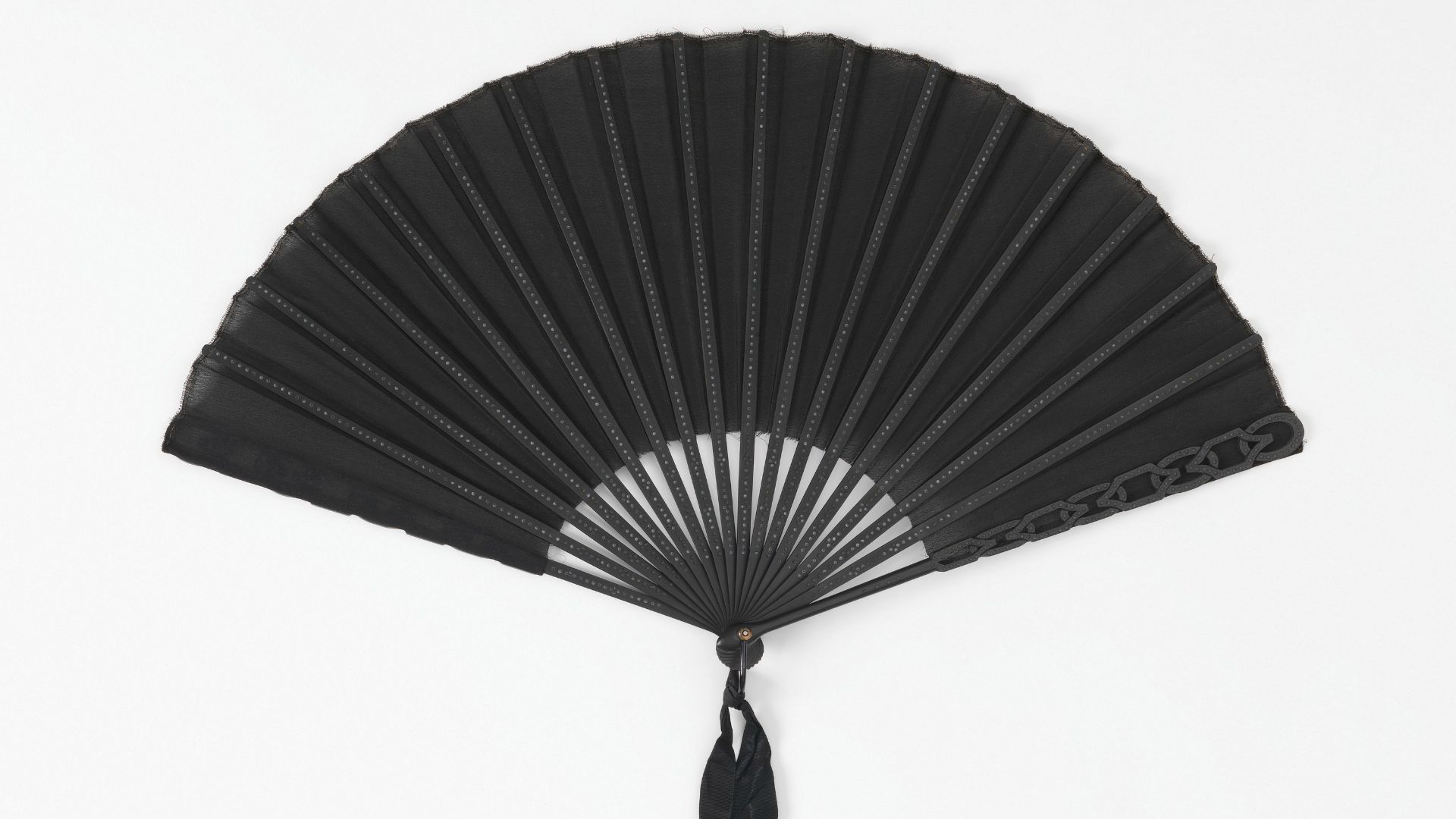 Made by Duvelleroy on Wikimedia
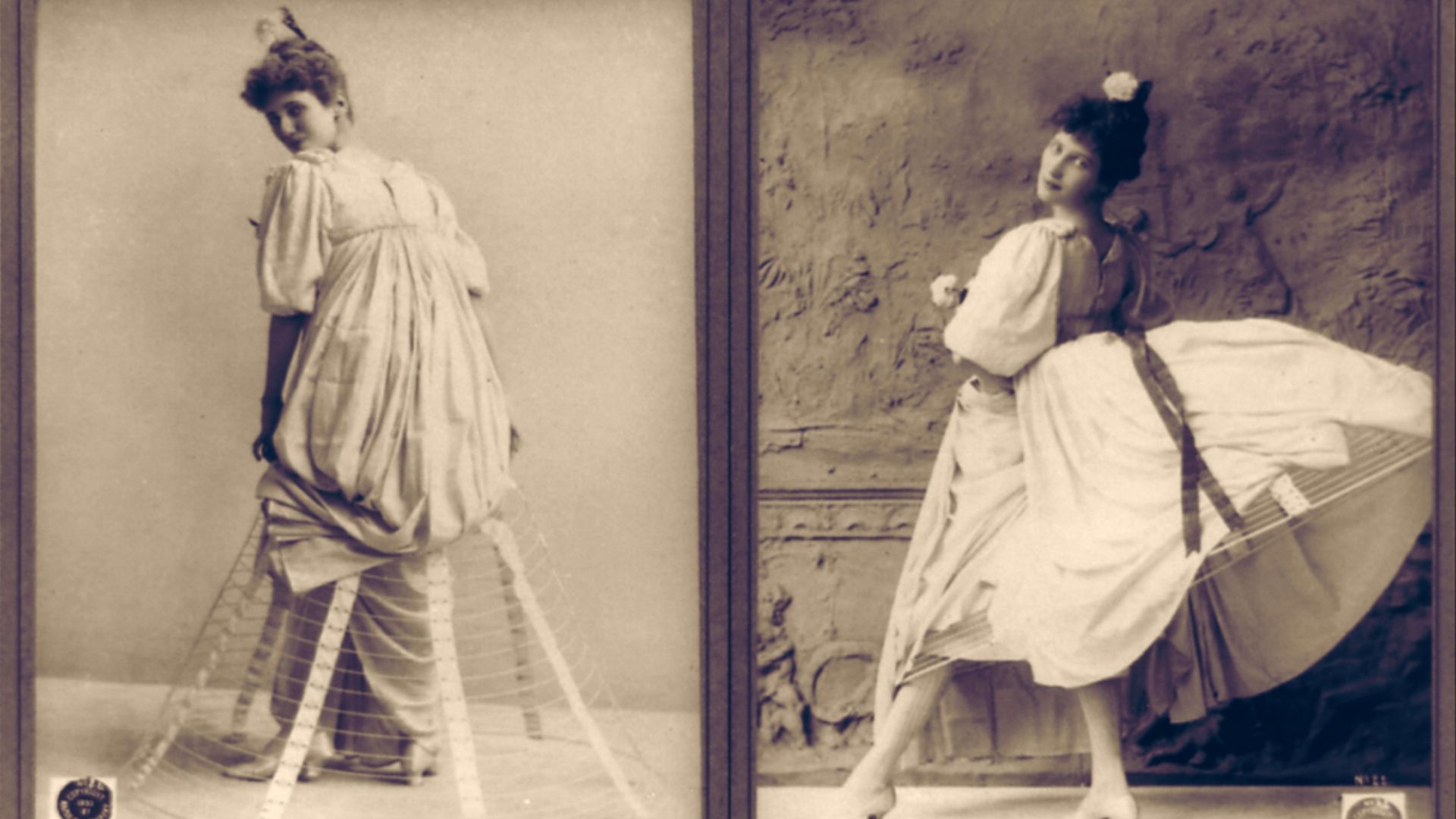
9. Hoop Skirts
During the nineteenth century, hoop skirts allowed women to achieve dramatically wide silhouettes. Although their main purpose was to create a fashionable shape, the rigid framework also formed a physical barrier around the wearer's body. Any man hoping to stand a little too close would have to navigate the considerable amount of space the skirt occupied.
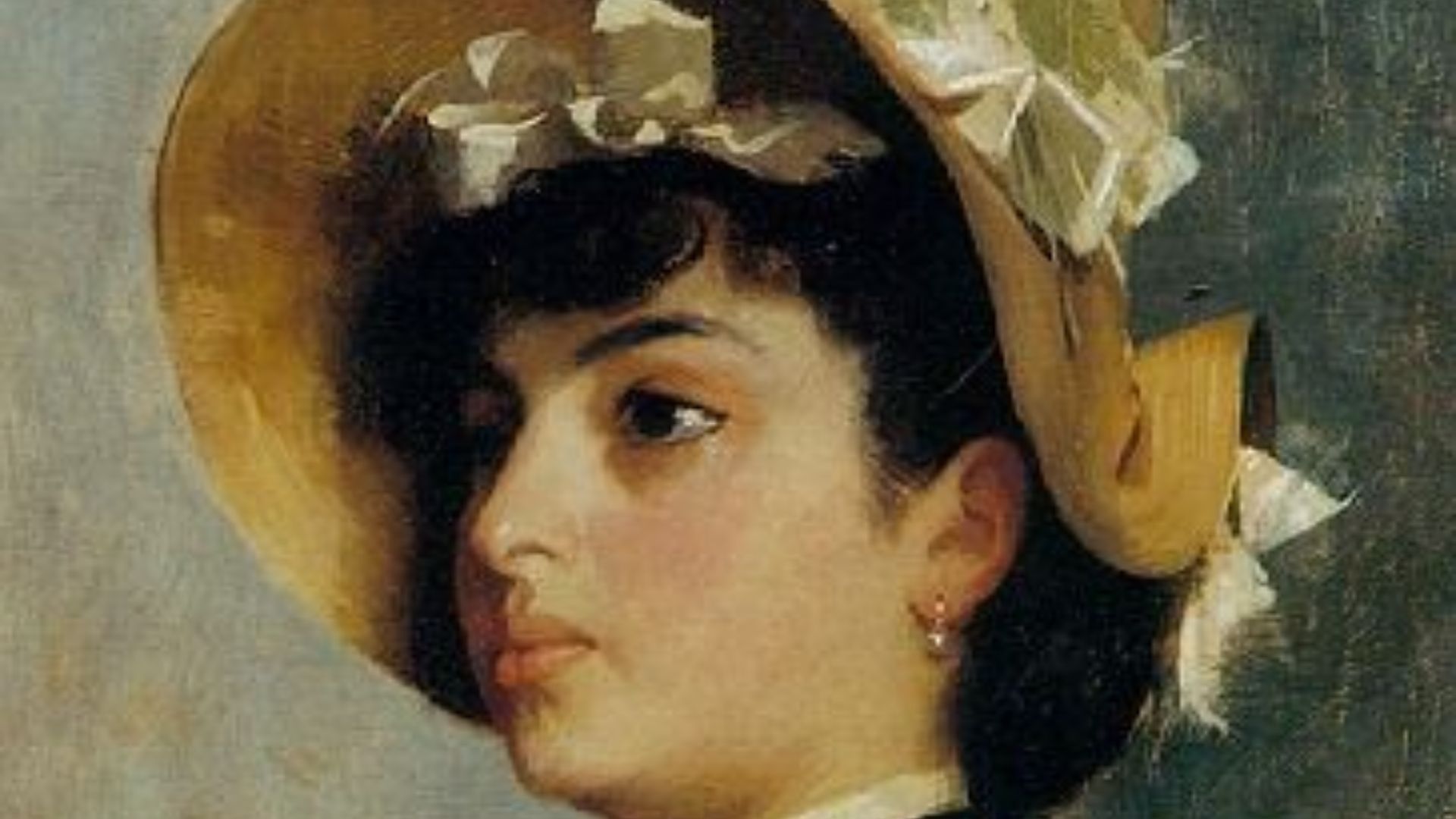
10. Decorative Bonnet Pins
Before the oversized hats of the Edwardian era became fashionable, women commonly secured their bonnets with ribbons, pins, and other decorative fasteners. While these accessories were designed to keep headwear firmly in place, pointed metal versions could also come in handy during an uncomfortable encounter. Much like the longer hatpins that became popular later, they showed how an everyday fashion accessory could have a completely different use when personal safety was involved.
11. No-Contact Jackets
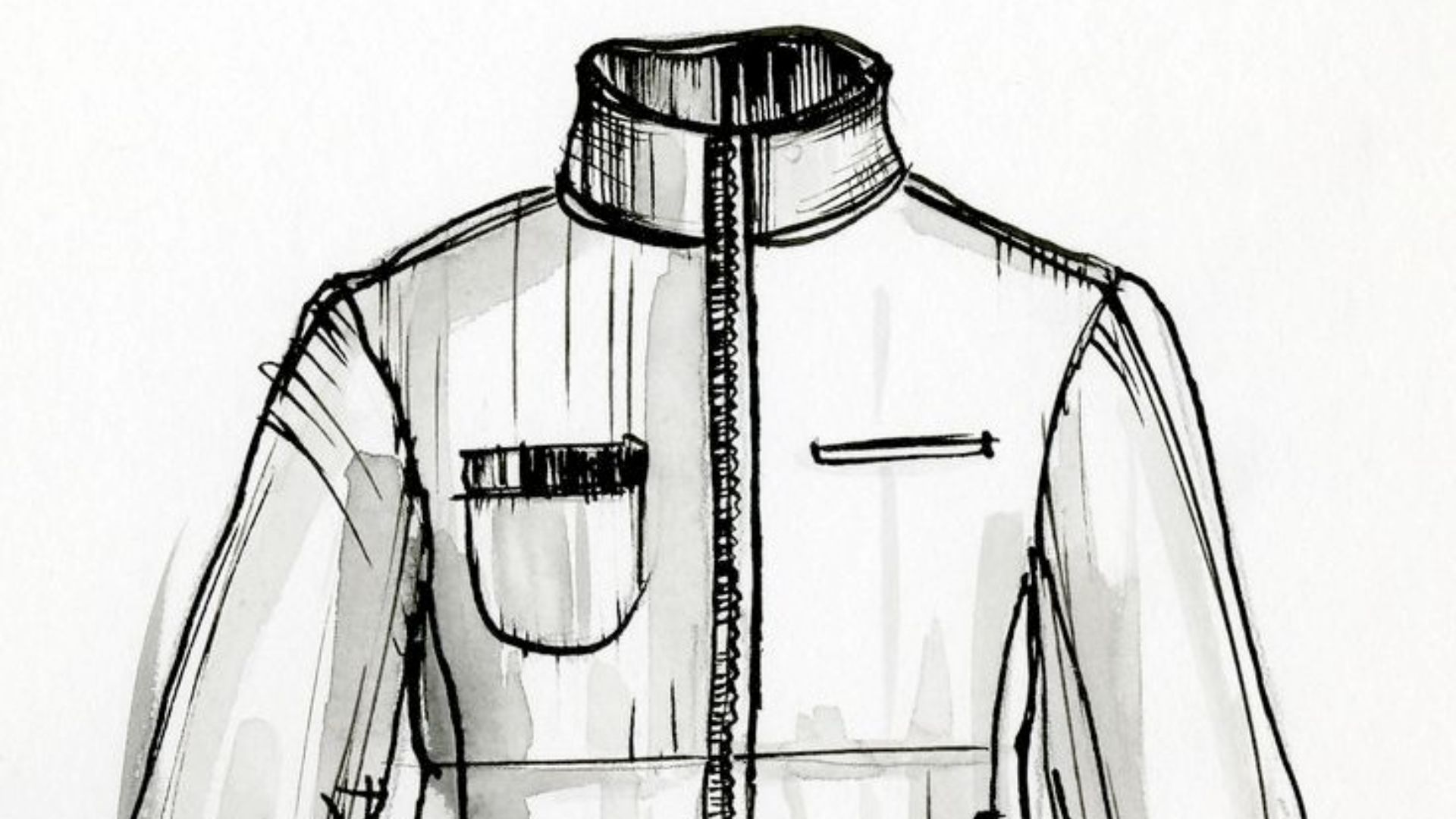
In 2003, designers Adam Whiton and Yolita Nugent introduced the No-Contact Jacket, an unusual piece of outerwear created to protect women from unwanted physical contact. Although it looked like an ordinary fashionable coat, the jacket contained conductive materials capable of delivering an electrical shock when activated by the wearer. The invention was specifically designed to discourage assault and give women a way to defend themselves against attackers.
12. Jet Mourning Jewelry
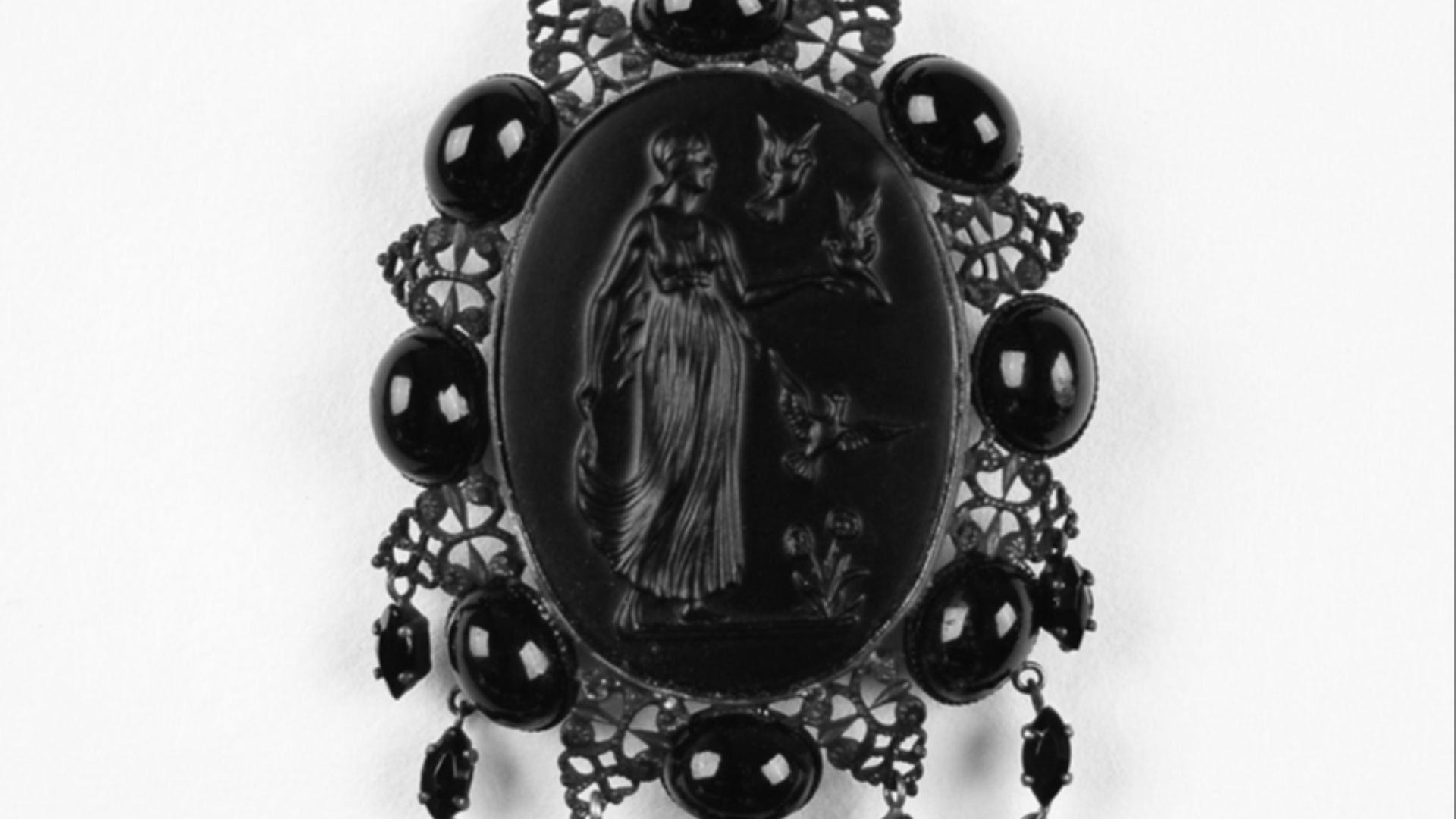
Black jet jewelry became especially popular during the Victorian era, when mourning came with detailed expectations about what women were allowed to wear. Necklaces, brooches, and bracelets made from the dark material let women continue accessorizing while respecting those social rules. Although a jet necklace couldn't physically stop someone from approaching, it could communicate that the wearer was grieving and to therefore not make advances.
13. Mourning Gloves
Gloves were another accessory influenced by Victorian mourning etiquette, with black styles replacing brighter everyday options during periods of bereavement. Wearing them helped complete an outfit that publicly acknowledged a woman's loss and the social restrictions that came with it. Their importance was largely symbolic rather than protective, and they weren't originally designed to reject men or prevent unwanted advances.
 Ricardo Gomez Angel on Unsplash
14. Self-Defense Gloves With Metal Claws
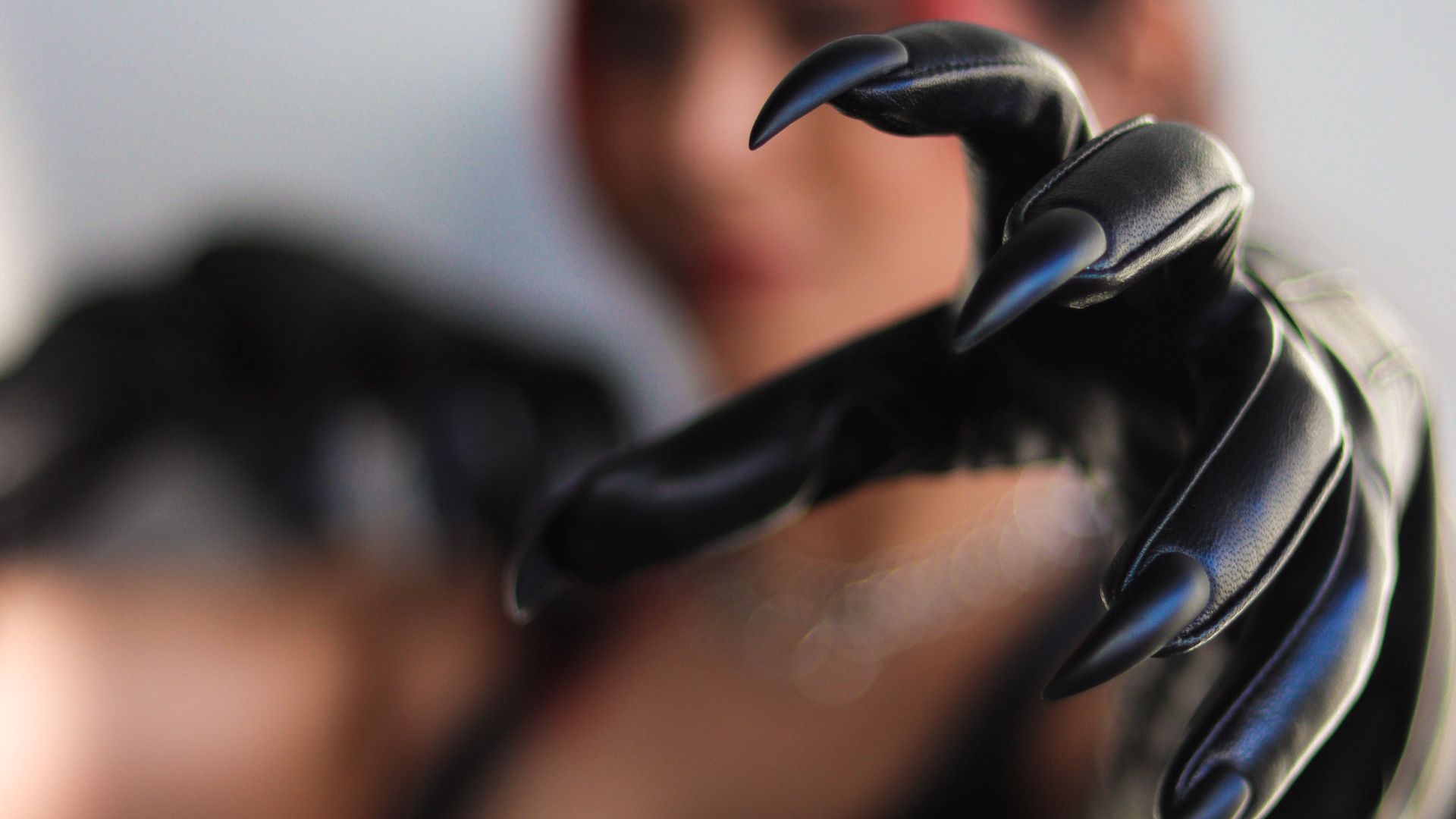
In 1904, British inventor Louisa Llewellin patented an unusual pair of gloves designed to protect women traveling alone from attackers. Unlike ordinary gloves, these featured sharp steel claws attached to the fingertips, allowing the wearer to scratch an assailant who tried to grab her. Llewellin believed that simply displaying the claws could discourage unwanted advances, making the accessory both a physical defense tool and a warning to potential attackers.
15. Panic-Button Rings
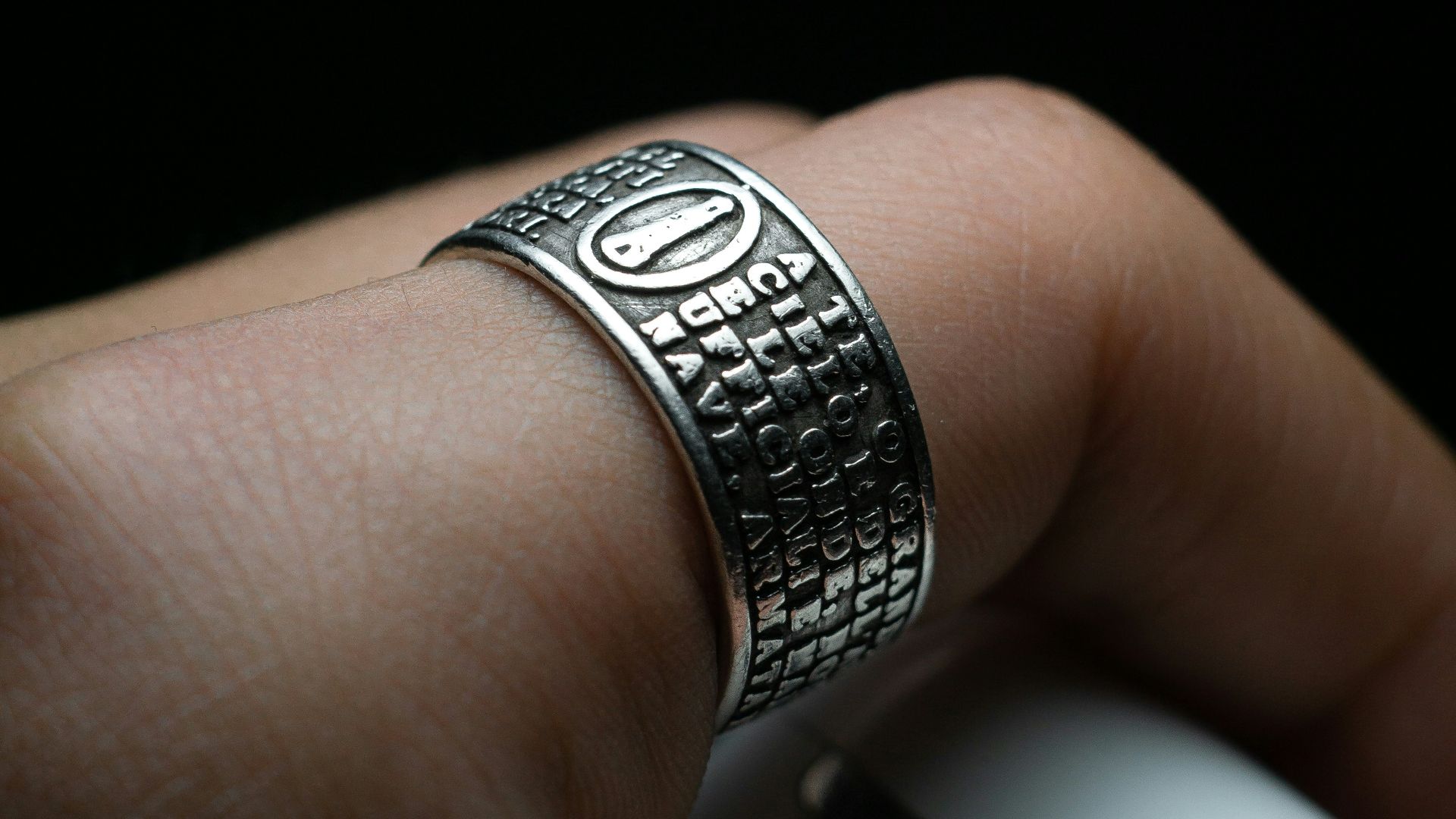
Unlike many historical accessories, modern emergency-alert rings have actually been created with personal safety as their main purpose. In 2016, the Nimb ring gained attention for featuring a concealed panic button that could send an emergency alert when activated. Its developers wanted to give people a convenient way to call for help when reaching for a phone wasn't an option, making the jewelry much more functional than it initially appeared.
16. Safety-Alert Pendants
Some necklaces have been specifically designed to help women get out of uncomfortable or potentially dangerous encounters. The Guardian Angel pendant, introduced in 2014, featured technology that could trigger a simulated incoming phone call, giving the wearer a convenient excuse to leave an unwanted interaction. It also offered a way to send an emergency message containing location information to a chosen contact, although its usefulness depended on the situation and whether the technology worked properly.
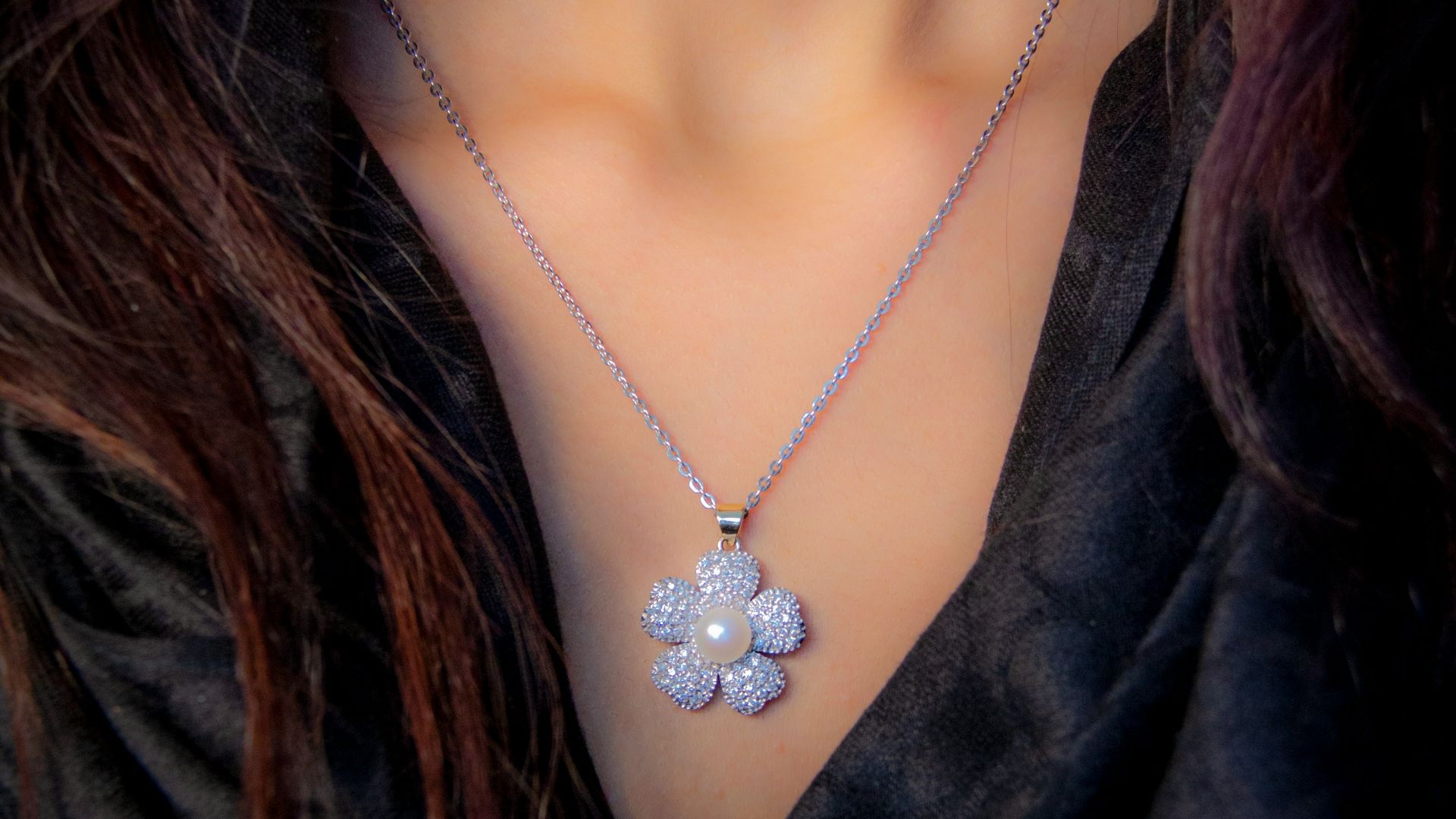
17. Concealed Alarm Charms
Modern designers have also developed charms that resemble ordinary fashion accessories while secretly containing emergency-alert technology. The Athena device, created by Roar for Good, could be attached to a necklace, key ring, or clothing and offered options for sounding an alarm or sending a discreet alert. Its main purpose was to make requesting assistance easier without forcing women to carry an obvious personal safety device.
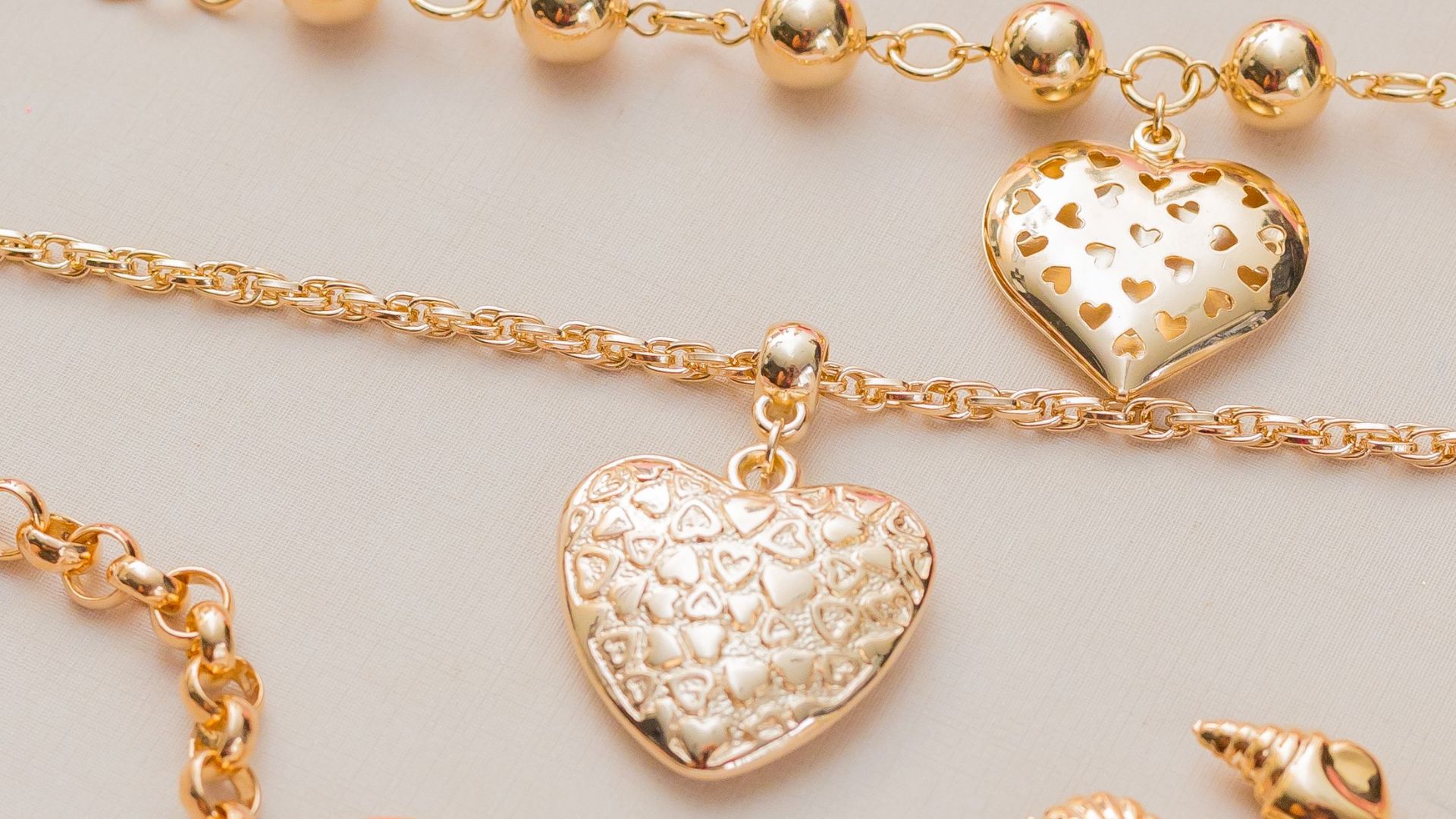
18. Emergency-Alert Bracelets
Bracelets might not immediately come to mind when you think about personal safety equipment, but some modern designs contain technology that can contact trusted people during an emergency. InvisaWear, founded in 2016, created discreet accessories inspired by its co-founder's experiences and concerns surrounding women's safety. These designs were meant to help users request assistance quickly without having to dig through their belongings to find a phone.
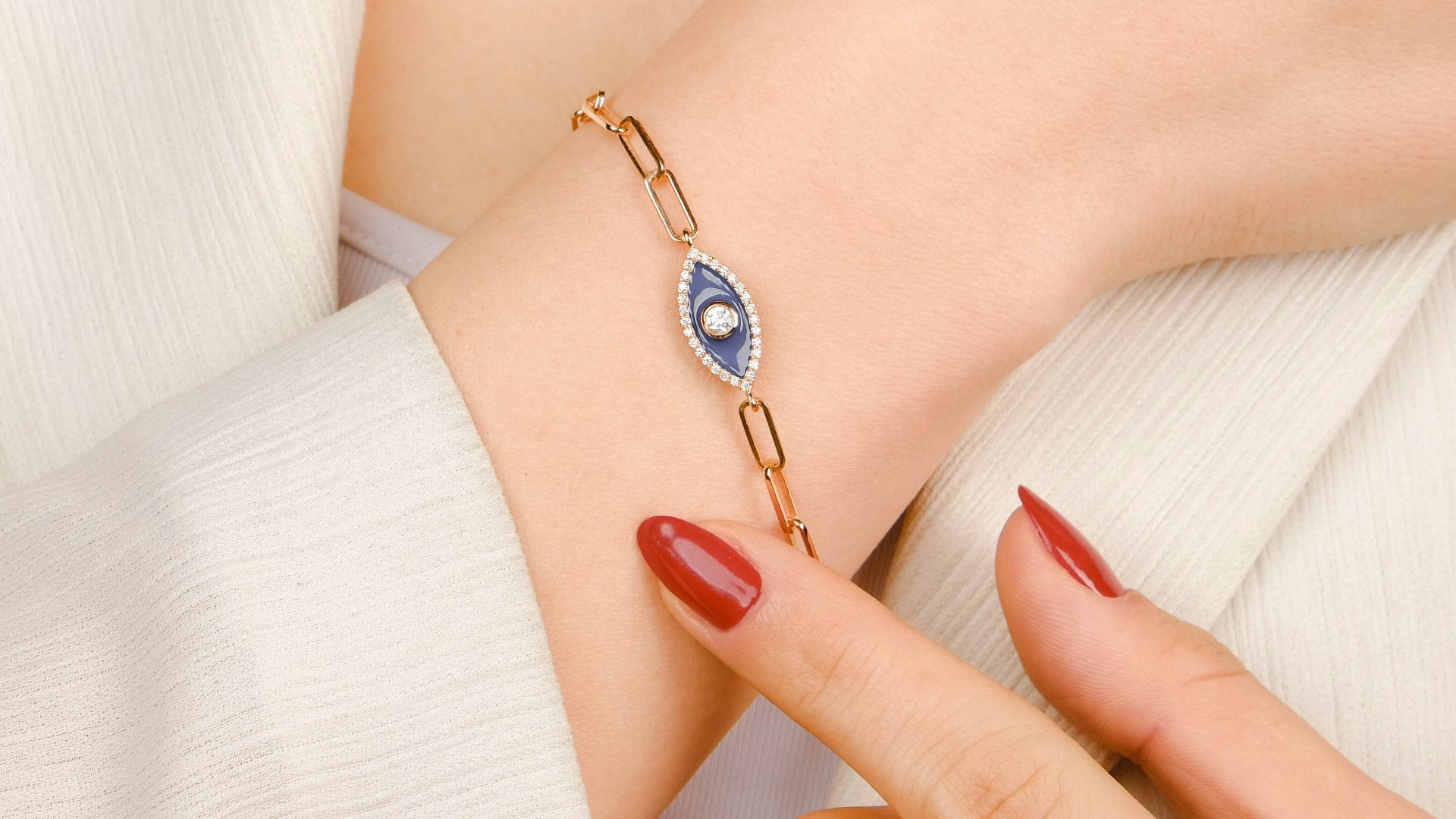
19. Personal Safety Scrunchies
Even something as ordinary as a hair scrunchie has received a safety-focused upgrade in recent years. Certain InvisaWear scrunchies feature a concealed button that can send an alert to emergency contacts, allowing the accessory to do much more than keep your hair out of your face. The goal is to make requesting help easier and less noticeable, especially when someone feels uncomfortable or threatened by an unwanted approach.
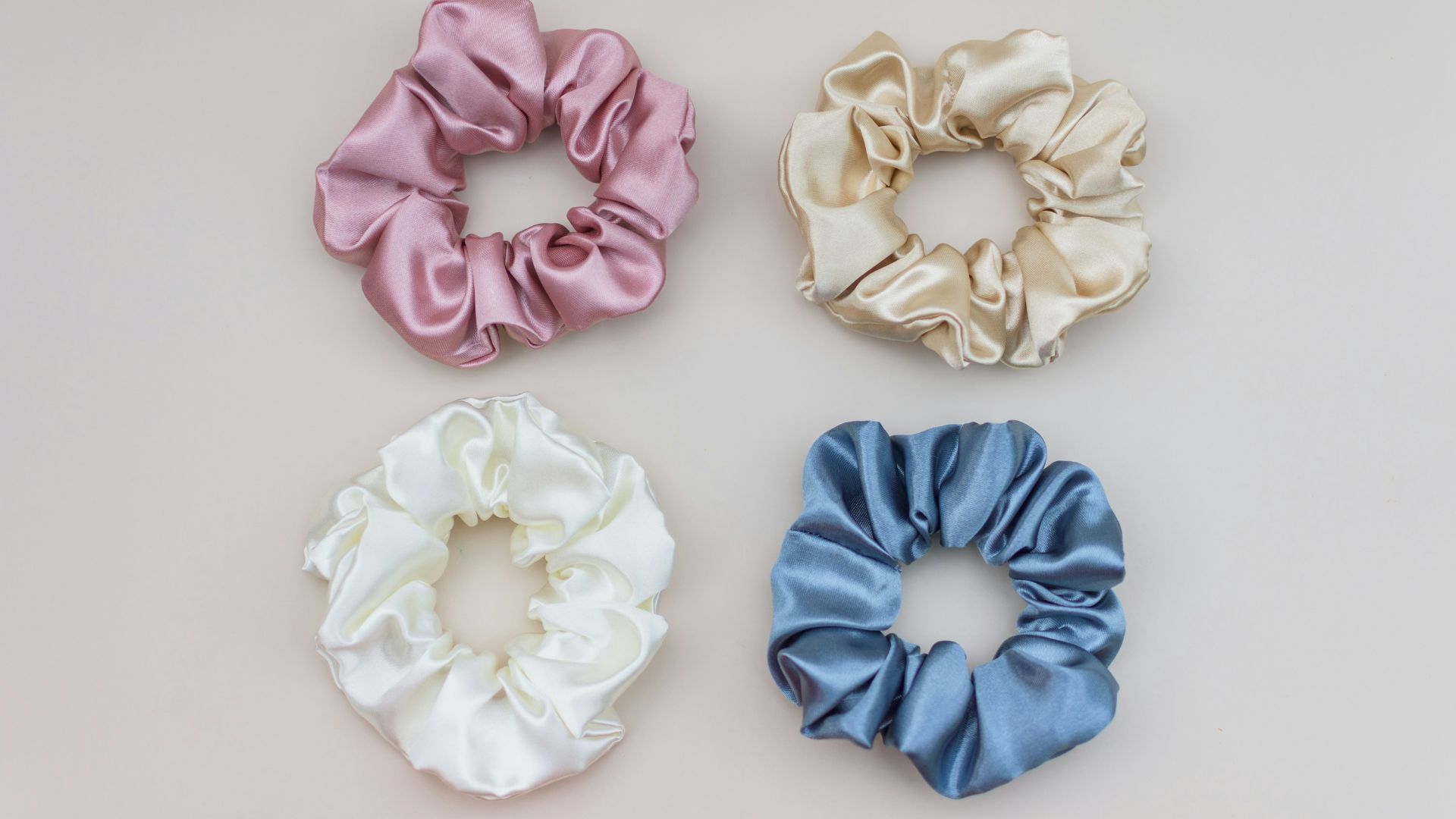 John Carlo Tubelleza on Unsplash
20. Wearable Alarm Keychains
Keychains have become another convenient way to carry personal safety devices while still showing off your personal style. Some contemporary versions feature loud electronic alarms, while others include buttons that can send emergency alerts using connected technology. Unlike historical accessories that women found ways to adapt for protection, these fashionable gadgets were intentionally designed to help people respond when they feel threatened.