Dangerous Threads
Fashion has always been about making a statement, but some historical garments took that idea a bit too literally by being genuinely hazardous to your health. While we usually think of a "cursed" item as something haunted by a ghost, many of these outfits were dangerous because of the toxic chemicals and flammable materials used to make them look stylish. With that in mind, here are 20 clothing items famous for all the wrong reasons.
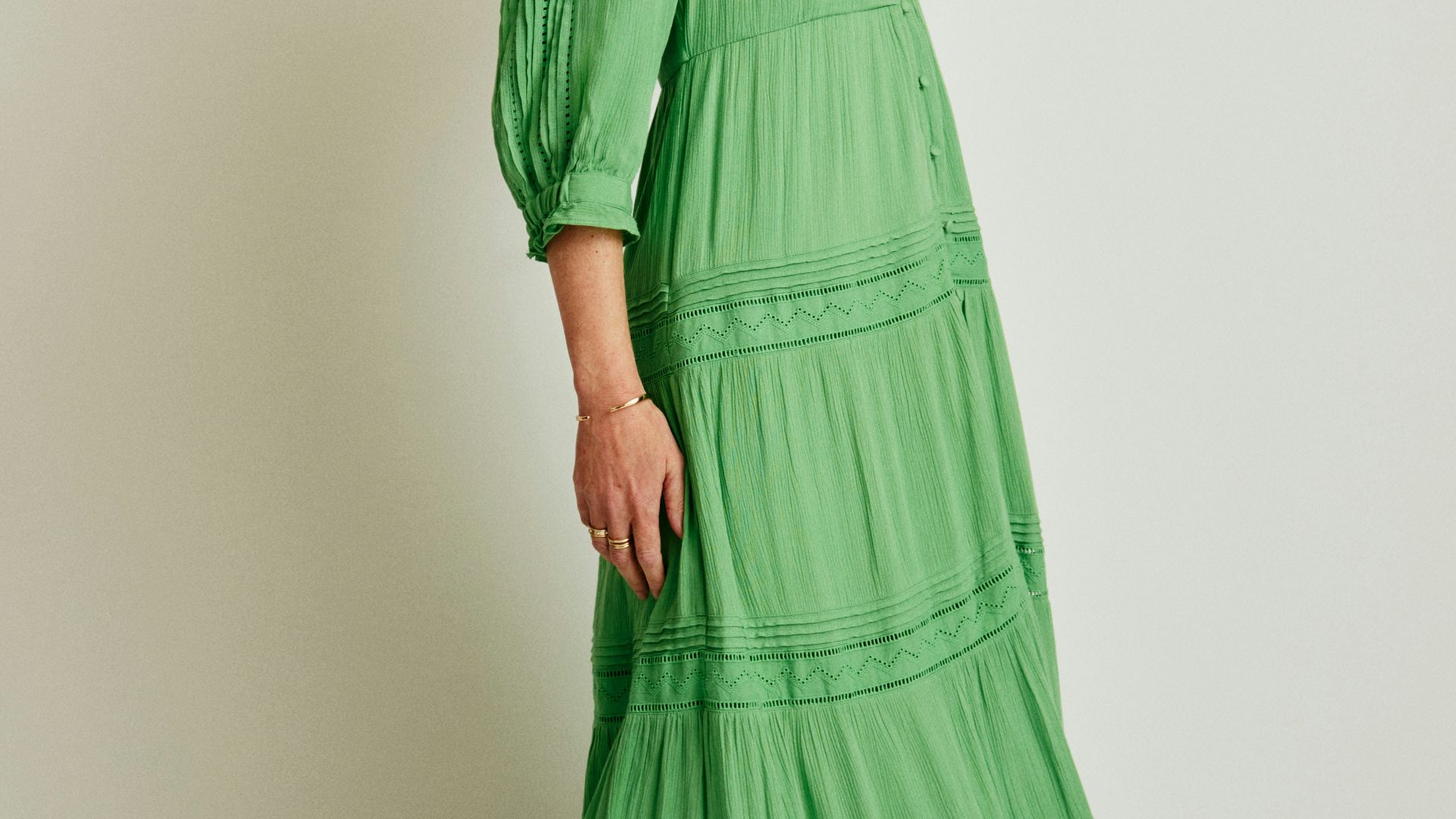
1. Scheele’s Green Dresses
Victorian women loved emerald green dresses. Unfortunately, the rich pigment used to dye these gowns also contained arsenic. Women wearing these dresses would develop open sores on their skin and become poisoned on the inside from exposure all night long.
 Centre for Ageing Better on Unsplash
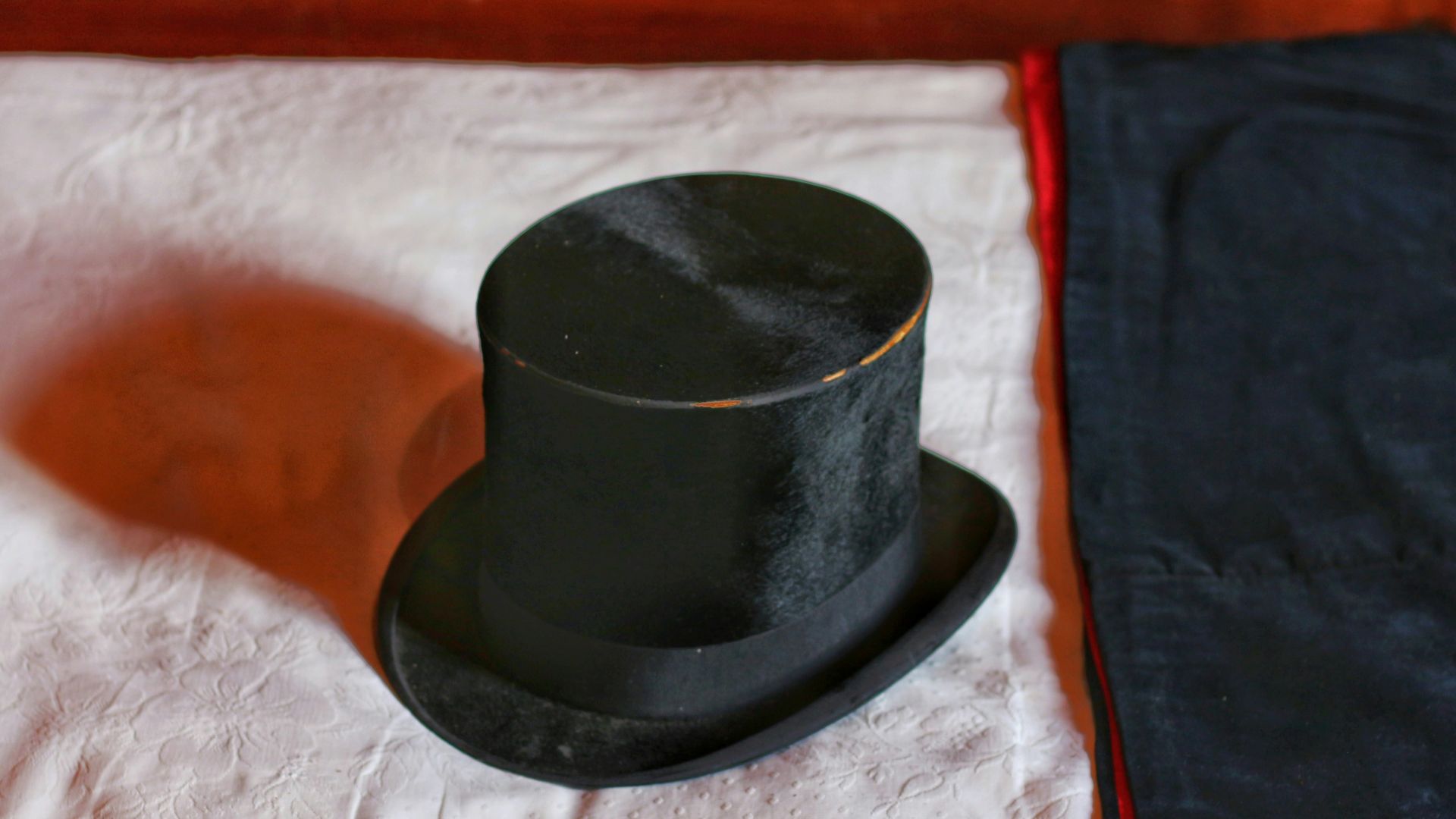
2. Mercury-Lined Top Hats
There’s a reason people used to say you were “mad as a hatter.” Tanneries used vats of mercury to transform animal pelts into felt for fashionable top hats. People who wore these hats every day eventually went insane from the vapors.
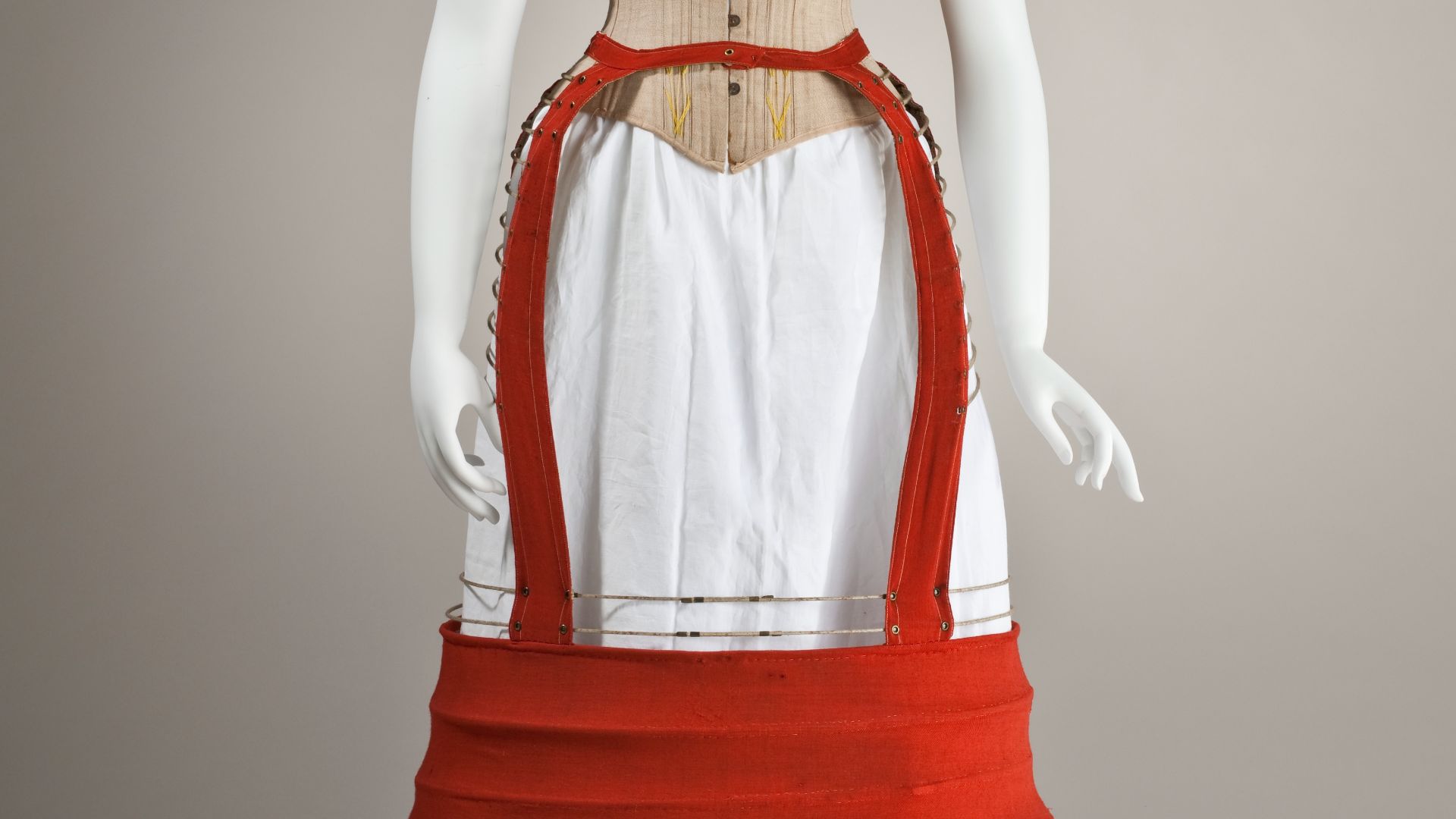
3. Highly Flammable Crinolines
Crinolines gave women that coveted hourglass figure. However, the materials they were made out of were incredibly flammable! There are many reports of women accidentally brushing up against a fireplace and catching fire before anyone could react.
 Unknown authorUnknown author on Wikimedia
4. Lead-Based White Face Powder
High-fashion women also used powdered white makeup on their faces. Regrettably, lead was a common ingredient in these toxic face powders. Over time, victims would lose their hair, teeth, and eventually pass away from the lead poisoning.
 Unidentified painter on Wikimedia
5. Celluloid Hair Combs
Long before cheap plastics were invented, ladies used hair combs made of celluloid to tease and pin up their hairdos. However, celluloid is extremely flammable and could explode if heated too much. If you sat too close to a candle or lamp, your hair comb would erupt.
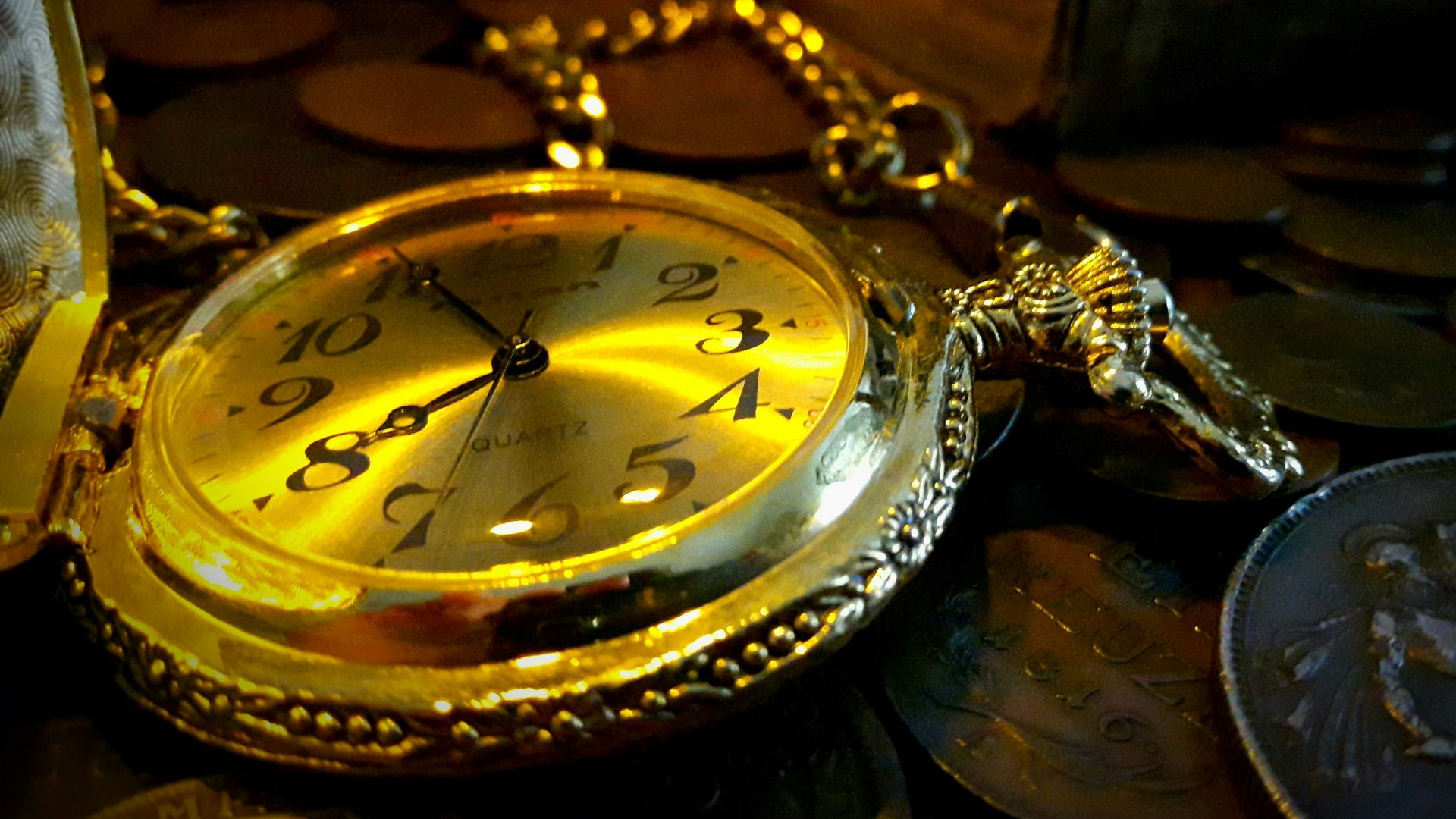
6. The Radium Dial Watches
In the early 20th century, watch faces that glowed in the dark were a huge hit because they were painted with radioactive radium. The workers who painted them, known as the Radium Girls, suffered horrific bone damage from licking the brushes to get a fine point. You might find it chilling to know that these vintage watches can still set off a Geiger counter today.
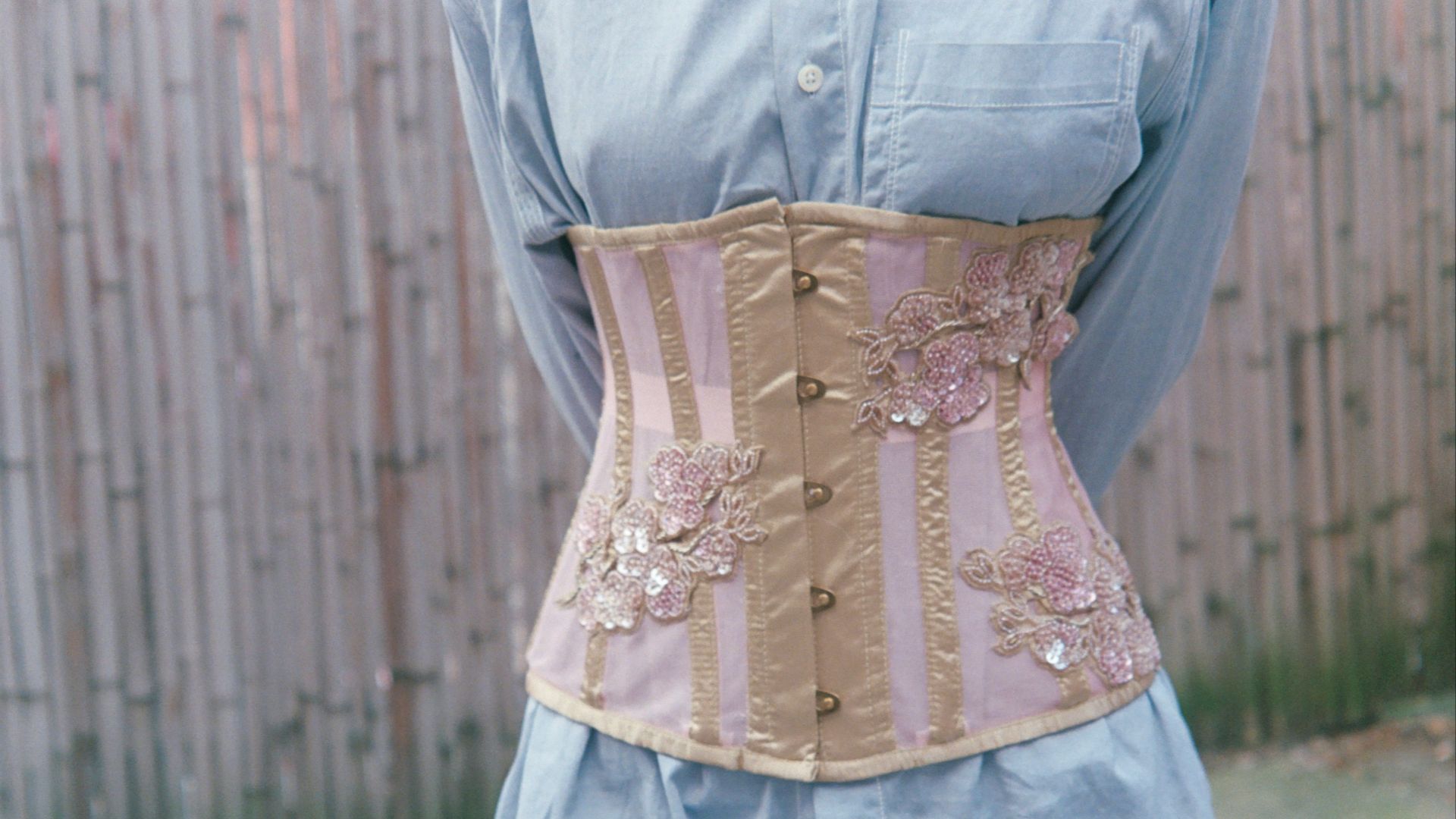
7. Constricting Corsets
While the myths about removed ribs are mostly fake, tight-lacing a corset for years really did displace internal organs and weaken back muscles. Many women fainted regularly because their lung capacity was so severely restricted by the stiff whalebone and tight laces. It’s a classic example of how society’s beauty standards can literally squeeze the life right out of you.
8. Nitrocellulose Veils
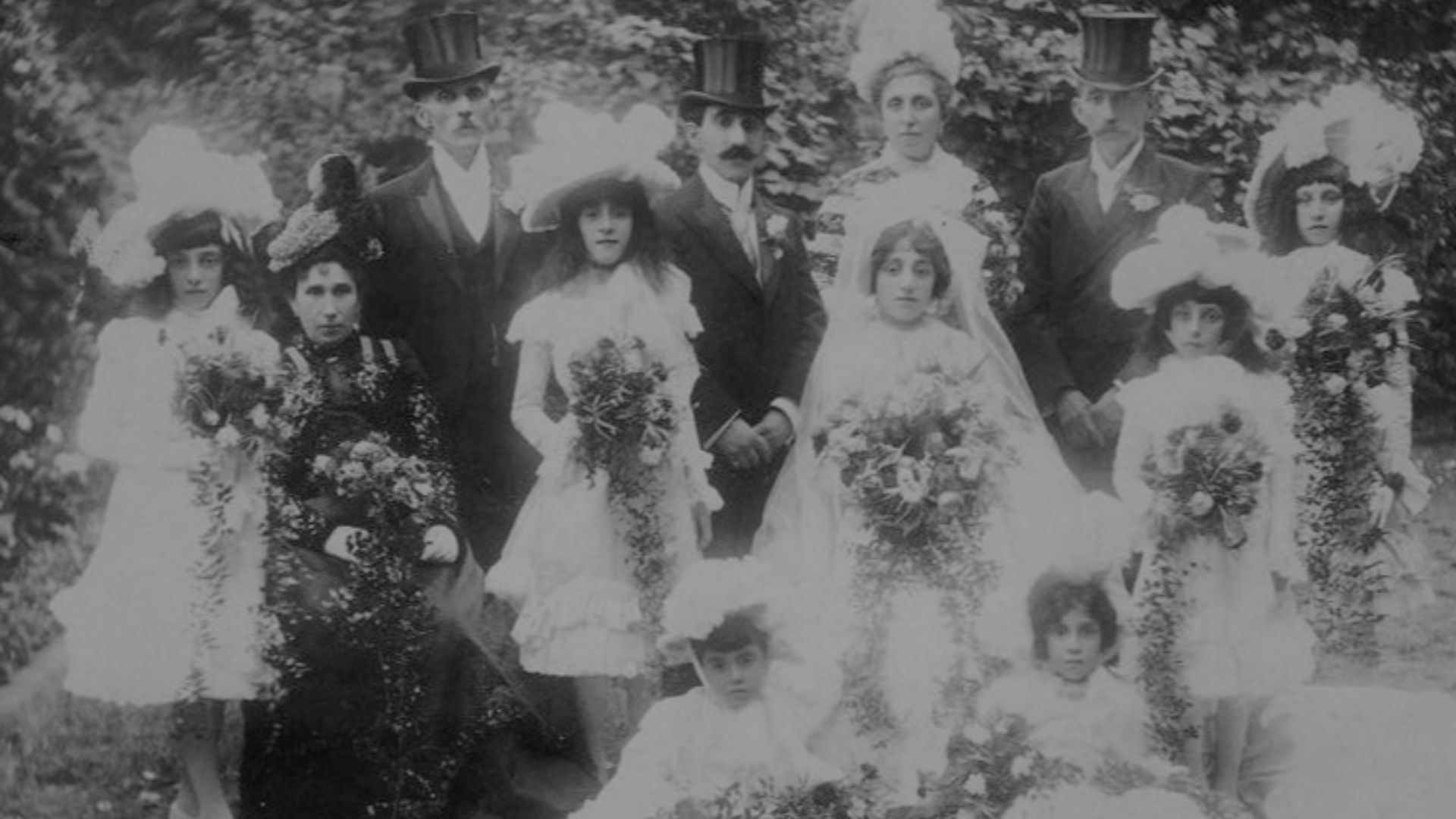
Bridal veils and mourning wraps were sometimes treated with a chemical that made them look glossy but also made them extremely explosive. A stray spark from a celebratory cigar or a church candle could turn a beautiful headpiece into a localized disaster in seconds. You’d think the wedding day would be stressful enough without worrying about your veil catching fire.
9. Arsenic-Treated Gloves
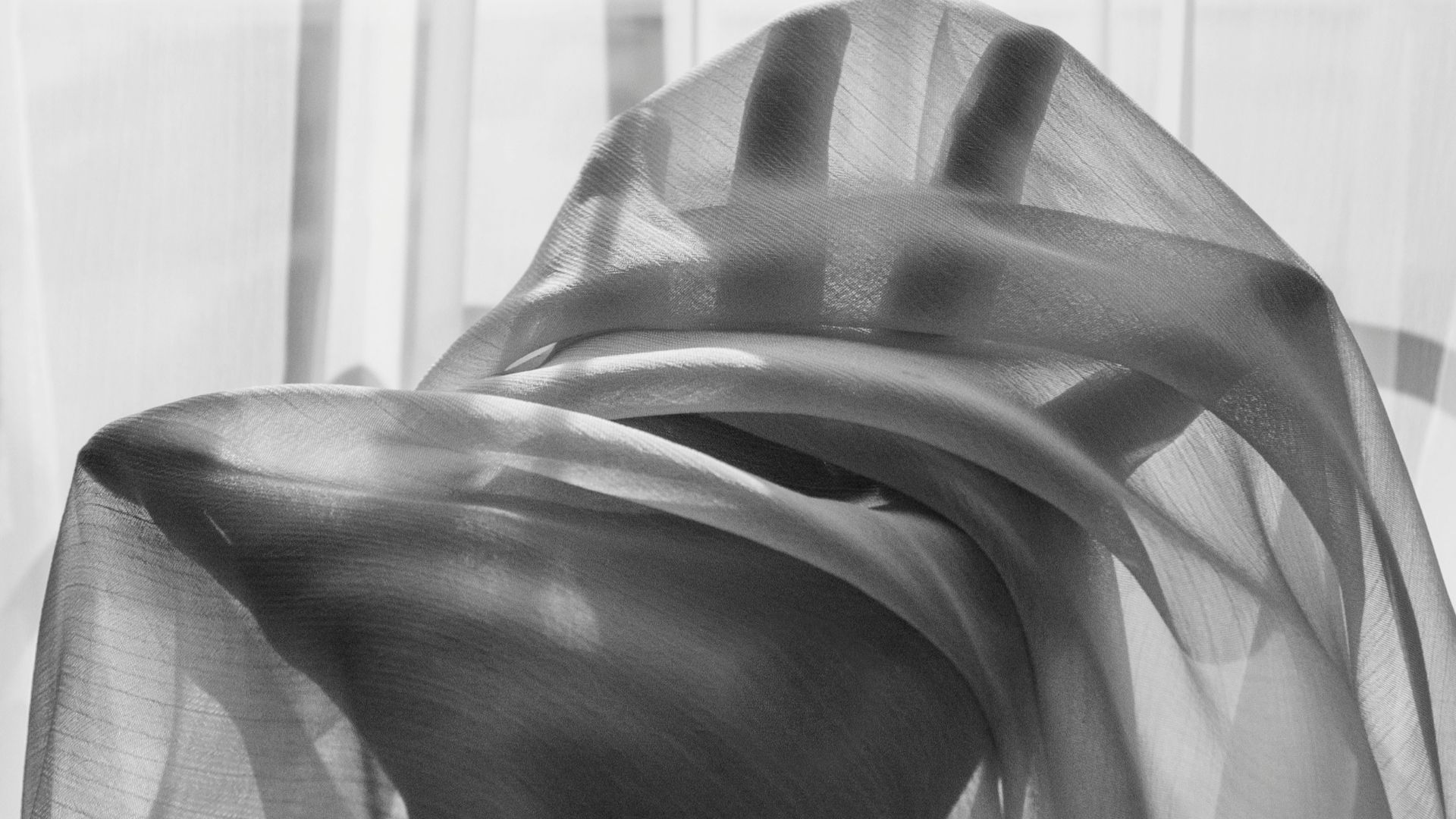
Since arsenic was used in dyes back then, it only makes sense that some glove makers used it on gloves as well. Arsenic would soak through your skin from your sweaty gloves and cause horrible skin irritation. It’s a good reminder that even the smallest details in an outfit could be dangerous back then.
10. Choking High Collars
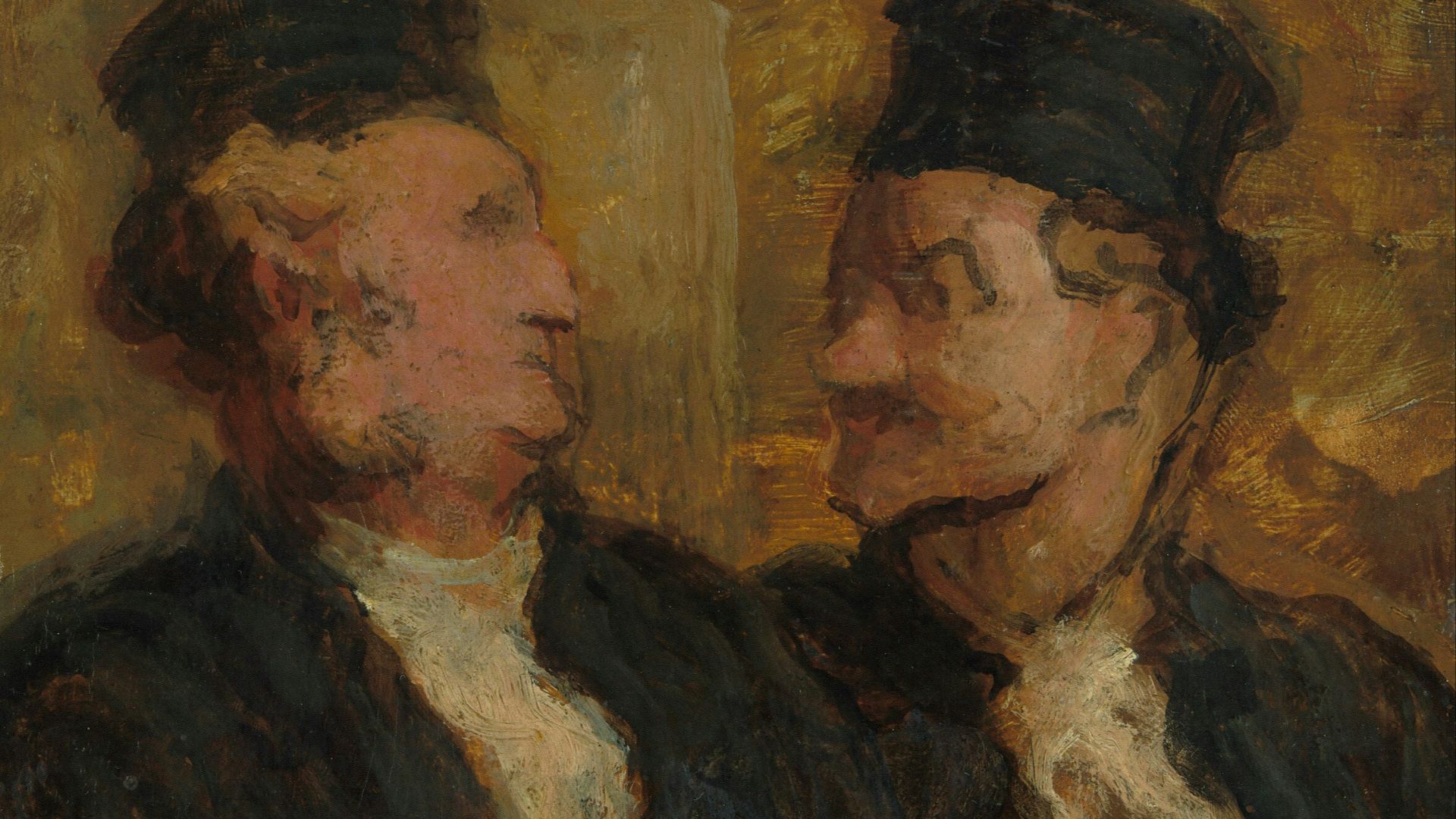
In the late 1800s, men wore stiff, detachable collars that were extremely tight. These accessories could actually cut off a person's blood supply or cause them to suffocate. You’d be surprised at how many men met their end simply because their shirts were too formal for their own safety.
 Art Institute of Chicago on Unsplash
11. Foot-Binding Shoes
In ancient China, the practice of binding feet to fit into tiny "lotus shoes" resulted in permanent disability. The shoes themselves were beautiful silk masterpieces, but they represented a tradition that broke young girls for the sake of status. It is one of the most extreme examples of footwear being used as a literal cage for the body.

12. Muslin Disease Gowns
In France, women once wore damp muslin dresses in the winter to look like Greek goddesses. This resulted in a widespread case of pneumonia that historians lovingly nicknamed “muslin disease.” Probably wasn’t worth it.
13. Belladonna Eye Drops
To achieve the wide-eyed, dilated look that was popular in the Renaissance, women dropped juice from the nightshade plant directly into their eyes. It made them look "beautiful." But it also caused blurry vision, heart palpitations, and eventual blindness with prolonged use.
 Evelien Van Den Brink on Unsplash
14. Aniline-Dyed Socks
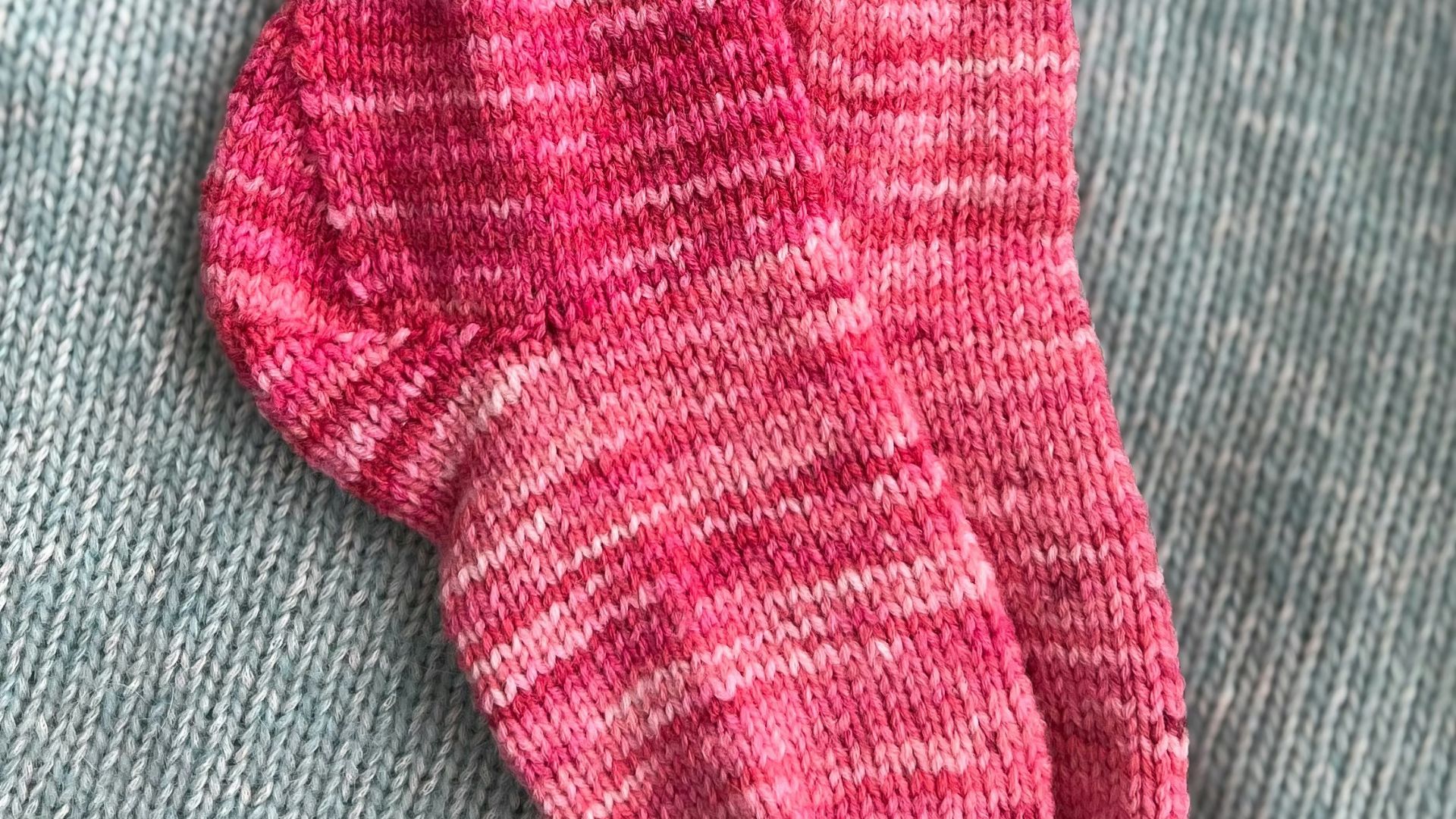
When chemical dyes were first invented, bright red and orange socks were made with something called aniline. Whenever these socks rubbed against skin, they would cause horrible itching, irritation, and even blue-stained skin. It’s quite a shock to think that your favorite pair of colorful socks was dangerous.
15. The Hope Diamond Brooch
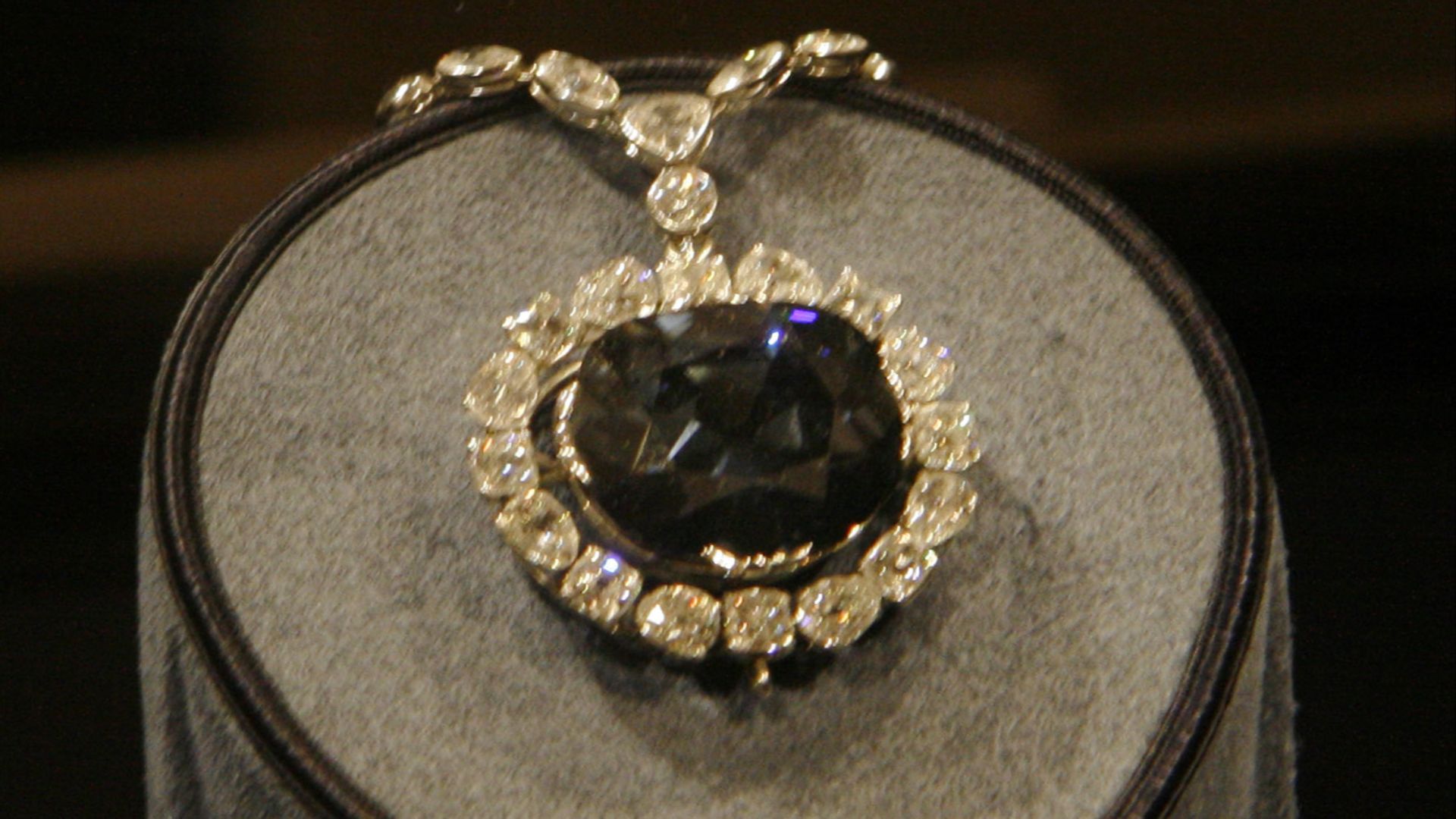
This real-life cursed diamond has ruined the lives of everyone who tried to own it, from Louis XIV to Evalyn Walsh McLean. While not chemically related, men, women, and children who have owned this gemstone have had strikes of terrible luck. Jewels don’t have magic powers, but this one might as well.
16. Stiffened Petticoats with Horsehair
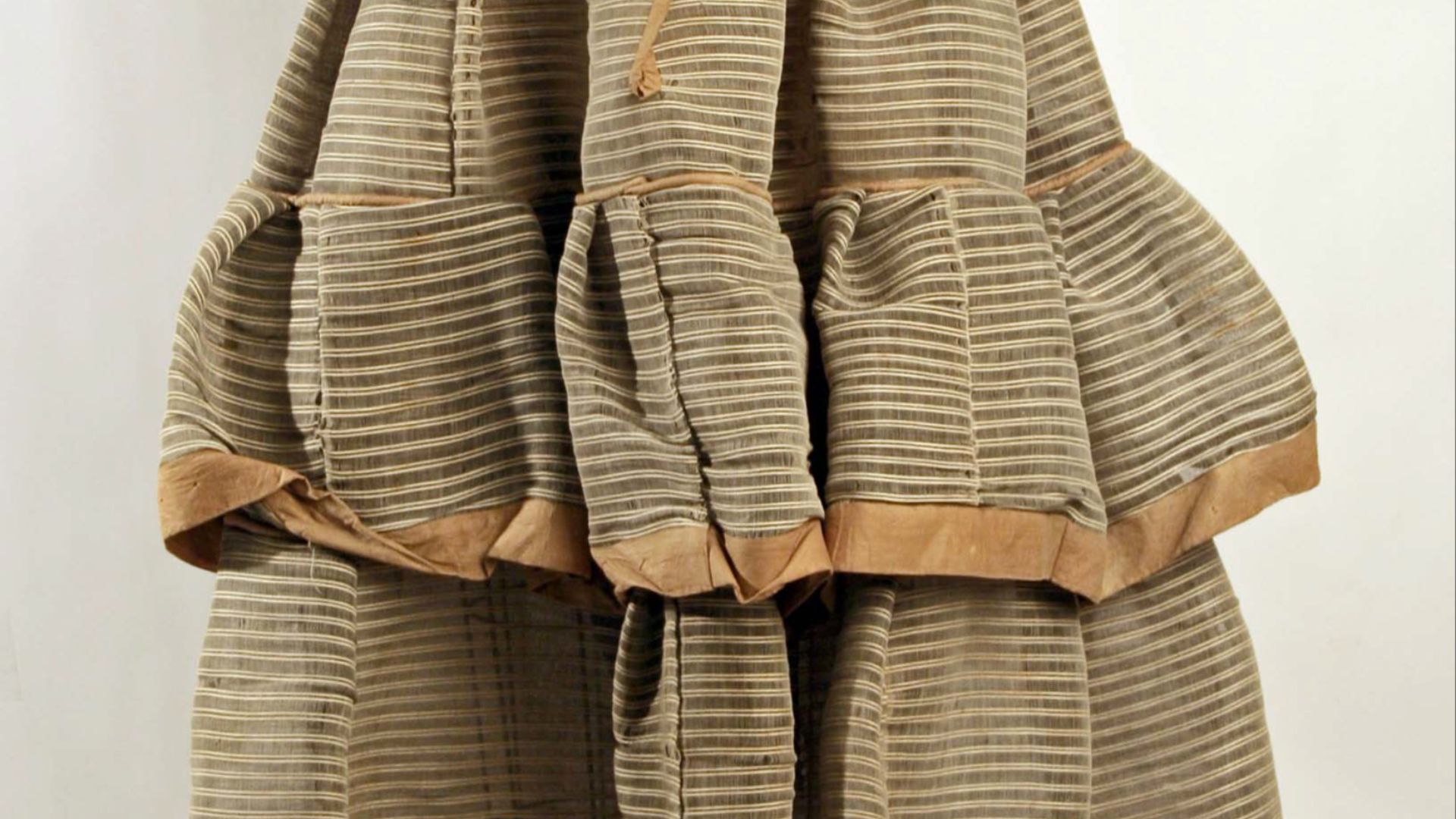
Before steel arrived, women used layers of heavy petticoats stiffened by horsehair to add volume. They were so heavy that women would often suffer heat exhaustion and infections from rubbing against their legs all day. How exhausting.
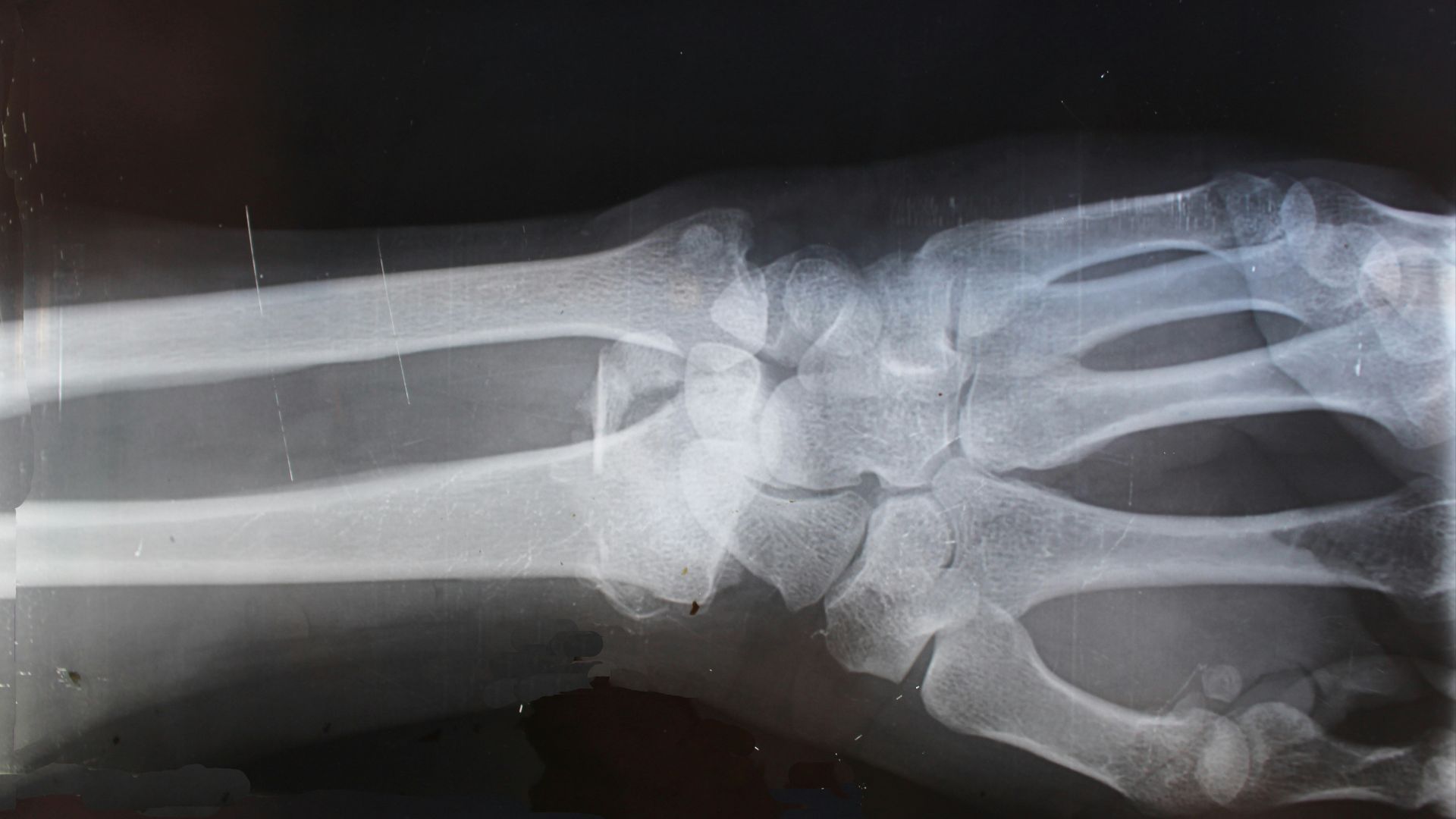
17. X-Ray Shoe Fitters
This novelty item allowed people to see the bones in their feet through their shoes. Jewelry stores used real X-ray technology so customers could ensure their shoes fit correctly. Needless to say, employees and patrons were irradiated every time they used one of these things.
18. Formaldehyde-Laced Mourning Crepe
Black fabric used in Victorian mourning clothes was commonly treated with formaldehyde. Keeping dresses stiff and wrinkle-free was a fashionable must, even if it made you sick. The person wearing these clothes would often find themselves recovering from pneumonia.
 Australian National Maritime Museum on The Commons on Wikimedia
19. Hobble Skirts
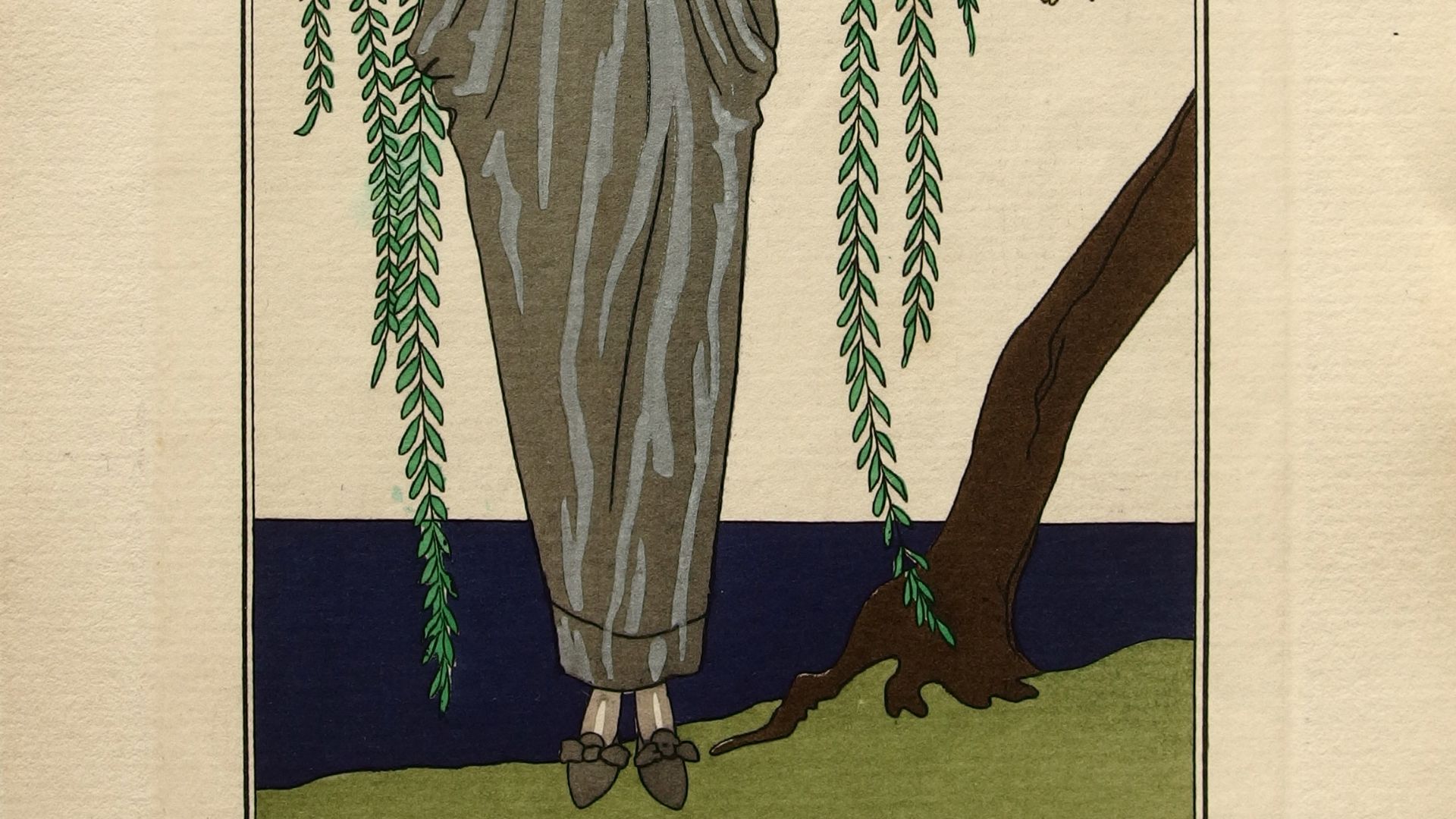
This short-lived fashion trend featured a skirt that was so narrow at the ankles that the wearer could only take tiny, shuffling steps. Several women actually tripped and fell to fatal ends. You’d think the ability to walk normally would be a basic requirement for any outfit, but fashion designers disagreed.
 George Barbier (1882–1932) on Wikimedia
20. Cinnabar Makeup Containers
Even if the makeup wasn't poisonous, the containers themselves were often made of cinnabar, which is a bright red ore containing high levels of mercury. Every time a person reached for their rouge, they were touching a toxic substance. It is a perfect final example of how danger was hidden in every corner of a historical vanity.
 1899 Wedding studio portrait commissioned by Joseph Lawende on Wikimedia