

Nobody Admits It, Yet Everyone Notices
Most people want to believe they’re above judging clothes, and in a moral sense, that’s a decent aspiration. Clothes are just fabric, people have budgets, bodies change, and nobody knows what kind of day someone is having. Still, people read signals constantly, and clothing is one of the laziest ways the brain forms a story about a stranger. The judgment isn’t always cruel, and it isn’t always conscious, yet it’s real enough that you can feel it in a glance and a sudden shift in how helpful someone becomes. Here are 20 clothing choices people insist they don’t judge, even while quietly doing it.

1. Wrinkled Everything
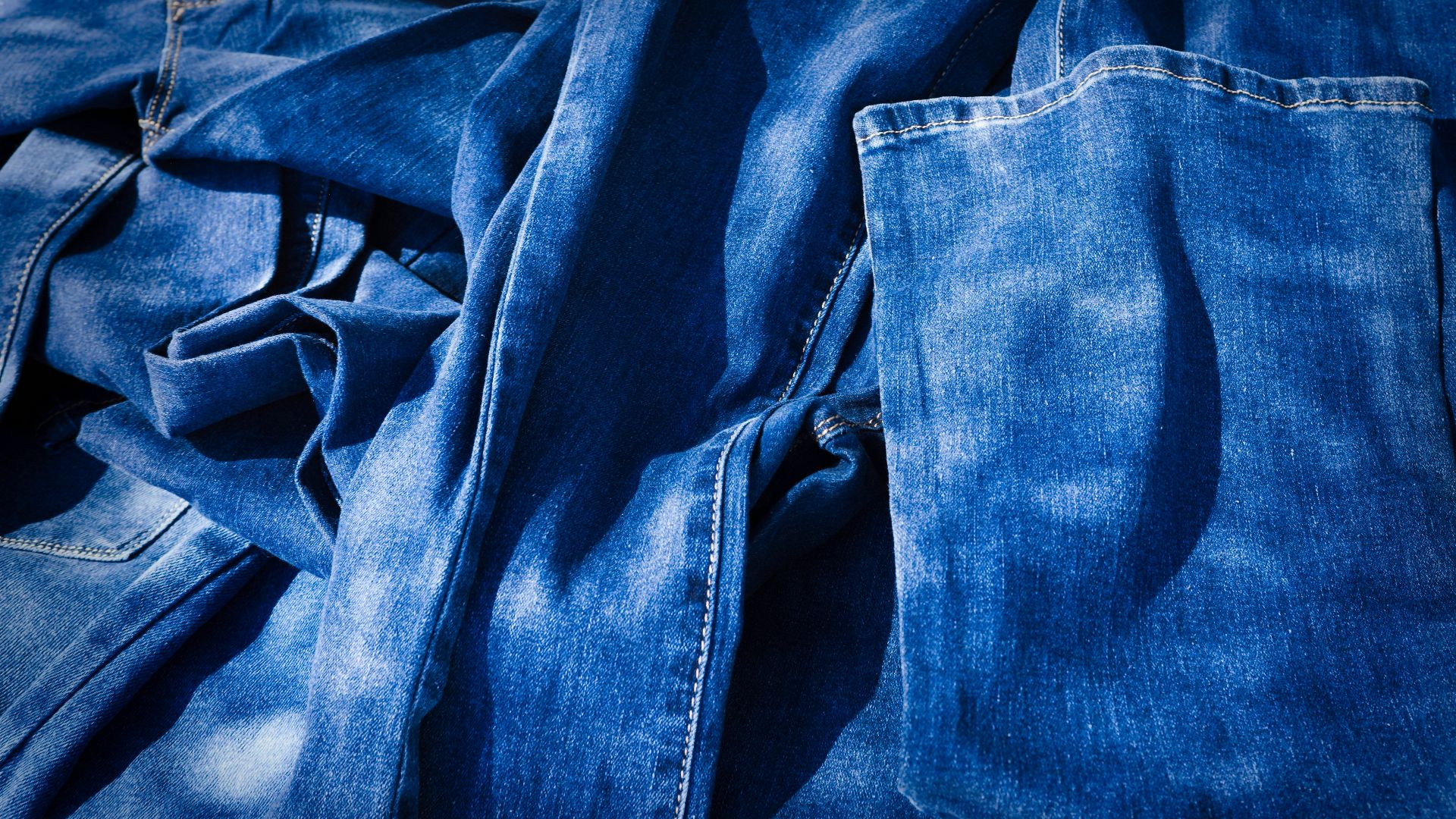
People say wrinkles are normal, and they are, especially if you’re living an actual life. Still, a fully wrinkled outfit often gets read as rushed or careless, like you walked out mid-thought. The judgment tends to land hardest in places where someone is expecting polish, even if they’d never say it out loud.
2. Shoes That Look Tired
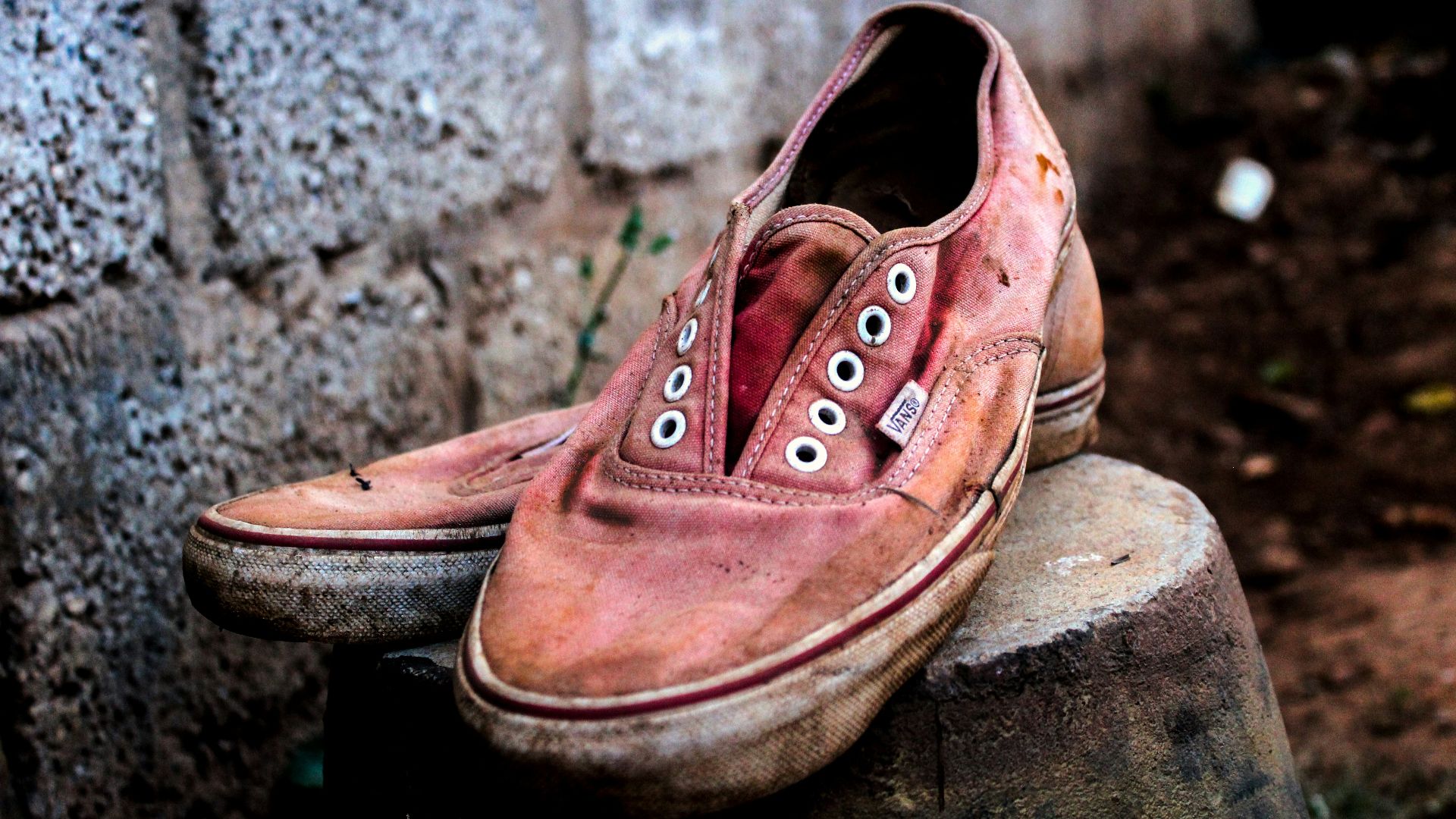
Shoes carry a lot of quiet social weight because they’re hard to fake and easy to notice. Worn-out soles and beat-up uppers can get interpreted as a lack of attention, even when the reality is comfort, money, or pure practicality. People may not judge you as a person, yet they’ll still file a little note in their head.
3. Visible Sweat Stains
Everyone sweats, and most people have been betrayed by a shirt at least once. Still, visible sweat stains can make strangers step back half an inch, which is a kind of judgment even when nobody is trying to be mean. It’s less about morality and more about a reflexive discomfort response.

4. Strong Cologne Or Perfume
Scent is personal, and people claim they respect that. The second someone’s fragrance fills an elevator, though, the judgments arrive quickly, usually framed as inconsiderate or attention-seeking. Even people who love perfume tend to prefer it as a private discovery rather than a public announcement.

5. Gym Clothes Outside The Gym
Athleisure is everywhere, and everyone acts like it’s fully normalized. Still, gym clothes in certain settings can get read as giving up, especially if the outfit looks like it’s been slept in rather than styled. The same leggings can look intentional in one context and sloppy in another.

6. Pajamas In Public
People will defend it as comfort, and sometimes it’s genuinely that. At the same time, pajamas in public often get interpreted as a sign of chaos, like the day started sideways and never recovered. The judgment is usually more about vibe than fashion.

7. A Suit That Doesn’t Fit
A suit is supposed to communicate competence, which is why a poorly fitting one sends such a strong mixed signal. Baggy shoulders or pants that puddle can make people assume you borrowed it, don’t wear suits often, or don’t know the rules of the room. It’s an unfair shortcut, yet people take it.

8. Overly Trendy Pieces That Look Uncomfortable
Everyone says they respect self-expression, and many do. Still, when something looks painful or impractical, people often interpret it as trying too hard. The judgment isn’t about the trend itself, it’s about the visible effort to be seen.

9. Clothes With Big Logos
Logos can be playful, nostalgic, or simply what was available. They also trigger assumptions about status signaling, taste, and how someone wants to be perceived. People who claim they don’t judge will still decide whether the logo feels confident or desperate.

10. A T-Shirt With A Controversial Slogan
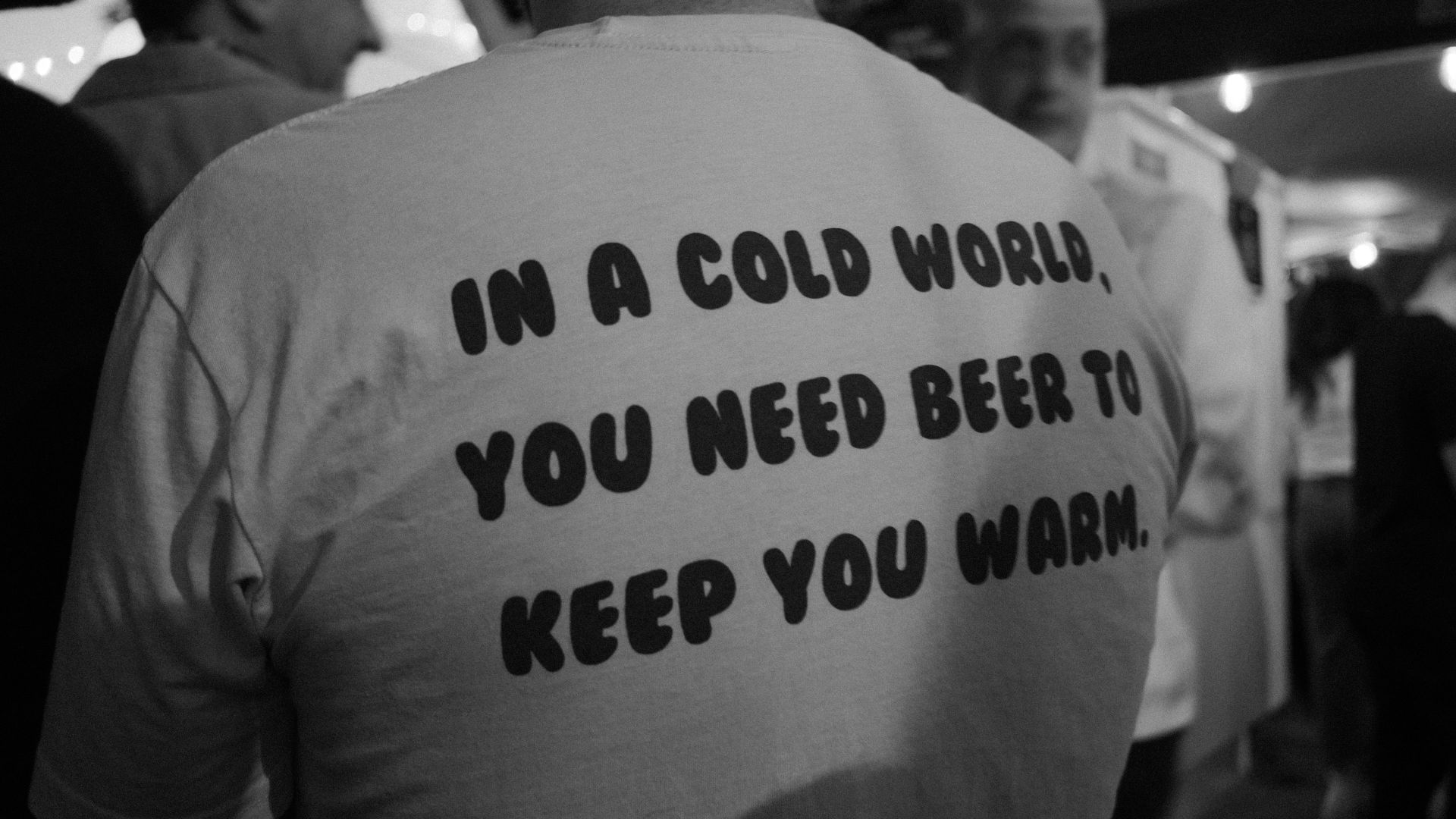
Most people say clothing shouldn’t be political, then they immediately react when it is. A slogan shirt invites strangers into your worldview without consent, and they respond with instant categorization. Even if nobody argues with you, the judgment happens quietly.
11. Dirty White Sneakers
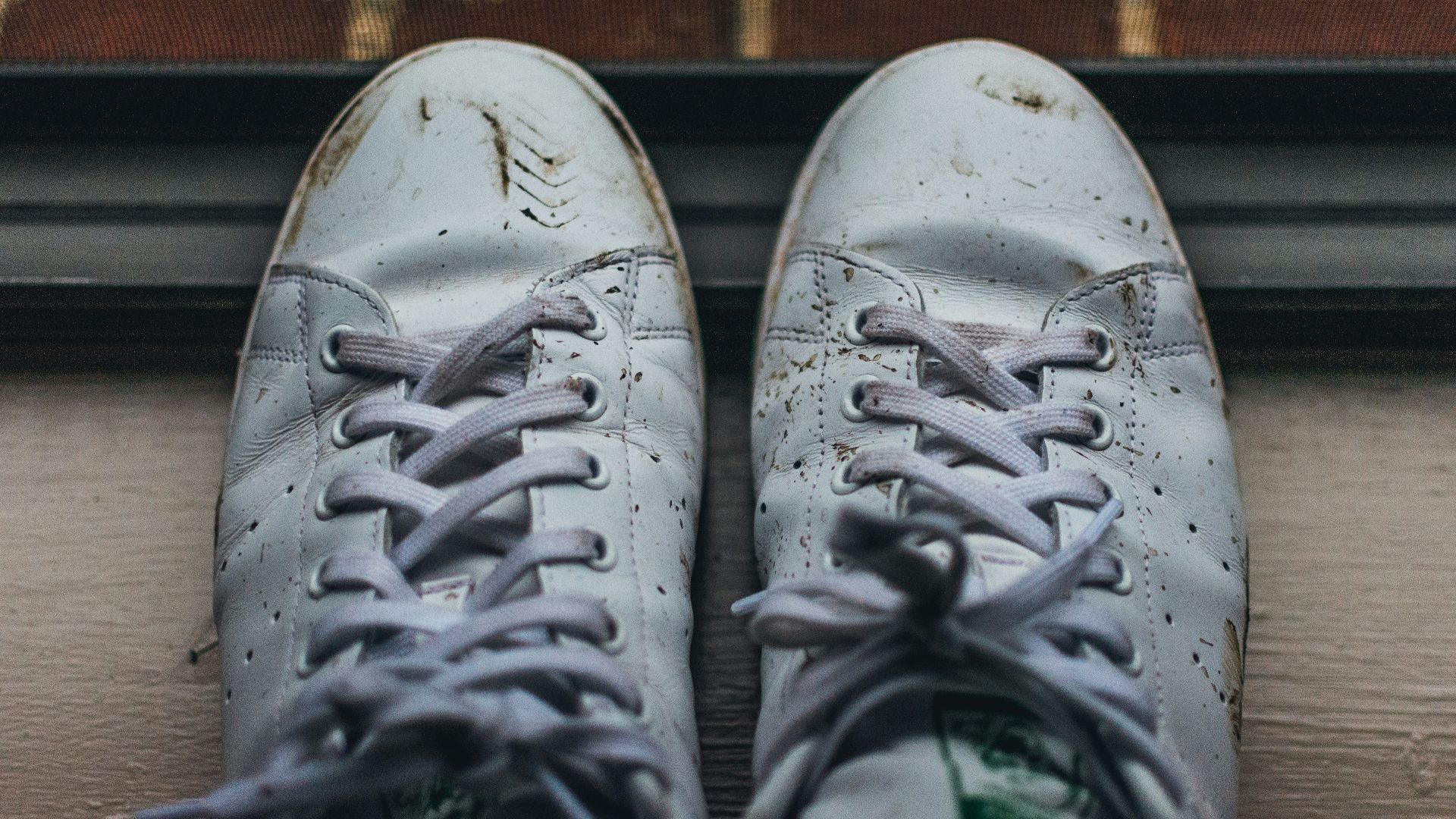
White sneakers are a classic, and people love the look, right up until the shoes look gray. Dirty white sneakers get read as neglectful because the contrast is so obvious. It’s a small detail that can change the perceived effort level of an entire outfit.
12. Crocs In Situations That Feel Too Formal
Crocs have had a cultural comeback, and people joke about them with affection. Still, wearing them in a context where others are dressed up can make you seem like you’re not taking the moment seriously. The judgment is often framed as not respecting the occasion.

13. Sunglasses Indoors
There are legitimate reasons people keep sunglasses on, including medical ones. Still, strangers tend to read indoor sunglasses as performative or rude, like you’re hiding or trying to look untouchable. People judge because eye contact is a social cue, and you’re removing it.

14. Shorts When Everyone Else Is In Pants
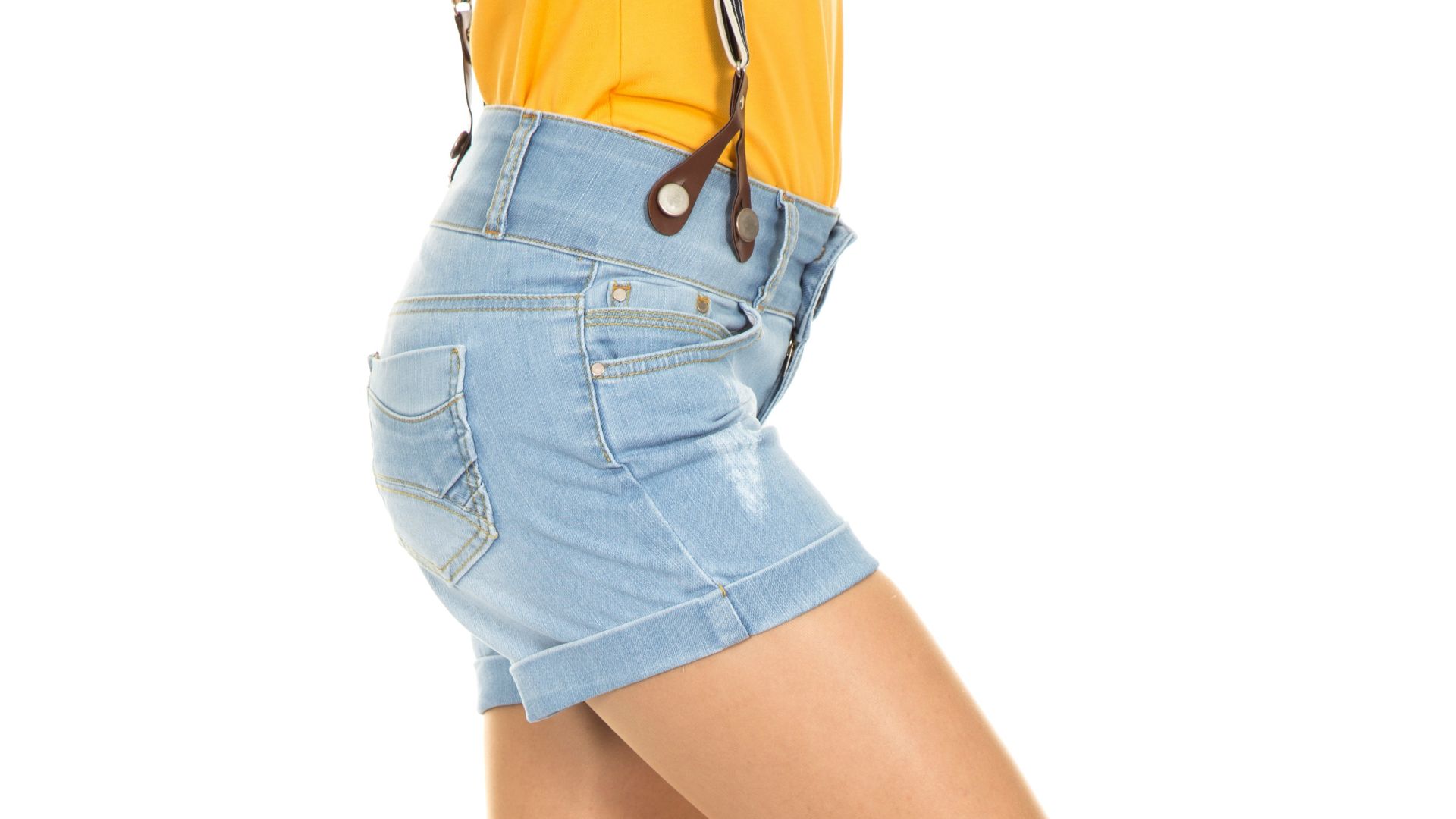
Shorts can be perfectly fine, and still get judged as too casual depending on the setting. People interpret it as someone not reading the room, even if the weather is blazing and the choice is rational. It’s one of those moments where comfort and social expectation collide.
15. A Hat Worn In Places Where Hats Feel Wrong
Hats are practical, and they’re also a signal that someone is keeping a barrier up. In restaurants, offices, or formal events, a hat can read as stubborn or disengaged. People may not say anything, yet they notice and form a story.

16. Very Ripped Jeans
Ripped jeans can look intentional, stylish, and expensive, which is part of the irony. Still, heavily ripped denim triggers judgments about maturity, seriousness, and effort, especially outside casual spaces. The same tears that look cool at a concert can look careless at a meeting.

17. Clothes That Are Too Tight
People say bodies come in all shapes, and that’s true. Still, clothing that looks visibly strained gets judged because it reads as discomfort or denial, even when the fit choice is simply personal taste. The judgment can be particularly unfair because it often drifts toward body commentary people pretend they never think.

18. Clothes That Are Too Big
Oversized fashion exists, and it can look great. When clothes look unintentionally too big, though, people often assume insecurity, hiding, or a lack of attention to fit. The brain labels it as swallowed rather than styled, and that label sticks.

19. Visible Undergarment Lines Or Straps
Most people claim they don’t care, and in a decent world, nobody would. In reality, visible lines and straps can trigger judgments about professionalism or being put together, especially in conservative environments. The reaction is often less about prudishness and more about how strict a place is about unwritten rules.

20. Old Band T-Shirts
Band shirts can be sincere, and they can also look like a costume. People quietly judge whether the shirt feels lived-in, like you actually wore it through different years of your life, or like it was bought to signal a certain identity. Nobody asks you to name three songs, yet the judgment still exists in the background.