A Closet Reset That Actually Works
Clothes storage sounds simple until you’re digging through wrinkled shirts, hunting for a missing sock, or discovering a mystery stain you swear wasn’t there last week. The good news is that most storage problems are due to bad habits, and they’re surprisingly easy to correct. Instead of shoving all your outfits into one drawer or piling them onto a chair, we've got tips that can help. Here are 10 worst ways to store your clothes, and 10 better storage methods to keep things tidier.
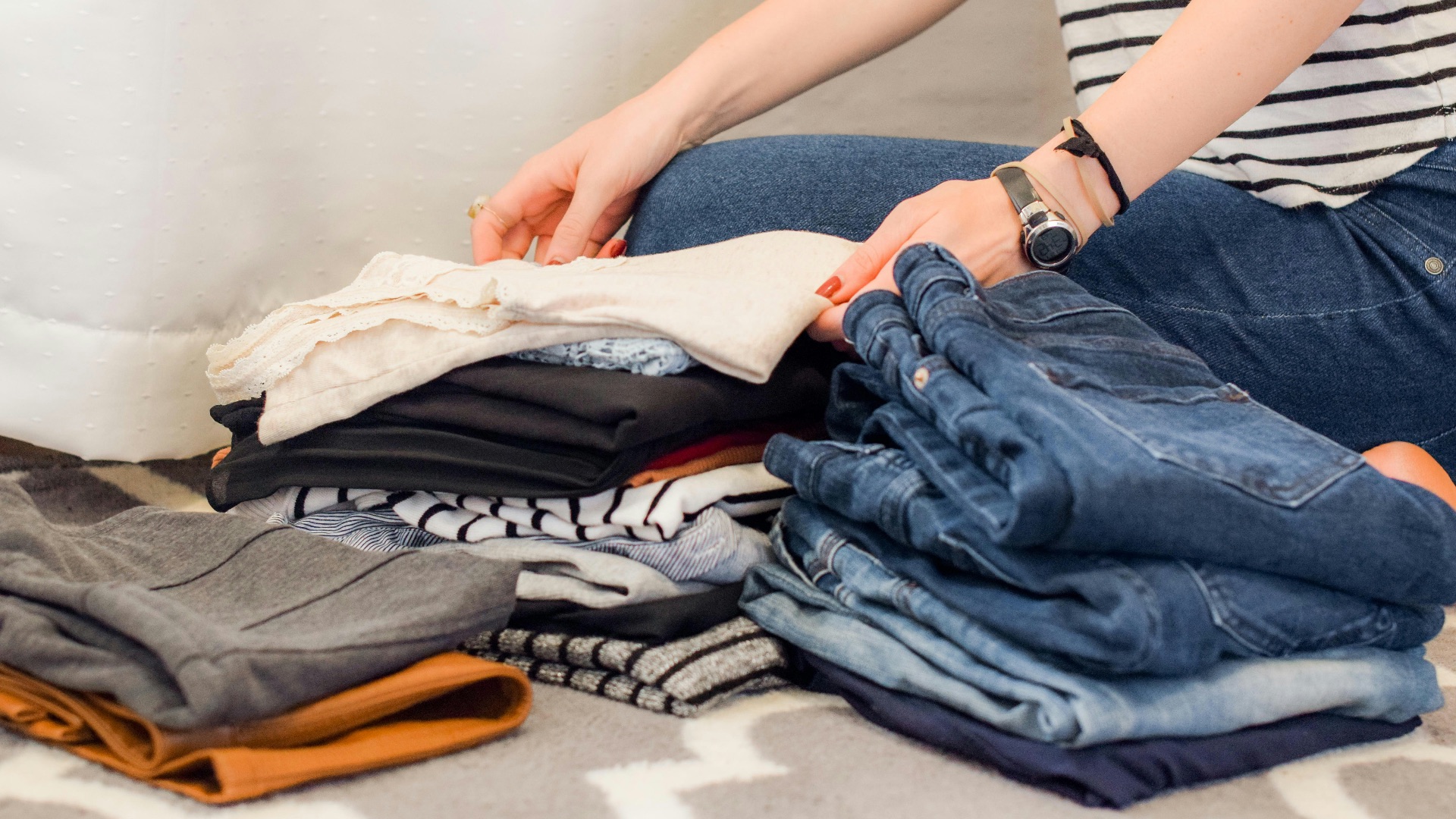
1. Stuffing Everything Into One Overpacked Drawer
When a drawer is crammed shut, fabric gets crushed and wrinkles set fast. You’ll also start avoiding the drawer entirely because rummaging through it is a nightmare you don't want to deal with. Over time, seams and delicate knits can stretch or snag, and you'll end up with ruined fabrics.
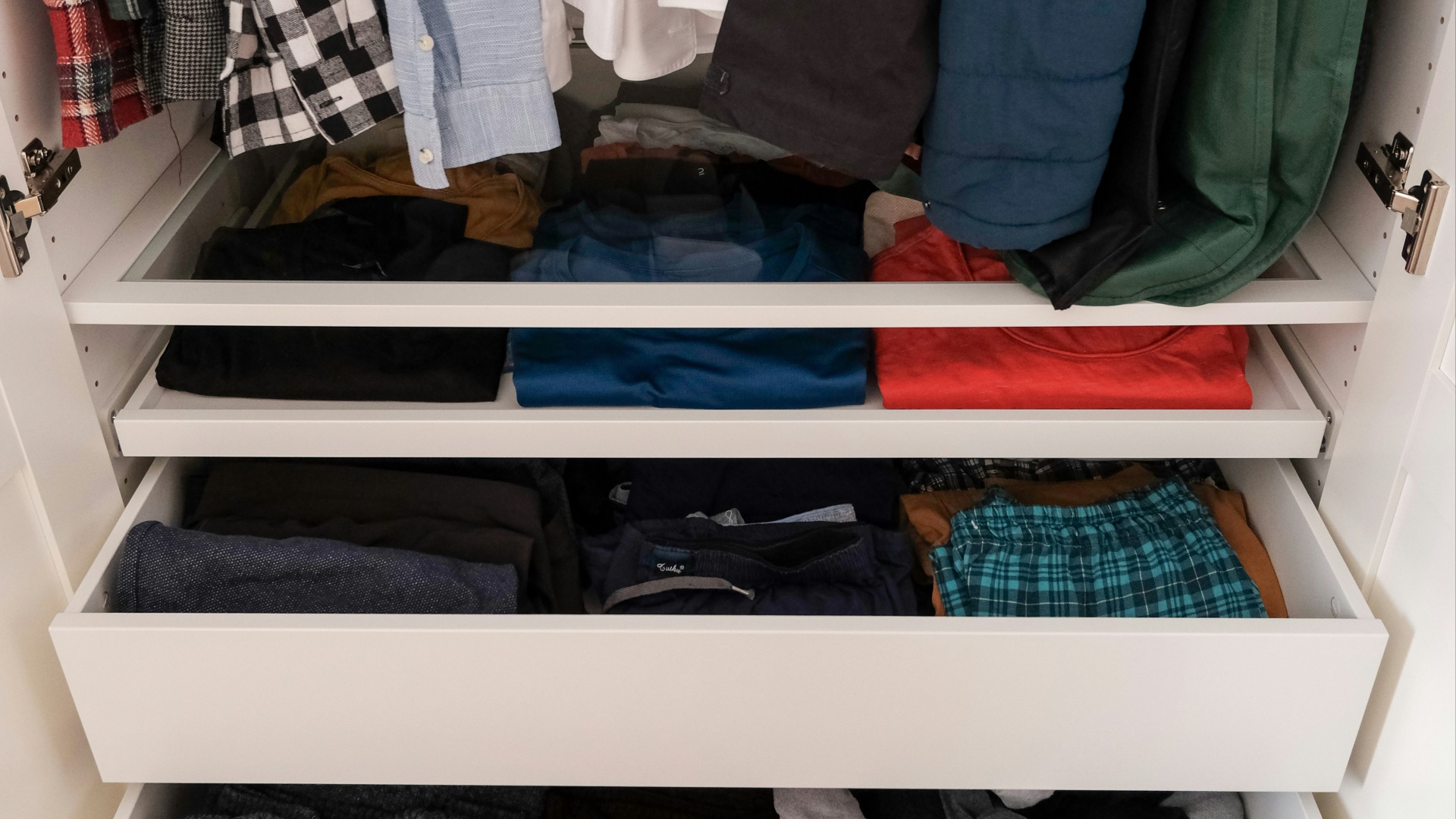
2. Leaving Clean Clothes in Laundry Baskets for Days
Don't use your laundry basket as storage space, or your clothes will pay the price. Even freshly washed items pick up creases and can start smelling stale if they sit out too long. Plus, you’re more likely to rewash things you forgot were clean, and constant laundering can shorten the lifespan of your clothes.
3. Hanging Heavy Sweaters on Regular Hangers
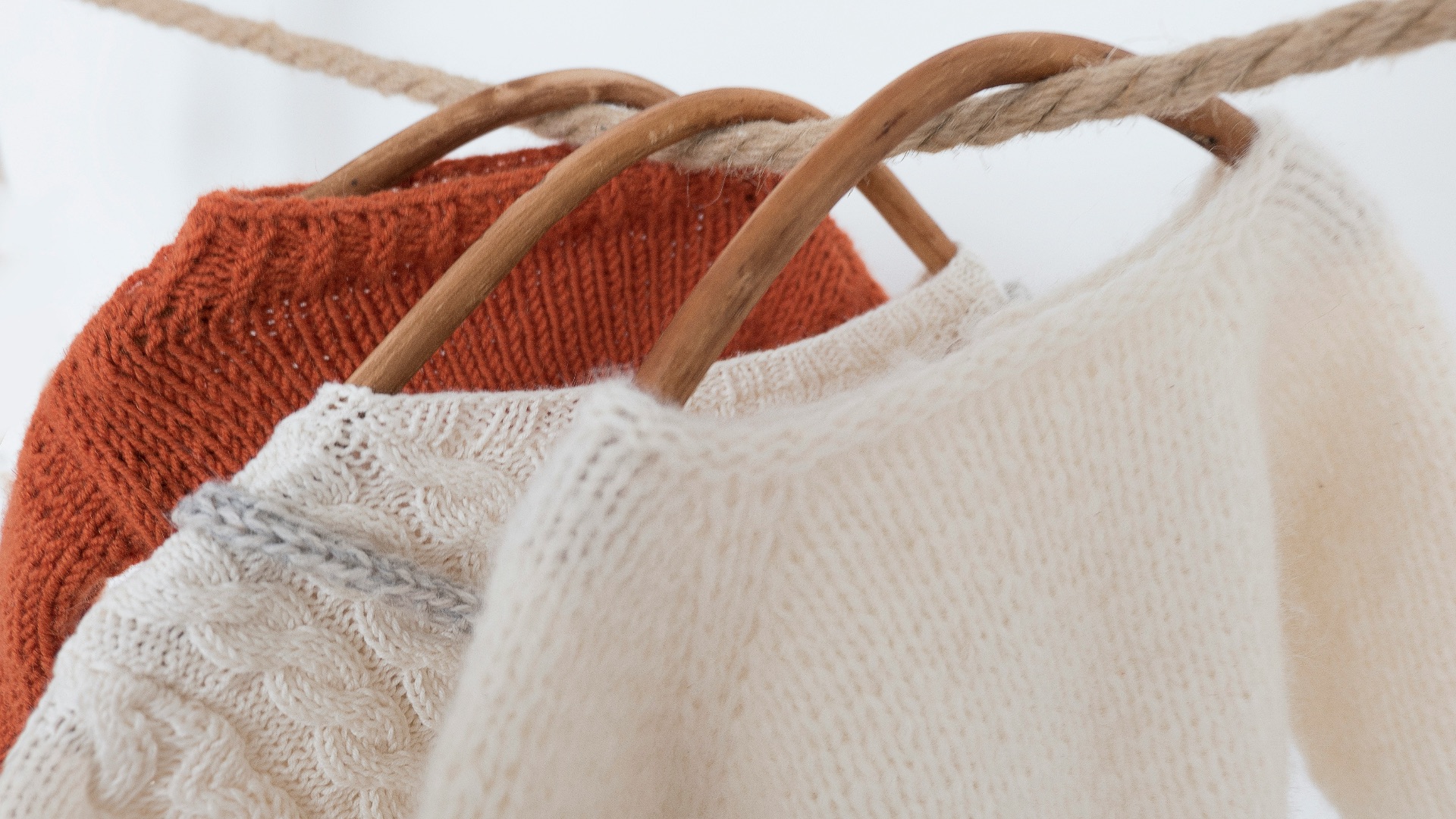
Gravity isn’t gentle with thick knits, so hanging them up means shoulder bumps show up quickly. The sweater can also lengthen over time, especially if it’s even slightly damp from wear. Before you know it, the fit is off and it’s hard to fix.
4. Piling Clothes on a Chair “for Later”
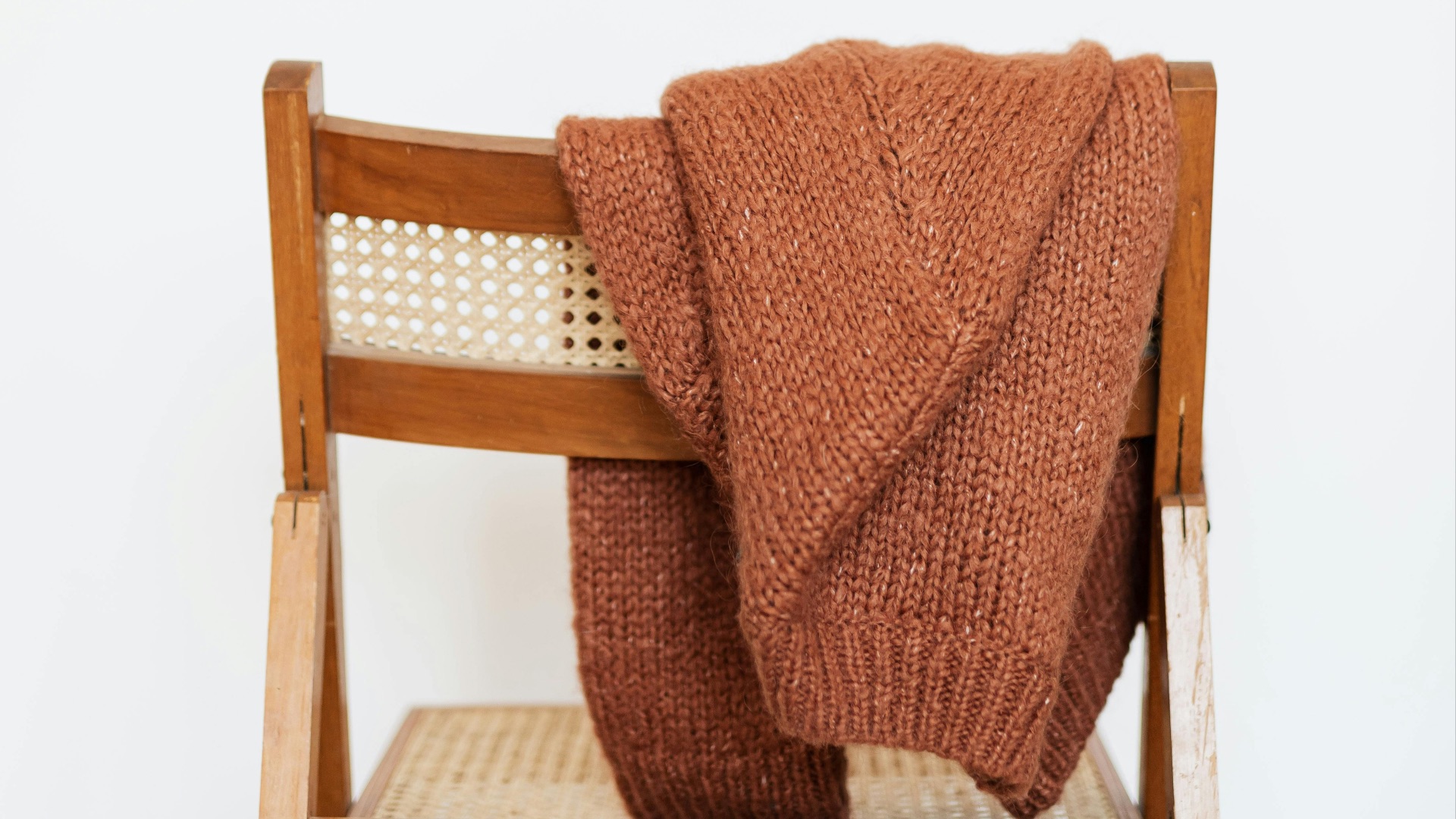
Once you start piling clothes on a chair, that chair turns into a magnet for half-worn items and clutter builds way faster than you expect. Then things get buried, so you’ll "lose" certain pieces or start mixing clean and worn garments without meaning to. It also makes the room feel messier.
5. Storing Shoes in a Heap on the Floor
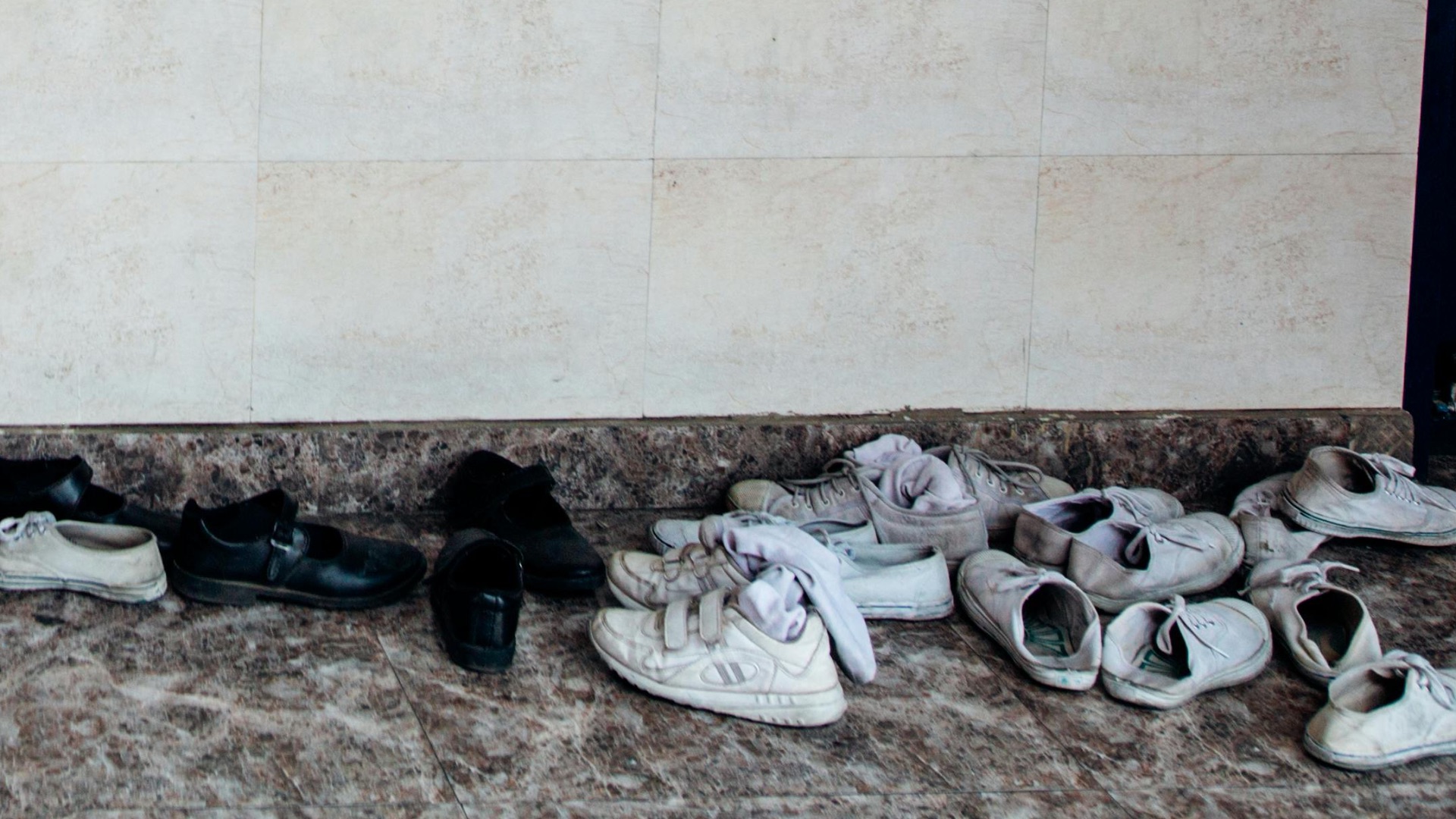
How you store your footwear matters, too! Shoes tossed together scuff each other, and softer materials can get dented out of shape. Dirt from soles can also end up everywhere, including on socks and other pieces that brush the pile. Plus, it's a great way to lose a shoe right when you have somewhere to be.
6. Using Wire Hangers for Everything
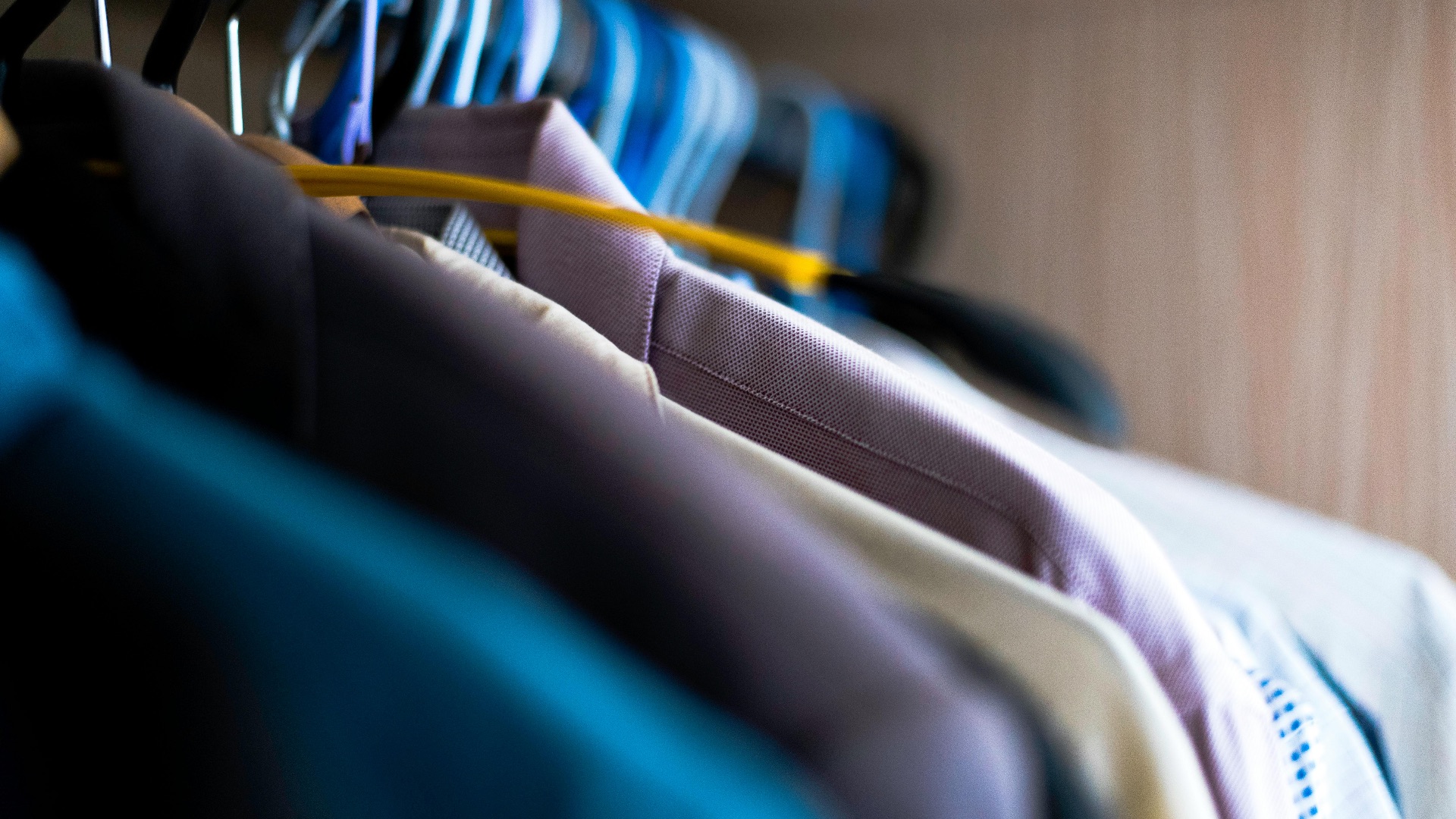
Wire hangers bend easily, which means your clothes hang crooked and crease in weird places. The thin metal can also leave marks on shoulders and stress points on delicate fabrics. You’ll spend more time trying to fix all these problem areas and less time actually wearing what you own.
7. Shoving Seasonal Clothes Into Unsealed Boxes
When putting away seasonal fits, it's best to seal them up. Open boxes collect dust, and that dust can end up being embedded in the fabric. If the box is in a basement or attic, humidity and pests can also affect the clothes. When you pull the items out months later, they often don’t smell or feel as fresh as you’d hoped.

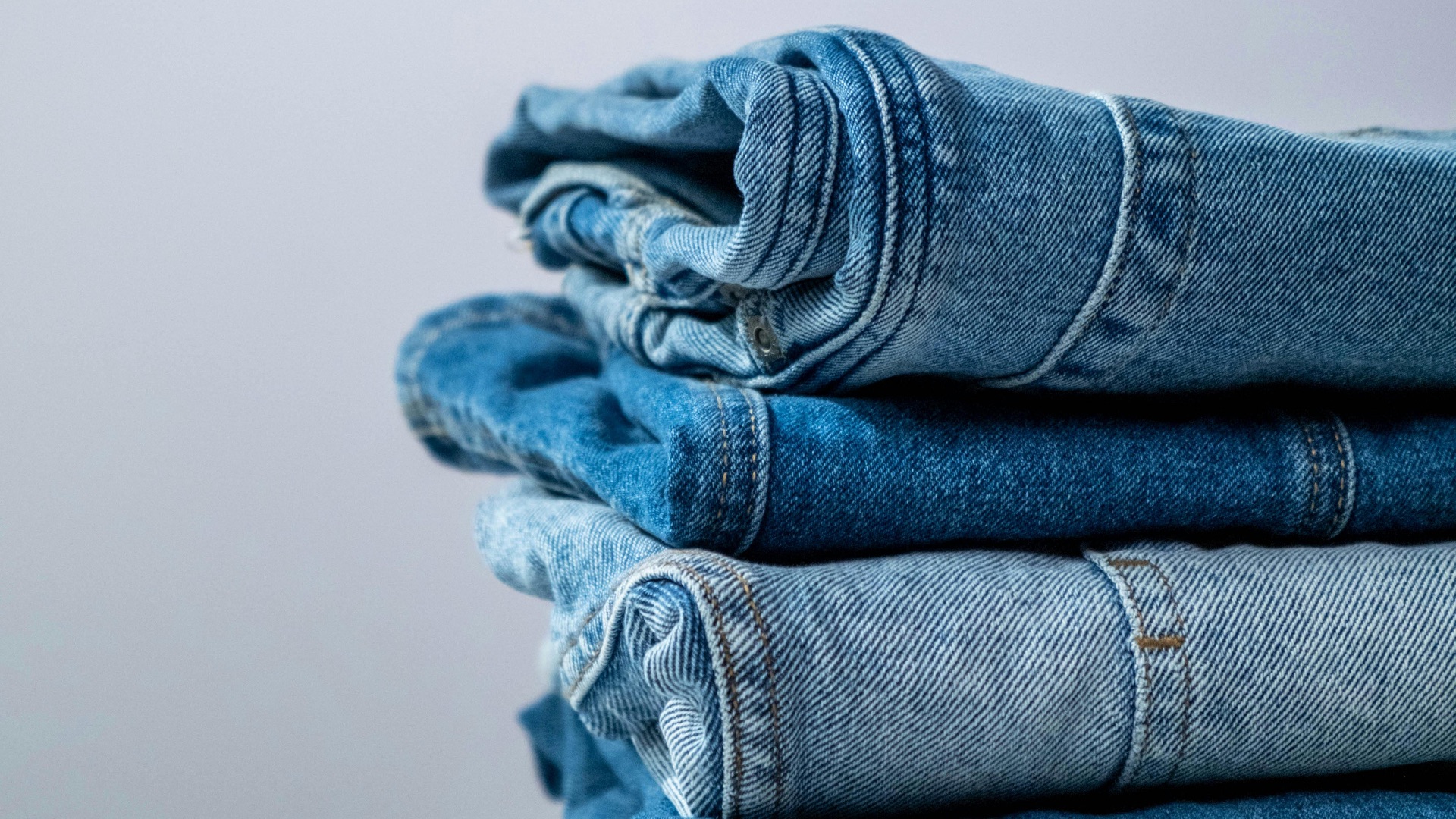
8. Stacking Jeans & Tees in Tall, Unstable Towers
Tall stacks look neat for about five minutes, but when you need to pull one item out the whole pile collapses. If you usually grab from the top, the bottom items get ignored and stay there forever, collecting dust. It's not a good method whatsoever.
9. Tossing Delicates in with Everything Else
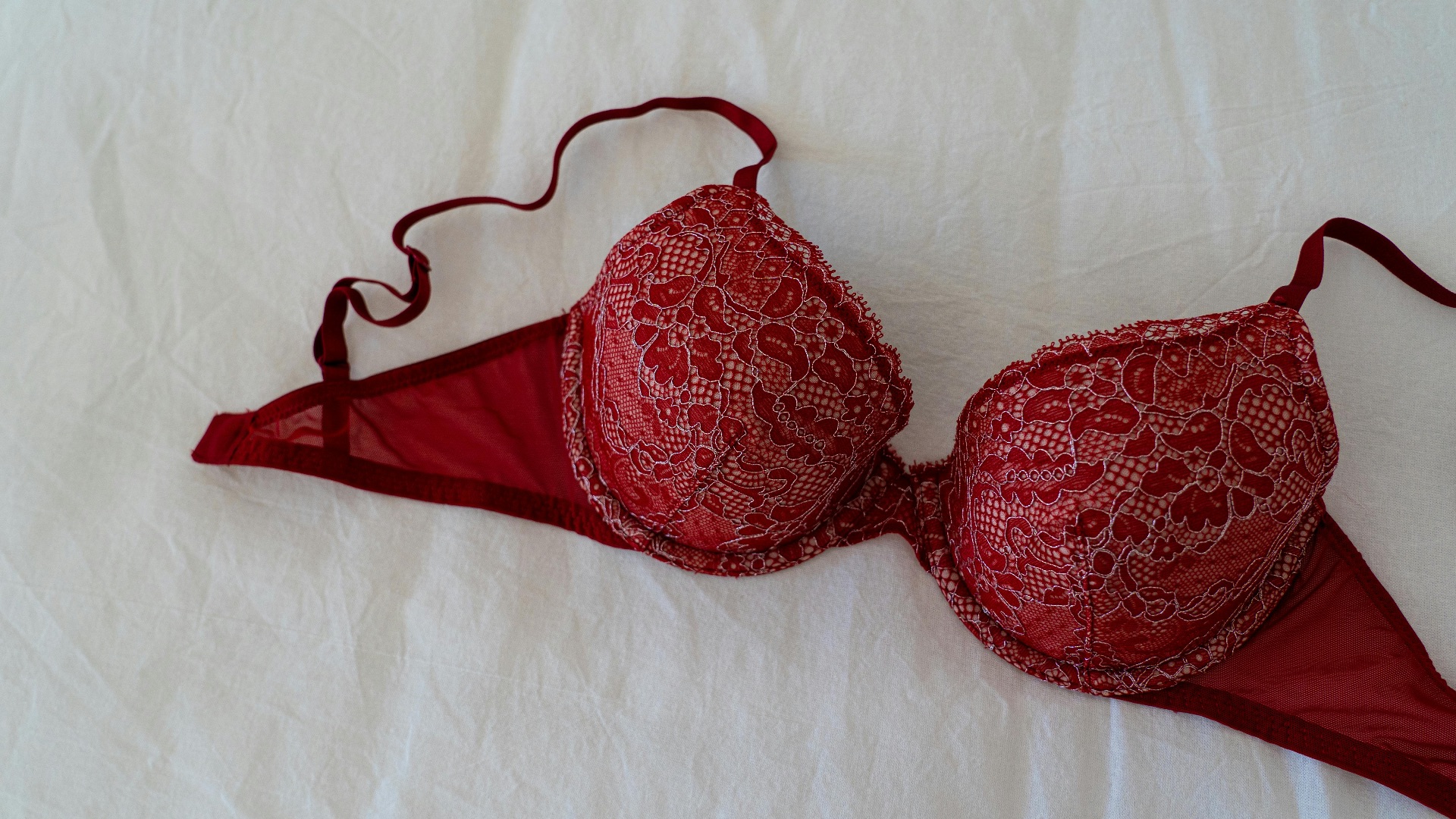
Bras, silk, lace, and anything easily snagged shouldn’t be bouncing around with zippers and heavy denim; they’ll stretch, catch, and lose shape more quickly than you’d like. Even if you’re careful, storage mistakes make damage way more likely and irreversible.
10. Ignoring Moth & Moisture Protection for Long-Term Storage
If you store wool, cashmere, or special pieces without any protection, you’re taking a pretty big gamble. Any moisture that collects can lead to mildew, and pests can leave holes long before you notice. It’s frustrating because the damage often shows up only after it’s too late.
Now that you know how not to store your clothes, what better, smarter methods should you switch to? Let's dive into that next.
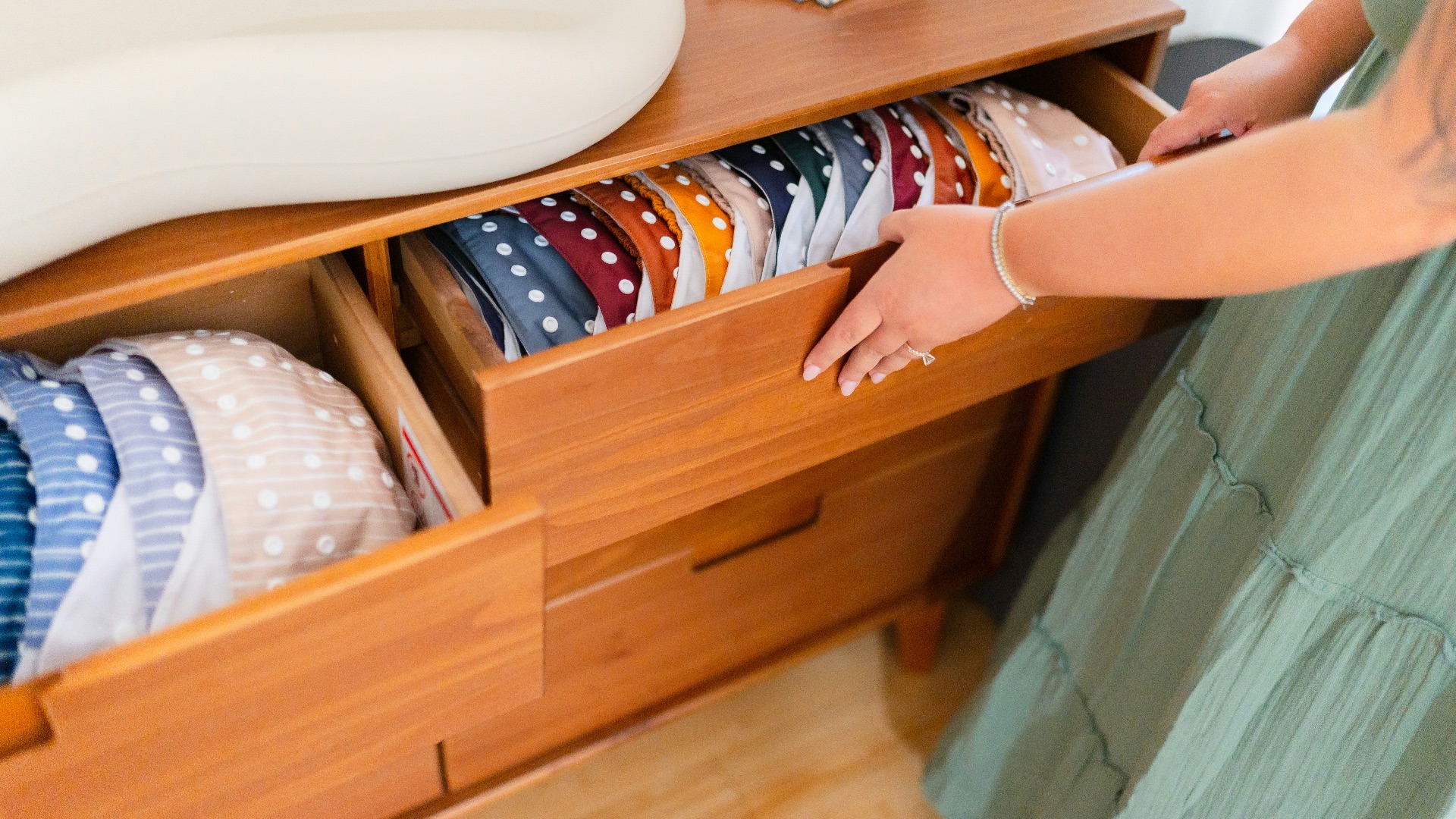
1. Use Drawer Dividers to Give Everything a Lane
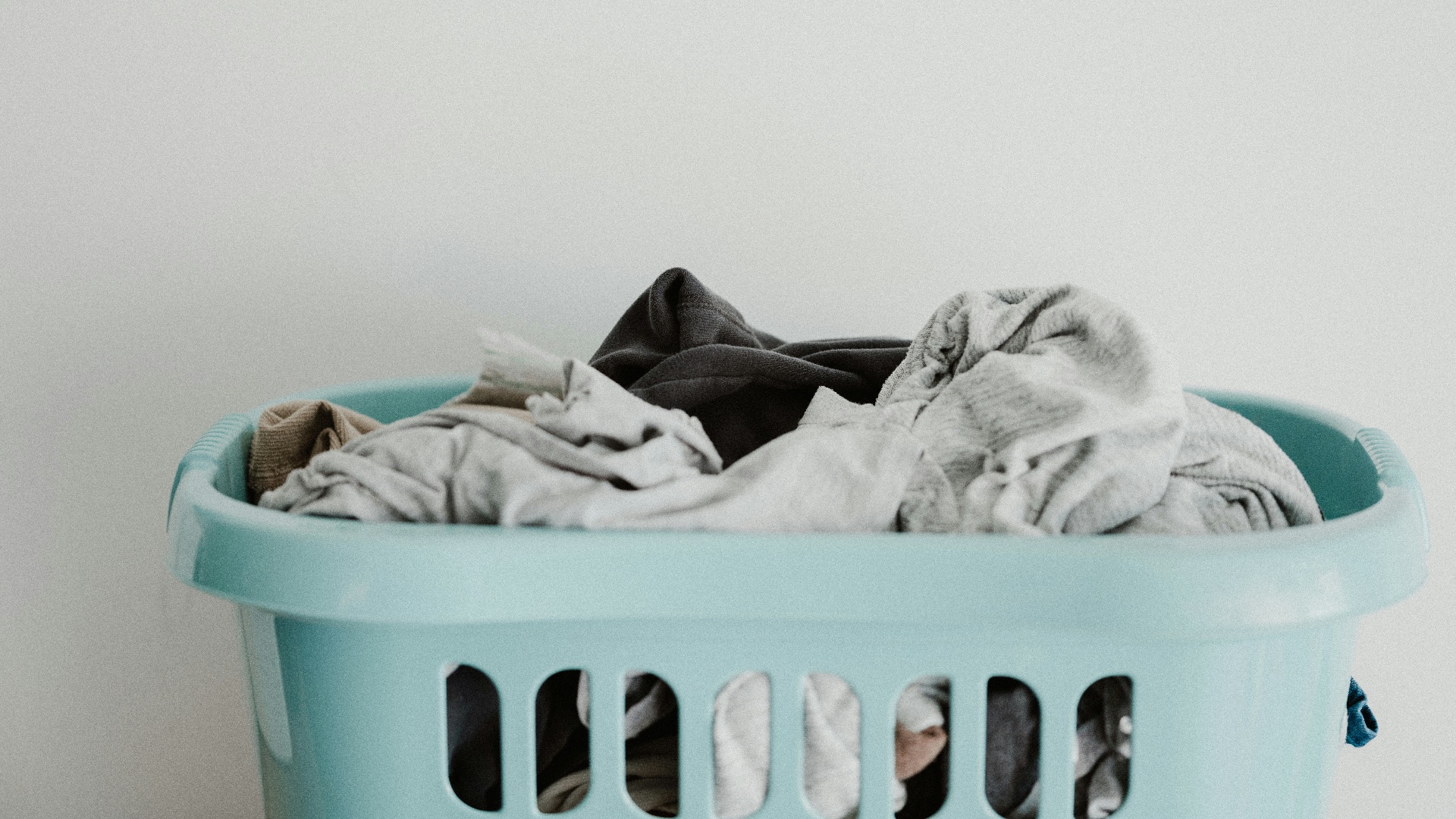
Dividers keep categories separated so you aren’t digging through a mixed pile. You’ll spot what you have faster, which helps cut down on overbuying basics you already own. Keeping items upright also helps reduce wrinkles and keeps drawers from turning chaotic.
 Carrie Allen www.carrieallen.com on Unsplash
2. Put Away Laundry the Same Day You Fold It
Finishing the job keeps clothes crisp and prevents the “clean pile” from becoming a second wardrobe. It also makes it easier to track what’s actually dirty, so you aren’t second-guessing every time you put an outfit together. If you can’t do it all at once, put away just one category to keep momentum.
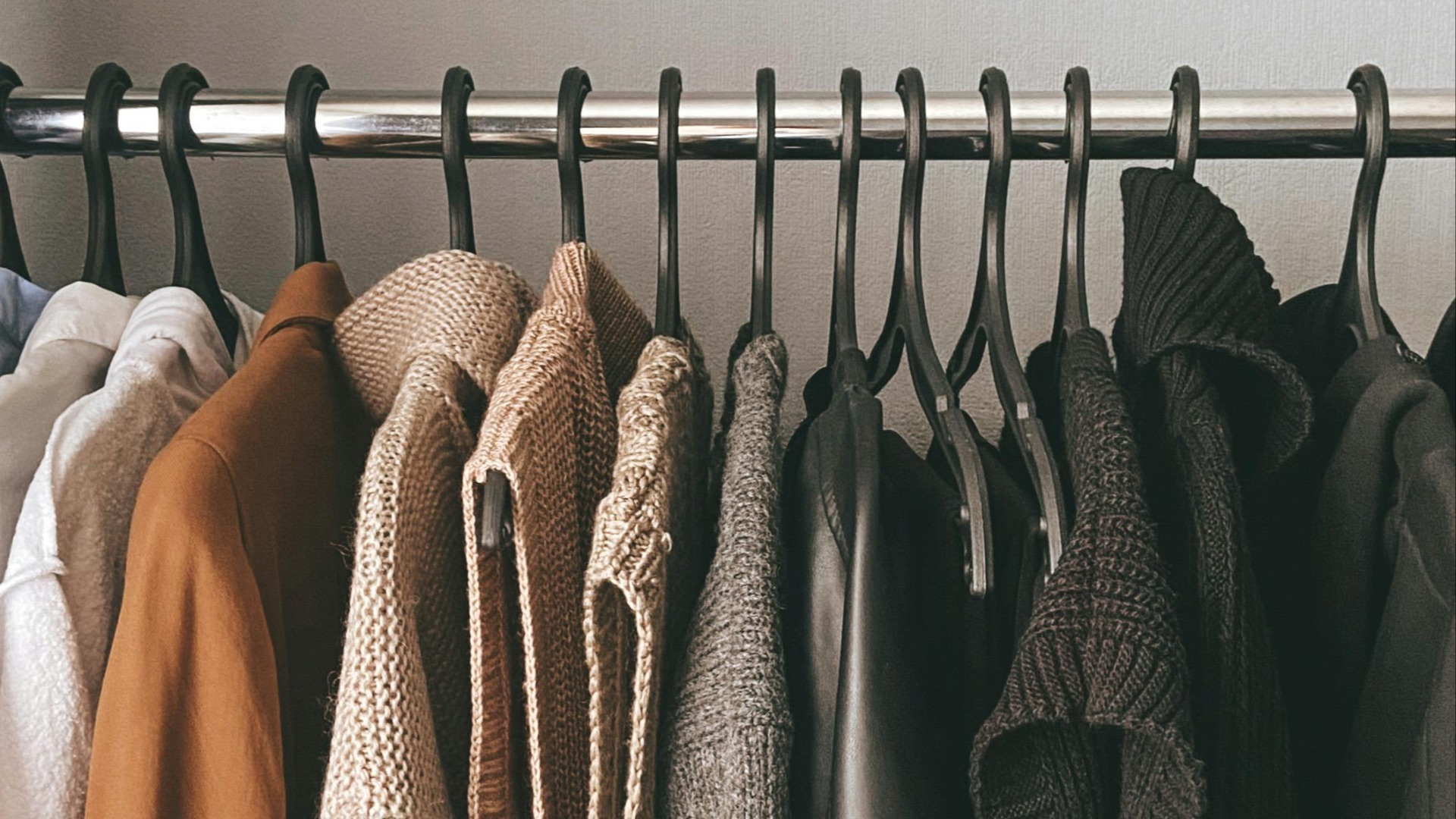
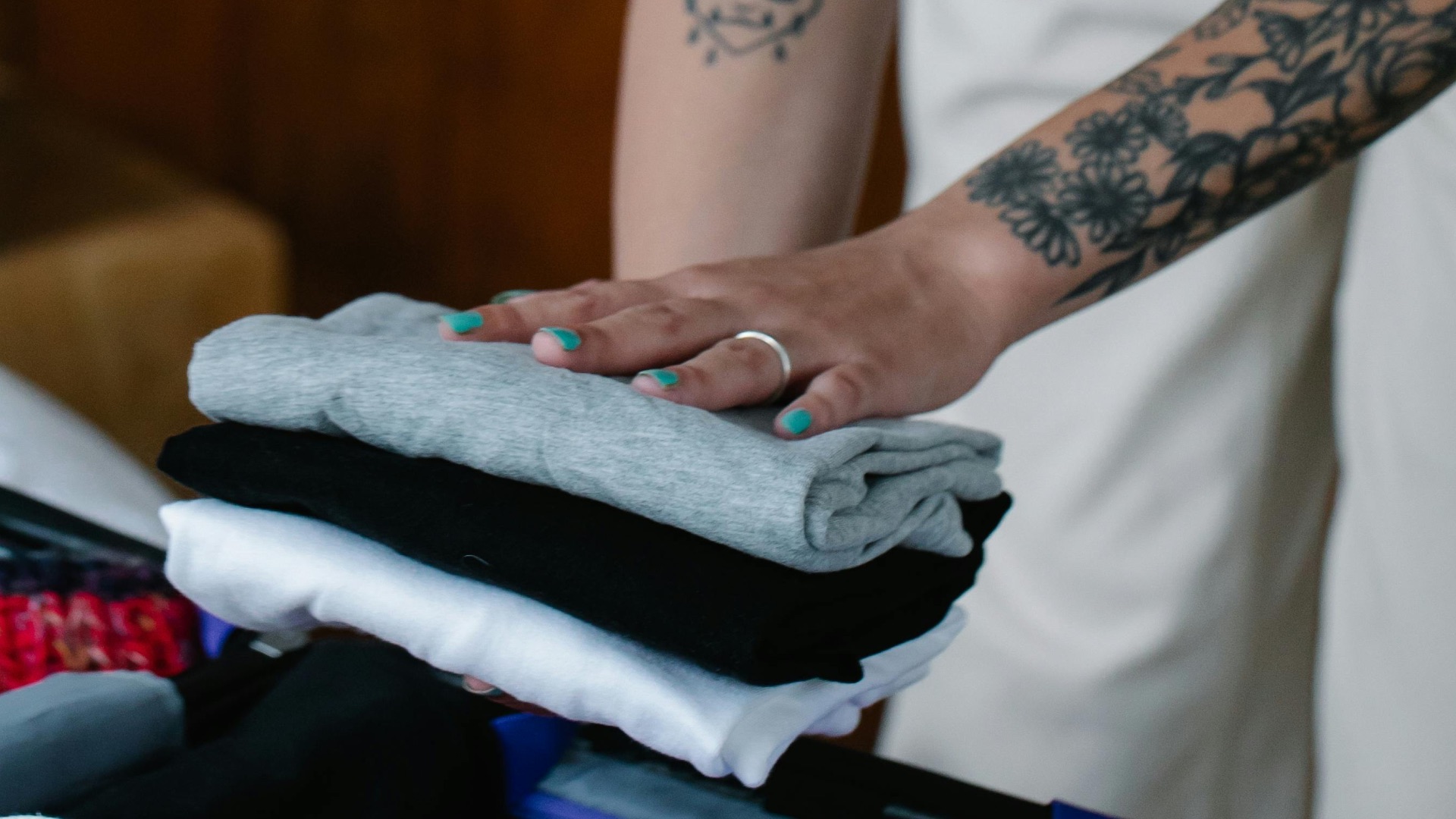
3. Fold Sweaters & Store Them on a Shelf
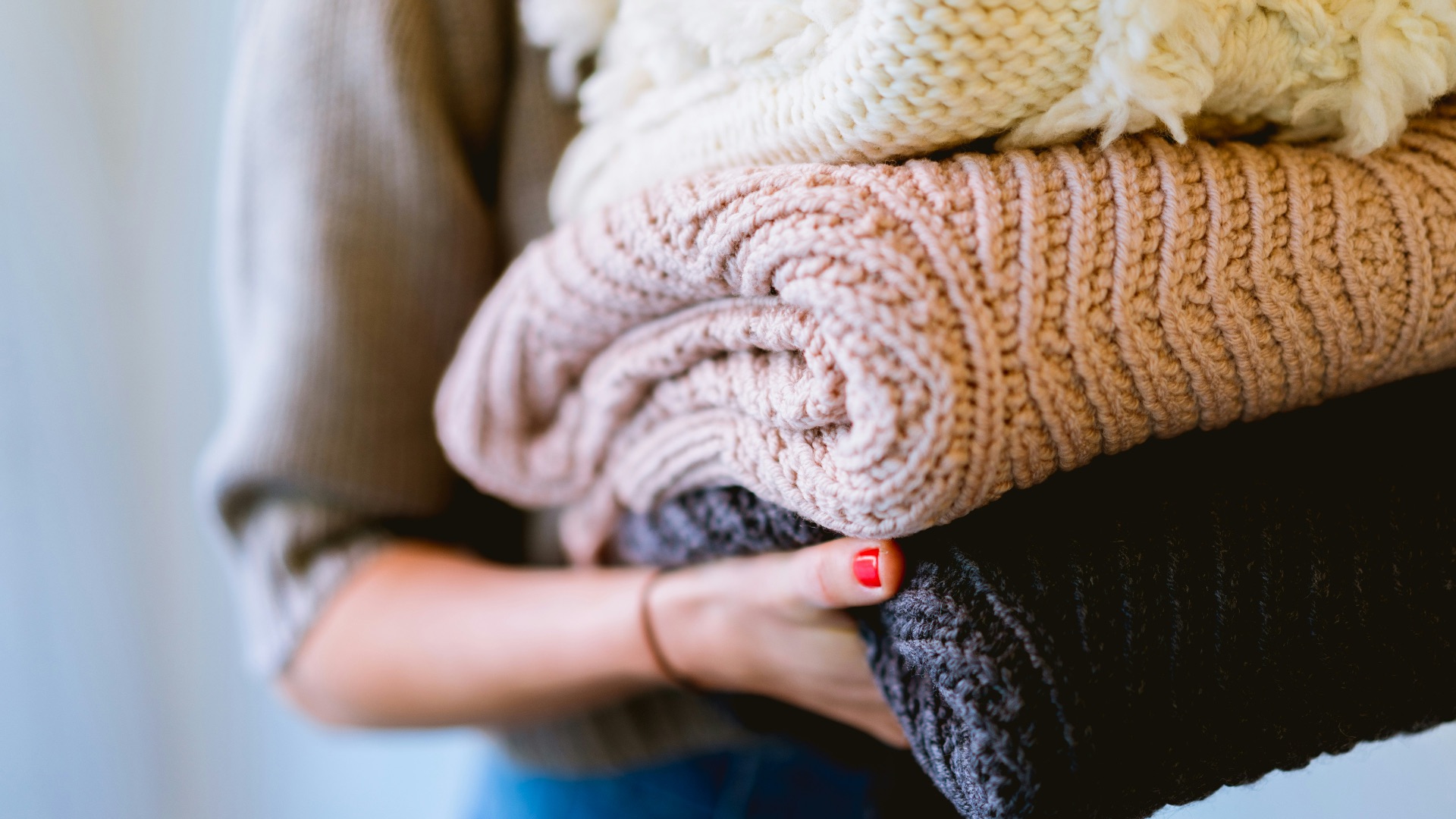
Folding protects knits from stretching and keeps shoulders smooth instead of having those dreaded stretched-out bumps. A simple stack works well as long as it isn’t too tall or tight. If shelf space is limited, folding sweaters into bins can still keep them in better condition.
4. Create a Dedicated Spot for “Worn But Not Dirty” Clothes
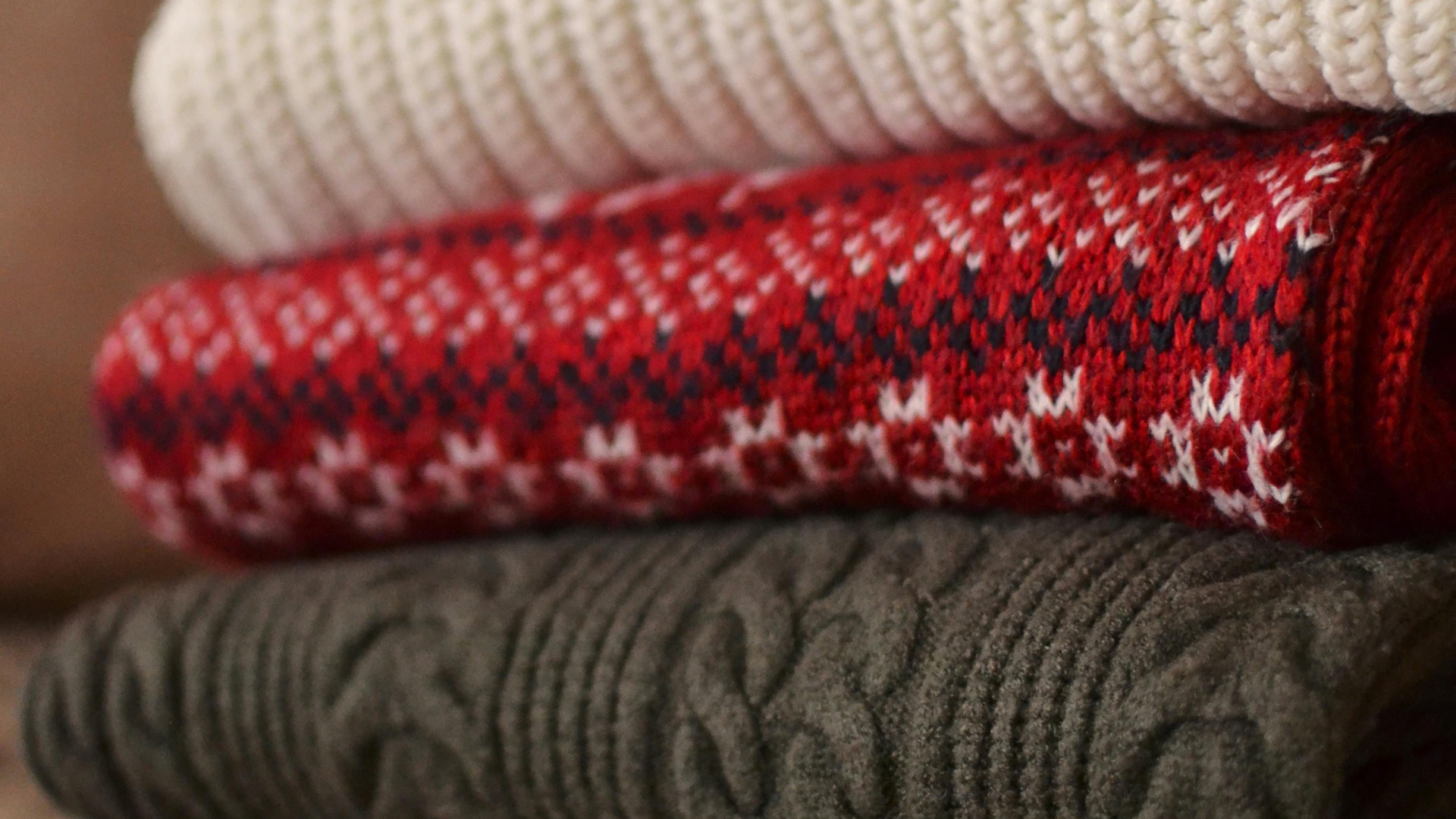
Pick a hook, a small rack, or a designated shelf so items don’t pile up all over the room. That way, you won’t mix worn pieces with clean ones by accident, and it also helps you rotate those items back into the closet before they become permanent residents on the floor or chair.
5. Store Shoes in a Rack or Clear Cubby System
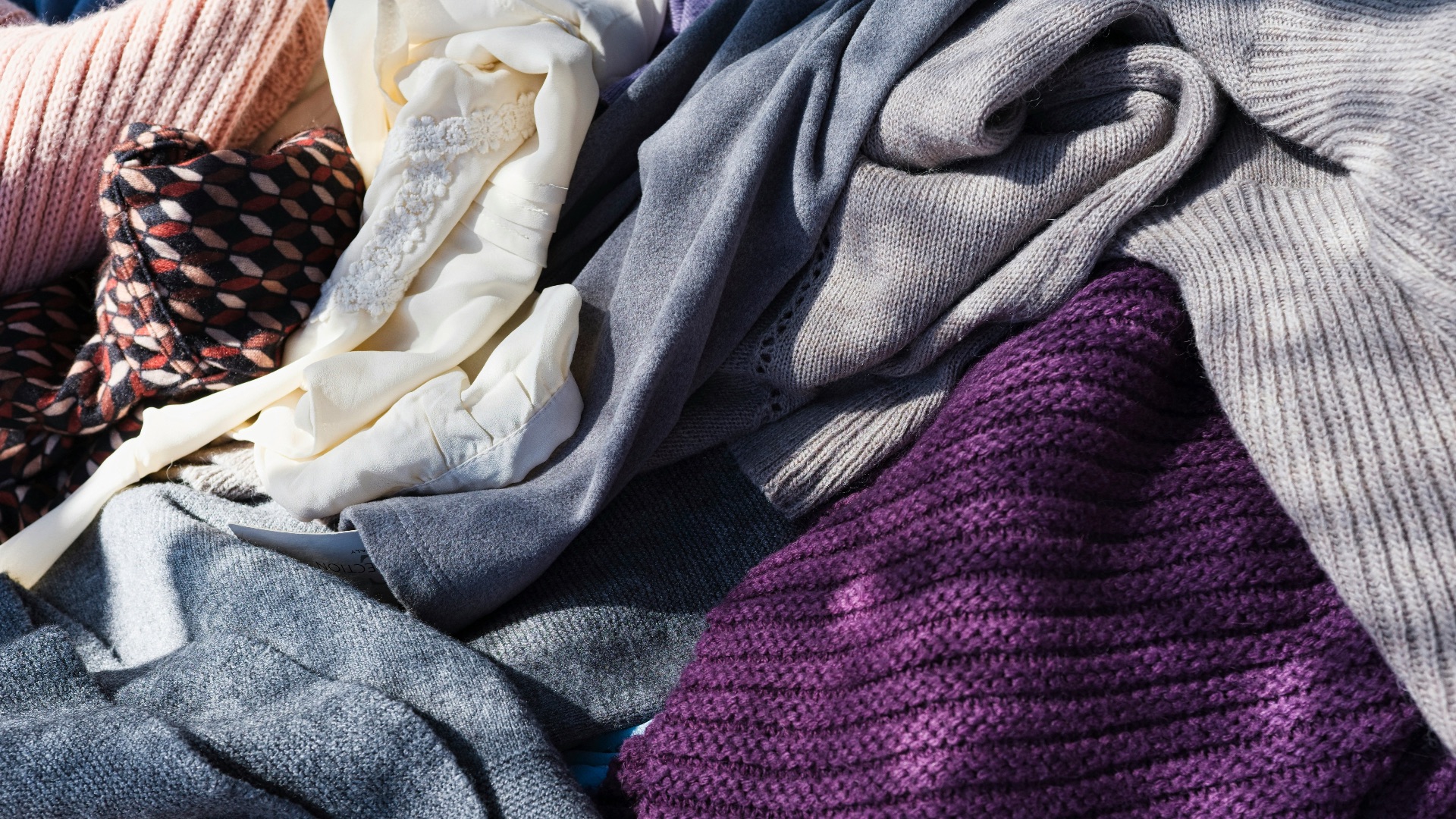
A rack keeps pairs together, helps shoes hold their shape, and keeps floors cleaner. Clear cubbies make it easier to see options quickly without pulling everything out, so you won't be spending too much time trying to find the right footwear.
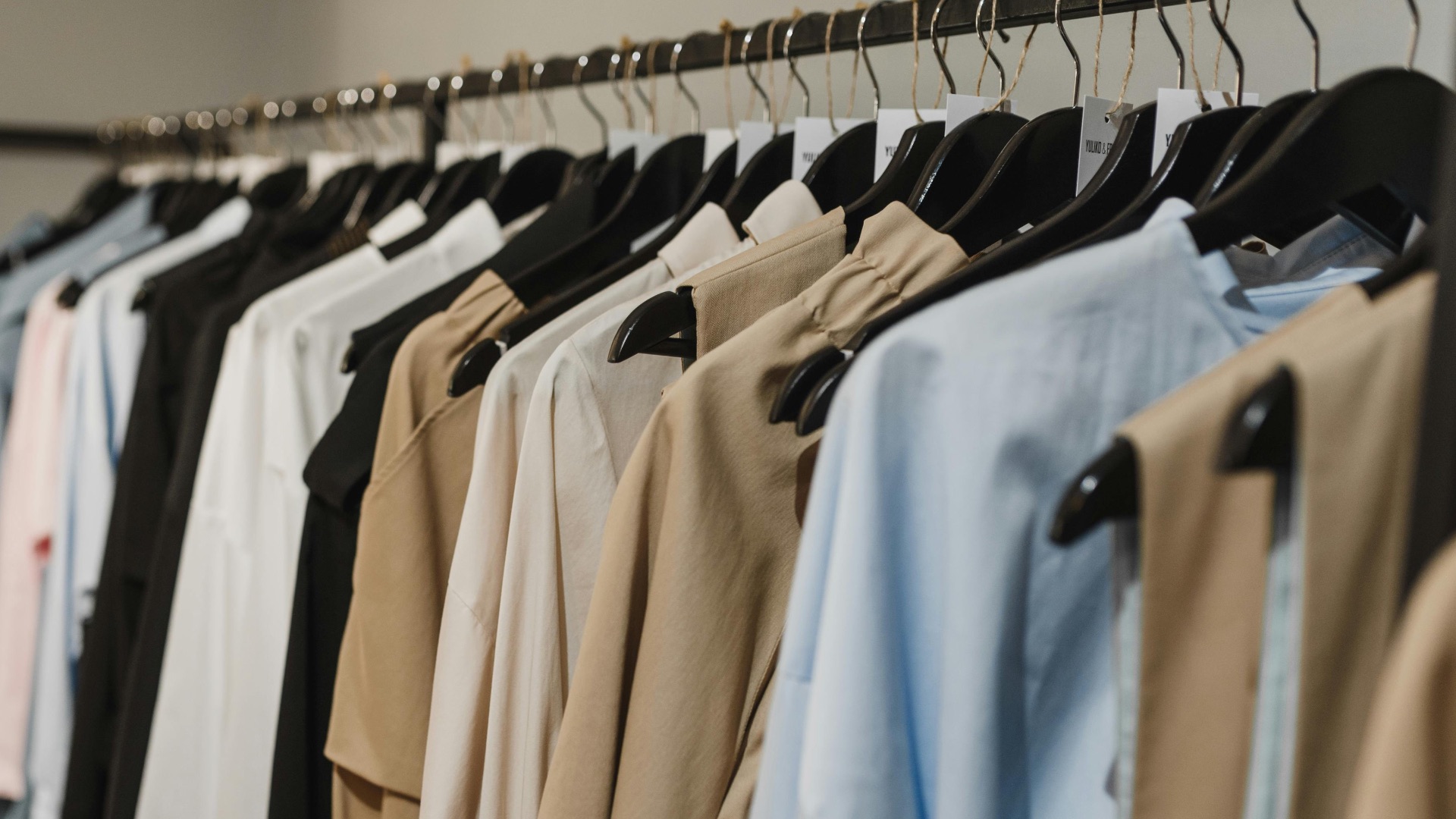
6. Upgrade to Sturdy Hangers That Match the Garment
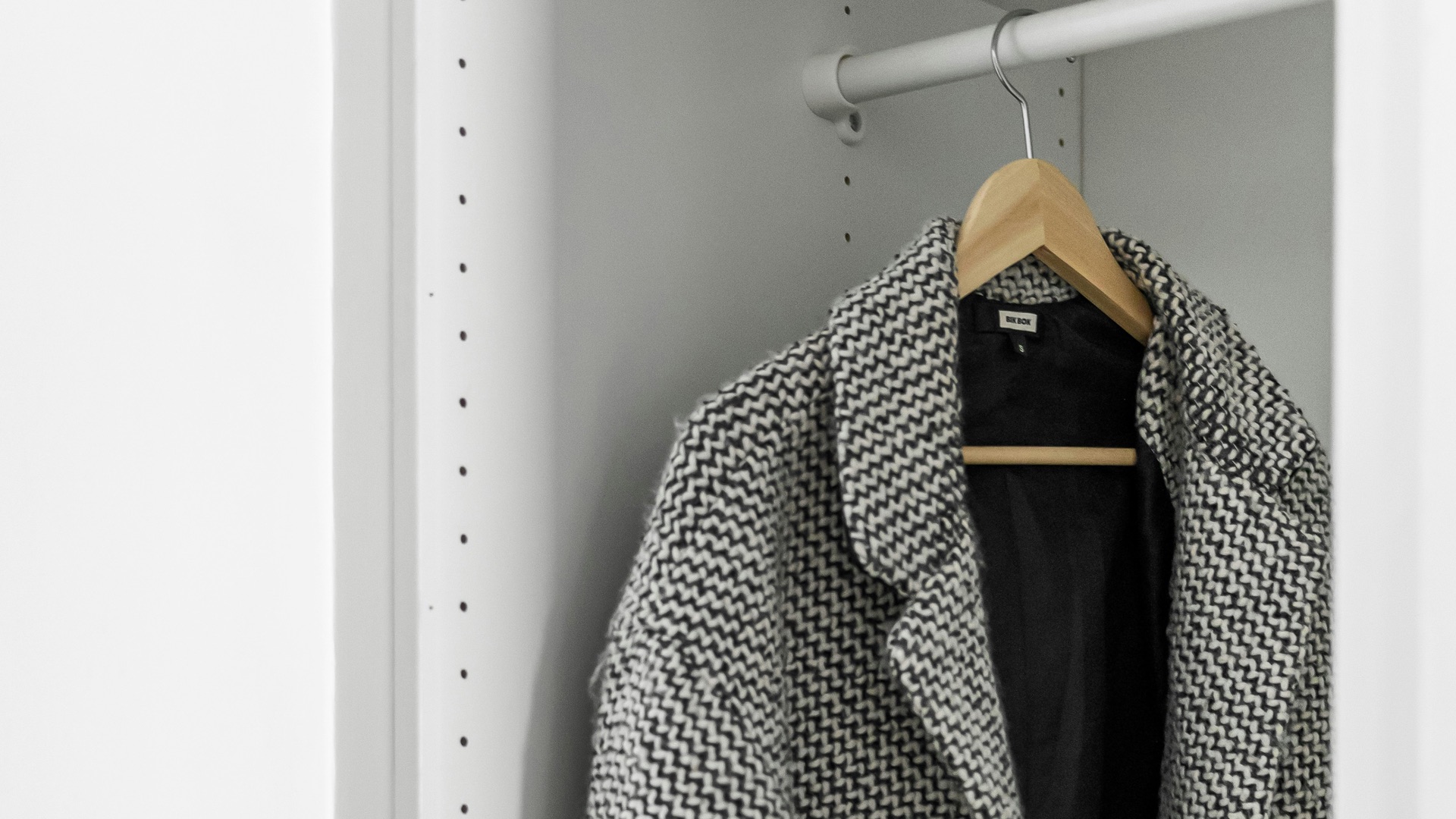
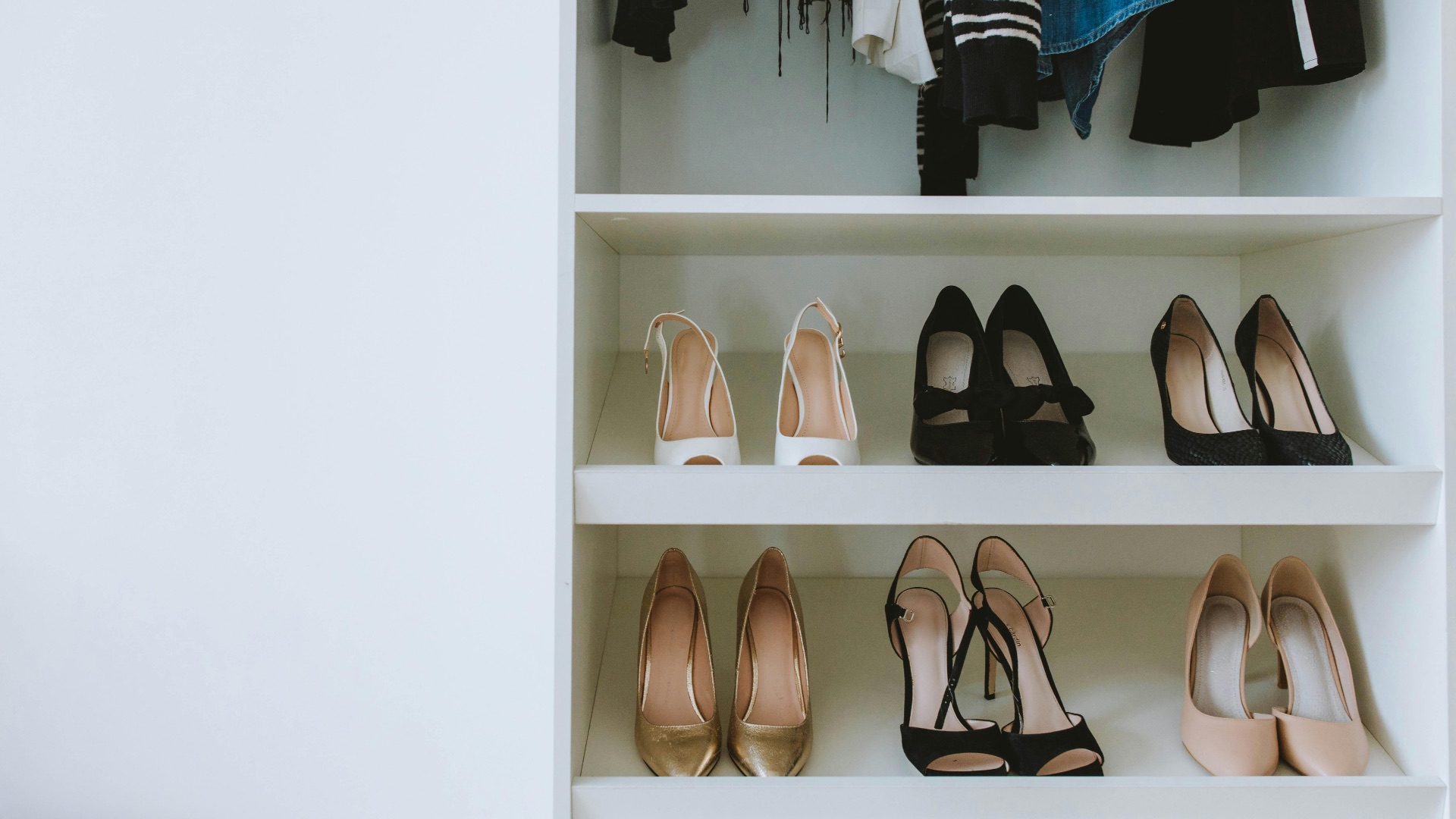
Use broader hangers for jackets and coats, and slimmer non-slip ones for tops that slide. Knowing which hangers to use keeps your closet more stable and prevents clothes from bunching up. Your shoulders will look better, too, because fabric won’t be pinched into odd angles.
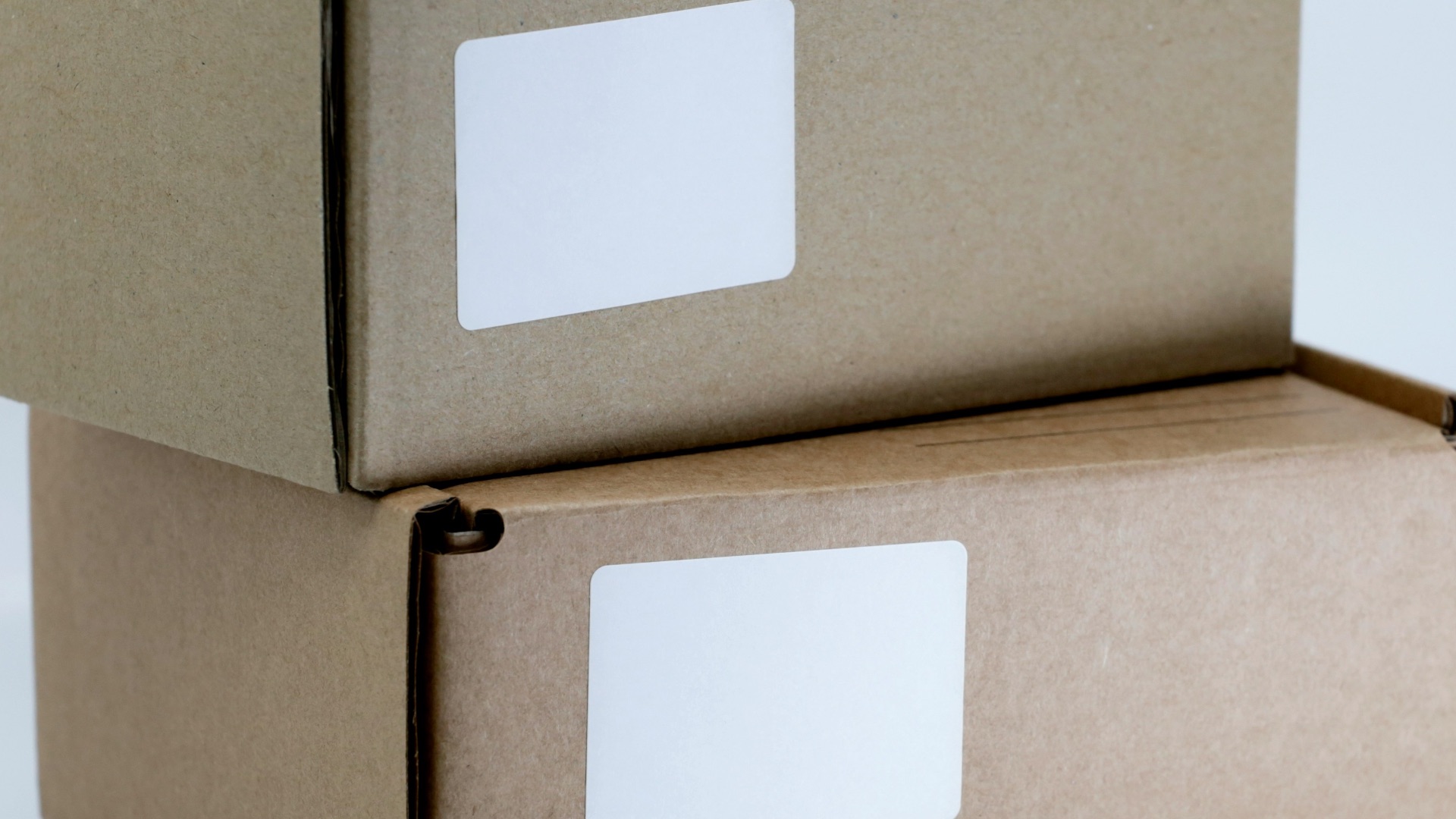
7. Store Seasonal Items in Sealed, Labeled Containers
We mentioned this before, but it's important to repeat it. If you're putting away seasonal items, make sure to close them up; sealed bins reduce dust, odors, and the chance of pests getting in. Use labels, too, as they'll save you from opening five containers just to find one thing.
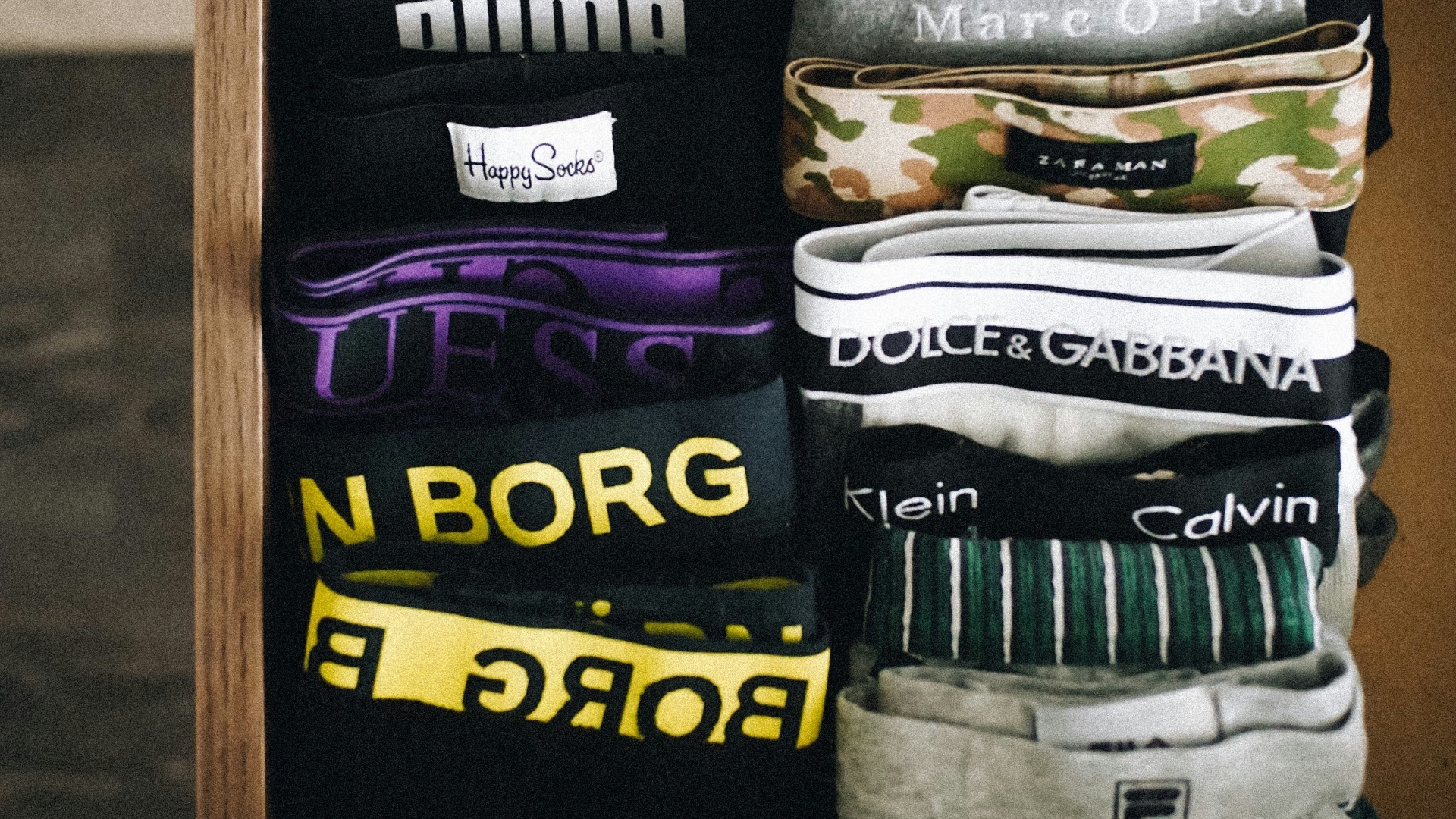
8. Switch to Vertical Folding for Everyday Basics
Vertical folding helps you see everything at a glance, so nothing gets buried or hidden. It also makes it easier to pull one item without messing up the whole drawer. Once you get the hang of it, maintaining order feels way less fussy. Just make sure not to pile too high.
9. Keep Delicates in Their Own Drawer Section or Fabric Box
Separating delicates prevents snags and helps pieces keep their shape longer, so you'll get more wear out of them. Plus, you’re more likely to treat them more carefully when they have a designated home. A small lidded box or soft organizer works great if your drawer space is limited.
10. Add Moisture Control & Light Pest Protection for Stored Pieces
A simple moisture absorber helps keep fabrics fresh, especially in closets with poor airflow. For wool and other susceptible materials, basic pest deterrents can save you from unpleasant surprises later on. Check stored items occasionally so small issues don’t turn into a nightmare.