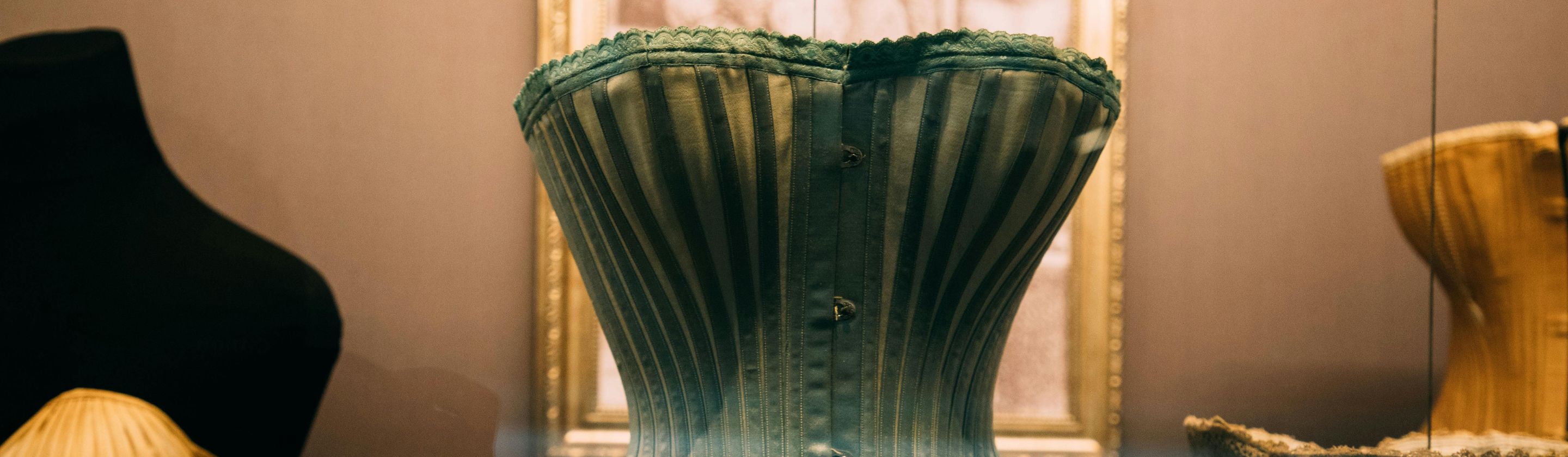

Look Chic, Not Cheap
Lace can be effortlessly elegant—or unintentionally overwhelming. It all depends on how it’s styled. Many love its delicate charm but struggle to strike the right balance between timeless and trendy. This list explores the dos and don’ts of wearing lace in a way that feels modern and flattering. It's packed with style-shaping insight you won’t want to miss. Let’s begin with the best ways to style lace beautifully.

1. Contrast Lace With A Leather Jacket Or Skirt
There’s something iconic about soft lace next to bold leather. It’s the kind of mix editors have loved for decades. Ever since leather jackets broke into fashion after World War II, they’ve given lace that edgy upgrade.

2. Pair A Lace Top With Relaxed Denim Jeans
Lace tops can feel a bit too delicate, so relaxed denim adds the perfect contrast. It’s comfy, casual, and surprisingly stylish. Jeans were once tough workwear, but by the mid-1900s, they became a go-to with dressy tops.

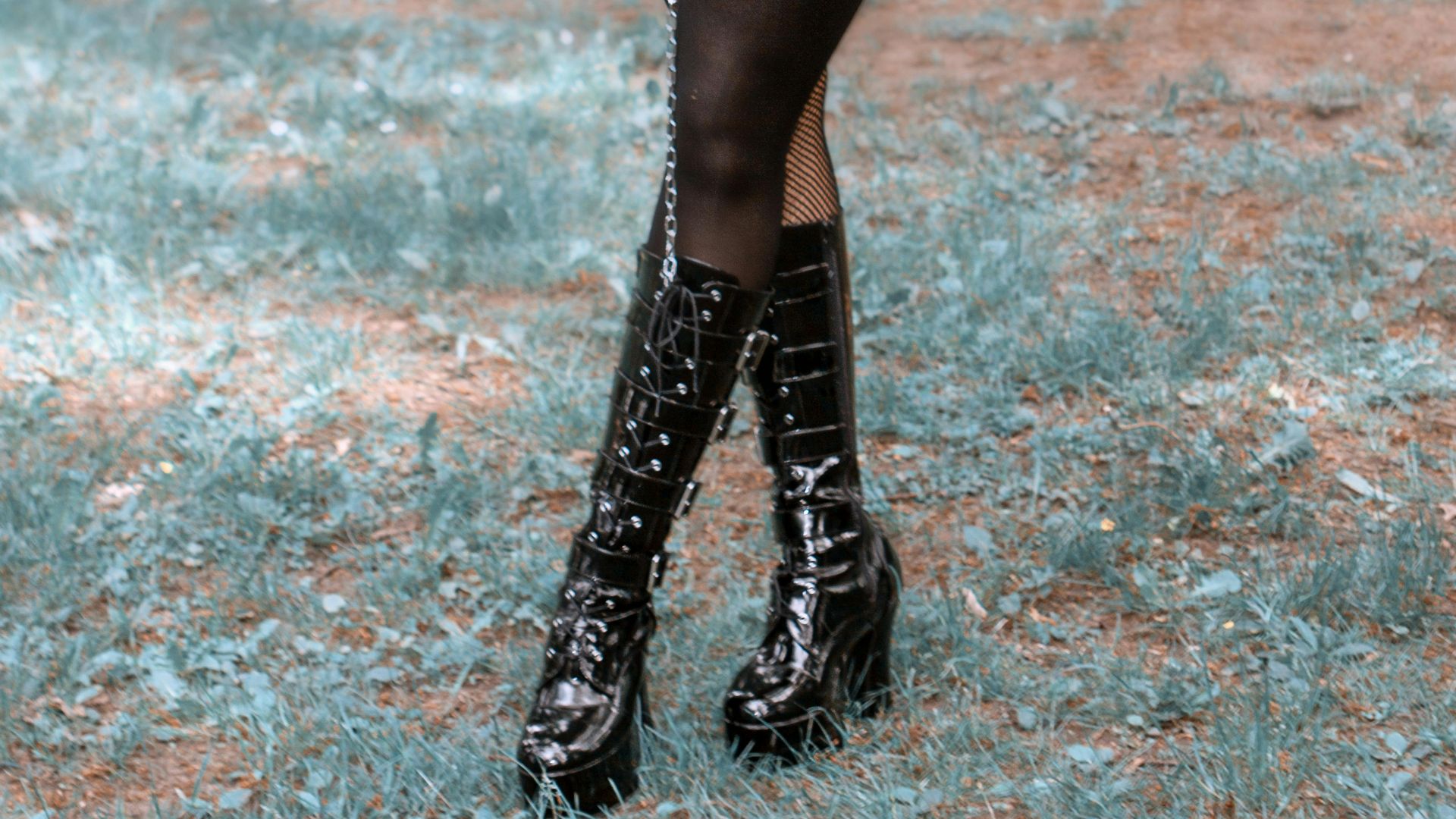
3. Combine Black Lace With Knee-High Boots
Black lace and knee-high boots? Always a win. The boots bring structure and coverage, while the lace keeps things flirty. Originally made popular through 19th-century mourning wear, black lace has evolved into a modern favorite for sleek, bold styling.
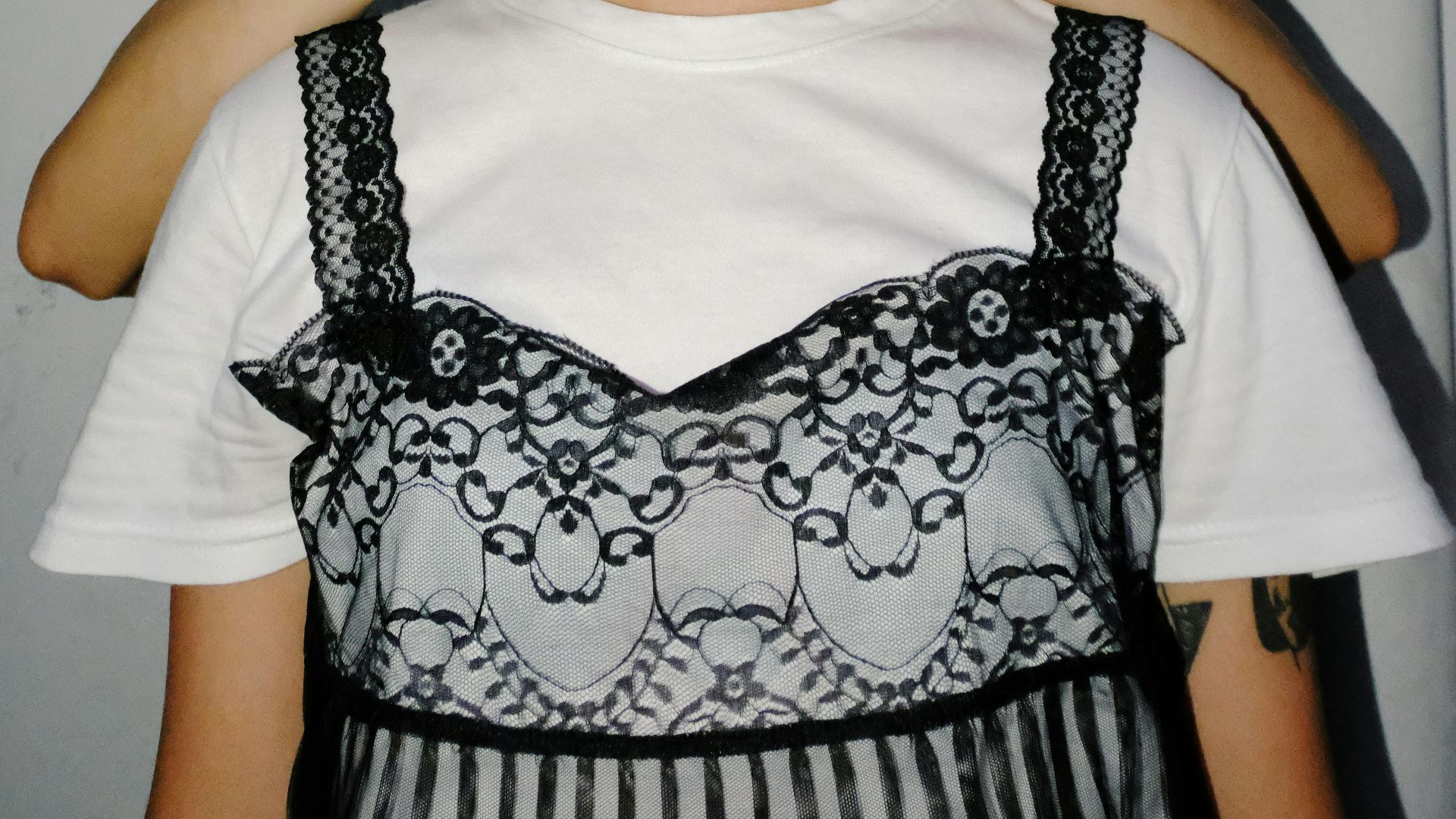
4. Wear A Lace Cami Over A Simple Tee
A lace cami over a tee feels playful and layered without trying too hard. Camis are built for stacking, and T-shirts offer just the right coverage. This trend blew up in the late ’90s, turning innerwear into a full outfit.
5. Layer A Lace Slip Dress Over Tailored Trousers
Lace slip dresses may feel a little too floaty on their own, but tailored trousers bring the structure they need. Designers were layering dresses over pants back in the 90s—way before it became a street-style favorite.

6. Layer A Lace Dress Under A Cozy Sweater
Chilly day? Slip a sweater over your lace dress for instant warmth without losing that delicate touch. The soft knit tones things down, while lace peeks through. Layering like this is a go-to, especially since lace dresses are so lightweight.

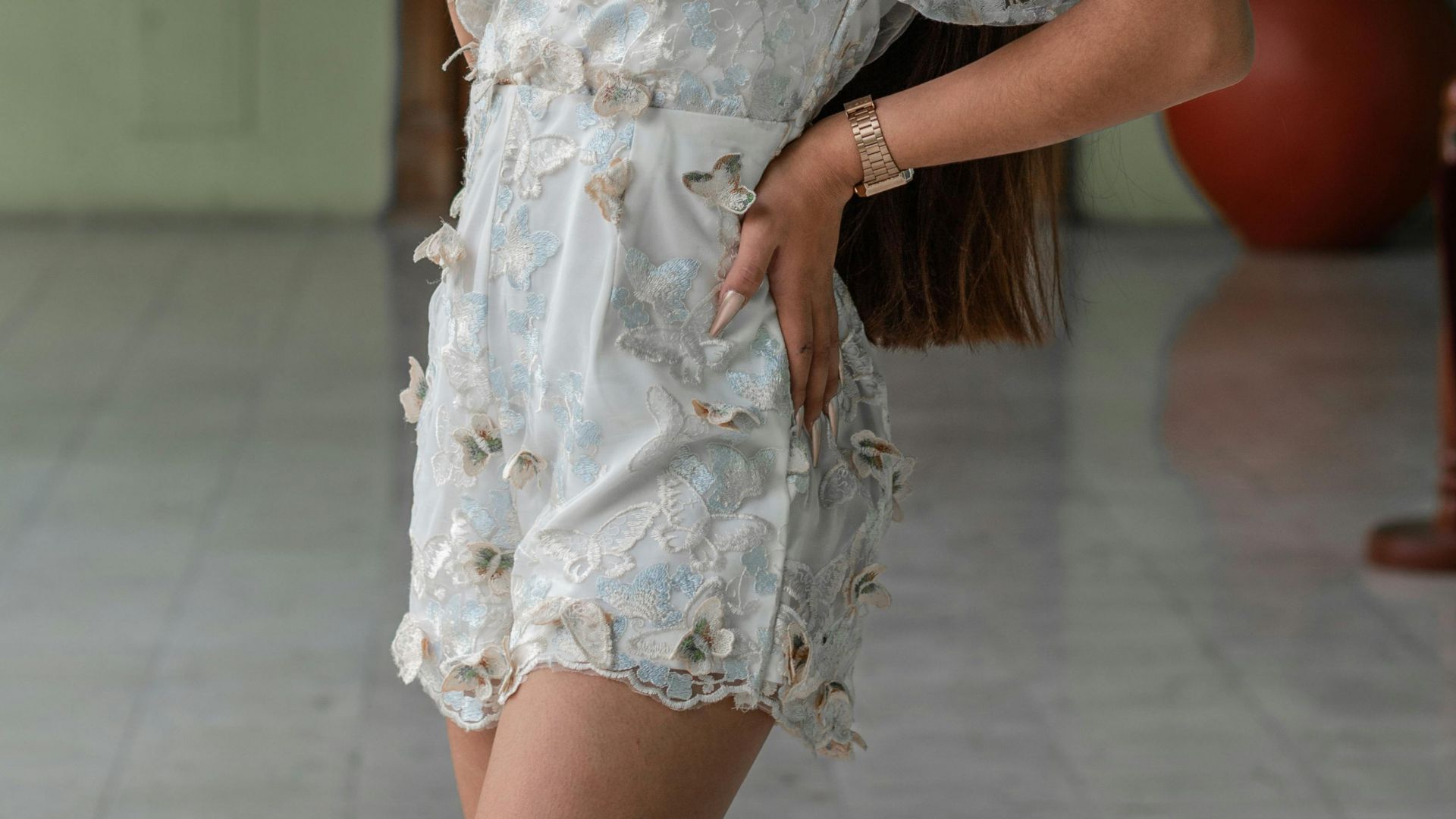
7. Add Lace Trim To Casual Shorts With A Knit
Adding lace trim to basic shorts instantly softens the vibe, and a knit top keeps things cozy. Decorative lace has been hand-sewn for centuries, so you’re basically blending old-world charm with off-duty style—and doing it effortlessly.
8. Wear A Lace Blouse Under An Oversized Blazer
Want to tone down a lace blouse? Toss on an oversized blazer. It adds coverage without hiding the charm. This trend’s been around since the power-dressing ’80s, and those boxy shapes still come straight from military-inspired tailoring.

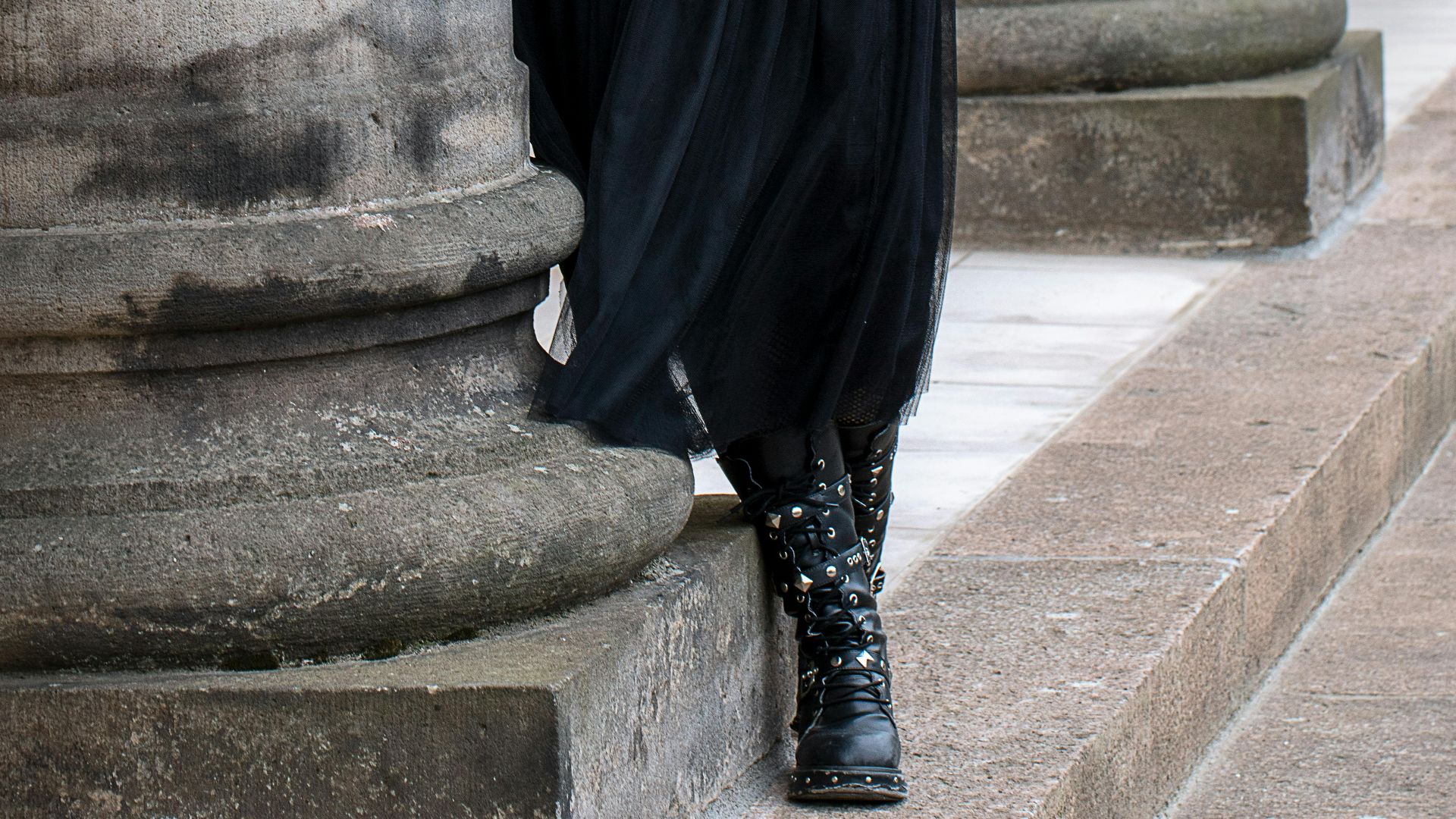
9. Style A Lace Skirt With Chunky Boots
Balance out a flowy lace skirt with chunky boots—they add just enough edge. The pairing isn’t new either. Mixing feminine with tough has been in play for ages, and combat boots especially took over the ’90s like a storm.
10. Mix Lace With Satin For Evening Elegance
When satin meets lace, you get instant glam. The glossy finish next to soft texture feels luxe without being over-the-top. Designers love this combo for formal looks, and satin’s rich history even goes all the way back to medieval China.

Now that you know how to wear lace well, let’s look at the styling mistakes that can take your look in the wrong direction.
1. Wearing Visibly Cheap Or Poorly Finished Lace
Nothing ruins a look faster than stiff, synthetic lace with loose threads and uneven patterns. It frays easily and feels harsh. Traditional lace was crafted by hand, so quality always stood out, and it still does when it’s done right.

2. Choosing Ill-Fitting Lace Garments
If it pulls, wrinkles, or bunches, lace loses its charm. Without stretch, a bad fit can twist the pattern completely. Historically, lace garments were tailored to perfection—your modern version deserves just as much attention to fit and detail.

3. Mixing Lace With Loud Or Clashing Prints
Lace patterns are already busy, so clashing prints only create chaos. You lose the detail in both. Early fashion solved this by keeping lace against solid fabrics, and honestly, that trick still works for a polished, cohesive outfit.

4. Revealing Too Much Skin Through Sheer Lace
Semi-sheer lace might look stylish, but go too far and it crosses into risky territory. Unlined pieces can expose more than expected. In the past, lace was just trim—never meant to stand alone without a proper lining or slip.

5. Styling Lace With Other Delicate Fabrics Only
Too many soft fabrics in one outfit can feel floppy and unstructured. Lace needs backup, like something sturdy, such as denim or leather. Designers mix heavy and delicate textures all the time to create contrast that actually makes lace stand out.

6. Over-Accessorizing Lace Outfits
Lace already brings enough detail to the table. Piling on heavy jewelry just clutters the look. Let the fabric shine with minimal styling. After all, its intricate design was once admired like jewelry in its own right.
 HANUMAN PHOTO STUDIO🏕️📸 on Pexels
7. Pairing Lace With Overly Trendy Items
Trendy pieces can steal the spotlight, or worse, date the whole outfit. Lace is timeless, and it shines best alongside classics. Since centuries-old styles still inspire today’s runways, balance is key to making your look feel current, not confusing.

8. Choosing Outdated Lace Silhouettes
A beautiful fabric won’t save a silhouette that feels outdated. As trends evolve, old cuts can make lace look stale instead of stylish. While lace patterns often stand the test of time, the shape of the garment needs a refresh.
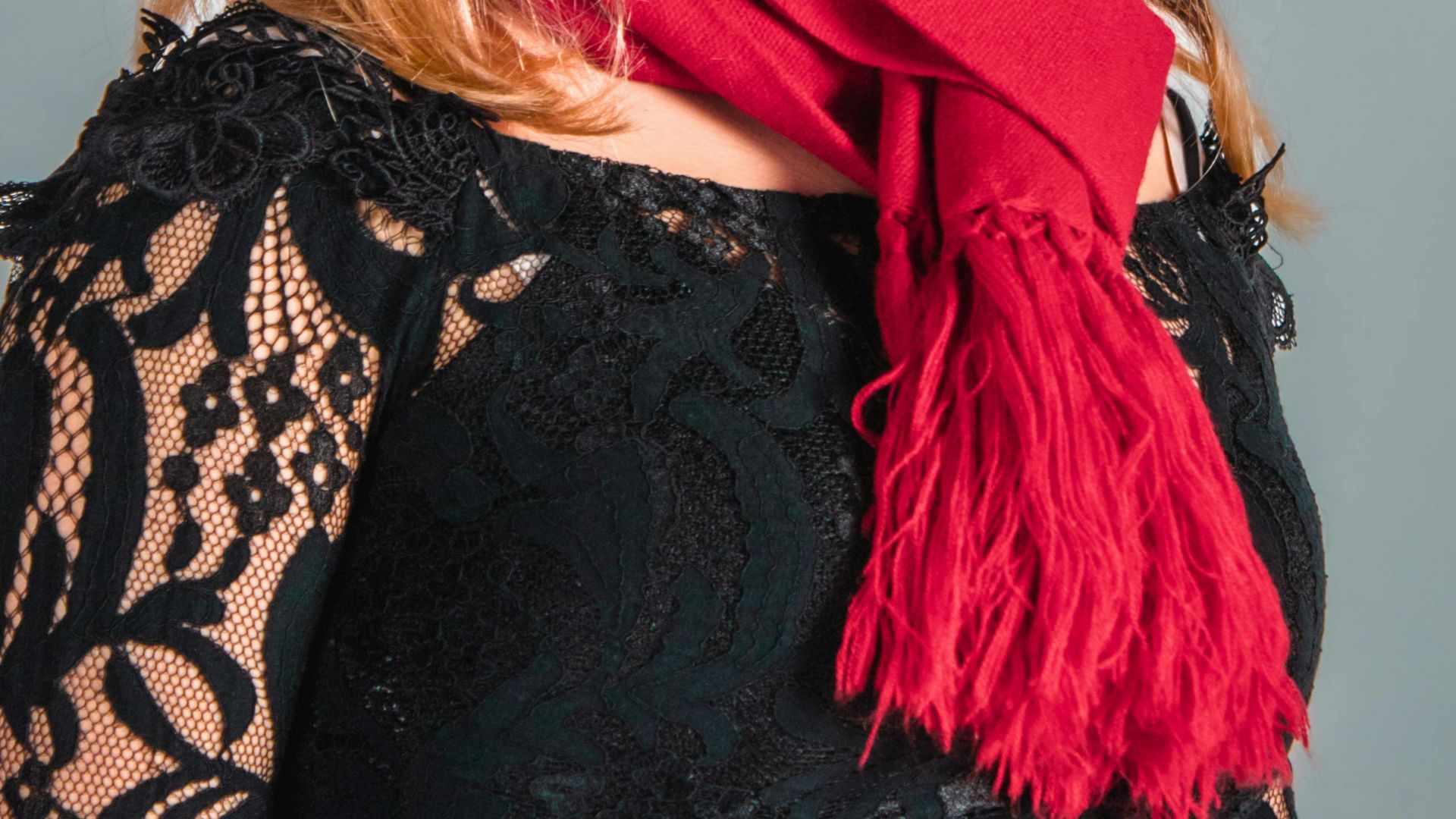
9. Wearing Brightly Colored Lace In Casual Settings
Lace in bold colors looks dramatic, but in casual spaces, it can feel like too much. Bright dyes highlight every detail, turning even simple designs into statements. Historically, lace was saved for occasions, and it still carries that dressy vibe.

10. Using Lace As The Focal Point In Multiple Layers
Layering lace on lace sounds dreamy; however, it’s a visual overload. Too many detailed pieces compete with each other. Stick to one strong lace item per look. Traditionally, designers limited lace use because making it demanded extensive workmanship.