10 Colors That Photograph Beautifully & 10 That Often Disappoint
Some Colors Love the Camera, & Some Absolutely Don’t
A color can look gorgeous in person and still turn a little strange the second a camera gets involved. Lighting, skin tone, fabric texture, and even the phone or lens you’re using can all change how a shade reads. Some colors consistently come out rich and flattering, while others go flat, muddy, or unexpectedly harsh. Here are 10 colors that usually photograph beautifully and 10 that often end up being less impressive on camera than you hoped.
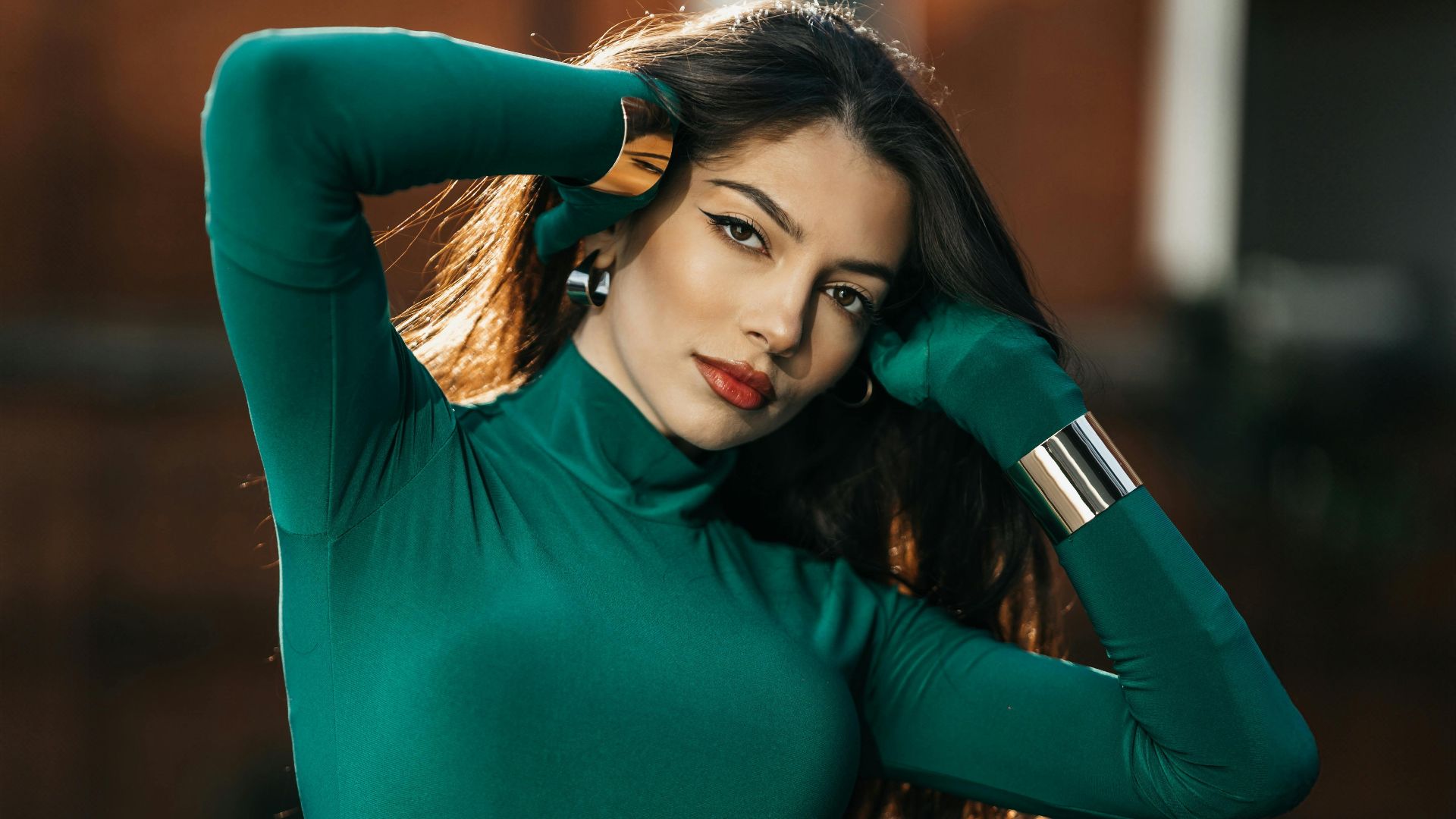
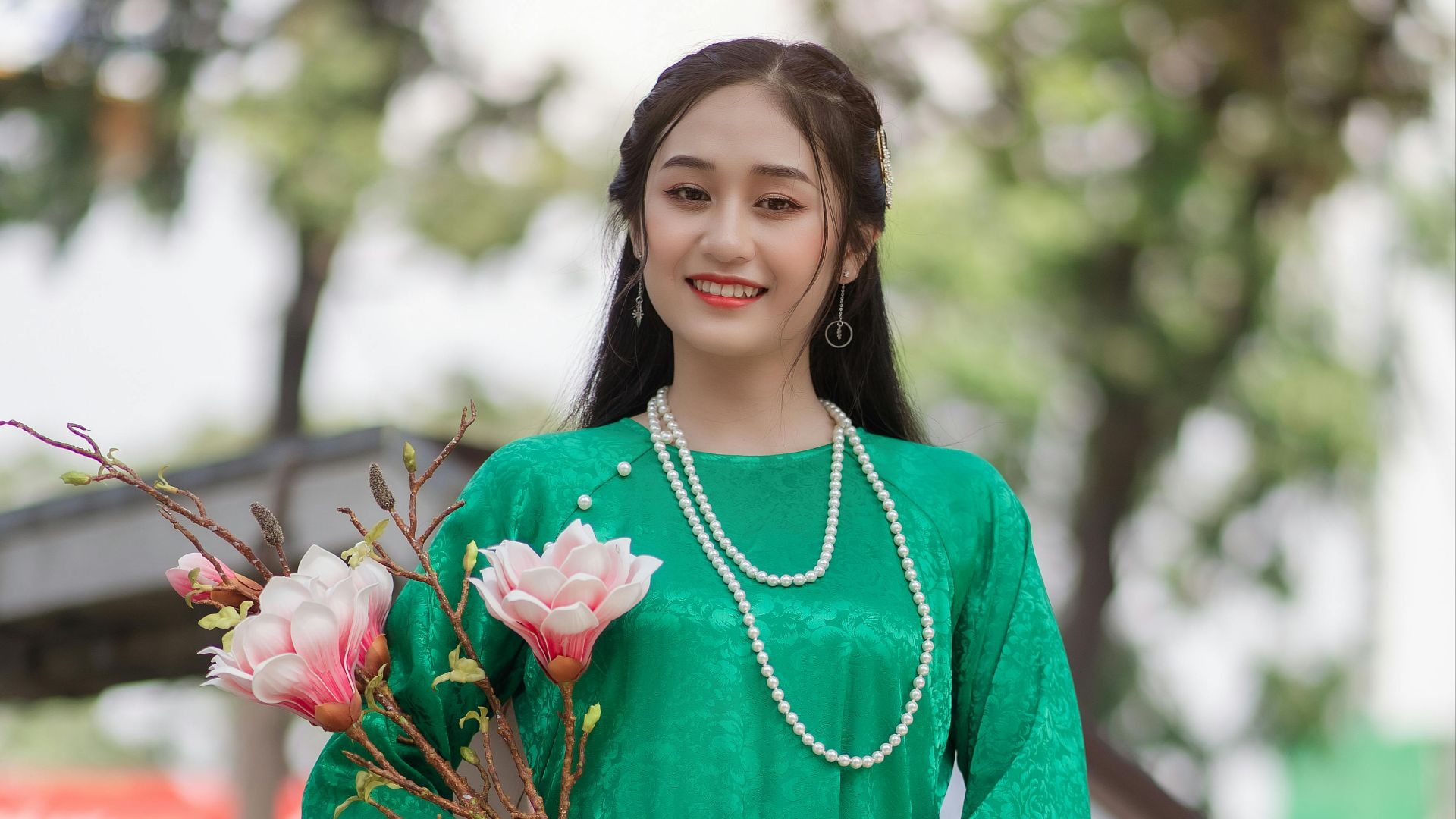
1. Emerald Green
Emerald green tends to photograph beautifully because it has richness, depth, and enough saturation to hold its own in different lighting. It usually reads clearly on camera instead of fading into the background or turning dull. There’s also something about it that makes both casual and dressy looks seem a little more polished.
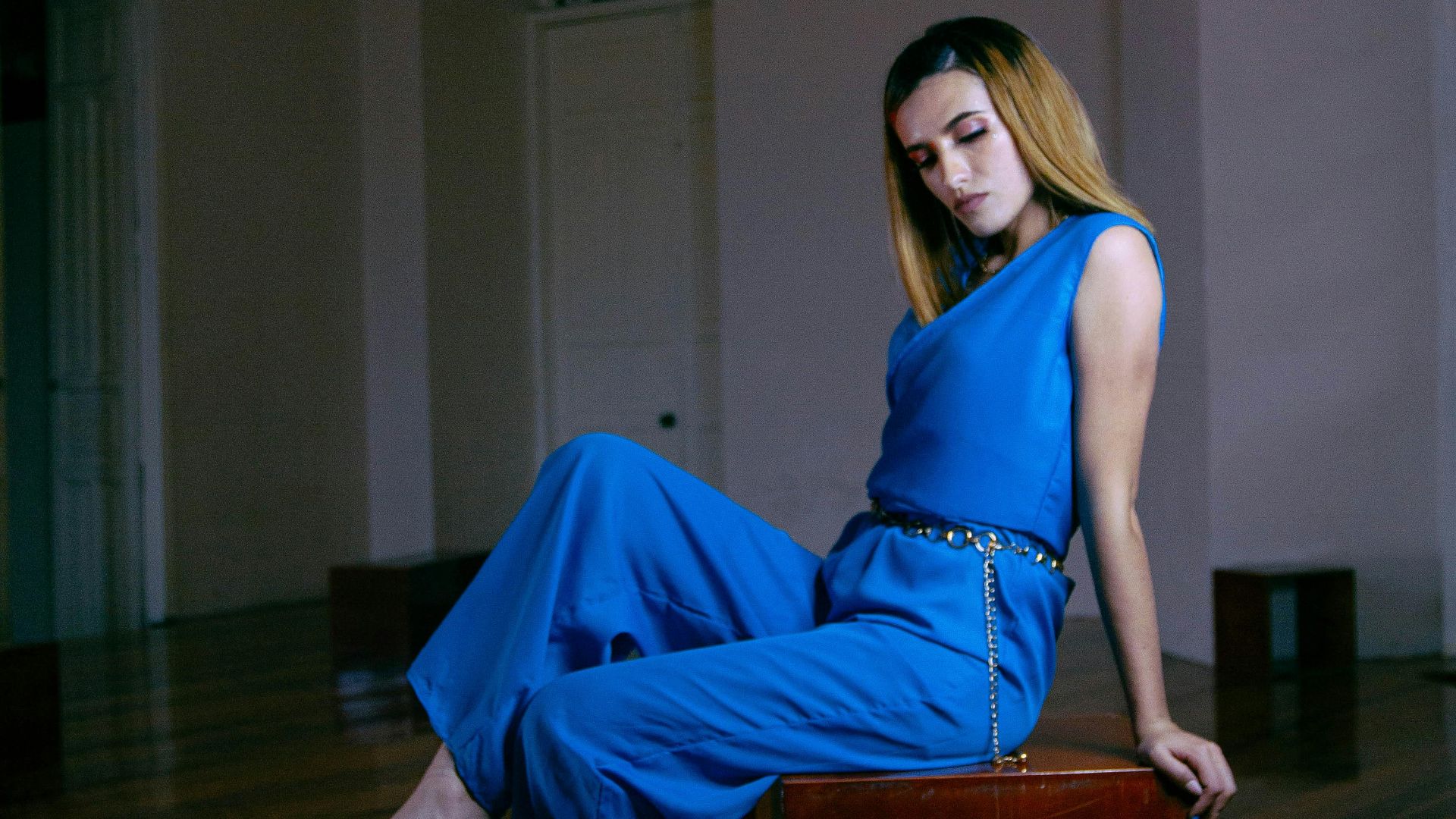
2. Cobalt Blue
Cobalt blue has a crisp brightness that cameras tend to handle really well. It feels bold without being visually chaotic, which helps it stay clean and striking in photos. The shade also stands out nicely against a lot of backgrounds, especially neutral or outdoor settings.
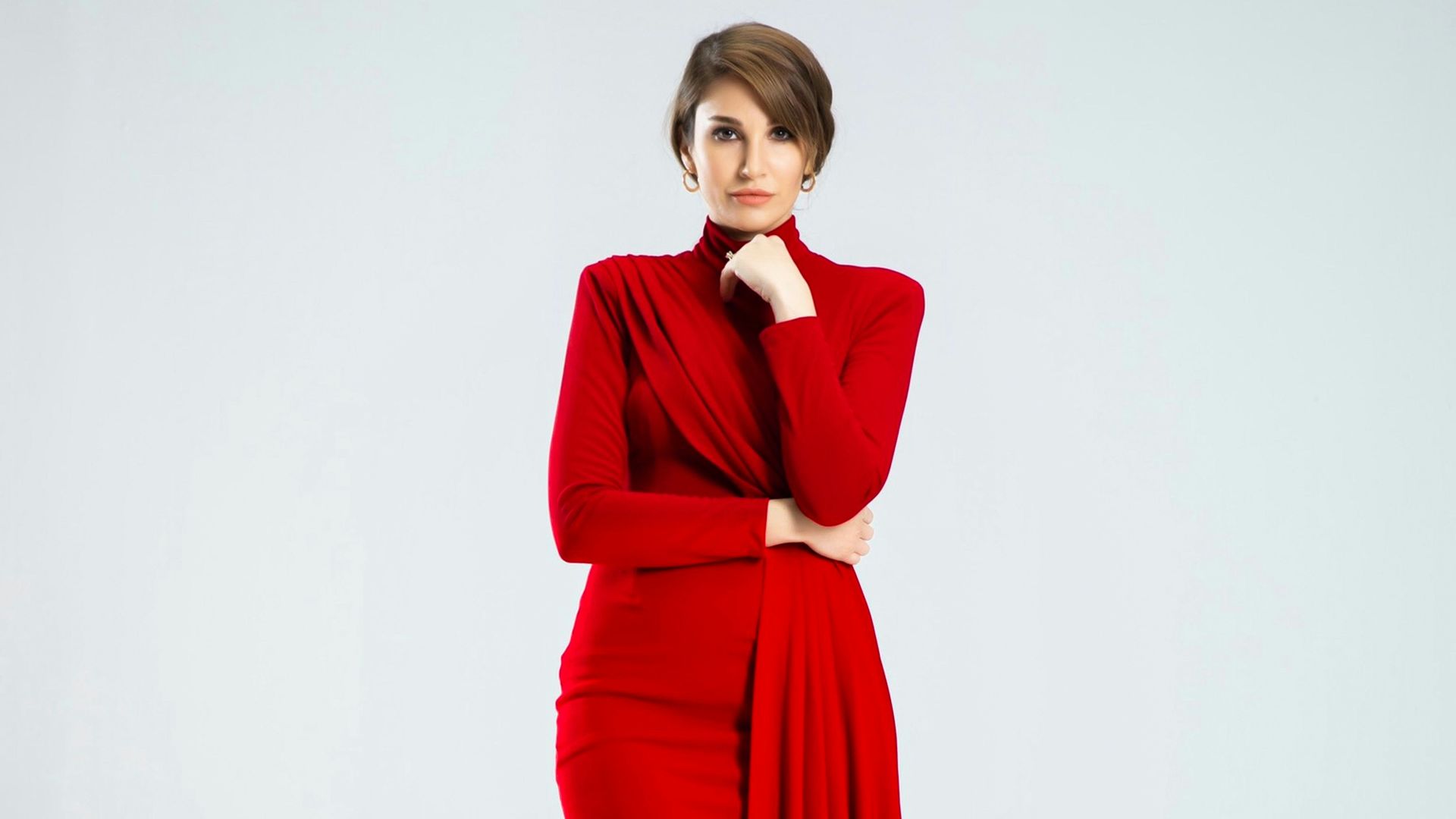
3. True Red
A clear, balanced red often looks fantastic in pictures because it brings instant energy and confidence. It has enough strength to show up well in both natural and indoor light, and it usually keeps its personality instead of washing away. When the tone is right, it adds life to the whole image.
4. Deep Teal
Deep teal has that useful mix of richness and subtle drama that photographs very well. It gives the camera enough color to work with while still feeling refined rather than loud. On clothing, decor, or backgrounds, it often creates a smoother and more flattering visual effect than lighter blue-greens.

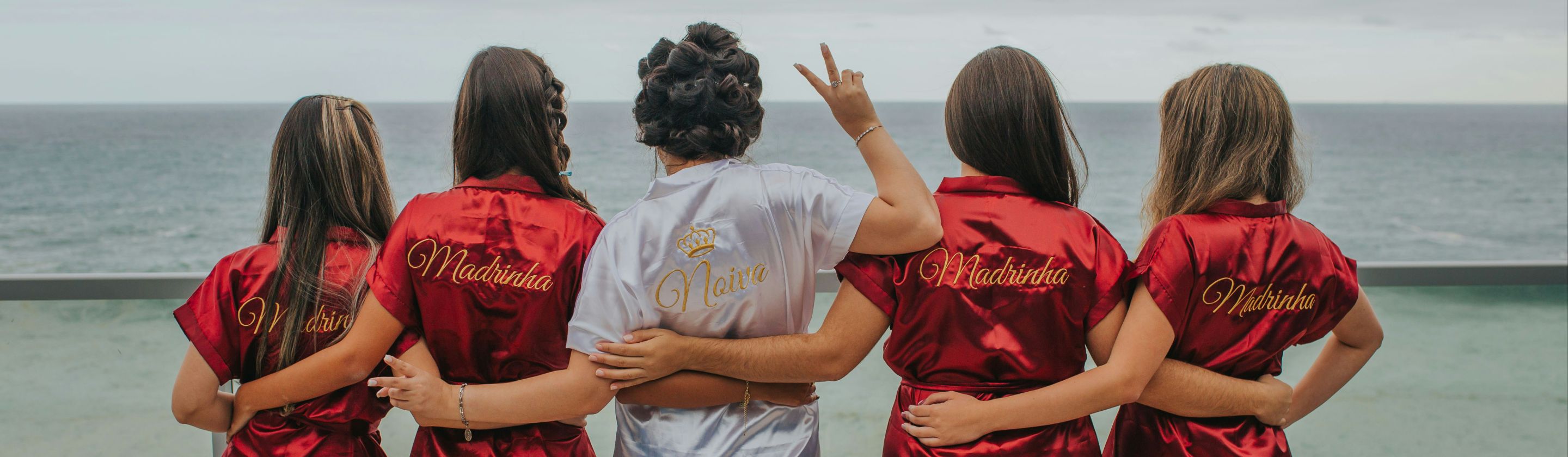
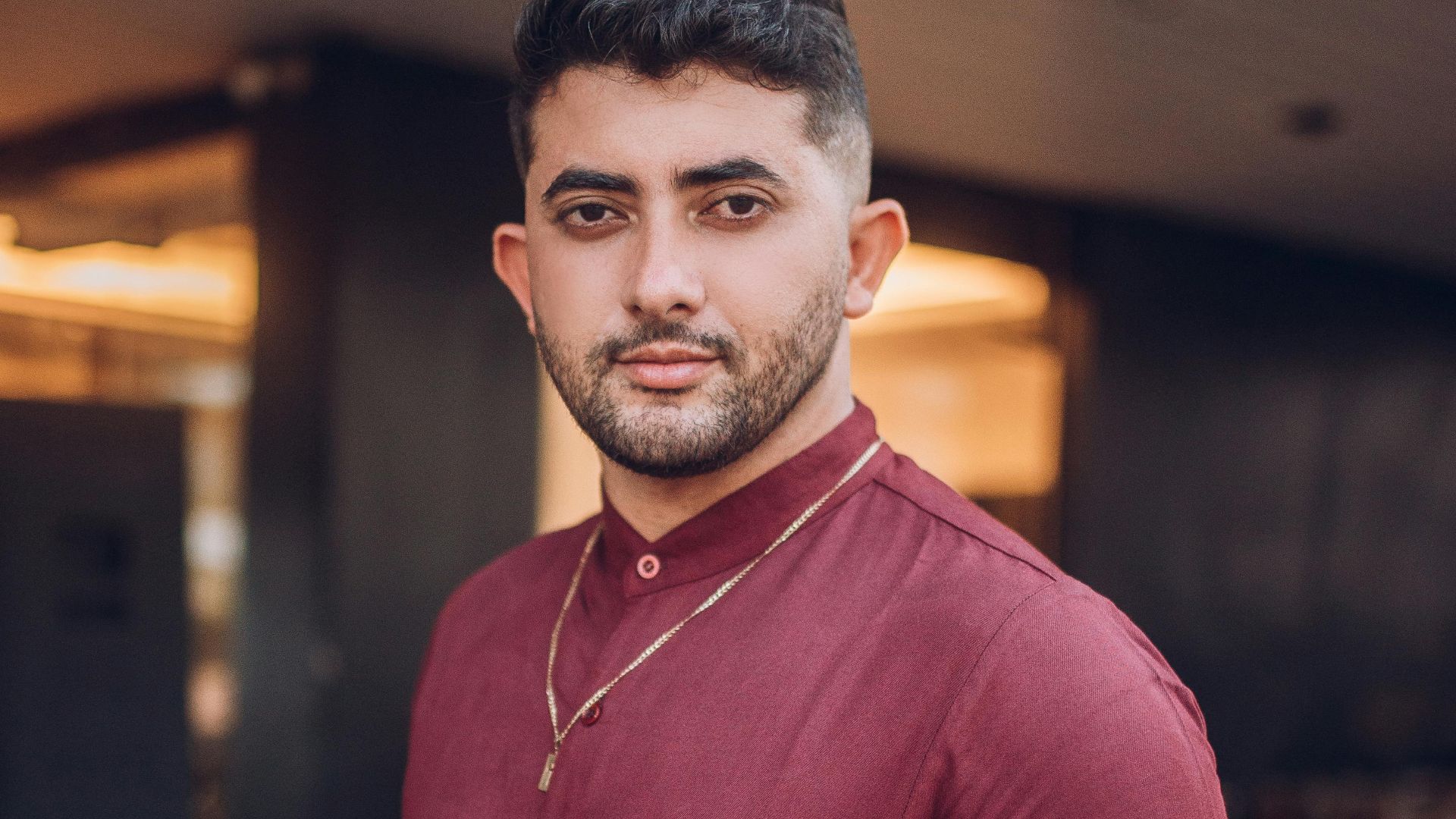
5. Burgundy
Burgundy tends to do especially well in photos because it has depth without becoming too dark to read. It gives warmth, richness, and a little mood while still keeping enough visible color to stay interesting. That makes it especially reliable in evening settings or lower light.
6. Mustard Yellow
Mustard yellow often photographs better than paler yellows because it has enough earthiness to stay grounded. It feels warm, cheerful, and distinctive without turning overly bright or reflective under strong light. In pictures, it usually has more character than softer yellows.
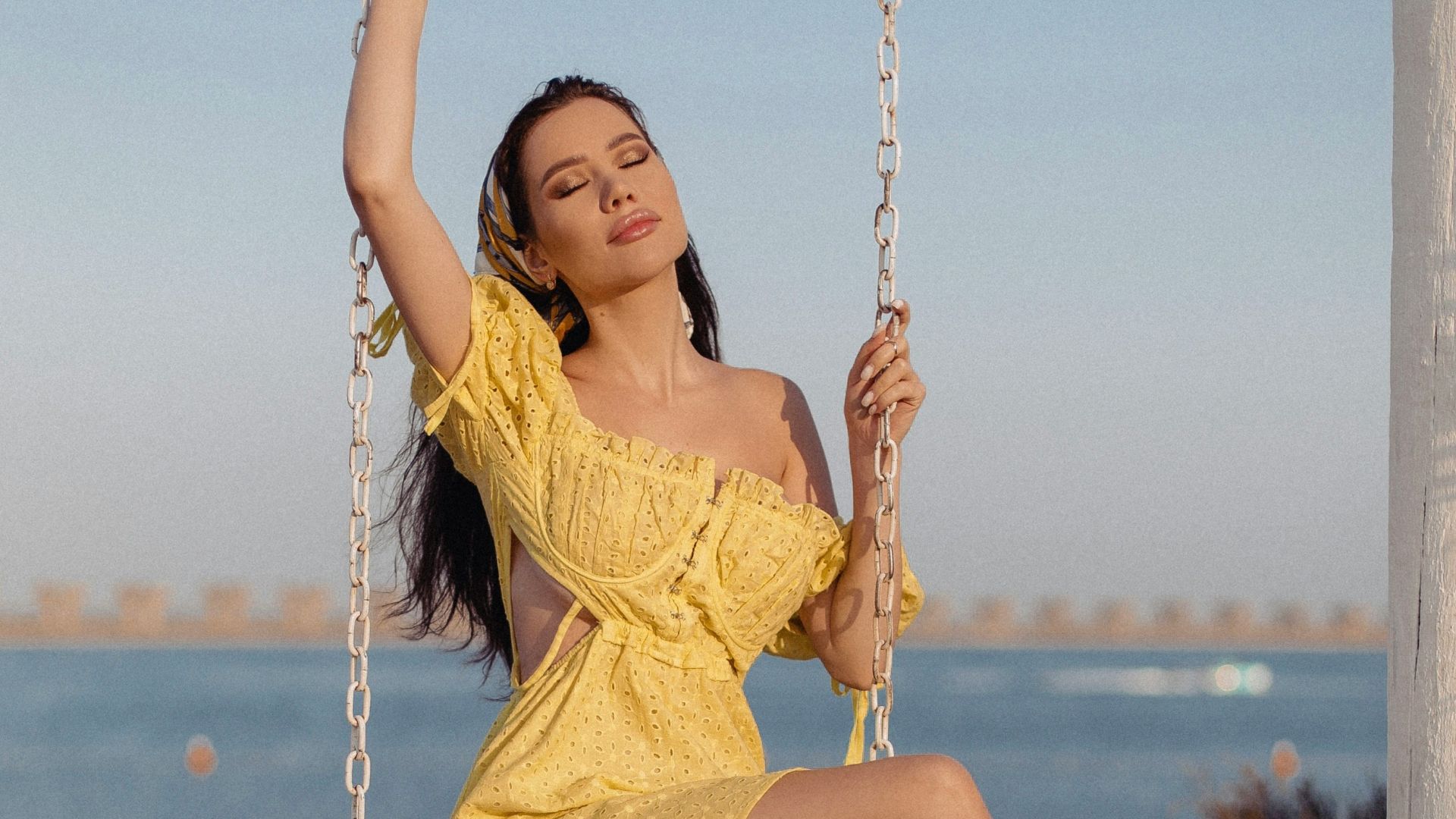
7. Soft Ivory
Soft ivory can be beautiful on camera because it feels luminous without the harshness that bright white sometimes creates. It has a gentler effect that works well for portraits, clothing, and interiors, especially when you want a cleaner look without a glaring finish.
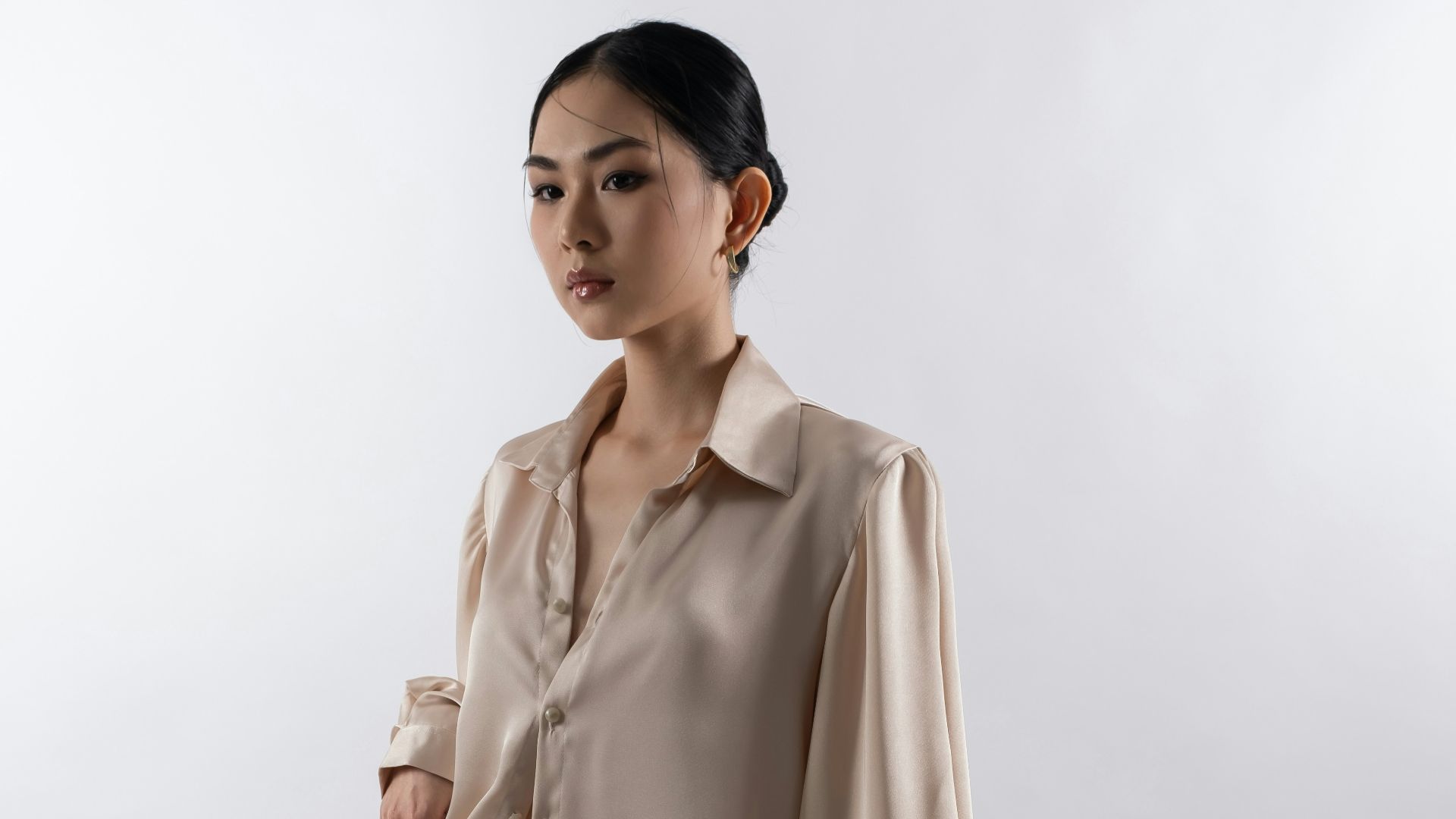
8. Dusty Rose
Dusty rose is one of those shades that often looks even better in photos than you expected. It has enough color to register clearly, but the muted finish keeps it from becoming too loud. That balance makes it flattering in portraits and surprisingly versatile in styling. You get softness without drifting into bland territory.
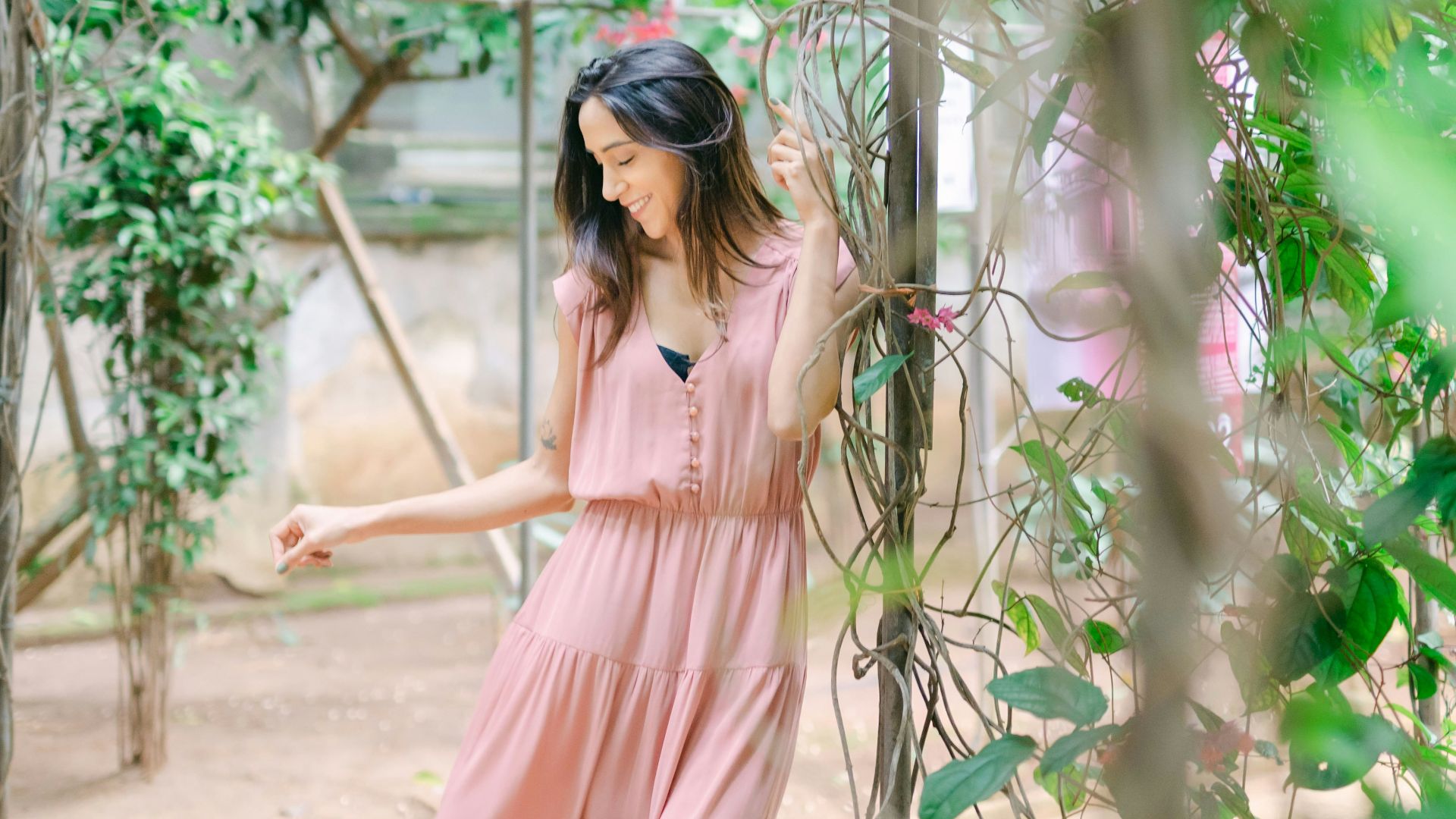
9. Charcoal Gray
Charcoal gray photographs beautifully because it brings structure and depth without the flat heaviness black can sometimes create. It's dark enough to feel sleek, but it usually keeps more visible detail in folds, texture, and shape. That helps it look sophisticated rather than severe.
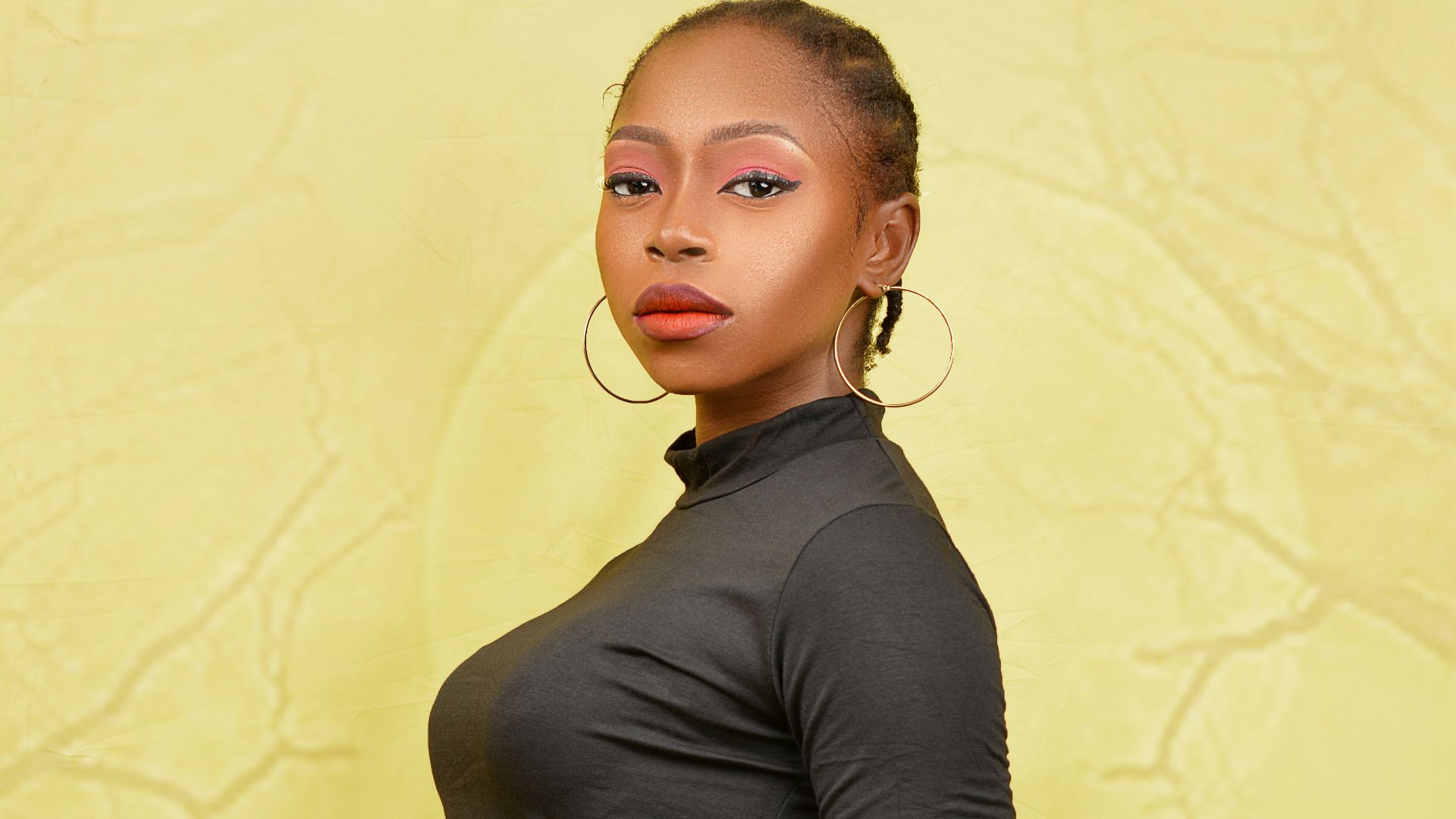
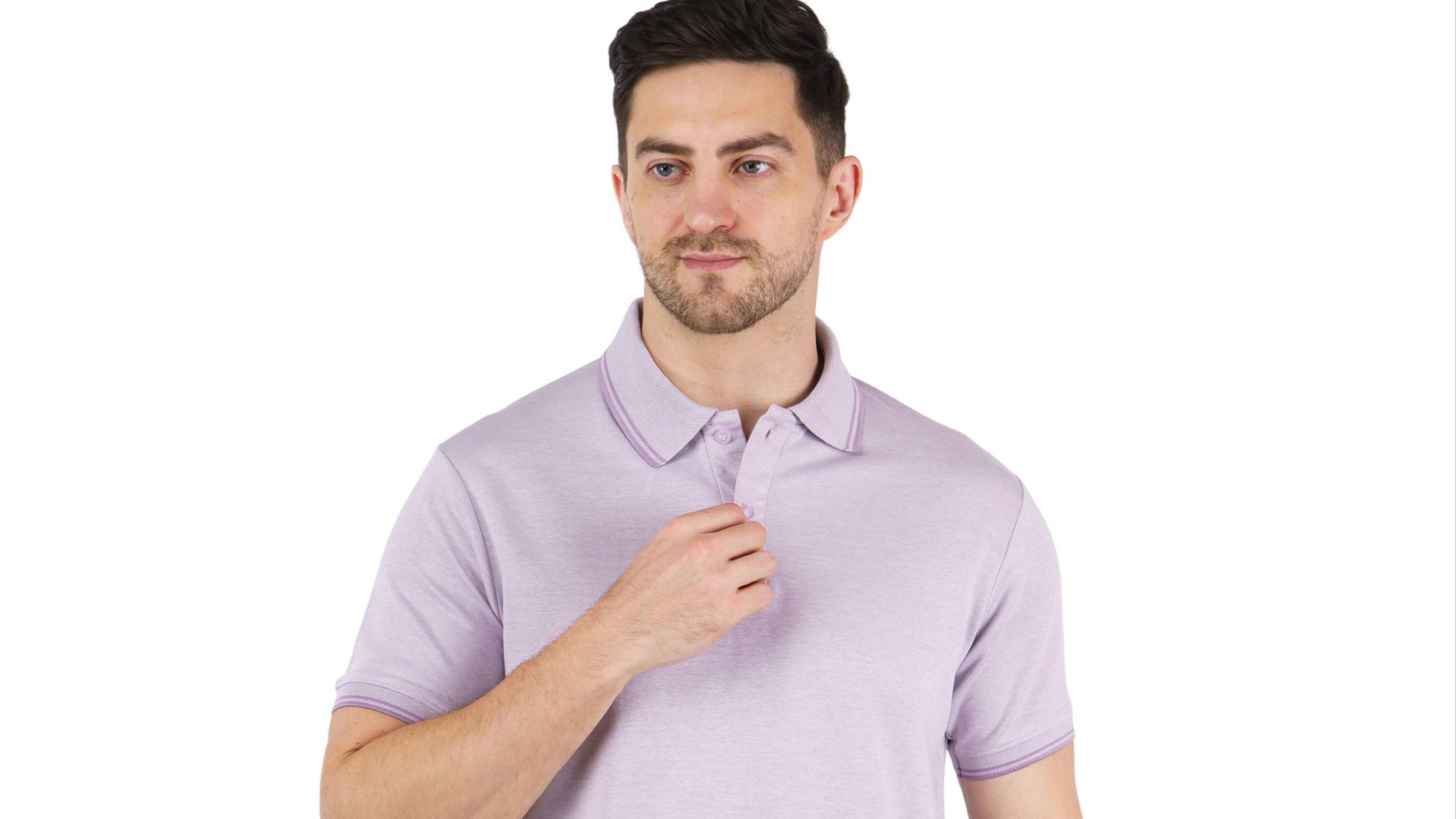
10. Lavender
Lavender often comes out well in photos because it brings color in a softer, more flattering way than stronger purples. It can brighten an image without overwhelming it, especially in spring or outdoor settings. The shade also tends to feel fresh and light without becoming too pale to notice.
Now that we've discussed the colors that tend to photograph beautifully, let's talk about the ones that might disappoint you as soon as a camera is involved.
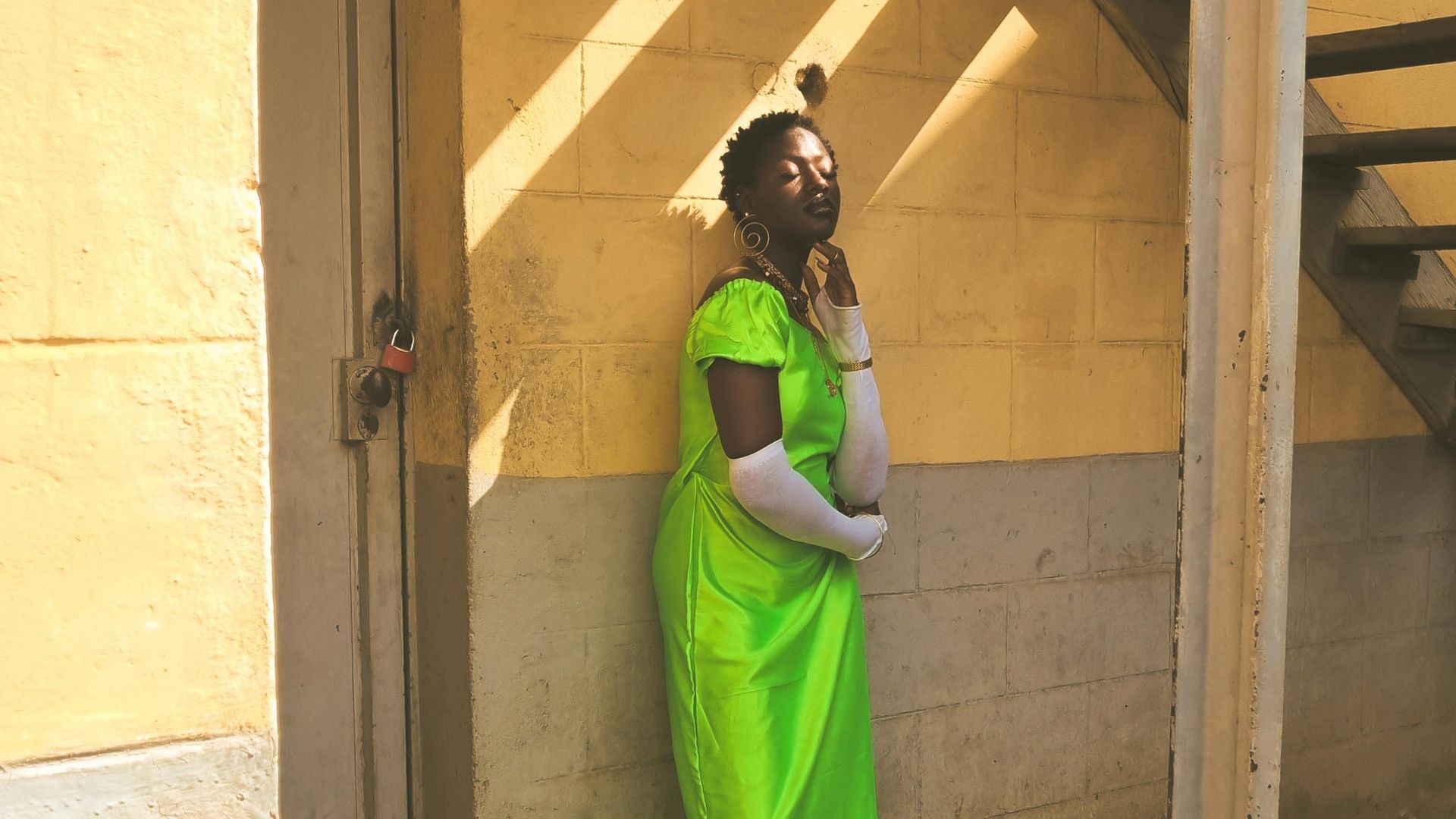
1. Neon Green
Neon green may look fun in real life, but it often turns into visual chaos in photos. Cameras can struggle with highly fluorescent shades, which may end up looking overly intense, strangely reflective, or just plain distracting. Instead of enhancing the image, the color can take over it.
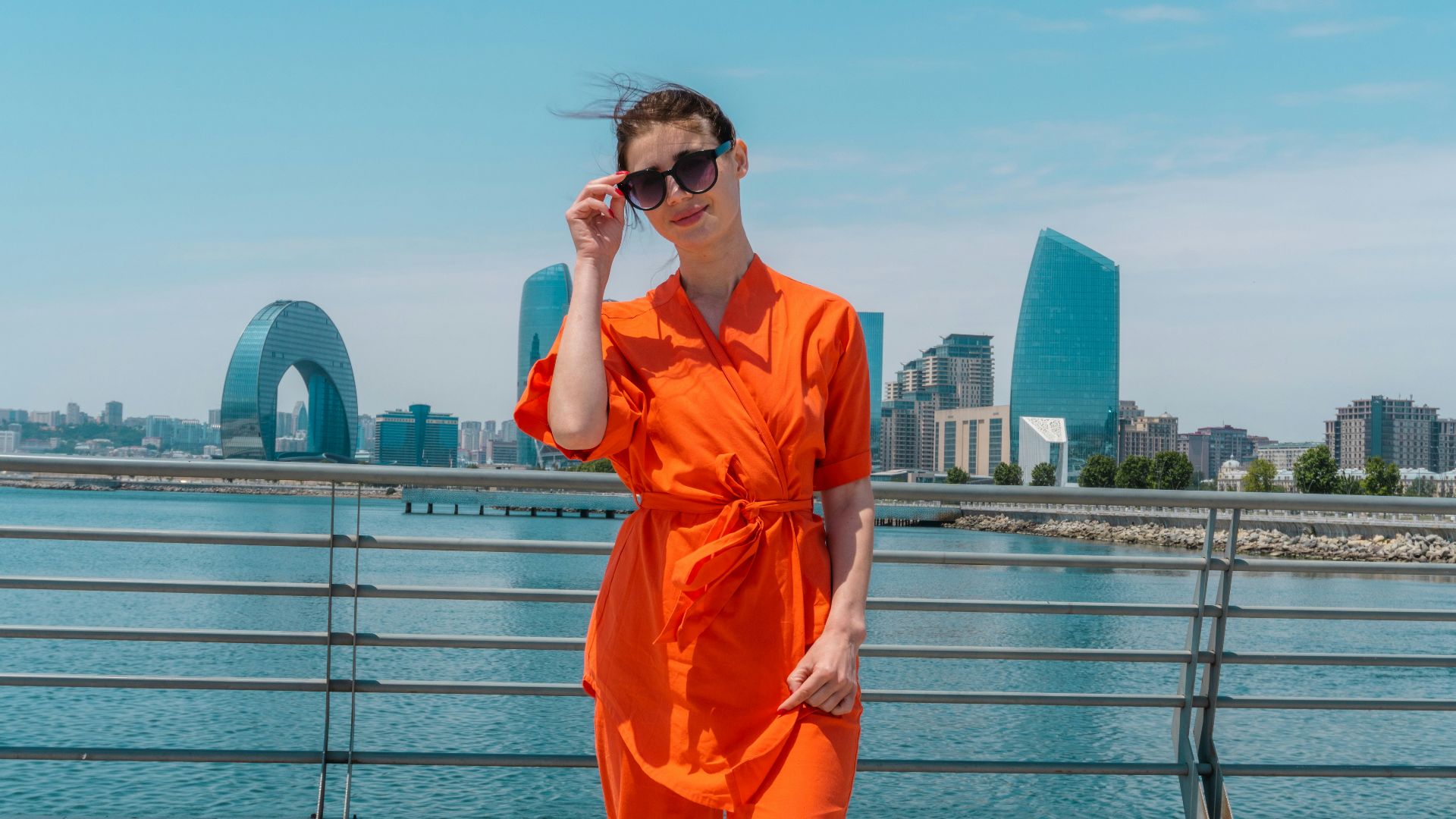
2. Bright Orange
Bright orange often disappoints in pictures because it can become much harsher on camera than it looks in person. Depending on the light, it may read too loud, too flat, or oddly overwhelming against skin tones and backgrounds.
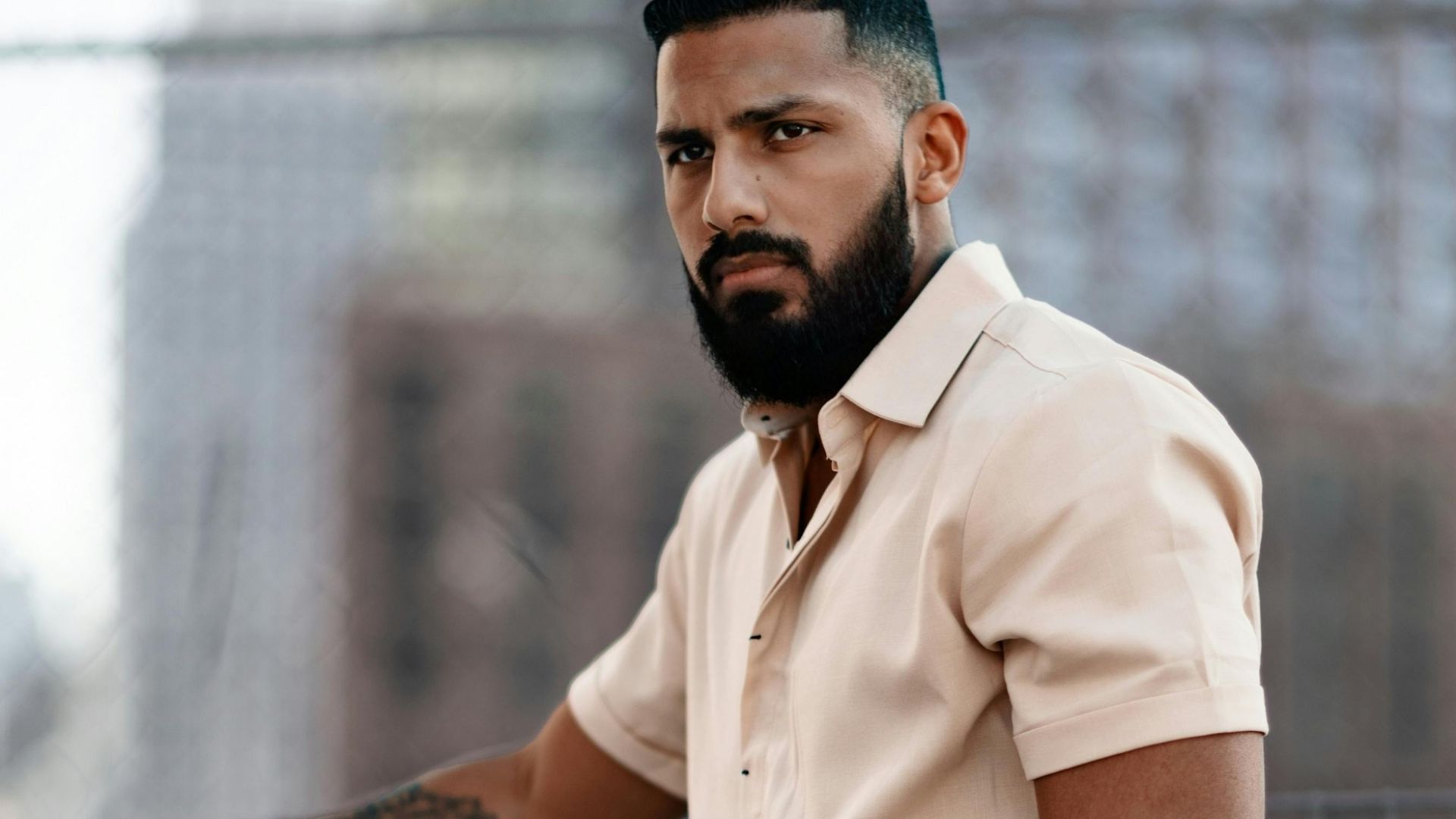
3. Pale Beige
Pale beige can be elegant in person, but it frequently falls flat in photos. The problem is that it often lacks enough contrast or richness to stand out, especially under soft or indoor lighting. Instead of looking refined, it can end up seeming washed out or unfinished.
4. Bright White
Bright white can look crisp and modern, but it often misbehaves in photos when the lighting is strong. It can blow out details, create glare, and make fabric or surfaces lose texture faster than you would like. That can leave the whole image looking more stark than stylish.
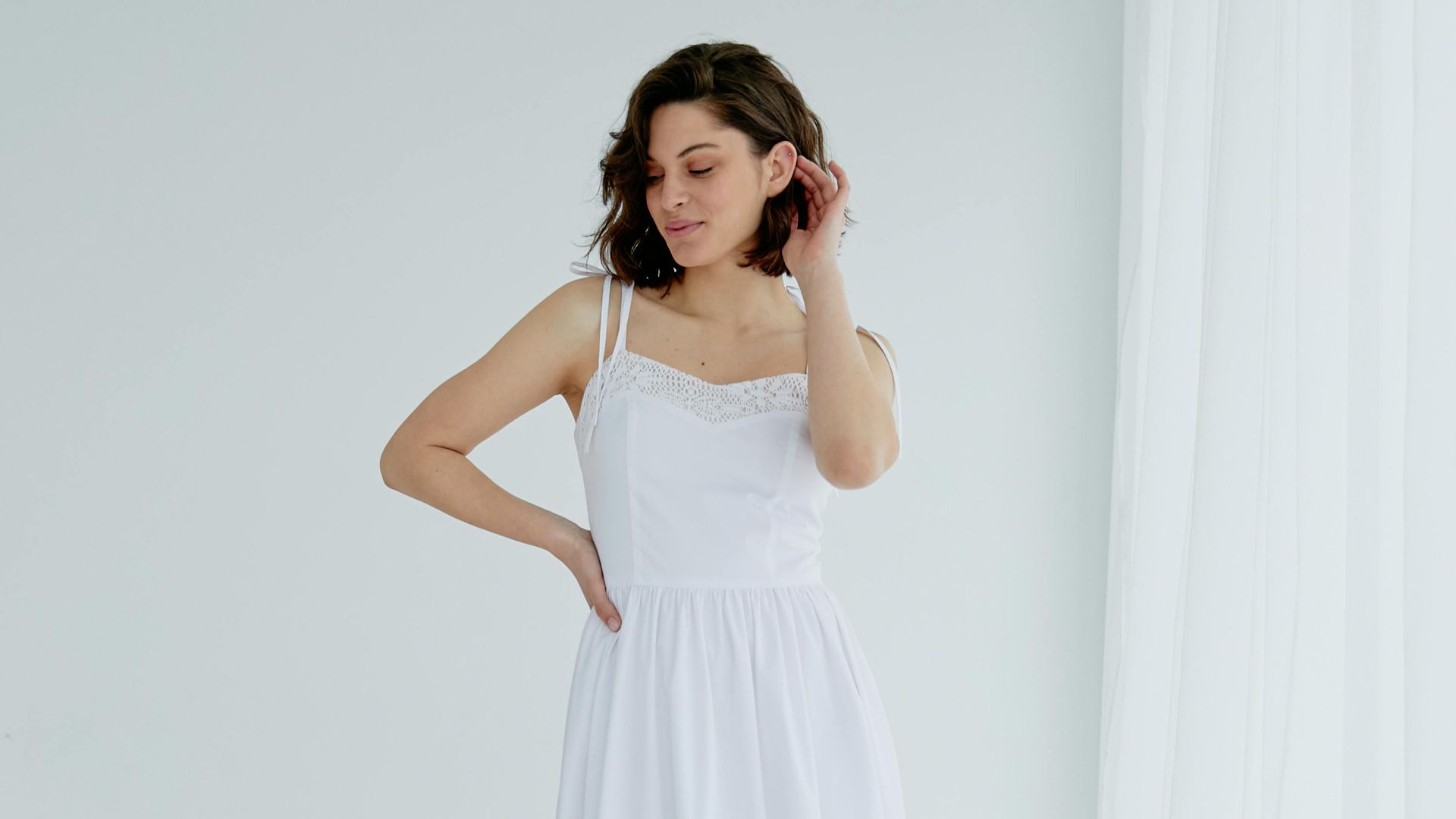
5. Acid Yellow
Acid yellow tends to be one of those shades that looks like a gamble because it usually is one. On camera, it can appear harsh, overly artificial, or unpleasantly reflective, depending on the lighting and the material. It also doesn't always play nicely with skin tones.
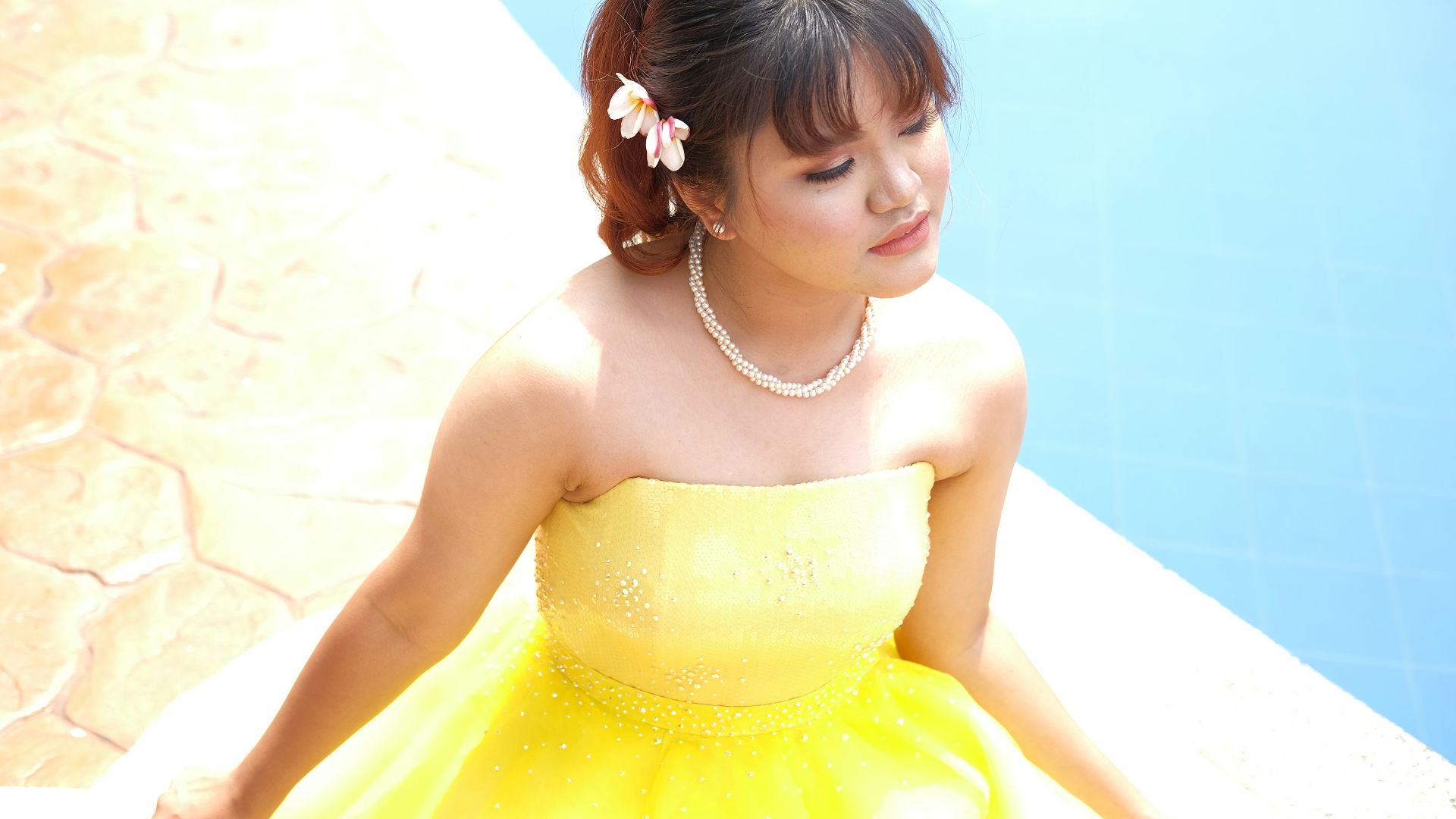
6. Muddy Brown
Brown can photograph well when it's rich and deliberate, but muddy brown often ends up looking dull. Instead of giving warmth or grounding the frame, it can make everything feel heavier and less defined. That is especially true if the background already has similar tones. When a color feels tired before editing even starts, it's probably not helping.
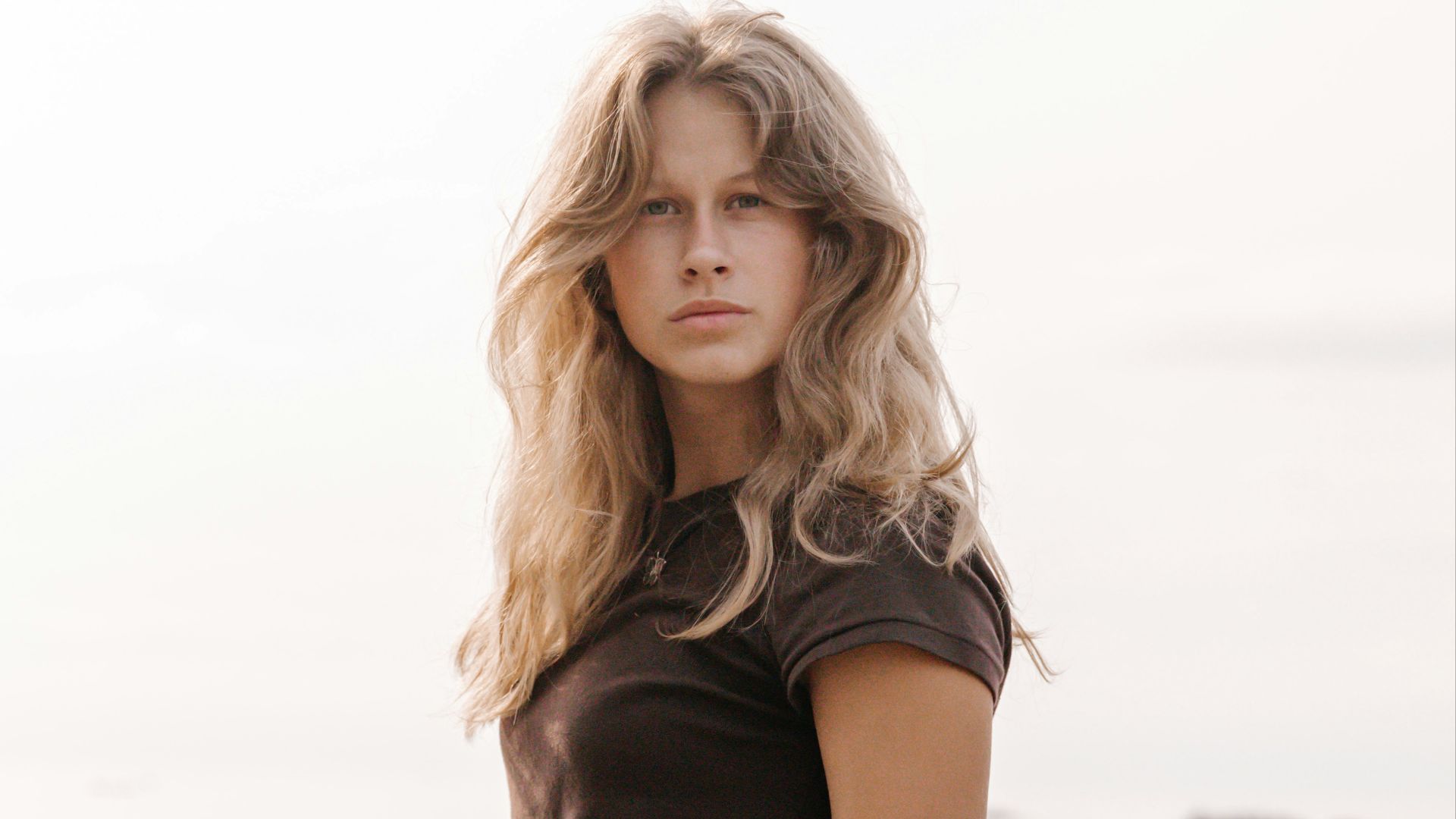
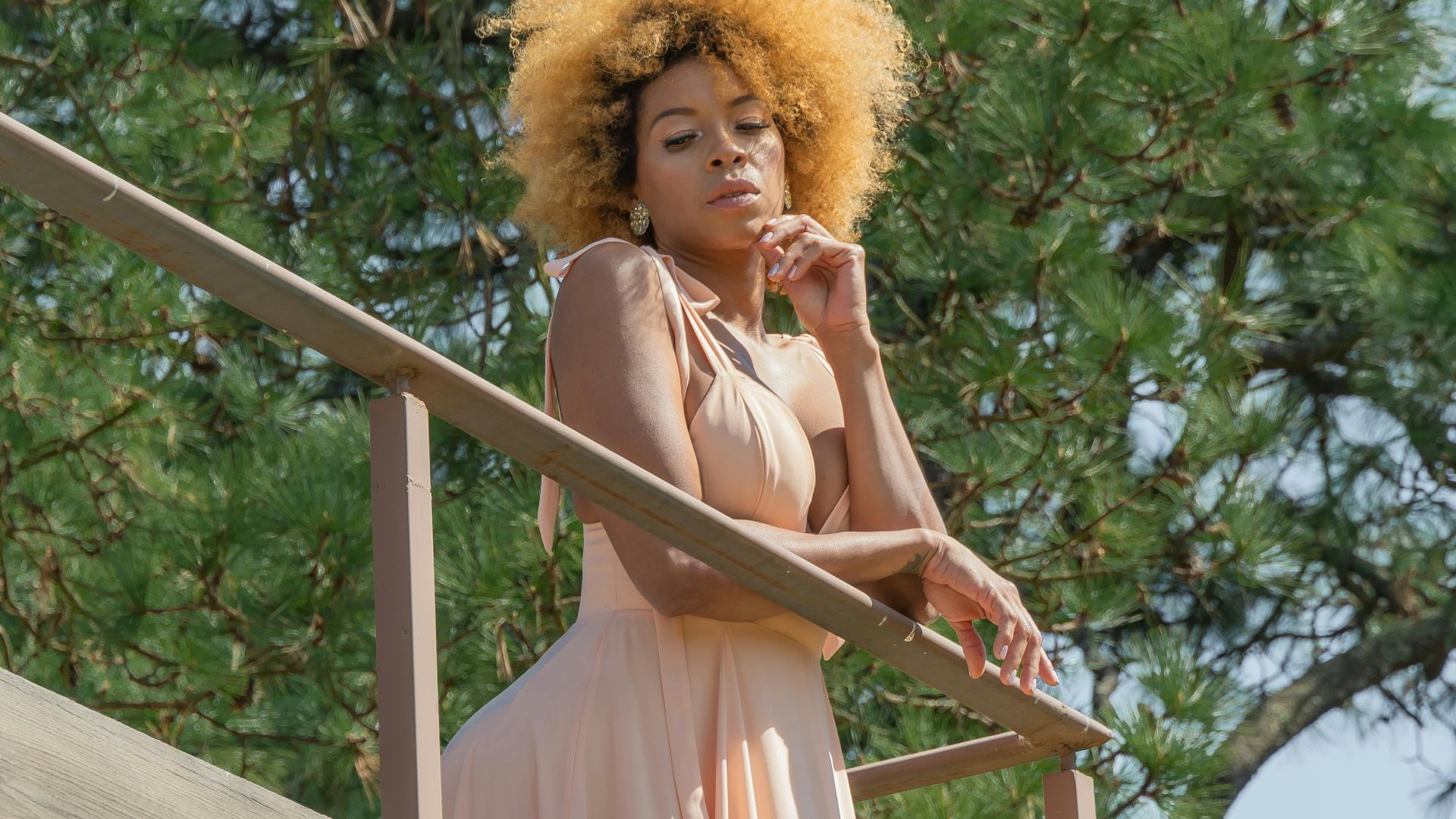
7. Faded Peach
Faded peach sounds like it should be pretty, but it can become disappointingly weak on camera. It often loses definition under bright light and can blur into skin tones in a way that drains the overall image. Rather than adding warmth, it may leave things looking a little sleepy.
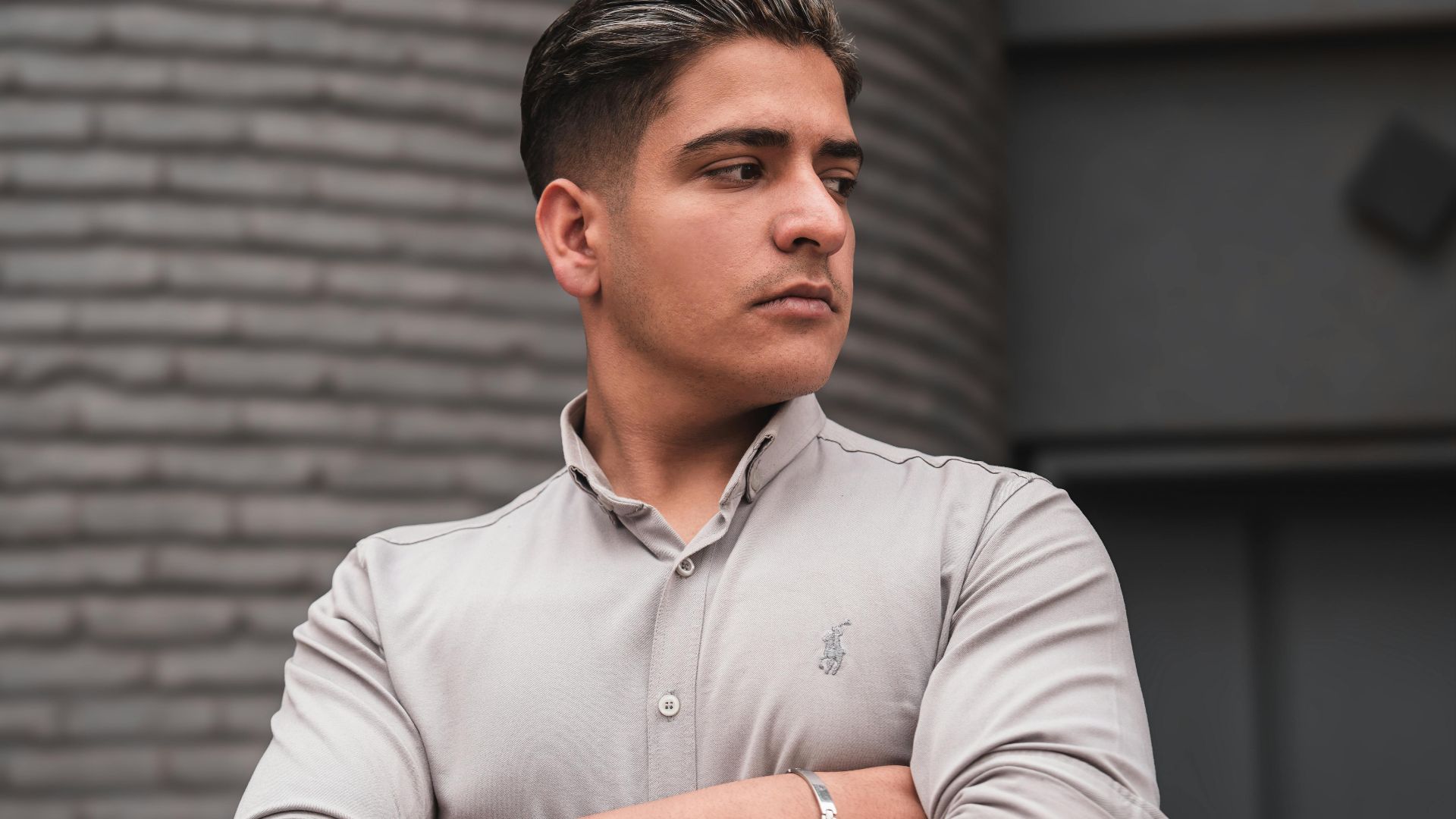
8. Cool Light Gray
Light gray can be sleek in theory, but cooler versions often photograph more flatly than people expect. They sometimes pull too much of the life out of a shot, especially in cloudy weather or lower-contrast settings. The effect can feel more corporate than chic.
9. Pastel Yellow
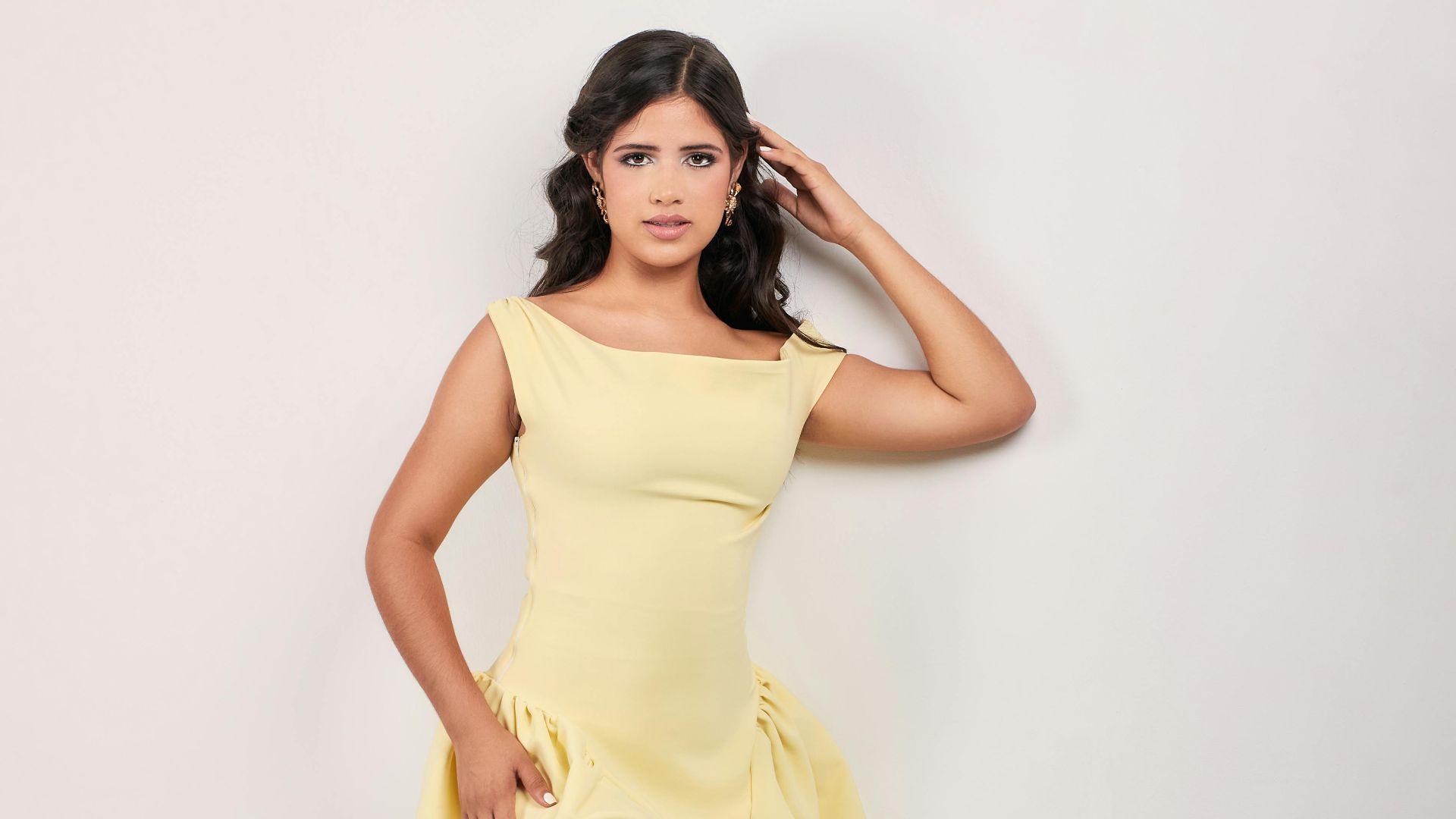
Pastel yellow is one of those colors that sounds gentle and pretty until the camera turns it into almost nothing. It often lacks enough depth to register clearly, which can make it look weak or washed out in photos.
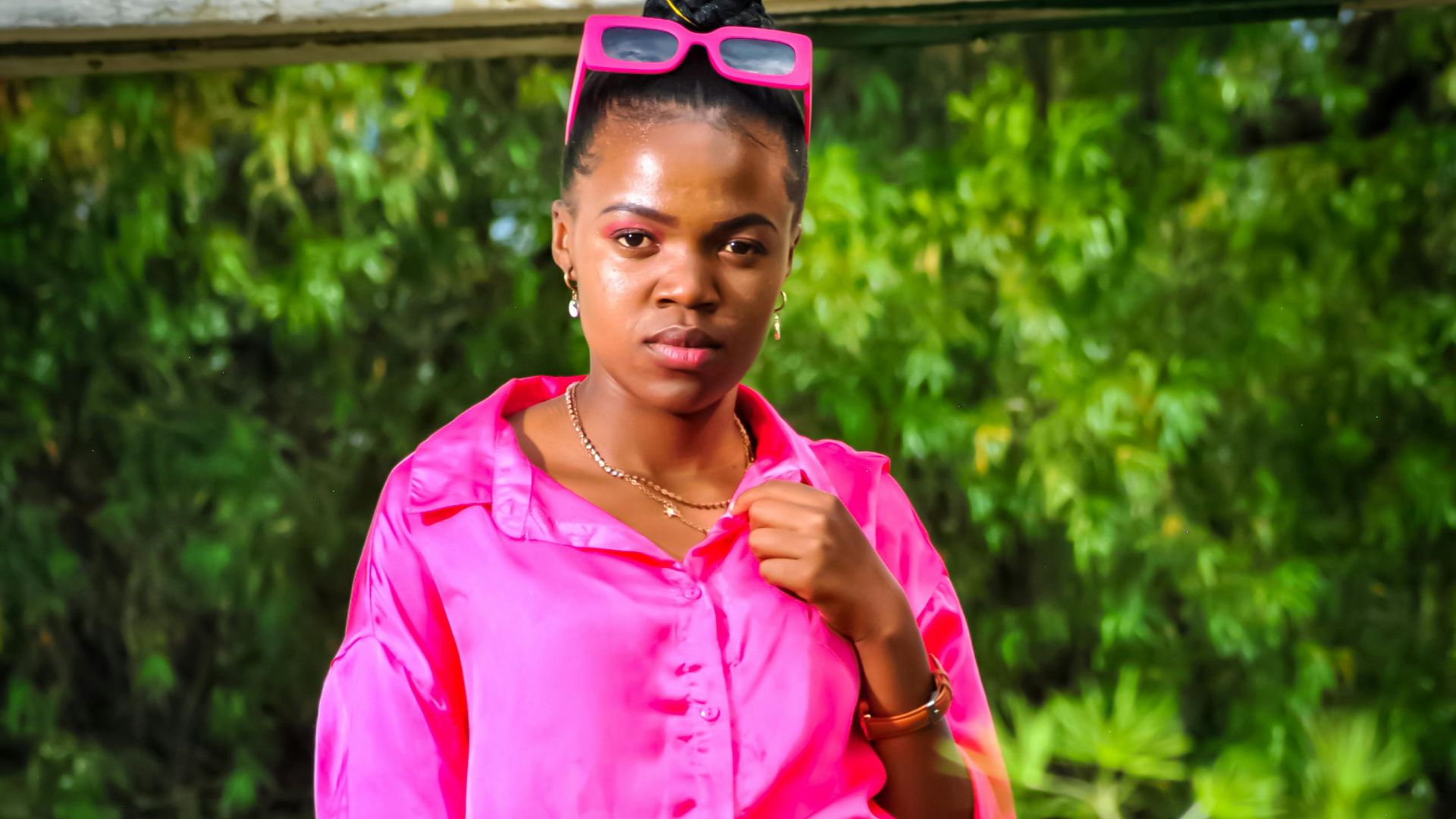
10. Hot Pink
Hot pink can absolutely work in person, but on camera, it often disappoints when the shade is too intense for the setting. It may look more aggressive than glamorous and can start fighting with everything else in the frame. That makes it harder to style and harder to balance in group shots or busy backgrounds.