10 Wedding Beauty Traditions From Around the World & 10 That Would Surprise Western Brides
10 Wedding Beauty Traditions From Around the World & 10 That Would Surprise Western Brides
What a Bride Carries on Her Face
Wedding beauty is one of the clearest ways a culture puts its beliefs about luck and tradition onto one person. The white dress and veil can feel universal to anyone raised around Western weddings, but they are just one set of customs among many. In other parts of the world, bridal preparation can last for days and involve mothers, aunts, sisters, and entire communities. Some traditions are meant to make the bride look beautiful, while others are supposed to protect her from bad luck or evil spirits. Here are 10 wedding beauty traditions from around the world.
1. Mehndi Night
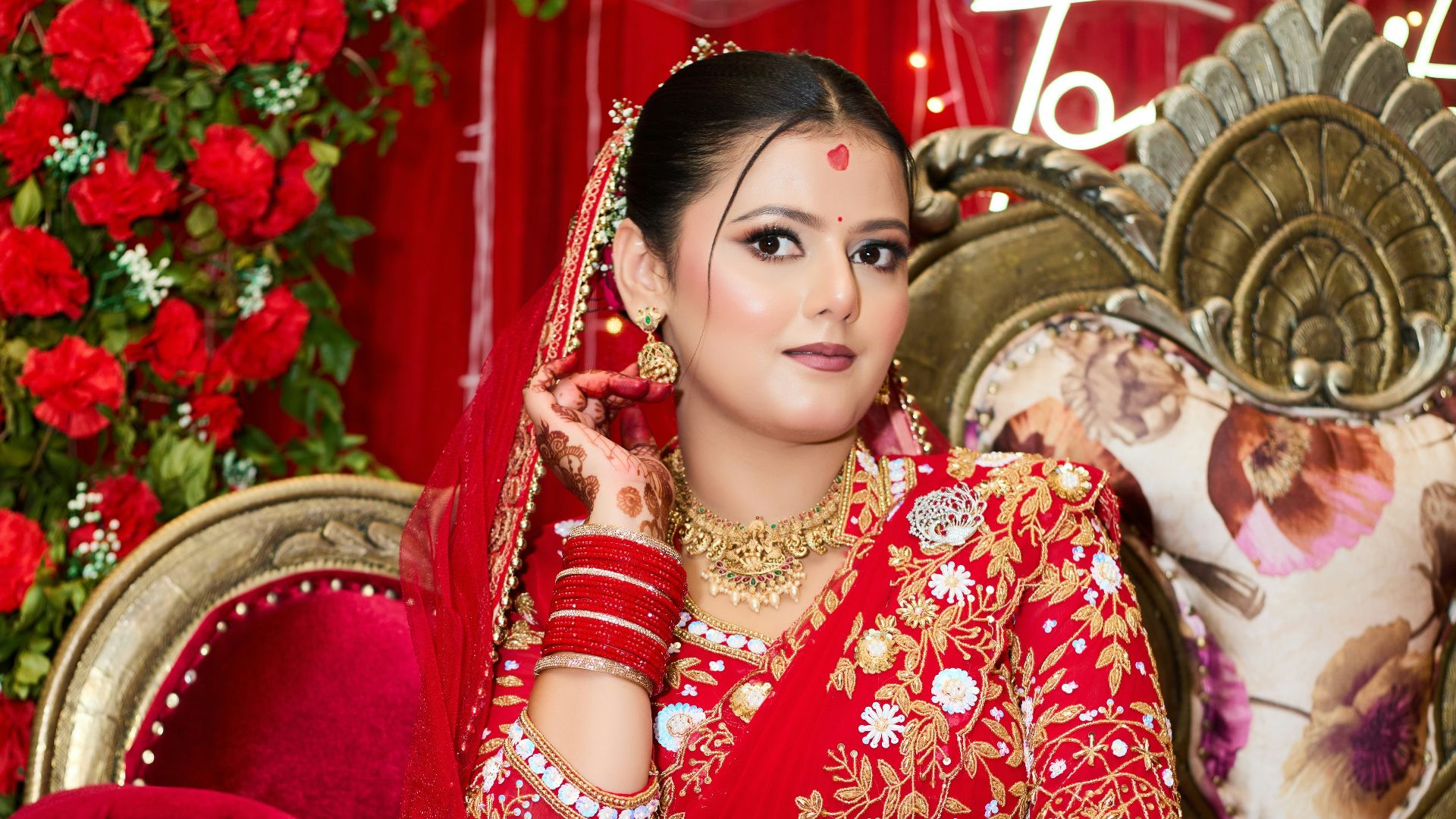
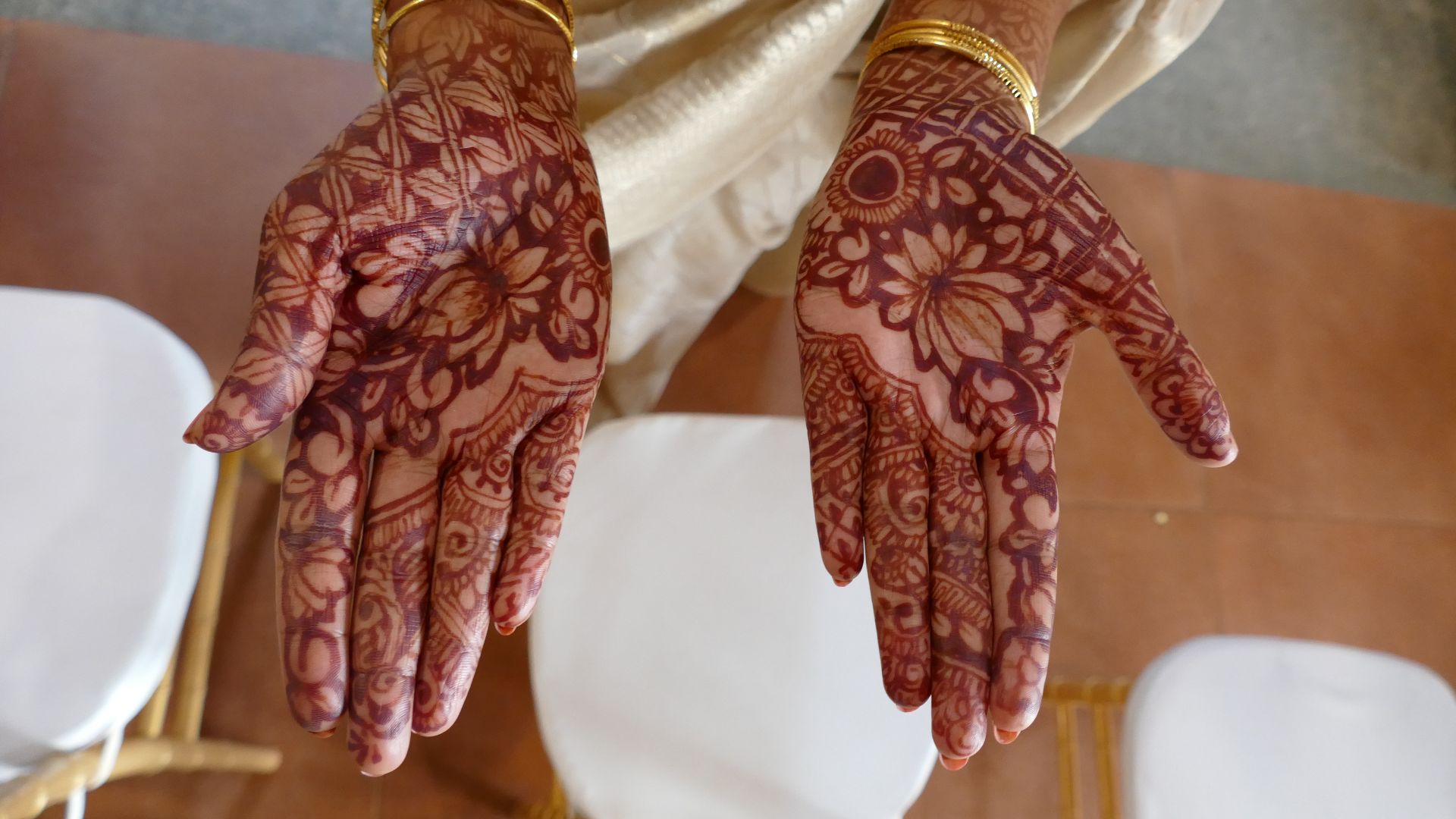
Henna paste goes onto a bride's hands and feet in patterns detailed enough to take six hours, and she can't use her hands until it dries. The application happens at a party with women from both families, which is most of the point of it. Plenty of families hide the groom's initials somewhere in the design for him to find later, which is as much a game for the guests as it is for him.
2. The Haldi Ceremony
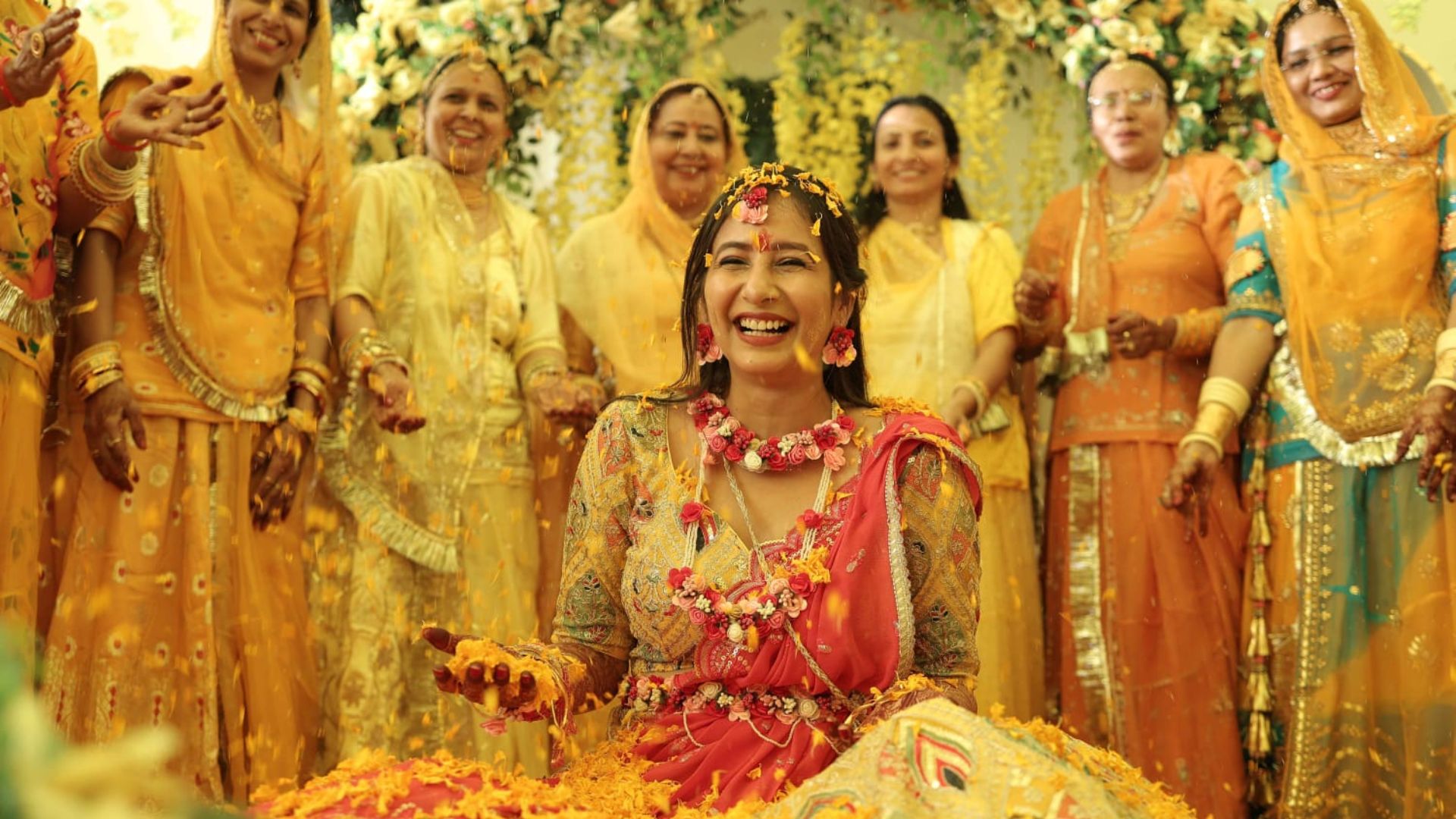
Turmeric paste mixed with oil and milk gets smeared on the bride by her relatives the day before the wedding. It stains skin and clothing yellow and is meant to leave her glowing, with some actual basis, since turmeric is antibacterial.
The stain takes days to fade, so nobody involved wears anything they care about.
3. The Moroccan Hammam
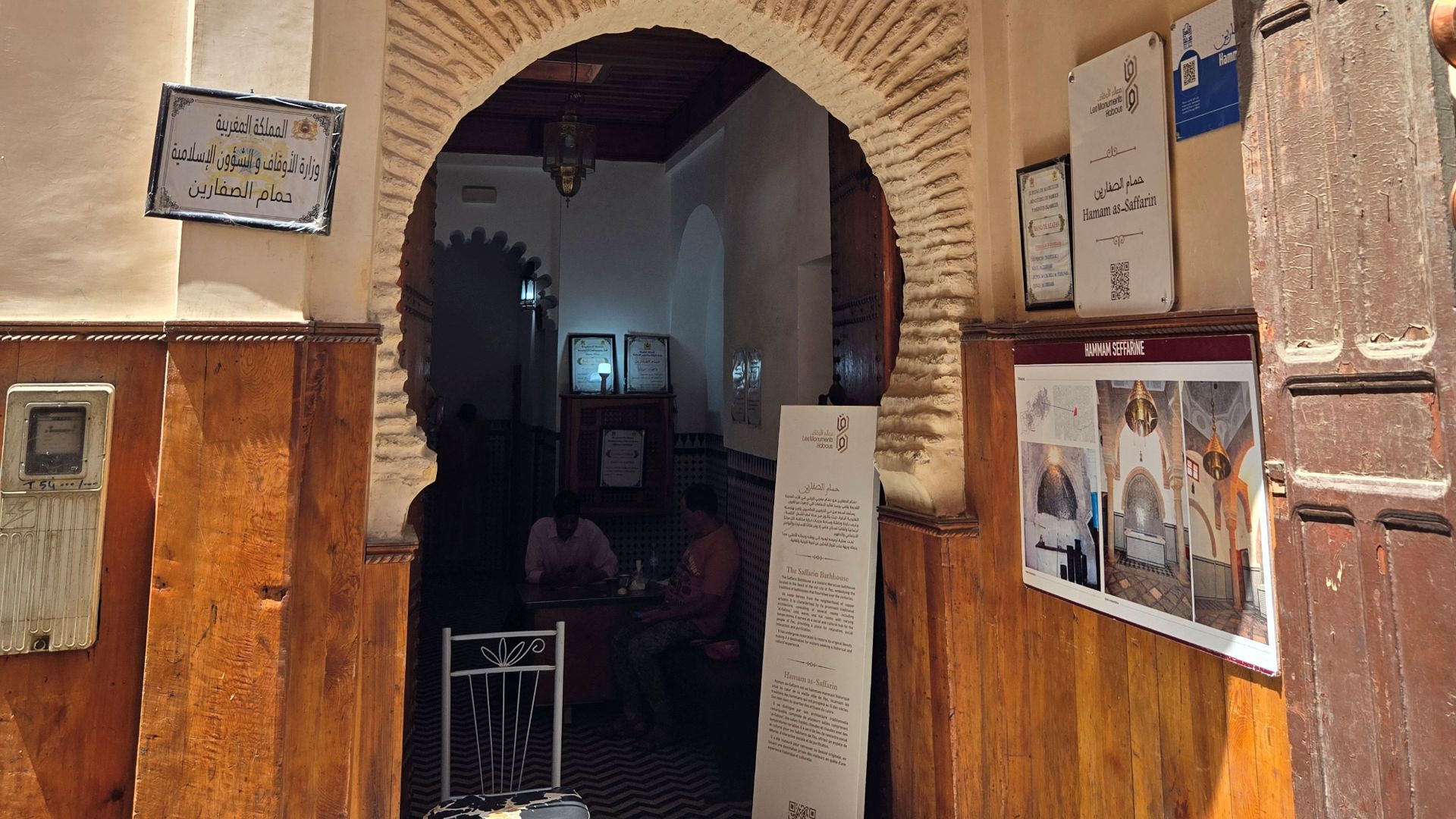
Days before the ceremony, a bride goes to the bathhouse with her closest friends and female relatives for a scrub with black soap and a rough kessa glove. Milk and orange blossom water come afterward. The visit works as a send-off as much as a beauty treatment, and it's usually the last long stretch she spends with those women before the household changes.
4. Shiromuku in Japan
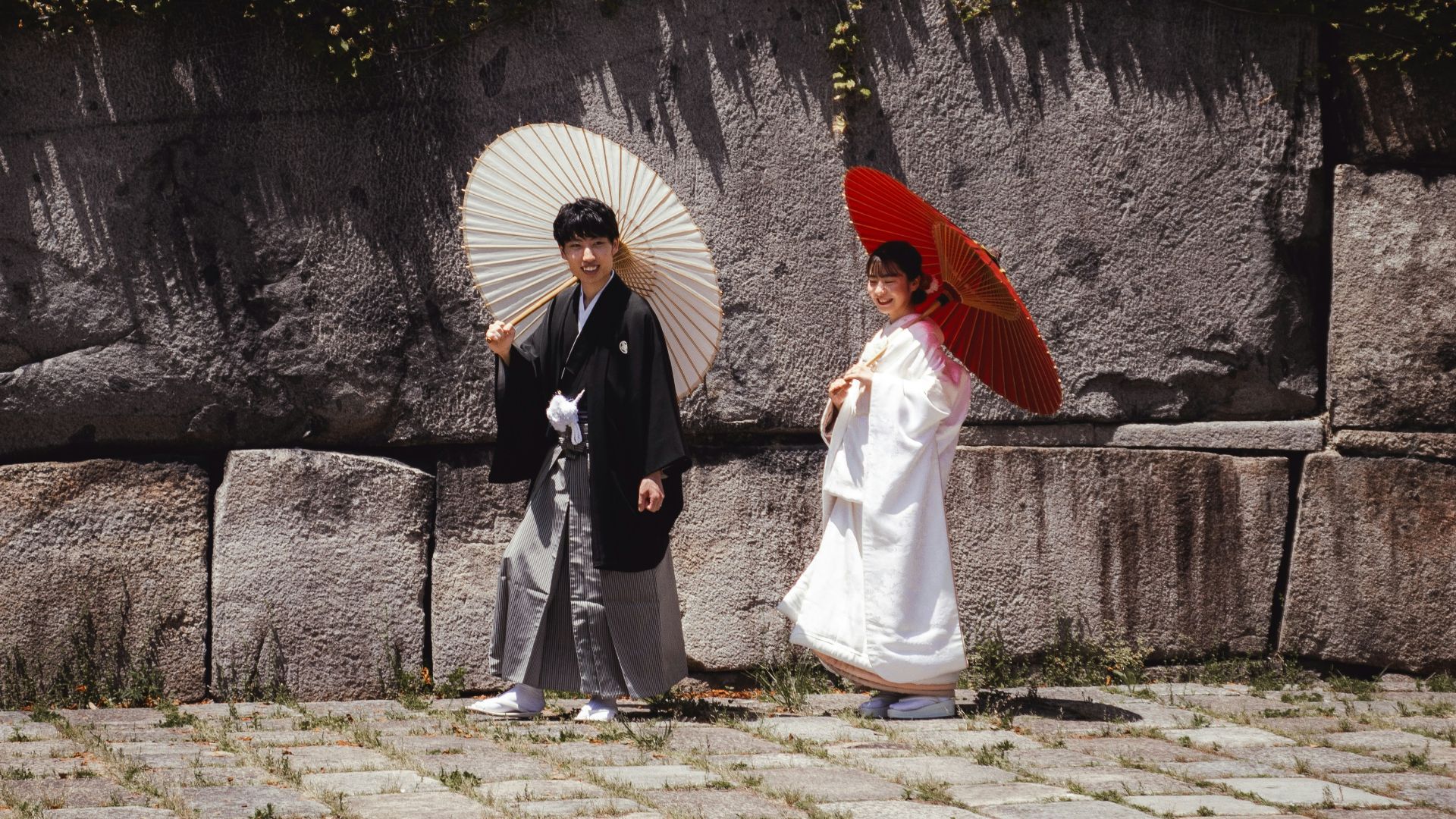
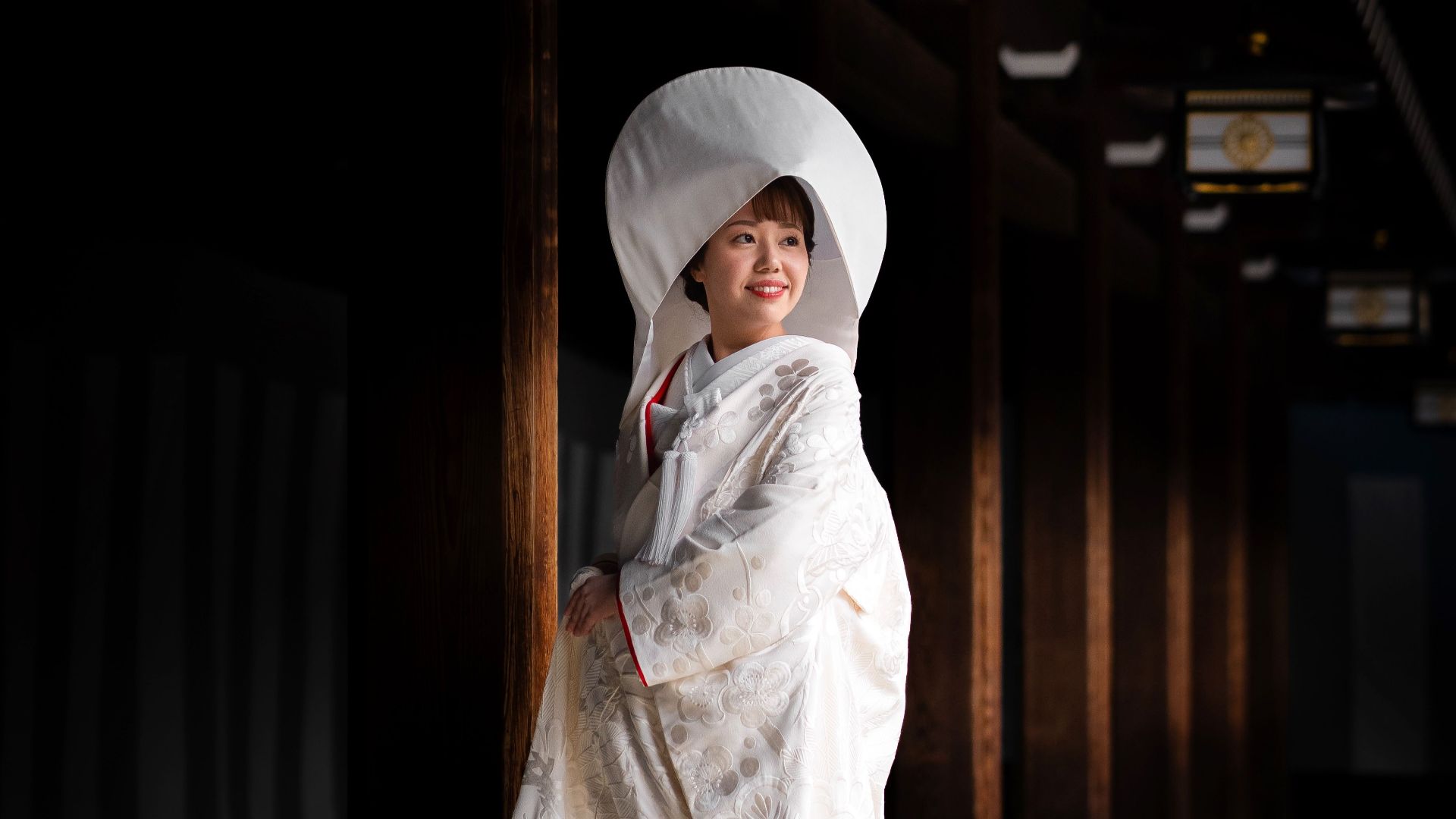
A Shinto bride in traditional dress wears white from her hood to the floor. Her hair might be a shimada wig set with kanzashi ornaments, covered by a silk wataboshi or a flat band called a tsunokakushi. The white is meant to show she arrives without color of her own, ready to take on her husband's family's.
5. Yeonji-Gonji in Korea
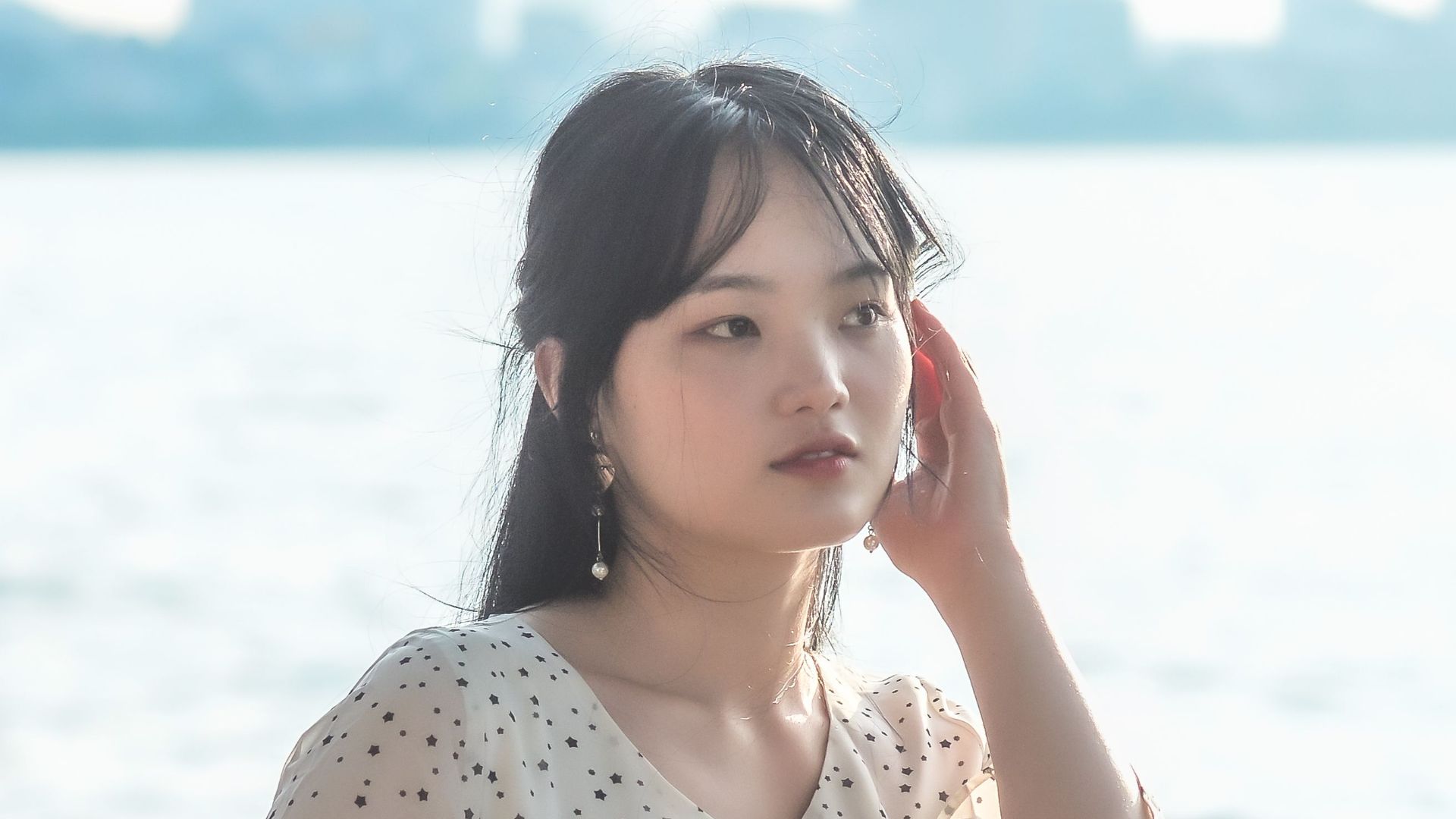
Red circles get painted on a Korean bride's cheeks and forehead. Red was long believed to drive off evil spirits, and the dots still appear at pyebaek ceremonies today. A hanbok and a small jokduri headpiece finish the look, and the dots are applied in a nearly perfect circle rather than blended into the cheek.
6. Red and Gold in China
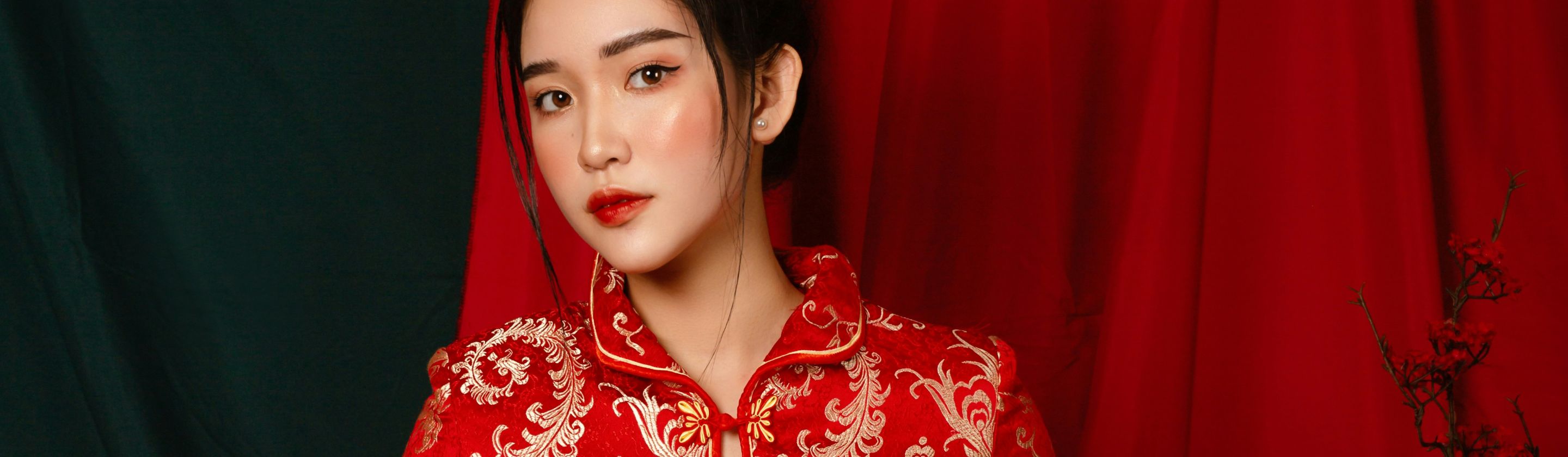
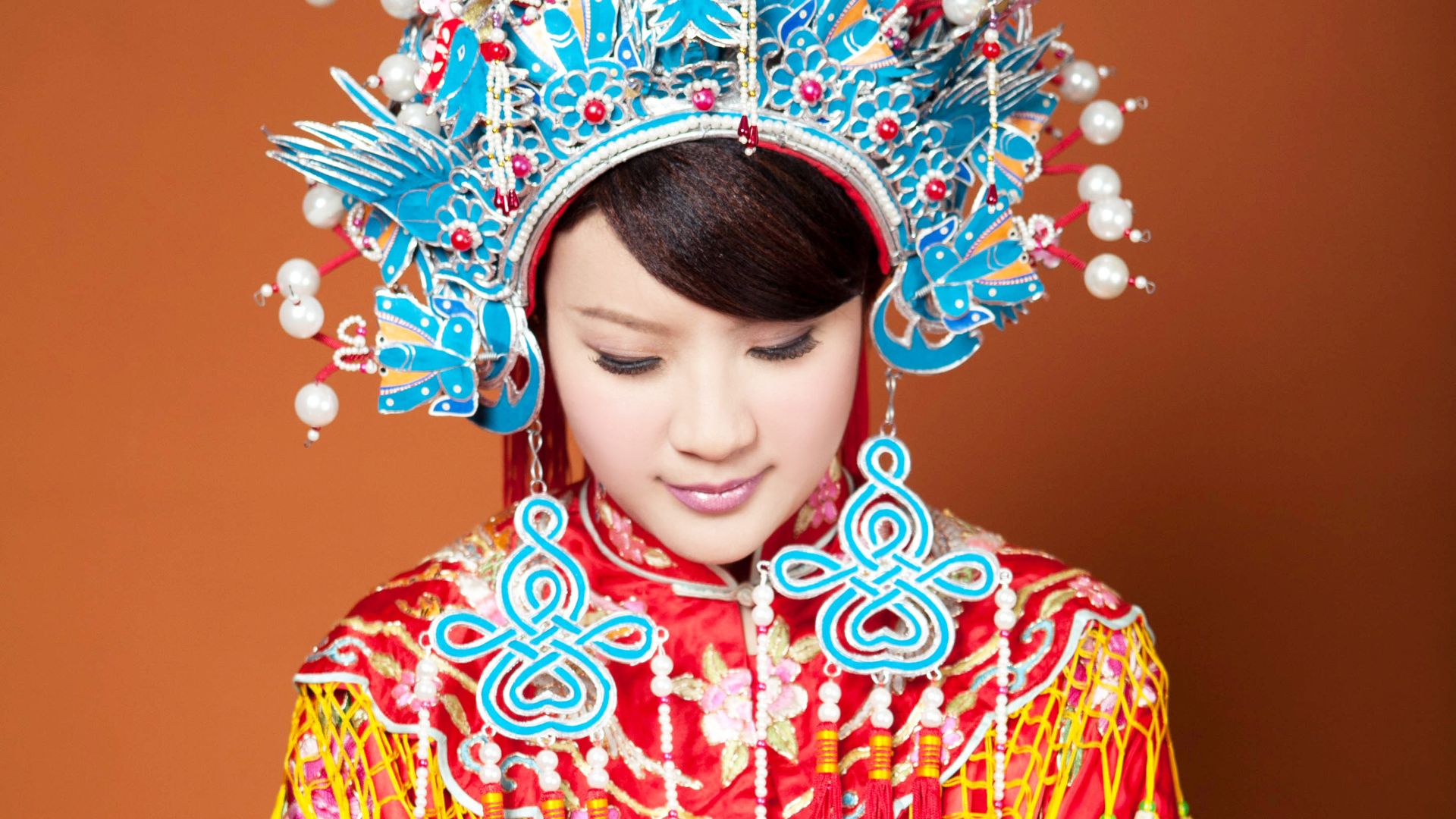
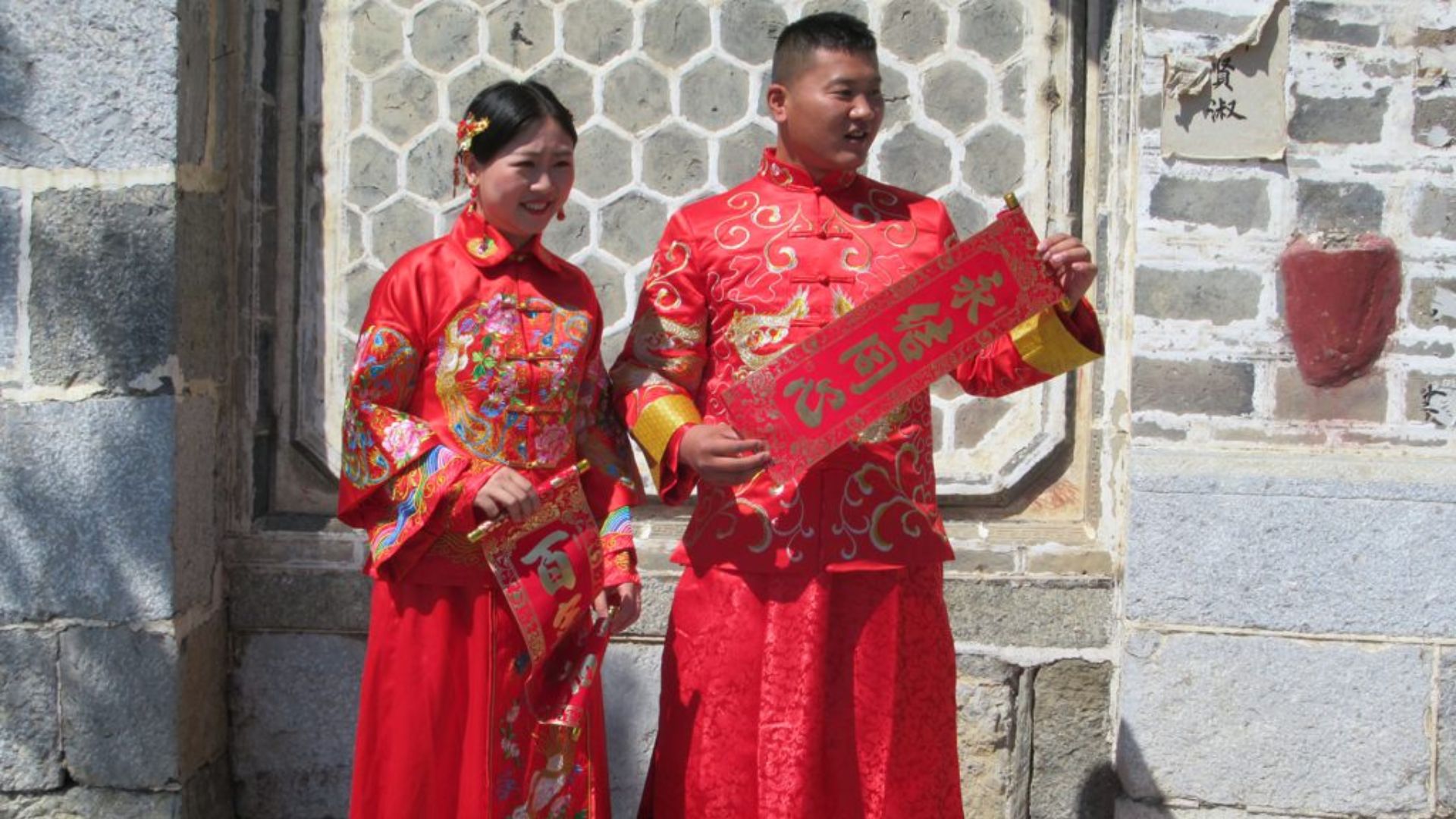
Traditional Chinese bridal dress means a qipao or a two-piece qun kwa embroidered in gold thread, always in red for luck.
Some brides wear a phoenix crown heavy enough that somebody else has to lift it into place. Gold jewelry from the groom's family gets layered on during the tea ceremony.
 David Stanley from Nanaimo, Canada on Wikimedia
7. The Gele
Yoruba brides wear a gele, a headwrap tied into a shape that can take a professional twenty minutes and a fistful of pins. Height and structure are the whole art of it, and a well-tied gele holds its shape through an entire reception. The fabric is chosen to coordinate with the groom's cap and the family's aso ebi.

8. Ethiopian Braids
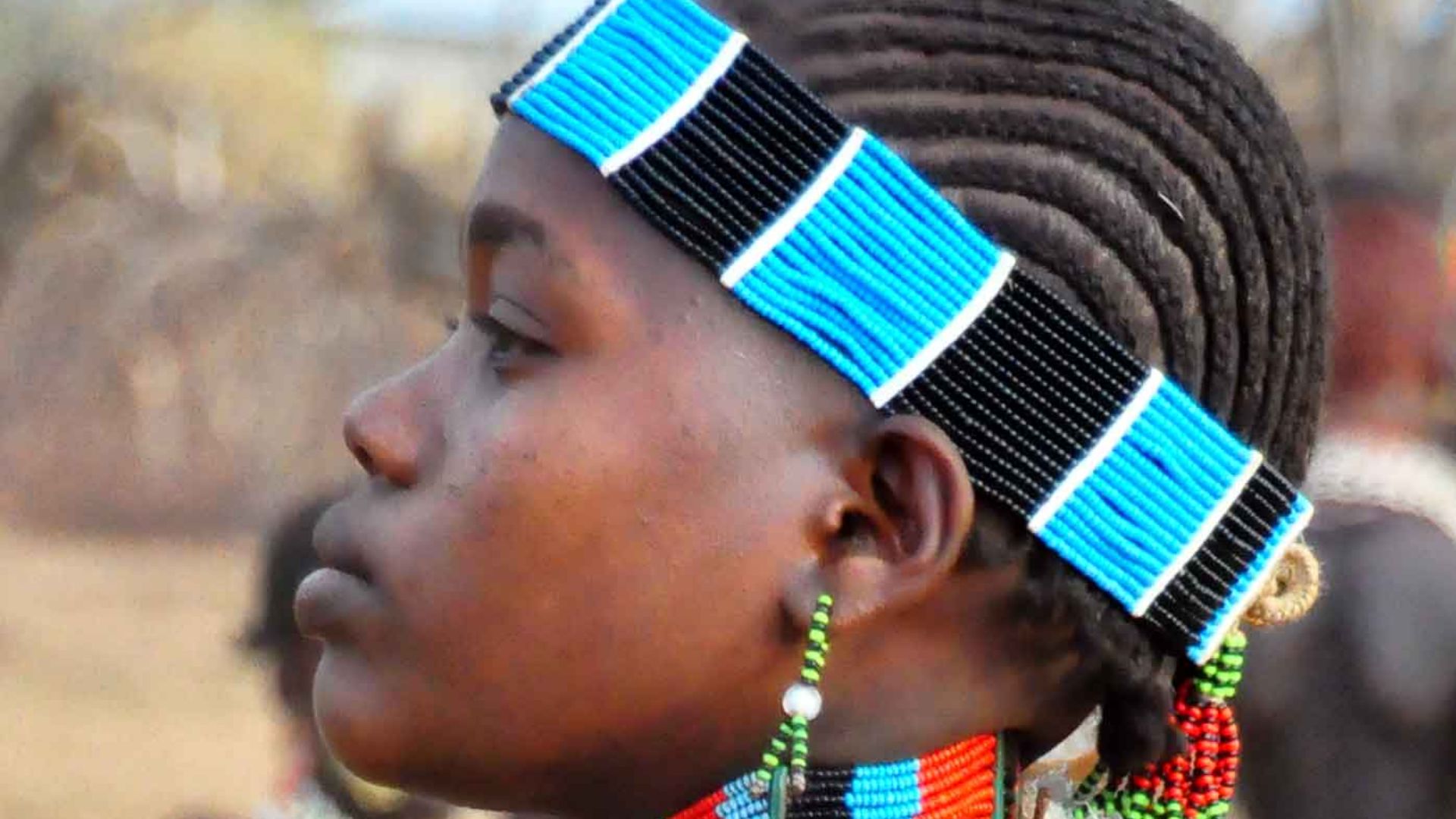
Shuruba braids run tight against the scalp in rows before falling loose at the back, and a full head takes several hours across more than one sitting. Butter or oil goes through them for shine. Gold pieces often sit right at the hairline, catching light against the parted rows.
 Rod Waddington from Kergunyah, Australia on Wikimedia
9. The Norwegian Bridal Crown
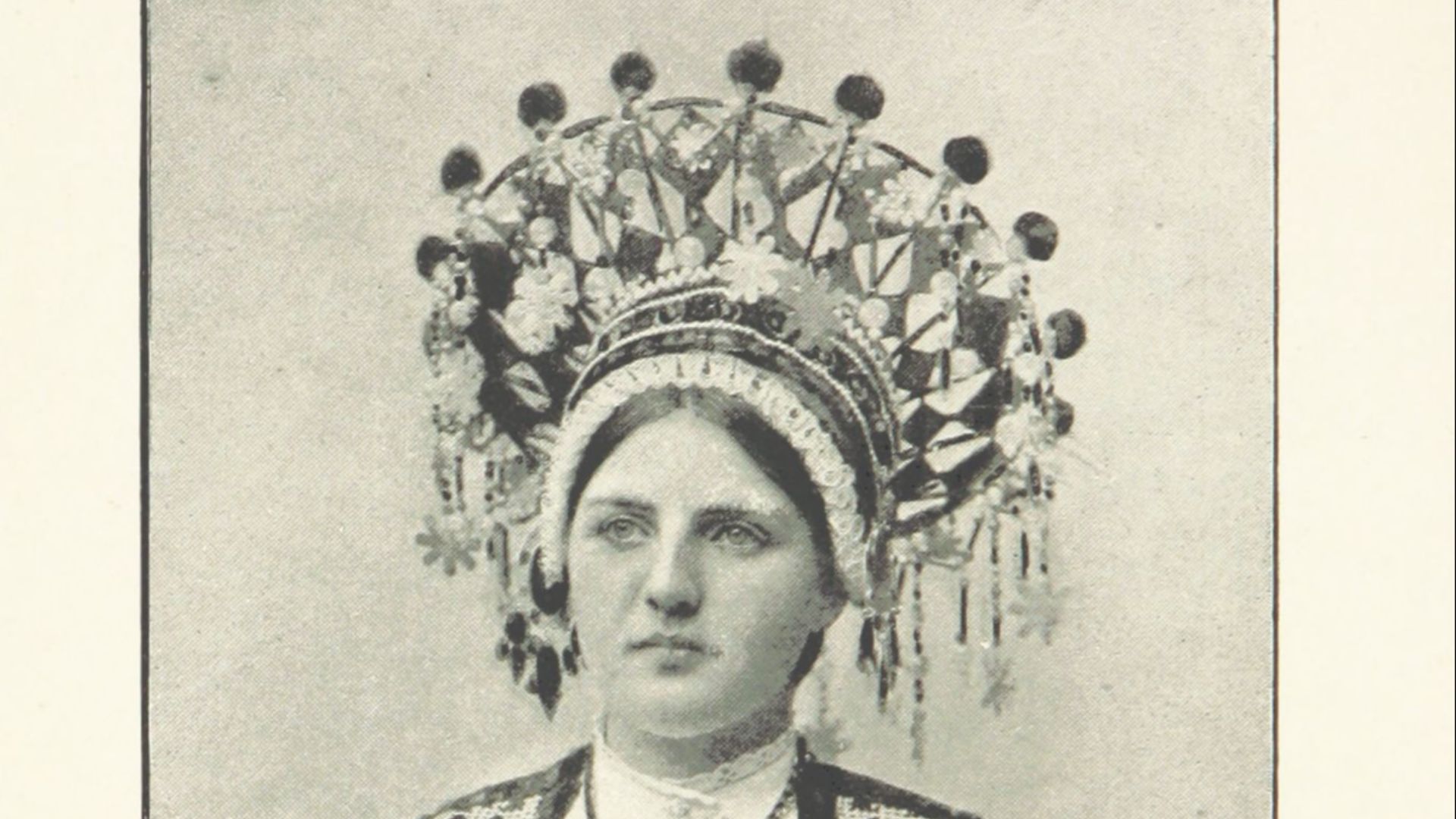
Silver crowns hung with small dangling charms are worn by brides at traditional Norwegian weddings. The charms chime when she moves, which was meant to keep evil spirits at a distance. Churches and families lend them out, and some in circulation are centuries old.
 Ethel Brilliana Tweedie on Wikimedia
10. The Ukrainian Vinok
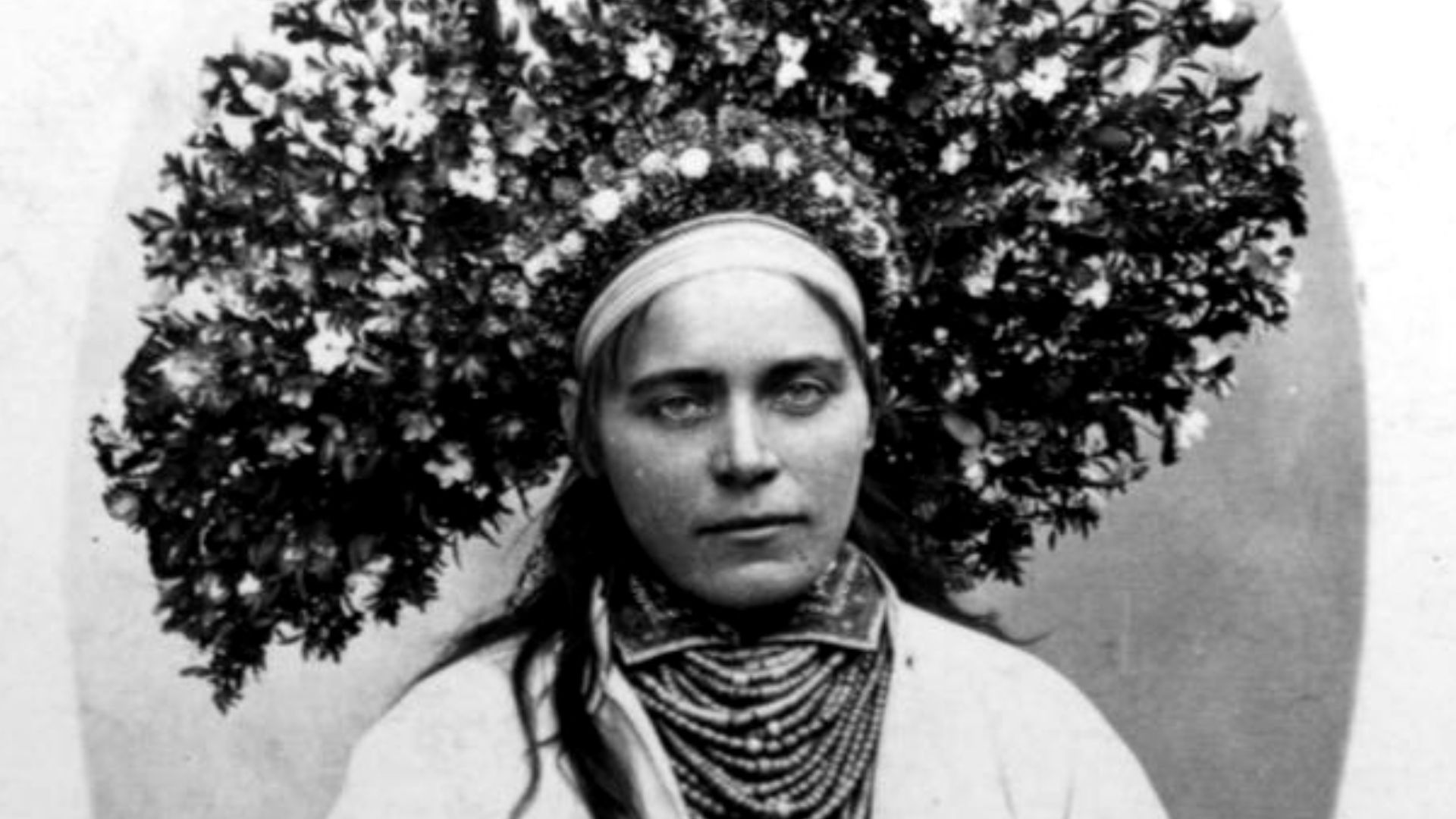
A vinok is a flower crown with long ribbons falling down the back, worn by unmarried women and by brides. Periwinkle and wheat both carry meaning in how the crown gets built.
The ribbons come off at the end of the wedding, when an older woman covers the bride's head with a married woman's scarf.
Now, here's 10 that tend to catch Western brides off guard.
 Unknown authorUnknown author on Wikimedia
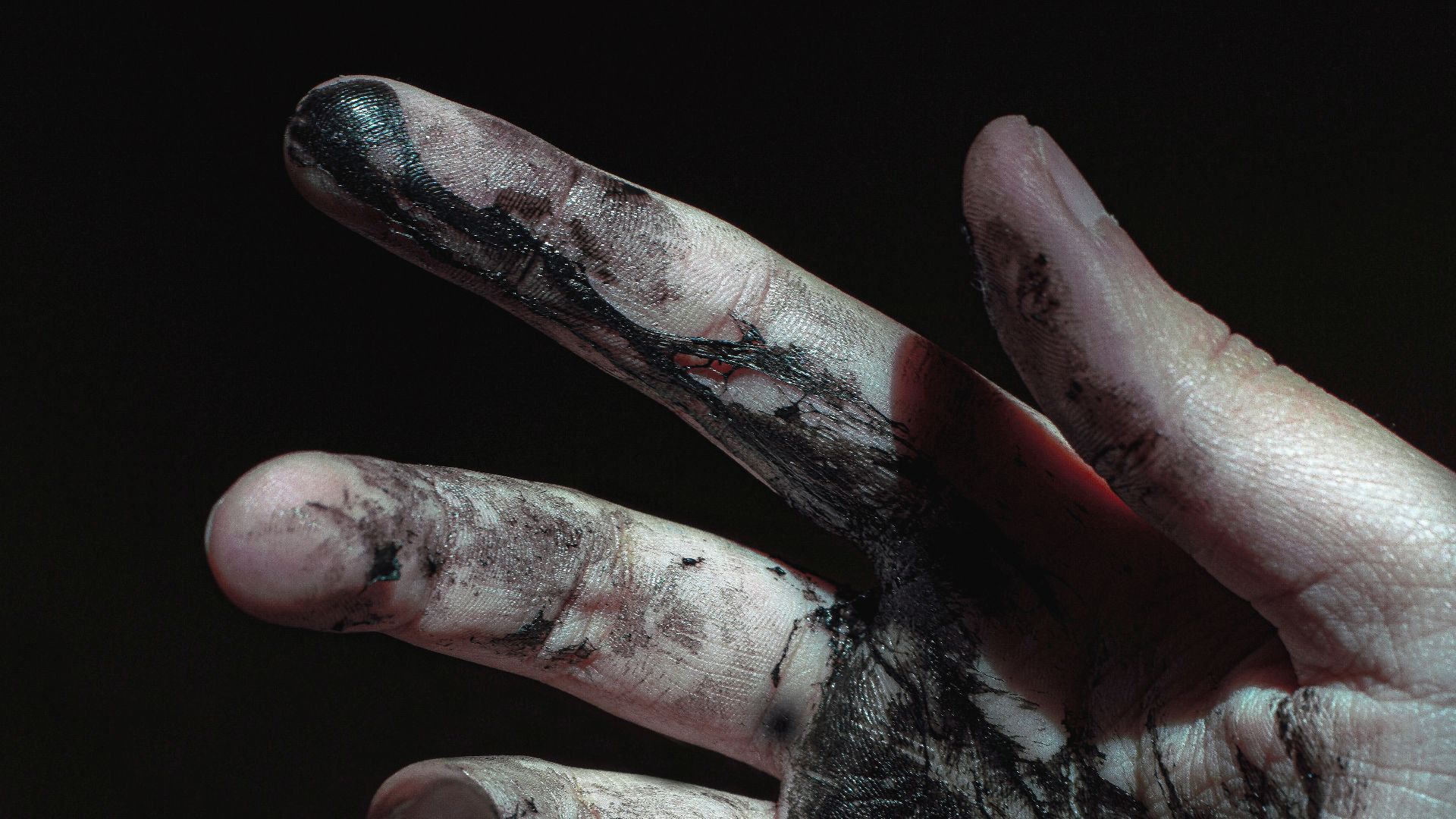
1. Getting Blackened in Scotland
Friends cover the bride in soot and treacle, then drive her around town in the back of a truck making as much noise as possible. It happens in the days before the wedding, mostly in the northeast of Scotland. The stated logic is that anyone who can get through that can get through a marriage, and surviving the humiliation counts as proof.
2. Tooth Filing in Bali
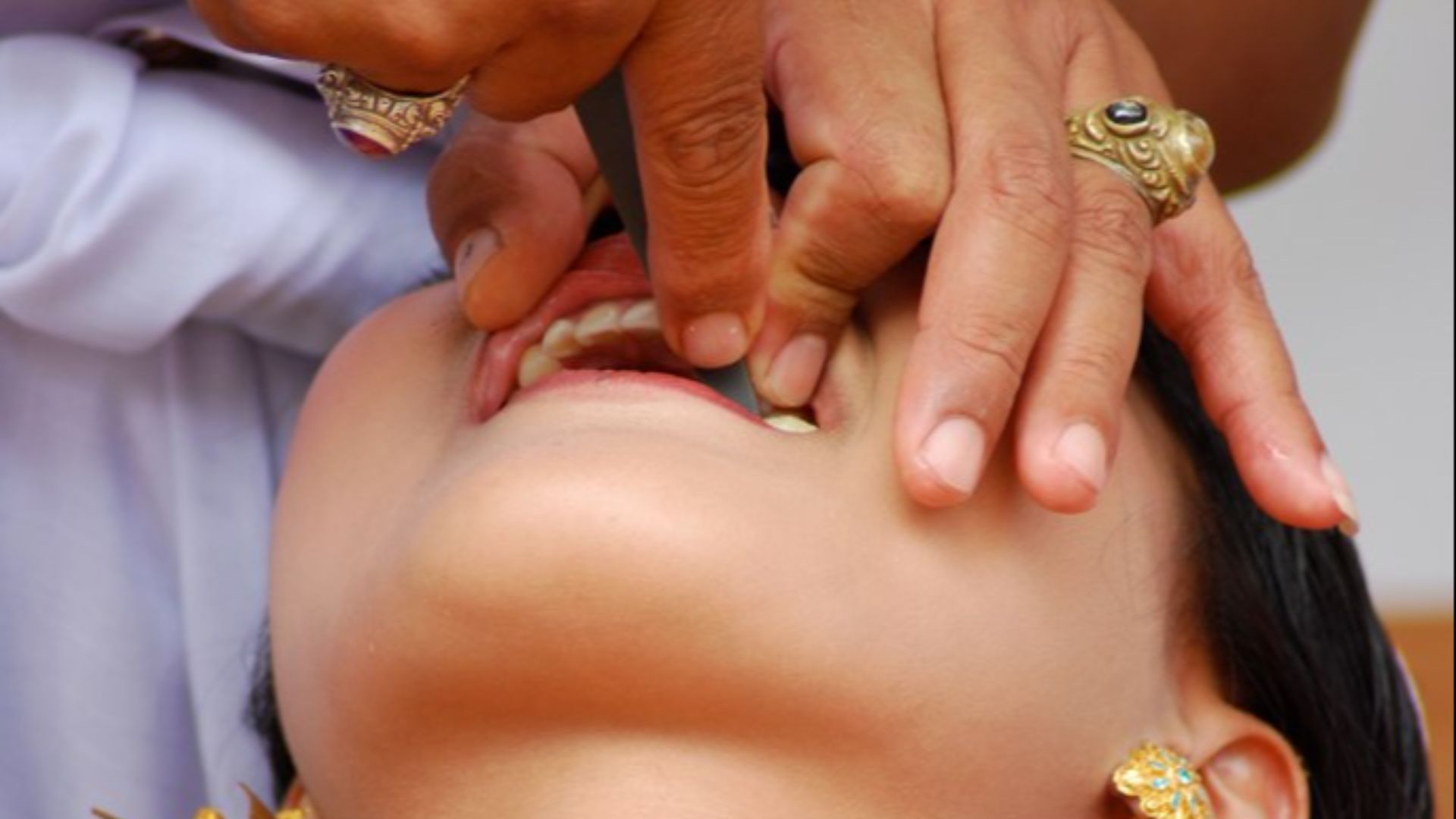
Balinese Hindus file down the points of the upper canine teeth in a ceremony called metatah, often scheduled just before a wedding. The filing stands for removing six human vices, greed and anger among them. The ceremony marks entry into adulthood as much as it marks a marriage, and plenty of Balinese go through it years before they meet anyone.
3. Kaimian in China
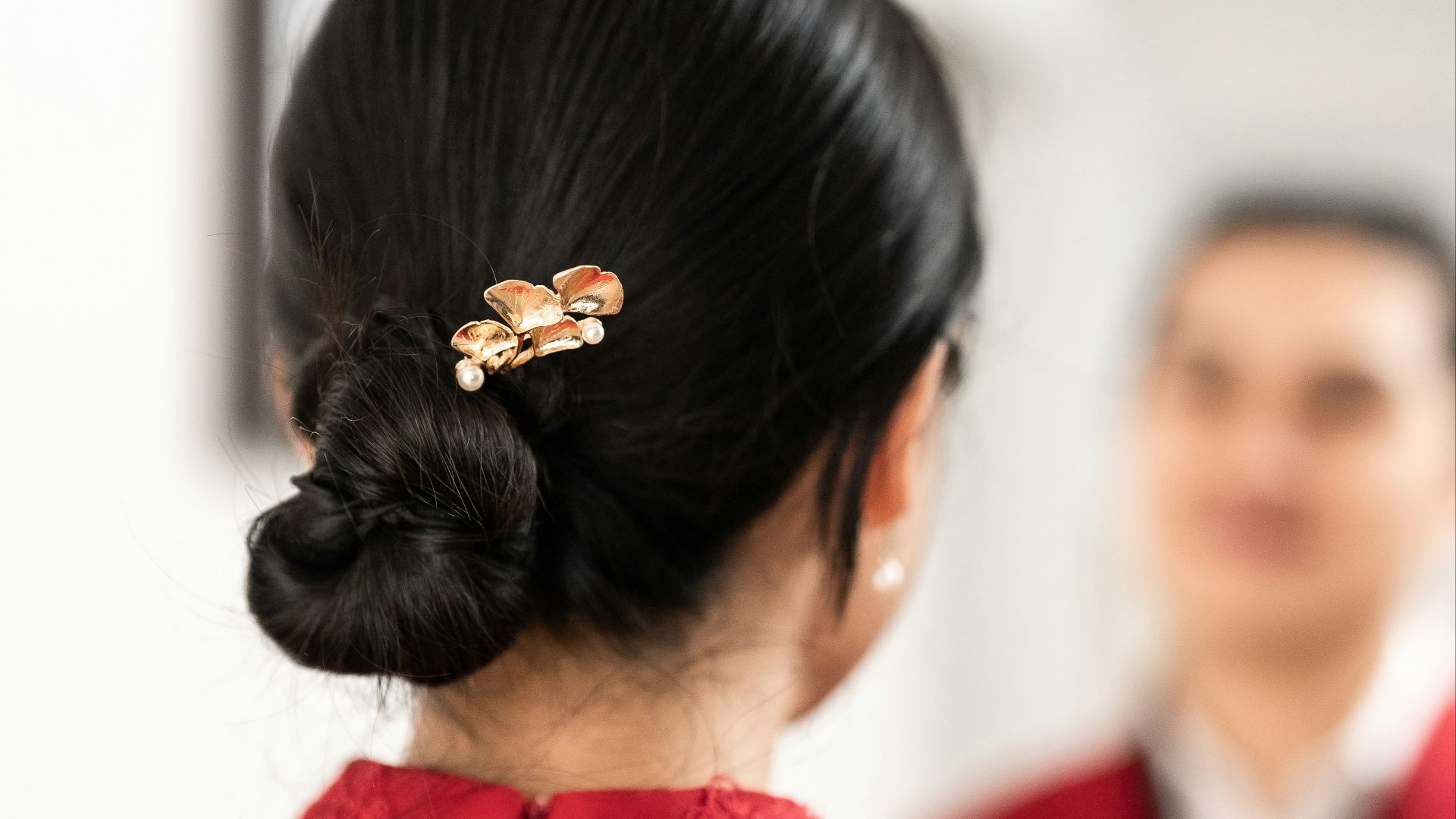
Threading the face is the traditional last step before the wedding, with two twisted cotton threads pulling out fine hair and reshaping the hairline. The name translates to opening the face, and it marked the change from girl to married woman. Threading hurts, and families still do it.
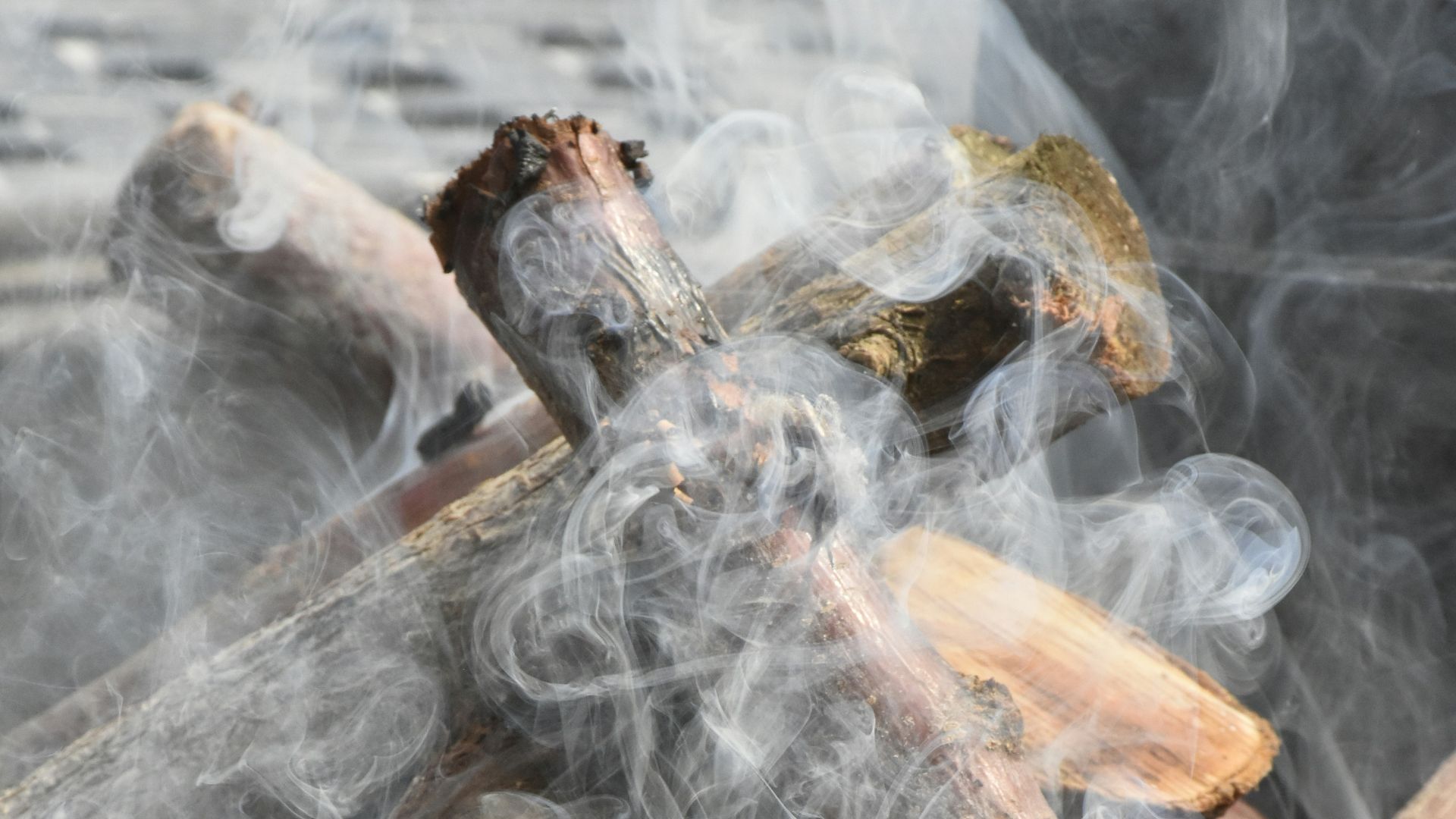
4. The Sudanese Smoke Bath
Burning acacia wood fills a pit, and the bride sits over it wrapped head to foot in a blanket for a smoke bath called dukhan, repeated over weeks. The smoke is said to soften skin and leave a scent that lingers well past the wedding. Oil goes on afterward, and the skin can darken from the treatment.
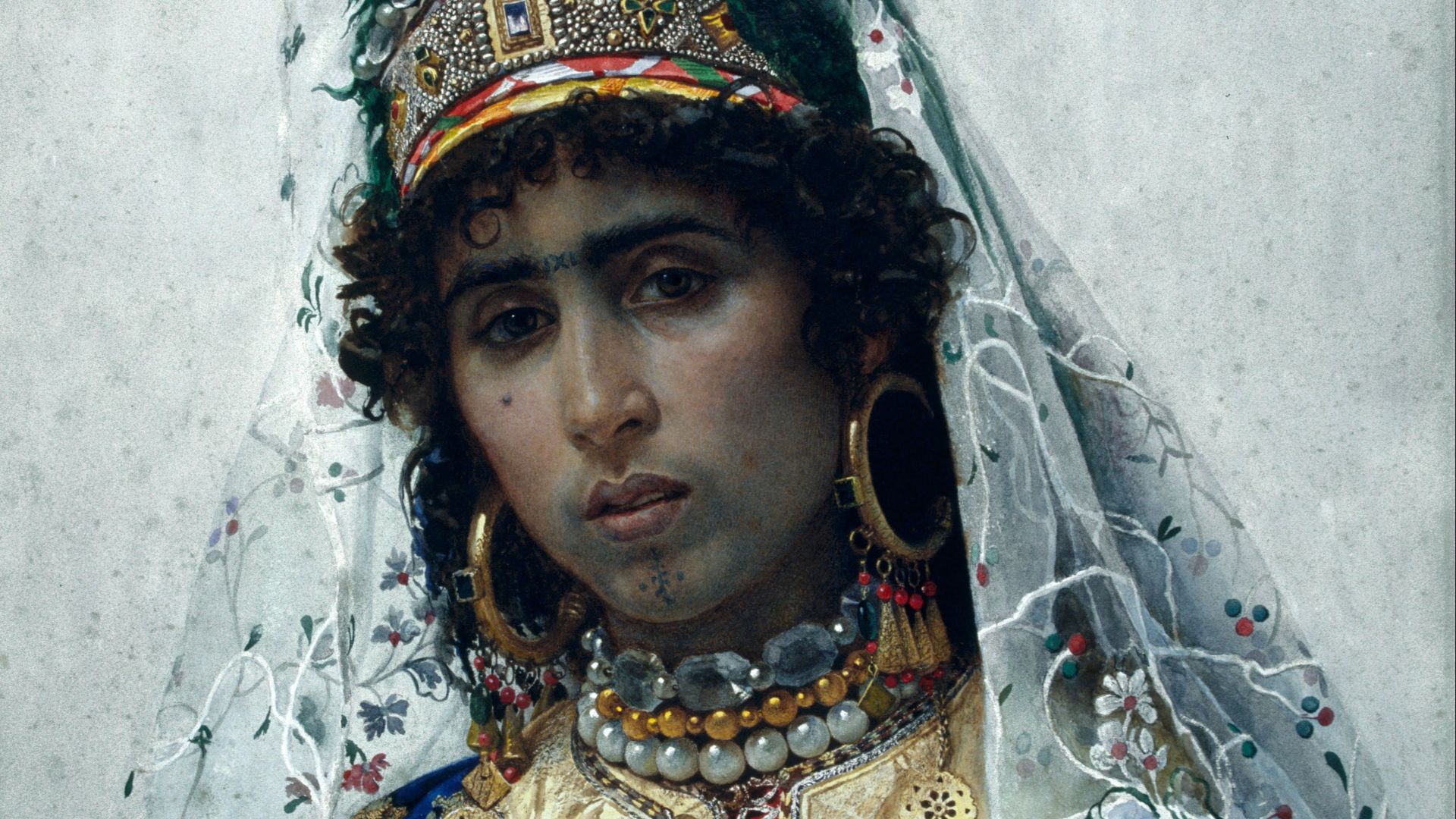
5. Five to Seven Dresses in Morocco
A Moroccan bride changes outfits several times across one wedding, with each look tied to a different region or period and its own jewelry. A negafa is hired to handle the changes and the styling between them. Guests turn up expecting the parade of outfits.
 Josep Tapiró Baró on Wikimedia
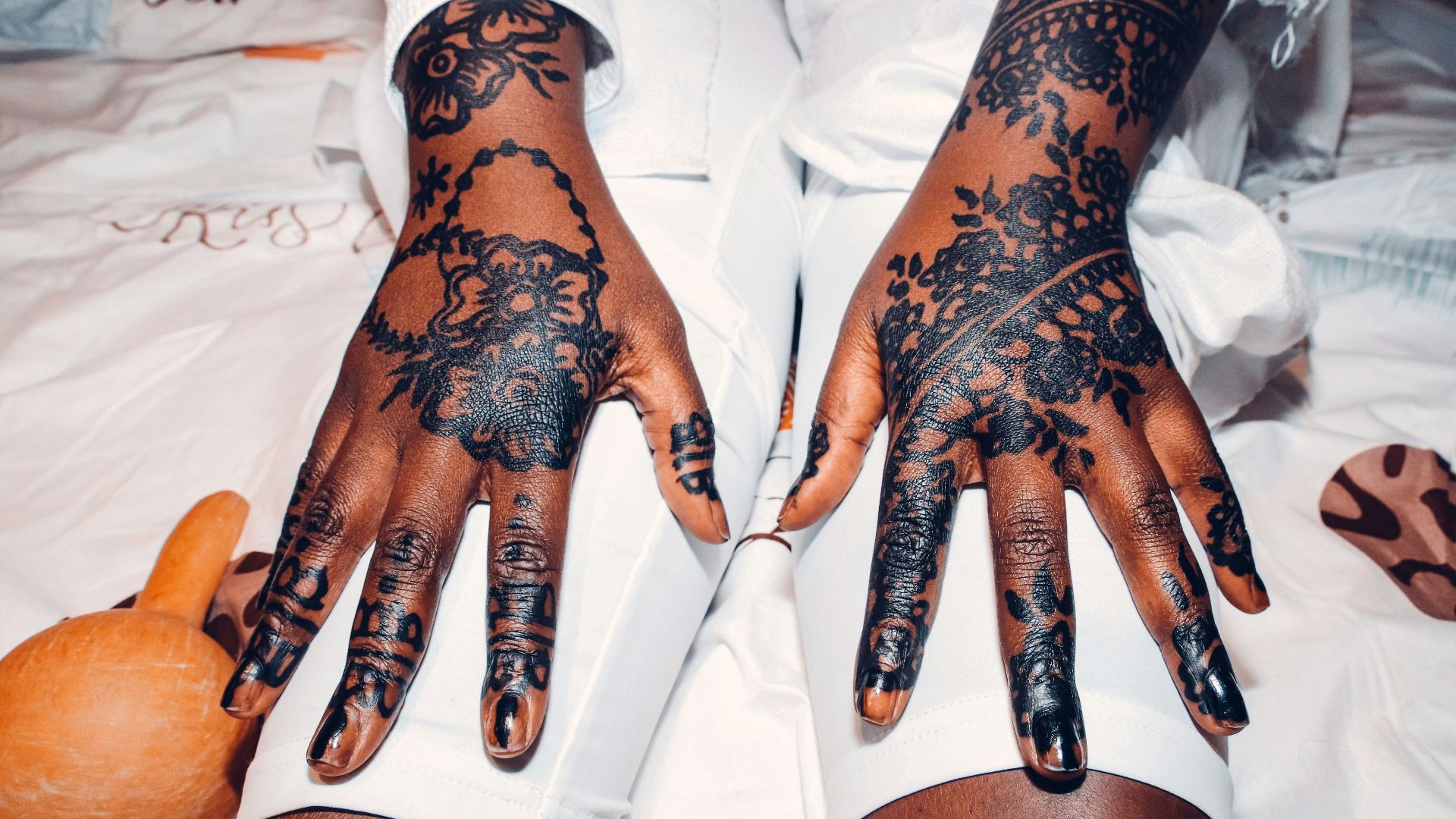
6. Darker Henna Means More Love
Across South Asia, how dark the henna stains is read as a measure of how much the groom will love her, or how kindly her mother-in-law will treat her. Brides sit still for hours and stay away from water to coax the color deeper.
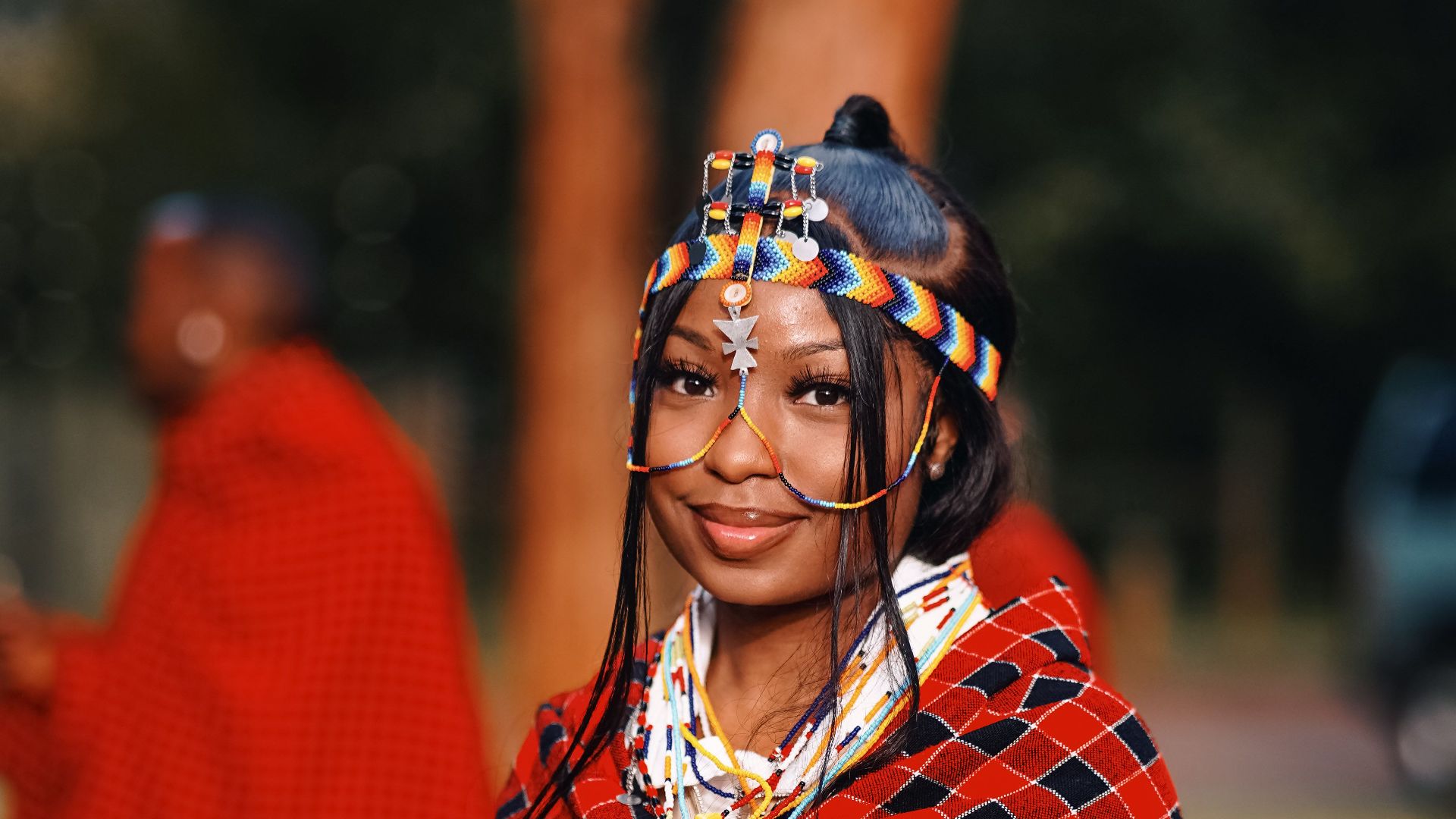
7. The Maasai Bride's Shaved Head
Her head is shaved and her scalp dressed with a mixture of lamb fat and ochre. She wears a wide beaded collar built to move while she dances. Before she leaves, her father spits on her head as a blessing.
8. Hiding the Horns
That flat white band over a Japanese bride's hair is called a tsunokakushi, and the name means horn-hiding.
The horns in question belong to jealousy, and covering them stands as a promise to keep it in check. How seriously any given bride takes that reading is another matter.
9. Amber in Fulani Hair
Fulani brides across West Africa wear hair built around large amber beads and old silver coins, much of it inherited. The pieces are heavy and the styling takes hours. Cowrie shells often go in alongside the amber, and a full arrangement can be worth more than anything else the family owns.
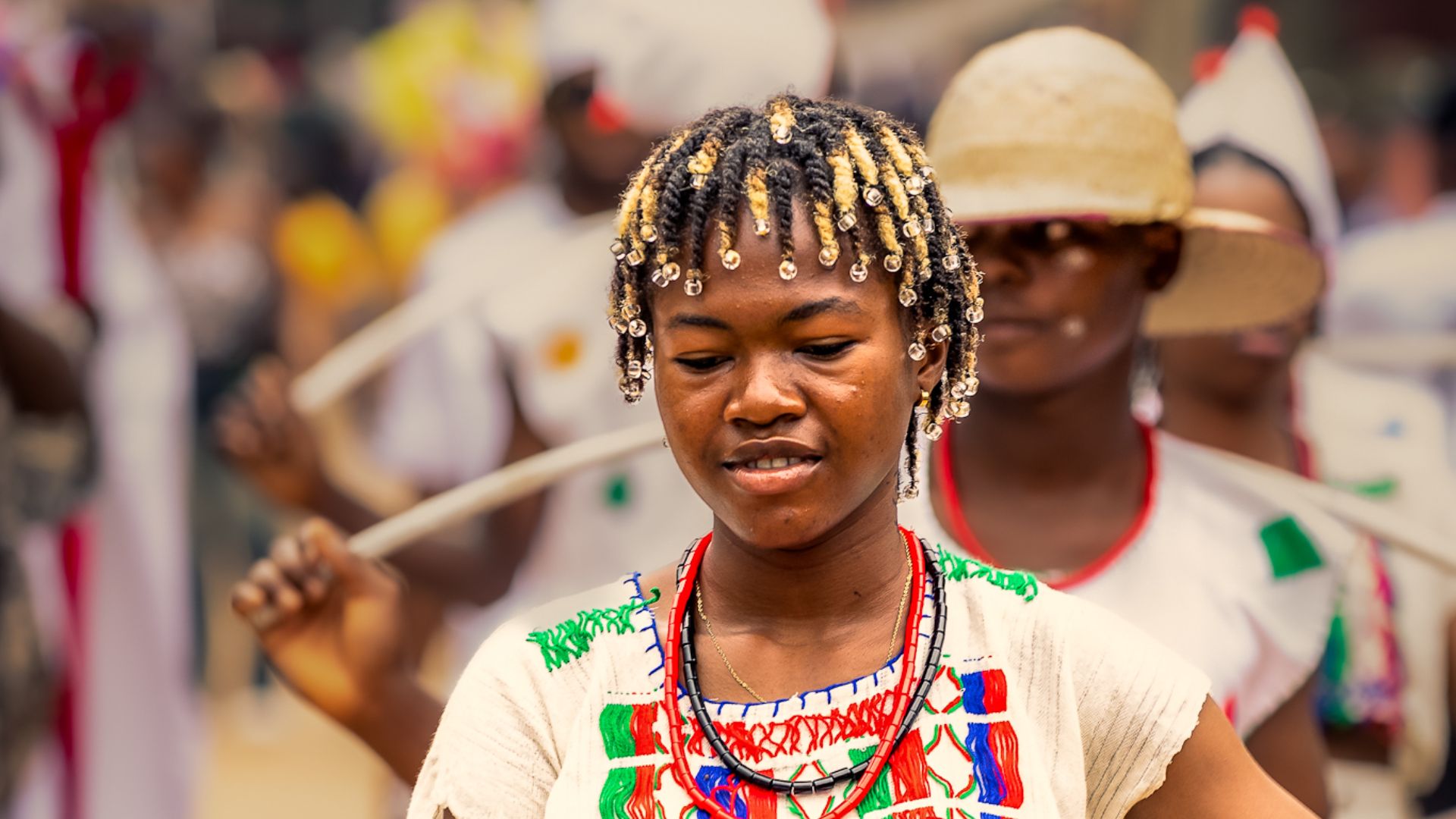 Ikwueme Obiora Patrick (owusi lens) on Wikimedia
10. Red Instead of White
White is a mourning color across much of Asia, which makes a white gown an odd choice rather than a classic one. Indian and Chinese brides wear red, the color associated with luck and celebration. A white dress at a family wedding in Delhi would land roughly the way a black one would in Boston.