Bendy Nails
If your nails seem to bend or break every time you so much as open a can or peel a sticker, you're not alone; in fact, brittle nails are one of the most common cosmetic frustrations out there. But this condition is rarely random: whether it's something in your diet, your nail habits, or an underlying health factor, there's almost always a reason your nails aren't as strong as they should be, so it's best to address the issue before the problem gets worse. If your claws aren't always so sharp, here's why and how to get them back to tiptop shape.
1. You're Not Getting Enough Biotin
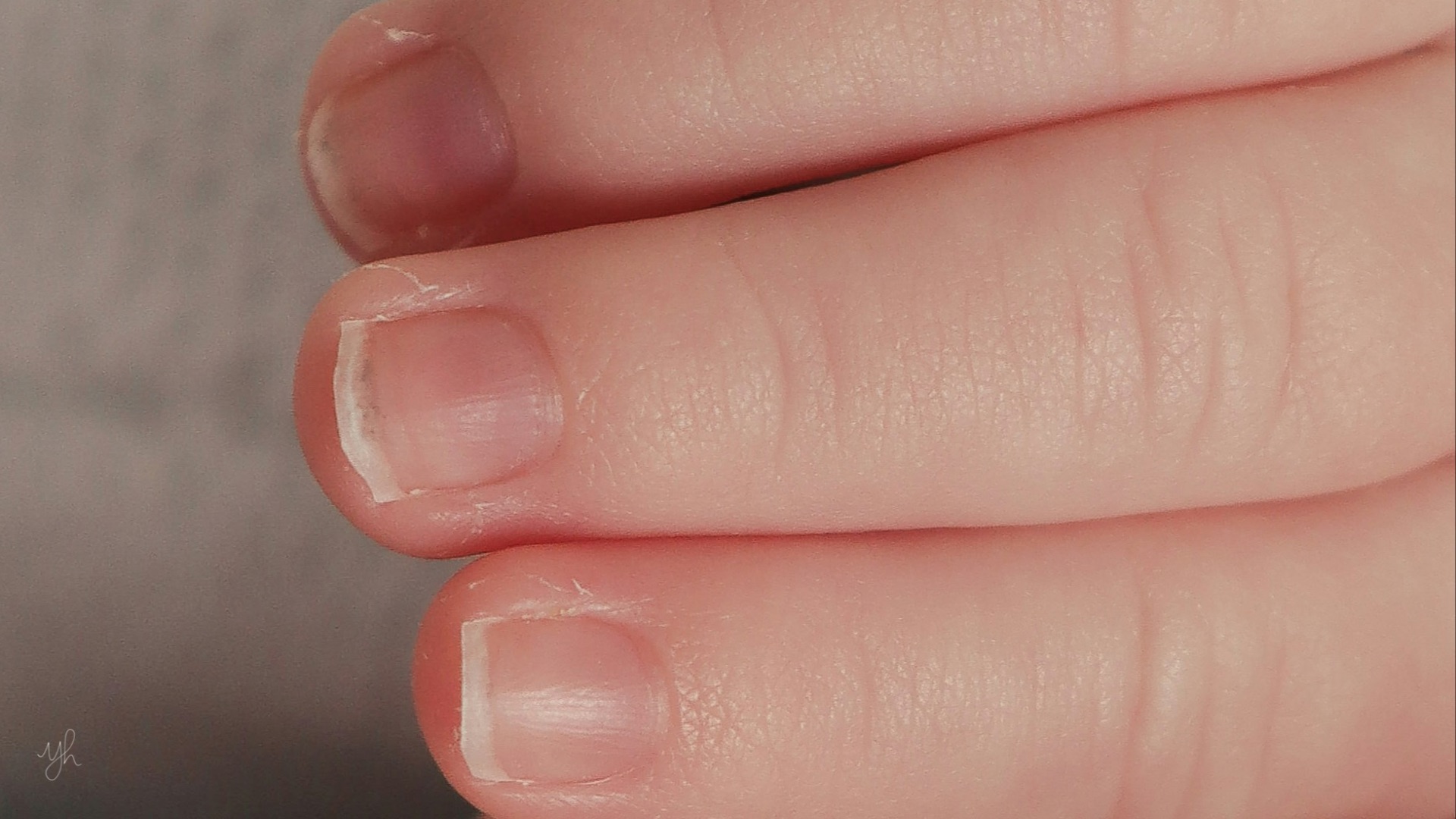
Biotin, a B vitamin, plays a direct role in keratin production, which is the protein your nails are primarily made of. When your biotin levels are low, nails can become thin, fragile, and prone to splitting. It's one of the most well-documented nutritional links to nail health, so if your diet is low in eggs, nuts, and legumes, that could be a contributing factor.
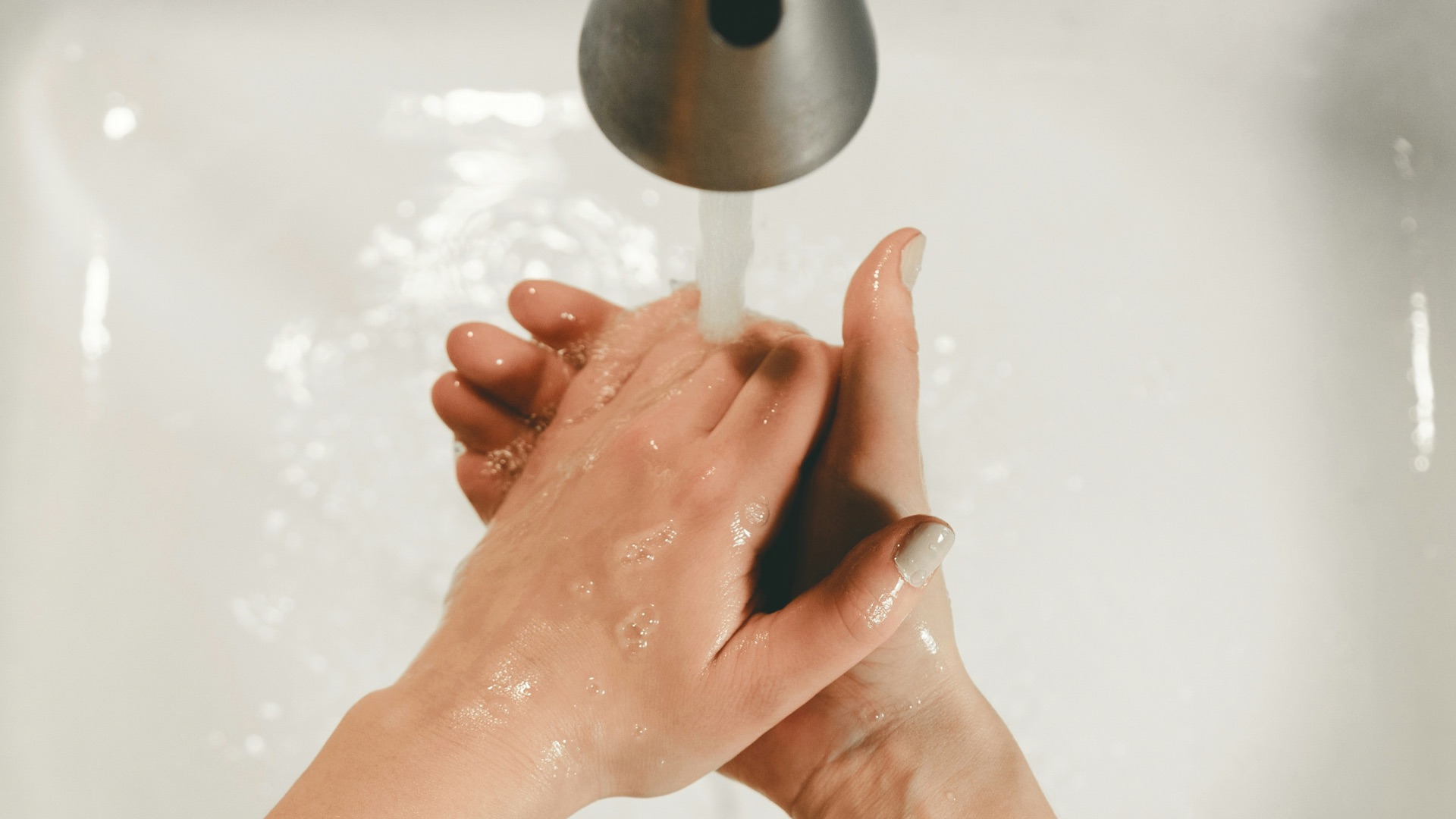
2. Frequent Water Exposure
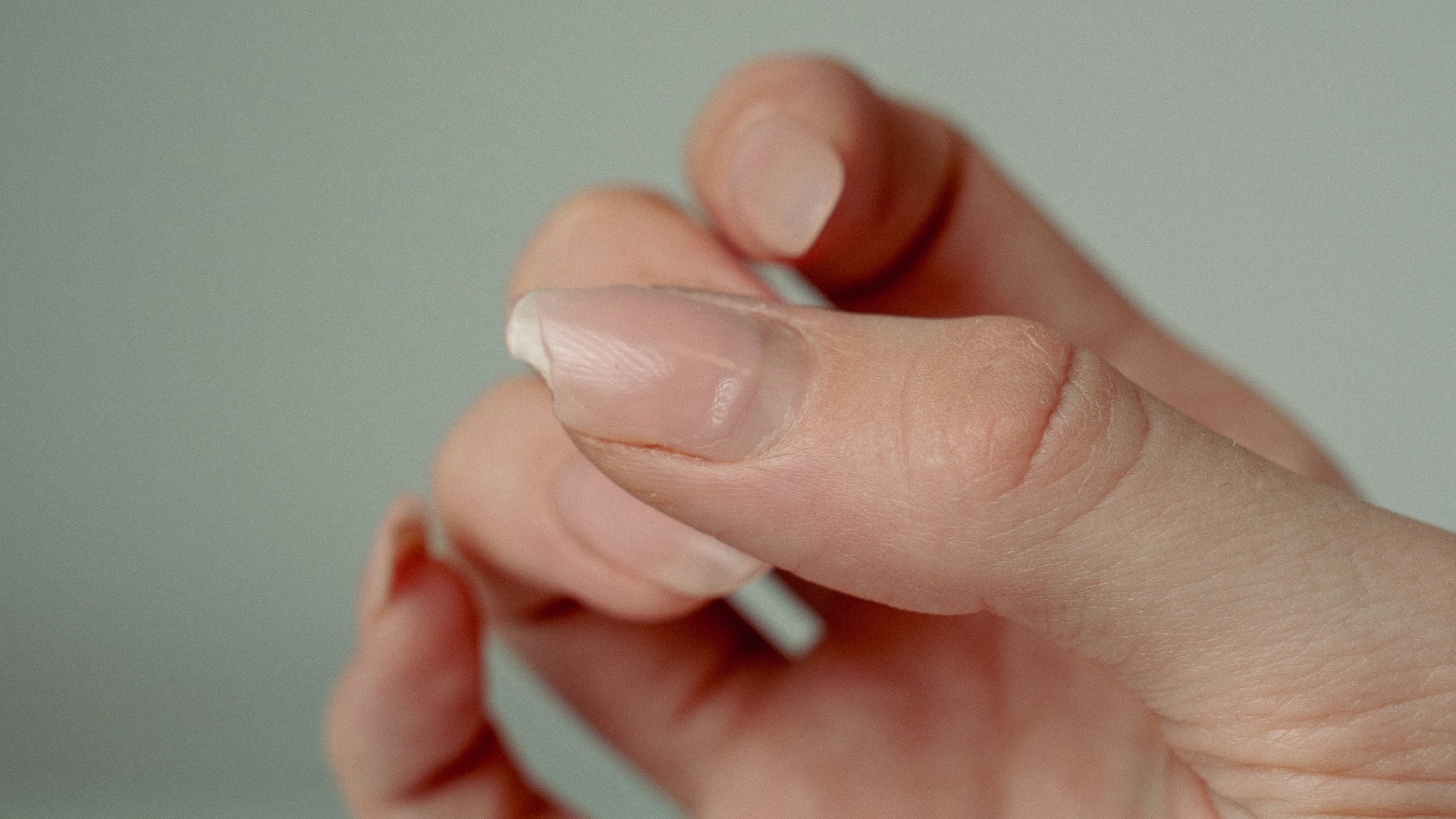
Repeatedly wetting and drying your nails causes them to expand and contract, which gradually weakens the nail structure over time. People who wash dishes by hand frequently, swim regularly, or work in environments involving a lot of water contact tend to be more prone to brittle nails. The damage isn't always immediate, but the cumulative effect on nail integrity can be significant.
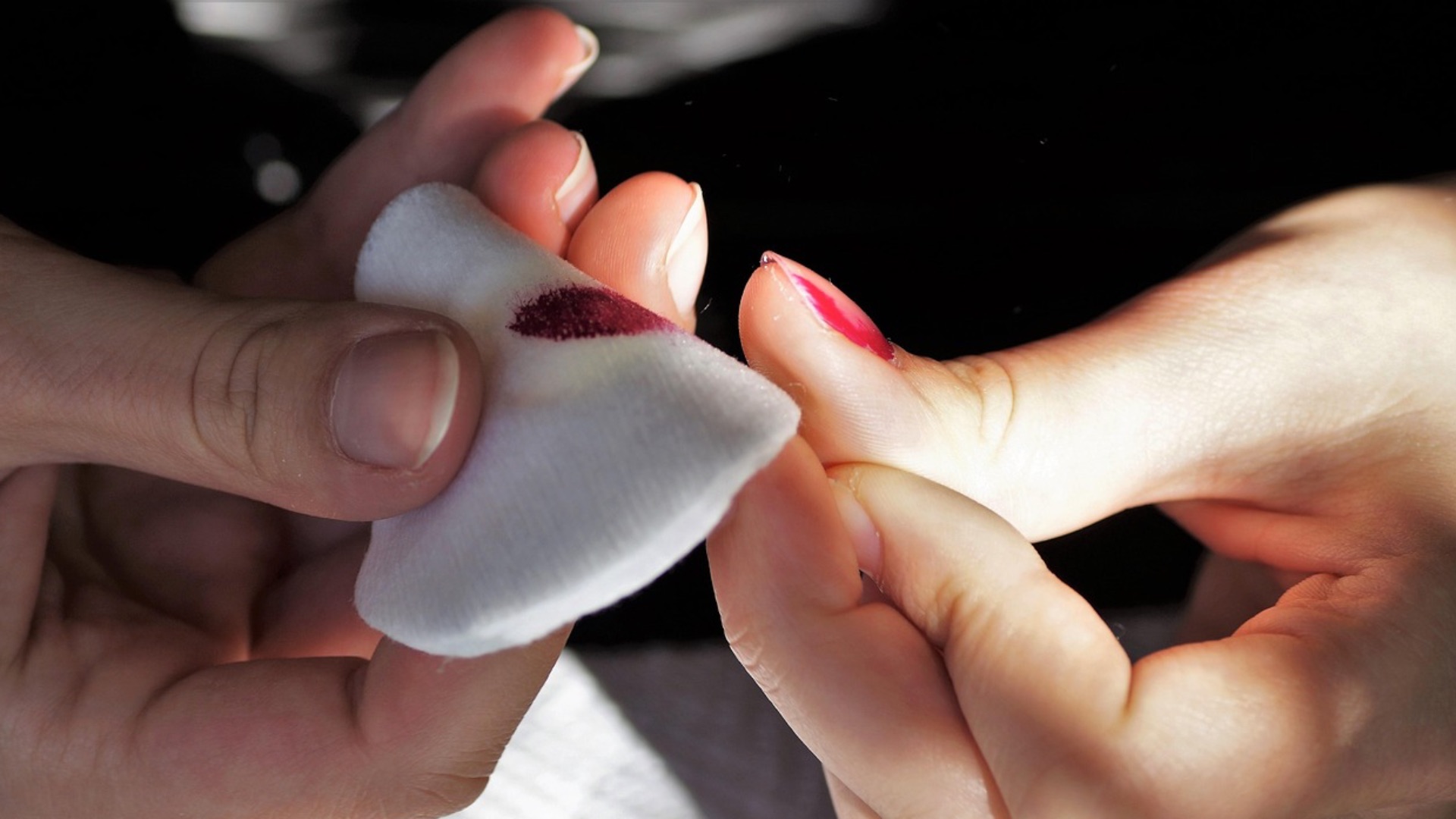
3. Overuse of Nail Polish Remover
Acetone-based nail polish removers are highly drying, and using them too often strips the nails of their natural oils and moisture. This leaves the nail plate dehydrated and more susceptible to peeling and breakage. Even non-acetone formulas can be drying when used excessively, so it's worth being mindful of how often you're reaching for the remover—and how often you paint your nails.
4. An Underactive Thyroid
Hypothyroidism slows down many of the body's metabolic processes, including the rate at which nails grow and maintain their strength. Brittle, slow-growing nails are actually a recognized symptom of an underactive thyroid, alongside fatigue, dry skin, and hair thinning. If you're experiencing several of these symptoms together, it's worth discussing with a healthcare provider.
5. Iron Deficiency
Iron deficiency can also impact nail health because iron is essential for producing the red blood cells that carry oxygen to nail tissue. Without adequate oxygen delivery, nails can become brittle, ridged, or, in more severe cases, develop a spoon-shaped curve known as koilonychia. Getting your iron levels checked through a simple blood test can clarify whether this might be at play.

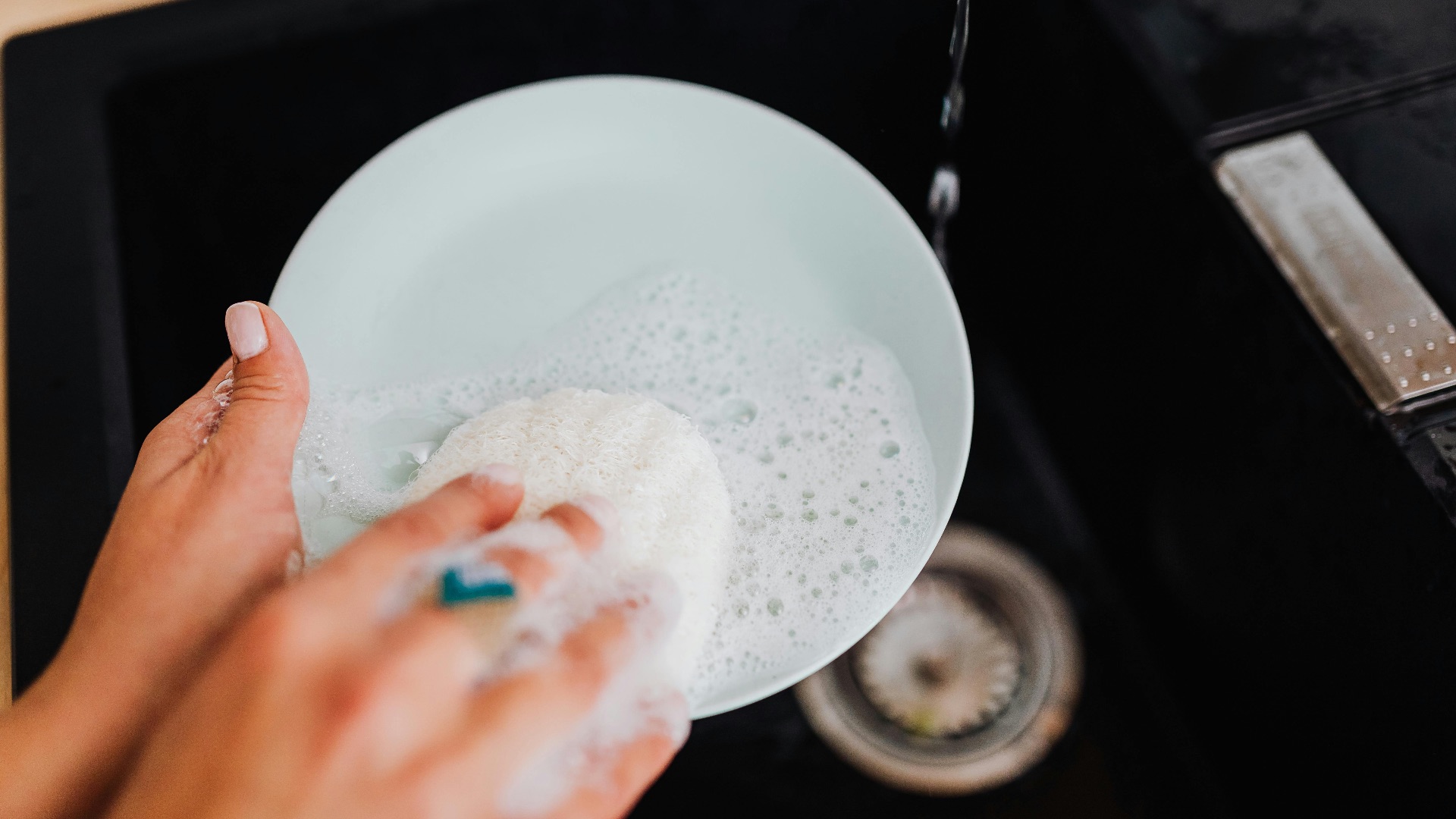
6. Harsh Cleaning Products
Just like acetone nail polish removers, regular contact with household cleaners, detergents, and disinfectants can break down the outer layers of the nail plate and dry out the surrounding skin. Many of these products contain chemicals that are particularly harsh on nails, even when the exposure is brief. Wearing gloves during cleaning tasks is a great protective measure, but if you're not doing it consistently, the damage can add up.
7. Aging
Nail growth slows with age, and as it does, the nail plate tends to become thinner and more brittle as a natural part of the aging process. The natural oils that help keep nails flexible and hydrated also decrease over time, which contributes to dryness and peeling. This is especially common in people after age 40, though it can begin showing up earlier depending on other health and lifestyle factors.
8. Low Protein Intake
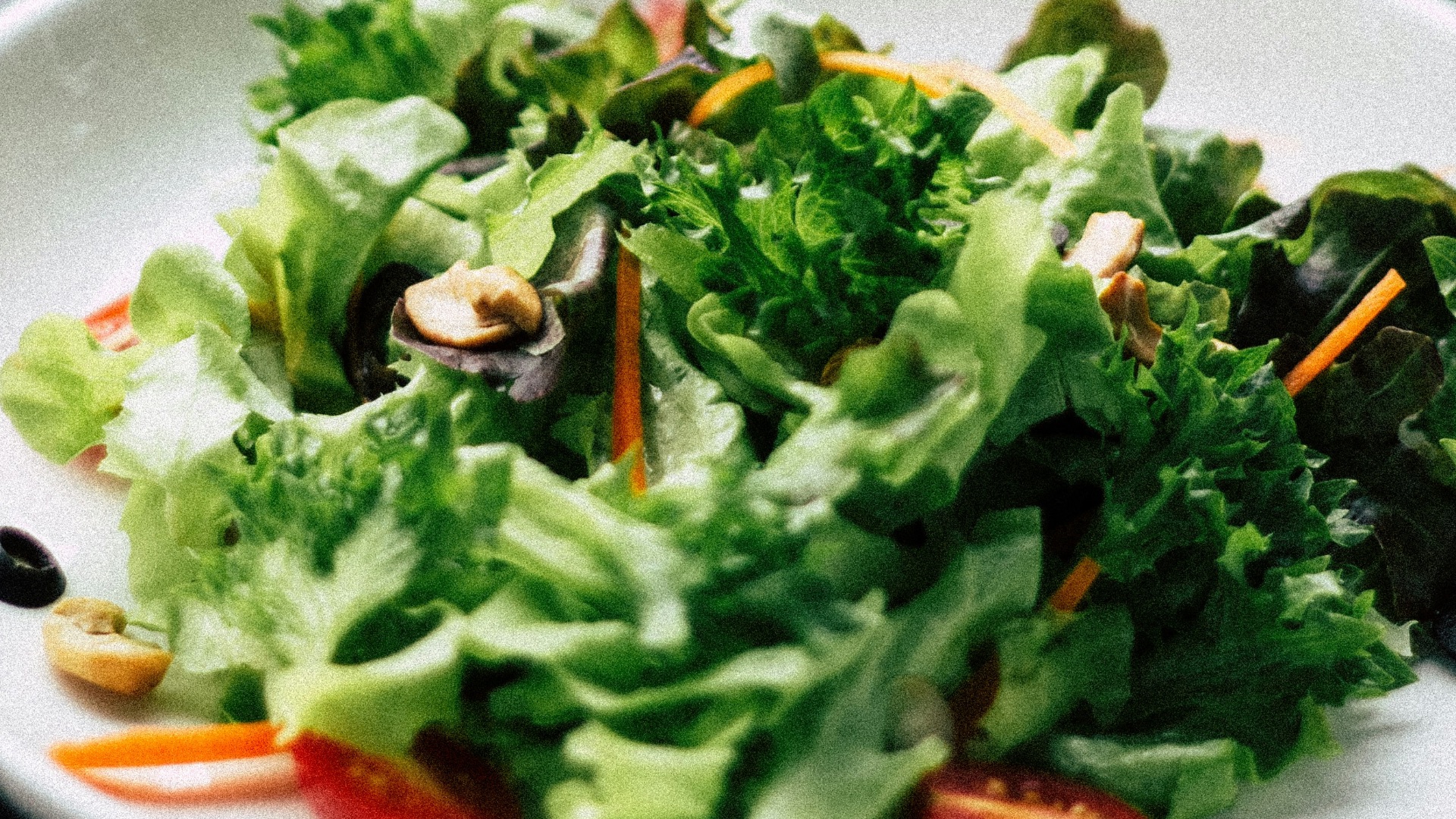
Since nails are made primarily of keratin, a structural protein, a diet that's consistently low in protein can directly impair nail strength and growth. Your body prioritizes protein for more critical functions first, so nails often end up at the bottom of the list when supply is limited. Vegetarians, vegans, and anyone following a highly restrictive diet may be more vulnerable to this if they're not being intentional about protein sources.
9. Psoriasis
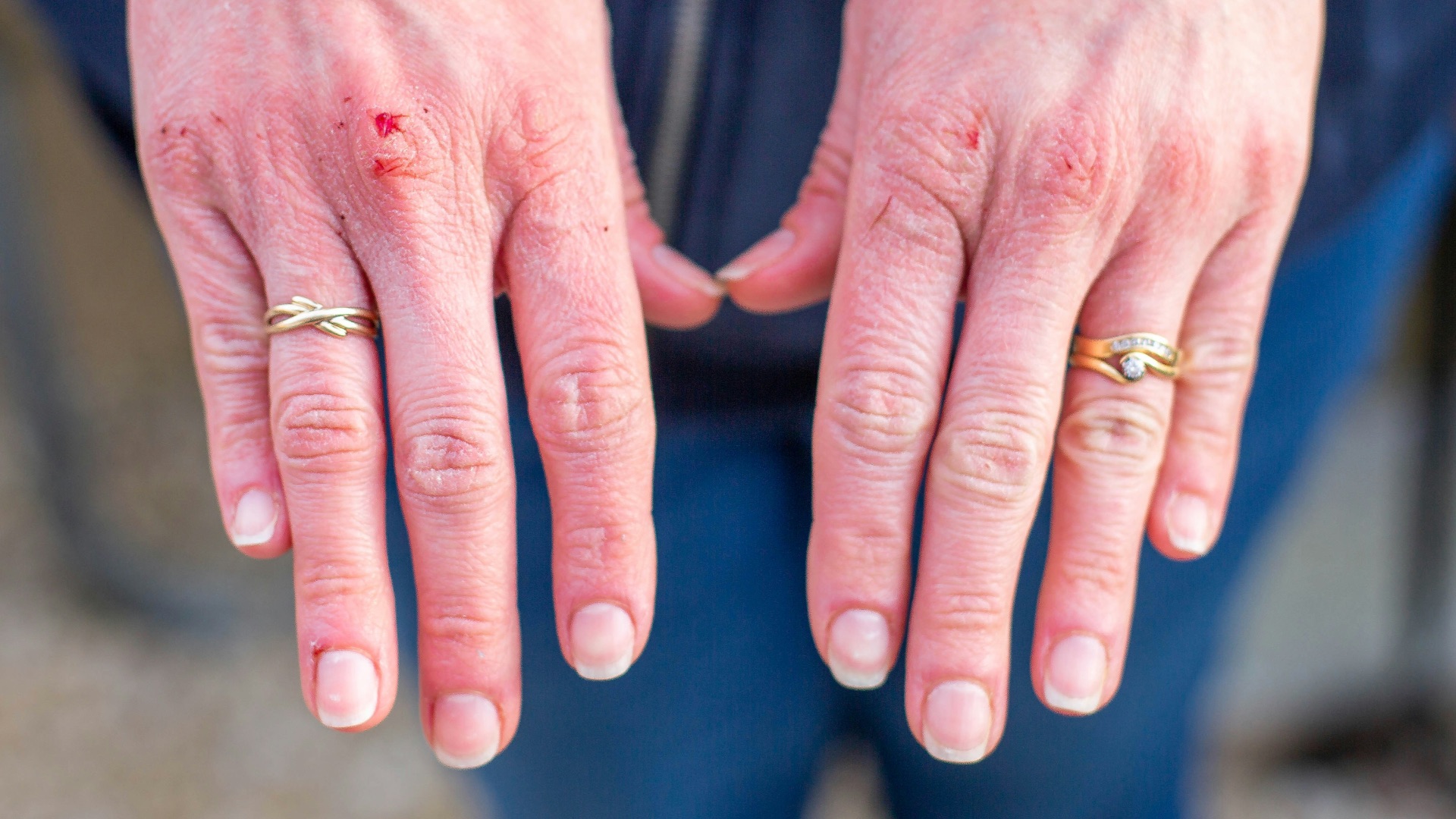
Nail psoriasis is more common than many people realize, affecting over 50% of people with skin psoriasis at some point. It can cause pitting, crumbling, thickening, or separation of the nail from the nail bed, all of which can make nails appear and feel brittle. This is a medical condition that requires proper diagnosis and treatment, so it's not something a simple moisturizer is going to resolve on its own.
10. Excessive Filing or Buffing
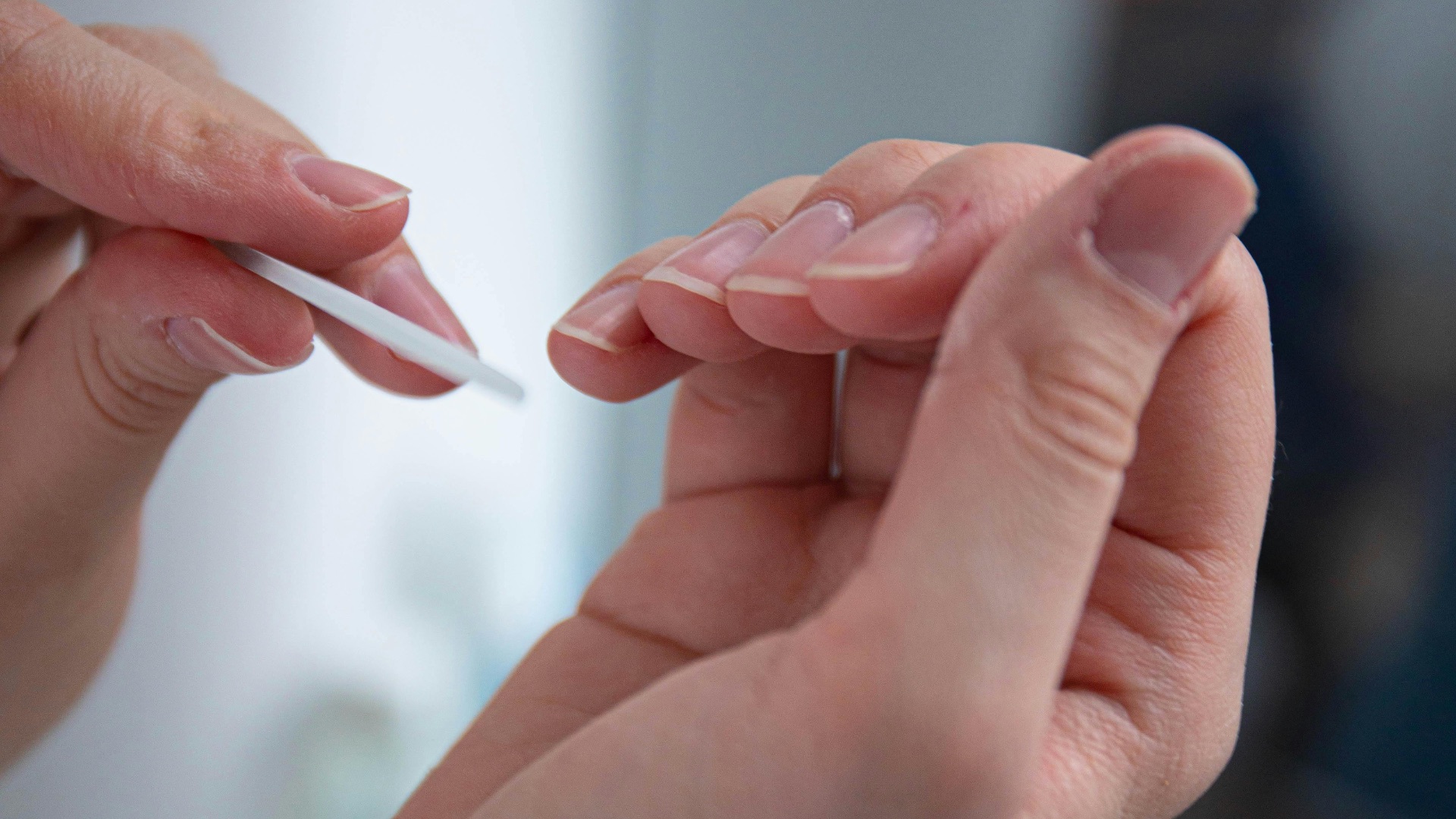
Filing your nails too aggressively or buffing them too frequently removes layers of the nail plate, which thins them out over time. Using a coarse-grit file or sawing back and forth rather than filing in one direction creates micro-tears that weaken the nail structure. Even when done with good intentions, over-filing is one of the more common ways people unknowingly cause their own nail damage.
Now that you know what might be standing between you and stronger nails, it's time to look at what you can actually do about it. These tips range from simple daily habits to longer-term dietary and care adjustments that can make a real difference in nail strength and resilience.
1. Take a Biotin Supplement
If dietary sources of biotin aren't cutting it, a daily biotin supplement is one of the most commonly recommended solutions for brittle nails. Several studies have found that biotin supplementation can increase nail thickness and reduce splitting in people who are deficient. It's generally considered safe at standard doses, but it's still a good idea to check with a doctor before adding any new supplement to your routine.
2. Keep Your Nails Dry and Clean
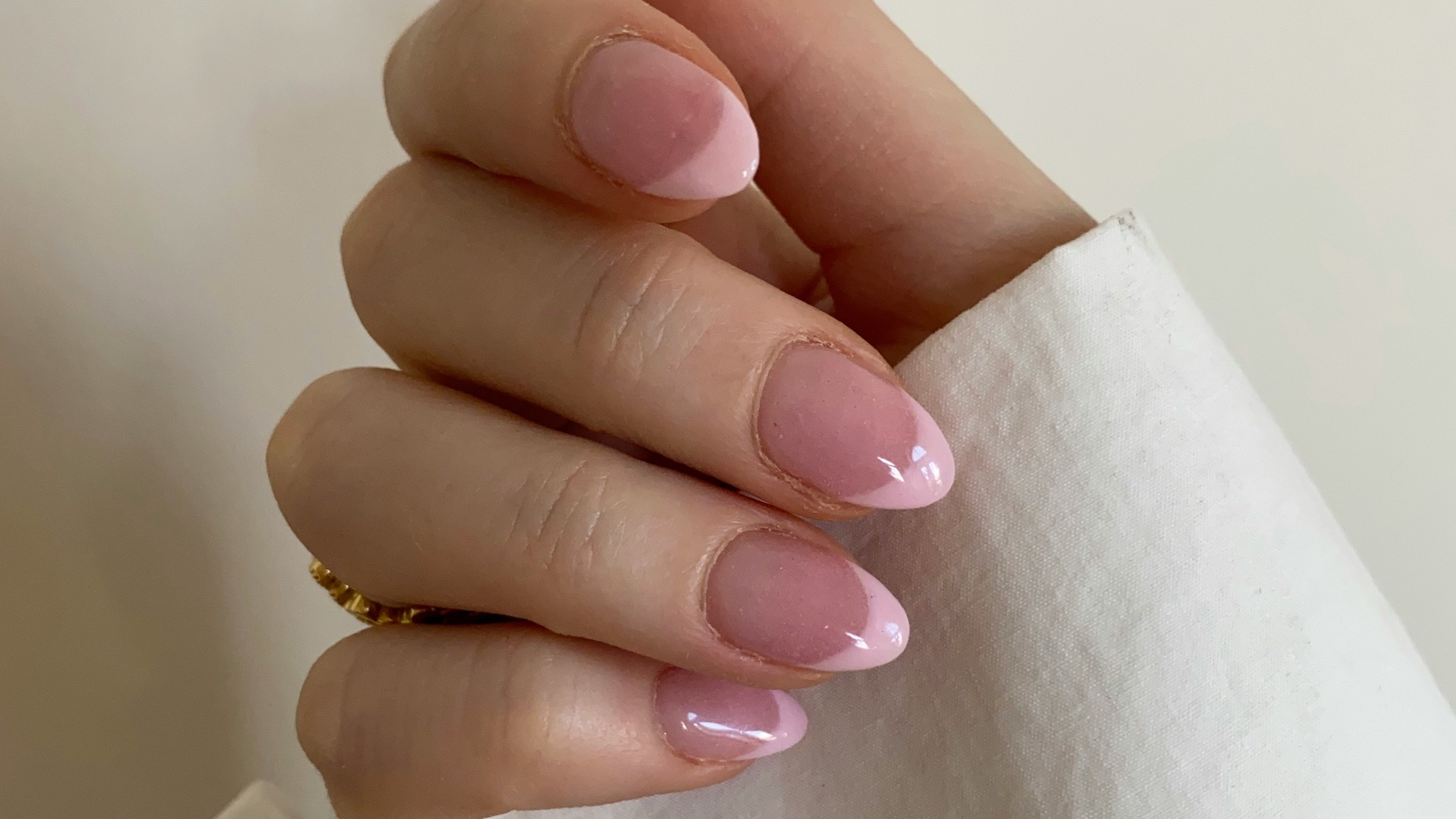
Minimizing prolonged water exposure is one of the most straightforward steps you can take to preserve nail strength. That means wearing rubber gloves when washing dishes, avoiding soaking your fingertips unnecessarily, and drying your hands thoroughly after washing them. Keeping your nails clean also prevents bacteria and fungi from settling underneath the nail plate and causing additional damage.
3. Apply a Strengthening Base Coat
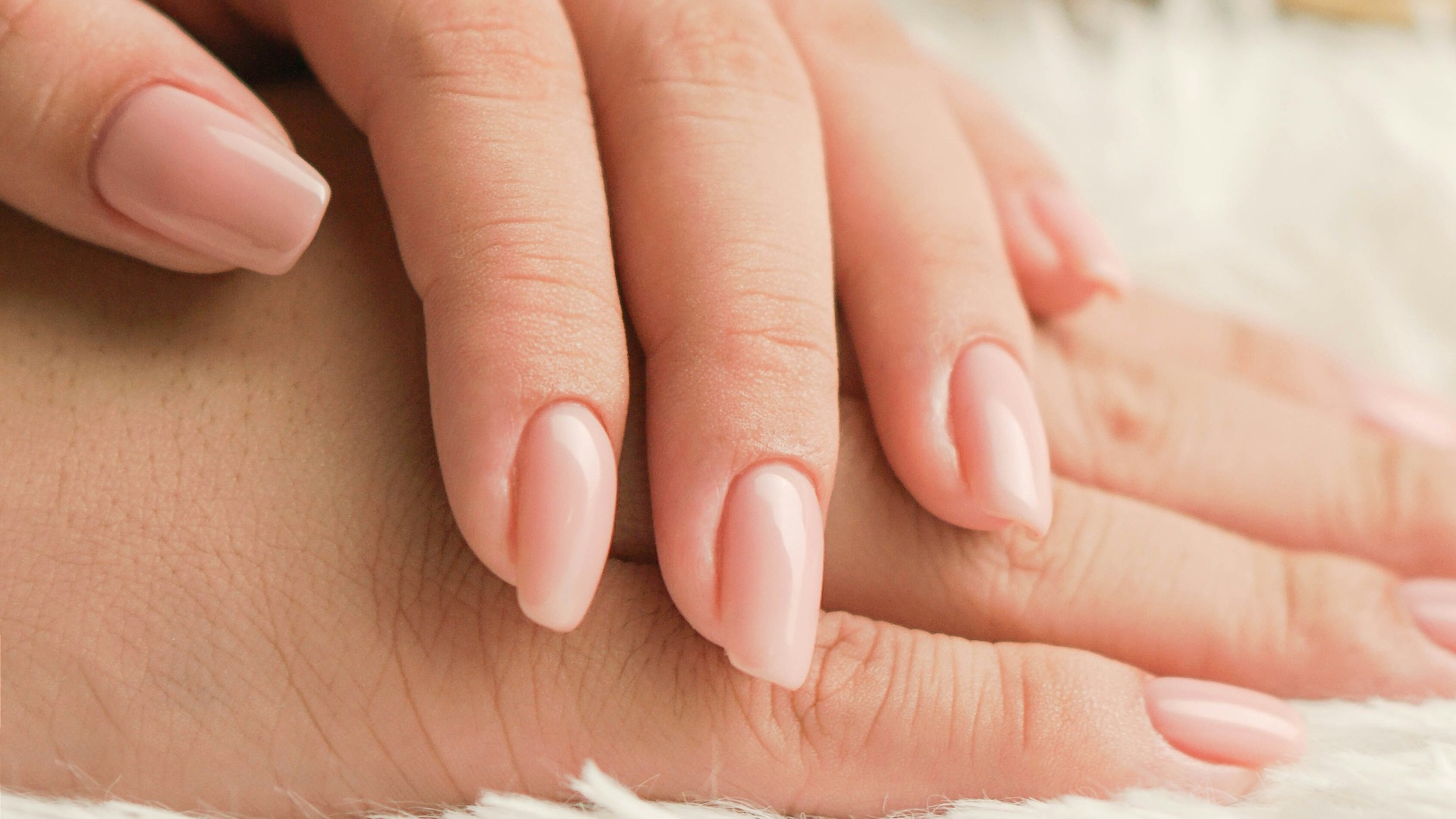
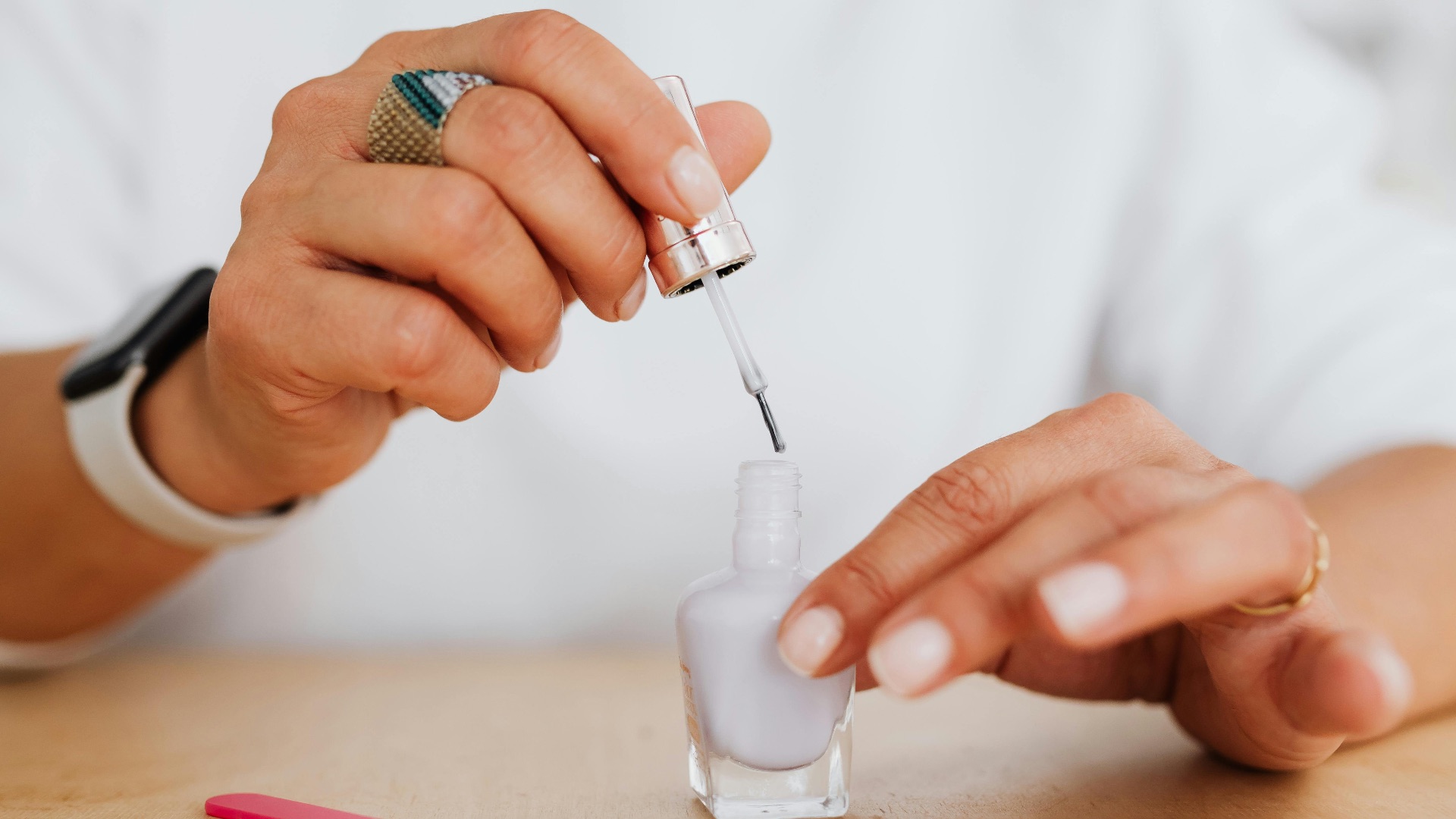
Nail strengthening treatments and base coats create a protective layer over the nail plate that helps prevent breakage and peeling. Many of these products contain ingredients like hydrolyzed wheat protein, calcium, or keratin, which can temporarily reinforce the nail structure. Applying one regularly, especially if you wear nail polish often (although you shouldn't), gives your nails an extra layer of protection during their recovery.
4. Moisturize Your Nails and Cuticles
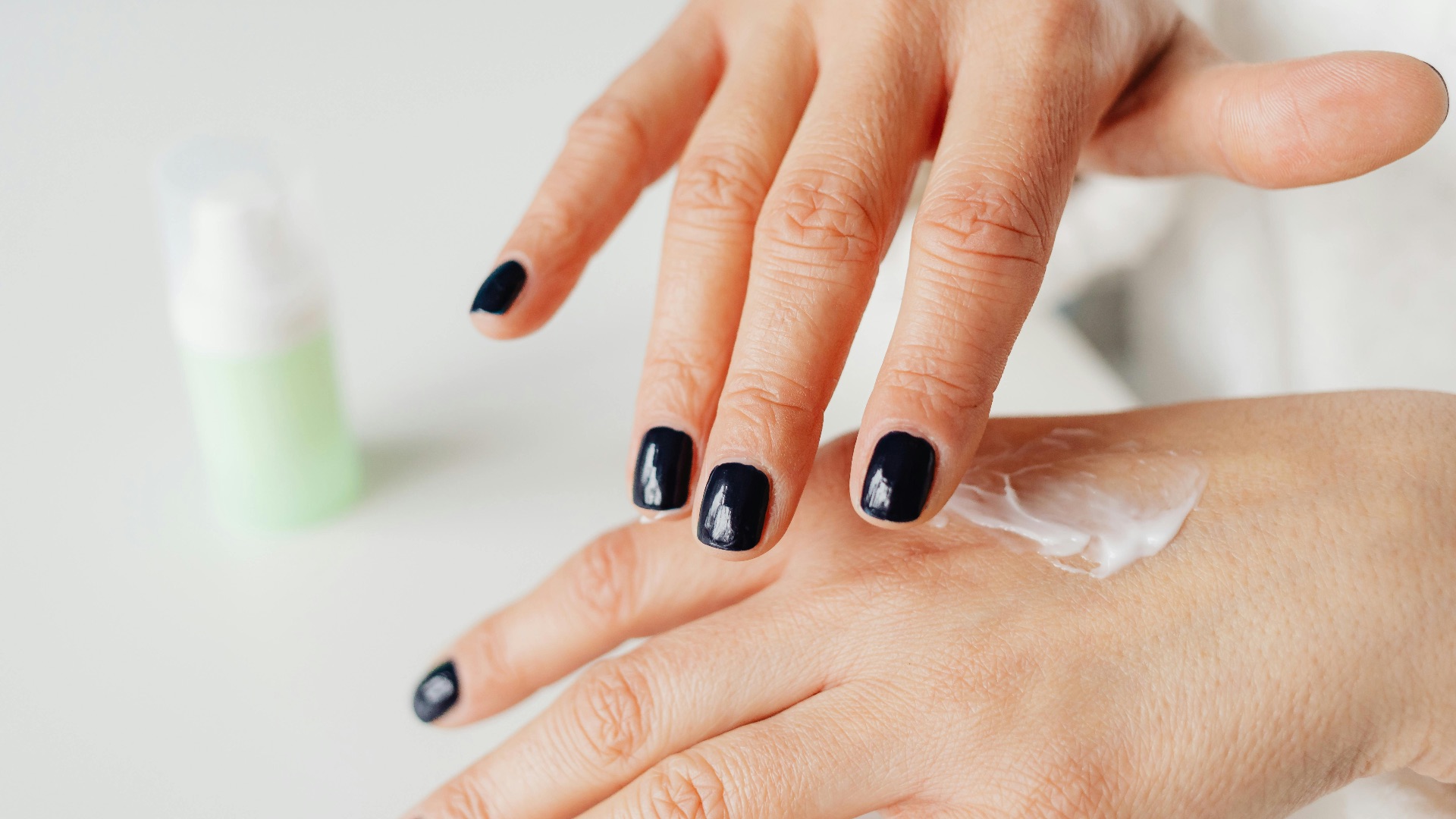
Nails need hydration just as much as your skin does, and applying a dedicated nail or cuticle oil regularly can help restore flexibility and prevent dryness. Look for products containing jojoba oil, vitamin E, or almond oil, as these are well-known for their moisturizing and strengthening properties.
5. Increase Your Protein Intake
If your diet has been light on protein, bumping it up is one of the most impactful things you can do for nail health over the long term. Good sources include eggs, chicken, fish, lentils, tofu, and Greek yogurt, all of which provide the amino acids your body needs to produce keratin.

6. File Your Nails Correctly
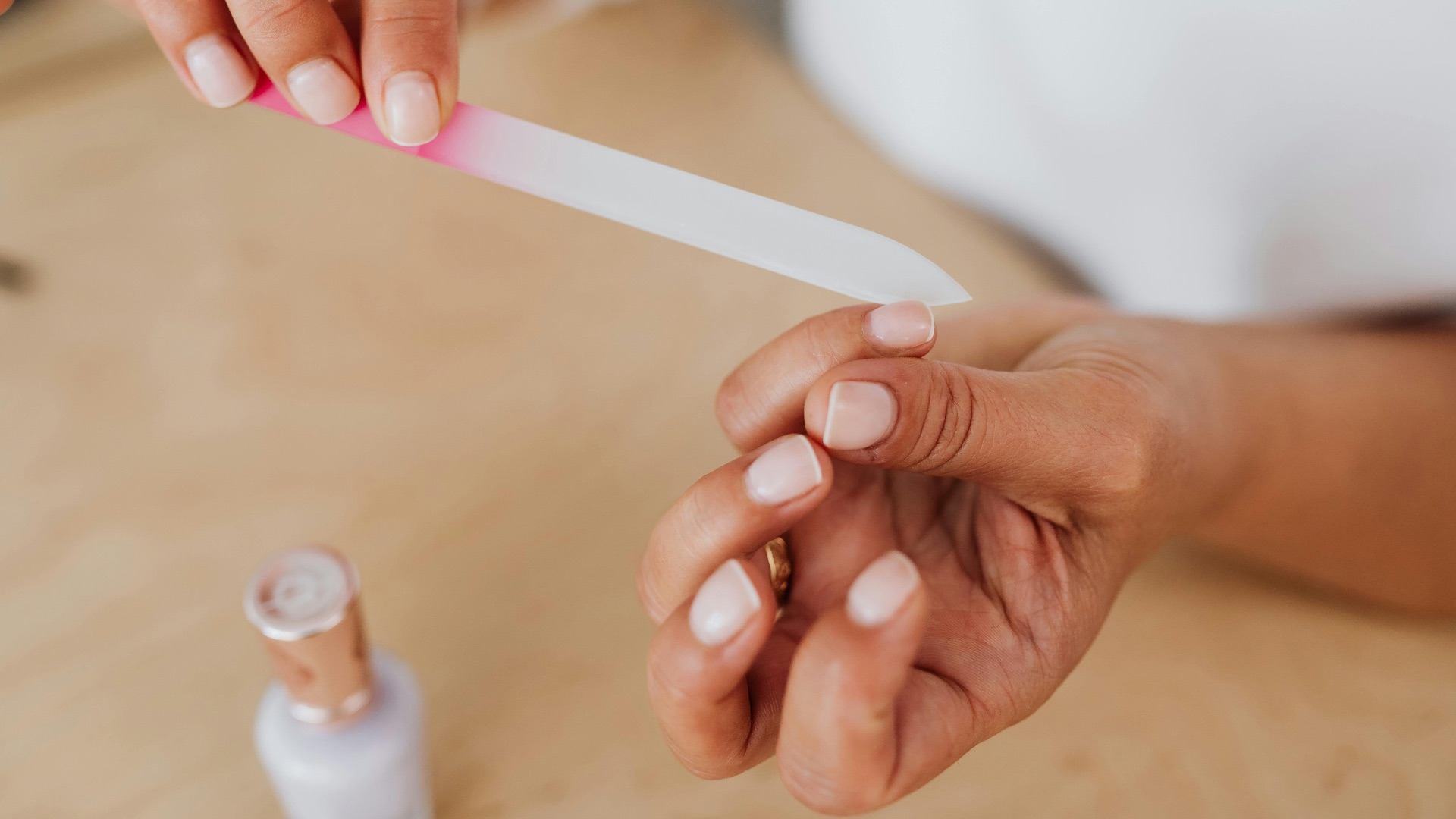
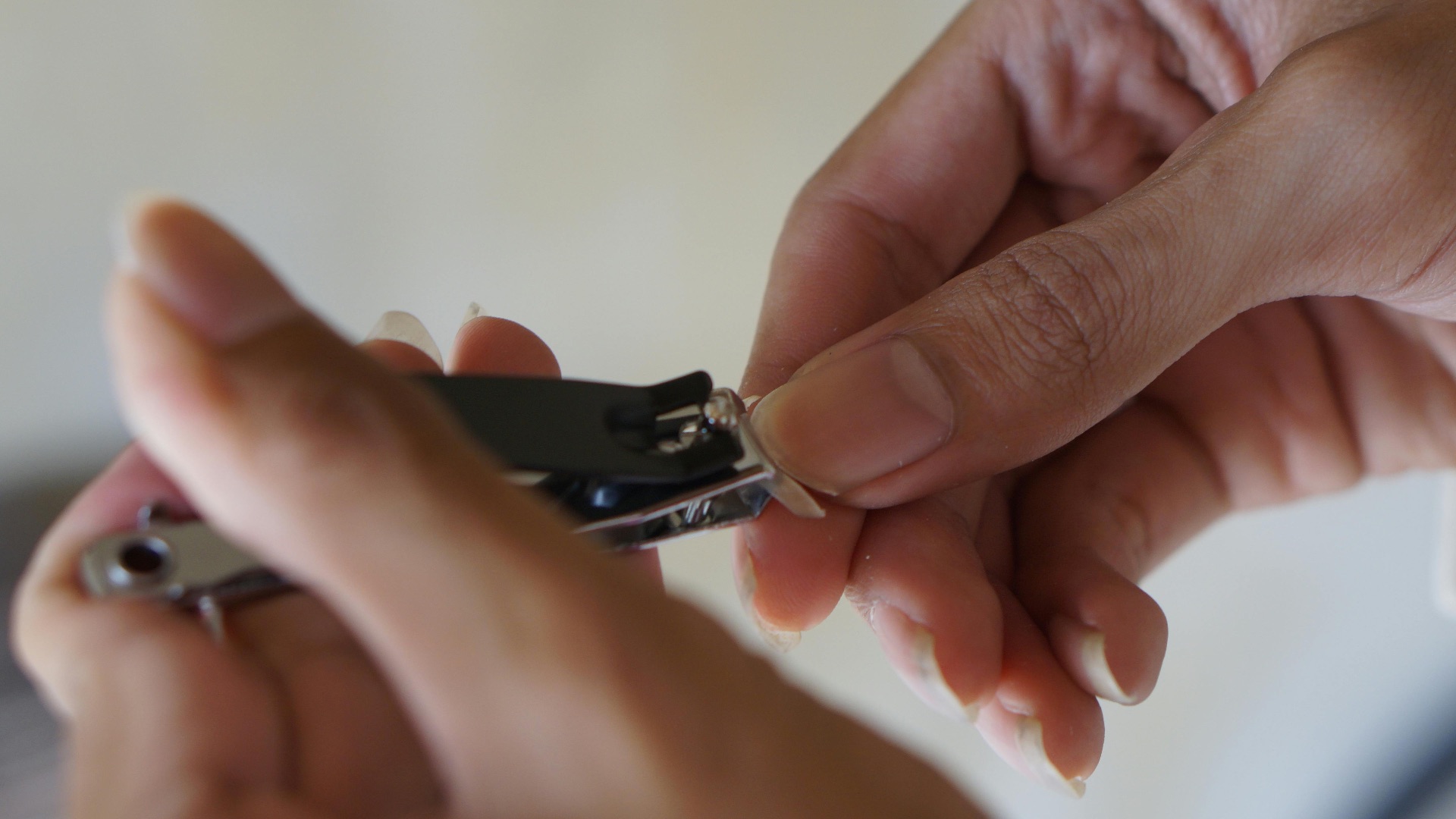
Switching to a fine-grit nail file and always filing in one direction can significantly reduce the micro-damage that leads to splitting and peeling. Avoid metal files, which tend to be too harsh for regular use, and opt for glass or crystal files instead, as these create a smoother edge with less friction. Keeping your nails at a shorter, more manageable length while they recover also reduces the leverage that causes breakage.
7. Limit Acetone Exposure
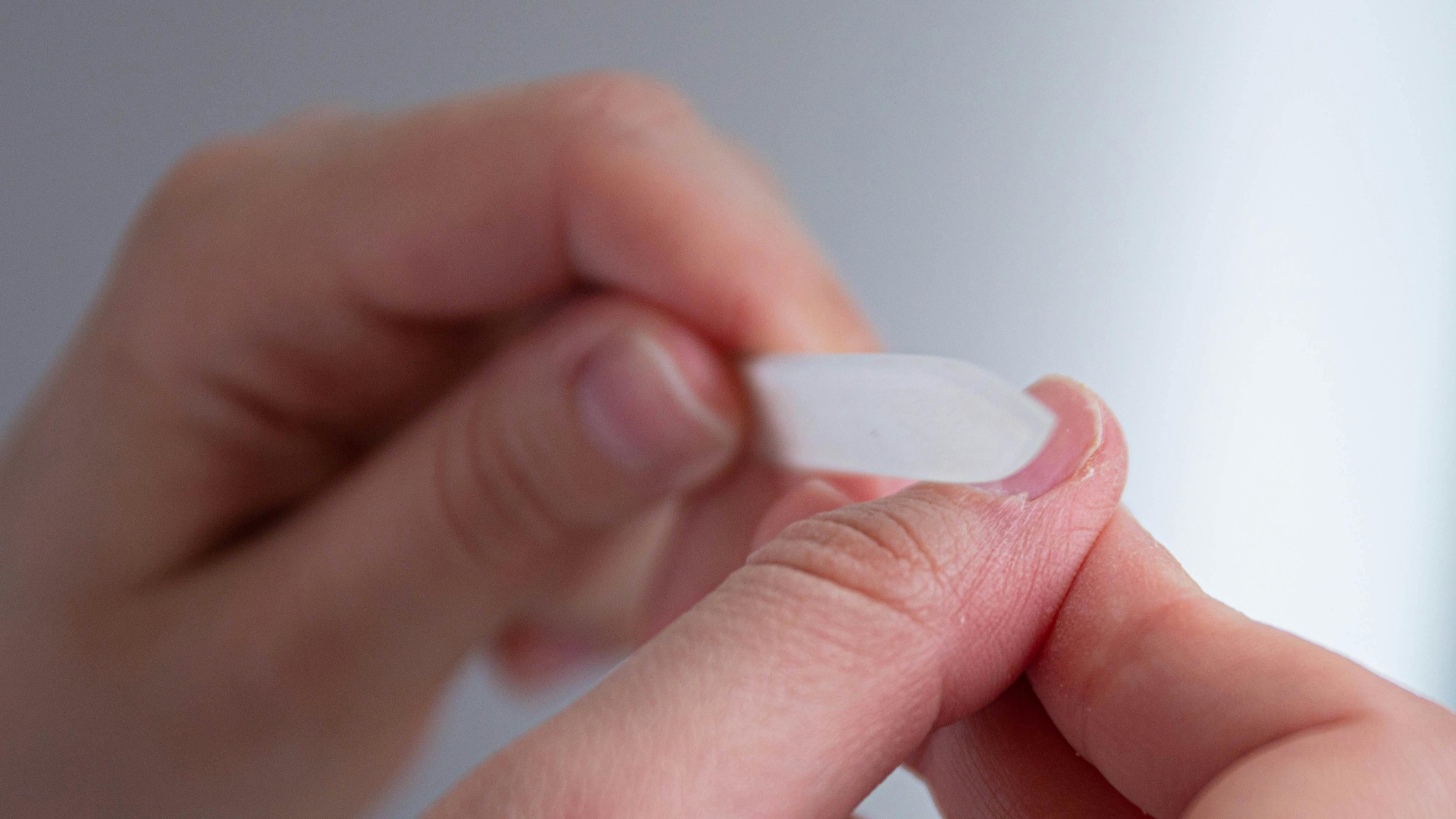
Cutting back on how often you use acetone-based nail polish remover can give your nails a chance to retain more of their natural moisture. When you do need to remove polish, try to use an acetone-free formula, and follow up with a moisturizing cuticle oil or hand cream to replenish hydration. If you're someone who regularly changes your nail polish, spacing out removal sessions or taking occasional polish-free breaks can also help. It may also help to keep your nails short.
8. Eat More Zinc-Rich Foods
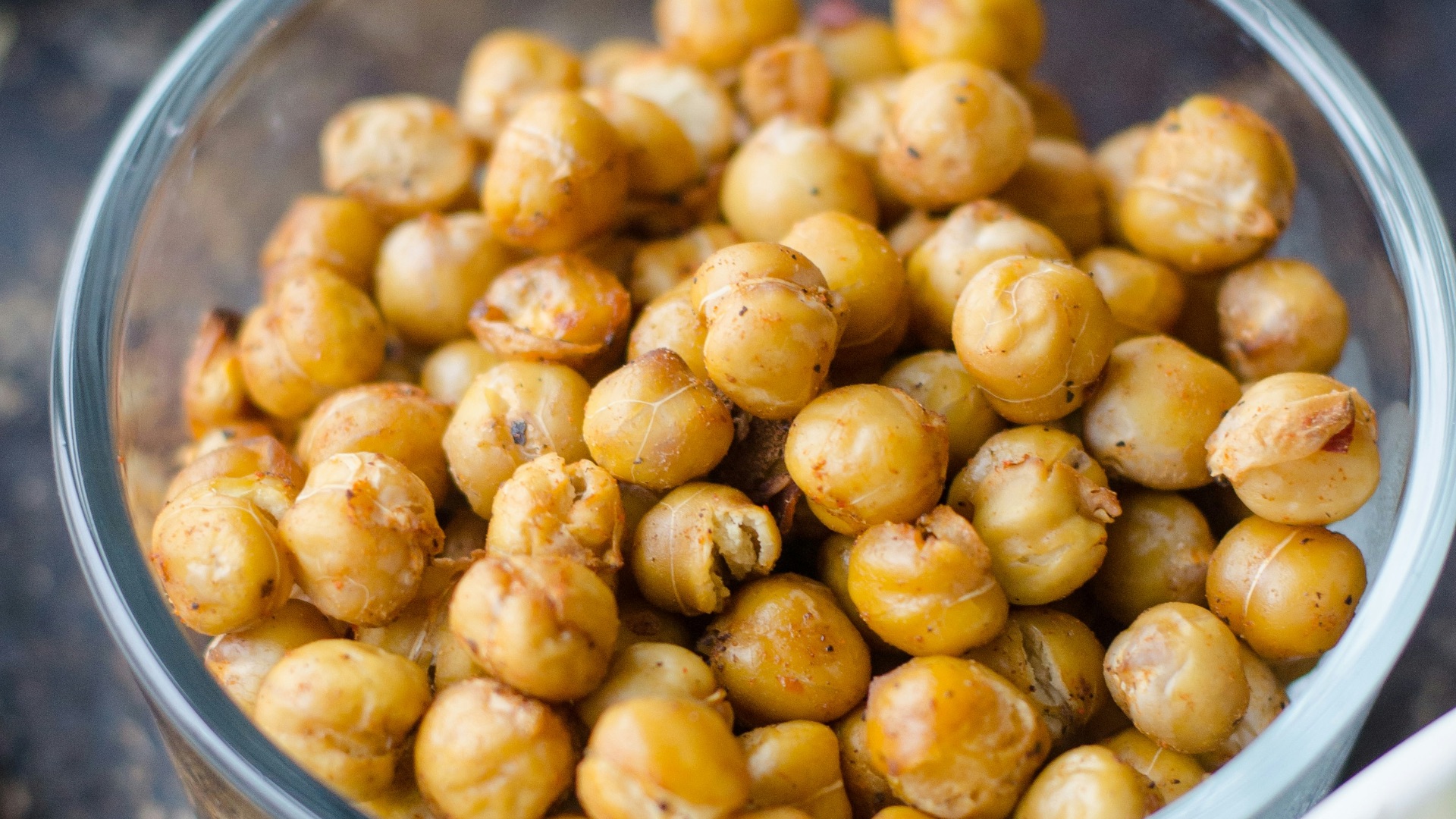
Zinc is an essential mineral for nail growth and repair, and it's often overlooked in conversations about nail health. A deficiency in zinc can cause white spots on the nails, slow growth, and increased brittleness, so making sure you're getting enough is worth paying attention to. Foods like oysters, pumpkin seeds, beef, chickpeas, and cashews are solid sources that are easy to incorporate into everyday meals.
9. Protect Your Hands During Chores
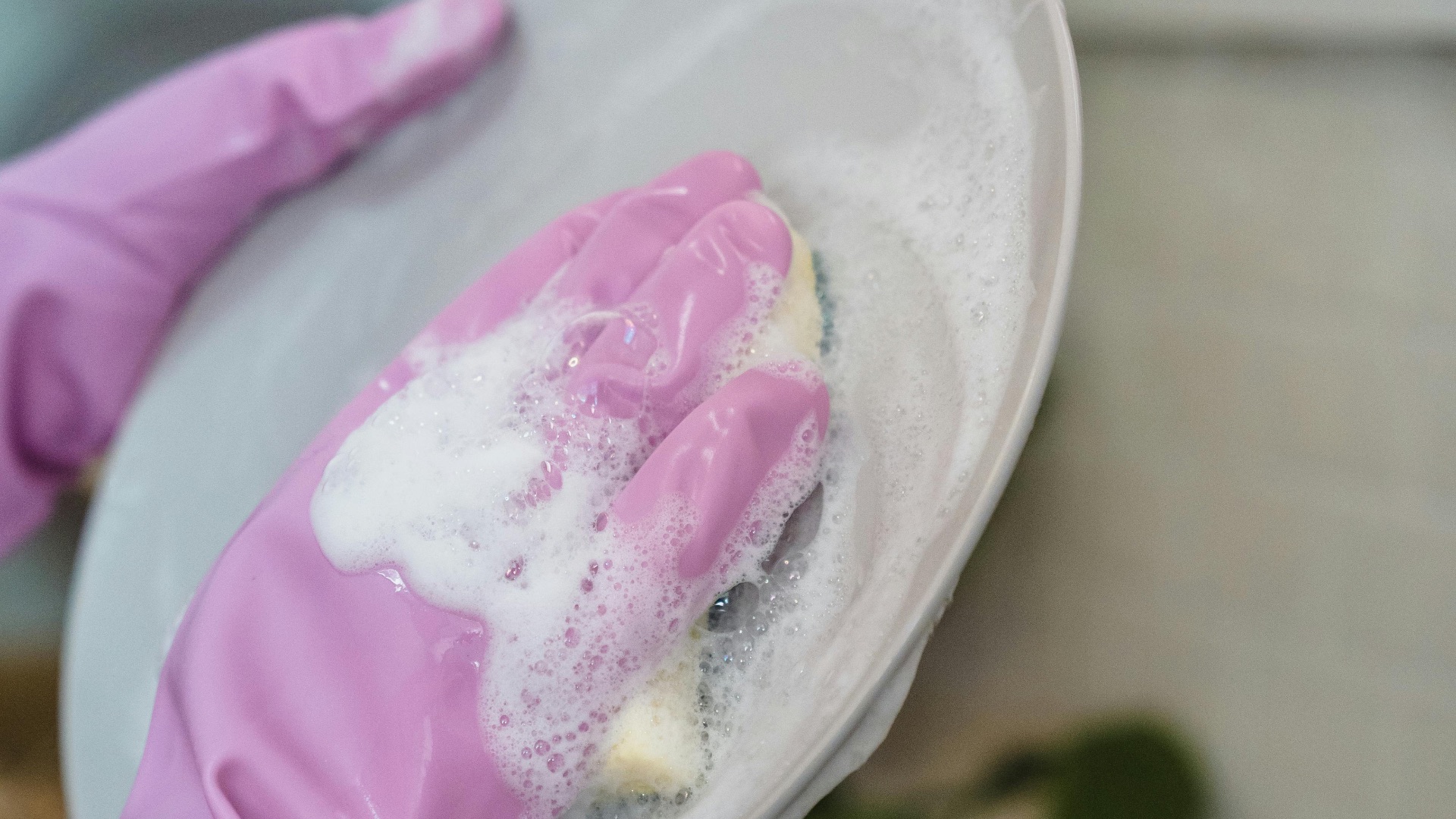
Wearing gloves isn't just useful for keeping nails dry; it also shields them from the drying and damaging effects of cleaning products, gardening soil, and other rough materials. Latex or nitrile gloves work well for wet tasks, while thicker rubber or gardening gloves are better suited for tasks involving friction and pressure. Wearing them can make a meaningful difference, especially if chores are a regular part of your daily or weekly routine.
10. See a Doctor If the Problem Persists
If you've been consistent with good nail care habits and your nails are still brittle, it's worth scheduling a visit with your doctor to rule out an underlying health issue. Conditions like hypothyroidism, anemia, iron deficiency without anemia, and psoriasis all require medical treatment, and addressing them properly is often what finally moves the needle on nail health. A doctor can order blood work, assess your symptoms, and point you toward the right treatment rather than leaving you guessing.