Hair That Carries History
Hair traditions are never just about appearance. Around the world, they carry spiritual meaning, signal milestones in life, and reflect cultural identity. Passed down through generations, these styles embody personal pride and a deep sense of belonging. Curious how hairstyles can tell a story without words? These twenty traditions reveal how much meaning is woven into every strand. The last one will surprise you the most.
1. Geisha Shimada
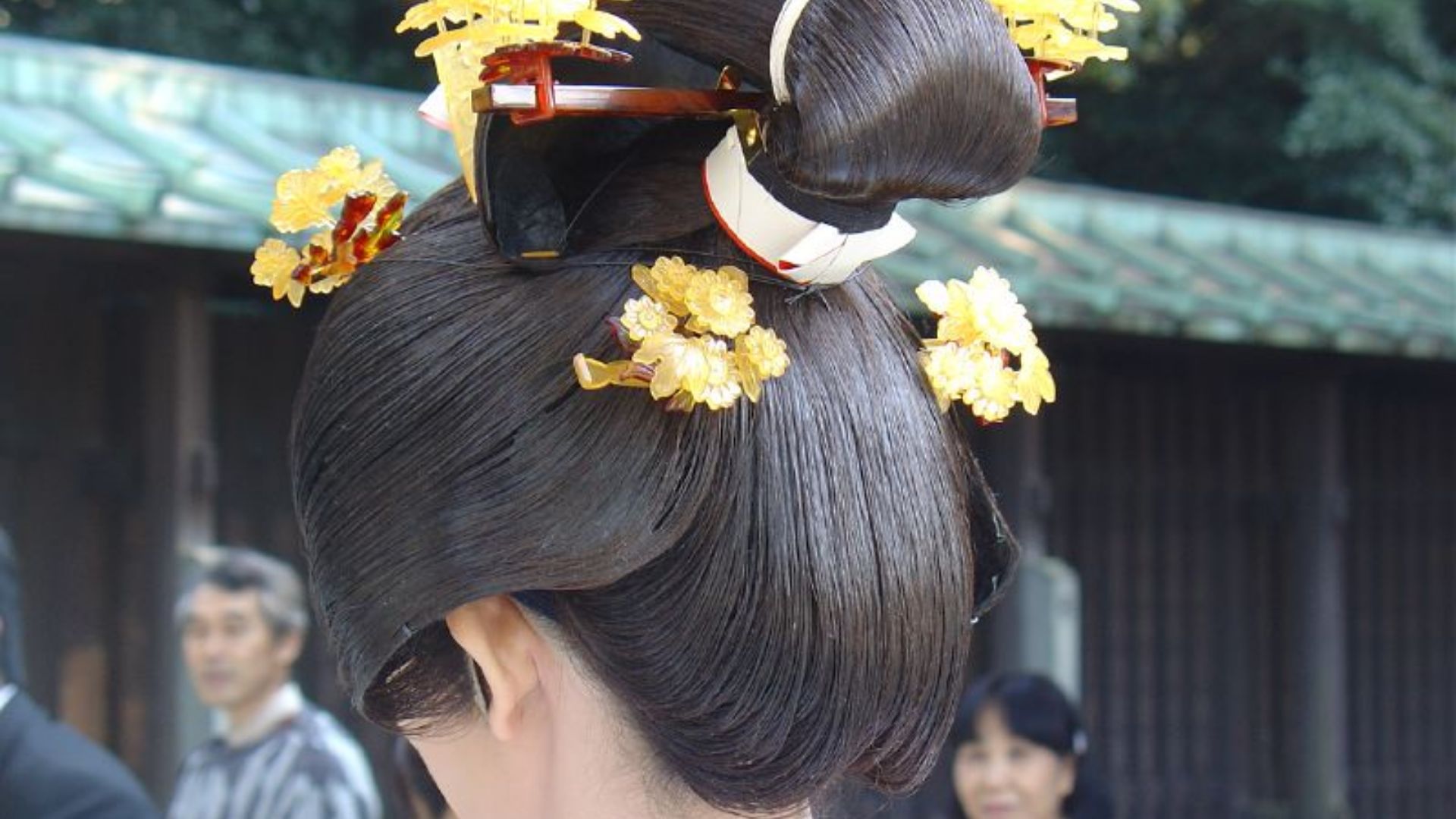
Seen on Kyoto’s cobbled streets, the Shimada bun turns heads with its height and detail. Geishas use wax and pins to sculpt it just right. While apprentices add ornaments for flair, the style itself reflects centuries of artistry and ritualized femininity.
 Everjean (EverJean) from Antwerp, Belgium on Wikimedia
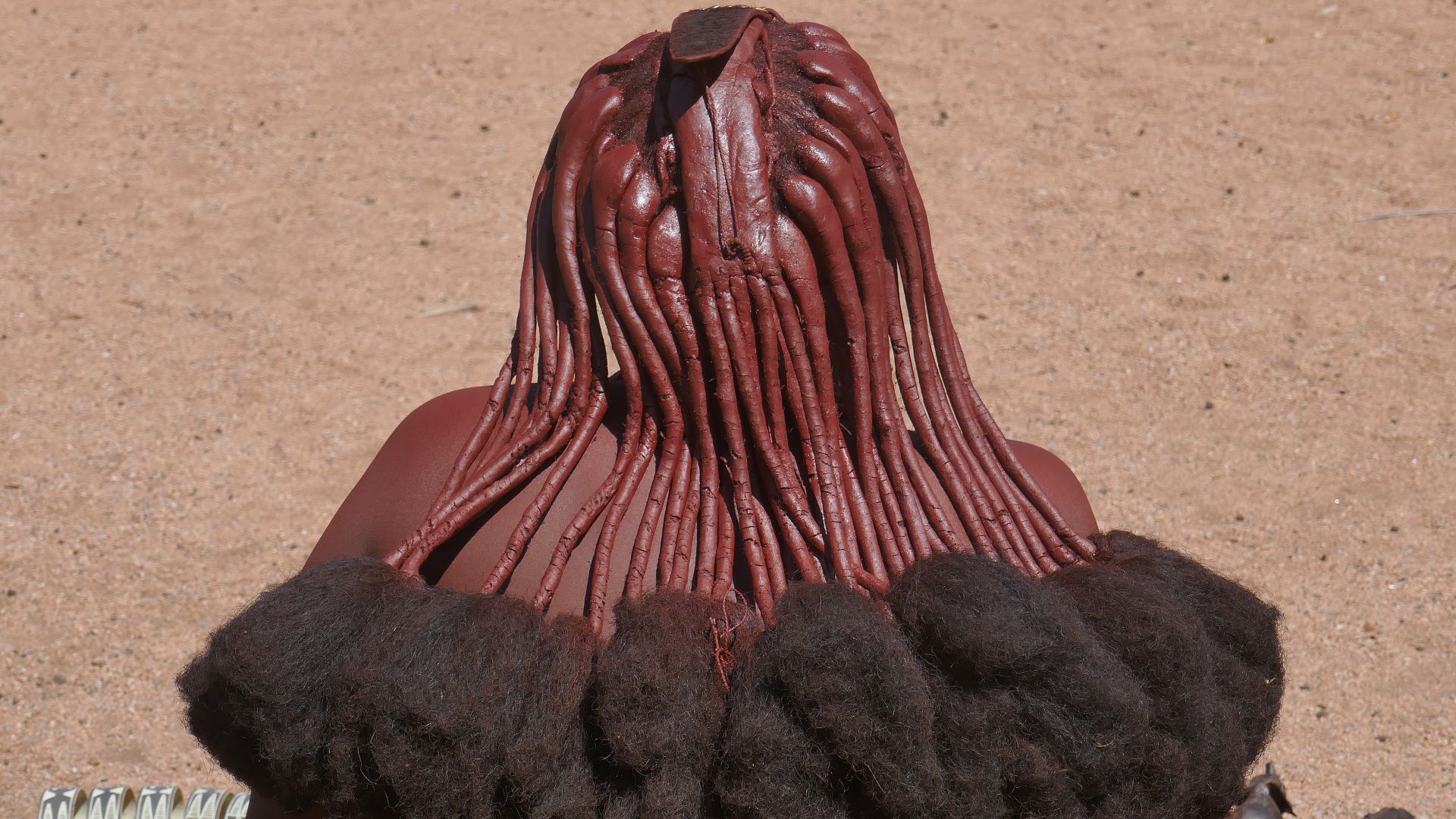
2. Himba Braids
Among Namibia’s Himba women, red ochre meets butterfat in a blend that defines beauty and belonging. Hairstyles signal age and role, with young girls wearing twin plaits. Every braid is passed down through memory and the hands of women before them.
3. Viking Knots
In Norse legend and battlefield lore, tight braids kept warriors sharp and ready. Different knots reflected tribal identity, while burial combs hinted at grooming pride. From fjords to fantasy fandoms, the Viking look still roars with rugged energy and ancestral strength.
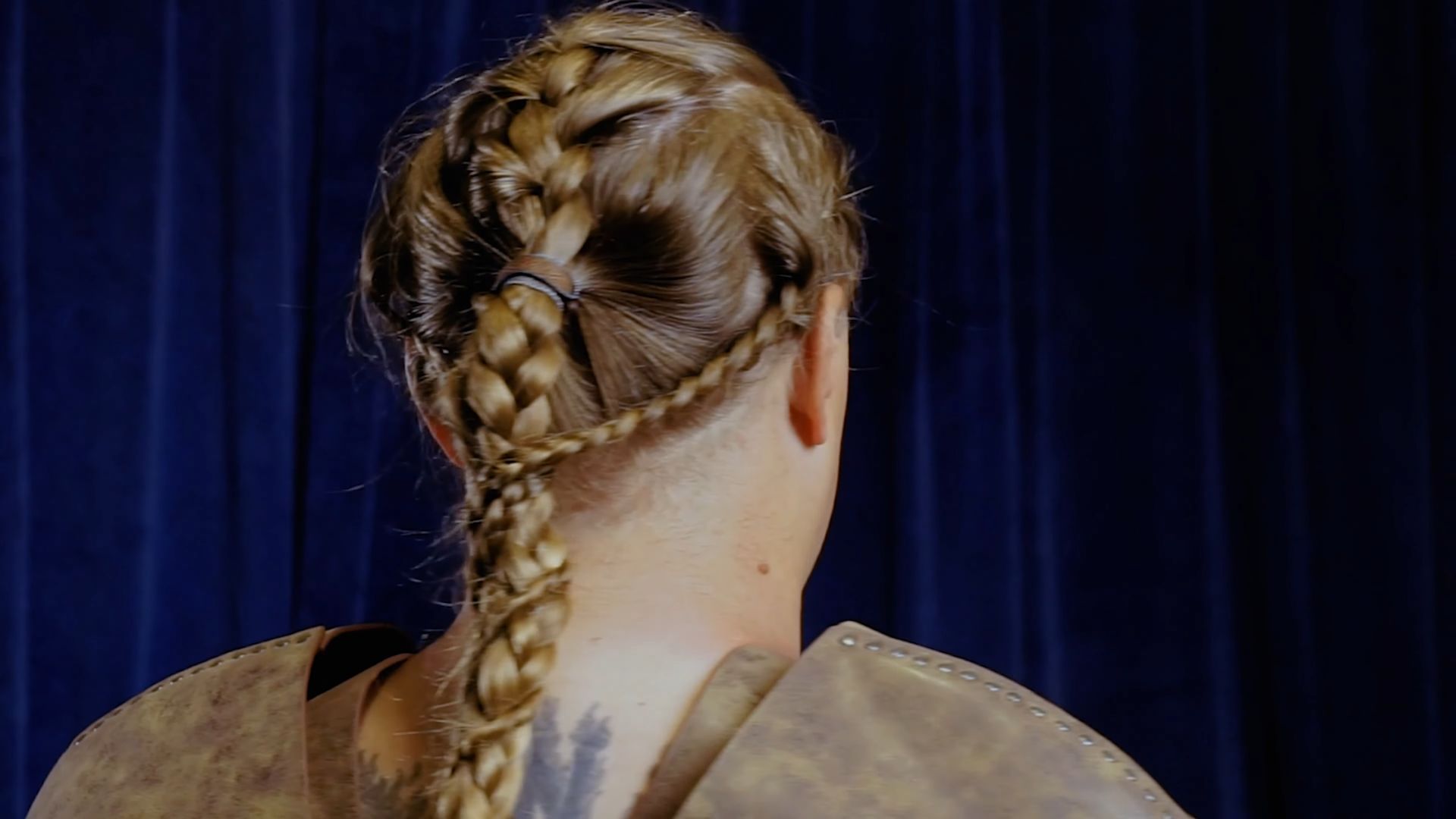 How To Tie Viking Braids (Advanced Braid Tutorial for Men) by The Longhairs
4. Yoruba Threading
This Nigerian tradition wraps the thread around the hair to form striking shapes—horns, spirals, and even crowns. Beyond its artistic edge, it’s protective and growth-friendly. Called “Irun Kiko,” it carries stories of ancestors and ceremonies, all without the need for mirrors or modern tools.
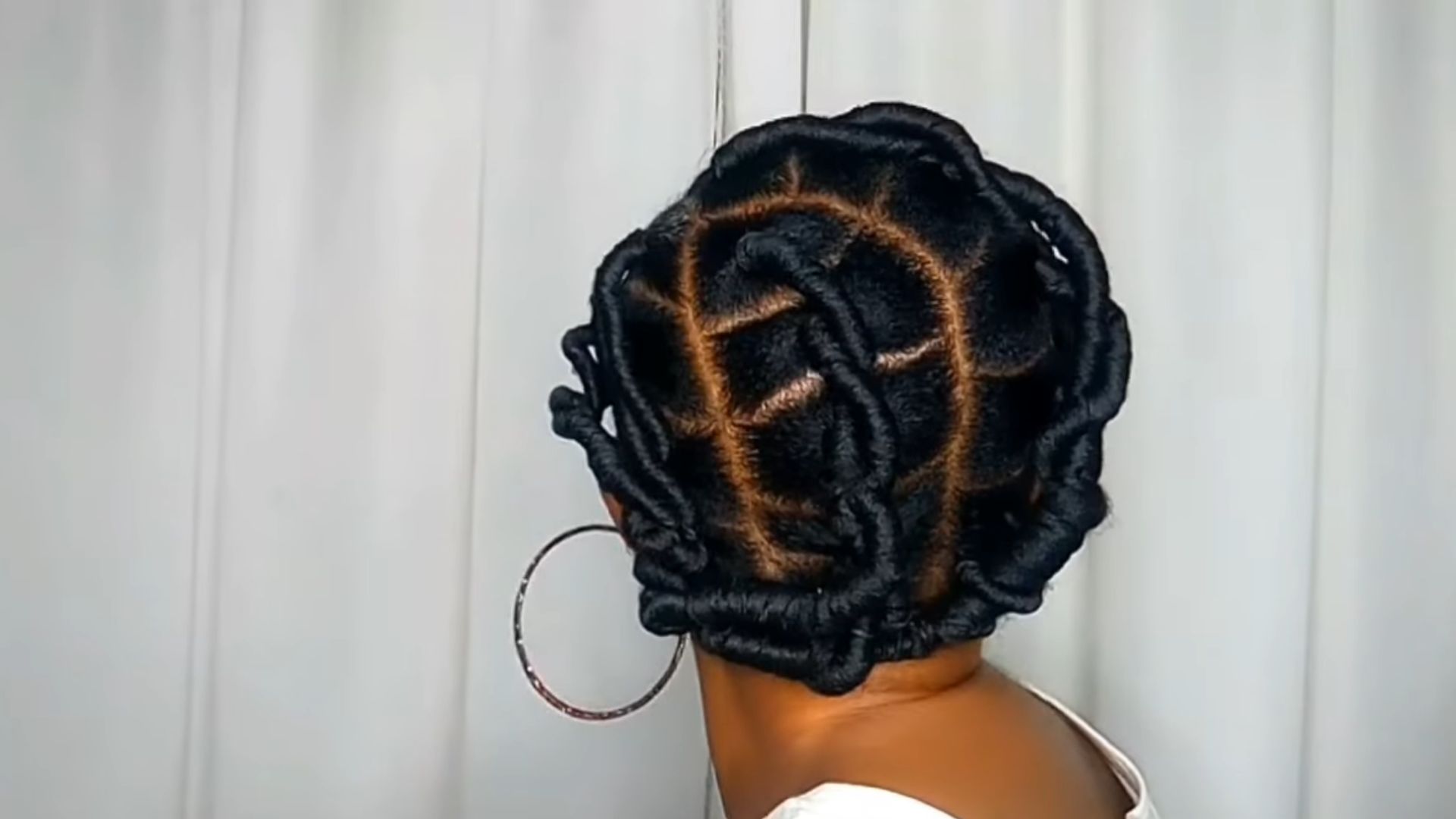 How To| African Threading Hairstyle Using Brazilian Wool| Protective Hairstyle by Mac amy
5. Maori Topknot
Known as “Tikitiki,” this topknot once spoke volumes about ancestry and spiritual grounding. Tied with flax and topped with feathers, it appeared in ceremonies and combat. Though colonialism suppressed it, today’s revival restores pride and sacred masculinity to the look.
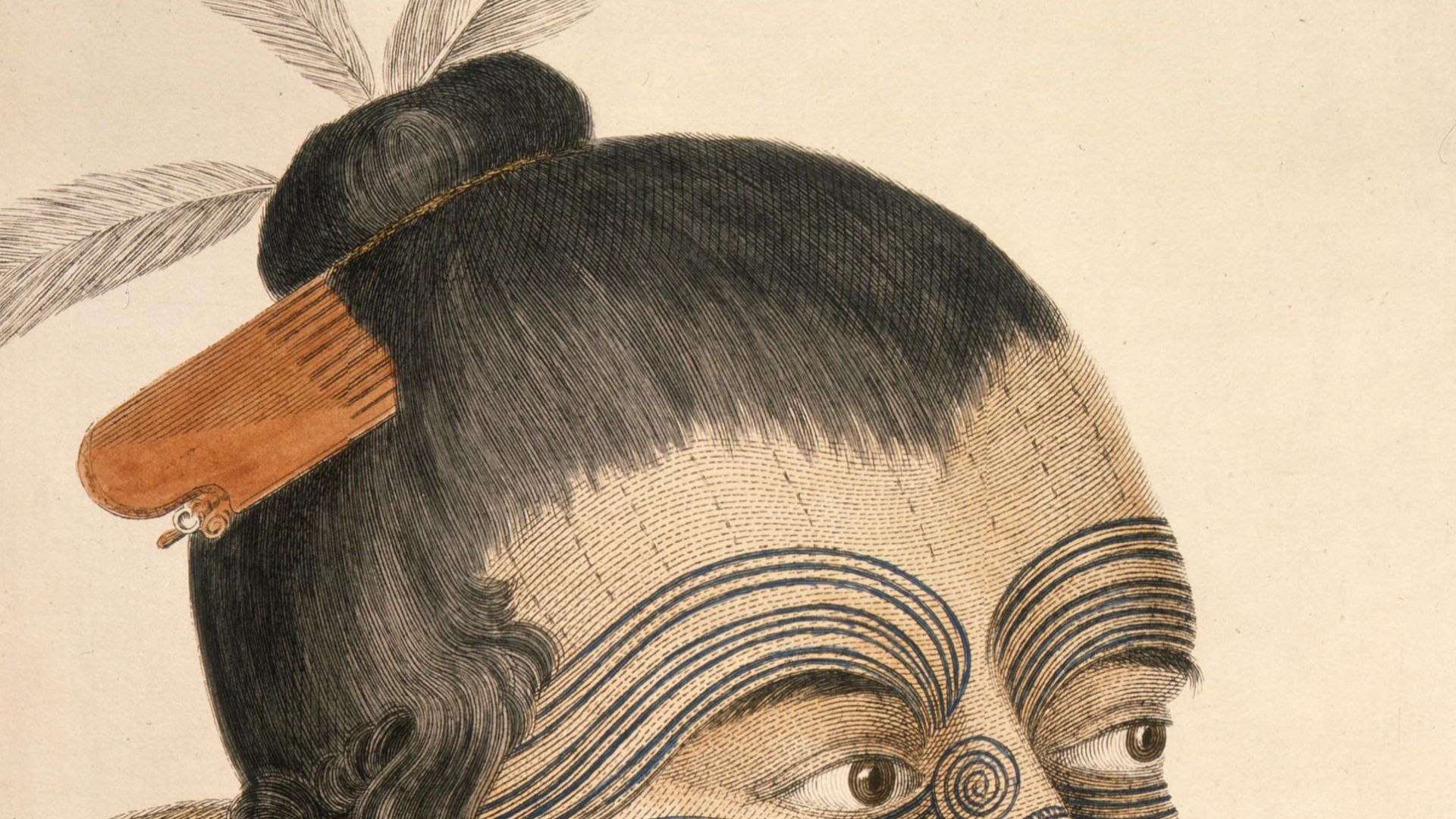 Thomas Chambers / After Sydney Parkinson on Wikimedia
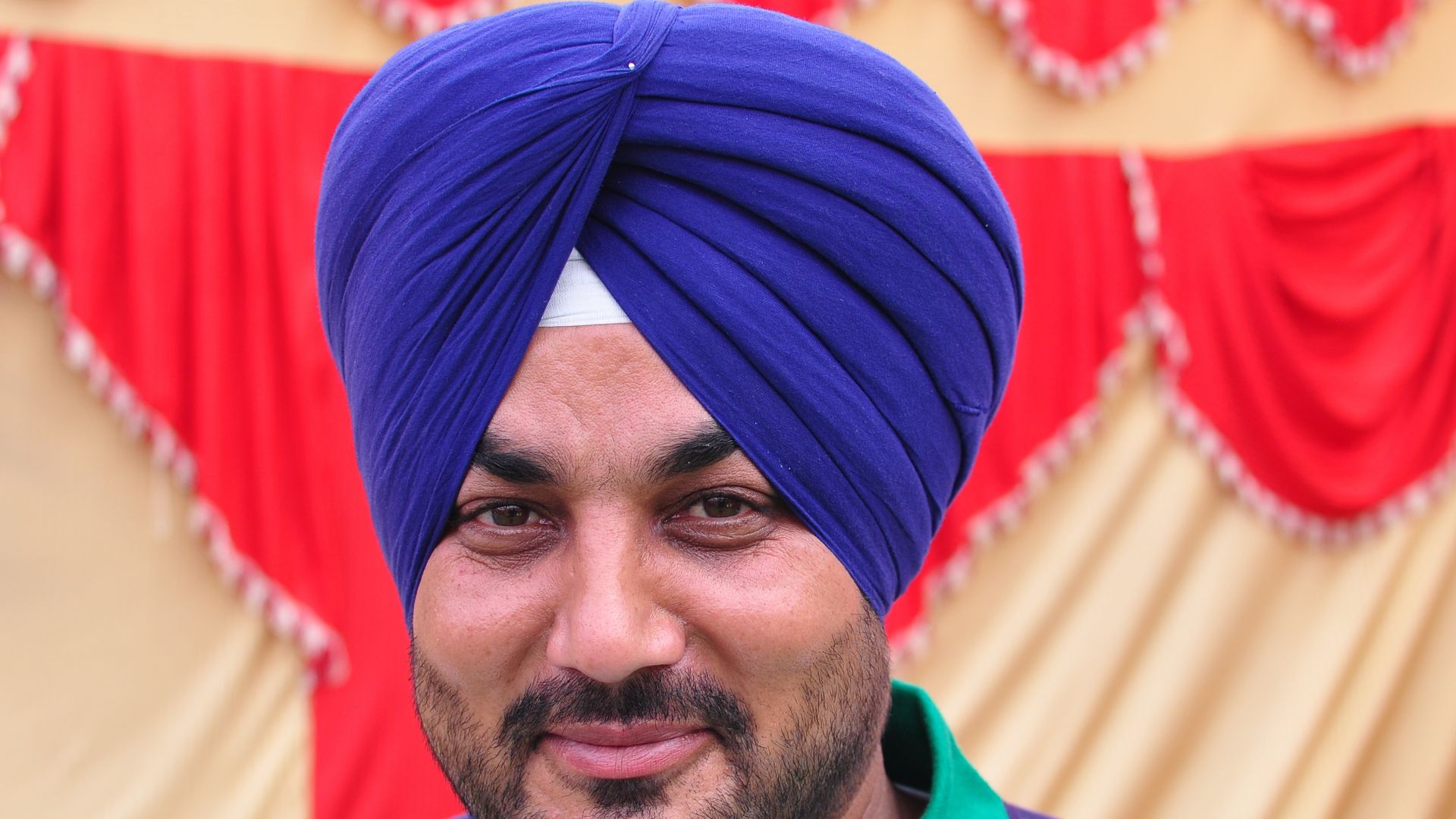
6. Sikh Dastar
Beneath every Sikh turban is the carefully tied Rishi Knot. Worn by men who never cut their hair, it symbolizes discipline, spiritual devotion, and personal honor. The turban itself protects and preserves that commitment, varying in style across regions and communities.
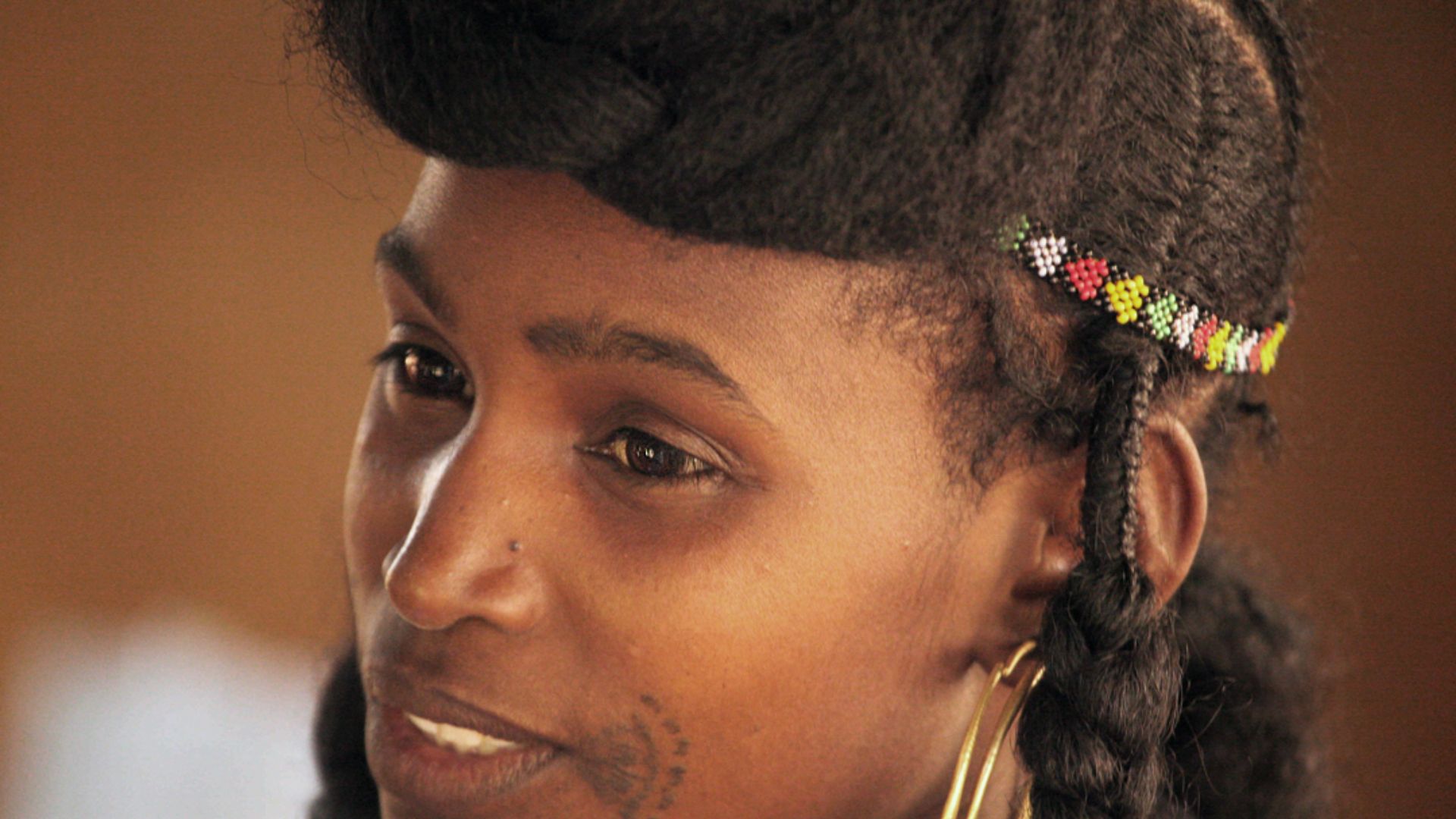
7. Fulani Braids
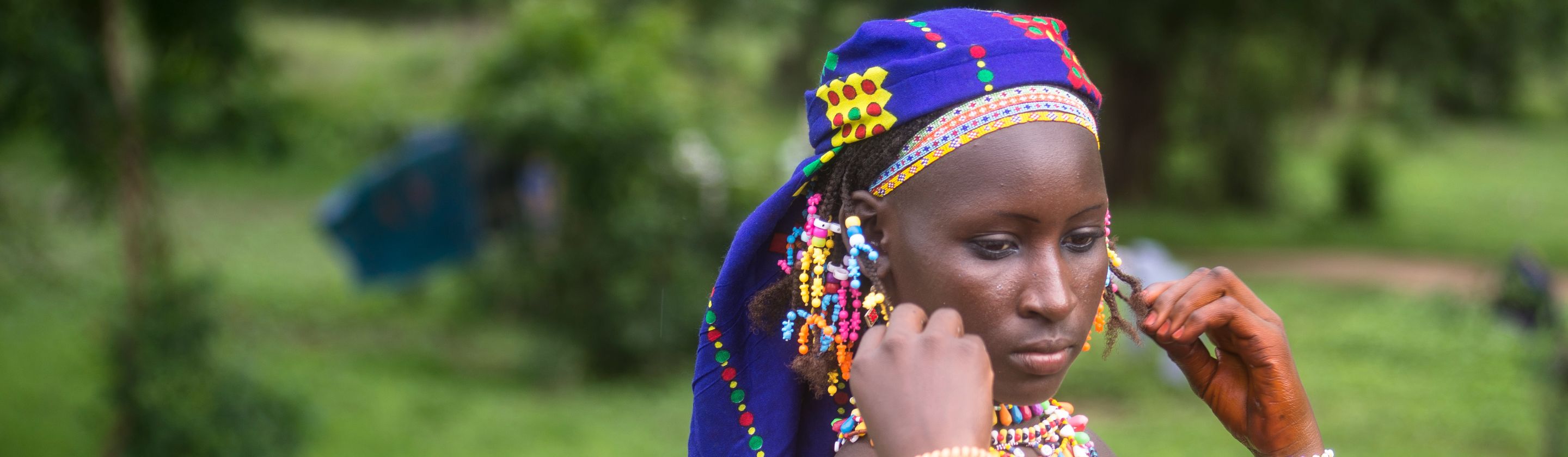
These thin, elegant braids tell stories of identity and ancestry across West Africa. Often threaded with coins and beads, they trace Fulani women’s heritage. Global icons have embraced the style, yet their roots remain deeply woven into local tradition and pride.
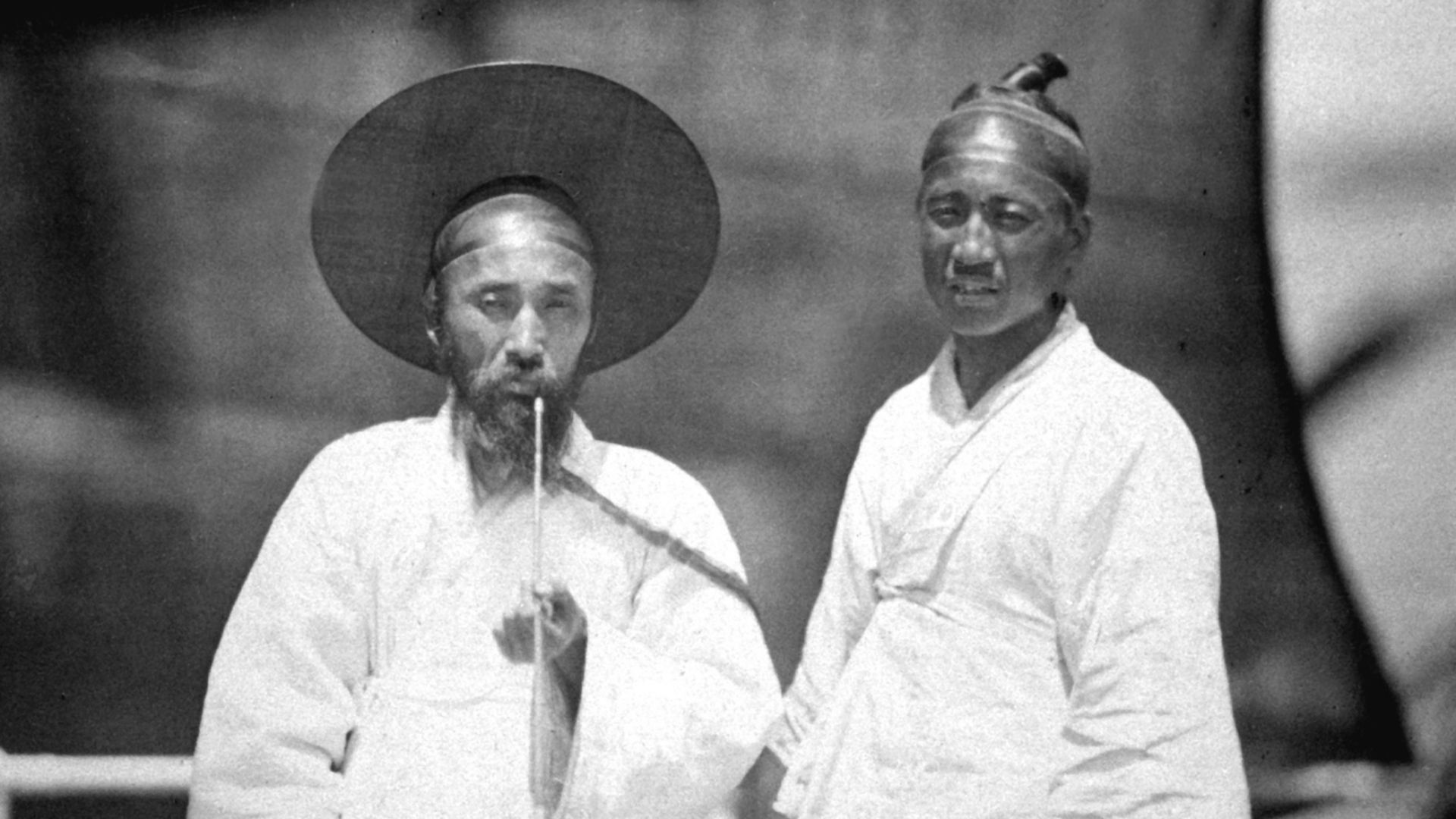
8. Korean Sangtu
Once seen across Joseon Dynasty courts, the Sangtu topknot marked a man’s journey into adulthood. Tied after a coming-of-age ritual, it was capped with a black gat. Although phased out during occupation, this once-sacred style still lingers in reenactments and period dramas.
 Unknown authorUnknown author on Wikimedia
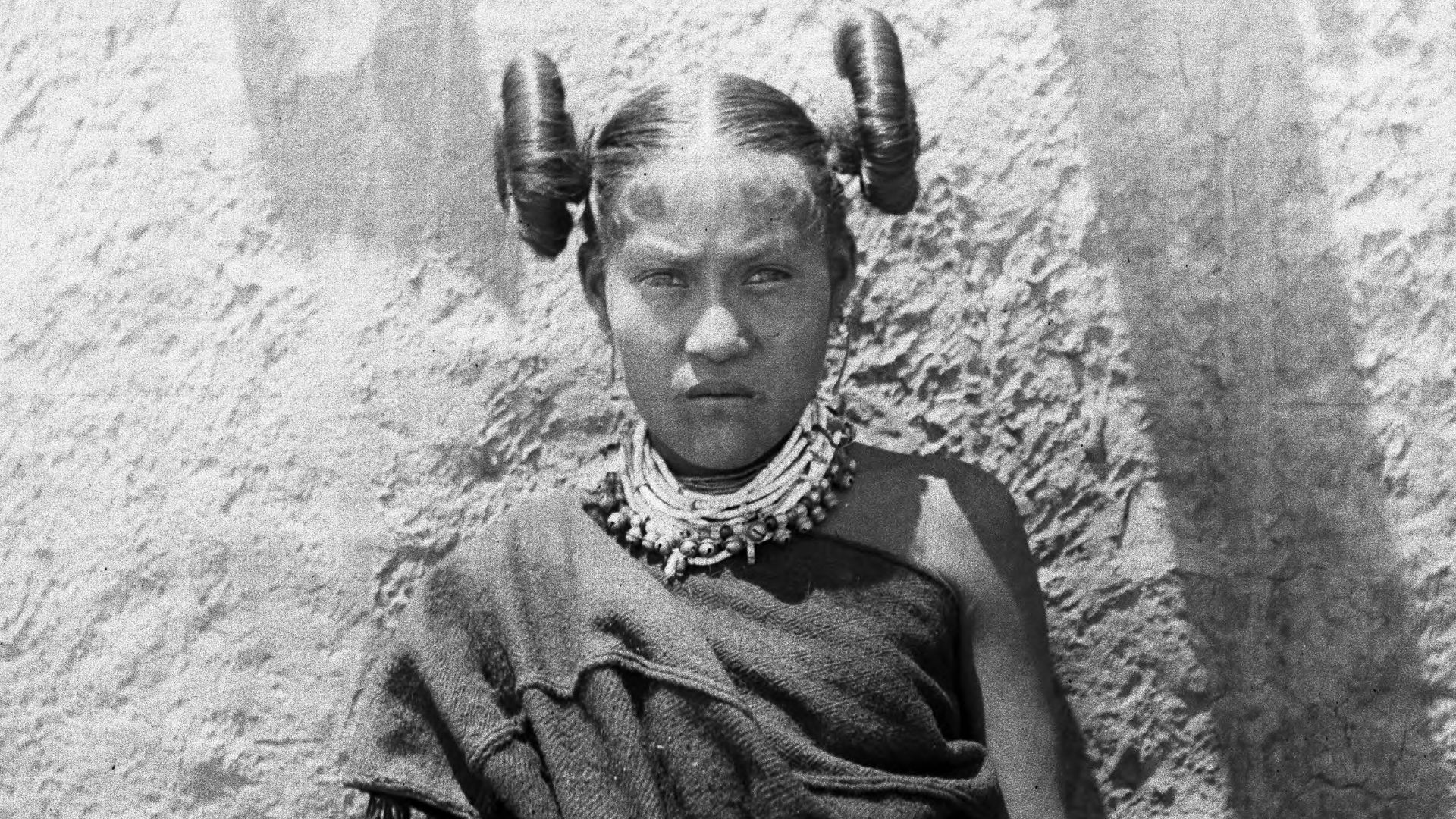
9. Hopi Butterfly Whorls
Young Hopi girls in Arizona wore squash-blossom buns sculpted with wooden molds. These braided side whorls signaled they were ready for marriage. Rare today, the look inspired iconic characters and still appears in ceremonies, keeping Hopi tradition alive and honored.
 George Wharton James, 1858—1923 on Wikimedia
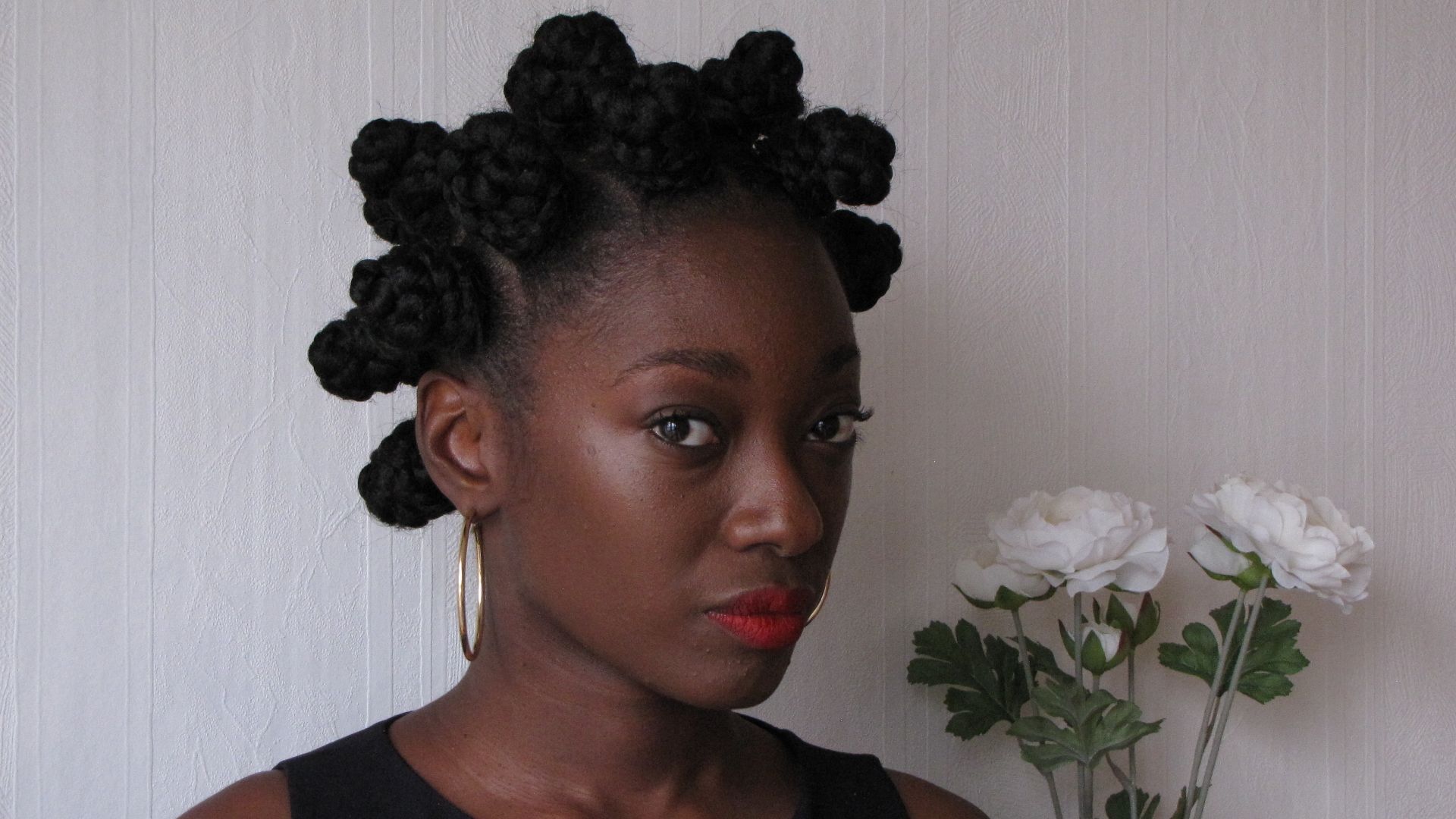
10. Bantu Knots
From Southern Africa’s Bantu tribes came spiral buns that celebrated texture and heritage. Each knot protects hair while promoting growth. Passed from generation to generation, they’ve inspired global protective styles, all while keeping ancestral rhythm alive on every scalp.
11. Berber Horns
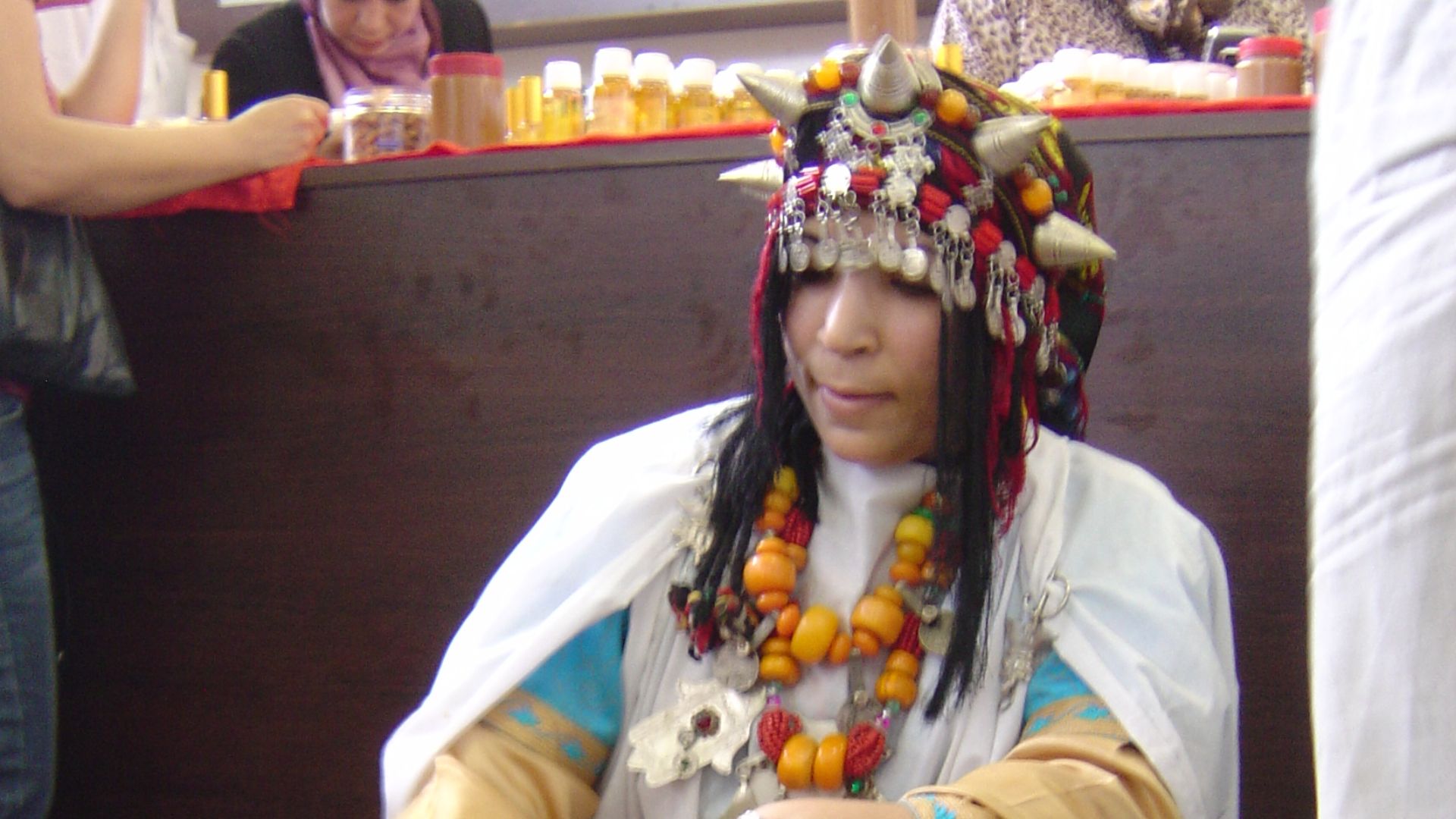
In Morocco, Amazigh women style their hair into ram-like horns using scarves and jewelry. These shapes aren’t just visual—they carry meaning tied to fertility and cultural pride. Each tribe adds its own twist, especially during weddings and seasonal festivals.
12. Russian Kokoshnik Tresses
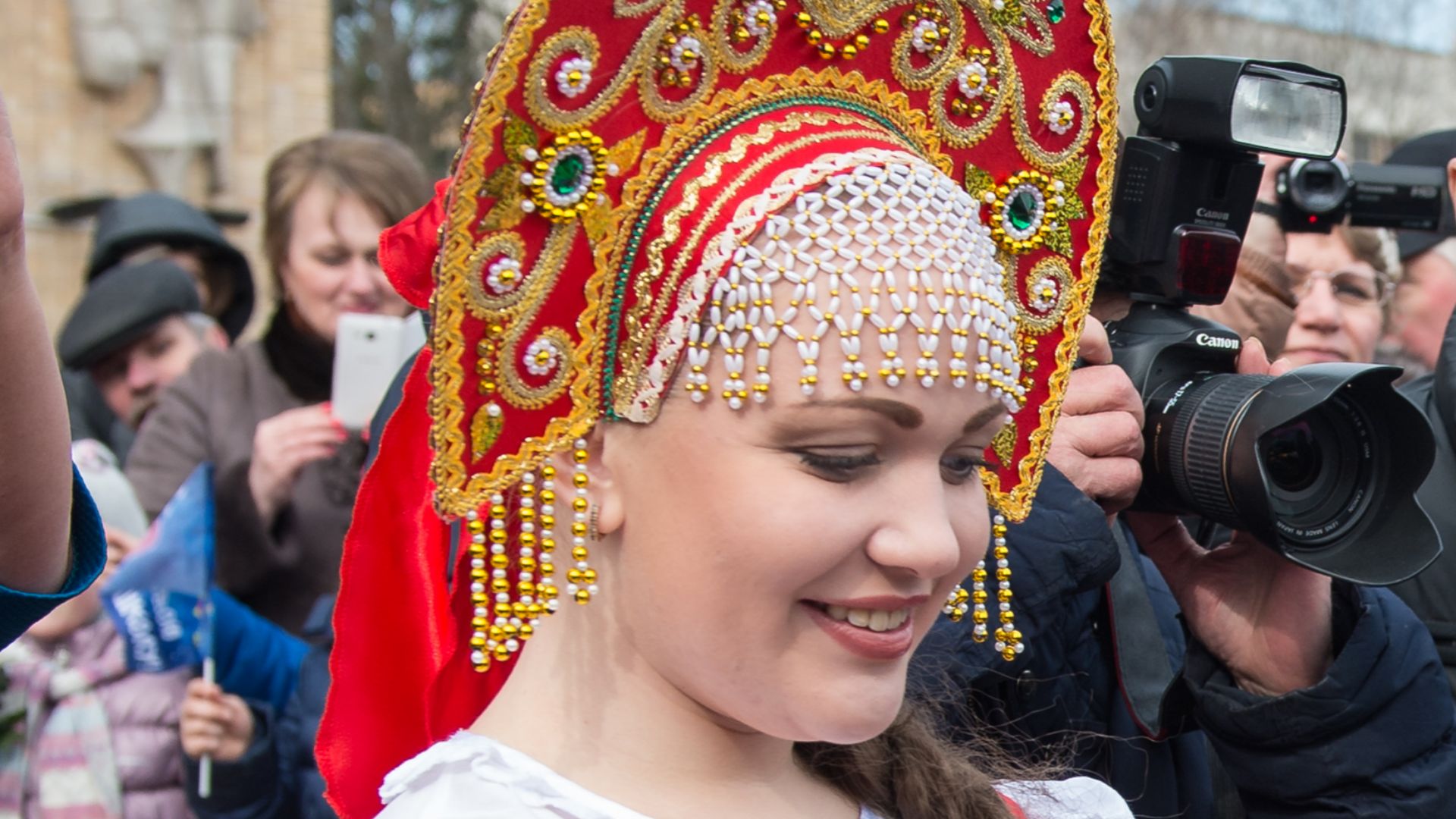
Worn under elaborate kokoshniks, these wrapped braids signaled maidenhood and tradition. Girls would carefully coil their long hair to fit beneath ornate headdresses. Even today, folk dancers and festivals keep these courtly styles swirling across stages and villages.
13. Filipino Buntal Bun
Pre-colonial queens and warriors in the Philippines wore low, coiled buns secured with fiber ties. Hair adorned with beads and gold hinted at class and strength. Spanish portraits preserved the look, which still echoes in modern takes on heritage styling.
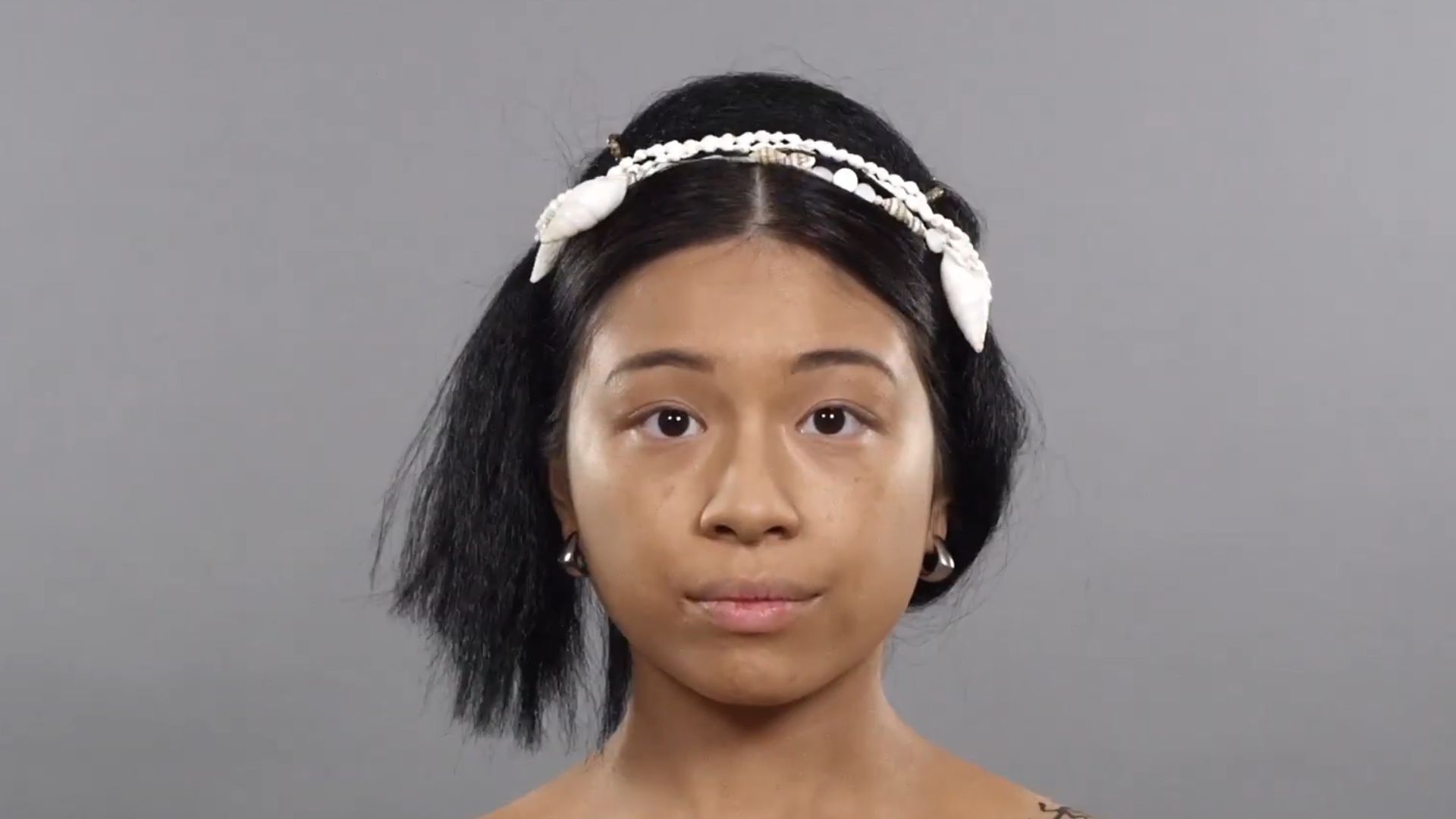 100 Years of Beauty: Philippines | Research Behind the Looks | Cut by Cut
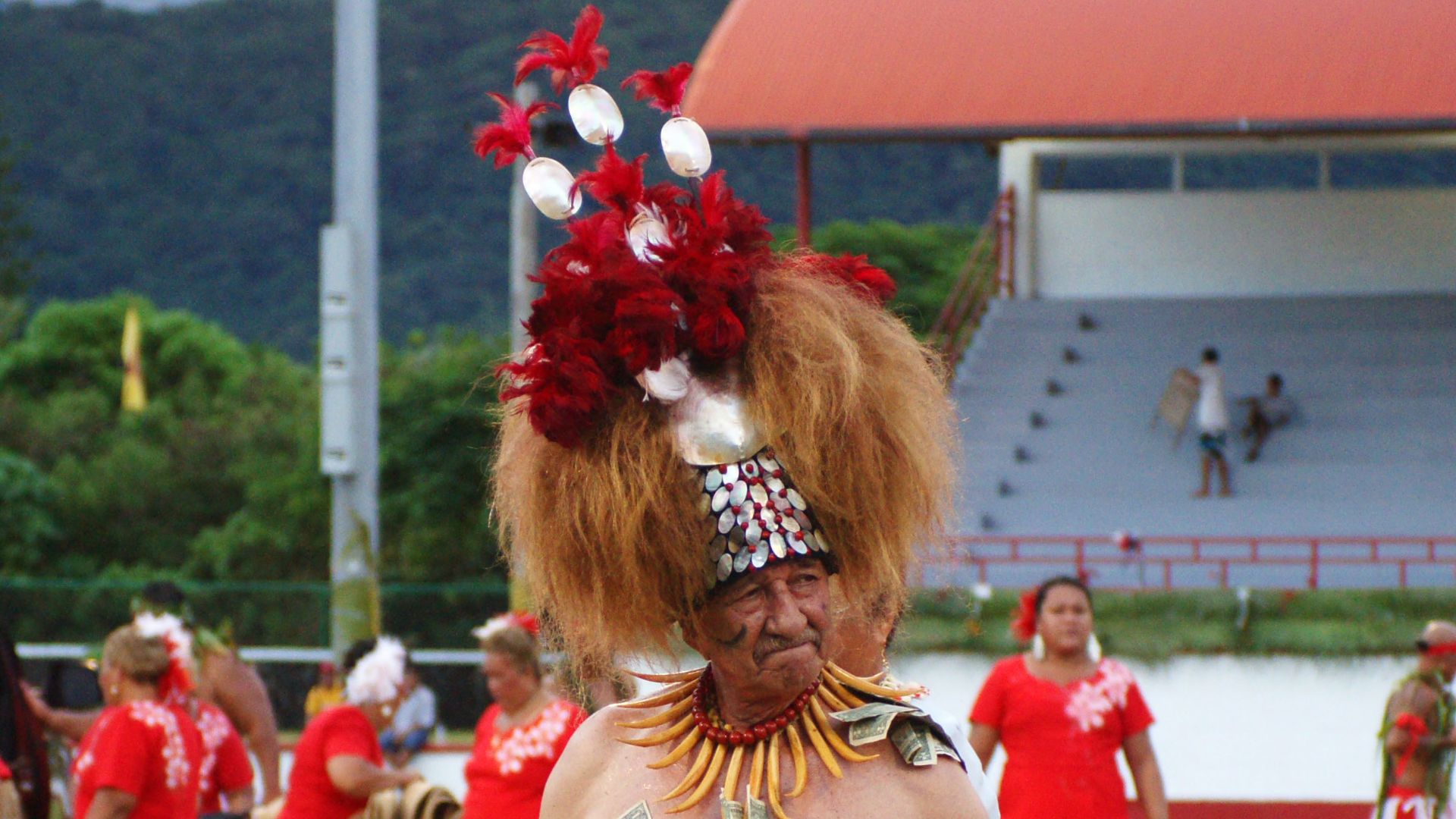
14. Samoan Tuiga
For ancient Samoan chiefs, the Tuiga topknot meant leadership, power, and divine connection. Hair was perfumed with oils and tied using bark cloth. It was cut only during sacred ceremonies, and today, it’s worn again in cultural rituals and dances.
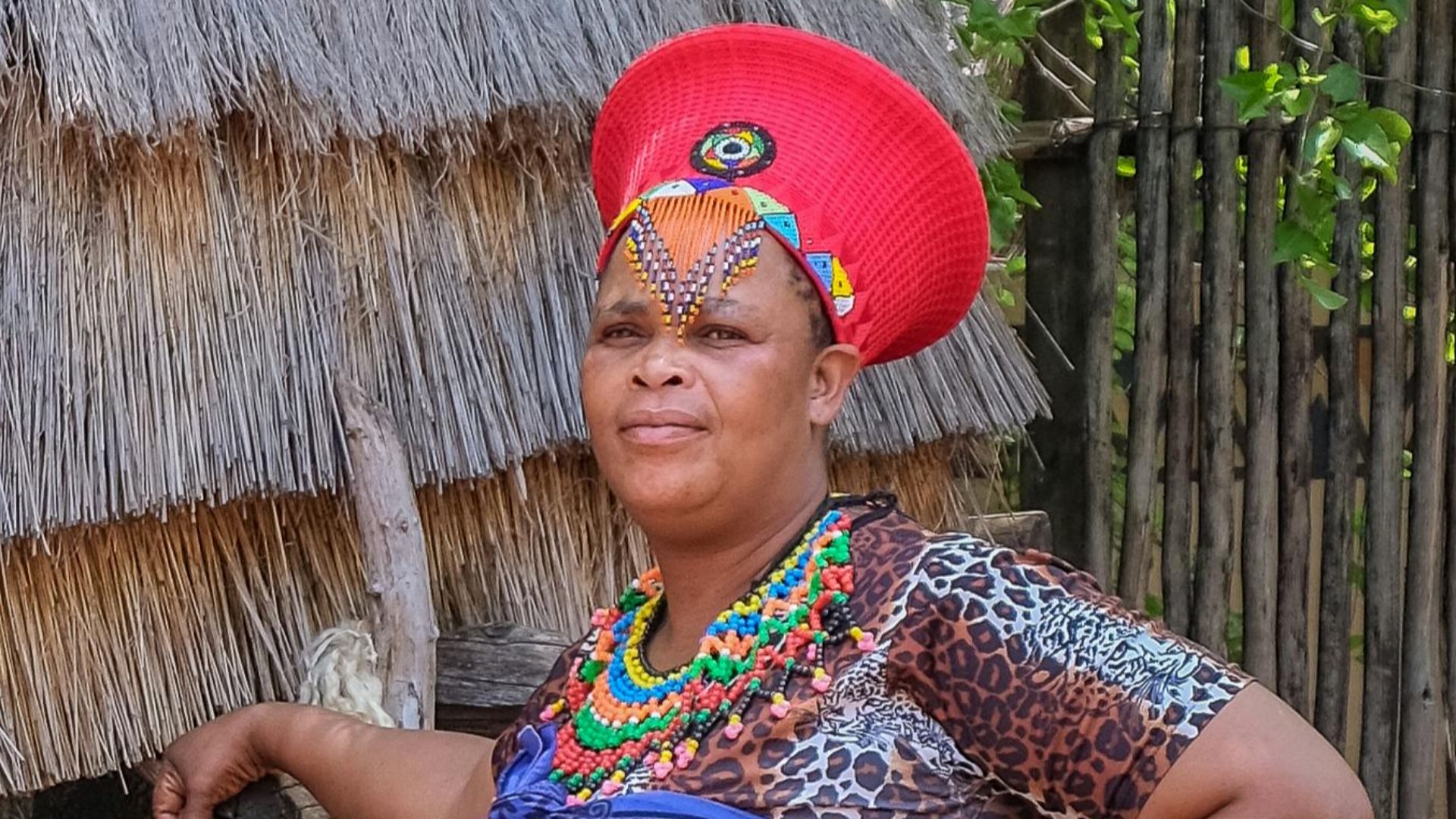
15. Zulu Isicholo
Before hats took over, the Zulu Isicholo was shaped from hair and ochre into towering cones. It reflected marital status and took days to sculpt. Nowadays, stylists craft it using fiber and tradition, preserving its bold beauty for celebrations and heritage events.
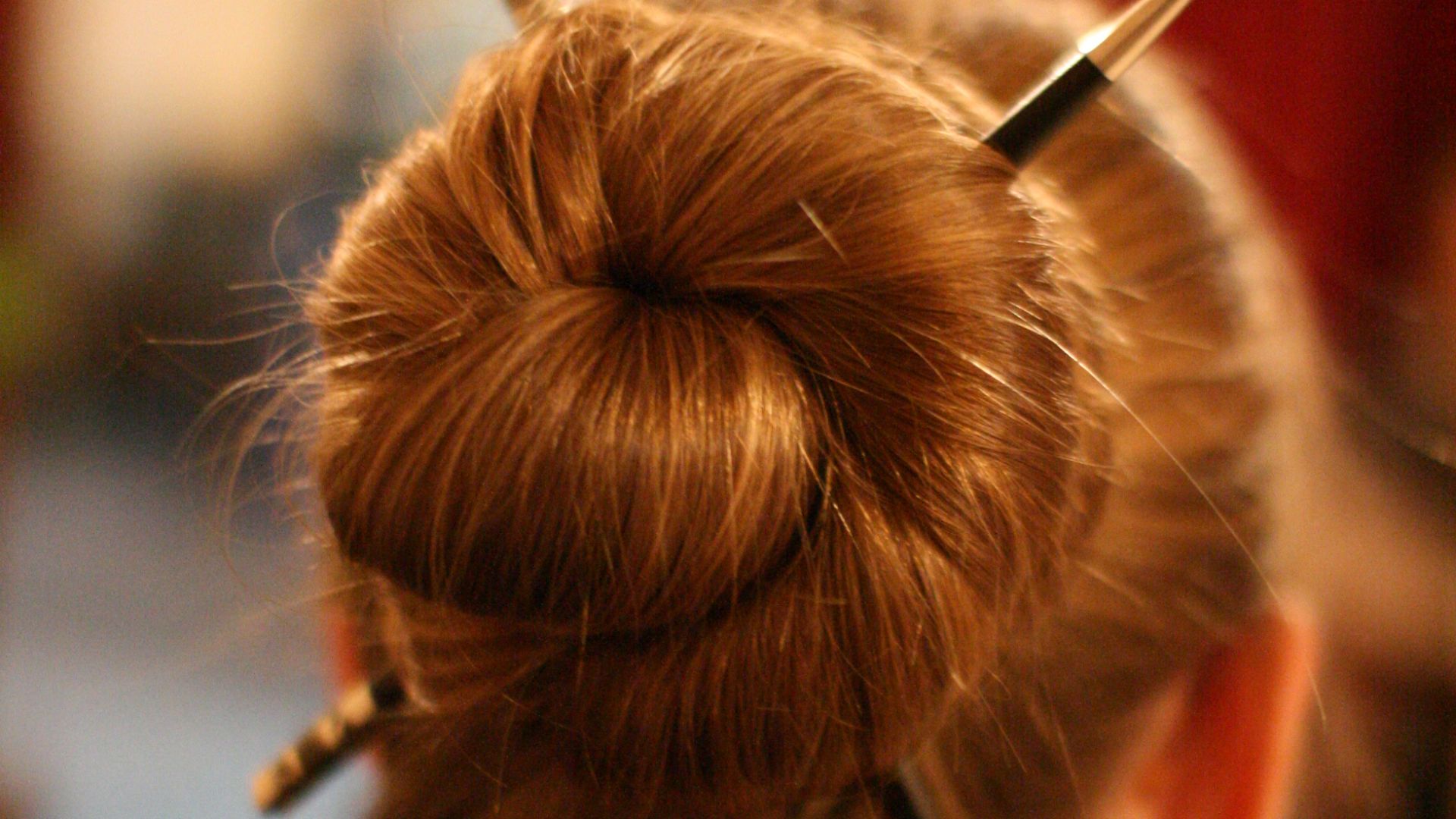
16. Thai Chignon
Elegant and perfumed, the Thai chignon—“Phom Pia”—twisted into low buns for courtly grace. Women in royal households added floral oils and gold pins. Though once exclusive to nobility, the look now graces traditional dancers and modern brides with equal poise.
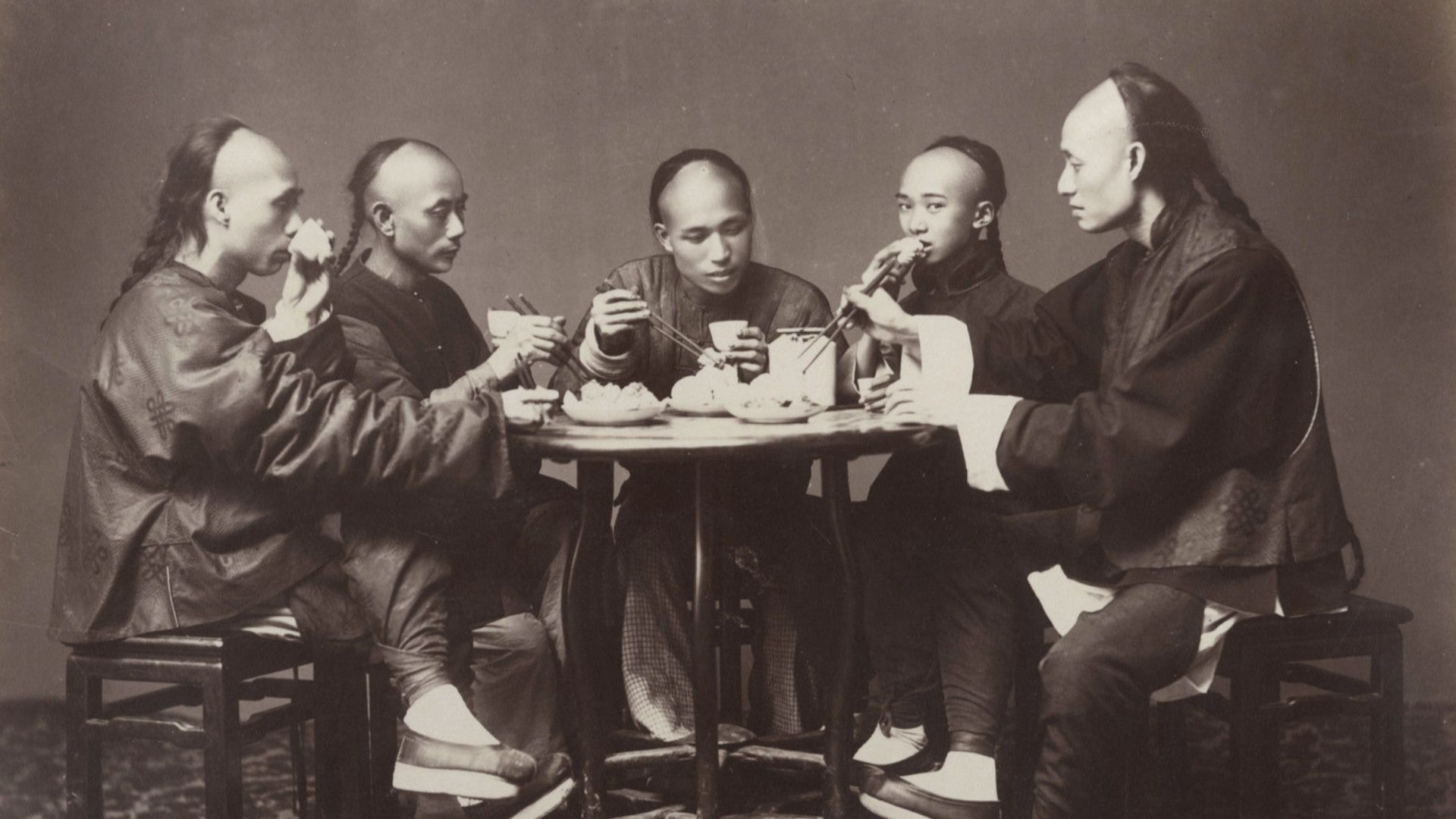
17. Chinese Queue
The Qing Dynasty made this half-shaved, half-braided look mandatory for men. It represented loyalty and submission to the emperor. Despite resistance and rebellion, the queue remained until the dynasty’s fall. Now, it’s mostly remembered through history books and museum displays.
18. Inuit Top Braids
Braided into upright loops, Inuit hairstyles suited both Arctic life and ancestral symbolism. Women used caribou sinew to tie them high, while each braid spoke of motherhood or marriage. Braiding together became a bonding ritual passed down through long winters.
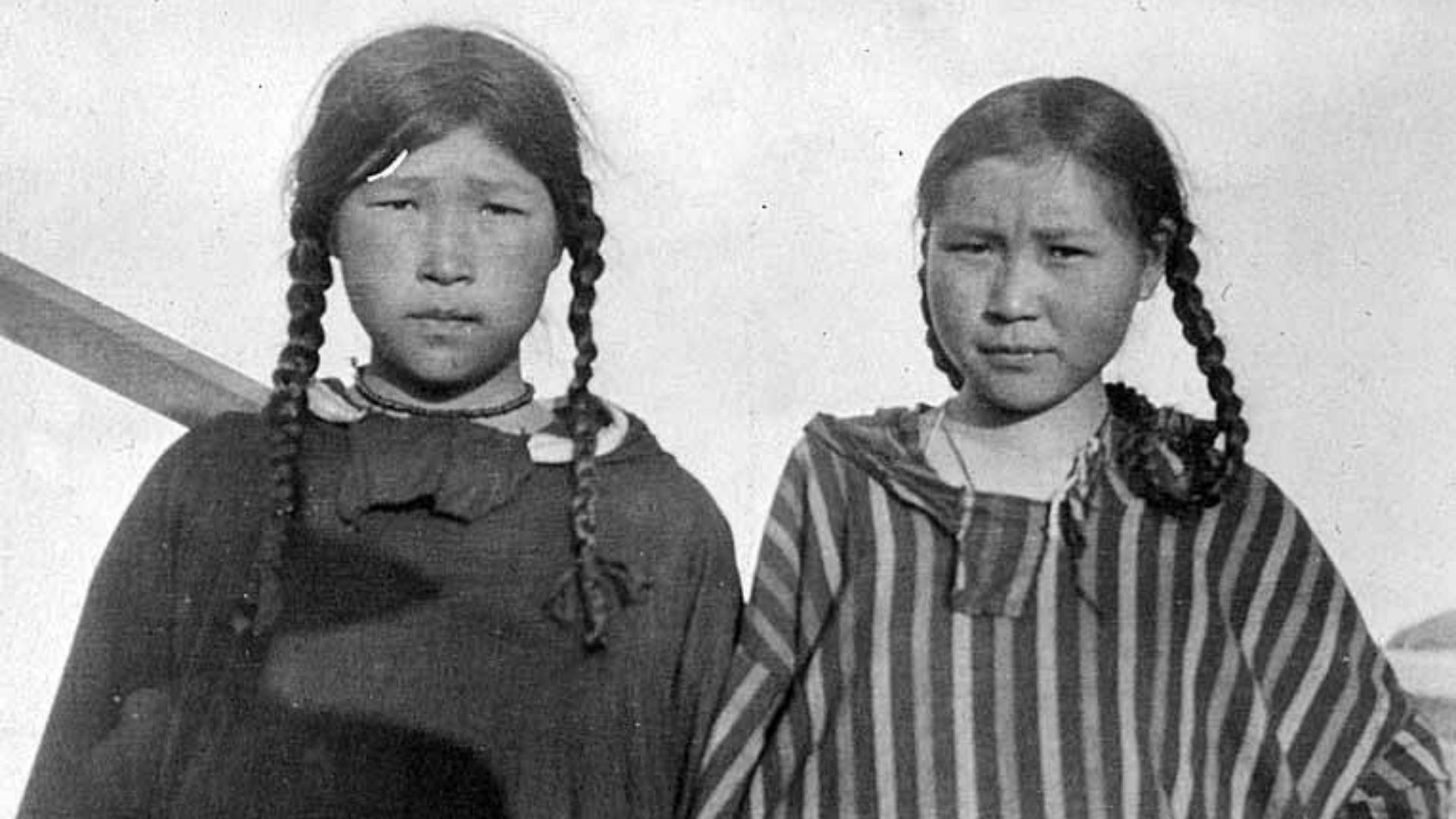 Arthur Churchill Warner on Wikimedia
19. Rajasthani Jooda
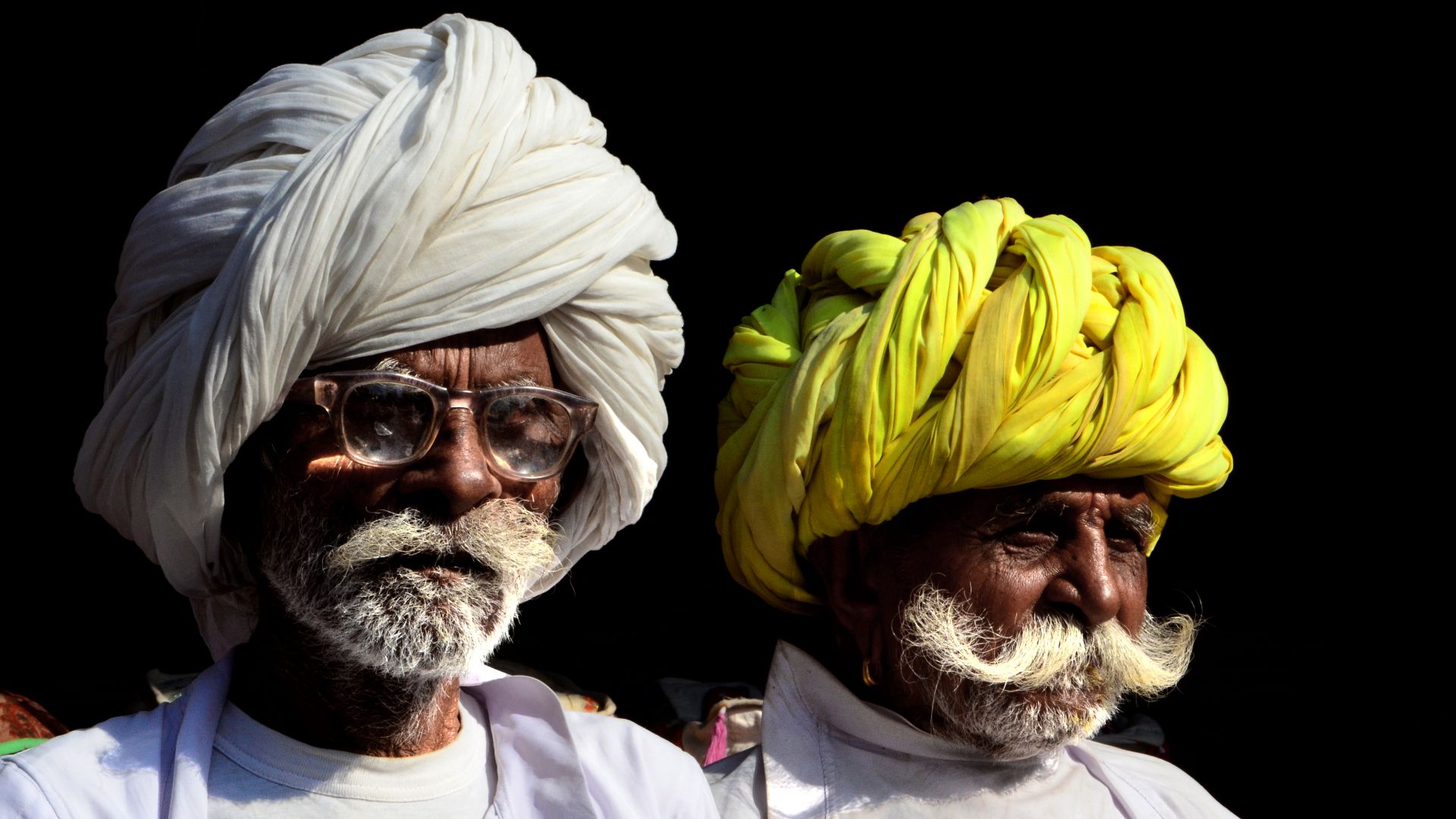
Men in Rajasthan coiled their long locks into buns beneath brightly wrapped turbans. These buns were styled differently depending on the status or martial tradition. Hair was rarely cut, and the Jooda became a quiet emblem of sacred care and masculine strength.
20. Mongolian Khalkha Style
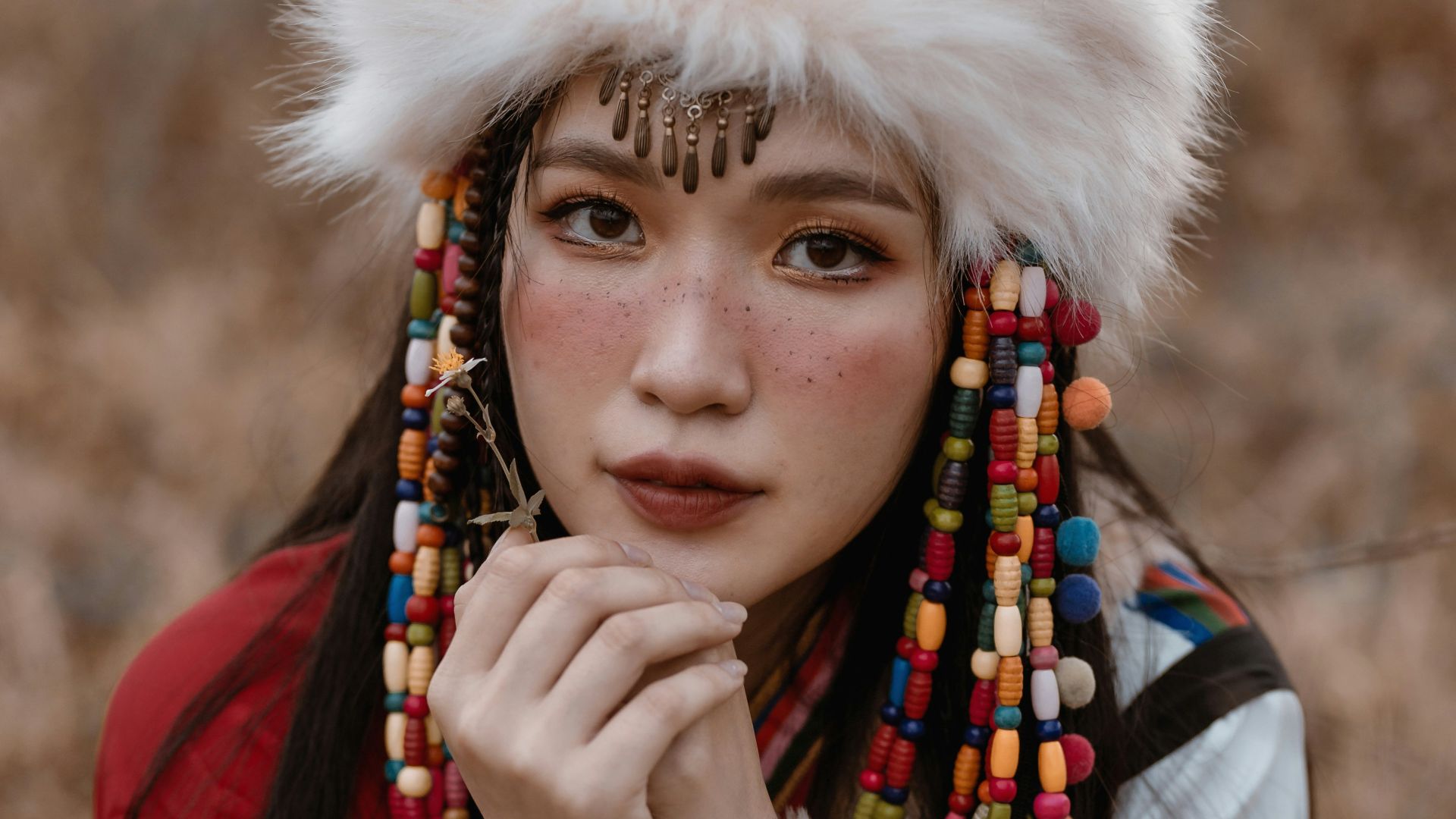
With sculpted loops shaped like ox horns, this Mongolian hairstyle reflected noble rank and mysticism. Noblewomen wore them with wool padding and metal frames. Its unique silhouette later inspired a galaxy far, far away—Queen Amidala owes her crown to these royal roots.
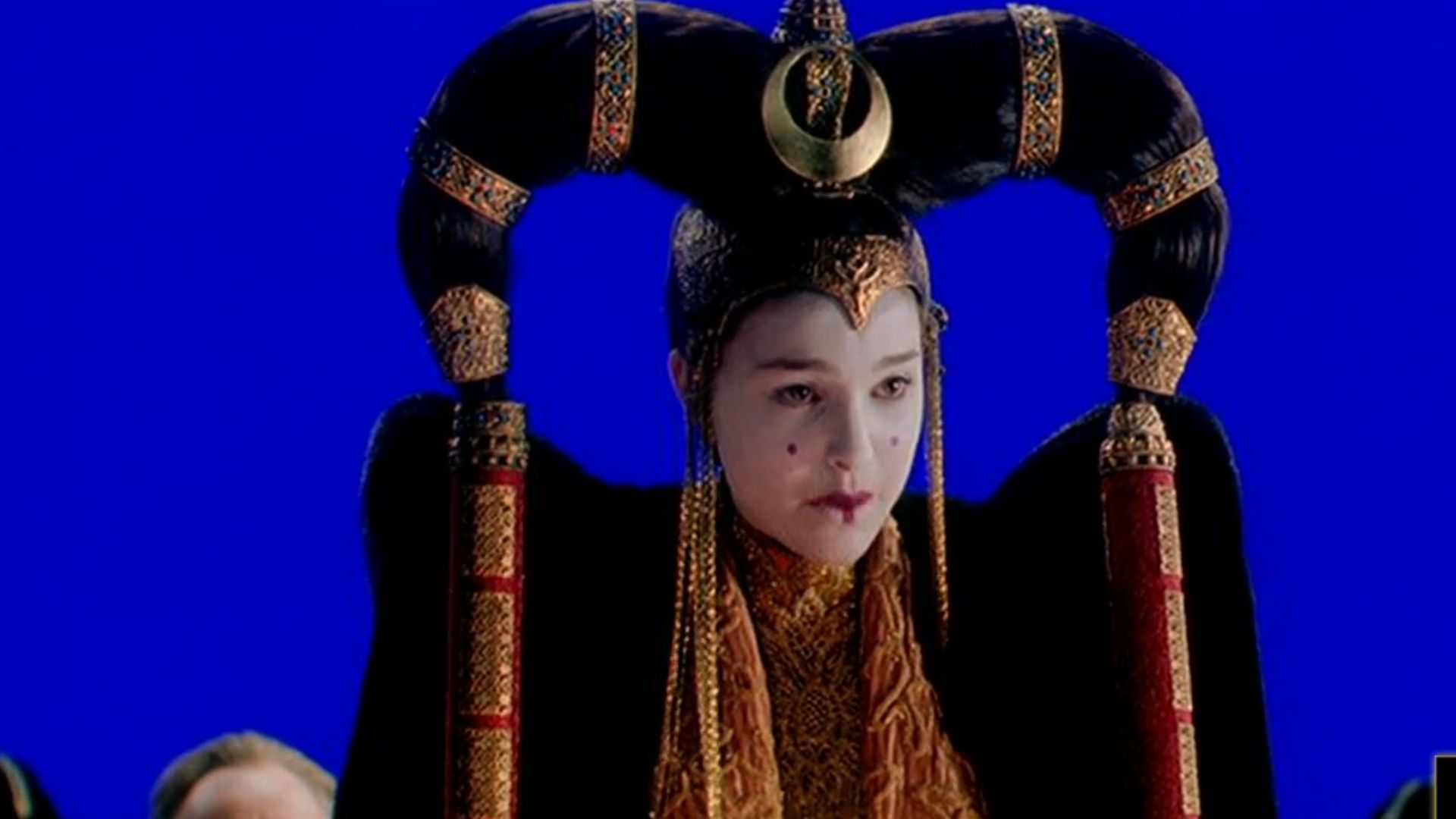 Star Wars Episode I: Queen Amidala Senate Costume Featurette by mranderson00001