
It’s In The Eyes
Some people have a distinctive gaze that seems to stand out immediately in photographs, paintings, or films. It might come from an unusual eye color, an expressive look, striking eyebrows, or simply the way someone knew how to use their eyes in front of a camera. From Hollywood stars of the studio era to modern performers, these 20 people became especially memorable for their eyes and the presence they brought to a portrait or performance.
1. Elizabeth Taylor
Elizabeth Taylor's violet-blue eyes became one of the most frequently mentioned features of her appearance. Her gaze was especially noticeable in close-up photographs and films, where careful lighting emphasized her eyes. Taylor also had famously defined eyebrows and dark lashes, which made her expressions particularly easy to recognize.
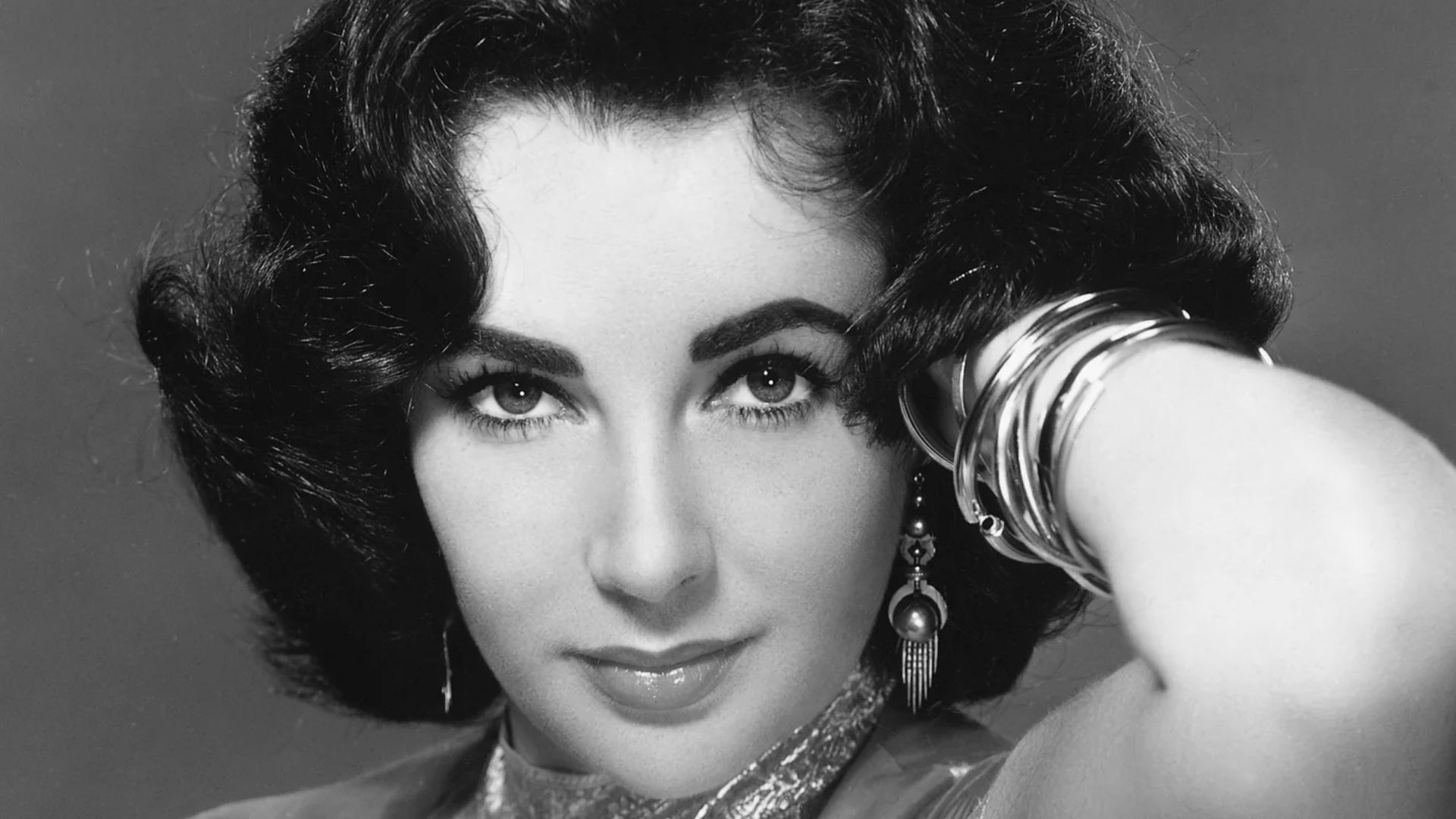 MGM publicity still on Wikimedia
2. Paul Newman
Paul Newman's blue eyes became one of his most recognizable features during Hollywood's golden era. They were frequently highlighted in portraits and close-up shots throughout his career. Whether he was playing a serious dramatic role or a more relaxed character, his eyes gave his performances an instantly recognizable quality.
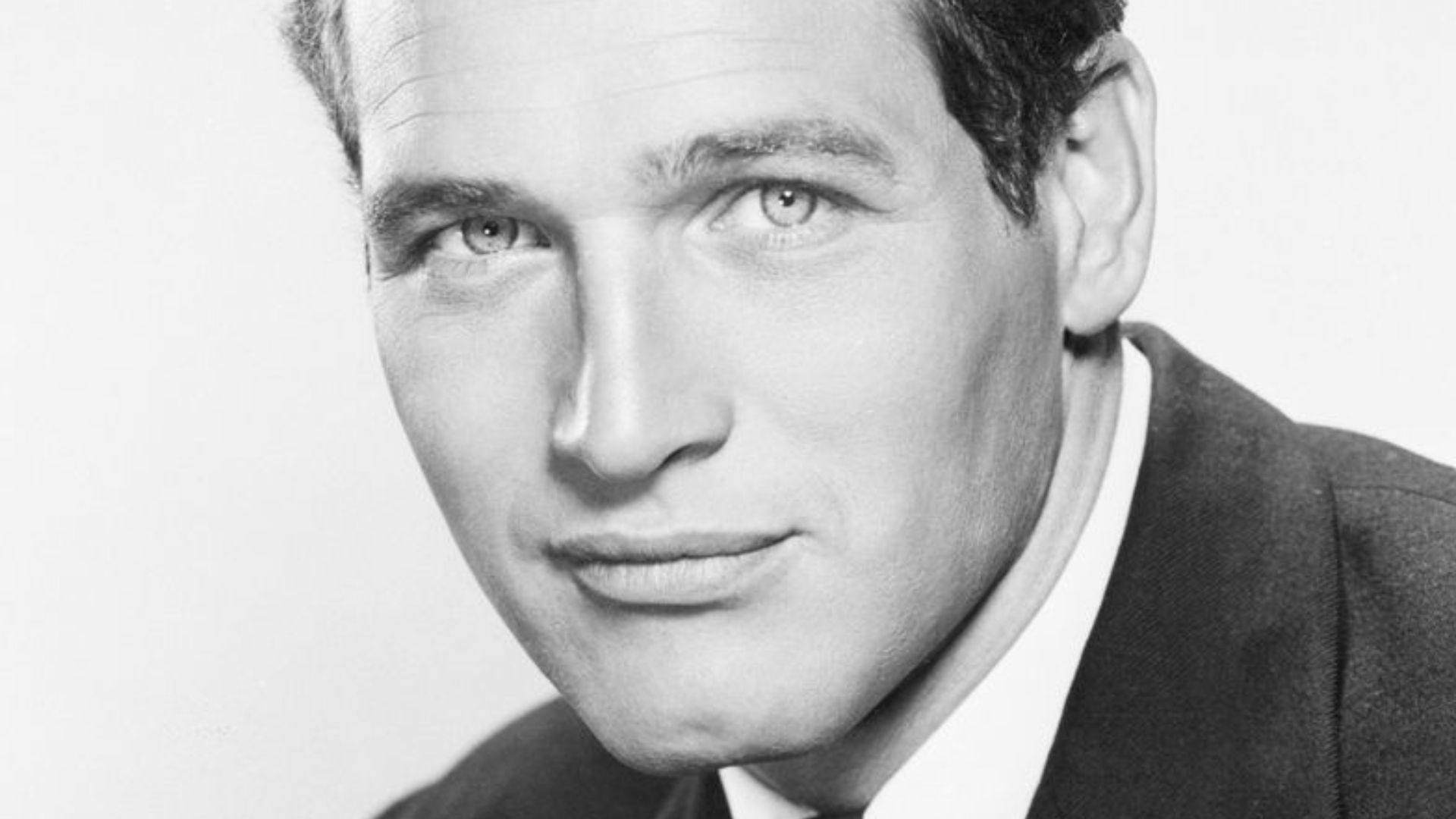 Unknown authorUnknown author, dedicated to Bettmann Archive on Wikimedia
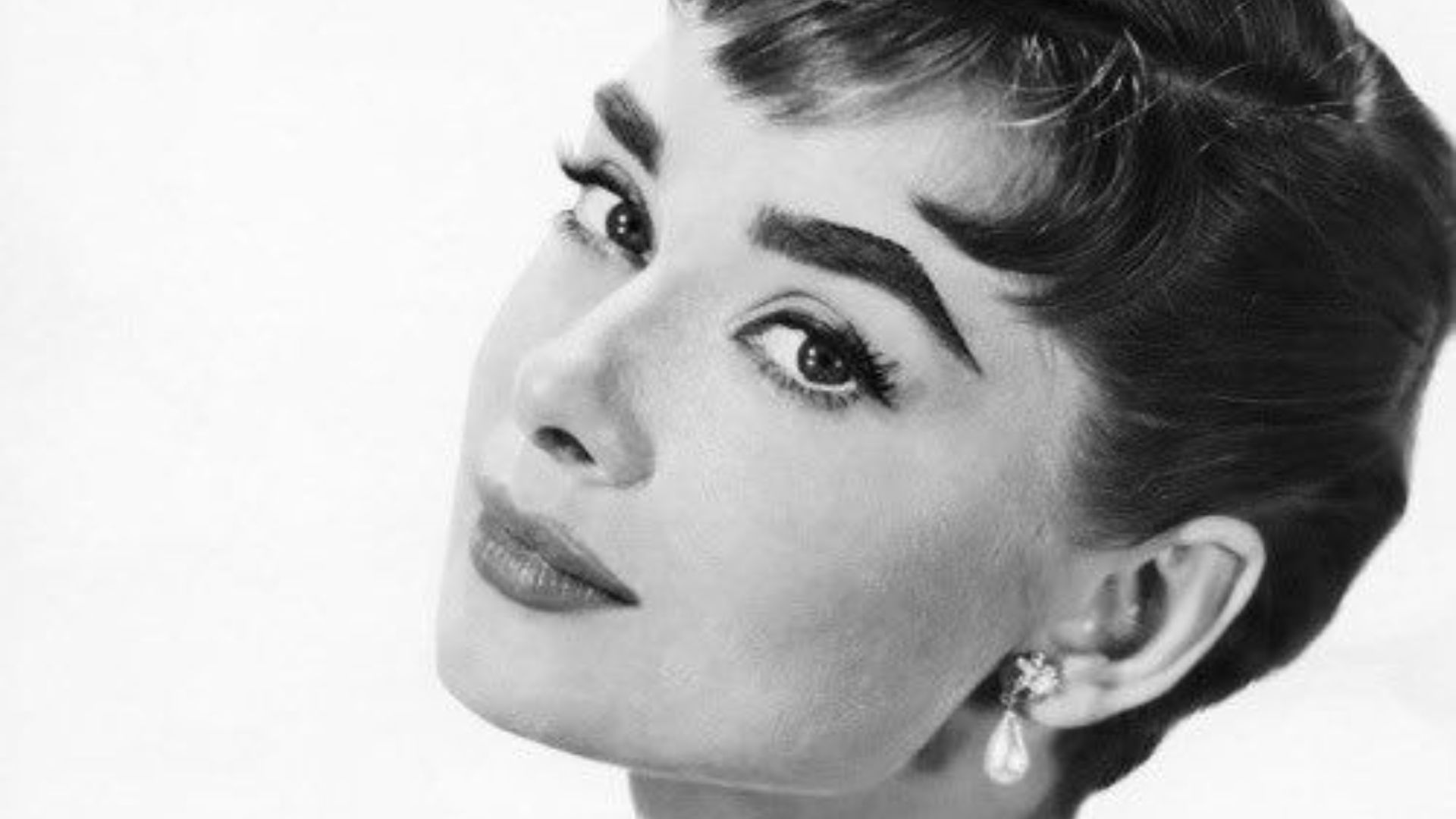
3. Audrey Hepburn
Audrey Hepburn was known for her large eyes, which became one of her most famous features. Her well-defined brows and signature eye makeup also helped her gaze stand out in photos. Today, even many years after her most popular films were released, Hepburn’s portraits are still recognizable thanks to her eyes.
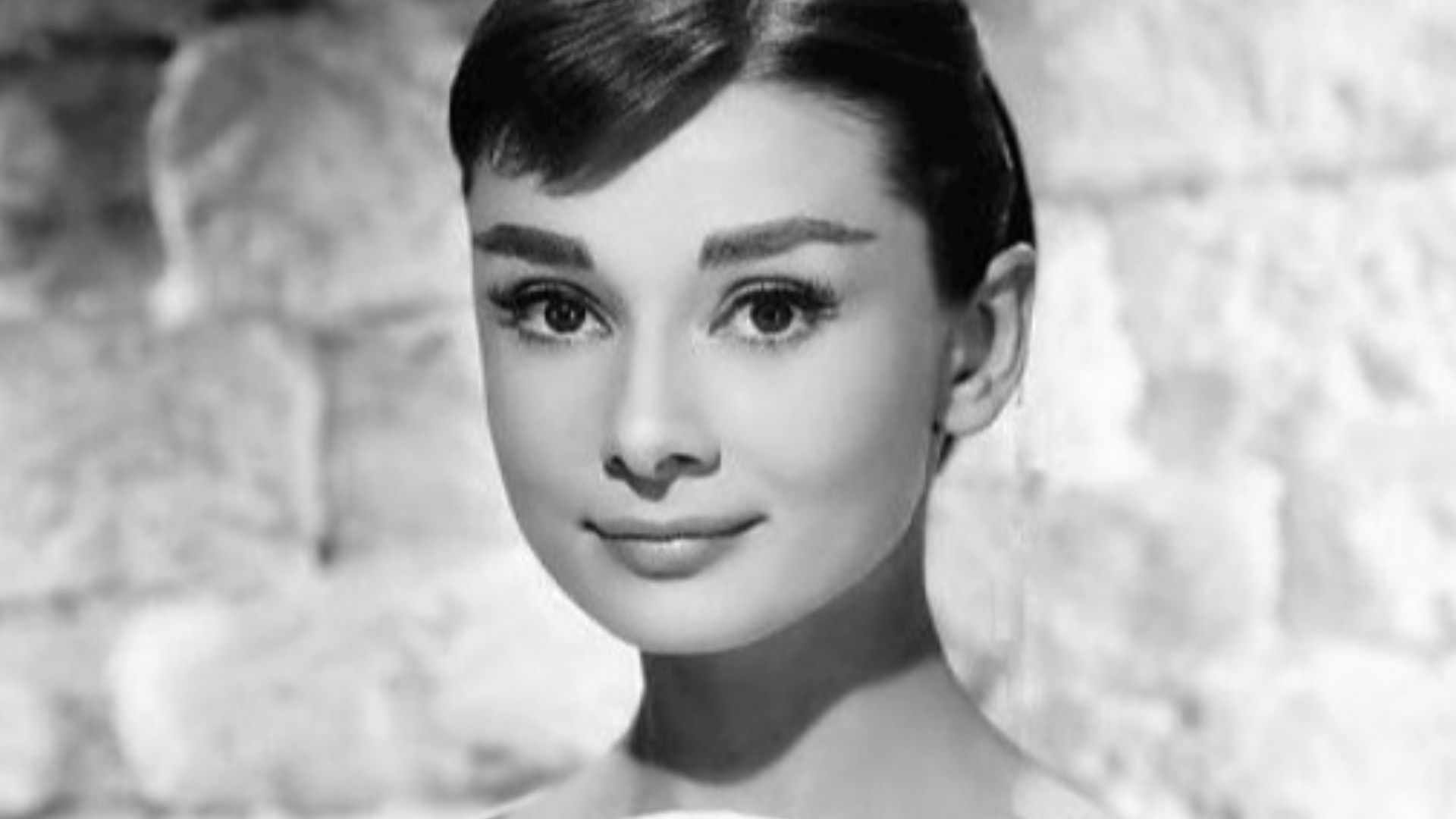 Paramount-photo by Bud Fraker on Wikimedia
4. Vivien Leigh
Vivien Leigh's eyes were a striking feature in both her photographs and performances. Her expressive gaze worked especially well in dramatic scenes, where small changes in expression could communicate a great deal without dialogue. Her role as Scarlett O'Hara in Gone with the Wind helped make that expressive quality part of her enduring screen image.
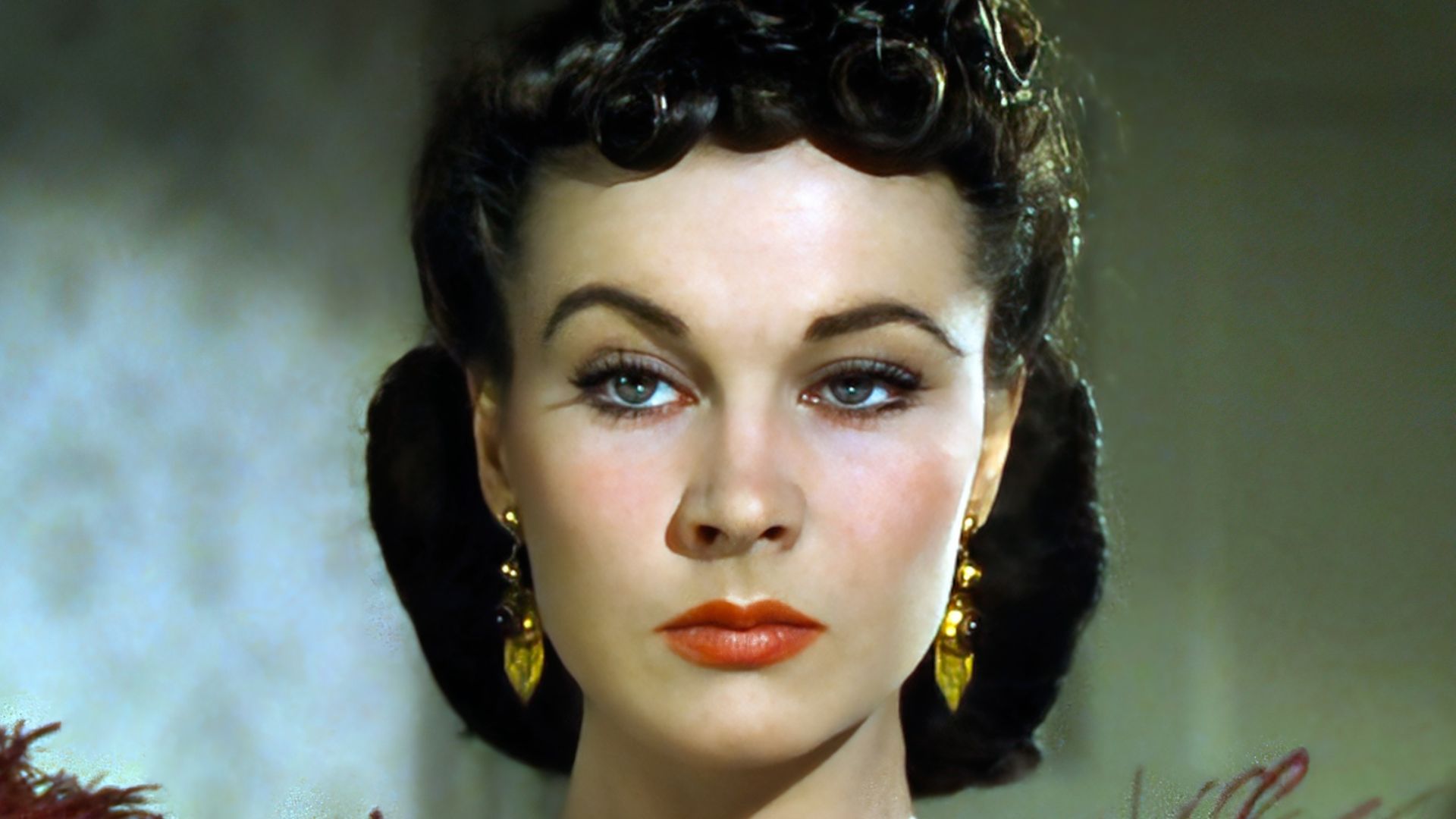 Vivien_Leigh_Gone_Wind2.jpg: Trailer screenshot
derivative work: Wilfredor (talk) on Wikimedia
Vivien_Leigh_Gone_Wind2.jpg: Trailer screenshot
derivative work: Wilfredor (talk) on Wikimedia
5. Alain Delon
French actor Alain Delon was photographed frequently during the peak of his career, especially in close-up. With light-colored eyes and angular features, Delon’s portraits have a distinctive appearance. His gaze was also effectively used by directors, particularly when he played quiet or stoic characters on screen.
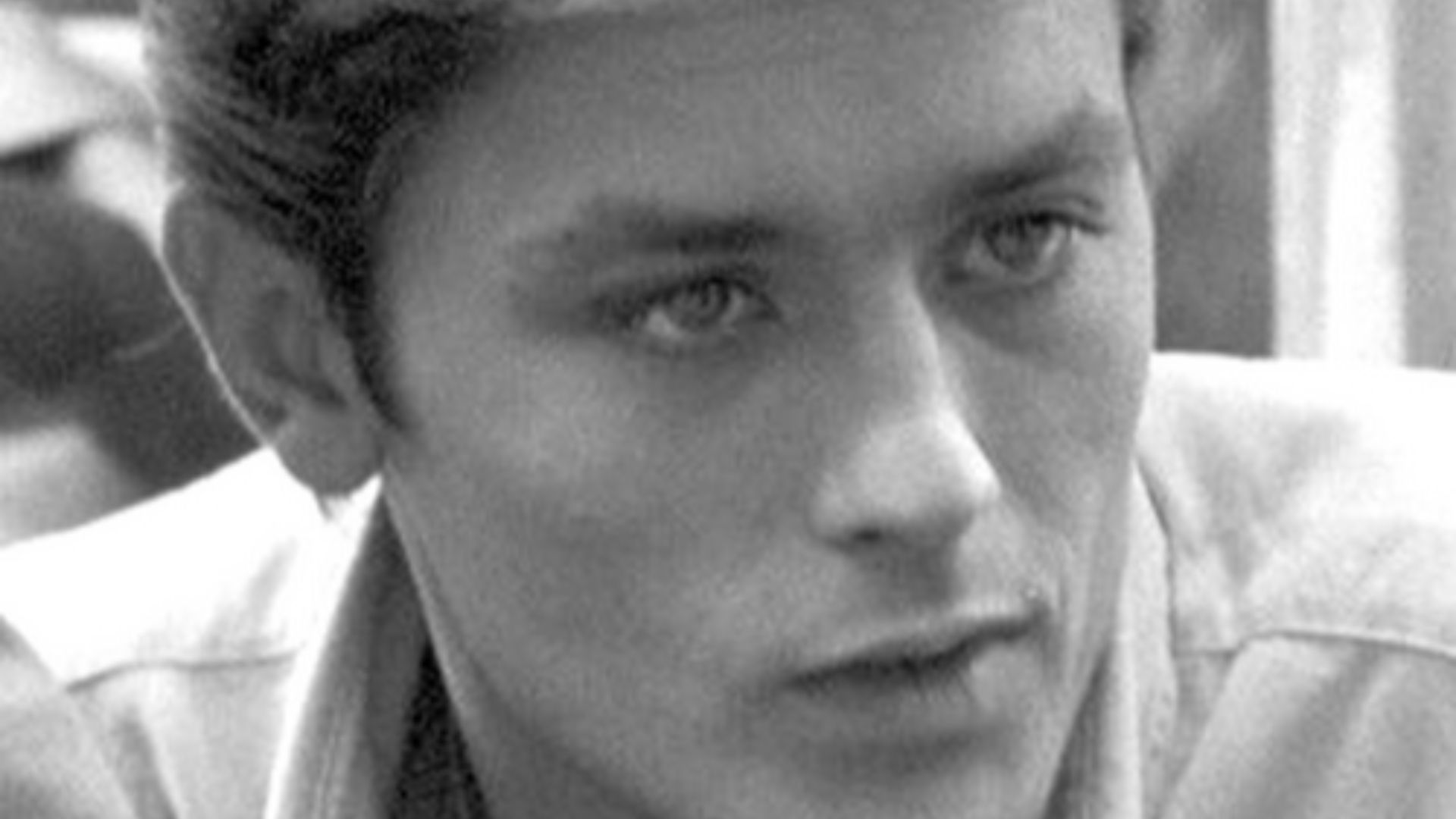 Licio D'aloisio / Reporters Associati & Archivi / Mondadori on Wikimedia
6. Sophia Loren
Sophia Loren's expressive eyes were an important part of her classic Italian cinema image. Her photographs often emphasized her dramatic eyebrows and carefully styled eye makeup, creating a look that was unmistakable. On screen, she could shift from playful to serious with surprisingly subtle changes in her expression.
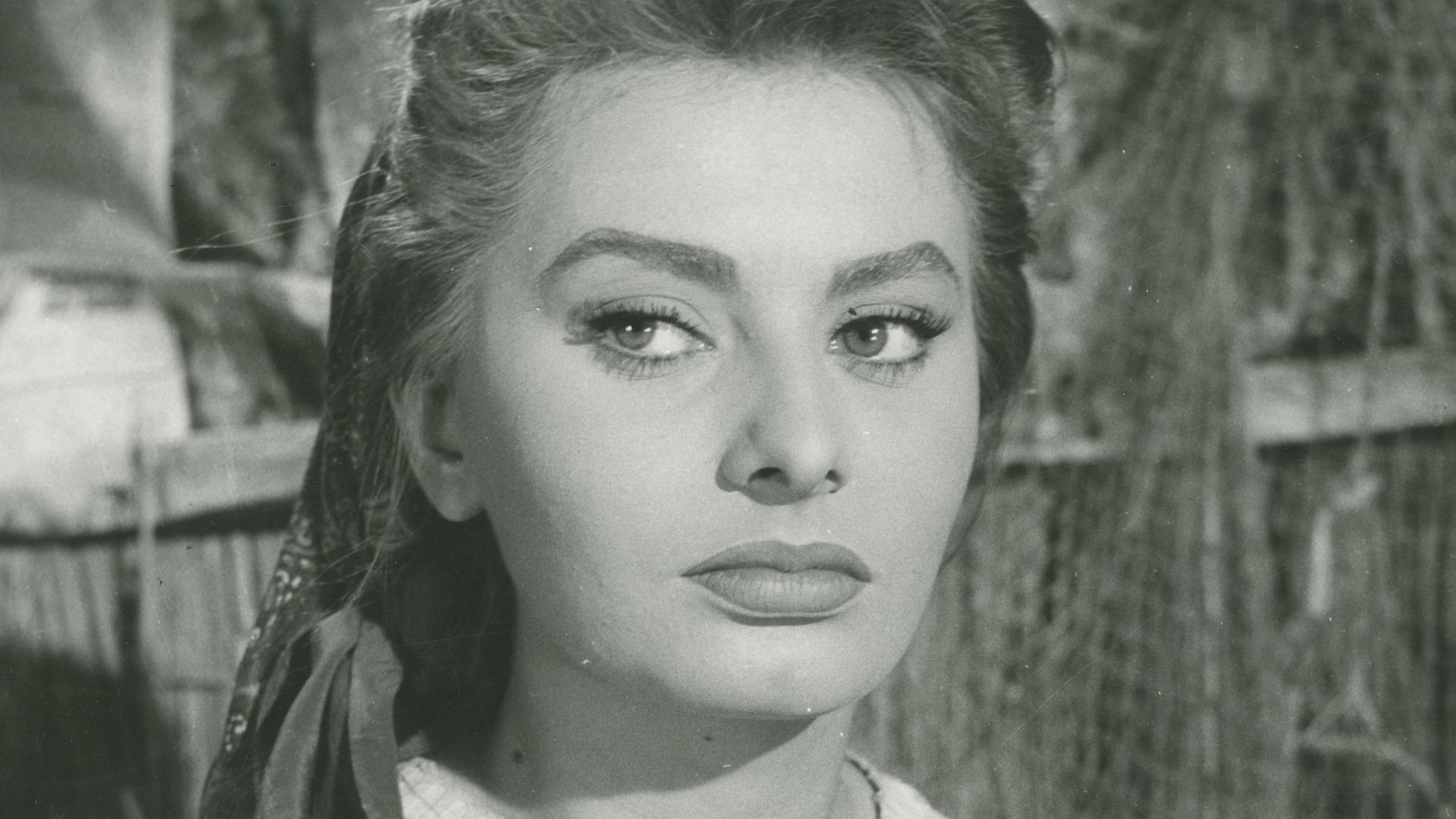 Unknown authorUnknown author on Wikimedia
7. Gregory Peck
Actor Gregory Peck had a relaxed but direct gaze that lent itself well to the characters he often portrayed. With deep-set eyes, photographers were able to capture strong contrasts around his face when shooting in black-and-white. This cool, collected expression became a key component of Peck’s screen image.
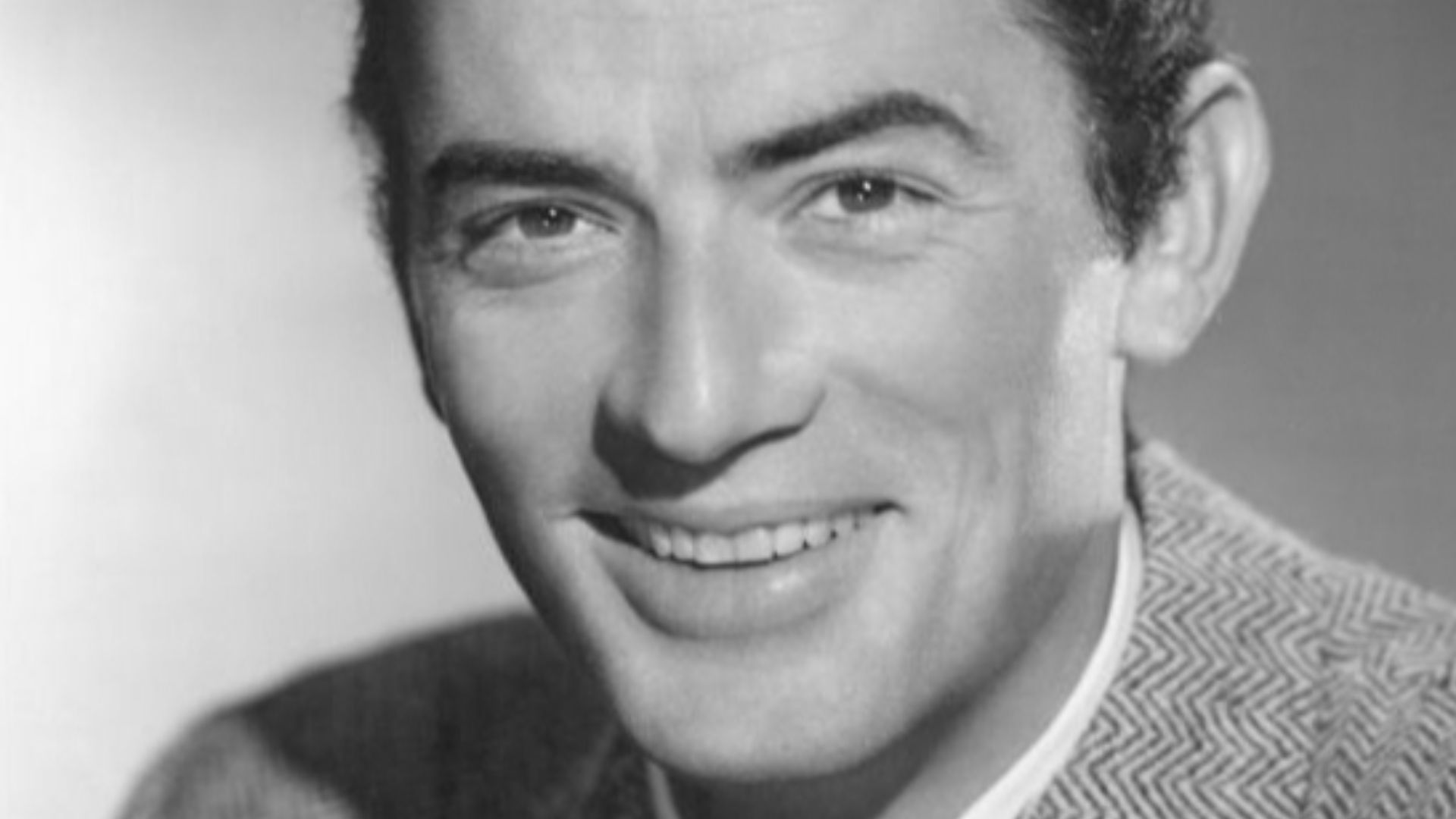
8. Hedy Lamarr
Hedy Lamarr's eyes were frequently emphasized in publicity portraits from Hollywood's studio era. Her dark hair, defined brows, and expressive gaze created an immediately recognizable appearance in photographs. Lamarr's fame also extended beyond acting because she co-invented an early frequency-hopping communication system, giving her legacy another fascinating dimension.
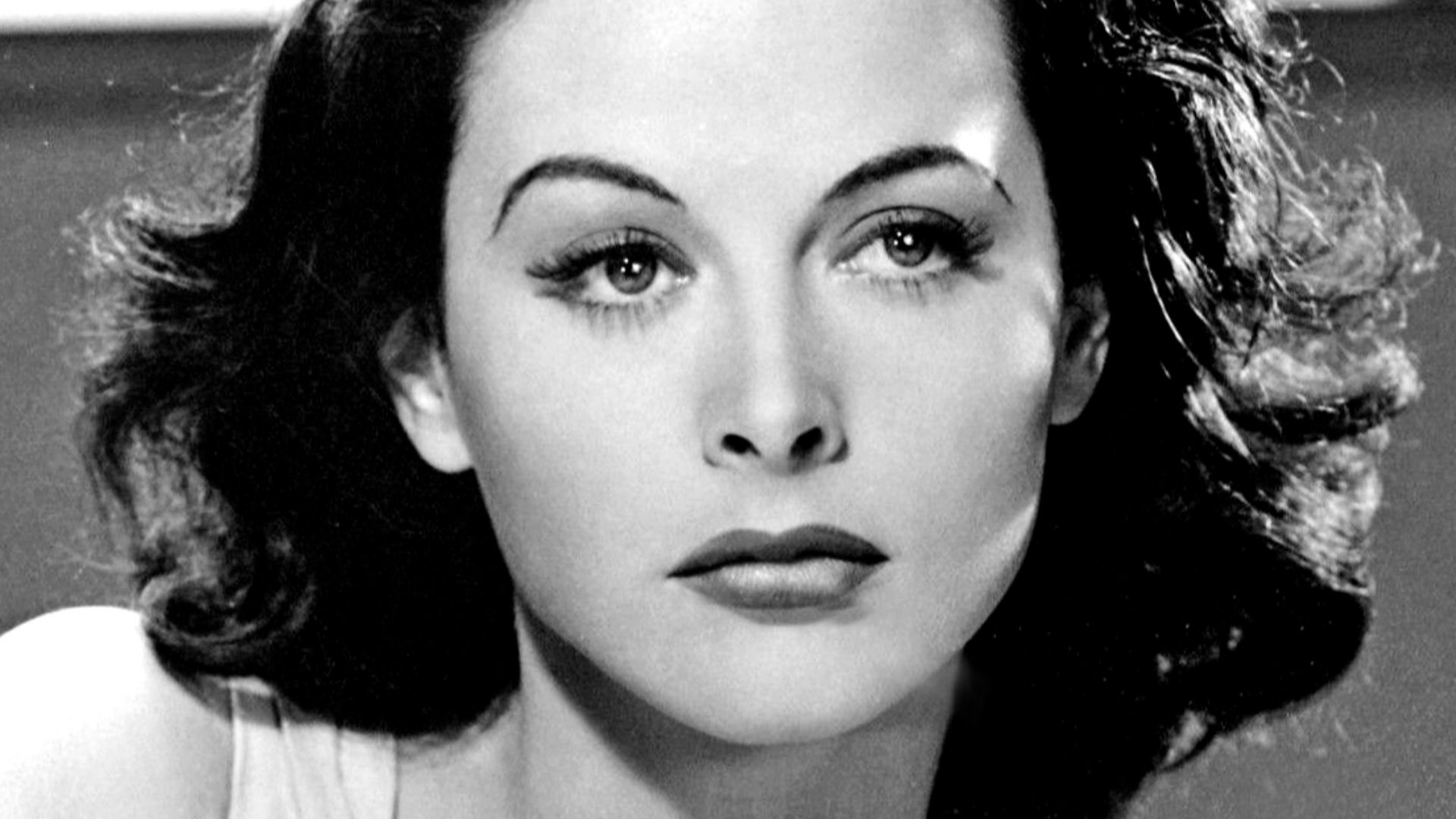 MGM / Clarence Bull on Wikimedia
9. James Dean
James Dean's photographs often captured a particularly intense expression, helped by his distinctive eyes and eyebrows. His brief film career meant that relatively few major performances became part of his legacy, but those images had an enormous cultural impact. Photographers frequently used close-ups that emphasized his thoughtful or serious expressions.
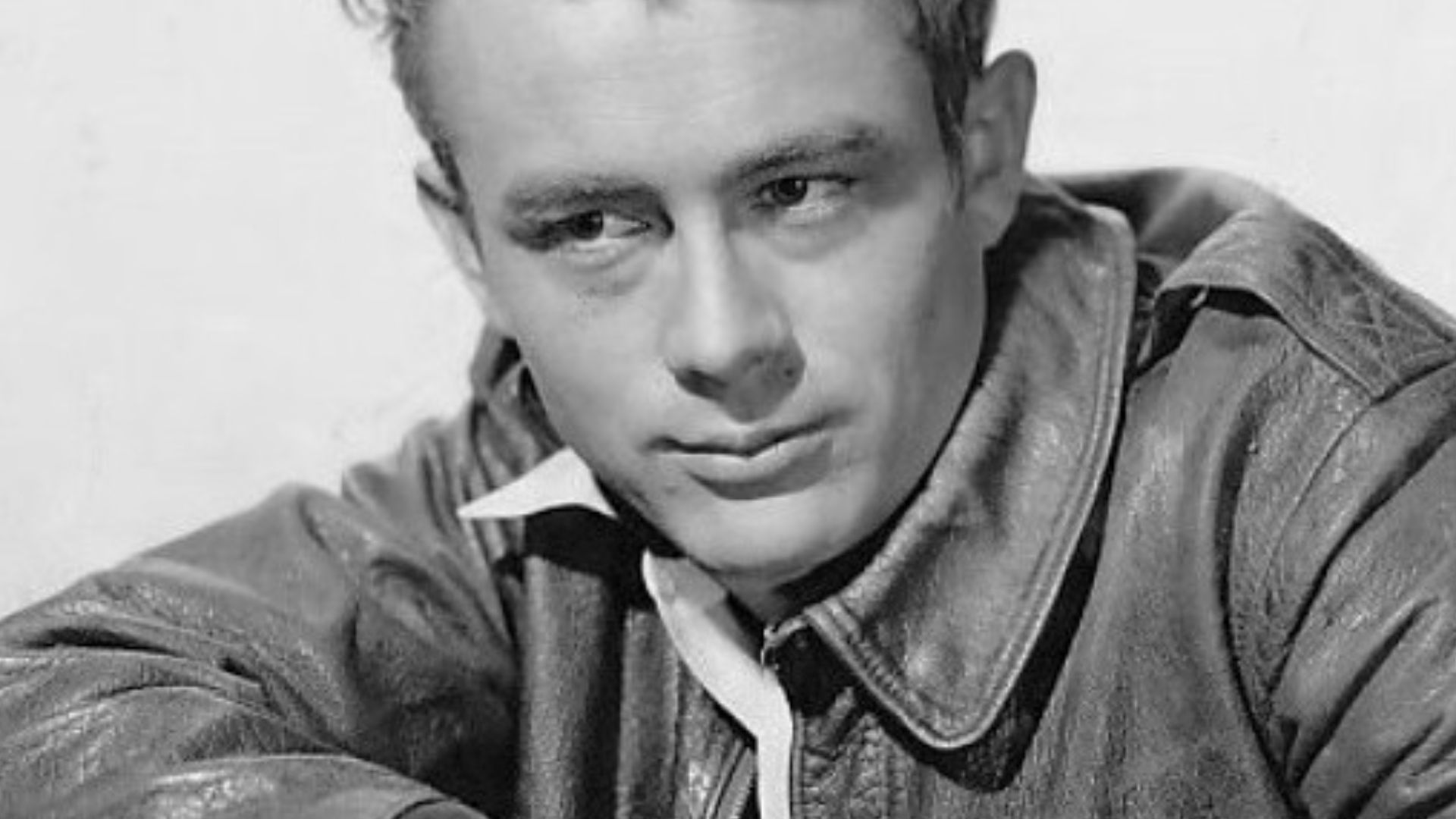 Barkin, Herman & Associates-publicity agency for Schlitz Brewing on Wikimedia
10. Ava Gardner
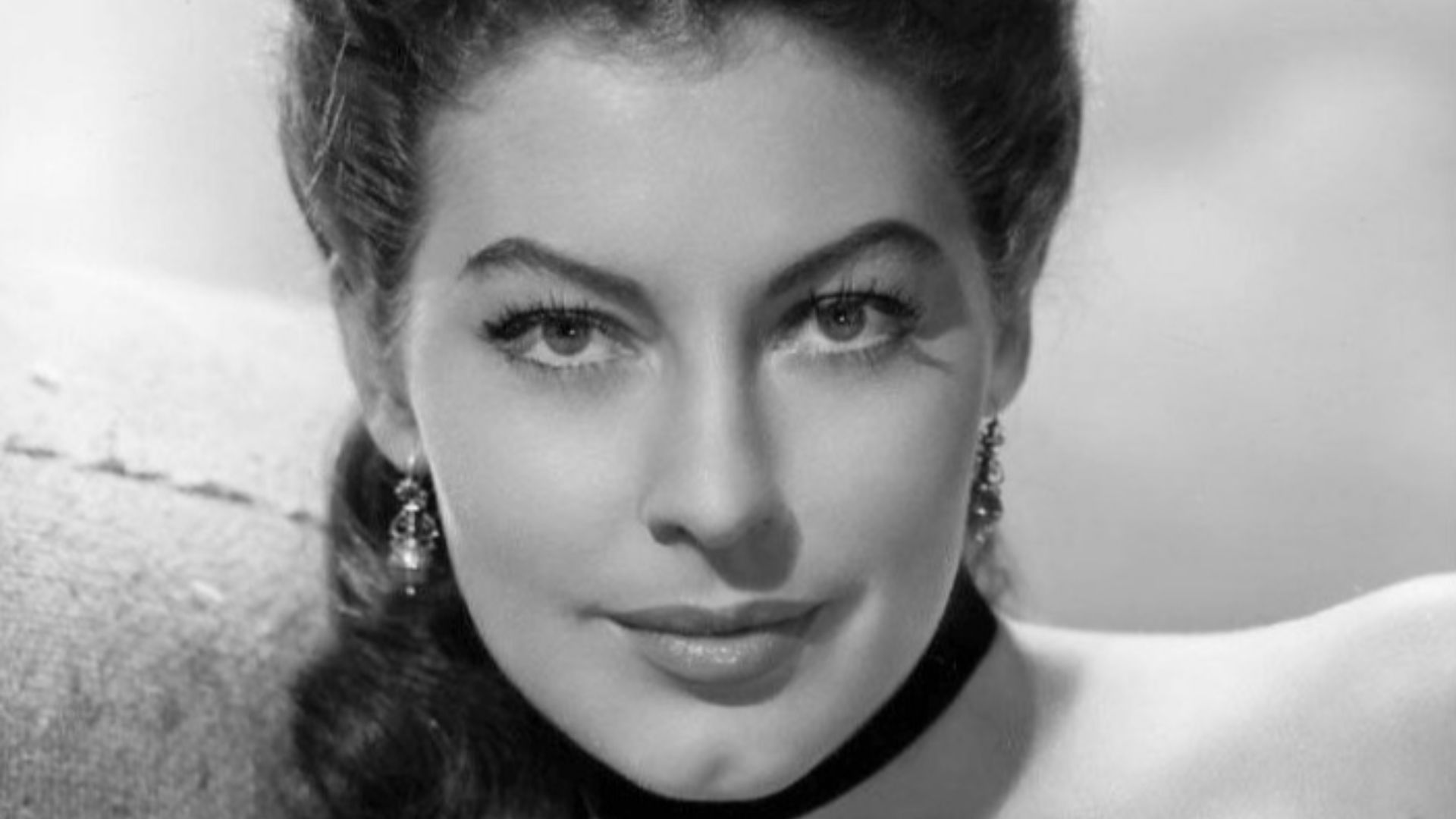
Actress Ava Gardner’s dark eyes drew particular focus during her time in Hollywood. Photographers often accentuated her eyes with heavy eyeliner and well-defined eyebrows. She also had a remarkable ability to emote through small, subtle changes in her facial expression when working on-screen.
11. Marlon Brando
Marlon Brando had an intense gaze that became particularly effective in his dramatic performances. His eyes often remained expressive even when his characters were barely speaking, contributing to the understated style that made him famous. Photographs from different periods of his career also show how dramatically his expression could change depending on the pose and lighting.
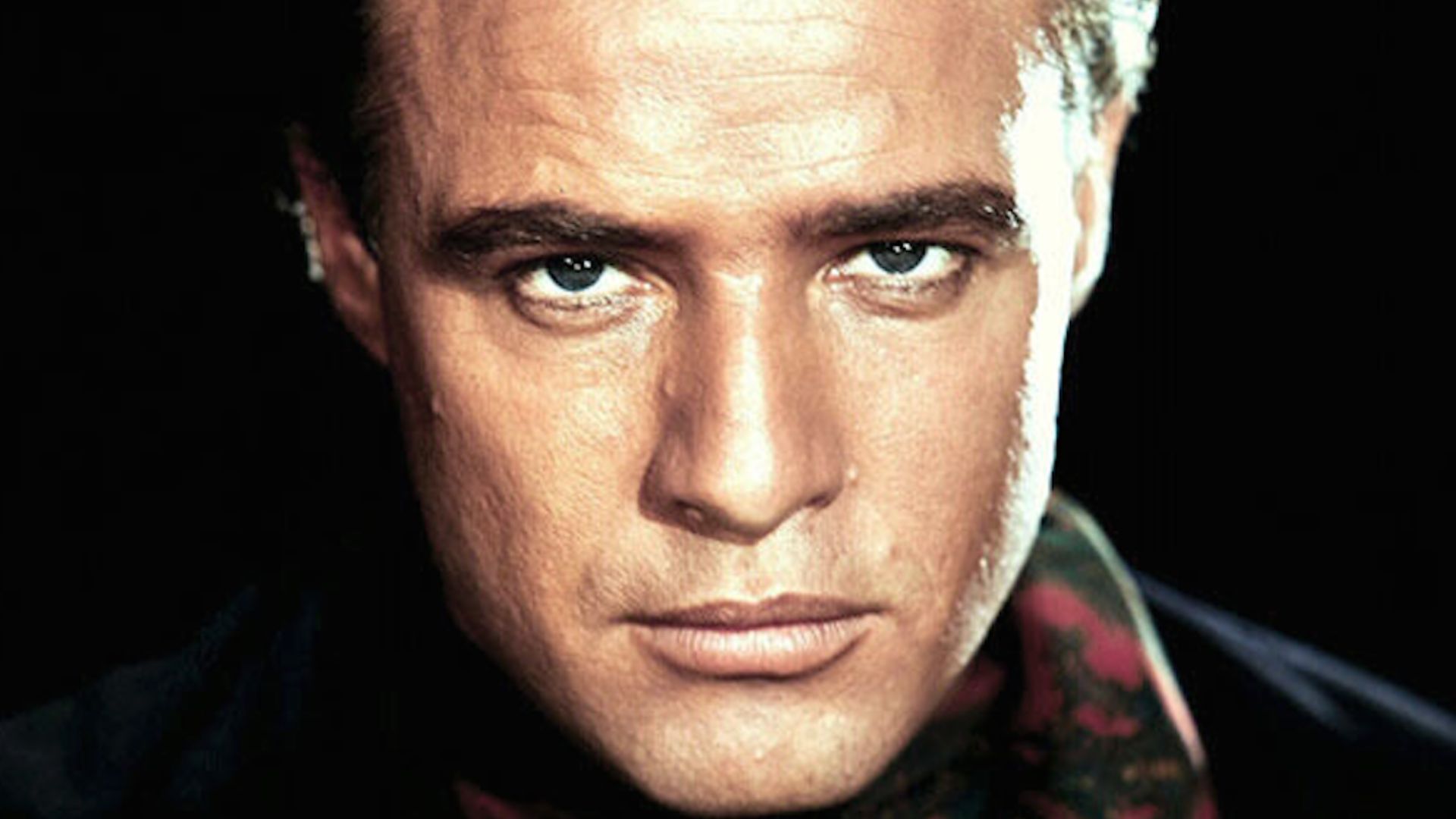 None visible/Paramount Pictures on Wikimedia
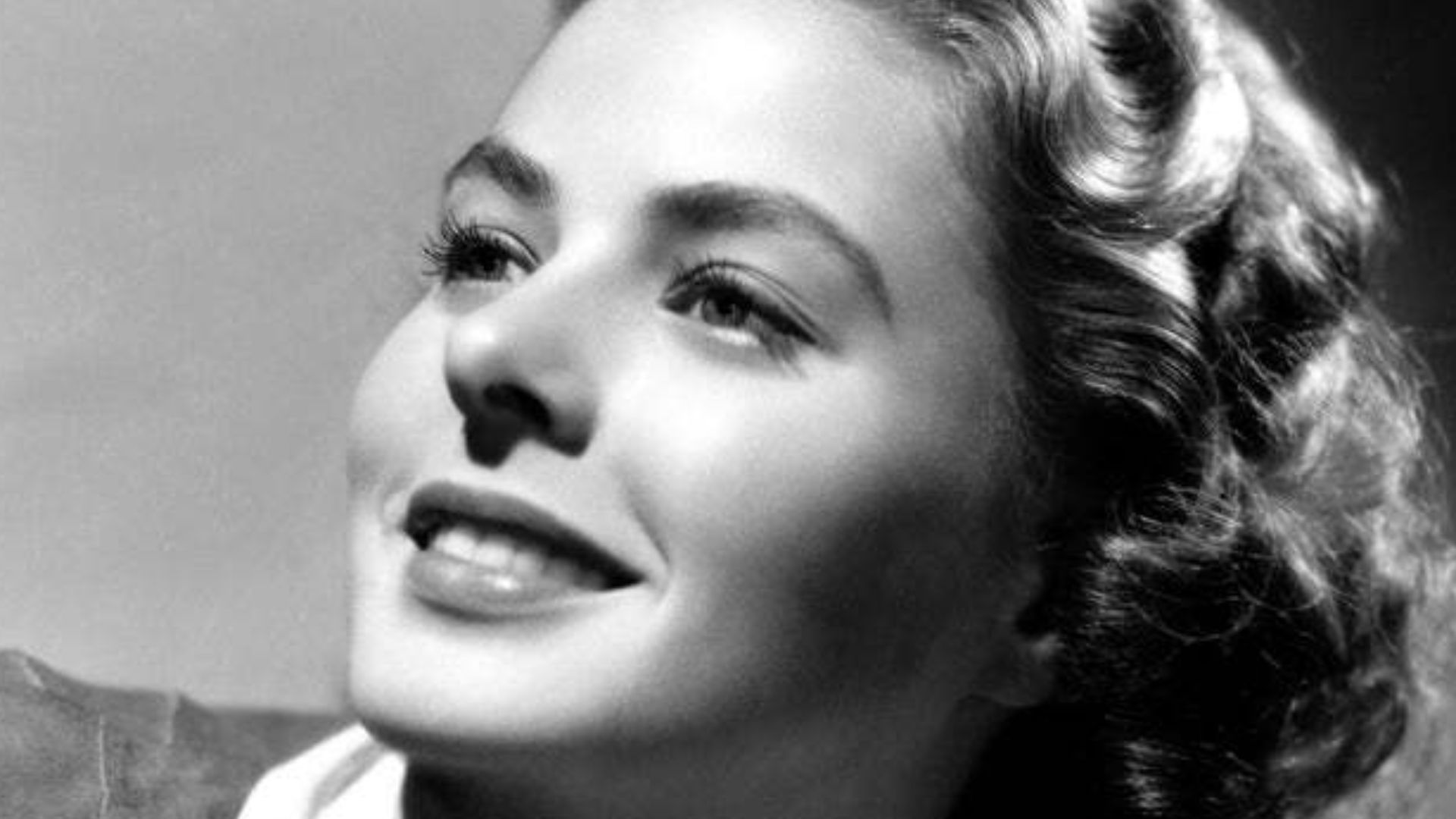
12. Ingrid Bergman
Actress Ingrid Bergman’s eyes were often mentioned by those who wrote about her screen presence. Bergman wore natural-looking makeup and had expressive features. Because of this, her eyes were prominent in her photographs without seeming overly done. Her role in Casablanca is a prime example of how she mastered expressing emotion through small changes in expression.
13. Steve McQueen
Steve McQueen's relaxed screen presence was complemented by his light-colored eyes and understated expressions. Rather than relying on exaggerated facial movements, he often conveyed a character's attitude with a glance or slight change in expression. That subtle approach became one of the defining characteristics of his performances.
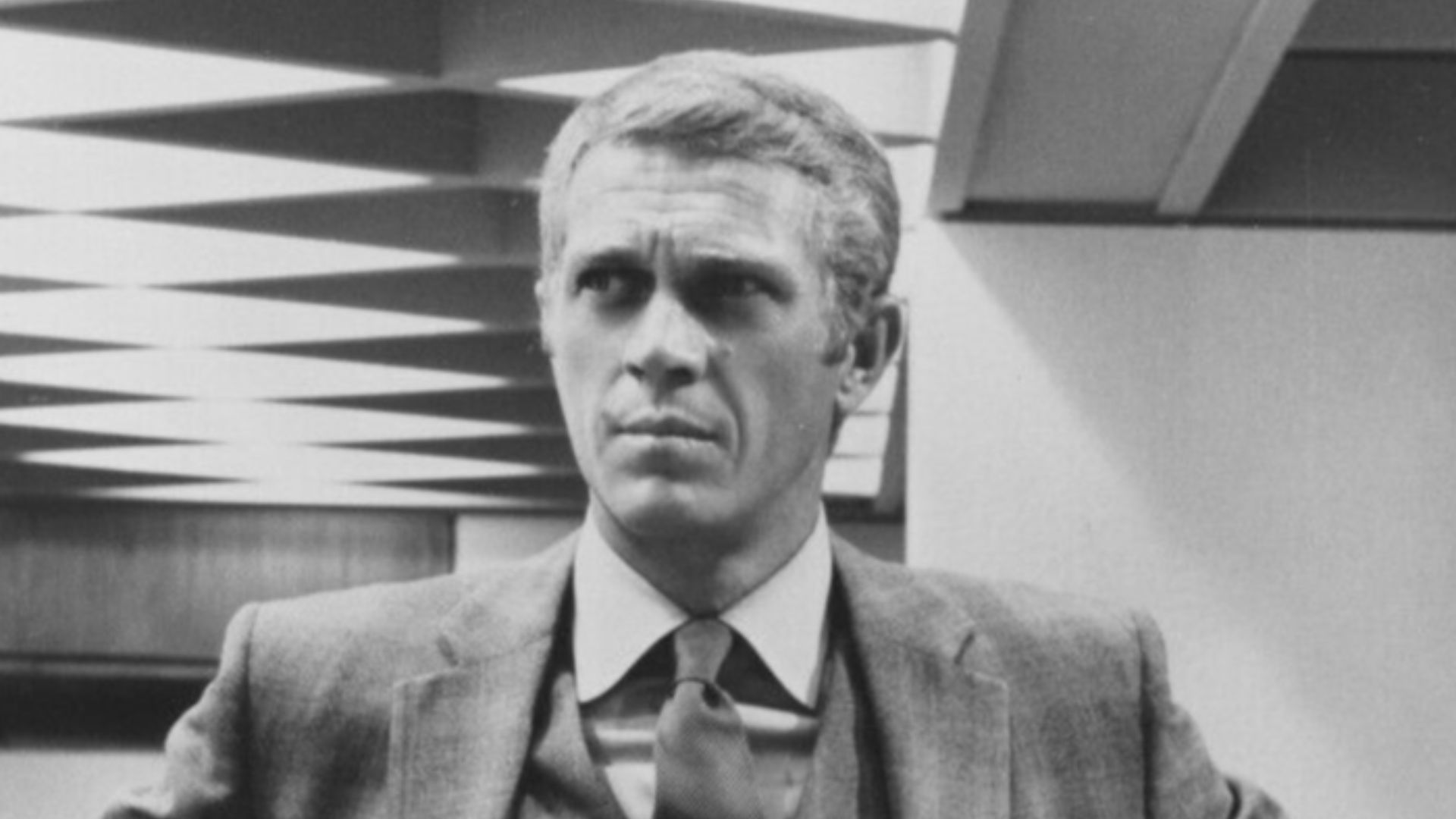 Unknown authorUnknown author on Wikimedia
14. Monica Bellucci
Actress Monica Bellucci has maintained an expressive gaze throughout her career and it has become a recognizable part of her image. Her eyes and eyebrows stand out in photographs, both in photos for editorial spreads and close-ups on film. Bellucci has donned the range of makeup looks, showing just how eye makeup can change one’s overall expression.
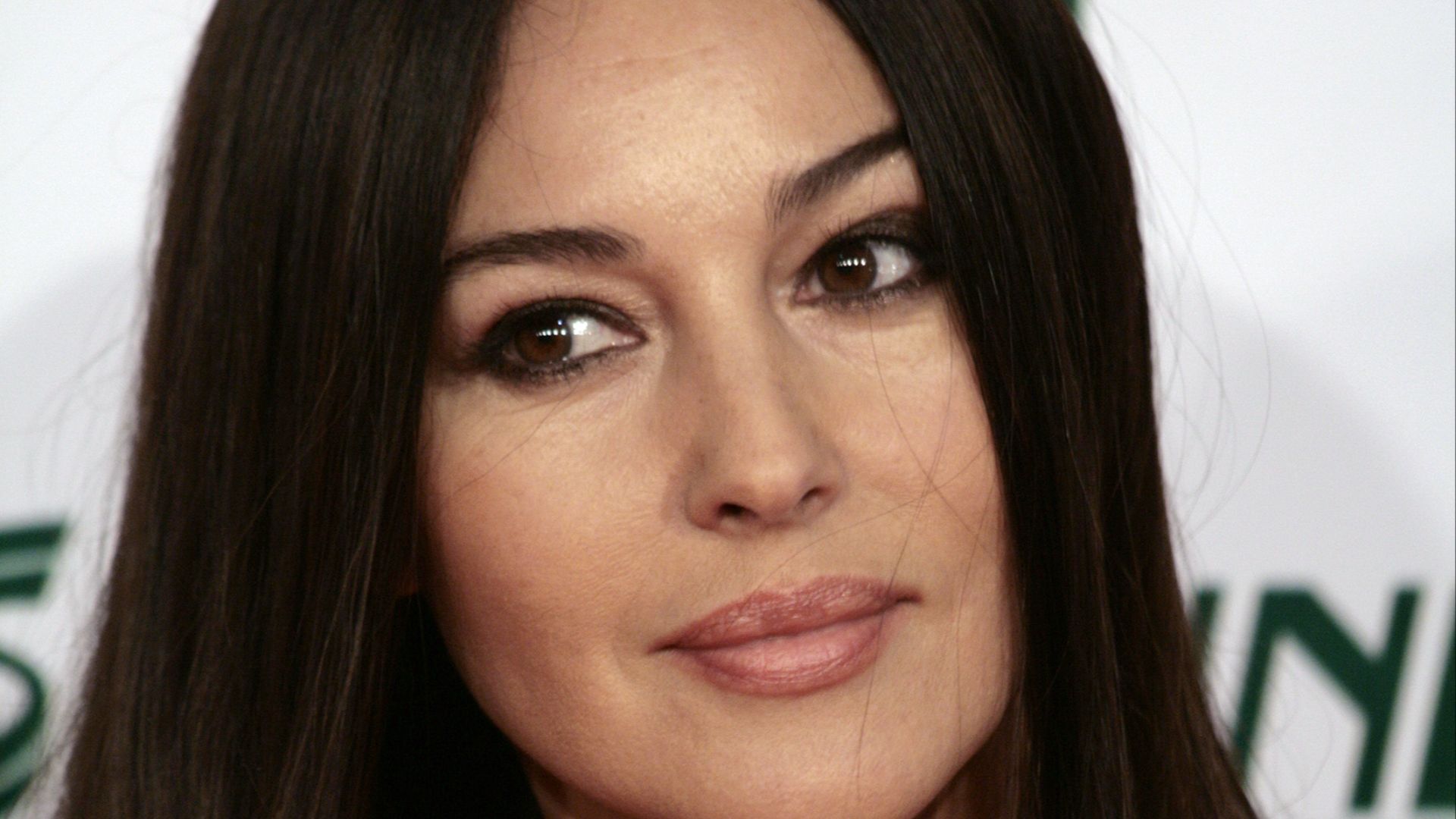 Manfred Werner - Tsui on Wikimedia
15. Cary Grant
Cary Grant's photographs often captured a composed, confident expression, with his eyes adding warmth to his otherwise polished appearance. His ability to communicate humor without exaggerated expressions was especially useful in his romantic comedies. Even in still photographs, his gaze could shift noticeably depending on whether he was posing for a serious portrait or a lighter publicity shot.
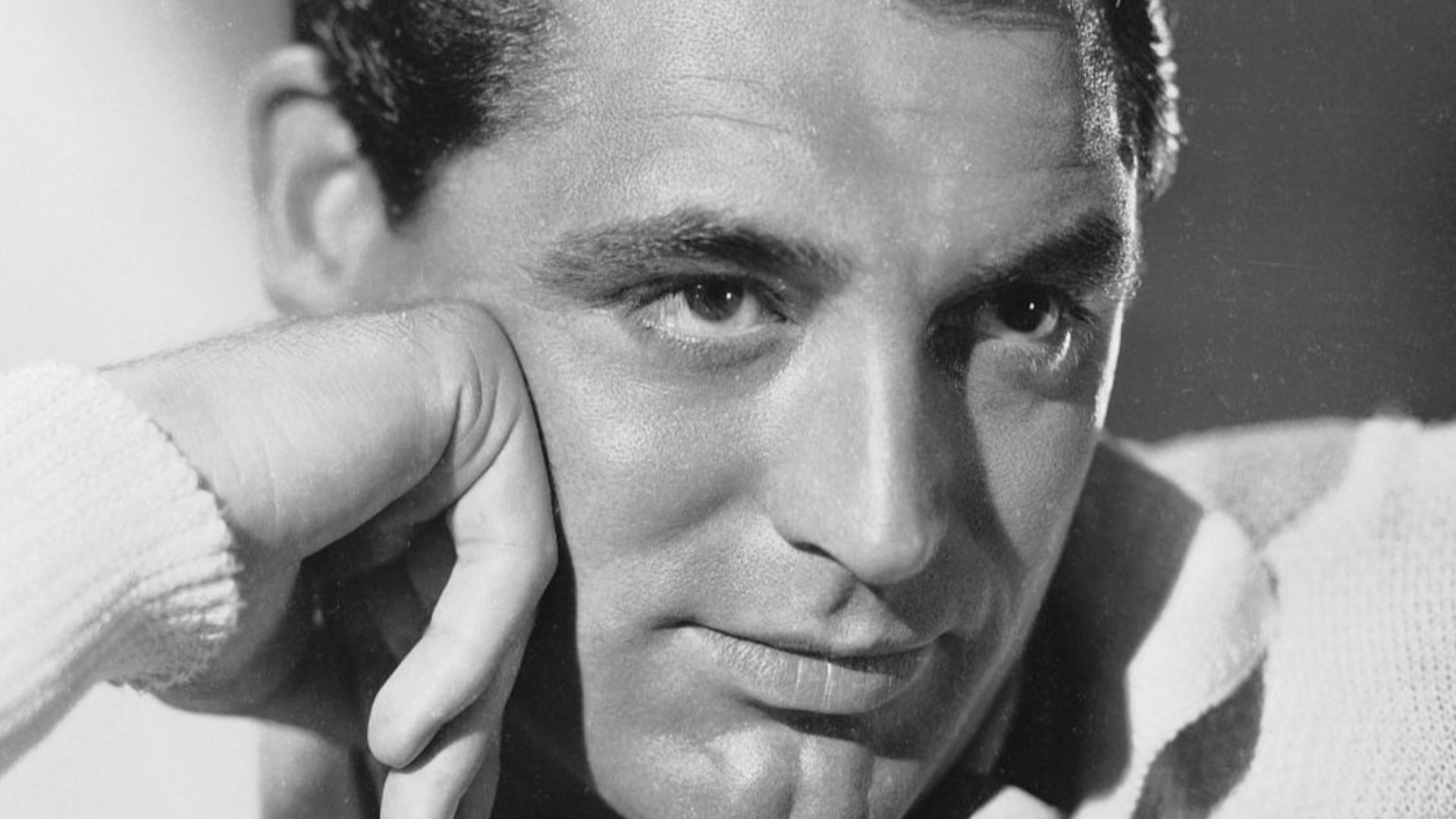 Unknown authorUnknown author on Wikimedia
16. Rita Hayworth
Rita Hayworth's photographs from the 1940s frequently emphasized her eyes through dramatic studio lighting and carefully styled makeup. Her expressive gaze became an important element of the glamorous image created for her by Hollywood studios.
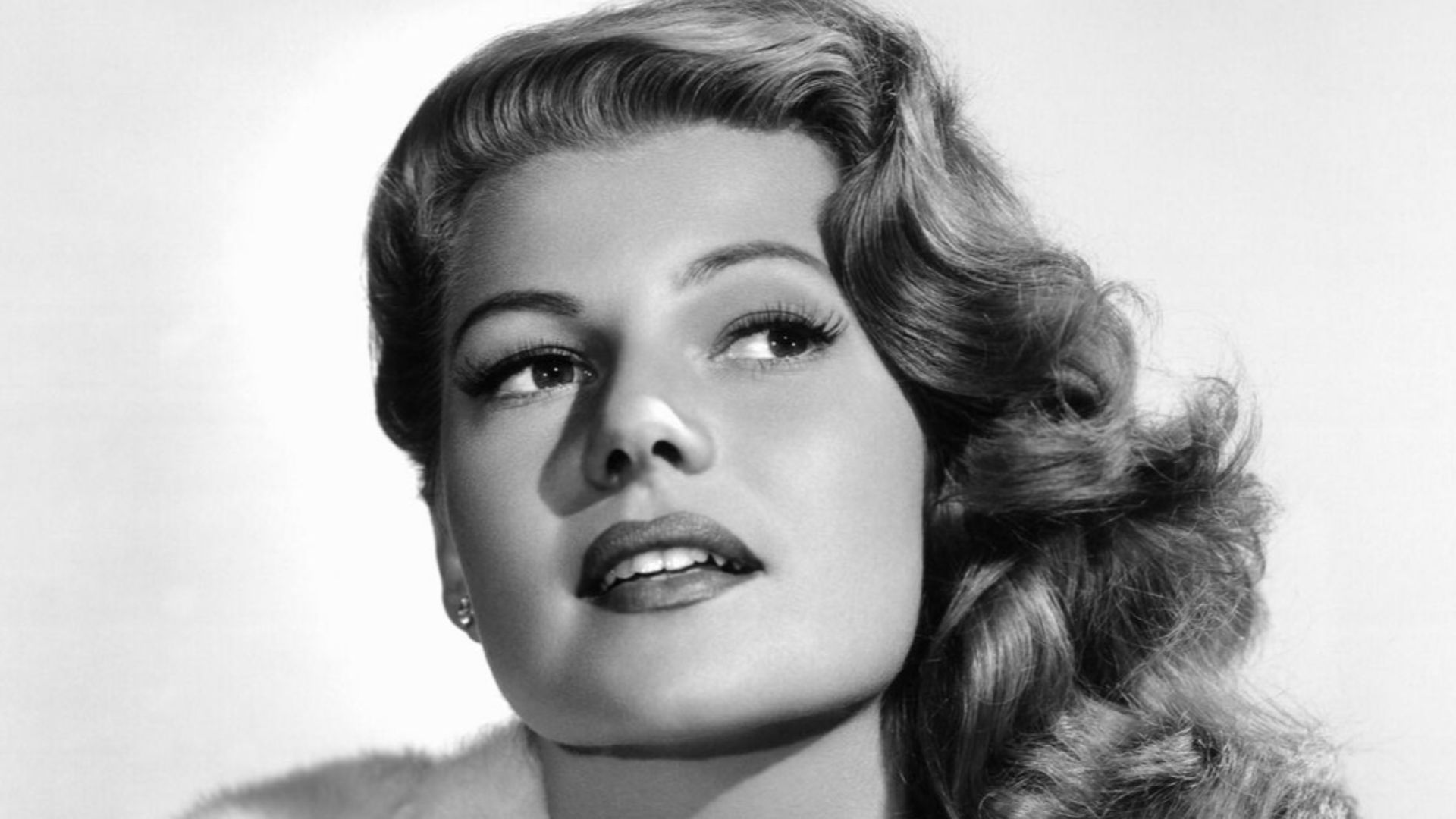 Unknown authorUnknown author on Wikimedia
17. Omar Sharif
Omar Sharif had dark, expressive eyes that became particularly noticeable in his film close-ups. His eyes contributed to the intensity of performances in both Hollywood and international cinema. His role in Lawrence of Arabia introduced him to a huge international audience and gave viewers plenty of opportunities to notice his distinctive screen presence.
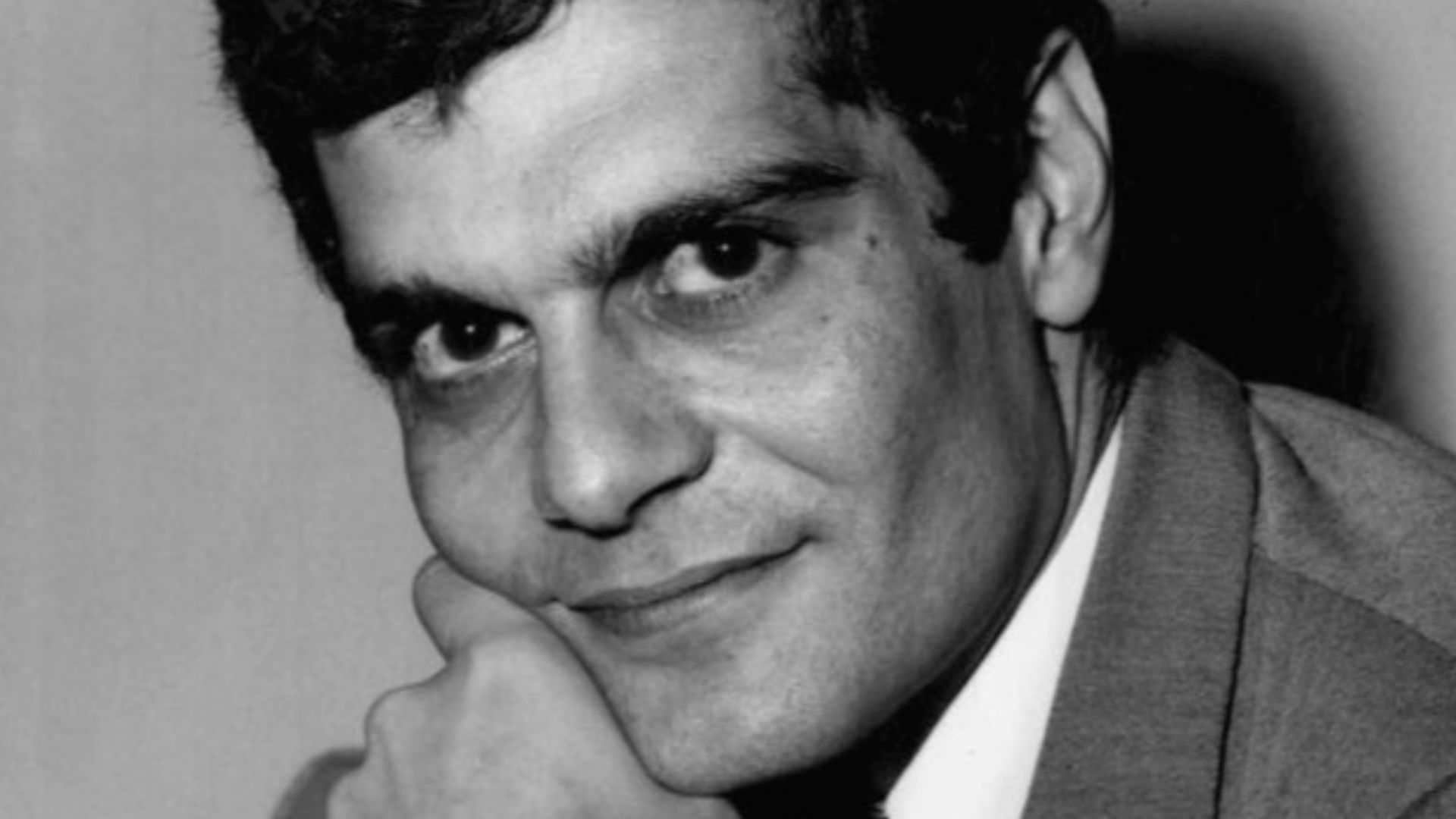 Photographer-Gene Weber, Seattle on Wikimedia
18. Ava Max
Ava Max has a contemporary look that frequently emphasizes her eyes through bold makeup and carefully styled brows. Music videos and promotional photography allow her to experiment with different eye-focused looks, from dramatic liner to softer styling. Her visual presentation demonstrates how modern pop performers can make eye expression an important part of their recognizable image.
 Nuță Lucian from Cluj-Napoca, Romania on Wikimedia
19. David Bowie
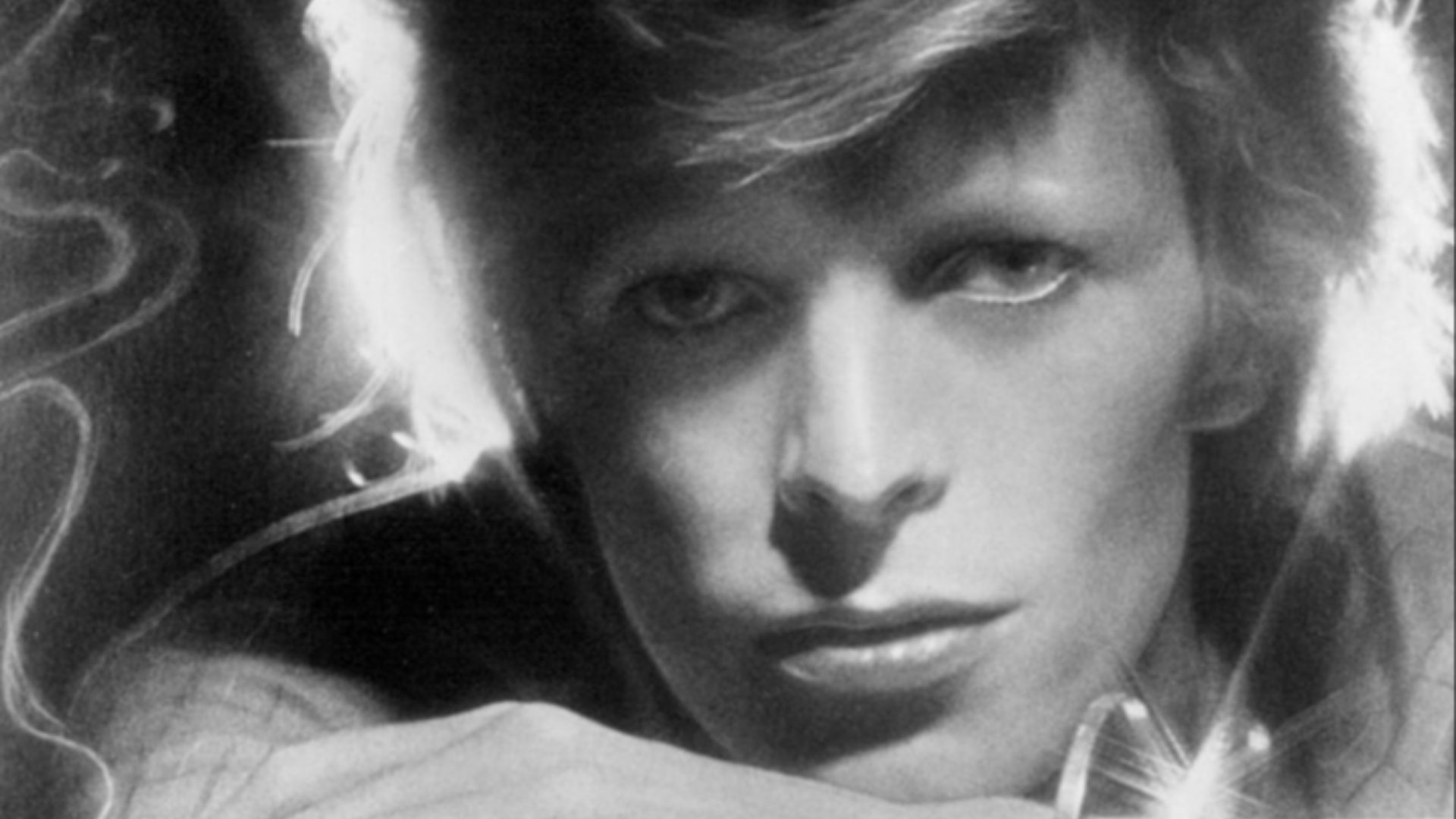
Musician David Bowie’s eyes became one of the most frequently discussed features of his appearance. The distinctive look was not caused by two different colored eyes. Instead, Bowie injured one of his pupils as a child and it remained dilated. He would later incorporate this unusual look into his androgynous, ever-changing visual style.
20. Grace Kelly
Grace Kelly had a poised, expressive gaze that worked beautifully in both Hollywood photography and her later public appearances. Her light-colored eyes were often emphasized by the elegant styling typical of mid-century portrait photography. Her performances with directors such as Alfred Hitchcock also showed how much she could communicate through expression.