Breakouts Aren’t Just Random
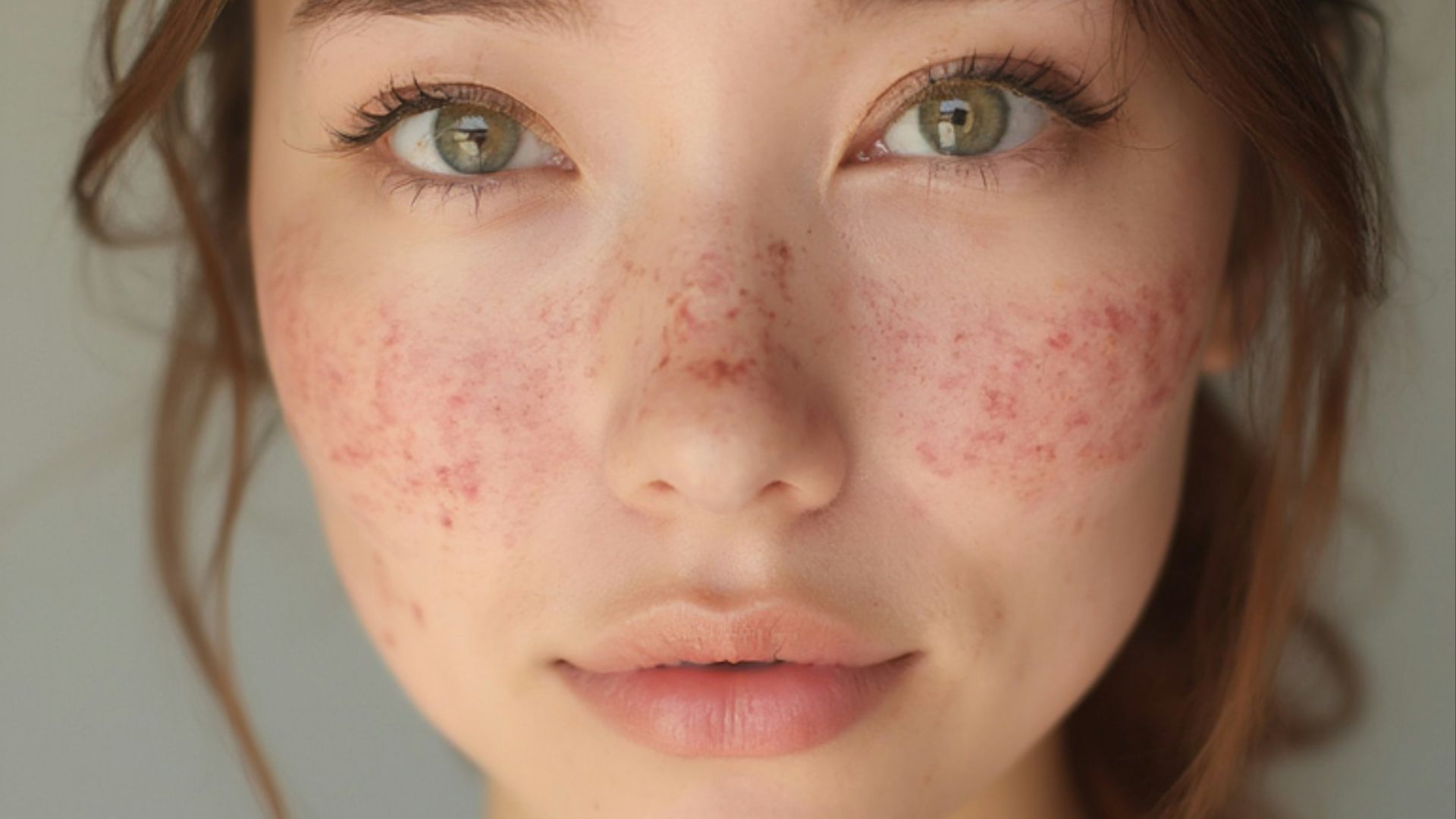
Breakouts can shake your confidence, especially when they hit without warning. But acne usually has a cause, and before learning how to deal with the problem, you need to familiarize yourself with why it's happening. After that, we'll give you some low-effort skincare tips that actually work, without turning your routine into a costly full-time job with no results.
 MUTHIA ASHIFA SALSABELLA on Unsplash
1. Hormonal Imbalances
Breakouts around the jawline or chin can be triggered when your hormone levels shift, especially during puberty or high-stress periods. These changes push oil production into overdrive, clogging pores faster than usual. Even if your skincare routine is steady, your hormones may still override it.
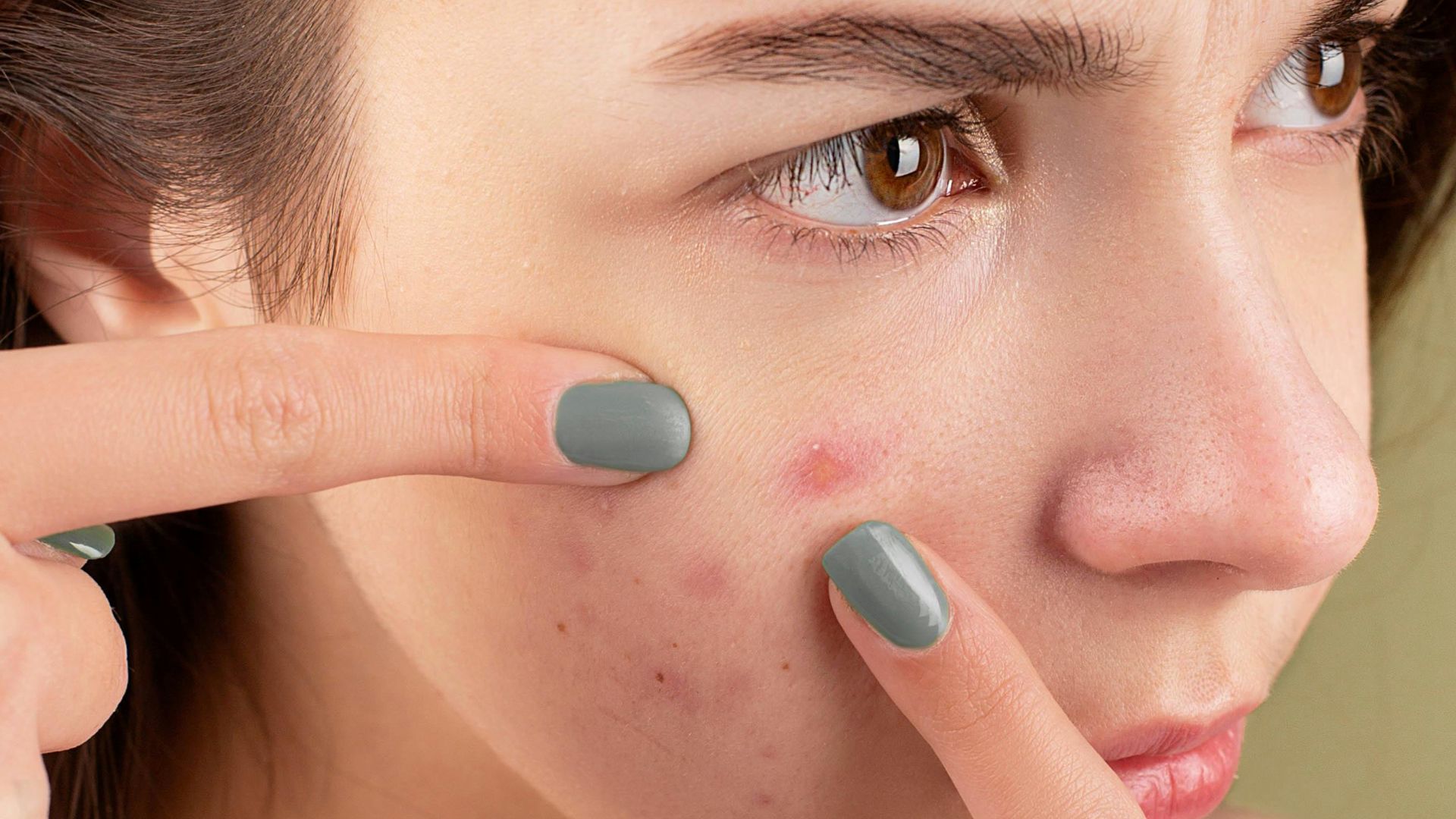
2. Poor Diet Choices
You may not notice it right away, but what you eat today can influence your skin days later. High-glycemic foods (like sugary snacks and soda) can cause blood sugar spikes. When that happens, pores are more likely to trap buildup and turn into breakouts.

3. Bacteria Buildup On Bedding
Skin touches your pillow for hours each night, but that fabric collects oil and bacteria, especially if sheets and pillowcases go unchanged for too long. This grime transfers back onto your face repeatedly, setting up the perfect environment for bacterial acne to thrive.

4. Wearing Tight Face Gear
Acne caused by pressure has a name: “mechanical acne.” It’s common with gear that hugs the skin, like helmet straps or chin guards. These items trap heat and oil while rubbing the same spots repeatedly and breaking down the skin’s barrier.

5. Overwashing Skin
Washing your face too often might seem like the right move for oily skin, but it usually backfires. Harsh cleansers and frequent scrubbing can strip away your skin’s natural barrier. To fix the loss, your body kicks oil production into overdrive, leaving you even shinier than before.
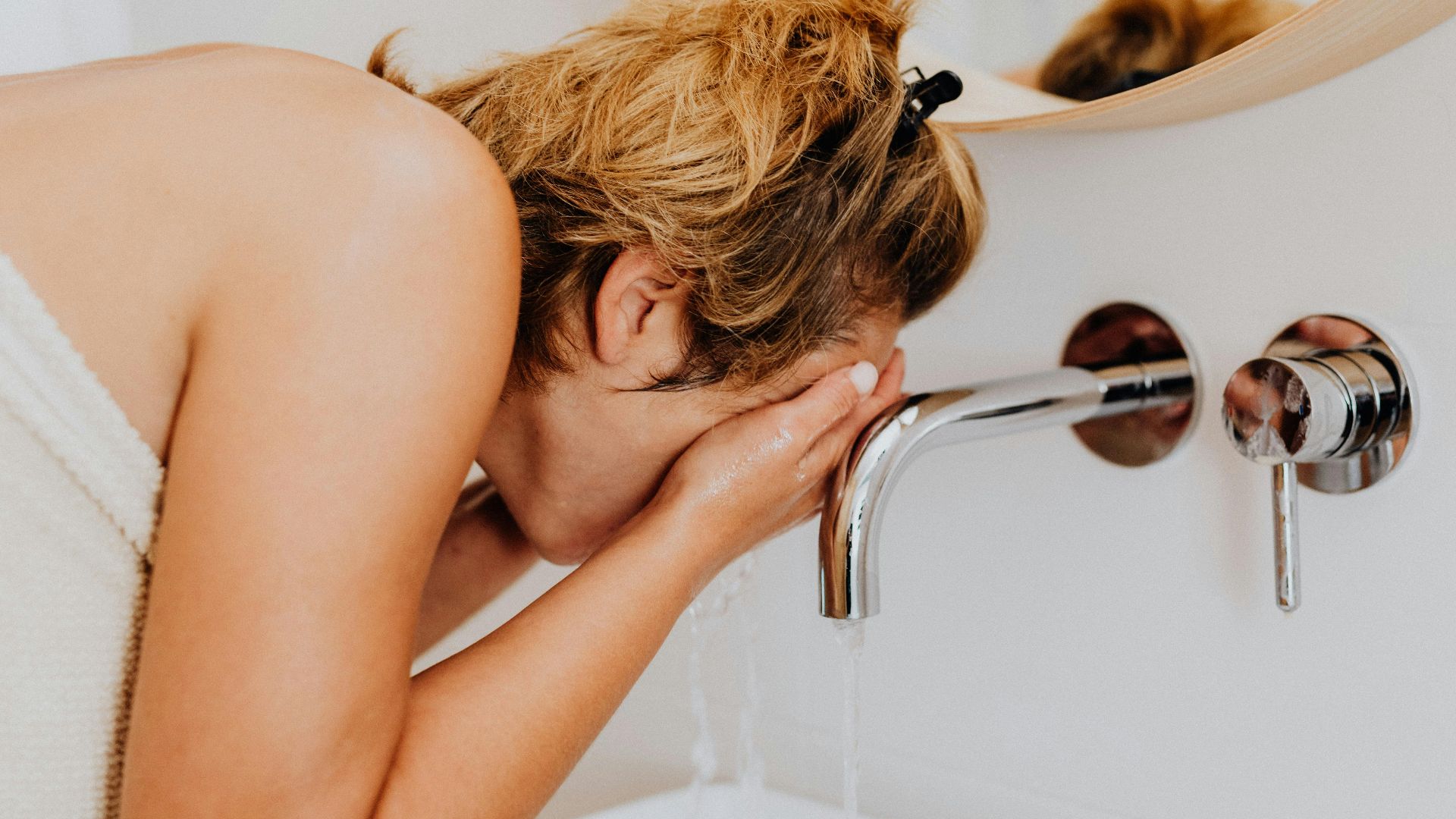 Photo By: Kaboompics.com on Pexels
6. Skipping Moisturizer
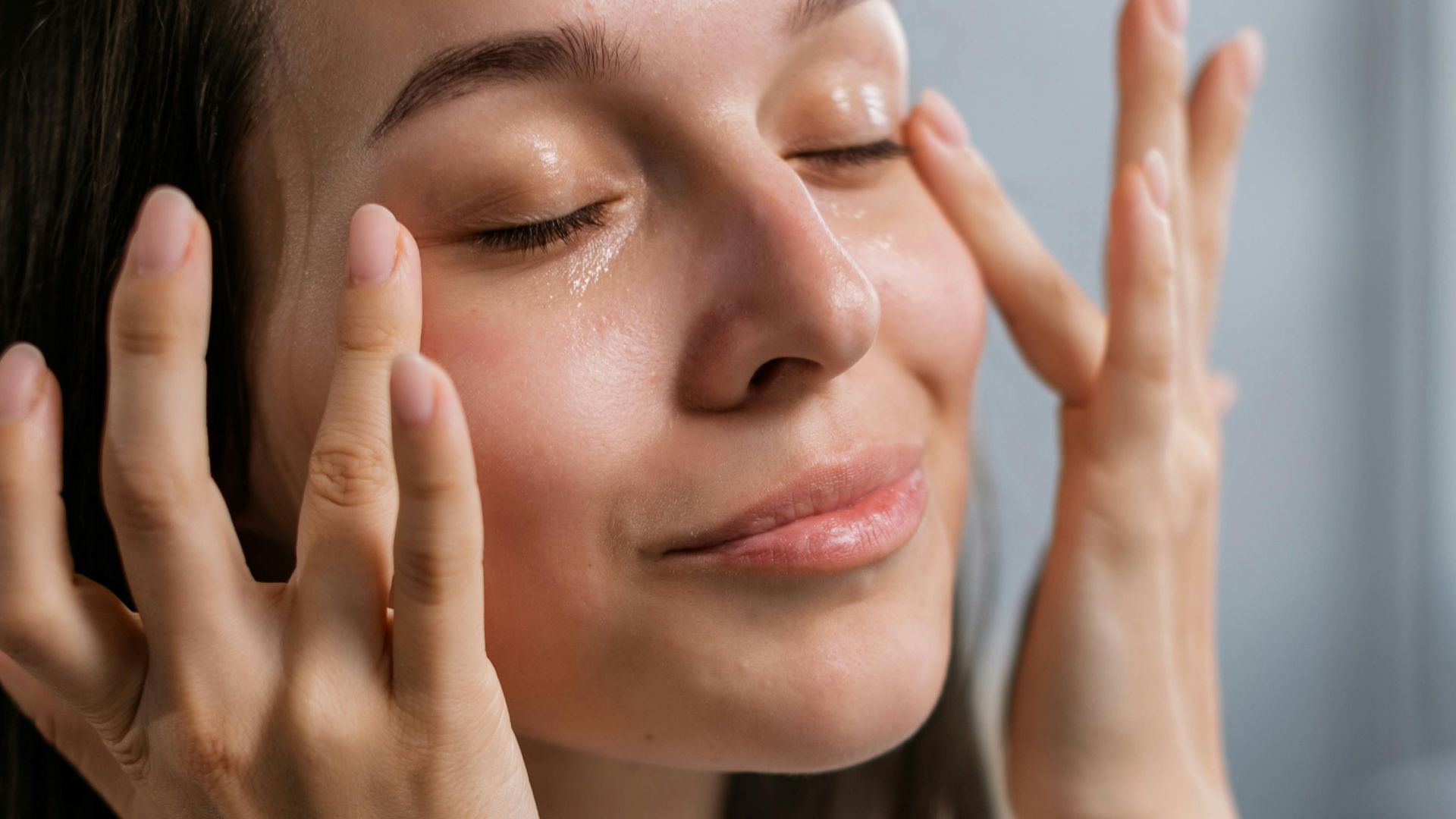
Dryness can actually make acne worse. When skin isn’t properly moisturized, it tries to hydrate itself by producing more oil. This rebound effect can clog pores faster than expected. Even oily or acne-prone skin needs hydration, especially after cleansing or exposure to drying conditions like air conditioning.
7. Harsh Skincare Products
Some cleansers and spot treatments promise fast results but contain ingredients that irritate the skin barrier. Alcohol-based formulas and overly strong acids can cause redness and inflammation. Instead of helping, these products may extend the life of acne or trigger new flare-ups.
8. Phone Screens Carry Bacteria
Throughout the day, your phone picks up bacteria from countless places. When it touches your face, that mix gets transferred directly onto your skin. The pressure and heat from holding it close create a compact environment where pores easily clog, making that area vulnerable to breakouts.

9. Hair Product Residue
If breakouts are appearing along your hairline or forehead, your styling products might be the culprit. Gels and leave-in treatments often contain oils or waxes that don’t rinse away easily. As they sit on your skin, they block pores and trigger inflammation.
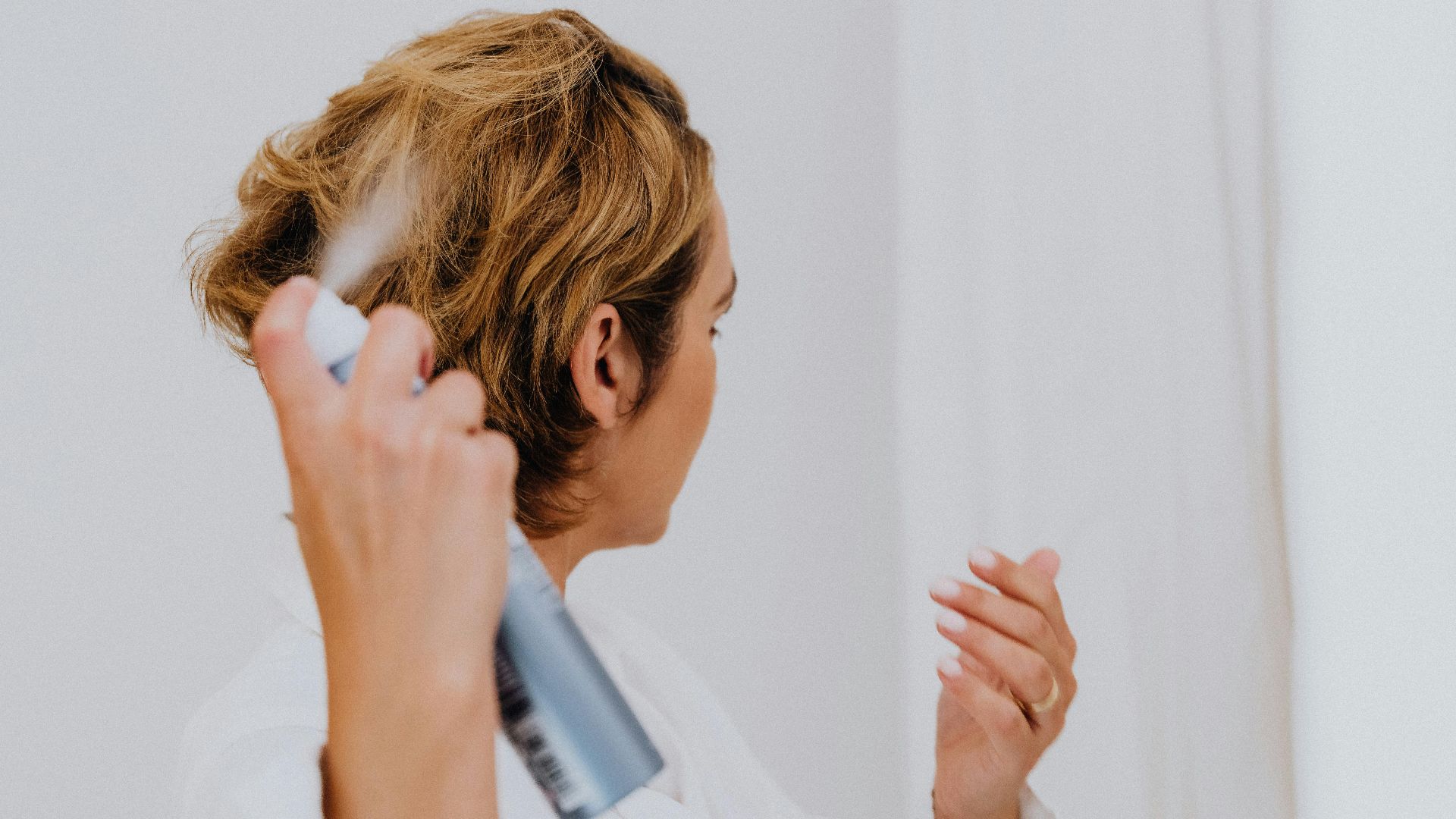 Photo By: Kaboompics.com on Pexels
10. Touching Your Face
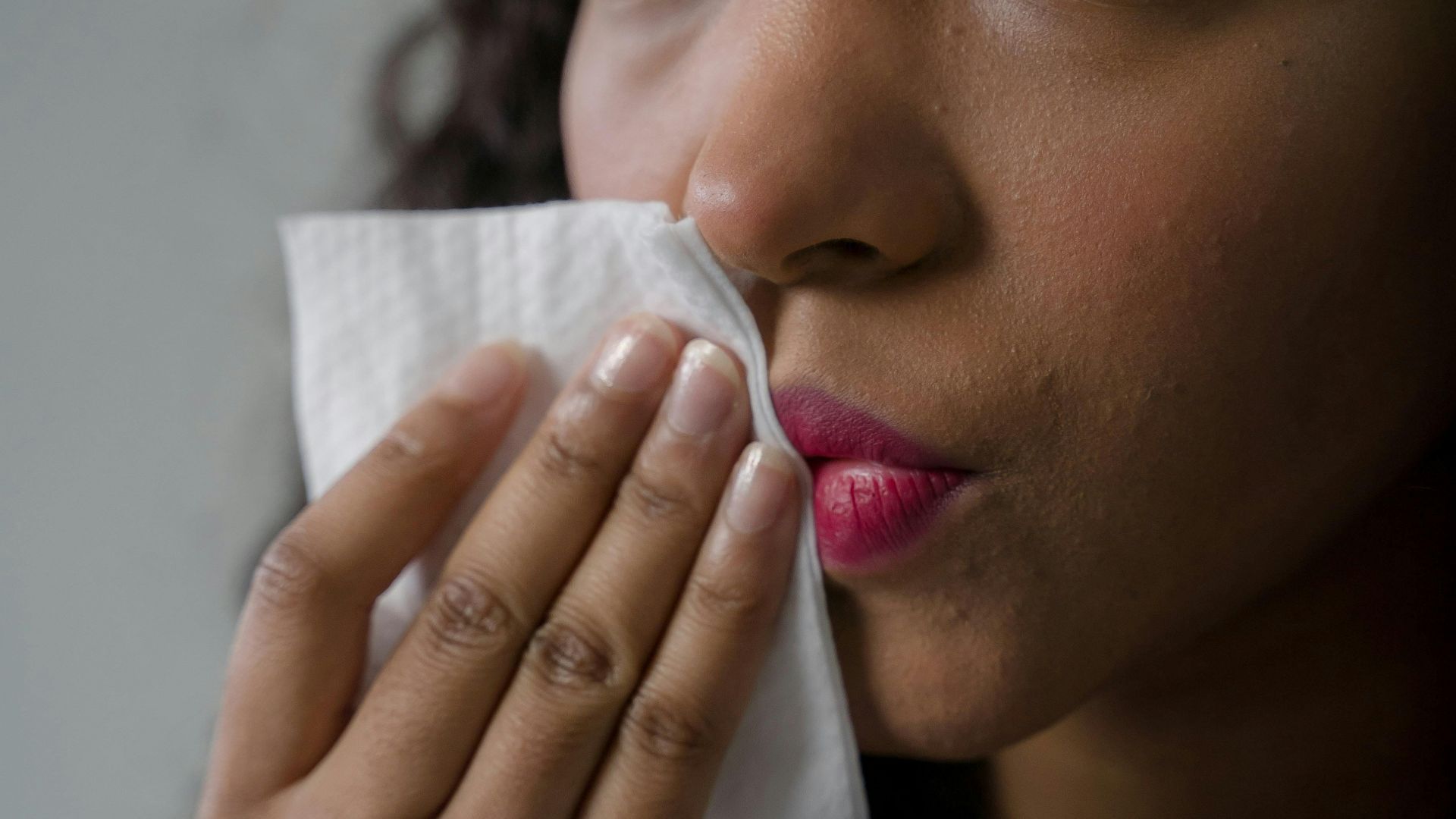
Your hands may look clean, but they still carry natural oils, and touching your face spreads that around fast. What makes it worse is the pressure. Each touch can press dirt and oil deeper into your pores, mostly around the chin and cheeks. Over time, this sneaky habit fuels unexpected breakouts.

A few smart shifts in your routine can make a big difference without complicating your life. Here's how to keep things chill while keeping acne in check.
1. Stick To A Routine
Skincare isn’t about doing more. It’s about doing it regularly. Switching products too often or skipping steps throws your skin off balance. A steady, uncomplicated routine helps regulate oil and keep issues in check. Skin responds better to steady care that doesn’t confuse its natural process.

2. Use Non-Comedogenic Products
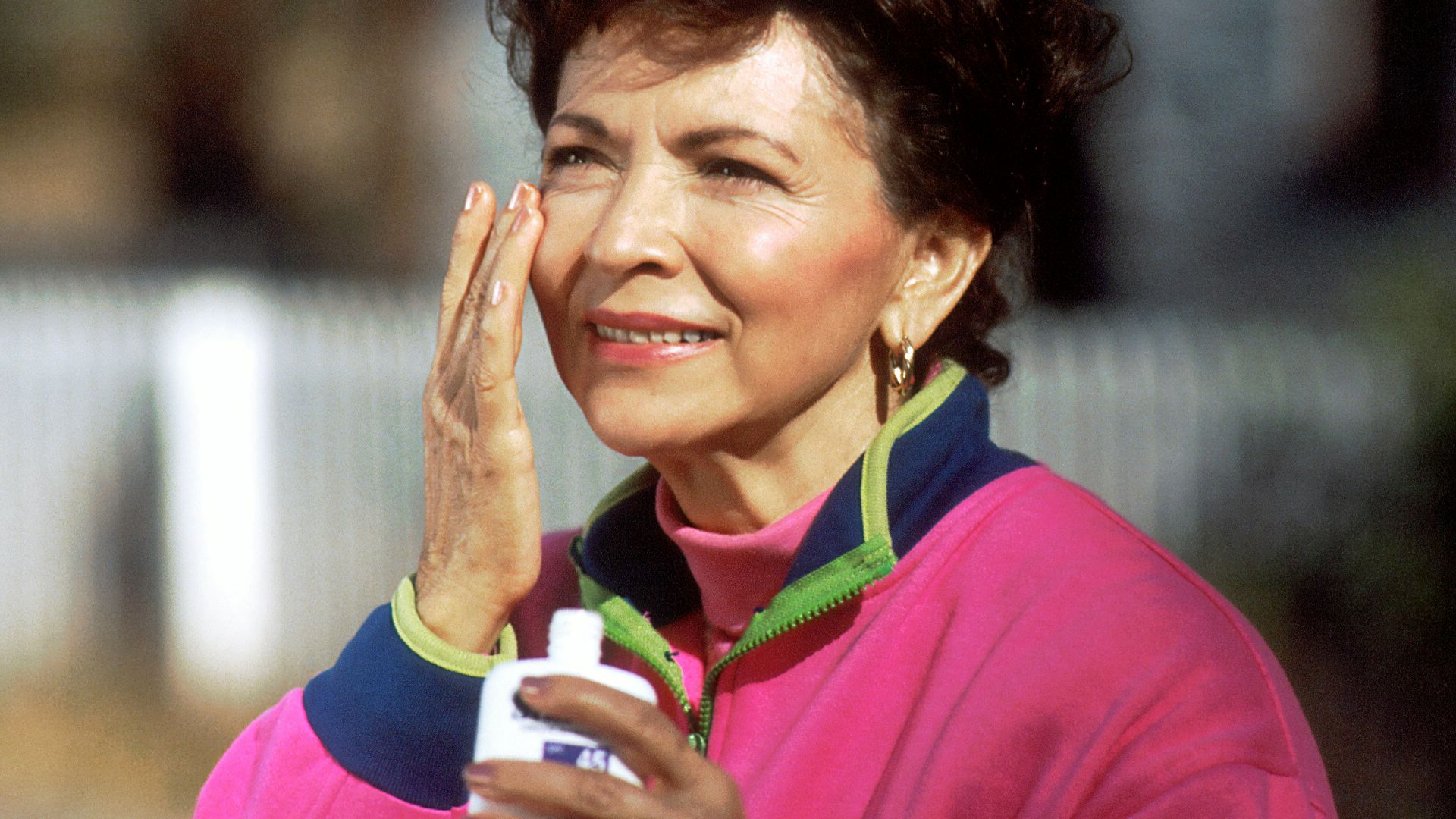
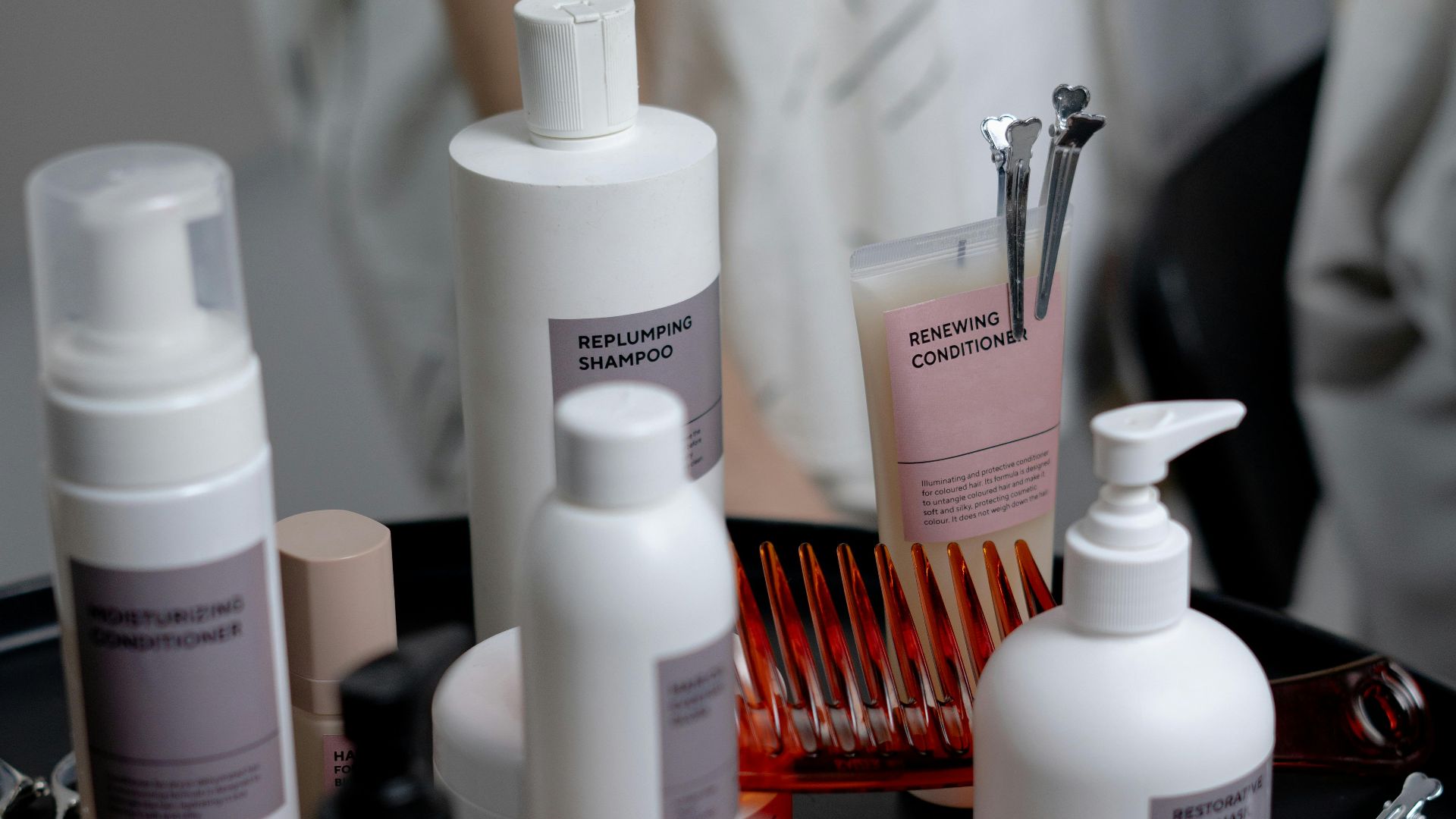
Labels matter more than trends. Non-comedogenic means a product won’t clog your pores. That includes makeup, moisturizers, sunscreen, and even shampoo. When every product in your lineup supports clear skin instead of sabotaging it, breakouts have fewer chances to sneak in unnoticed.
3. Give Products Time
Timing makes a difference in how products work. After cleansing, wait about 60 seconds before applying acne treatments, then give those another minute or two before layering on moisturizer. Letting each step absorb fully prevents product interference and helps active ingredients target breakouts more effectively.

4. Check Water Temperature
Hot water might feel relaxing, but it strips away natural oils and weakens your skin’s barrier. Over time, that dryness can trigger excess oil production. Lukewarm water is gentler and keeps your skin in balance. It’s a simple tweak that reduces unnecessary flare-ups in the long run.

5. Give Skin Time Outdoors
Your skin doesn’t love staying indoors all the time. Stepping outside for 10–15 minutes of soft morning light can soothe irritation and help balance oil levels. That quiet moment in natural light gives your skin a gentle break from indoor stressors you might not even notice.

6. Let Skin Breathe
Heavy makeup and nonstop coverage can suffocate your skin. When pores are constantly blocked, oil builds underneath and creates the perfect storm for breakouts. A product-free day now and then allows the skin to rebalance and shed buildup more naturally.
7. Disinfect Glasses And Gadgets
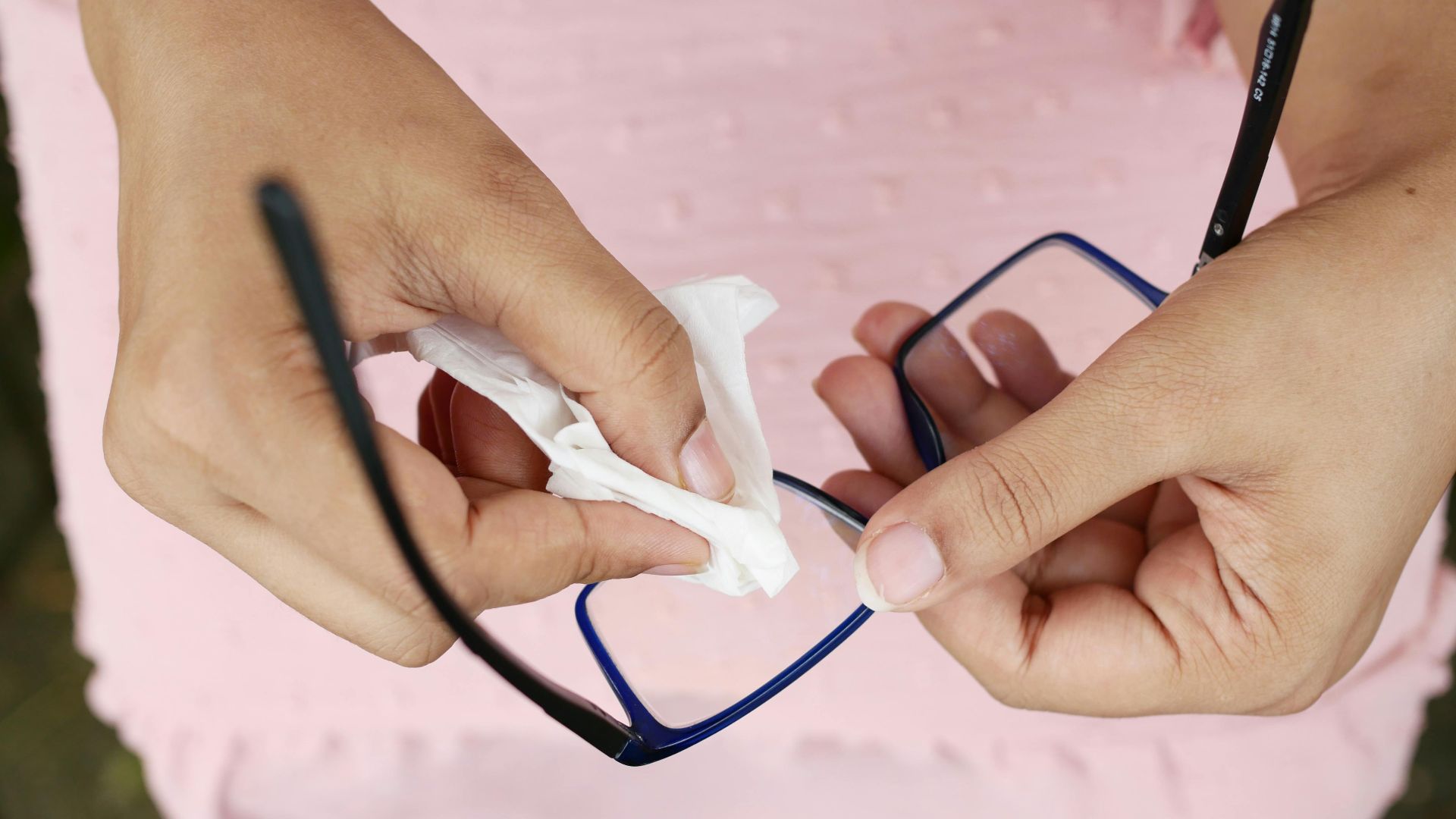
The stuff you use most—frames, brushes, earbuds—often ends up near your face, even if you’re careful. All that contact moves bacteria right to your skin. Disinfecting those items regularly helps prevent clogged pores and unwanted irritation.
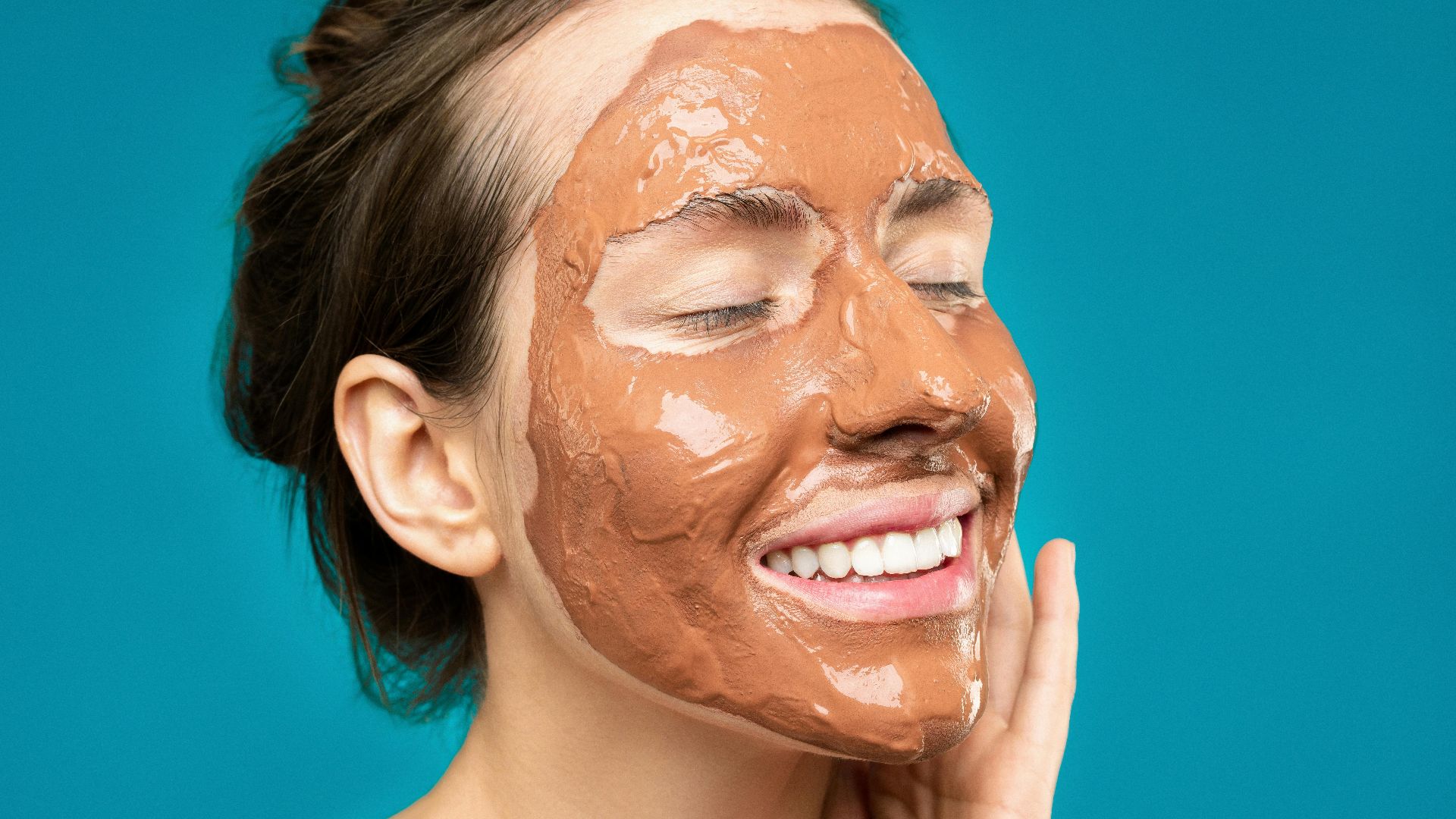
8. Exfoliate Weekly
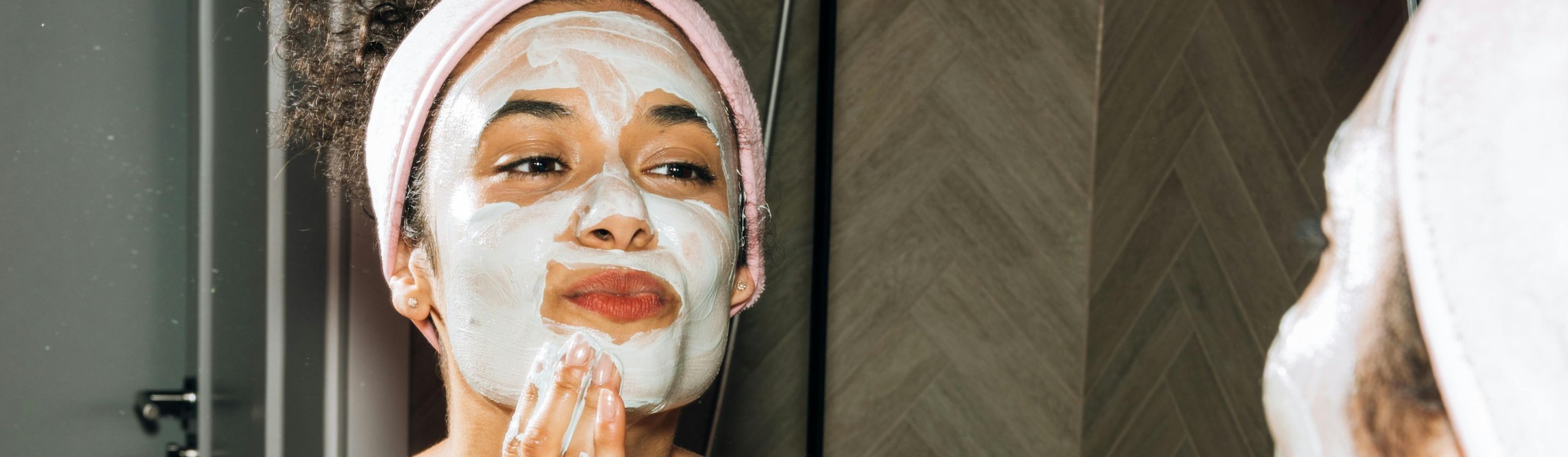
Dead skin cells trap oil and dirt, but overdoing exfoliation leads to more harm than help. A gentle exfoliator once a week clears buildup without stripping skin. This helps products absorb better and creates a smoother surface for everything else you’re doing right.
 Photo By: Kaboompics.com on Pexels
9. Switch To Fragrance-Free
If you’ve ever noticed stinging or redness after using a scented product, you’re not imagining it. Fragrances can irritate your skin and clog your pores without warning. Most products labeled for “sensitive skin” still include fragrance, so double-check ingredient lists before adding anything new.
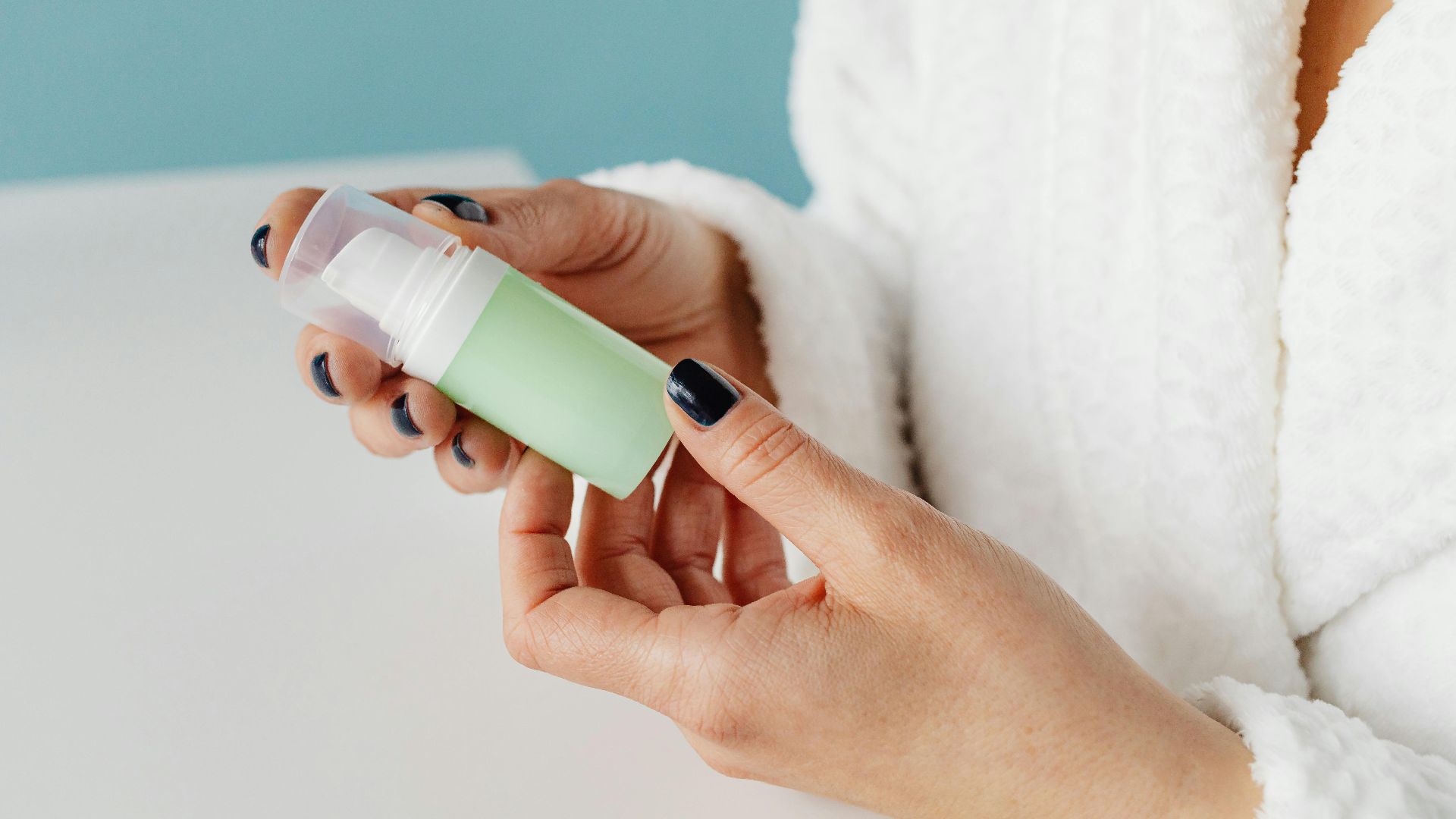 Photo By: Kaboompics.com on Pexels
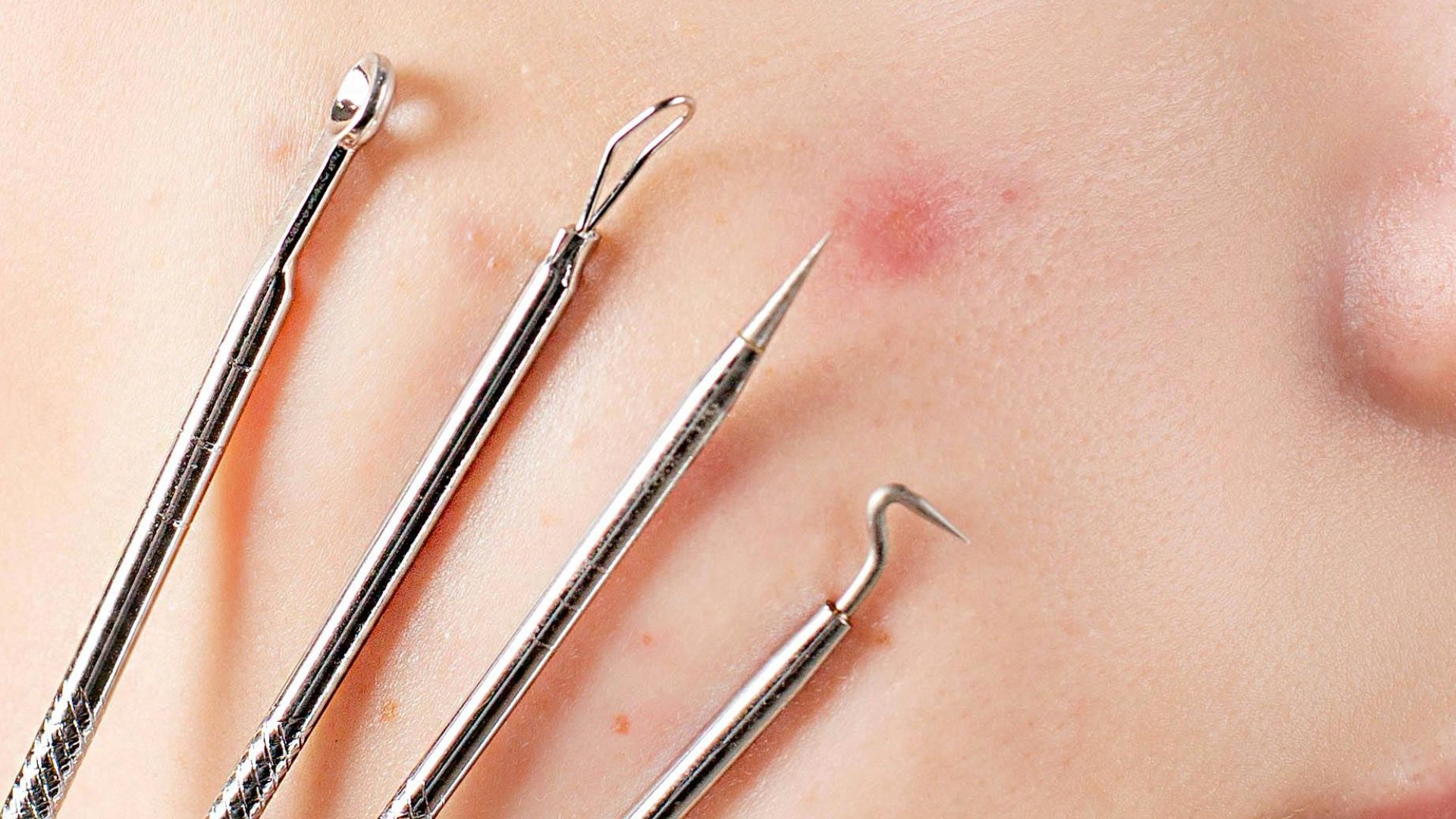
10. Avoid Picking Pimples
Popping that pimple might feel satisfying, but it often makes things worse. Squeezing spreads bacteria and raises the risk of scarring. Let blemishes heal on their own or with targeted treatment. Your skin is already working on repair; it just needs space, not pressure.