

Eyelash Health 101
Mascara can be a great finishing touch to make your lashes pop, but it can also irritate your eyes if you wear it often. Bacteria can build up in the tube, flakes can end up inside your waterline, your tools might not be perfectly clean and can introduce infections. So, the next time you reach for mascara, you may want to take a pause and give your lashes a break. Here are 10 reasons mascara is bad for your eyes, and 10 smart tips to keep your lashes healthy.
 Maria Camila Castaño on Pexels
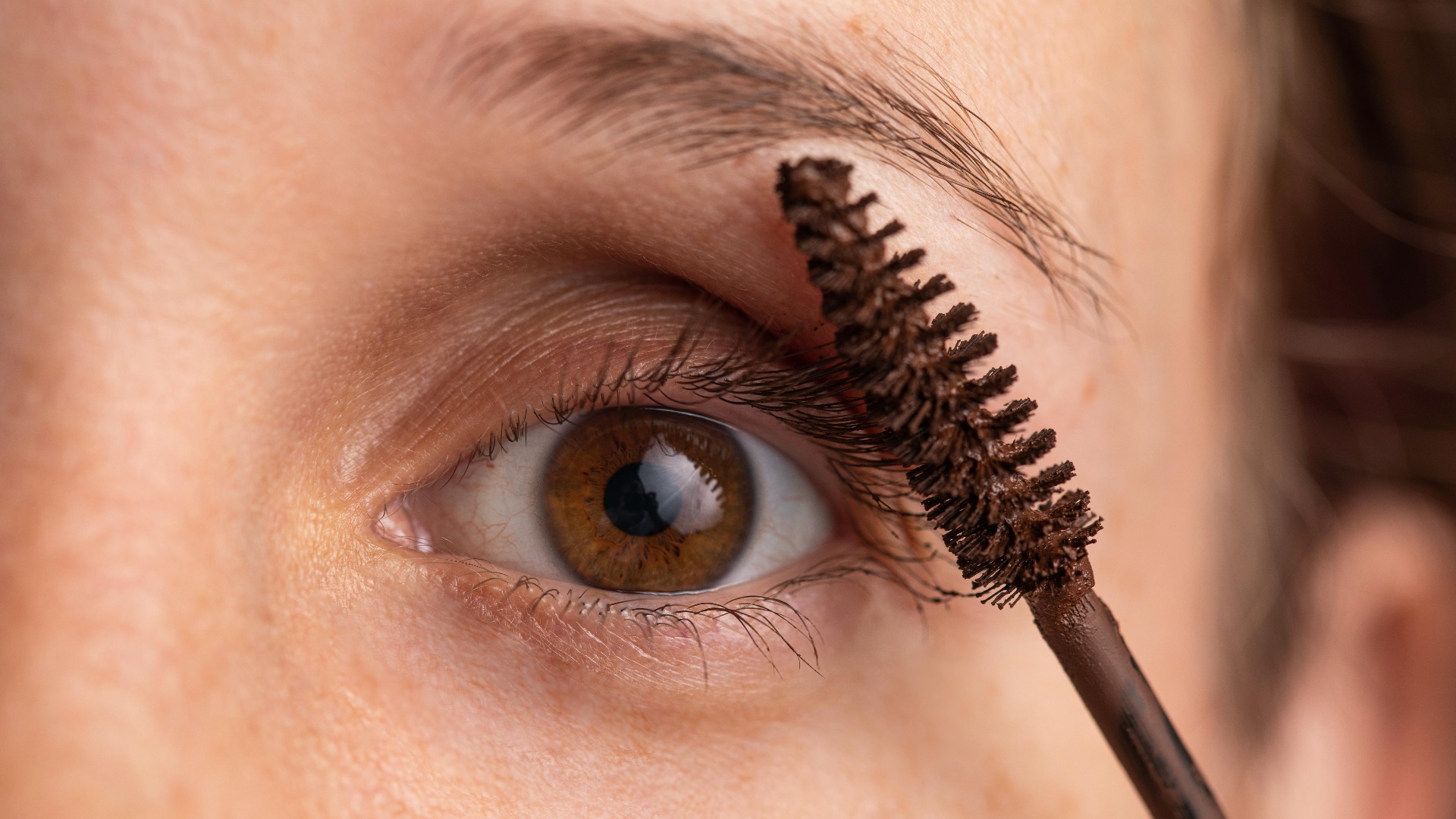
1. It Can Trigger Irritation on the Lid Line
Mascara flakes and pigments can drift onto the lid margin and cause stinging or redness. If you already have sensitive eyes, that irritation can show up fast and feel surprisingly intense. Even when you apply carefully, blinking can move product into places you didn’t intend.
 Karolina Grabowska www.kaboompics.com on Pexels
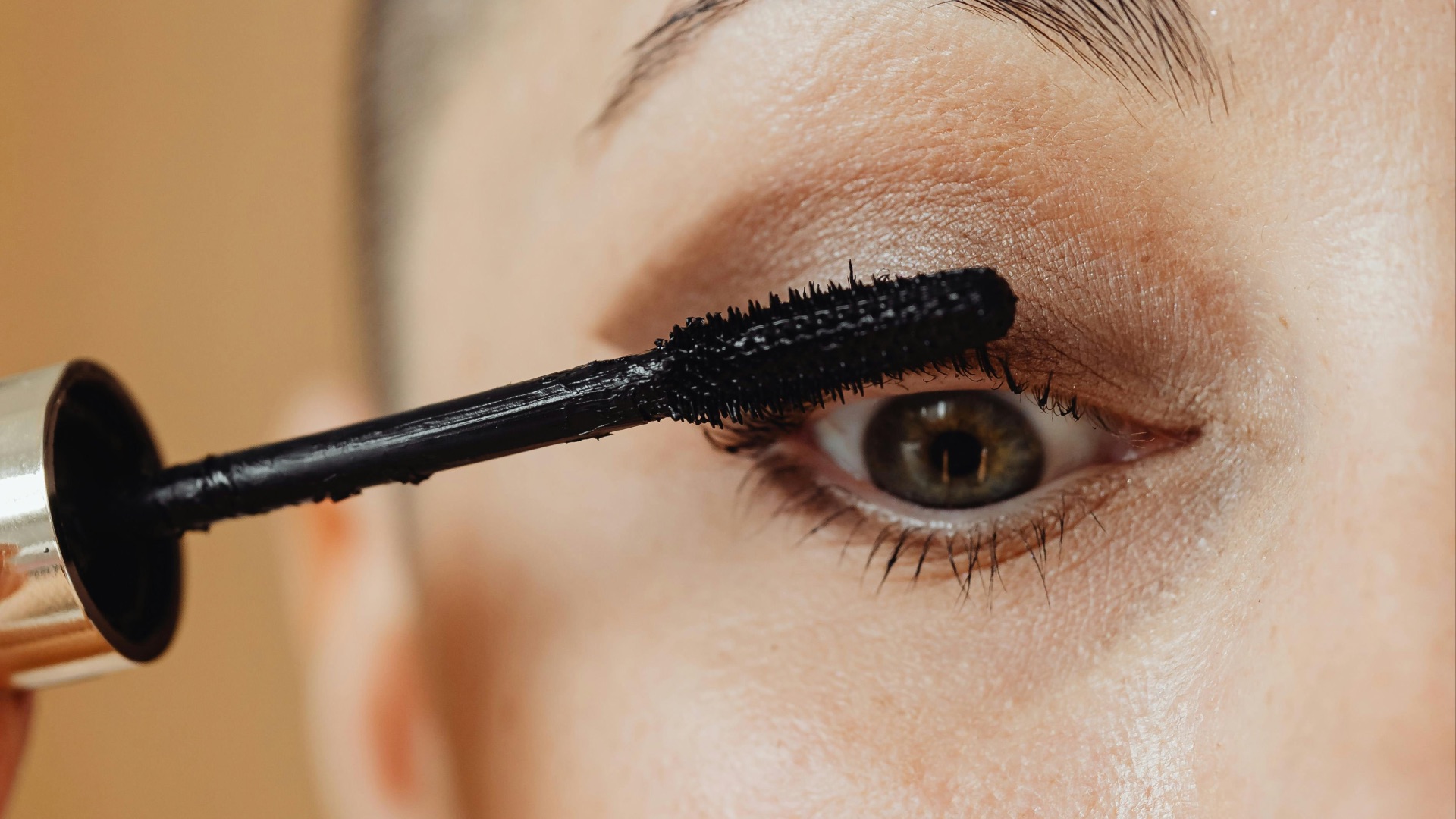
2. Dry Formulas May Make Your Eyes Feel Scratchy
Some mascaras are designed to set hard, which can leave lashes stiff and uncomfortable. When lashes feel crunchy, they can brush against the eye surface and create a gritty sensation. That dryness can also encourage more flaking throughout the day.
3. Waterproof Mascara Often Requires Aggressive Removal
Waterproof formulas are built to cling, and that usually means you need more rubbing to get them off. Excess friction around the lash line can irritate the skin and make your eyes water. Over time, that tugging can also contribute to lash shedding.
 Karolina Grabowska www.kaboompics.com on Pexels
4. Bacteria Can Build Up in the Tube
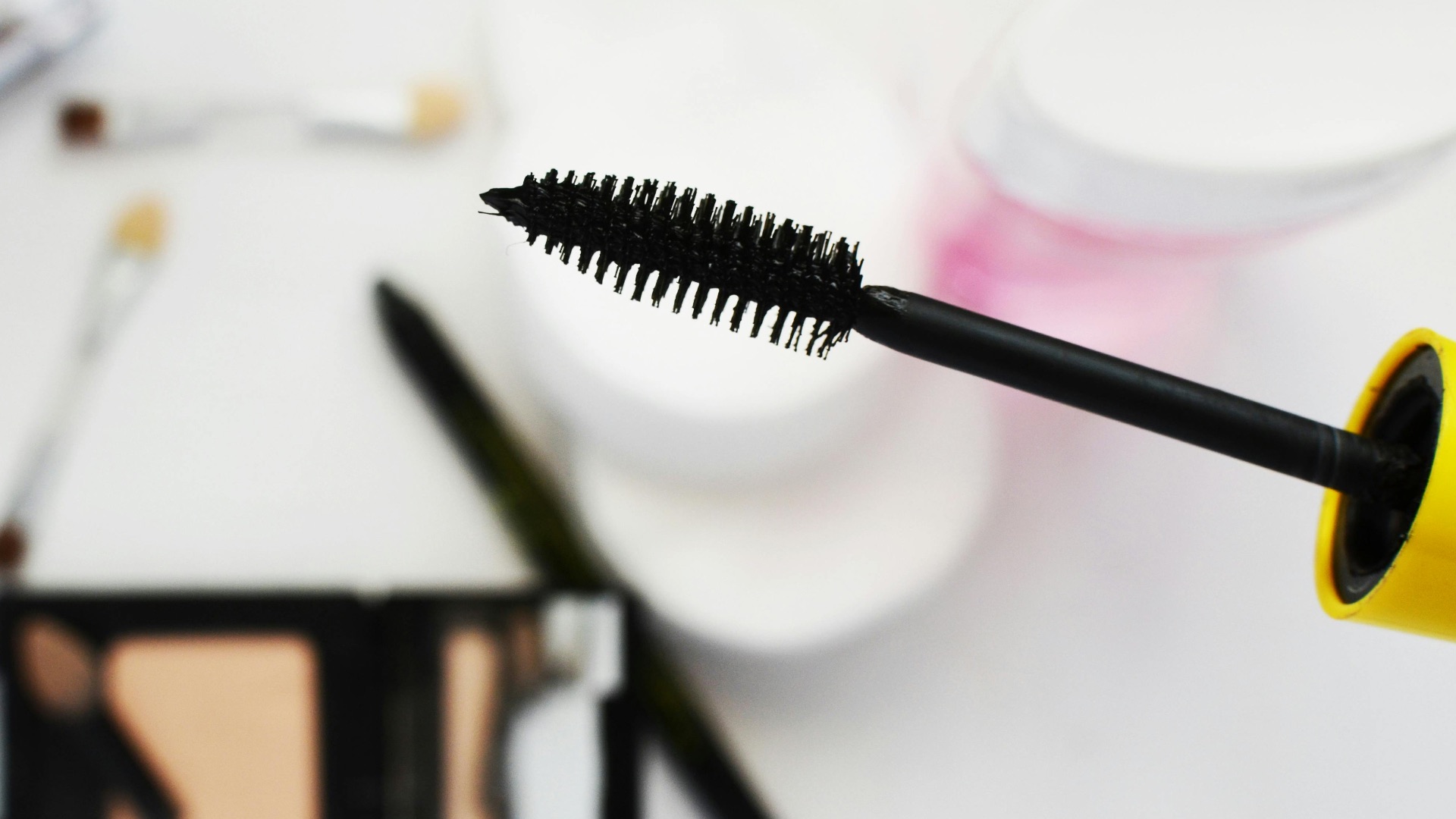
Mascara wands repeatedly go from your lashes back into a warm, moist container, which is a great environment for germs. If bacteria multiply, you’re basically reapplying them to the eye area every time you swipe. That raises the odds of infections like conjunctivitis, especially if you’re already run down.
5. Old Mascara Can Become a Problem
Mascara doesn’t always show obvious signs of going bad, but the formula can still change. Preservatives weaken over time, making it easier for microbes to grow. Using expired mascara can lead to itching, swelling, or persistent redness that’s hard to pin on one cause.

6. Flaking Can Land Directly in Your Eyes
Even a high-end mascara can shed tiny bits by midday. Those particles may slip under the eyelid and cause discomfort, tearing, or a burning feeling. If you wear contacts, that debris can feel even worse because it has more surfaces to cling to.
 Karolina Grabowska www.kaboompics.com on Pexels
7. Can Block Oil Glands
The oil glands along your eyelids help keep the eye surface stable and comfortable. Mascara residue near the roots can mix with oils and dead skin, which may contribute to clogged glands. When those glands don’t work well, dryness and irritation can become a regular thing.
8. Allergic Reactions Aren’t Rare
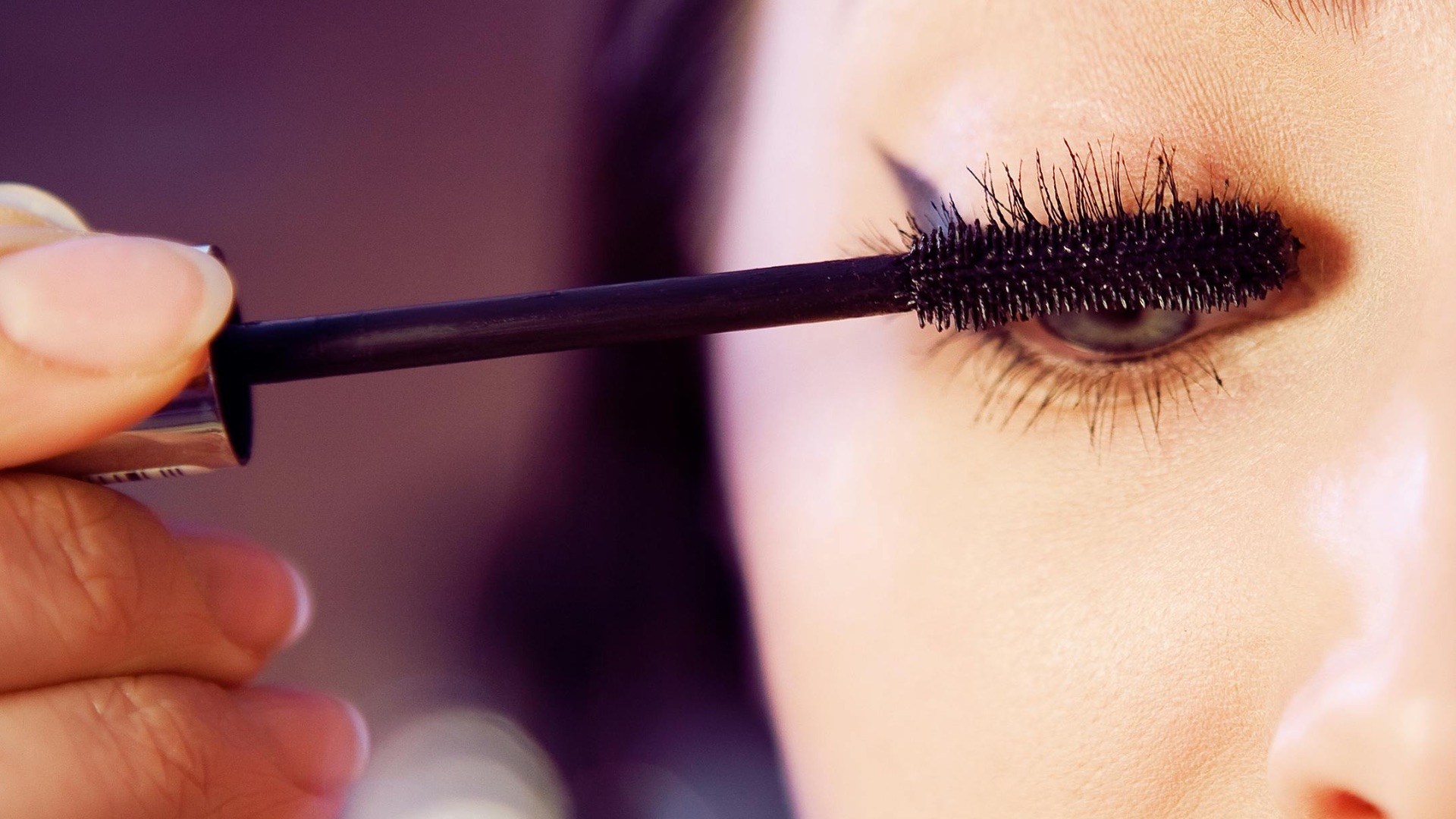
Fragrance, preservatives, dyes, and certain waxes can trigger sensitivity in some people. Allergic reactions can show up as itching, puffy lids, watery eyes, or a rash around the lash line. Once your eyes are sensitized, even products you used before can suddenly start bothering you.

9. Clumping Can Pull on Lashes
When mascara clumps, lashes can stick together and feel heavier than normal. That extra weight can make you more likely to rub your eyes, which only adds to irritation. Clumps also make removal tougher, so the lash line takes another hit later.
10. Sharing Mascara Can Spread Infection
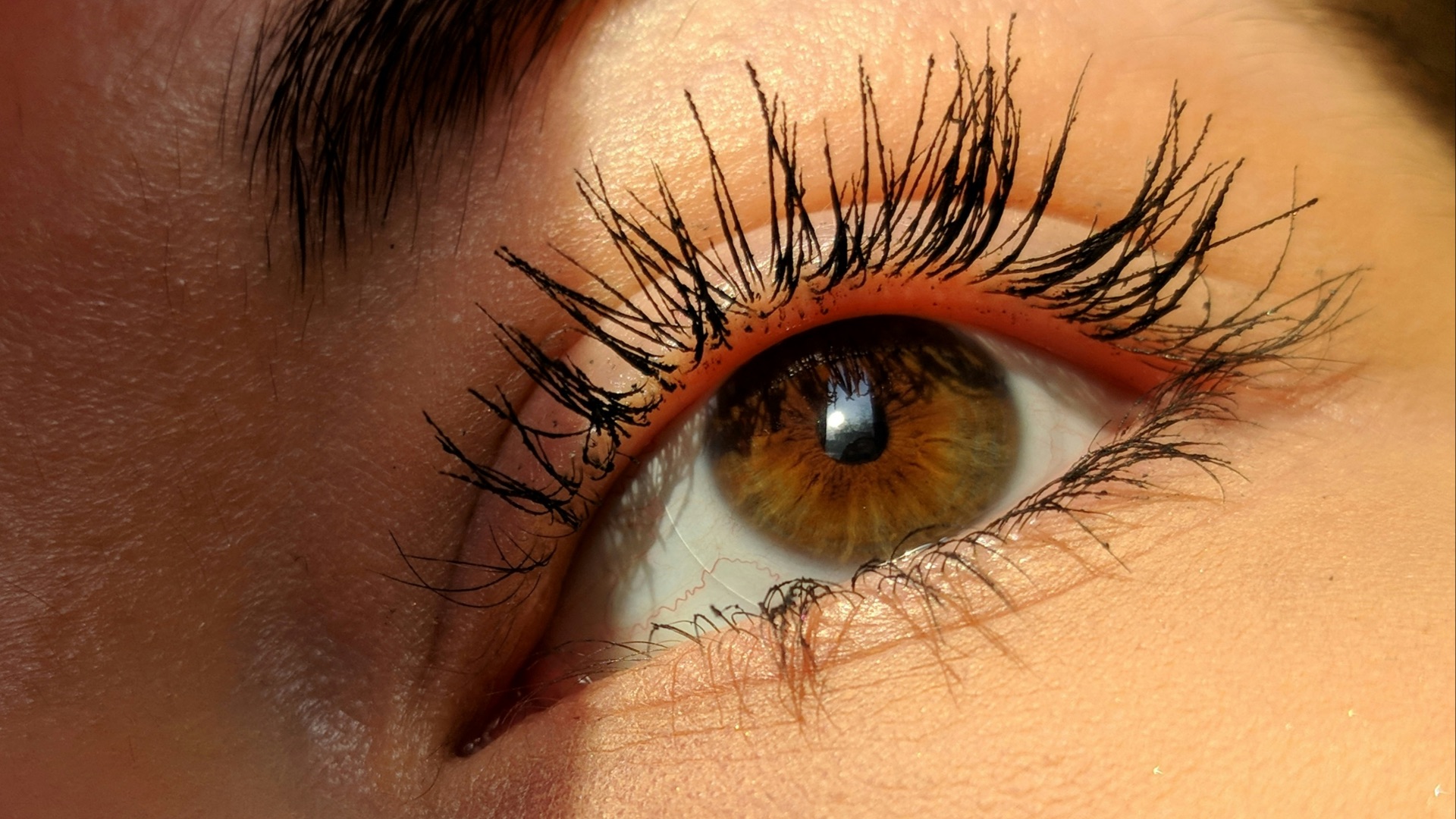
It’s tempting to swap products in a hurry, but mascara is one of the fastest ways to pass along bacteria and viruses. One person’s mild irritation can become another person’s full-blown infection. Even sharing a clean-looking wand is risky because germs aren’t always visible.
So, what are some ways you can keep your eyes and lashes healthy? Let's jump into that next.
 Karolina Grabowska www.kaboompics.com on Pexels
1. Replace Mascara on a Consistent Schedule
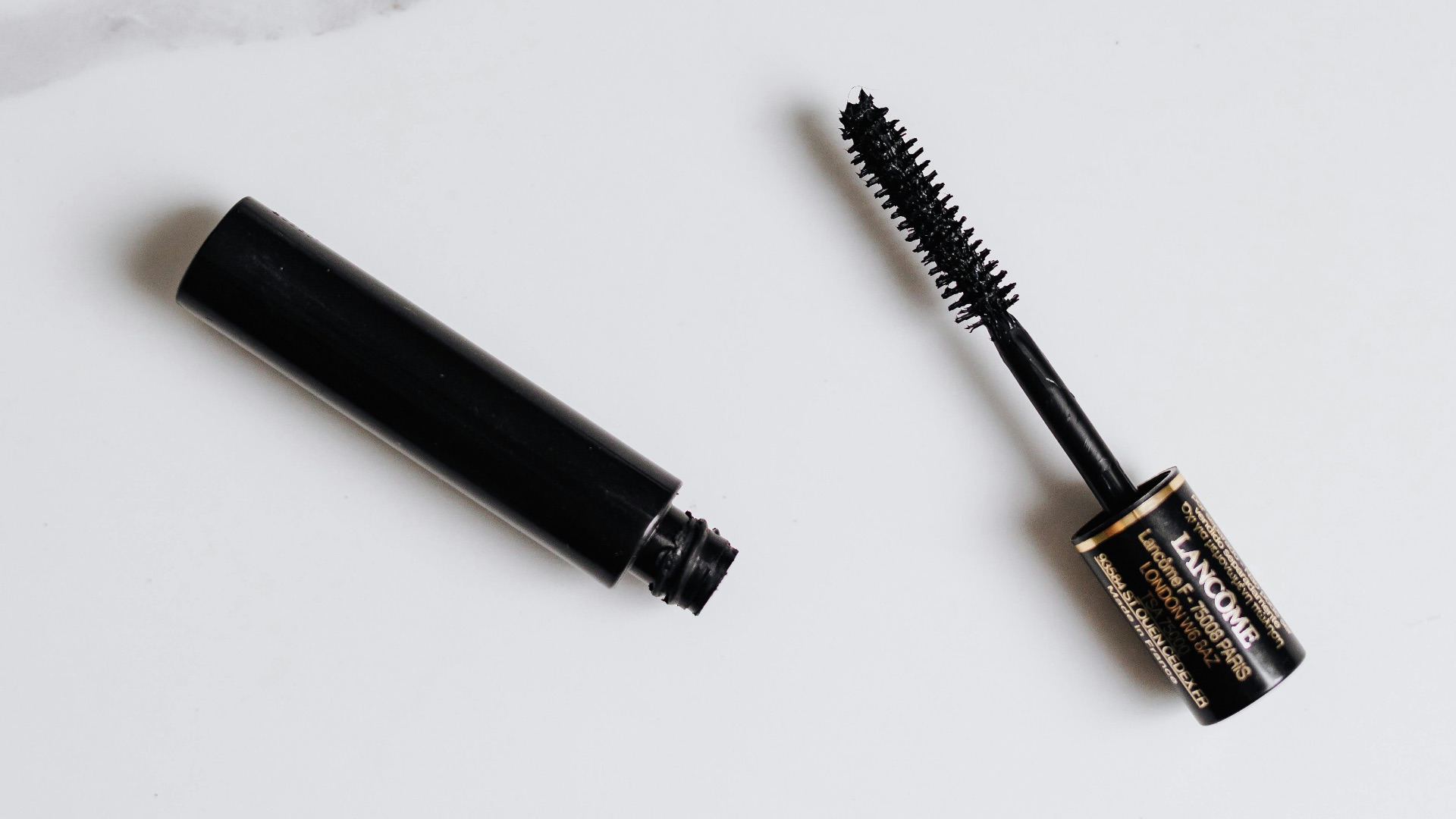
Plan to swap your mascara regularly, even if there’s still product left. Frequent replacement limits bacterial buildup and reduces the chance of irritation from an aging formula. If you’ve had an eye infection, replace it immediately so you’re not reinfecting yourself.
 Karolina Grabowska www.kaboompics.com on Pexels
2. Remove Eye Makeup Gently and Thoroughly
Use a remover that dissolves the product without requiring heavy rubbing. Press the pad against closed lids for a few seconds, then wipe softly downward to avoid tugging. Taking an extra minute at night can make your lash line calmer the next day.

3. Keep Your Hands Off Your Eyes as Much as Possible
Touching your eyes transfers oils, dirt, and microbes right where you don’t want them. If your eyes feel itchy, rinse with clean water or use lubricating drops instead of rubbing. This simple habit protects both lashes and the delicate lid area.

4. Clean Your Tools More Often
Eyelash curlers, brushes, and even makeup sponges can hold onto bacteria and residue. Wash tools with gentle soap and water, then let them dry fully before using them again. Clean tools reduce irritation and help your products apply more smoothly.
 Karolina Grabowska www.kaboompics.com on Pexels
5. Choose Formulas Made for Sensitive Eyes
Look for mascaras that are fragrance-free and ophthalmologist-tested if you know you’re prone to irritation. If your eyes water easily, avoid heavily perfumed or heavily dyed options that can be more reactive. Patch testing can feel extra, but it’s a smart move when you’re switching products.
6. Take Regular No-Mascara Days
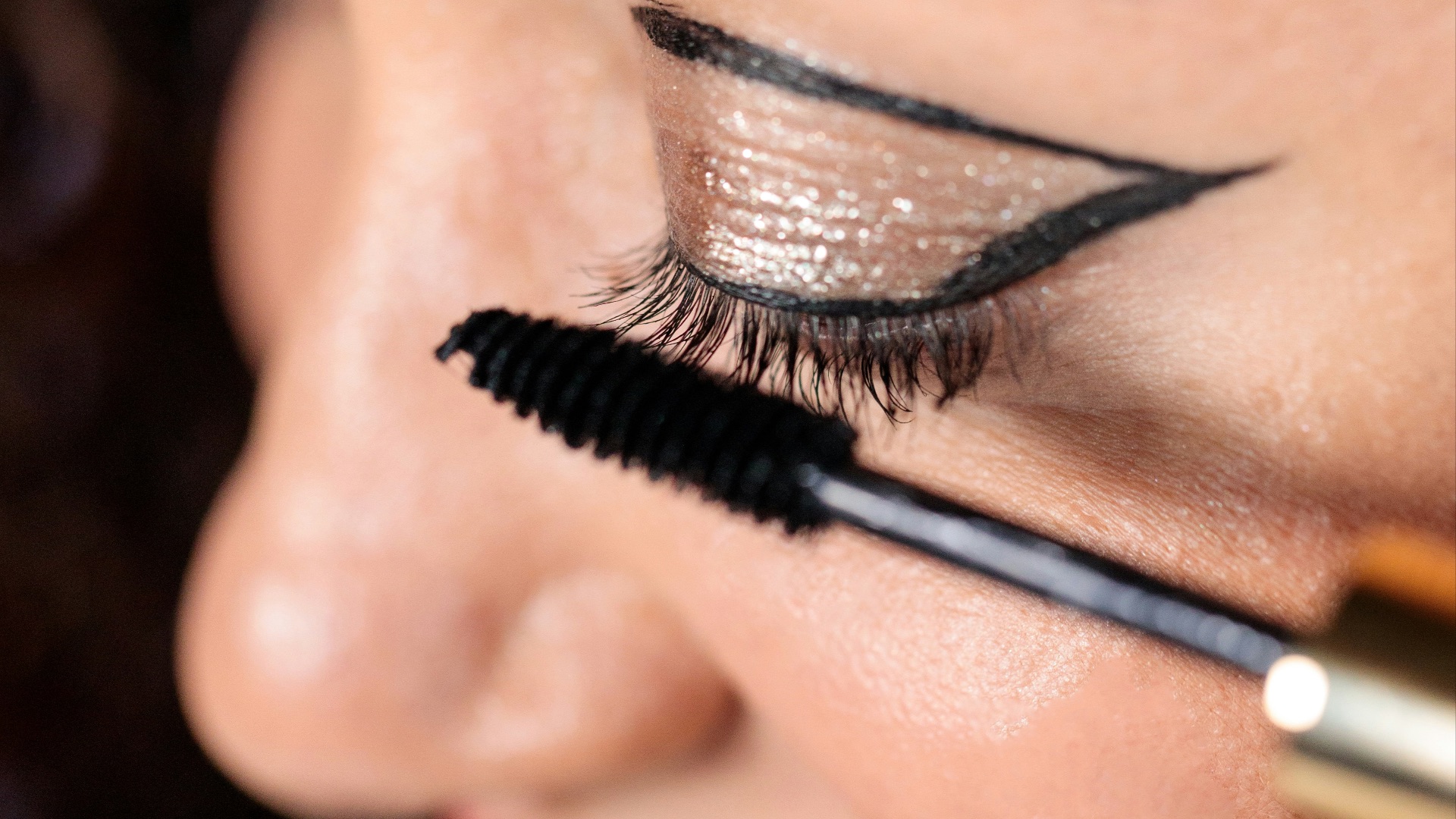
Giving your lashes a break helps reduce buildup at the roots and limits daily friction from removal. A few makeup-free days each week can make your lids feel less inflamed and your eyes less tired. If you hate going bare, you can still groom lashes with a clean spoolie.

7. Condition Lashes with Simple, Eye-Safe Moisture
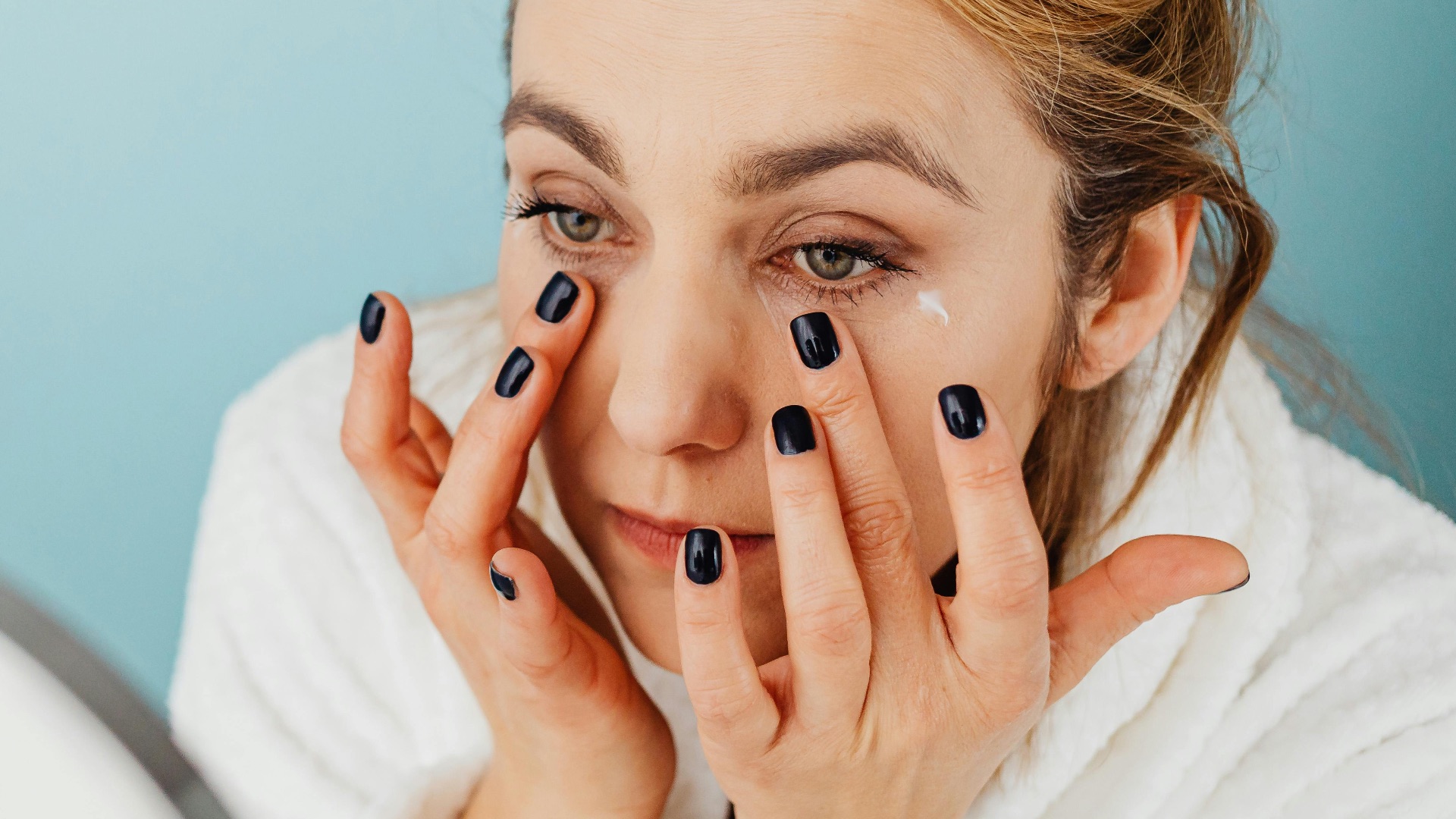
A small amount of a basic, eye-safe moisturizer around the orbital area can support the skin that anchors lashes. Focus on the surrounding skin rather than pushing product into the lash line. Hydrated lid skin tends to be less reactive and less likely to itch.
 Karolina Grabowska www.kaboompics.com on Pexels
8. Prioritize Sleep and Hydration
Lash health isn’t separate from the rest of your body, and basic upkeep matters. When you’re dehydrated or sleep-deprived, your eyes can feel dry and irritated, which makes it more likely you'll rub them. Keeping your overall routine steady can indirectly protect your lashes from unnecessary stress.

9. Support Hair Growth with Balanced Nutrition
Lashes are hair, so they benefit from enough protein, iron, and key vitamins in your diet. If you’re consistently low on nutrients, lashes may feel more brittle or shed more easily. When in doubt, talk with a clinician before trying a serum or adding supplements, especially if you already take medications.

10. See an Eye Care Professional If Irritation Keeps Returning
If you notice chronic redness, burning, or recurring styes, it’s worth getting a proper evaluation. Persistent issues can be tied to blepharitis, allergies, dry eye, or contact lens problems that mascara only worsens. Getting the right guidance early can save your lashes and your comfort long-term.