
What Twenty Years Does to a Hole
Piercings age differently than tattoos, simply because the body continues to change long after the appointment ends. Some close cleanly in a few months and leave nothing behind. Others stretch or leave a mark that refuses to fade even a decade after the fact. The gap between a successful piercing and a regretable one comes down to placement and cartilage, and almost nobody thinks about either at nineteen. Here's 10 that people tend to reconsider once they hit their thirties, and 10 they'd probably do over again if given the choice.
1. Industrial
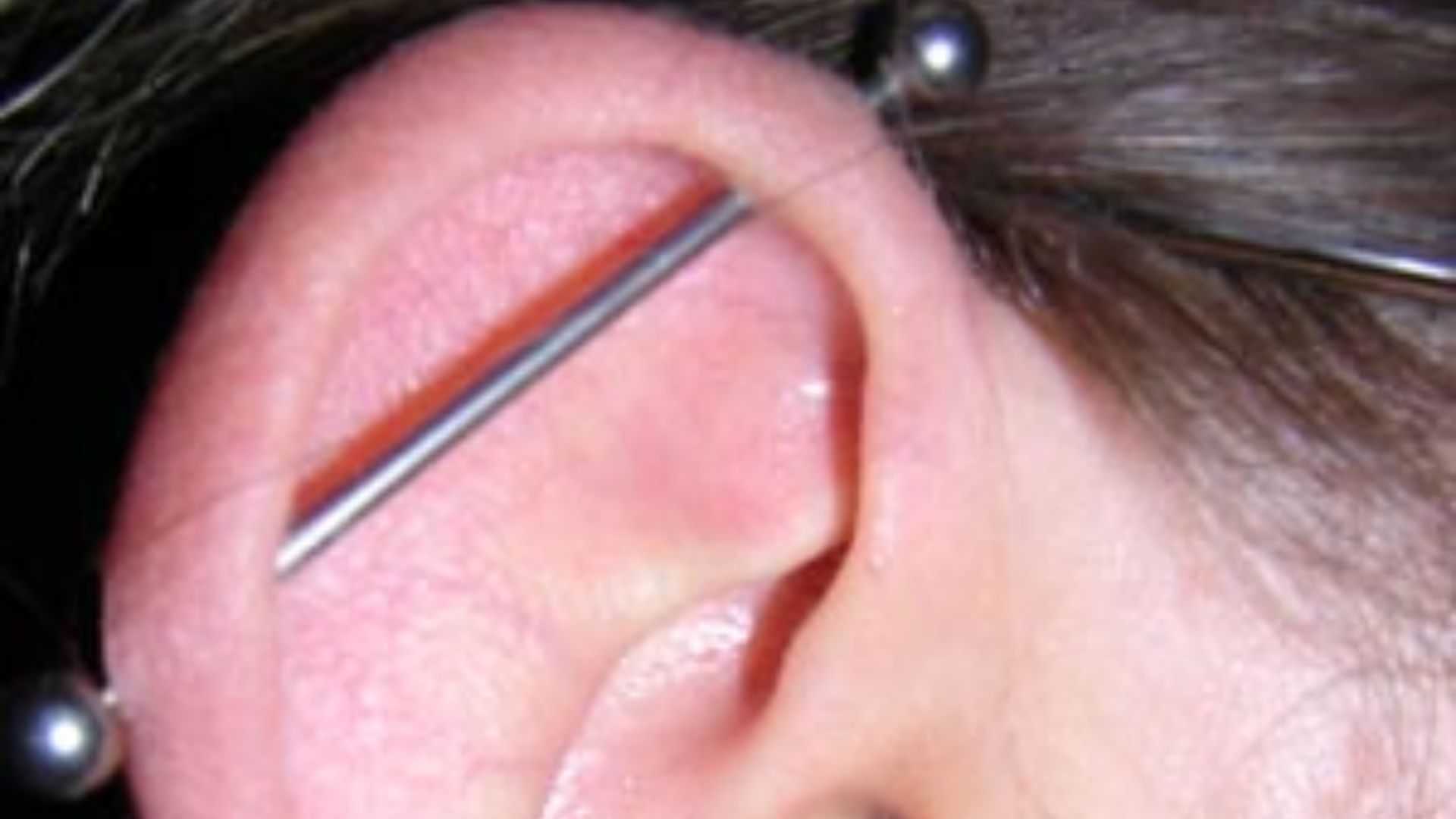
Two holes through the upper ear connected by a single barbell, which sounds straightforward until the healing starts. Industrials take a year or longer to settle and frequently reject or migrate before they get there. The scarring left behind involves two spots instead of one, which is the part nobody accounts for going in.
2. Surface Piercings
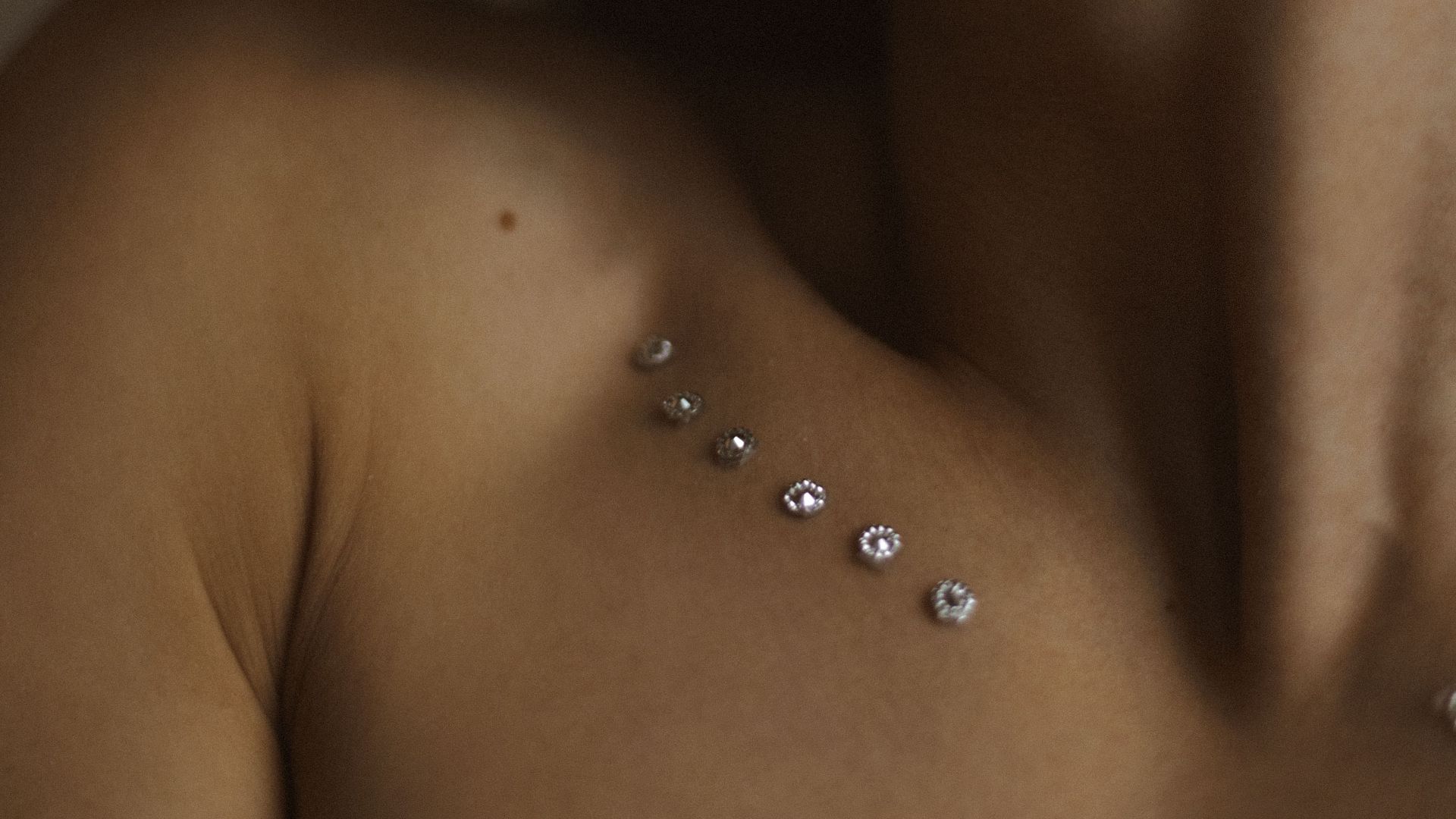
Nape, hip, and sternum piercings sit in flat skin with no natural exit point, which means the body treats them as something to expel. Most reject within a couple of years, some faster. The scar left behind tends to be wider than the original jewelry, and it doesn't fade much.
3. Snake Bites
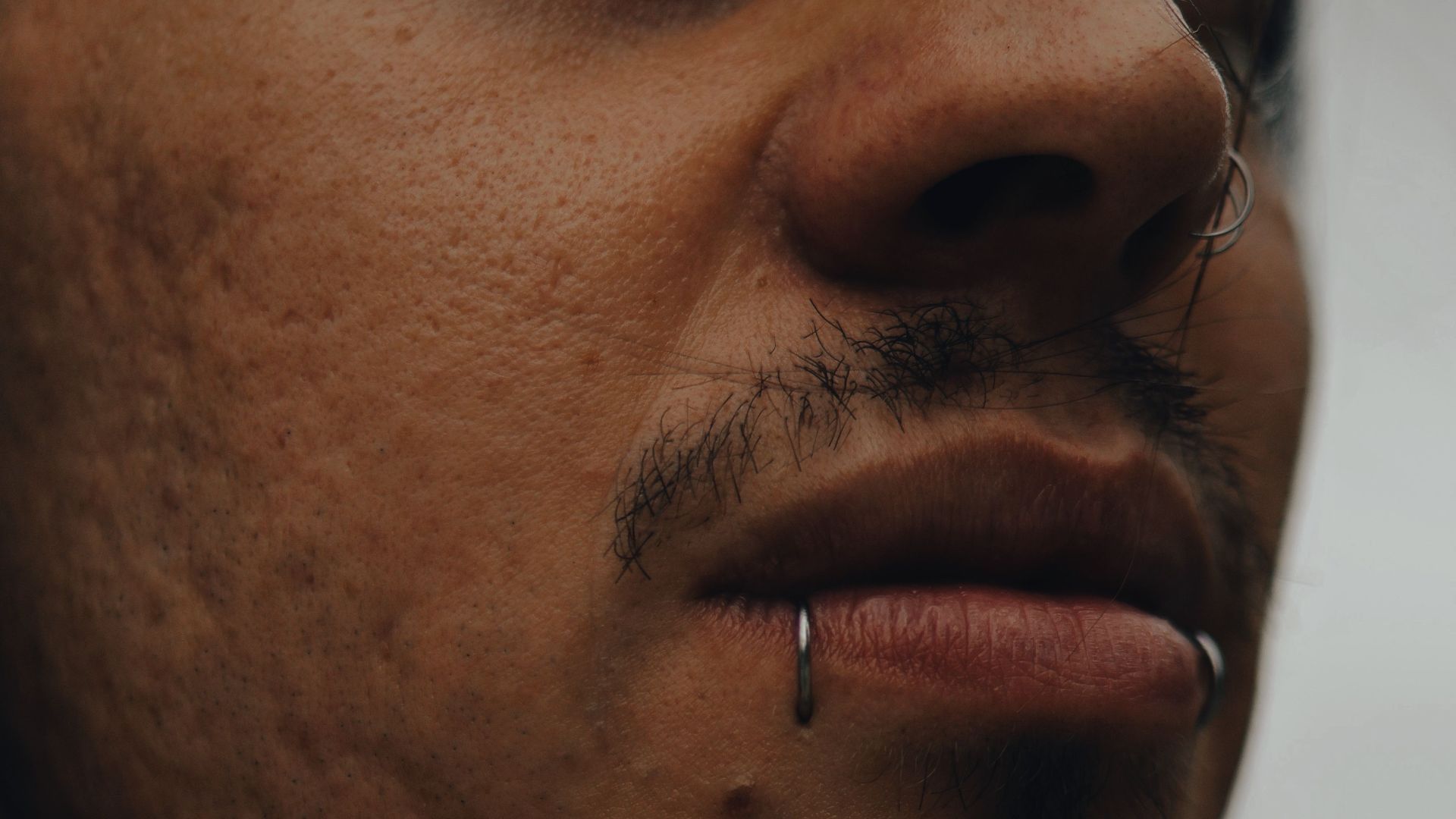
Two lower lip piercings, one on each side, popular for roughly a decade and difficult to age gracefully with. The metal wears against tooth enamel and can pull at the gum line over time. Dentists tend to notice before the wearer does.
4. Stretched Lobes
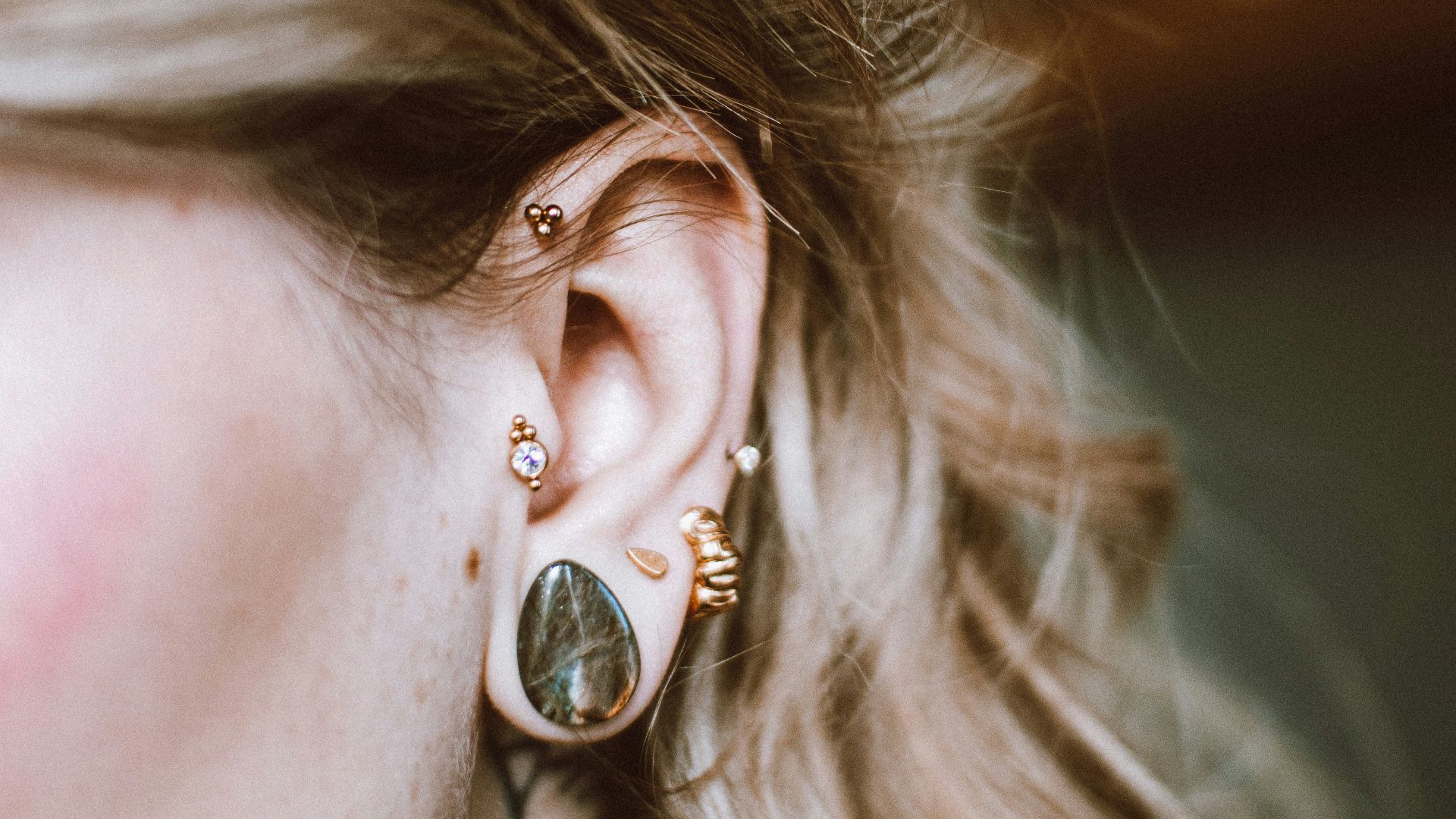
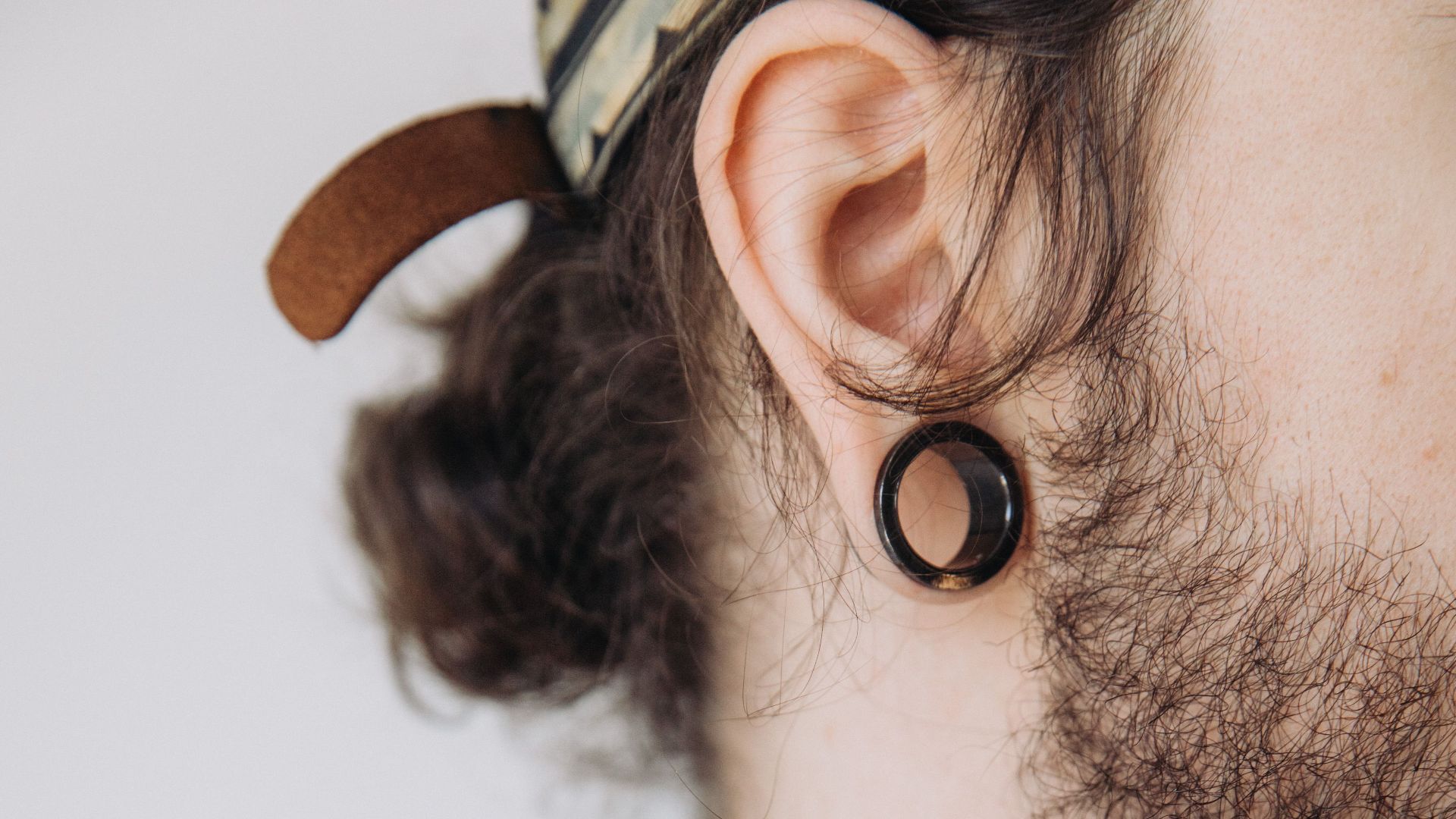
Anything past about 10mm rarely closes on its own, no matter how patiently you downsize. Reconstruction surgery runs a few thousand dollars per ear and leaves a visible seam. Plenty of people are fine with theirs at forty, but plenty of others are not.
5. Eyebrow
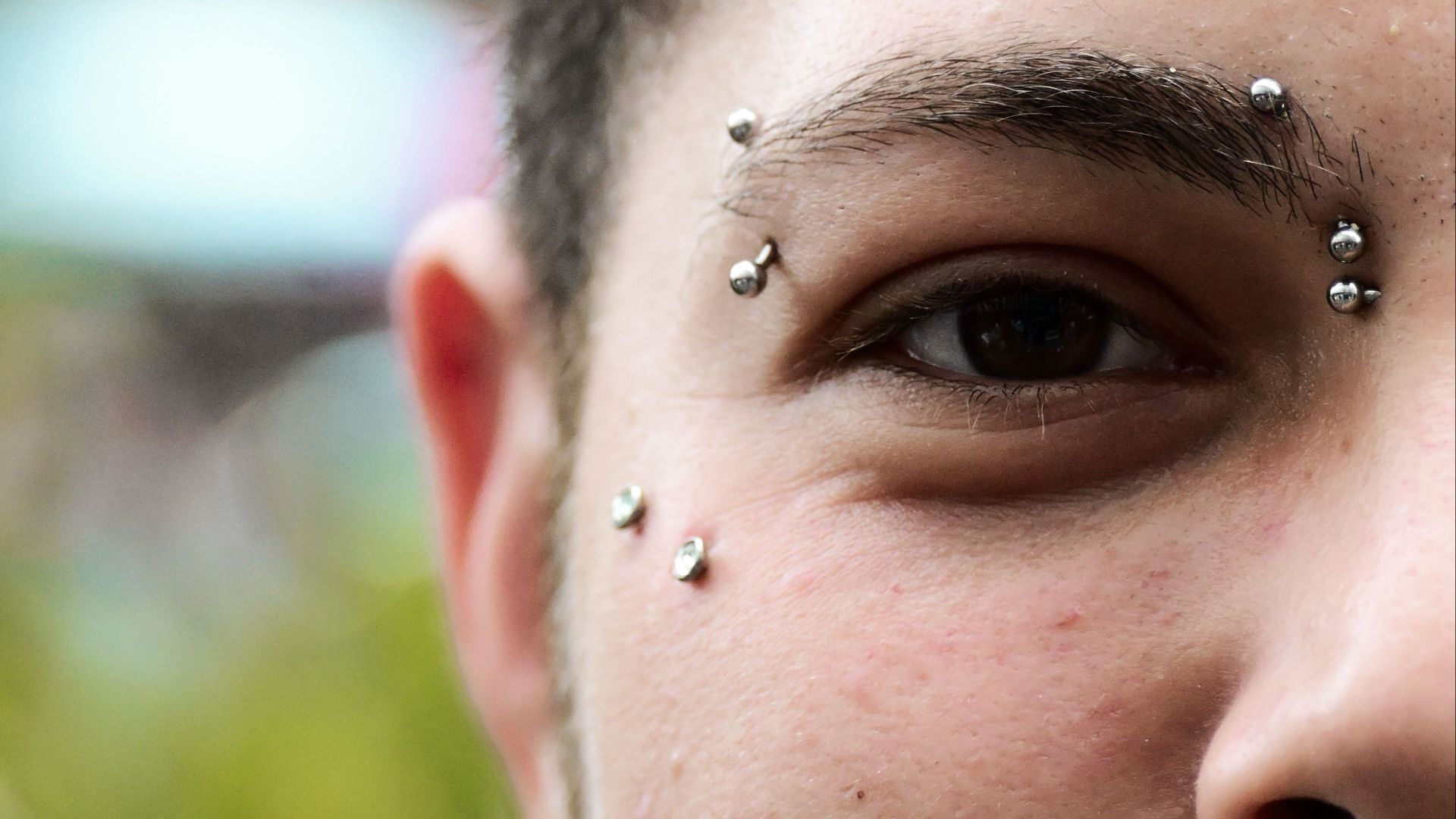
Eyebrow piercings sit in thin tissue with almost nothing to anchor them, and migration is common enough to be expected rather than surprising. The jewelry works its way toward the surface over months or years. What's left is usually a pair of small pale marks with a thin line between them.

6. Cheek Piercings
Cheek piercings pass through the buccal fat pad and can interfere with the parotid duct, which handles saliva. Piercers who take them seriously often decline the request outright. The dimples they leave behind are permanent, which is either the appeal or the problem depending on who you ask.
7. Tongue Web
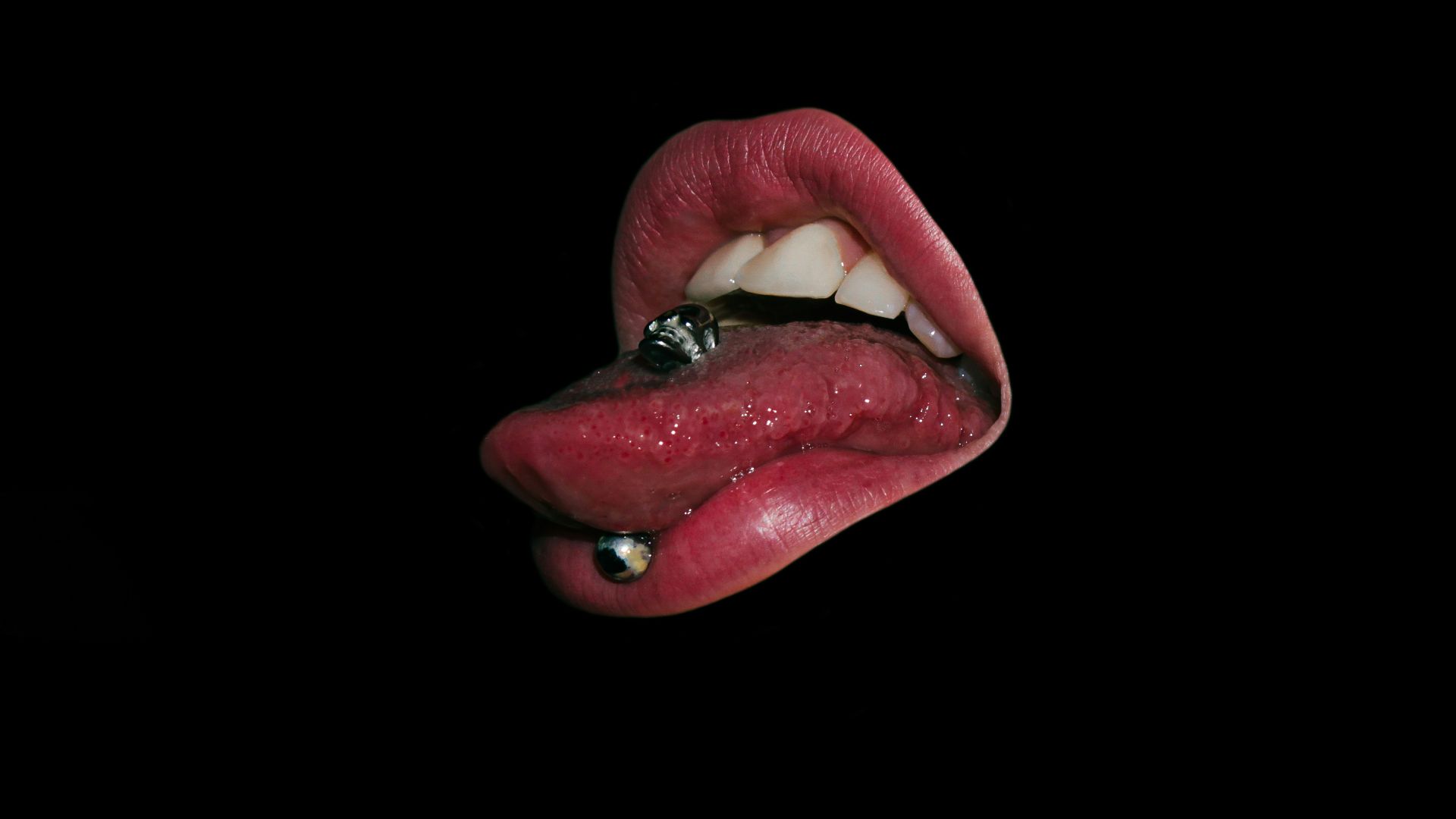
The frenulum under the tongue is thin, and jewelry sitting there rubs constantly against the lower front teeth. Enamel damage and gum recession are common. It's also one of the easiest piercings to lose entirely, since it tears more readily than most.
8. Bridge
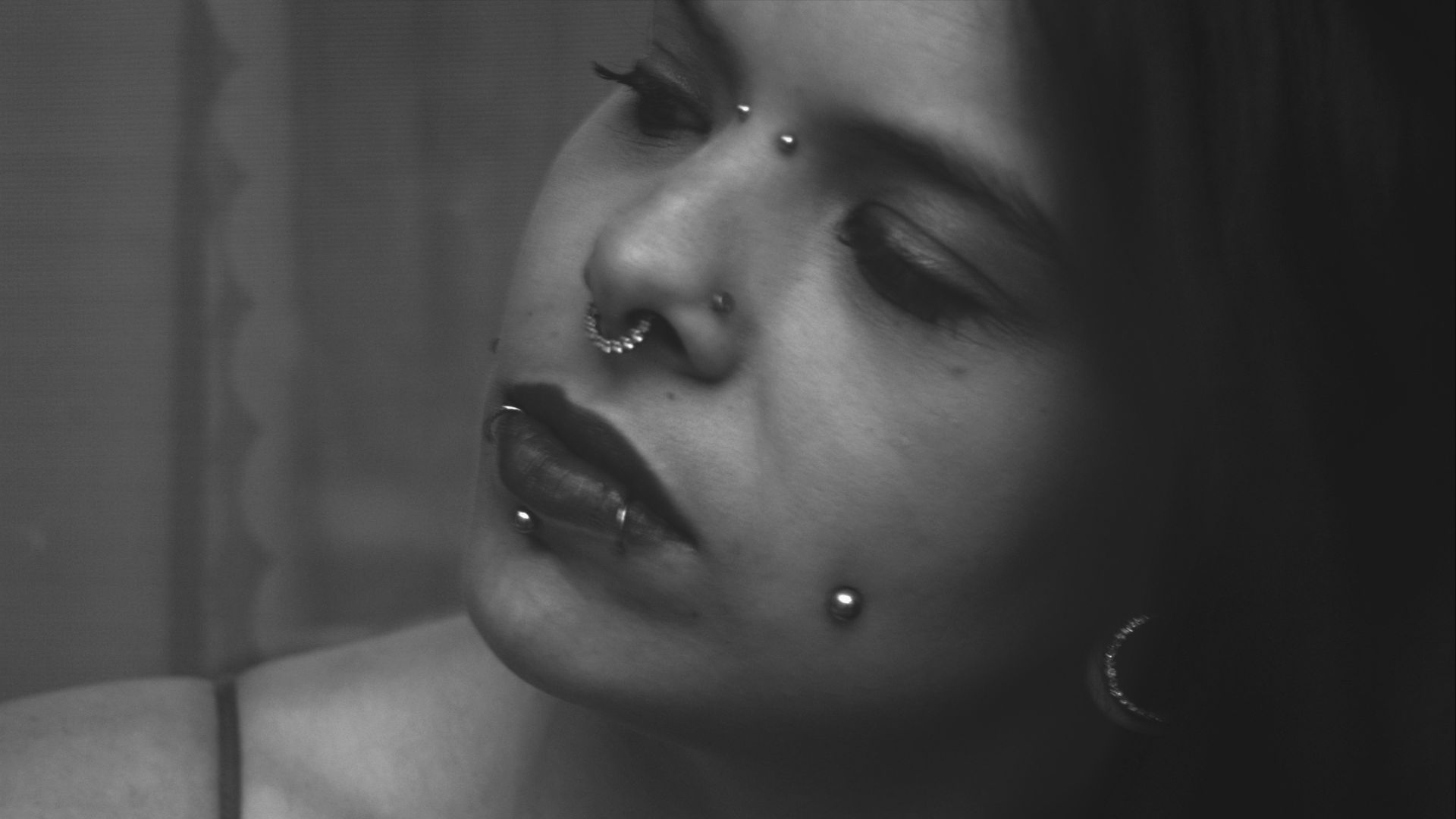
A bridge piercing crosses the skin between the eyes at the top of the nose, in an area with very little tissue to hold anything. Rejection rates run high. It also sits in the exact spot where glasses want to rest, which becomes relevant for most people eventually.
9. Nipple Piercings
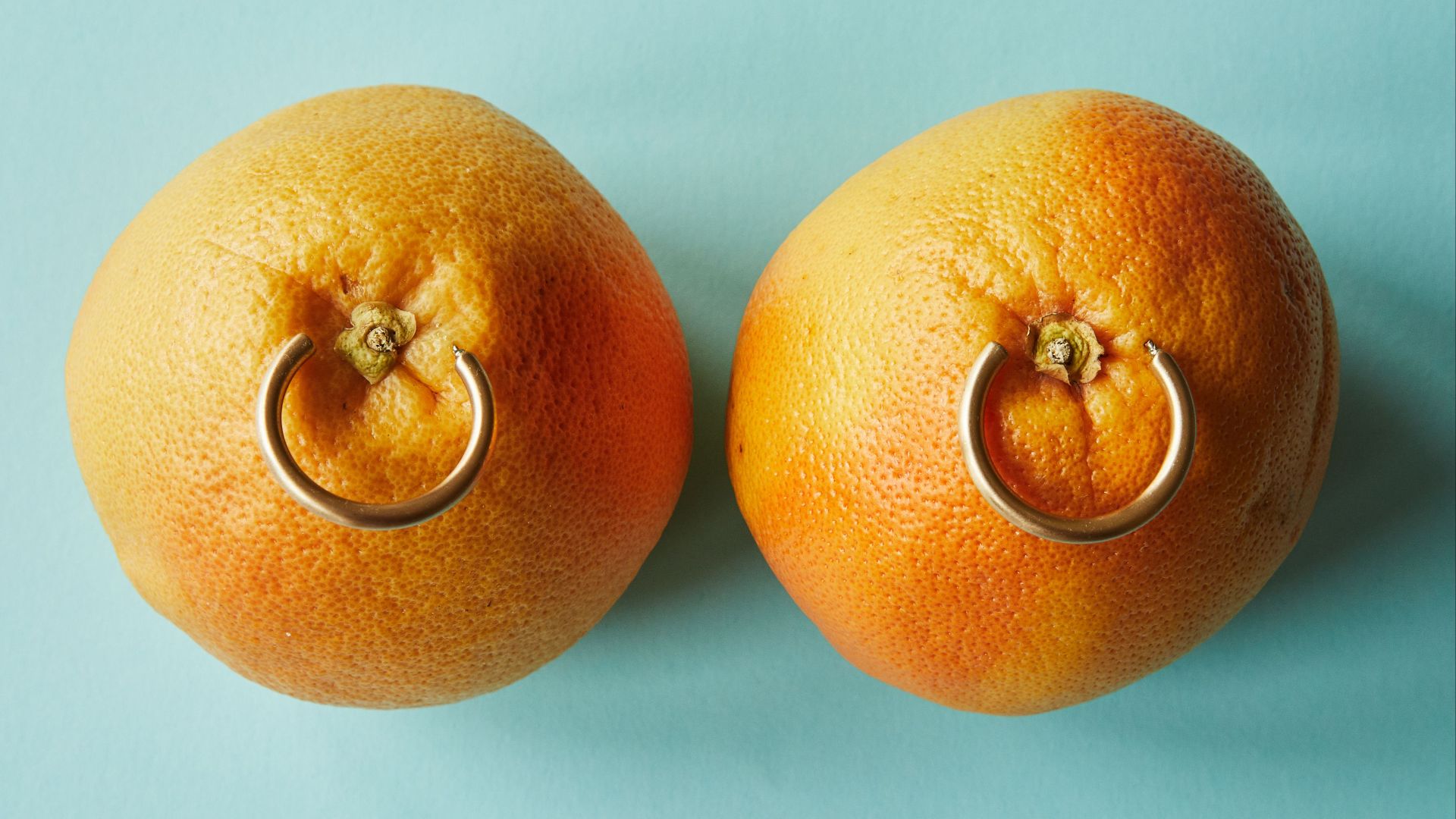
Plenty of people keep these happily for decades, and this isn't a blanket warning. The complication is breastfeeding, which can be affected by scar tissue in the milk ducts. Worth thinking about at twenty-two rather than discovering at thirty-four.
10. Anti-Eyebrow
The small piercing on the upper cheekbone is another surface placement in an area that moves constantly with expression. Migration is close to inevitable given enough time. The resulting scar sits high on the face, where makeup covers it only partially.
Now, here's 10 people would line up for again tomorrow.
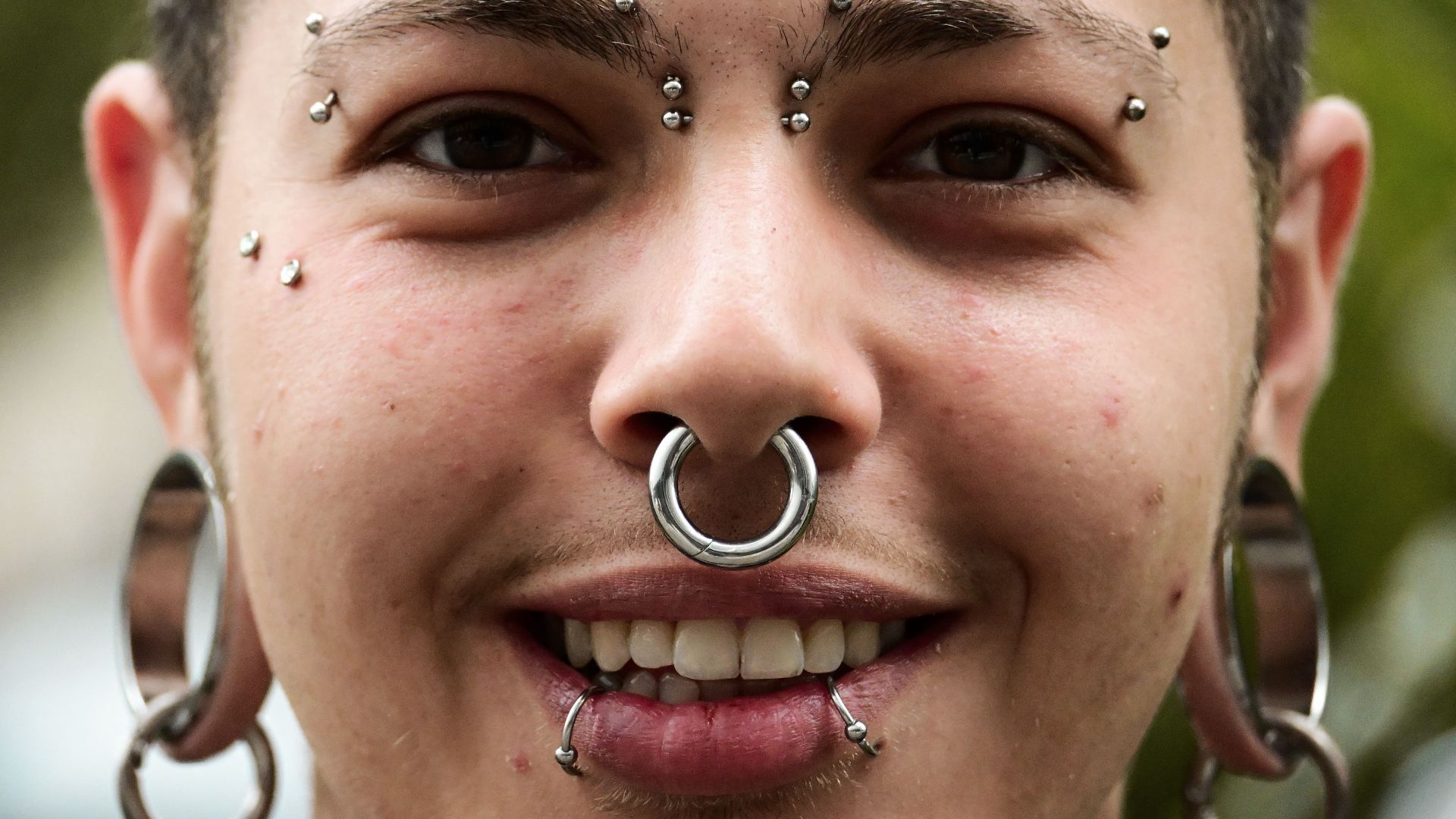
1. Standard Lobes
The most common piercing in the world for good reason, healing in six to eight weeks with almost no drama. Lobes hold jewelry well for decades and close cleanly if you ever want them gone. Nobody regrets these.
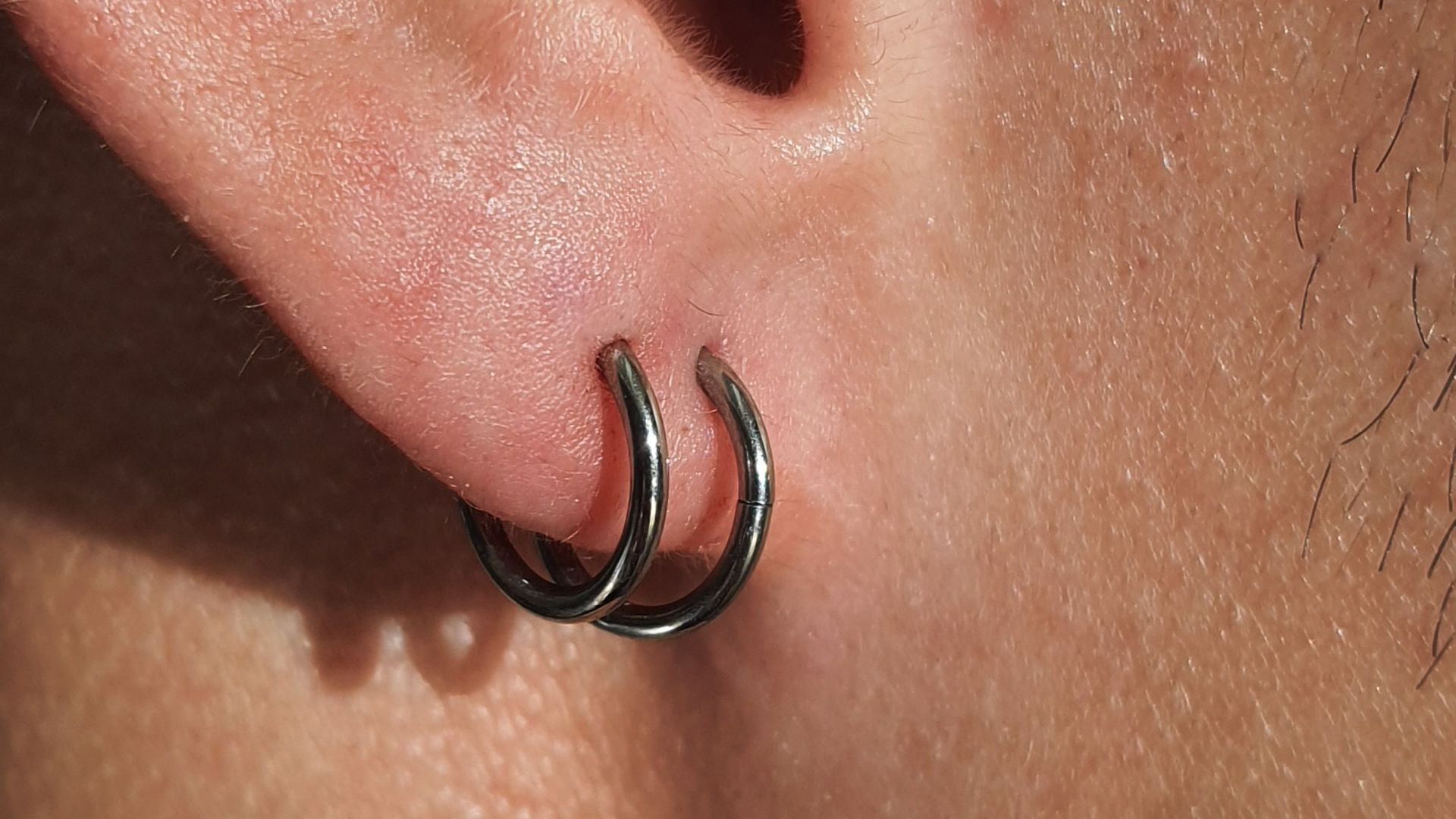
2. Nostril
A nose stud reads as normal in most workplaces now, which wasn't true twenty years ago. It heals in four to six months and leaves a mark barely visible if removed. The pain is brief and the payoff lasts.
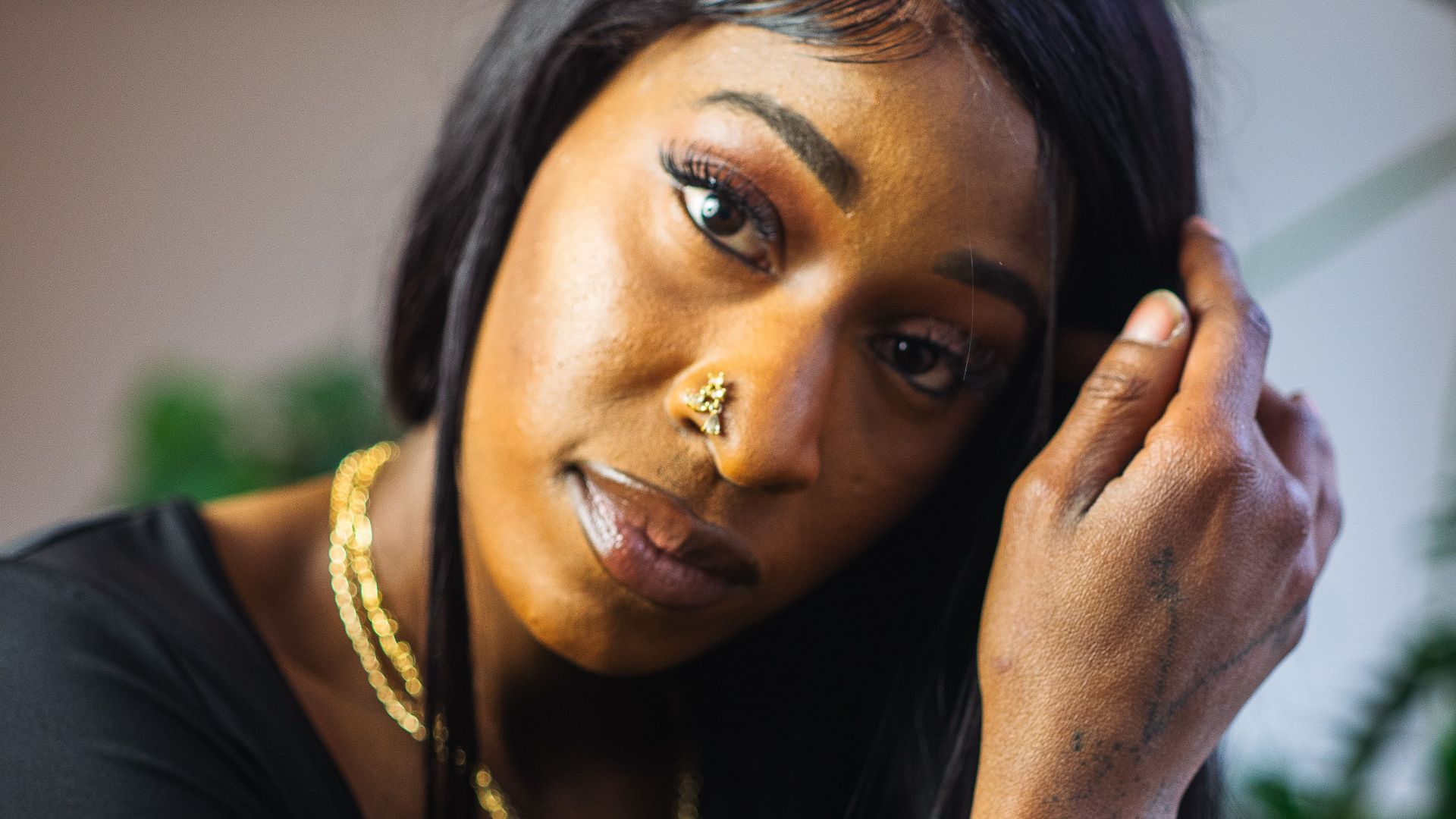 Linneas Boland-Godbey on Pexels
3. Helix
A single piercing through the upper ear cartilage, small and easy to build around later. It takes six months to a year to fully heal, which requires patience but rarely causes problems. The scar left behind is essentially a freckle.
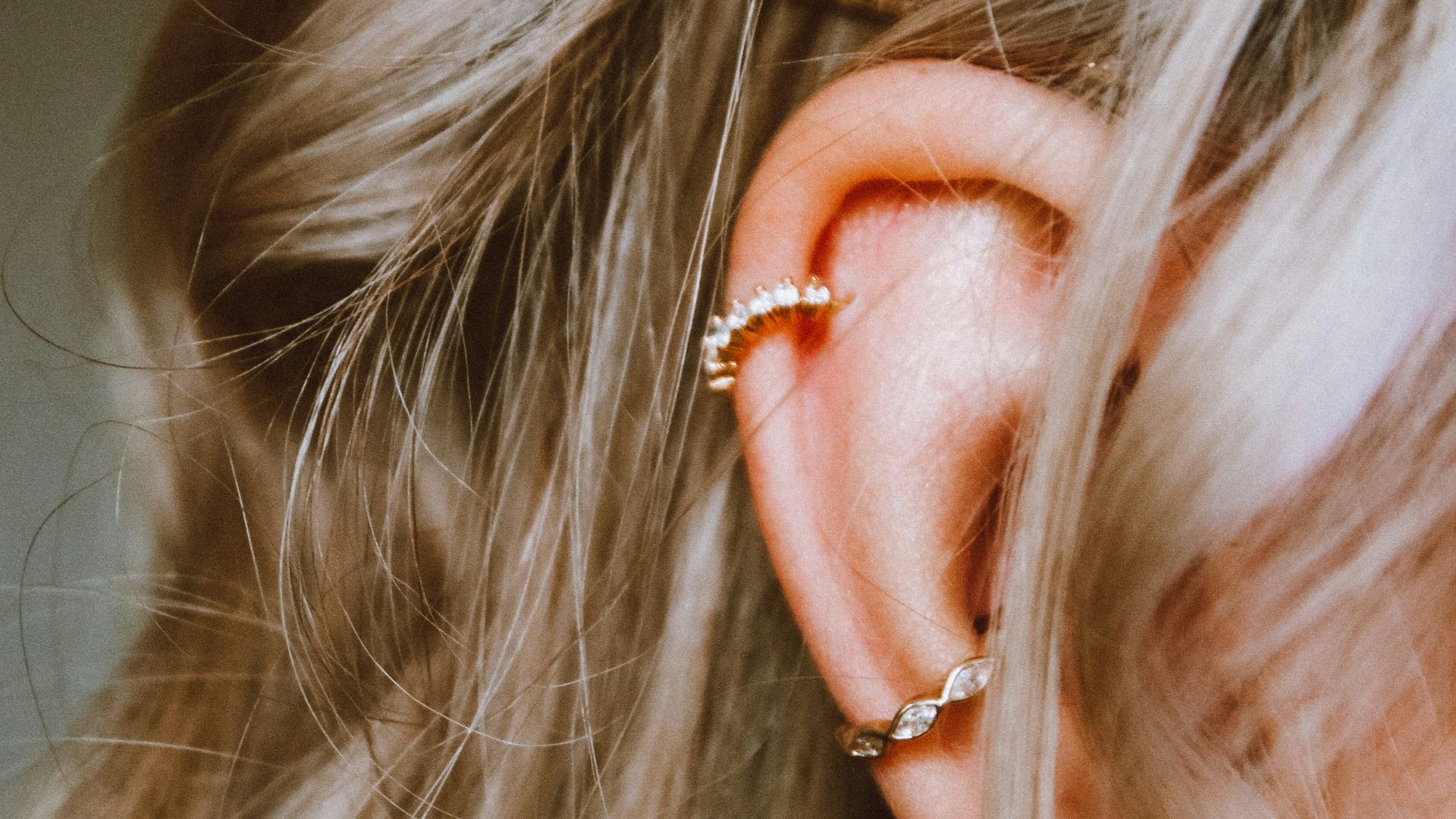
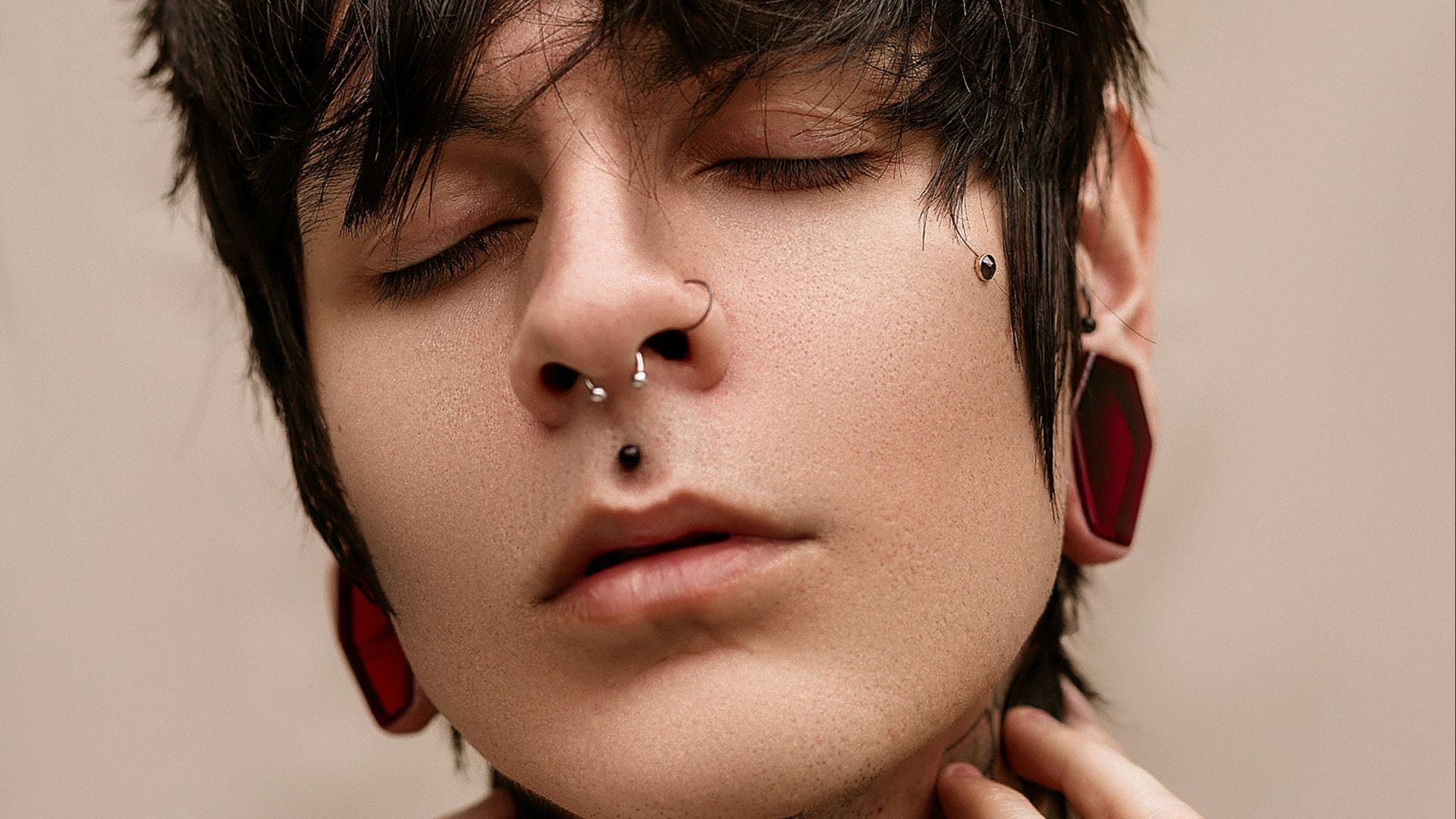
4. Septum
Septum piercings pass through a thin membrane rather than cartilage, which makes them heal faster and hurt less than people expect. They can be flipped up and hidden entirely, which is useful for job interviews and family weddings. The versatility is why so many people keep theirs.
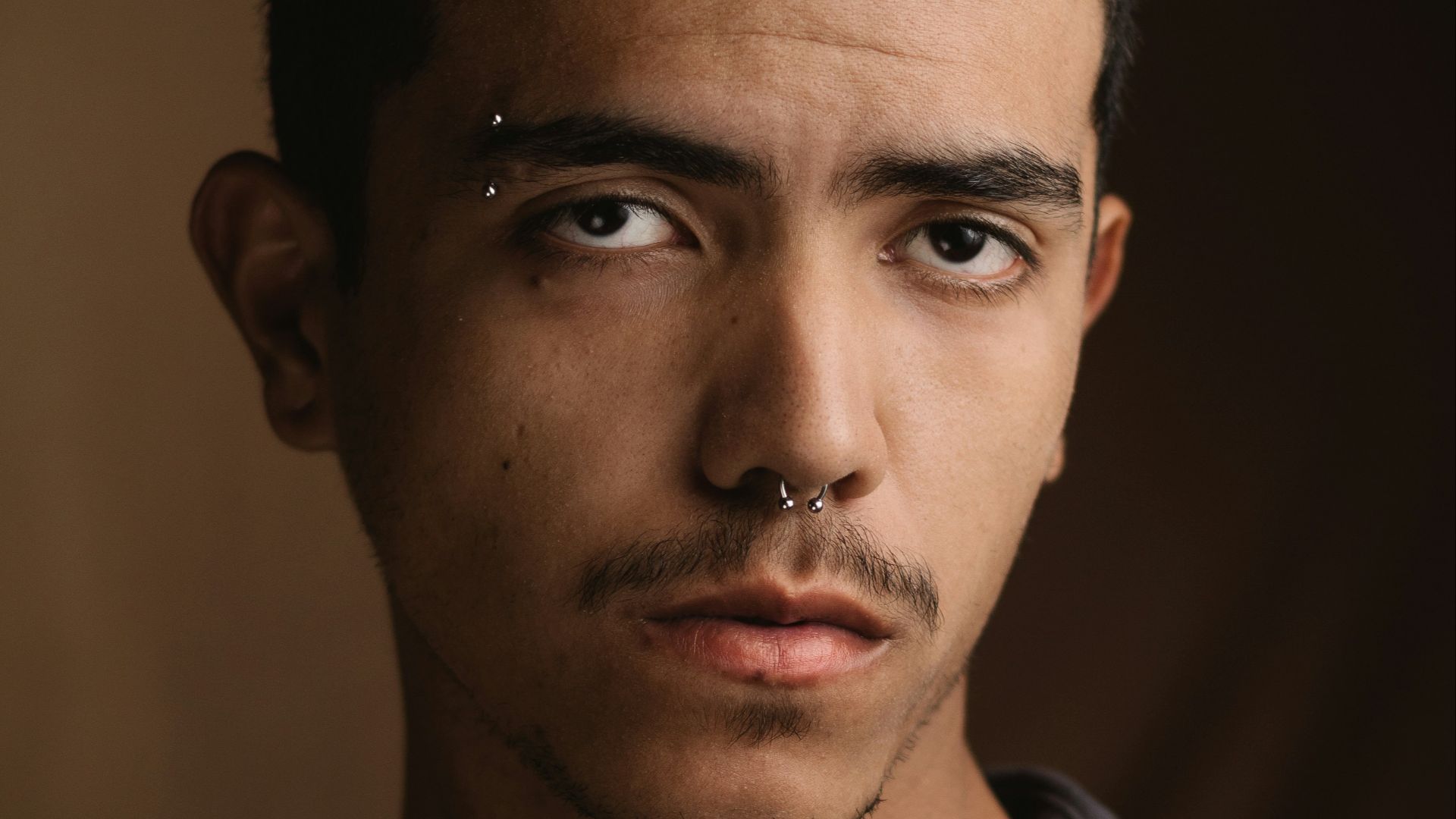
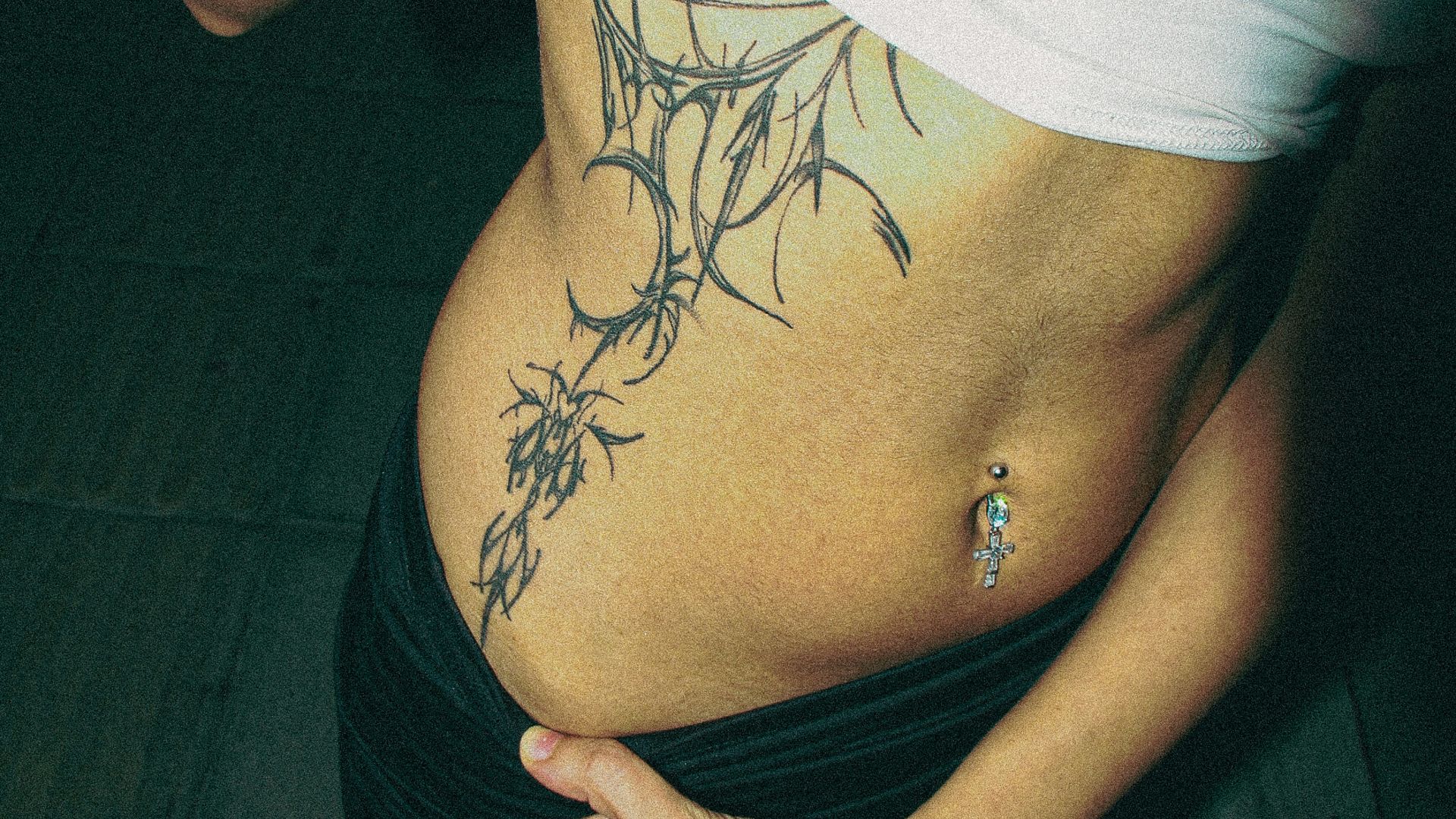
5. Navel
Navel piercings hold up well when placed correctly in the upper rim, and plenty of people have kept the same one since 2003. Pregnancy can complicate things, though removing and re-piercing later is straightforward. Aftercare is simple compared to most cartilage work.
6. Conch
The inner ear cartilage takes jewelry well and gives a distinctive look without being loud about it. Healing runs six months to a year, and sleeping on that side gets annoying for a while. Almost everyone who gets one keeps it.
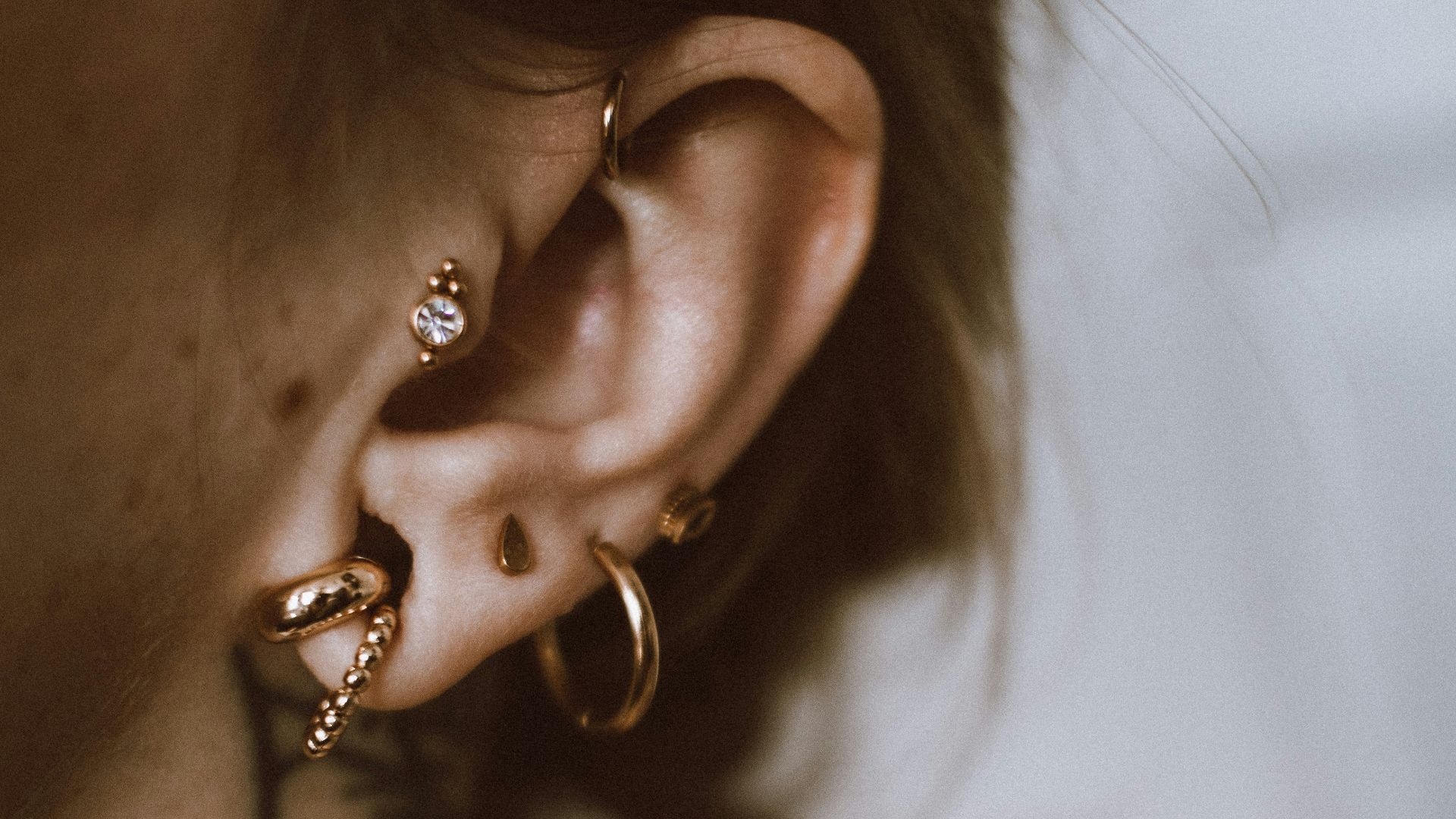
7. Tragus
The small flap of cartilage covering the ear canal holds a stud beautifully and heals more predictably than most cartilage placements. It's subtle enough for conservative offices. It also photographs well, which matters more than people admit.
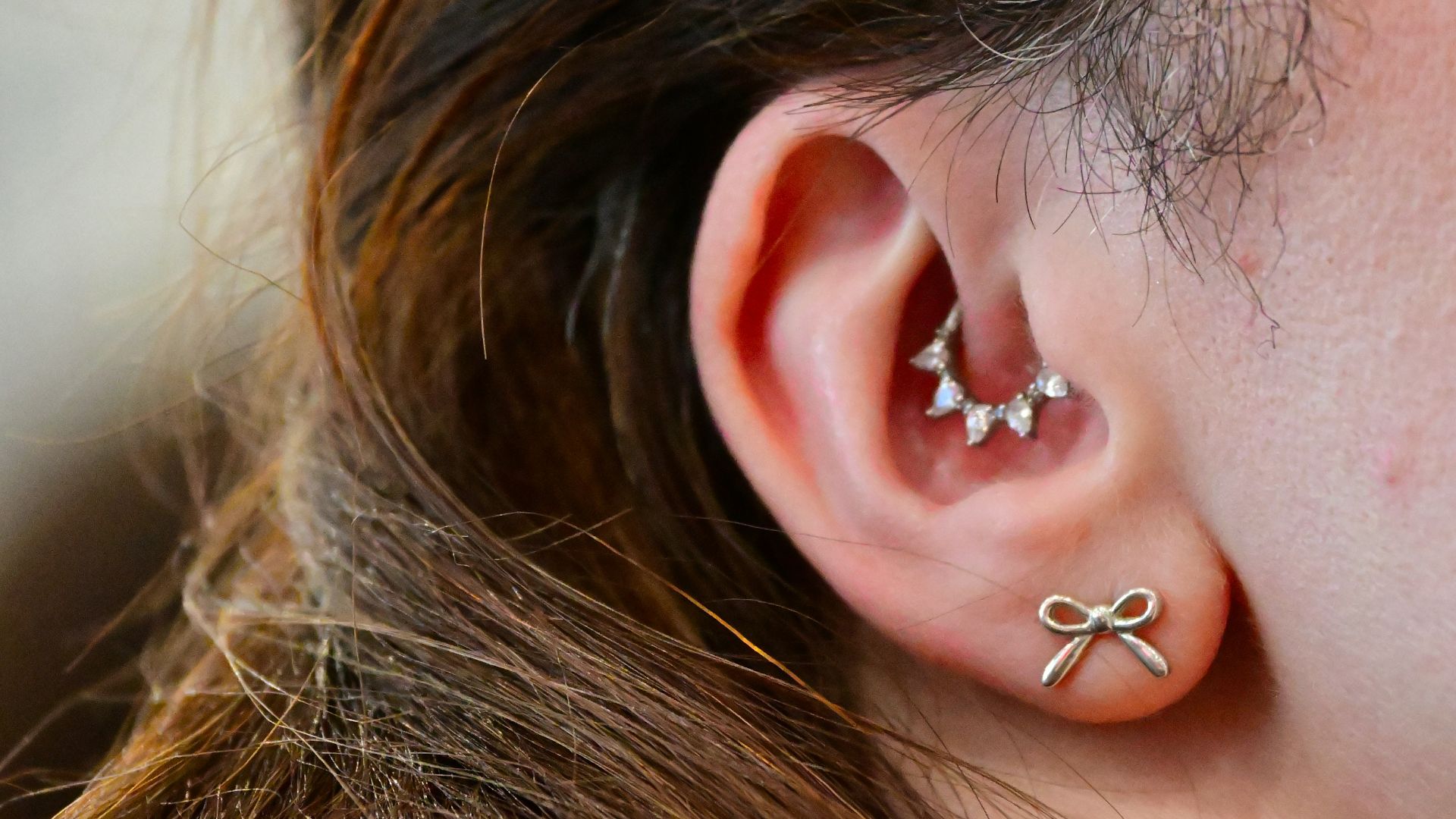
8. Daith
The daith sits in the inner fold of the ear and looks striking with a hoop. It takes patience to heal and can be sore for months. Regret is rare once it settles.
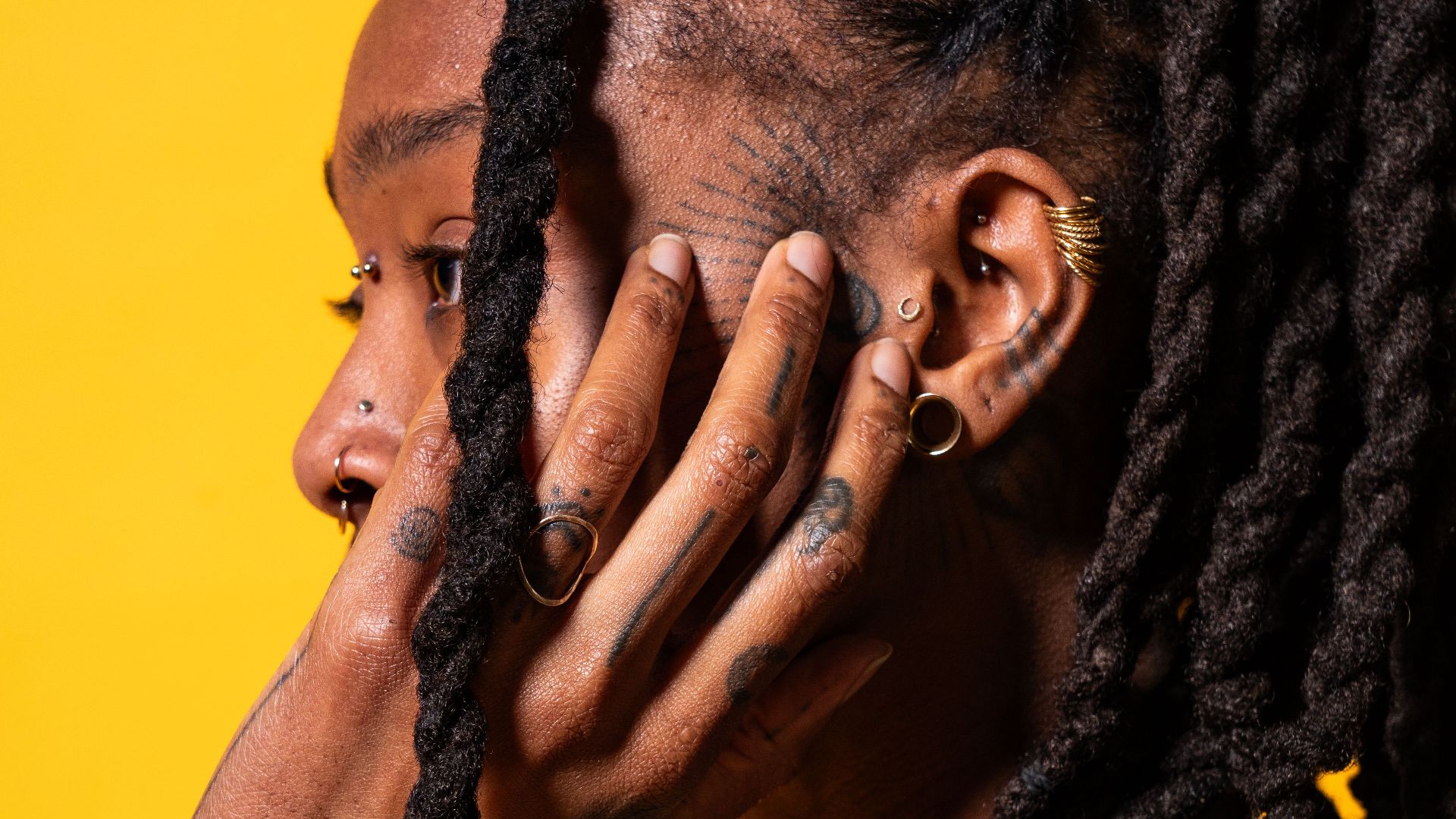
9. Second Lobe
A second hole in the lobe costs almost nothing, heals as fast as the first, and doubles the earring options. It's the piercing people most often wish they'd gotten sooner. Low risk, straightforward, and easy to abandon if it stops appealing.
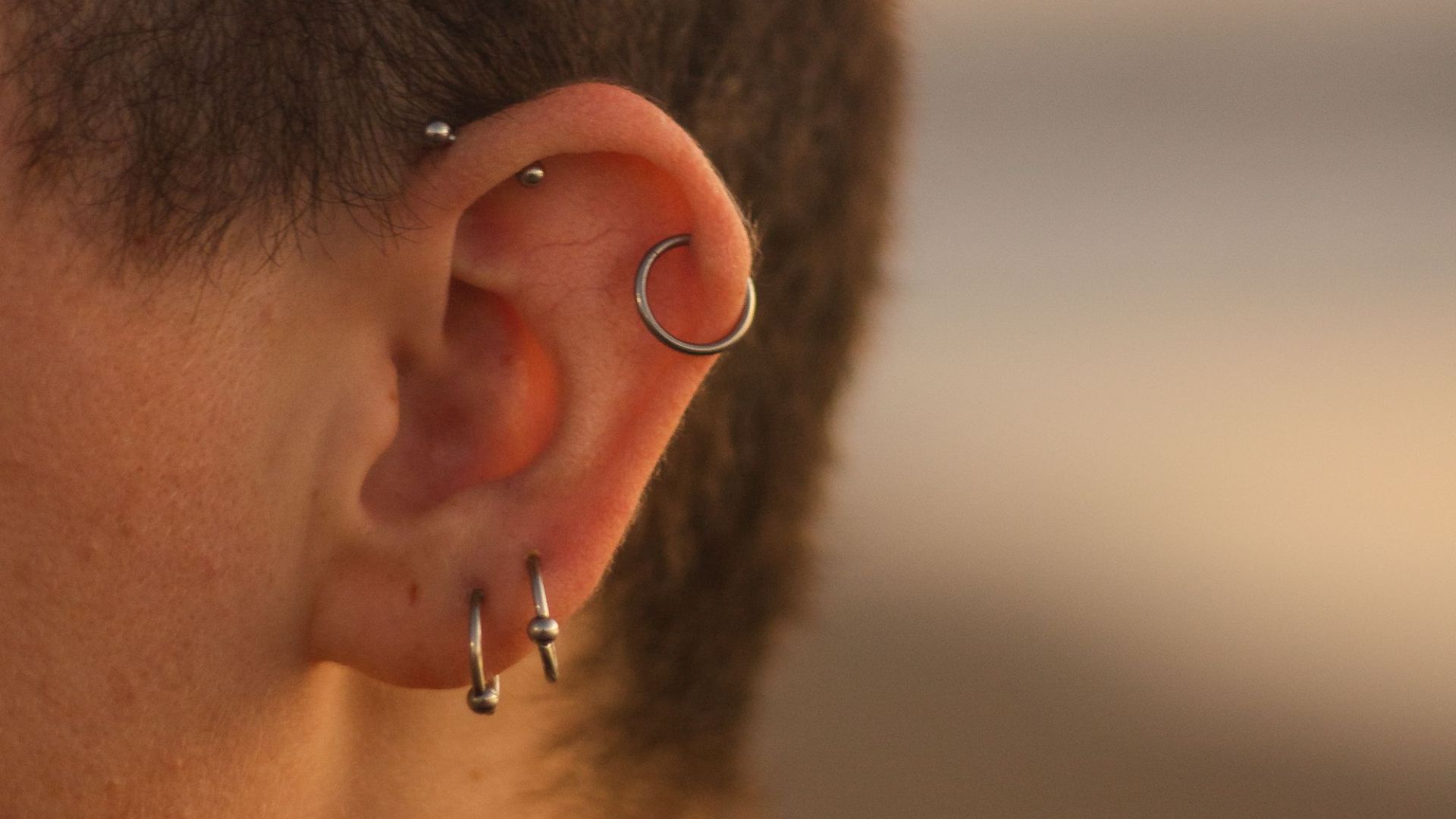
10. Forward Helix
Sitting at the front edge of the ear where it meets the face, the forward helix works well in a stack of two or three. Cartilage means a longer heal, though placement in that spot rarely causes migration. It's the one people tend to add after everything else has settled.