The Pretty Distraction
Decorating has a way of disguising itself as progress, which is part of the appeal. You move a lamp, order a rug, and convince yourself the whole mood of your life is about to change, because paint samples and throw pillows are easier to face than grief, burnout, loneliness, debt, or the slow realization that your daily routine is making you miserable. Some of this is harmless, and some of it is even soothing, but there is a particular kind of decorating frenzy that has less to do with taste than emotional misdirection. So here are 20 ways people decorate when they are trying very hard not to look directly at what is really bothering them.

1. Buying Candles Like Emotional Insurance
This usually begins with one nice candle and ends with a shelf that smells like cedar, fig, rainwater, tobacco, bergamot, and denial. People love to act as though the apartment is missing a signature scent, when what it is often missing is sleep, a real conversation, or the courage to admit they have been white-knuckling the month.

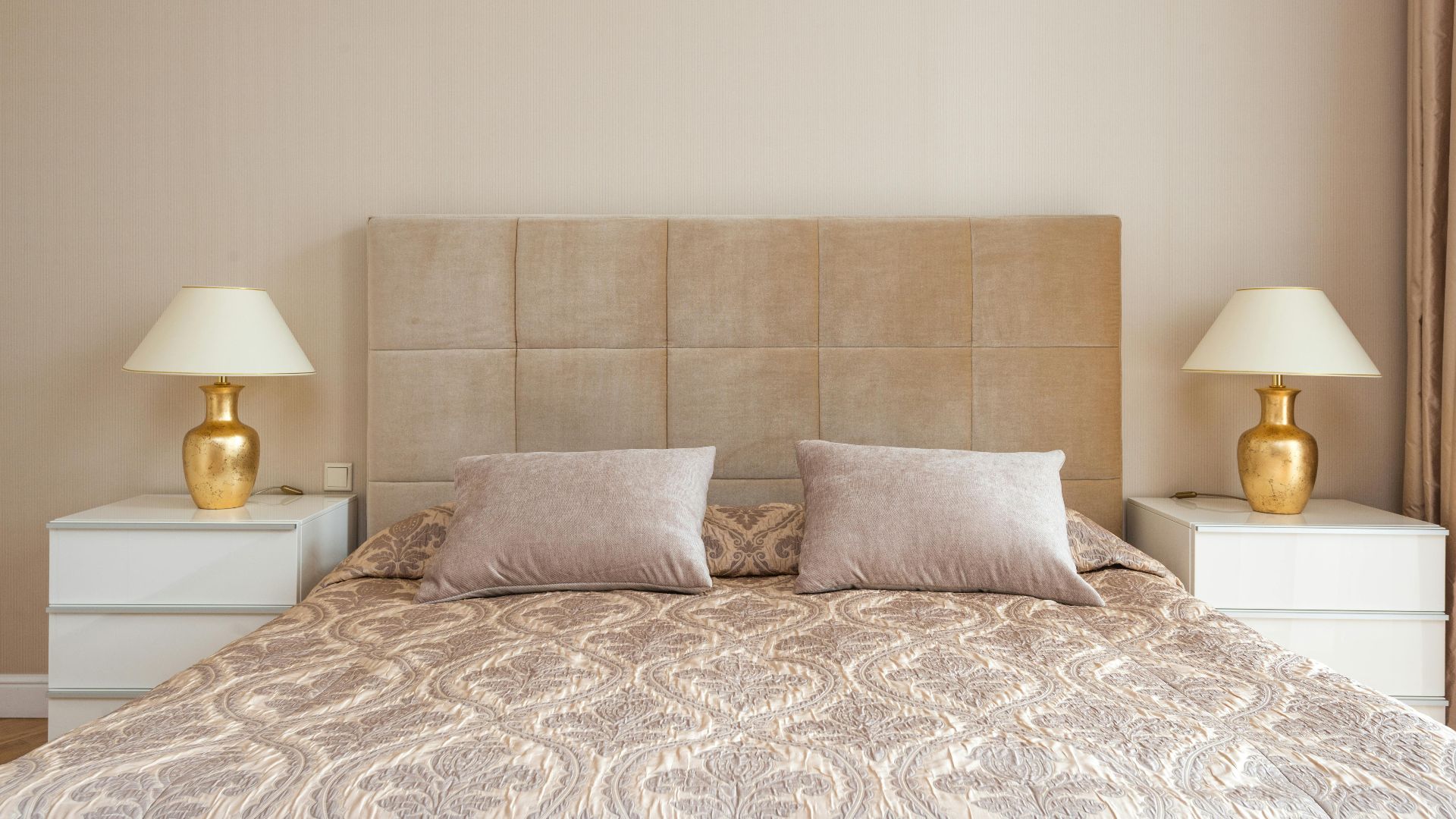
2. Starting A Sudden Beige Phase
There is nothing wrong with neutral rooms, but some beige phases arrive with the energy of a person trying to sedate their own nervous system through upholstery. Everything becomes oat, sand, flax, stone, cream, mist, and whatever other soft little names the furniture industry invented for people who want peace badly enough to buy it in bulk.
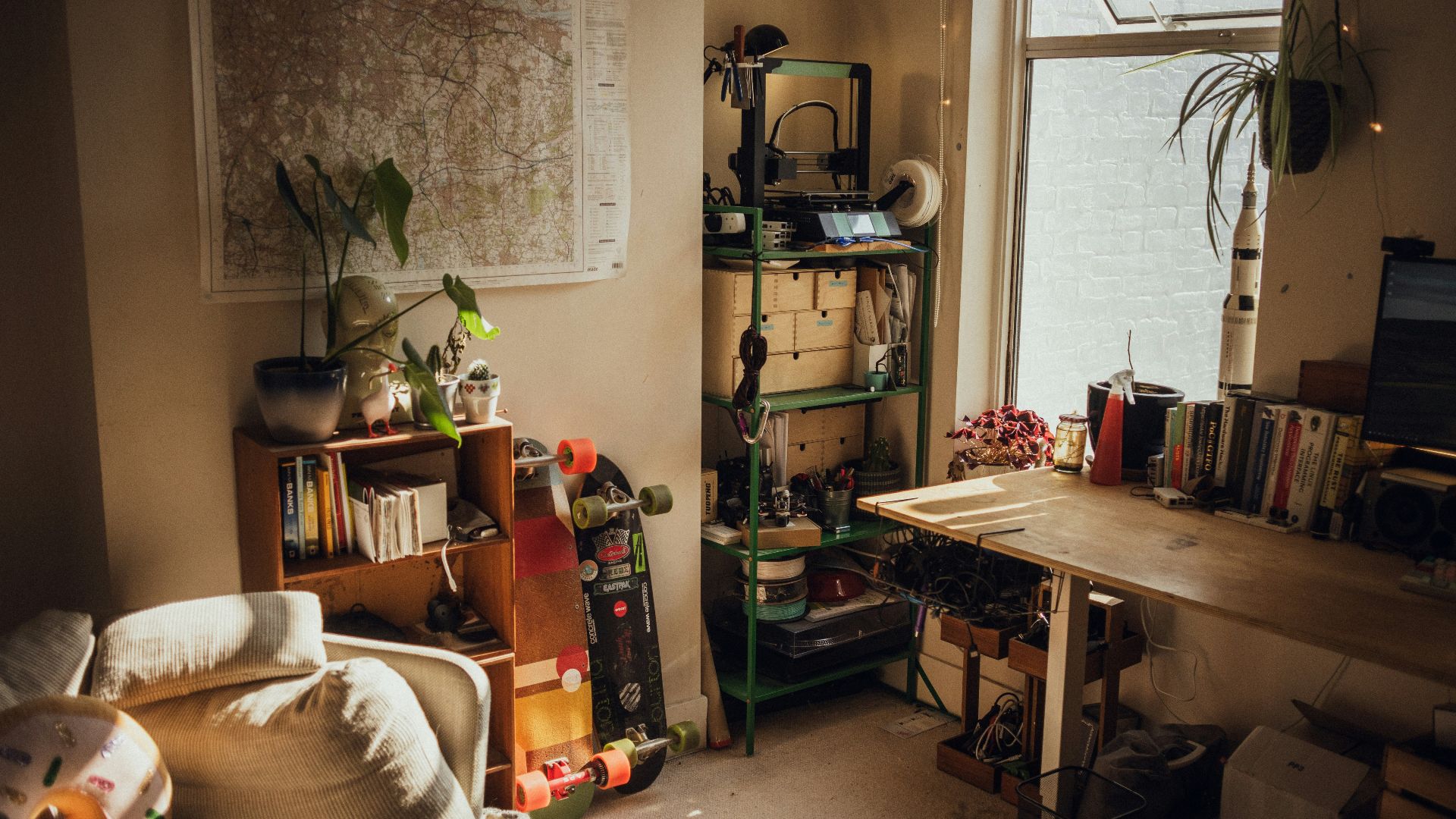
3. Declaring War On Clutter At 11:30 P.M.
Late-night organizing has a very specific emotional texture. You are not calmly improving the house so much as rage-folding towels because you cannot make your job less chaotic, your relationship less weird, or your thoughts less loud, and now the junk drawer is going to pay for it.
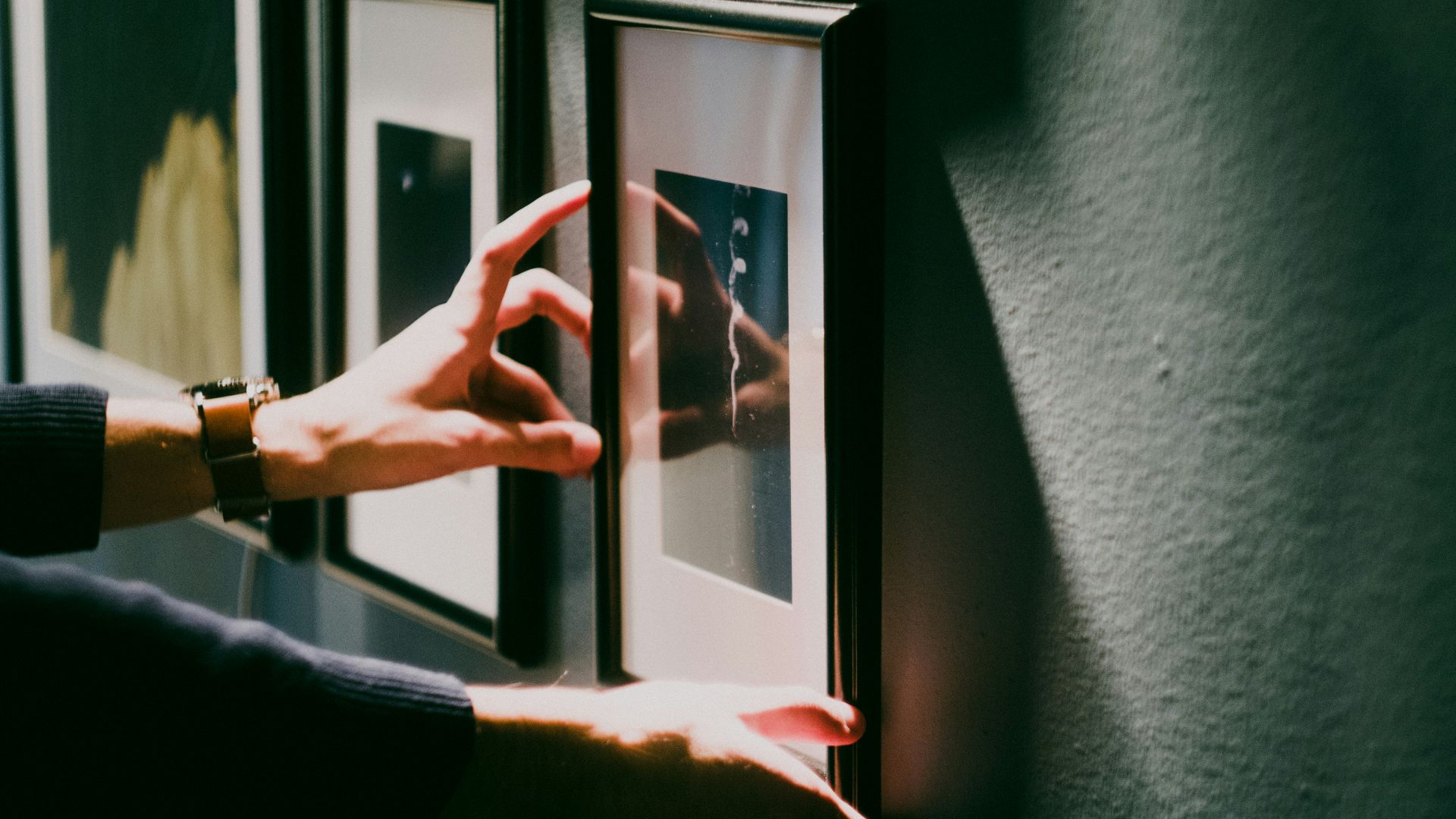
4. Hanging Art That Doubles as Personality
This is how people end up buying giant abstract prints, moody black-and-white photography, or line drawings of faces they do not even particularly like. The art is less about what moves them than about constructing a cleaner, more stable, more interesting version of themselves to live beside for a while.
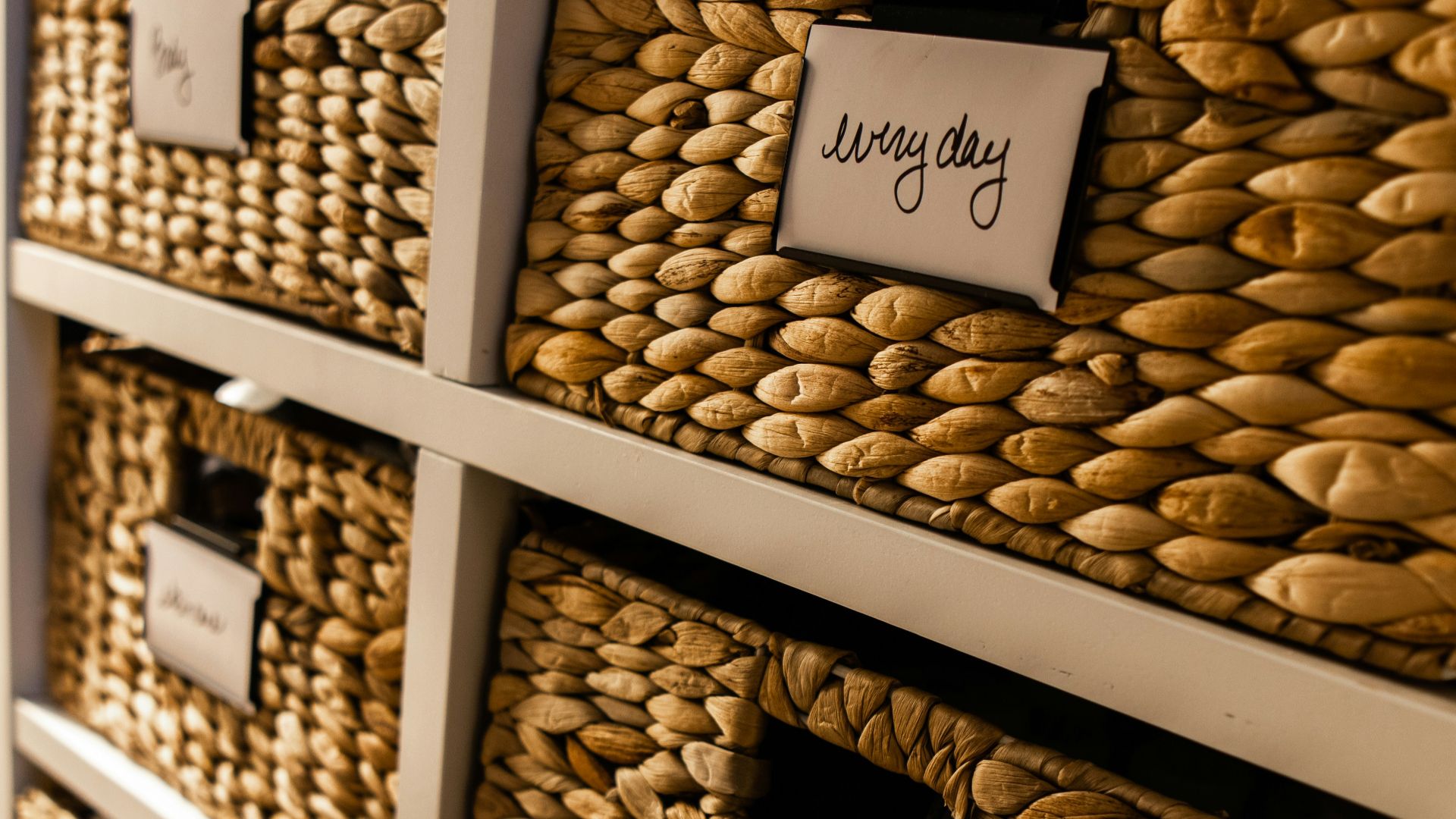
5. Getting Very Serious About Entryway Baskets
The entryway basket phase is always about more than the entryway basket. People start talking in oddly urgent terms about drop zones, shoe benches, hooks, and flow, as though the true source of their frustration is not exhaustion or domestic resentment but the fact that keys currently lack a designated home.
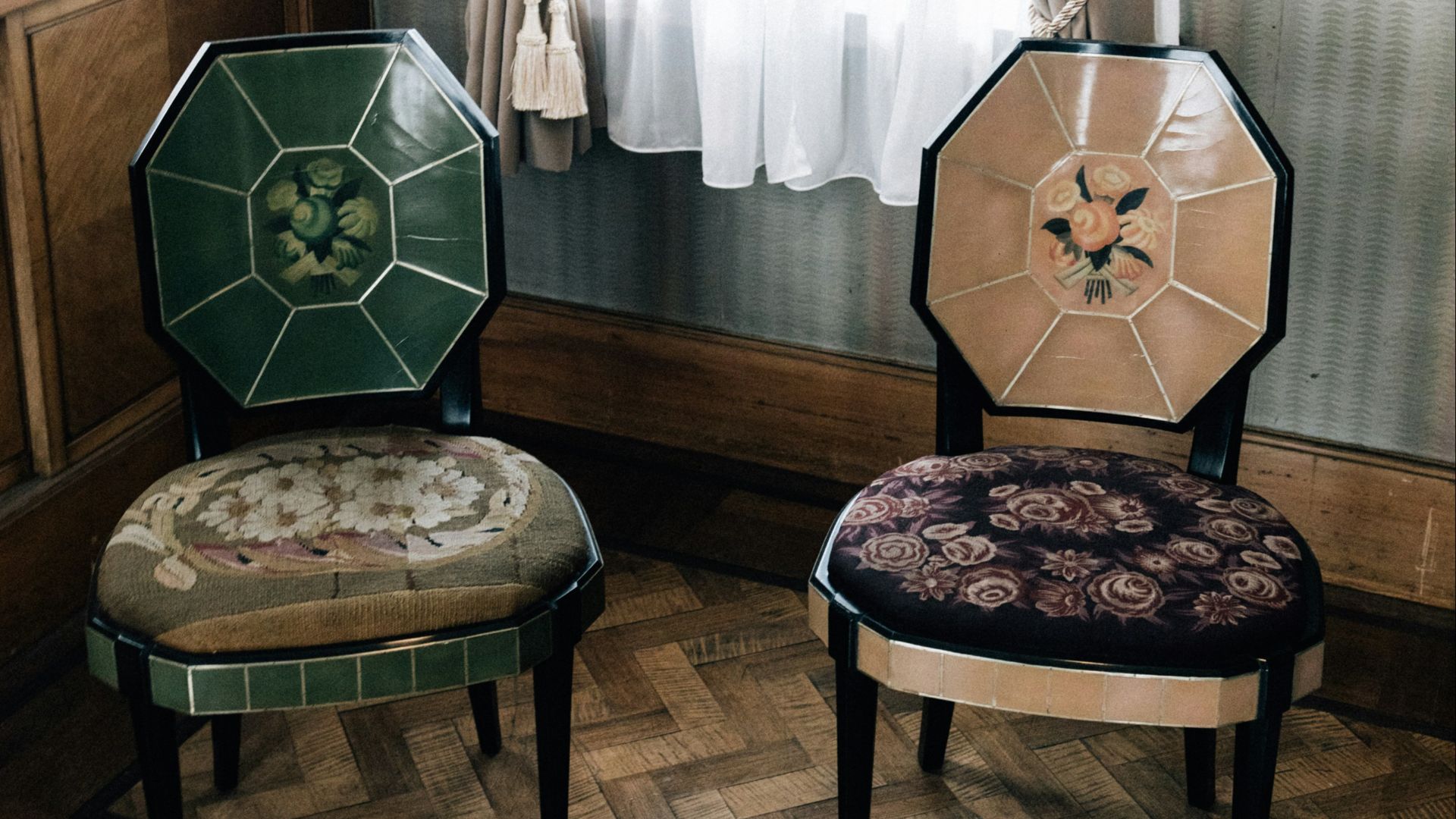
6. Buying A Chair Nobody Will Sit In
This chair is beautiful, expensive, vaguely sculptural, and often positioned in a corner like a private monument to hope. It usually appears during periods when people are telling themselves they are about to become the kind of person who reads in the morning, journals at dusk, or receives guests in a way that suggests a functioning inner life.
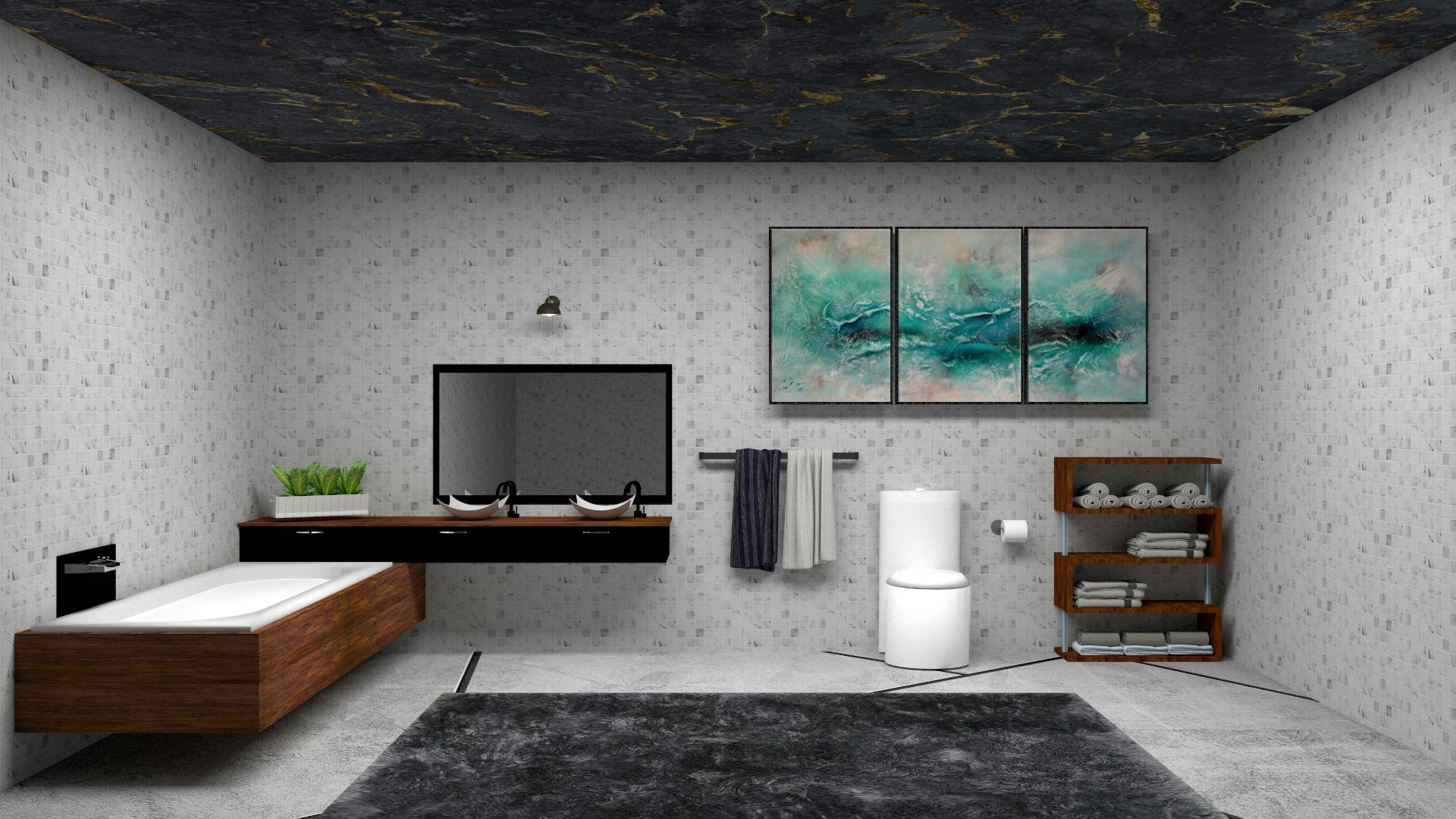
7. Turning The Bathroom Into A Spa
A bathroom refresh can be lovely, but there is also a recognizable version of it that looks suspiciously like someone trying to survive emotionally through eucalyptus. New bath caddies, amber bottles, plush towels, bamboo trays, and a small forest of products begin to gather because if daily life feels unmanageable, at least the hand soap can look expensive.
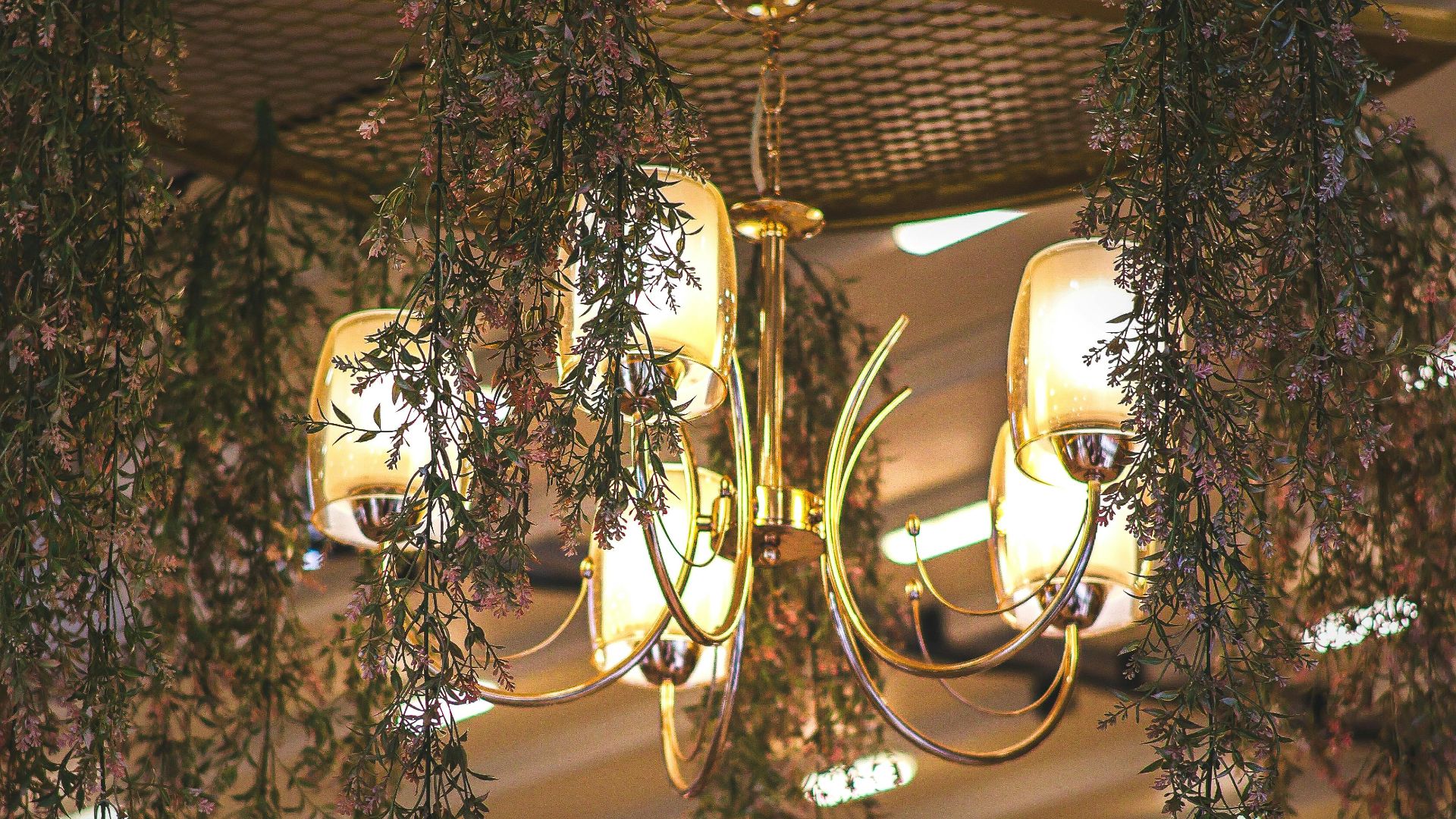
8. Replacing Perfectly Fine Lighting
Lighting matters, but there is a difference between improving a room and trying to emotionally rebrand your existence through three new lamps. The need suddenly becomes urgent, almost moral, as if the reason you feel flat, irritable, or untethered is not the actual content of your days but the color temperature in the living room.
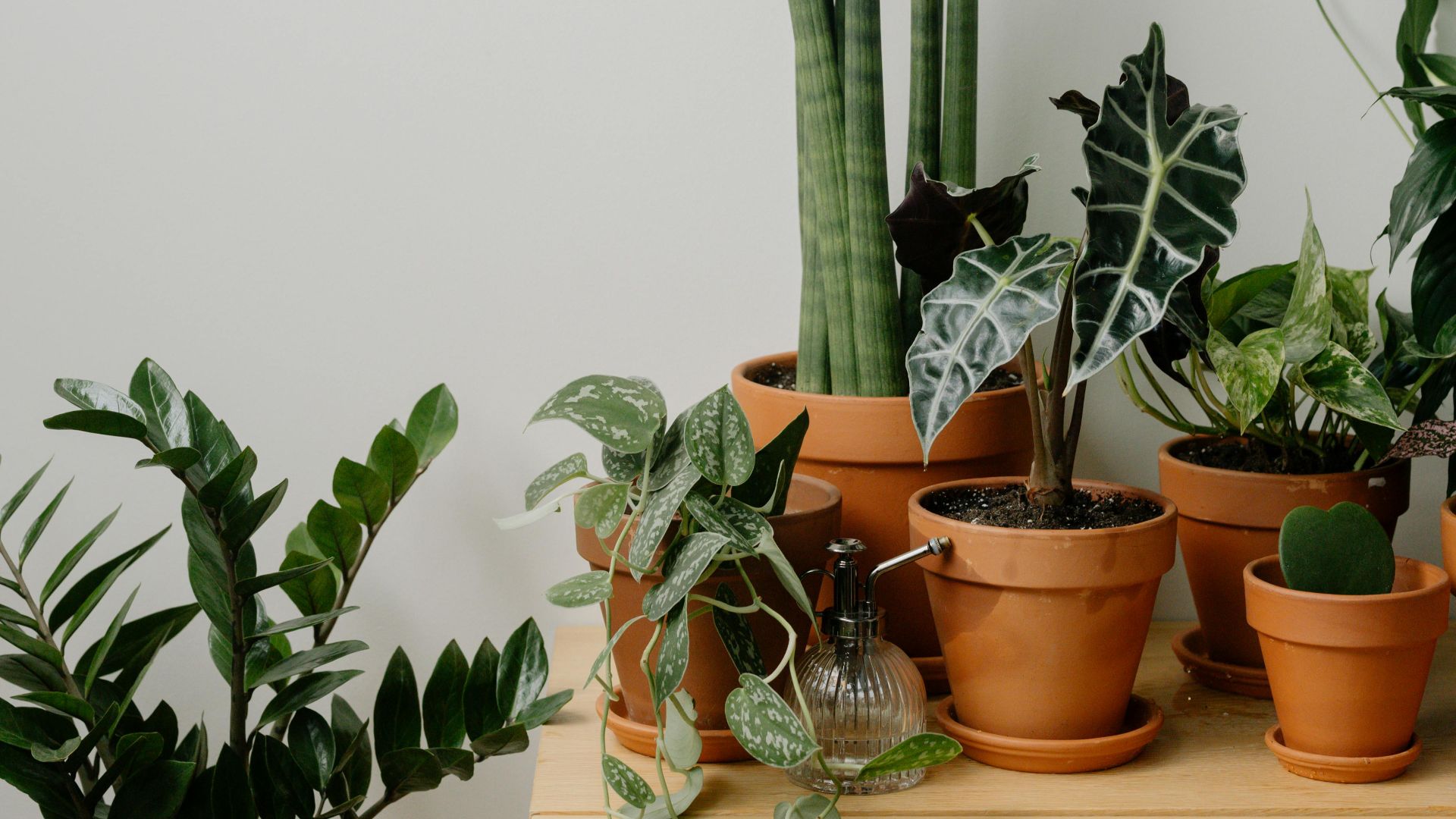
9. Buying Plants Faster Than They Can Care For Them
Plants are one of the most socially acceptable forms of decorative optimism. They let people feel nurturing, intentional, grounded, and alive, right up until the ficus starts dropping leaves in the corner and the peace lily joins the long list of living things they meant to tend properly but did not.
10. Obsessing Over Matching Hangers
Matching hangers can absolutely make a closet look better, which is why they are such a seductive fake solution. People who feel scattered love anything that creates the visual illusion of control, even if the real issue is that they are overwhelmed, overscheduled, and one minor inconvenience away from crying in the grocery store parking lot.
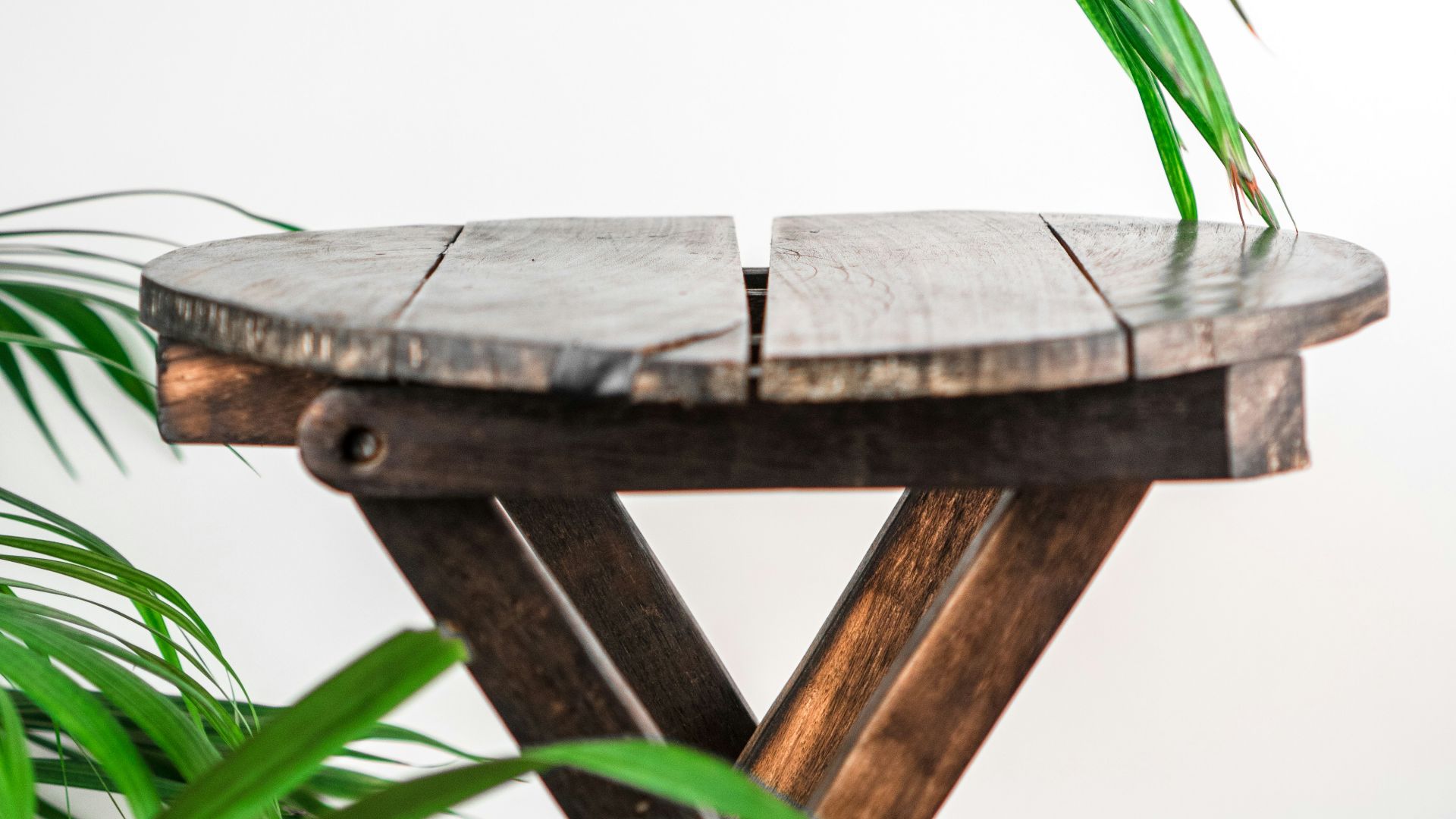
11. Buying Tiny Tables For Very Specific Lives
This is the side table for coffee and a book, the pedestal for the turntable area, the slim martini table for entertaining, the catchall table by the door, the tiny accent table by the bath. At a certain point the furniture stops serving a life already being lived and starts laying out props for a calmer, more composed future that has not actually arrived.
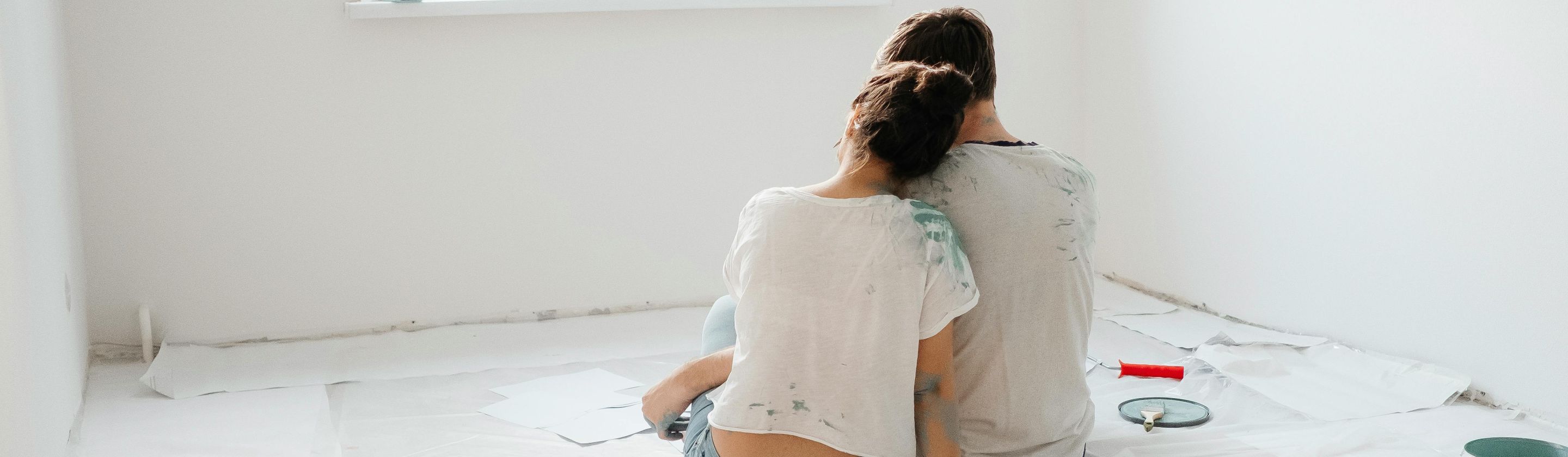
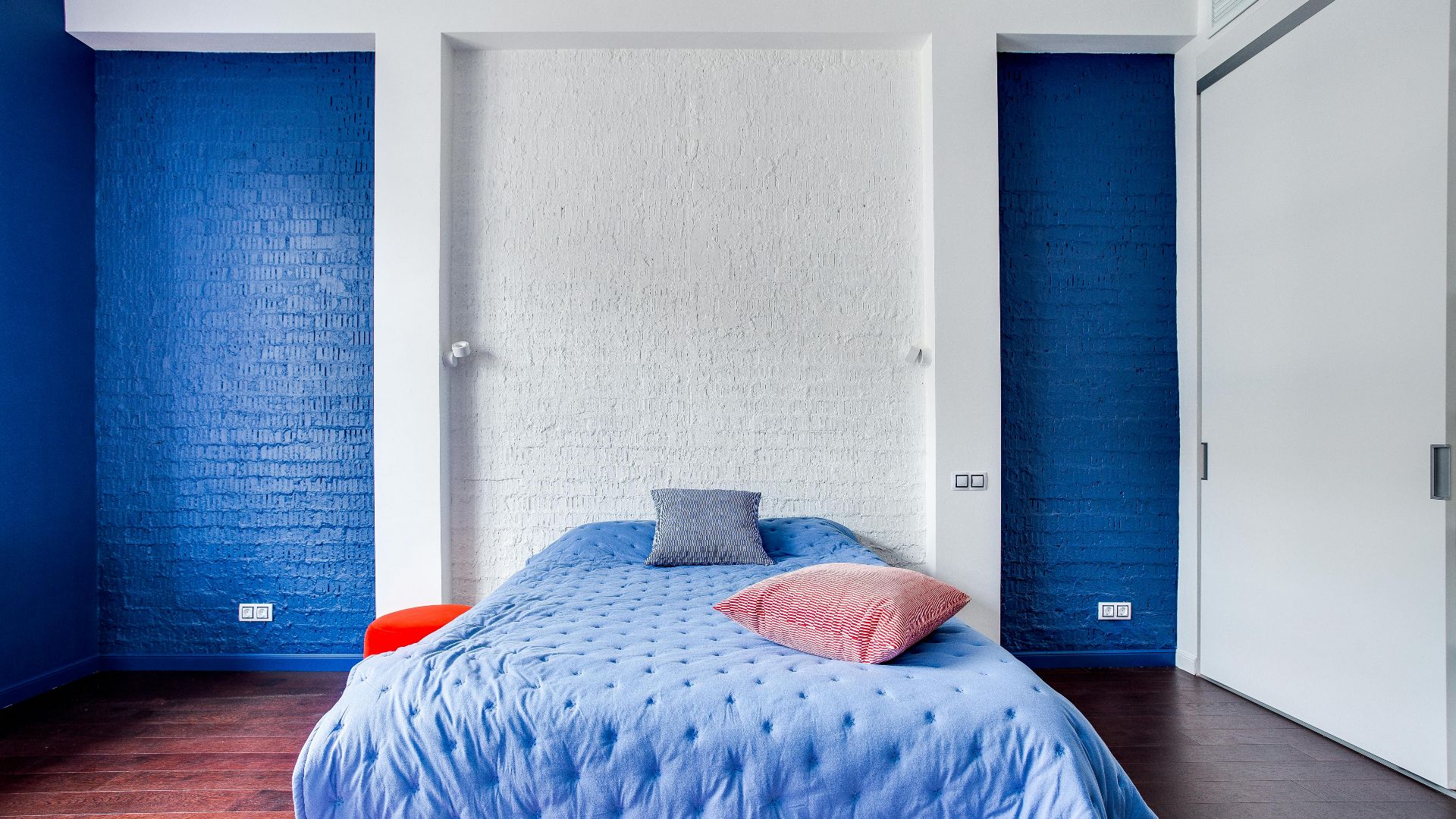
12. Painting A Room To Manufacture A Turning Point
There is a certain kind of panic that shows up as paint. People convince themselves the bedroom needs a dramatic green, the office needs a moody blue, or the kitchen needs a warm white, because it is easier to believe a new color marks the beginning of a better chapter than to admit nothing is beginning until they change something less photogenic.
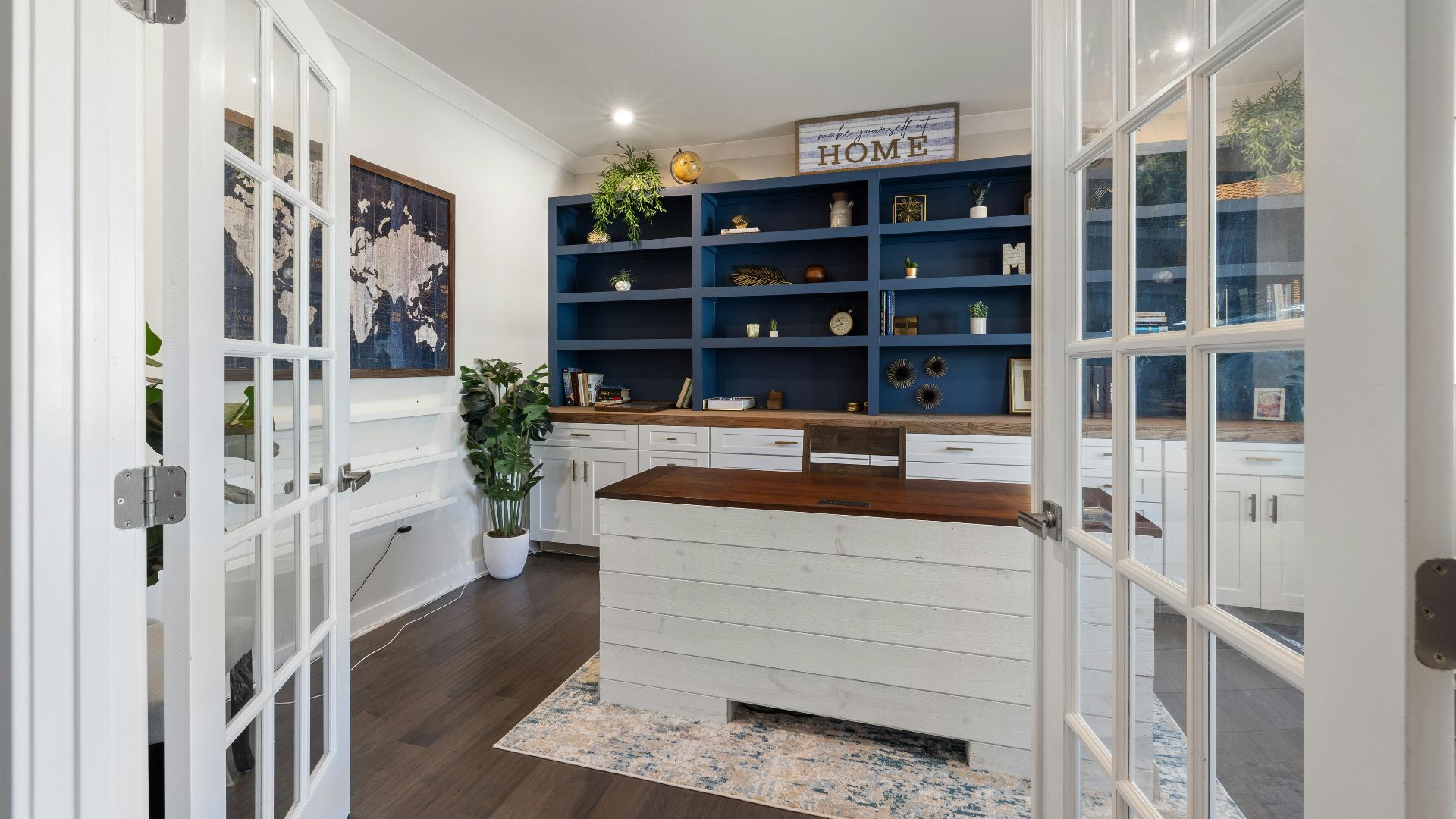
13. Styling Open Shelves Like A Full-Time Job
Open shelving is where decorative avoidance really stretches its legs. Suddenly there is a whole private ideology around stacked books, ceramic vessels, bead garlands, framed photos, little brass objects, and whether the shelf feels balanced, all because the human mind will gladly spend forty minutes moving a vase half an inch to avoid answering an email.
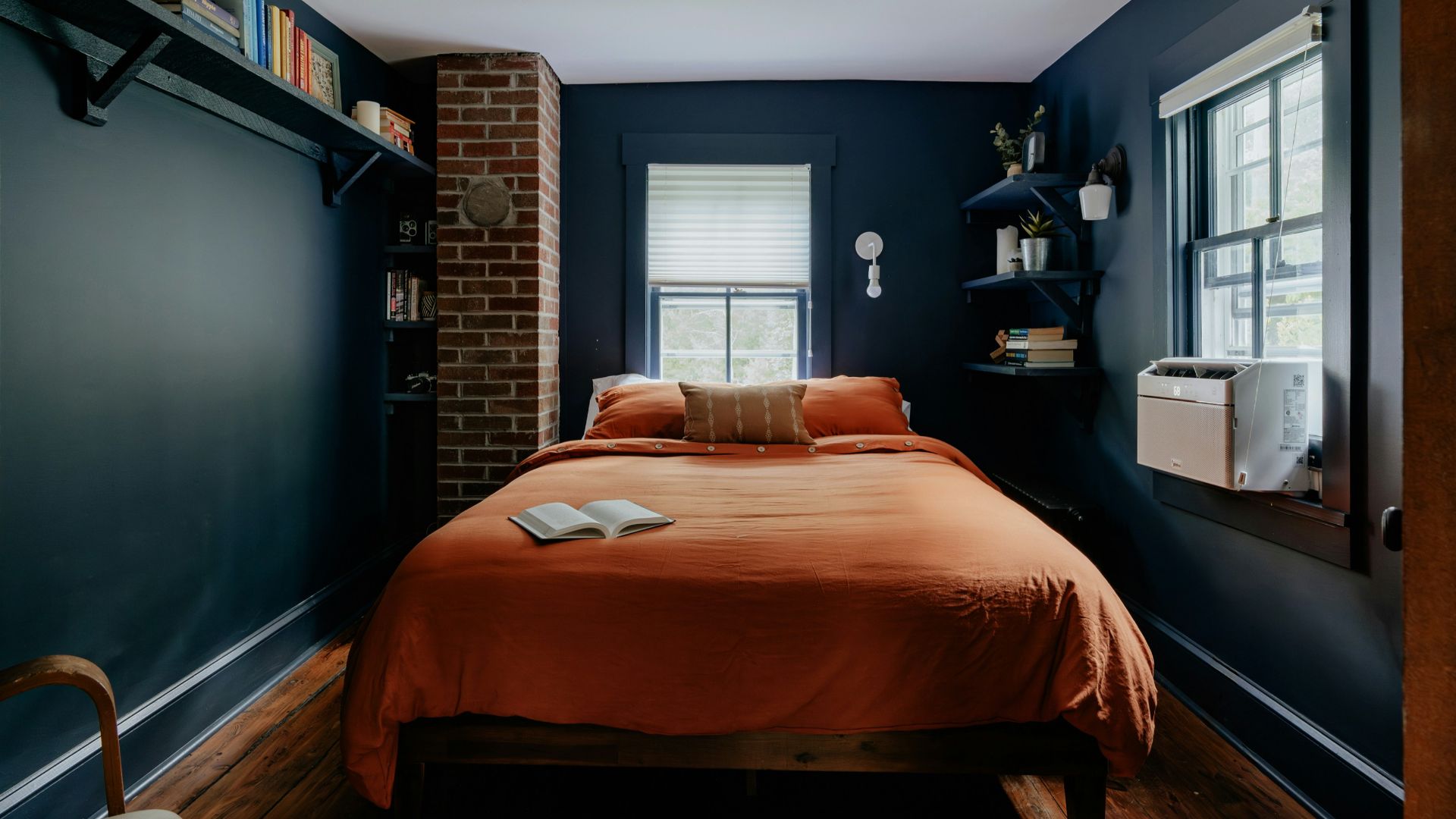
14. Buying New Bedding Every Time Life Feels Off
New bedding offers one of the quickest mood shifts available to adults, which is why people reach for it when everything else feels stale. Fresh linen, a heavier duvet, washed cotton in a melancholy color, extra pillows no one needs, all of it promises the kind of reset that would be more convincing if the person buying it had slept properly in the last six weeks.
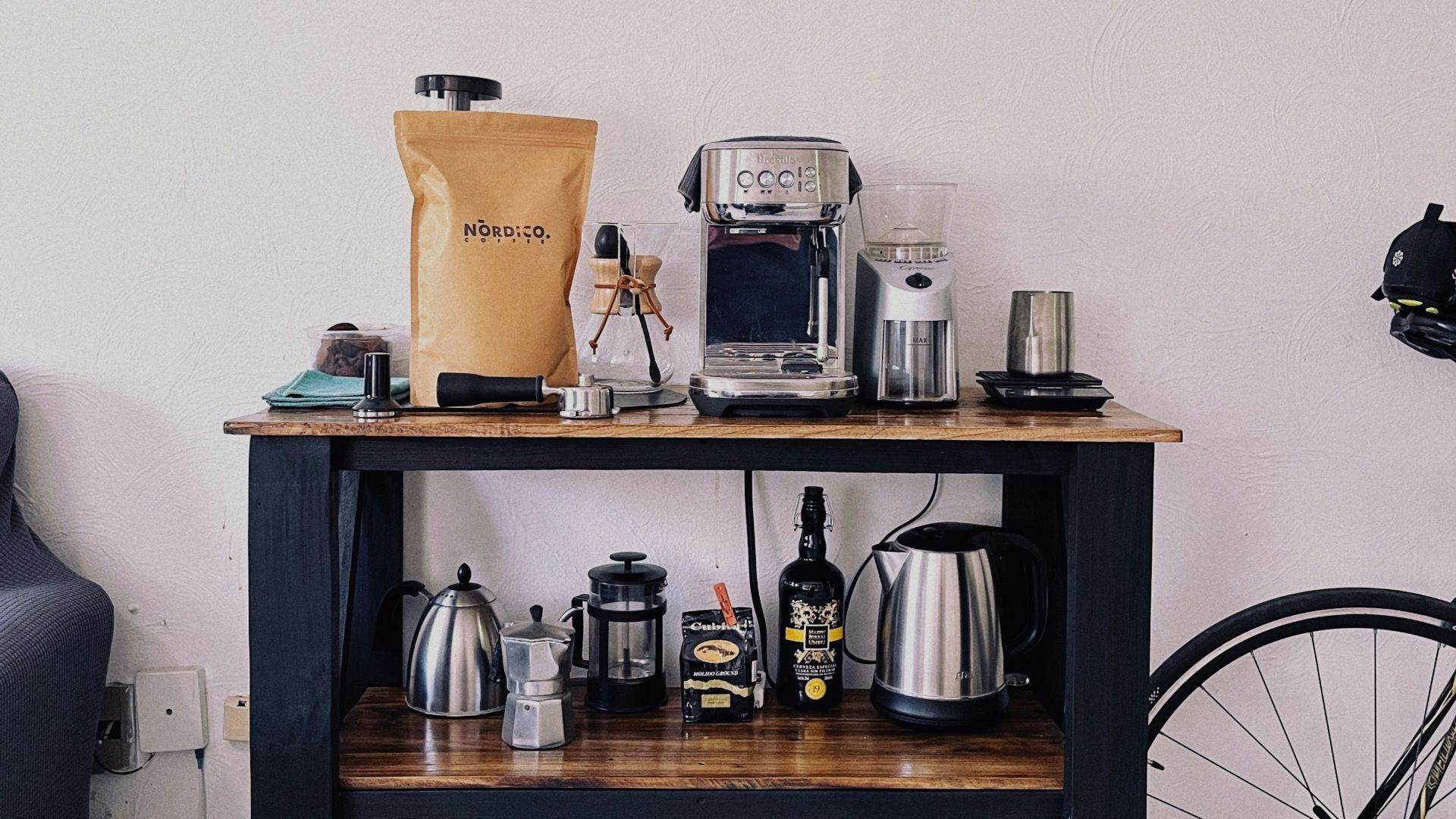
15. Creating A Coffee Station Instead Of A Morning Routine
The coffee station is one of the great domestic misdirections of modern life. People will spend an entire Saturday arranging syrups, mugs, trays, jars, spoons, and little labeled canisters because building a charming corner feels much easier than confronting the fact that every weekday begins in stress, lateness, and low-key dread.
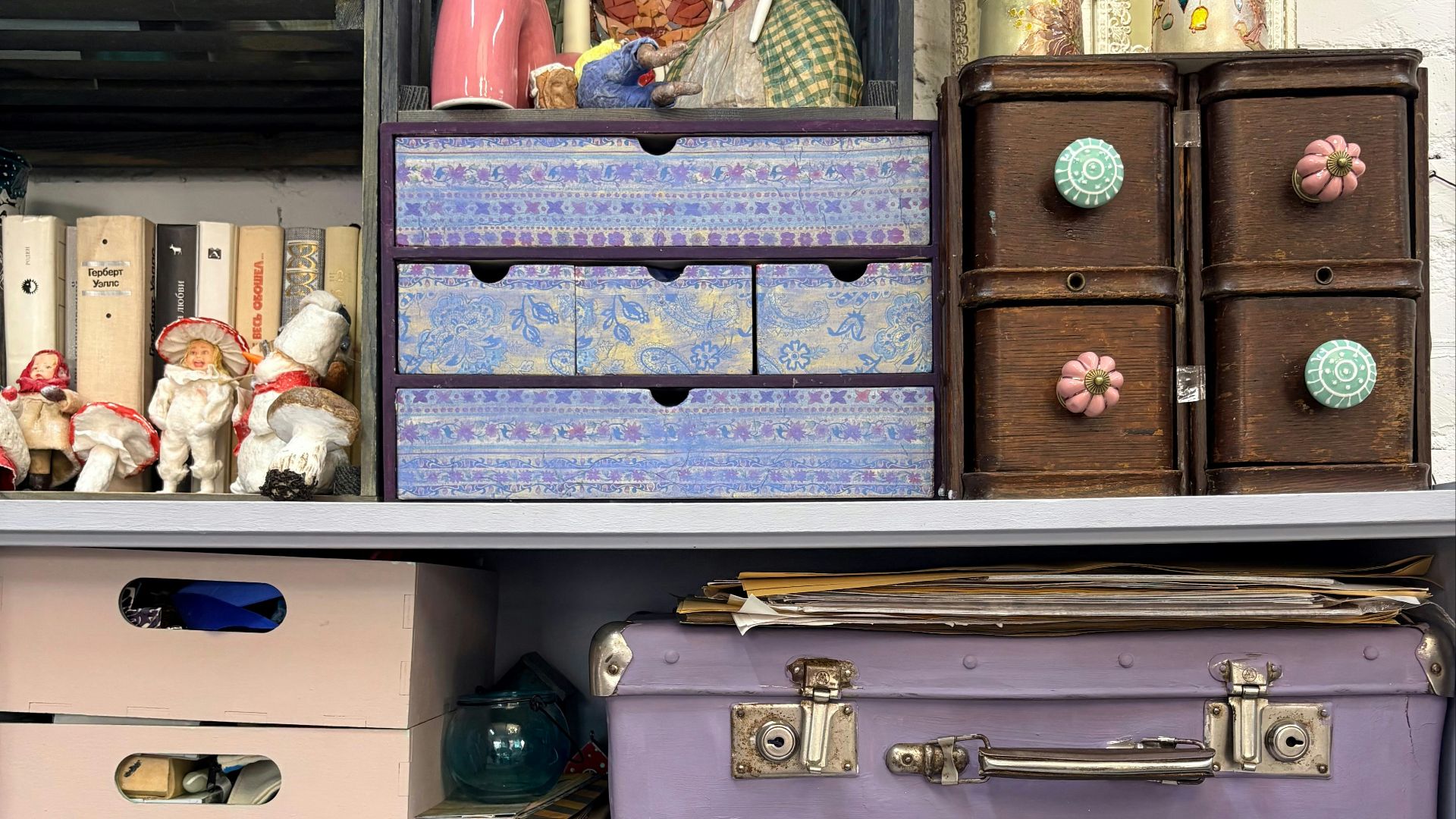
16. Buying Storage For Things They Should Probably Get Rid Of
Storage products have a way of making avoidance look responsible. A person can buy bins, cubes, ottomans, drawer inserts, under-bed containers, and woven boxes and feel gloriously competent, even though the deeper truth is that they are not organizing their life so much as building nicer hiding places for all the stuff they do not want to deal with.
17. Hyper-Fixating On Guest-Ready Spaces
This happens when people start styling for visitors they barely even have. They fluff the guest towels, restack the coffee table books, light the candle, straighten the throw, and fuss over the dining area because it is comforting to imagine that what their life needs is not change, but a hypothetical future evening in which other people walk in and approve of the room.
18. Swapping Decor With The Seasons
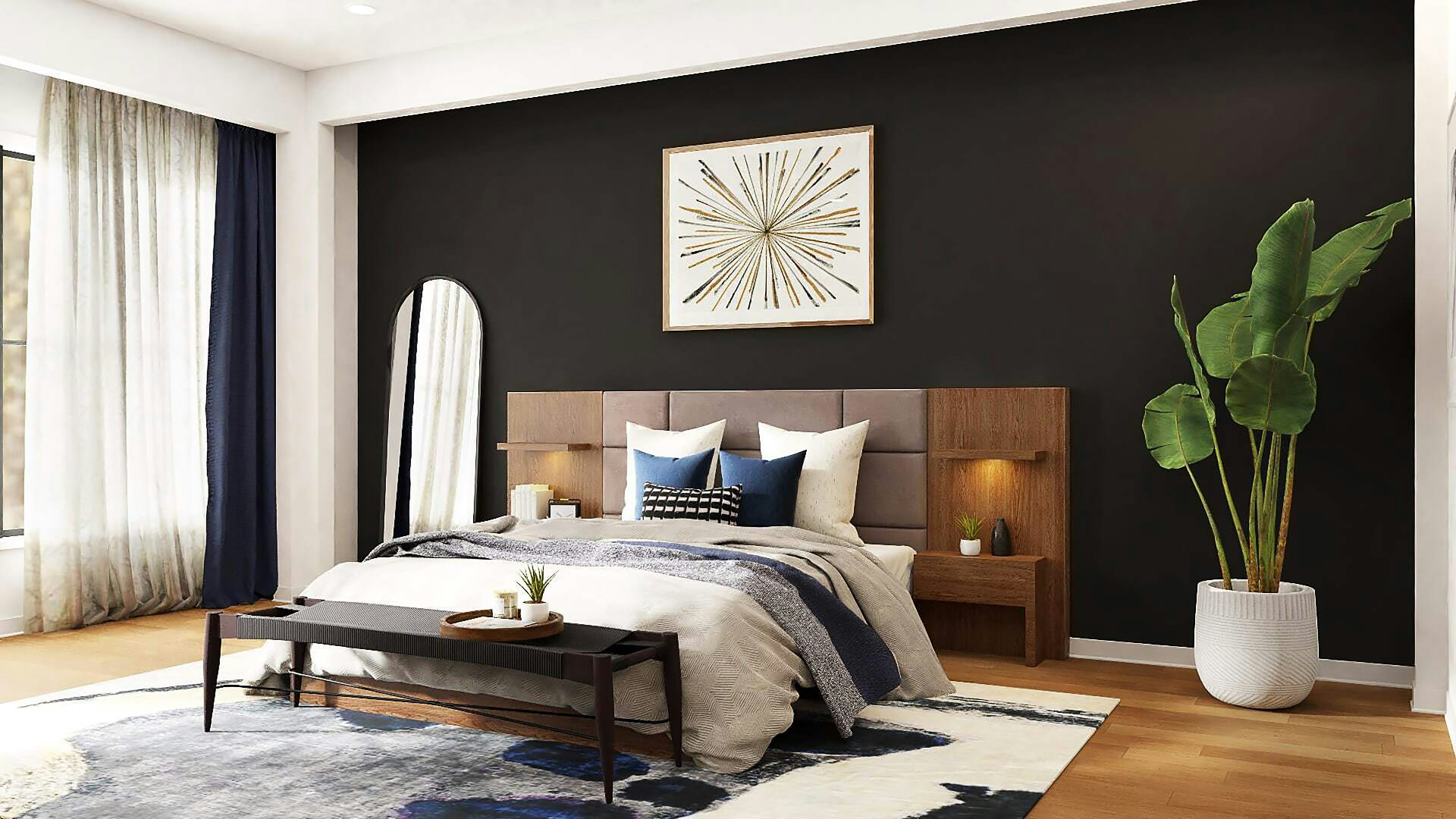
Seasonal decorating can be fun, but there is a version of it that feels a little haunted. The wreaths, throws, pumpkins, branches, garlands, lanterns, and tiny decorative pears begin cycling through the house with mounting intensity, as though changing the visual identity of the mantel every eight weeks might somehow prevent time from doing what it is doing anyway.

19. Calling It A Reset Every Single Time
At some point the word reset starts losing credibility. When every shopping trip, shelf adjustment, decluttering spree, and small furniture move gets framed as a reset, what you are often hearing is someone trying to grant emotional weight to cosmetic change because the real reset would require a harder kind of honesty.
20. Rearranging The Furniture To Avoid Rearranging Their Life
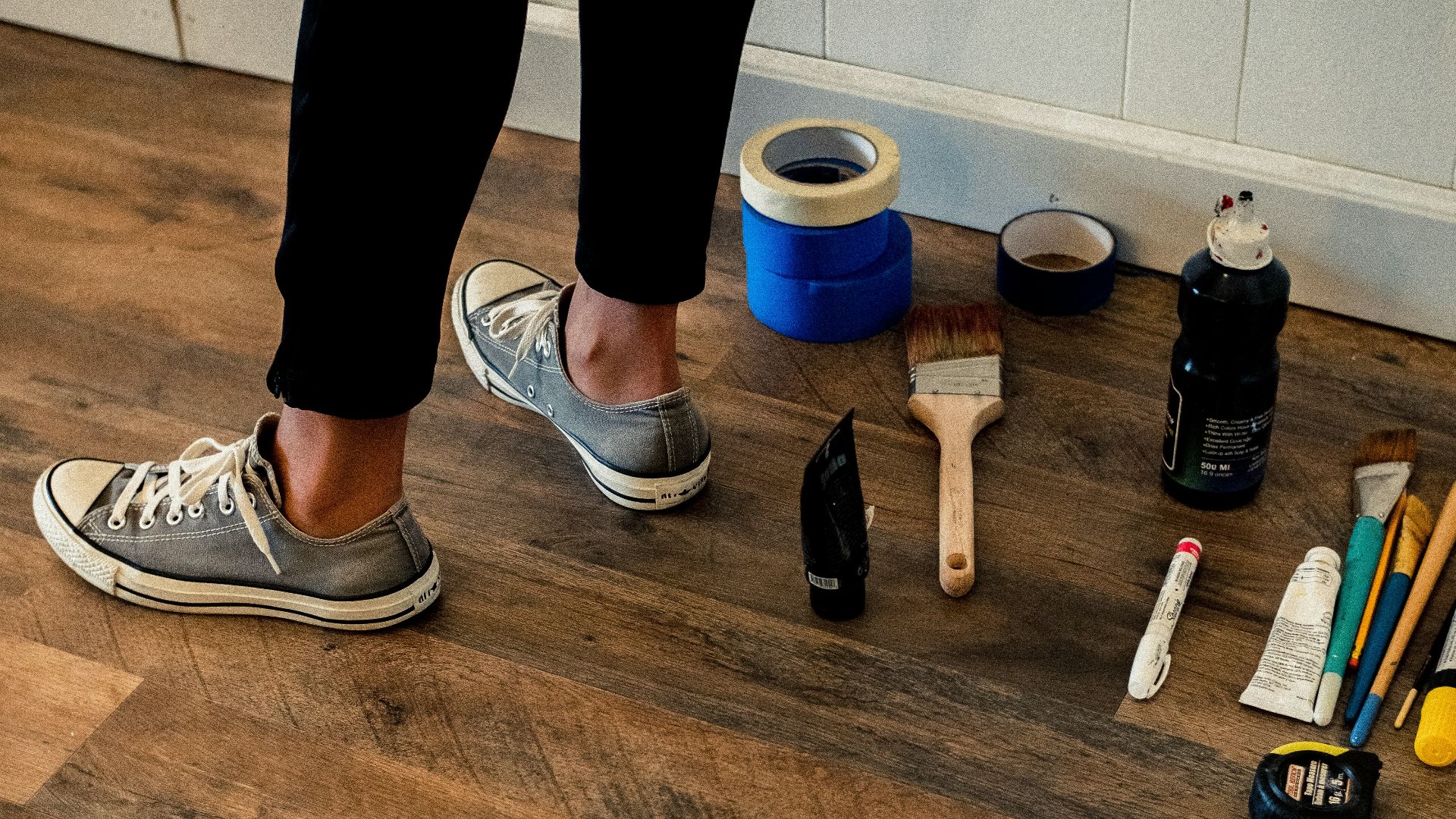
This is the big one, because it contains almost all the others. Moving the sofa, angling the bed differently, shifting the desk toward the window, and dragging the armchair into a new corner can produce a real little burst of relief, but sometimes that relief comes from the fantasy that if the room finally clicks, the life inside it will too.