How to Clear Out Your Closet
When it's time to declutter your wardrobe, the instinct is often to bag everything up and drop it at the nearest donation bin because you're lazy and would rather not have to sort through the whole stash. But not every item you're ready to part with is actually worth donating, so don't go throwing used socks and swimwear in the pile. If you're in the process of clearing out your closet, here's what you should and shouldn't pass on.
 Antoni Shkraba Studio on Pexels
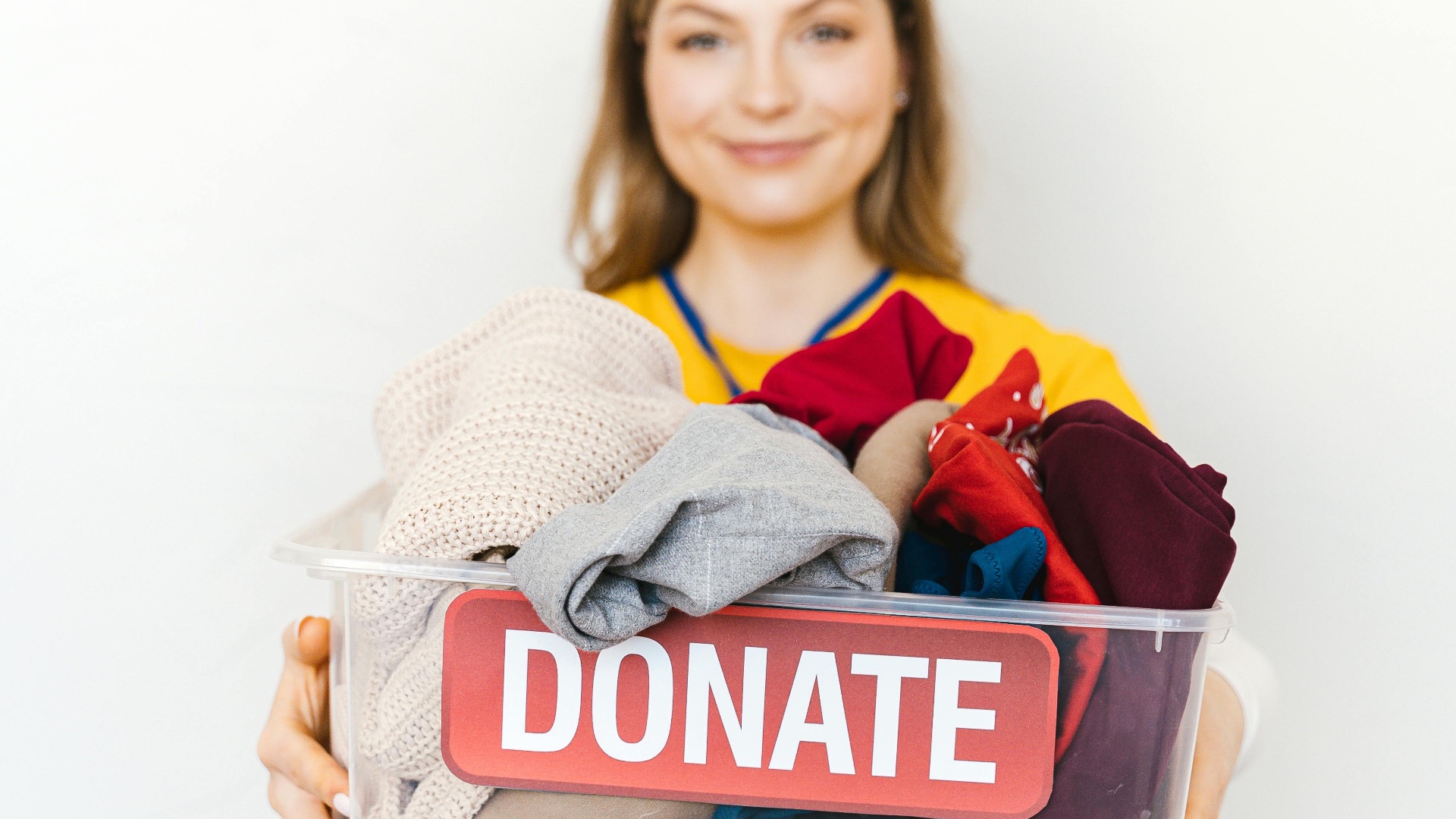
1. Gently Worn Jeans
If your jeans are still in solid shape, they're a great candidate for donation. Denim holds up well over time, and a pair that no longer fits your style or body can be exactly what someone else has been looking for. Most thrift stores move denim quickly, so yours won't be sitting on the rack for long.
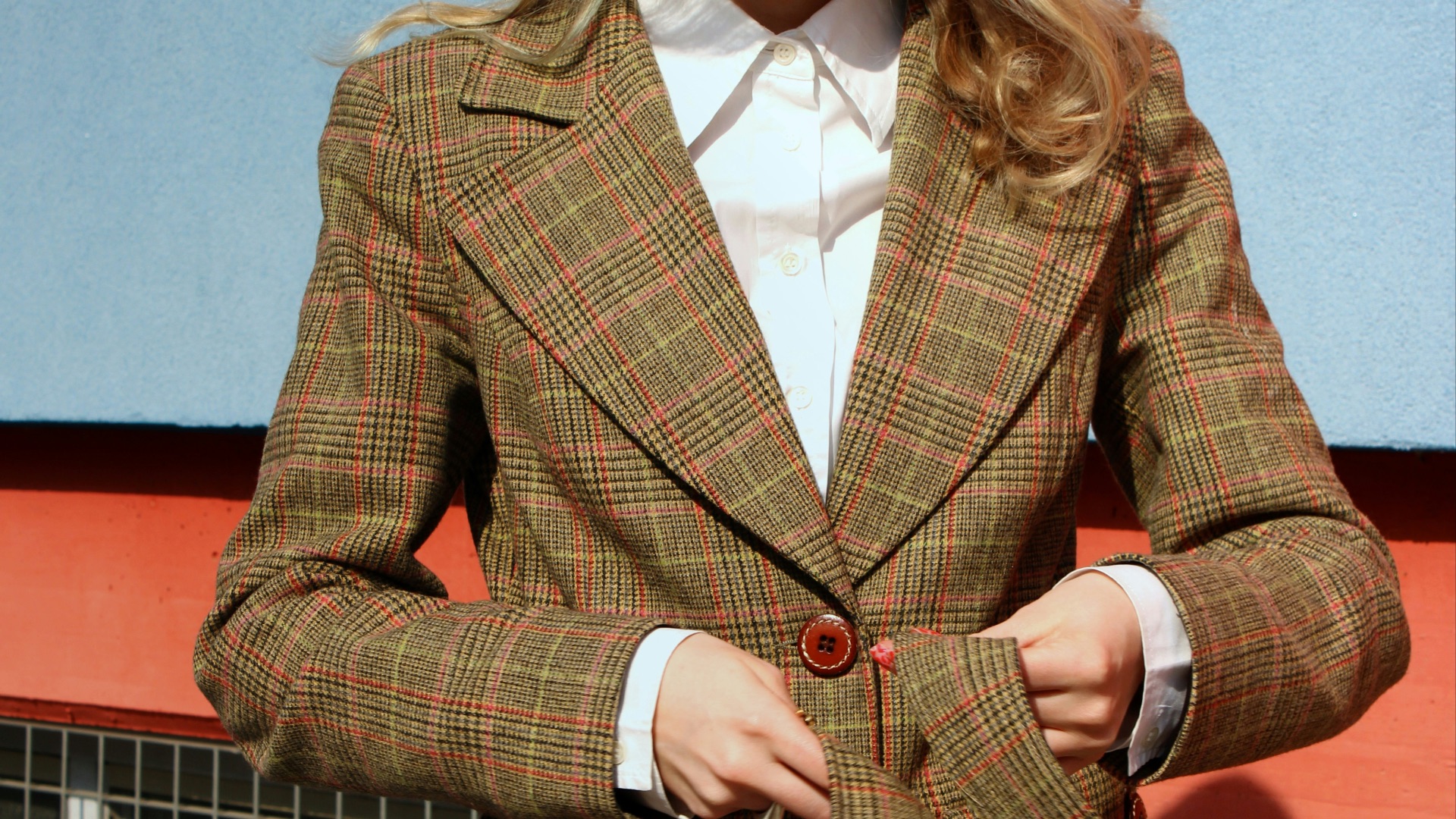
2. Blazers and Structured Jackets
A blazer you bought for a job you've since left or a style phase you've moved past still has real value for someone heading into an interview or building a professional wardrobe on a budget. As long as the lining isn't torn and the buttons are intact, structured jackets tend to hold their shape well and look presentable even after years in someone's closet. Donation centers often sort these into their higher-end sections, so they're likely to find a good home fast.
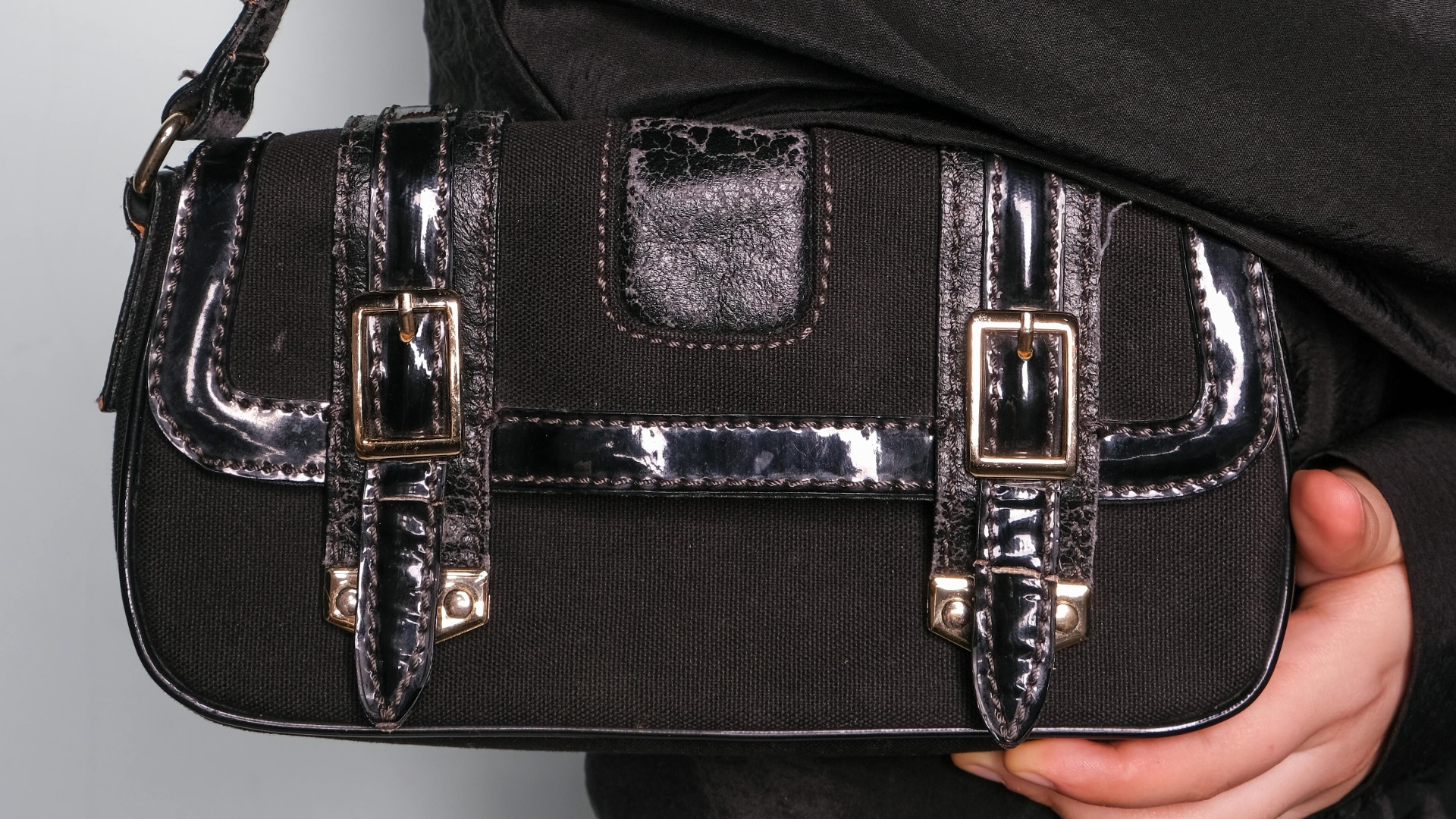
3. Barely Used Handbags
If you've got a bag that's been sitting on a shelf because it doesn't suit your taste anymore, donating it is a smart move. Handbags in good condition (meaning there are no stains, the zippers still work, and there are no major scuffs) are consistently popular at thrift stores and can be a real find for someone who needs a work bag or an everyday tote. Give the interior a quick wipe-down before you drop it off, and it'll be shelf-ready.
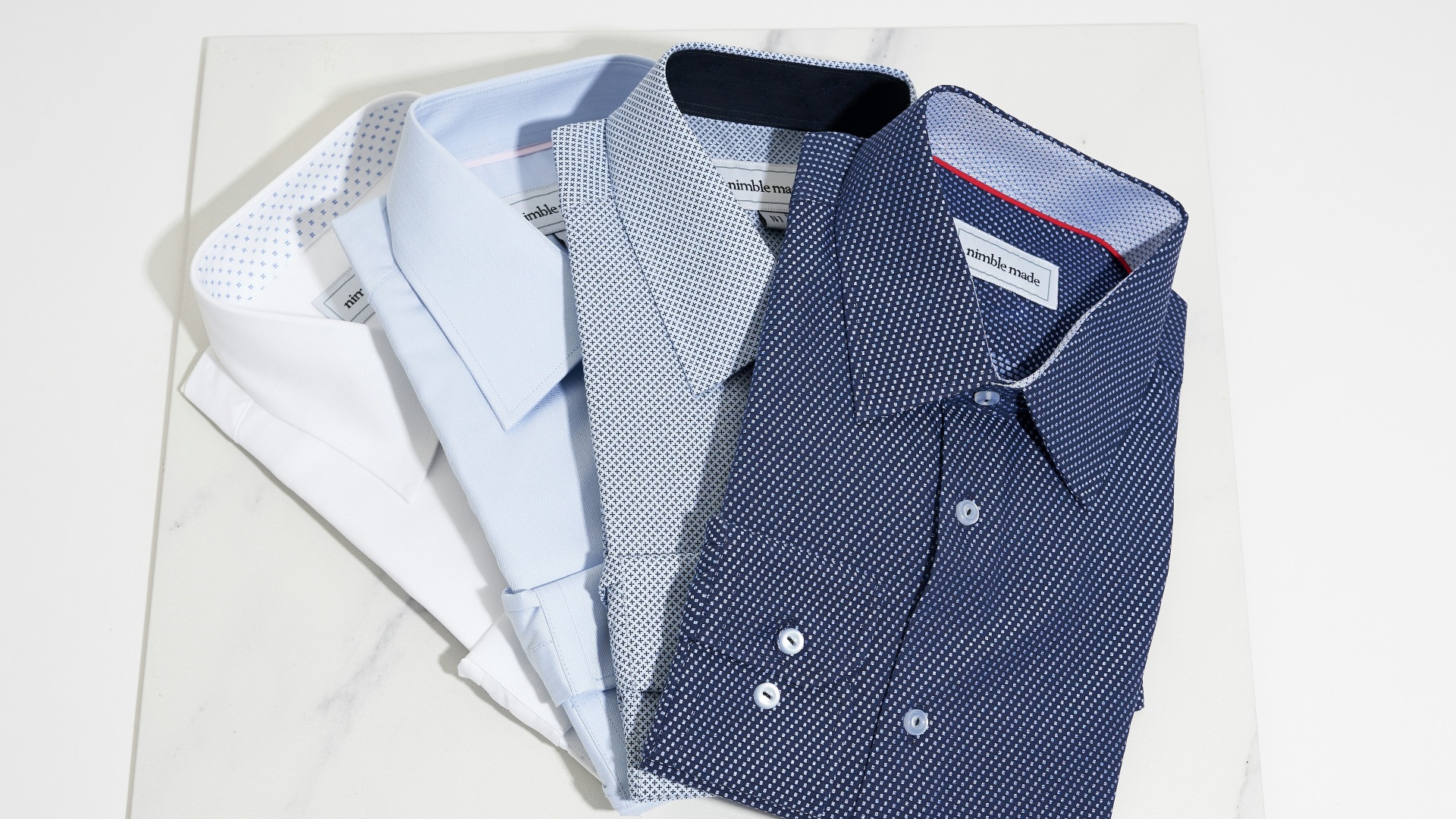
4. Dress Shirts and Blouses
Button-downs and blouses that are still in clean, wearable condition are always in demand at donation centers, particularly ones that serve people preparing for job interviews or returning to the workforce. Even if the style feels dated to you, professional tops have a way of cycling back into fashion or simply being the right fit for someone with a different aesthetic. Check for stains and make sure all the buttons are present before donating.
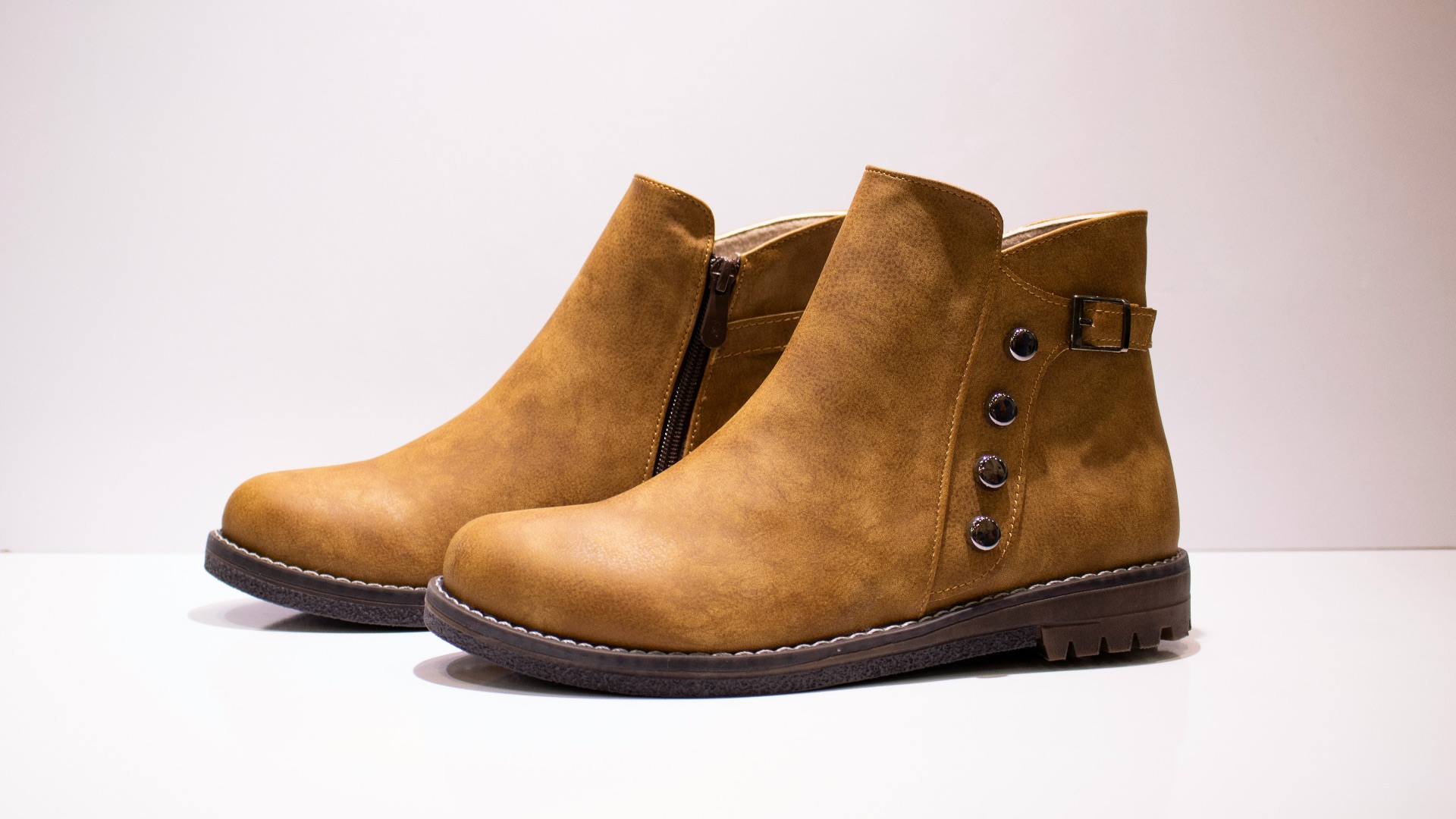
5. Unworn or Lightly Worn Shoes
Shoes that you bought but never really broke in, or pairs that still have plenty of tread left, are worth passing on rather than tossing. Footwear is one of the most needed categories at shelters and donation centers, and a pair in good condition can make a real practical difference for someone. Just make sure they're clean and, if possible, paired together with the original laces still in them.
6. Winter Coats
A coat you've replaced or grown tired of is one of the most impactful items you can donate, especially if you time it right before the colder months roll in. Organizations that serve unhoused individuals or low-income families often put out specific calls for warm outerwear, and a functional, clean coat is never turned away. Even styles that feel older tend to be welcomed here since warmth matters far more than trends.
7. Workout Clothes Without Excessive Wear
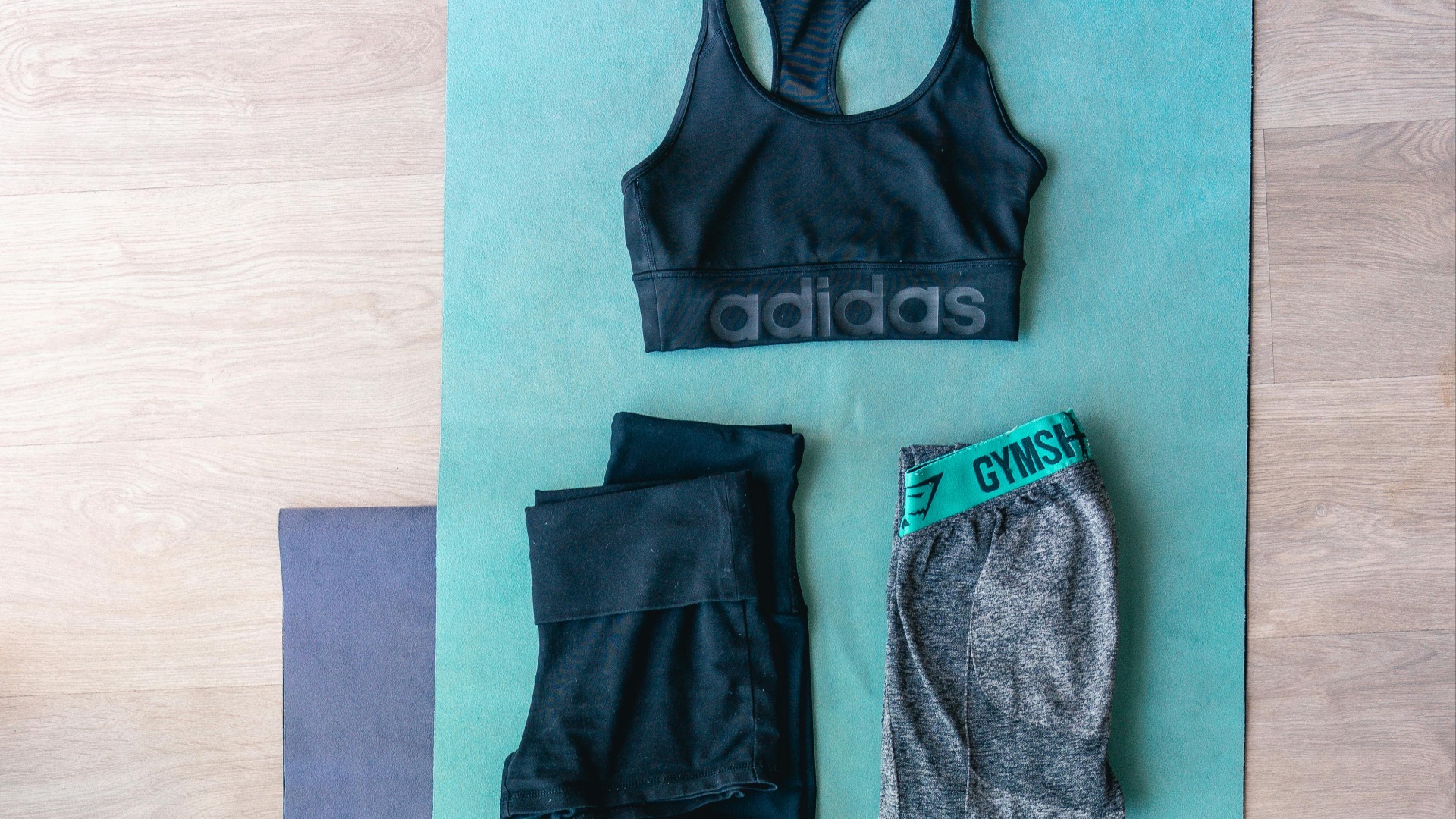
Activewear that still has its stretch and hasn't pilled or faded significantly can still be donated. After all, gym clothes can be expensive, so finding a good pair of leggings or a supportive sports bra at a thrift price is a real perk for budget-conscious shoppers. As long as the fabric isn't thinning and the elastic is still doing its job, these items are fair game to pass along.
8. Scarves and Wraps
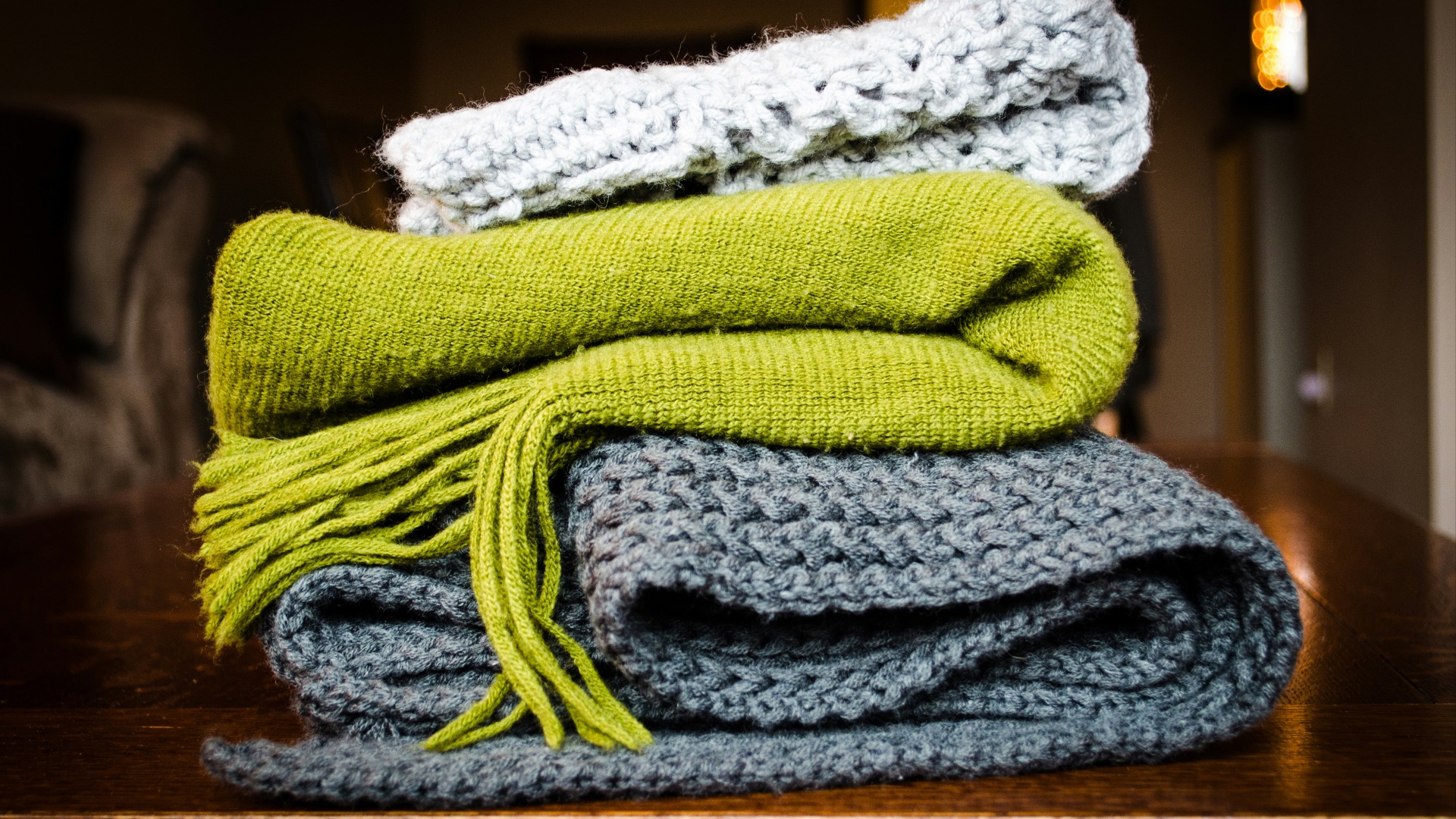
Scarves are low-maintenance accessories that travel well from one person's wardrobe to another, and they rarely show wear the way clothing does. Whether it's a silk wrap, a chunky knit, or a lightweight linen scarf, these pieces are easy to clean, easy to store, and easy for thrift stores to display attractively. If yours are clean and free of snags, toss them in the donation bag without a second thought.
9. Formalwear You'll Never Wear Again
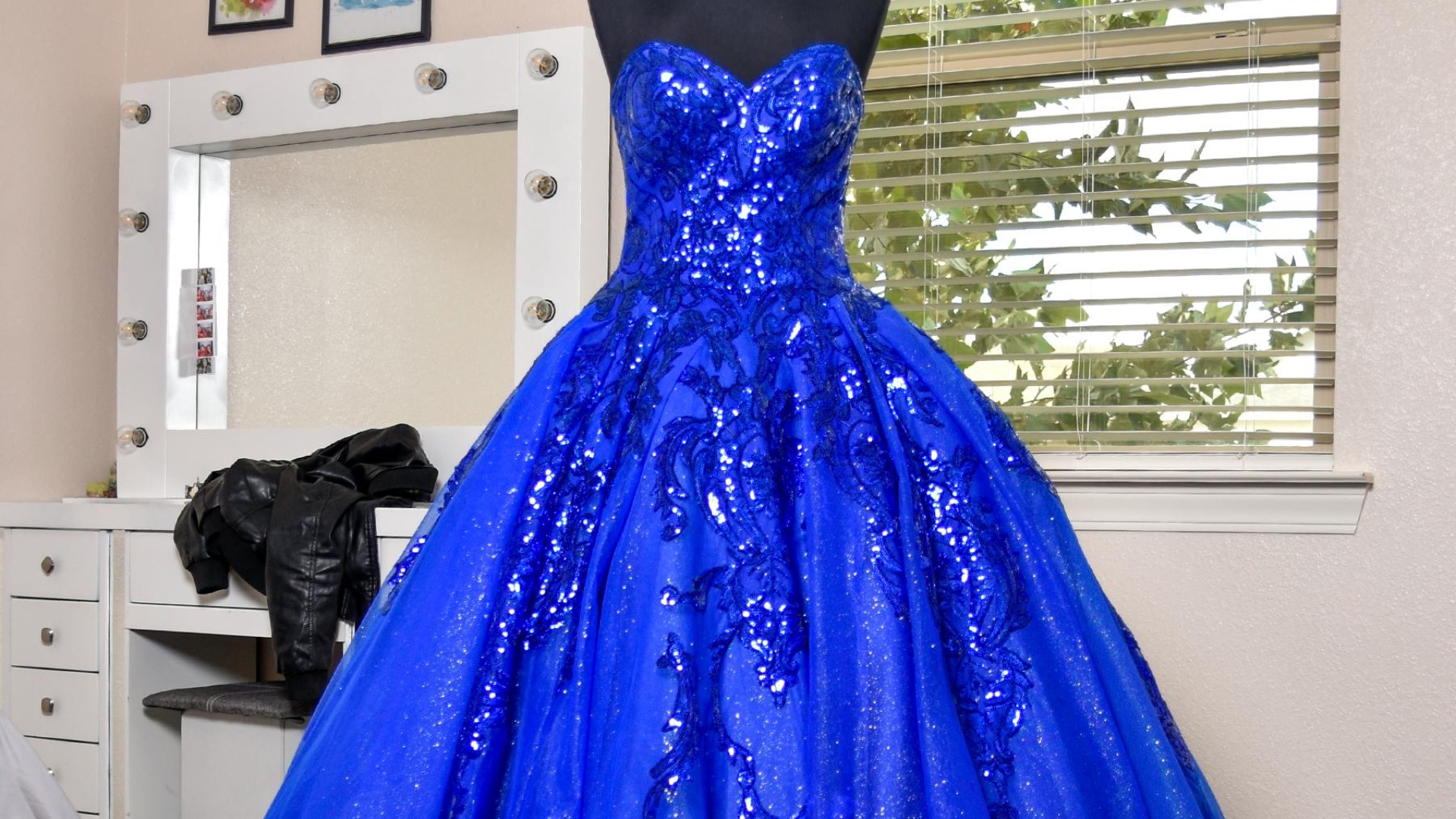
Prom dresses, bridesmaid gowns, and cocktail attire that's been worn once and has been hanging in a garment bag ever since are ideal donation candidates. Many nonprofit organizations specifically collect formal attire to provide to students who can't afford prom dresses or to adults attending formal events. A dress that's been sitting untouched for three years could be someone else's most memorable outfit.
10. Children's Clothing in Good Condition
Kids outgrow their clothes so fast that much of what they wear is barely used by the time it no longer fits, making children's clothing one of the most consistently useful categories to donate. Families going through financial hardship often rely on donated kids' clothing to keep up with how quickly little ones grow, and even seasonal items like snow pants or rain jackets are put to good use. If it's clean, intact, and stain-free, it absolutely belongs in the donation pile.
Now that you've sorted out what's worth passing on, it's time to talk about the other side of the closet cleanout. Some items simply can't be rescued, so please, don't bother trying.
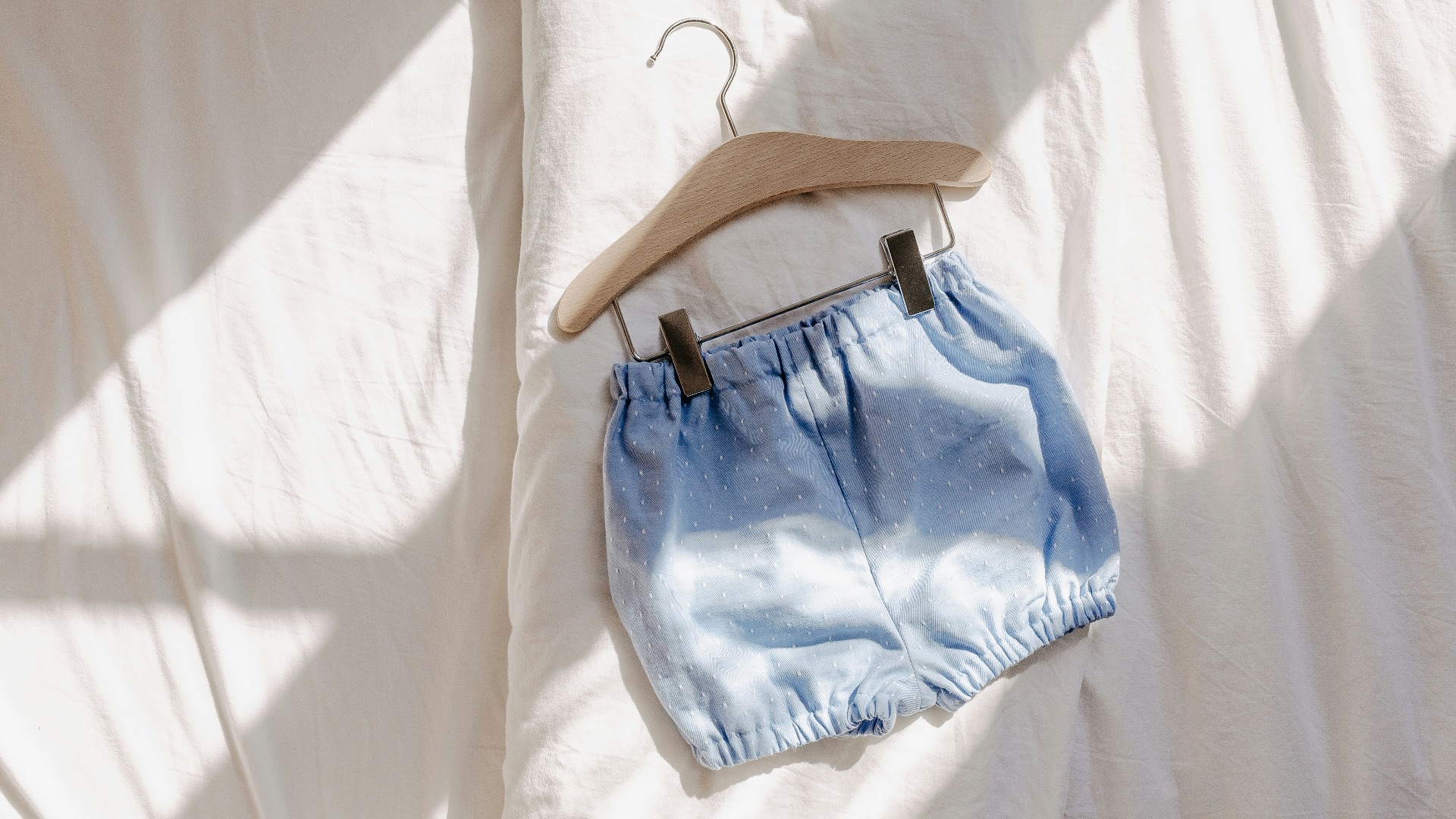
1. Underwear and Socks
This one's non-negotiable: never, ever donate your worn undergarments. You wouldn't wear a stranger's socks or underwear, and they won't want to wear yours. There's no way around this one, no matter how good the condition seems or how much you swear you've never worn them before. They go in the trash.
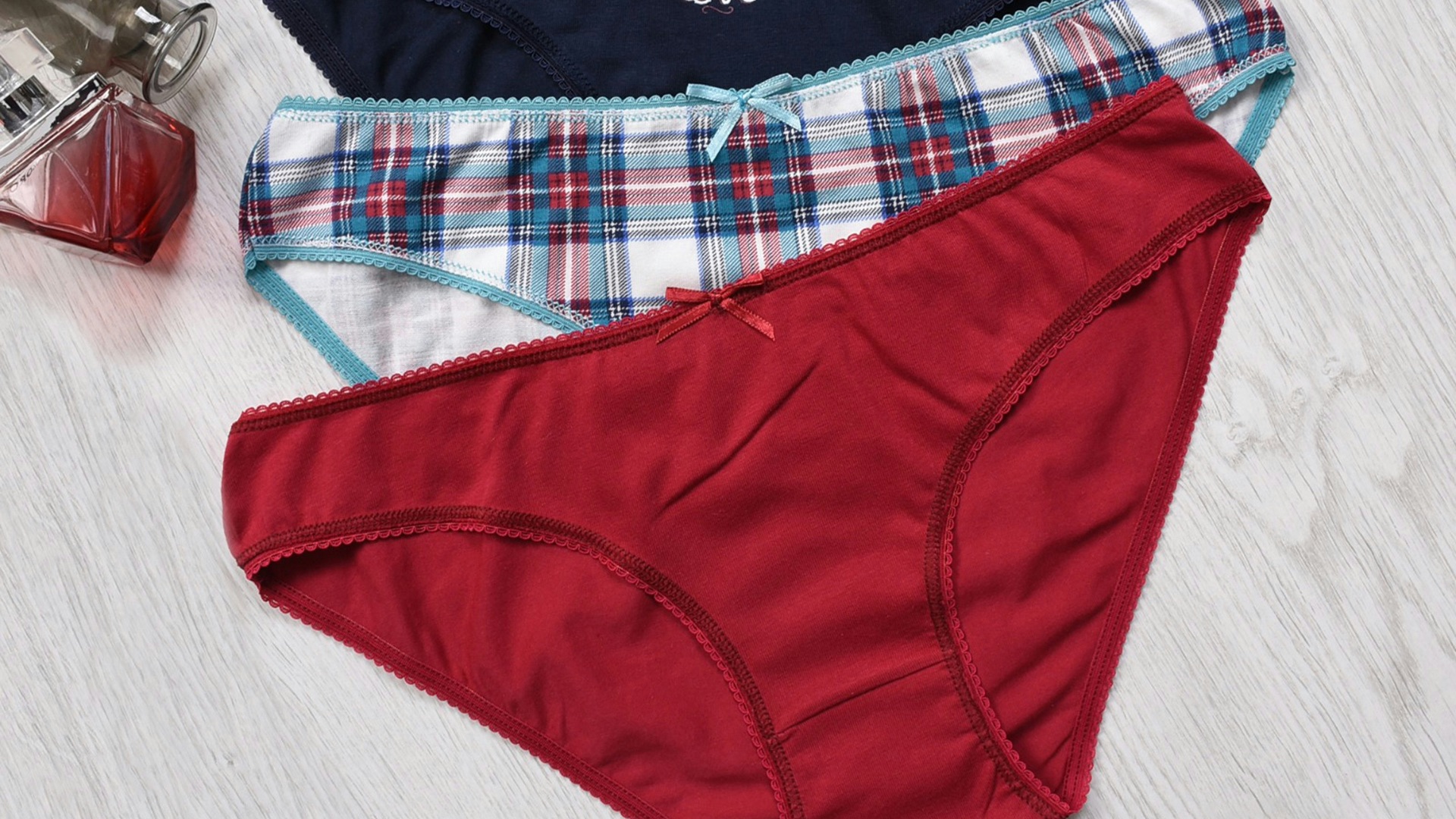
2. Swimwear
Just like you wouldn't donate intimate clothing, don't toss your swimwear into the donate pile. Even if you've only "worn it once or twice," no one wants to take a bikini to the beach if it was passed down by a complete stranger. You probably wouldn't even want to wear your siblings' or parents' old swimsuits!
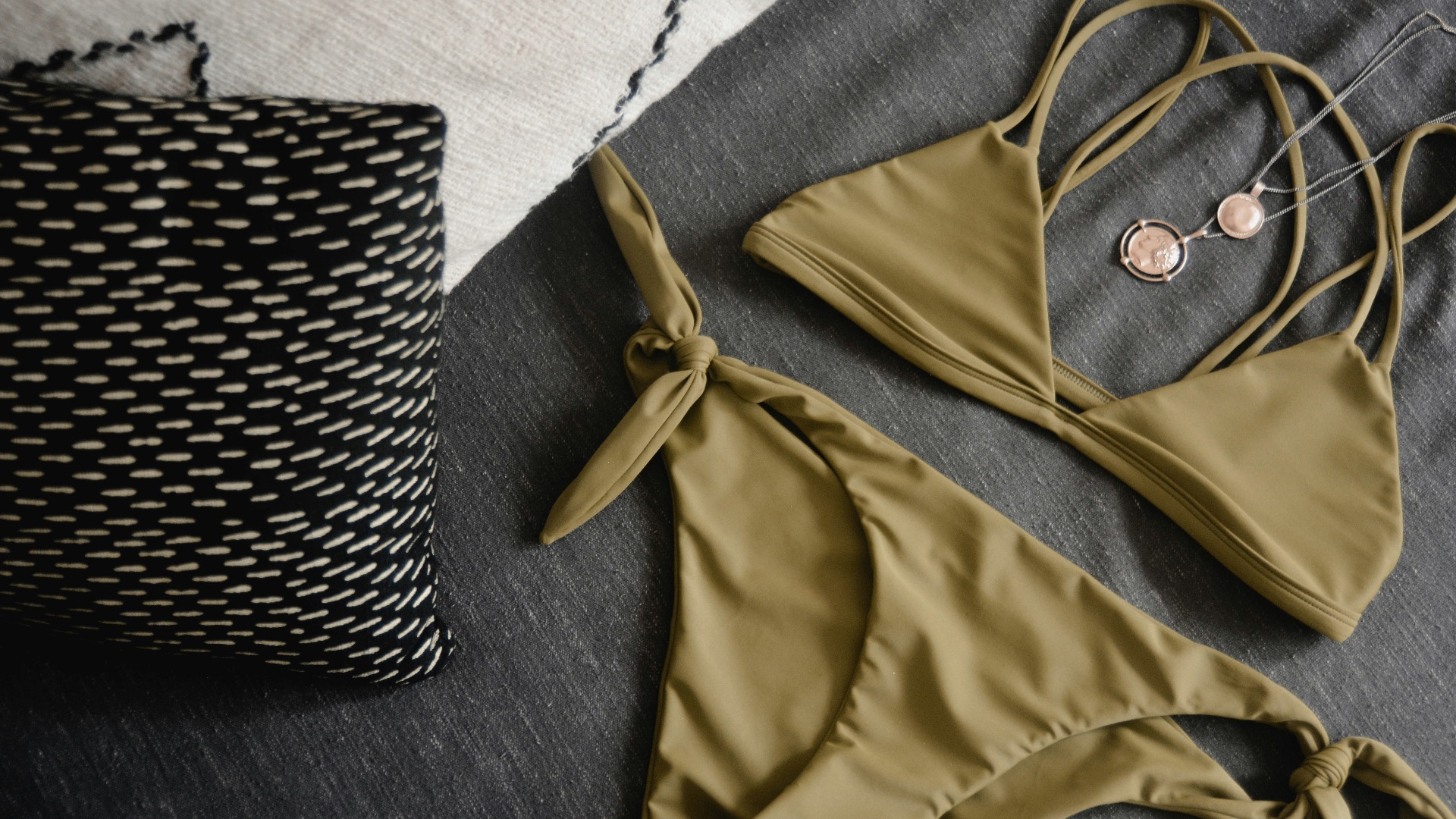
3. Shoes with No Sole Left
You know what they say: shoes with no sole left are shoes with no soul left. Well, it's not really a saying, but you get the point. Shoes that are cracked, peeling, or structurally compromised can't be resold and won't serve anyone well as functional footwear. Worn-out shoes are better tossed, or looked into for specific recycling programs that process old footwear.
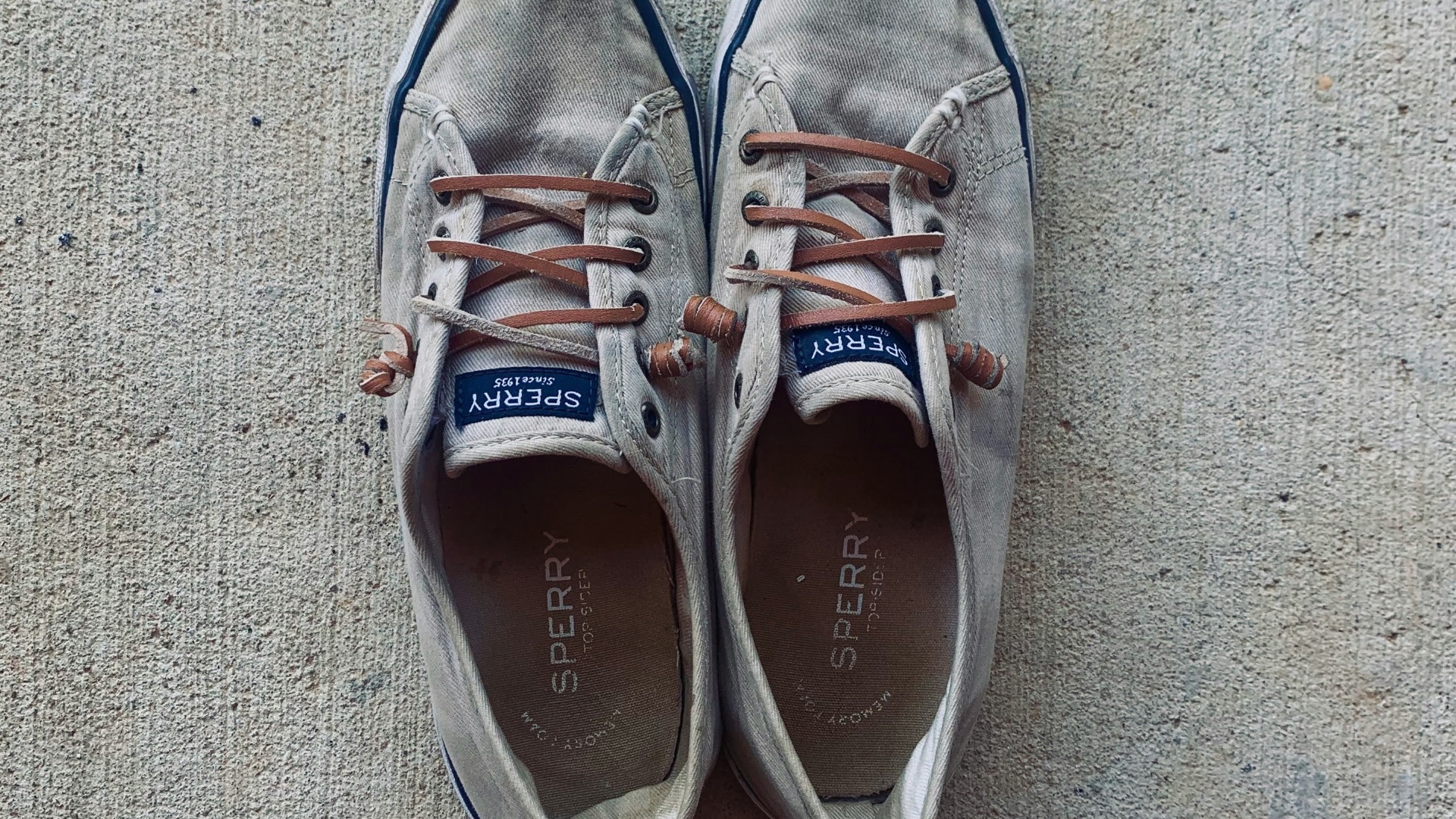
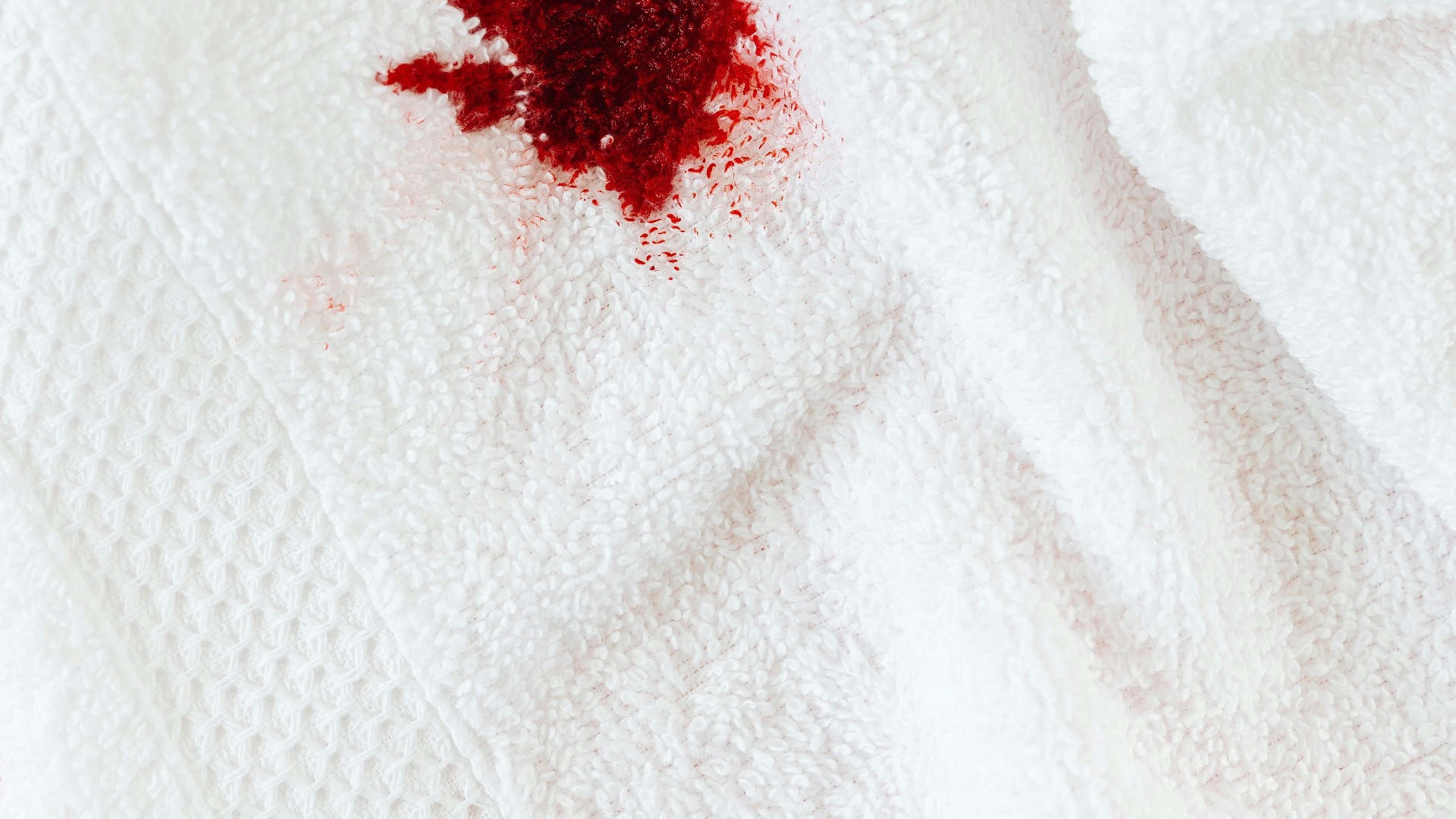
4. Stained Garments
A small, faded mark that barely shows is one thing, especially if there's a pattern that covers it up, but clothing with prominent stains is a major no-no. If you're not going to try to scrub it clean, don't expect the donation centers to do the job for you. Save everyone the trouble and throw these out at home.
5. Stretched-Out or Damaged Shapewear
Shapewear and compression garments that have lost their elasticity, developed holes, or no longer hold their form aren't doing their job anymore. These items are also in the same category as undergarments when it comes to hygiene, so they're not accepted as donations regardless of condition. Once they've lost their stretch, they've reached the end of their usefulness.

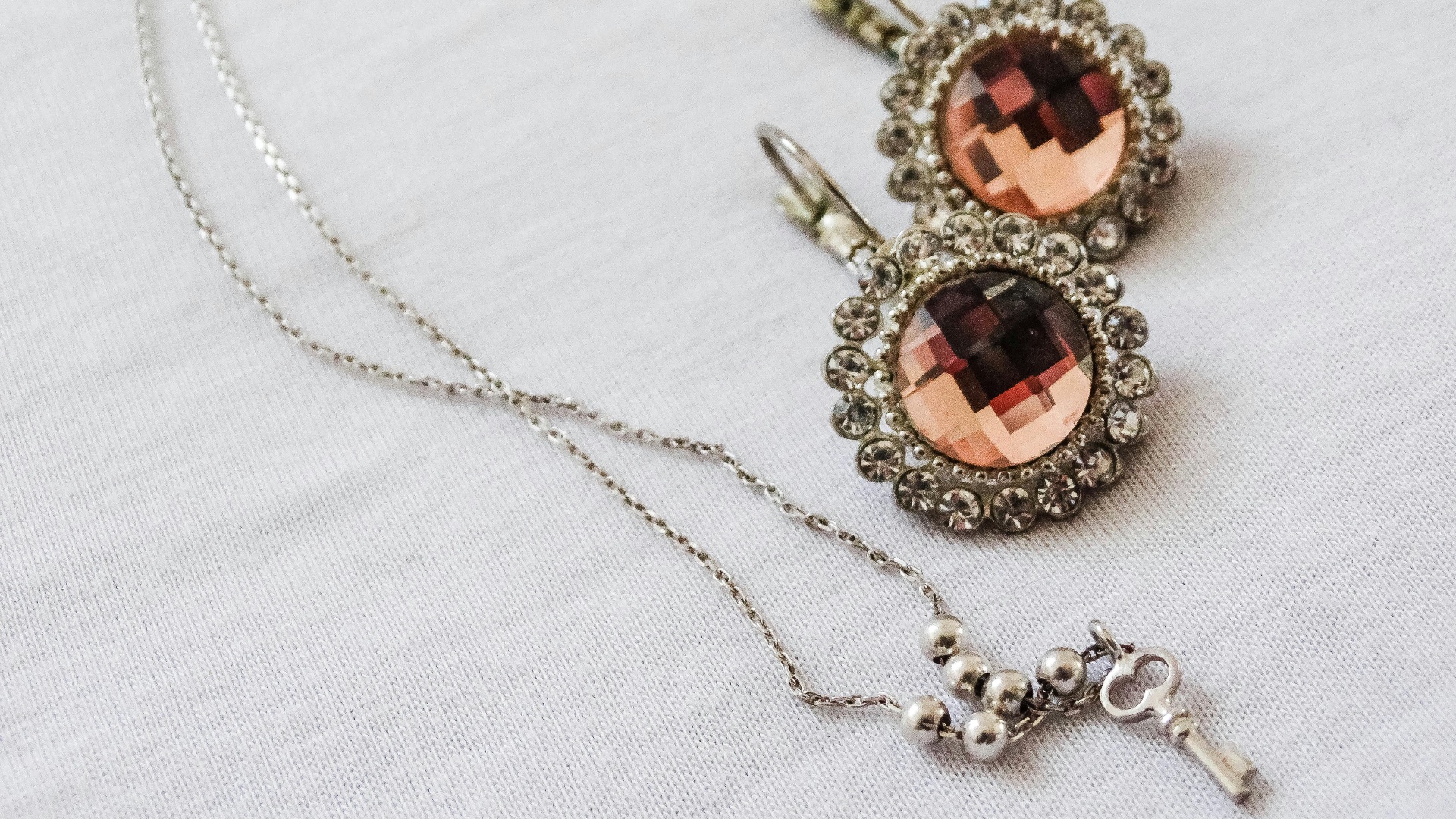
6. Broken or Bent Accessories
Jewelry with snapped chains, earrings missing their backs, belts with broken buckles, and sunglasses with cracked frames might seem like they could be someone else's DIY project, but donation centers aren't equipped to repair accessories. If the damage is significant enough that it renders the item unwearable, it's not going to be resold and will most likely get discarded on arrival. Toss the broken pieces and only donate accessories that are fully intact and functional.
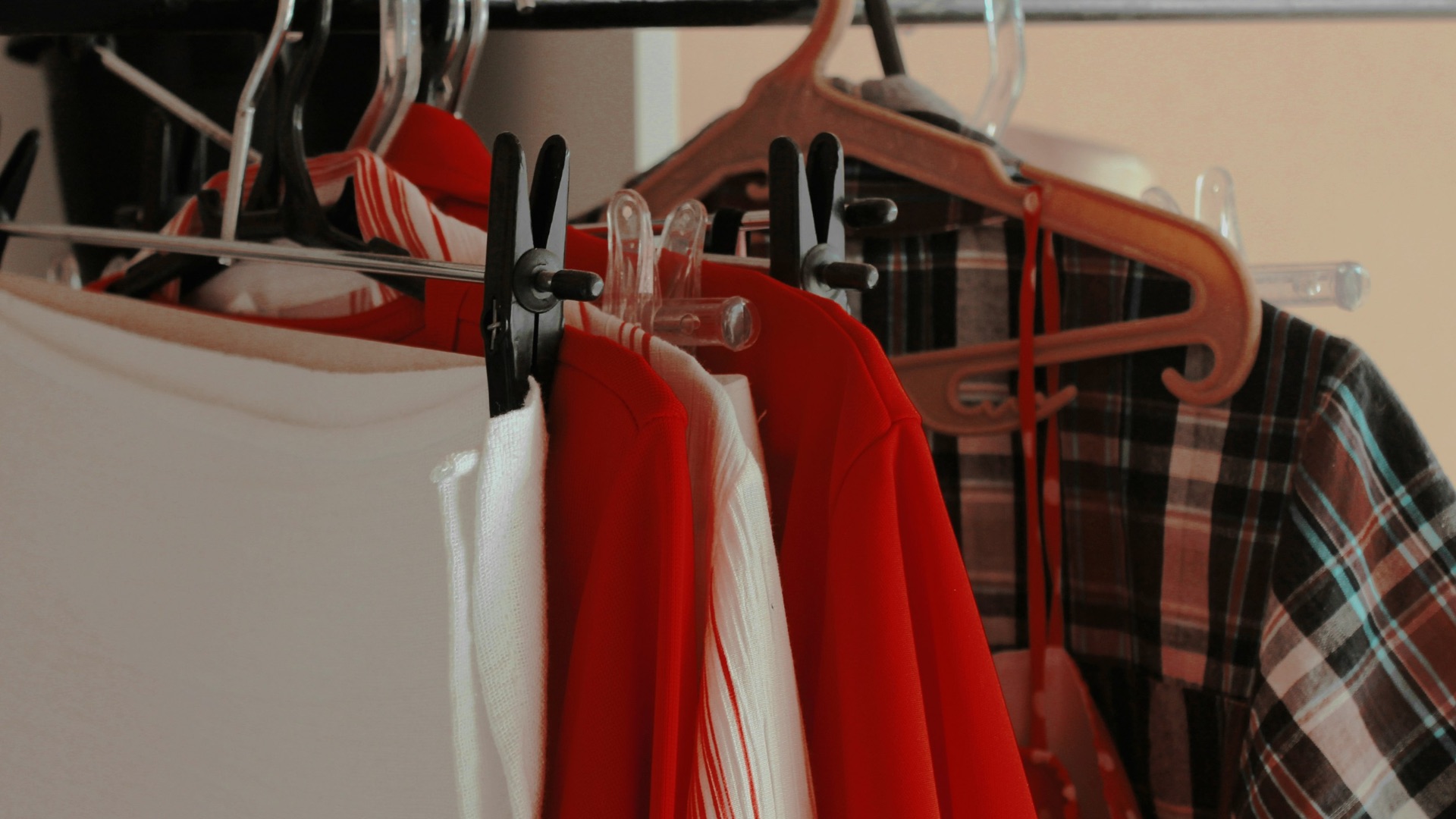
7. Clothes with Mold or Mildew
Don't want to wear your clothes anymore because they smell weird? Well, guess what: neither do other people. Anything that's been sitting in a damp basement or a musty storage bin long enough to develop that mildew stench needs to be thrown out, not donated. Mold can spread to other clothing in storage and poses a health risk; even if the visible damage seems minor, the spores are already in the fabric.
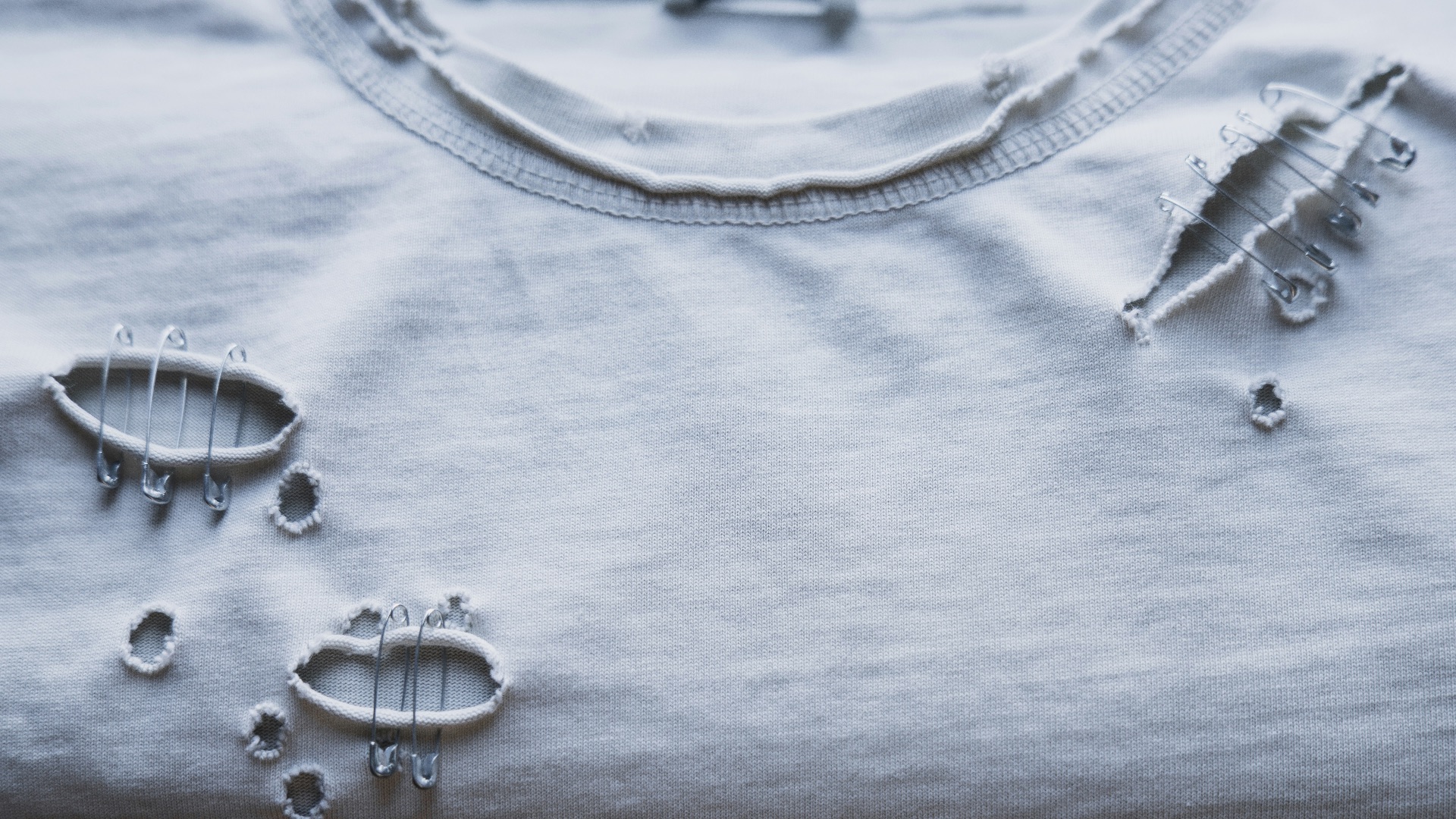
8. Clothes That Have Been Torn or Damaged Beyond Repair
Pet damage, accidental tears, or fabric that's been so thinned out from washing that it's practically see-through should never be passed along. A small, clean tear that could be mended is one thing (and you should repair it yourself before donating), but clothing that's visibly falling apart isn't going to be useful to anyone. If the damage is obvious enough that you'd be embarrassed to wear it yourself, it doesn't belong in a donation bag.
9. Heavily Pilled Knitwear
Sweaters, cardigans, hoodies, and knit tops that have developed extensive pilling across the surface are past the point of looking presentable, and into the trash they should go. Pilling happens naturally with wear, but once it's heavy enough to cover the entire garment, the item looks too worn to be resaleable. These can often be composted if the fiber content is natural, which is at least a better end than a landfill.
10. Hats with Stains or Heavy Wear
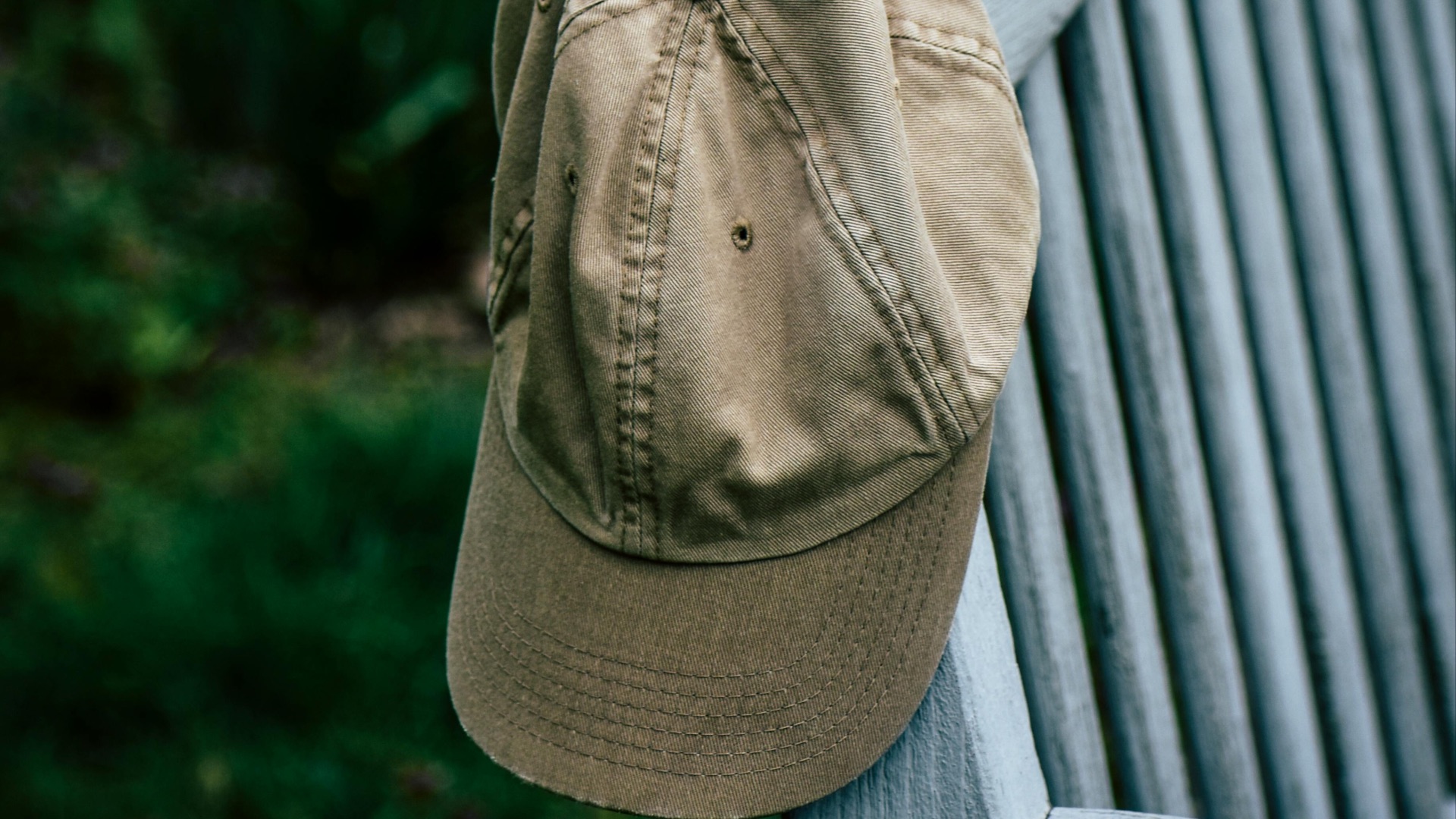
Baseball caps and beanies that carry visible sweat or makeup stains along the brim or interior band are not appropriate donations, both for hygiene reasons and because they simply won't move on a thrift store shelf. Hats in this condition have had a good run, but there's no practical second life waiting for them. Give them a dignified send-off in the recycling bin if the material allows, or just let them go in the trash.