
20 Fashion Choices That Were Once Used to Tell Married Women From Single Women
When Your Outfit Revealed Your Relationship Status
Long before social media profiles and relationship announcements, people could often tell whether a woman was married just by looking at what she wore. Throughout history, different cultures developed fashion traditions that revealed marital status through everything from hairstyles and jewelry to elaborate hats and colorful clothing. Some customs were so specific that getting married meant completely changing your appearance. Although many of these traditions have faded or become optional, they offer an interesting look at how fashion once revealed personal details about a woman's life.
1. Long-Sleeved Kimonos in Japan
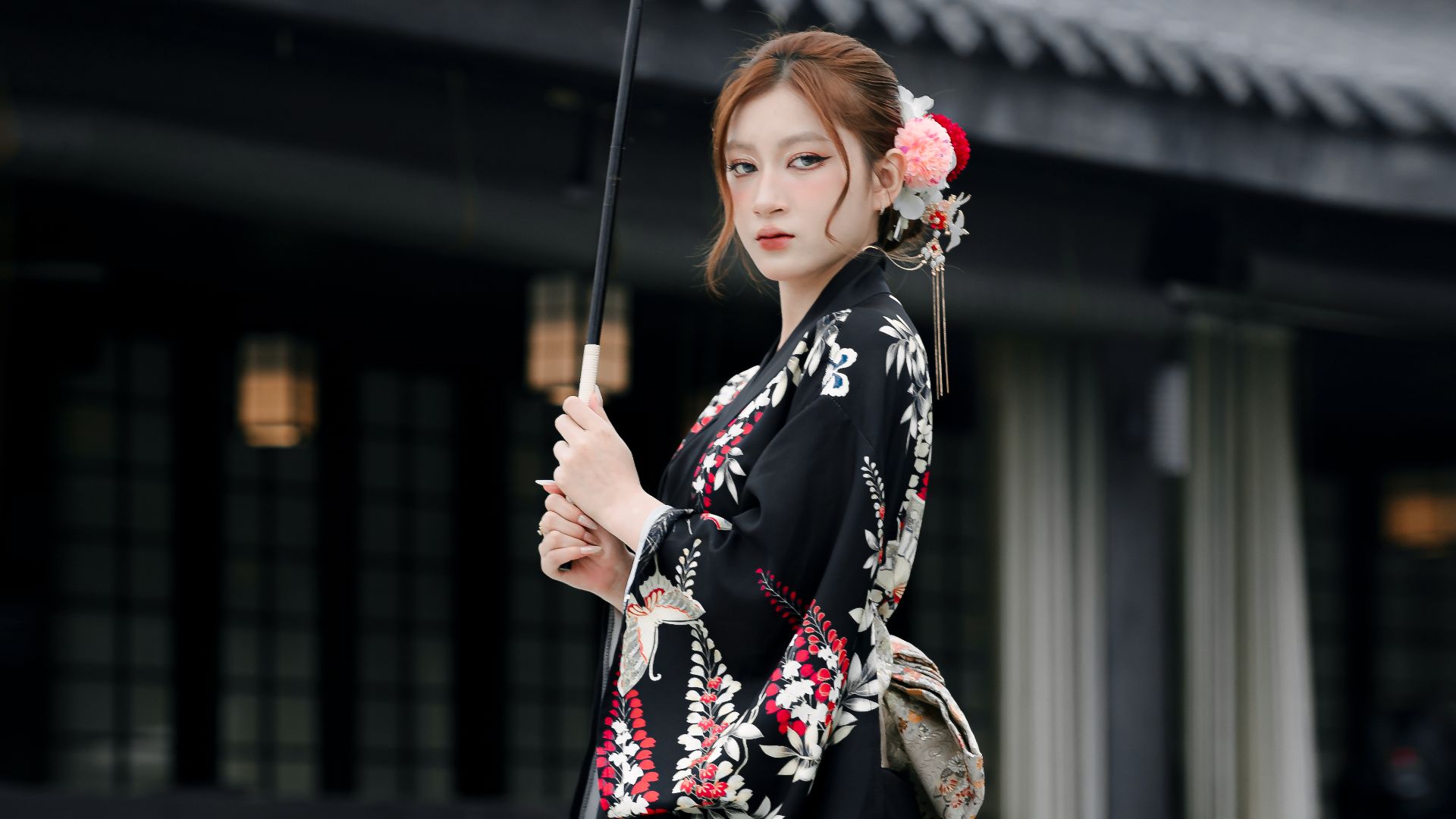
In traditional Japanese fashion, unmarried women wore a special kimono called a furisode, known for its unusually long, flowing sleeves. These garments often featured beautiful decorations and were saved for important celebrations, including weddings and coming-of-age ceremonies. After marriage, women traditionally switched to shorter-sleeved styles, meaning you could often tell someone's marital status just by looking at her sleeves.
2. Wedding Rings on the Left Hand
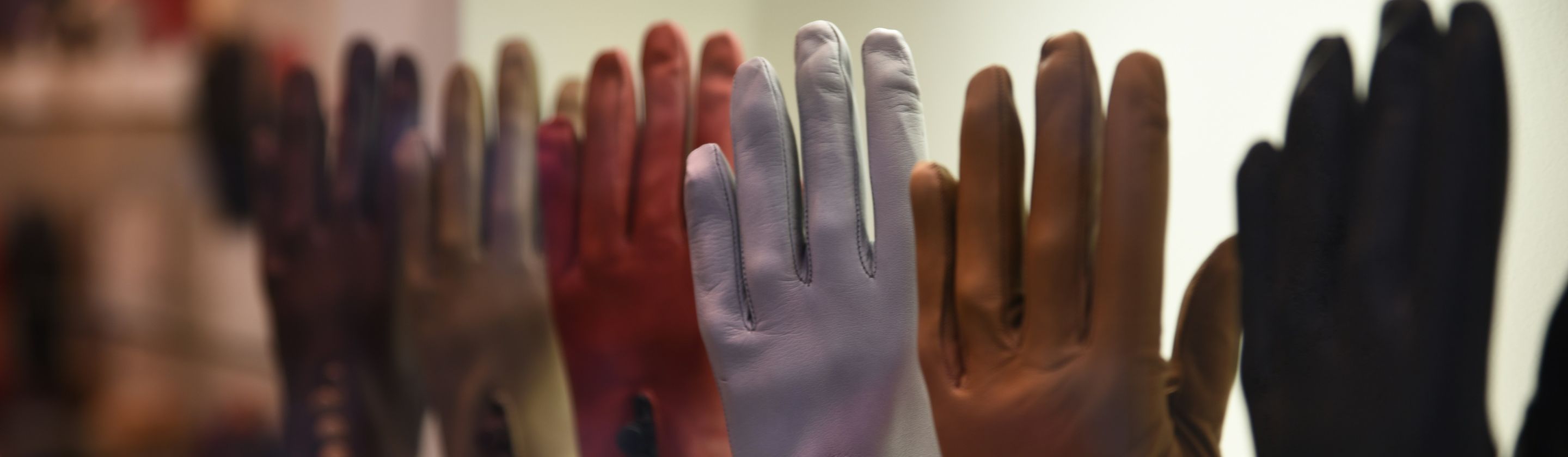
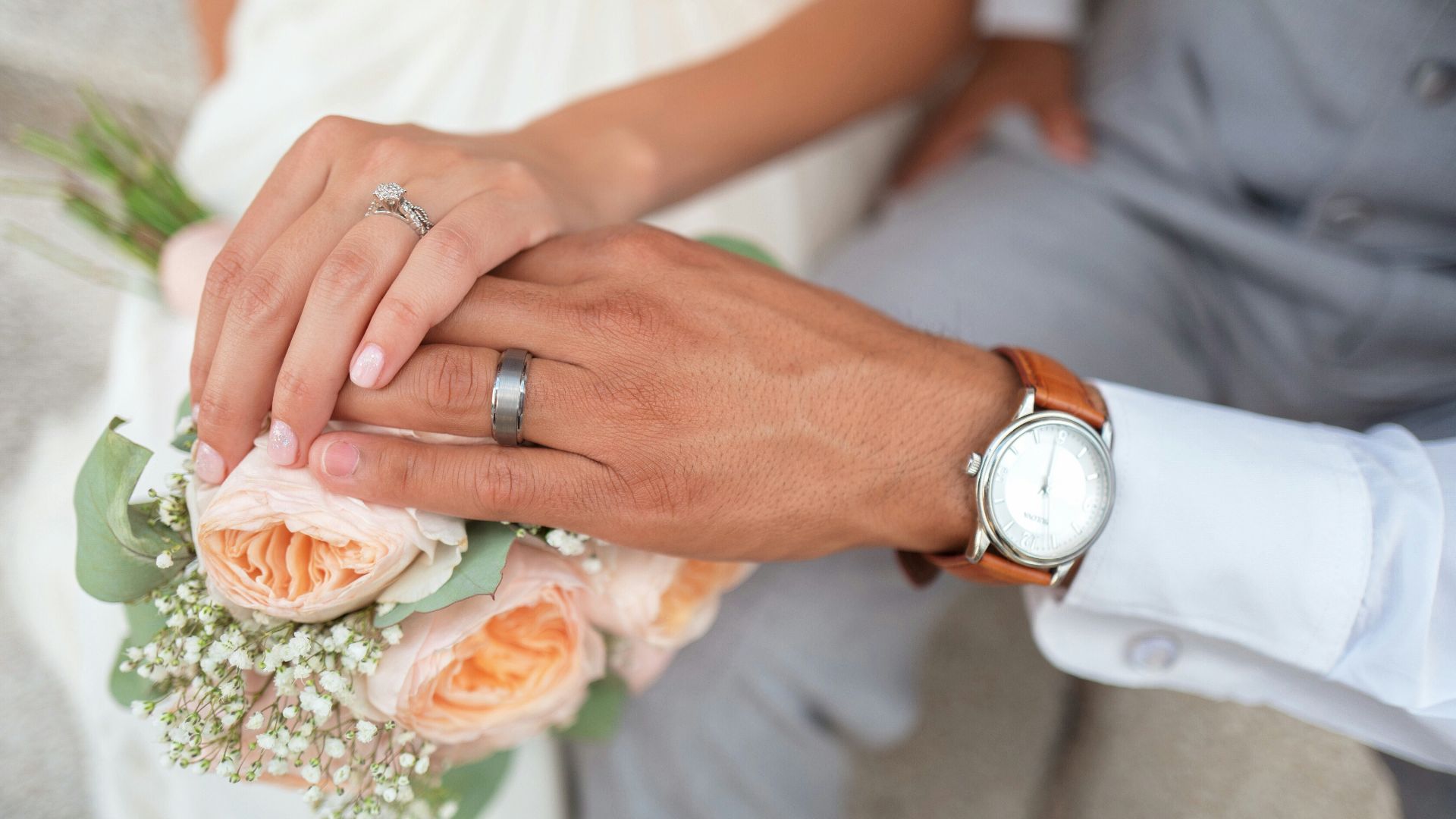
Wedding rings have long been one of the easiest ways to identify married women in many Western societies. By the Victorian era, wearing a band on the fourth finger of the left hand was already a familiar marriage tradition in Britain. Although customs differed around the world, a simple gold band often told strangers if someone was taken or not.
3. Hair Coverings in Medieval Europe
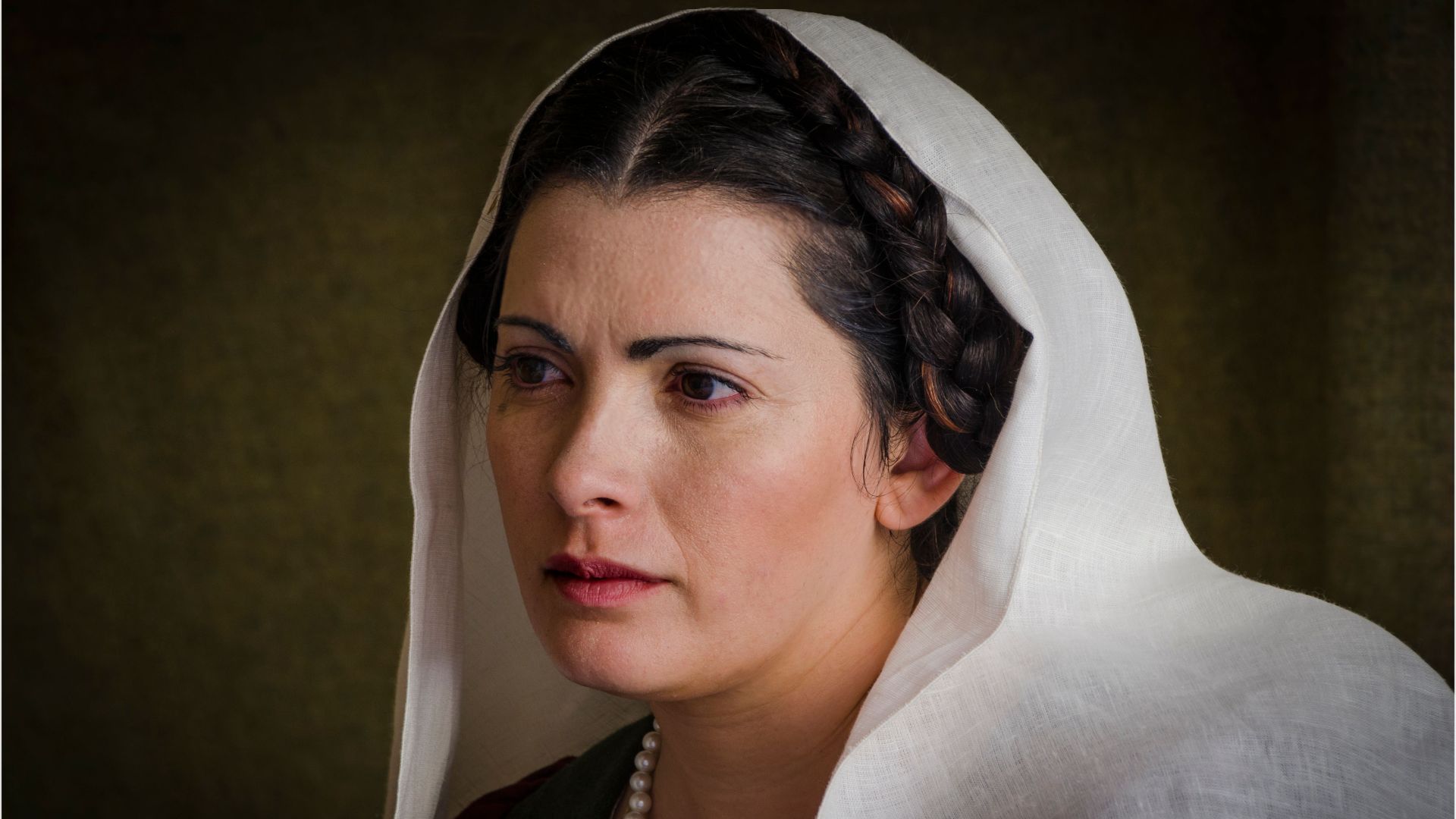
Throughout much of medieval Europe, married women were generally expected to cover their hair whenever they appeared in public. Depending on where they lived and their social standing, they might wear veils, hoods, or elaborate fabric headdresses that kept their hair hidden. Younger unmarried girls often had more freedom to leave their hair uncovered, making the difference easy to notice in everyday life.
4. Red Sindoor in India
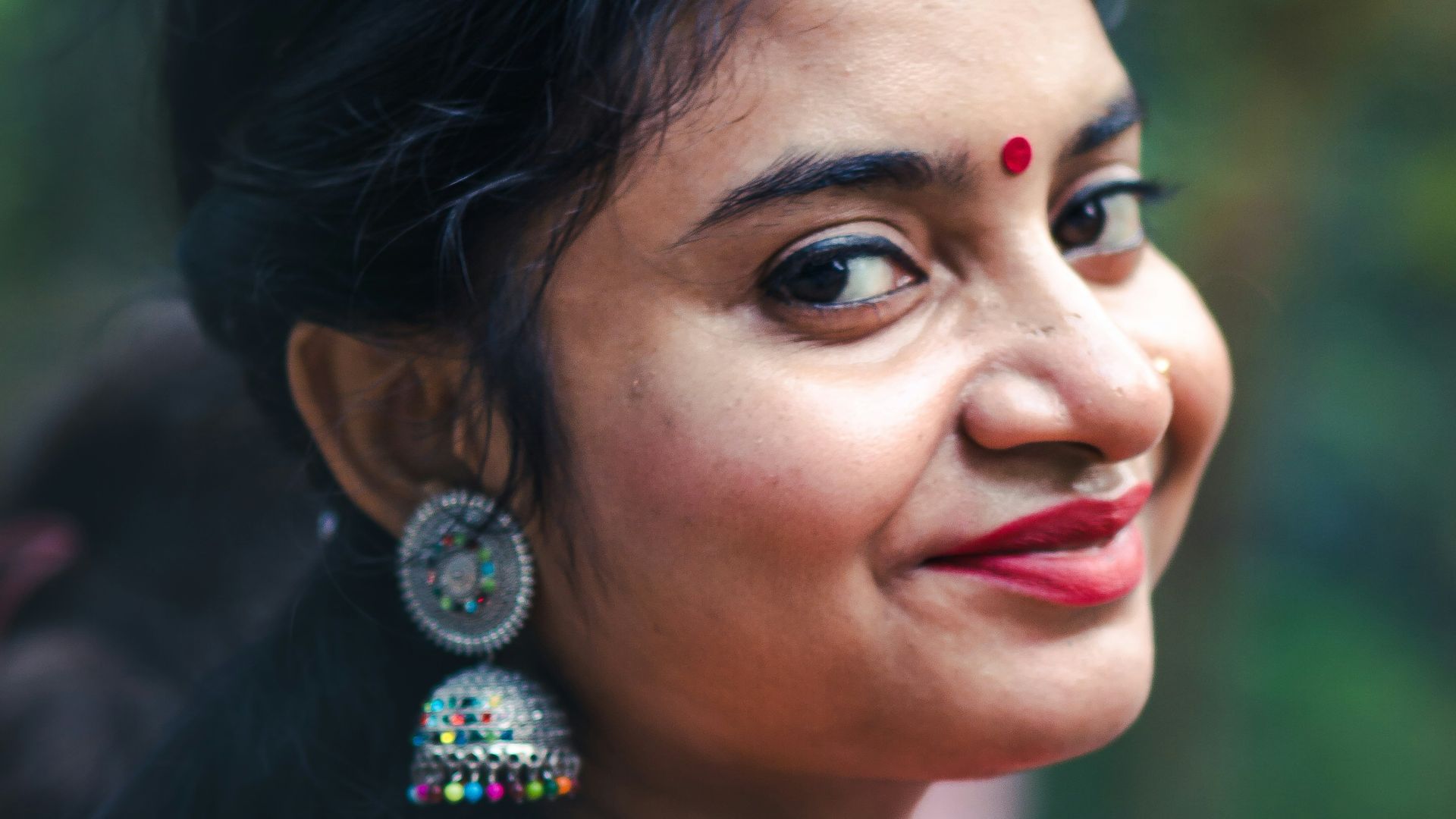
In many Hindu communities, married women traditionally wore a bright red powder called sindoor along the part of their hair. The practice became an important marriage symbol, and the groom would often apply it during the wedding ceremony. Unlike regular makeup, sindoor carried a specific cultural meaning that made it easy to distinguish a married woman from someone who was single.
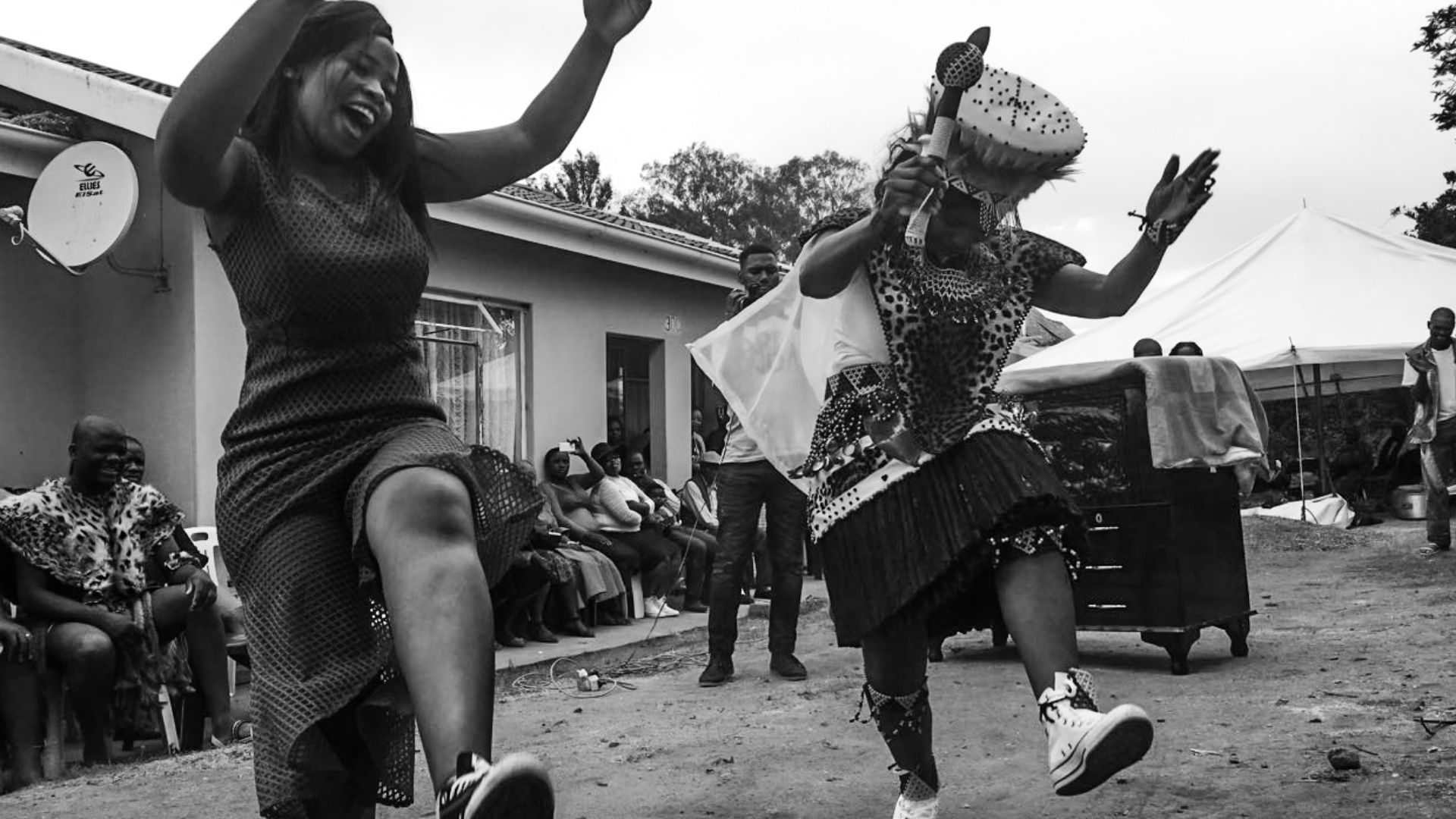
5. Special Hats Among Zulu Women
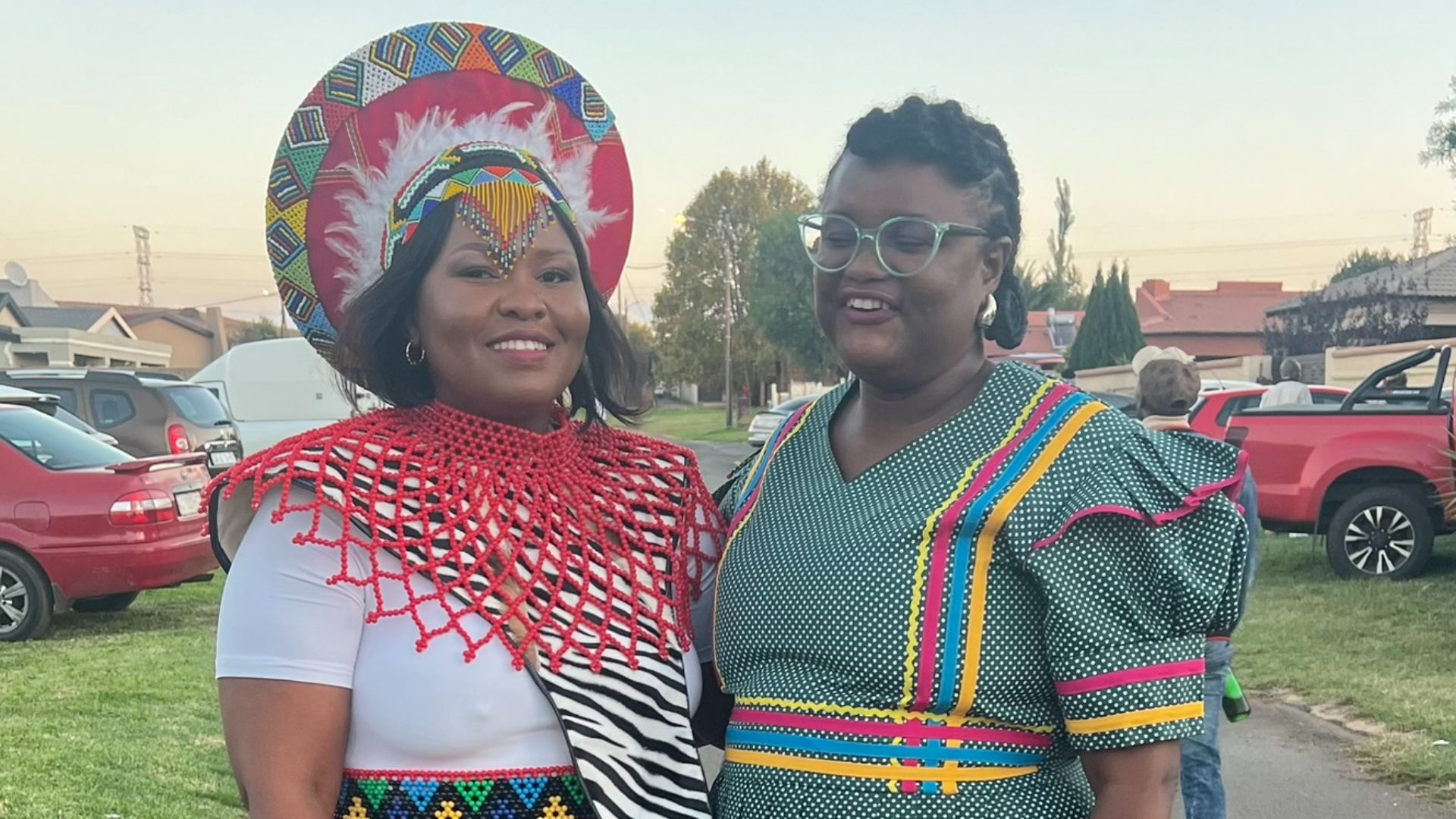
Traditional Zulu clothing in South Africa included a distinctive hat called the isicholo, which was associated with married women. Its unusual wide shape made it easy to recognize, particularly when paired with other traditional garments. In communities where the custom was followed, wearing an isicholo could tell others that a woman was married before she even introduced herself.
 Slippery slope302 on Wikimedia
6. Braided Hair in Korea
During Korea's Joseon Dynasty, unmarried women typically wore their hair in a single long braid tied with a decorative ribbon. Getting married meant switching things up, as women began arranging their hair into buns at the back of their heads. Because these hairstyles followed established social traditions, something as simple as a woman's hair could reveal whether she'd tied the knot.
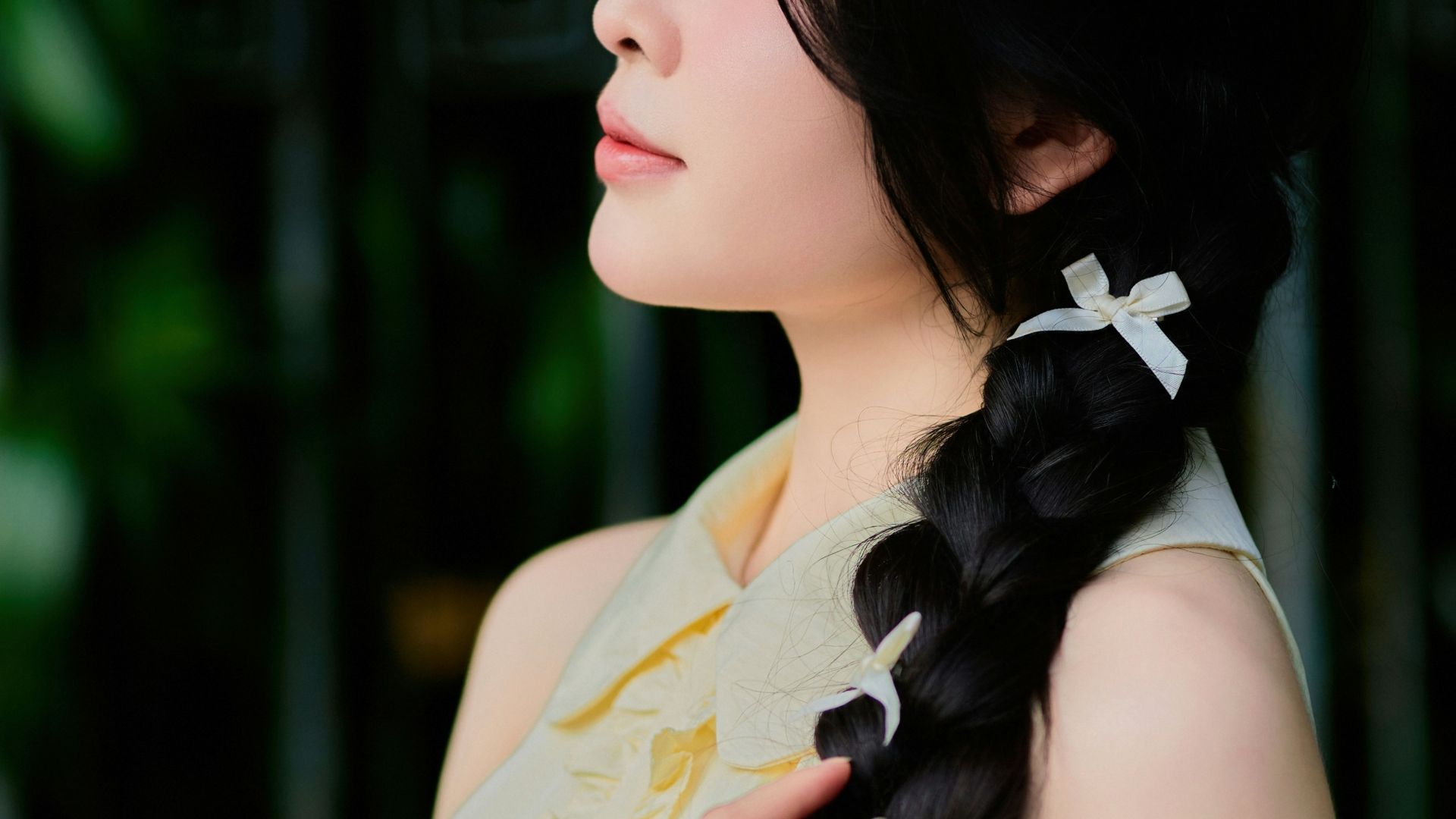
7. Mangalsutra Necklaces in India
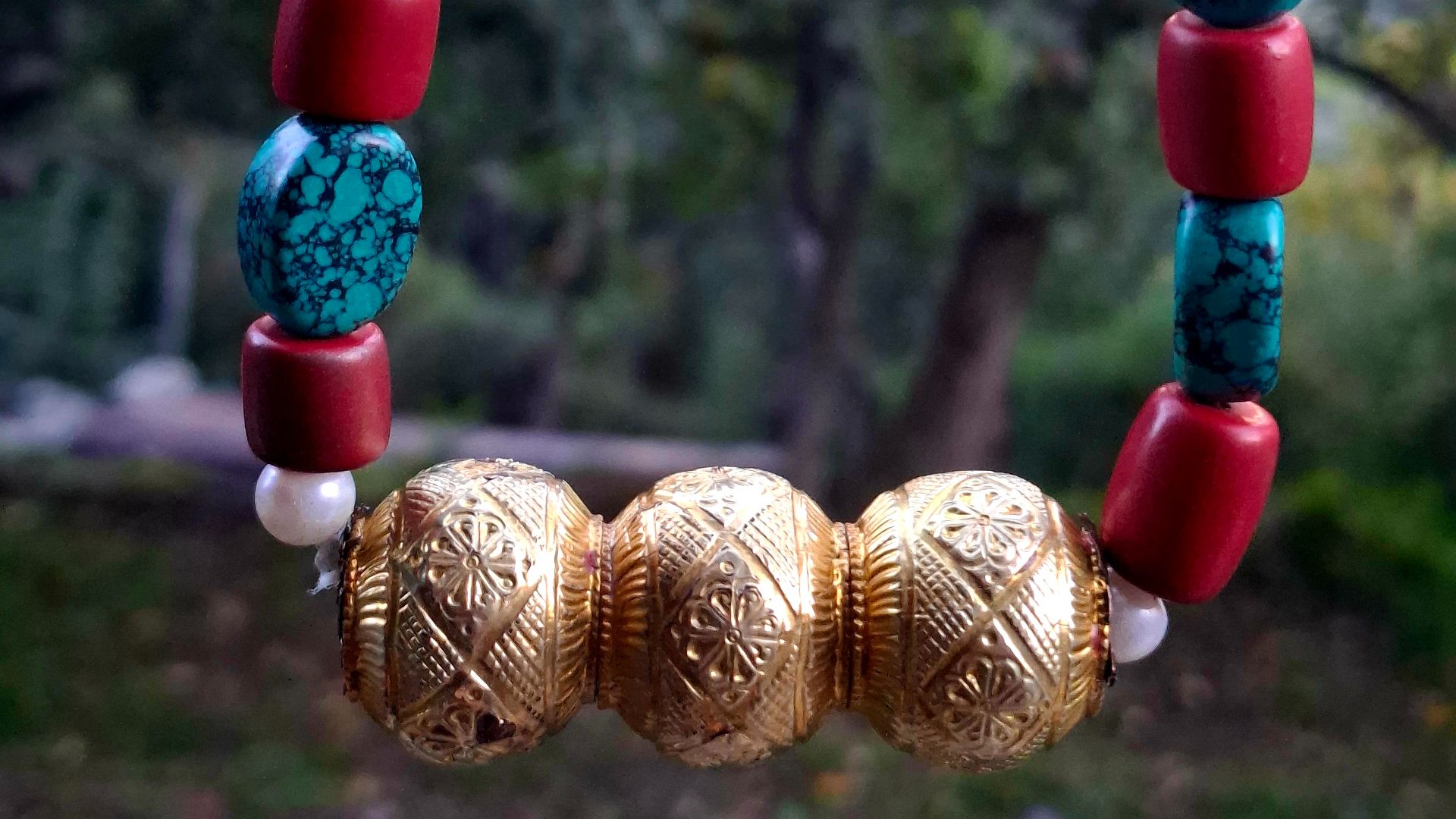
A mangalsutra is a traditional necklace worn by married women in several Hindu communities, particularly in certain parts of India. Usually featuring black beads and gold details, it's commonly placed around the bride's neck during the wedding ceremony. The necklace is much more than an attractive accessory, as it represents marriage and holds deep cultural importance for many families.
8. Flower Wreaths in Ukraine
Unmarried Ukrainian women traditionally wore beautiful floral wreaths called vinok, especially during festivals and other celebrations. These decorations often included fresh flowers, greenery, and colorful ribbons, with certain plants carrying their own symbolic meanings. Although brides also wore wreaths, flower crowns were strongly associated with unmarried young women, making them recognizable symbols of youth and single status.
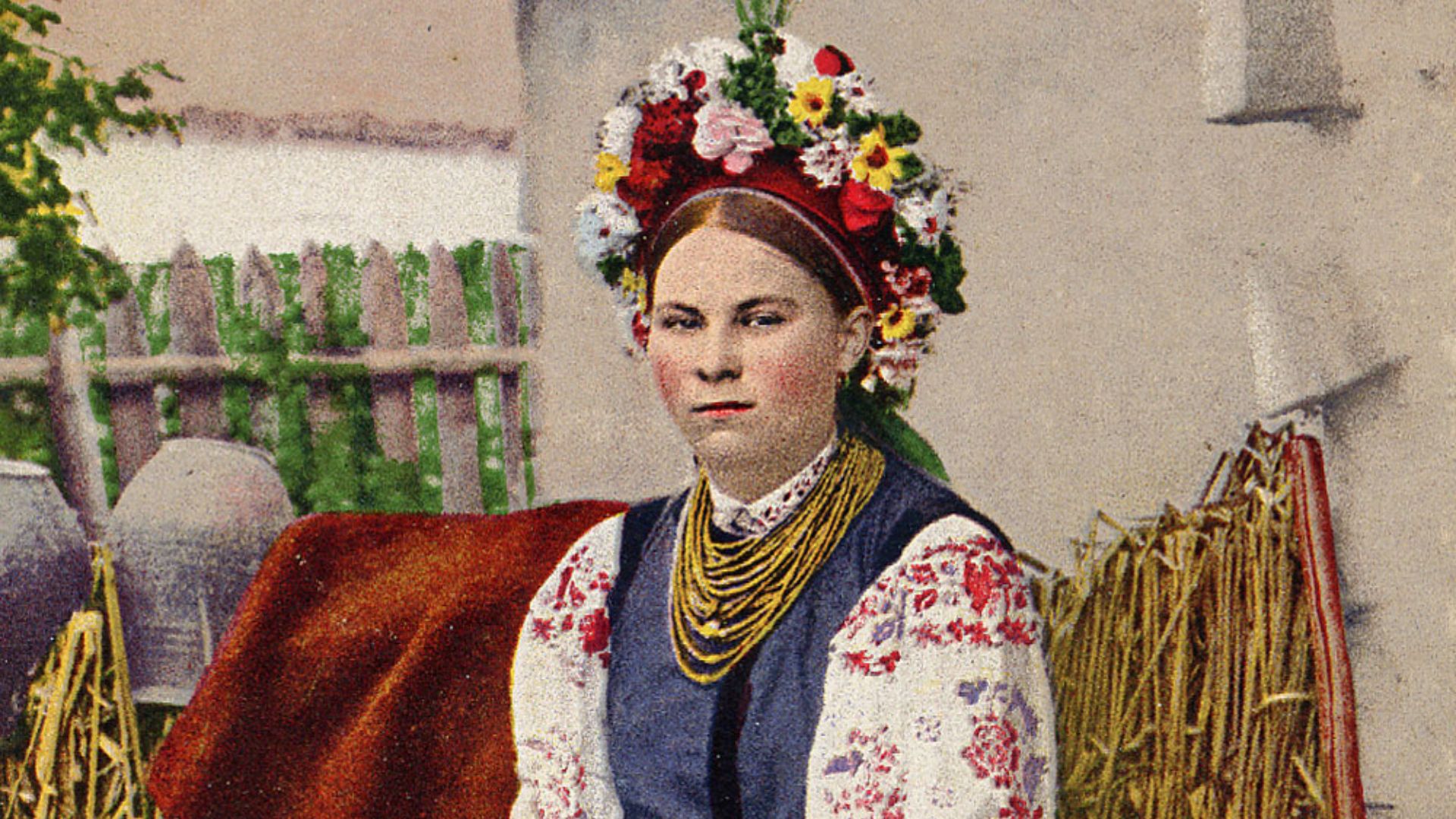 Razsvit, Kiev, Ukraine on Wikimedia
9. Russian Headdresses That Concealed the Hair
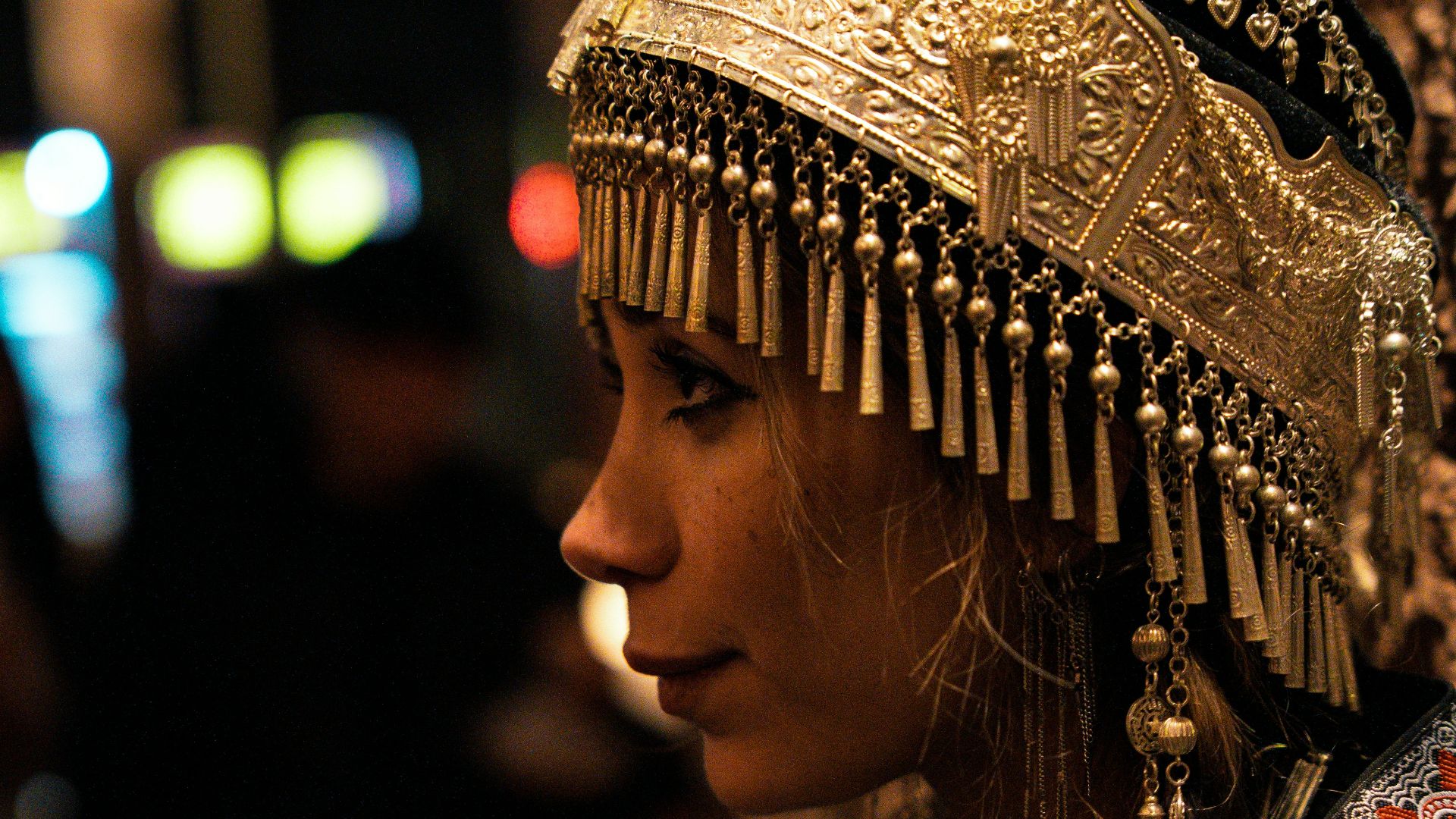
In traditional Russian communities, marriage often meant adopting headwear that completely concealed a woman's hair. Married women might wear elaborate headdresses with additional fabric coverings, including embroidered veils known as fatas. Since unmarried girls generally had more freedom to show their hair, getting married could bring a noticeable change to a woman's everyday appearance.
10. Toe Rings in India
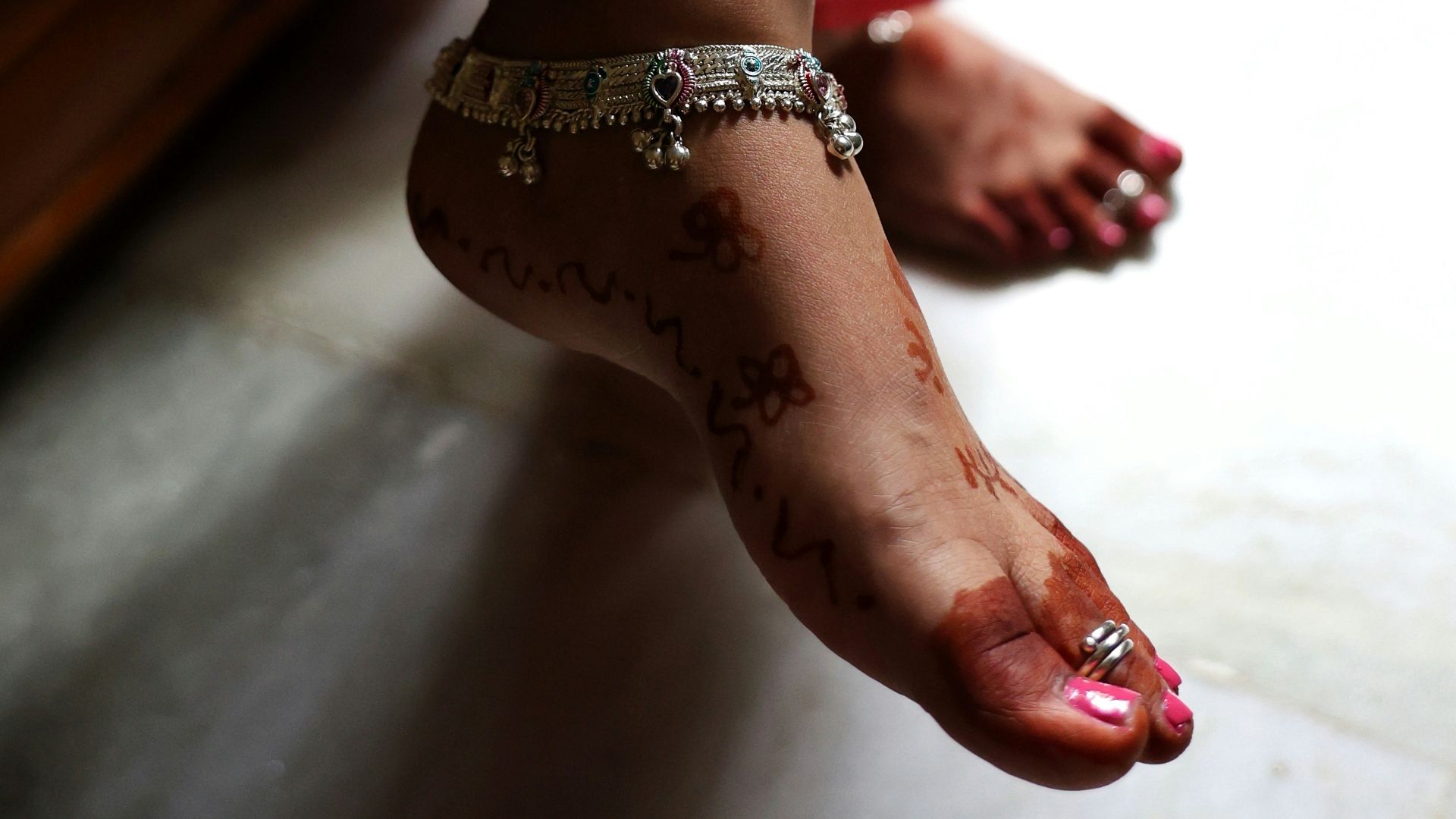
You probably associate rings with fingers, but toe rings have traditionally held special meaning in several Indian communities. Known as bichhiya in Hindi, these ornaments are typically made from silver and worn on the second toe of each foot by married Hindu women. Although some women now wear them simply as fashion accessories, they were historically another way to tell married women apart from unmarried ones.
11. Decorative Hairpins in Korea
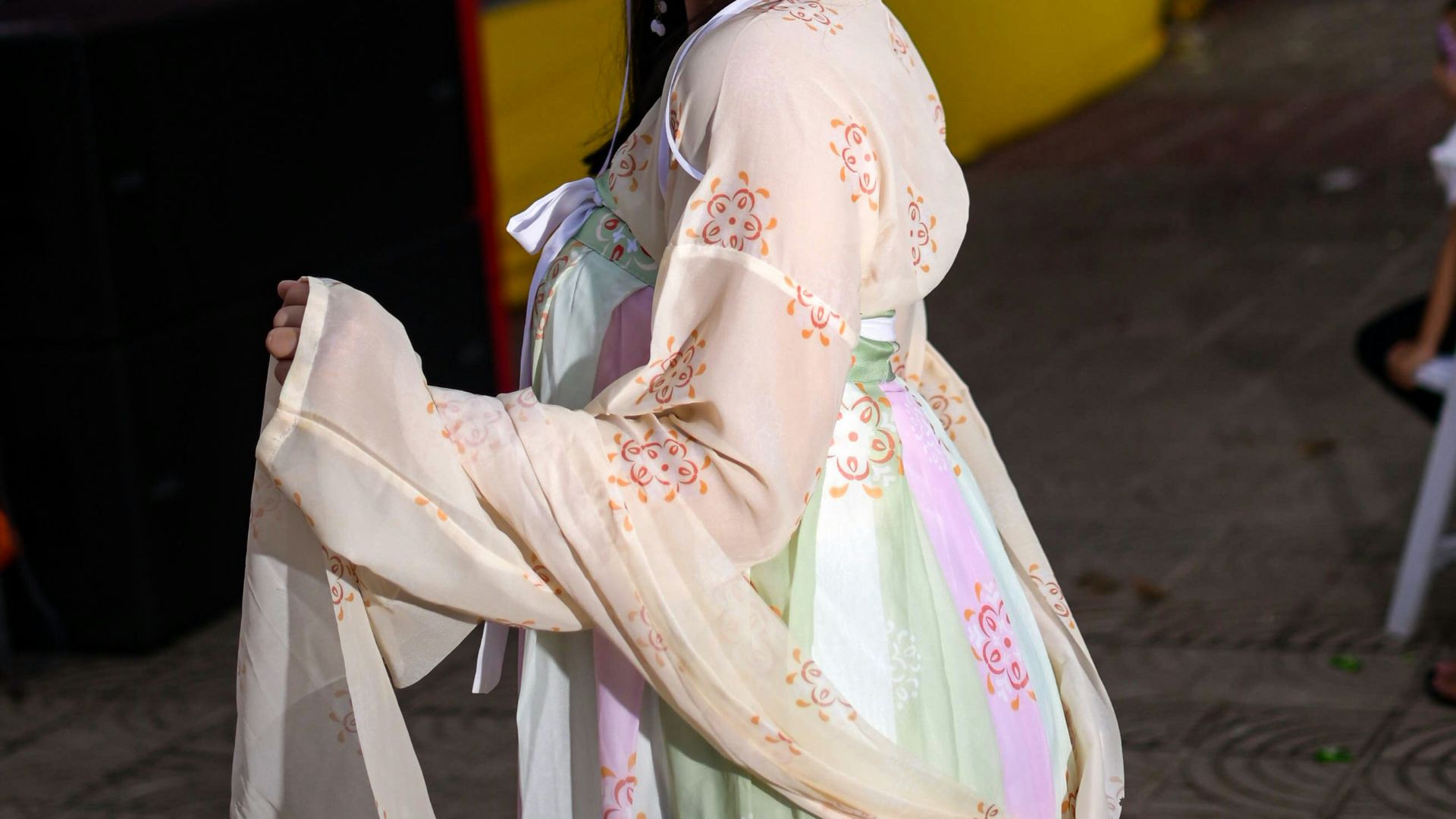
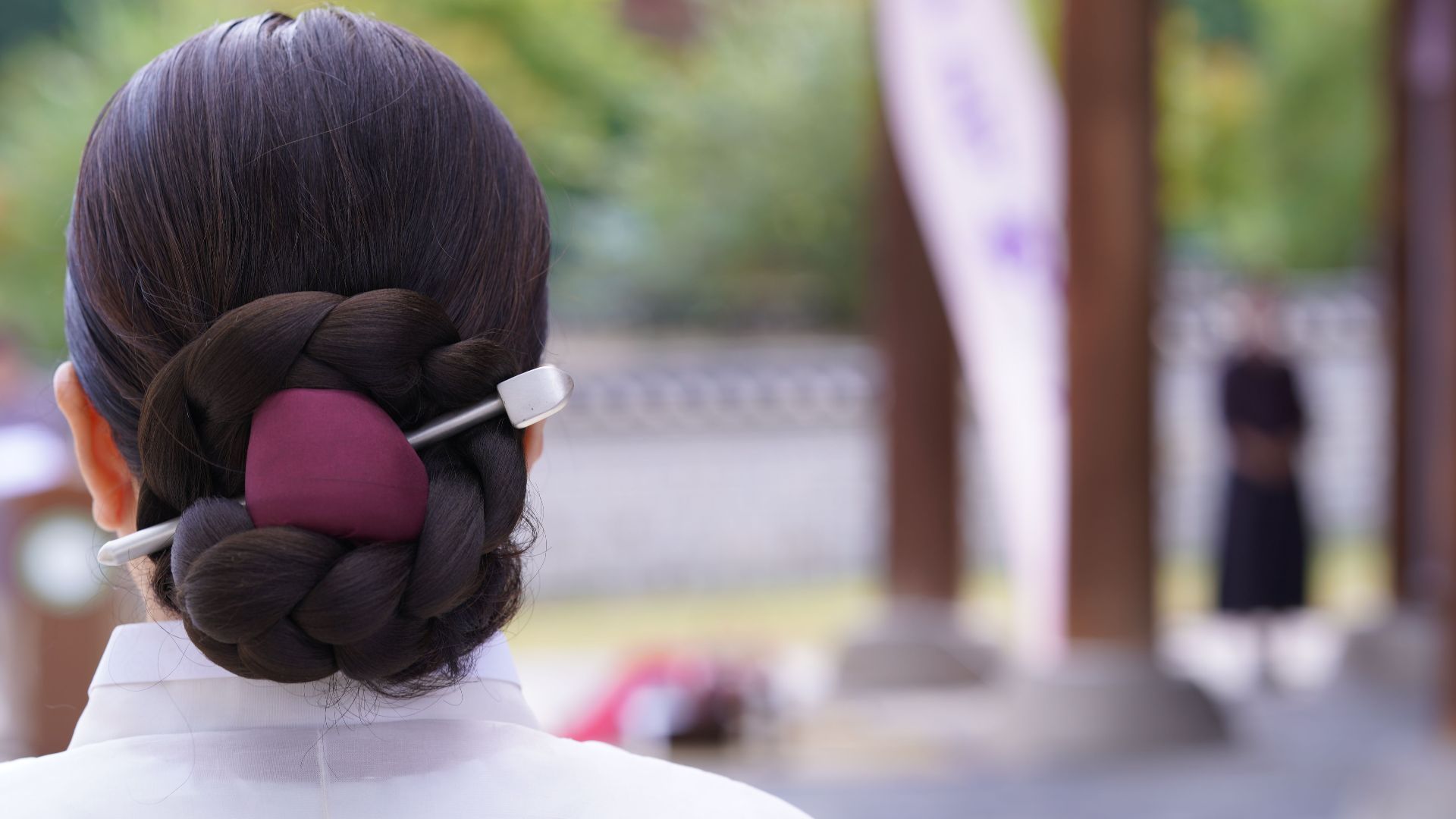
Along with adopting new hairstyles, married Korean women traditionally used long decorative pins called binyeo to keep their buns in place. These accessories came in materials such as wood, silver, and jade, depending on the woman's wealth and social position. Their designs could differ quite a bit, but they became closely connected to married women's hairstyles during the Joseon period.
12. Traditional Bangles in India
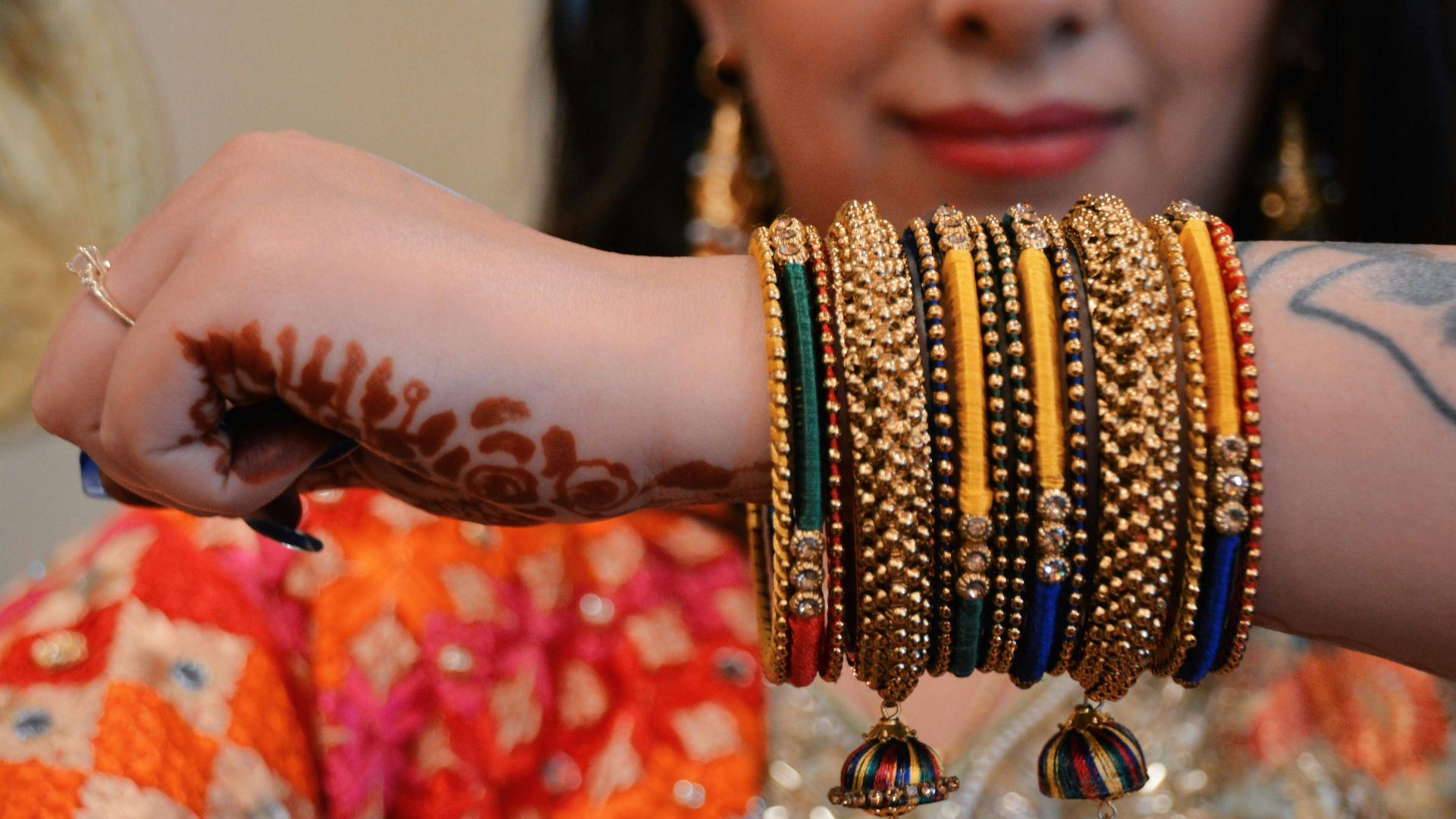
In several Indian communities, the bangles a woman wore could reveal that she was married. Glass bracelets were especially associated with marriage, although the colors, materials, and traditions varied depending on the region. Some brides received special sets during their wedding celebrations and continued wearing them afterward, making the jewelry a meaningful part of their new identity.
 Somesh Harshavardhan on Unsplash
13. Black Formal Kimonos in Japan
While unmarried Japanese women traditionally wore long-sleeved furisode for formal events, married women had another elegant option. The kurotomesode featured a black background, family crests, and decorative patterns concentrated near the bottom of the garment. It became a particularly suitable choice for married female relatives attending weddings, although modern kimono etiquette is more flexible about these traditional distinctions.
14. Sheitel Wigs in Jewish Communities
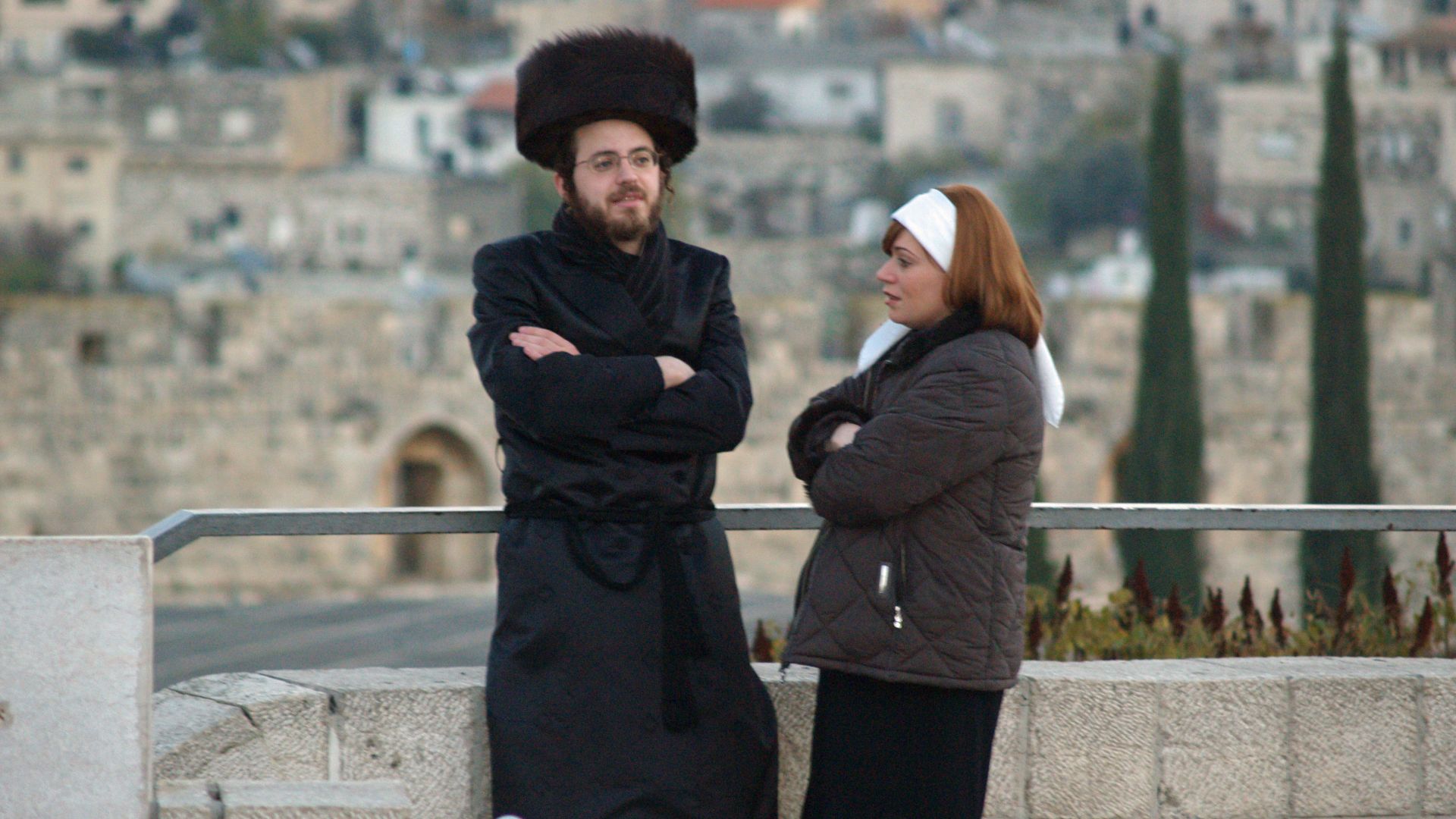
In some Orthodox Jewish communities, marriage traditionally came with new expectations about how women wore their hair. Instead of showing their natural hair in public, married women might begin wearing a wig known as a sheitel to follow religious modesty customs. Because these wigs can look incredibly natural, the tradition isn't always obvious to outsiders, even though it continues to hold importance in communities that observe it.
15. Traditional Cowhide Skirts Among Zulu Women
Among the Zulu people, certain clothing items traditionally helped distinguish married women from unmarried girls. One example was the isidwaba, a skirt made from cowhide that was commonly associated with married women's attire. When worn with other traditional garments and accessories, it helped indicate a woman's place within the community while reflecting customs surrounding marriage and adulthood.
16. Red Hair Ribbons in Korea
Before marriage, Korean girls and unmarried women traditionally decorated their long braids with fabric ribbons called daenggi. Red was an especially popular color, although the designs and shades could differ depending on age, occasion, and social status. Once a woman switched to the pinned-up hairstyle associated with marriage, the familiar ribbon at the end of her braid was no longer part of her usual look.

17. Married Women's Shawls in Zulu Culture
A shawl might seem like a simple piece of clothing, but it had a more meaningful role in traditional Zulu dress. Married women sometimes wore a covering called an ibhayi around their shoulders, particularly as a sign of respect toward their husband's family. Its importance came from the marriage traditions surrounding it rather than its appearance, showing how even everyday garments could reveal relationship status.
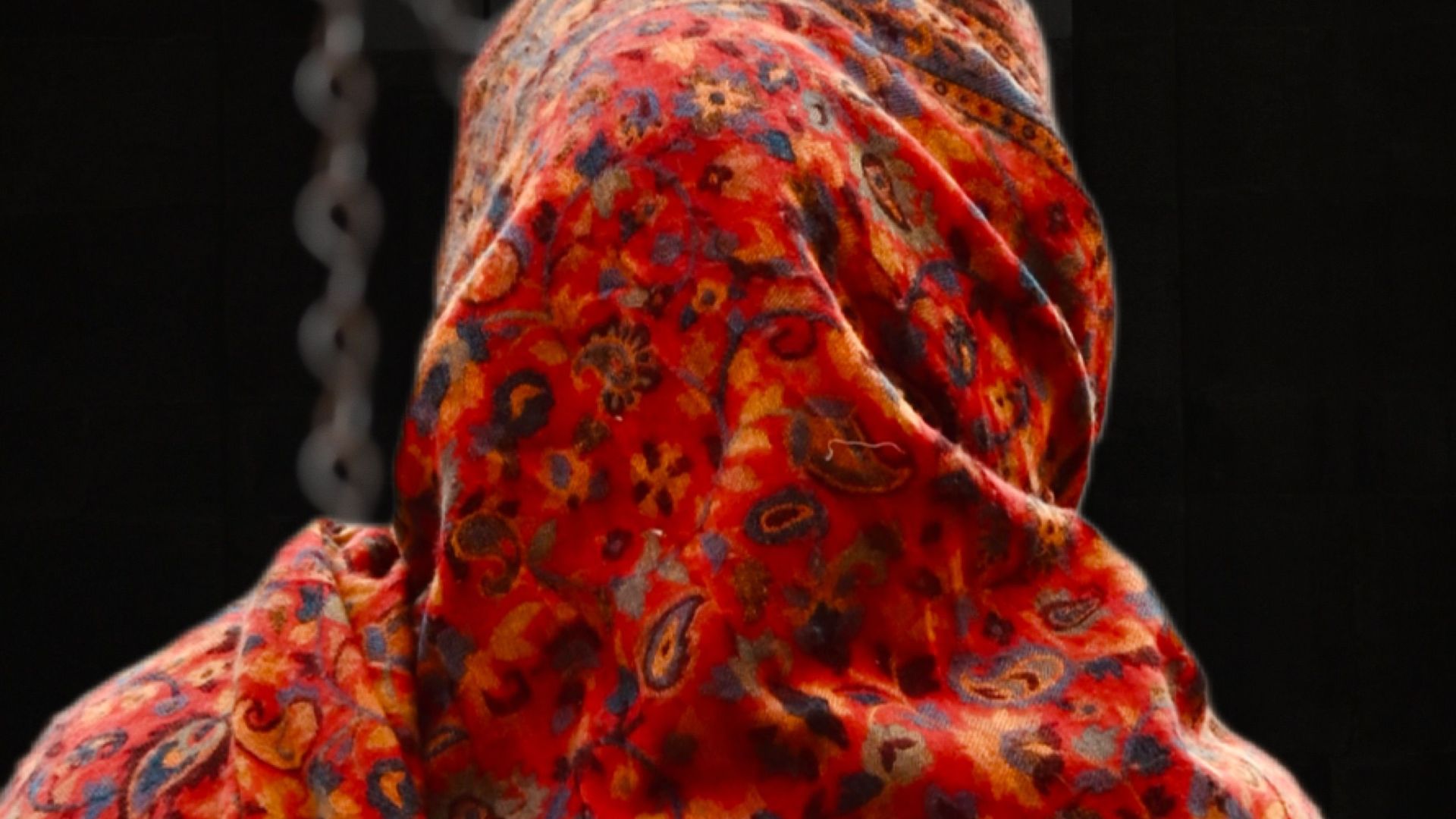
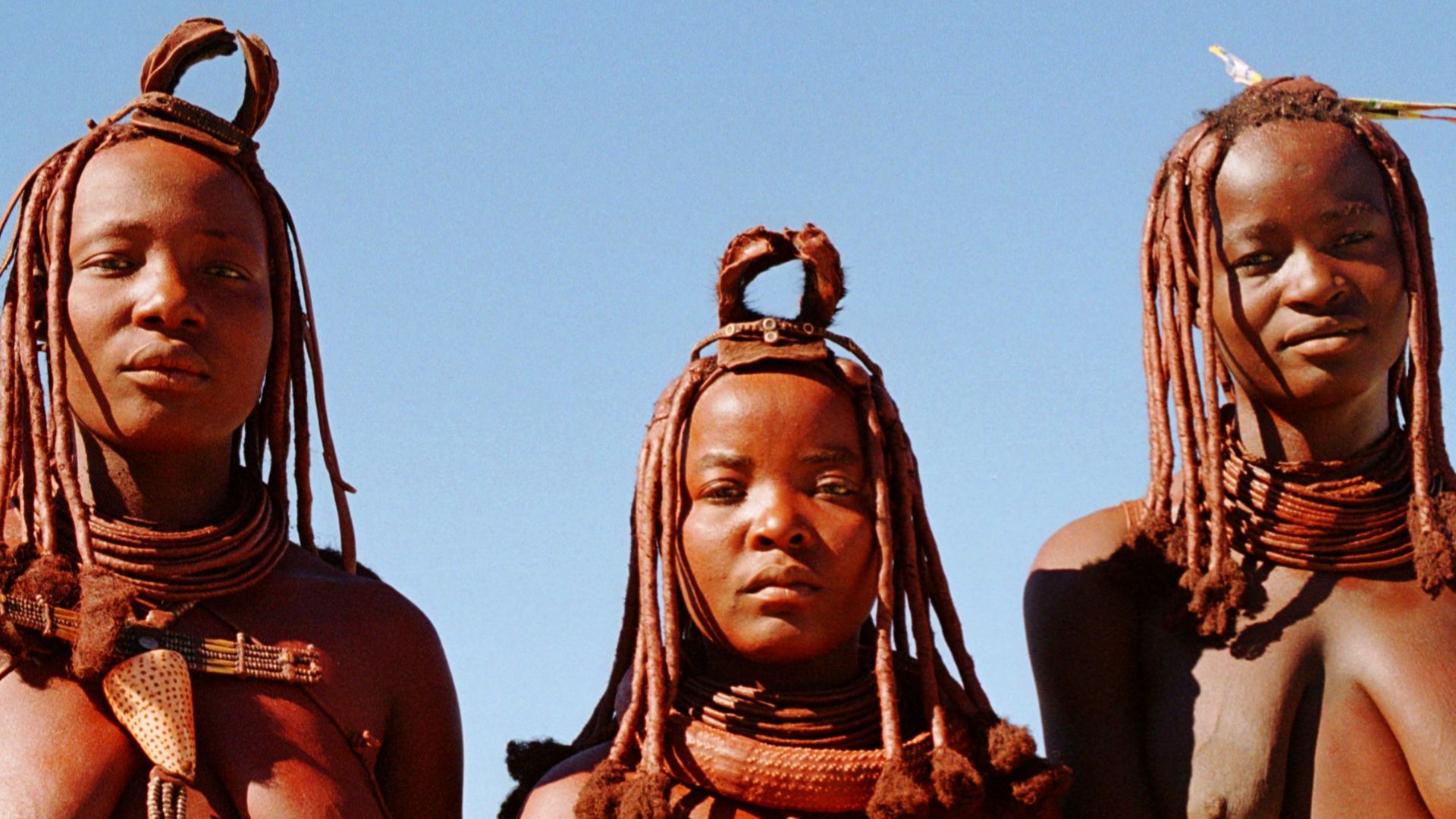
18. Elaborate Headdresses Among Himba Women
Among the Himba people of Namibia, hairstyles and headwear have traditionally marked important stages in a woman's life. Women who'd been married for some time or had children could wear an elaborate headdress known as an erembe, traditionally made from animal skin. Its recognizable design helped distinguish them from younger unmarried women, who typically followed different hairstyling customs.
 Dr. Ondřej Havelka (cestovatel) on Wikimedia
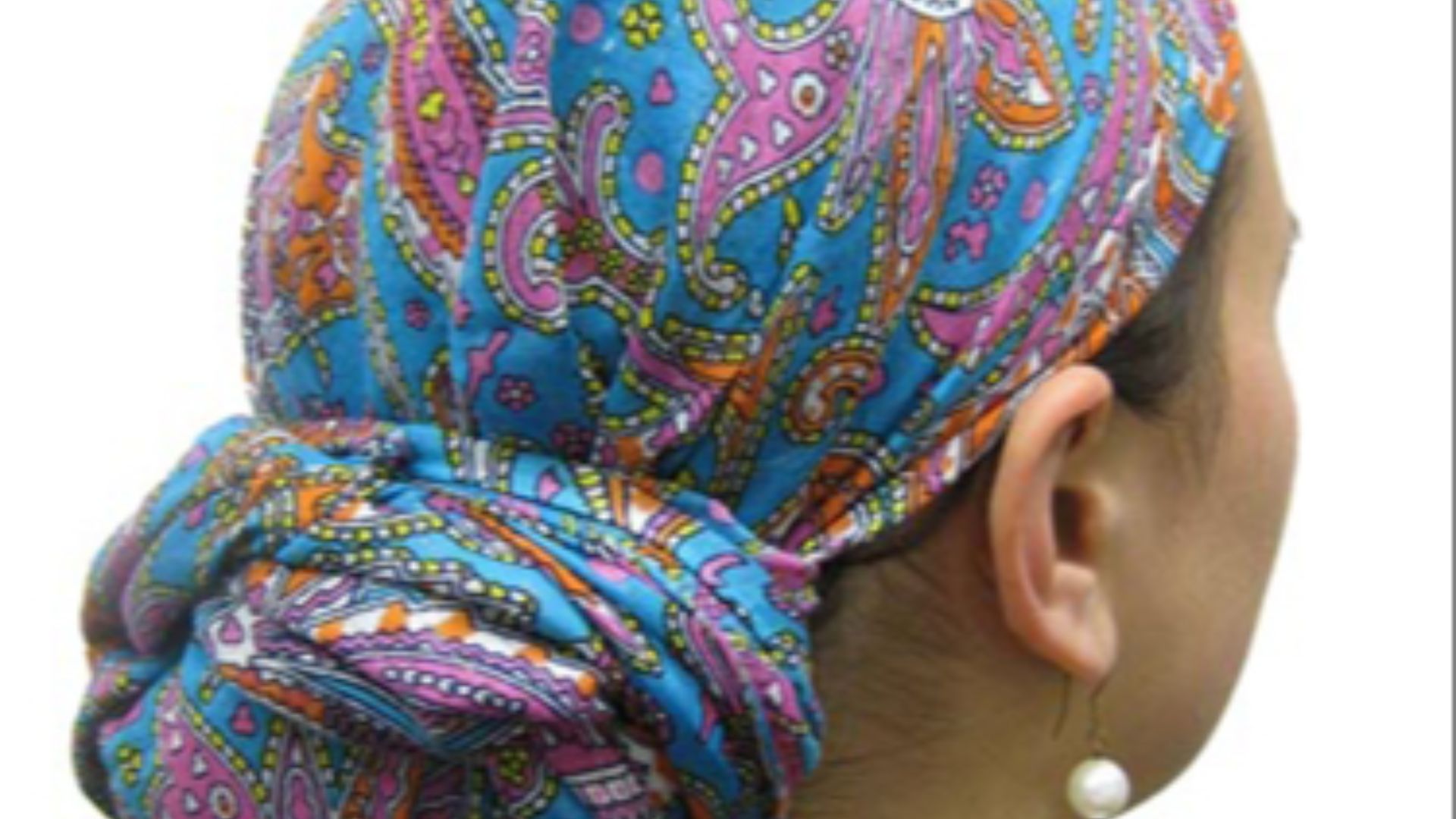
19. Headscarves in Orthodox Jewish Communities
Before marriage, women in many Orthodox Jewish communities traditionally had more freedom to leave their hair uncovered. After their weddings, some began wearing headscarves called tichels, which could be wrapped and styled in several different ways. Although practices still vary widely between individuals and communities, this custom made the transition into married life visible through a woman's everyday appearance.
20. Beaded Jewelry Among Maasai Women
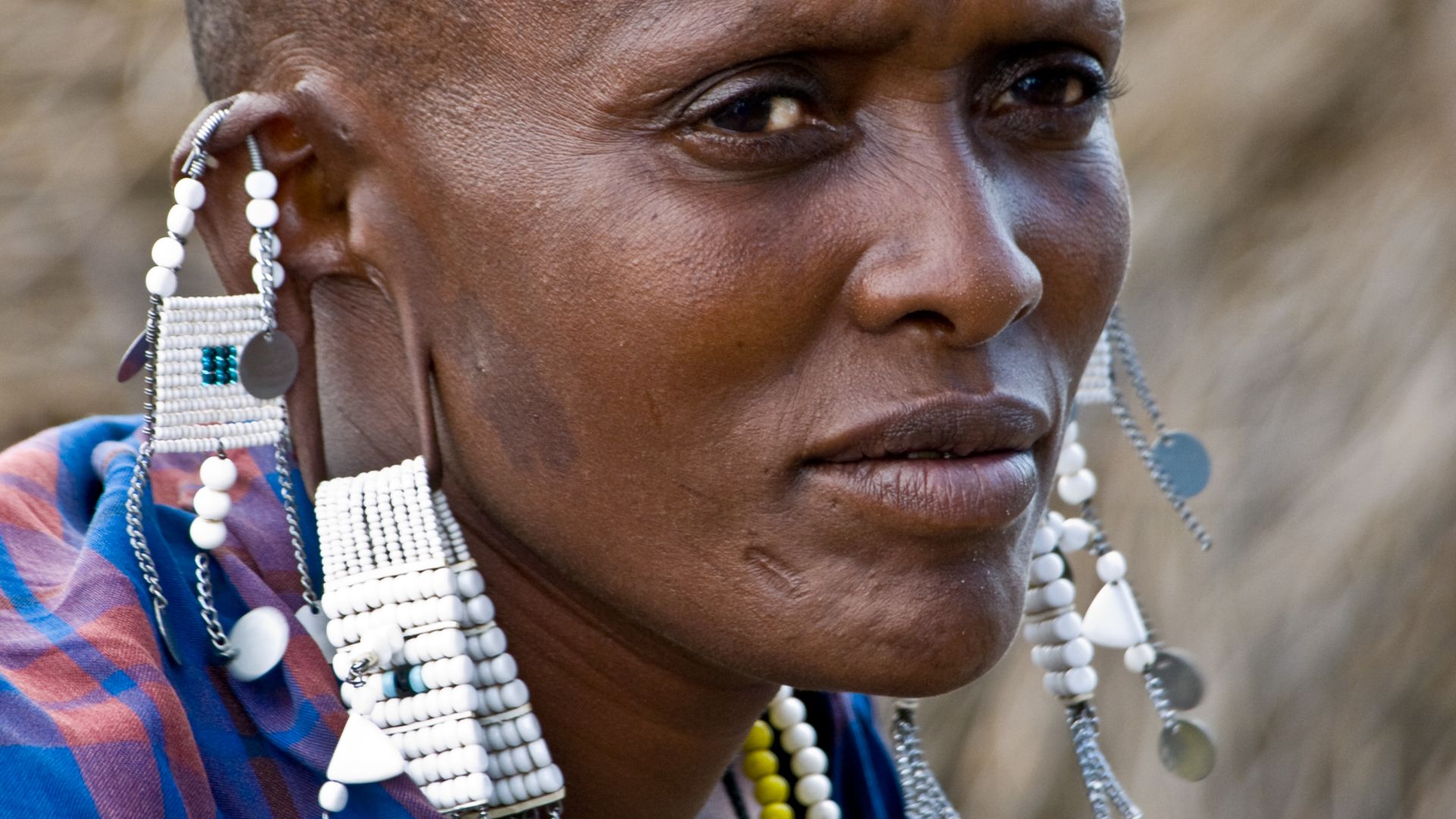
Traditional Maasai beadwork in Kenya and Tanzania has long revealed details about a person's age, social standing, and marital status. Certain necklaces and earrings were associated with married women, while younger unmarried women often wore different styles of decorative jewelry. The exact designs varied between communities, but these accessories represented far more than personal taste, allowing people familiar with the traditions to recognize important details about the wearer.